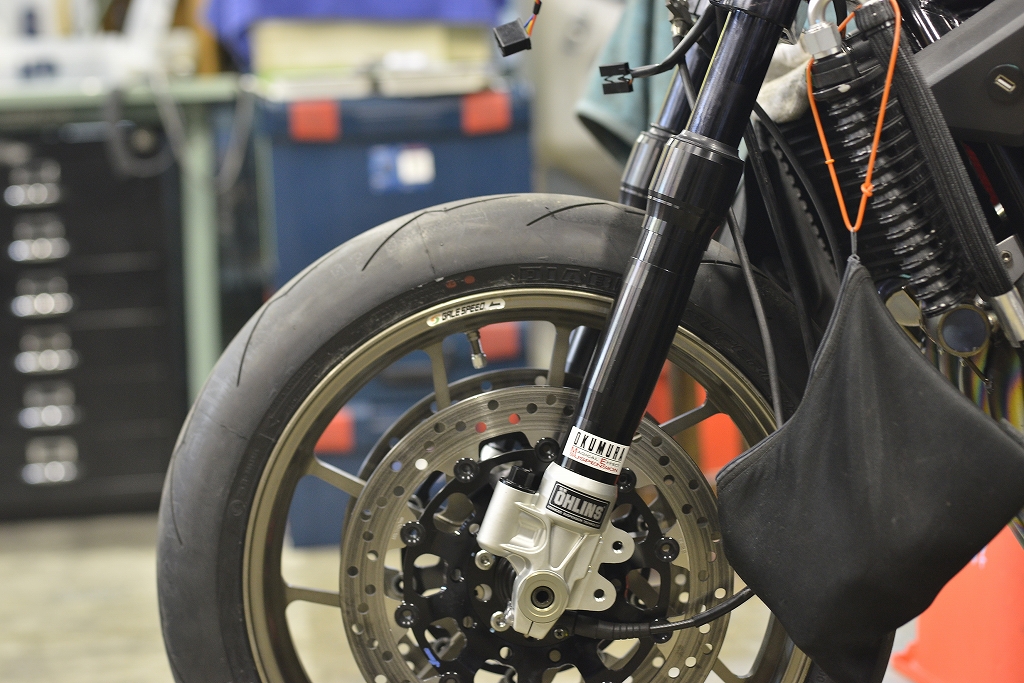
Let’s install the OHLINS front fork.
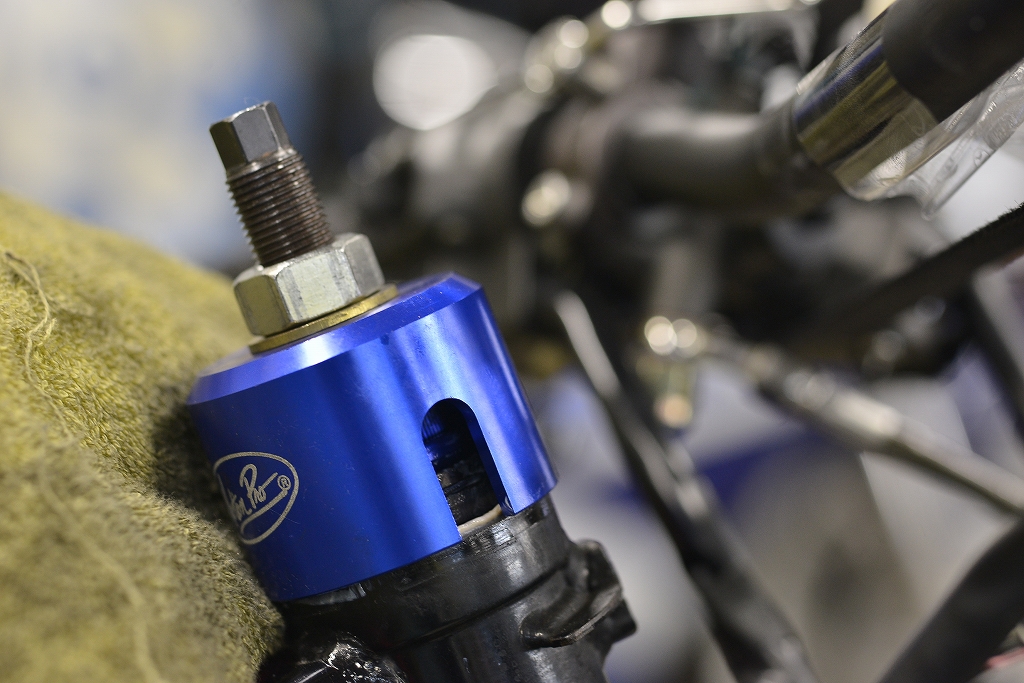
First, we’ll replace the stem bearing. The condition wasn’t great, so we’re replacing it along with the stem.
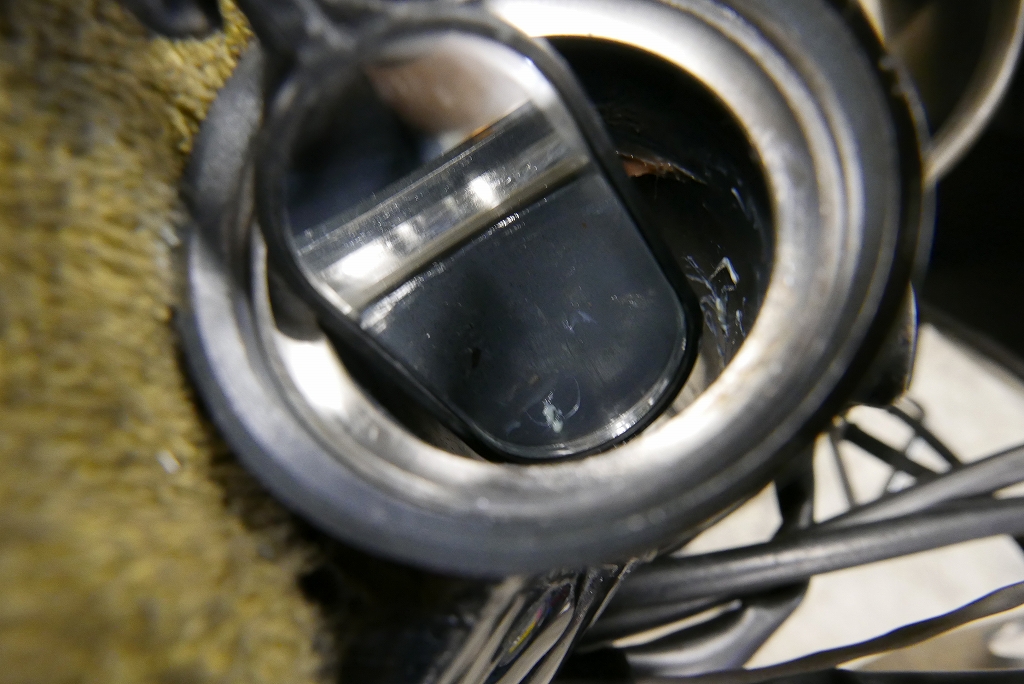
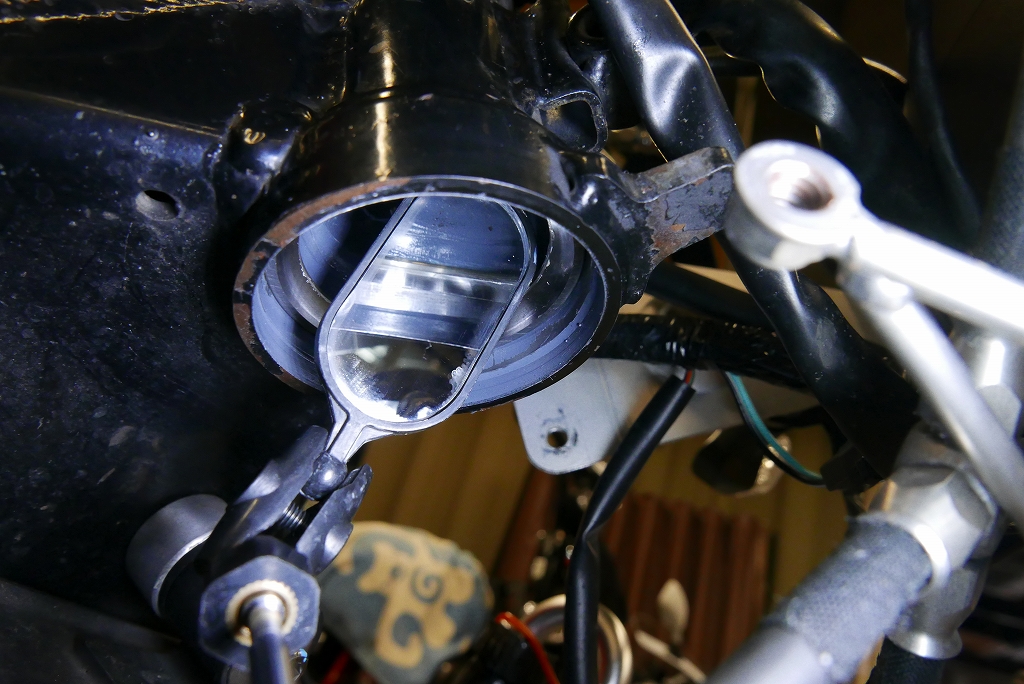
Once the races are in, it’s reassuring to visually confirm everything.
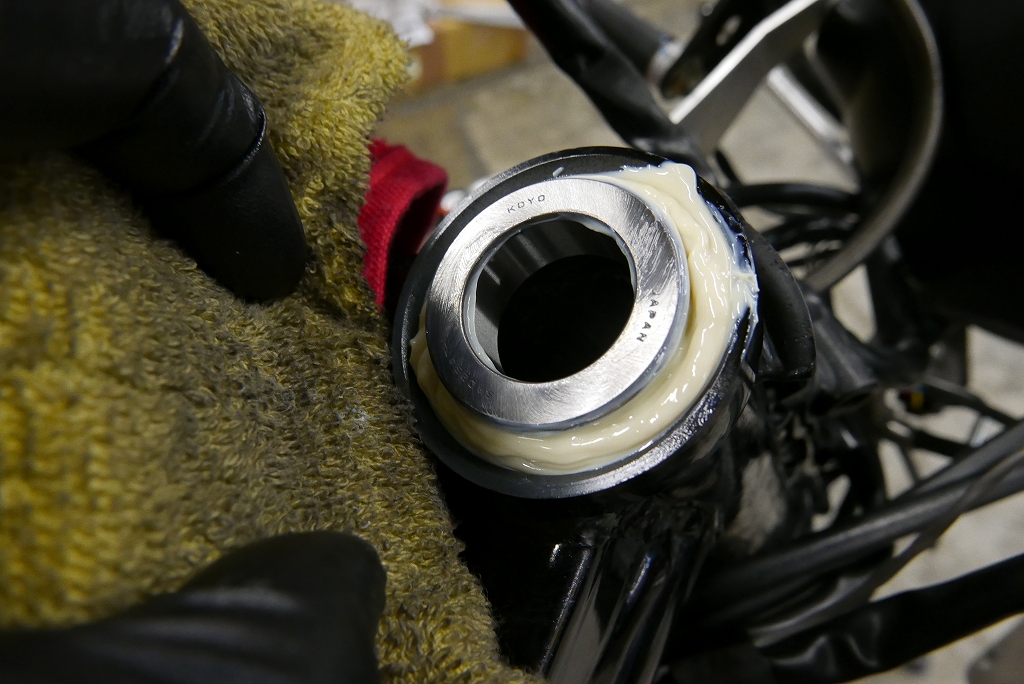
We’ll seal it with our usual Neutech NC100 grease.
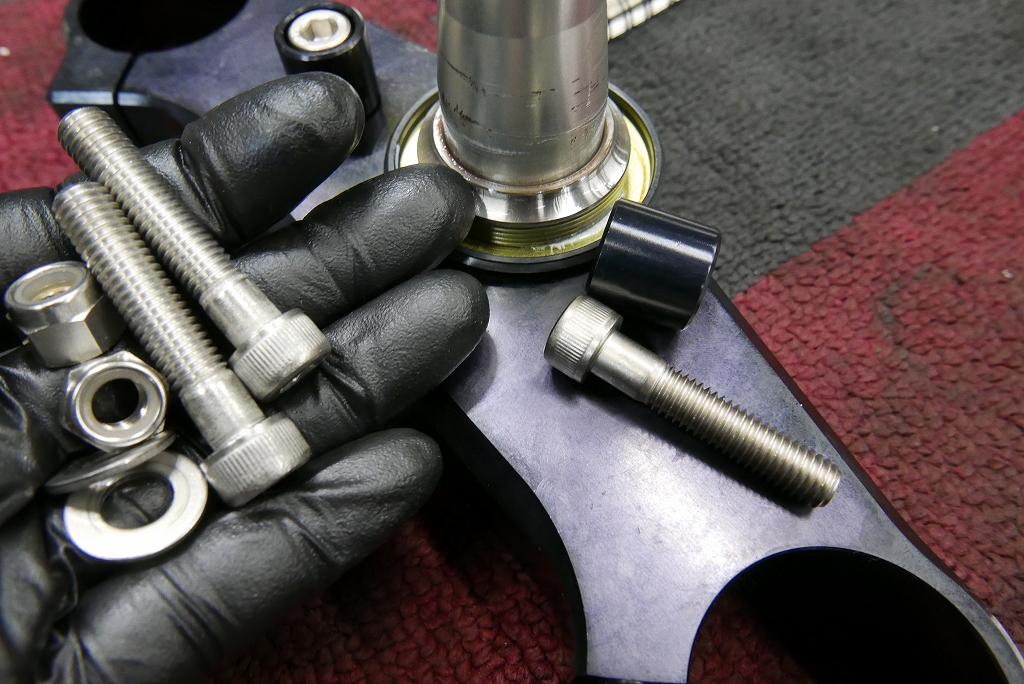
This is a used stem that was brought in. We’ll replace the stopper bolts and such with steel ones.
If it crashes hard and bends, it’ll be easy to remove.
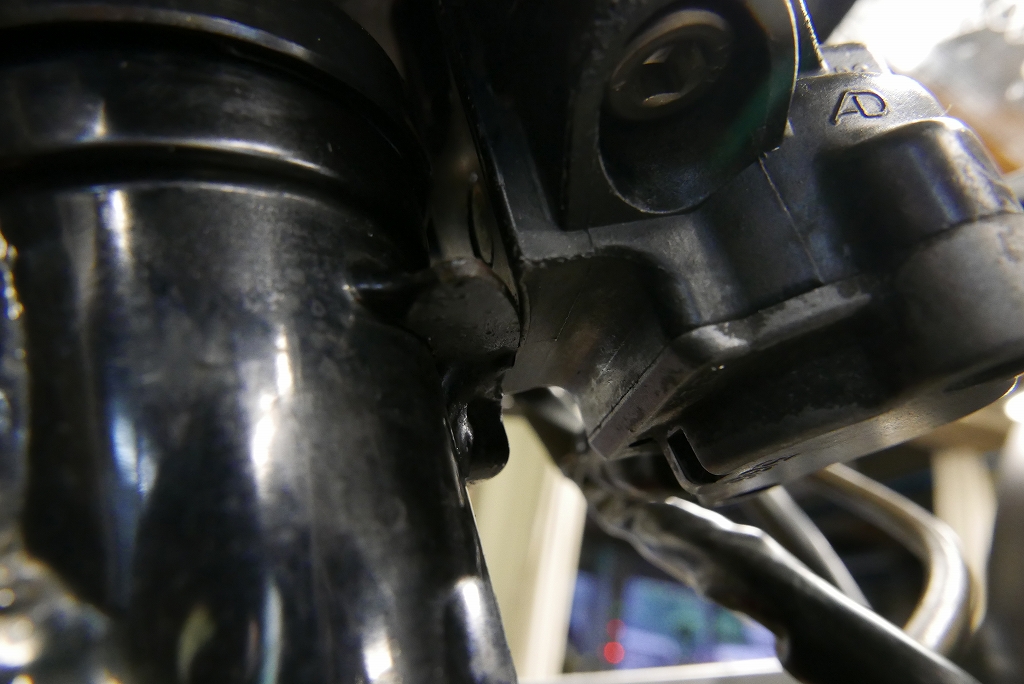
Hmm, something’s off around here. Is it touching the handlebar lock boss?
( ,,`・ω・´)ンンン? What could it be?
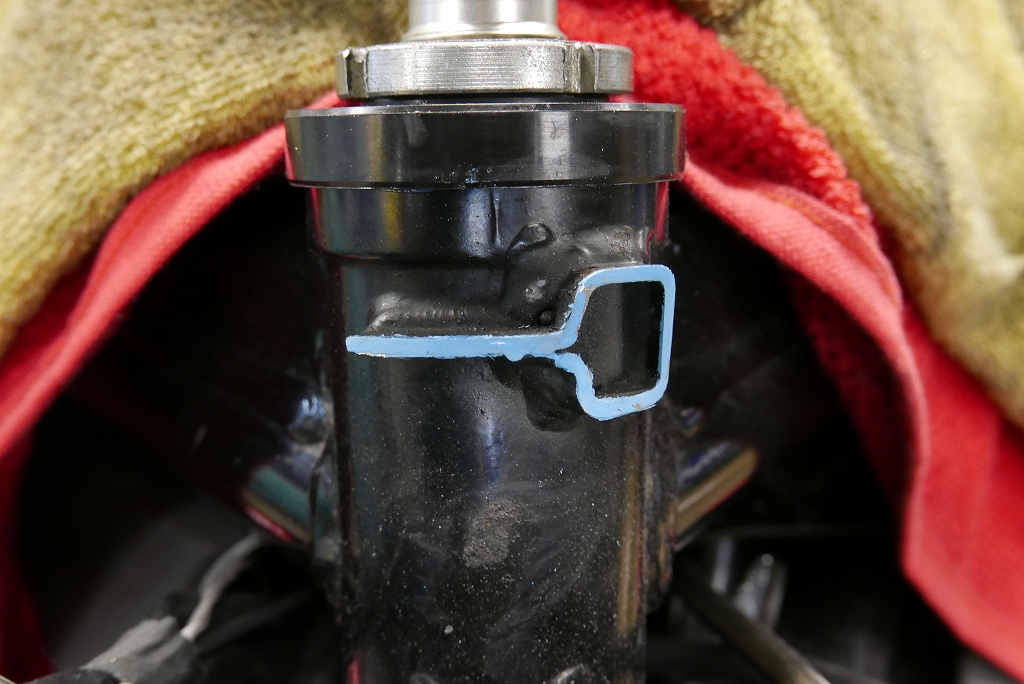
It’s slight, so is it a tolerance issue? Can that even happen?
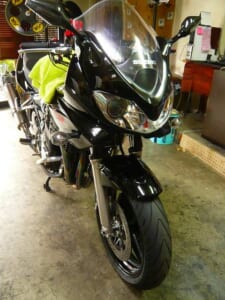
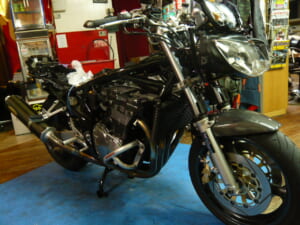
Looking closer, the fork span is 205 mm… oh, this is a Bandit fork!
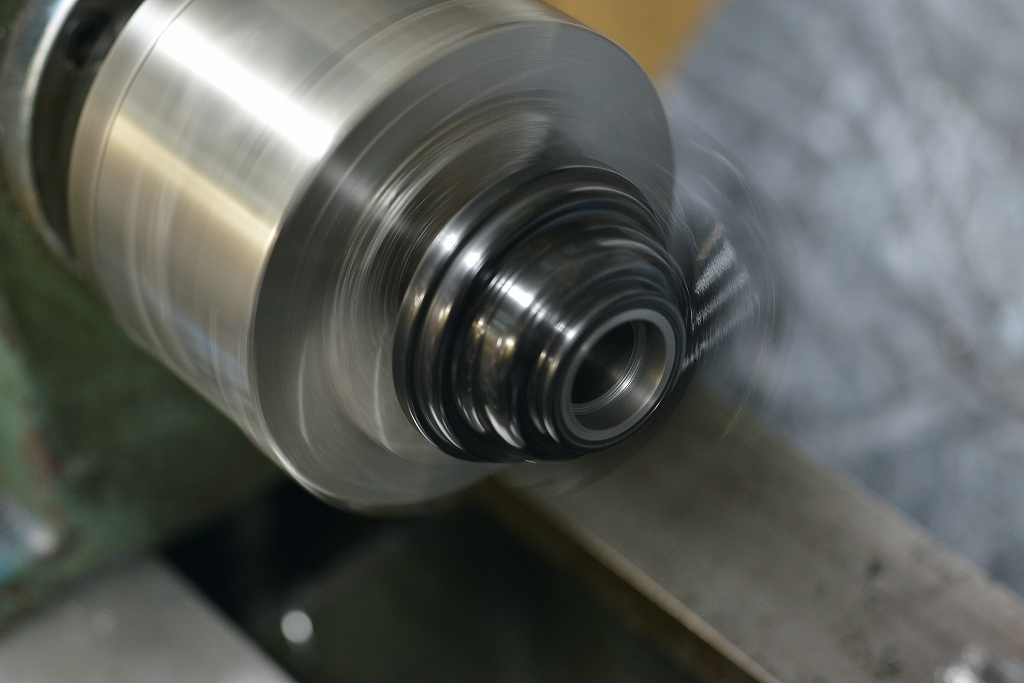
That’s +5 mm overall width. We need 2.5 mm spacers on each side. These thin collars are a pain to attach and remove, so I’ll bore out the Speed Gear and make it a press fit.
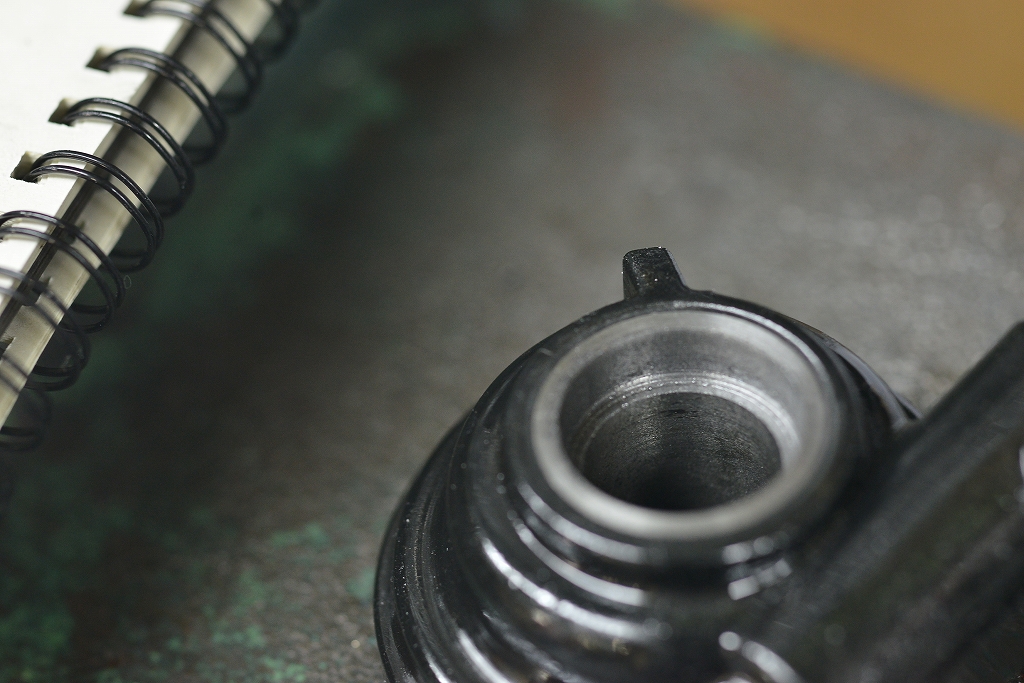
Roughly 7 mm to keep it clean
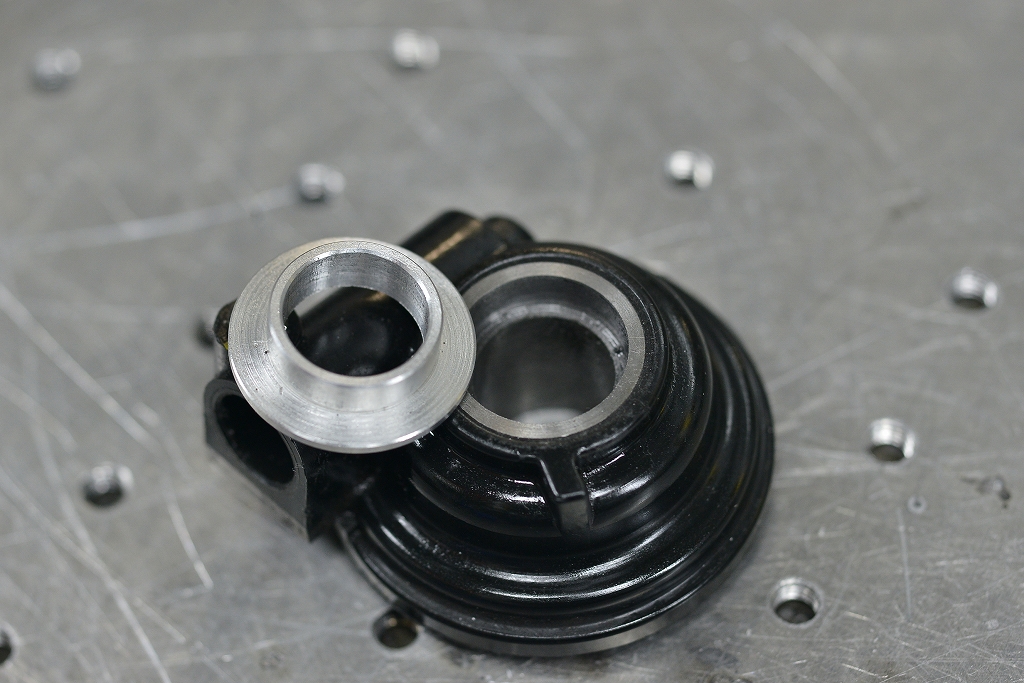
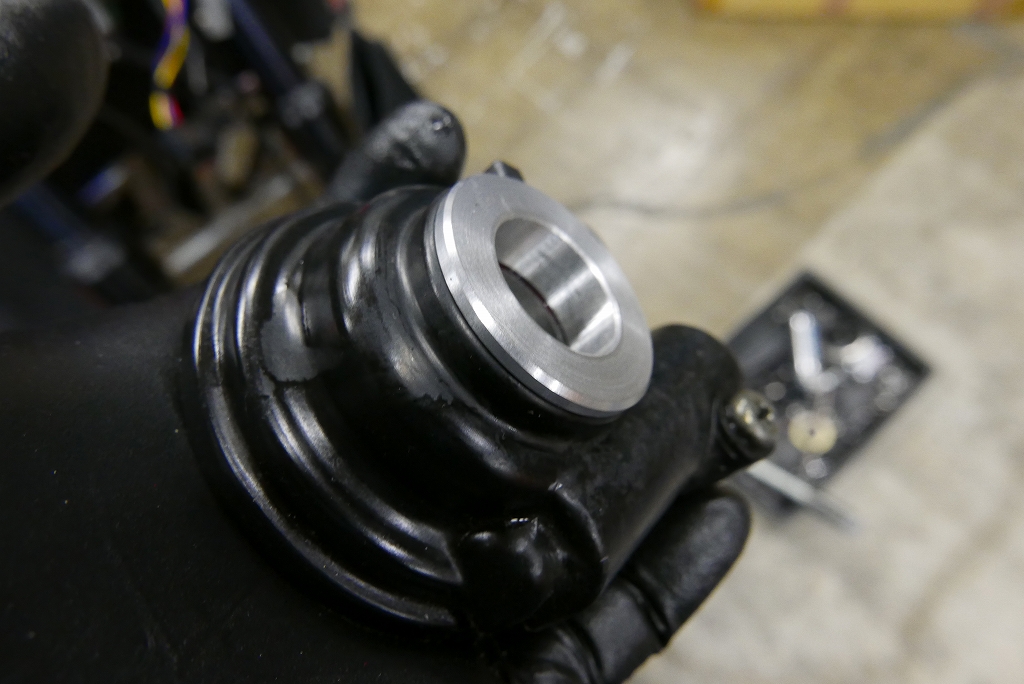
It takes a good hour, but if this hour makes things easier going forward… it’s worth it.
Not that the customer needs to know about this…
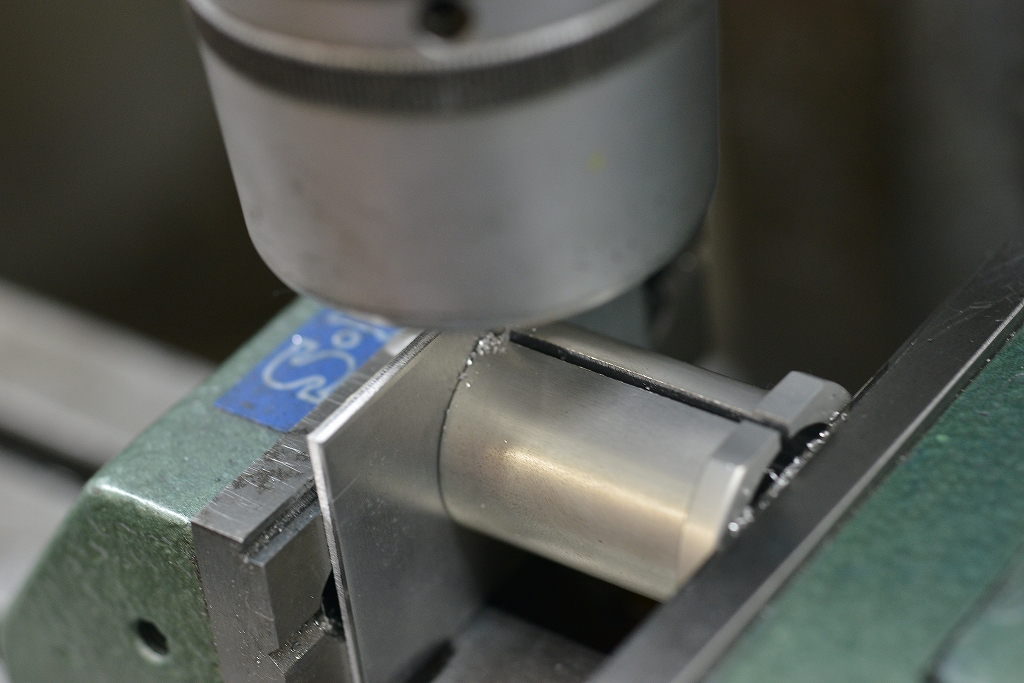
I just thought of something. OHLINS has a slotted collar on one side that gains outer diameter. I sometimes find it a bit tedious when it goes too far in during attachment and removal.
I could bore out the spare OEM threaded collar and cut a groove in it.
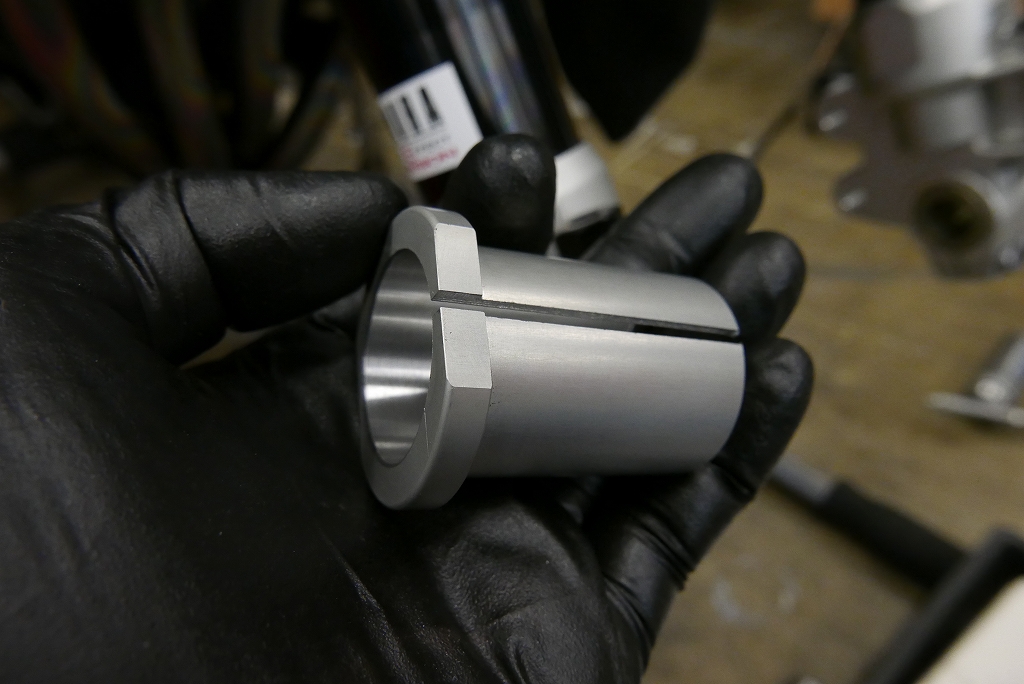
Hmm, I thought this would improve workability, but the tool engagement area got shallower and now I can’t tighten the axle… I’ll need to make it a bit thinner.
That’s how it went.
It’s not just a matter of pulling it out and putting it in—we measure the posture at full extension using the stem bearing as a reference.
Of course, the stem wall thickness differs too, so we have to keep that difference in mind.
This is where we start from.
By the way, even forks with the same free length and stroke can have different bottom case lengths, so it’s best to check the baseline first before swapping.
For this kind of work, I think it’s faster to consult with a custom shop.
We’re on hold pending parts.