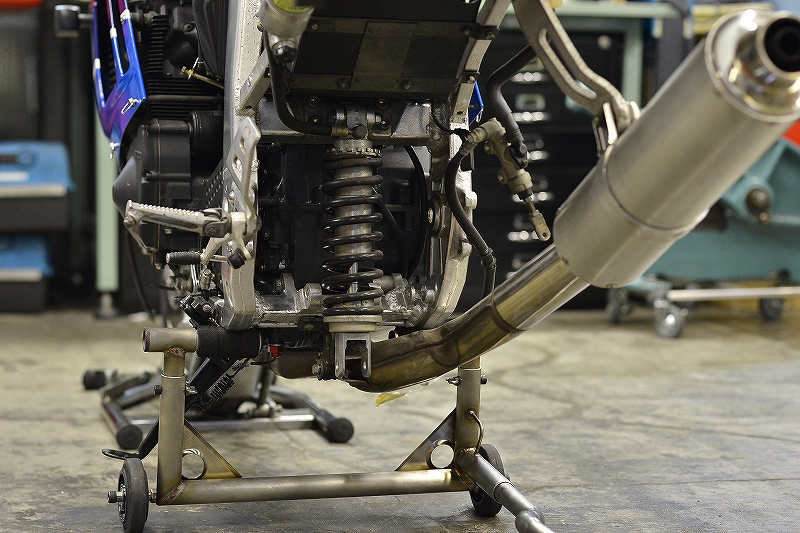
Now we move on to work on the rear area.
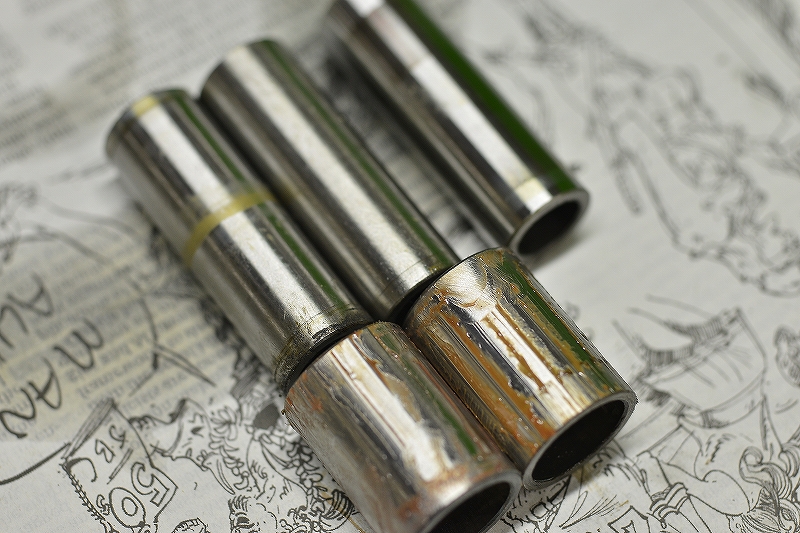
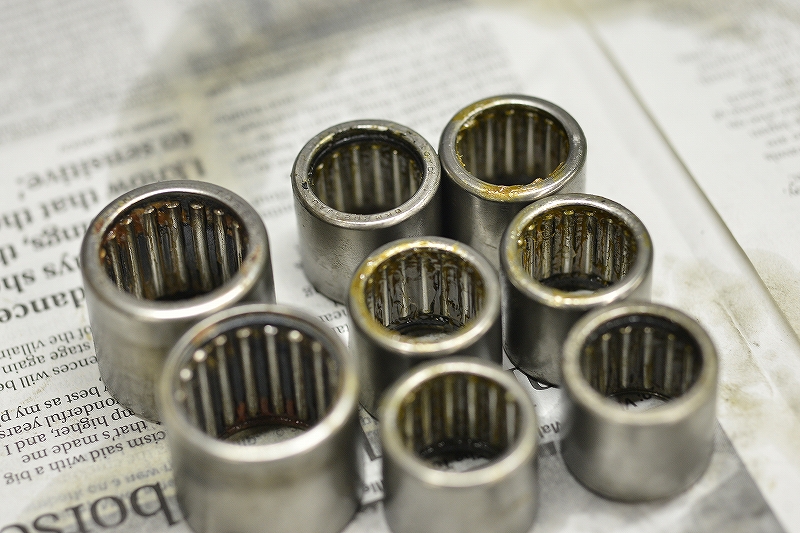
The condition looks good. We could reuse them, but we’ll replace everything together and reset it.
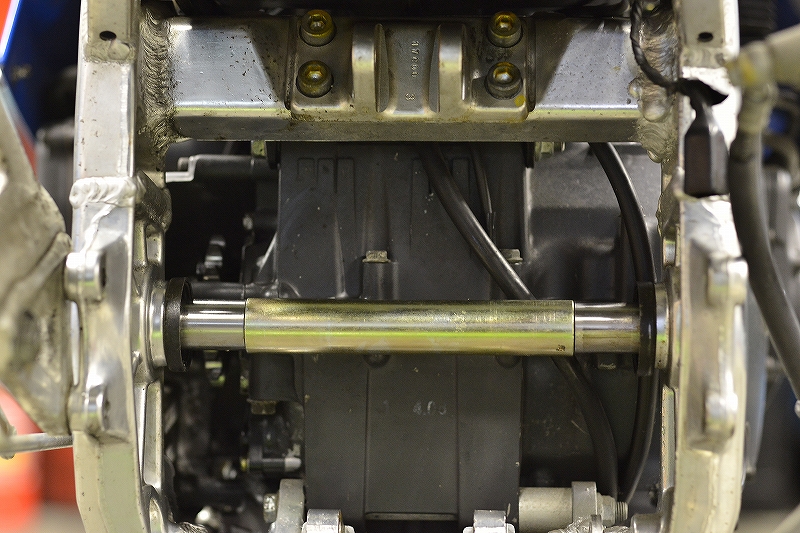
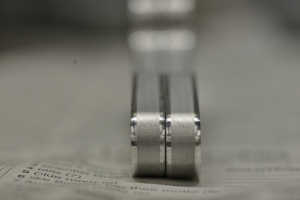
During a trial assembly before final assembly, we can confirm play across the full width.
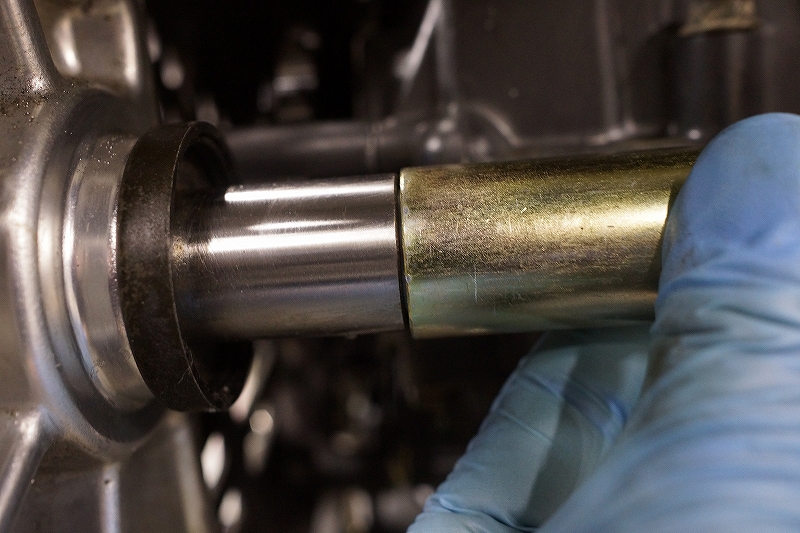
There’s nearly 1 mm of play. If we assemble it as is, the frame will experience inward compression force. We’ll insert shims to eliminate the play. Whether to insert them on the right or left may depend on the assembler’s judgment.
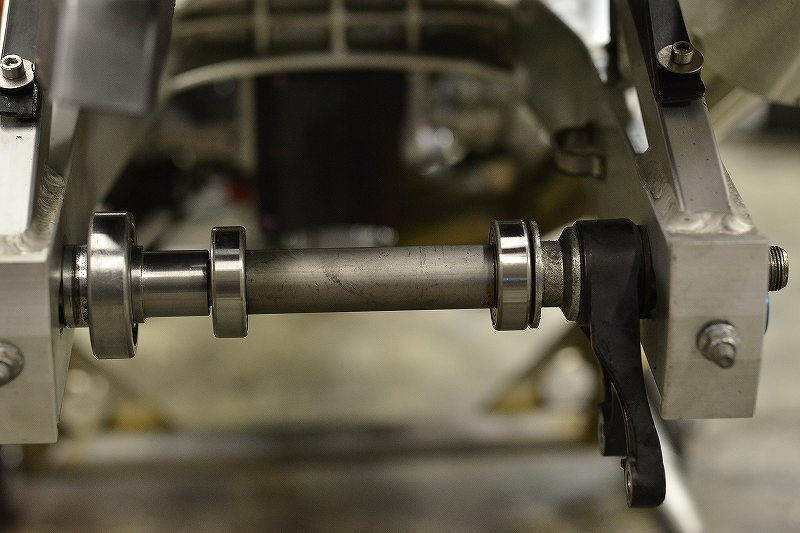
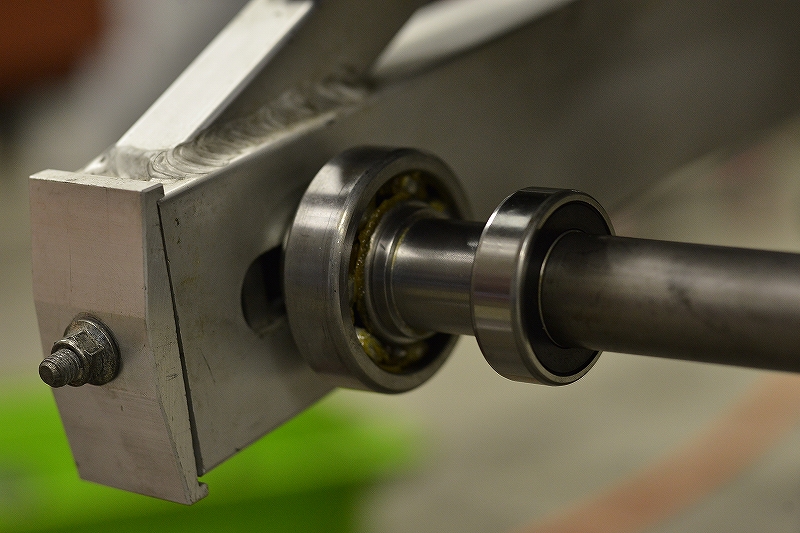
Looking at the wheel bearing configuration, you can understand how it should work properly.
You can clearly see how the wheel center can shift depending on how it’s assembled.
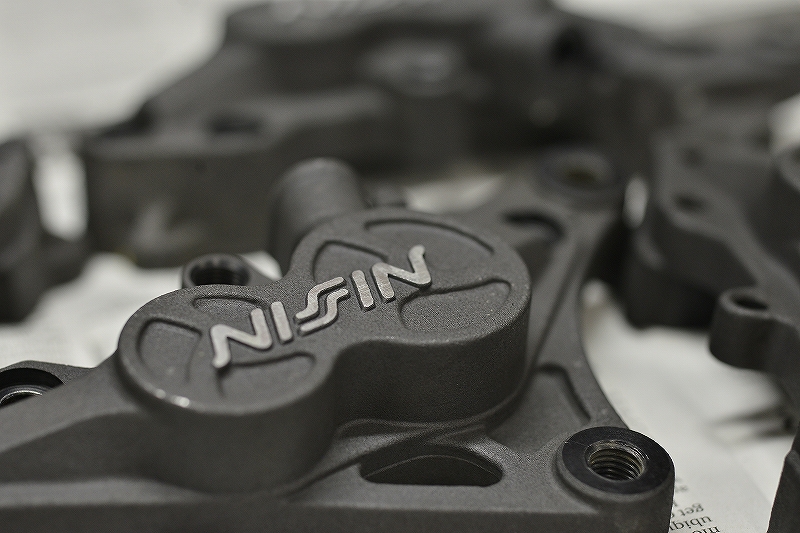
We’ll disassemble the caliper.
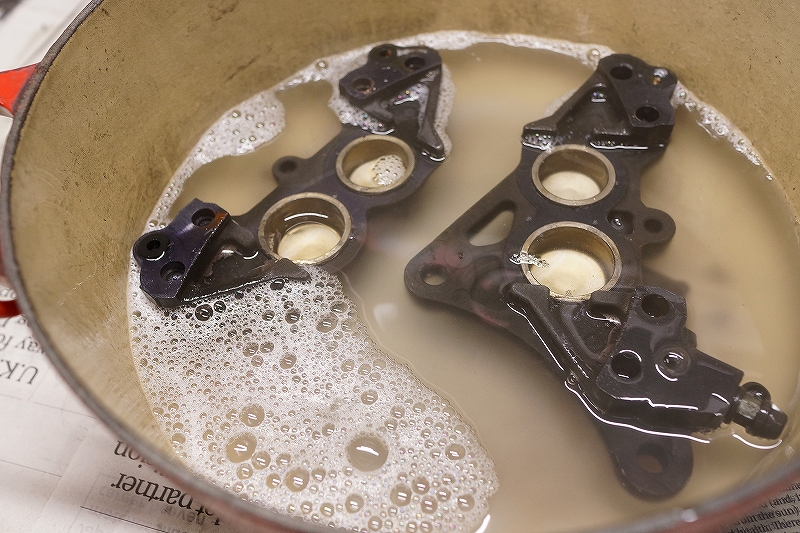
Washing with hot water is best.
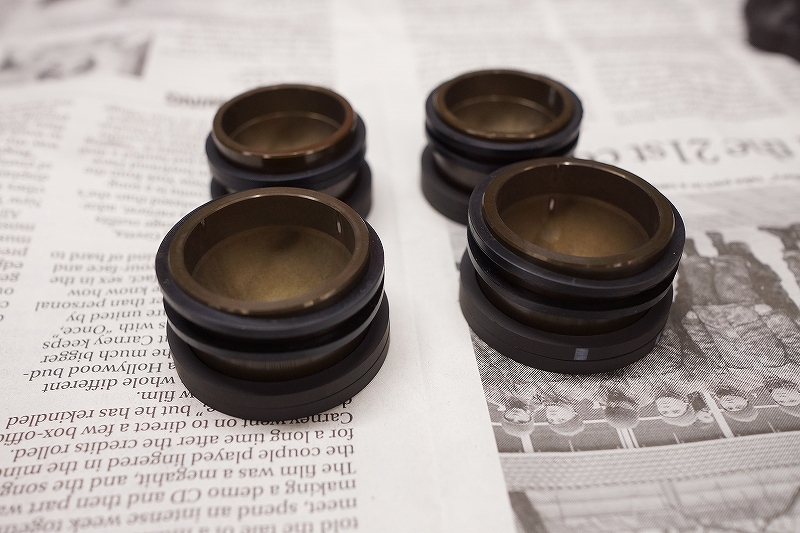
We’ll replace the pistons with aluminum ones. Inspection is essential, including the oil seals. With brakes, where problems are critical, we can’t rely on the excuse that they’re new. Any issues must be caught.
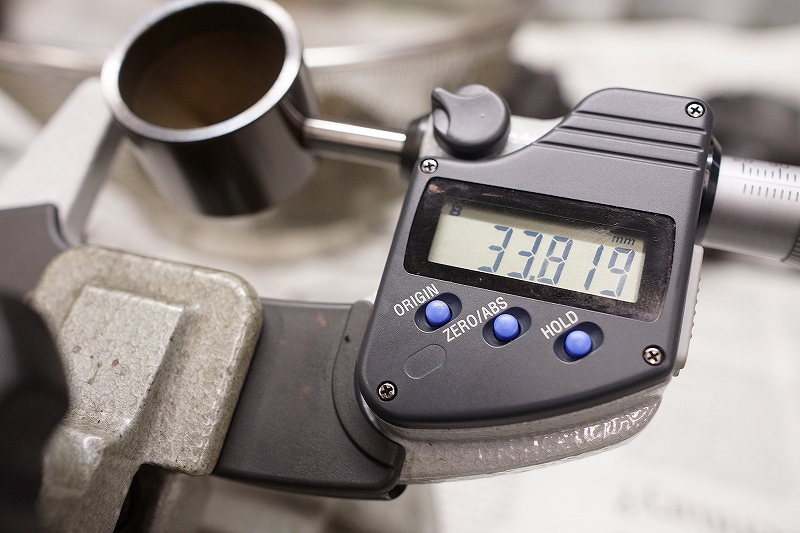
The same goes for the pistons.
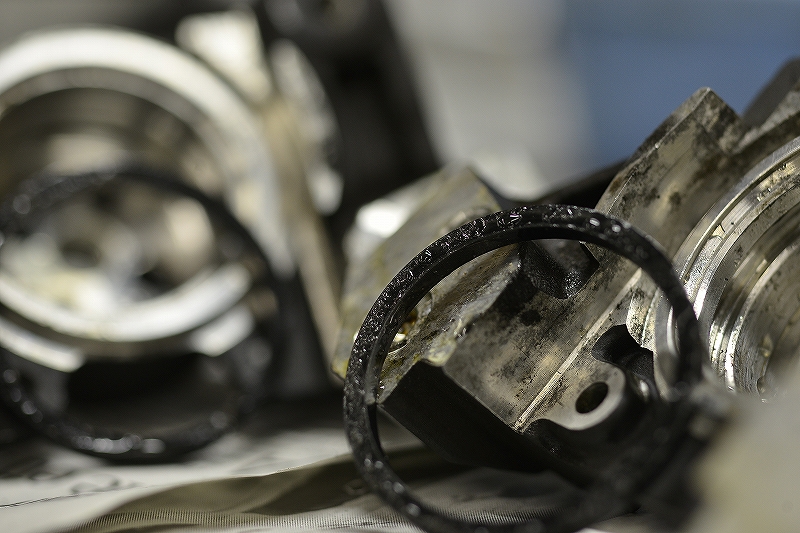
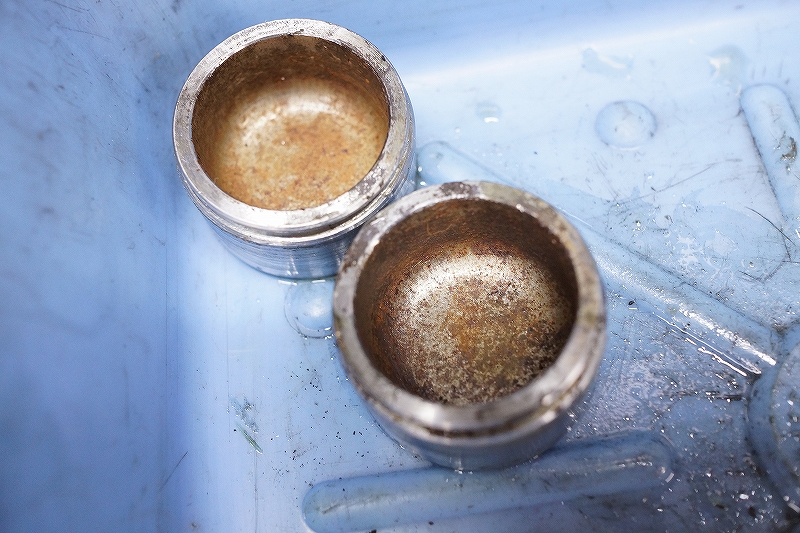
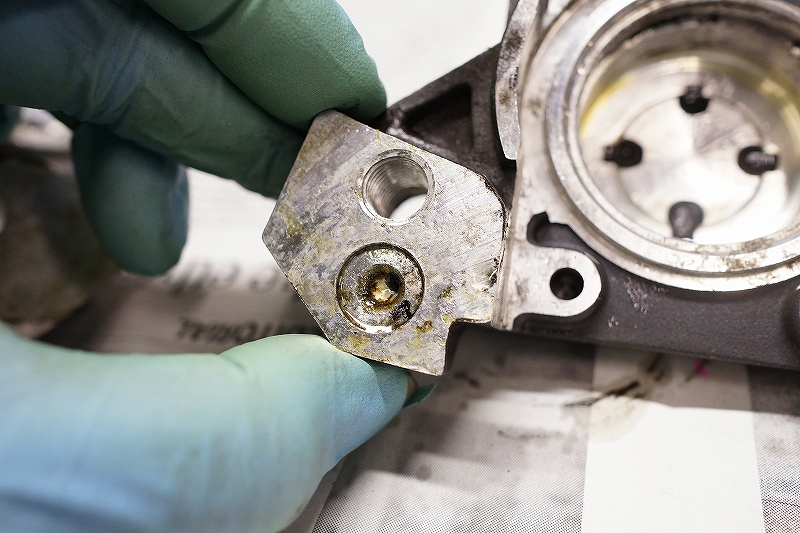
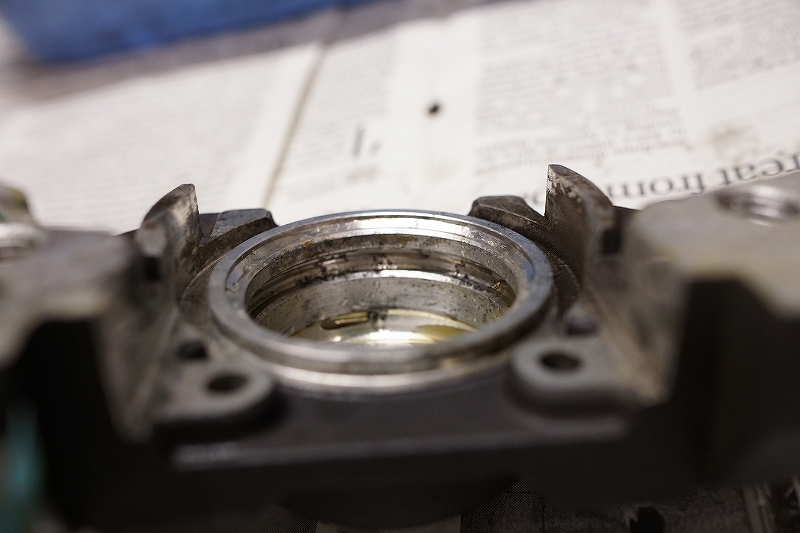
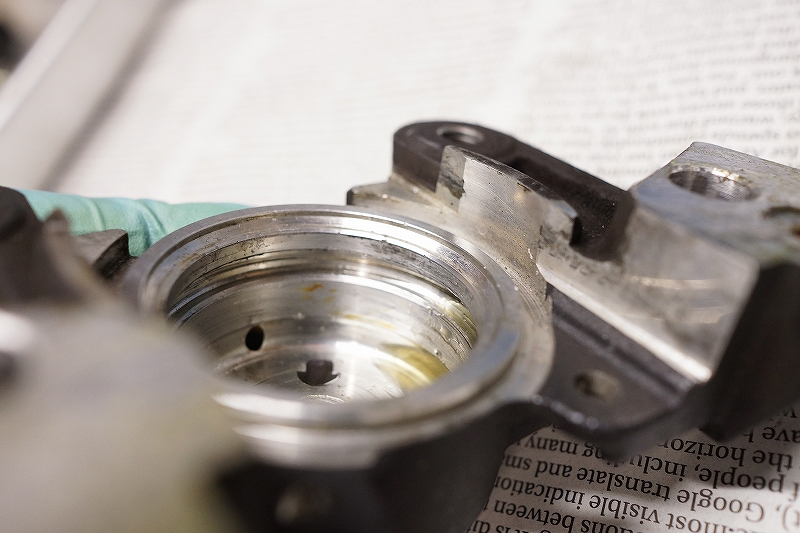
The rear ends up with steel pistons. Fortunately, corrosion wasn’t severe.
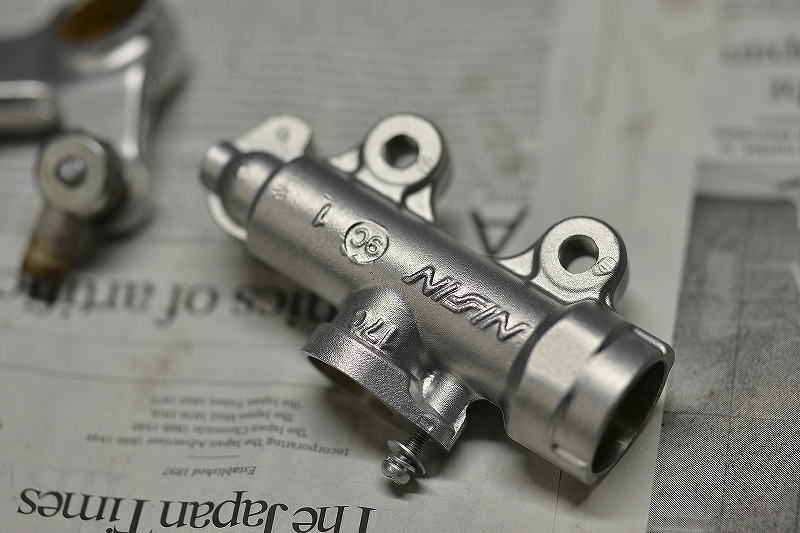
Both front and rear masters have been OH’d, and the rear has been polished too, so it’s extremely clean.