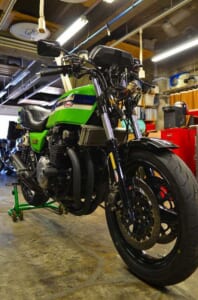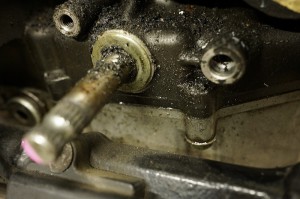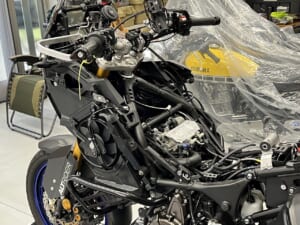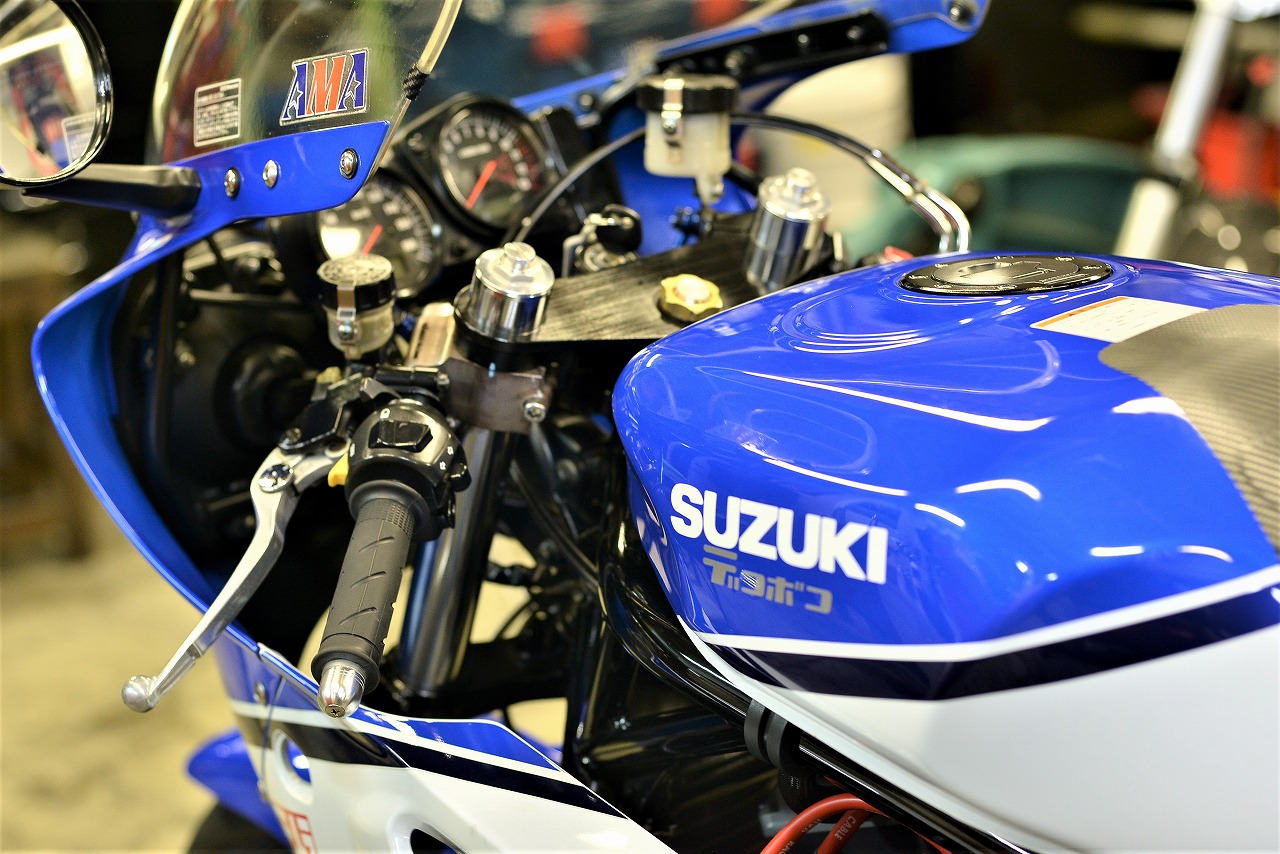
The GS1200SS, with its sales volume nearly limited-edition status, is commanding high prices these days.
When they were being sold, they weren’t moving at all—they were practically being given away. (These days, used ones can cost more than new ones!)
GS1200SS-2 inspection, Deco-mainte, and Newtech oil change—that’s what we’re here for.
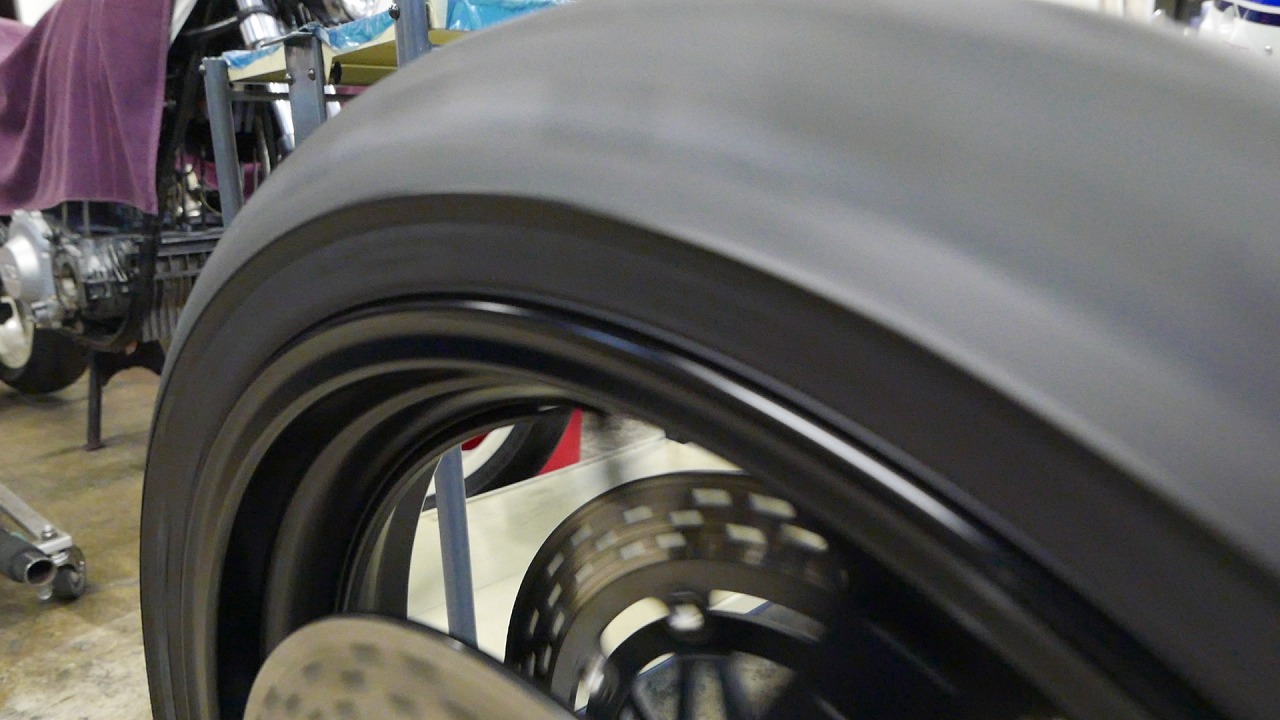
Checking wheel and tire runout.
By checking wheels that have developed runout over time and tires that might be manufacturing defects, you might notice mysterious vibrations or handling oddities. The levels are fine here, but lately I’ve noticed this manufacturer seems to have a lot of runout issues.
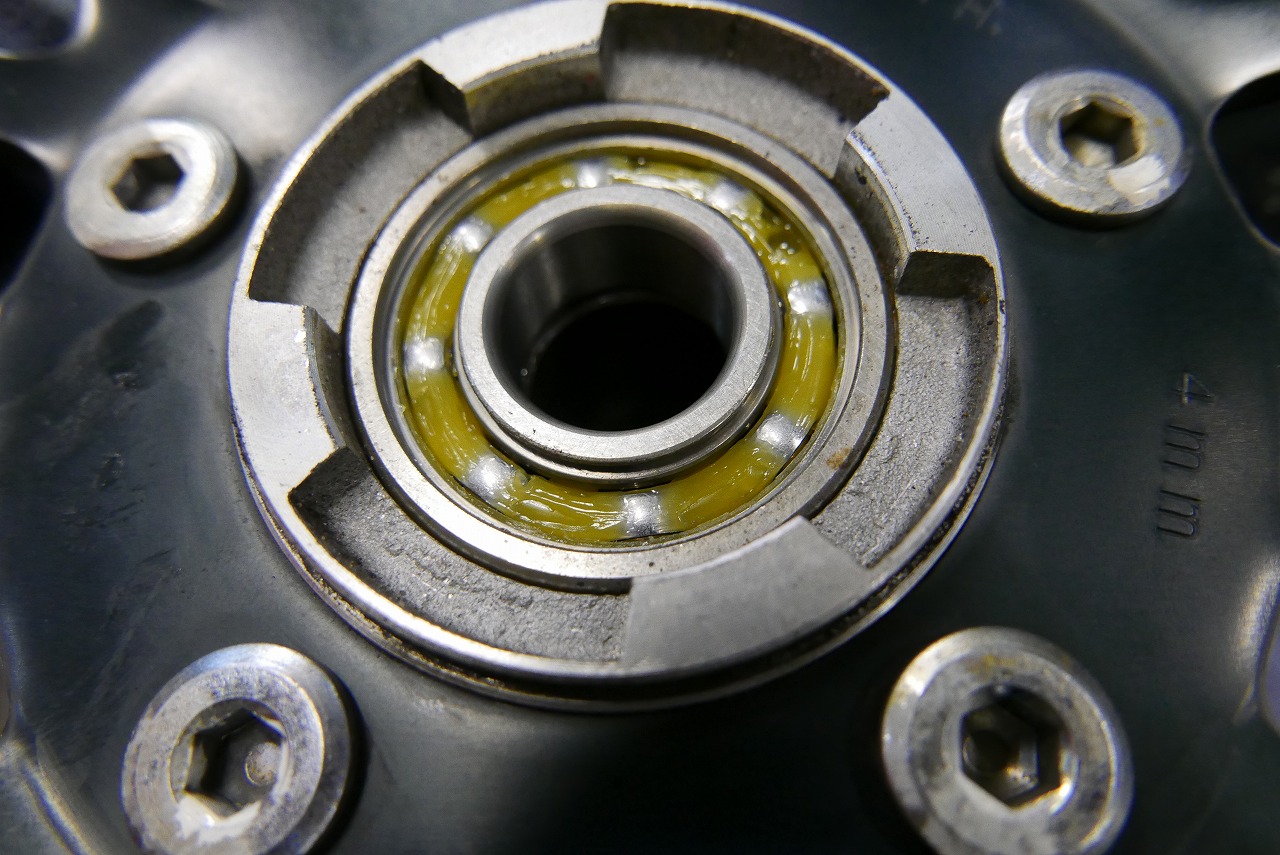
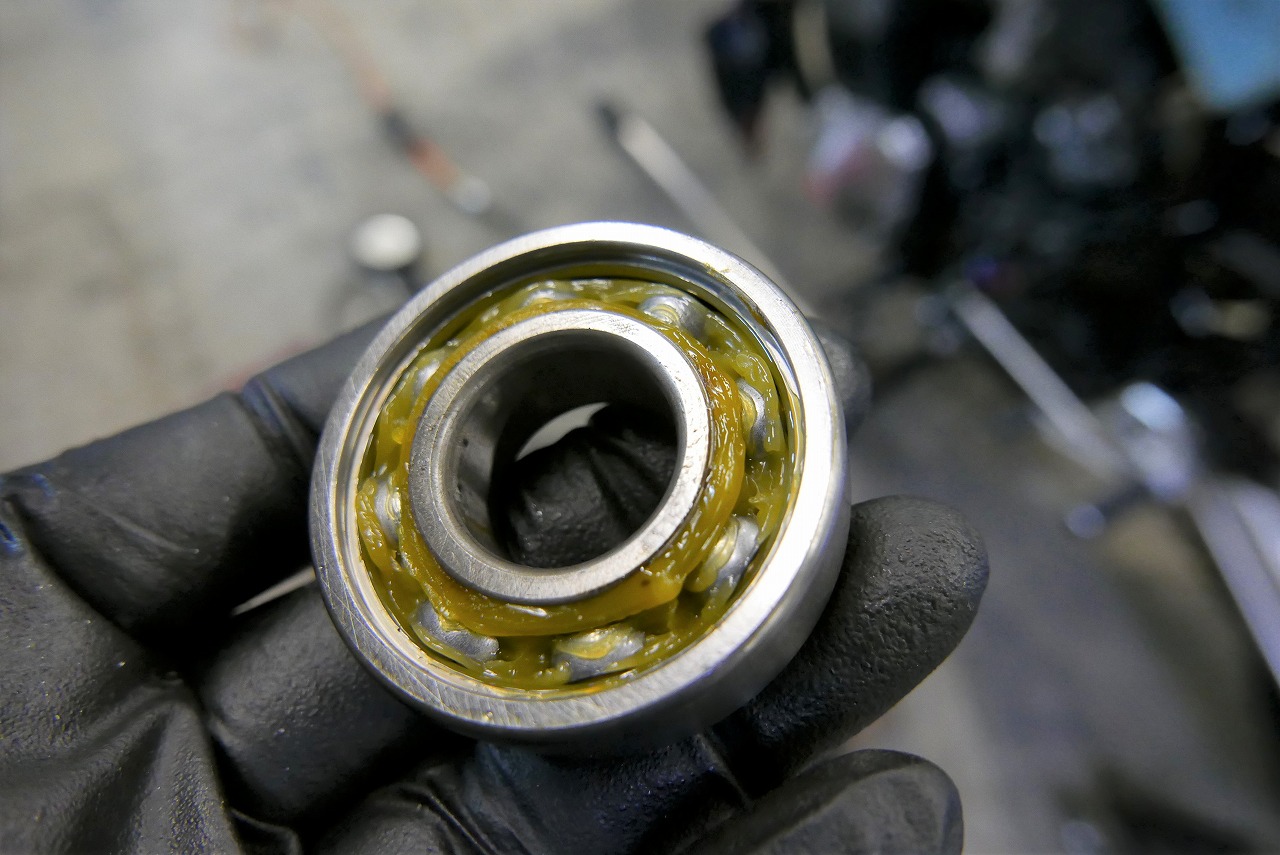
The wheel bearing felt oddly off. When I adjusted the distance collar position, it went “click…click…” Thought it might be grease starvation, but when I peeled back the seal, there was plenty.
In the end, replacing it fixed it. This is a part that won’t hurt to replace at 20,000 to 30,000 kilometers. It’s actually quite important.
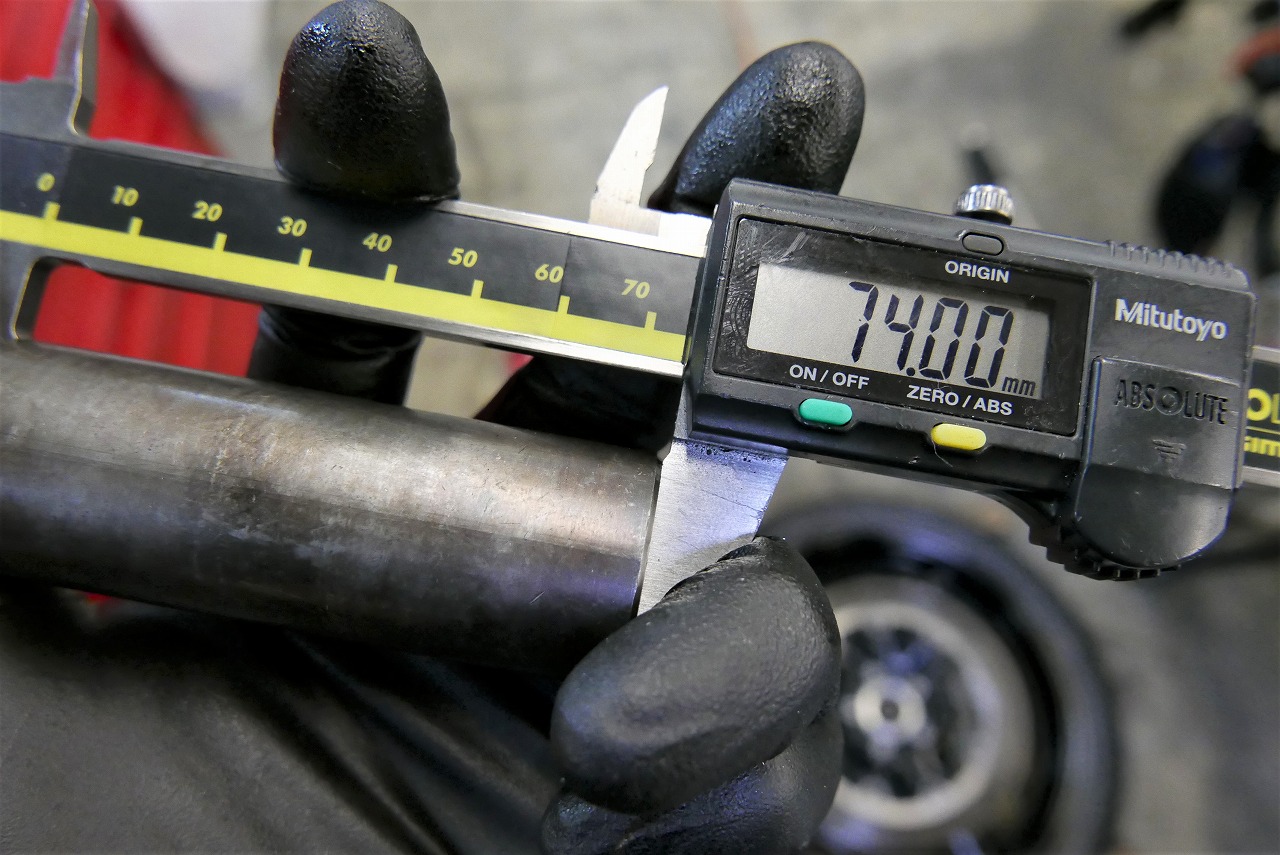
Let’s check the distance collar too.
It won’t wear down much, but I’ve experienced cases where someone’s tampered with the dimensions and it won’t fit.
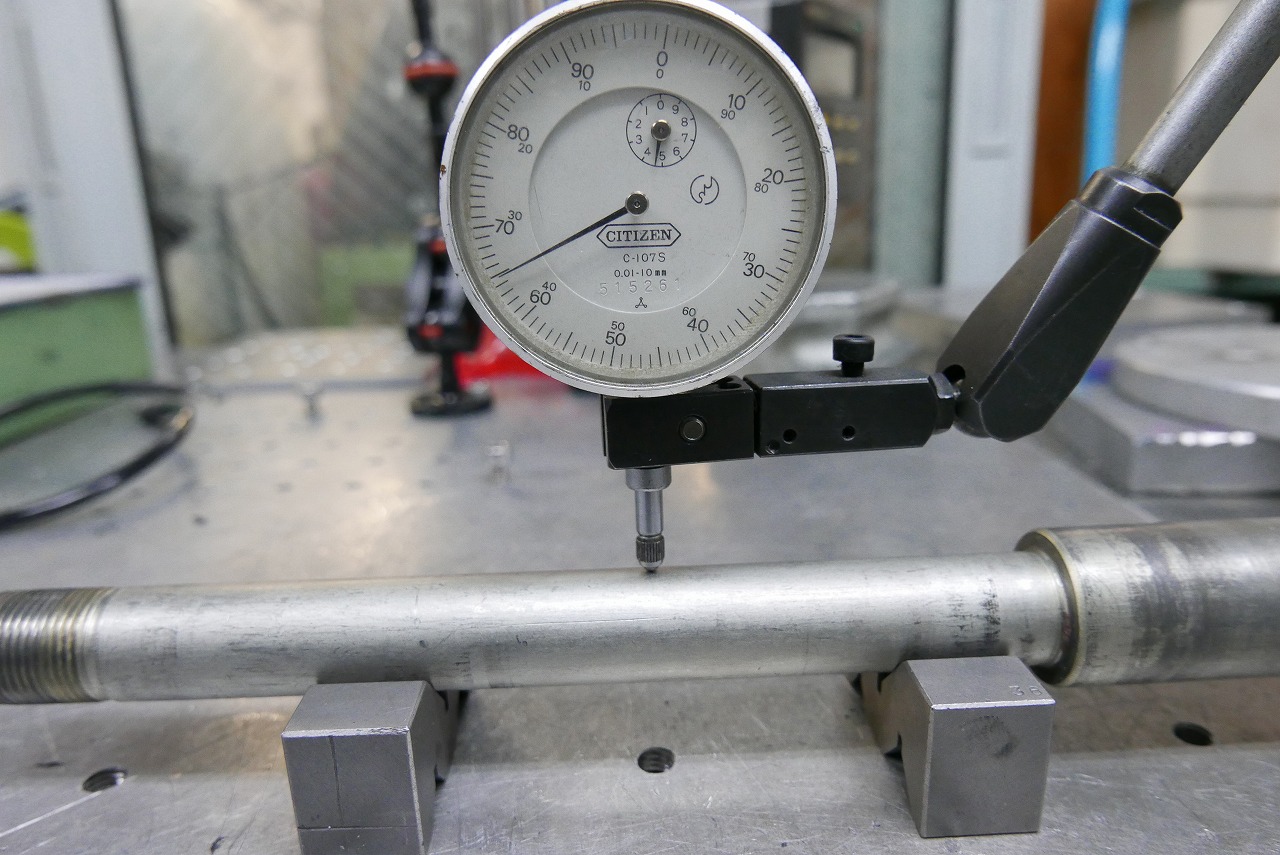
The axle shaft is fine.
The spec is pretty generous—the manual allows 0.25 mm runout.
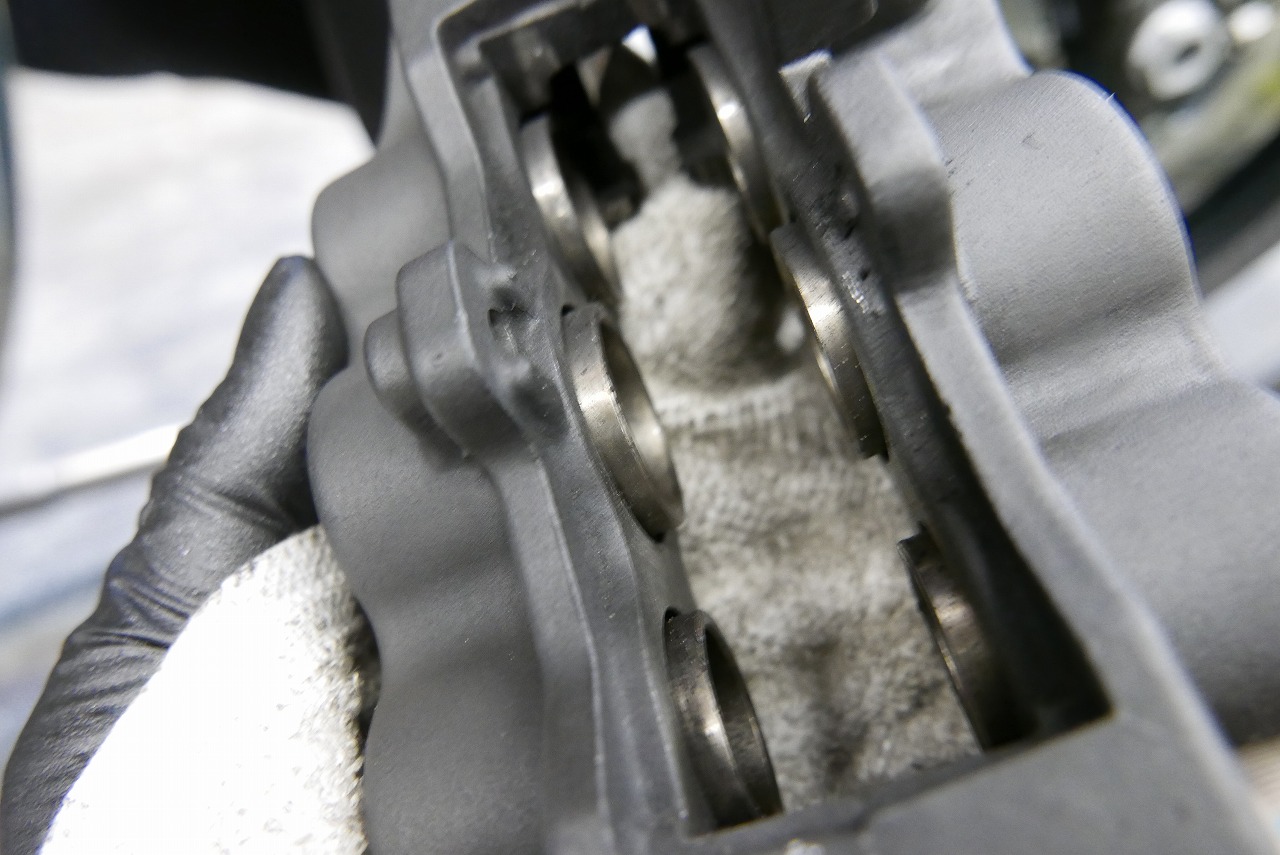
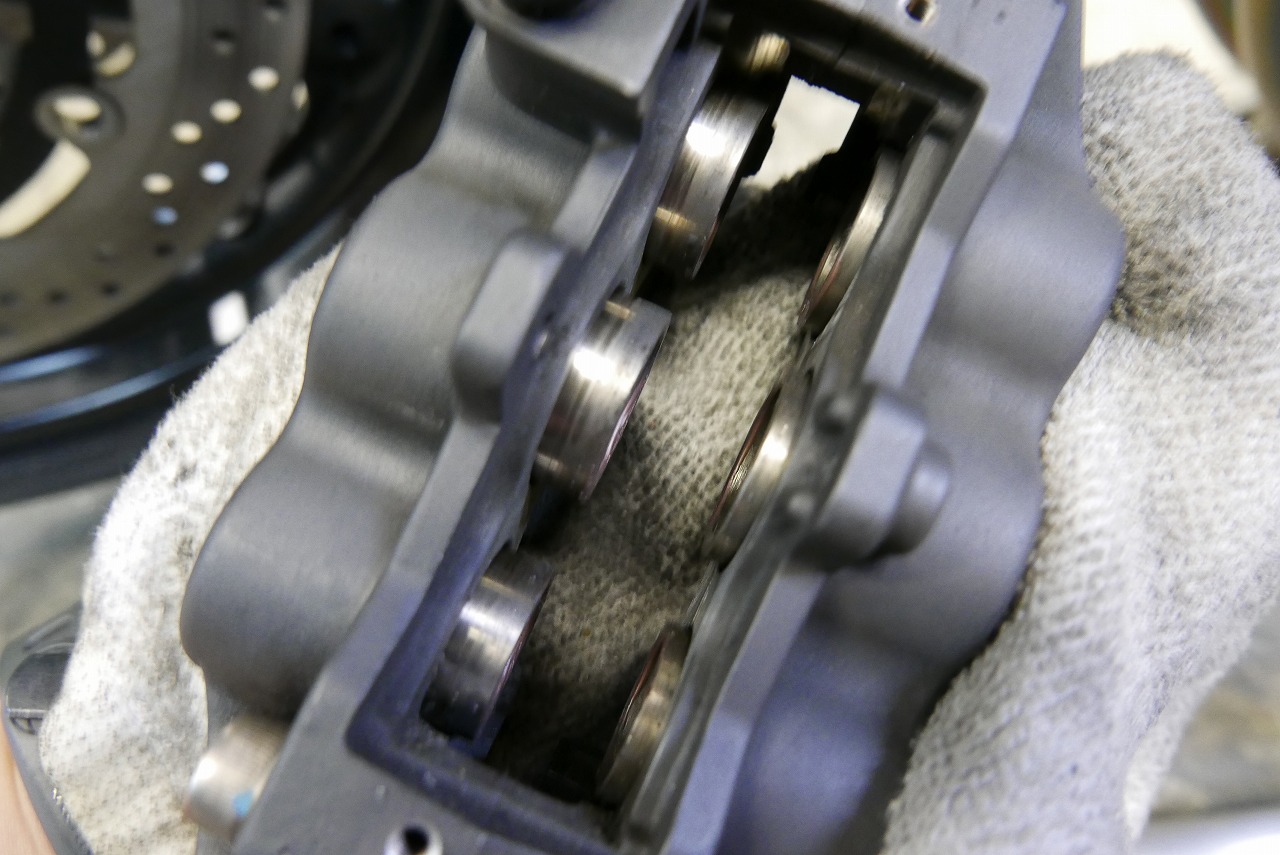
Clean the caliper, work out the fluid, apply rust preventative, and reassemble.
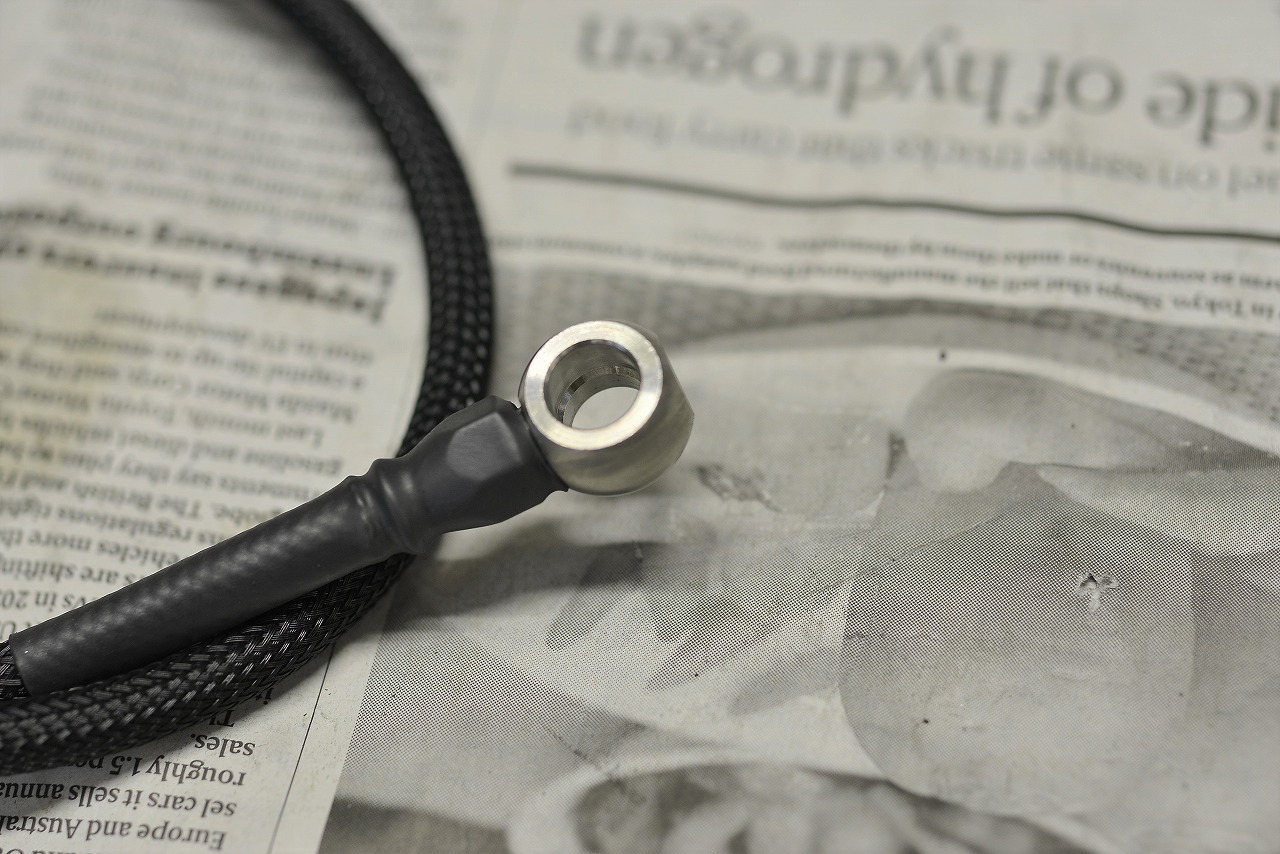
If you don’t dry the caliper after cleaning and apply rust preventative, corrosion will progress. (Especially on the banjo bolts and nipples.)
It’s like moisturizing after a bath.
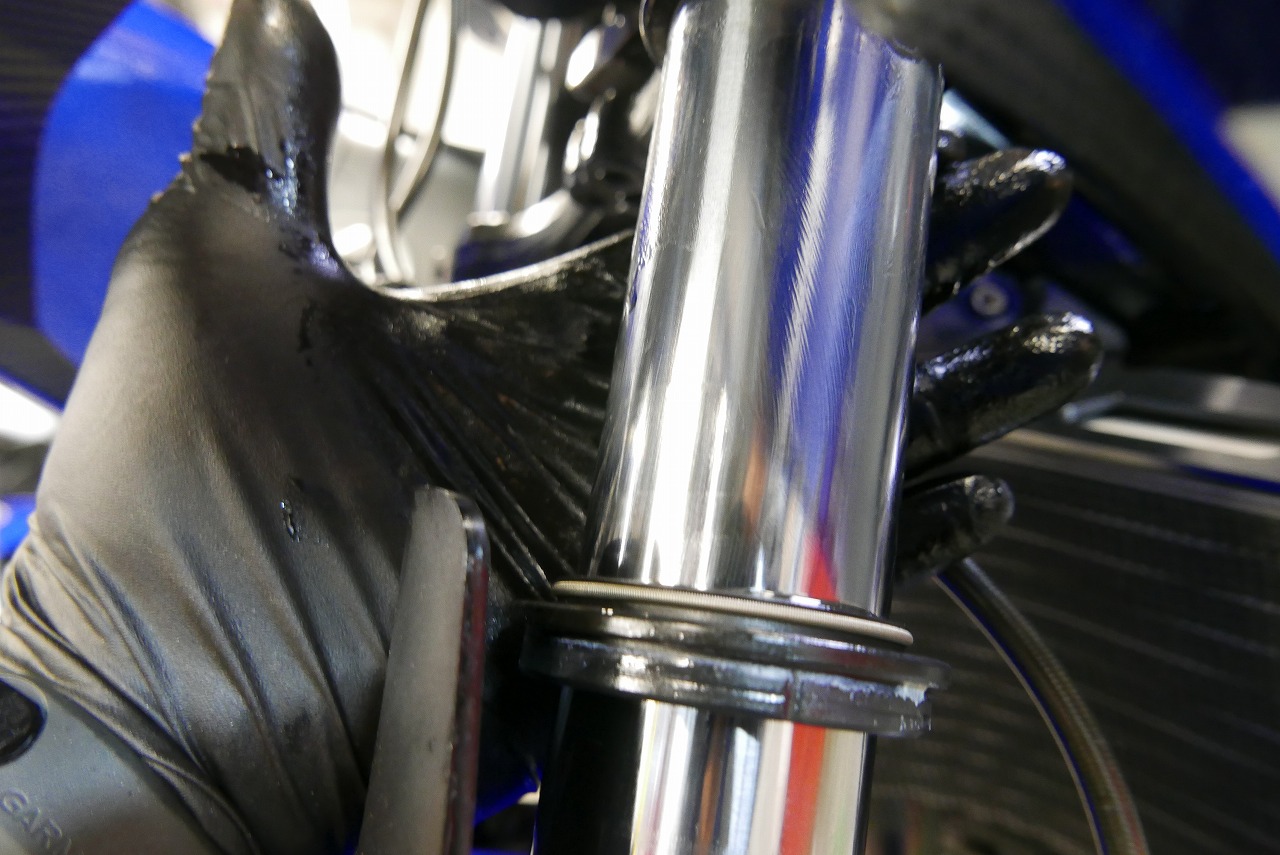
Lubricate the stroke areas and purge any accumulated debris.
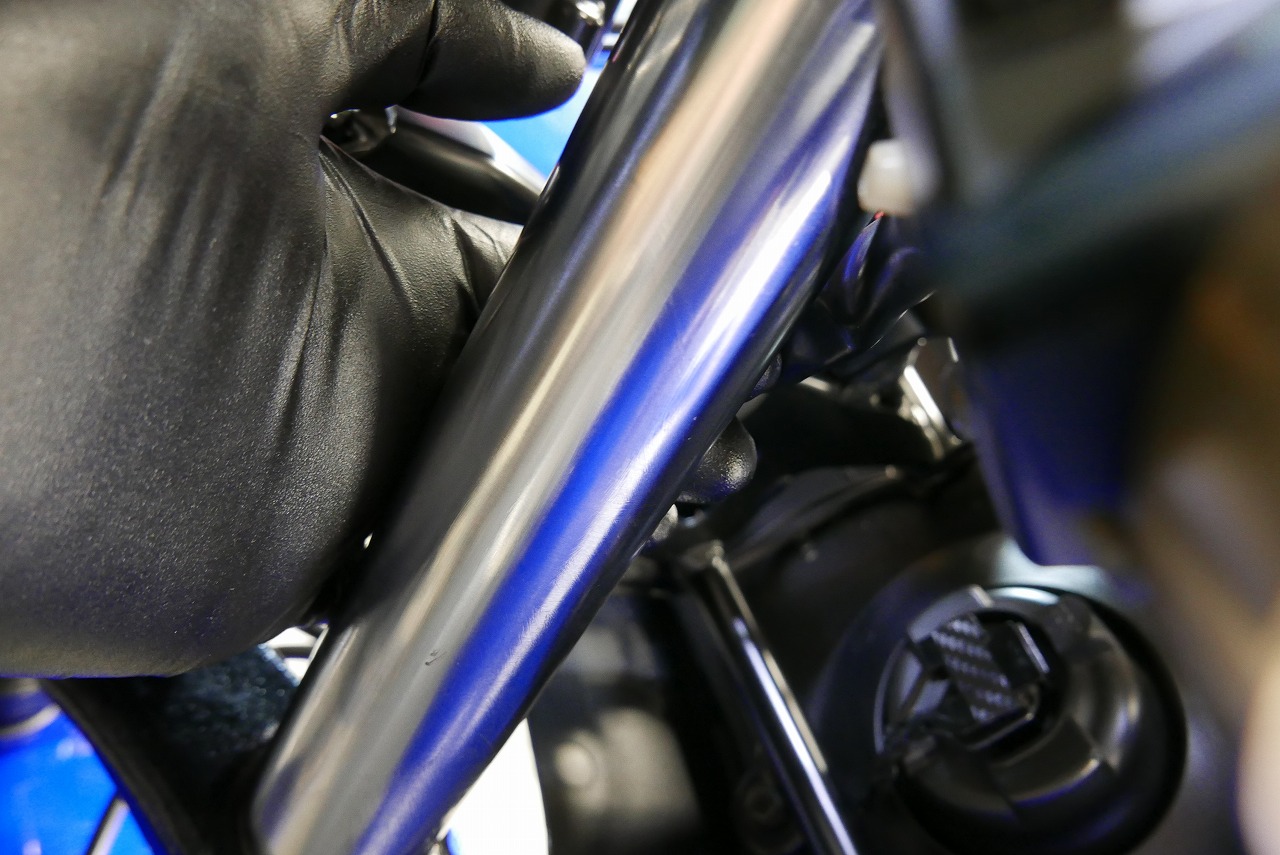
Applying rust preventative between the stanchions keeps the inner tubes lasting longer.
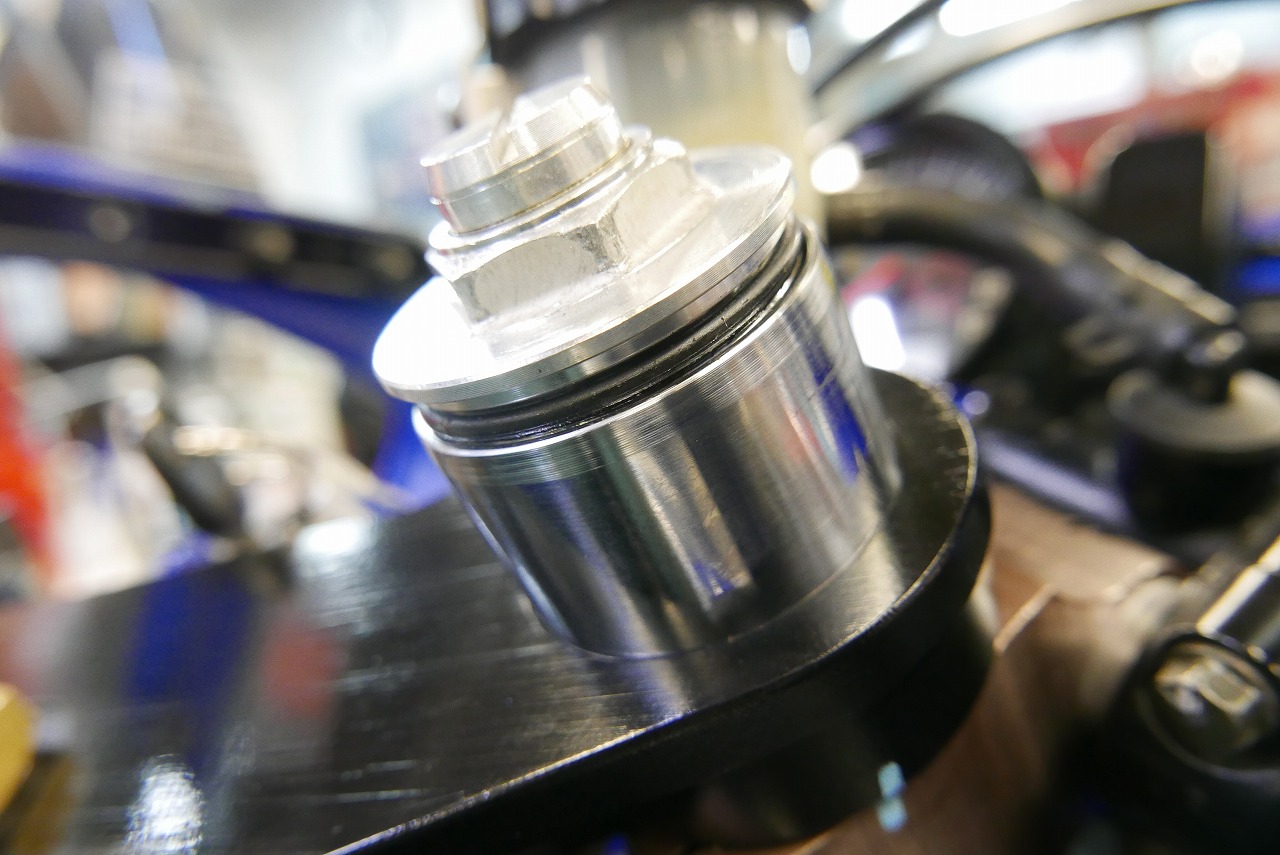
Open the fork cap to atmospheric pressure. If you let pressure build up, you can get that “rotten egg” smell…
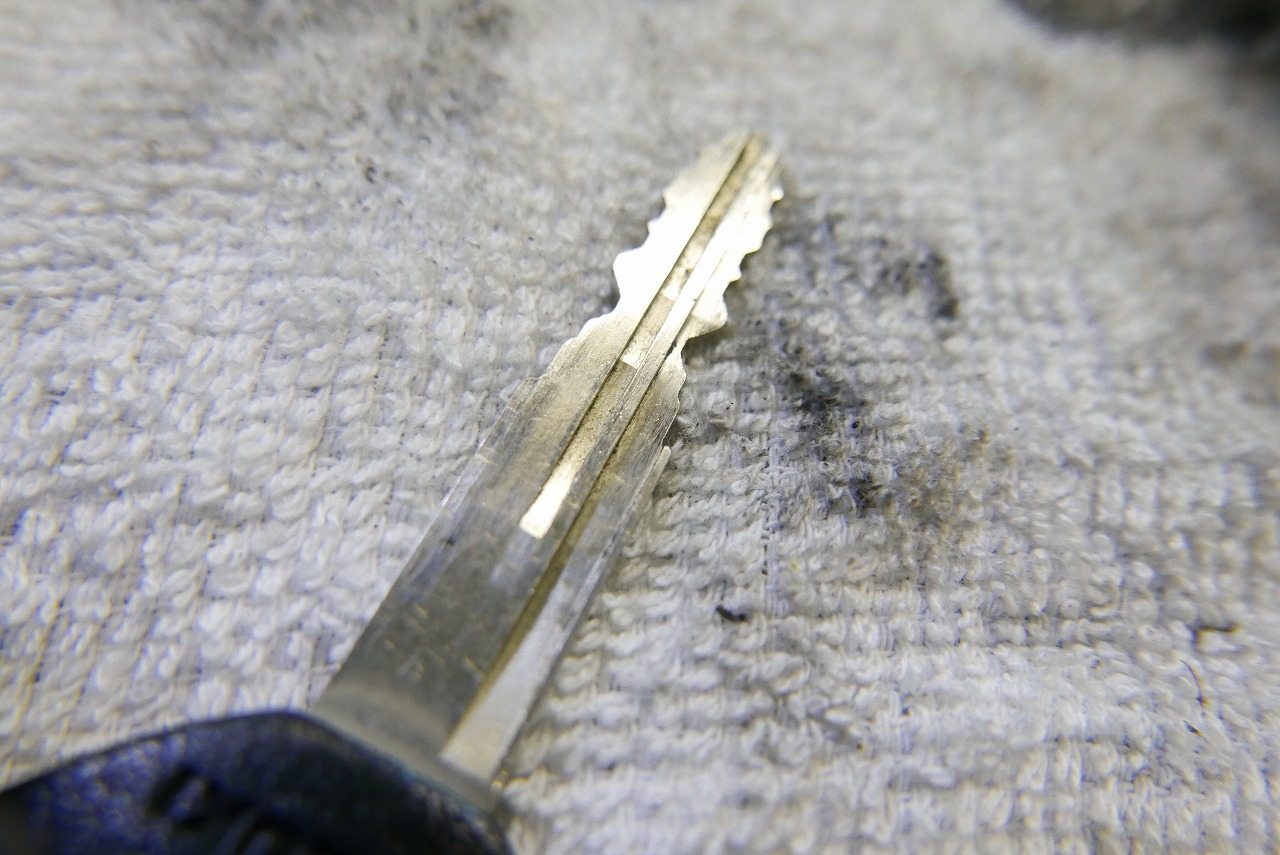
Show some love to the key too. Clean the key grooves with a brush and it might go in 0.1% smoother.
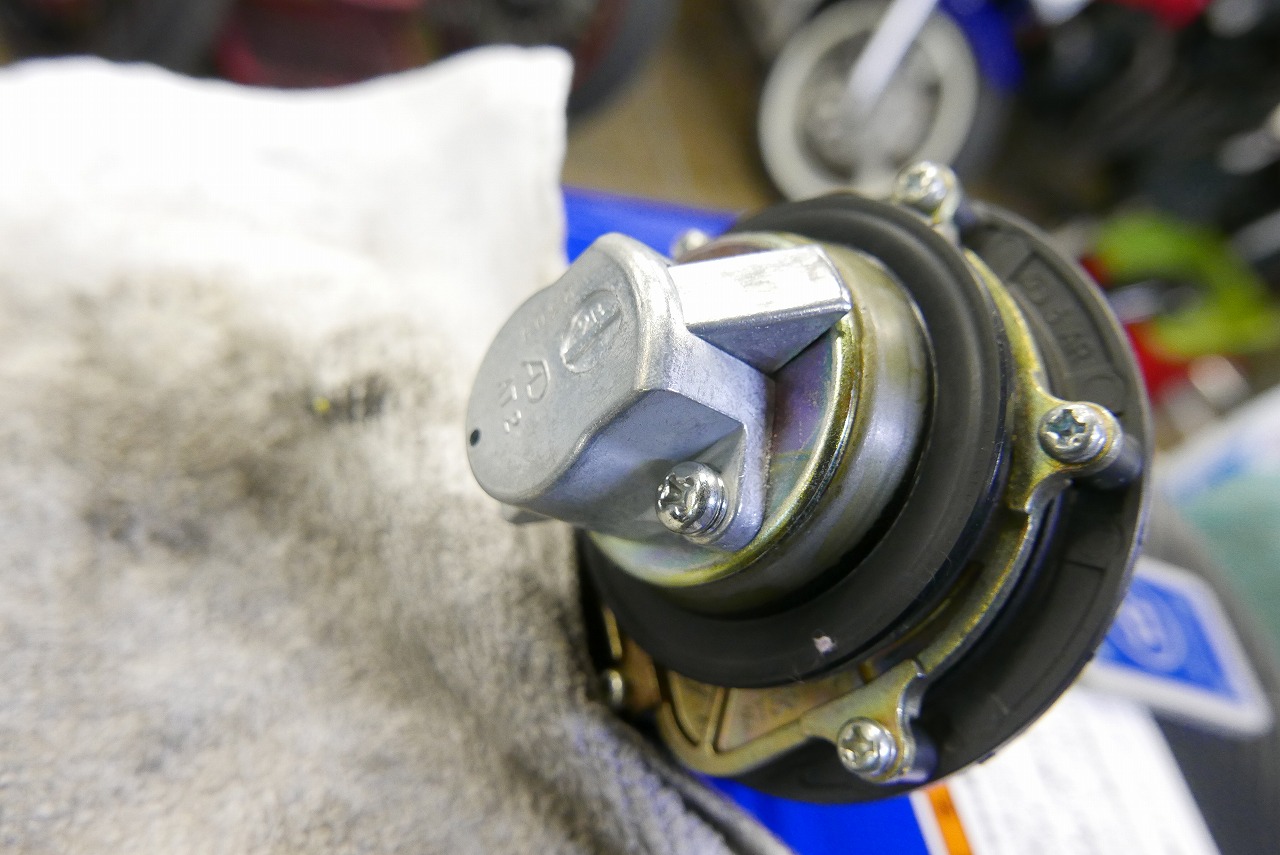
Open the fuel cap and apply rust preventative occasionally. The coolness of the gasoline and engine heat cause surprising amounts of condensation, so watch out!
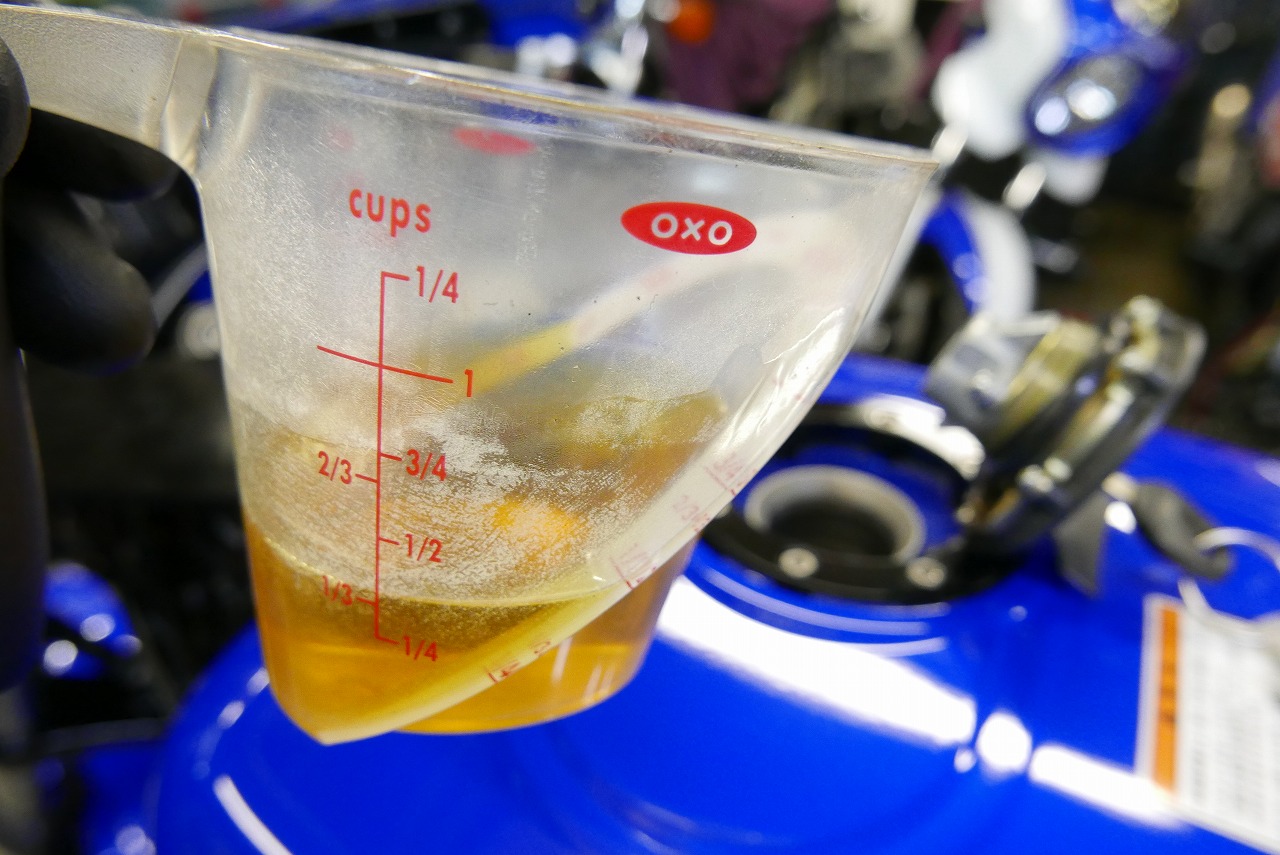
We add Fuel One with hopes of reducing rust and fuel degradation during storage.
I don’t think you need to add it that frequently. Honestly, I don’t believe it cleans carbon from the combustion chamber either.
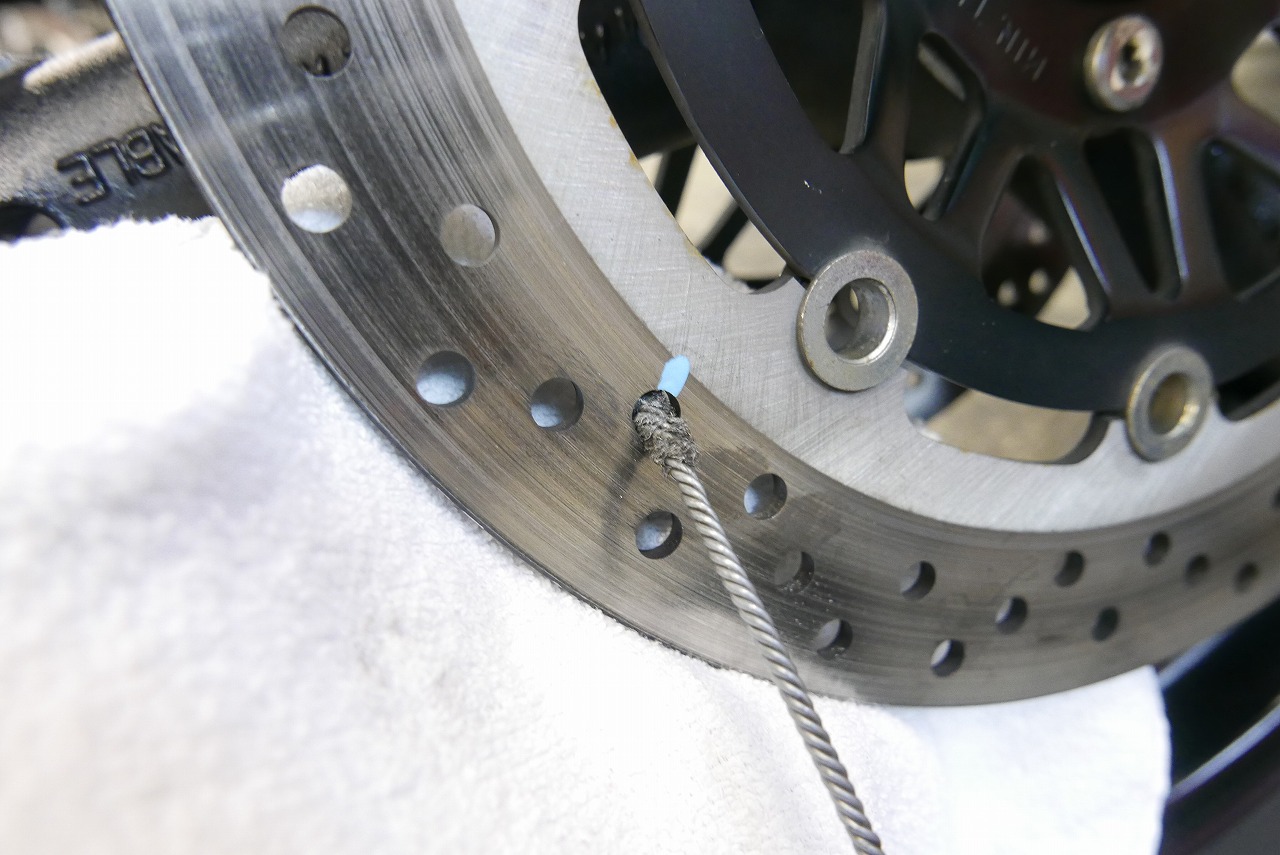
Brake disc holes usually get full of dust, but this customer’s bike was so clean I was amazed!
Scrape out the brake disc hole dust to enhance the pad’s cleaning effect, degrease the disc surface, and then do a test ride with hard braking to bed in the pads—this improves braking power.
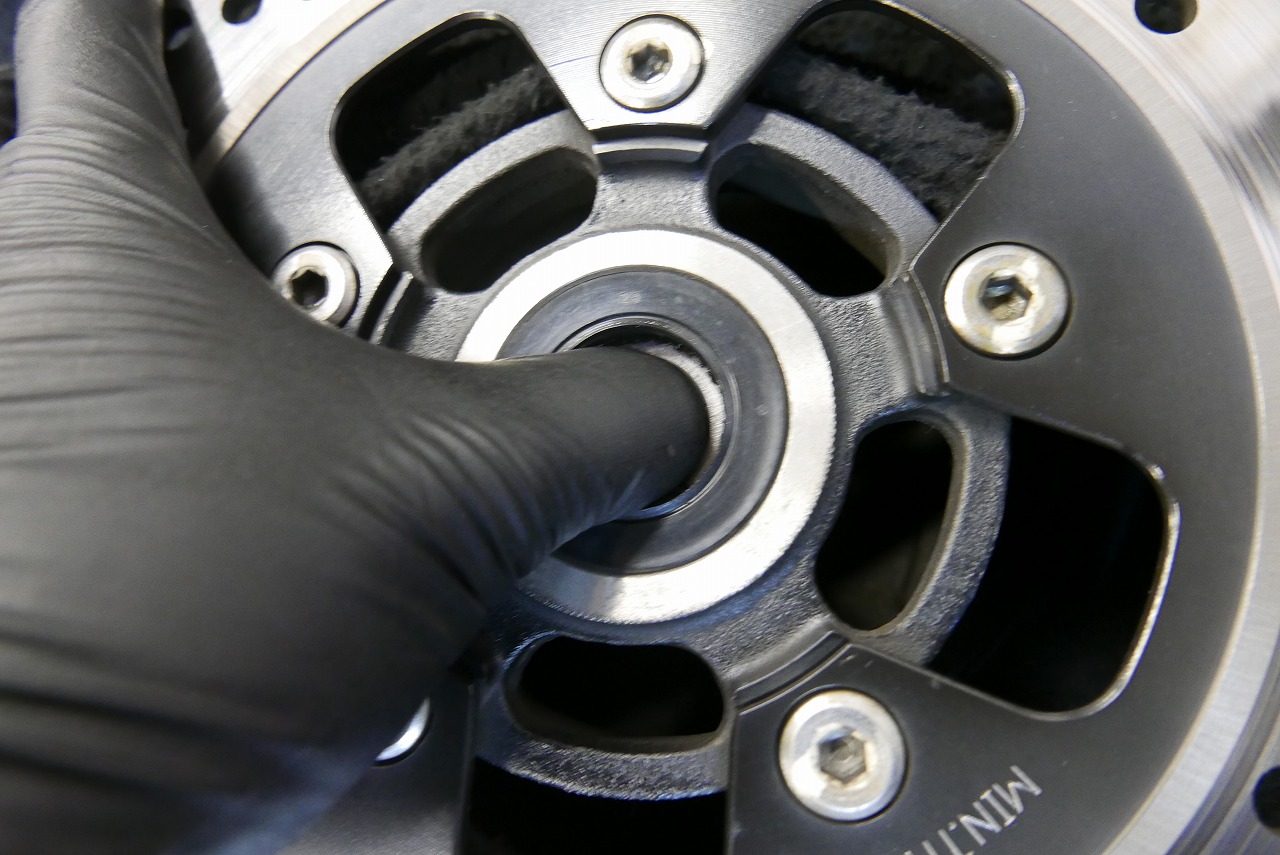
Moving to the rear. The rear wheel bearing is fine.
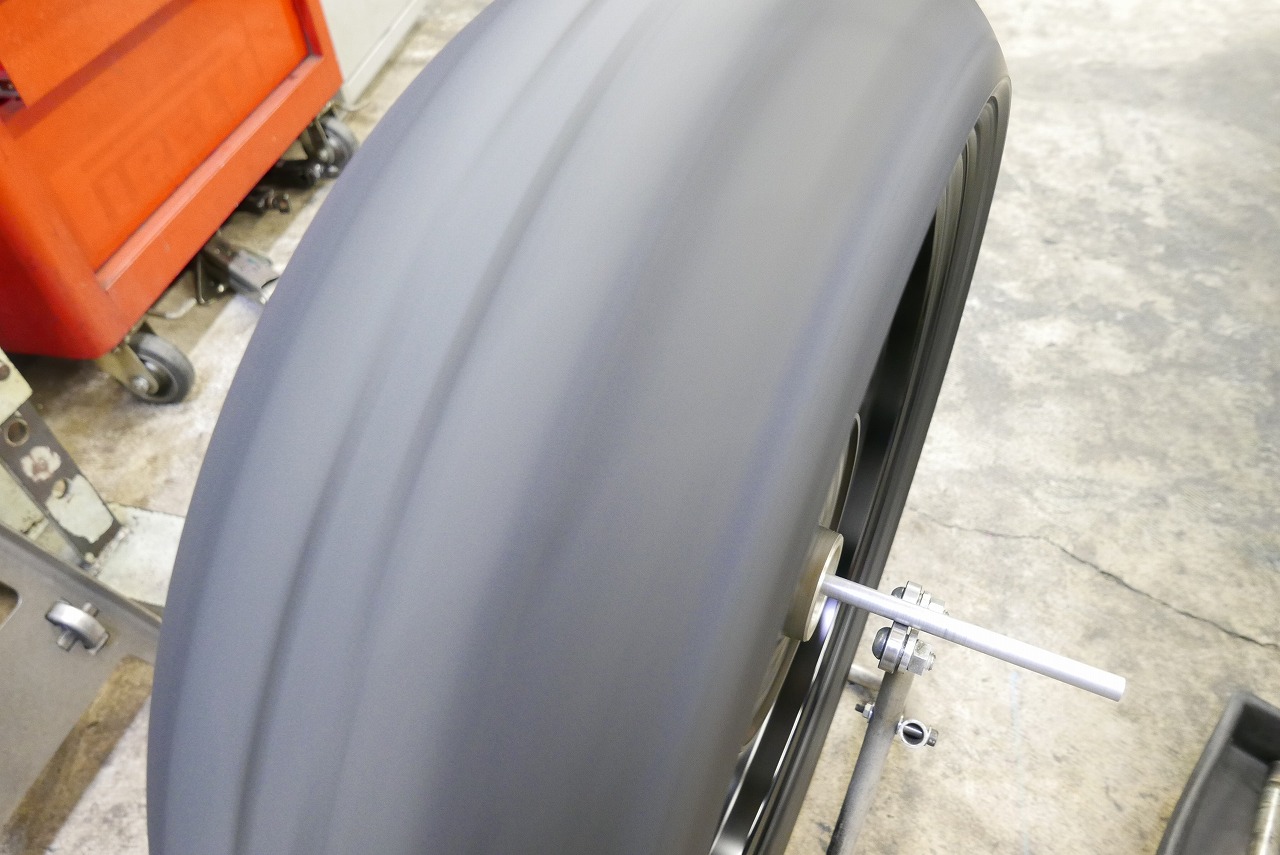
Rear tire and wheel are fine.
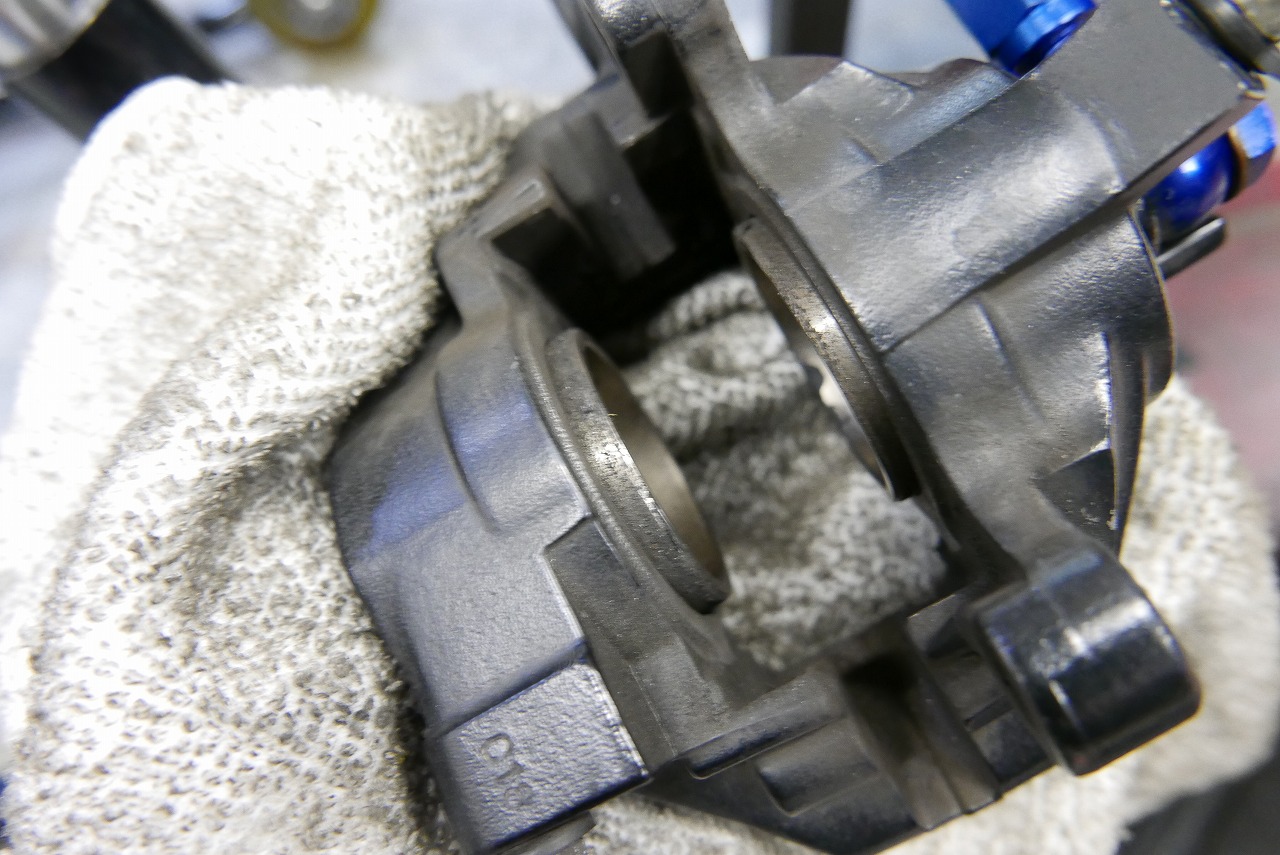
Clean the rear caliper and work out the fluid.
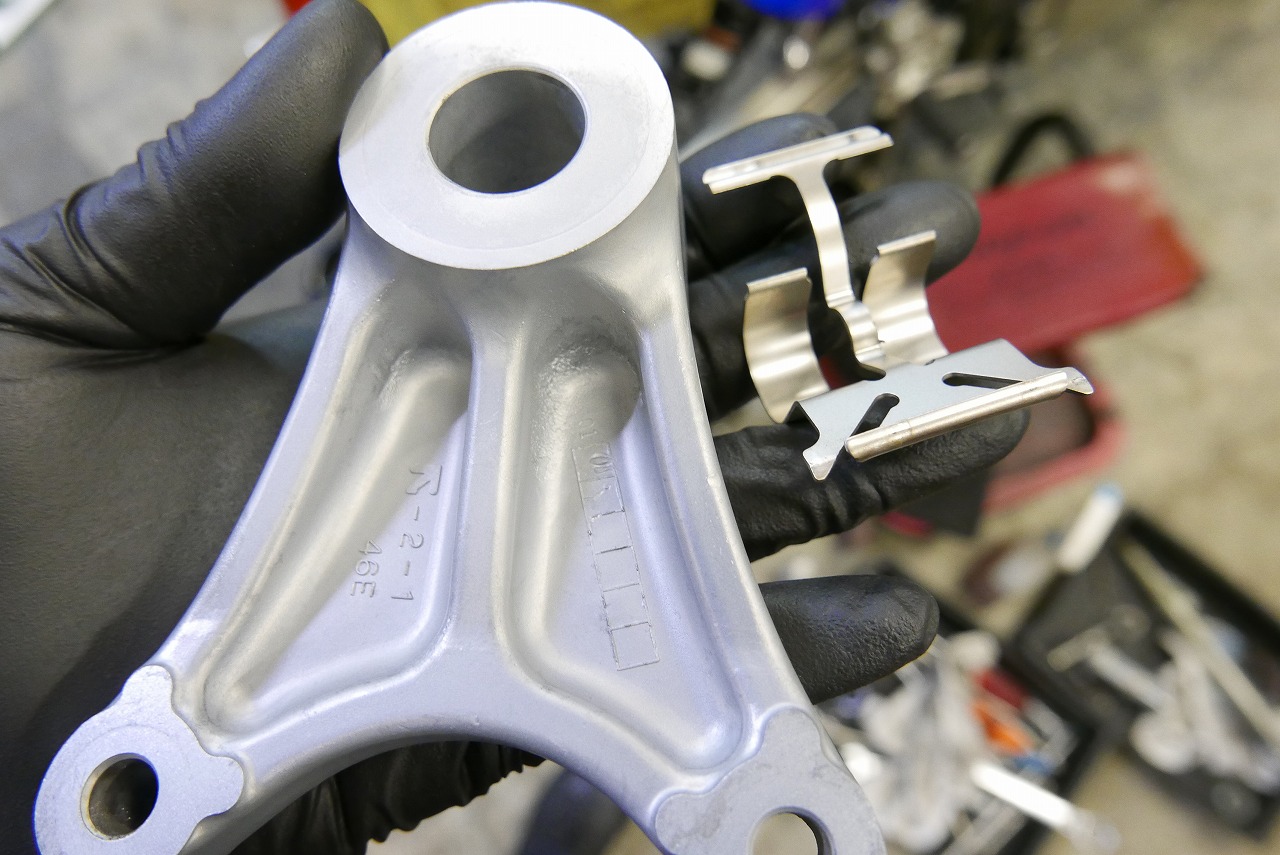
Clean what you can as you go. Riding well with good performance and looking beautiful—that might be the secret to loving a bike long-term.
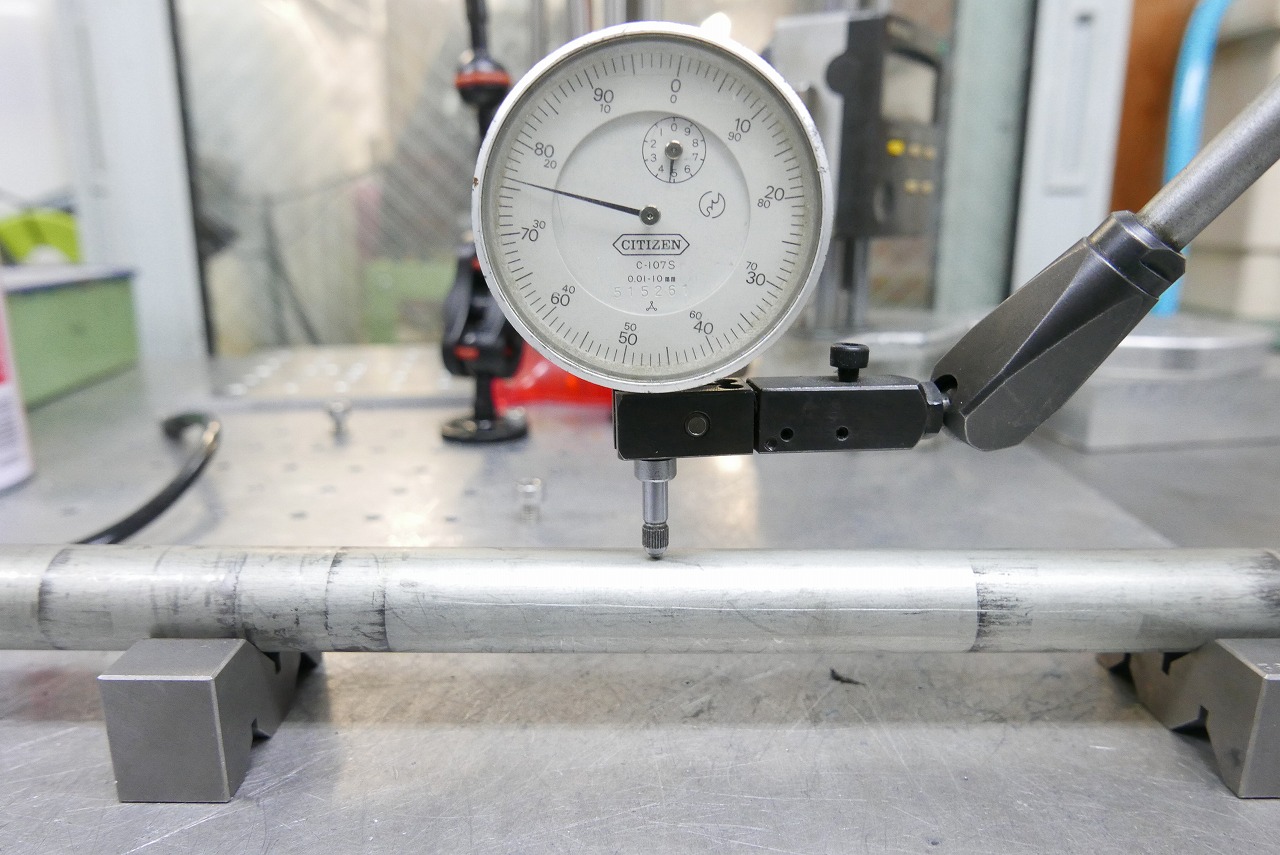
The rear axle should be fine too.
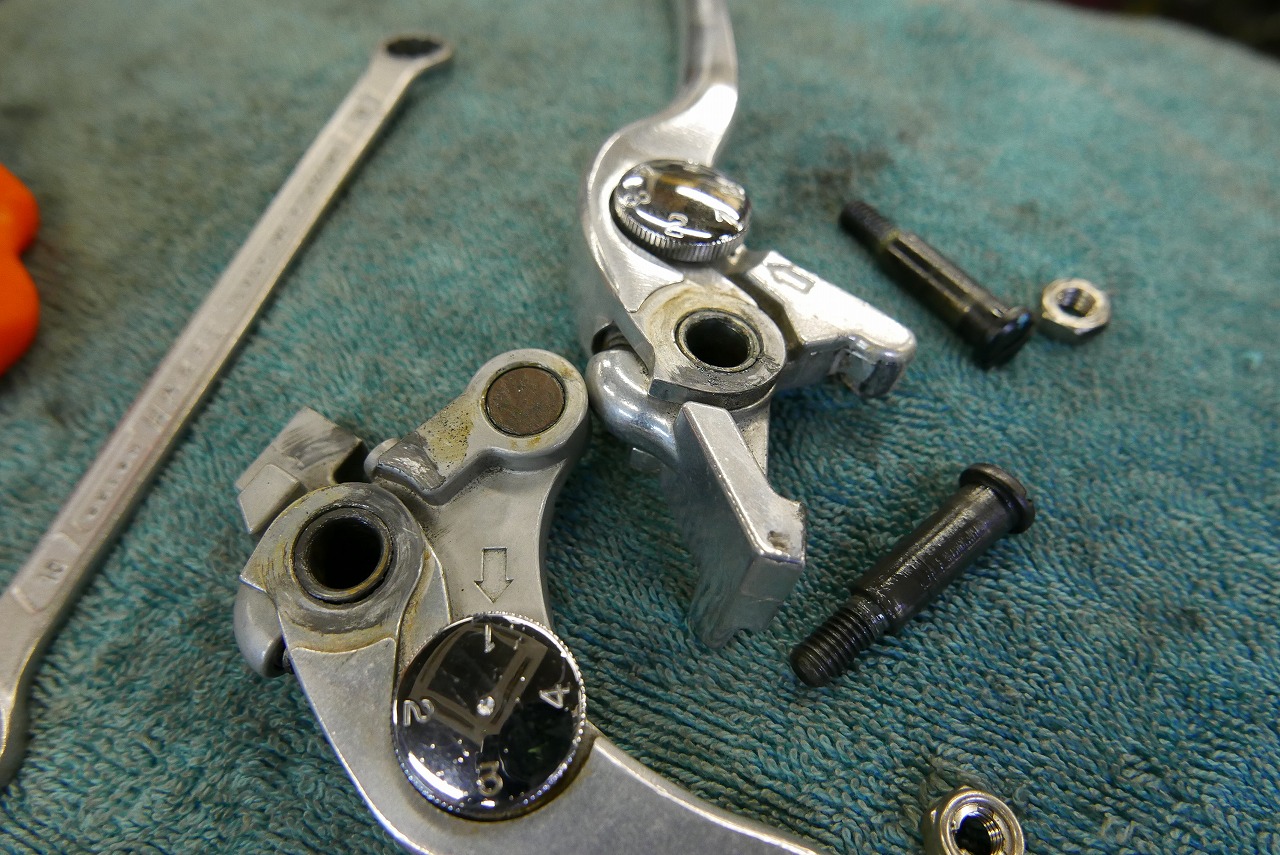
Remove the levers and replace the grease. External oiling doesn’t last well. By removing them, you can visually inspect bolt wear, lever bushings, mounting surfaces, and drum wear.
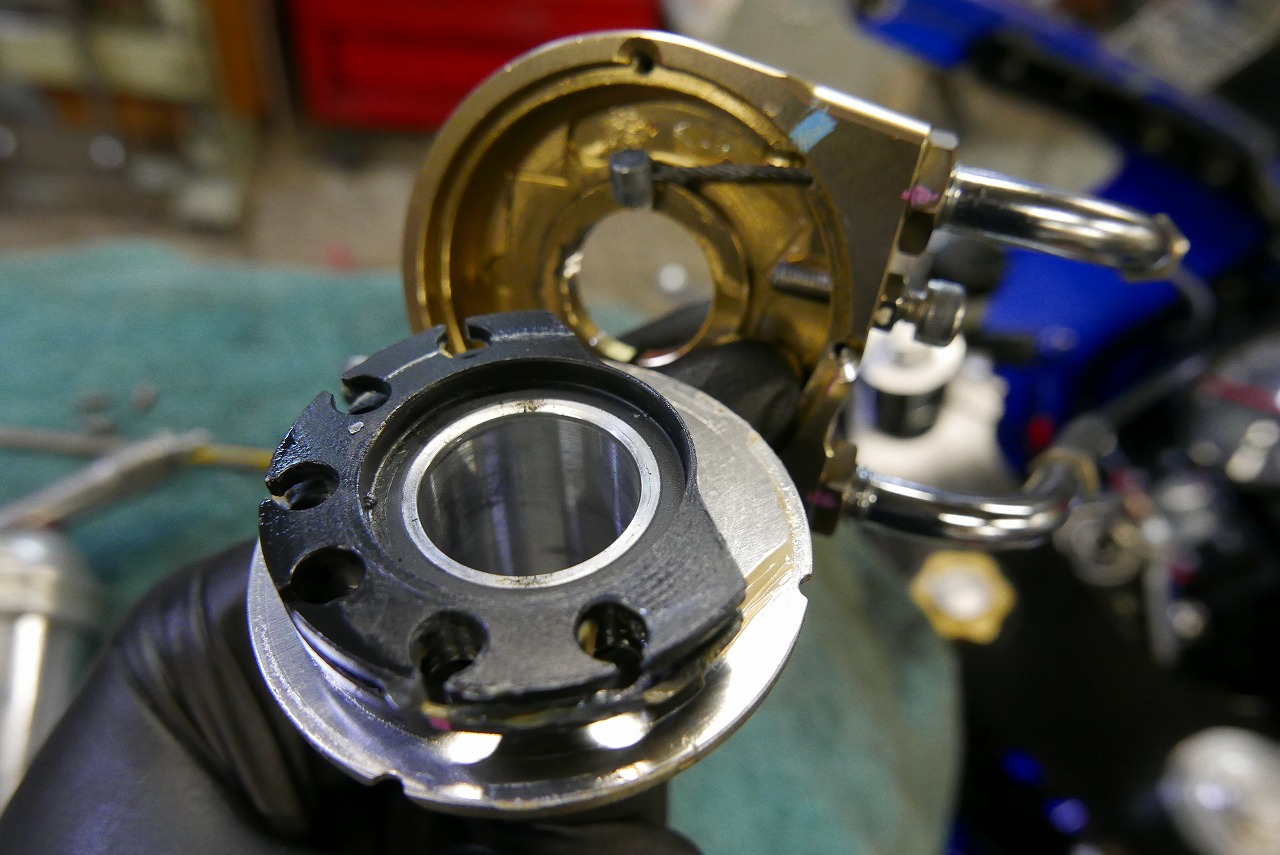
Throttle and cable lubrication. That’s quite a hefty throttle diameter.
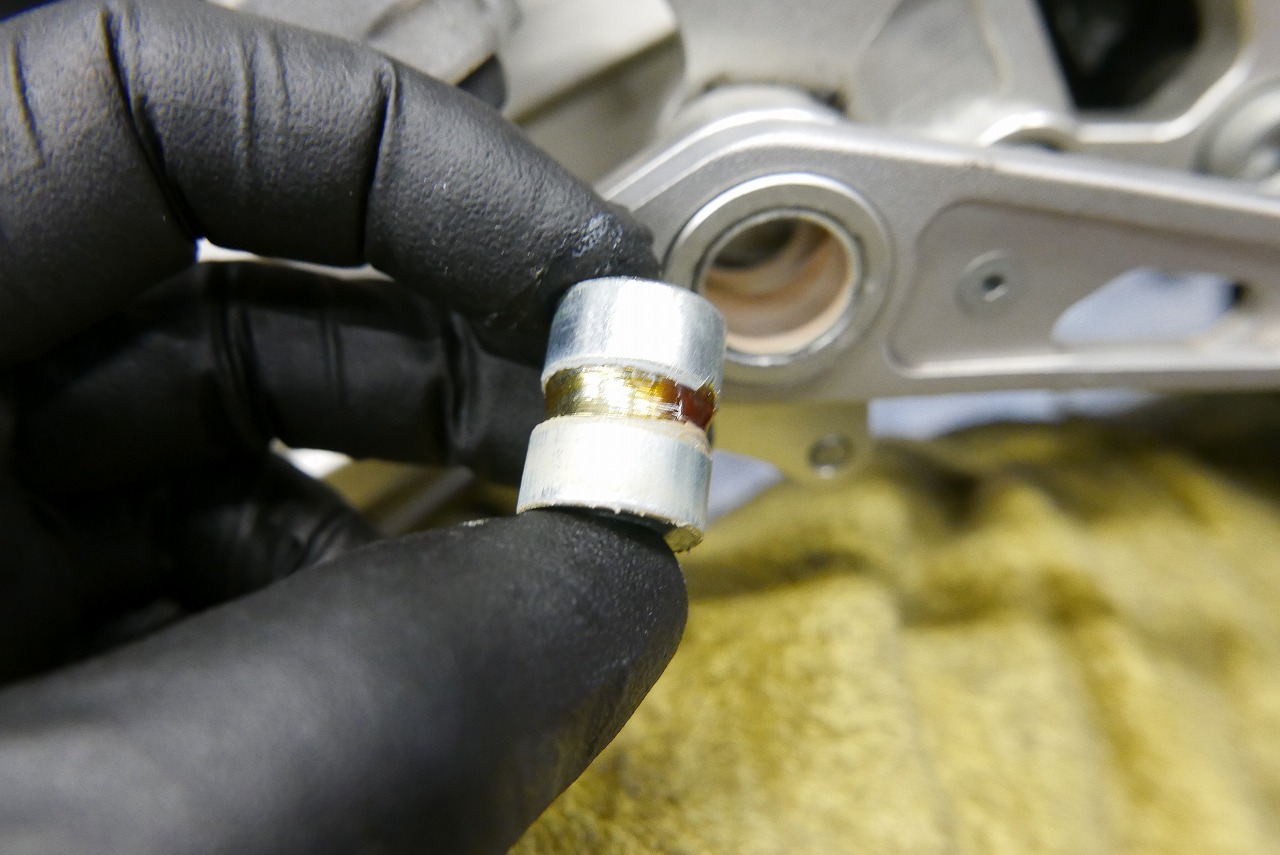
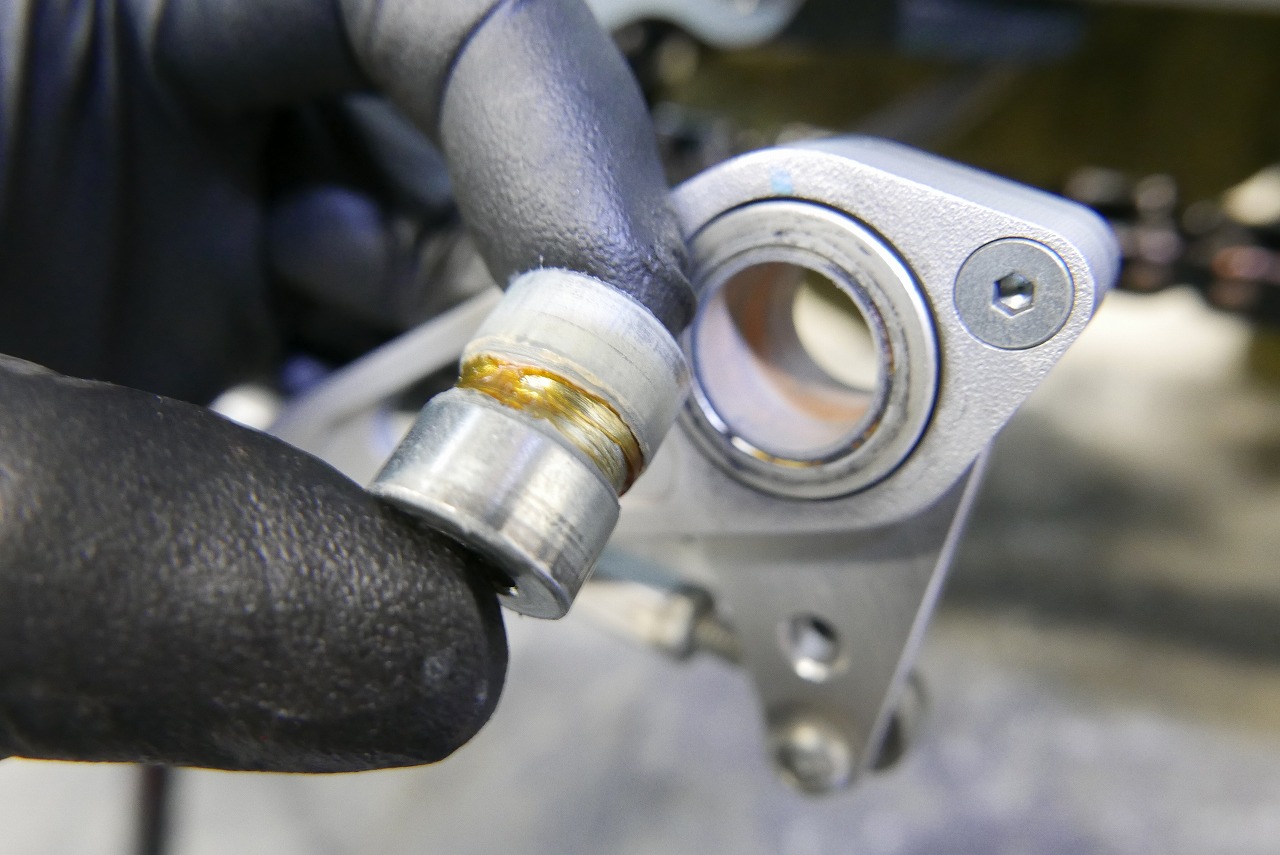
Remove both foot pegs the same way, clean them, and lubricate.
You can discover wear on the pegs, bushings, and collars, as well as bent bolts.
There’s so much you can’t know without taking things apart.
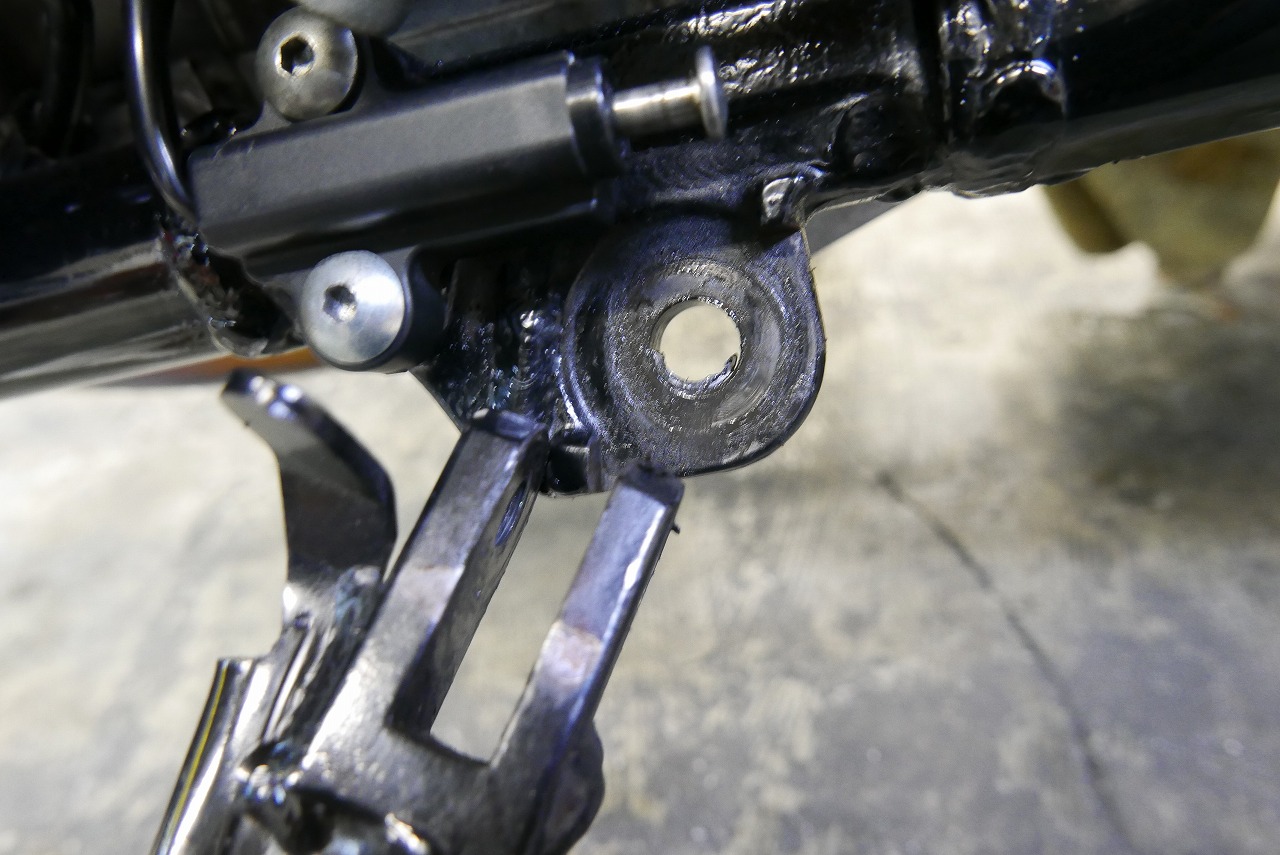
Lubricate the side stand.
It’s a part you use every time you get on and off, so it’s very important. When it extends and retracts smoothly, it feels great.
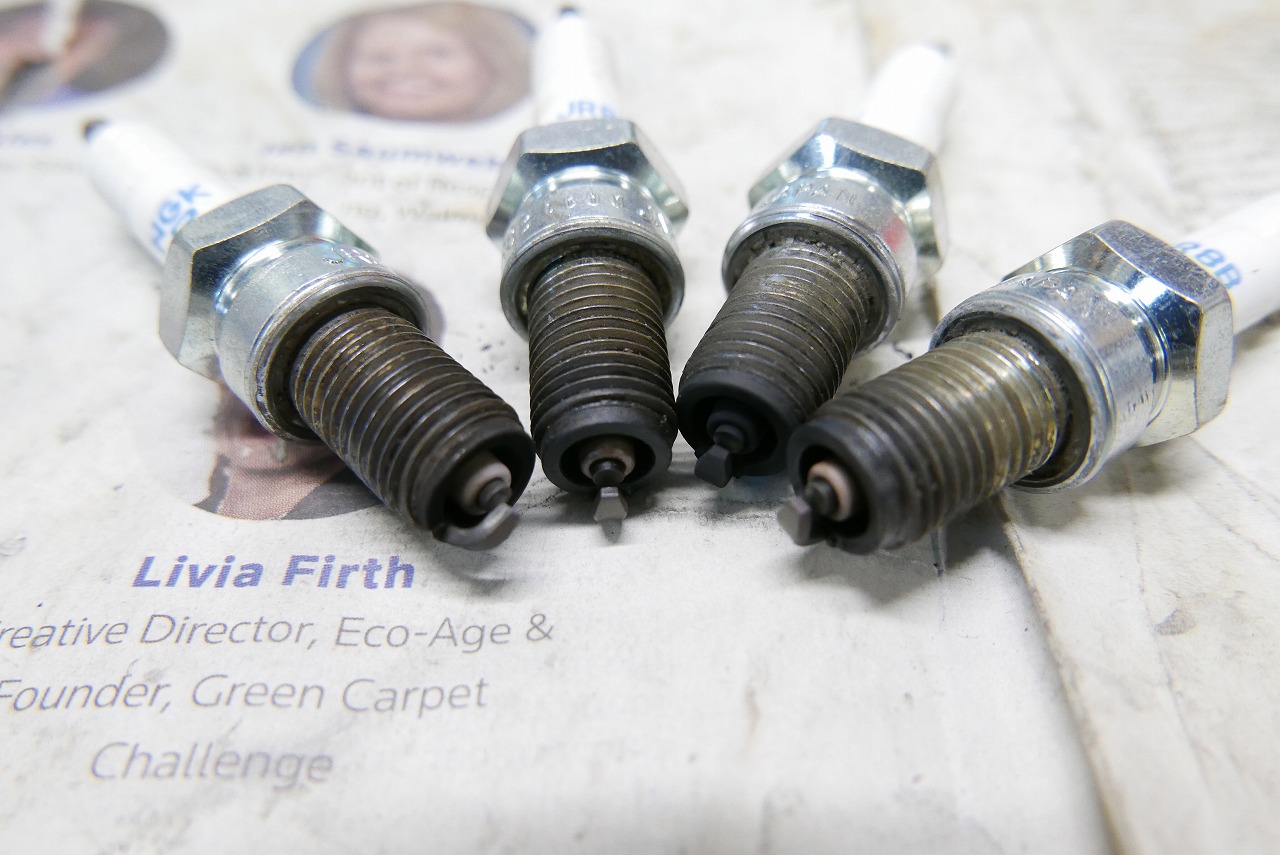
The plugs still look new, so it would be wasteful to replace them. We numbered them, shuffled them, and reused them.
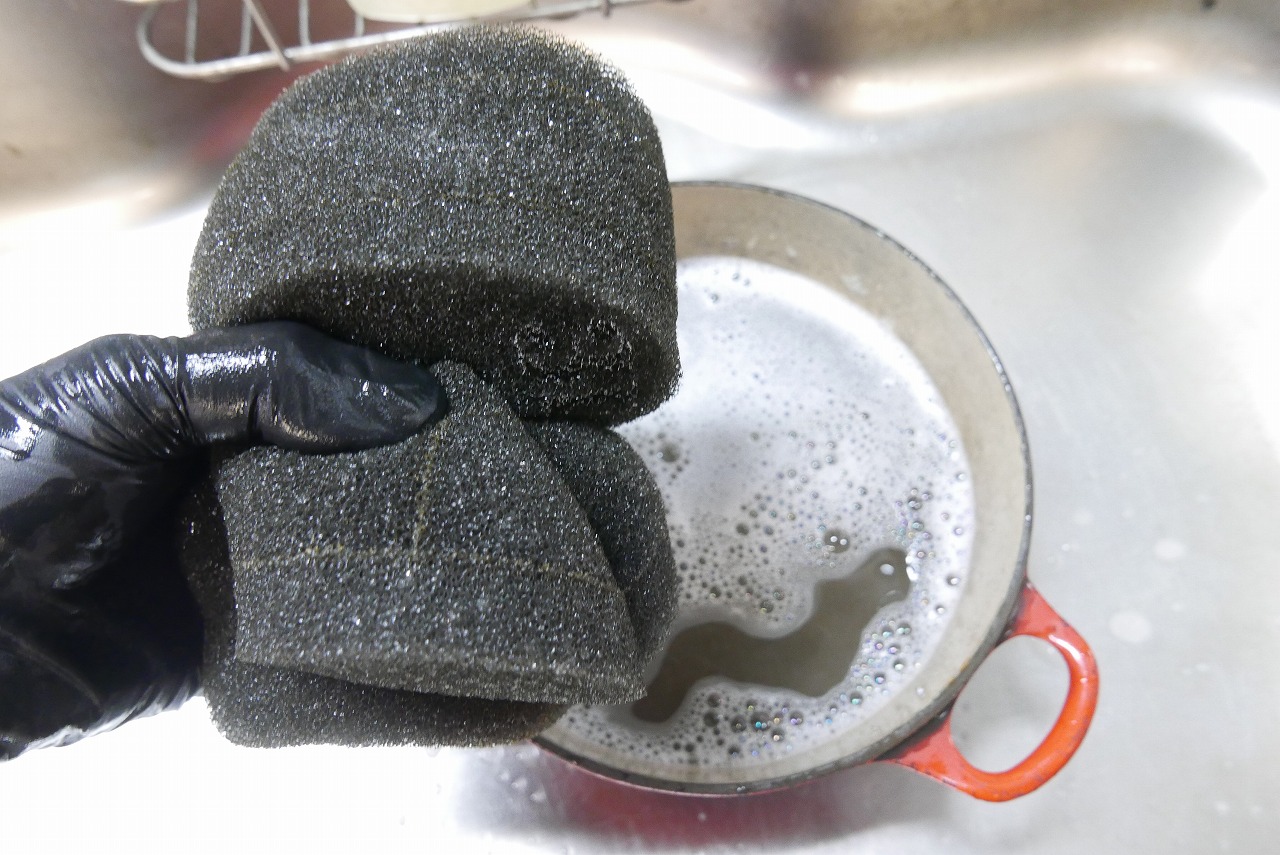
We cleaned the air filter too. If you wash it thoroughly, this filter shouldn’t burn.
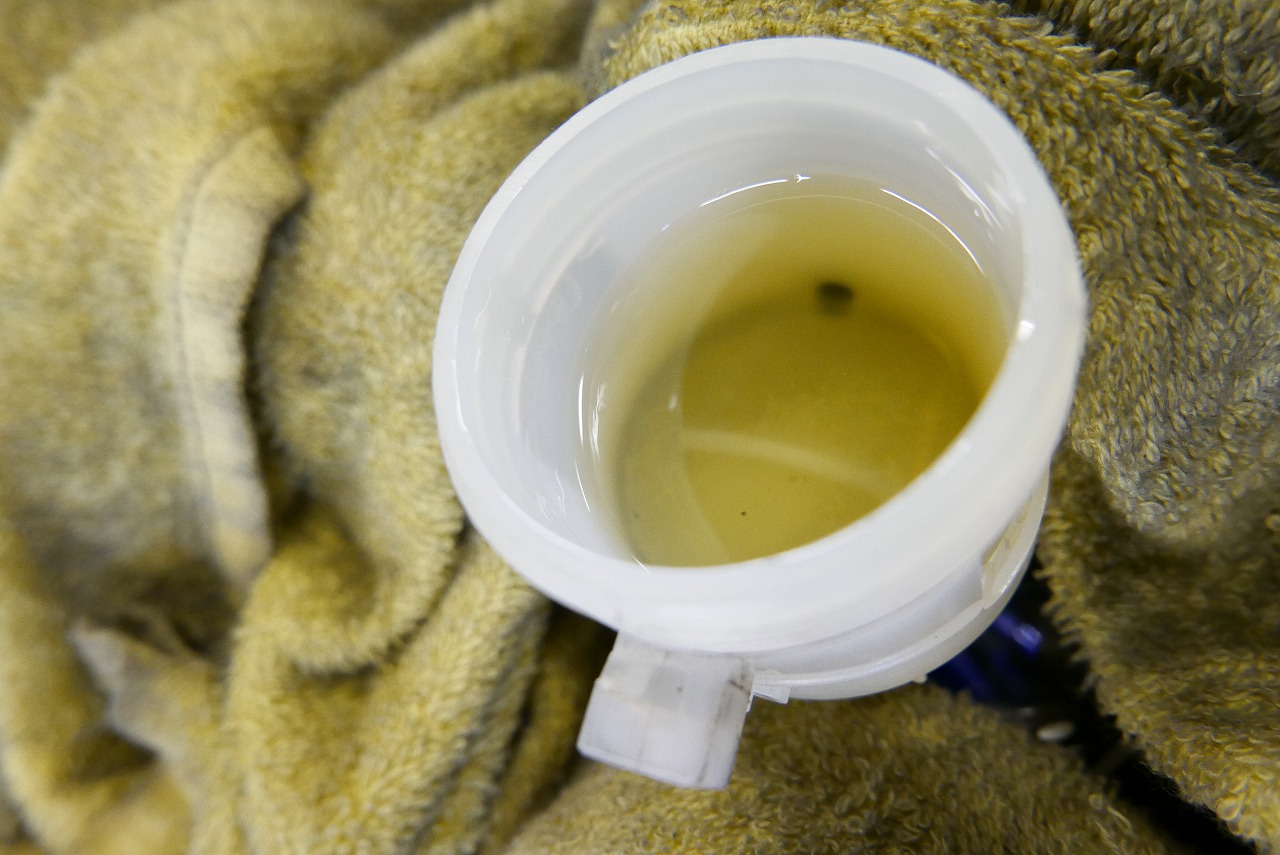
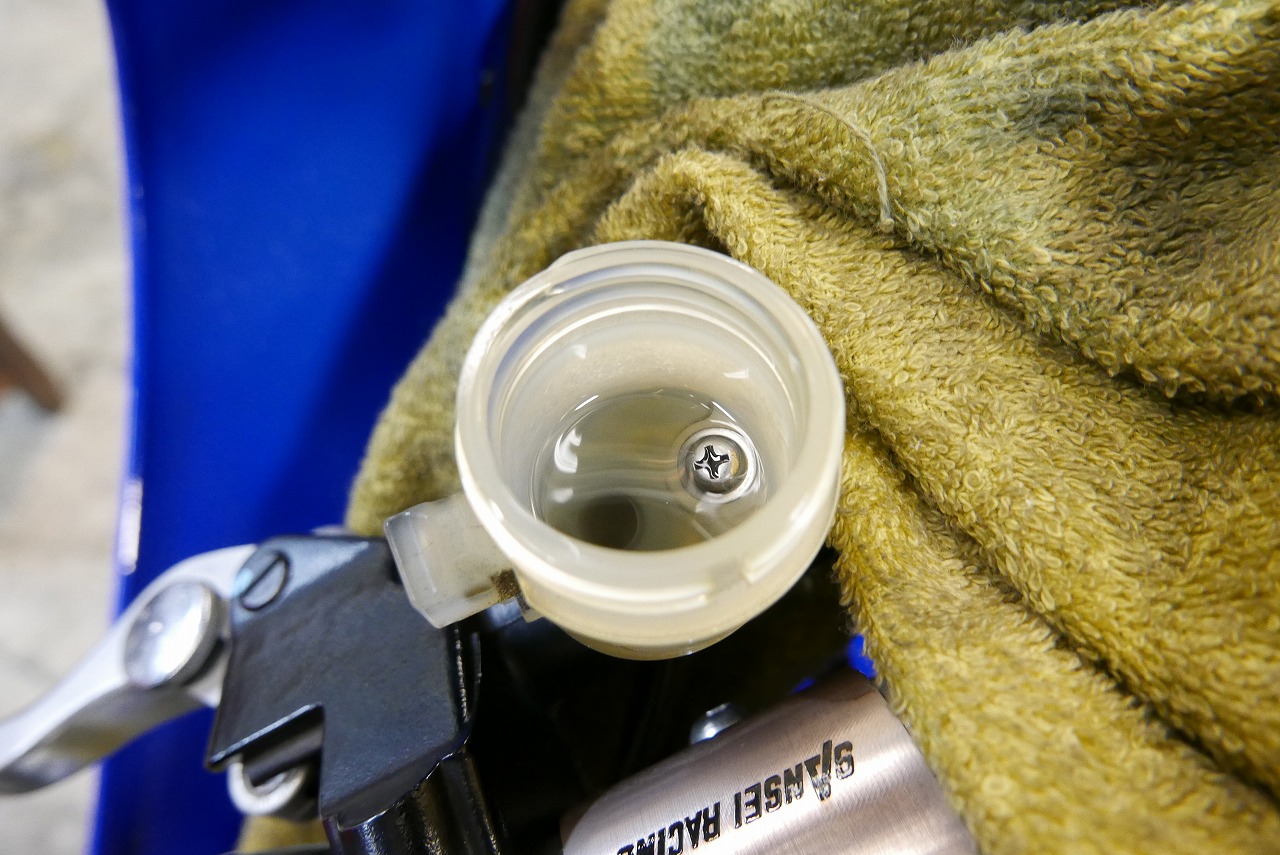
Brake fluid exchange. (We did the rear too, but I couldn’t find the photos.)
We use CCI Golden Cruiser DOT4—a reliable, trustworthy fluid. Racing fluids feel good too, but they seem to have a shorter shelf life.
A fluid that combines good feel with durability is best for street use.
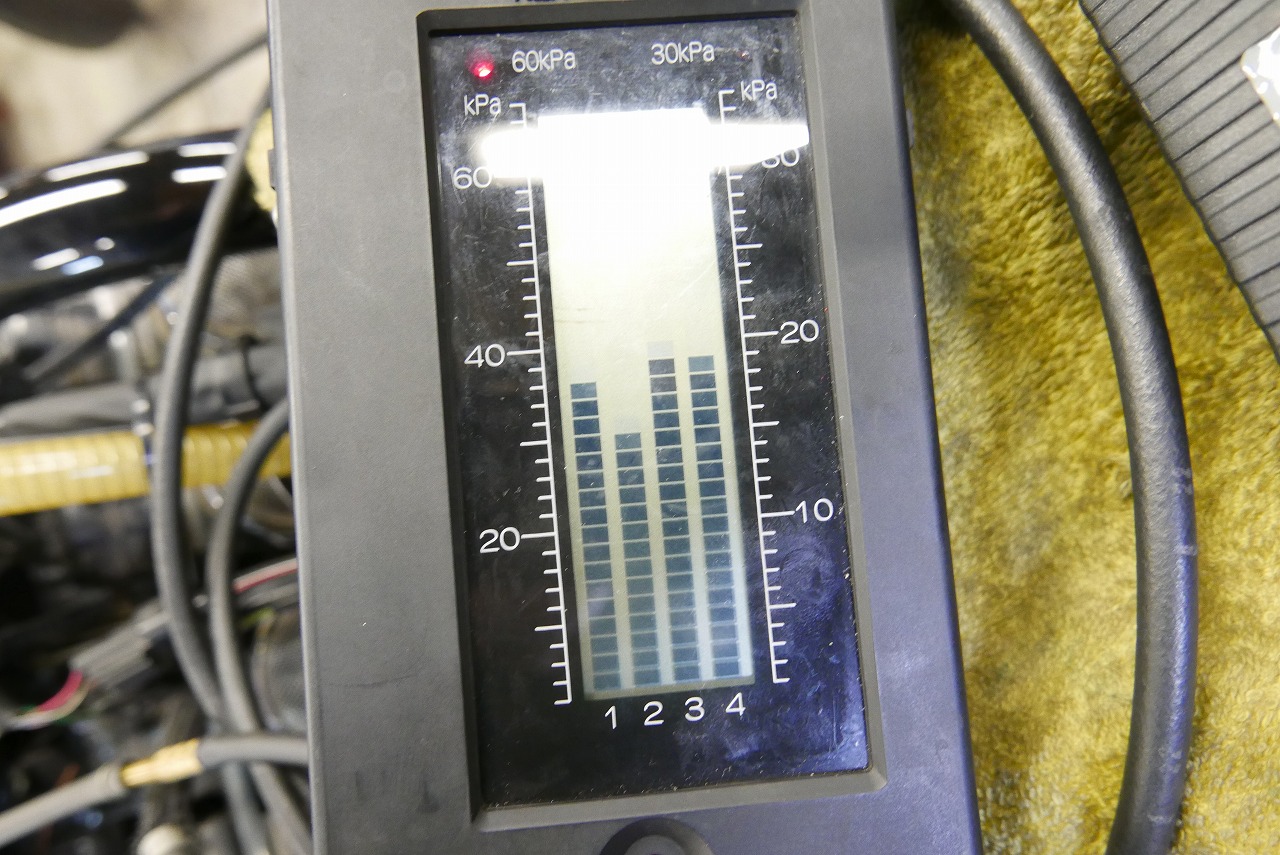
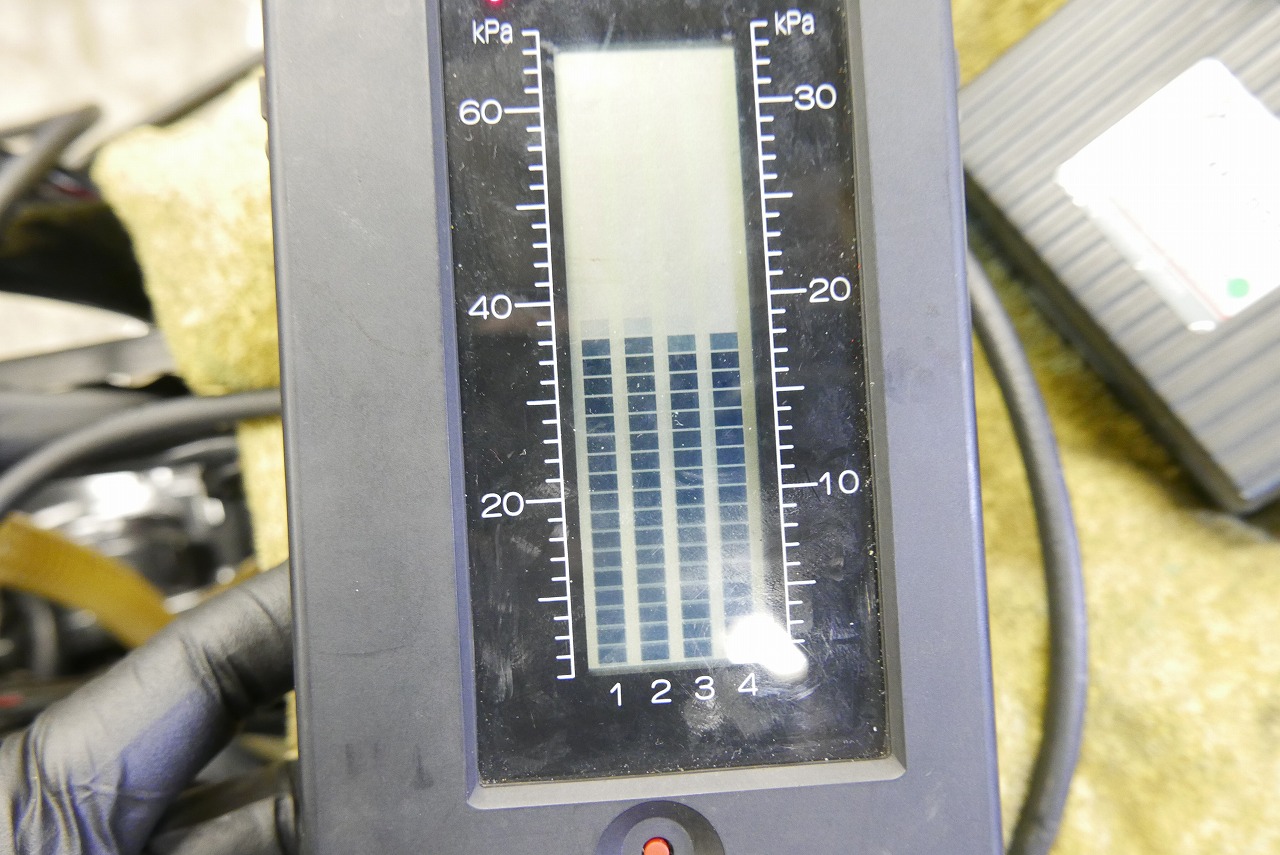
For the FCR, I installed a vacuum nipple long ago, so we’re synchronizing. The digital type with a hose for vacuum measurement is definitely easier.
The level gauge you hold up to the funnel is too rough—it’s really just a ballpark figure.
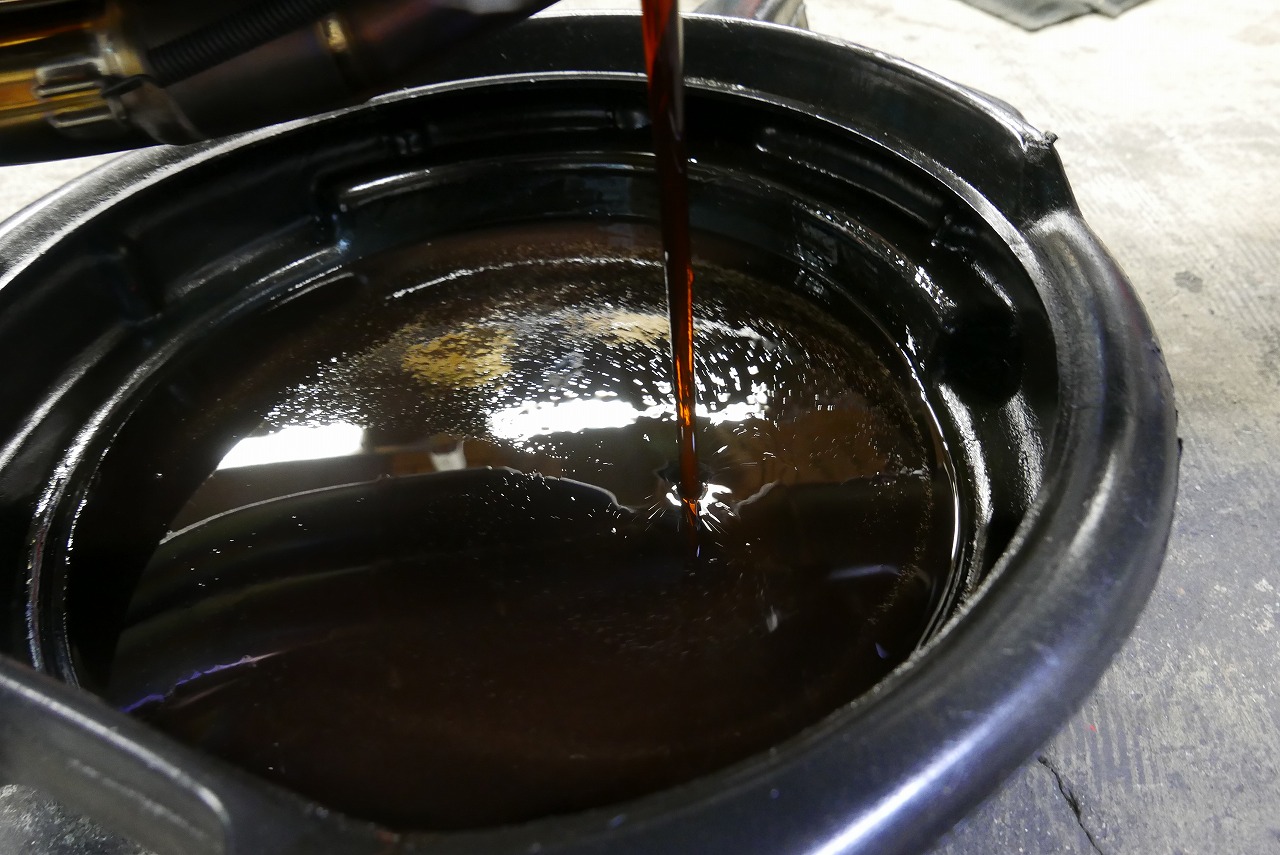
Engine oil is Newtech NC50 10W-50 and filter.
If someone feels the engine is sagging in summer heat, NC41 10W-50 or ELF MOTO4RACE 10W-60 would be better.
Engine oil should be changed regularly. It’s fun to try different ones.