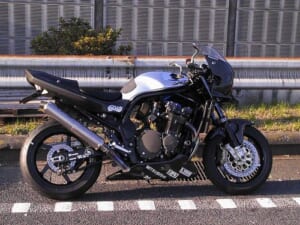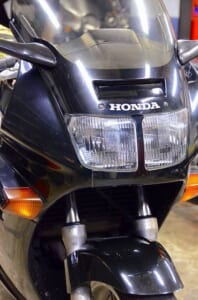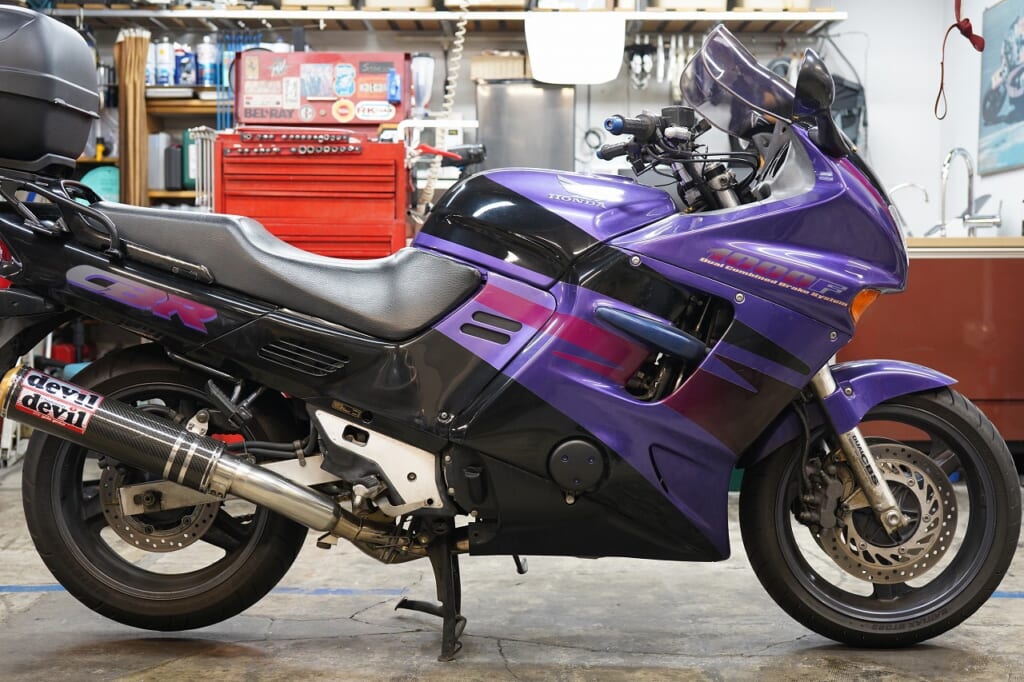
Hmm, you can really feel the era in this one. The color scheme and design are kind of cool in a retro way, if you ask me—which probably means you’re quite the enthusiast.
About 4,000 miles of actual riding—is that really true? And at such an unbelievable price.
(Around the level of an Address 125)
I think this might be my first time working on a CBR1000F.
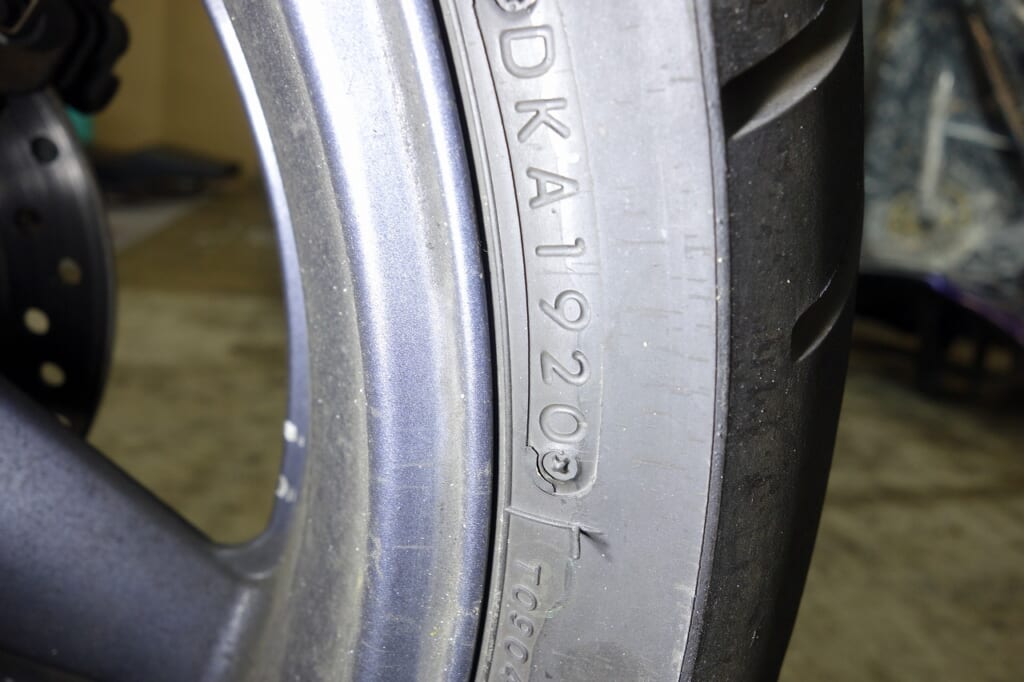
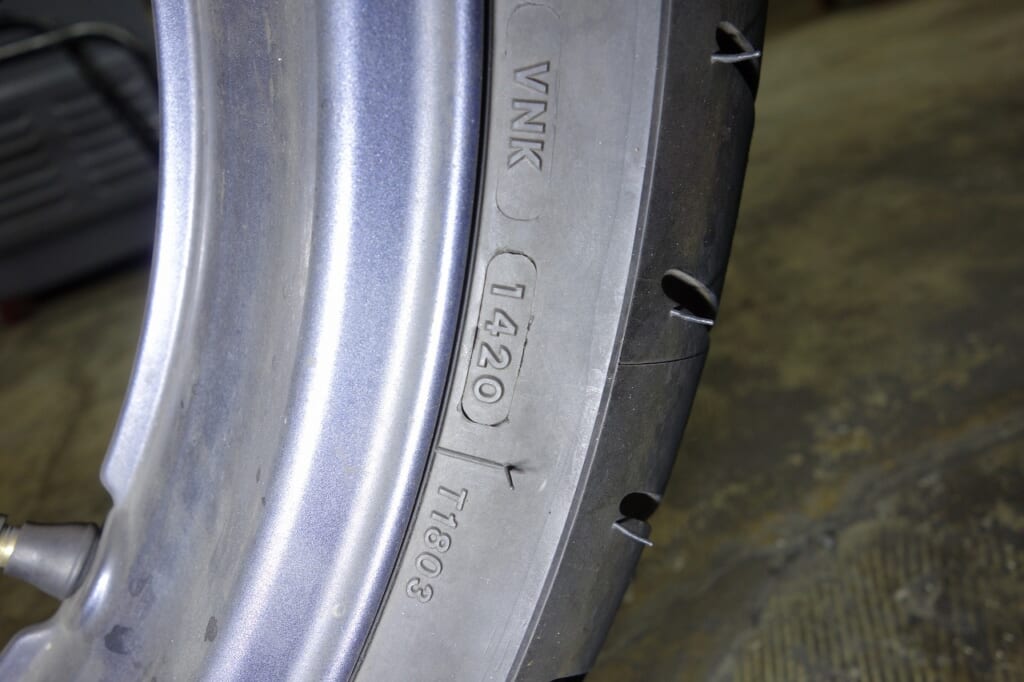
Our routine tire check. The tires are surprisingly fresh.
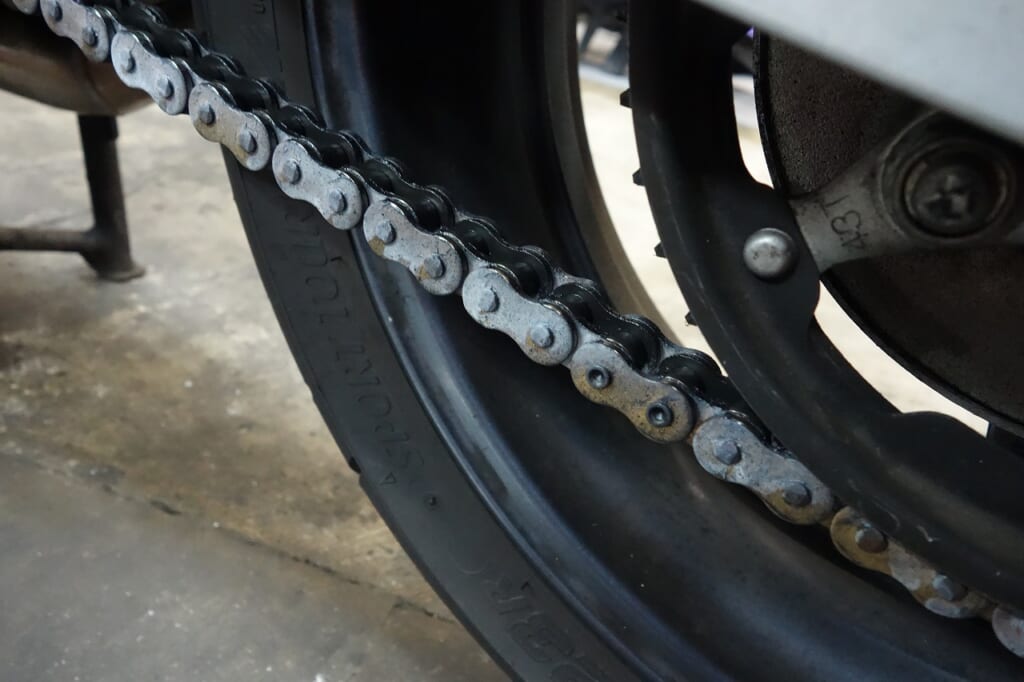
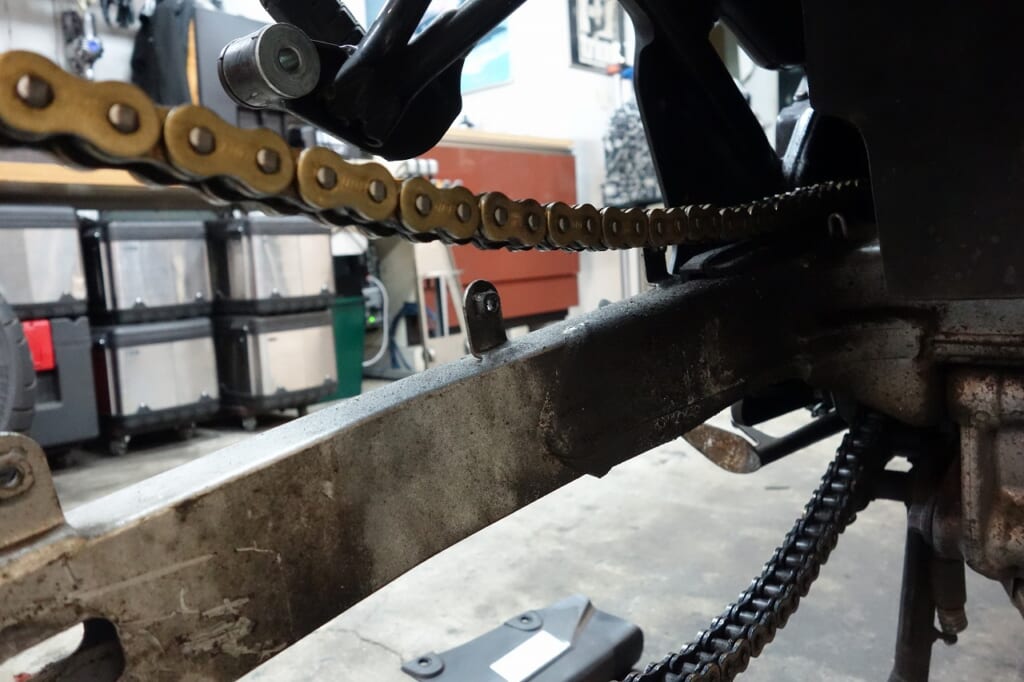
After cleaning the chain, we uncovered a gold chain underneath (DID).
Let’s remove the wheels and clean the hard-to-reach spots.
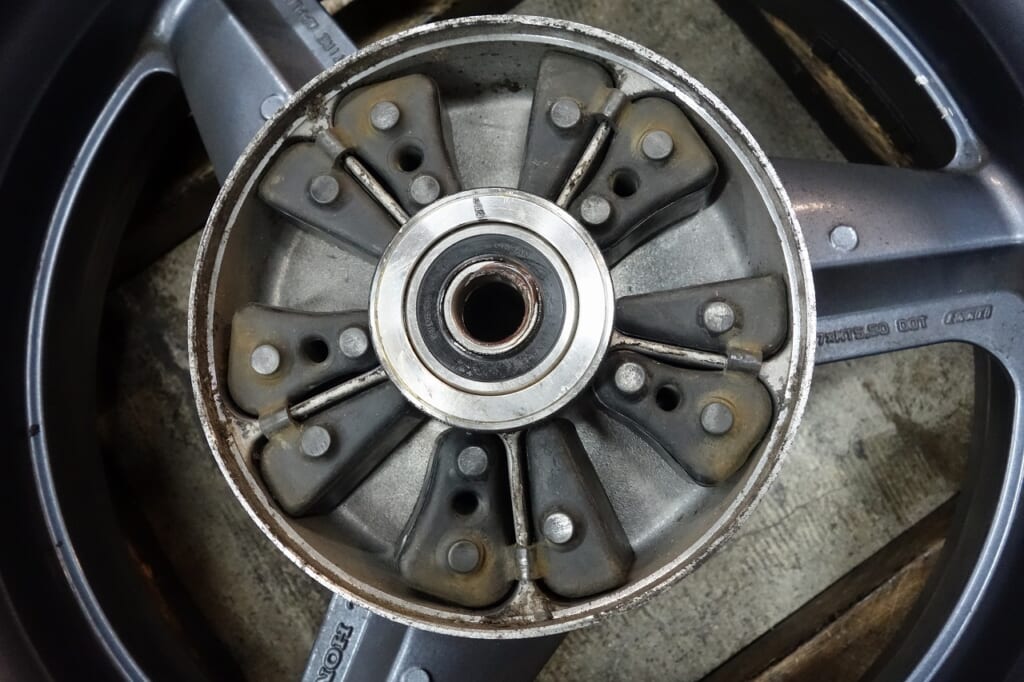
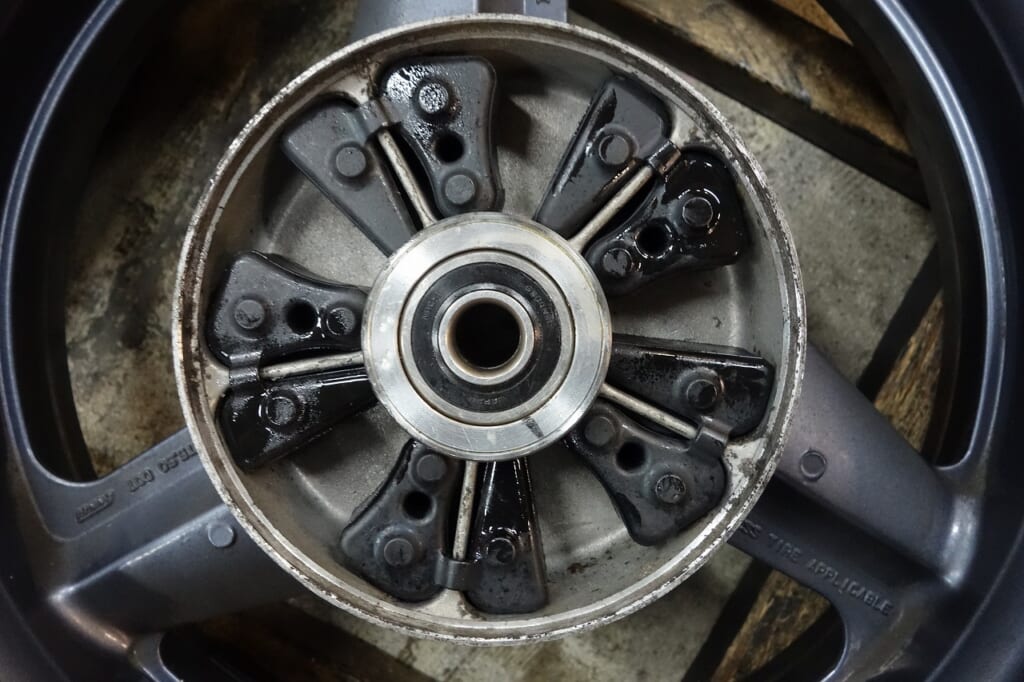
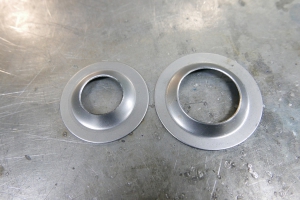
We’ll replace the hub damper too.
Everyone, with older bikes it’s a good idea to replace rubber parts first for peace of mind. (Keep discontinued parts in mind.)
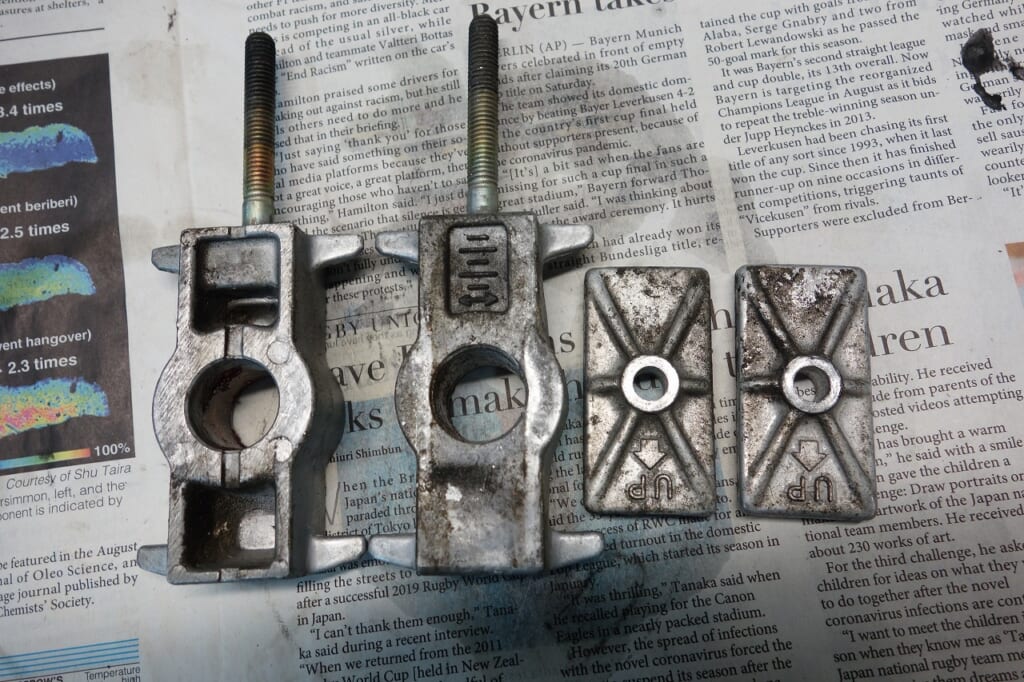
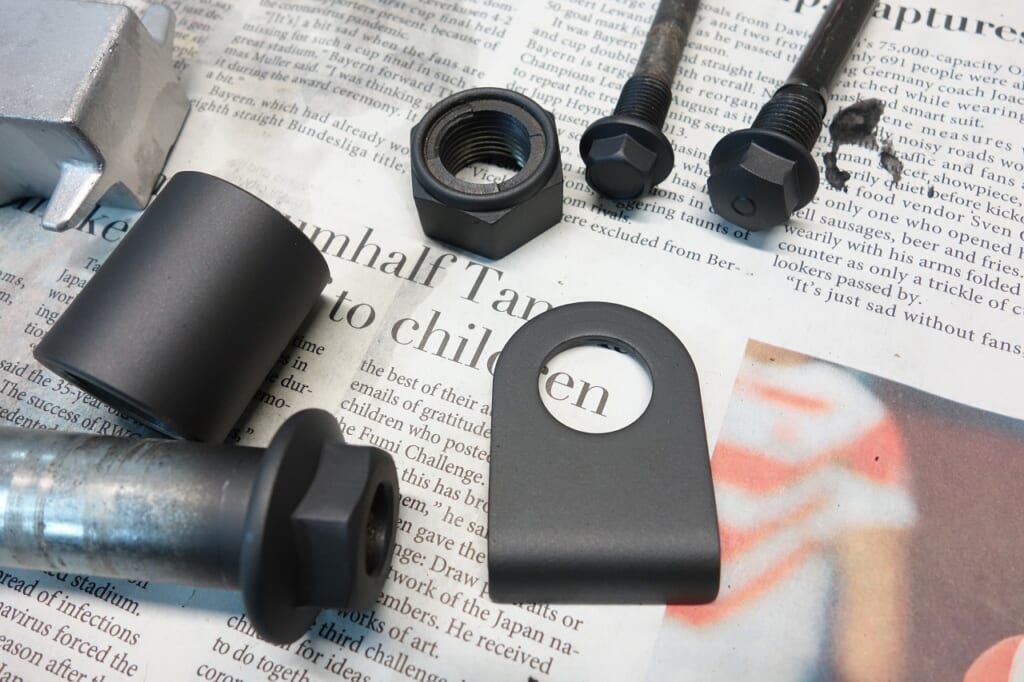
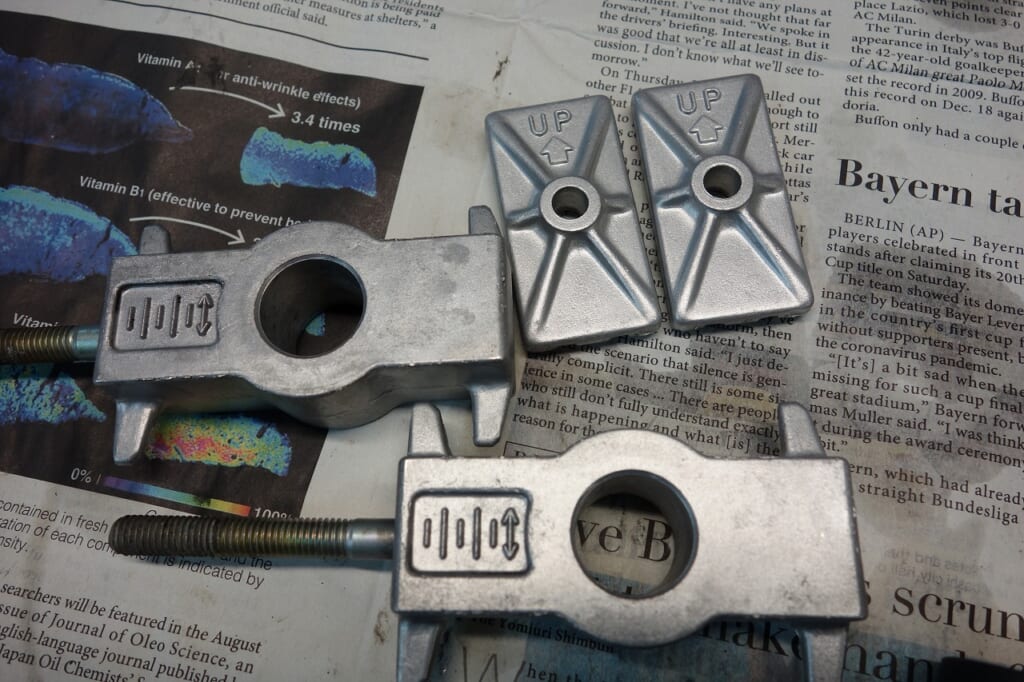
We also cleaned up all the little details.
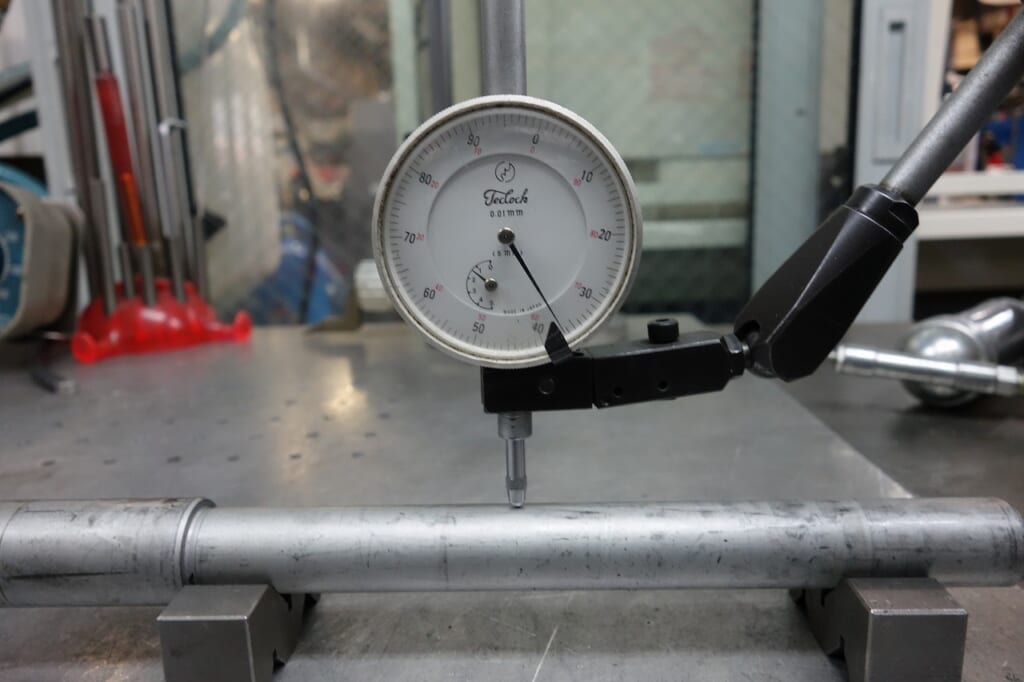
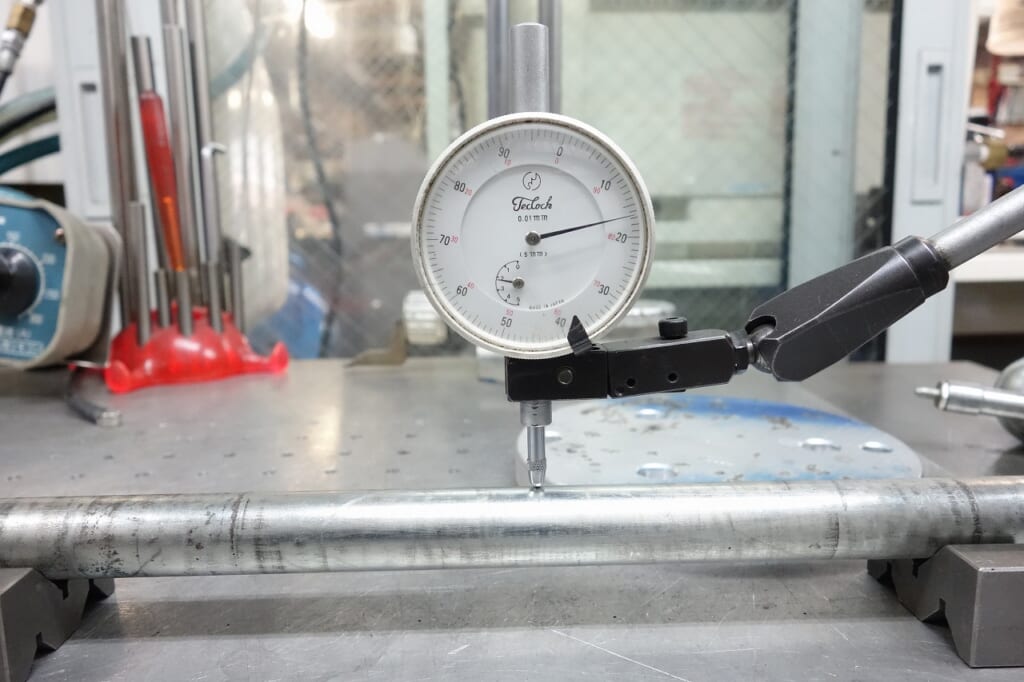
We checked the axle shaft too. No issues.
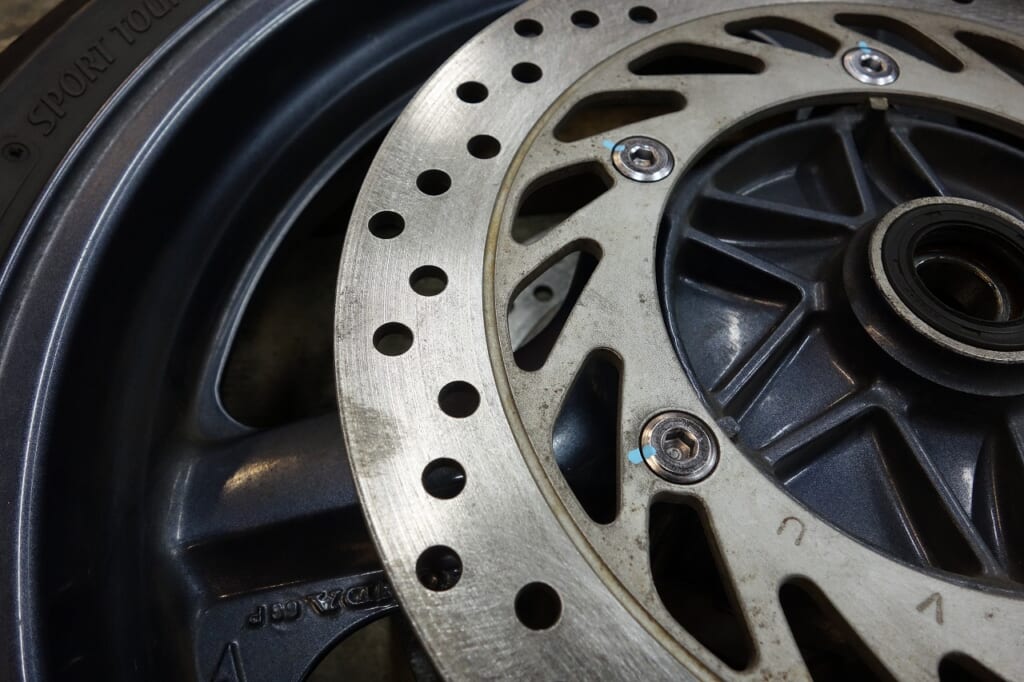
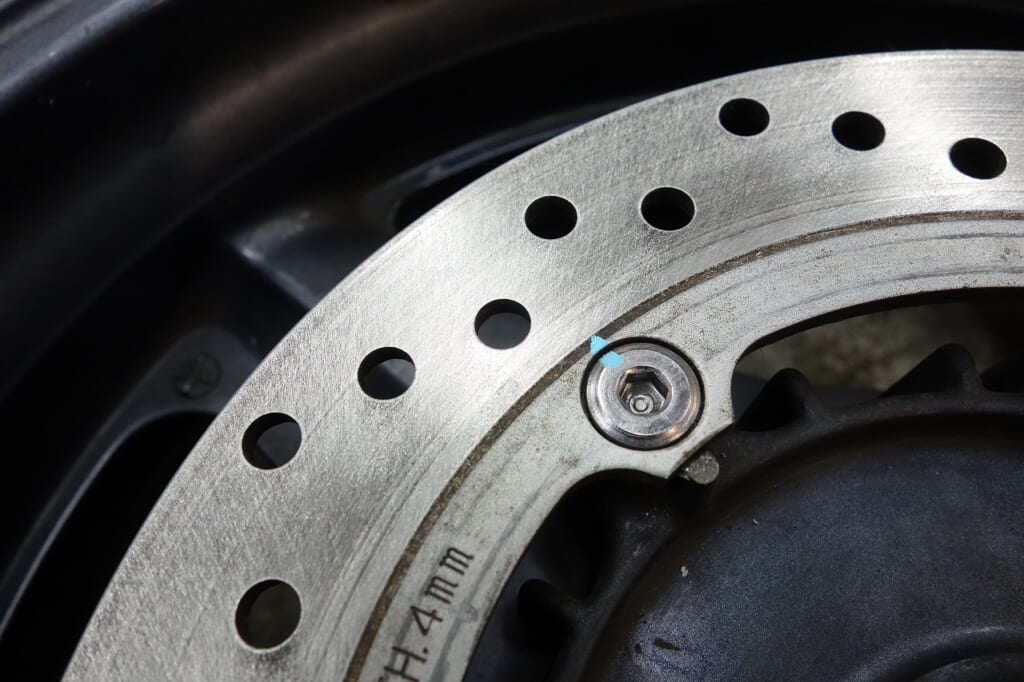
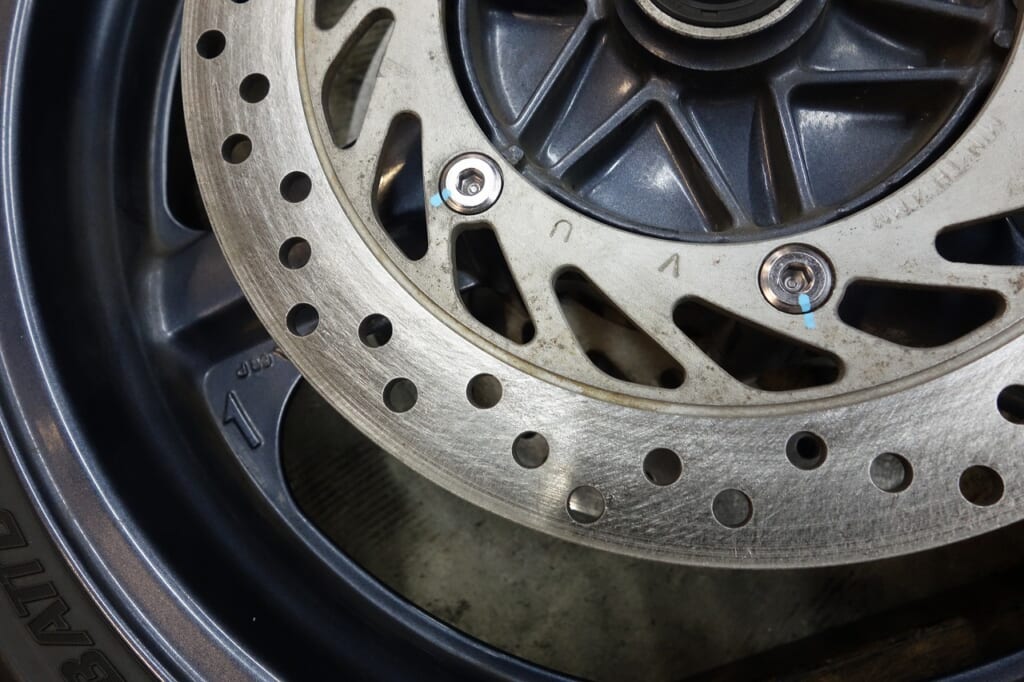
We’re replacing the brake pads, so we honed all three discs. We also replaced the mounting bolts.
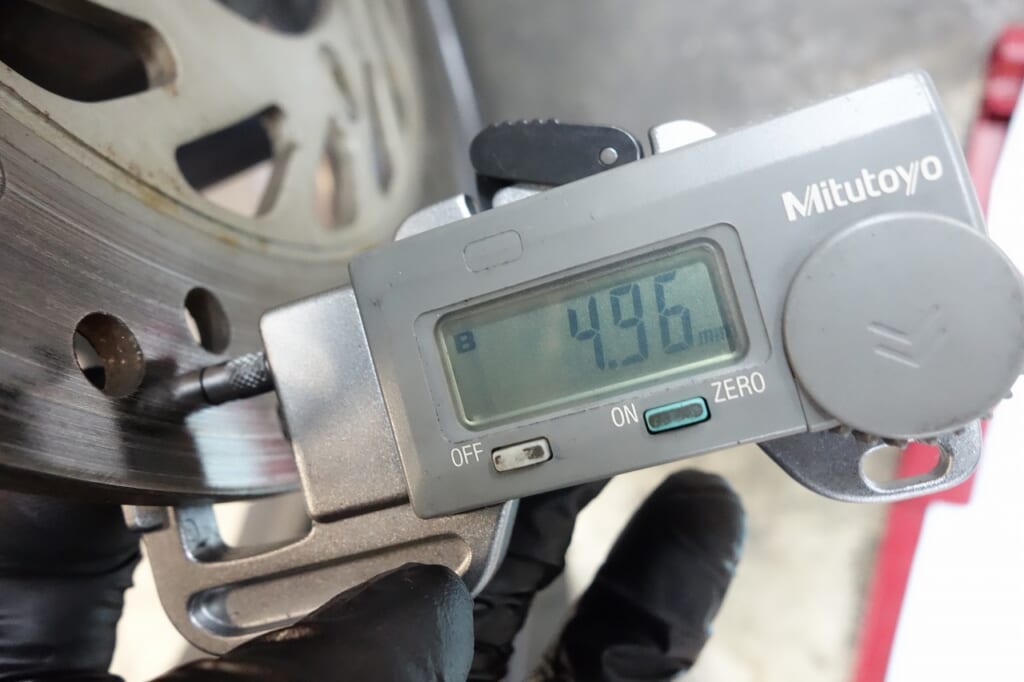
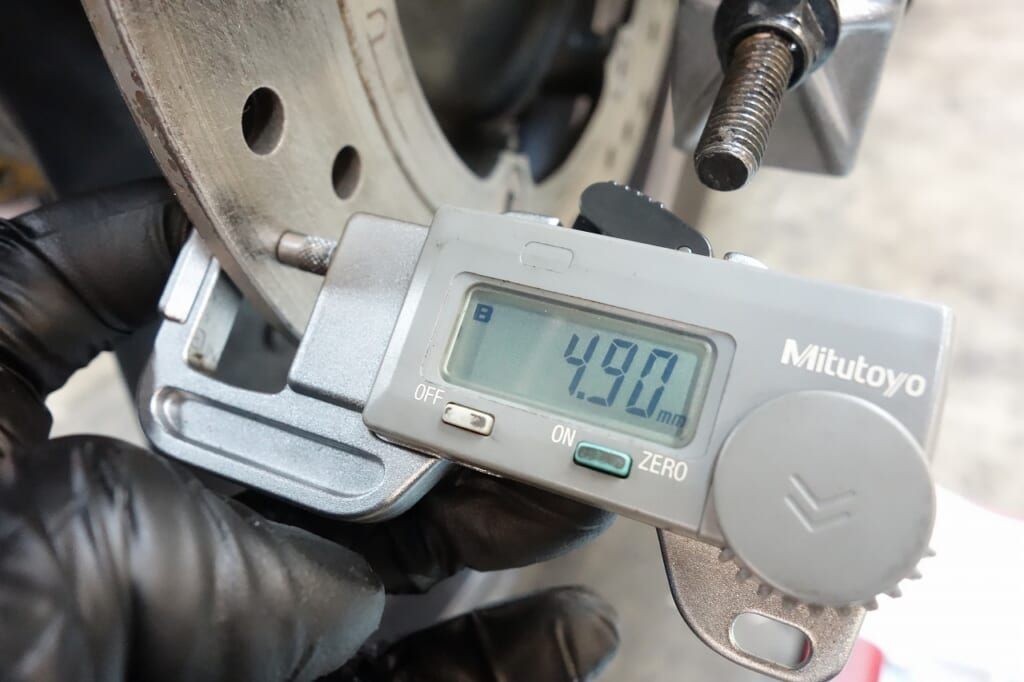
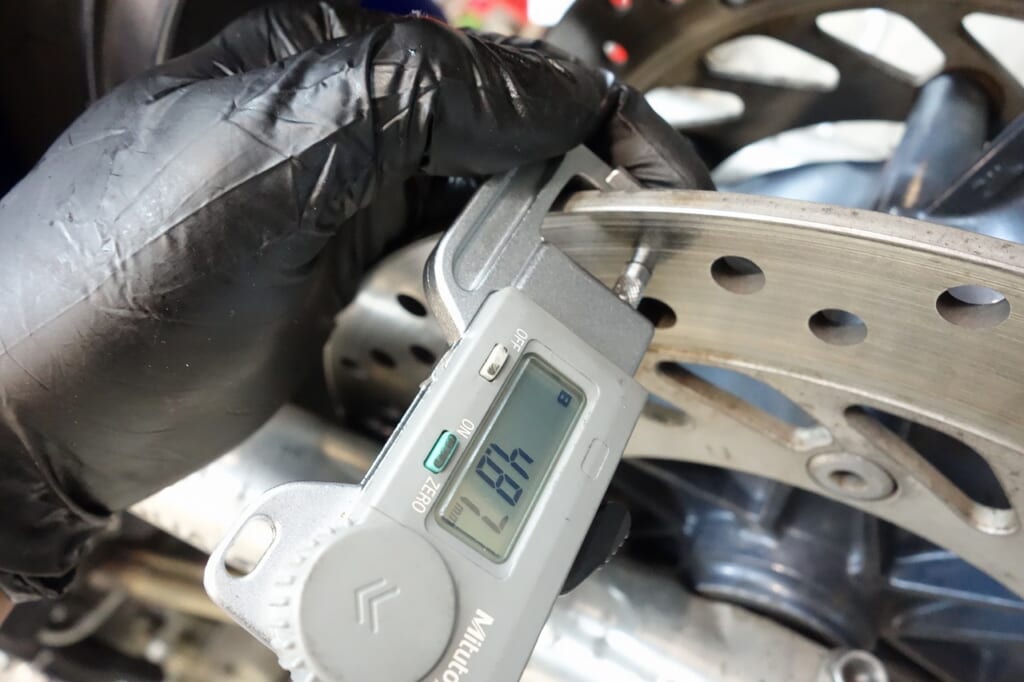
The brake disc thickness is really solid. You’re good for a while.
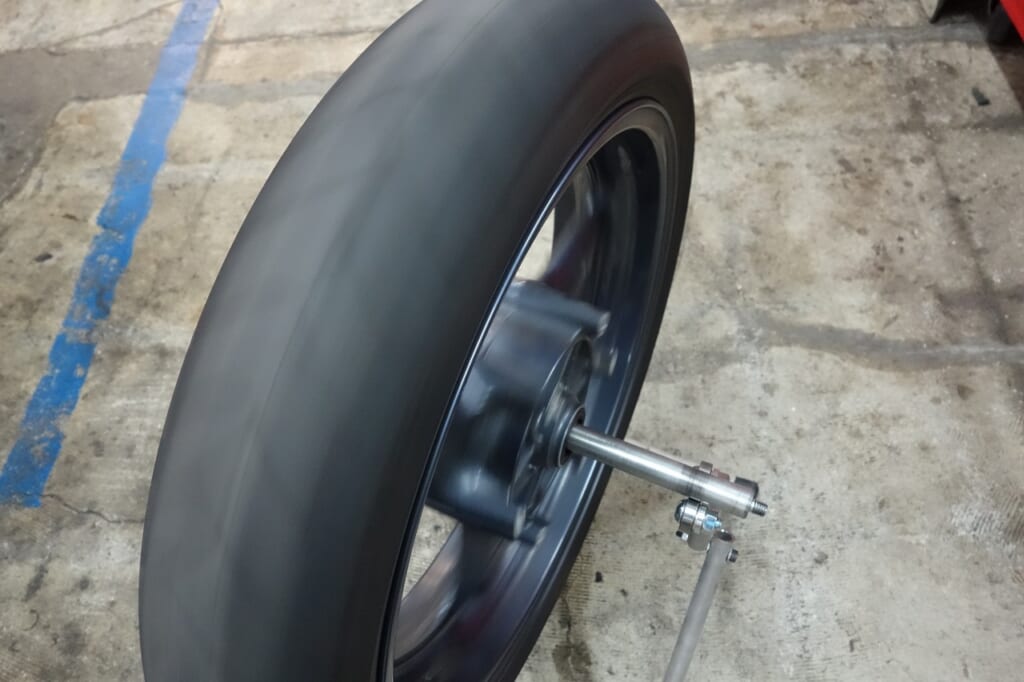
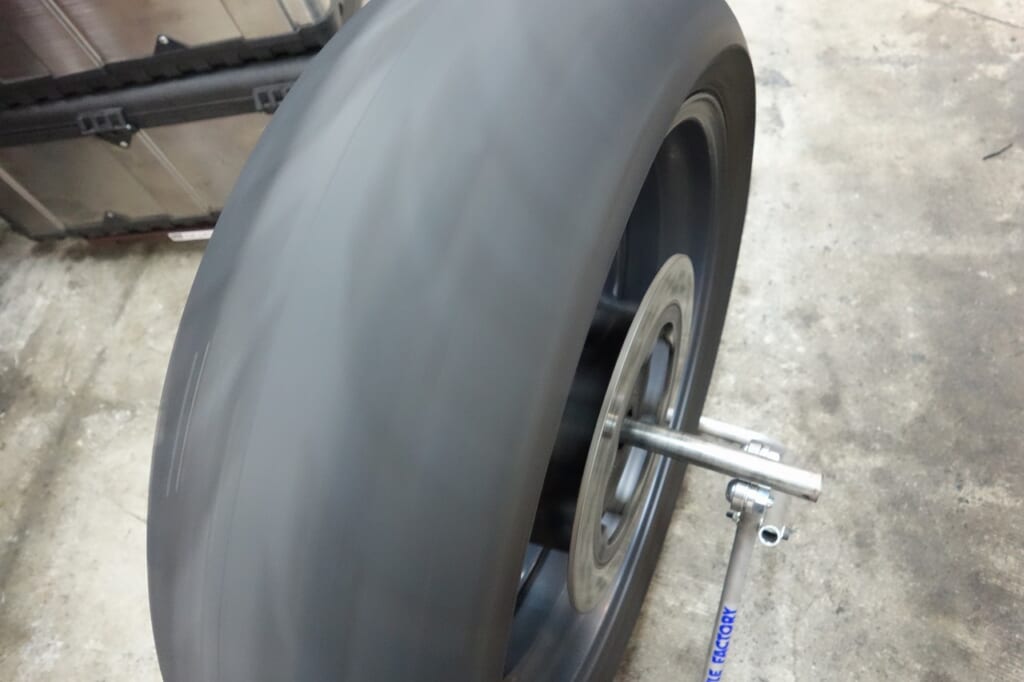
The wheel runout is fine. The rear tire has a slight radial runout.
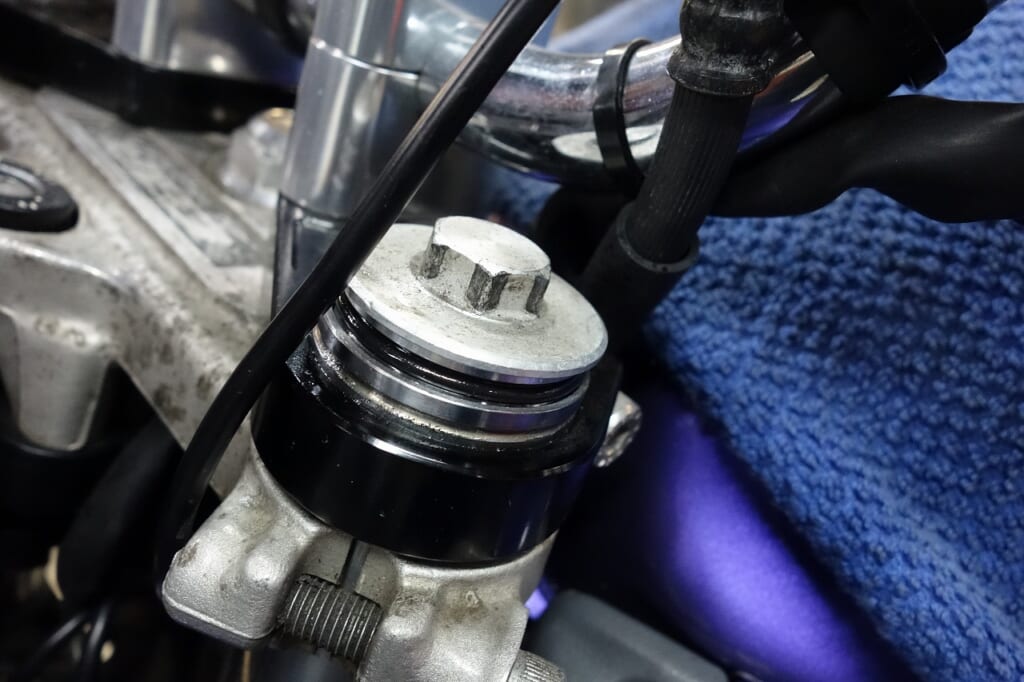
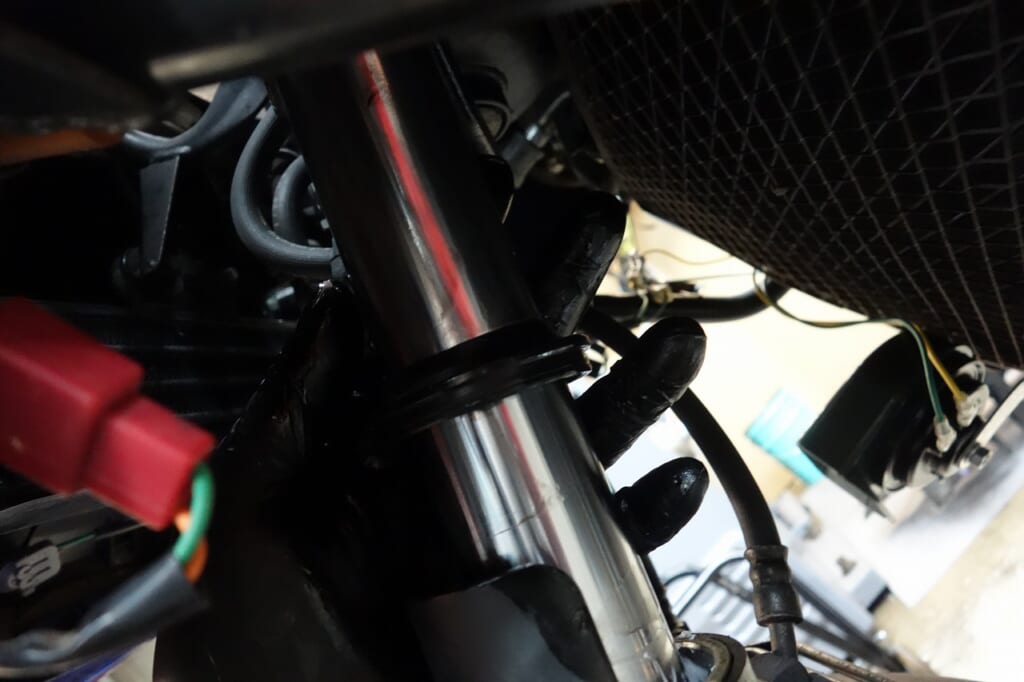
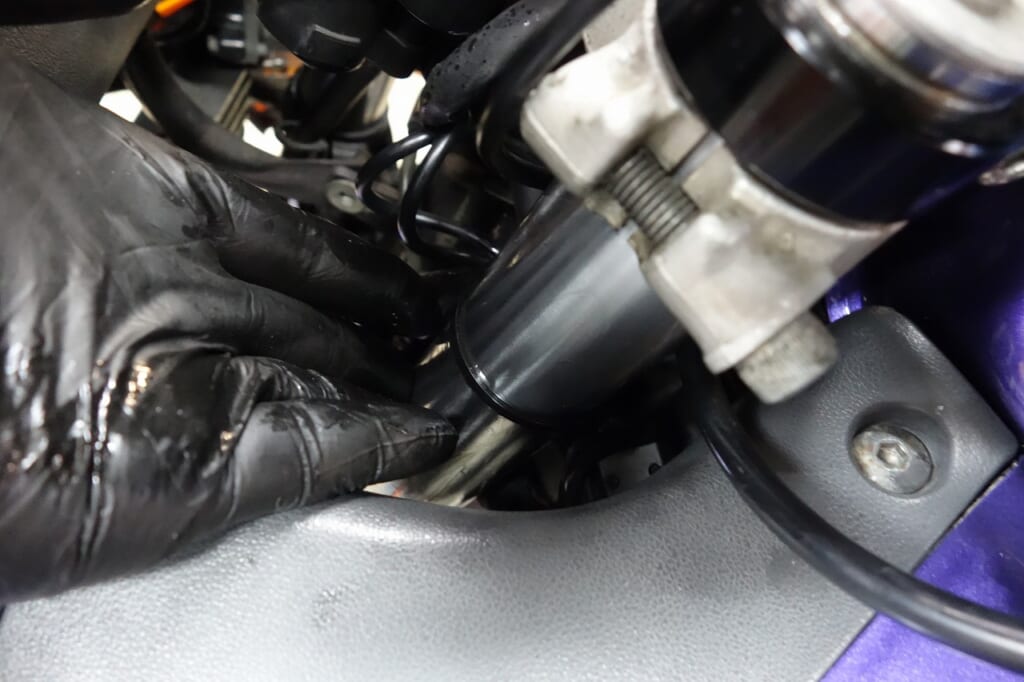
We lifted the front to ventilate inside the fork. We also did rust prevention, cleaning, and lubrication on the inner tubes.
Parts last a long time if you keep them from rusting.
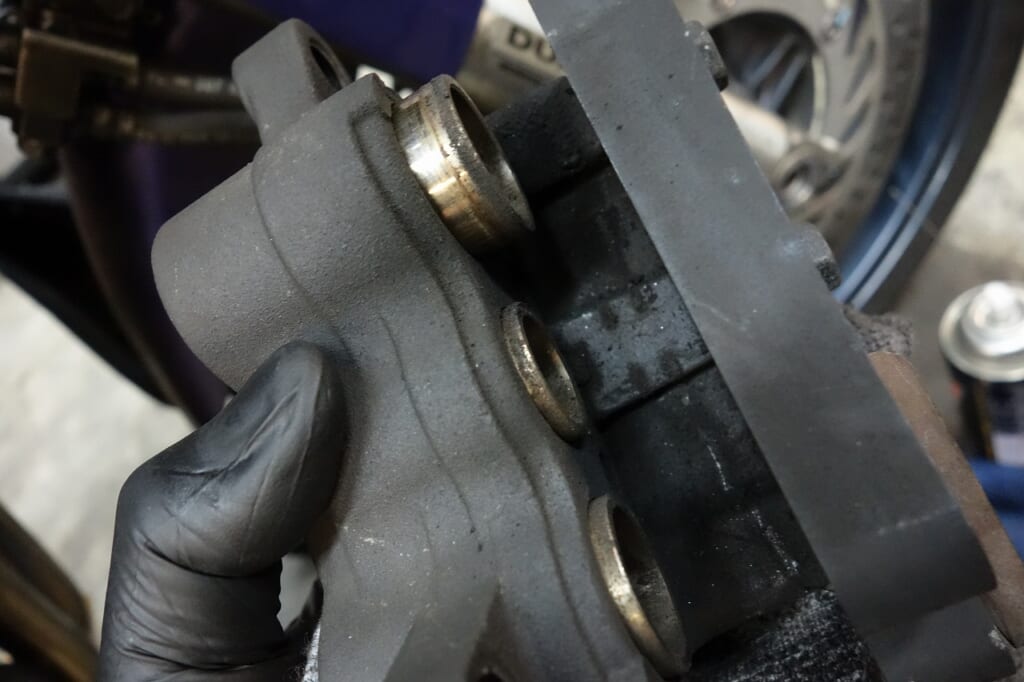
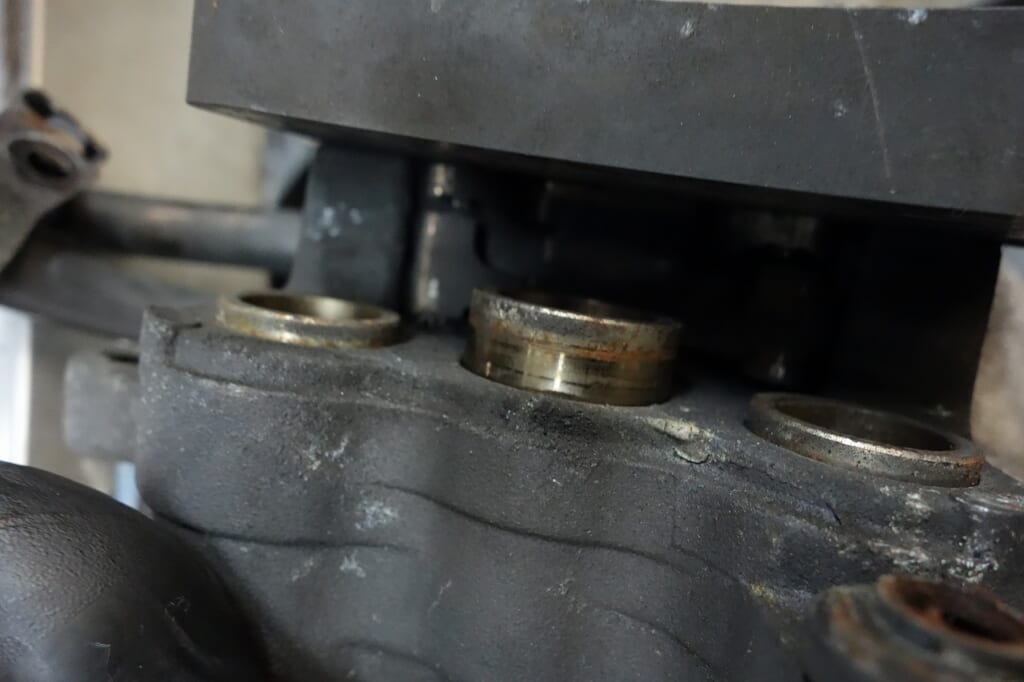
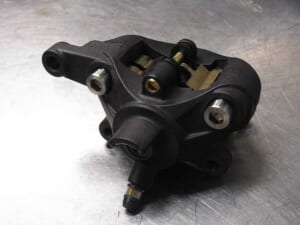
We cleaned and bled the brake calipers. Operation is fine.
No issues.
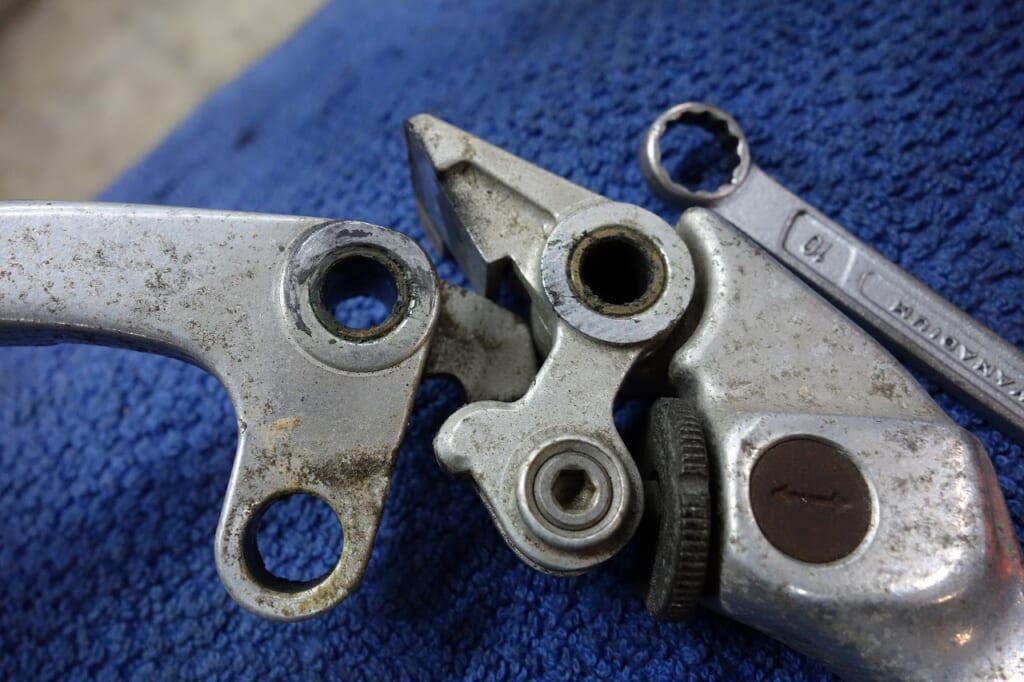
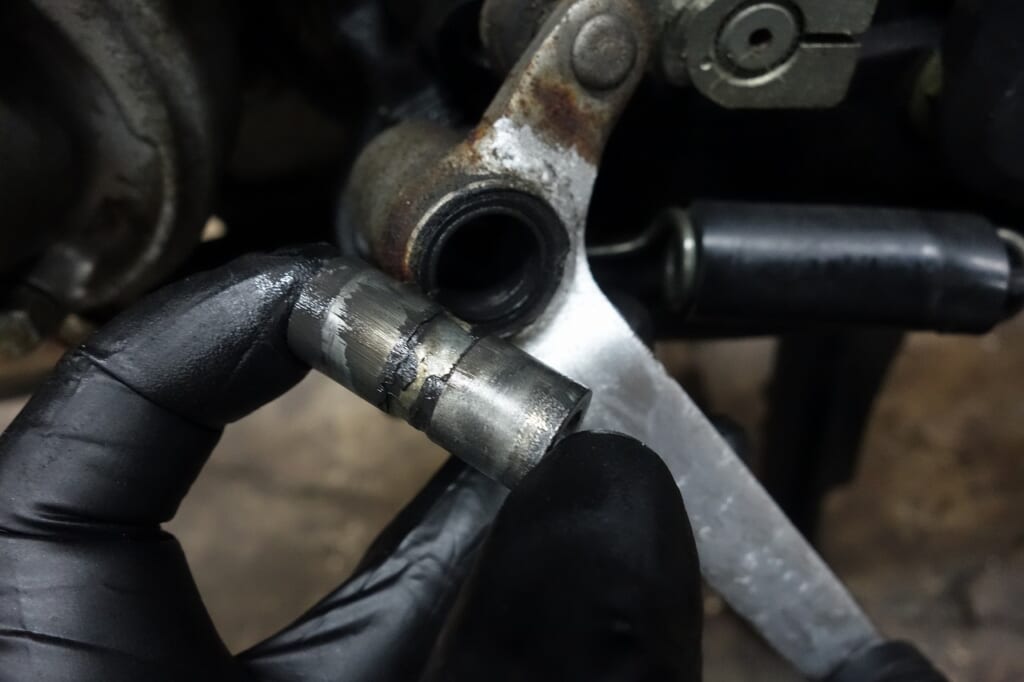
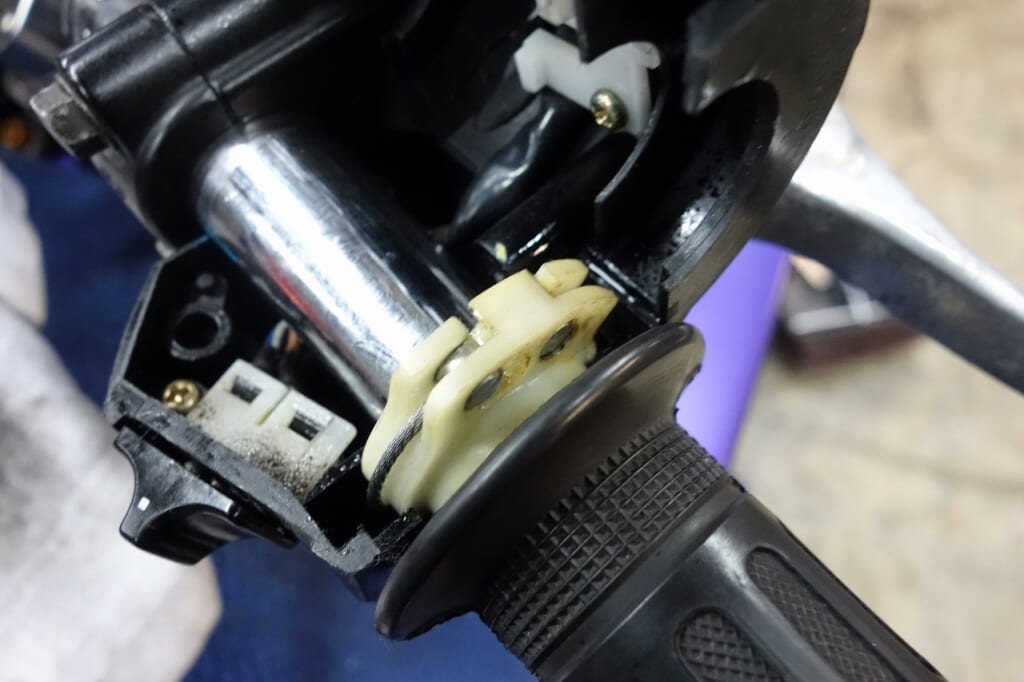
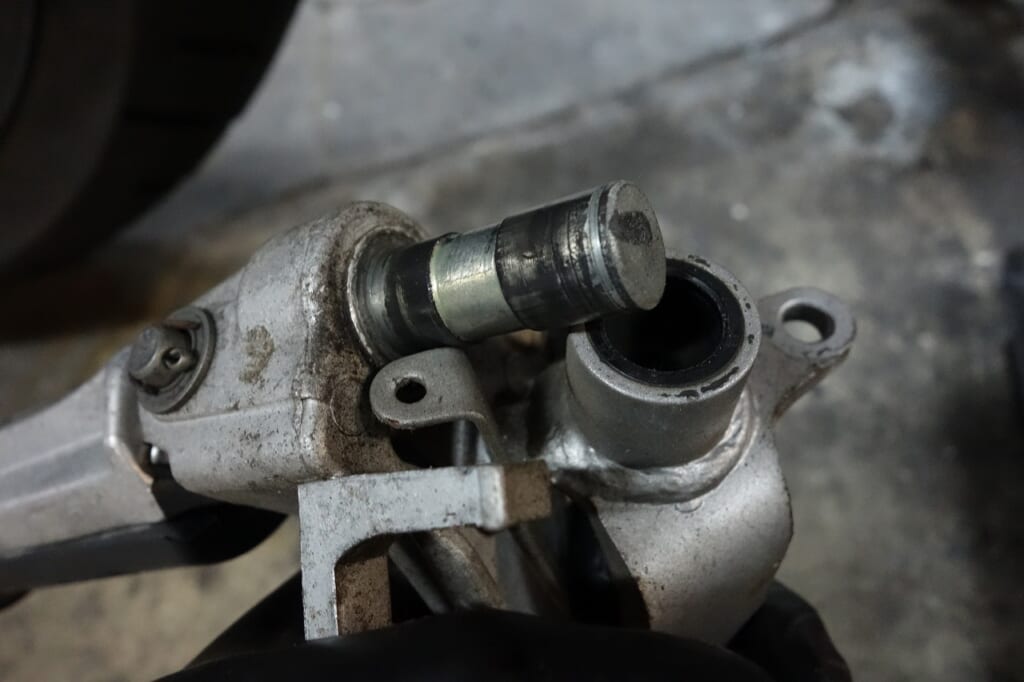
We disassembled, cleaned, and lubricated the control systems.
Smooth operation lets you focus on riding.
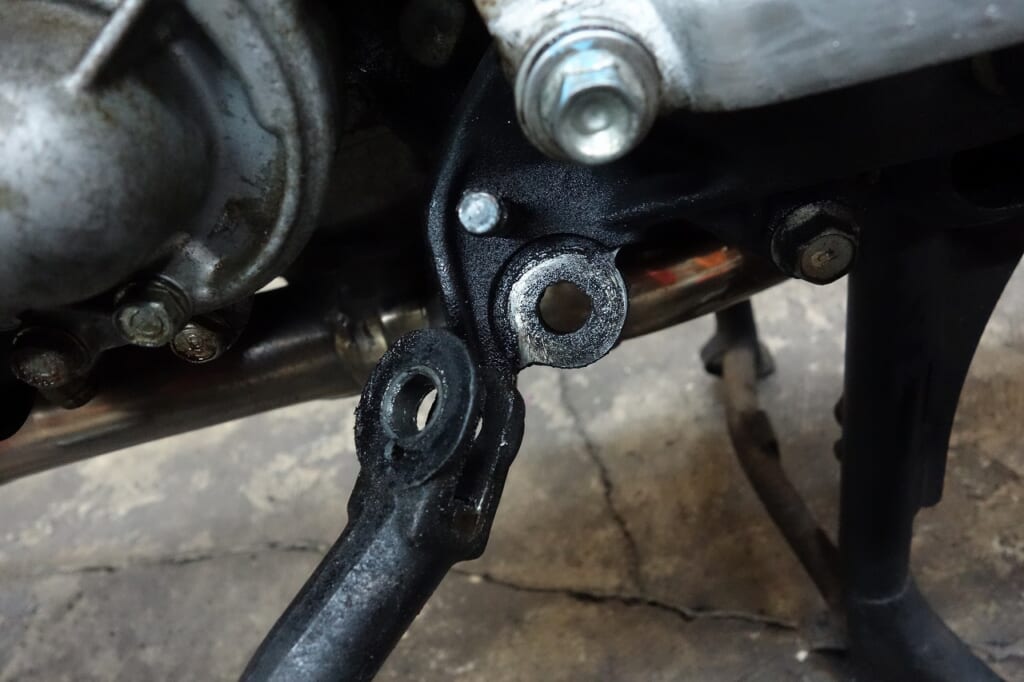
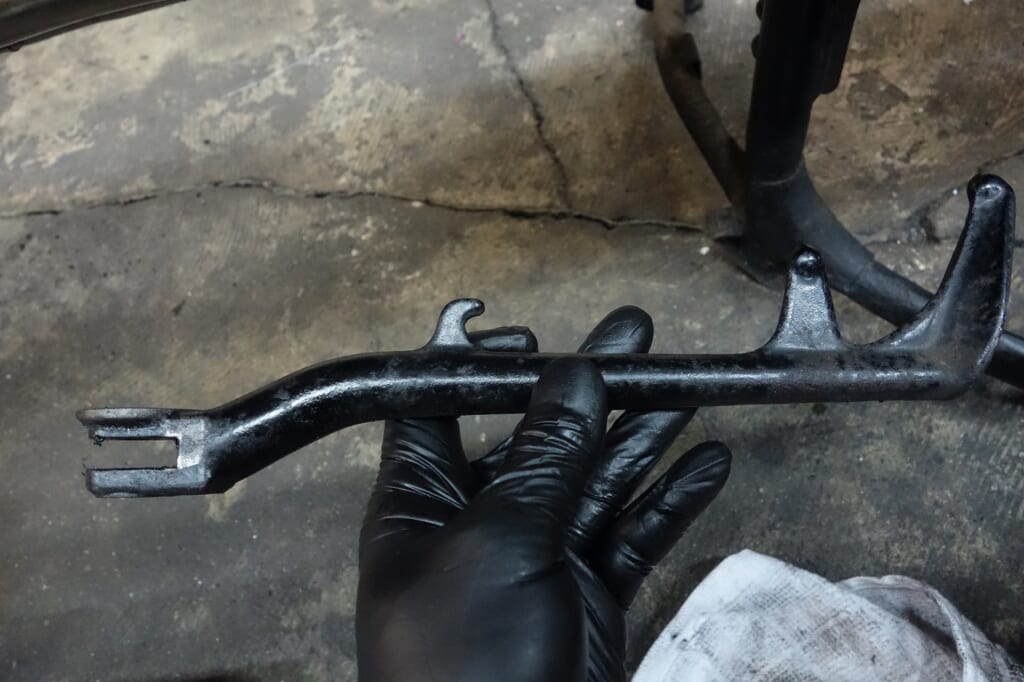
We cleaned and lubricated the side stand too.
This side stand is subtly cool—you can tell a lot of work went into it.
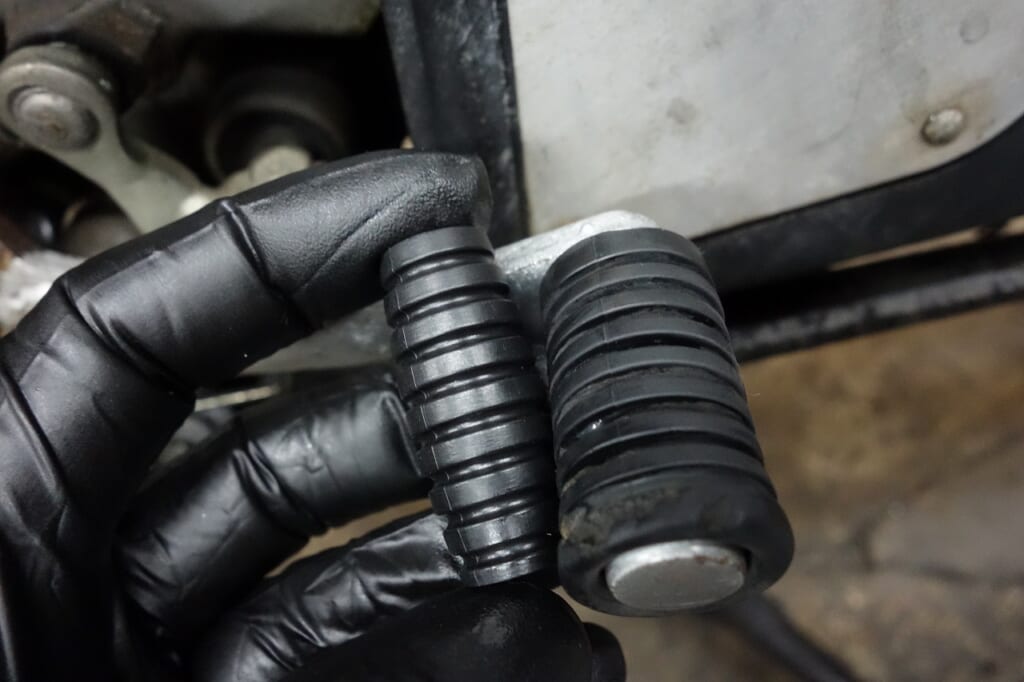
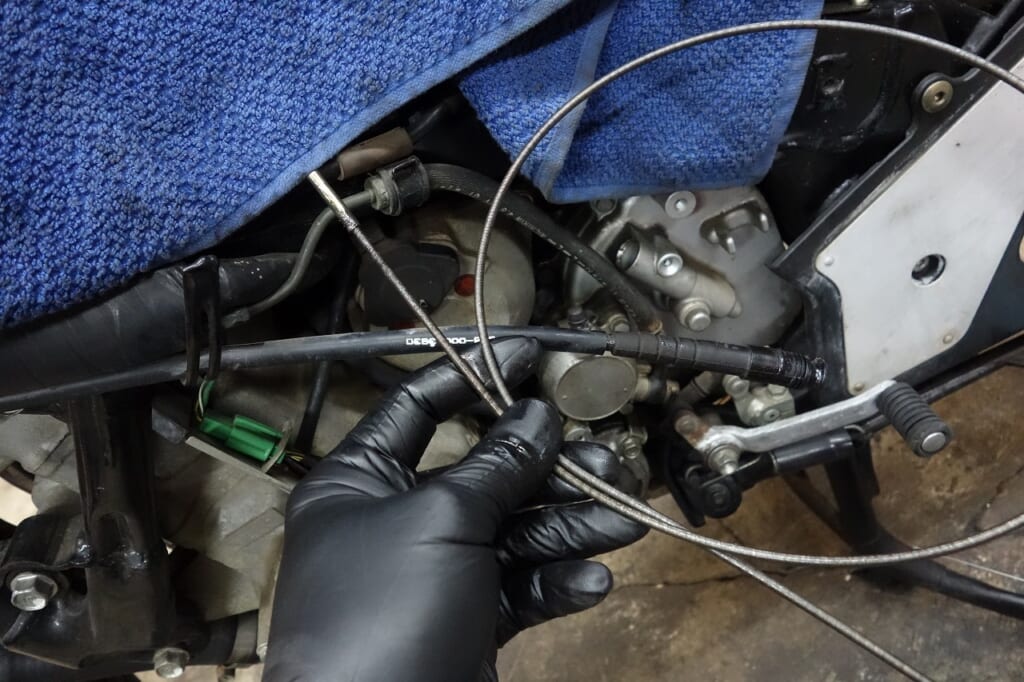
We replaced the shift rubber. The speedometer cable is cleaned and lubricated.
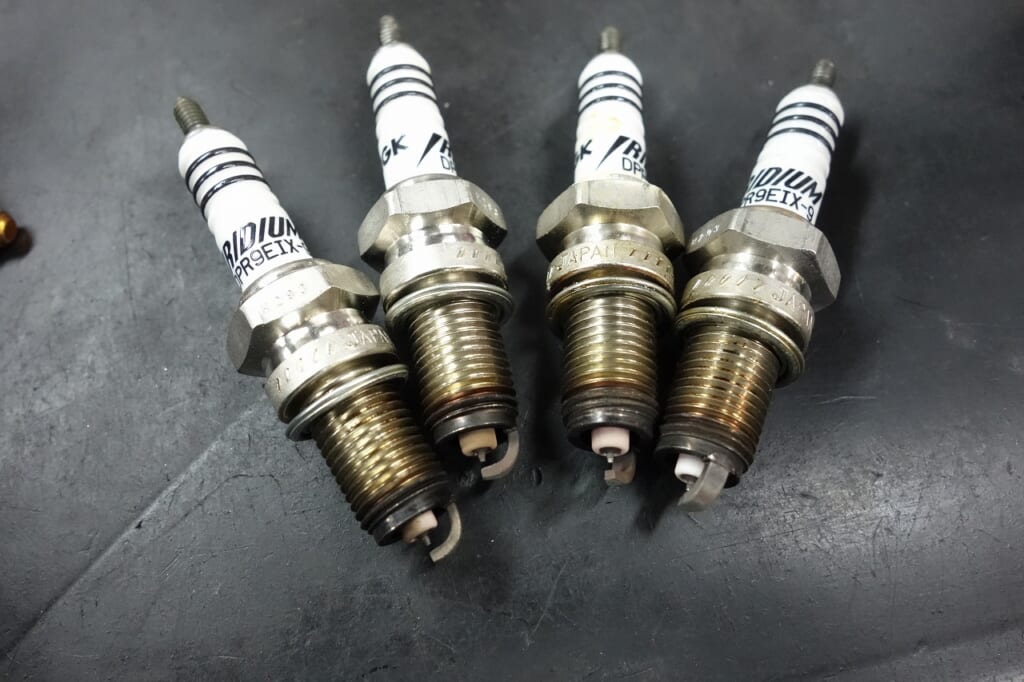
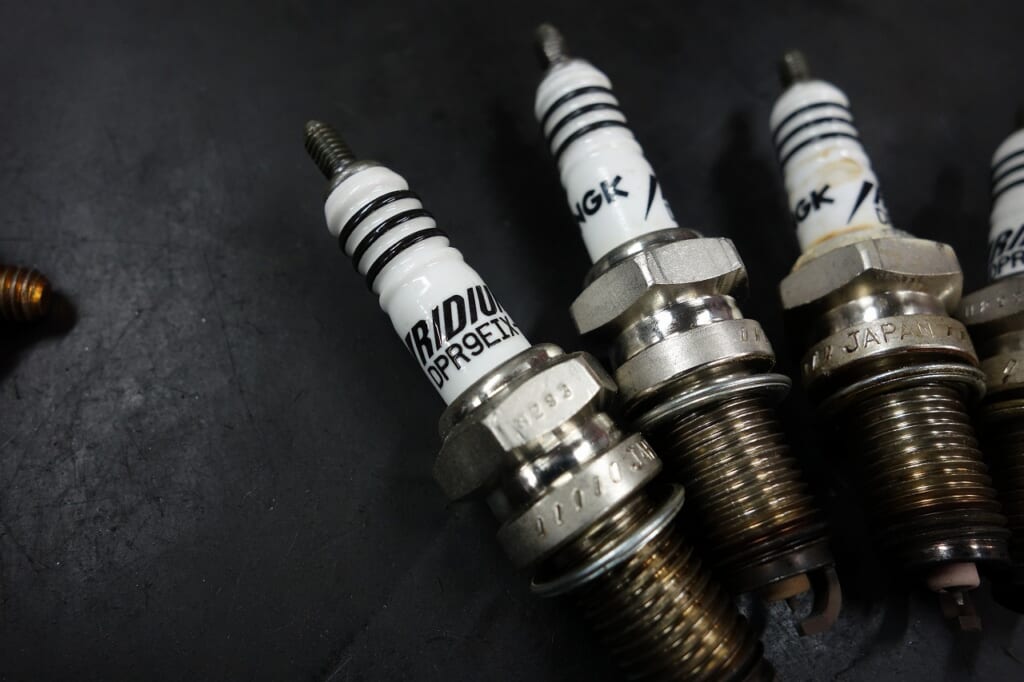
We removed the spark plugs to replace them, but they’re pretty clean, so we’re reusing them.
Looks like they were just replaced.
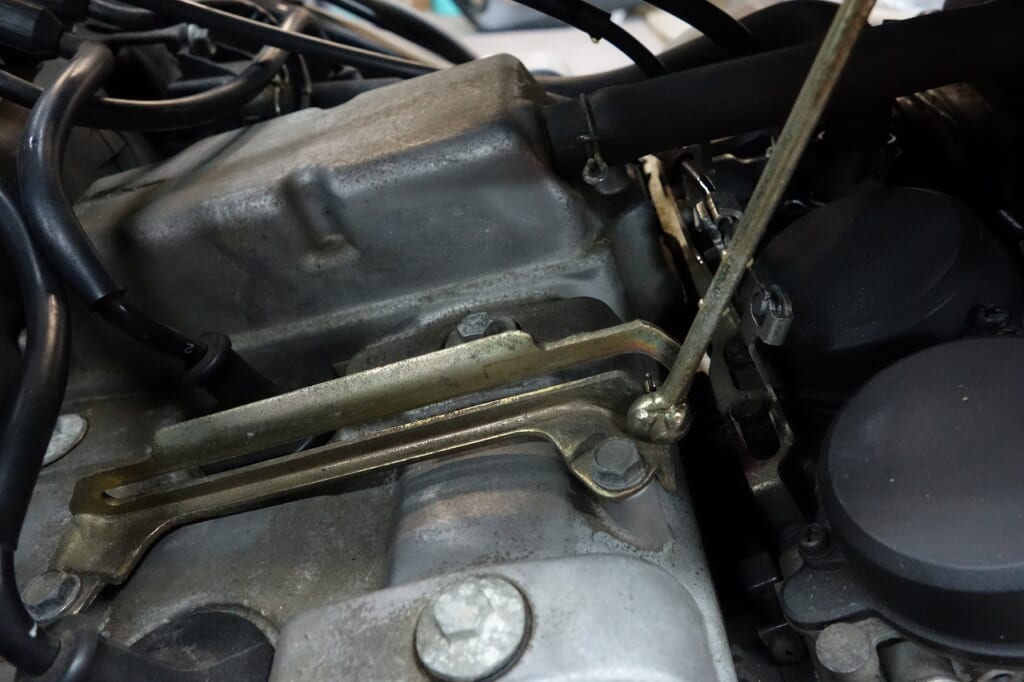
The hinge-like part under the tank is really well engineered—classic Honda.
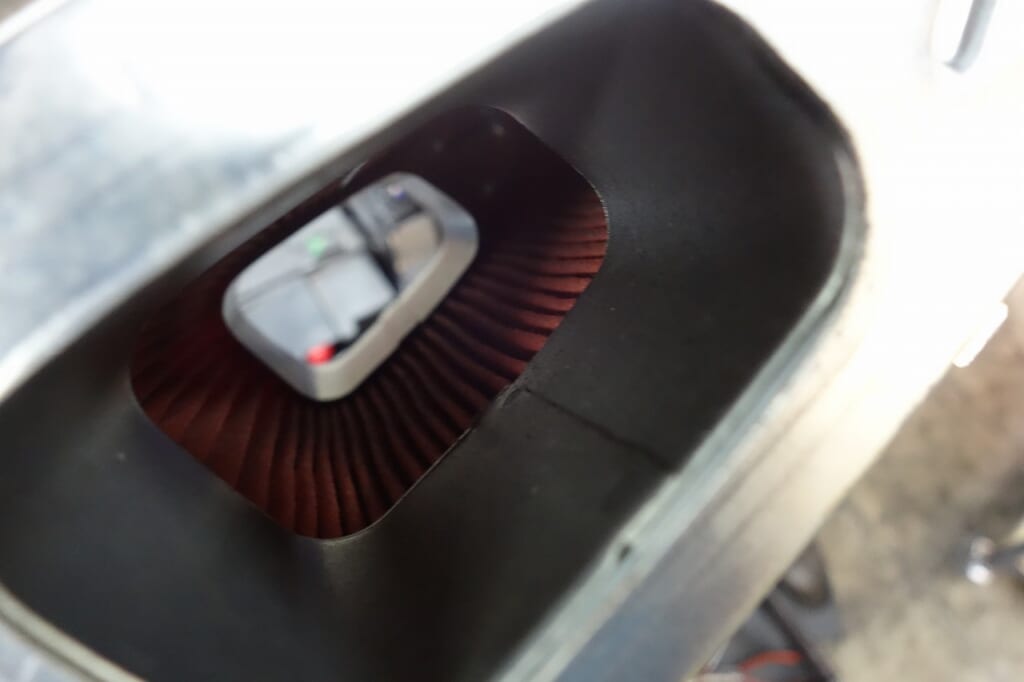
We’ll replace the air filter. *The original is apparently discontinued, so we’re using a reproduction.
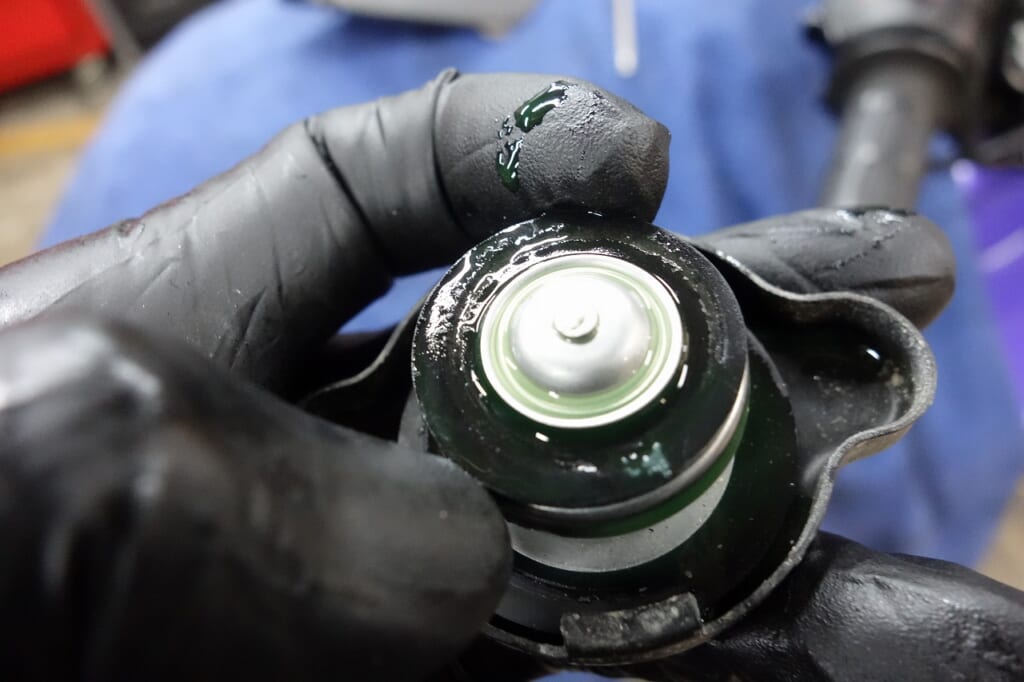
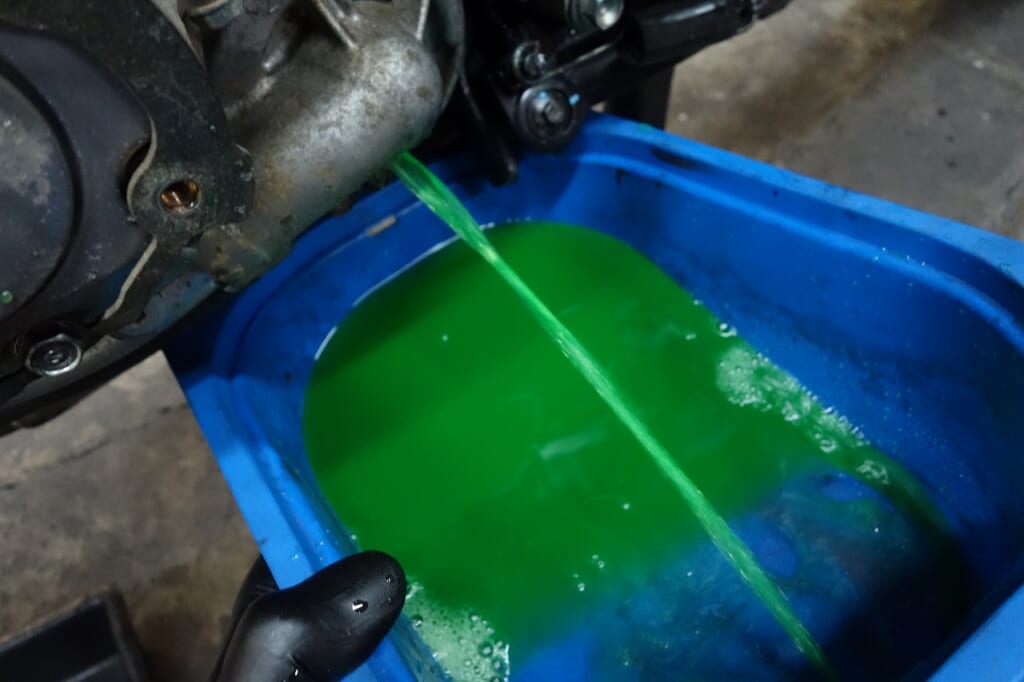
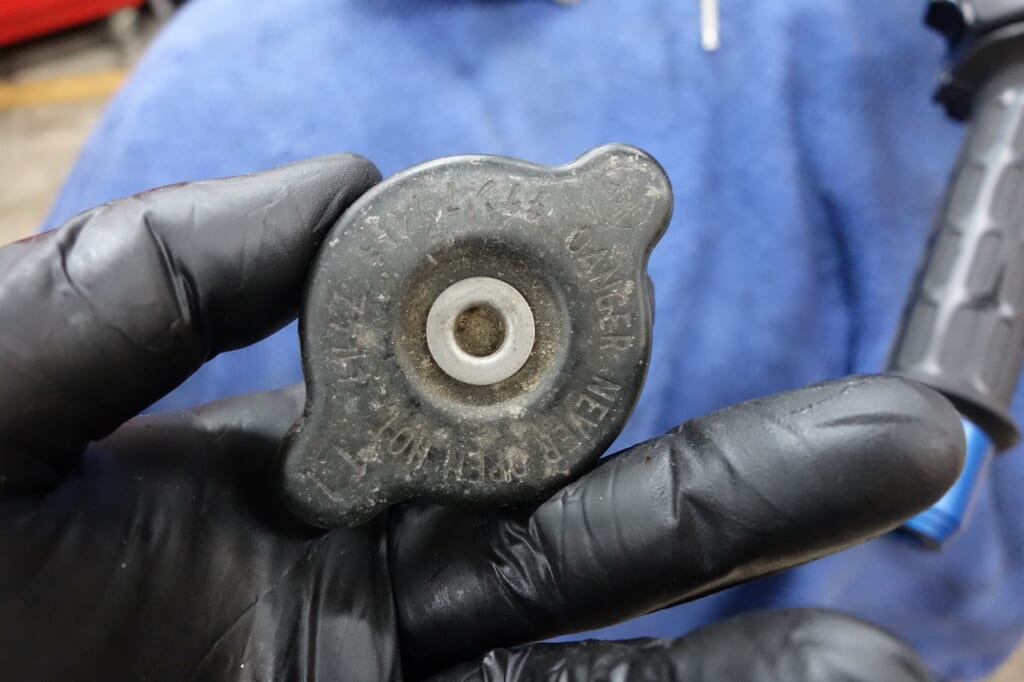
We replaced the radiator cap—it shows the passage of time and coolant.
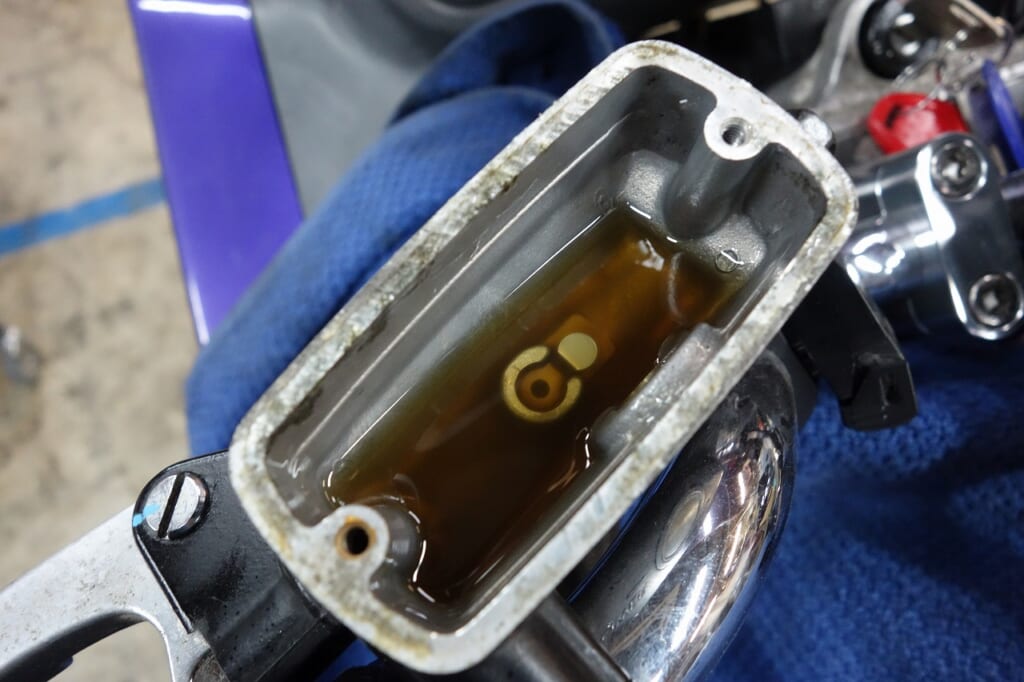
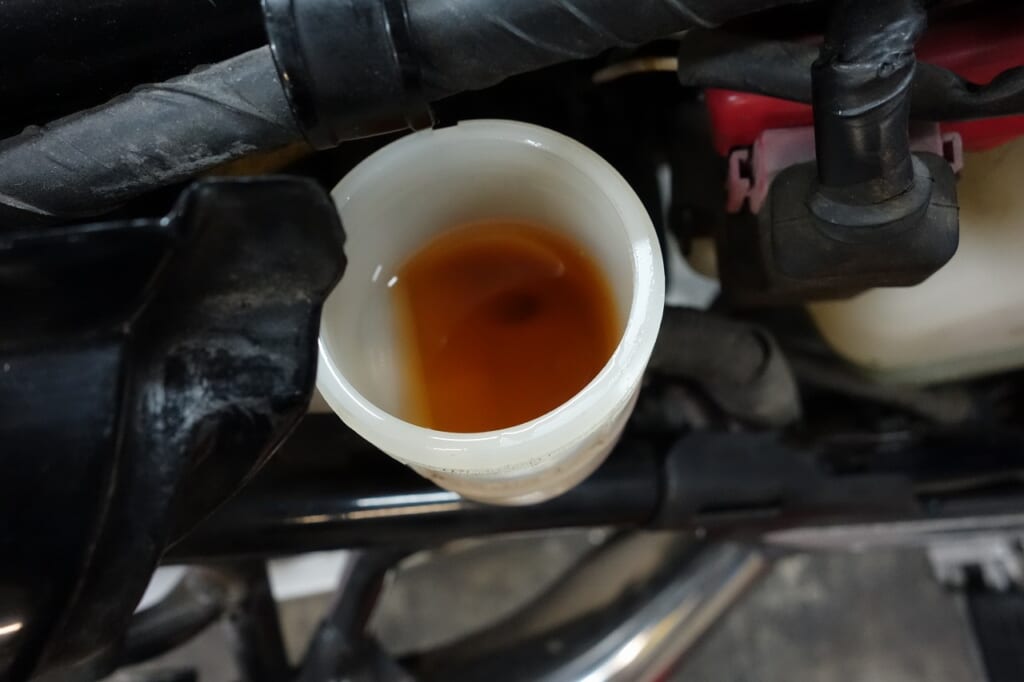
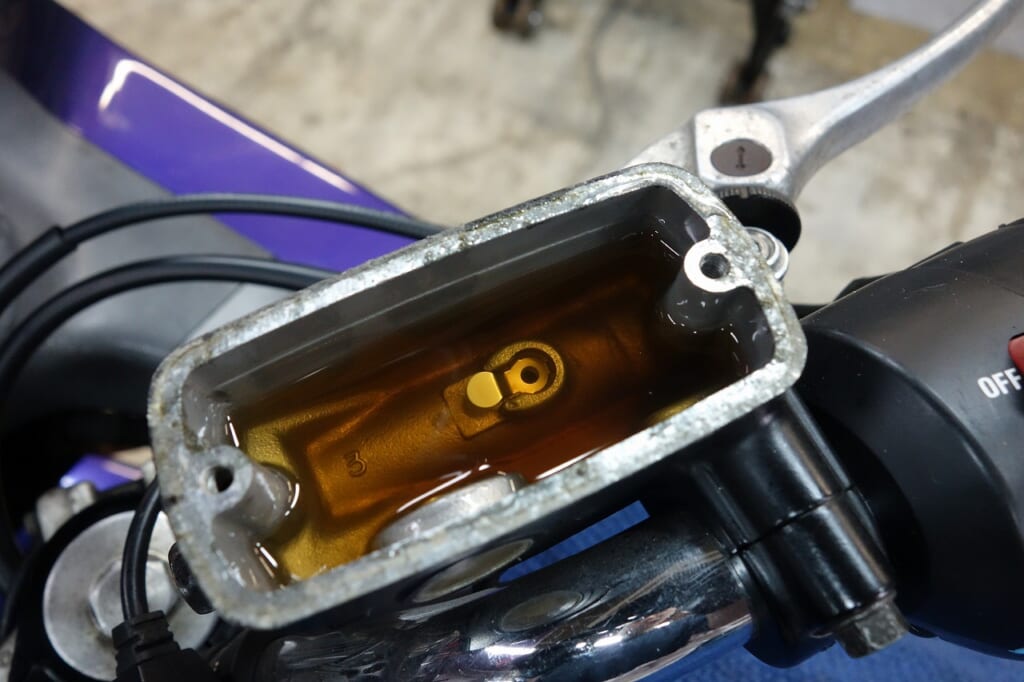
We replaced the brake fluid with Golden Cruiser DOT4.
The diaphragm is also replaced.
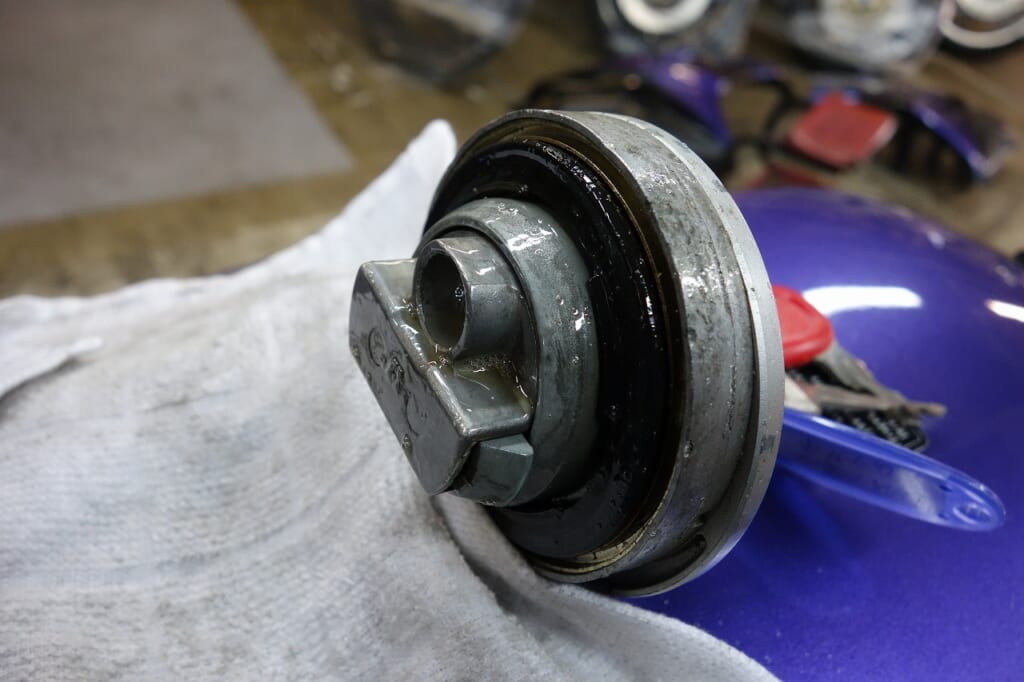
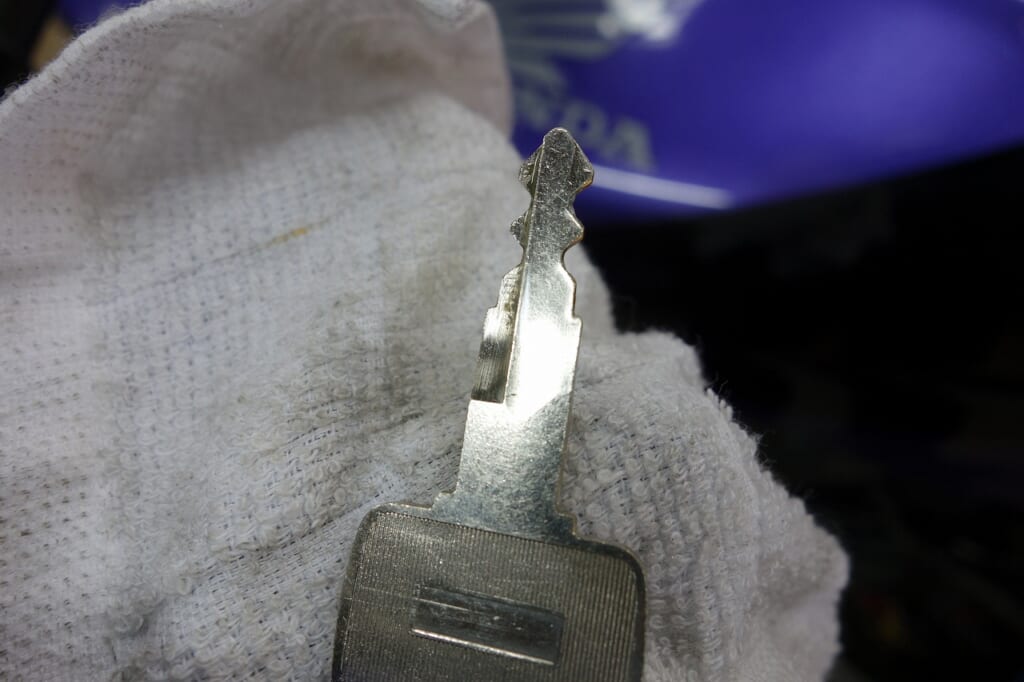
It’s a good idea to clean and lubricate the fuel cap and main key during maintenance like this.
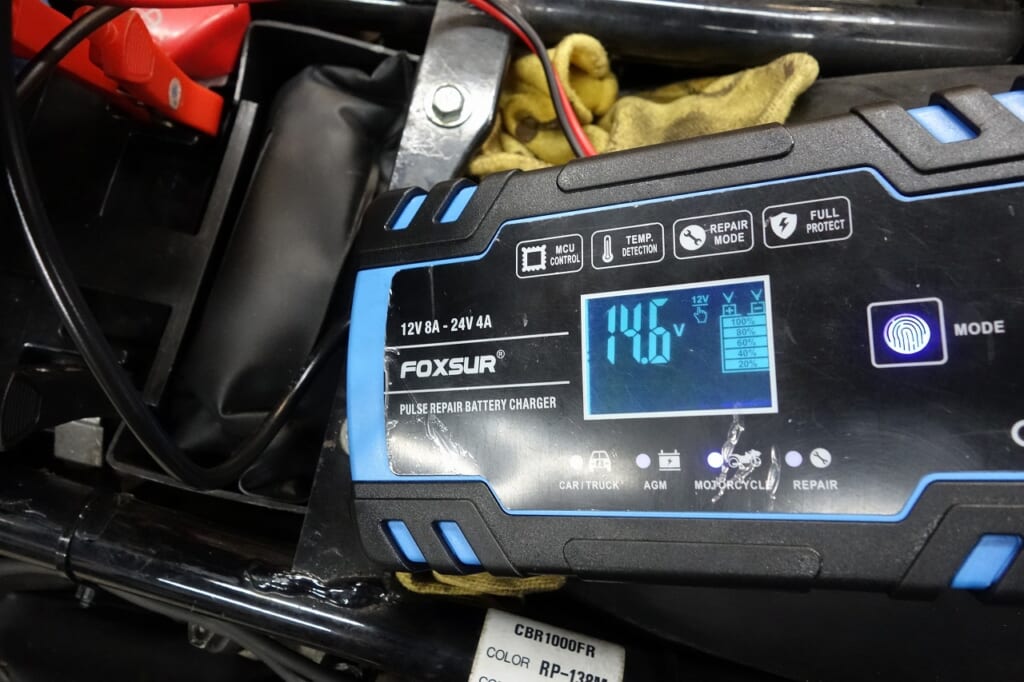
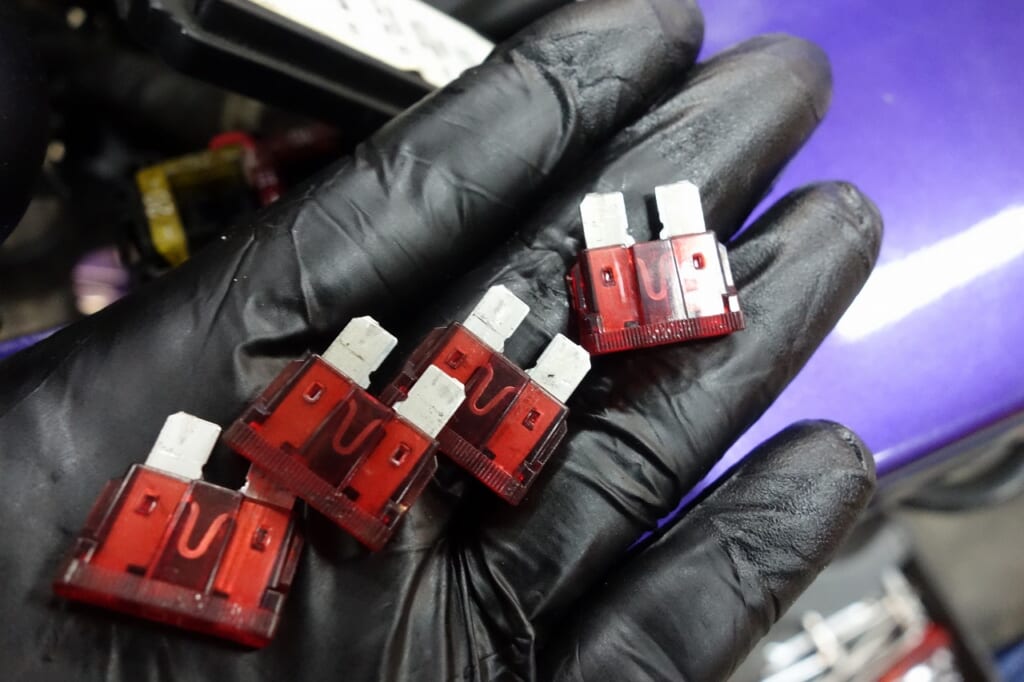
We checked the battery charge, output voltage, and fuses.
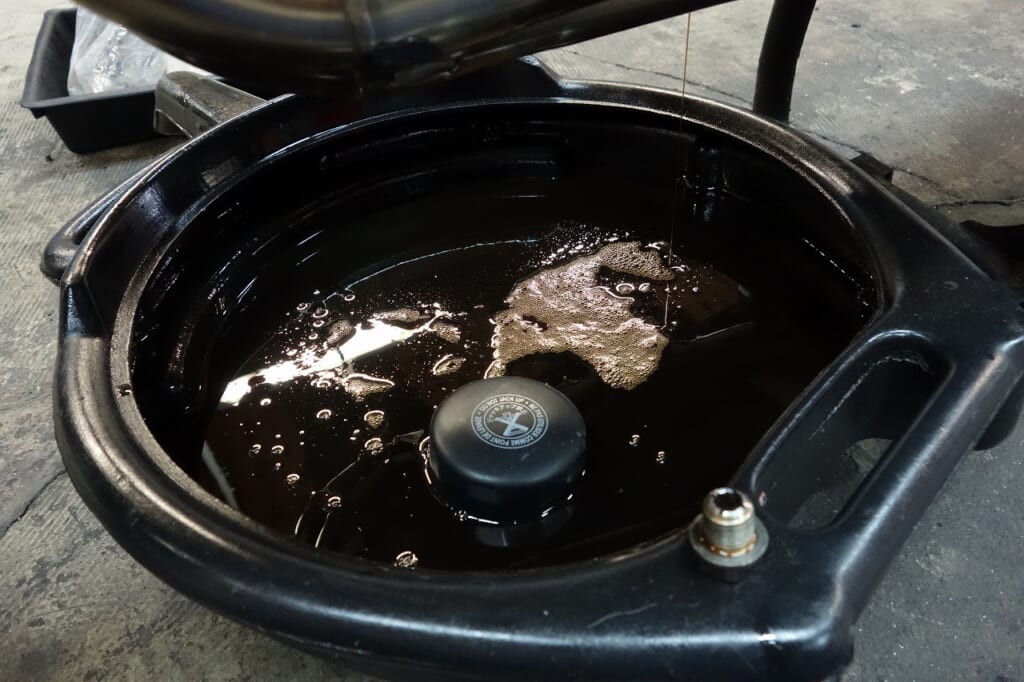
Engine oil has been changed to Newtech NC50.
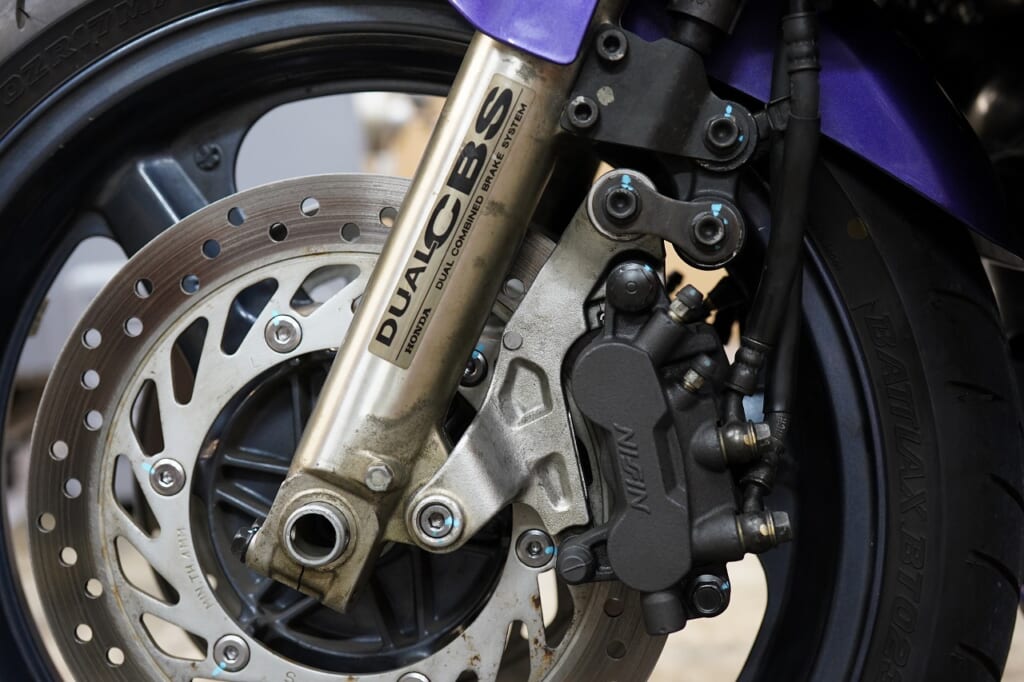
The push-pull feels heavy…
It doesn’t seem to be just because the pads are new. *The pads are an aftermarket brand.
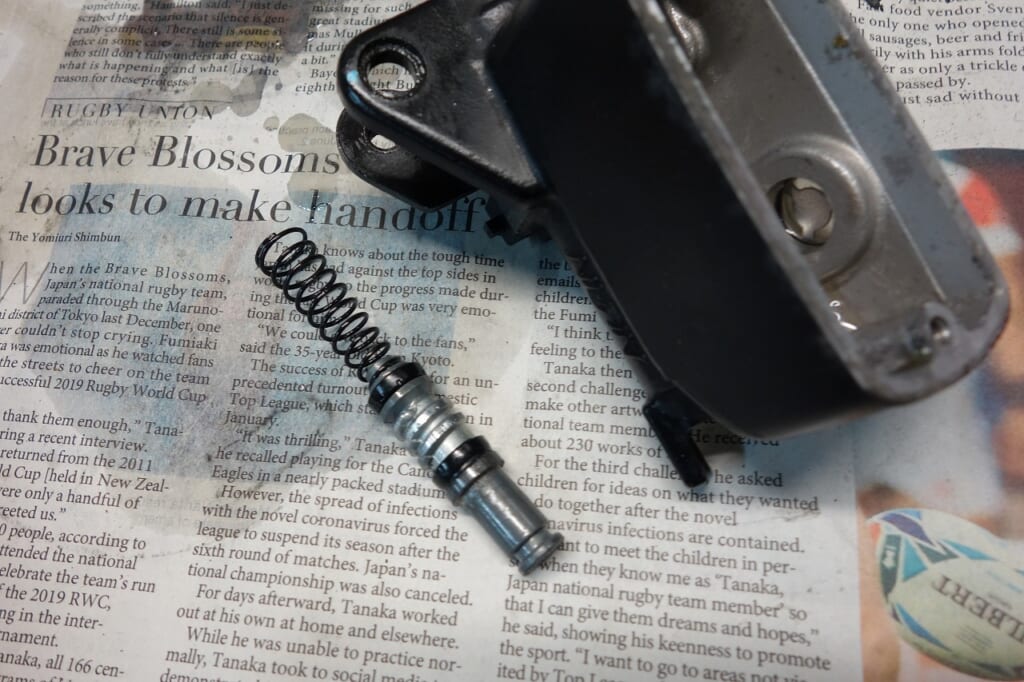
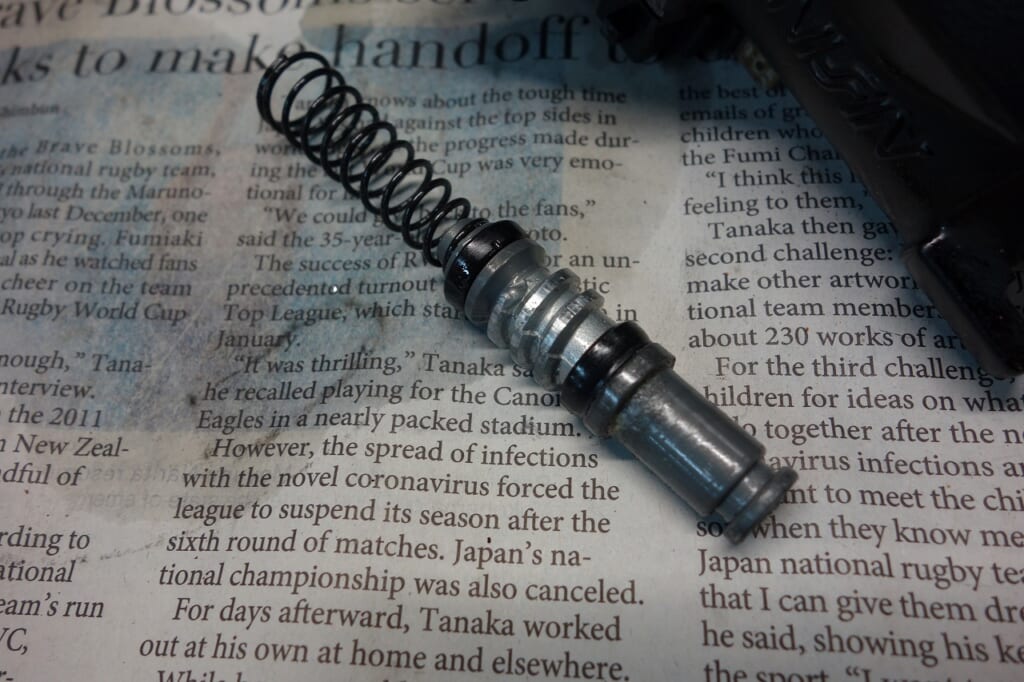
I checked the return port—seems okay.
The caliper operation is fine.
The center isn’t misaligned.
When I swap in the old pads, it improves?
We need to check with genuine pads to see if it’s the difference in thickness and friction material shape between these aftermarket pads and the originals.
Of all times, this happens at the very end—and during Golden Week too. Please bear with us.