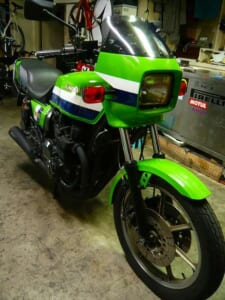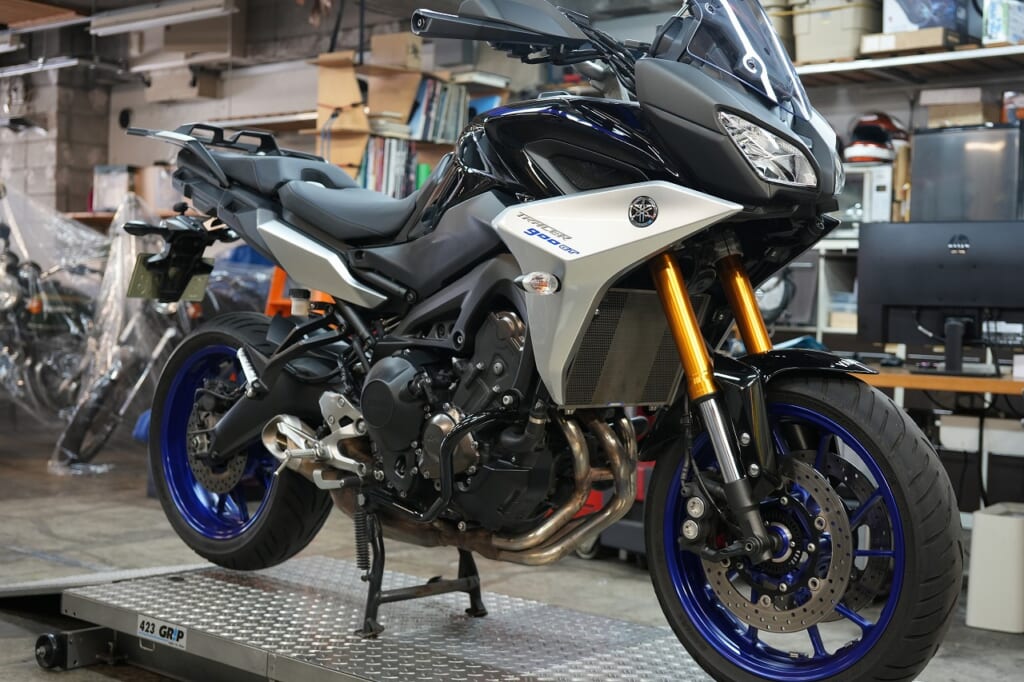
Is it just me who thinks this is a comeback of the TDM850 (900)?
It’s super easy to ride, so it makes sense that it sells well.
The inspection is complete, so now we move on to maintenance (‘ω’)ノ
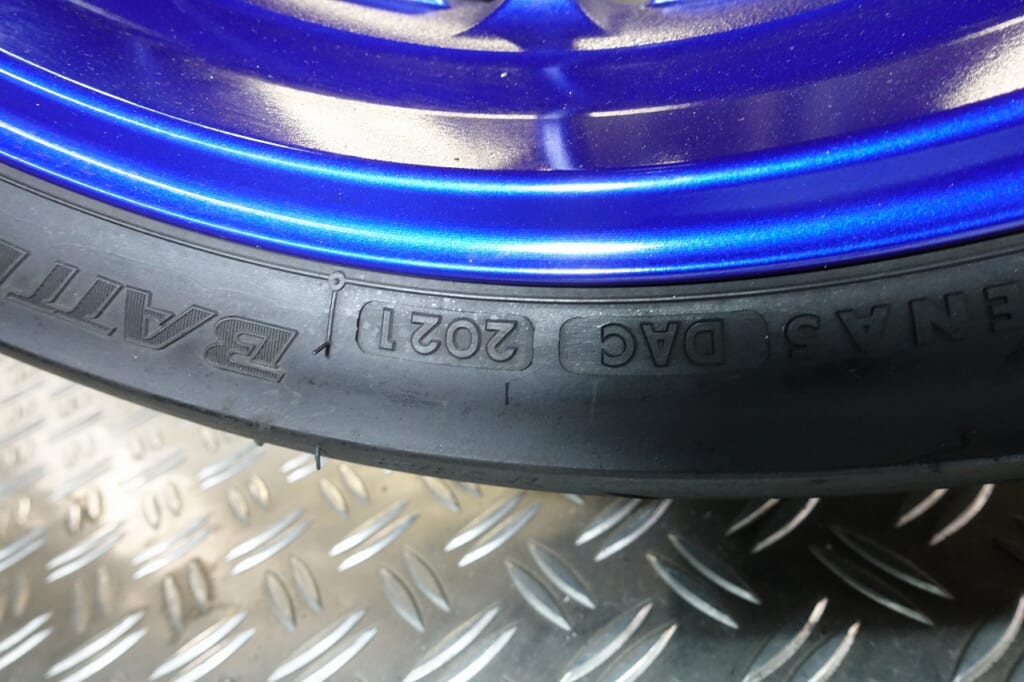
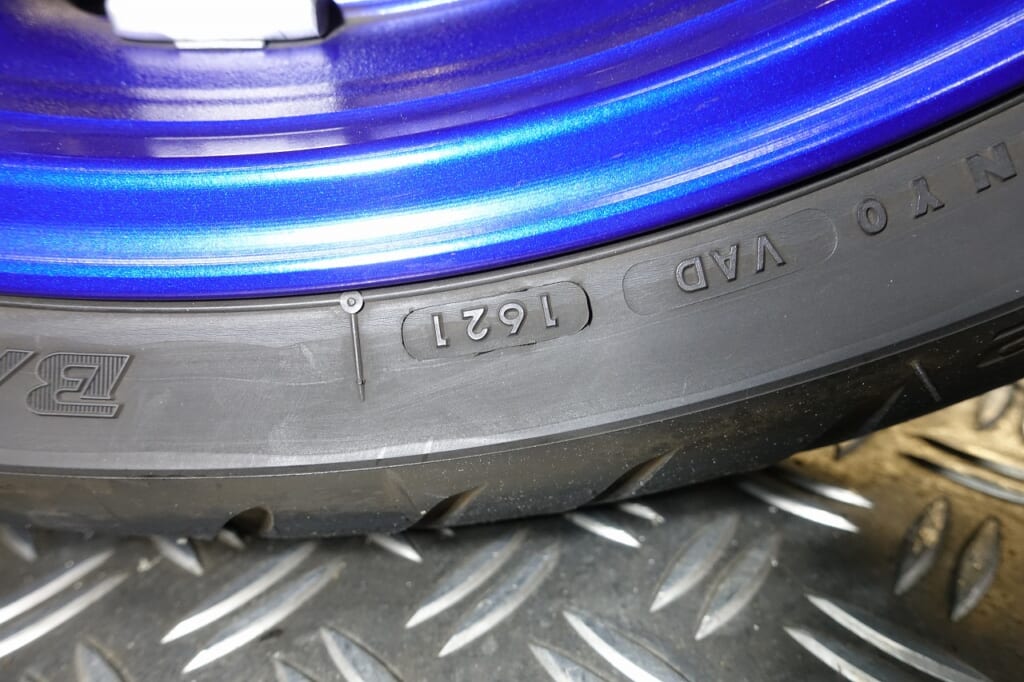
The manufacturing dates on both front and rear are recent, so that’s reassuring.
The manufacturing dates on both front and rear are recent, so that’s reassuring.
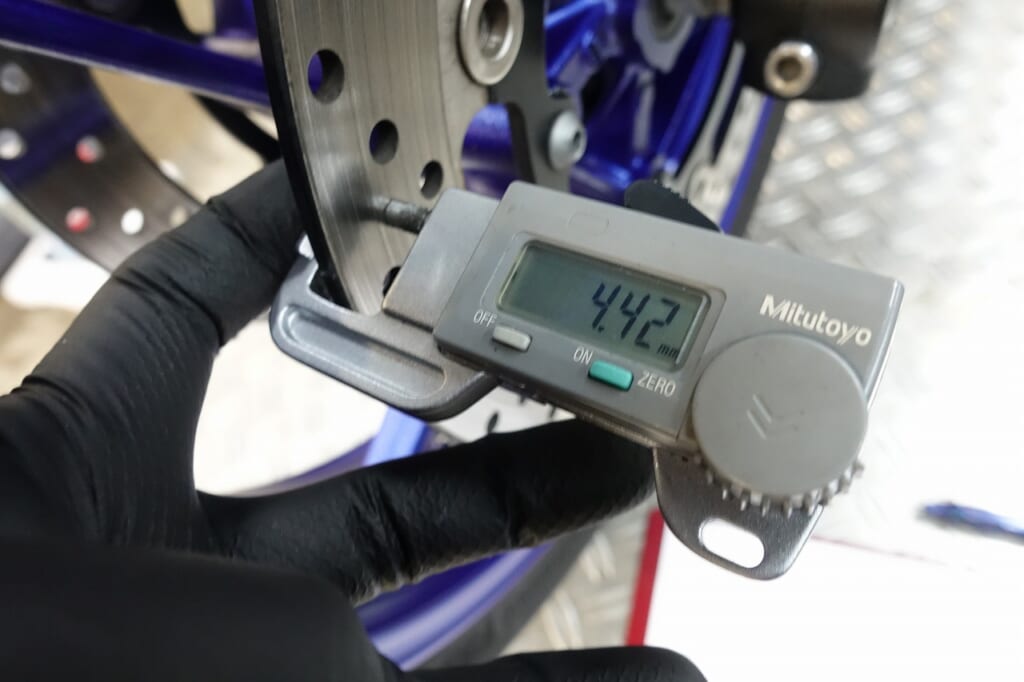
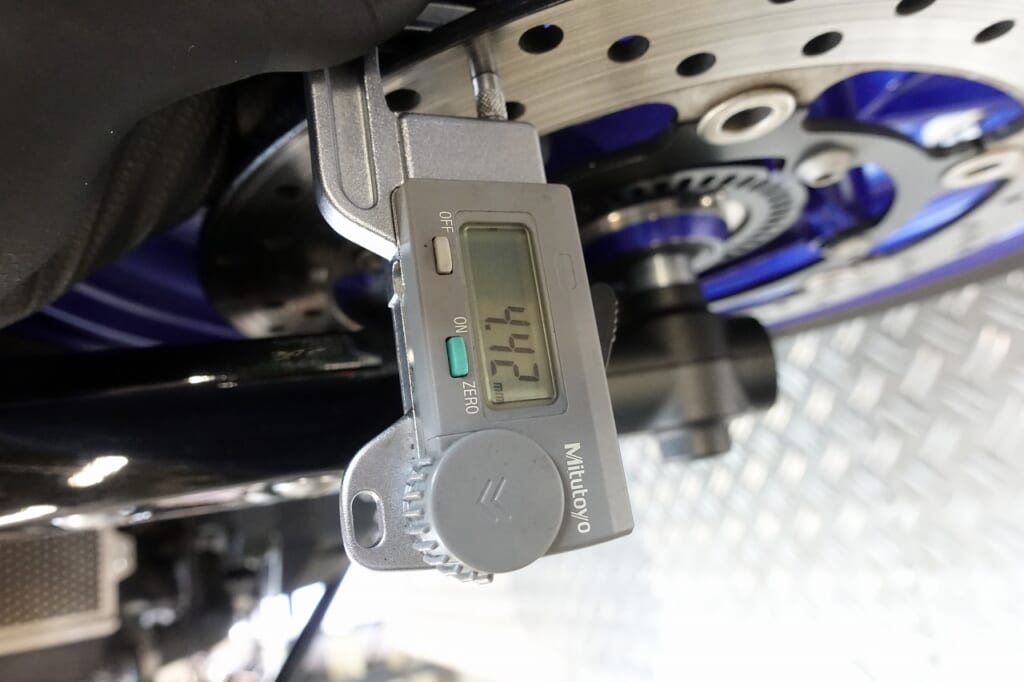
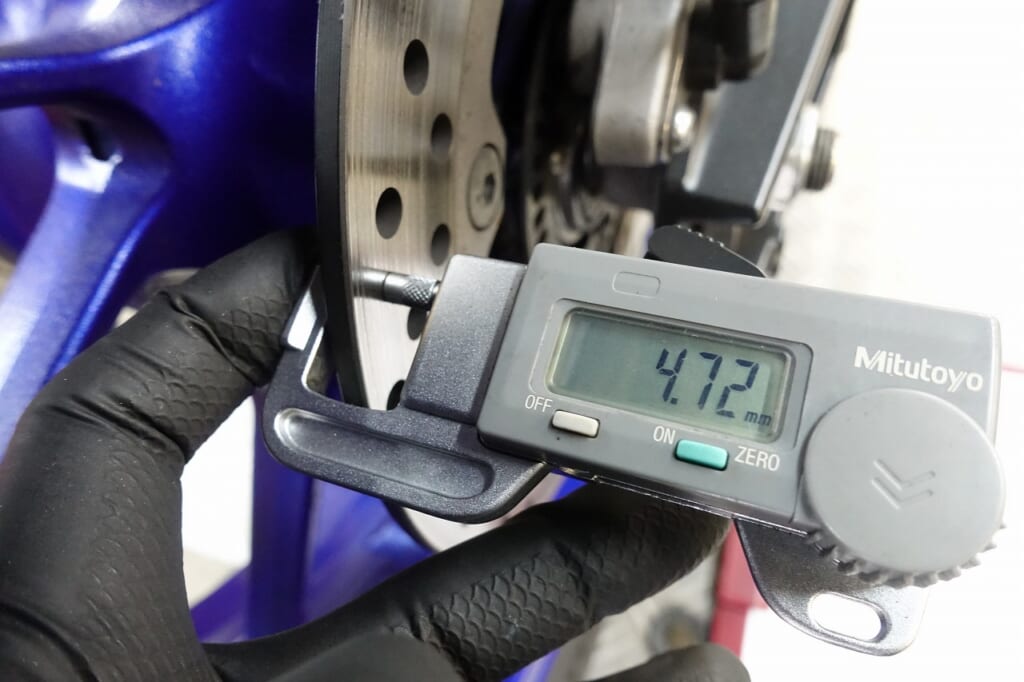
The front disc is at minimum 4 millimeters, so it’s still good. The rear should be fine too.
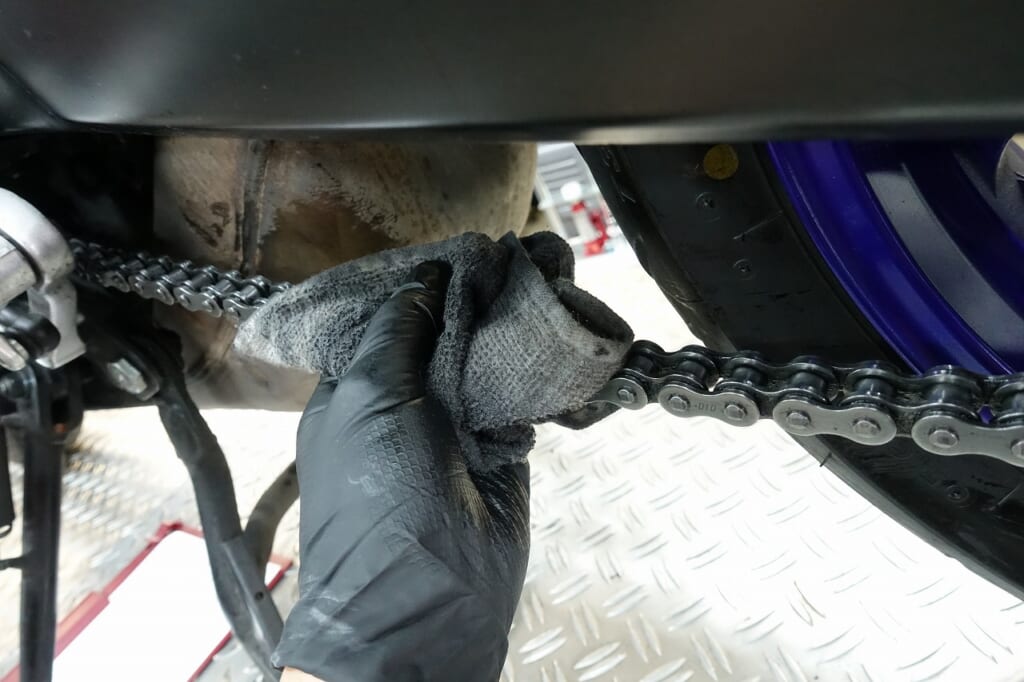
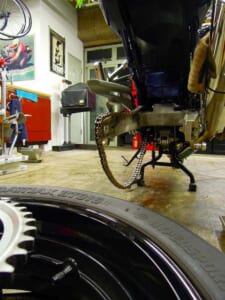
We thoroughly wipe away the dirt from the drive chain and clean it.
You can expect smooth operation, and while cleaning, you can also check the condition of the chain.
With thorough cleaning and proper care, the chain’s lifespan will extend and the operation will become smoother.
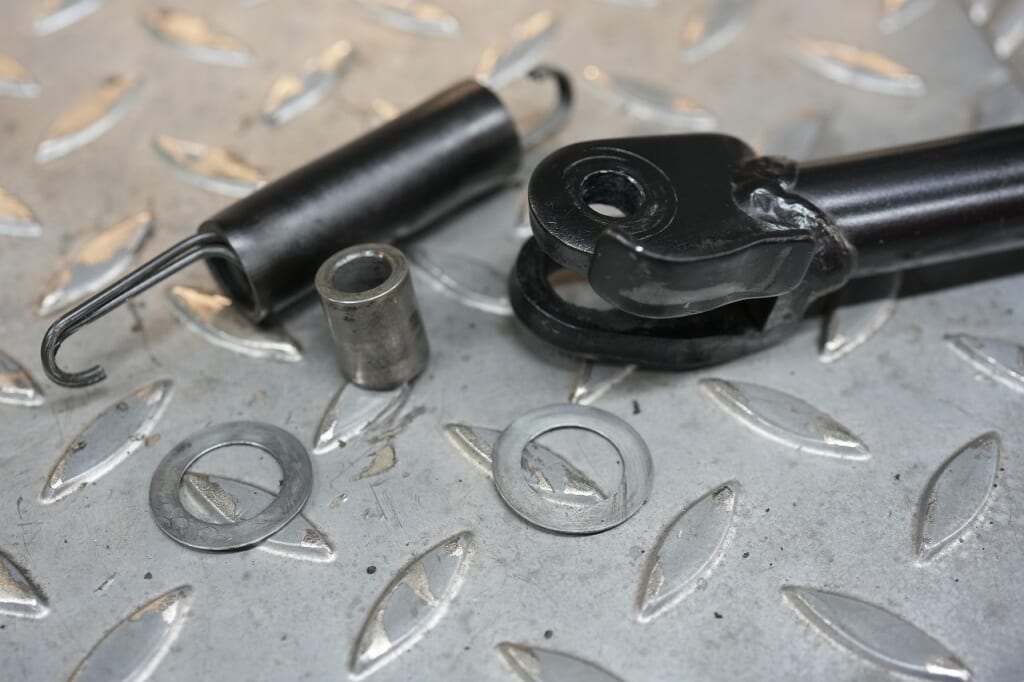
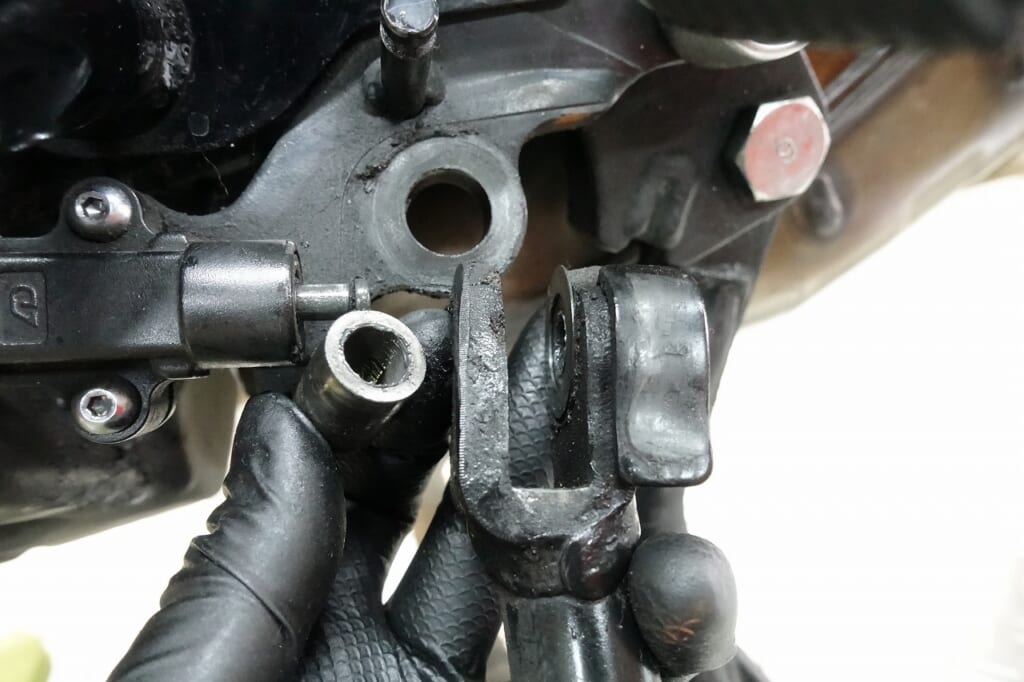
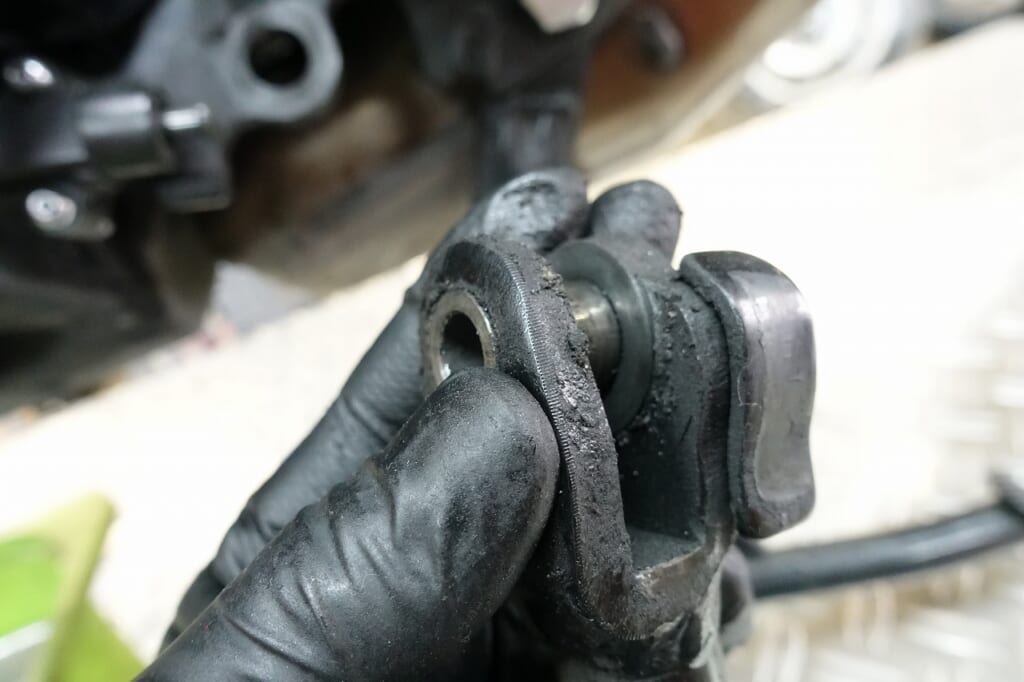
We disassemble the side stand, clean it, and apply lubricant.
The side stand is a very important part that’s used every time you get on and off the bike.
By ensuring smooth side stand operation, we can prevent the bike from accidentally tipping over due to poor engagement.
Imagine this:
If the side stand is stiff when extending or retracting, getting on and off becomes awkward.
Smooth operation here alone will boost your enthusiasm for riding the bike.
*Looking closely at modern motorcycles, they’re really well made.
If you don’t frequently remove the side stand, you might not notice, but it has a very clever design—it’s resistant to loosening and moves smoothly.
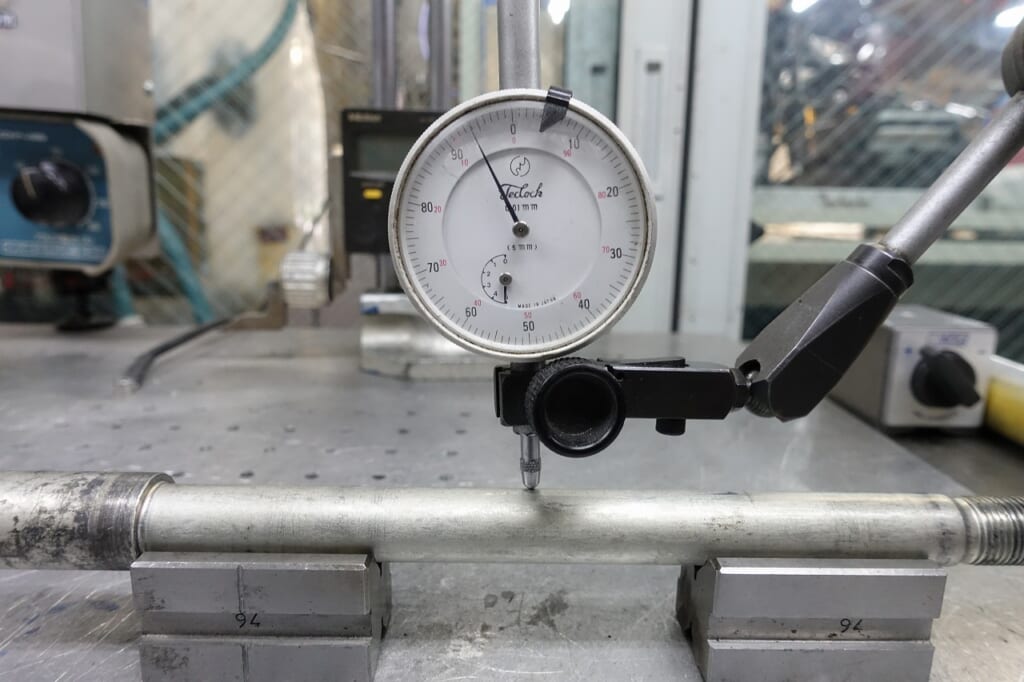
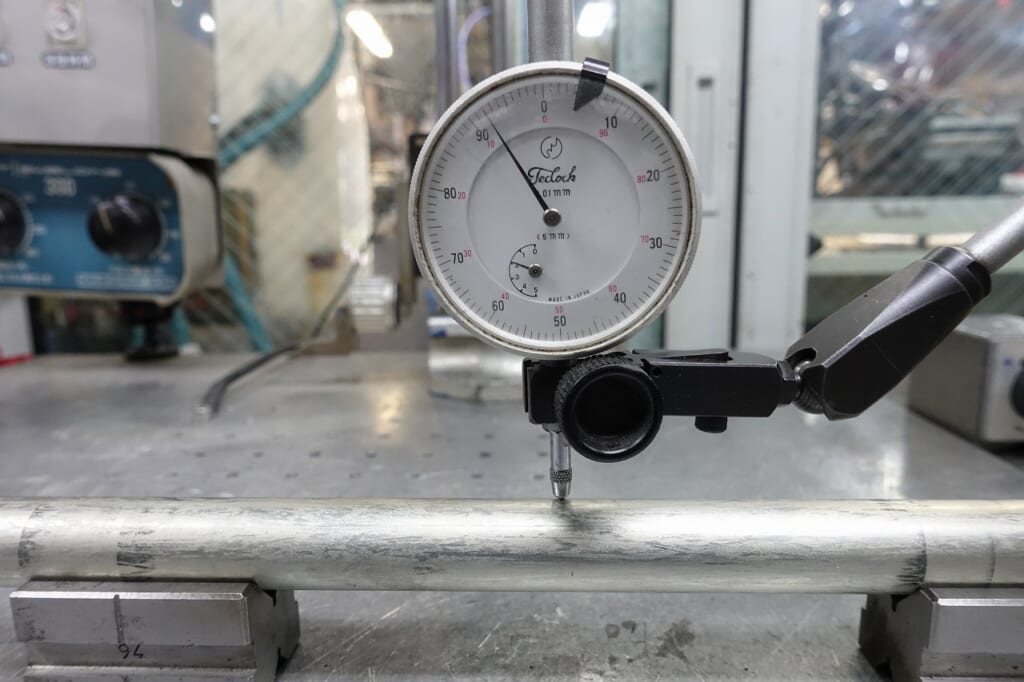
We checked the runout on both front and rear axle shafts. Everything was in good condition.
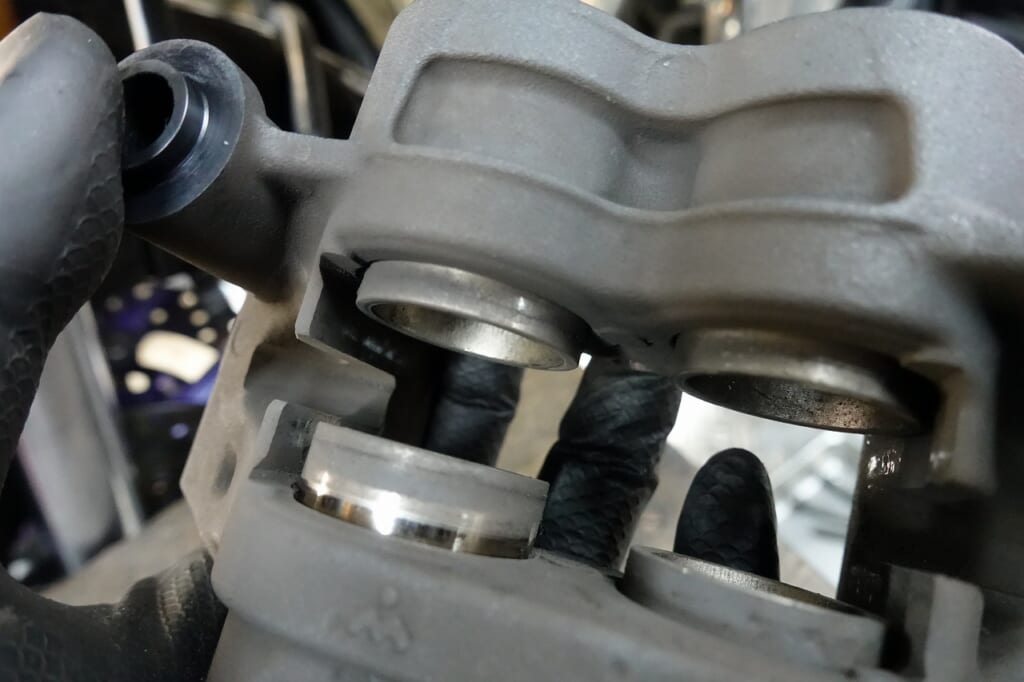
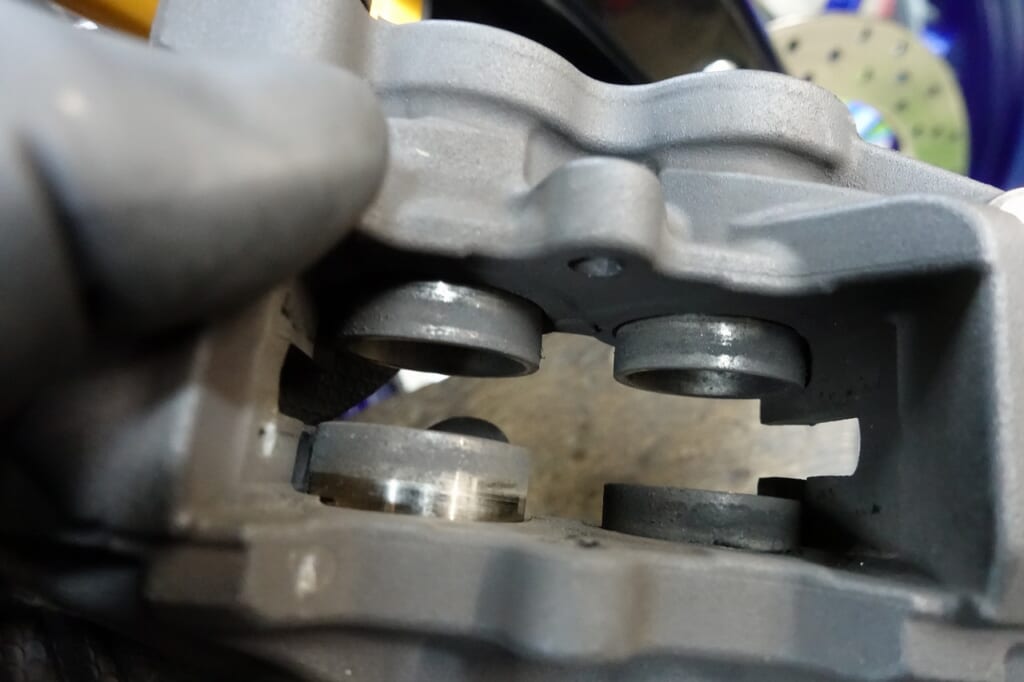
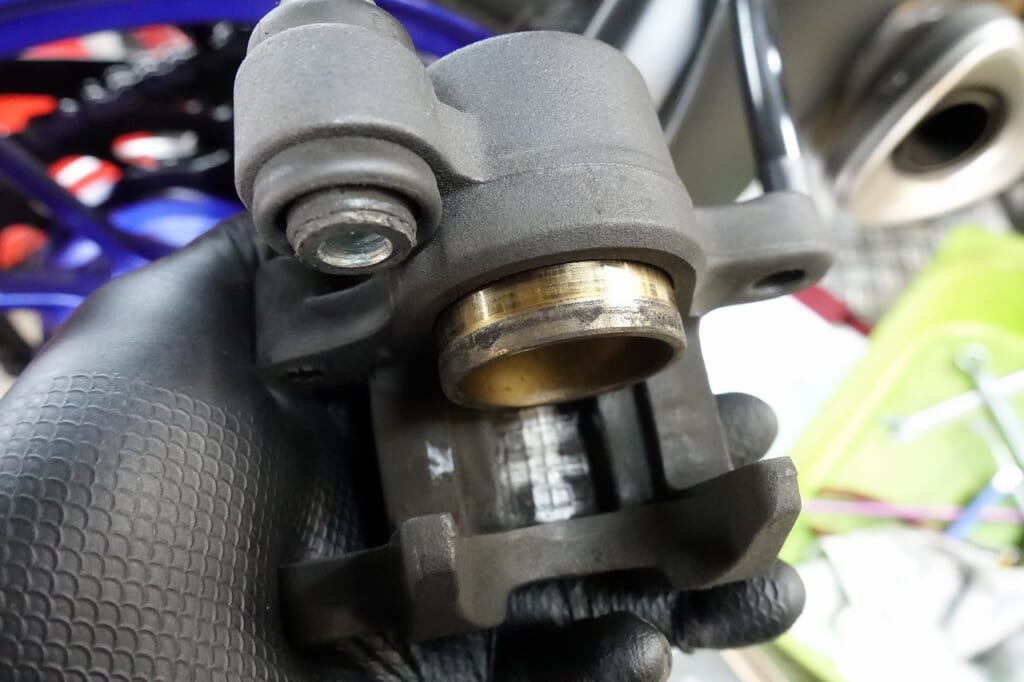
We clean the front and rear brake calipers, check piston operation, and look for any rust.
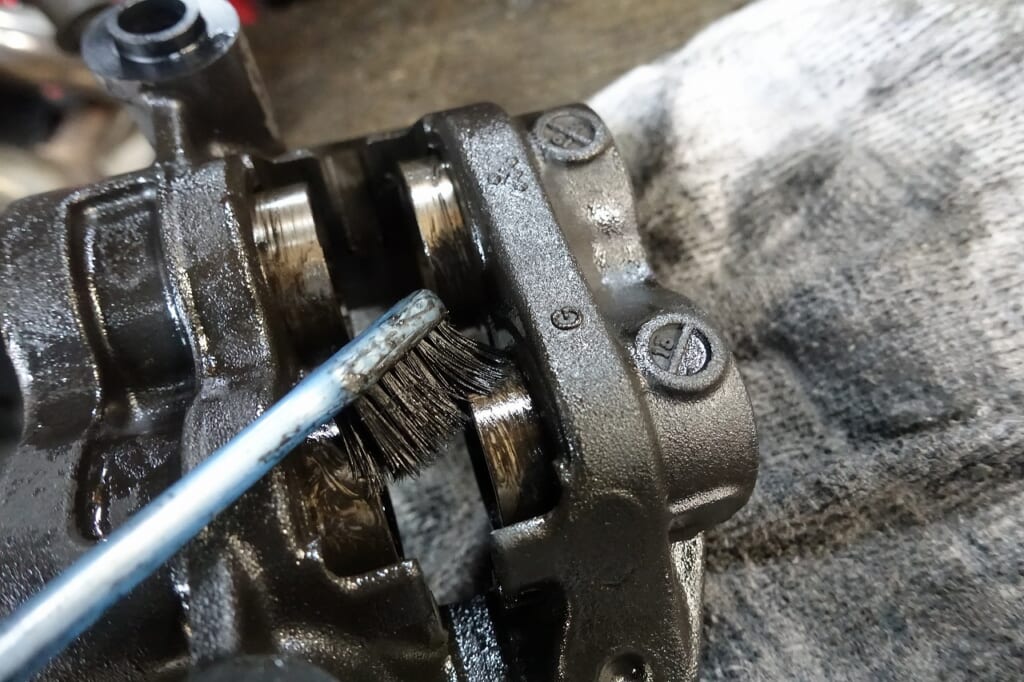
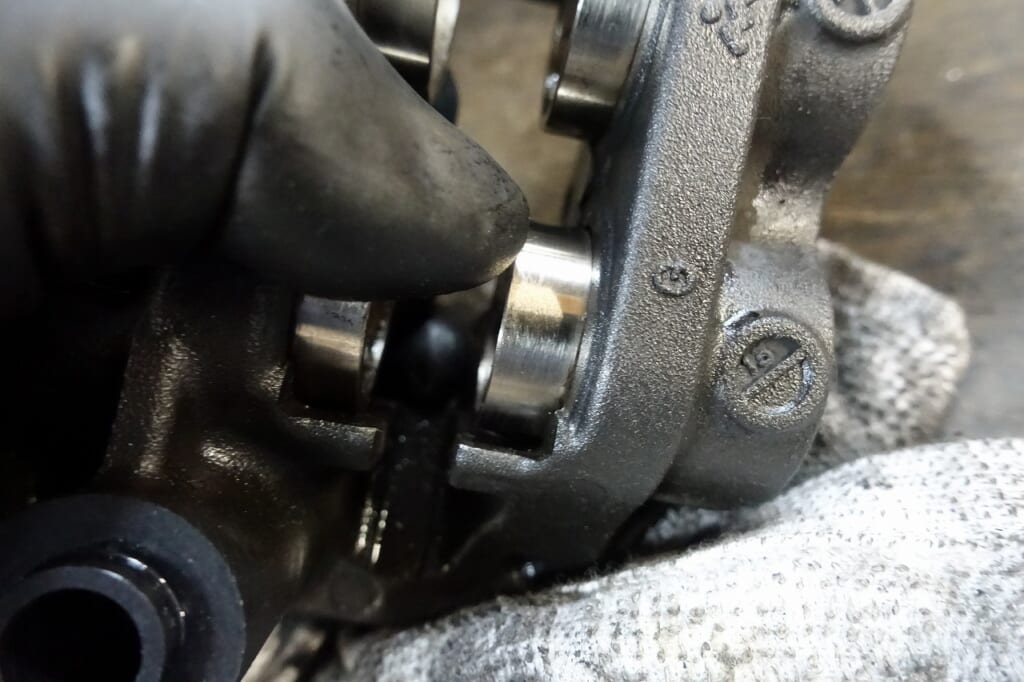
First, thoroughly clean the visible parts of the caliper piston, then use a piston tool to clean the hidden areas as well. If you have iron pistons, it’s also good to check for rust.
When you push the piston back by hand, if it’s stiff, you should consider a caliper overhaul.
Even with time-consuming polishing, improvement is limited compared to a proper caliper overhaul. A time-efficient, high-impact caliper overhaul is the best move.
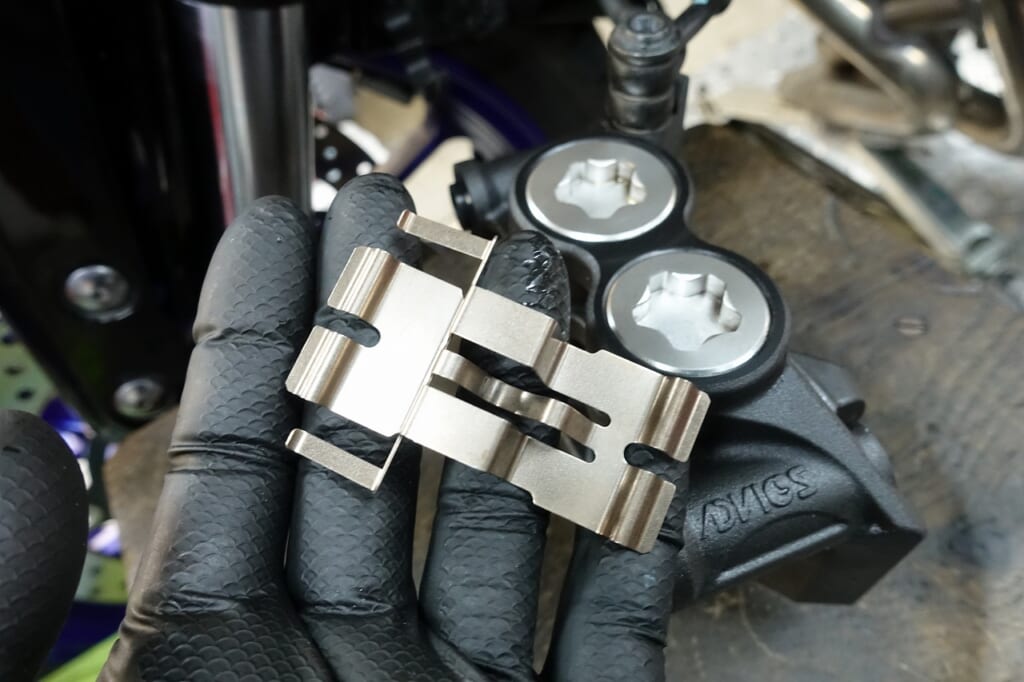
By assembling each part in the best possible condition, the final result will be excellent.
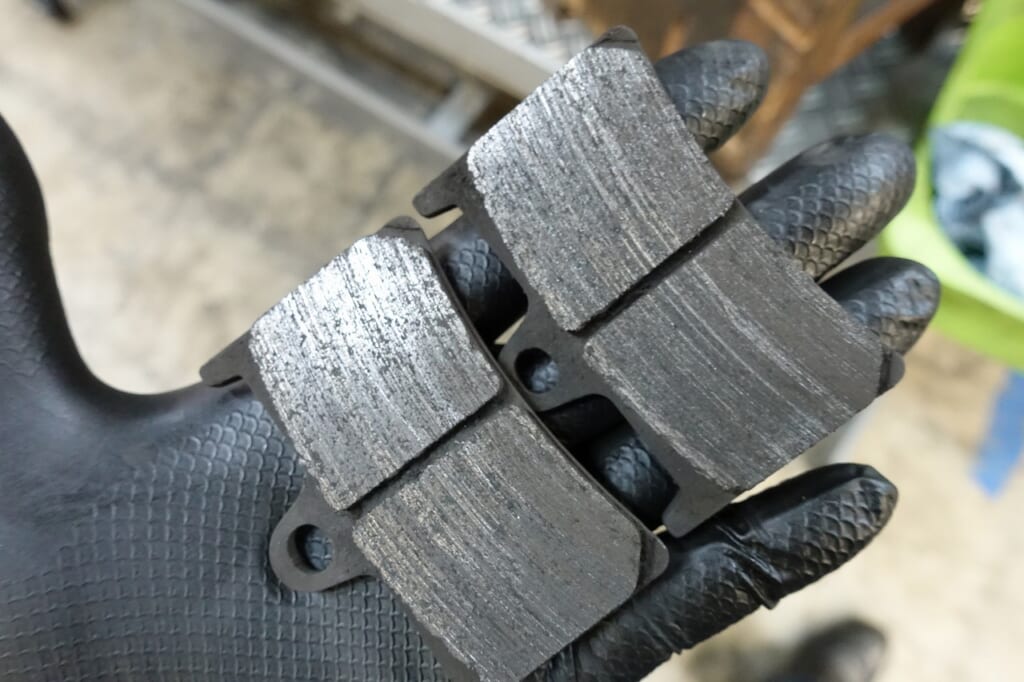
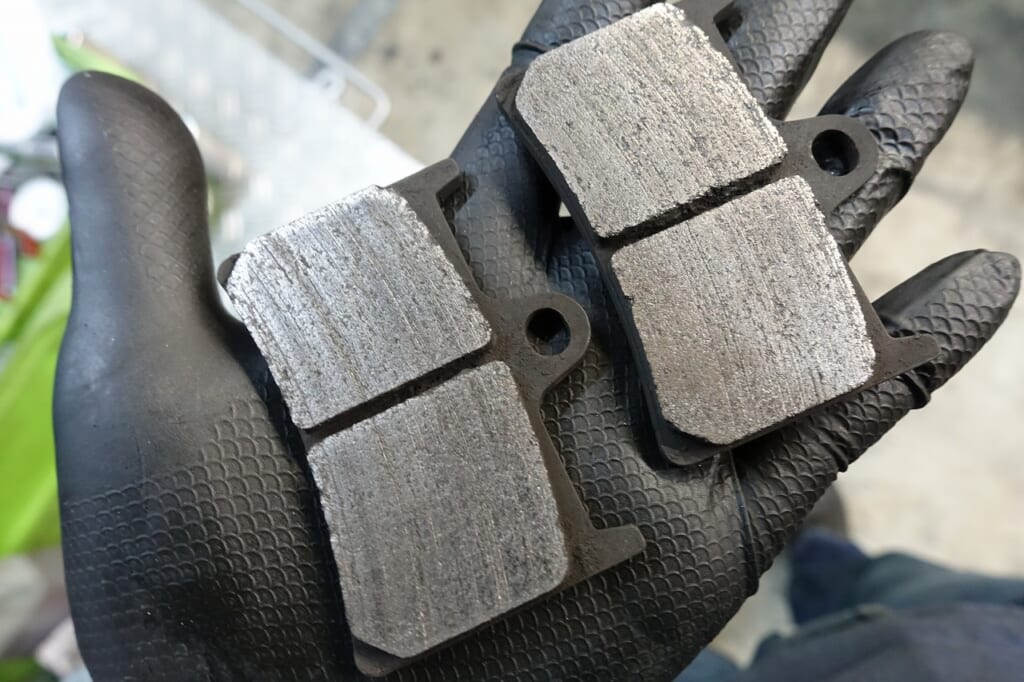
It’s a bit hard to see, but we’ve lightly finished the pad surface. While it needs re-bedding, the feel should improve.
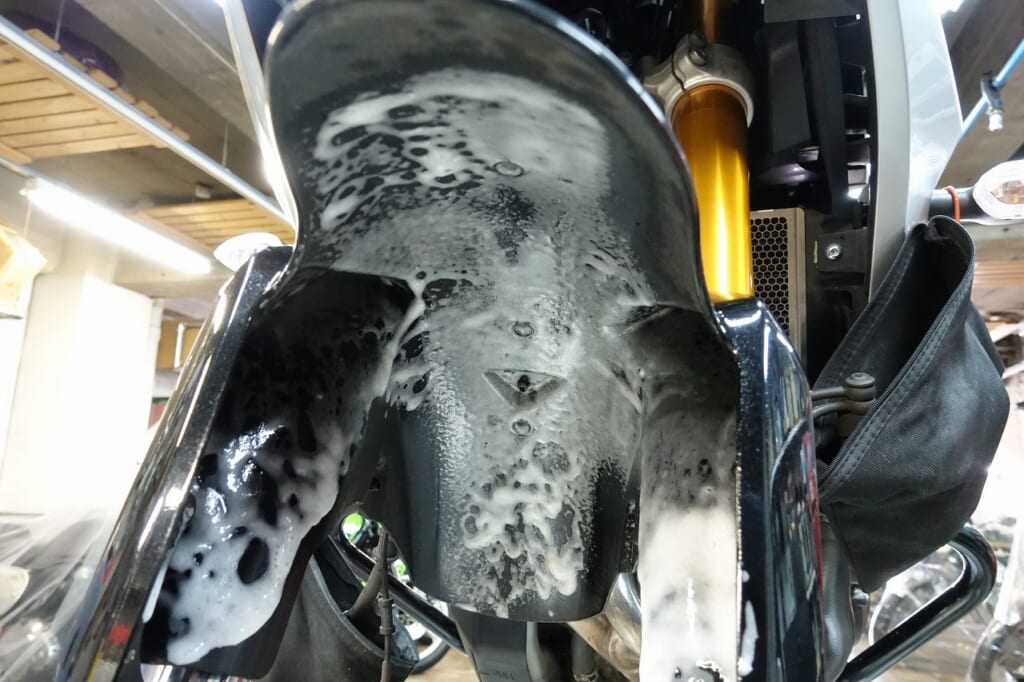
We clean the inside of the fender using Kleen View No-Touch. We believe that areas the owner can’t reach are places we should clean.
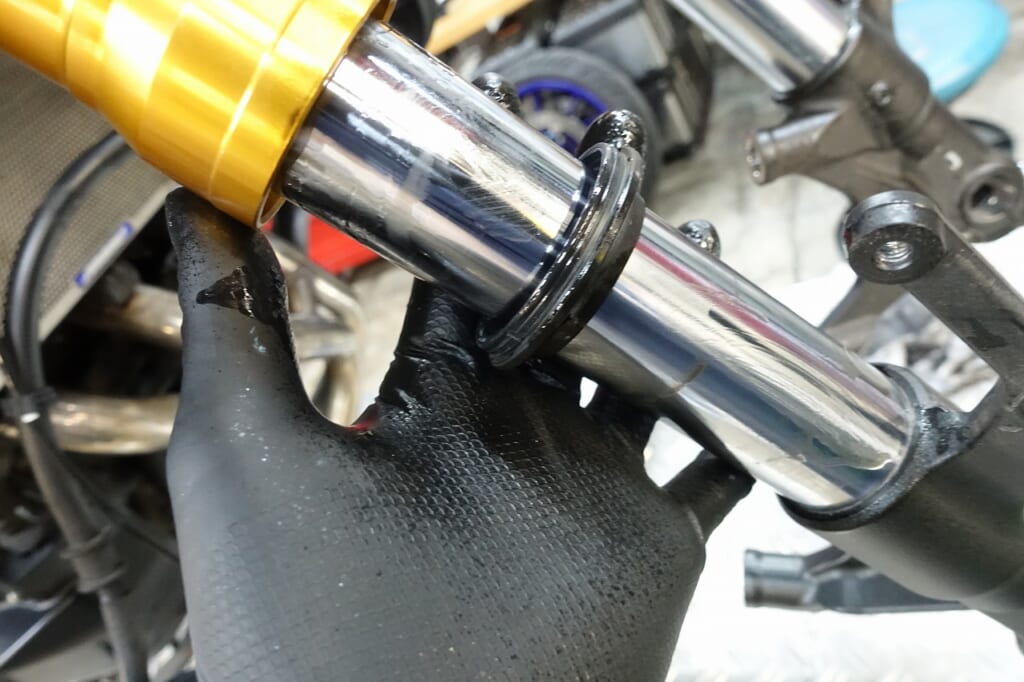
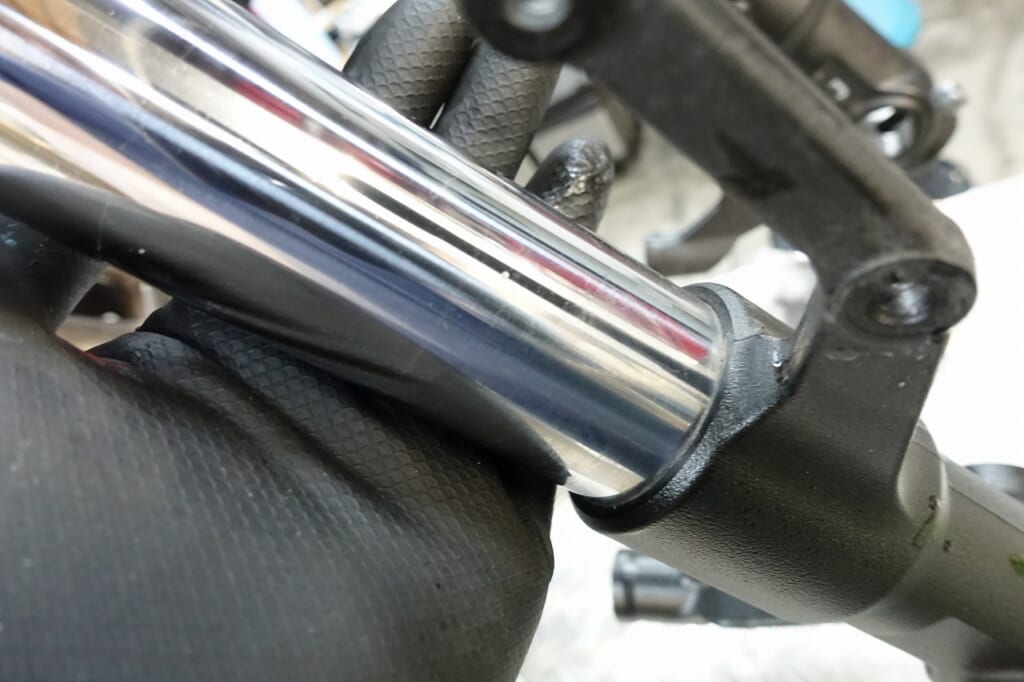
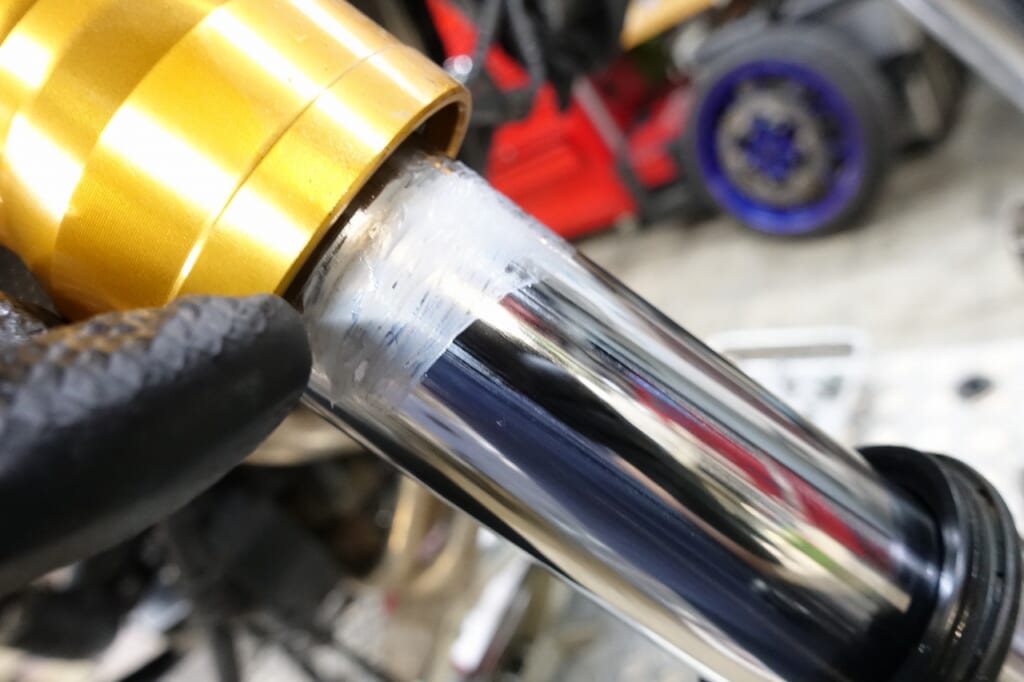
We clean the front fork. Always lift the dust seal.
Using a minus screwdriver will scratch it up. I use a scraper to clean the front fork. Always lift the dust seal.
Using a minus screwdriver will scratch it up. I use a scraper to lift it with as wide a surface as possible.
The dust seal accumulates quite a bit of dirt, and cleaning it thoroughly during maintenance should reduce inner tube wear.
Then we apply a light coat of fluorine grease to the front.
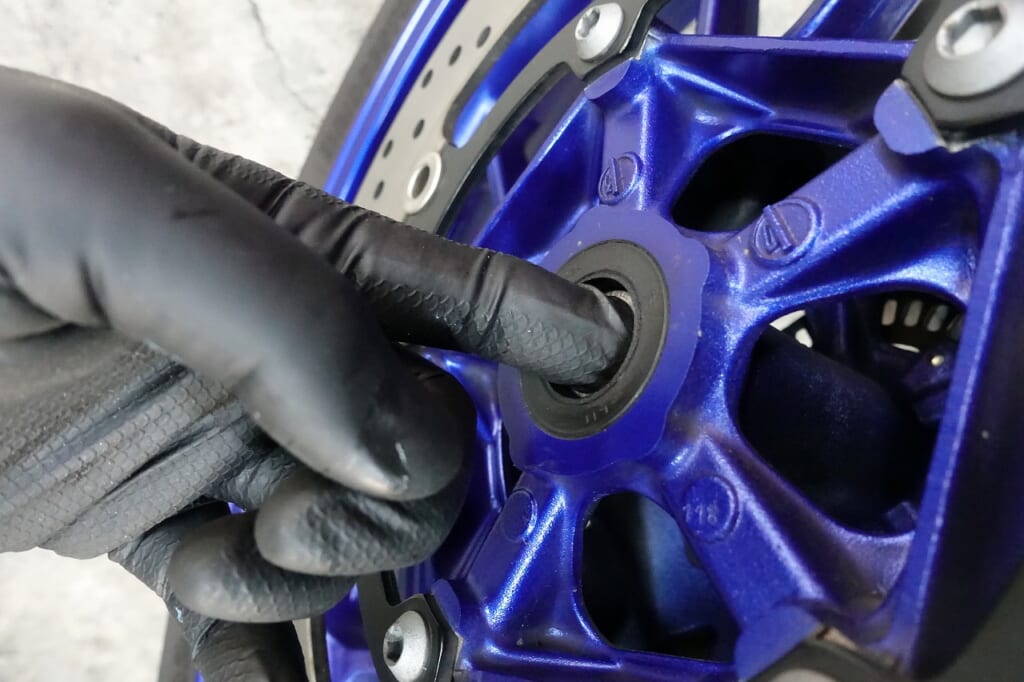
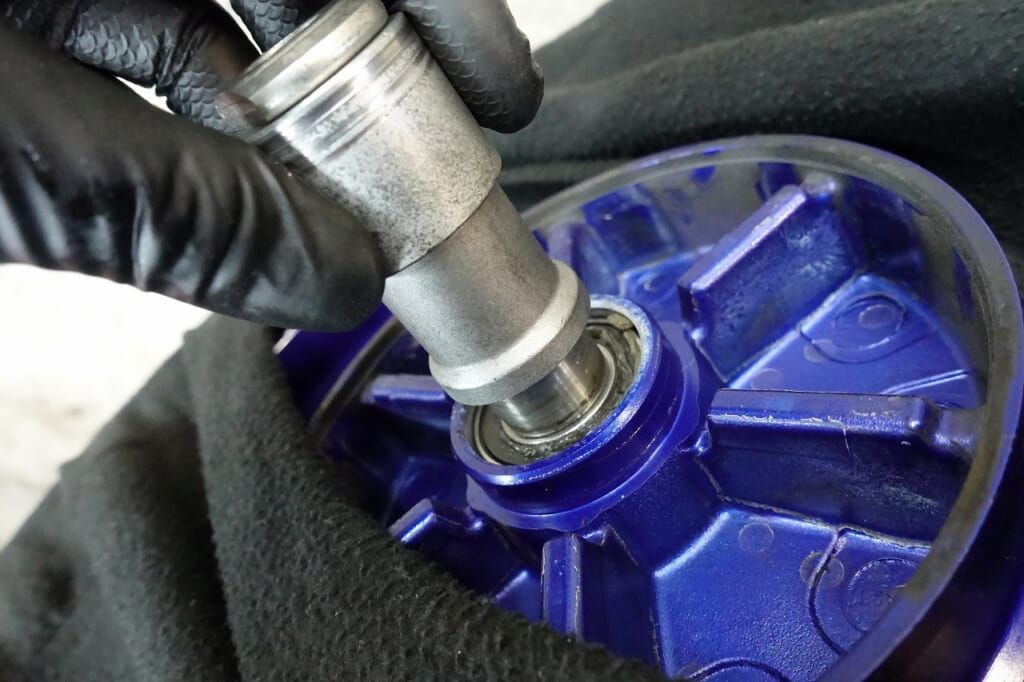
We check the condition of the front and rear wheel bearings.
These days we don’t see many in bad shape, but adjustment can improve rolling.
By maximizing the current condition, the machine will run even smoother.
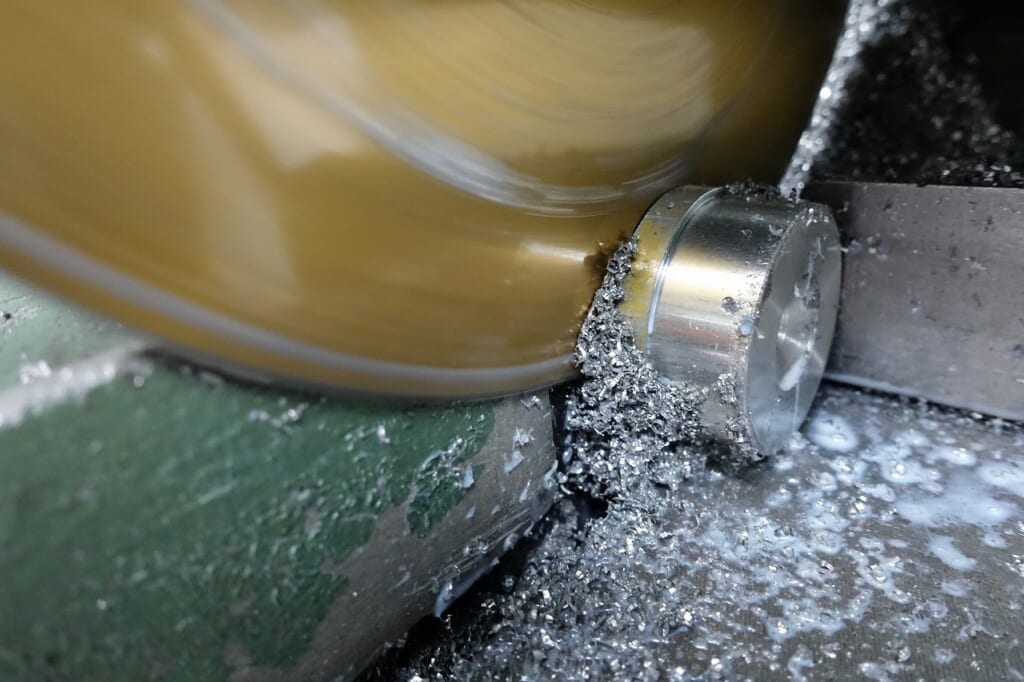
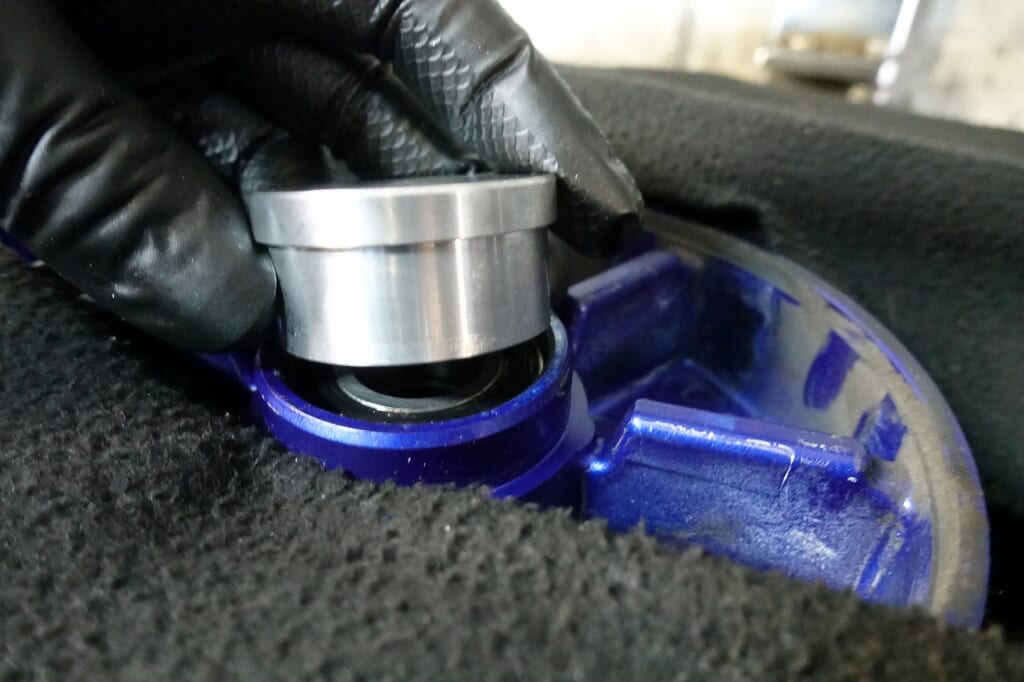
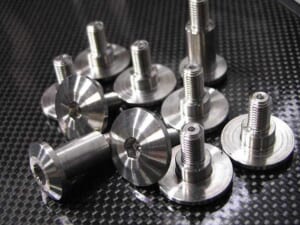
We didn’t have a 42mm outer diameter Pokidam, so we made one this time.
These small parts make a huge difference in efficiency and flexibility for future work.
*Whatever you do, don’t use a box for this (; ・`д・´)
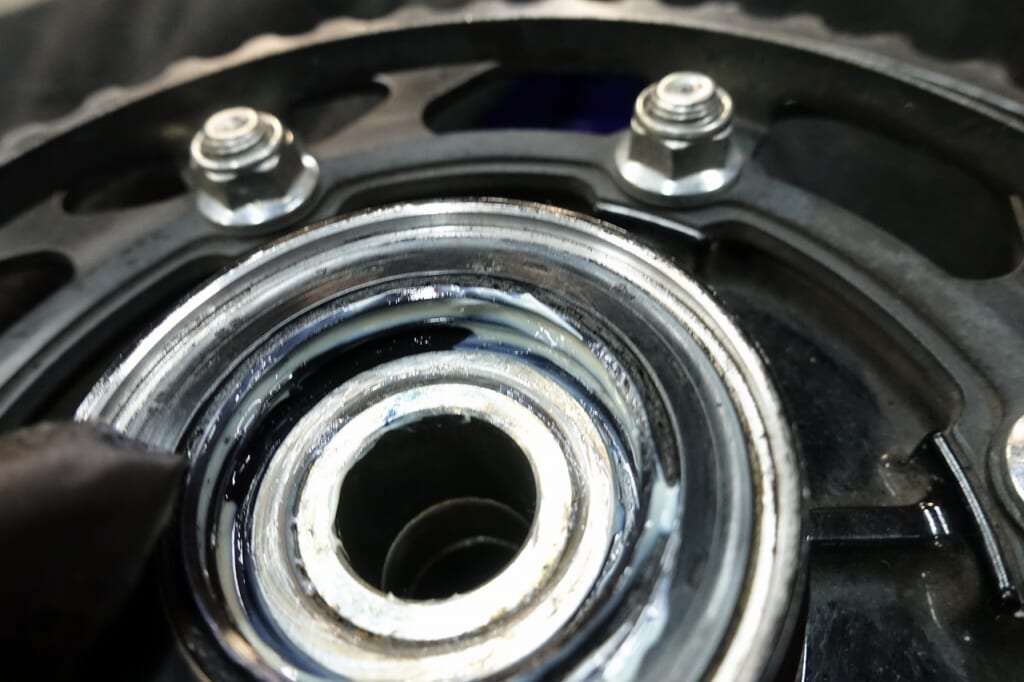
Just reducing the resistance of this rubber makes operation completely different.
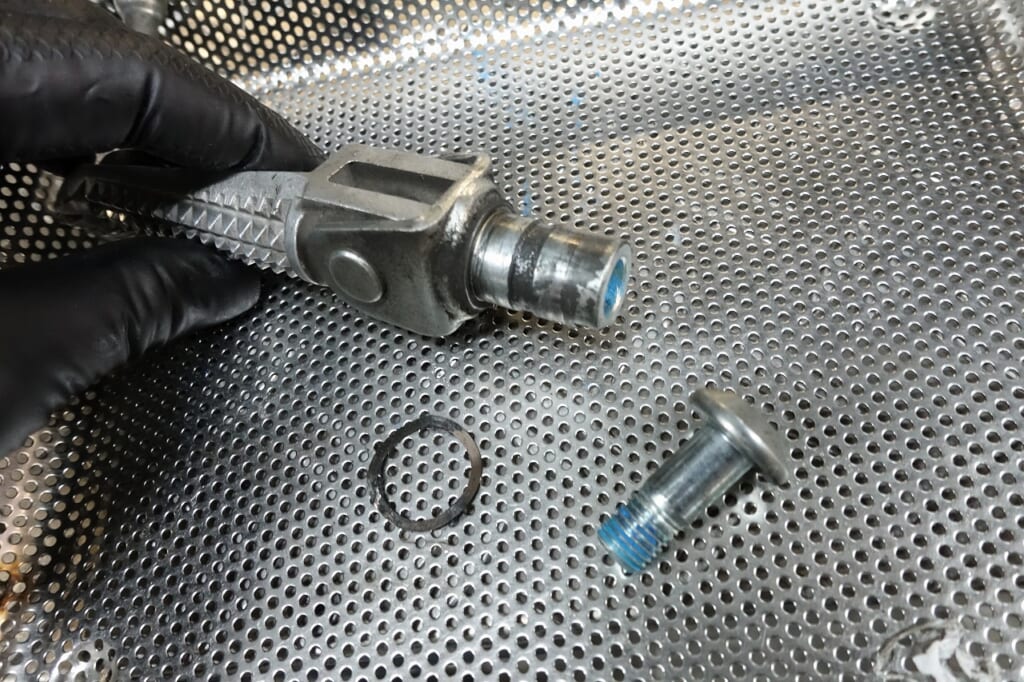
Modern designs make it harder to remove, but since there are no bearings, dirt accumulates easily. With thorough cleaning and care, you’ll get smoother, more comfortable shifts.