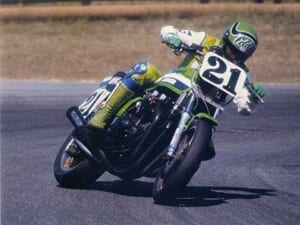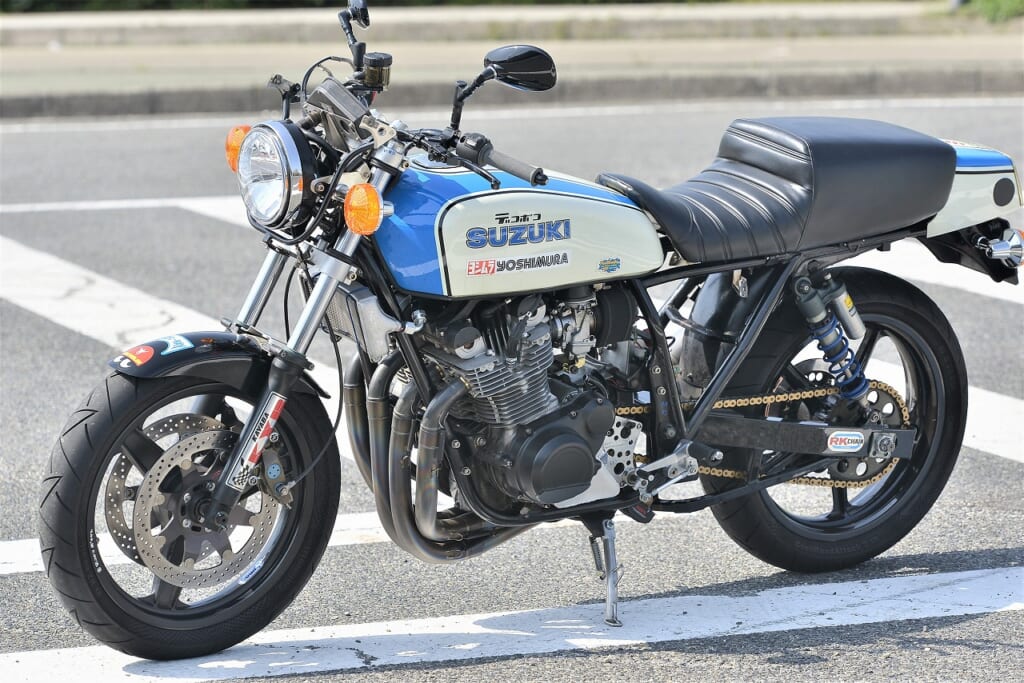
One of the great joys of motorcycles is that you can modify almost every part.
If you go overboard, the only stock parts left are the frame, engine, and bodywork—and some people even replace those.
Wouldn’t it be faster to just build from a frame?
When you really think about customization, there are actually lots of pros and cons.
On the plus side, you get way more options.
With suspension alone, you can adjust spring rates and damping to your taste—there are endless choices to play with. You get to feel firsthand what “if only it were like this” would be like.
Engine work and fitting a carburetor can change the engine’s character—turning that sluggish bike of yours into a sharp, responsive machine.
You can repaint and swap bodywork to get the look you want. If you get bored, you can take the fairing off, or if it’s a Z-series bike, swap in different bodywork—there’s endless fun to be had.
Riding position is totally customizable. You can choose different handlebars and change the pegs and seat to dial in your ideal position.
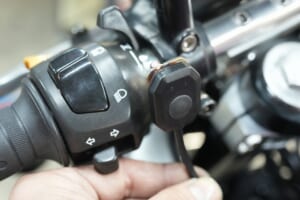
The electrical system is wide open too. You can fit your favorite meter and play with ignition components to your liking. These days you can even turn the power on and off with your phone—just remember to take care of that battery.
I get why people dive headfirst into customization. Just thinking about it is fun.
But let’s think about the downsides too.
First, aftermarket parts are expensive compared to stock.
Whether it’s a single lever or pedal or a whole assembly, the unit price just goes up.
Maintenance cycles are shorter.
Suspension aside, carburetors especially come to mind. No matter how good your air filter is, it can’t match a stock air cleaner box.
Plus, forced-open systems need regular checks, or you risk accidents like the throttle not returning.
Aftermarket parts discontinued and long lead times.
When a one-off shop’s original product goes out of business, it’s gone for good. If something breaks and you try to order it, you might face indefinite lead times or six-month waits—nothing like factory parts.
*Sure, manufacturers discontinue stuff too these days, but used parts are an option, so they’re still stronger.
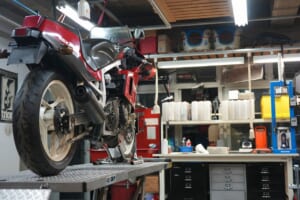
Finding a shop that will take care of you is crucial.
Every shop has reservations about custom bikes.
You don’t know what’s been modified, what’s been adapted, or how things fit together—and figuring it out takes time.
Basically, you should have the shop that sold it or built it service it.
Don’t expect the same level of service as you’d get for a stock bike.
Too many choices lead down a rabbit hole.
Carburetors, suspension, position, tires—once you start thinking about it, the sheer number of options sucks you in. It’s common to mod everything, then ride a completely stock bike and be blown away—so you sell the custom one.
Swapping parts can give you performance gains easily, but balance is what matters most. Sometimes pulling back, not just pushing forward, opens your eyes.
I’ve rambled on, but maybe as you get older and appreciate stock bikes more, it’s because you’ve had all those experiences.
Hobbies really are deep.