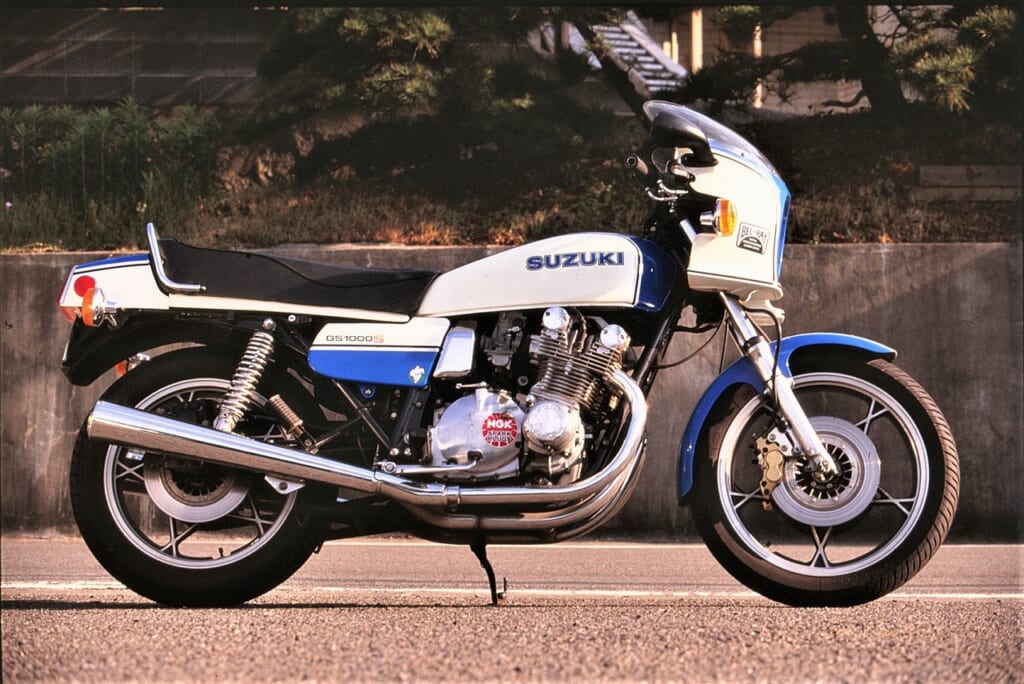
Whether owning and maintaining an old motorcycle is difficult or not really comes down to your mindset.
Even if you compare it to modern fuel-injected bikes, honestly it’s pretty tough.
Classic motorcycles might just contain all the true elements of what a motorcycle really is.
*I’m not talking about really old pre-war bikes or anything like that.
Since I switched from an XJR1200, I was amazed by everything.
Sluggish acceleration, brakes that won’t stop no matter how hard you squeeze, and engine covers and pegs that scrape immediately.
I was honestly shocked… seriously? This thing has 1000cc?
When it comes to aftermarket racing discs, cast iron brake discs were still the mainstream back then. Sintered metal pads compatible with stainless steel (BD material) weren’t available in circulation.
There are few pad options for stock discs, and for GS1000 pads the choices are basically nonexistent.
To make the brakes work well, you have to build up the disc, caliper, and master cylinder.
Since I had no money back then, I temporarily sourced a used Brembo gold racing caliper and installed a Brembo radial master cylinder, and things got a lot better—that’s a memory I have.
*The performance is so low to begin with that the improvement after swapping parts really stands out. And being able to feel and experience what changes when you modify something—that’s the charm of classic motorcycles.
You pick up a bit of electrical knowledge.
Points ignition? Hmm, I didn’t know about that… a mechanism I first learned about on a classic bike.
At first I just did a gap adjustment and that was it.
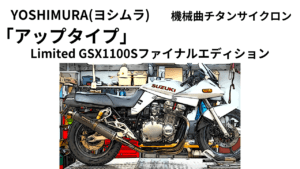
After that I borrowed a full tune-up from a GSX1100S (the domestic version wasn’t available yet) and got to experience and enjoy version upgrades too.
Unlike modern contactless systems, there’s a centrifugal governor (a dead term now), and the pickup side has elongated holes, so you can easily feel and enjoy the analog nature of advance and retard timing. It’s really nice.
The regulator and rectifier are separate parts.
Unlike modern bikes where the rectifier and regulator are combined into one unit, they’re separate here. When one of these fails, you learn firsthand what symptoms that causes.
This is getting long, so I’ll wrap it up here for now.
To sum it up, everything is super analog, so even changing a single spark plug is quick and easy to access.
Since you can feel and experience things yourself, I think you can digest even the tough parts pretty well.
These days with the power of the internet and social media, there’s so much information and support available that the ways to enjoy it are endless.
Theft has been standing out lately, which makes me feel a bit down.
I wonder if a time will ever come when we can ride without worry.