Wow!
Hmm? I feel like I’ve heard this somewhere before, or seen it…
Even though this wasn’t what was originally requested, I think there are times when you should clean things up now, because you won’t get another chance to do it later.
With the mindset of being your dedicated mechanic… if it were my own bike, I’d do it—that’s the stance we operate with here at Decoboco (‘ω’)ノ
The carburetor is a TMR-MJN.
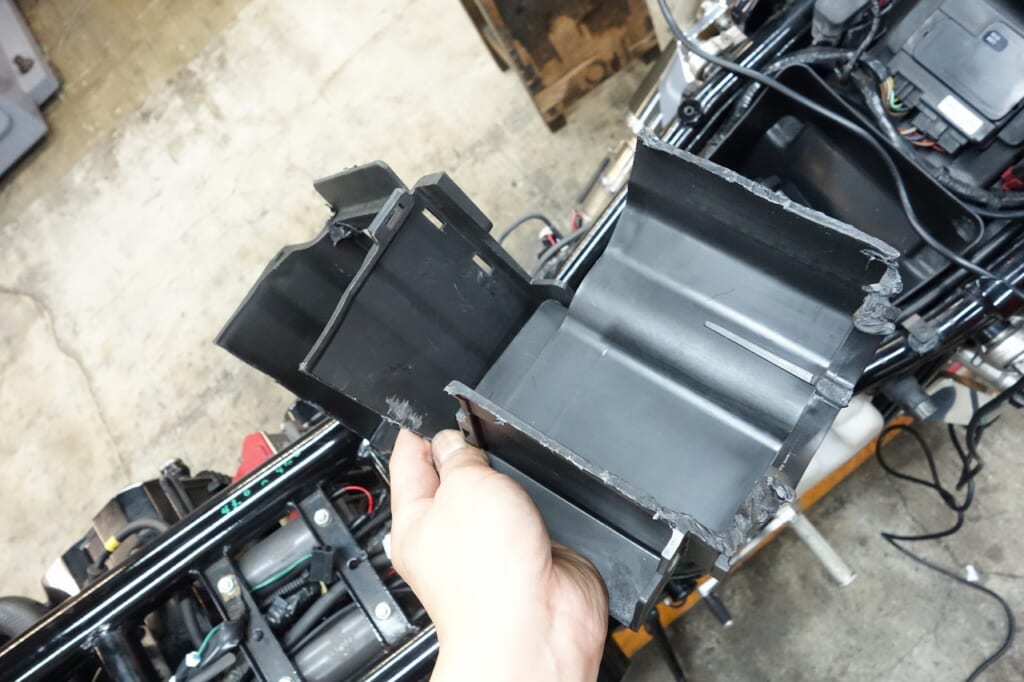
I’ve been wondering about the purpose of this old air cleaner box (remains) for a long time.
But this time we finally got around to removing those remains. Cut it clean in half with a hot cutter.
Dusty work is the worst, isn’t it? (‘◇’)ゞ
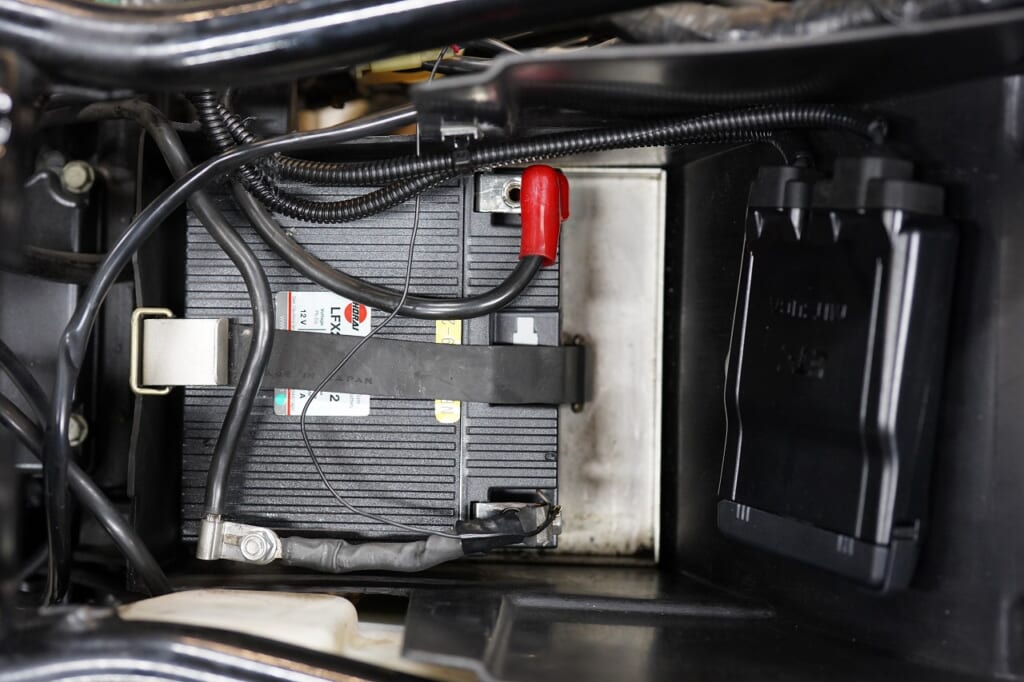
Once it’s off… well, once it’s off… doesn’t the appearance look worse?
Even the parts of the motorcycle you can’t see—we approach them with an Italian-made mindset.
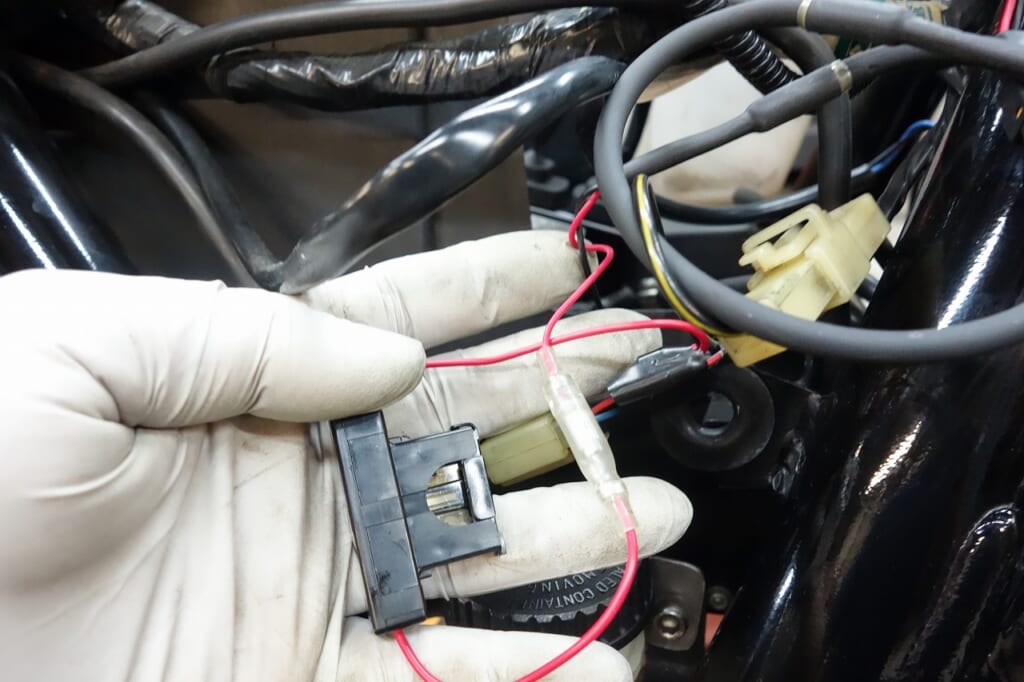
Mass retailers are lifesavers, I tell you. I’ll get it fixed up (‘ω’)ノ
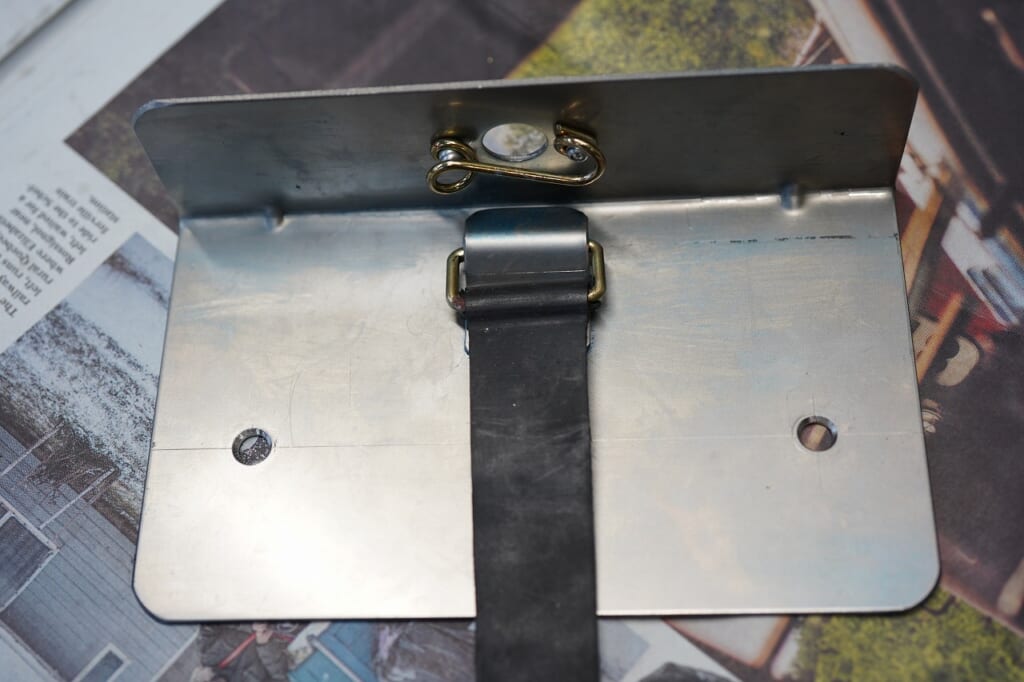
I fabricated objects A and B. This is the receiving end.
*B is a pain to remove, so no photo.
This time I made it from titanium grade 2.
I don’t use it much because I find non-ferrous sheet metal work tedious.
It requires anodizing and has a short lifespan, which is troublesome. Though it is light.
Shipping costs have gotten ridiculous lately…
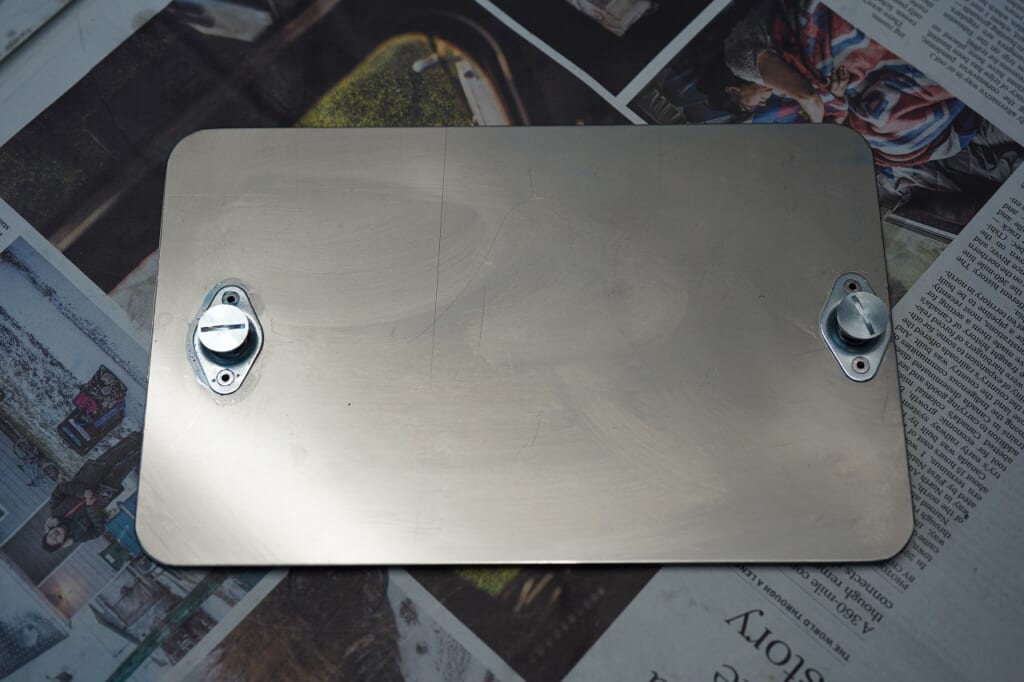
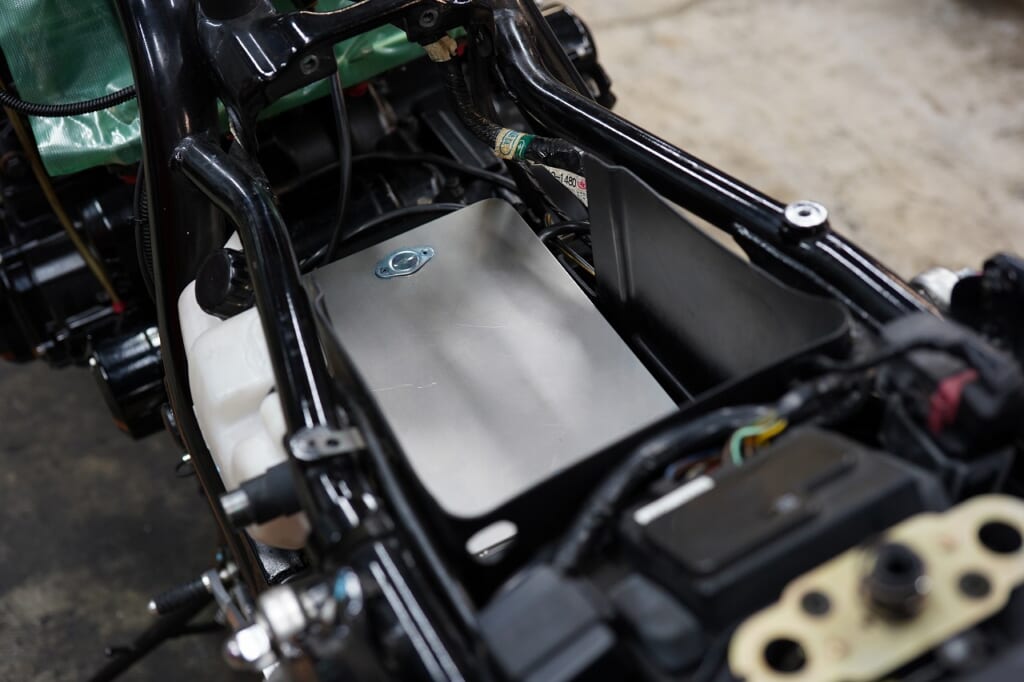
This is the cover. It’s also titanium.
I went to Togashi Engineering to buy materials and thought about going with carbon, but I decided against it because it would compromise the expandability.
I used DZUS panel fasteners for the fasteners. Flush-mount and cool (‘ω’).
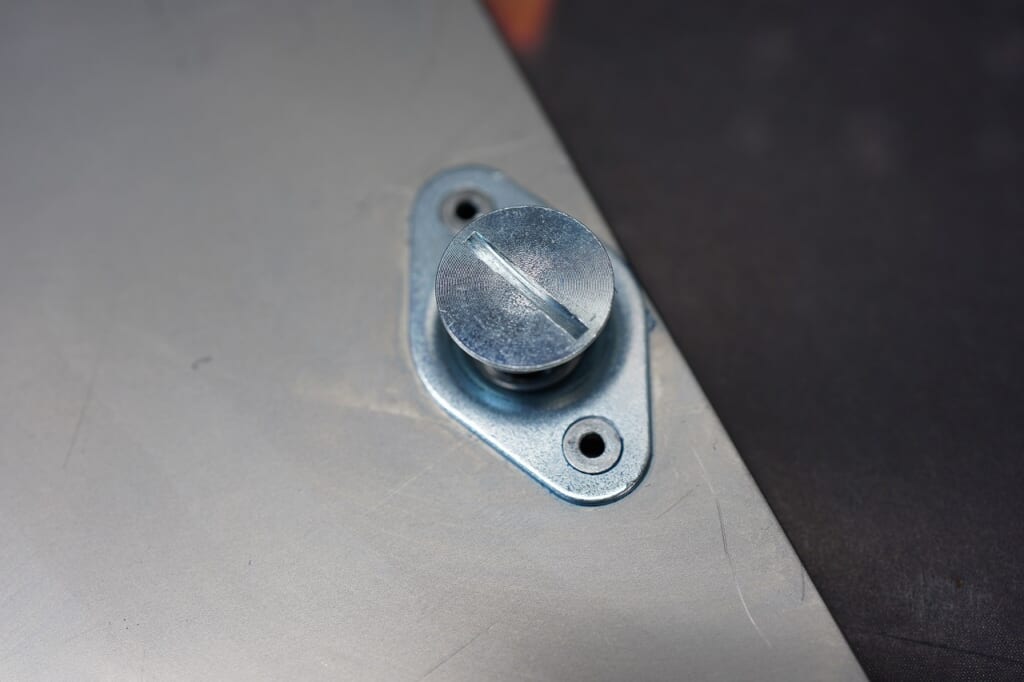
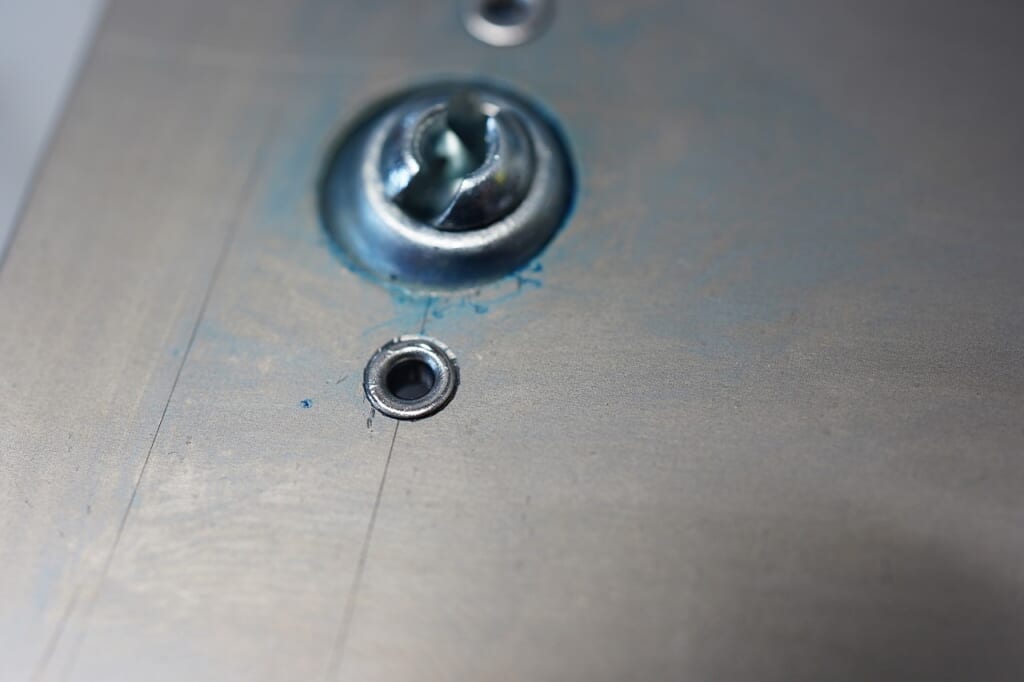
On the fastener side, we use PTM rivets to keep the back flush too!
You should remember this rivet—it’ll come in handy someday.
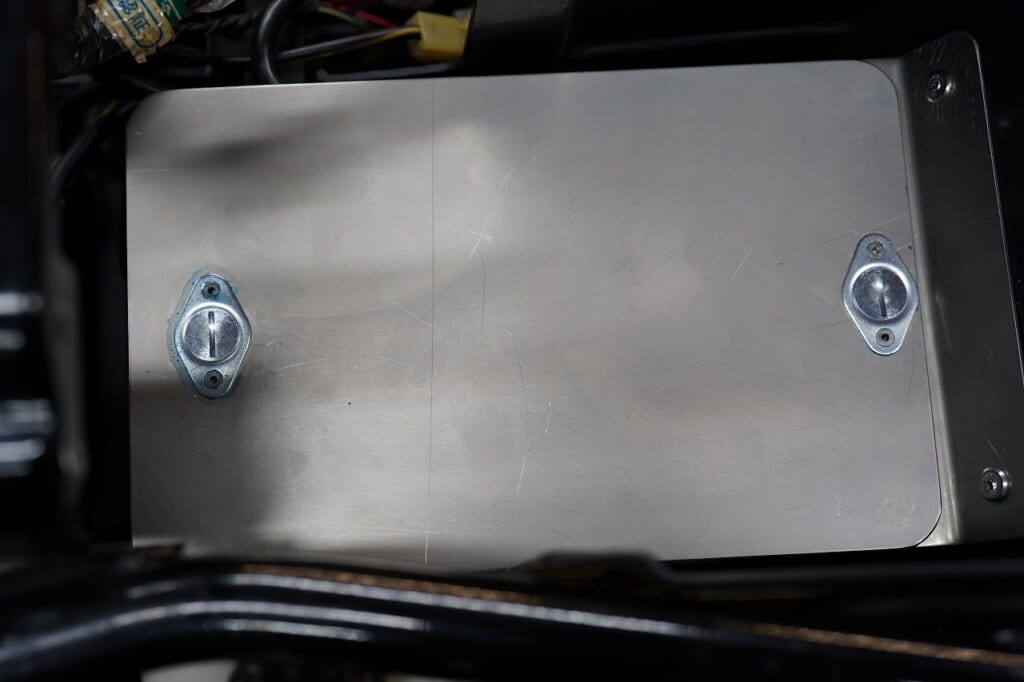
This is how the cover closes. Subtly racy.
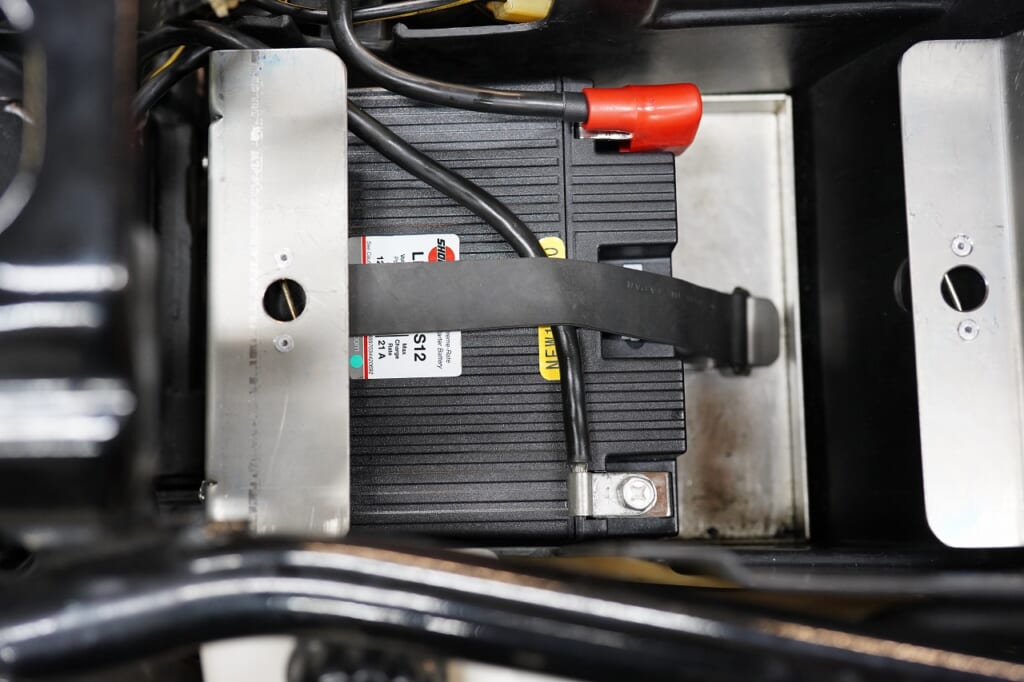
The ETC unit layout isn’t finalized yet, but things are looking much cleaner.
When you keep even the hidden areas organized and tidy, it feels good.
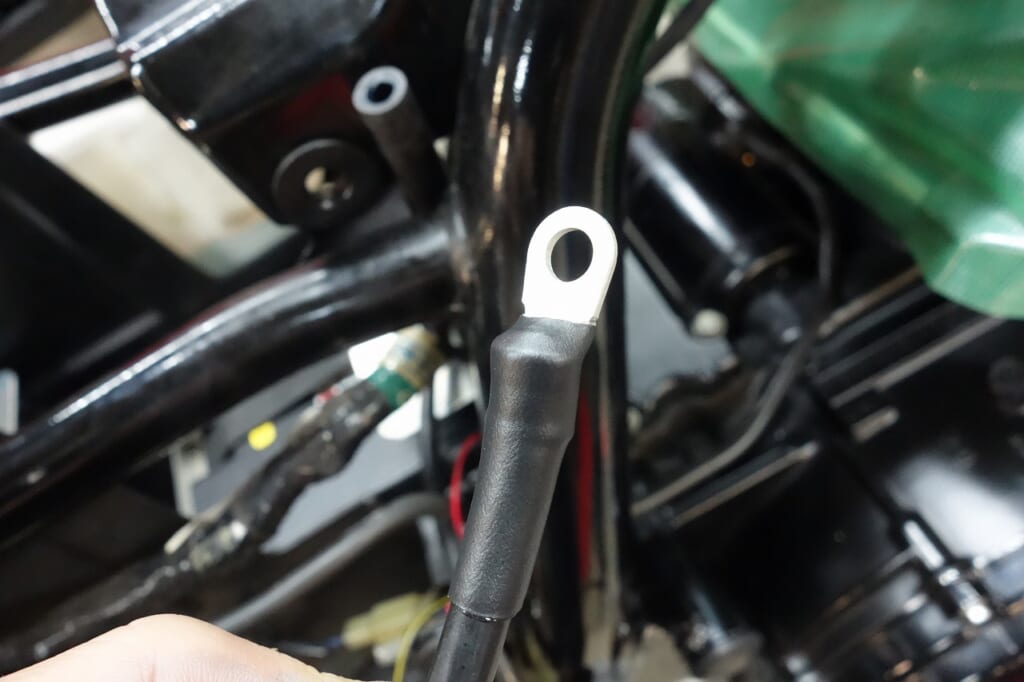
It’s best to trim ridiculously long leads.
When you keep things as simple as possible, you reduce the need to bundle wires unnecessarily.
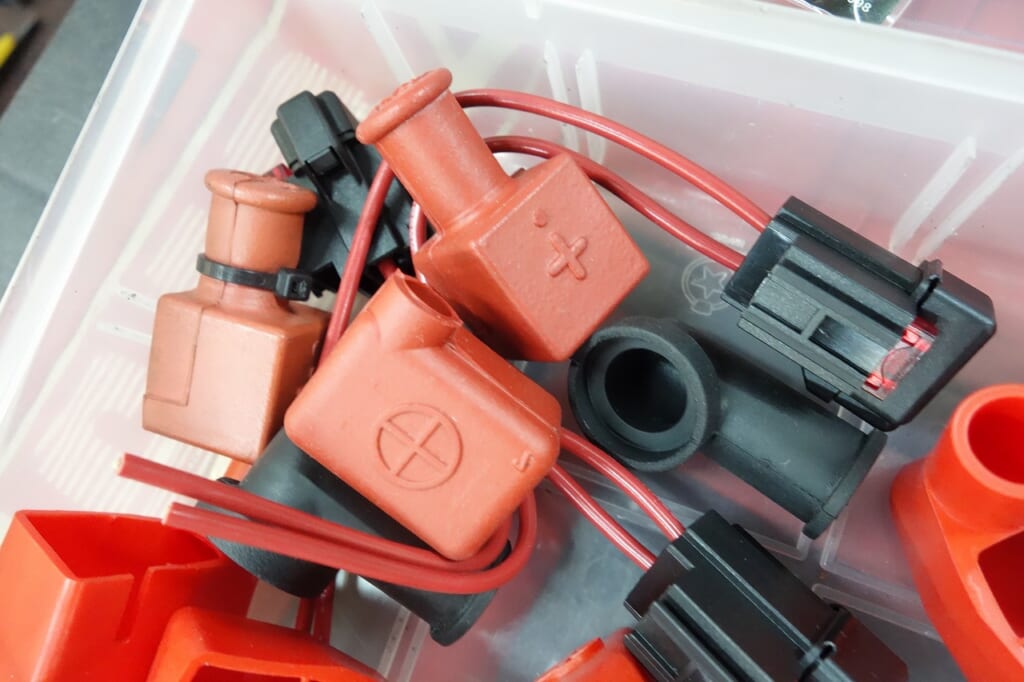
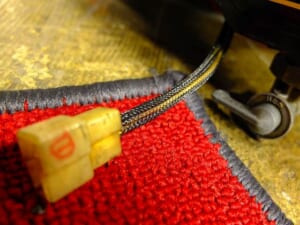
We keep various terminal covers in stock at all times.
Straight, angle, offset, and more… at first glance it looks stock, like nothing’s been done, and that feels great.
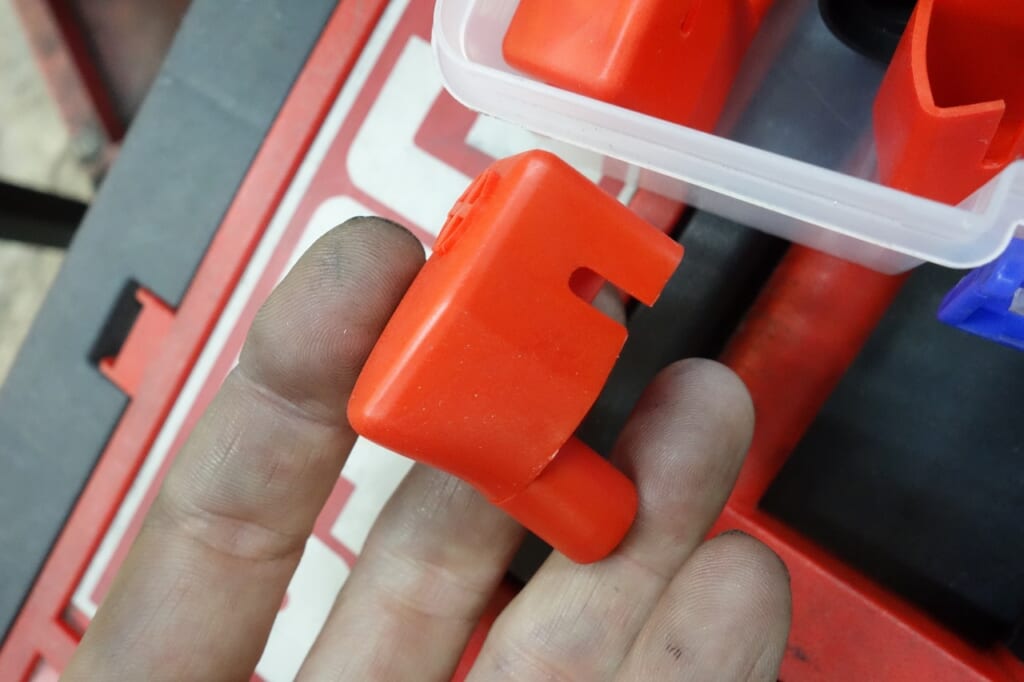
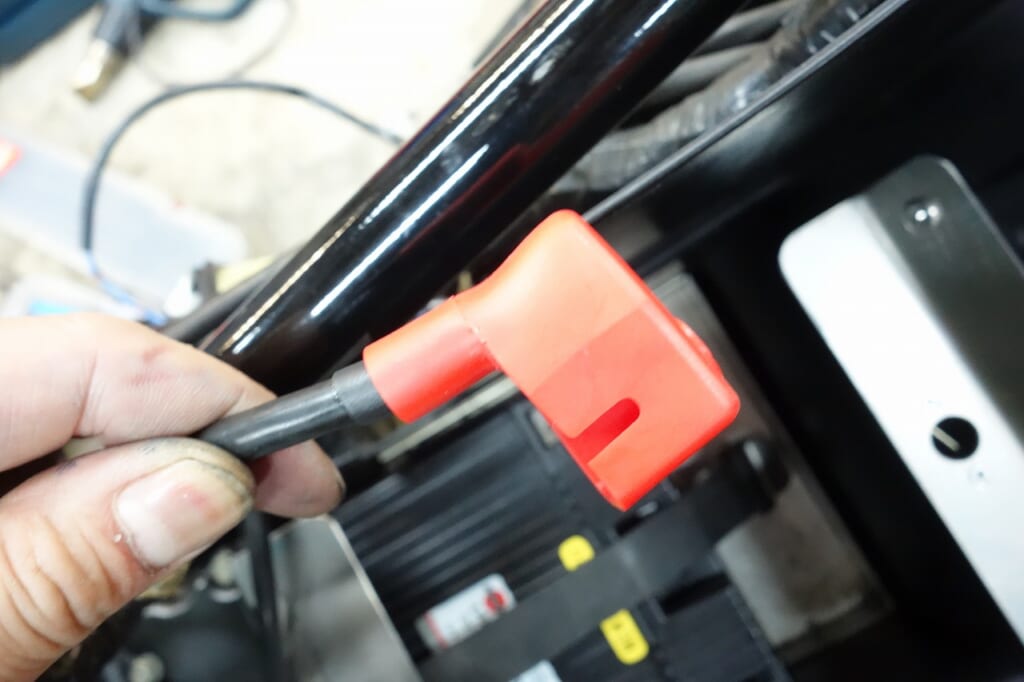
This time I went with Honda’s 90-degree angle. The terminals are also bent at 90 degrees.
All covered up like this.
Titanium and stainless steel can be spot-welded and expanded significantly afterward. After completion, you can easily recover from “Oh! I should have done it this way”—highly recommended.
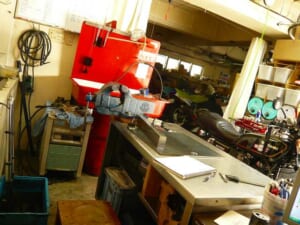
Well, but you really do need a shear too… (‘ω’)
I think equipment is the most important thing for the job.