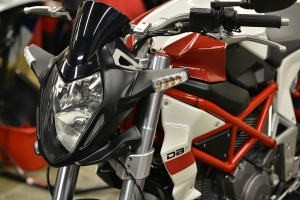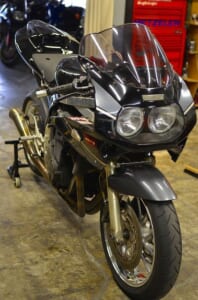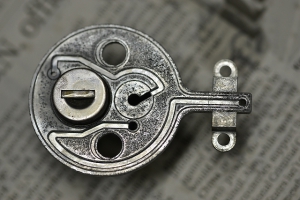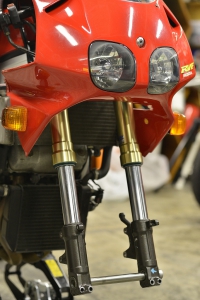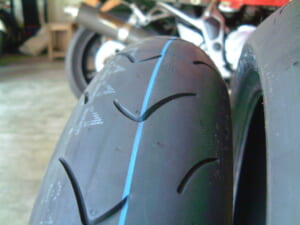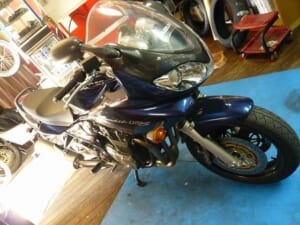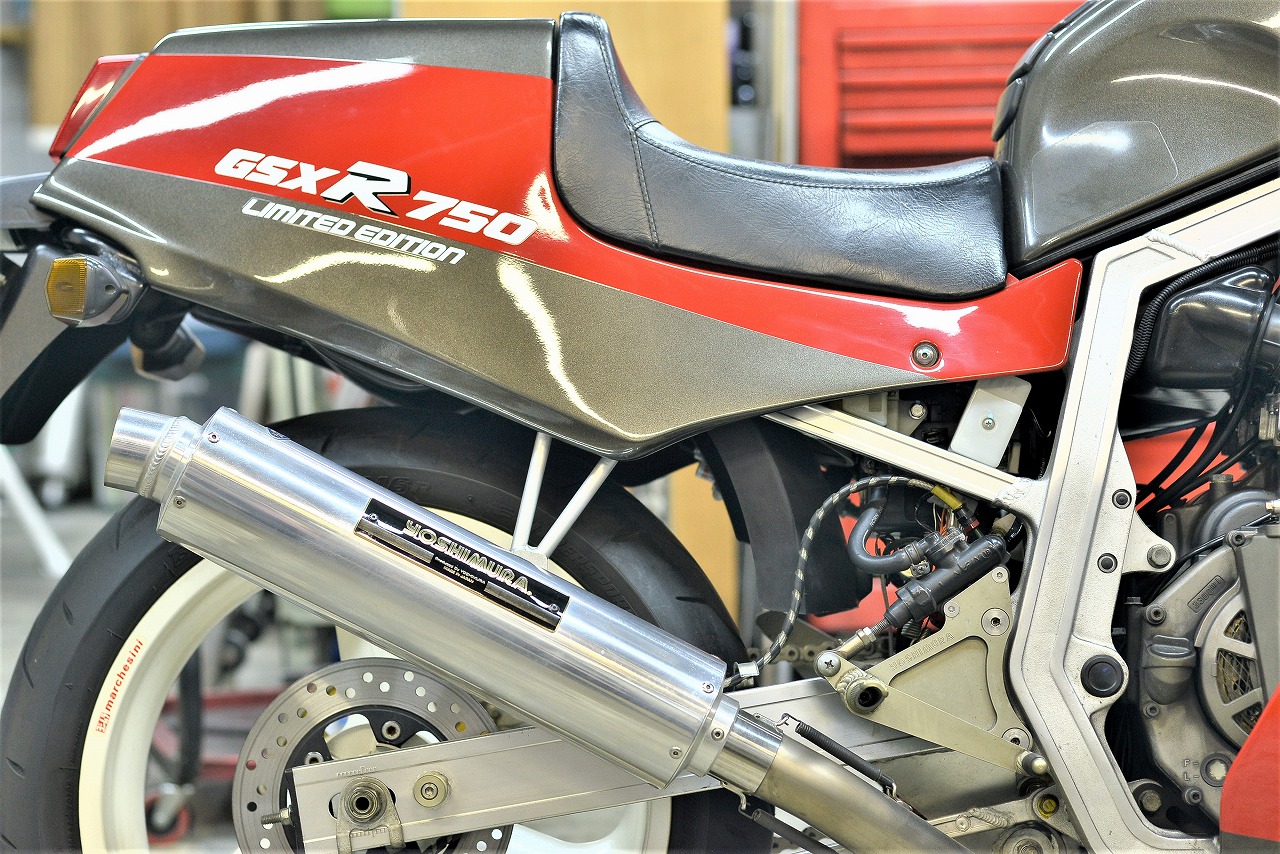
Next to the top image, I’m thinking, “Man, that’s cool!” Could I eat ten bowls of rice?
I got a little too comfortable saying the delivery date was whenever, and now it’s already year-end.
I had the parts ready, so I’m working through it steadily.
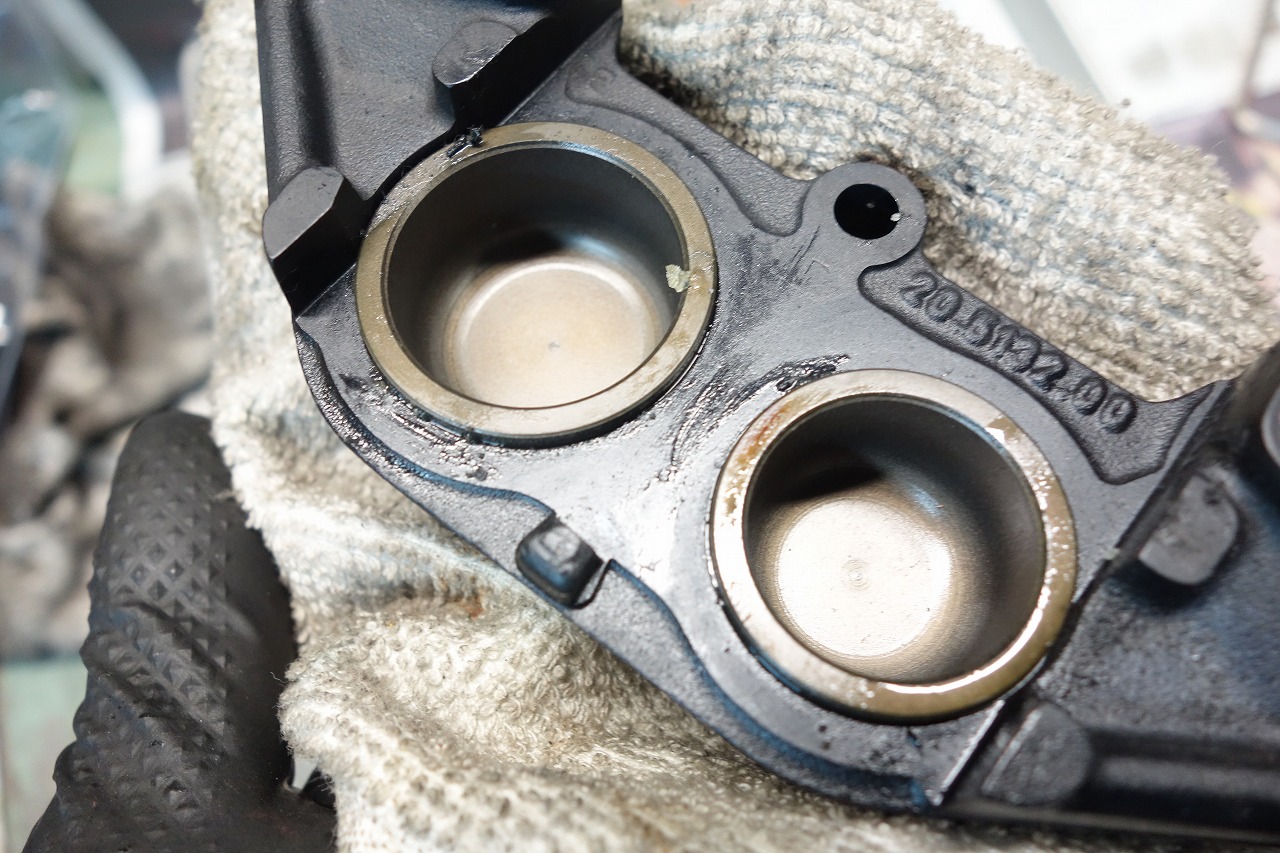
Lately the caliper has been leaking fluid.
Yeah, I can see it. It’s pretty wet.
I hate these subtle leaks like this… *though I hate gushing leaks too.
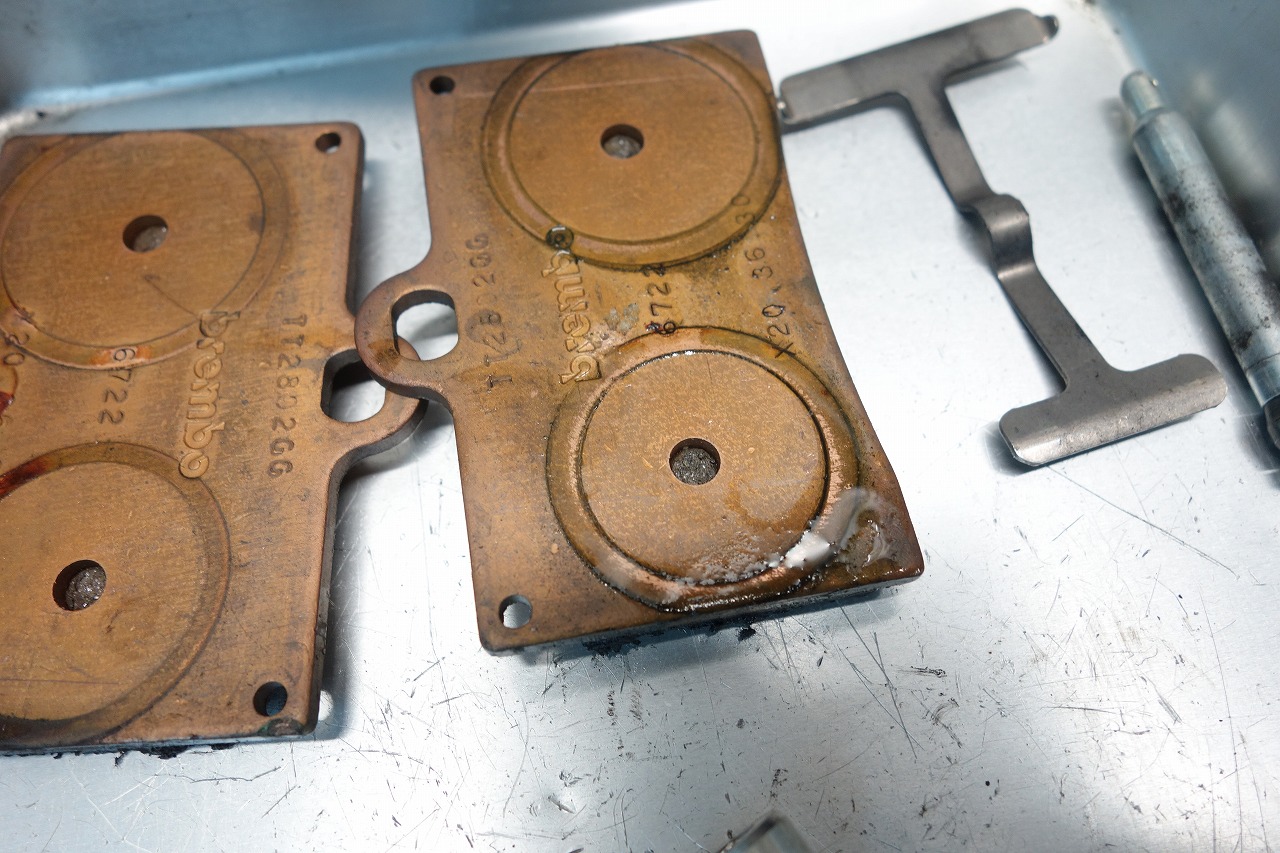
After checking, it looks like it’s only on the inside of the left caliper.
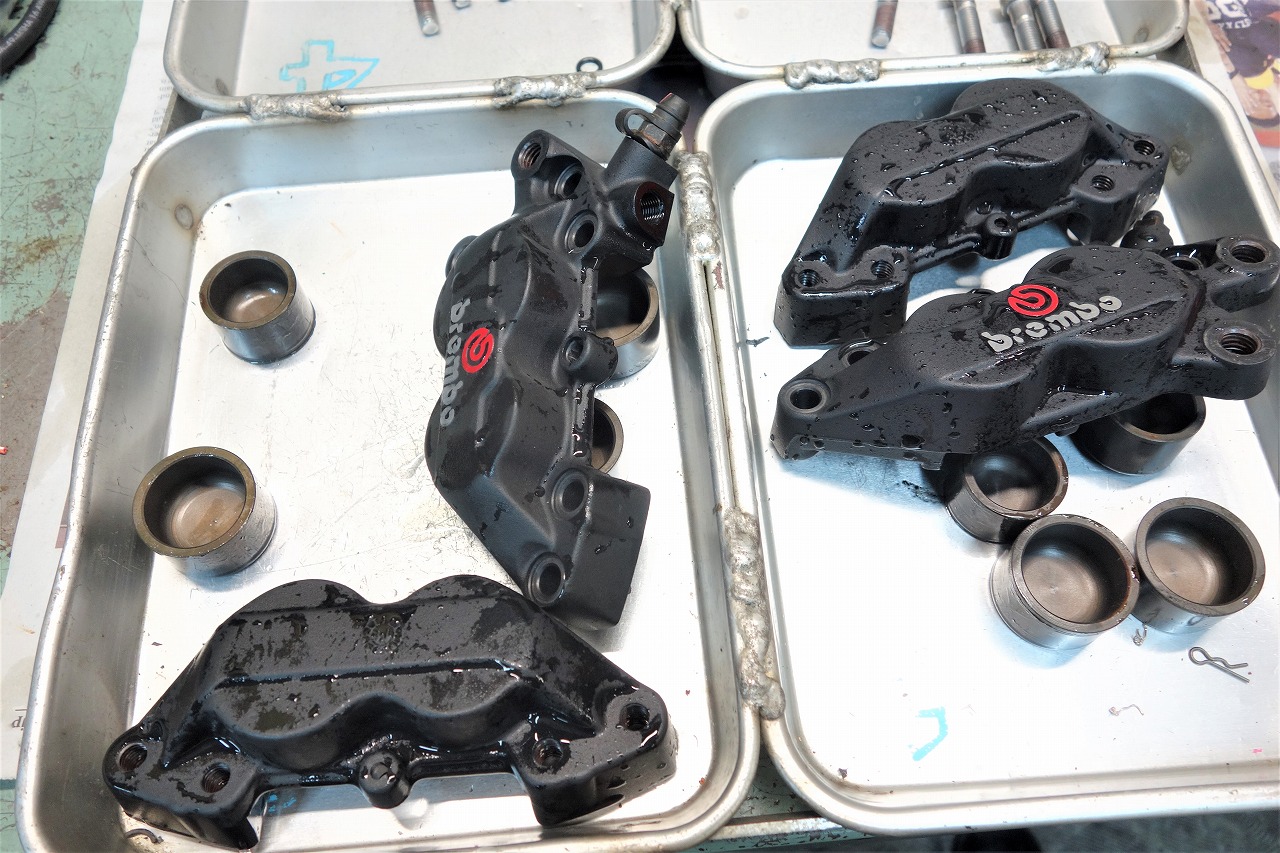
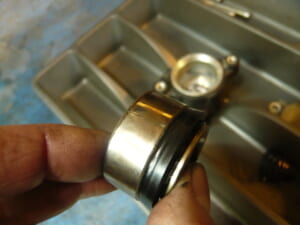
I quickly took it apart.
It’s a clean unit, and an anodized caliper is the best—finishes so fast!
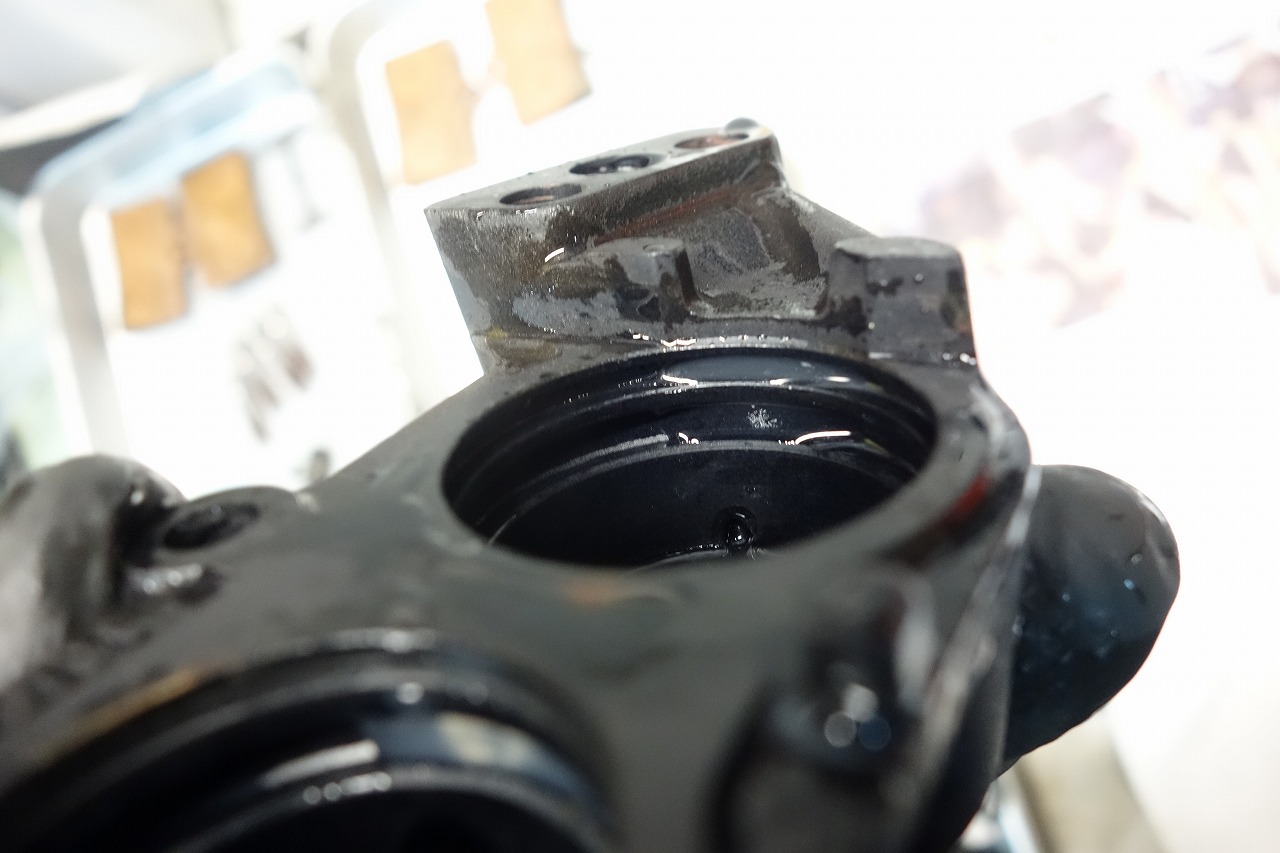
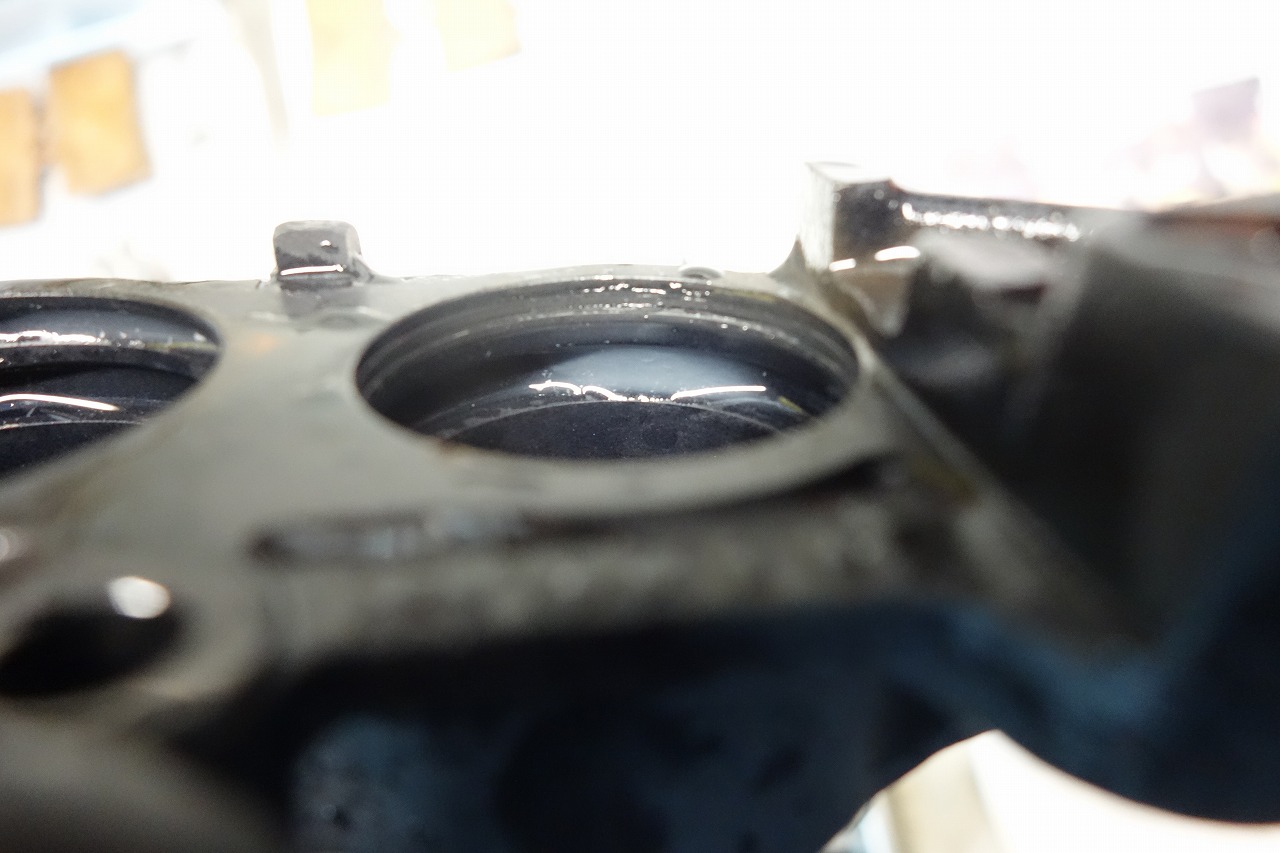
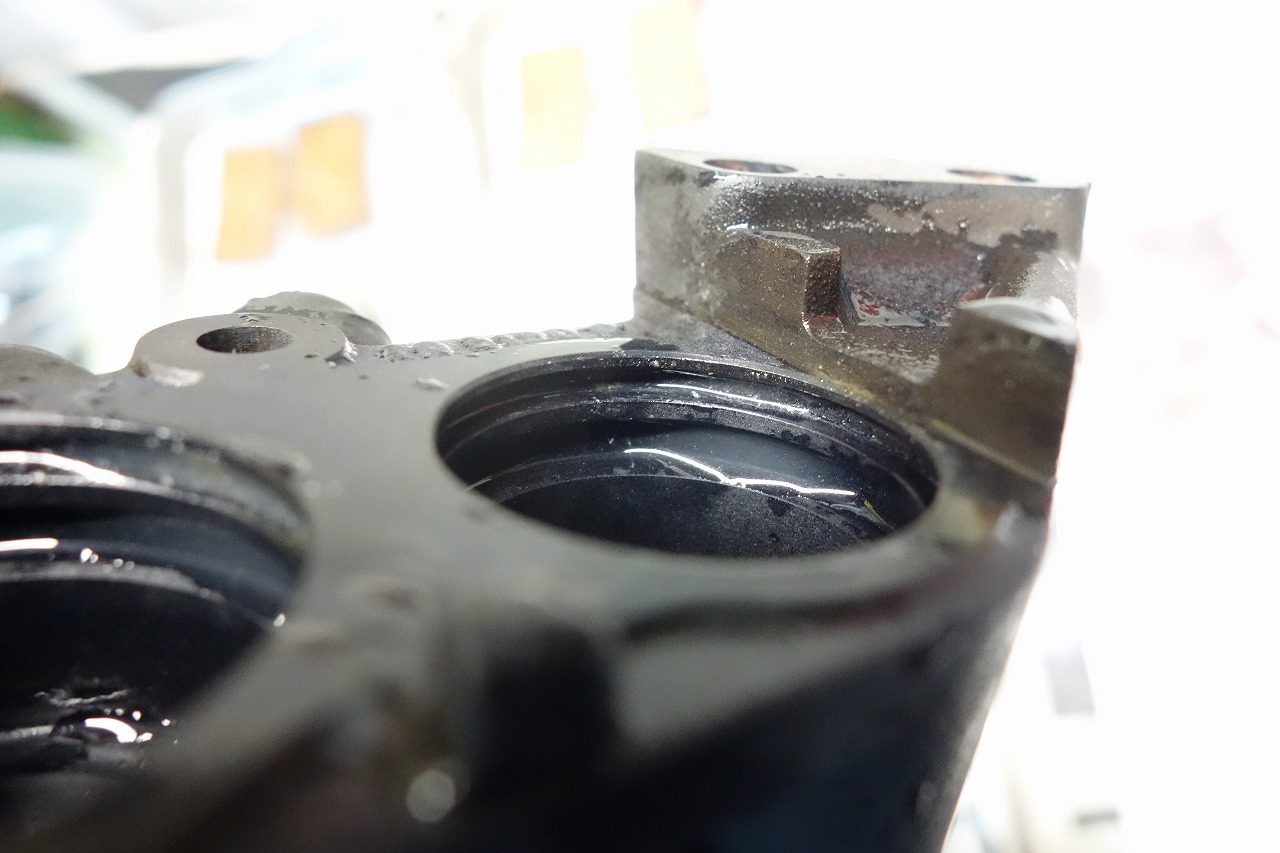
An anodized caliper won’t corrode on the body unless something really goes wrong.
When you disassemble the brake system, you really get a sense of just how hygroscopic brake fluid is.
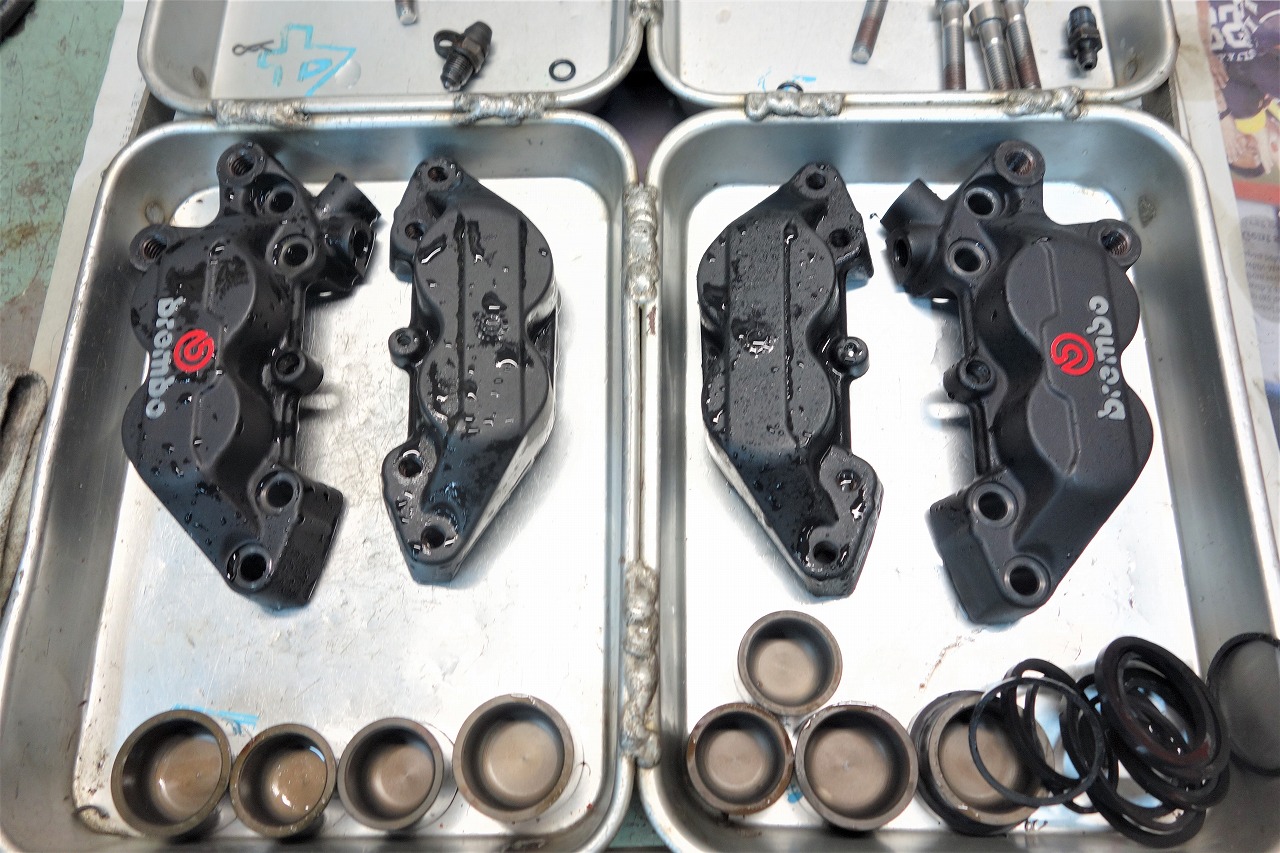
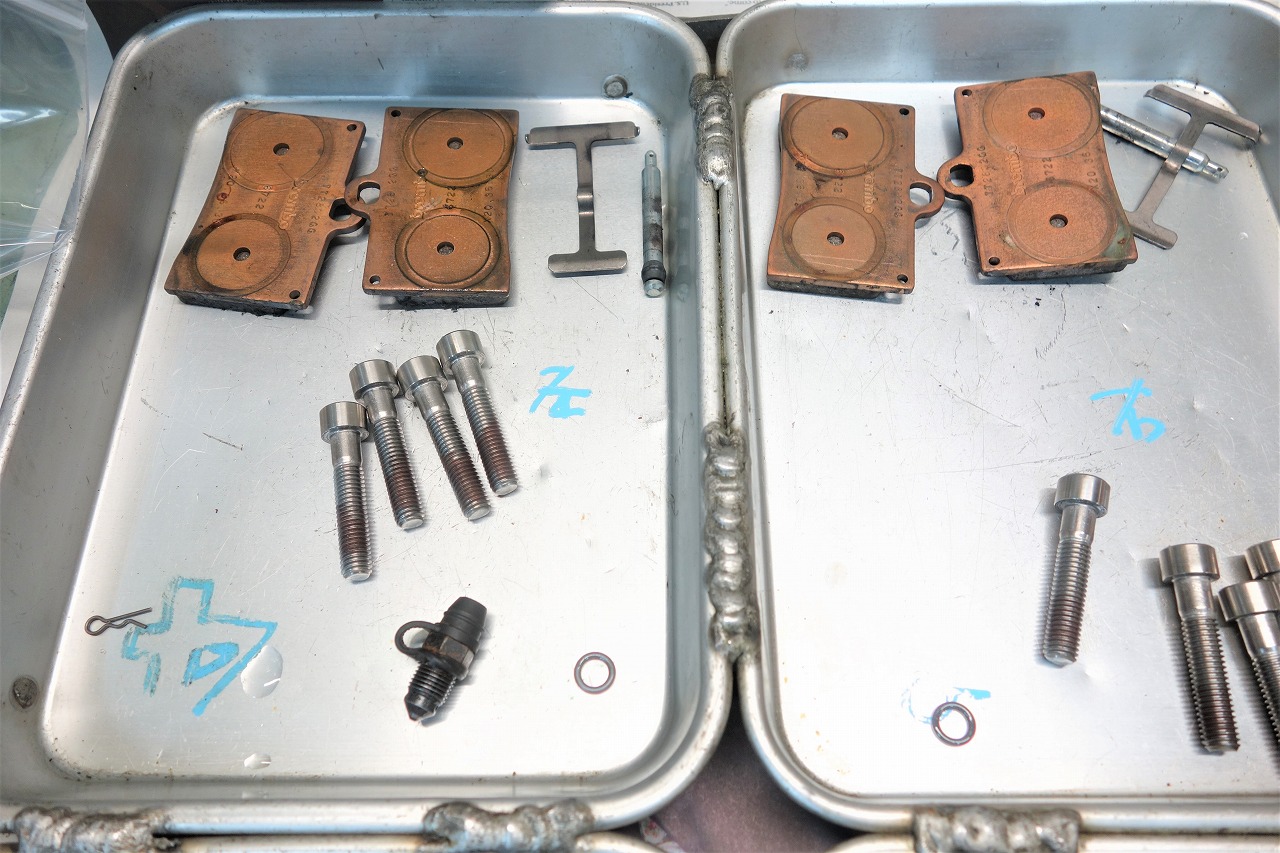
Few component parts and it’s great—Brembo!
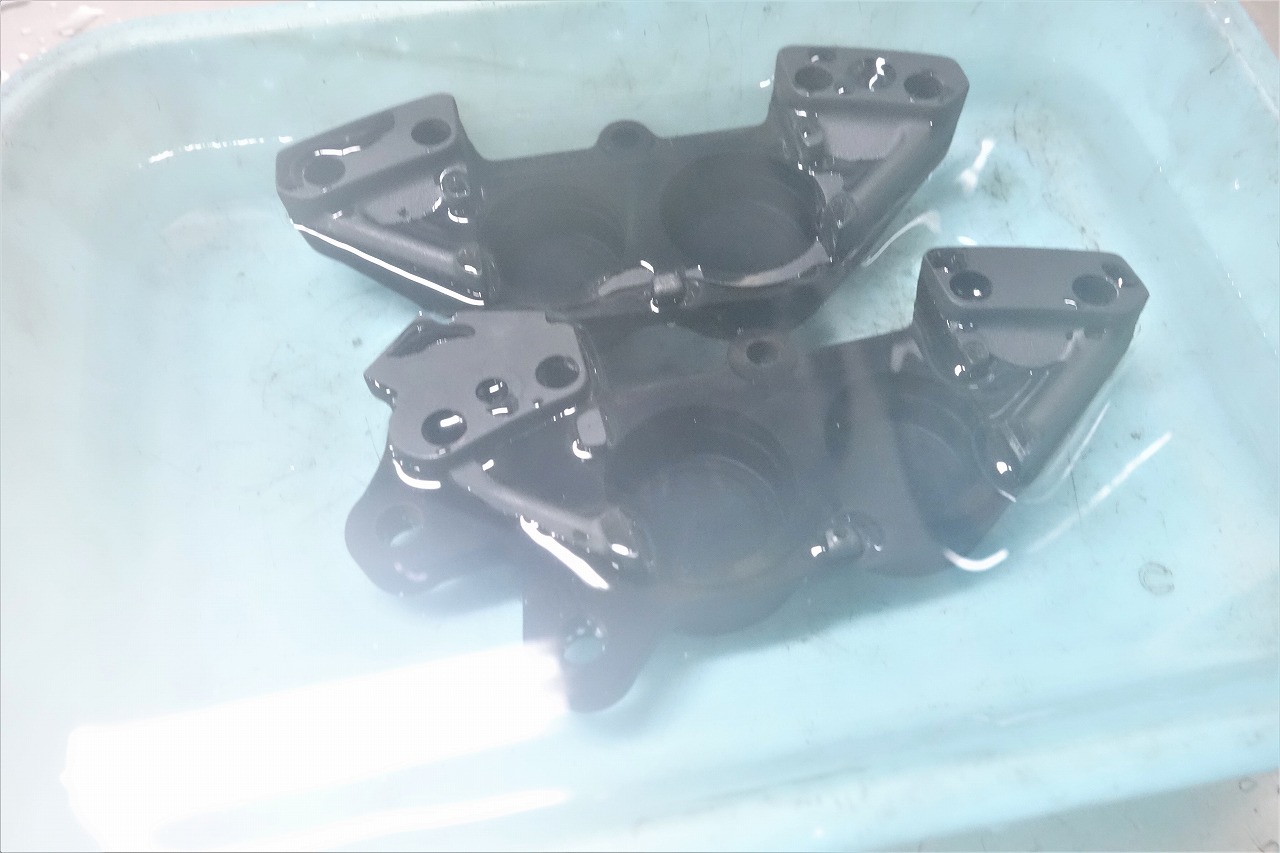
After cleaning, I usually pop it in the oven! Low temperature, under 100 degrees, nice and slow.
But with this caliper I’m a bit nervous, so I pour hot water on it and blow it dry with compressed air.
That gets it to a pretty dry state really fast.
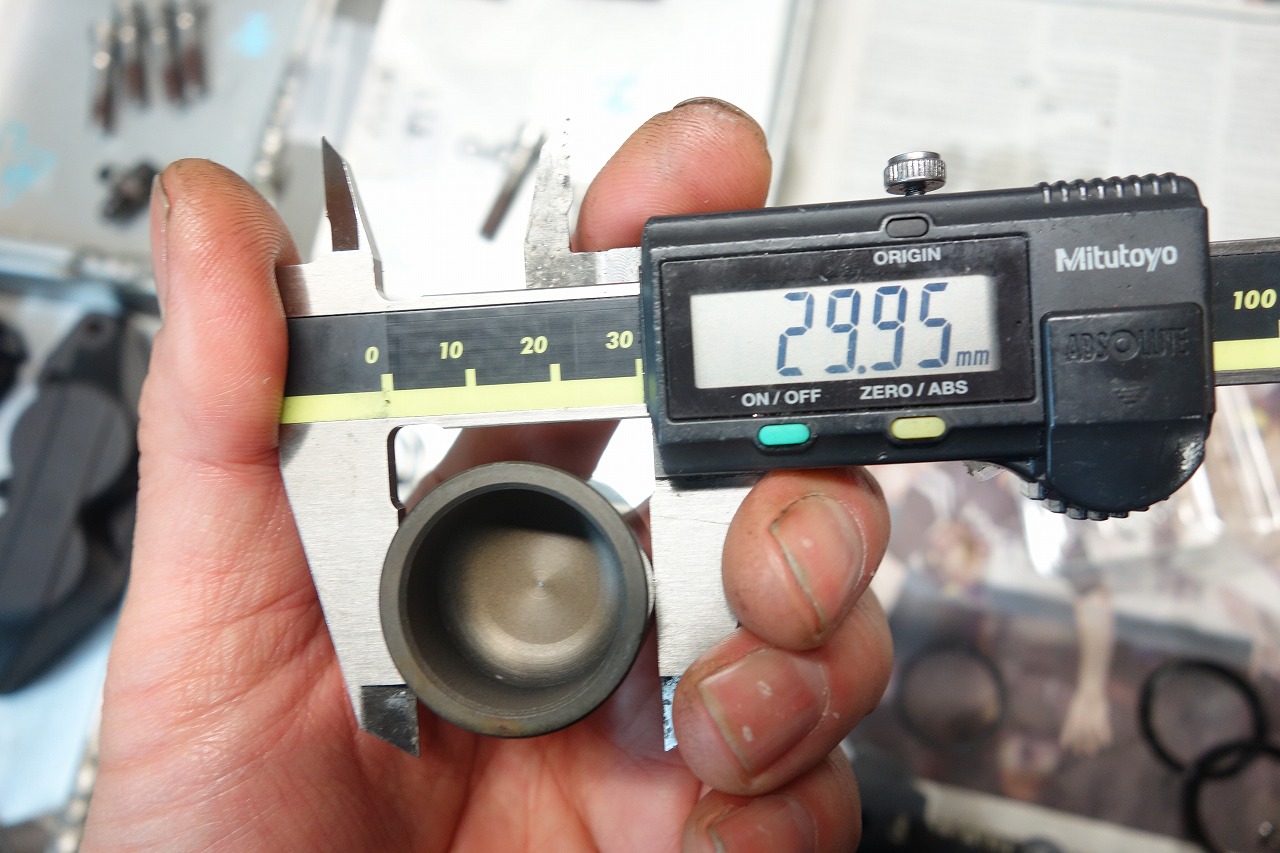
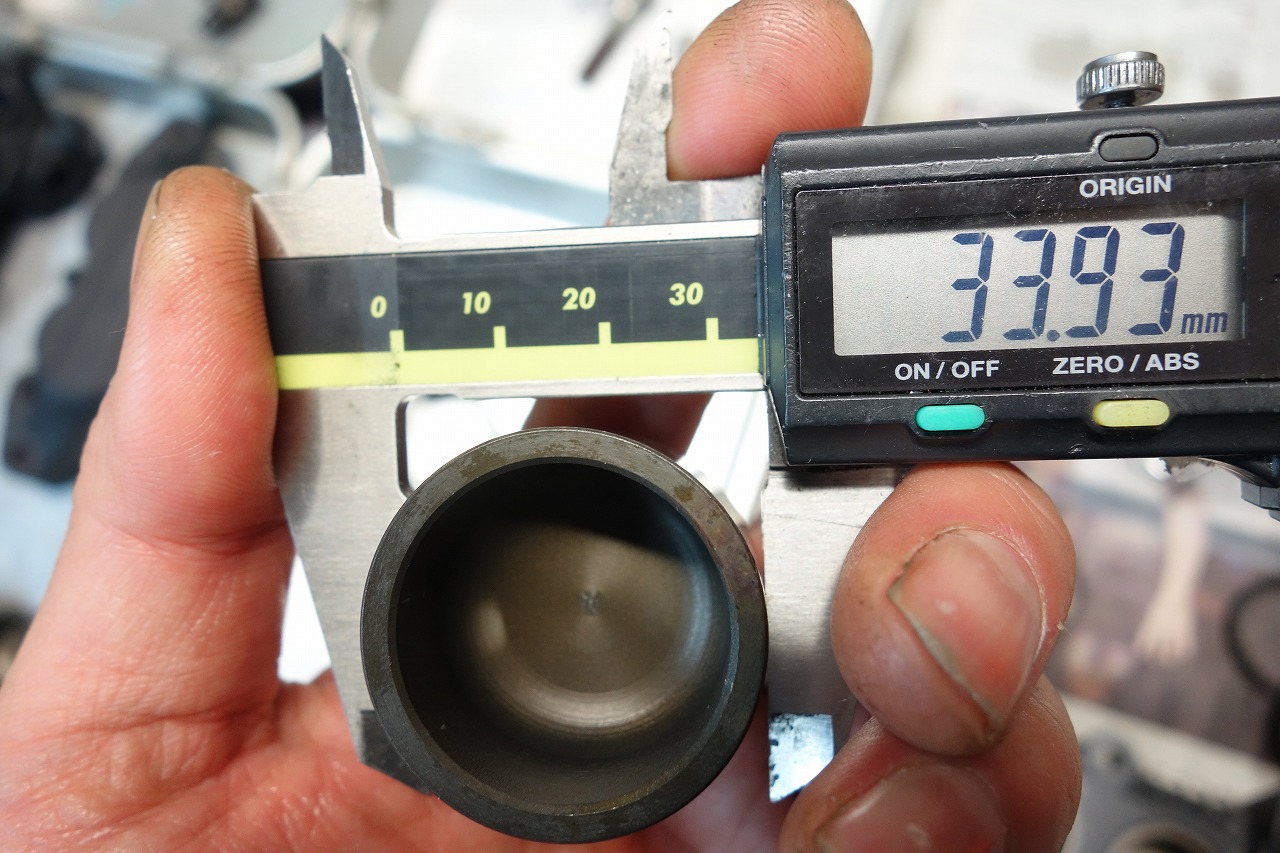
A caliper is fine.
Just taking a quick measurement for peace of mind will really boost your confidence.
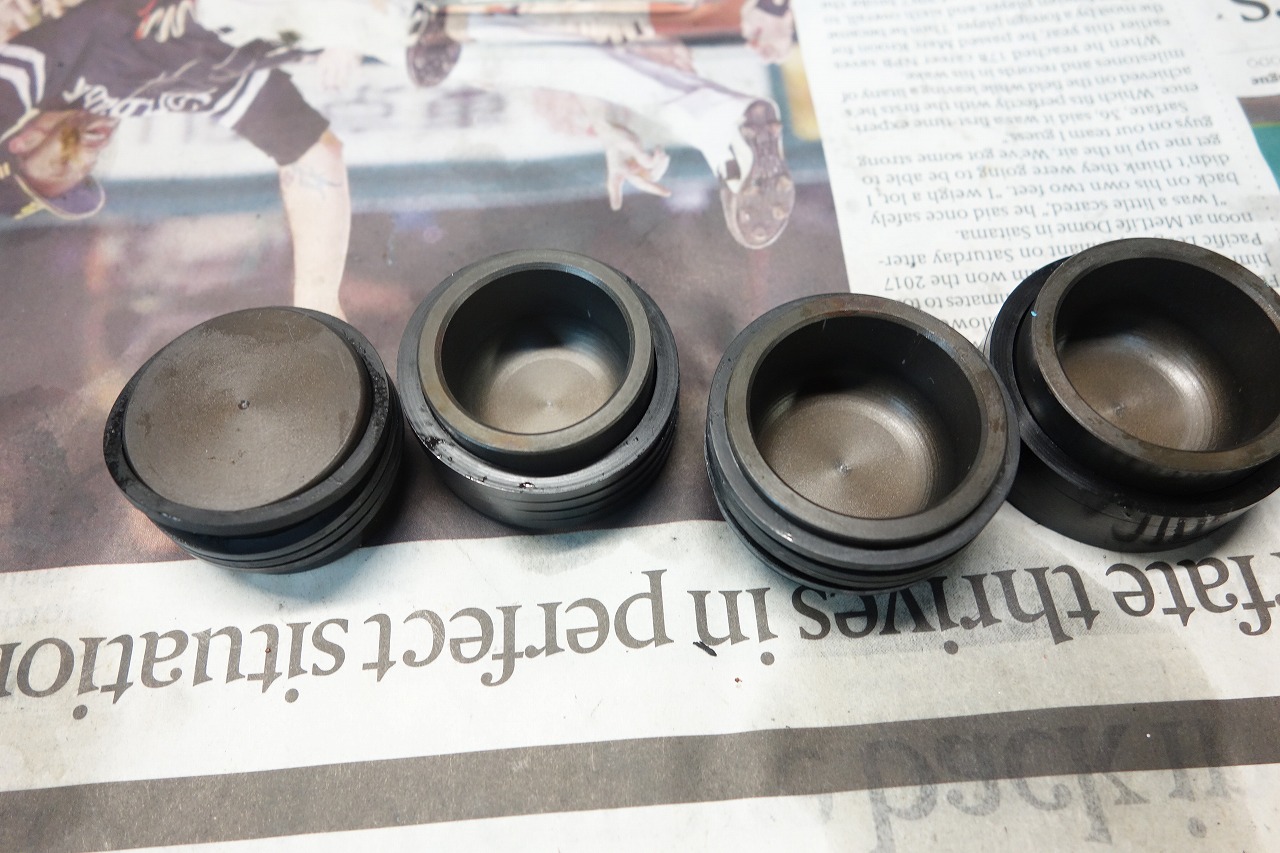
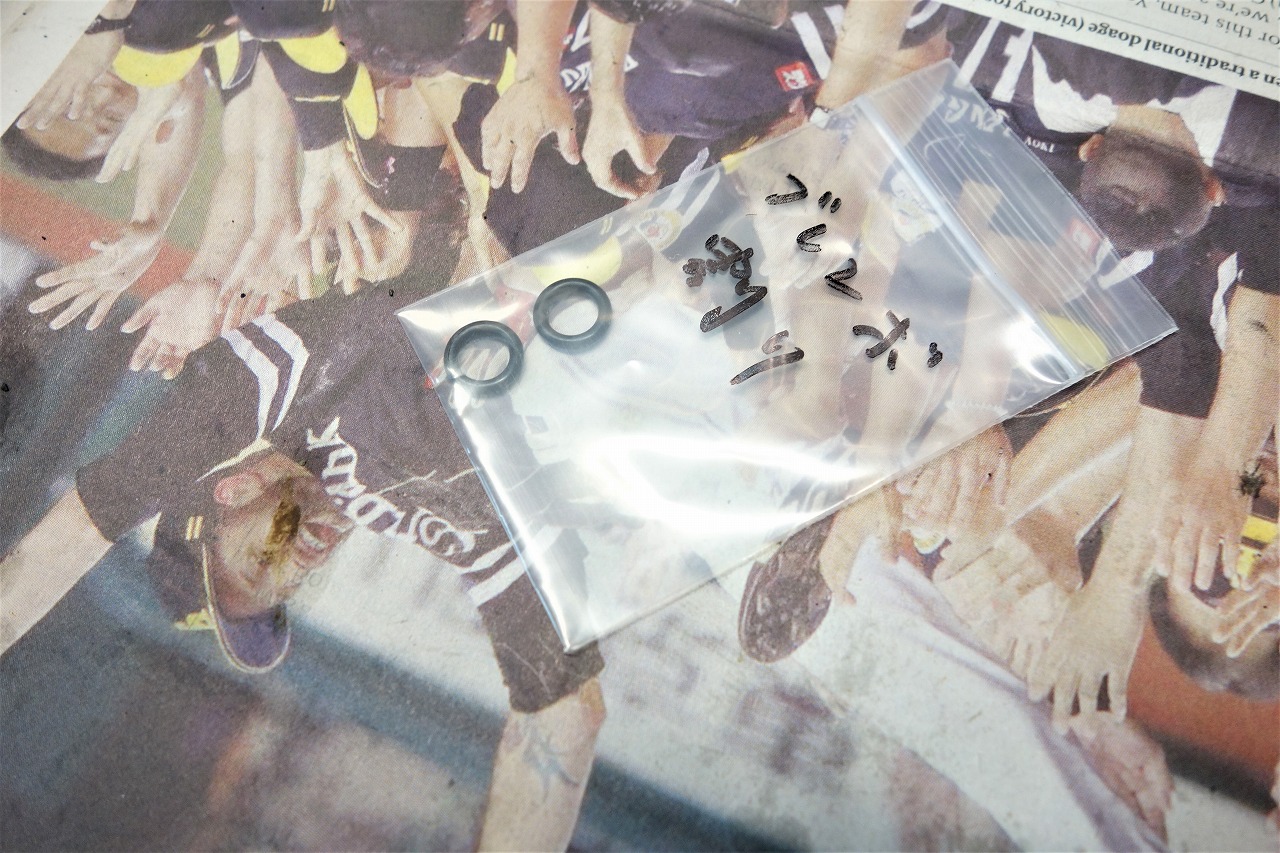
It’s good to check the seals by running them over the piston.
That said, Brembo seals are kind of mysterious, you know?
The split O-rings are already on order.
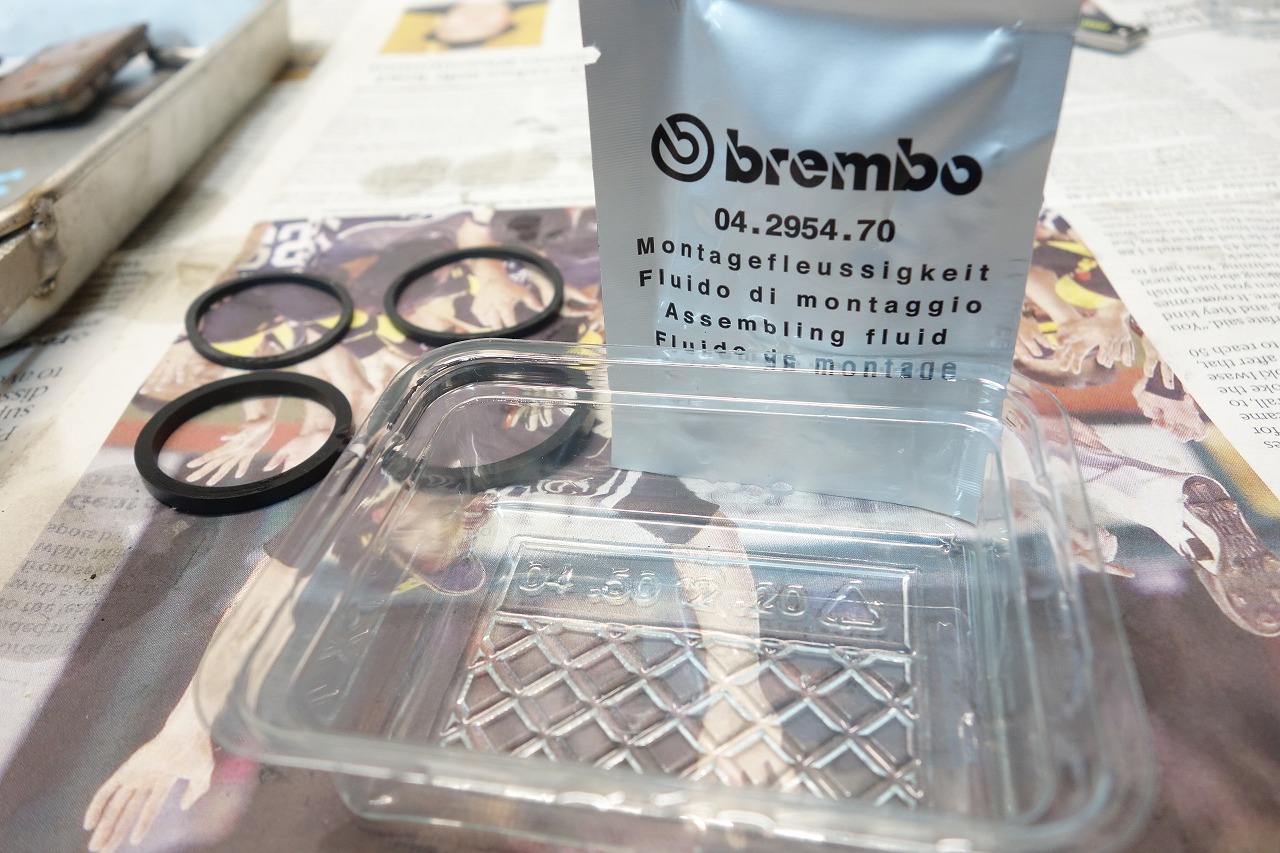
I think it’s best to use the supplied liquid or CCI MR20 Metal Rubber.
Sometimes the manufacturer specifies grease, but I always get the impression that grease makes things “stiff.”
Grease can degrade and harden, turning into a mess.
When water mixes with grease and doesn’t evaporate, it can accelerate body corrosion, so I think liquid is better—just based on experience, really. *Not absolute, so take it as a reference.
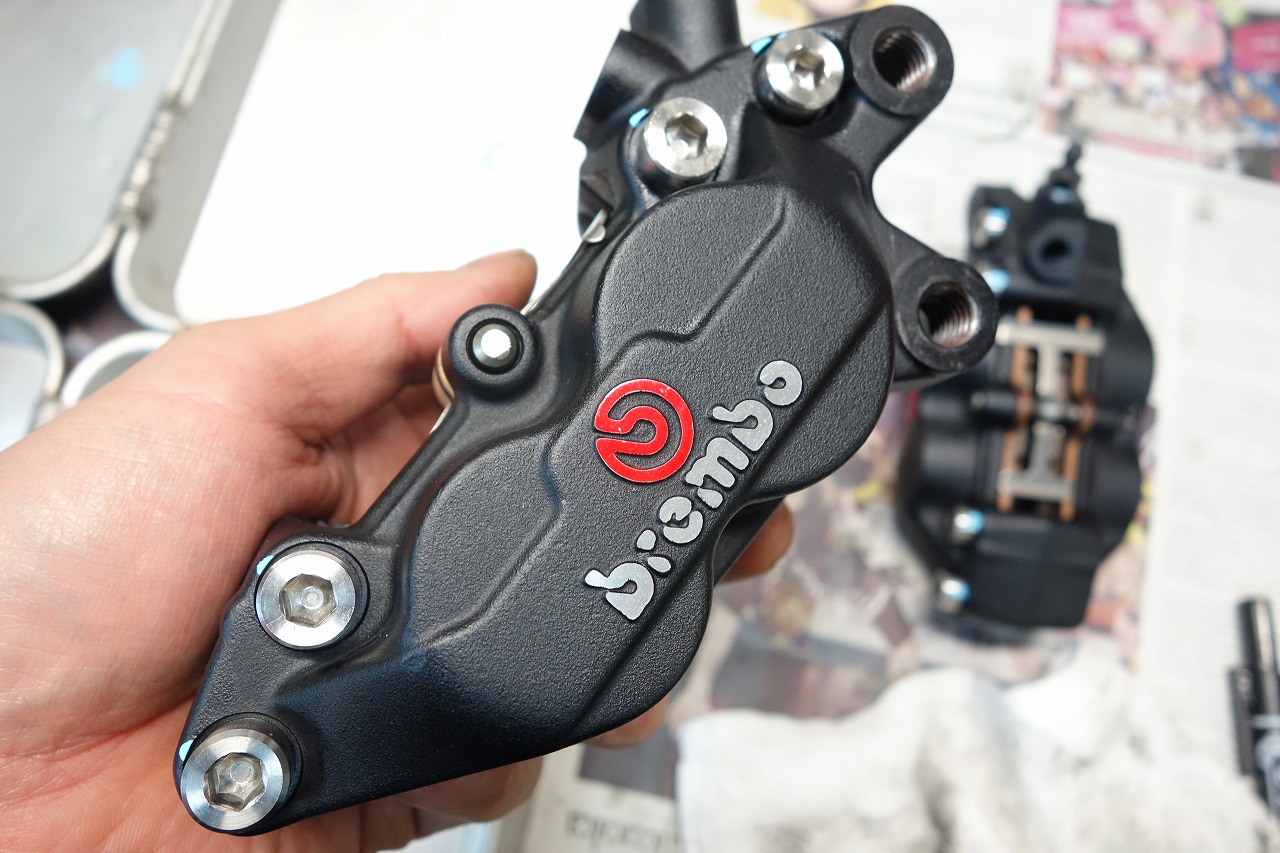
It should be leak-free now. I’ll test it with a good squeeze and see how it goes.
To be continued.