Well, let’s continue.
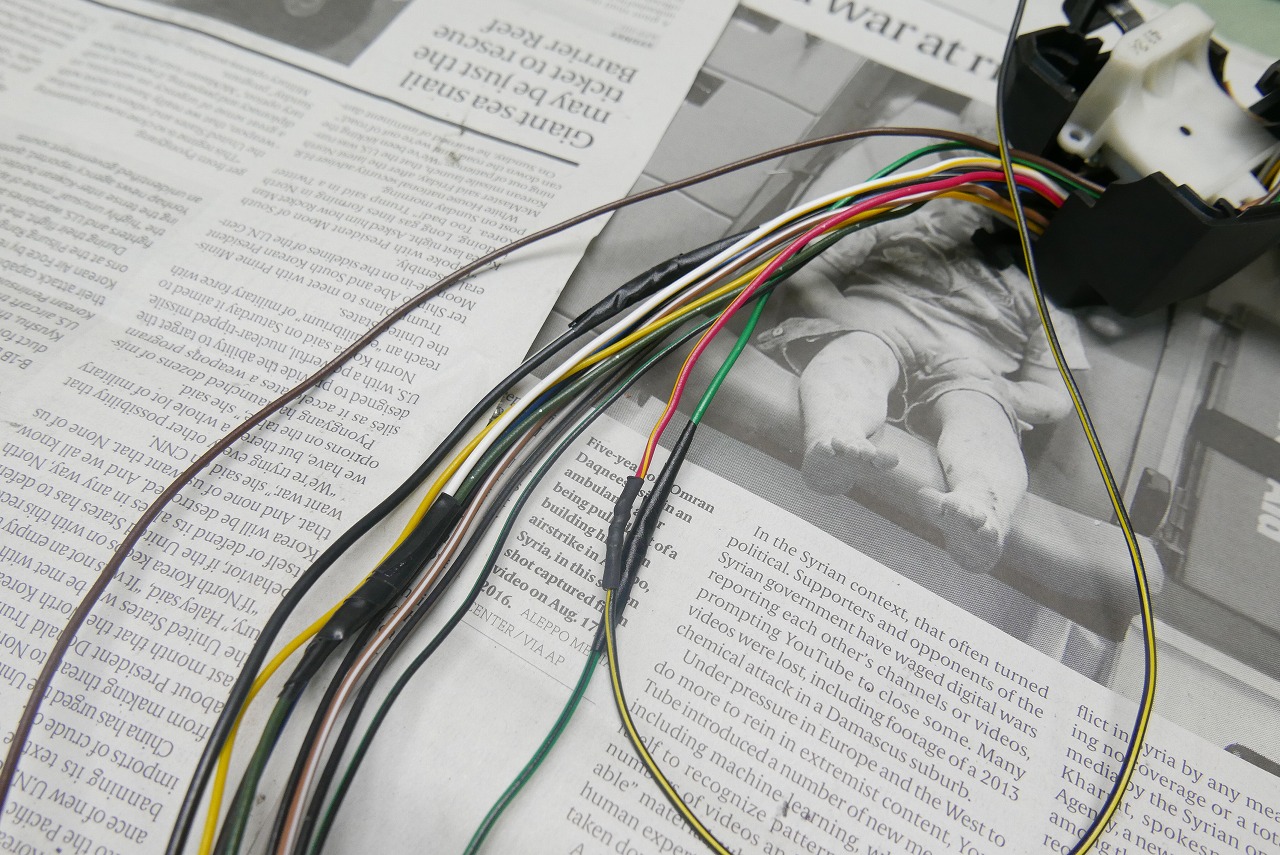
The old one is naturally modified, so I need to check everything.
Is there a color inside the switch that’s missing? Not near the connector?
I didn’t fall into the surprisingly common traps. A new switch is still reassuring, but used ones need a thorough check. One, two.
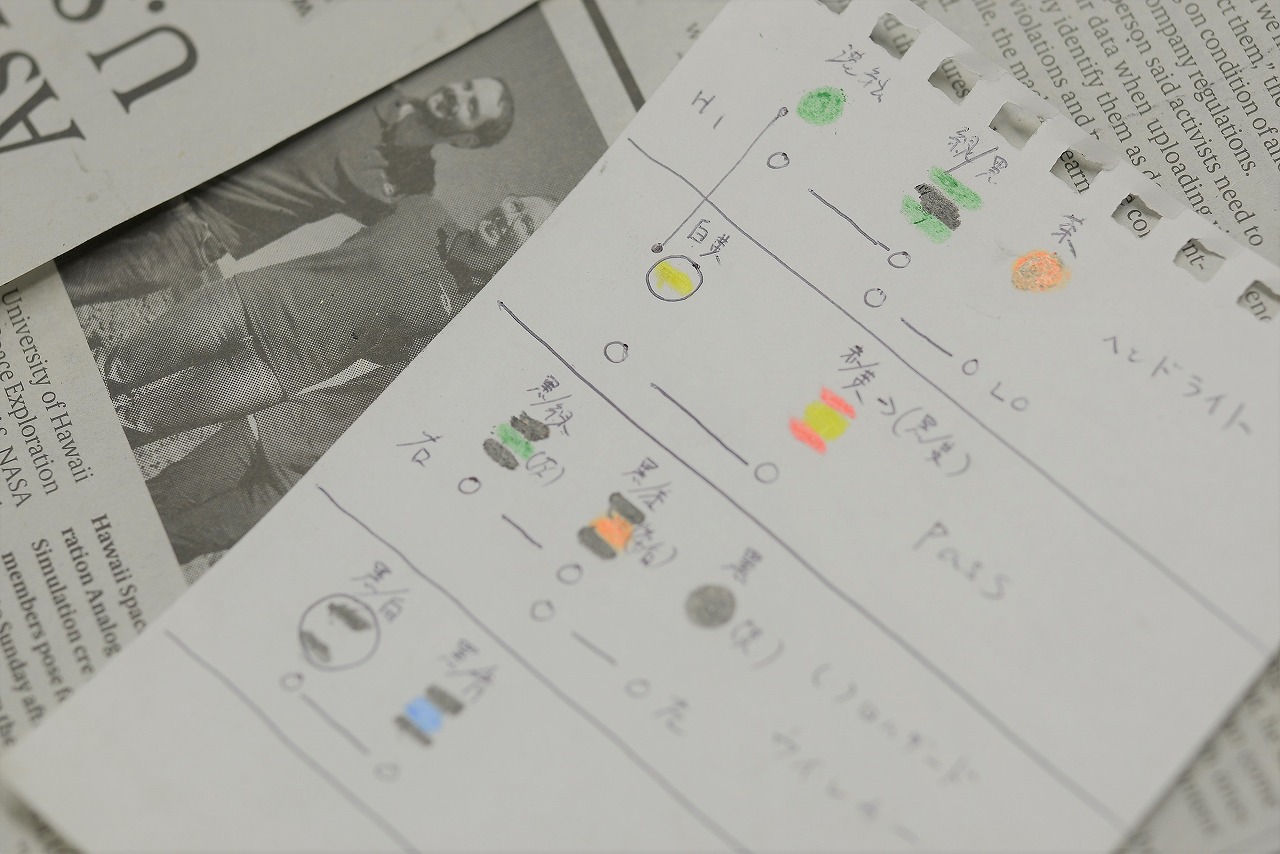
I wrote down both sides on paper, and if you use colored pencils, well! Mistakes should decrease, right? I keep notes like this and then save them as PDFs. It’s safe in case of trouble.
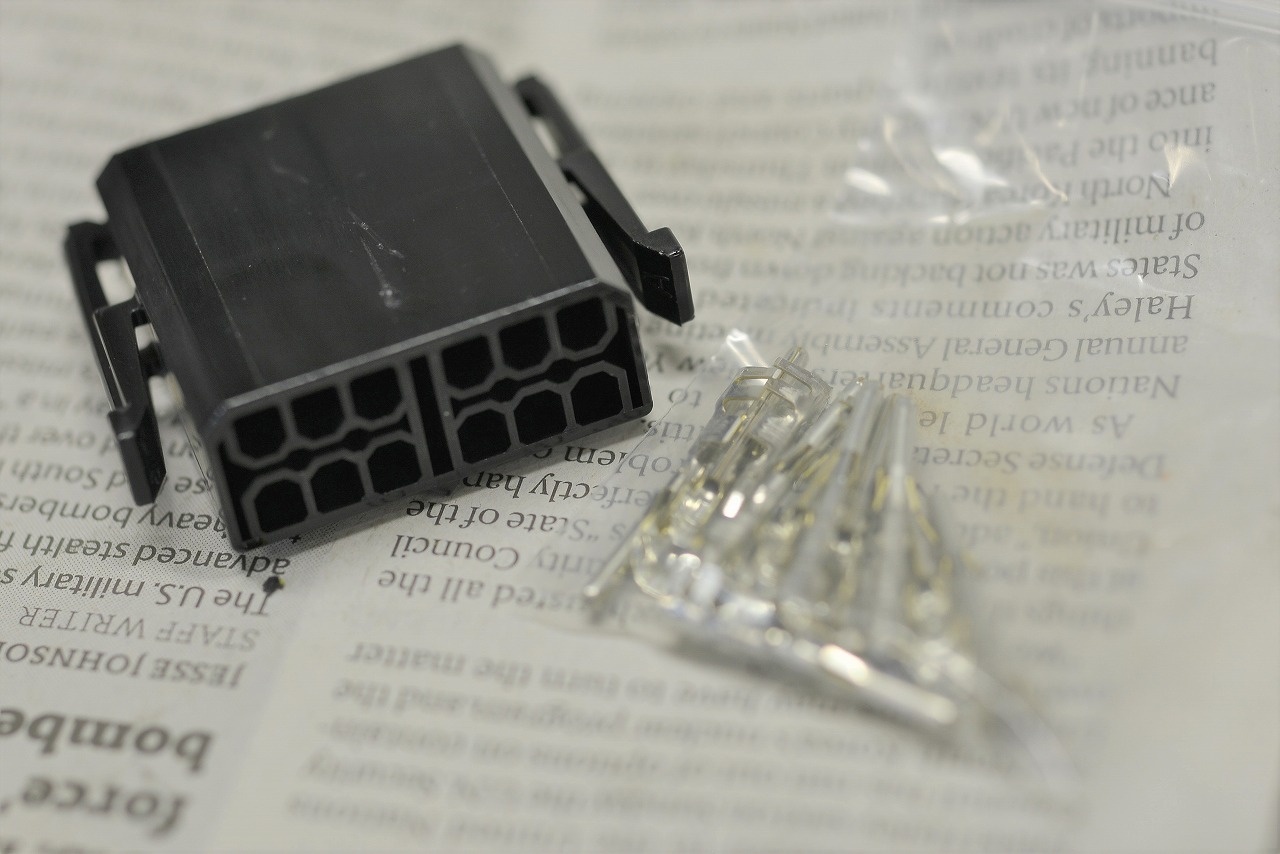
This is the Katana’s meter connector. I went on a search and finally unearthed it.
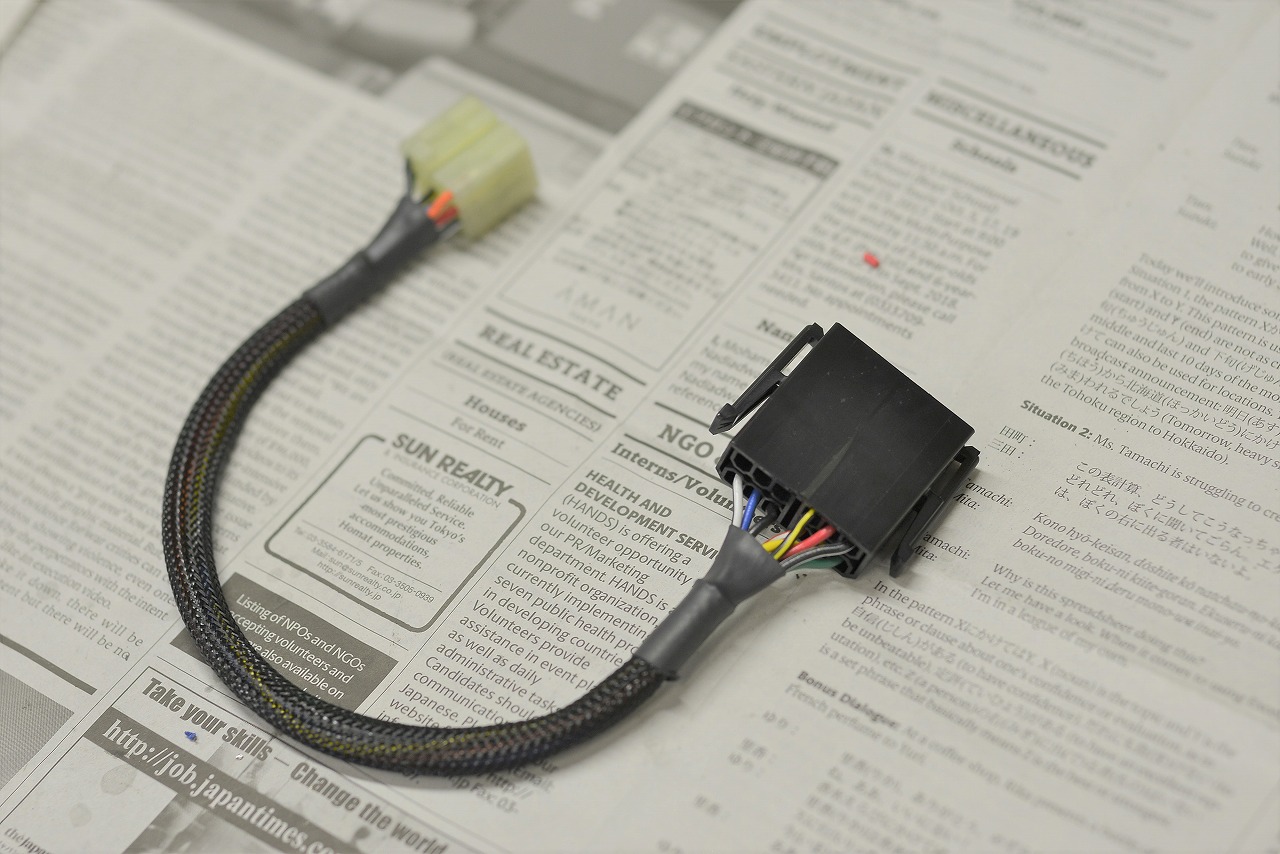
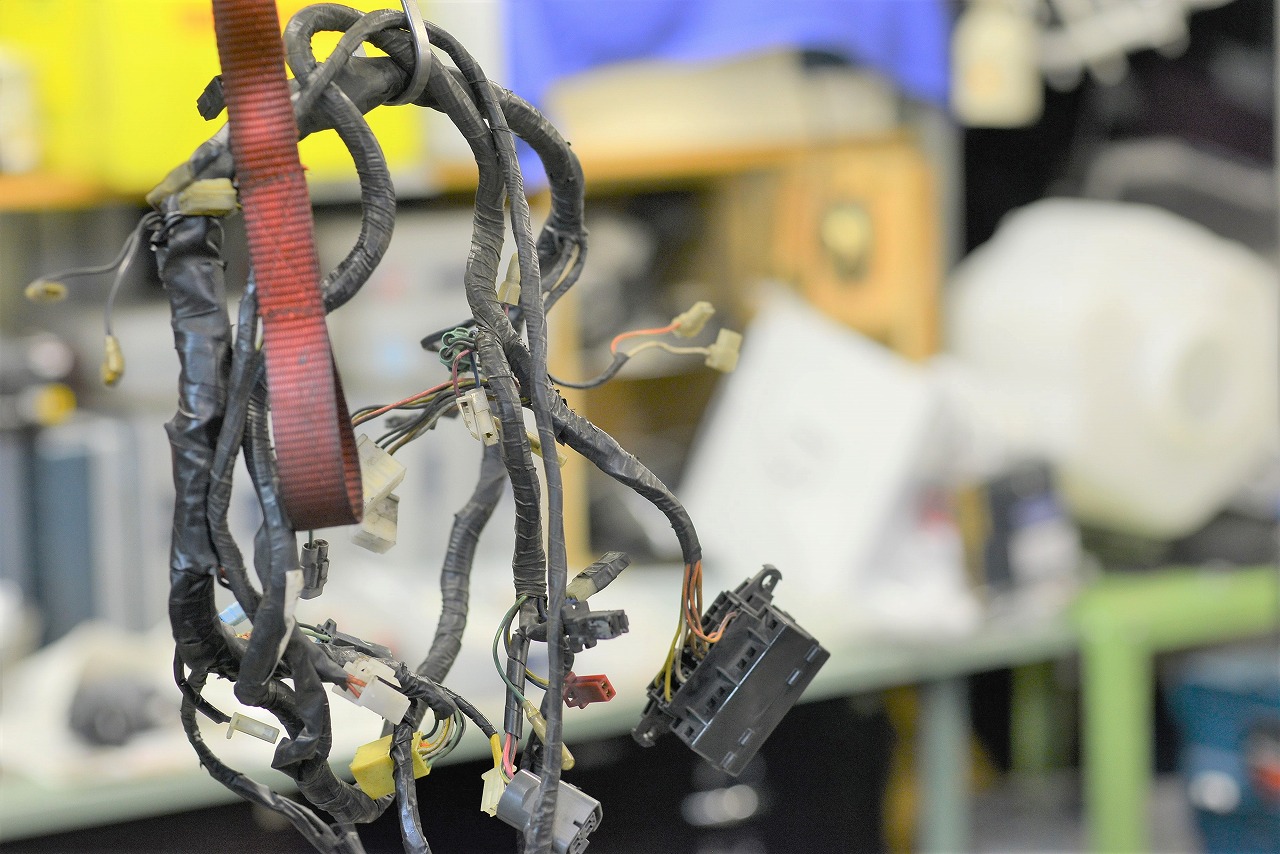
If we can swap it directly, it’s better not to touch the harness side—troubles drop way down. So we’re converting from a GSF1200 meter connector to a GSX1100S meter.
Using mesh gives it a slightly foreign feel, which is great.
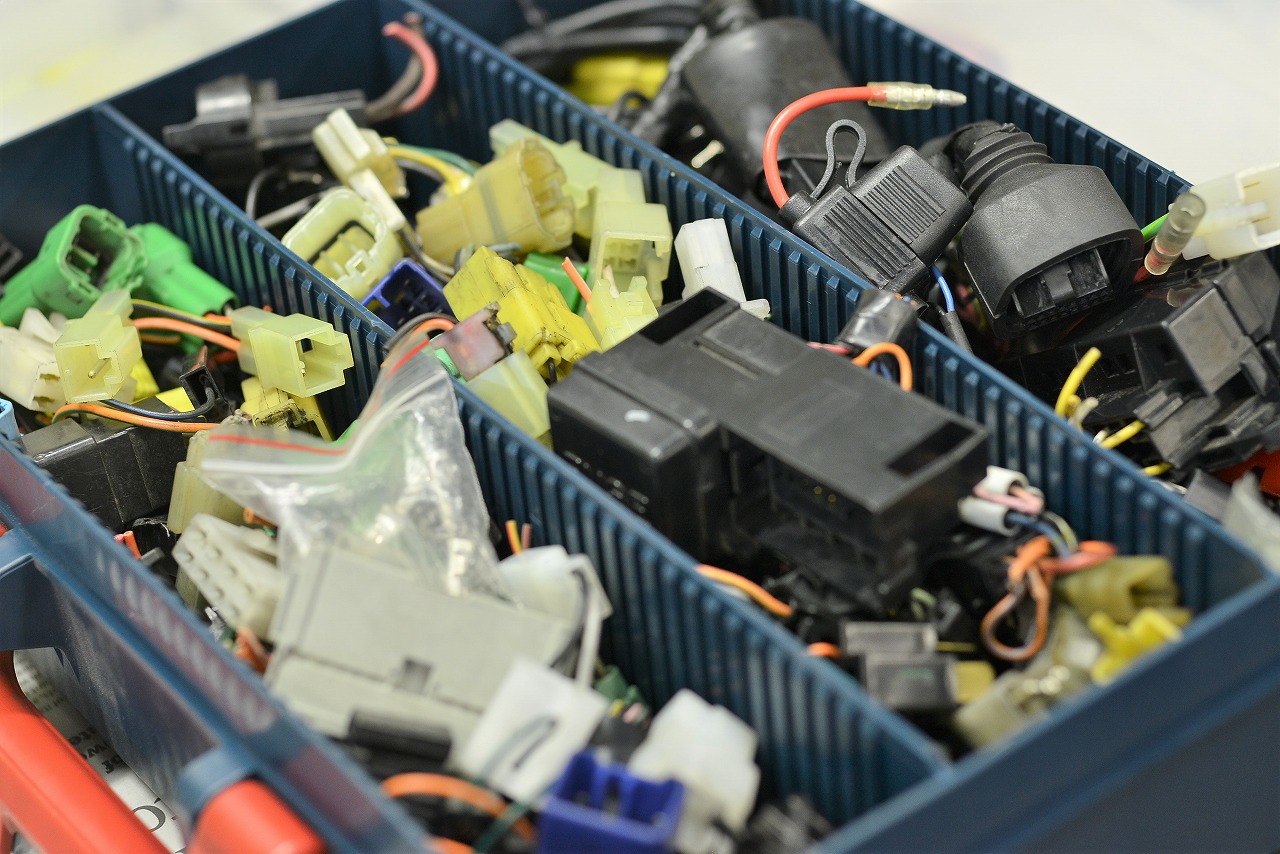
There are times when connectors really won’t work. Either they’re not sold separately or they come in units of 100 or 1000.
It’s tedious, but staying close to factory specs looks cleaner! For example, if trouble comes up, you eliminate the doubt of “isn’t this a modified harness?” way down.
If you mess with the main side…
• You have to crimp terminals for every connector pin count, male and female = risk of wrong insertion or disconnection
• After bypass surgery, you wrap it in tape, so later analysis becomes impossible (unless you kept records)
• Over-modified wiring becomes impossible to trace on a diagram
And so on. The person who did the modification takes responsibility all the way through! That’s when everything’s okay.
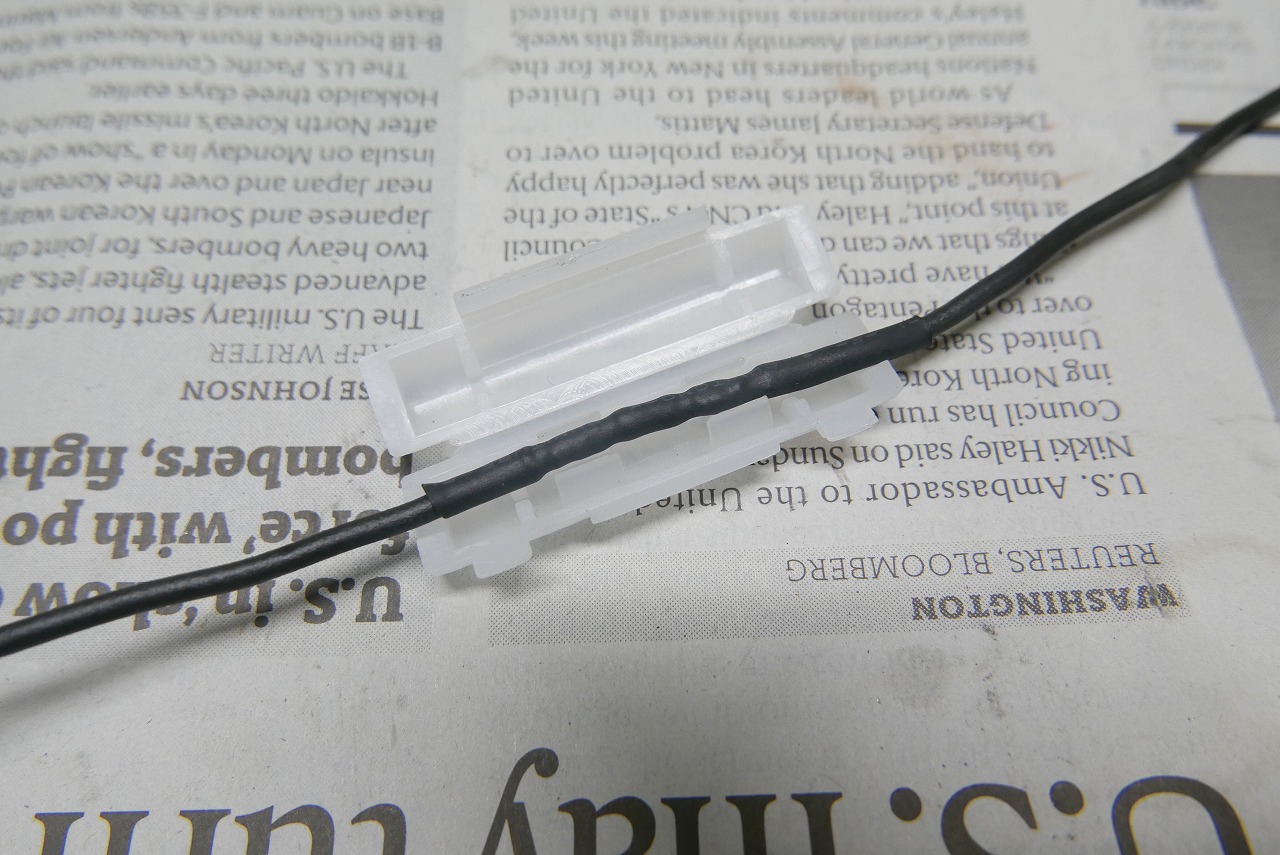
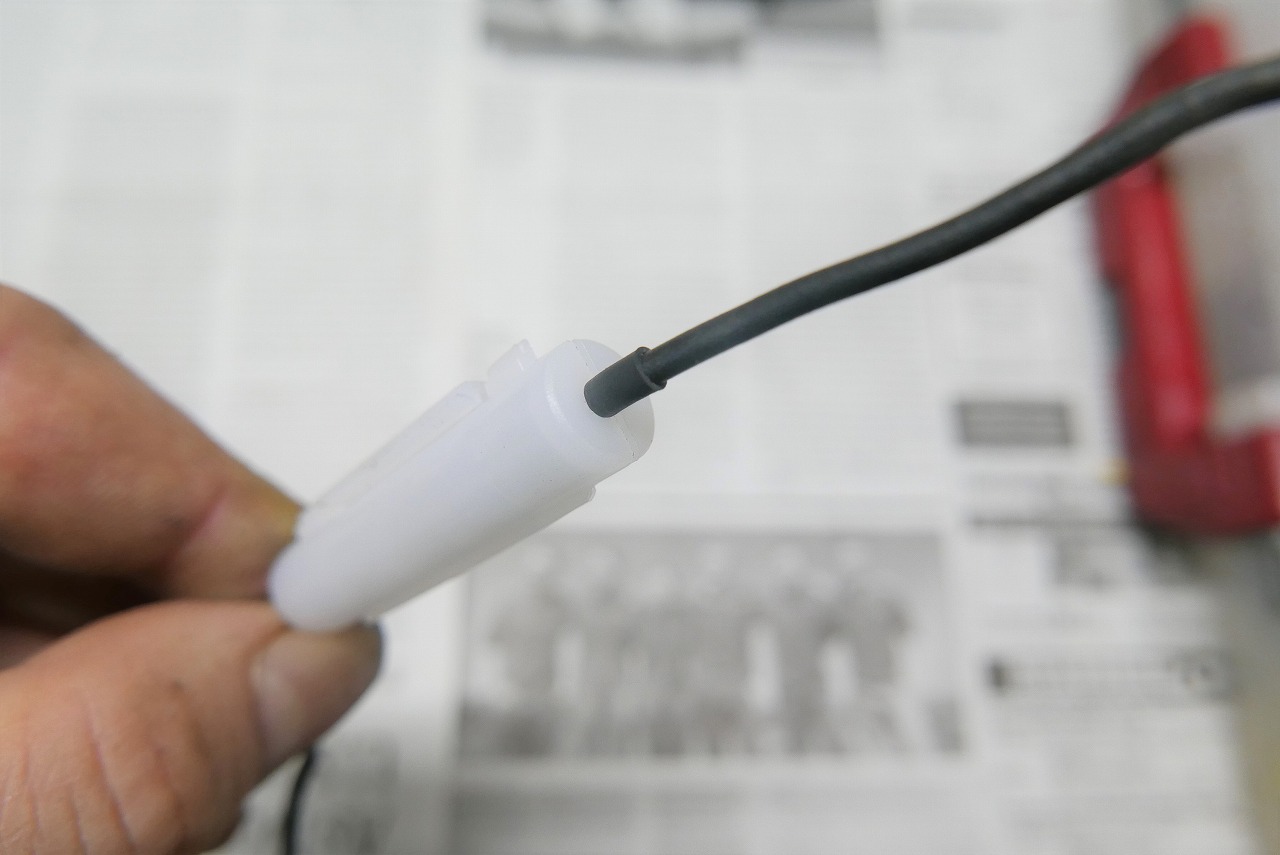
A variant-specific issue. I finally solved the mystery. If I secure both ends firmly, there’s no problem and replacement might be easier.
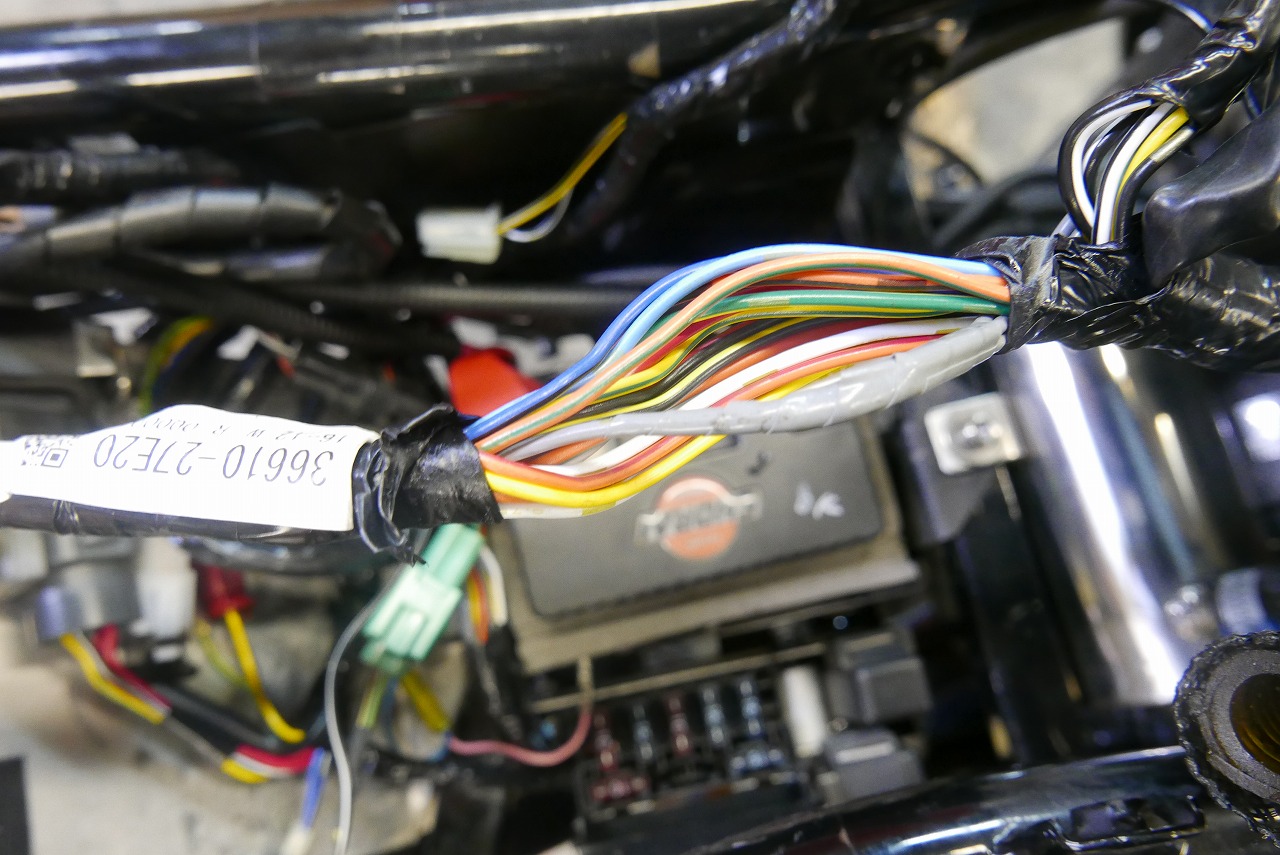
I modified one spot. The fuse to tail light, license plate light, and meter panel linked by a switch. It can’t be done unmodified with constant-on, so I stripped it.
Stripping is also guesswork, so I really hope it works on the first try.
The old one has slightly different colors and wiring layout.
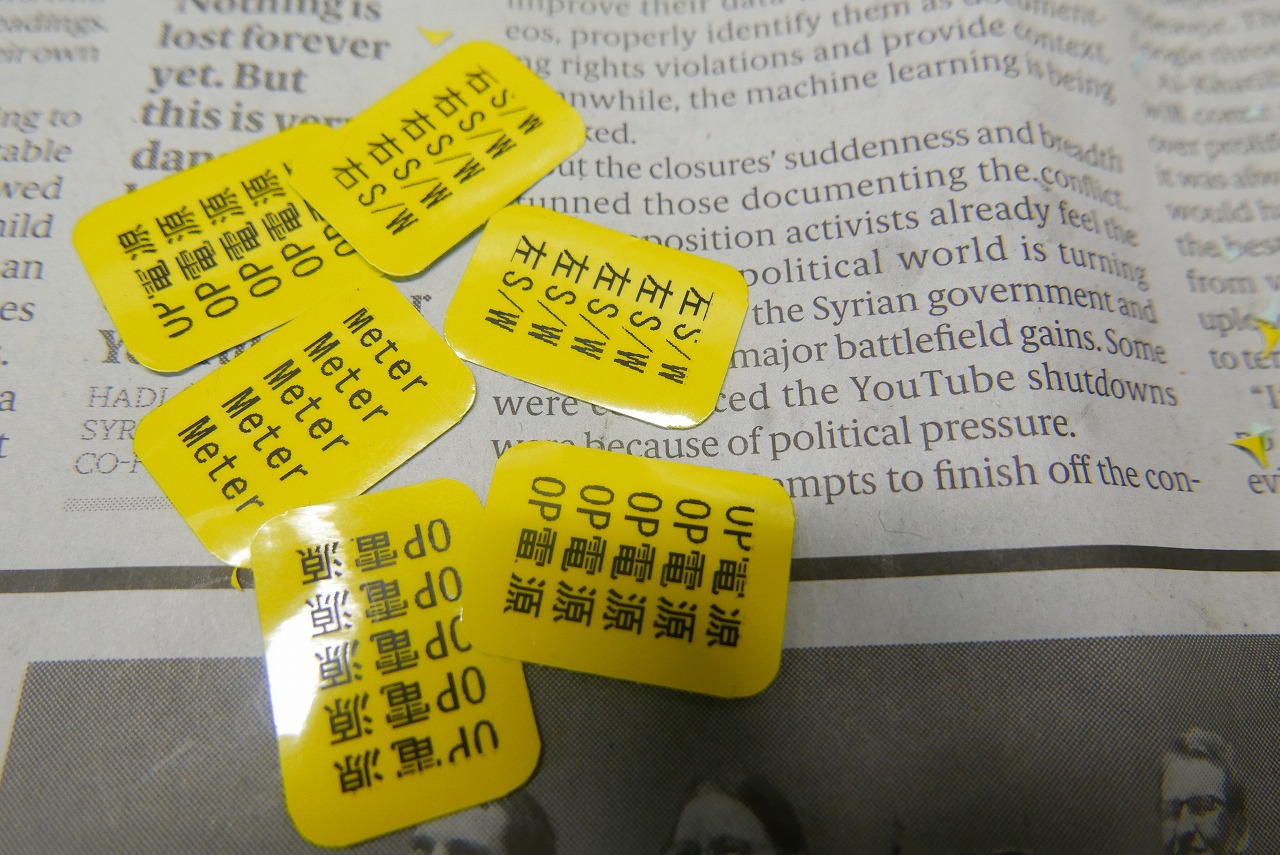
If I make a label maker tape to wrap around it, anyone who takes it apart next time will feel safe.
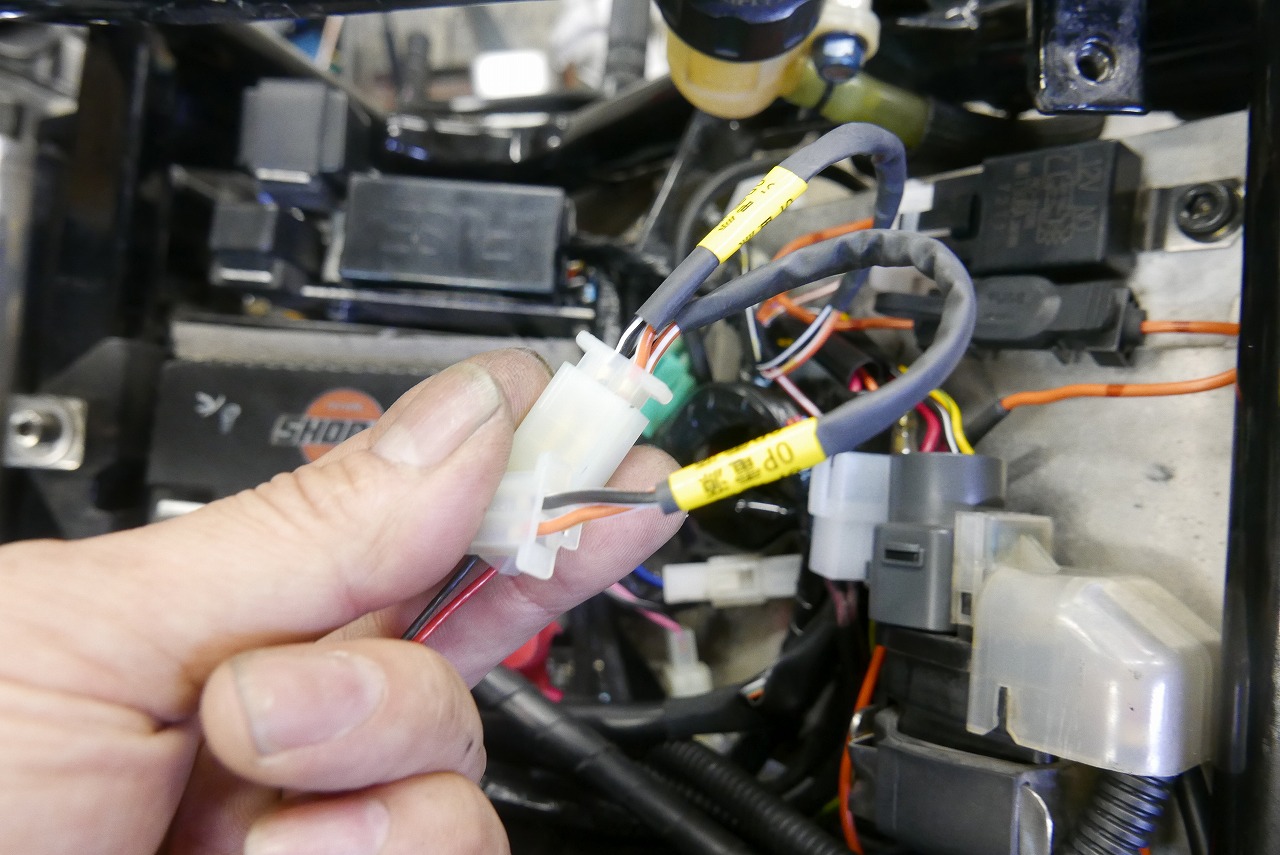
I made two optional power outlets and left one free. Keep the total to 10 amps maximum.
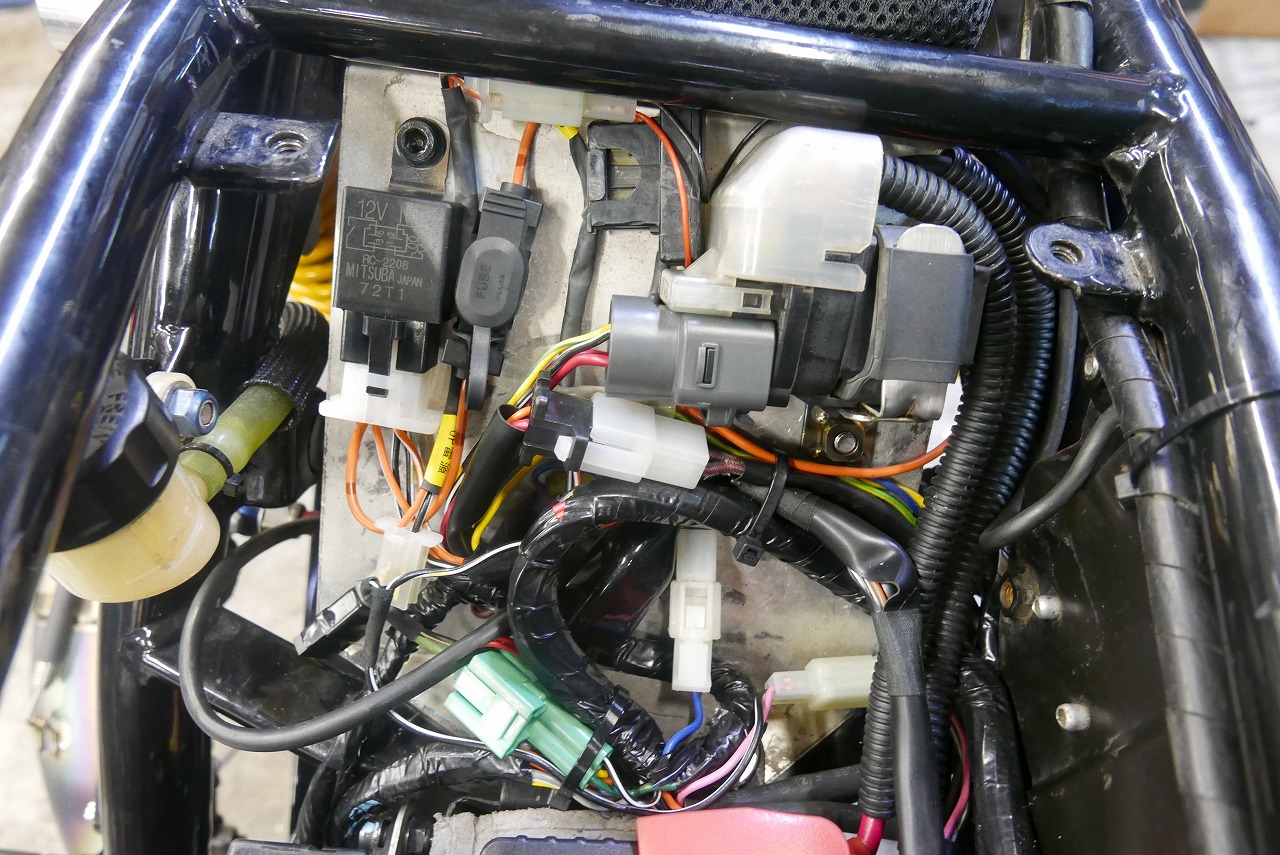
It’s a bit messy.
Basically, it’s better not to add extra terminals to the battery’s positive and negative terminals.
Serviceability suffers and the chance of trouble is high.
I often use a direct-battery relay for optional power, but always put a fuse on the battery positive side. I don’t say it’s dangerous too often, but this really is serious.
If the direct-battery relay’s positive wire shorts out directly,
there’s no fuse to blow = the wiring gets scorching hot and catches fire. I see a lot of DIYers doing wiring, but I think you should be really careful.
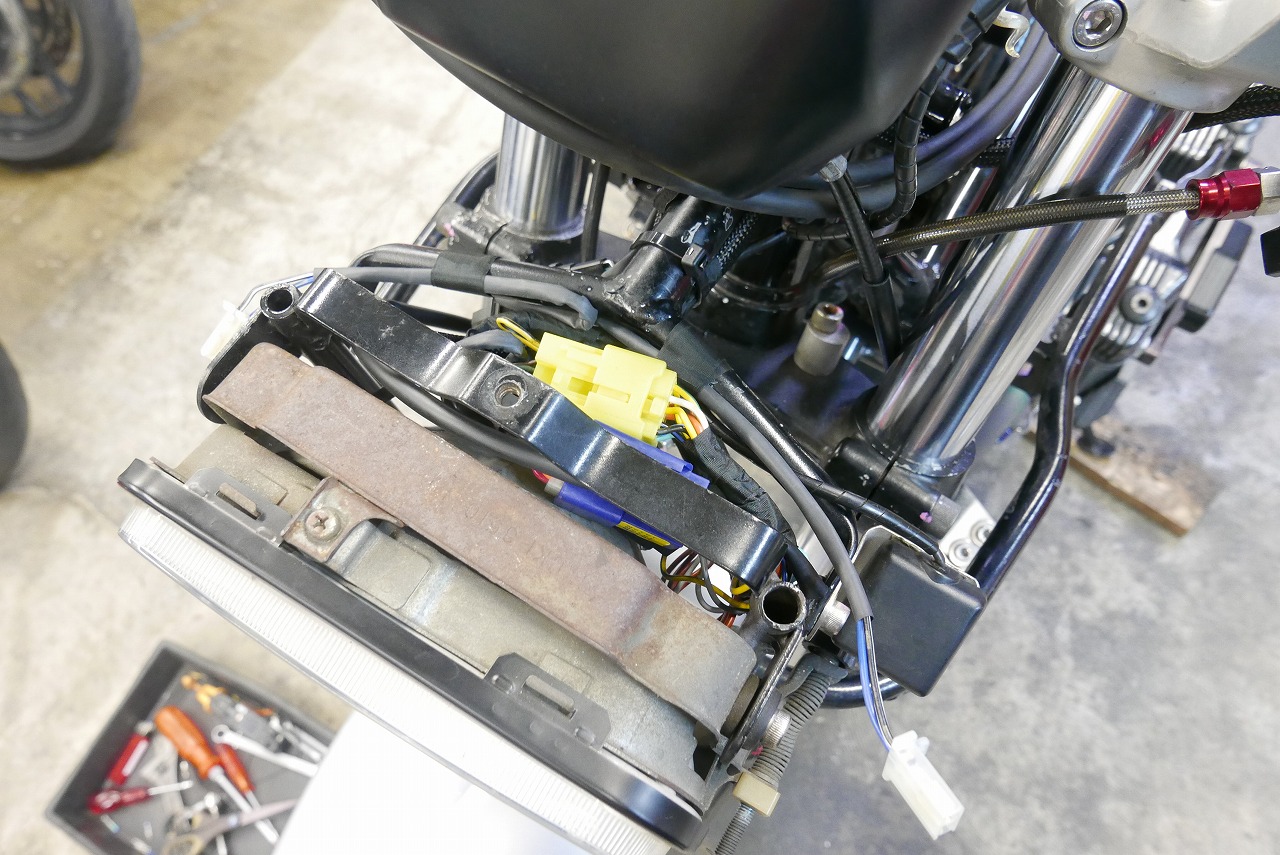
I think it’s become almost factory-like, subtly improving serviceability.
Looking at the pictures, you can’t feel the struggle at all… it’s an incredibly tedious and labor-intensive job.
Once you do it right, you won’t see it again. For the bike, it’s a lifeline—that’s how important this area is.
Done~ ( ´ー`)フゥー...