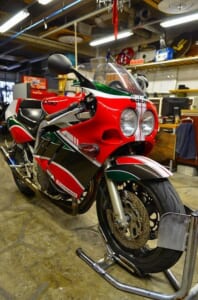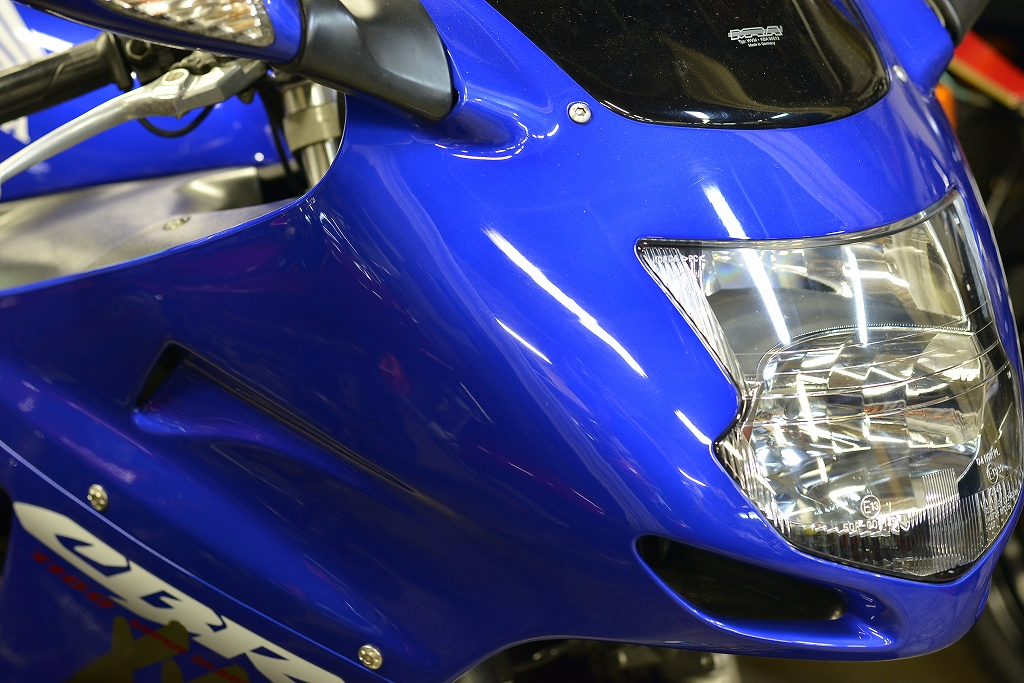
CBR1100XX inspection and Deco-mainte service.
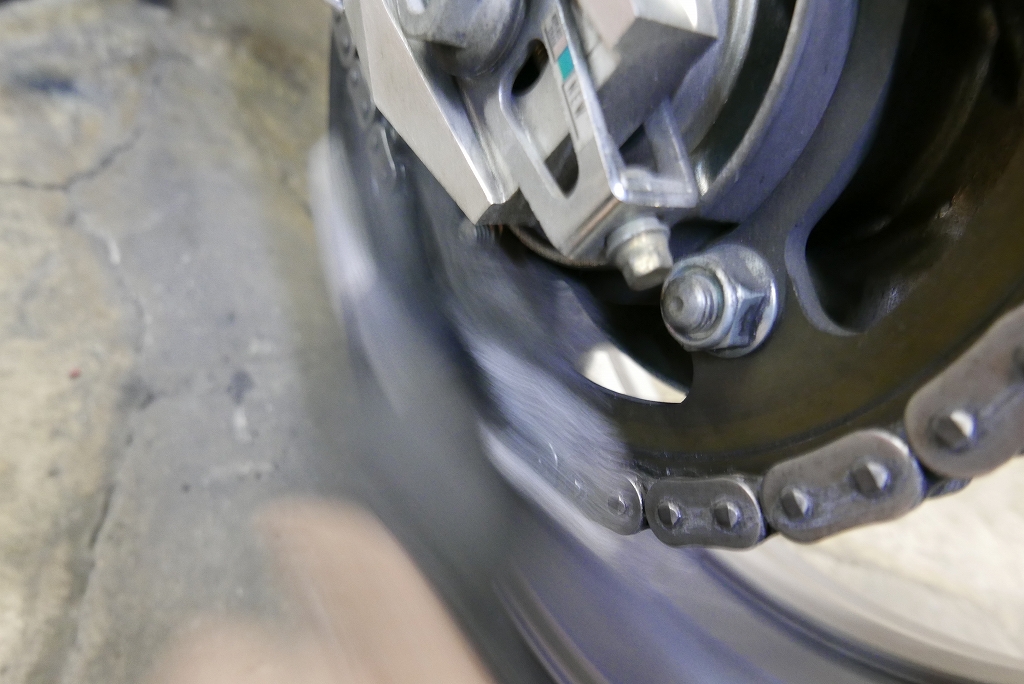
We’ll wipe down the chain and clean it. We check as we rotate it—is there any clicking? Any grinding? We clean while feeling for any issues.
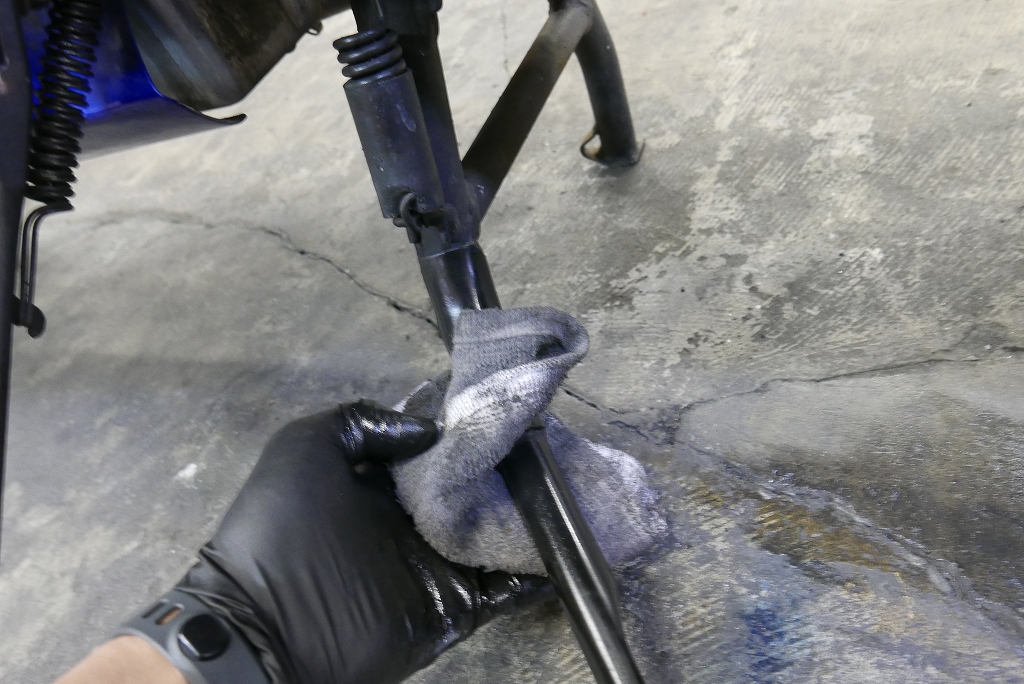
The rag we wiped with is still usable. We also tackle the chain oil grime on the center stand that doesn’t get wiped often, and the chain oil buildup on the frame. This is when we do a thorough deep clean.
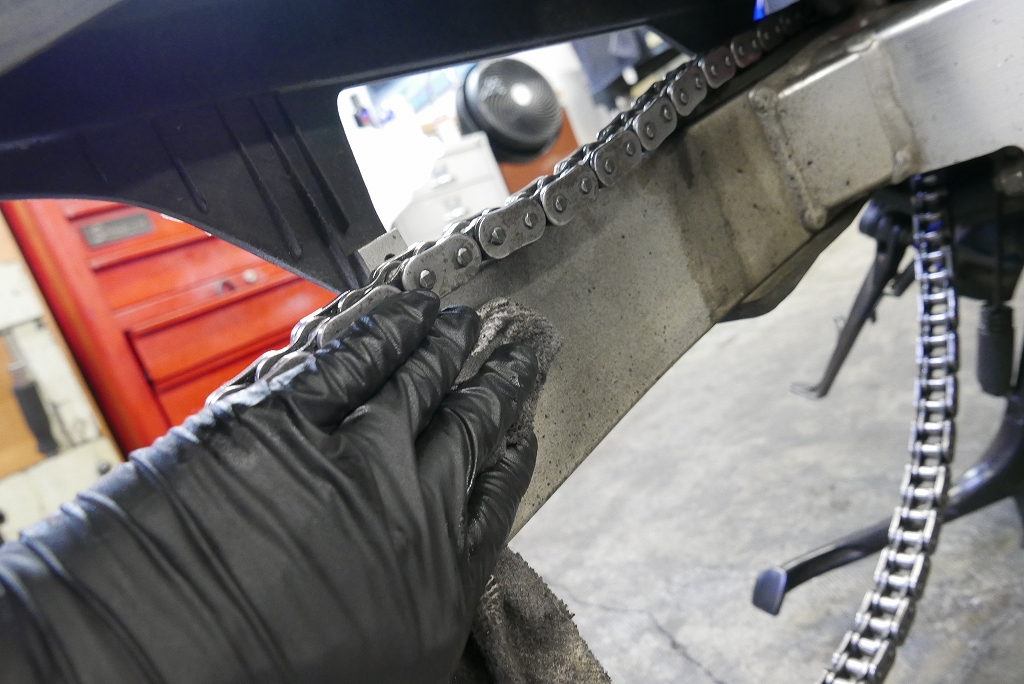
Cleaning the inside of the swingarm and chain case makes the next service easier. While we’re at it, we check for cracks and other damage.
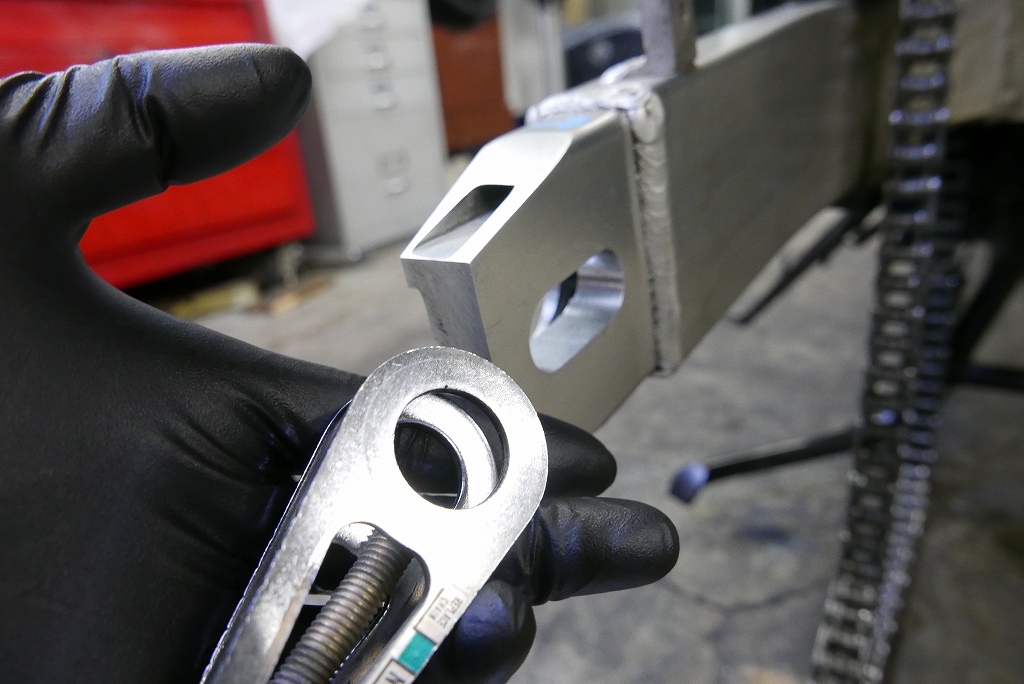
We remove what we can, clean it, and apply lubricant. Chain adjustment should come out smooth and clean.
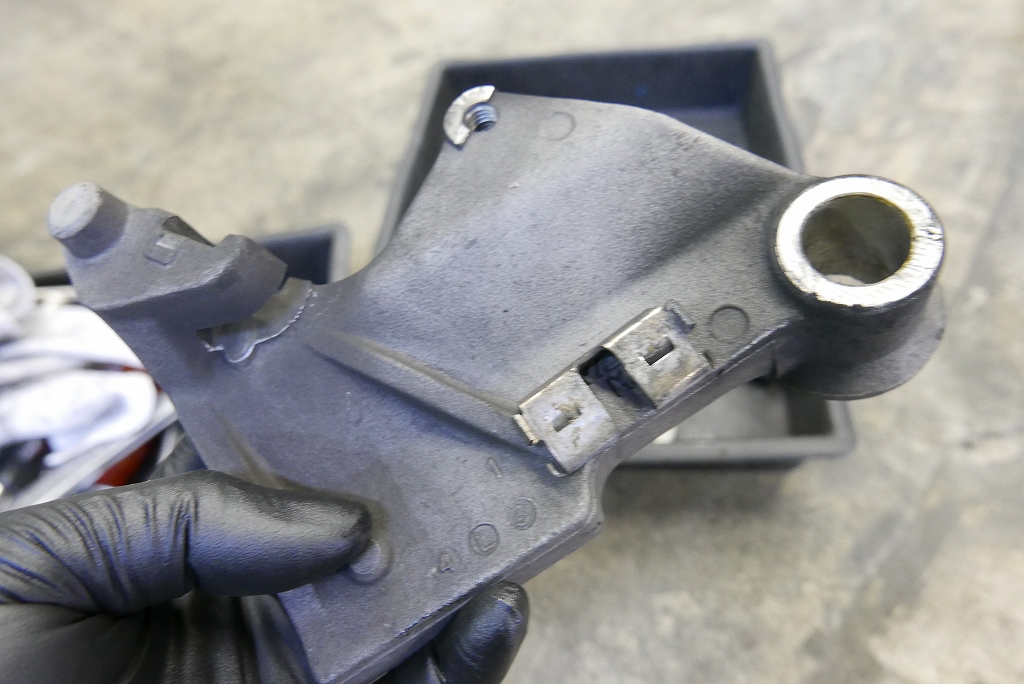
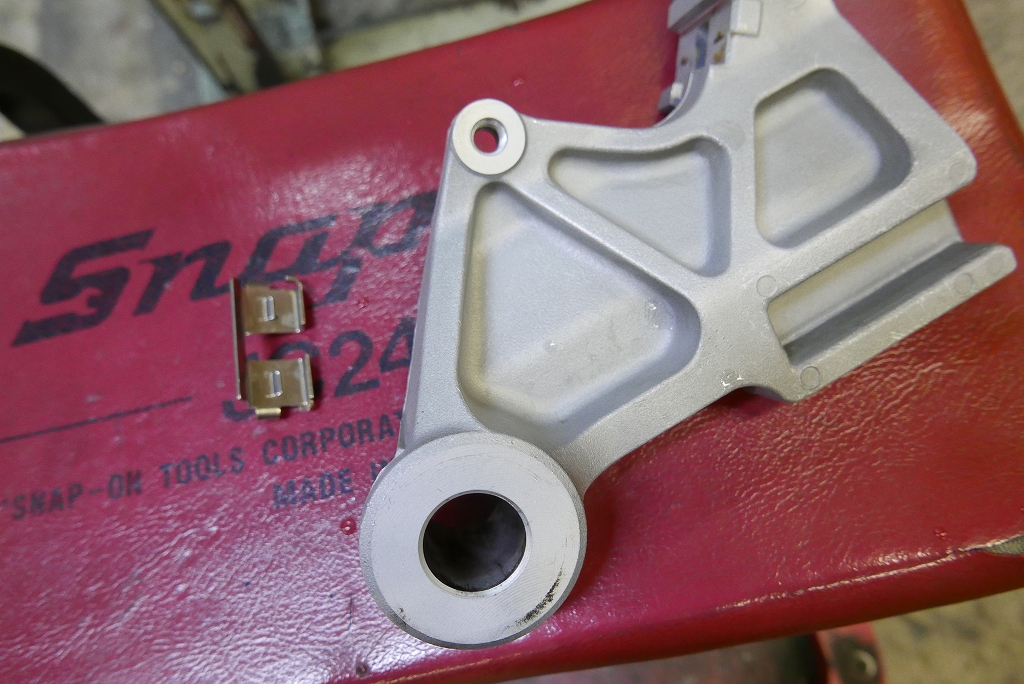
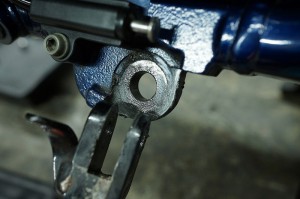
Cast iron at its finest—we polished it up nicely.
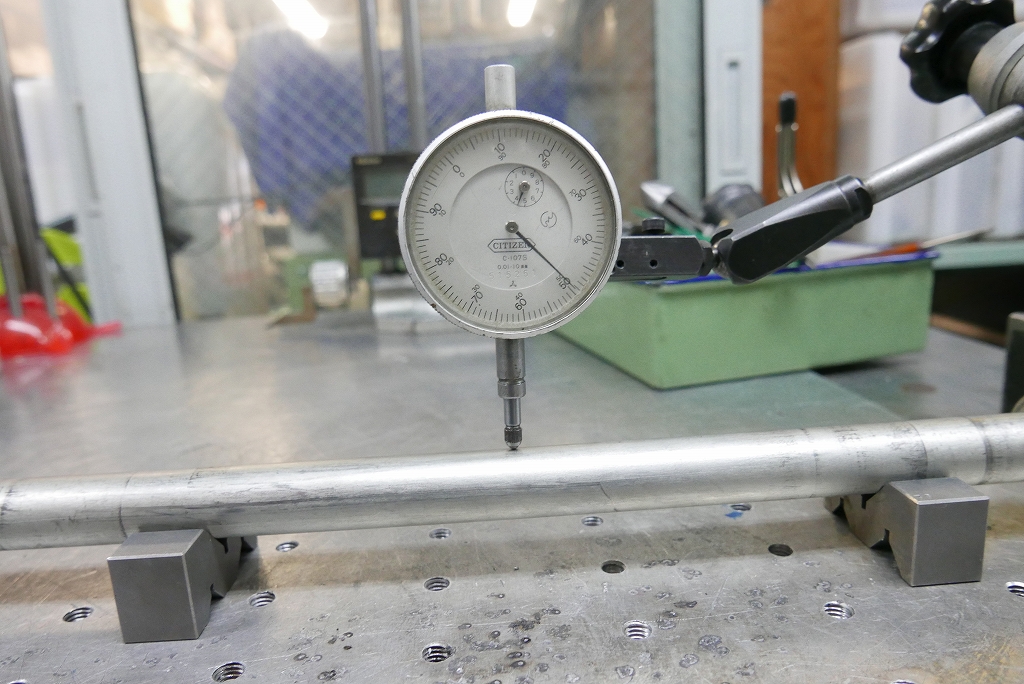
The rear axle has a slight wobble, but it’s still acceptable.
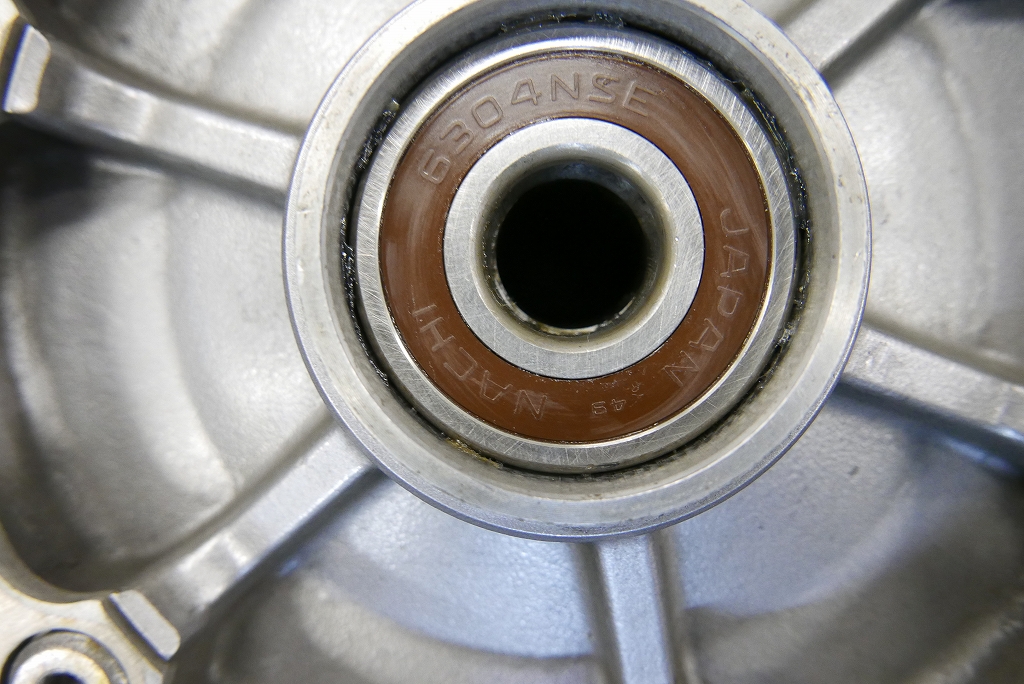
We adjusted the wheel bearings a bit as well.
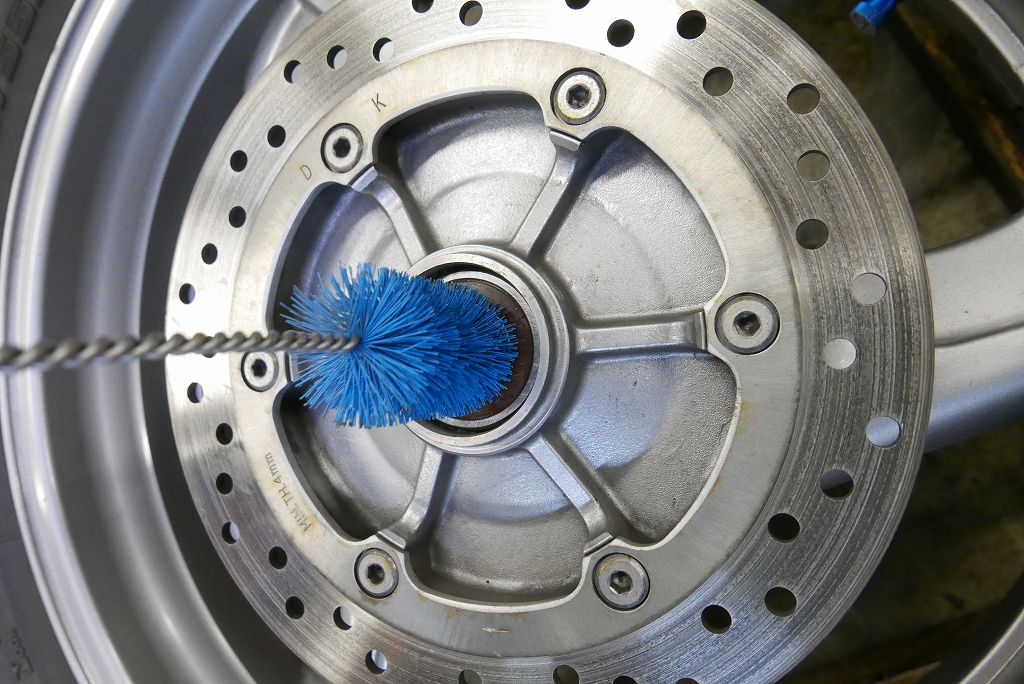
After decades of grease being applied over and over, the inside gets pretty dirty.
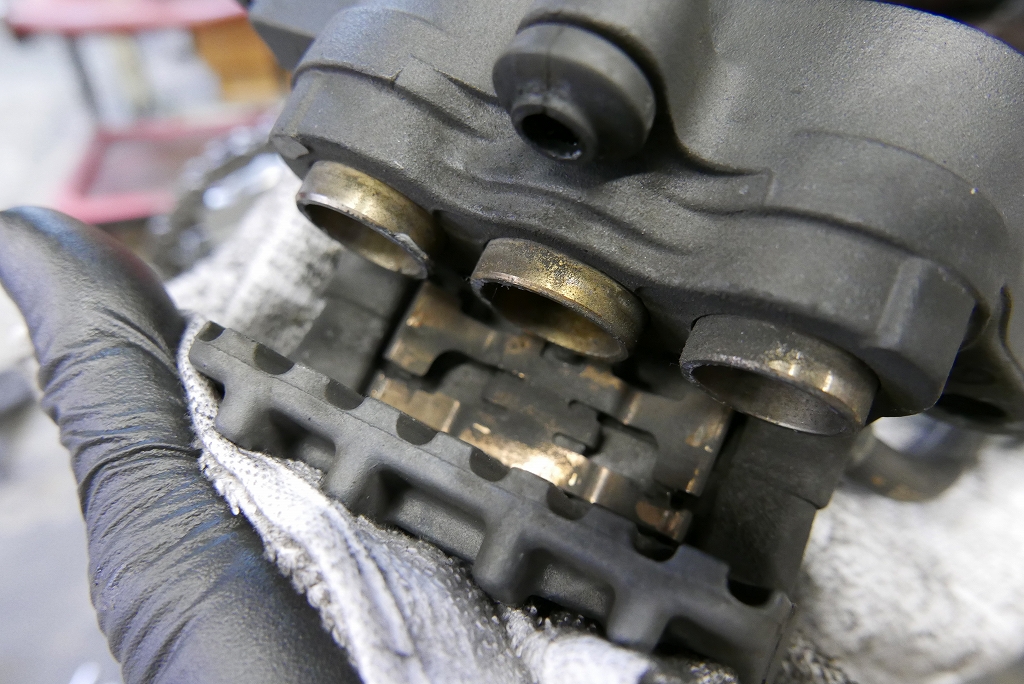
We cleaned the caliper. Condition and operation are excellent.
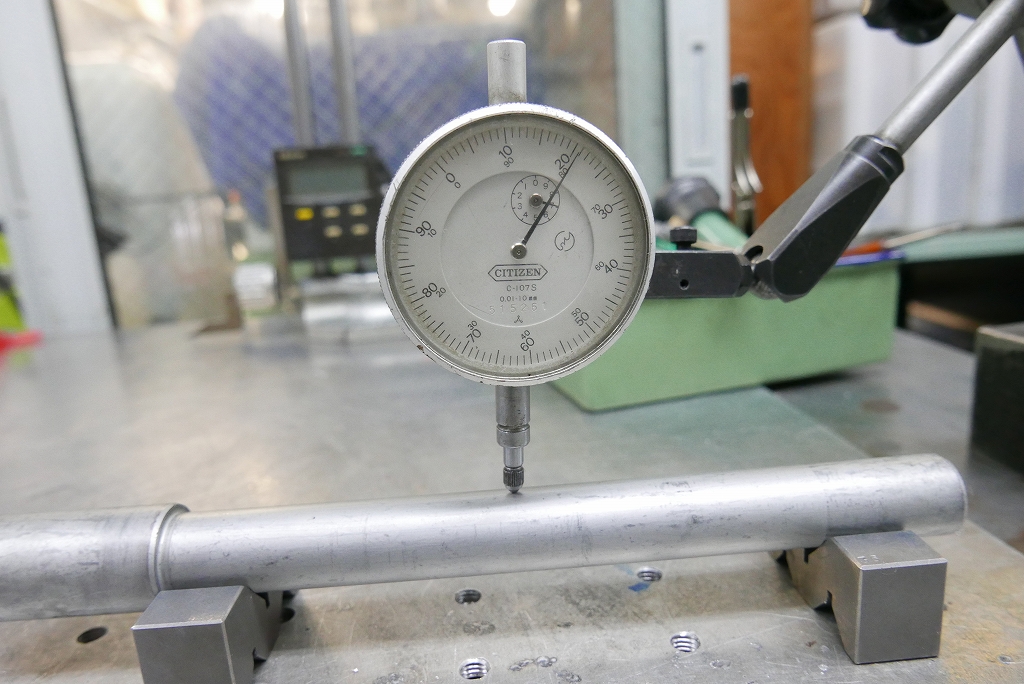
Moving to the front. The axle showed no issues.
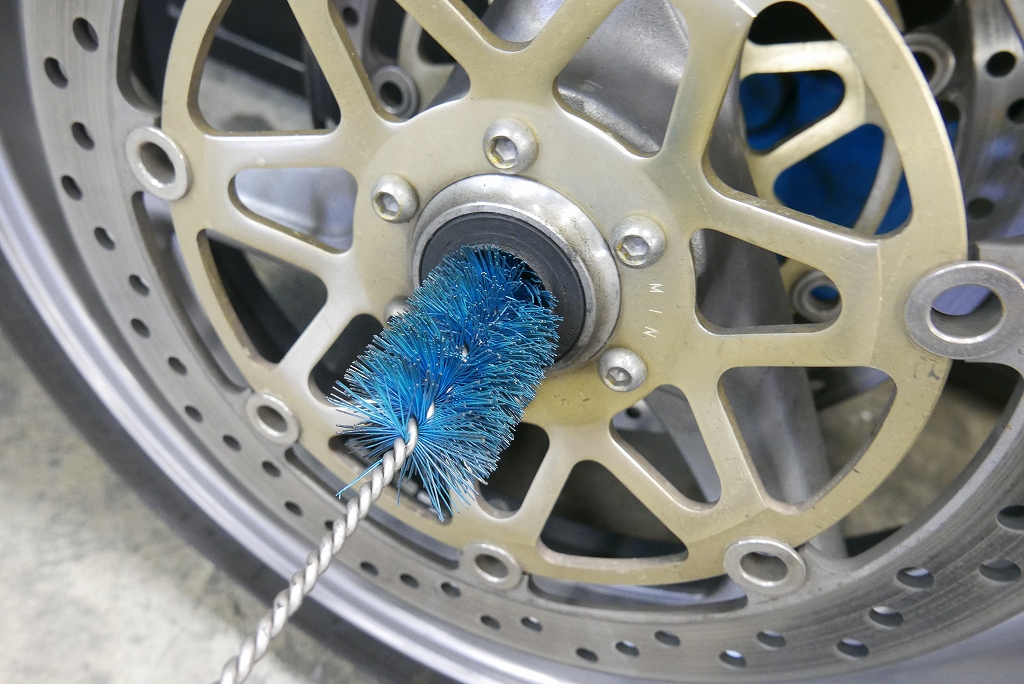
We cleaned the hole the same way.
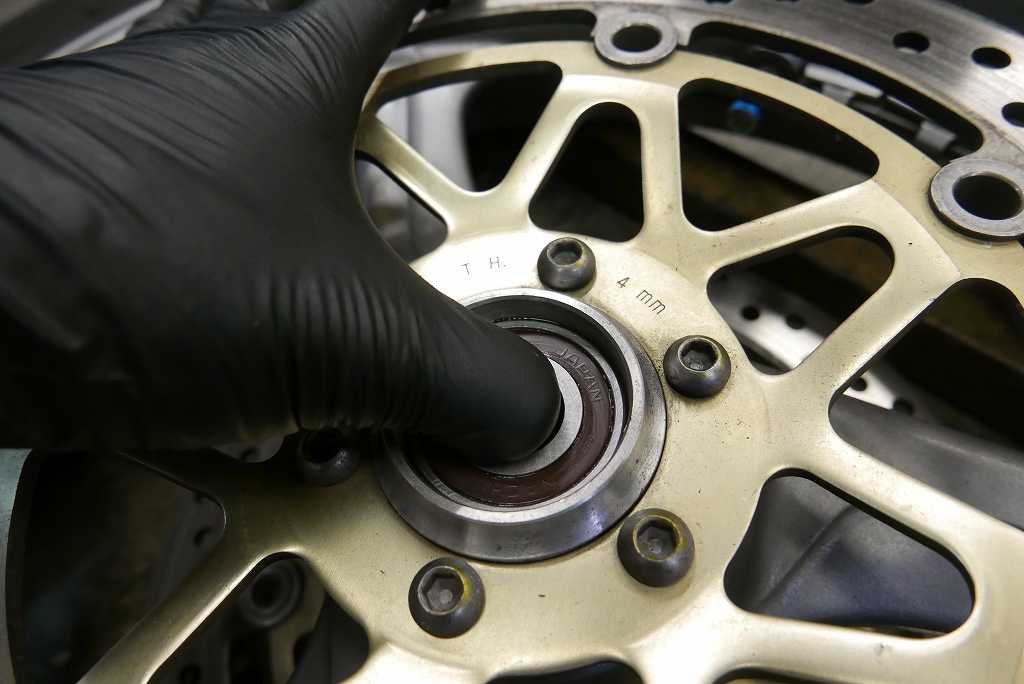
The bearings look good.
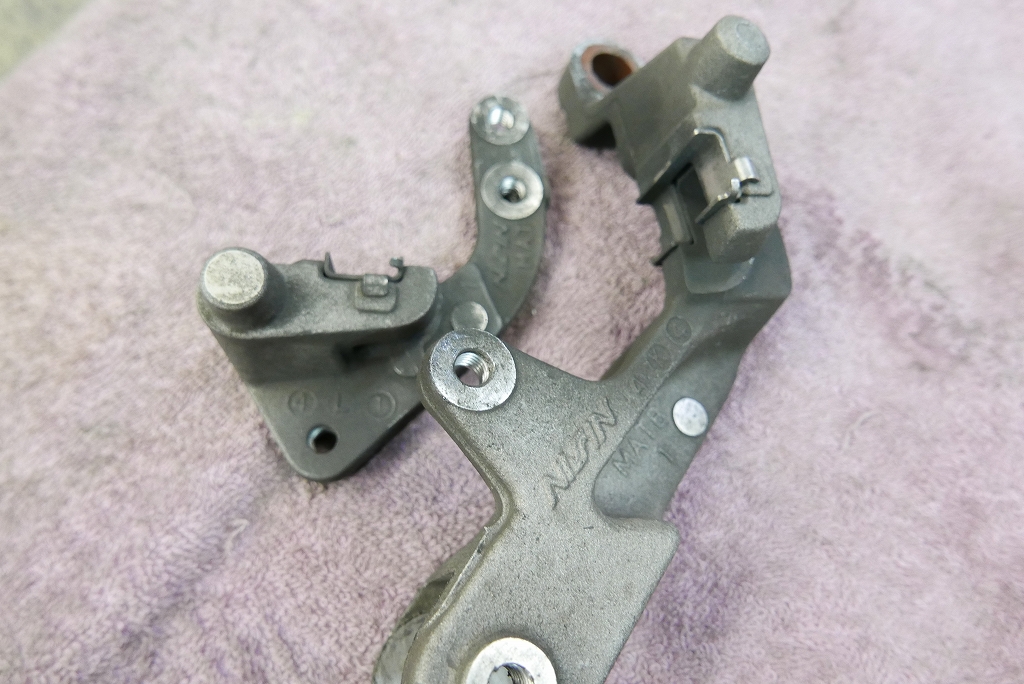
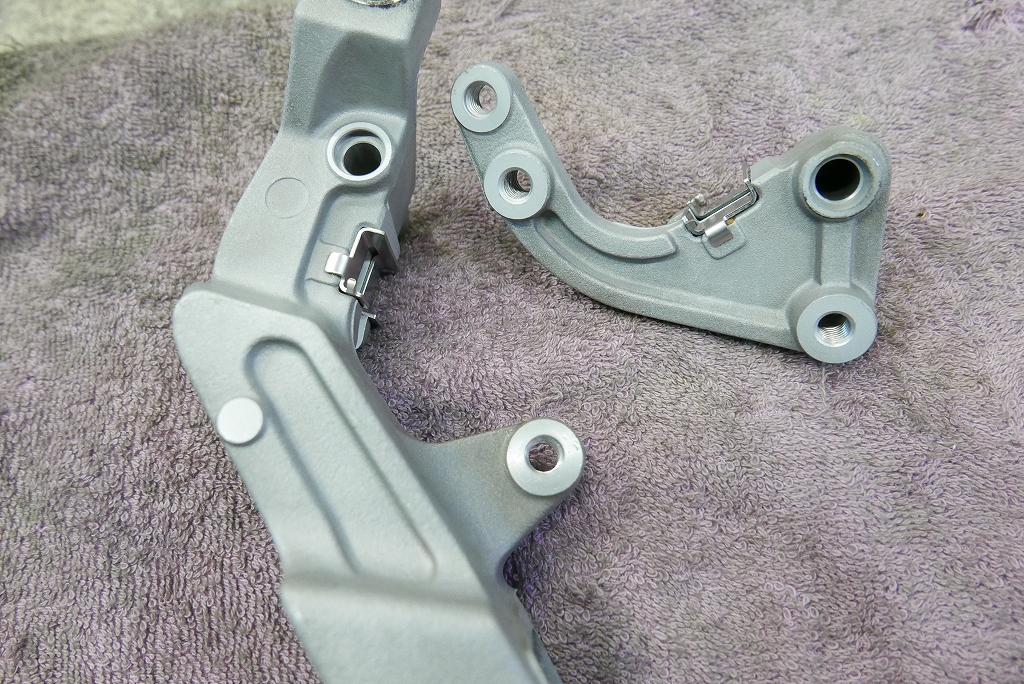
We refreshed those as well.
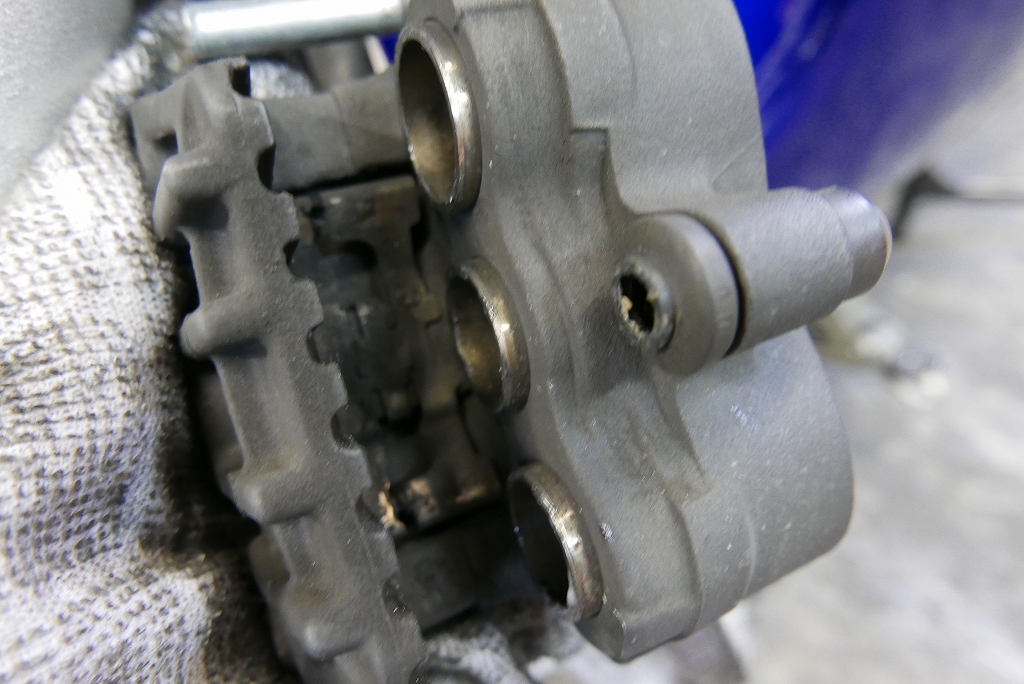
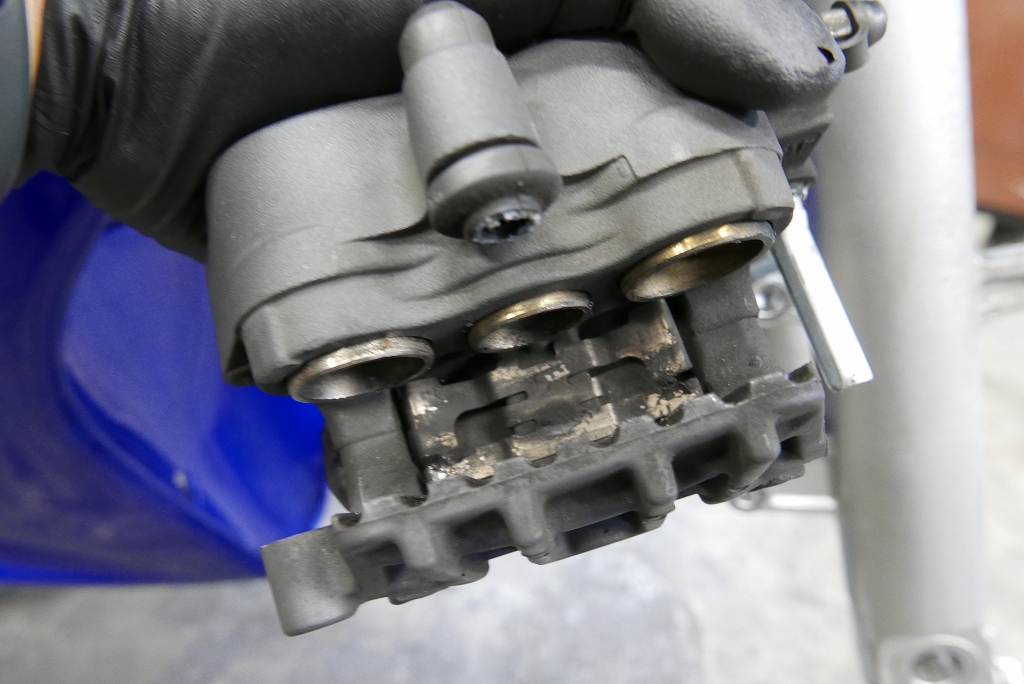
We cleaned the front caliper too. Condition and operation were excellent.
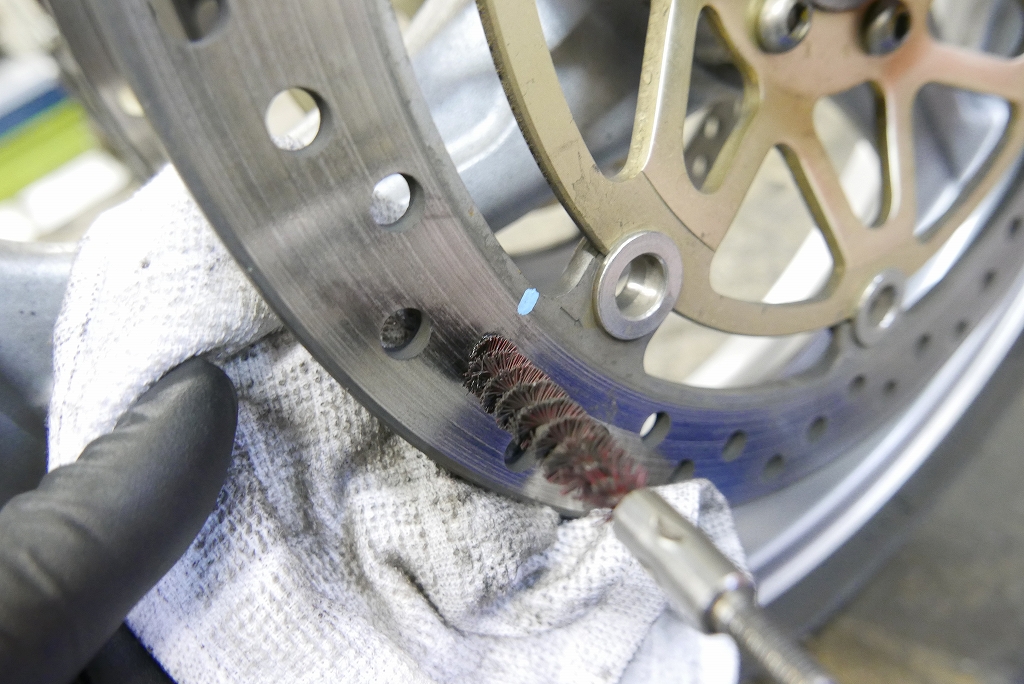
It’s been a while since we dug into the brake discs. We checked all of them—left, right, and rear. Surprisingly clean, which is reassuring.
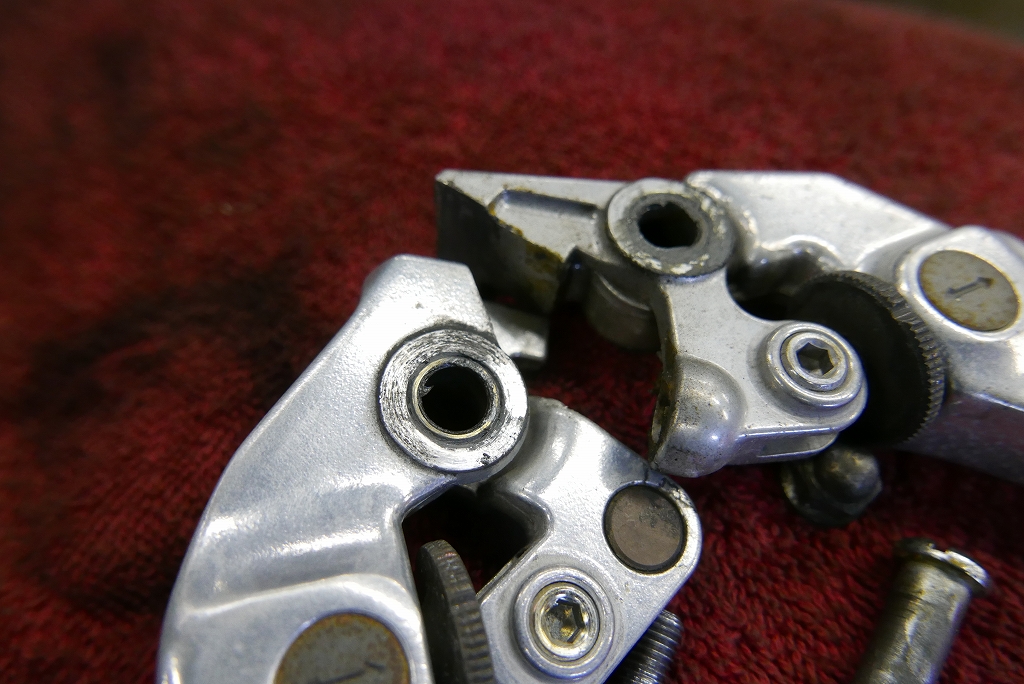
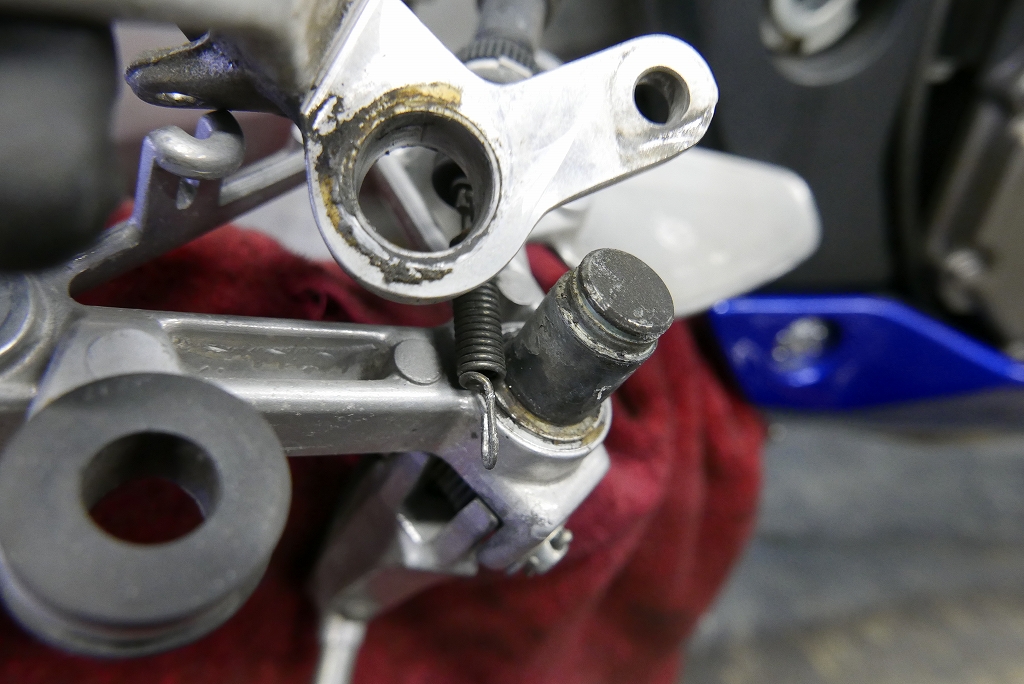
We disassembled and lubricated the levers and pedal.
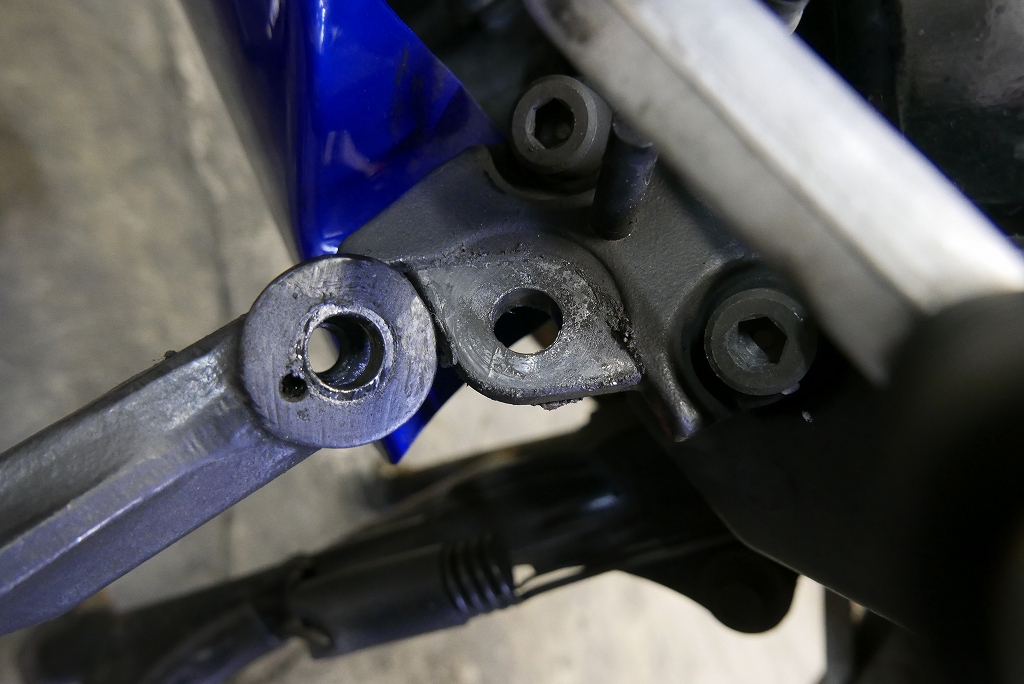
The side stand also got disassembled and lubricated. When it pops out with a smooth “click” during mounting and dismounting, it feels great.
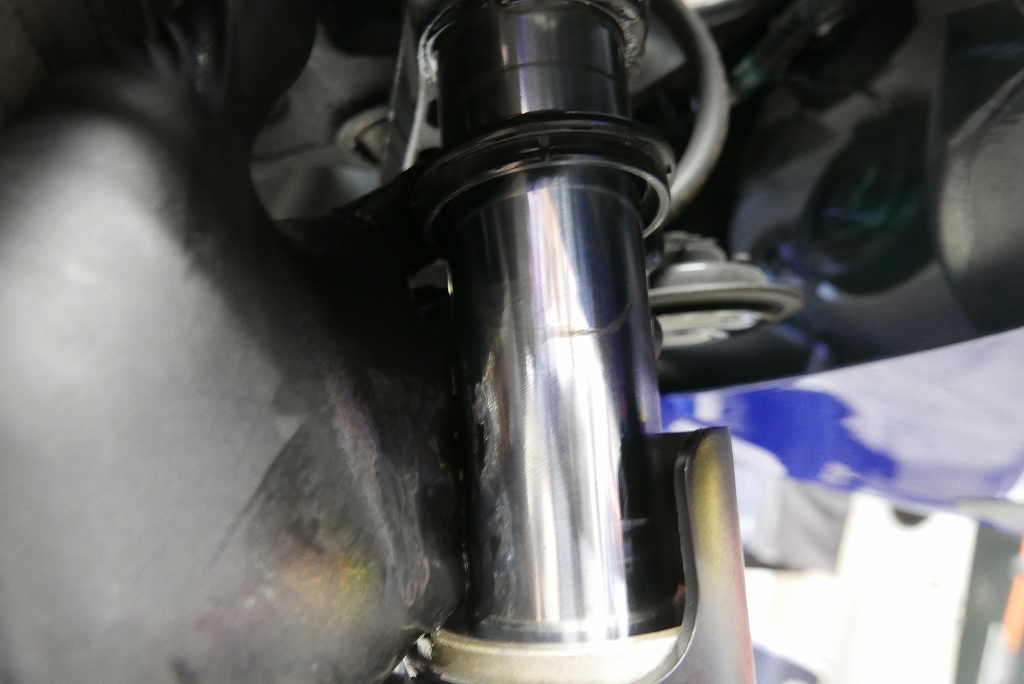
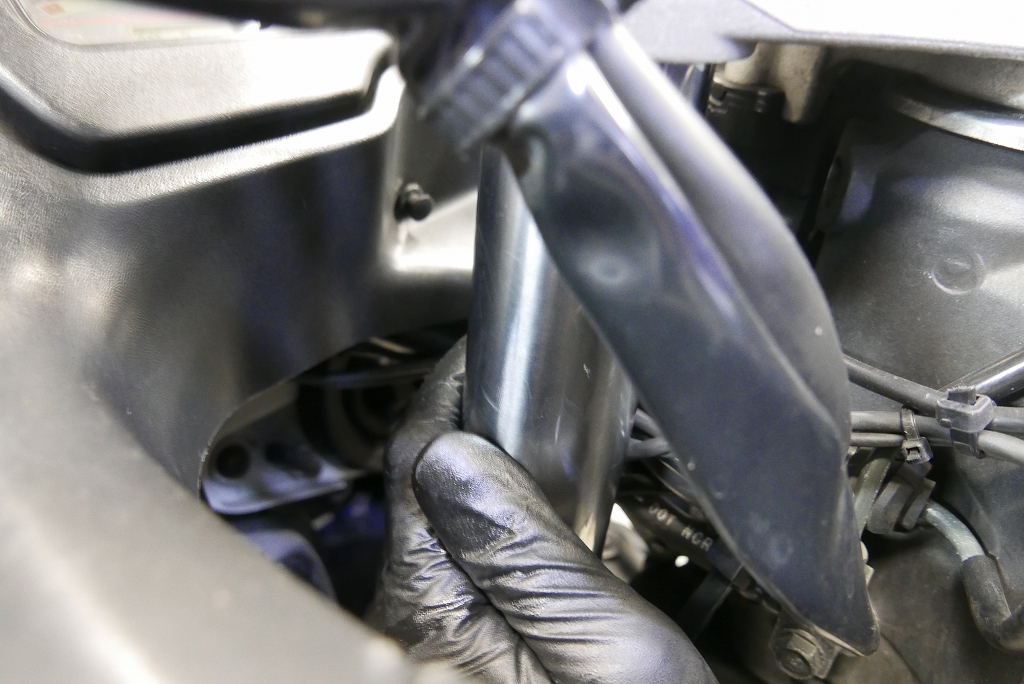
We lubricated and rust-proofed the fork. The area below the lower bracket rusts easily near full stroke, so we removed the rust and applied rust protection.
If there’s rust between the top and lower sections, we remove it and apply rust protection. Upright inner tubes last quite a long time if you don’t let them rust, since you can rotate them 360 degrees and use the whole surface.
When we measure inner tubes with plating damage using a micrometer, we often find the actual material loss is minimal. If it’s still usable, let’s use it as far as it will go.
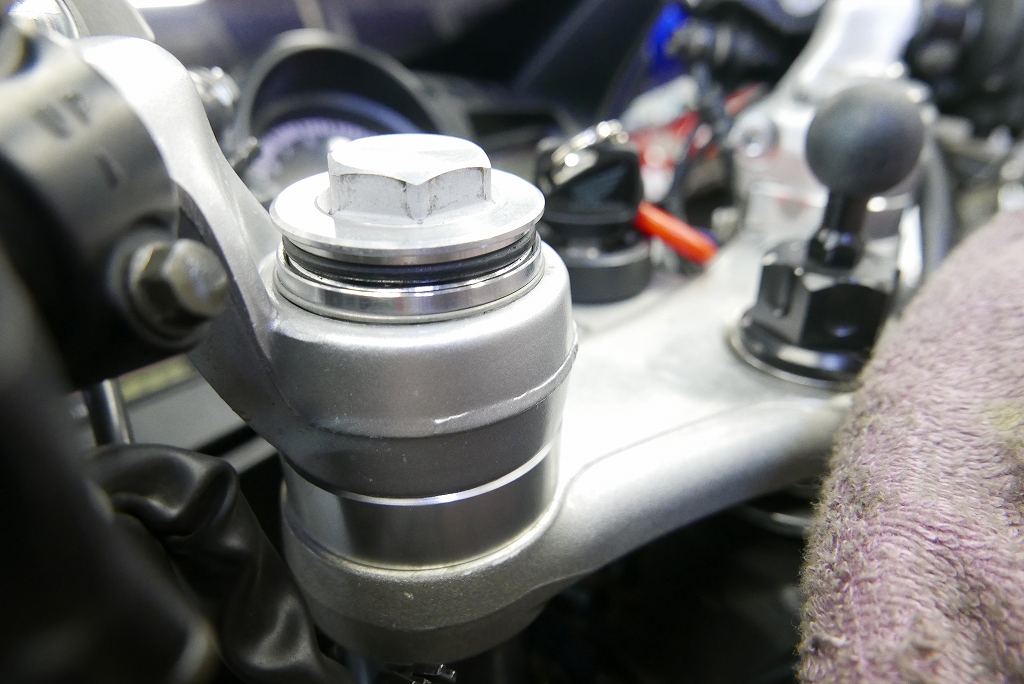
We set both sides to atmospheric pressure.
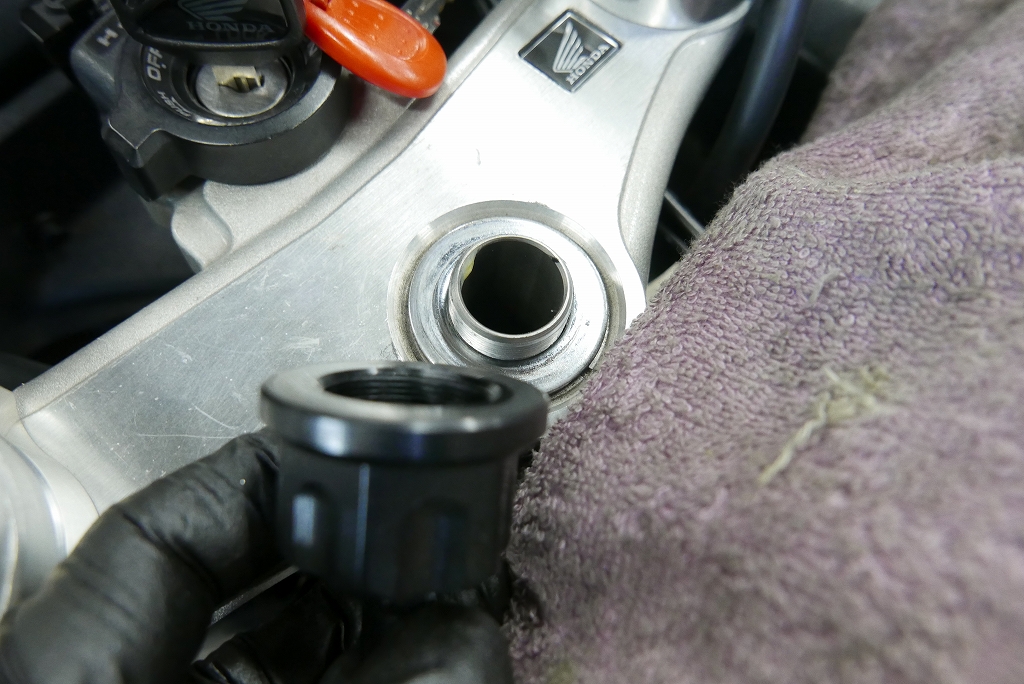
The steering has developed a slight stiffness, but it’s still acceptable for now.
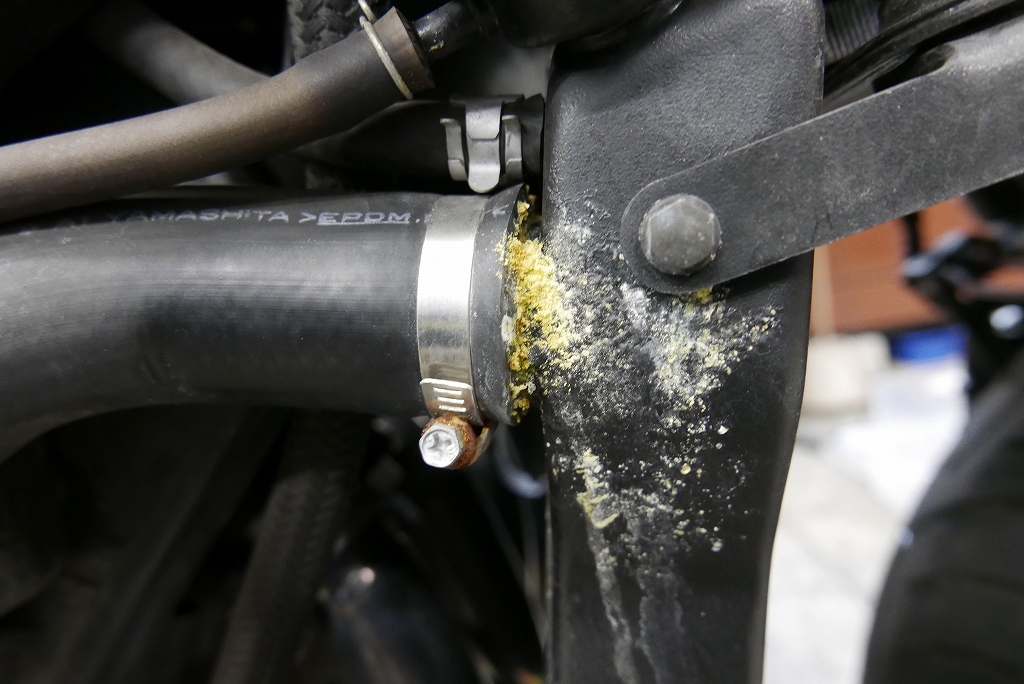
Right side of the radiator. It looks like it may have leaked at some point, but not recently. We cleaned the area and checked the band and hose. We’ll keep an eye on it.
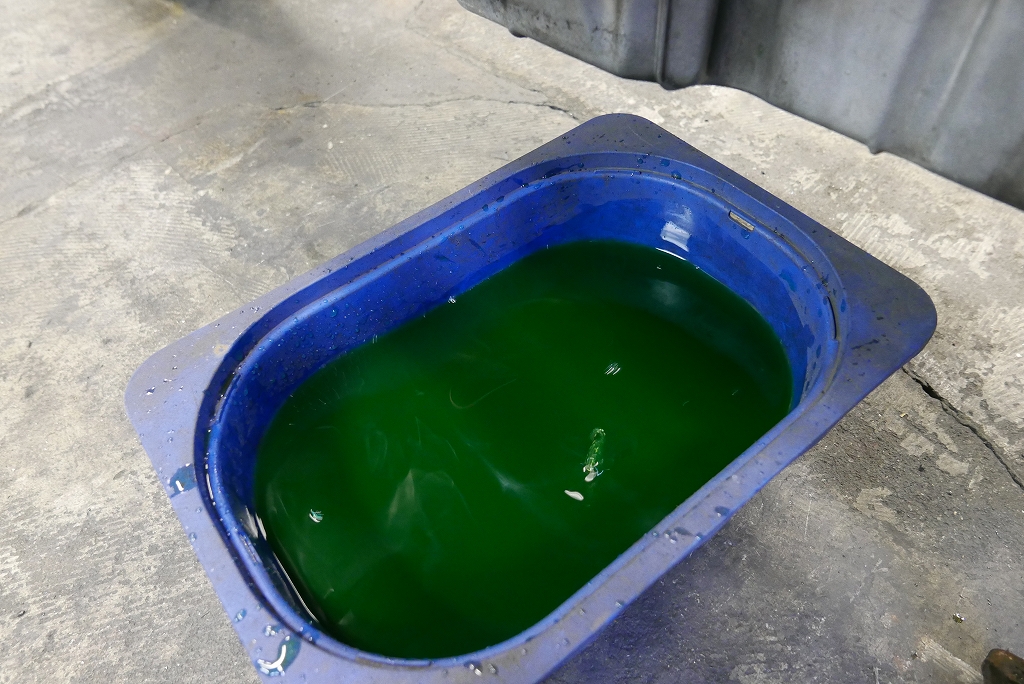
We’re changing the coolant for the summer ahead. You might think a water-cooled engine handles traffic jams fine, but that’s not always true. Even with an electric fan installed, the water temperature doesn’t drop that much.
Oil temperature rises even more. To keep it from climbing too high, if you notice a long traffic light ahead, just turn the engine off—that alone makes a huge difference.
Even with oil-cooled bikes, the 1200cc class really sees oil temperatures climb. A large round cooler is nice, but just turning off the engine at traffic lights can keep things pretty well controlled.
By the way, if you make an oil cooler too large, in winter you’ll barely be able to get the oil temperature up without blocking most of it, so keep that in mind.
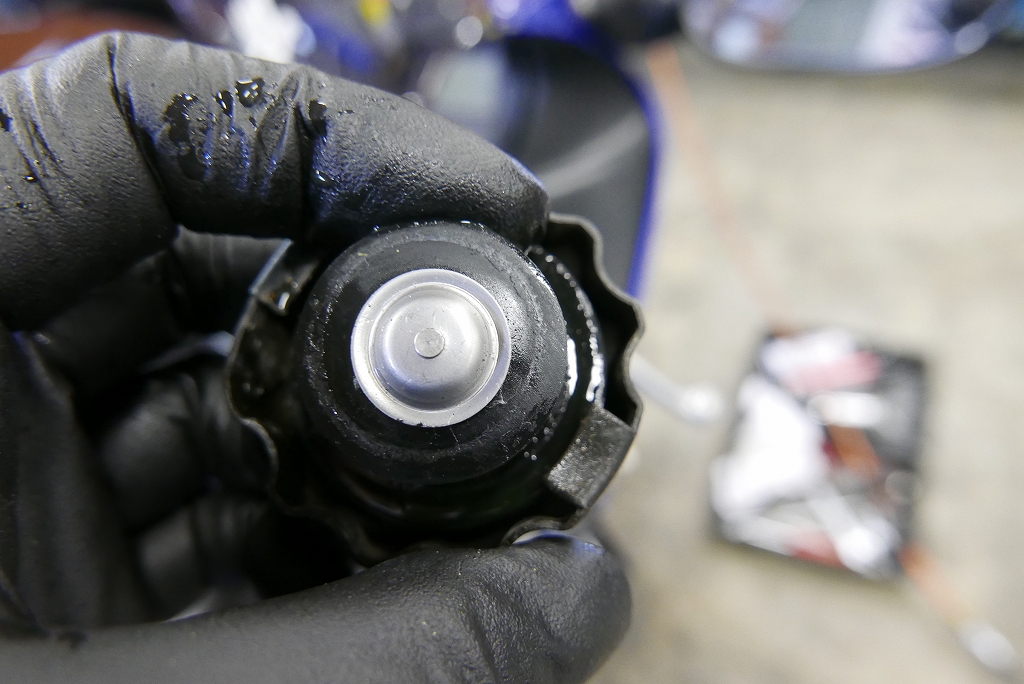
The radiator cap is pretty worn. The gasket is falling apart.
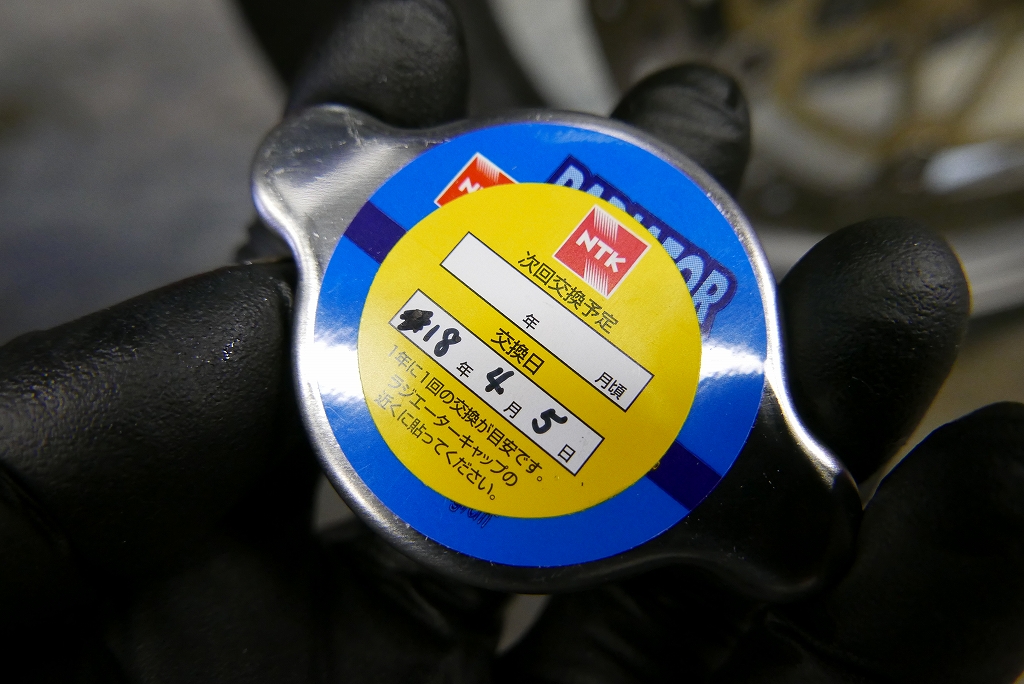
We replaced it with an NTK cap. The date was 4/6. Sorry about that.
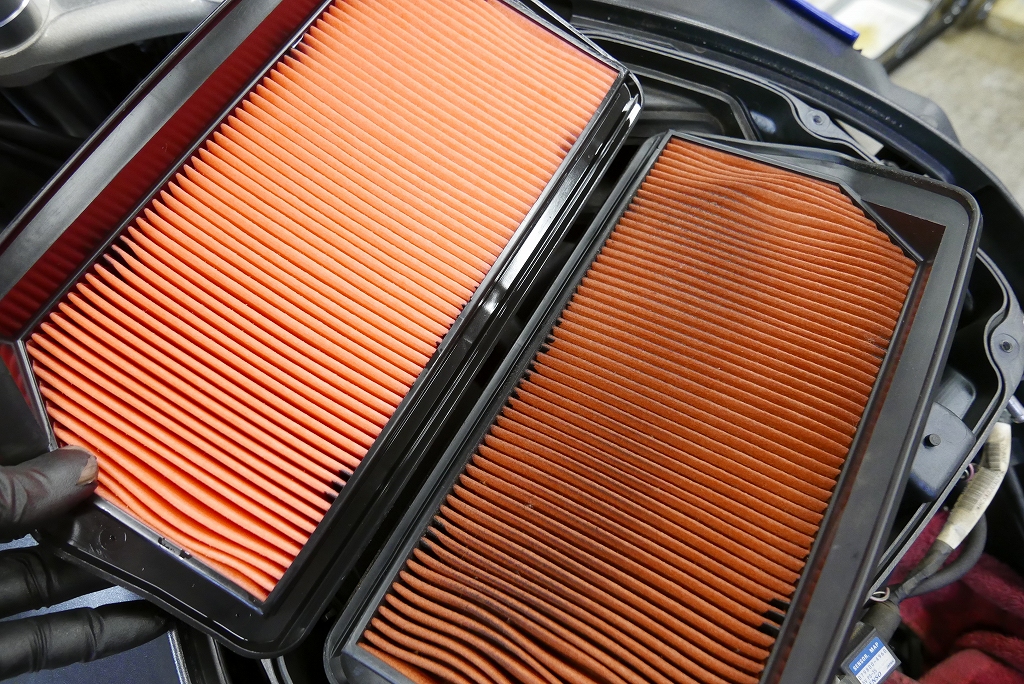
I’ve come to think the air filter should be changed based on mileage and age.
The spark plug was original iridium. (Forgot the photo.) It looked clean, so we reused it.
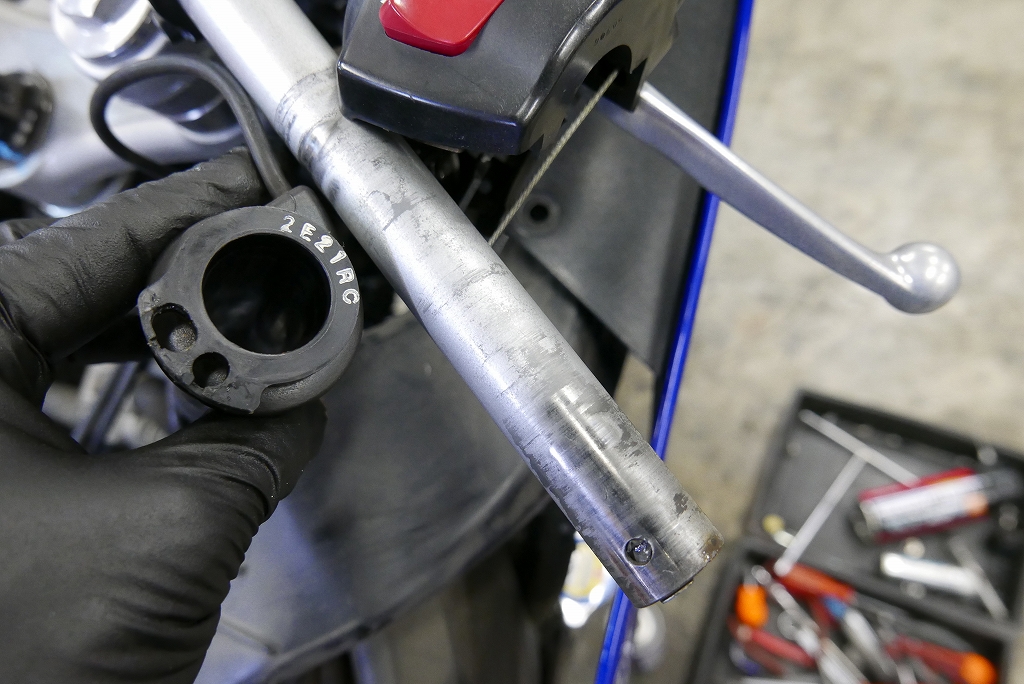
Honda often requires you to loosen the carburetor (this one’s FI) wire attachment to remove the throttle. It’s pretty annoying.
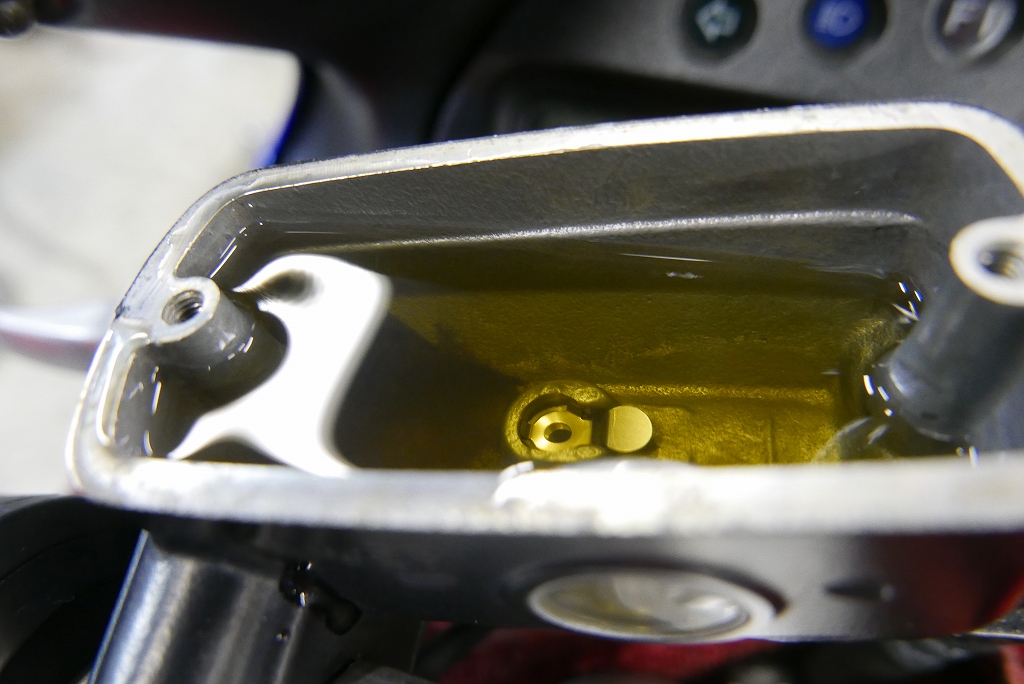
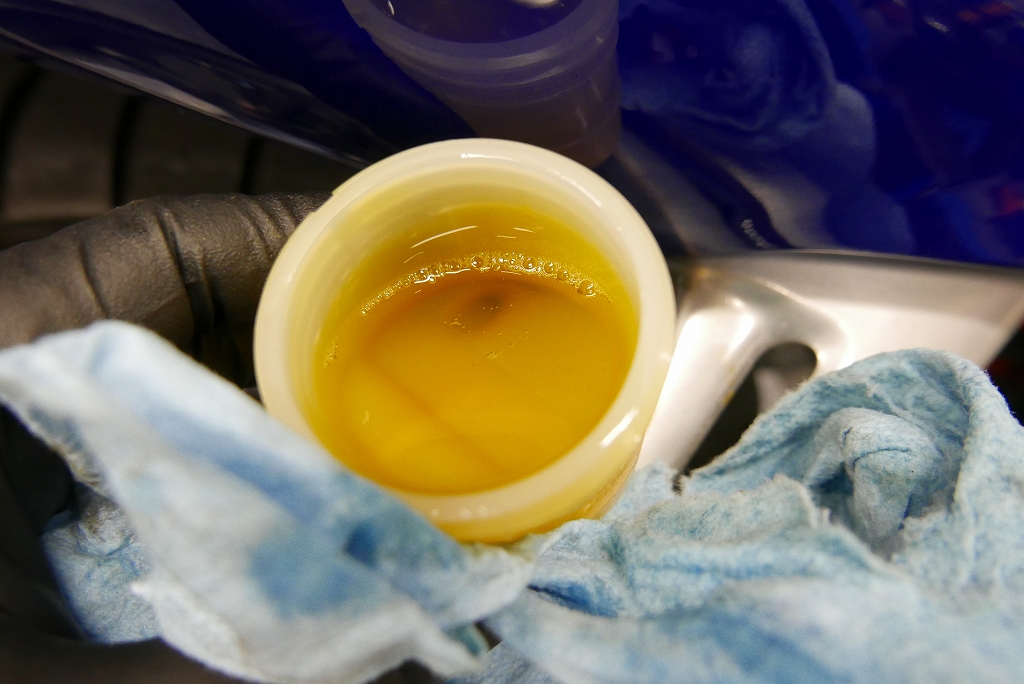
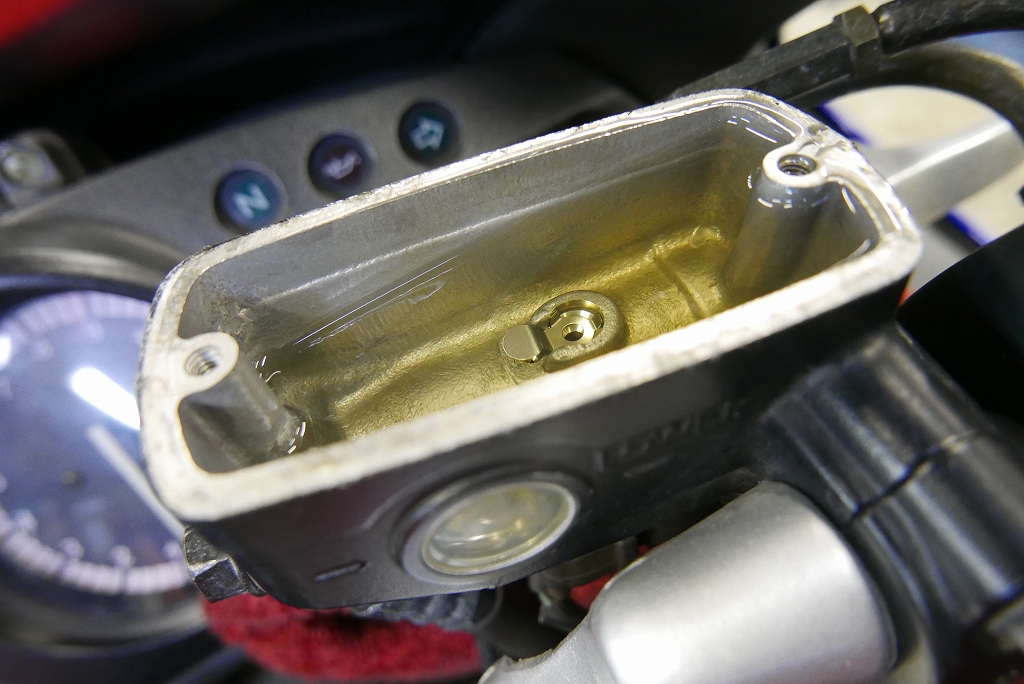
We changed the fluid and we’re done.