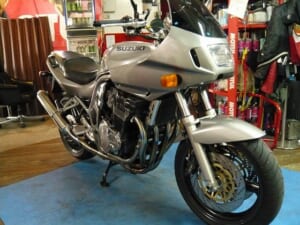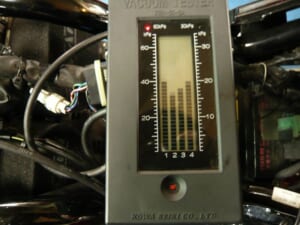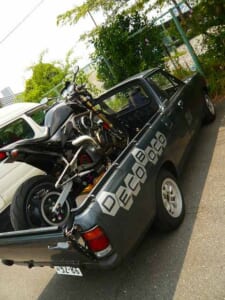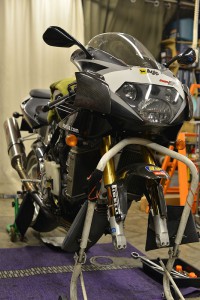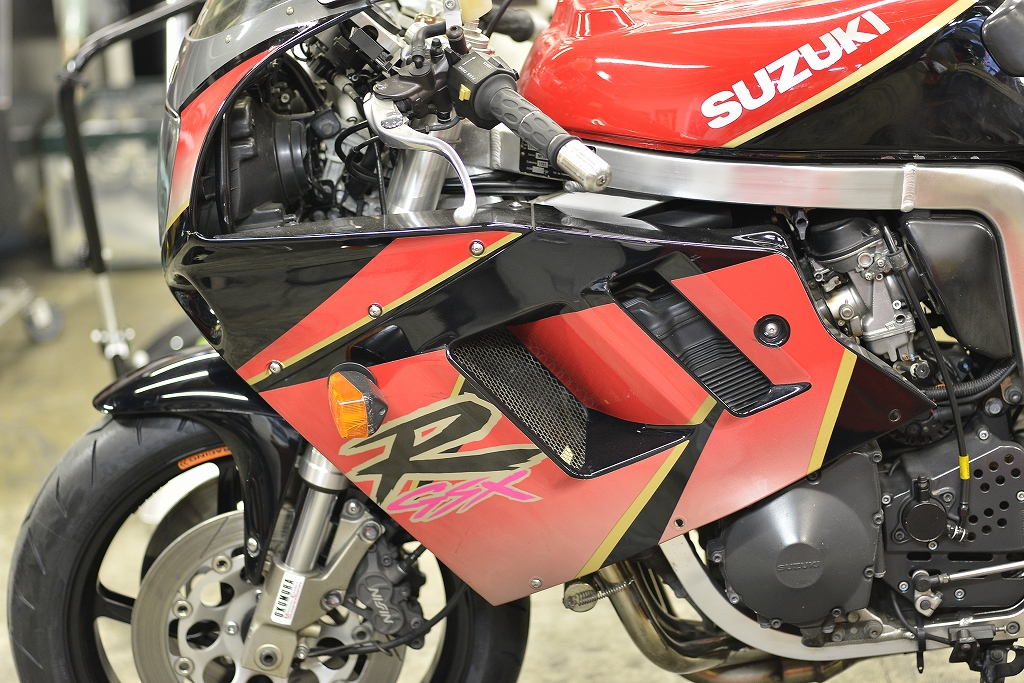
We took it in back in February, and it just kept stretching on and on—here we are now.
Sorry for the wait. We’re right at the starting line—nearly finished!
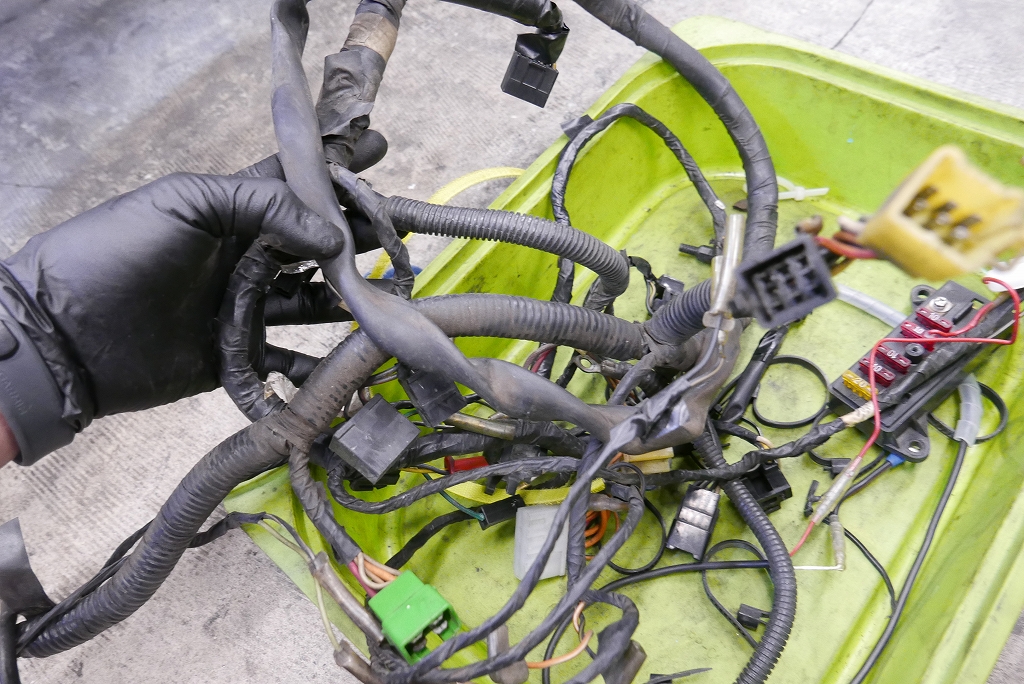
What happens when you replace the main harness? If there’s no problem, there might not be any noticeable effect. But there’s a good chance the original won’t be available anymore. The cost goes up. If I figure I’ll be riding this for the next 10 to 20 years, it’s peace of mind, really.
Sure enough, it’s gotten hard over the years.
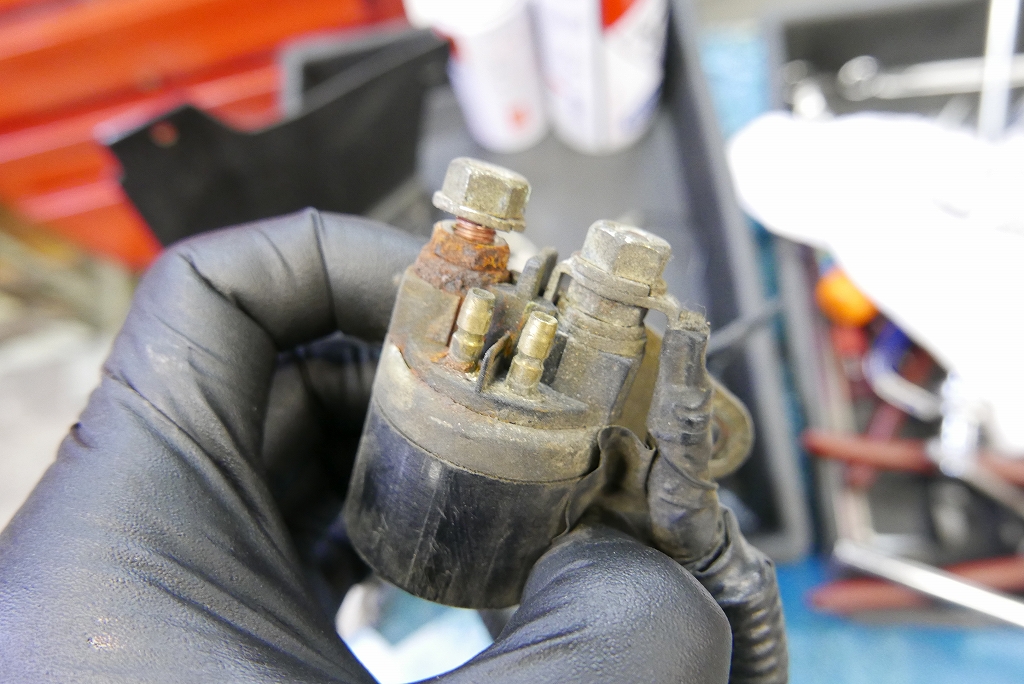
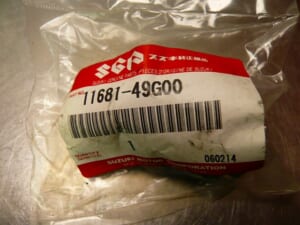
We’ll swap out the starter relay too.
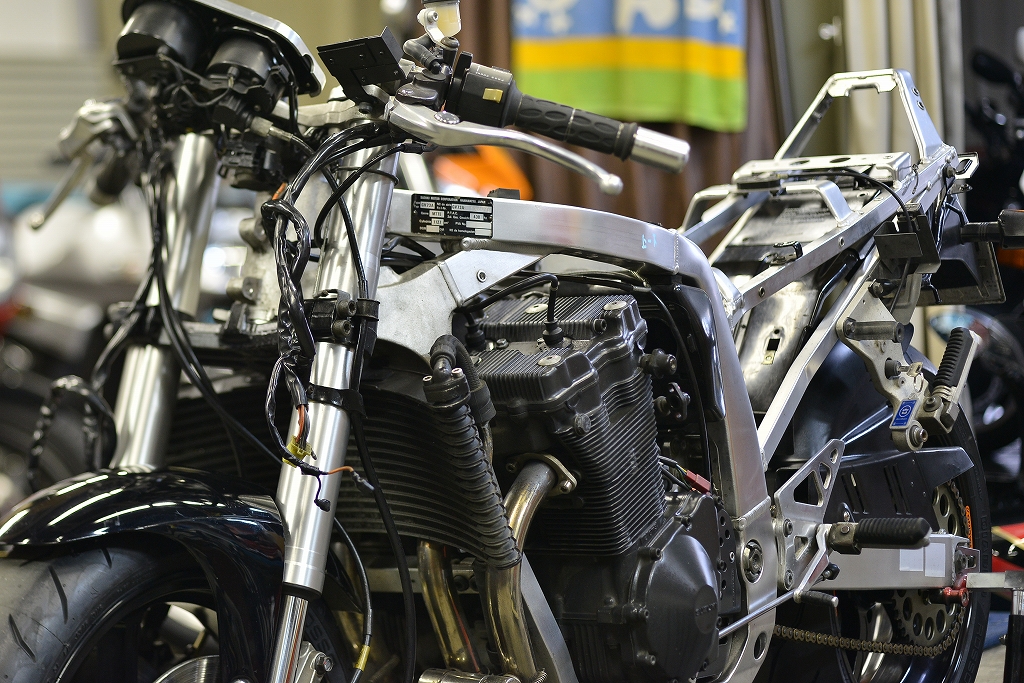
Once you strip it down, it looks simple and cool.

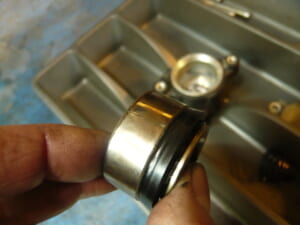
The master piston cup set is also being replaced.
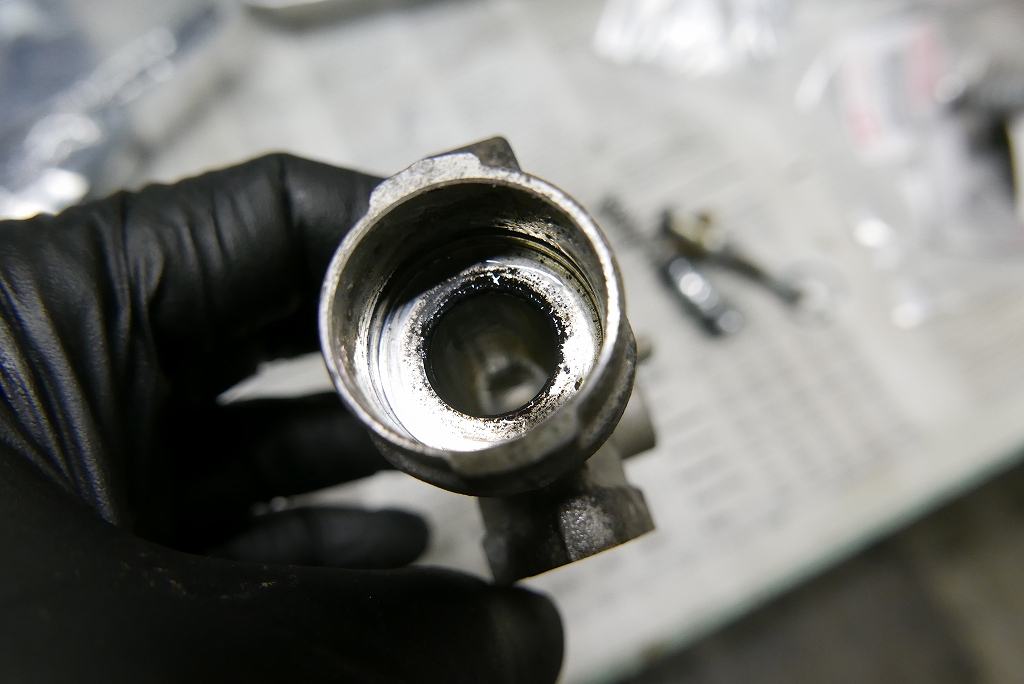
Barrel-shaped wear is rare. We check it by eye.
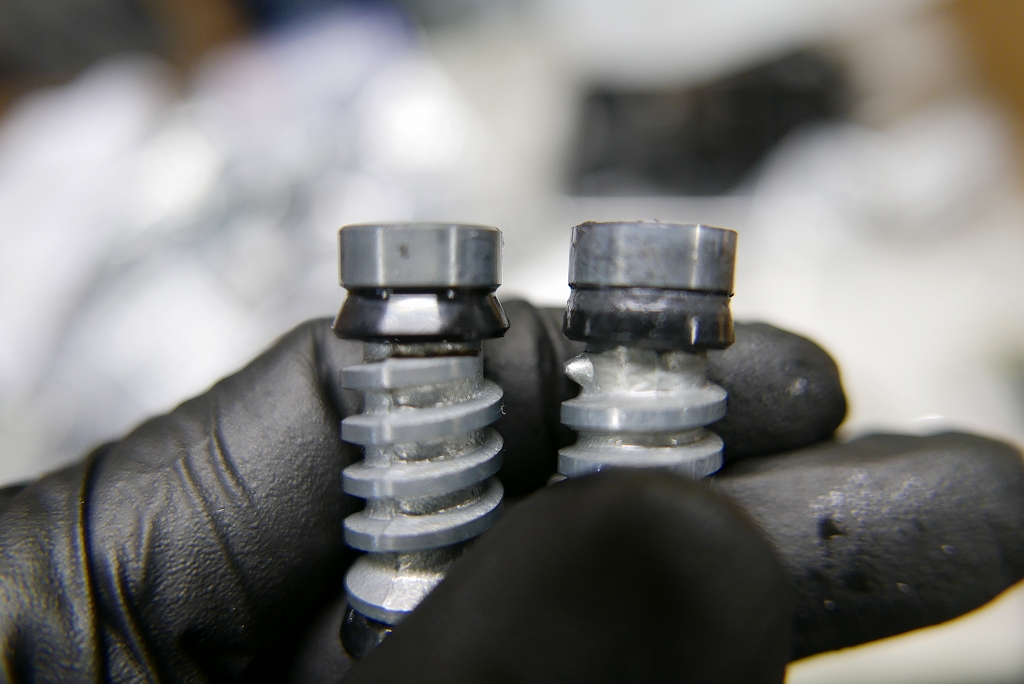
The cup has also closed up. We might reduce the dead stroke a little.
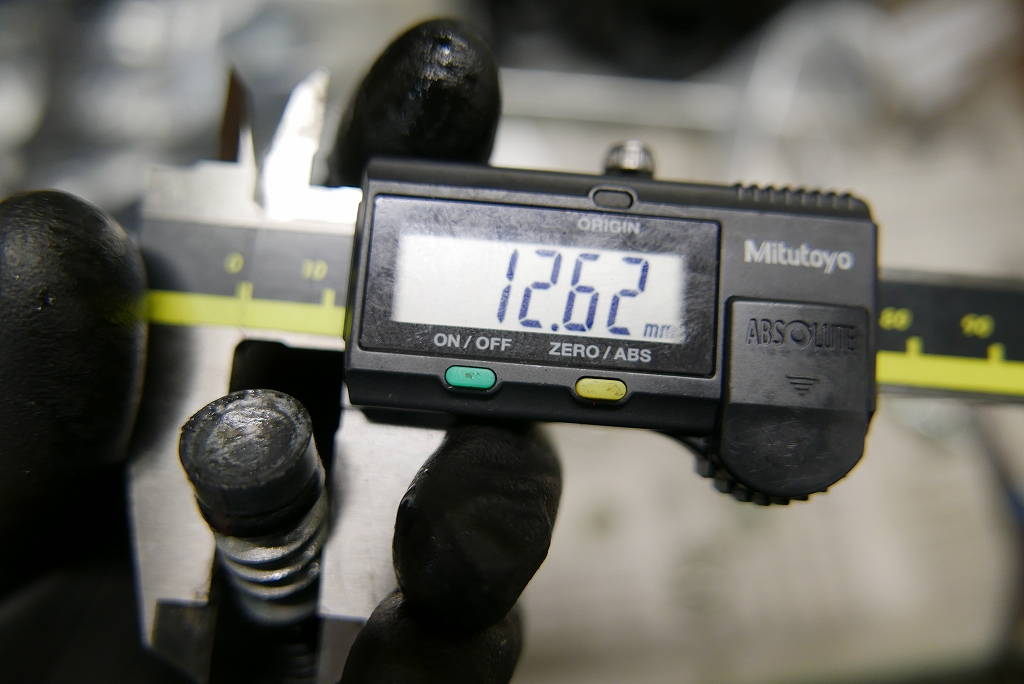
Just inspect old and new, then assemble.
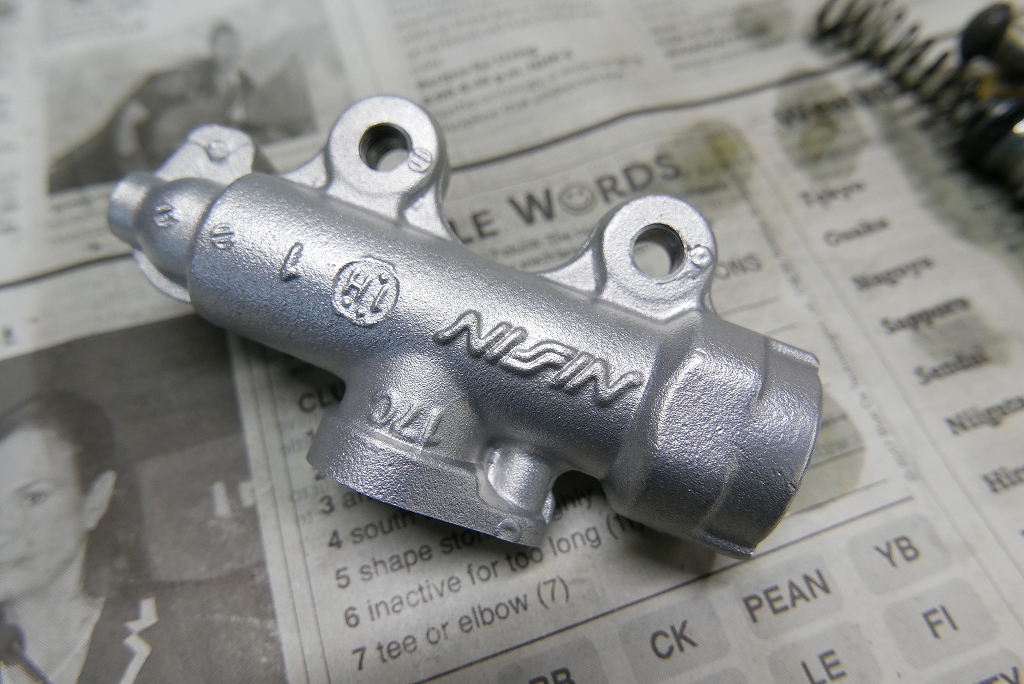
Better performance and looks mean more attachment to the bike.
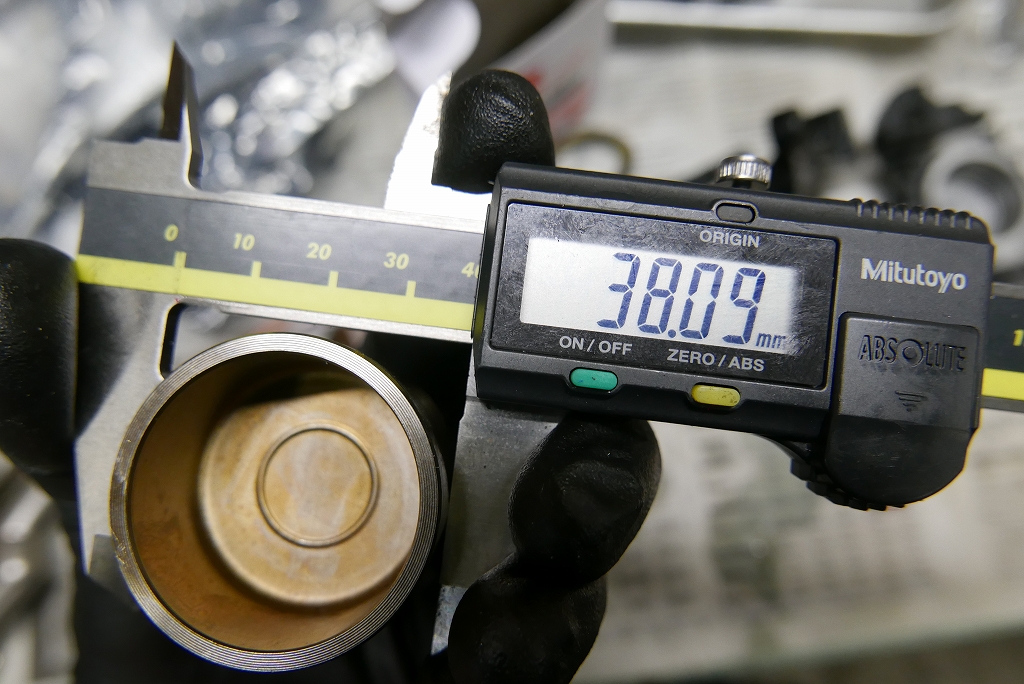
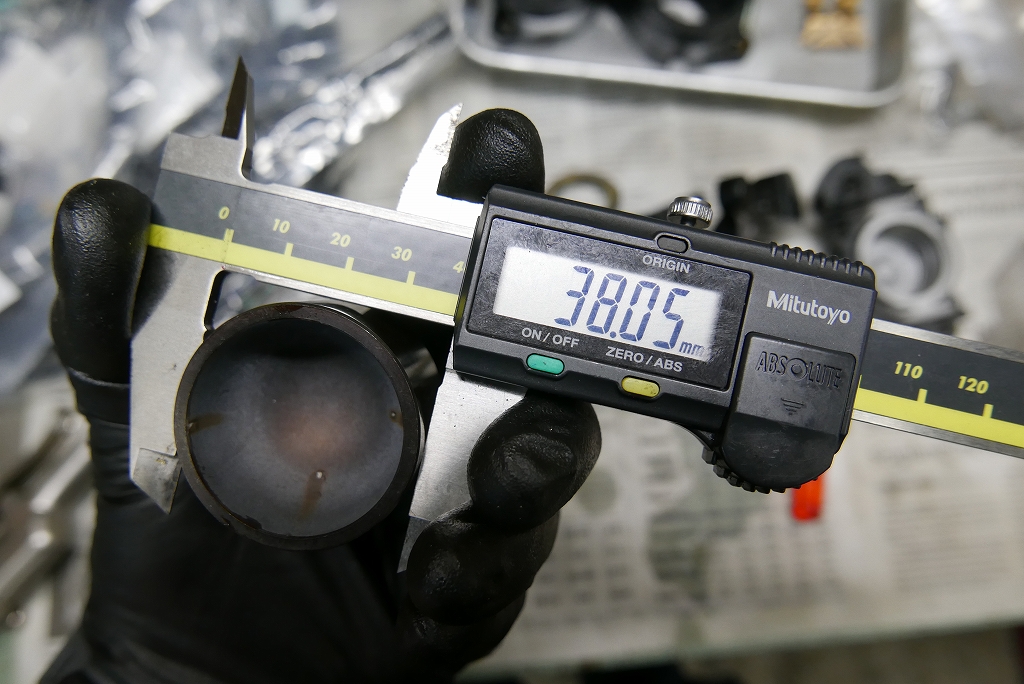
We’ll handle this part below the surface.
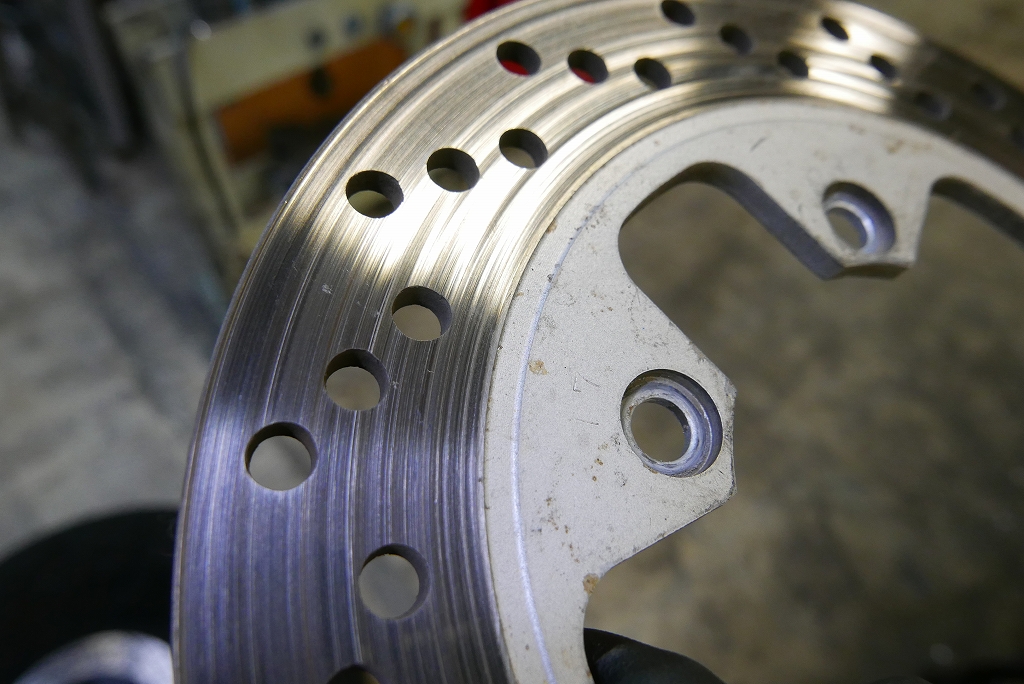
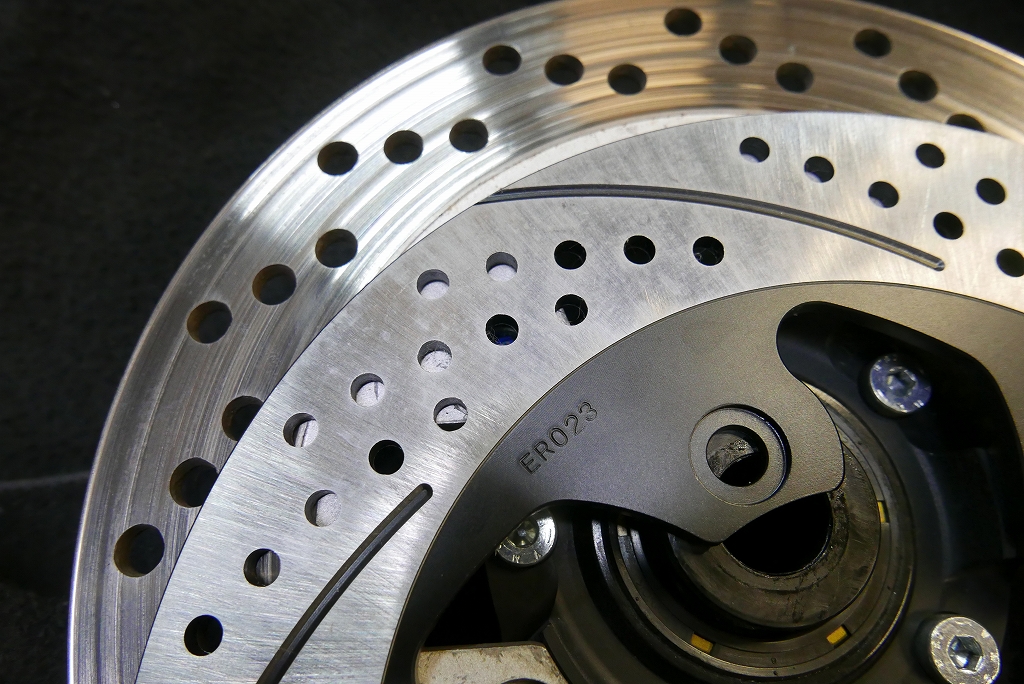
The original is T=6mm, but 5mm works too. We do need to check the center alignment though.
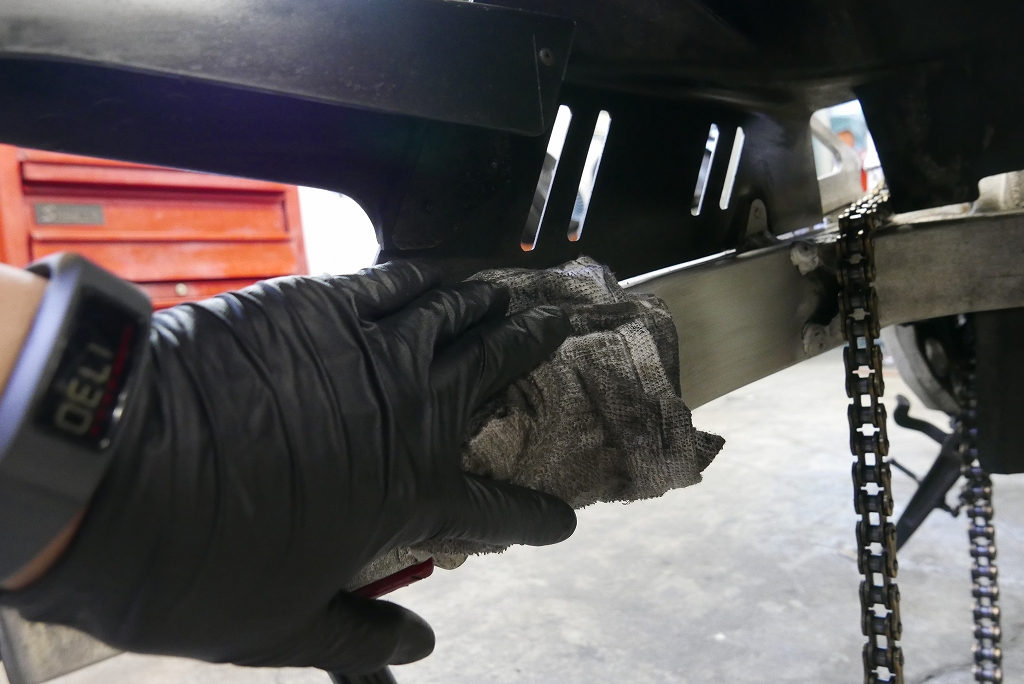
Cleaning as much as we can makes it easier for whoever does maintenance next time.
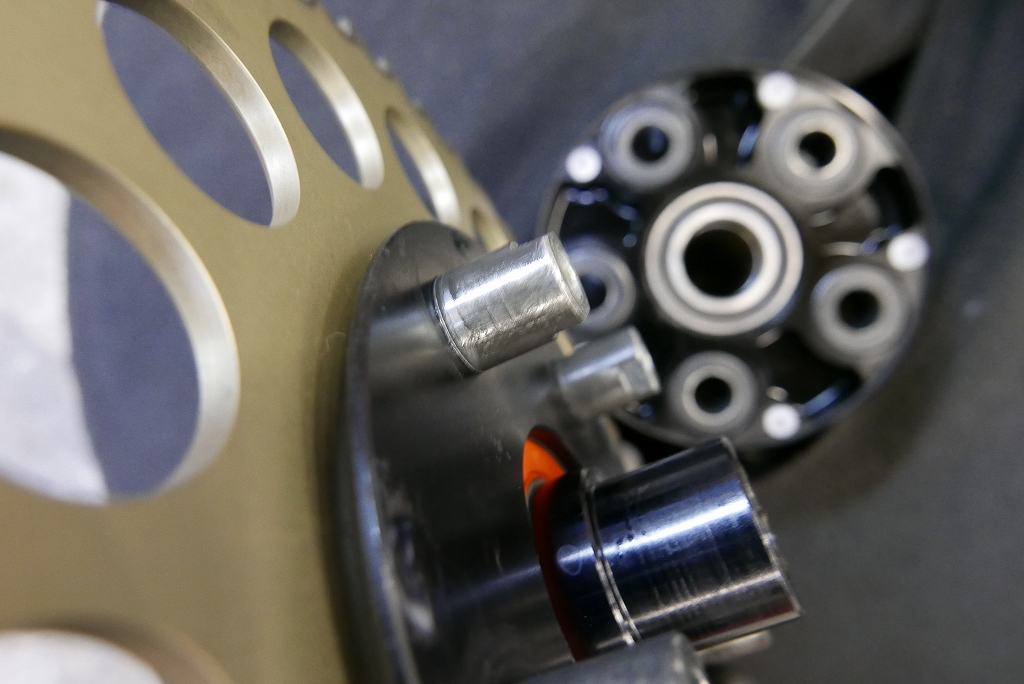
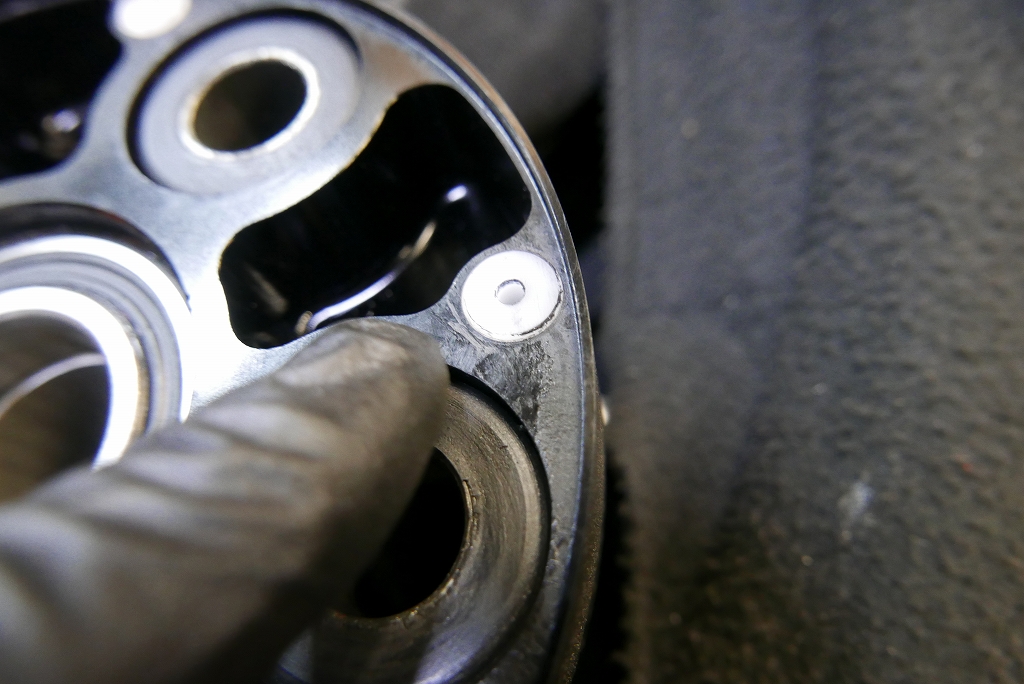
The OZ wheel damper is nice. The damper fit is thick and long, so it’s reassuring.
When you think about it that way, something like a Dymag is honestly tight on capacity.
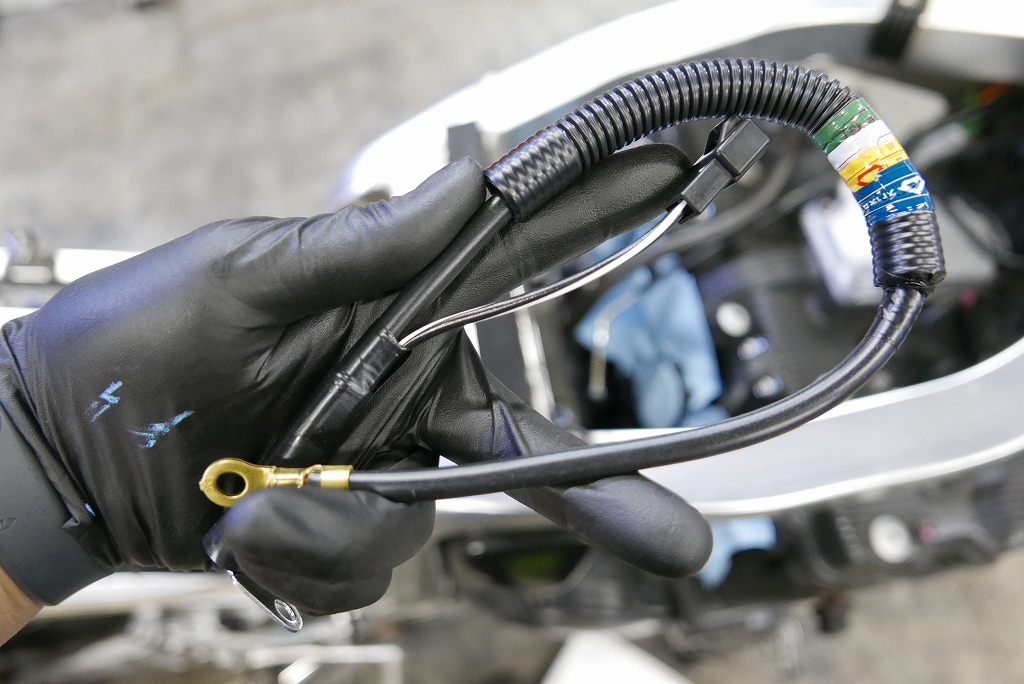
We replace anything replaceable with new parts. The main ground is critical. Even just replacing this occasionally seems like it could make a difference.
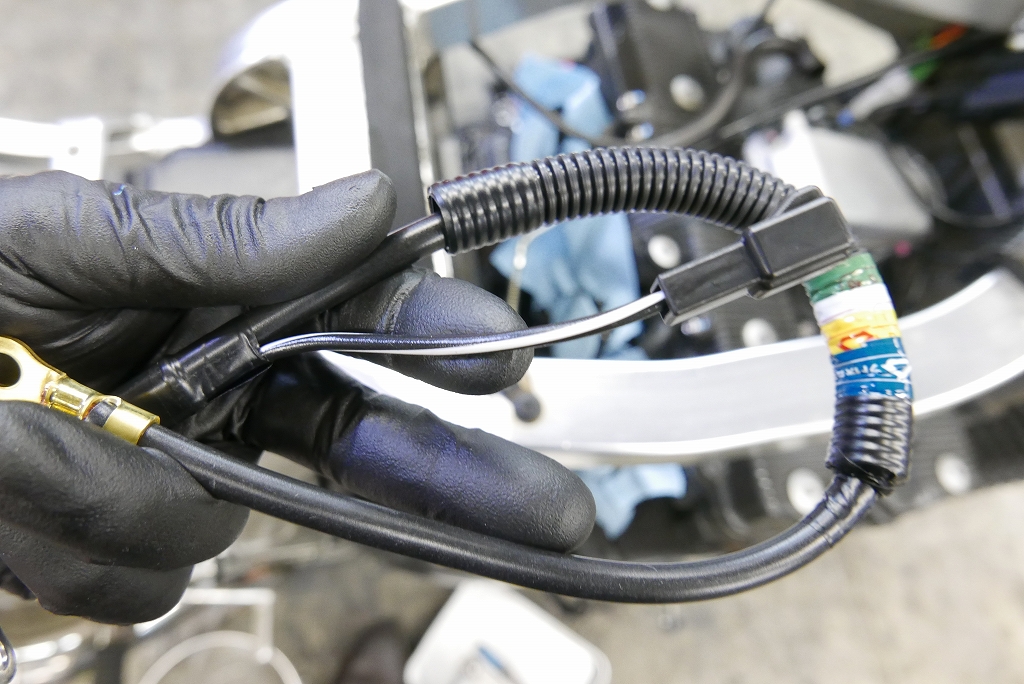
This single 2 SQ or so wire handles everything. This connector area tends to deteriorate (corrode). If it’s bad, it can form a coating, flow poorly, and even melt.
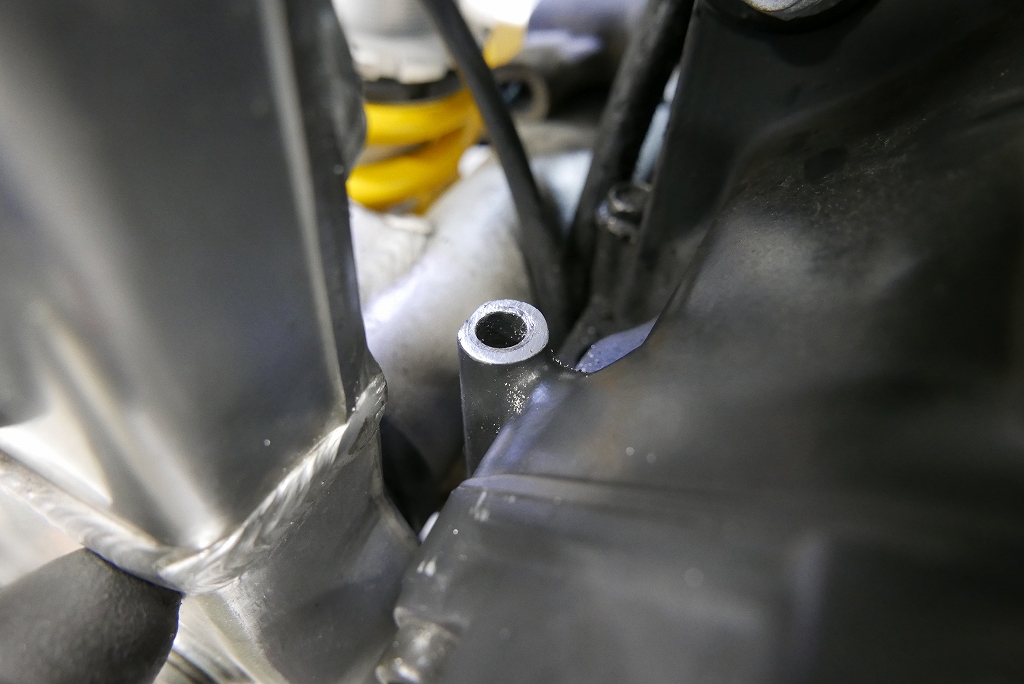
We’re relocating the main ground to a position with better accessibility up front. Better accessibility means better cleaning too. Stripping the paint might give you maybe 1% more effect.
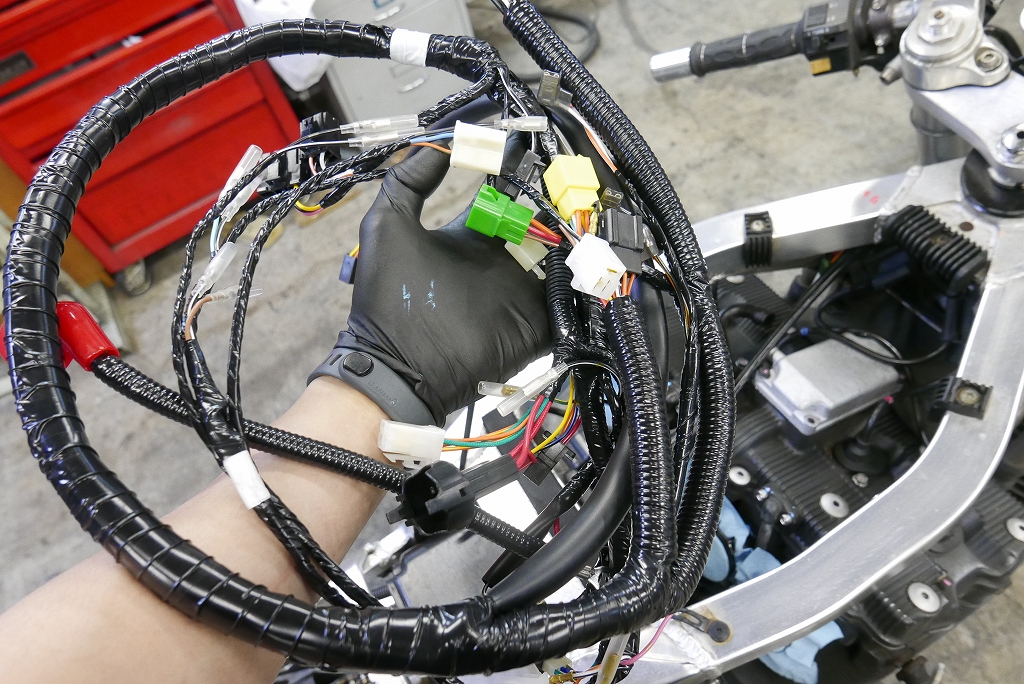
The new one is really soft. It’s a part you should route gently without forcing or bundling it tight.
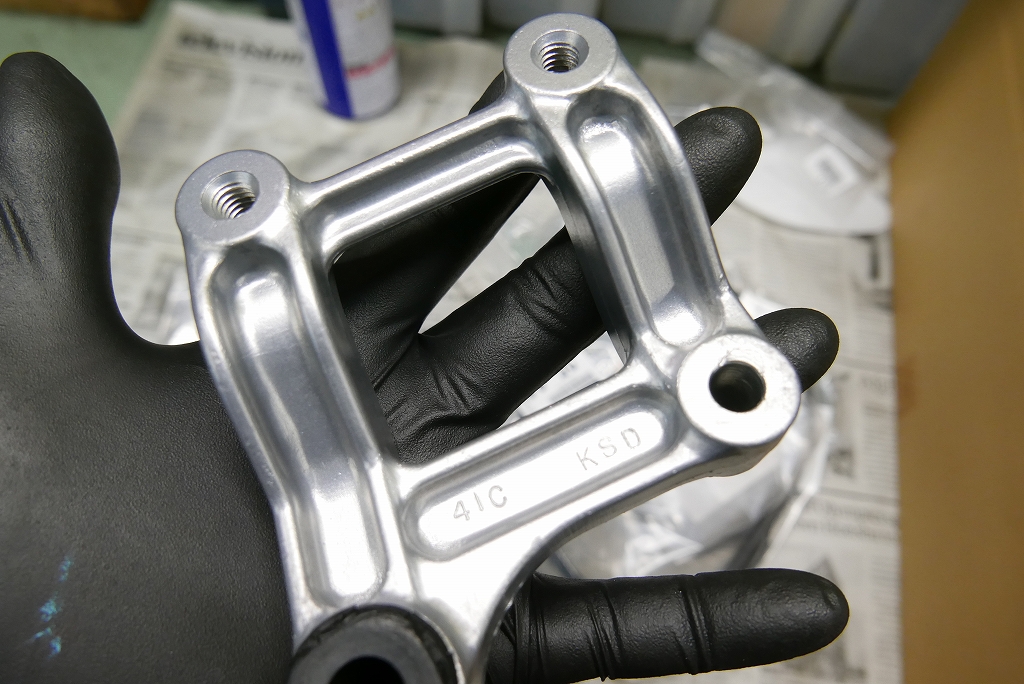
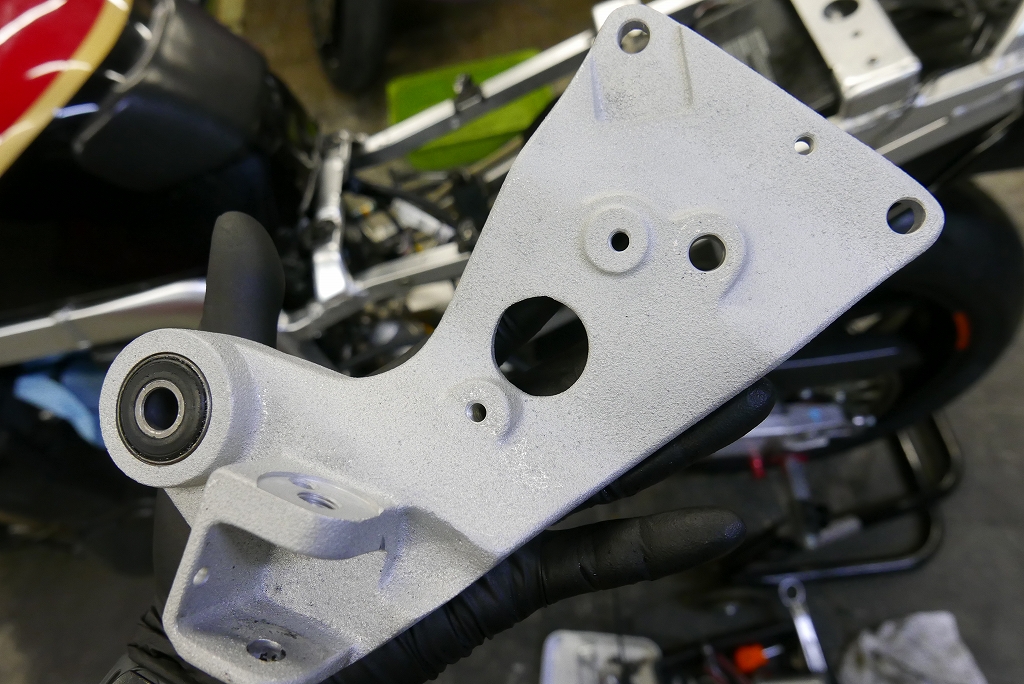
While we’re at it, we’ll polish and clean it up.
If it’s corroded and loose, we want to clean it. When we’re working, we treat it like it’s our own bike.
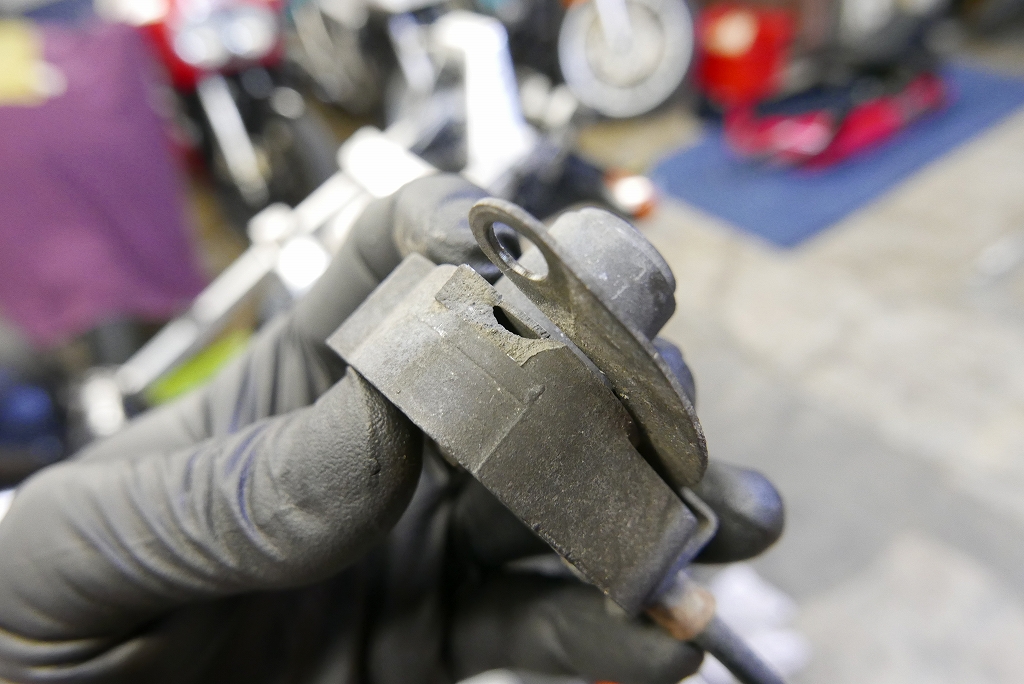
One boss on the seat lock had weathered and broken off. (No problem with use.)
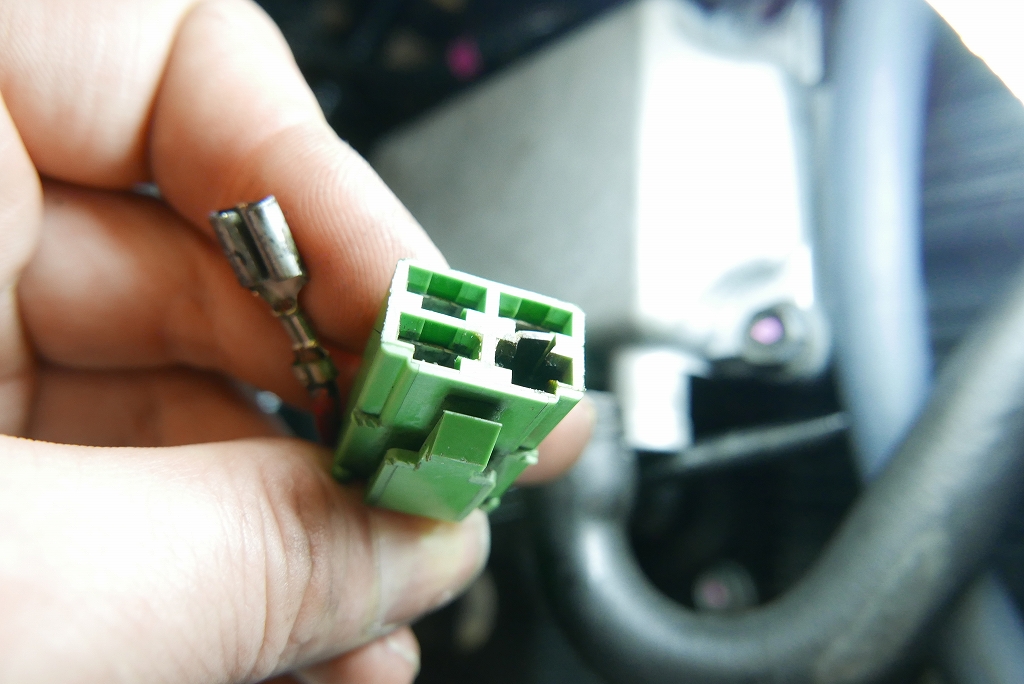
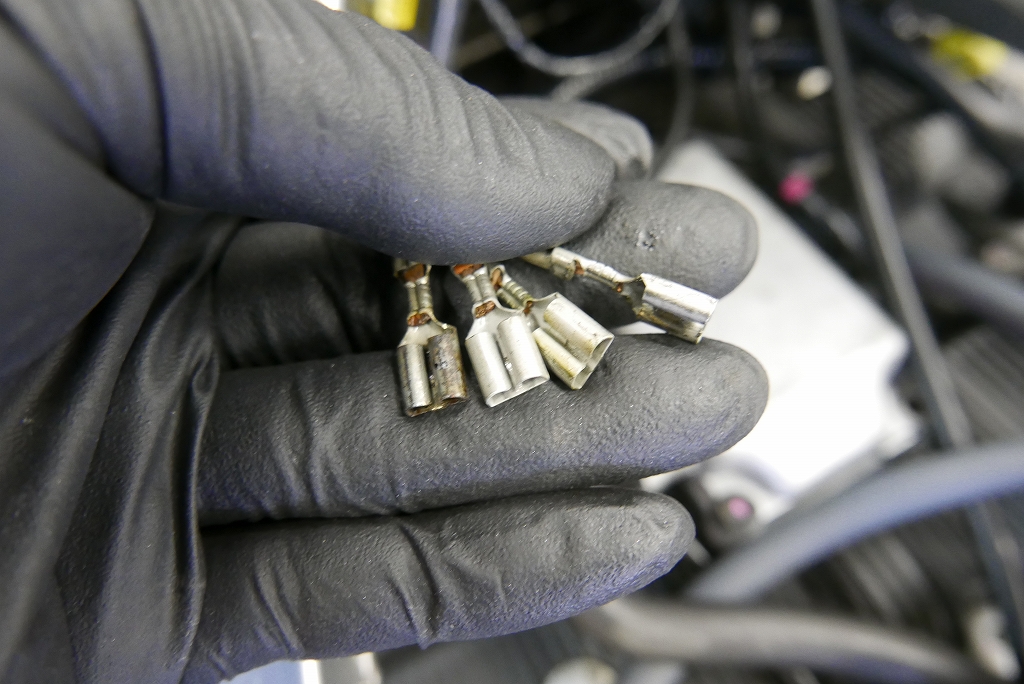
The main key connector was a bit burned, so we replaced the connector too.
Remaining electrical work: right pickup replacement, digital ignition power, and optional power routed under the seat—done!