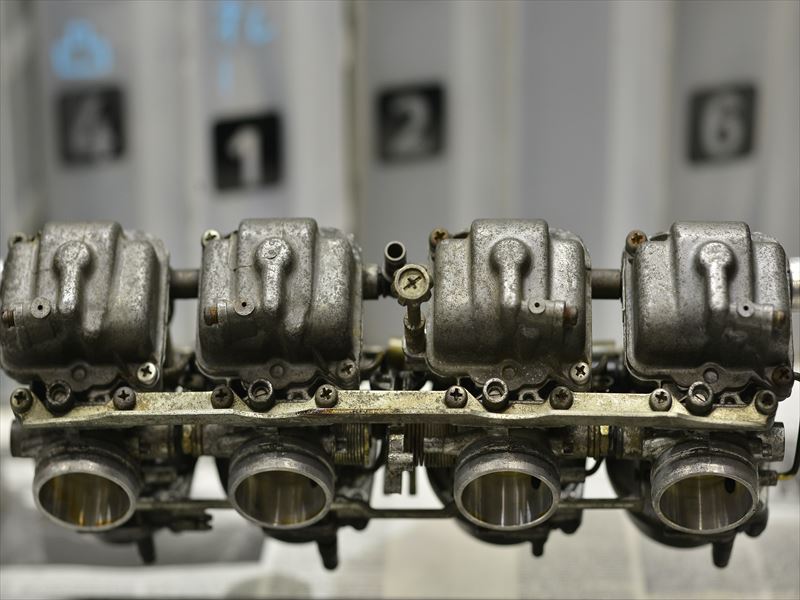
Let’s do a carburettor maintenance overhaul.
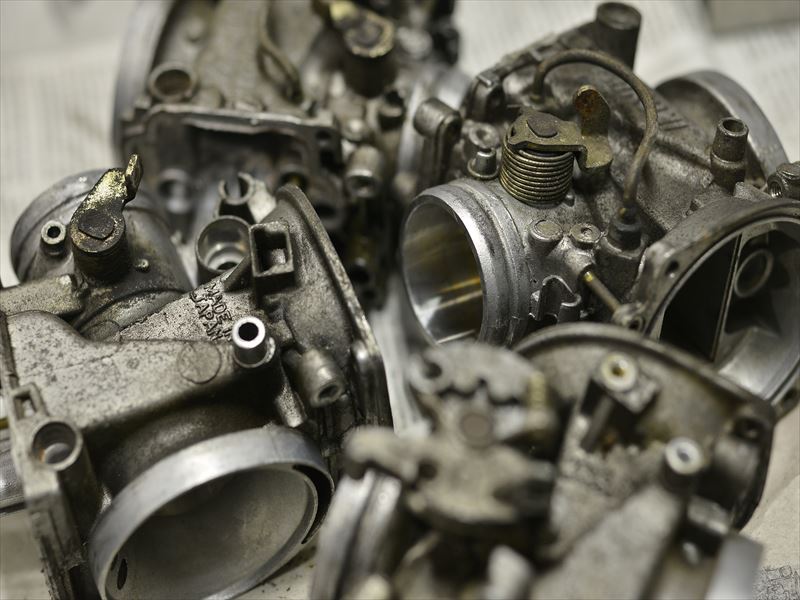
We disconnect the linkage and work on it as a single unit. I find vacuum carburetors far easier to work with than constant-opening ones.
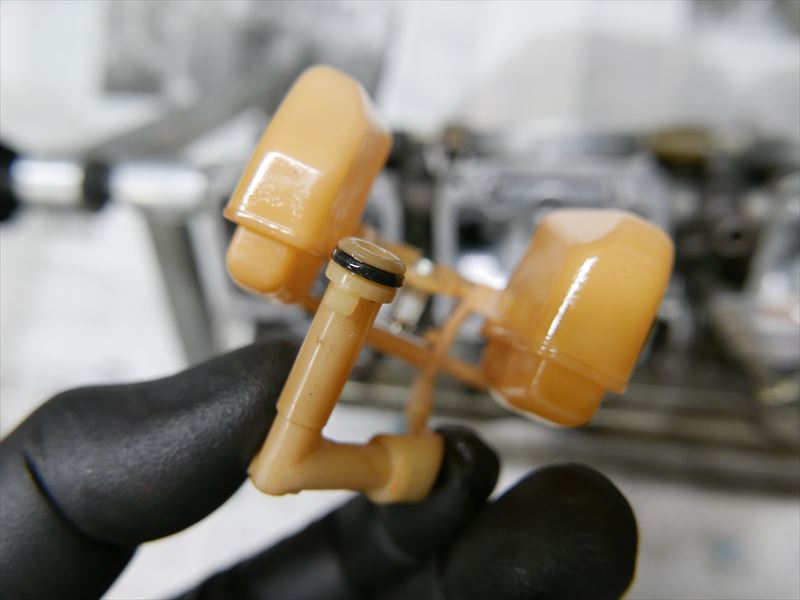
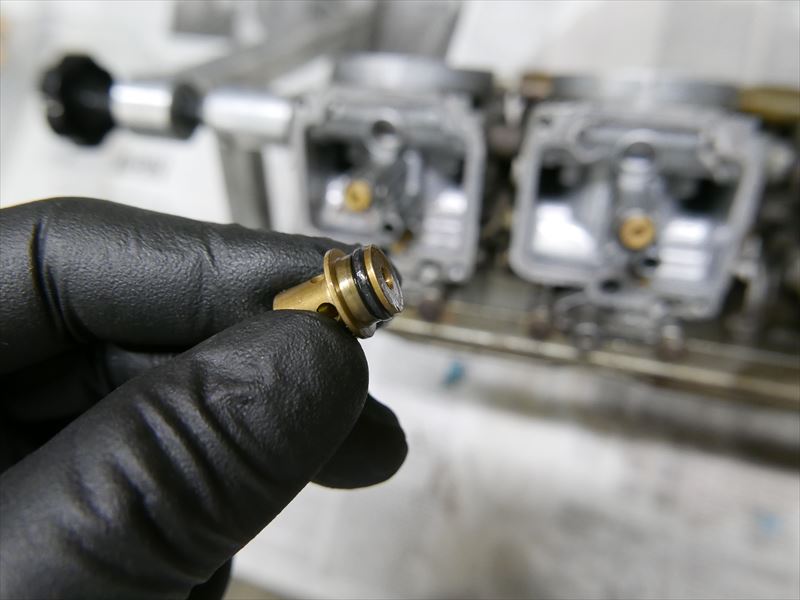
The key points are the float valve o-ring, the float o-ring, and the fuel level.
Of course, it’s also important that the passages function normally.
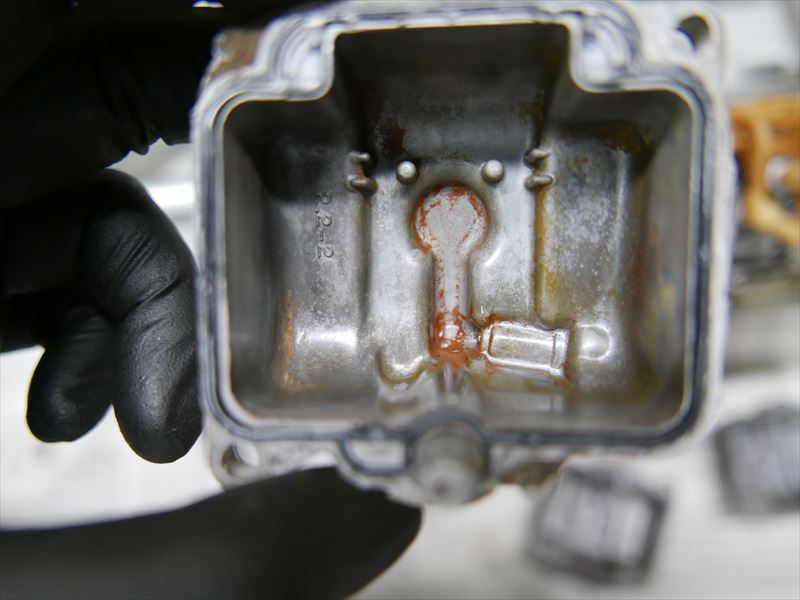
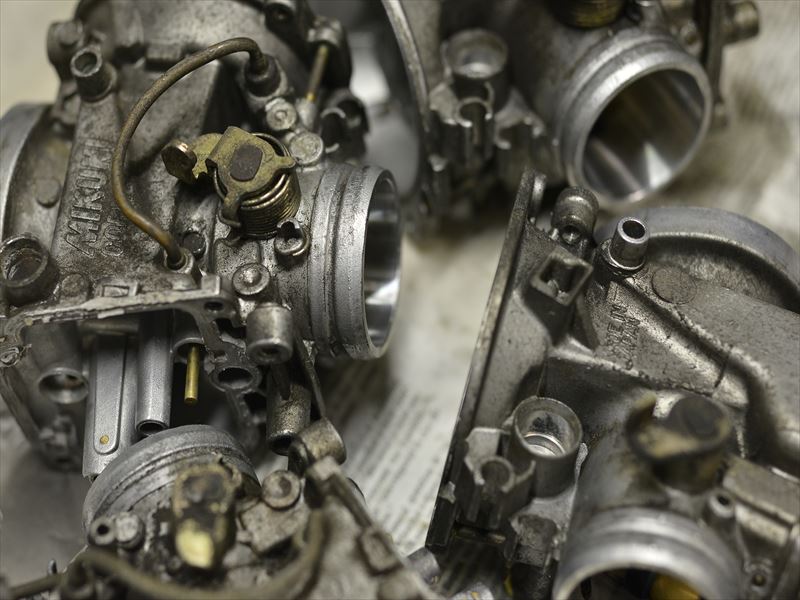
There’s rust, naturally (from the tank before replacement), and you can see signs of water contamination.
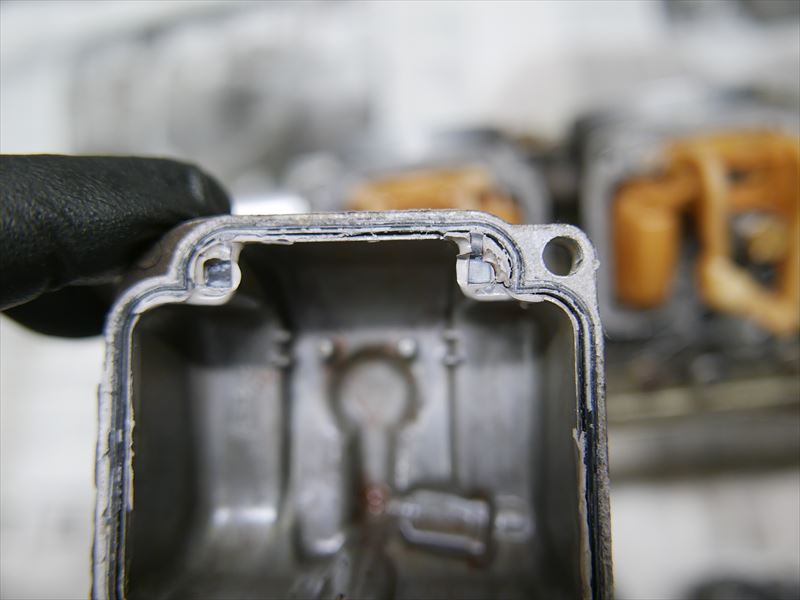
With standard liquid gasket… honestly, I think, don’t apply it in the first place.
We don’t use it, but if you do, 3M makes a “semi-dry gasoline-resistant liquid gasket” that you could try.
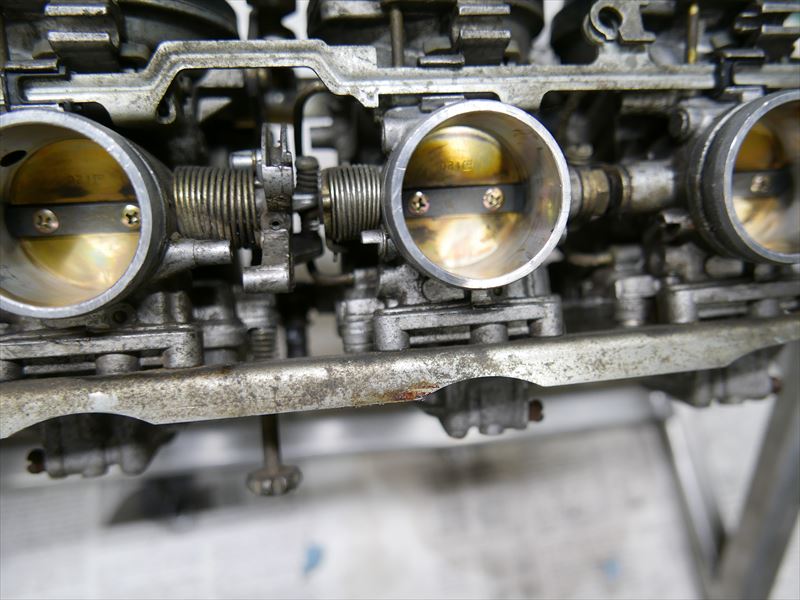
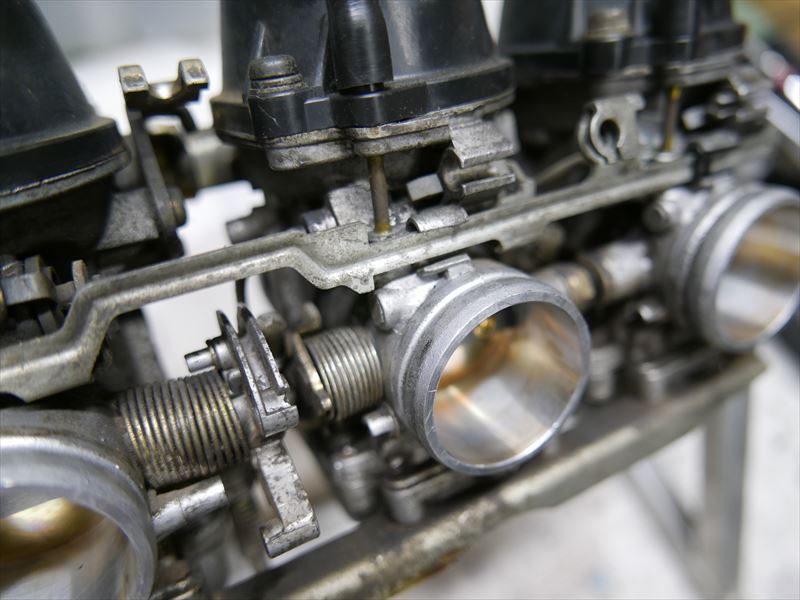
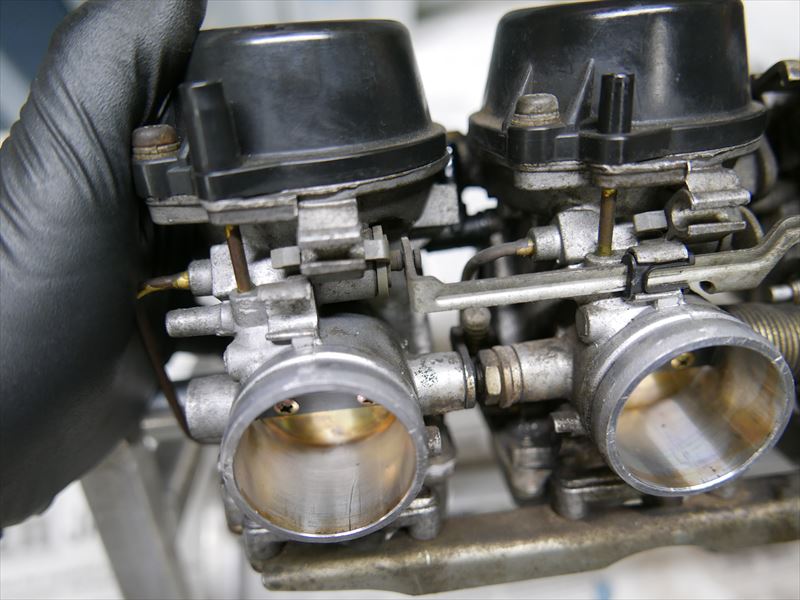
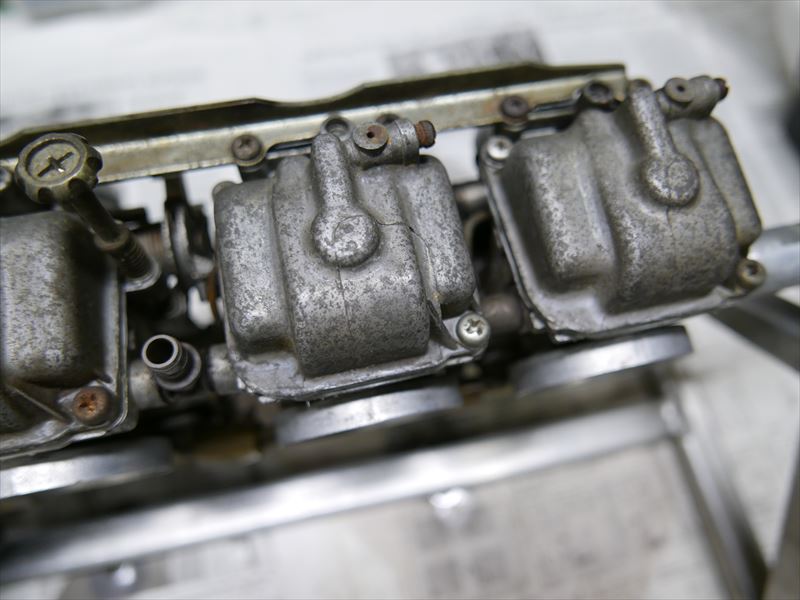
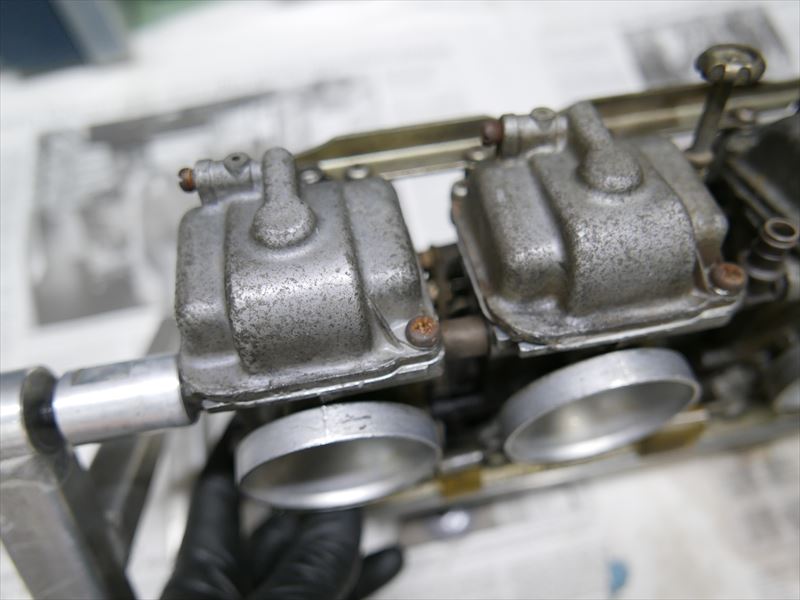
The more you look at it, the more you see this with OEM carbs—they’re good carbs, really.
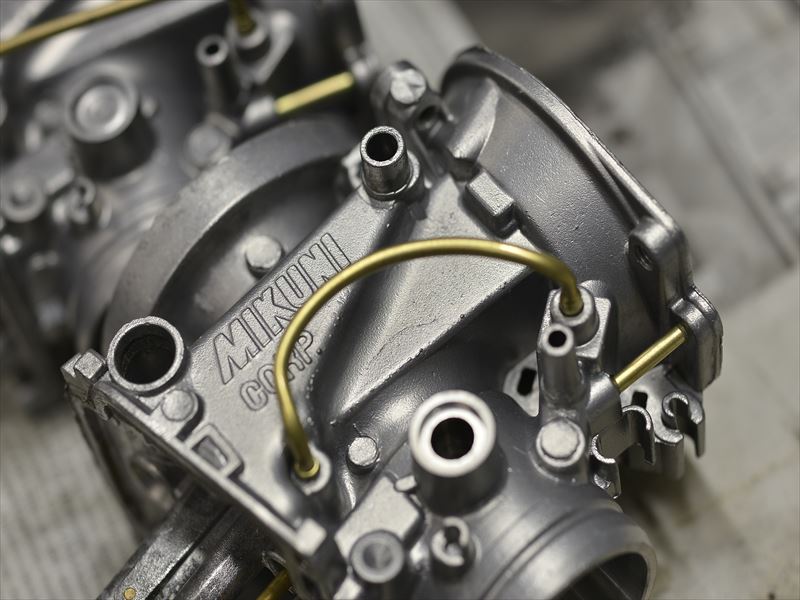
It’s transformed into something beautifully clean.
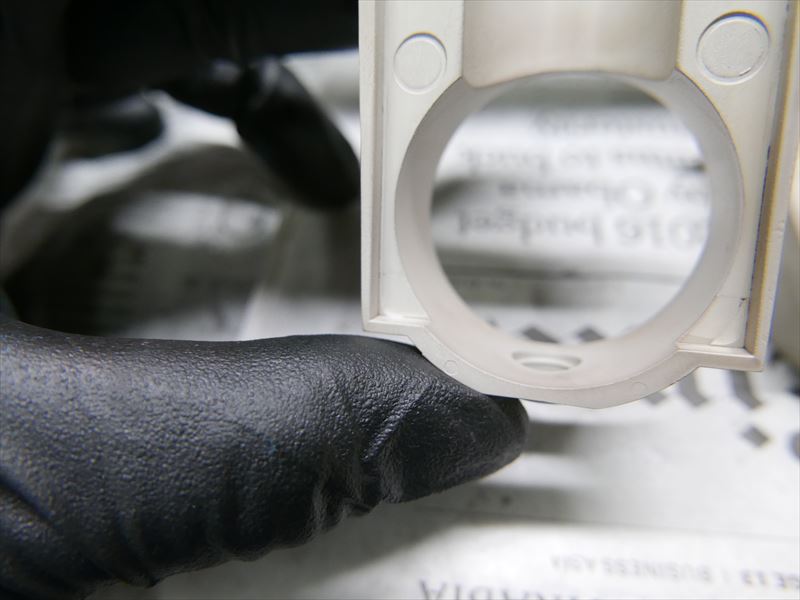
The slide valve block can come out this clean if you do it right.
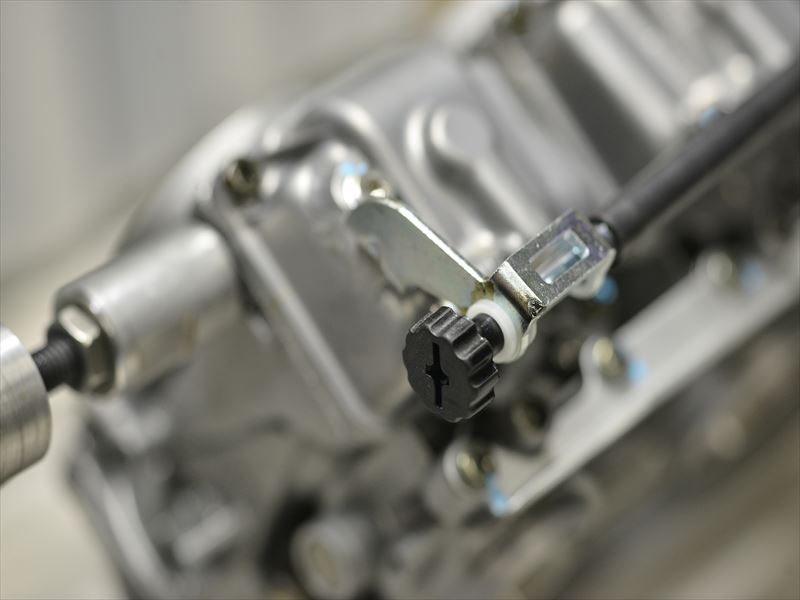
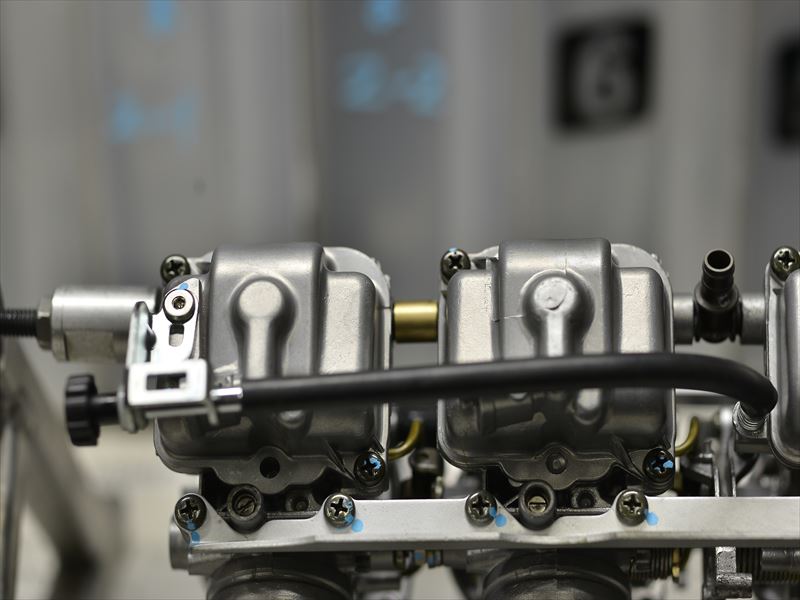
We adapted and installed a remote control unit from a Bandit 1200 BSR.
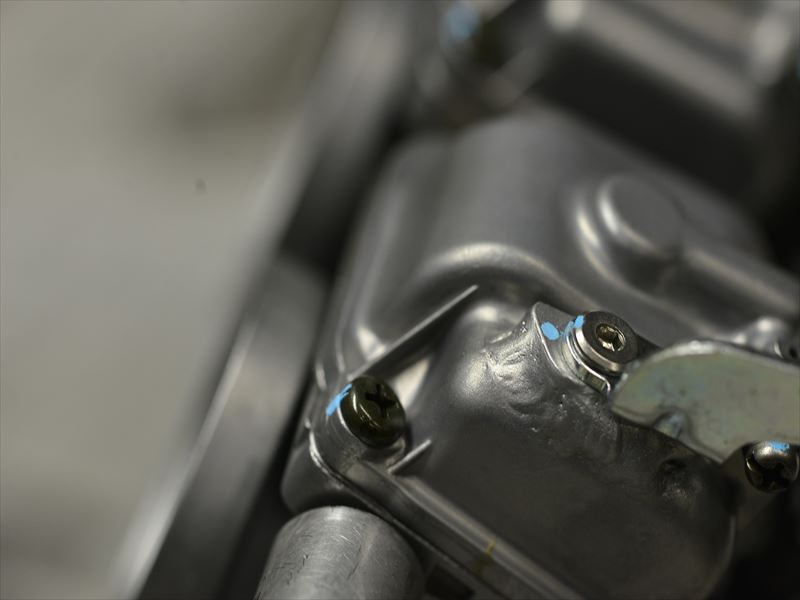
The block has to be welded so it doesn’t protrude into the float chamber, so it won’t fit as-is. The adjuster length also needs to be extended a bit to work.
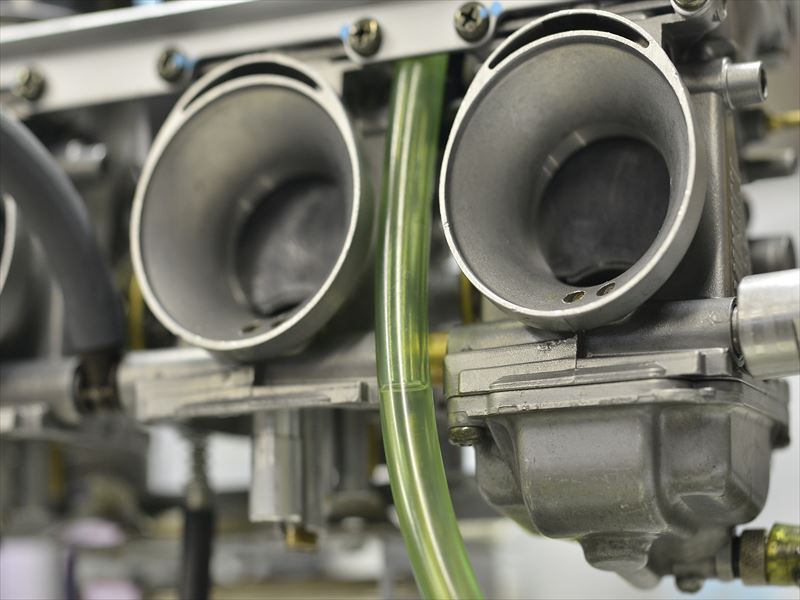
When the float isn’t firmly secured, you often see a difference between the BST float level and the actual fuel level, so checking carefully reduces ambiguity.
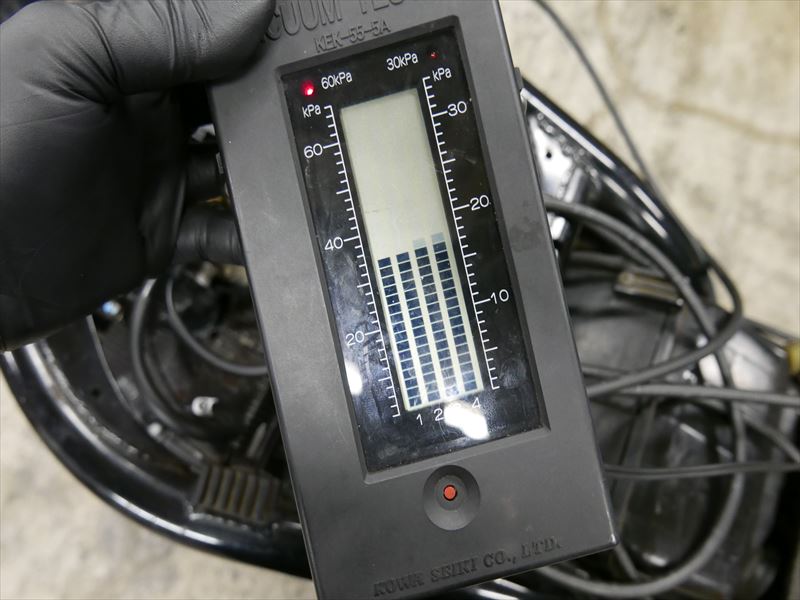
After that, we adjust the synchronization and we’re done.
We haven’t done anything special, so it should be in a “standard” state rather than “perfect tune.”