Well, we’re almost at the end of the year. Thank you so much for everything!
So it seems there are bikes out there with brakes that don’t work well—but people tend to just say they work or they don’t, when actually there’s more to it than that.
It’s not just about that.
The feel when you apply the brakes, absolute stopping power, the transient characteristics of braking force, and fade resistance—these are all important.
The feel is all about touch, and if you can achieve linear braking force from the initial application all the way through, you can use close to 100% of the bike’s capability.
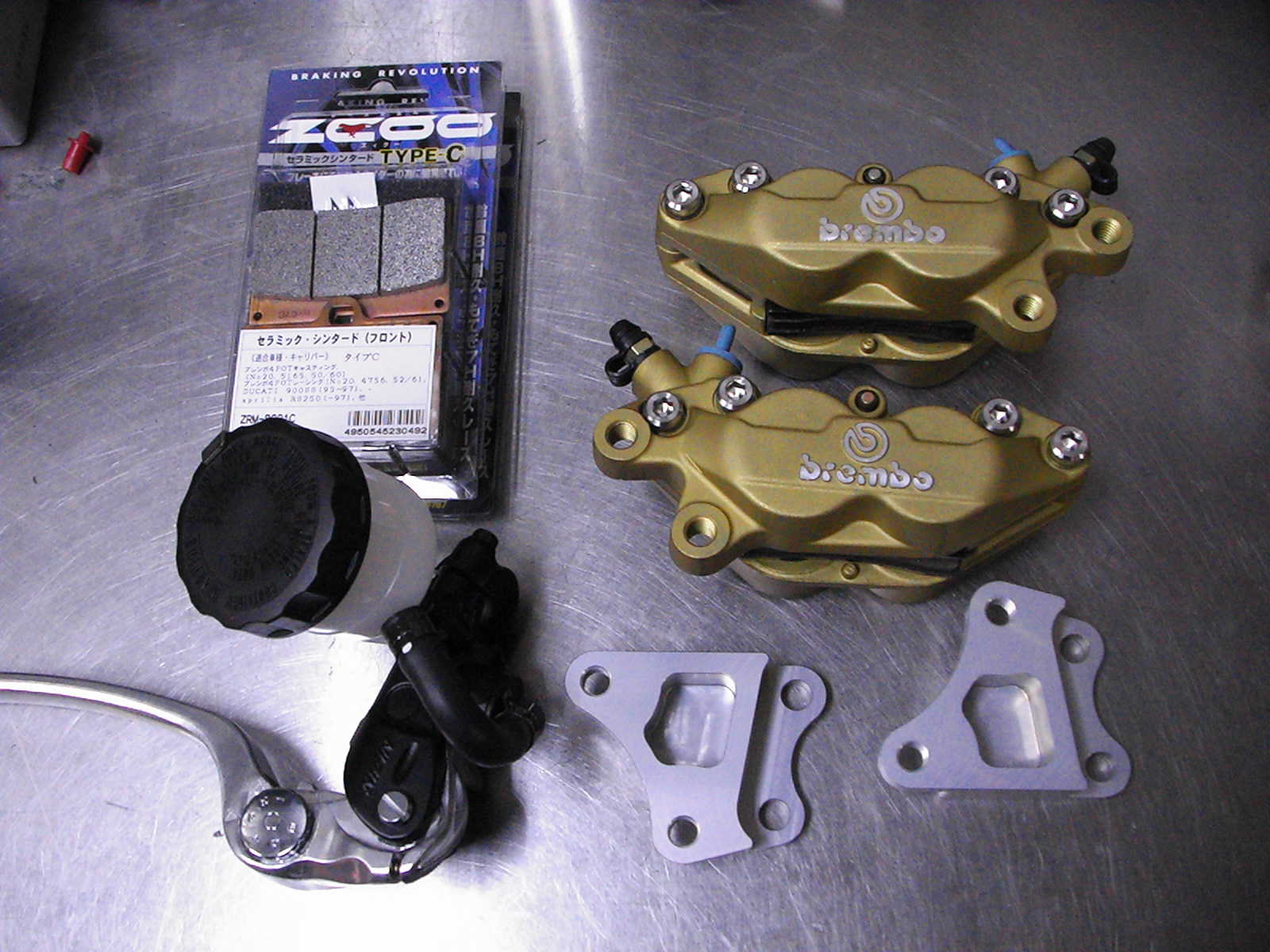
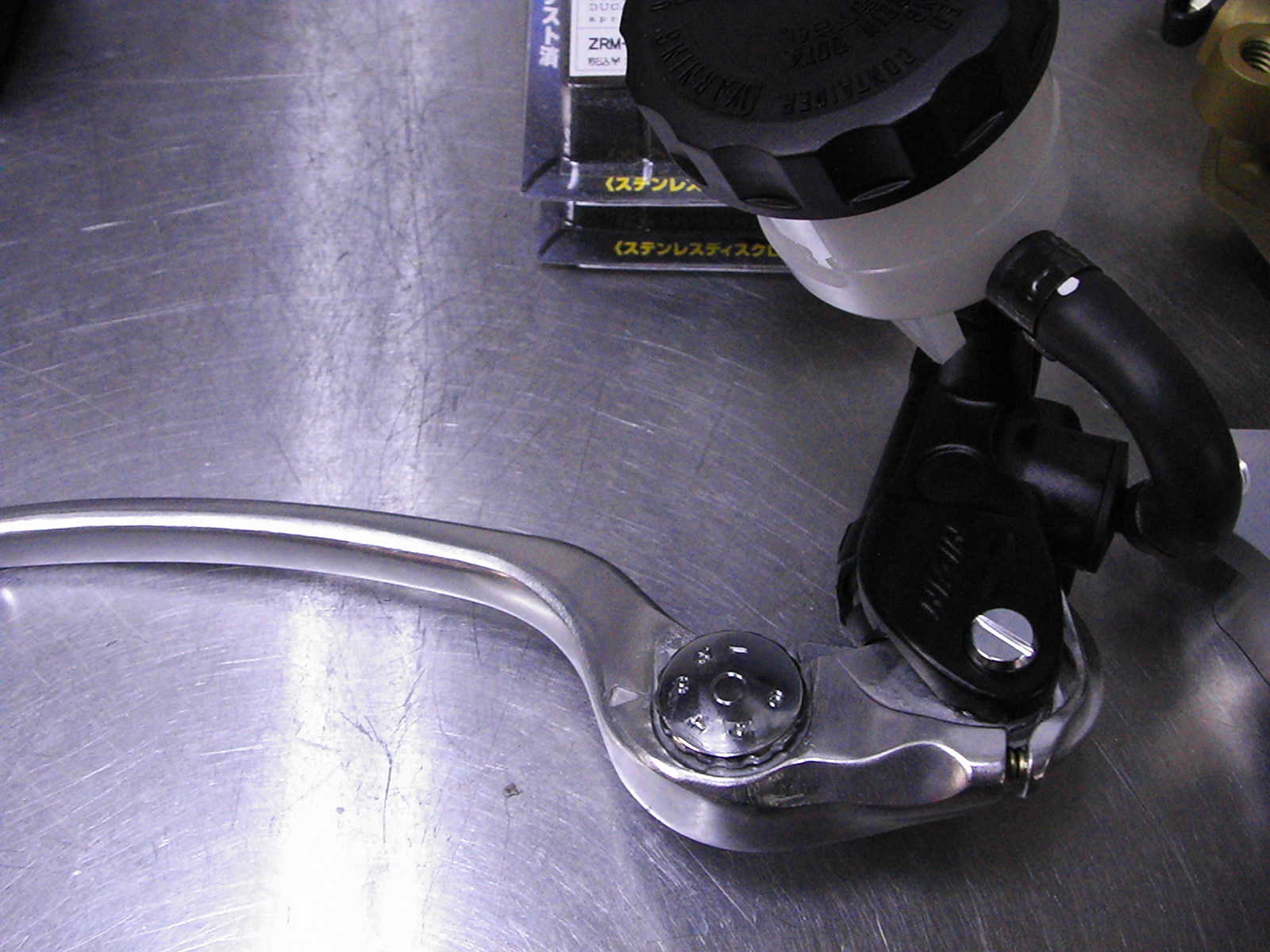
A brake master cylinder makes a big difference for that, but they’re expensive!
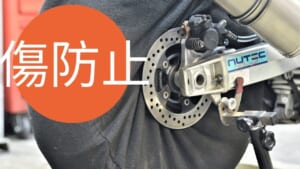
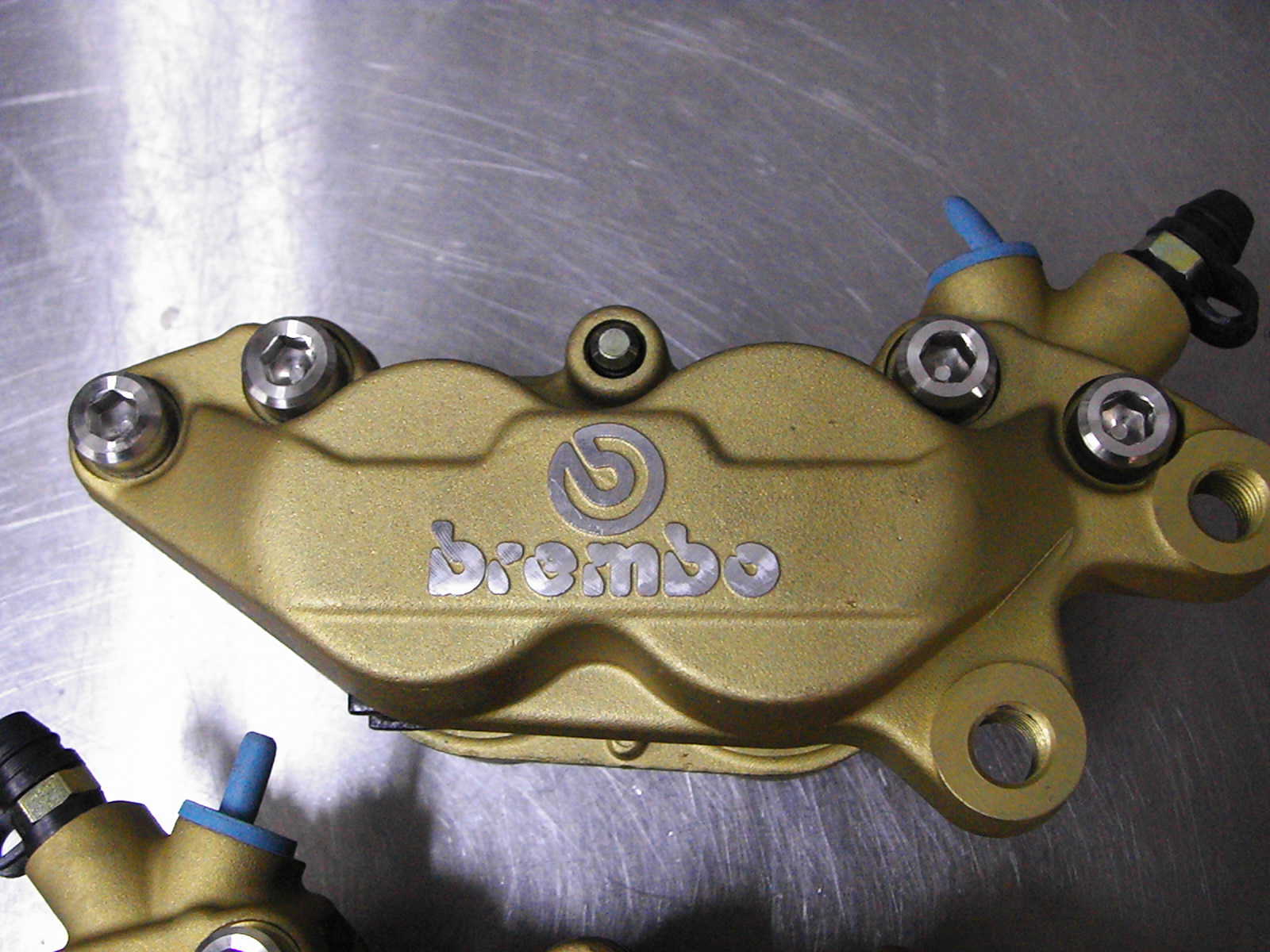
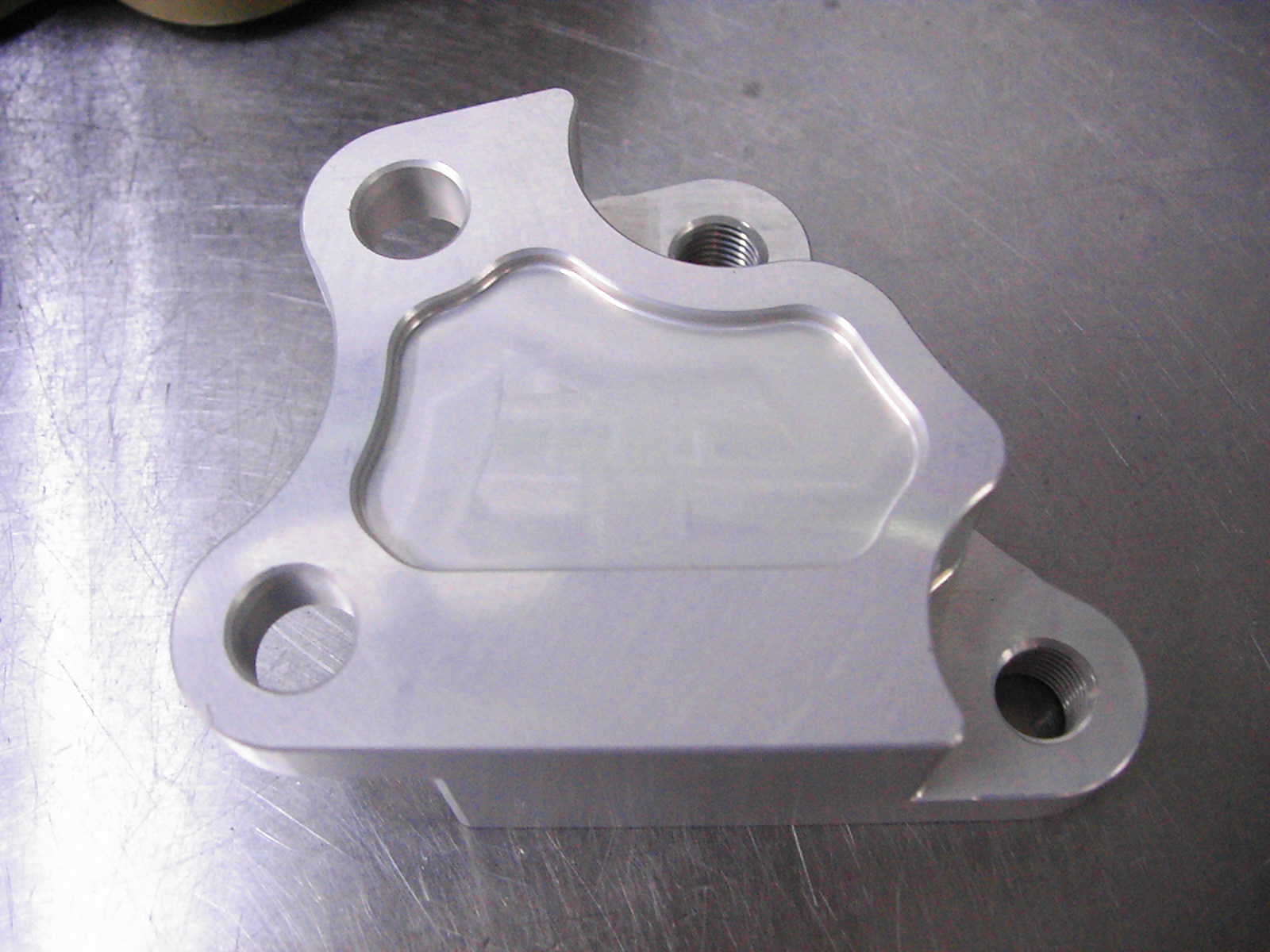
Cleaning the calipers, surfacing the pads, seating the pad pins, and centering the calipers really do make a difference! And braided hoses too!
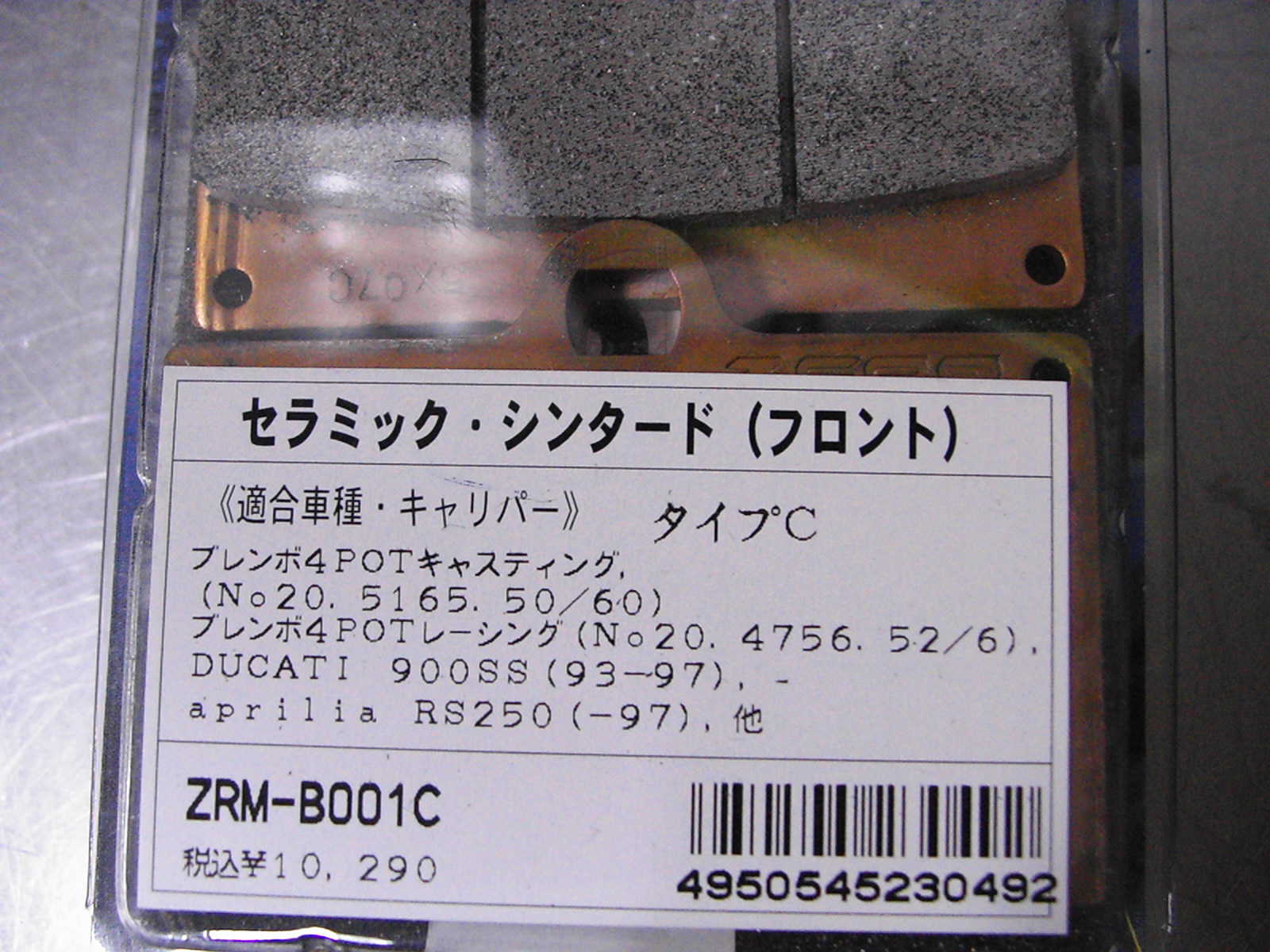
For stopping power, it’s important to explore the compatibility between pads and rotors. Some pads have really sharp initial bite,
and rider preference comes into play. It’s really fun to try different combinations.
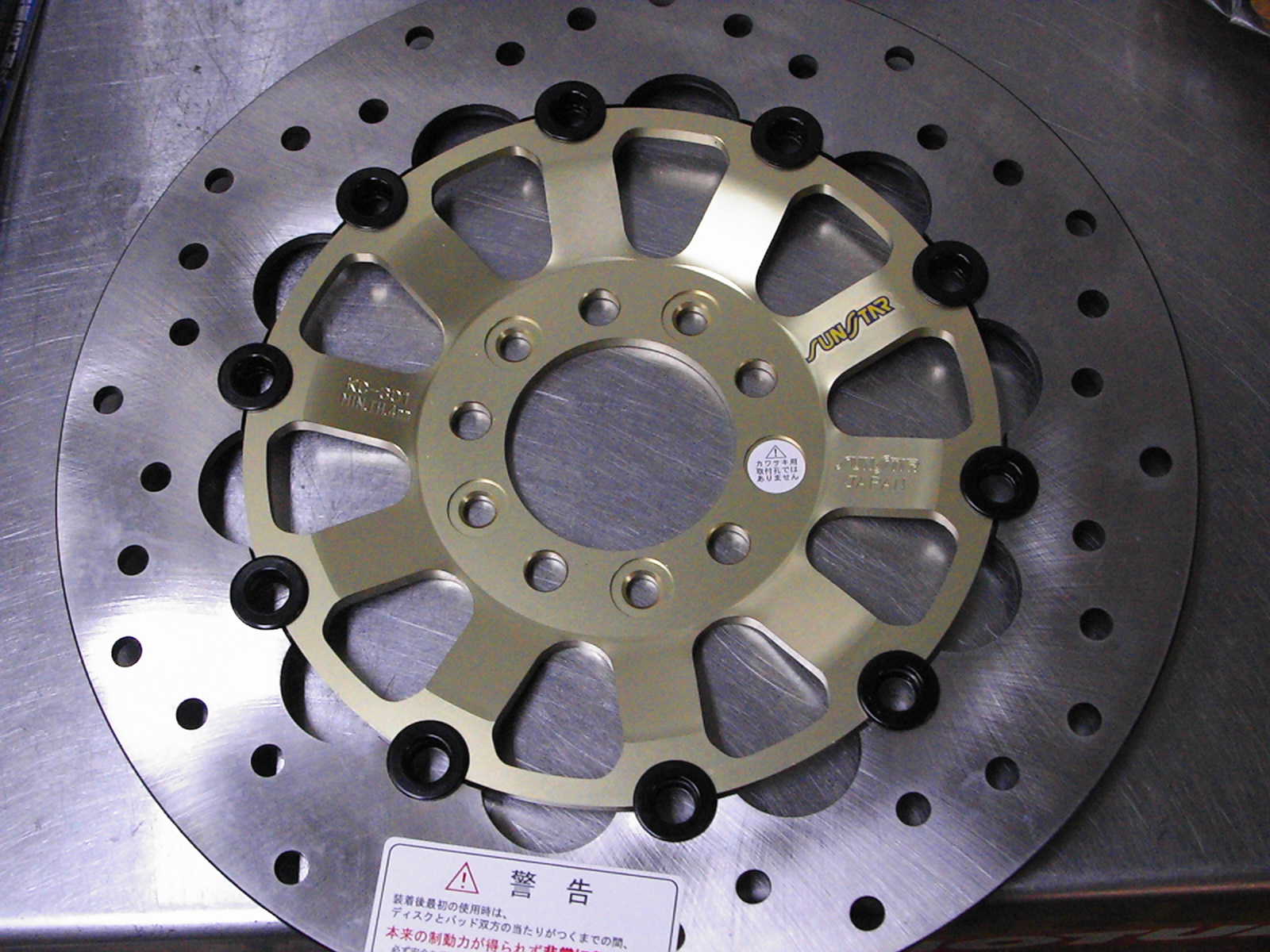
For fade resistance, converting the rotor to floating is very effective, but if you’re not braking hard enough to overheat the rotor,
then it’s probably not necessary.
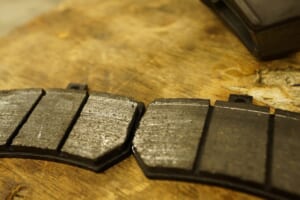
Brake pads need to be properly bedded in and broken in—it’s essential! The same bike can become a totally different machine when it stops well!
The key is keeping the pad surface in fresh condition at all times!
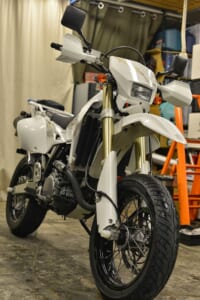
And finally, if you adjust the fork settings a bit, it gets even more fun. When front braking power increases,
the compression stroke gets longer. Measure the remaining travel carefully, then adjust the oil level and viscosity to match,
and it becomes more like an extension of your own body!
Other people’s opinions matter, but what’s really important and fun is building a machine that responds like your own hands and feet.