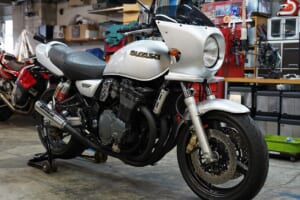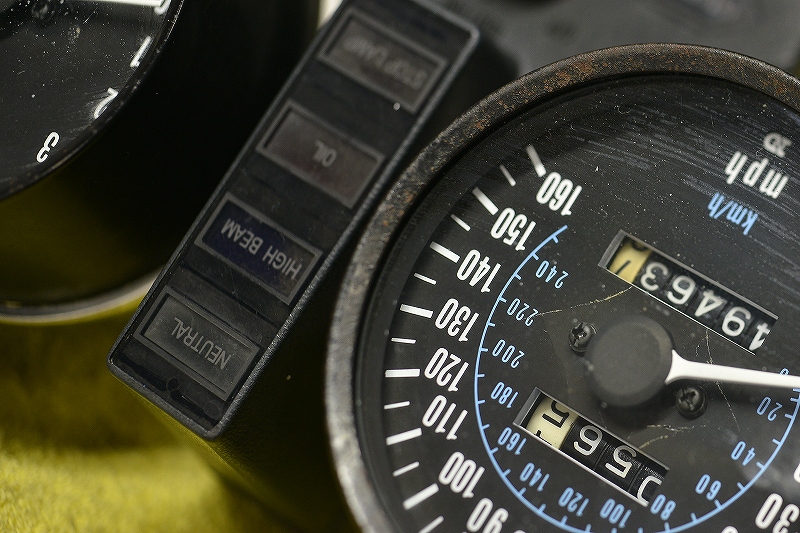
Meter replacement/relocation, handlebar replacement, lens replacement, and direct battery relay installation.
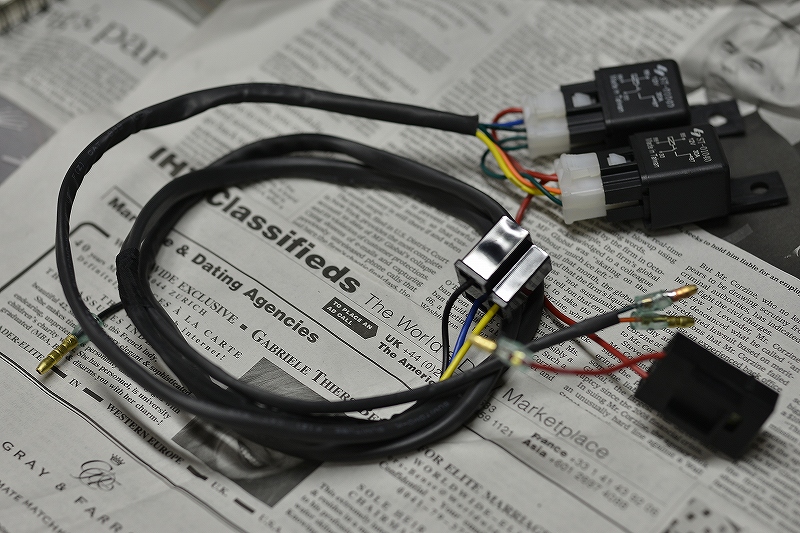
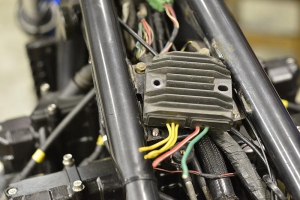
We use a Daytona relay. You can make one yourself, but when you factor in two relays, an H4 connector, fuse, and wiring, it’s easier to just buy one and shorten it.
It’s nice that there’s no relay on the headlight side. The area around the neck stays clean. We fixed the body with push rivets—plastic to plastic. I’ll skip the details.
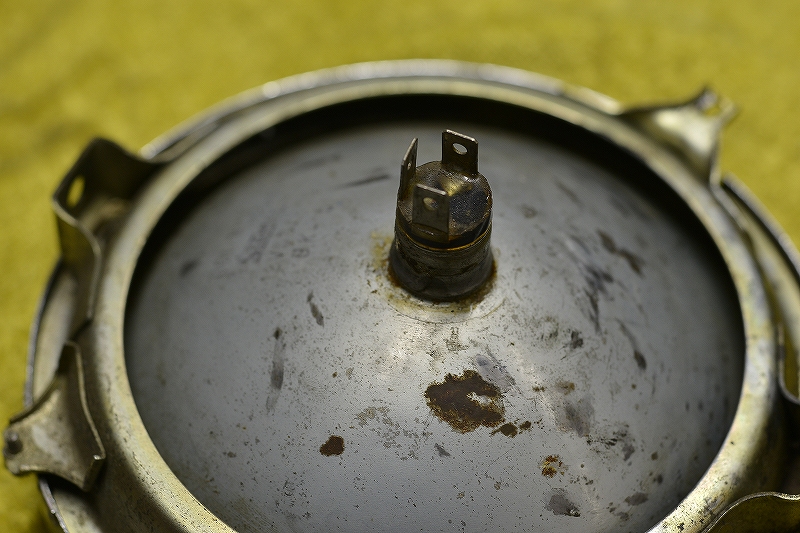
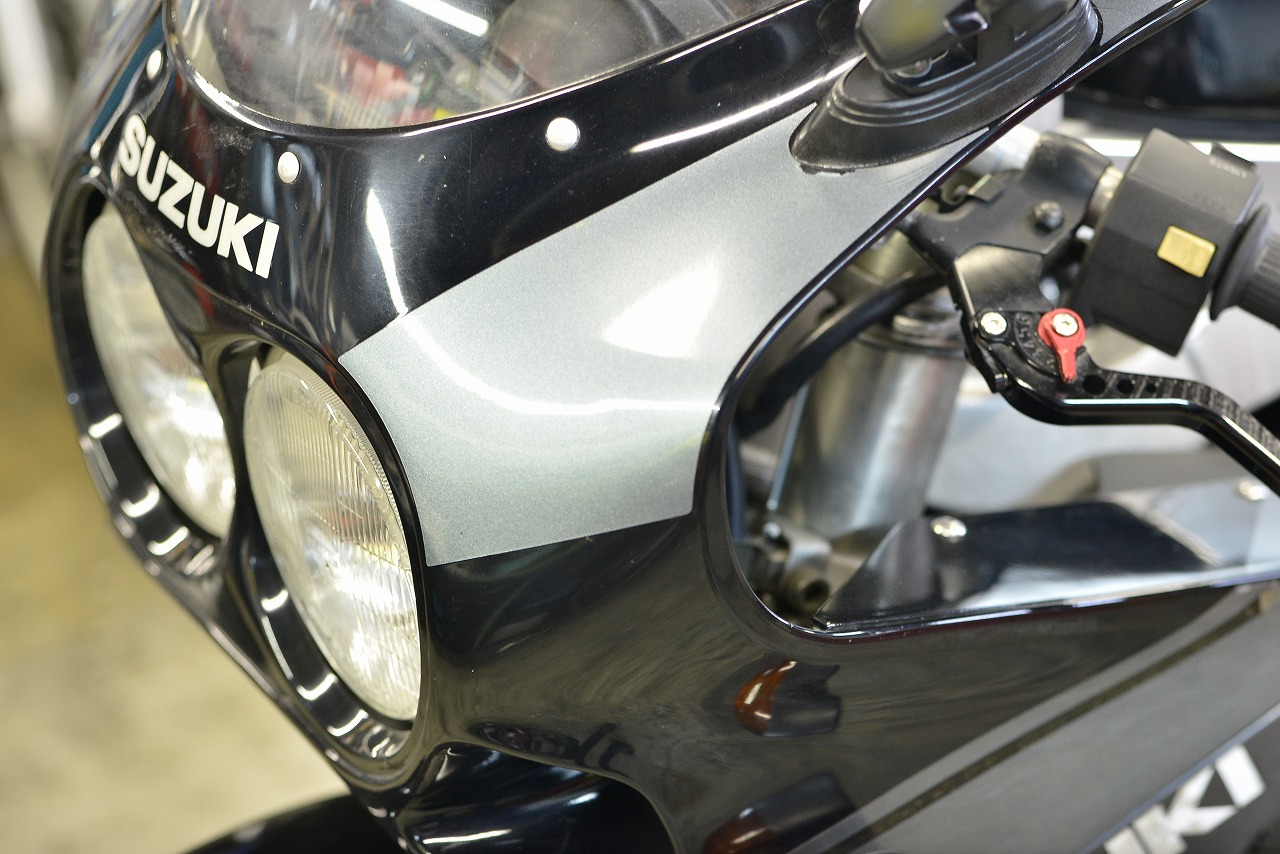
A sealed beam headlight—something you don’t see often these days. You can think of the lens as a sphere.
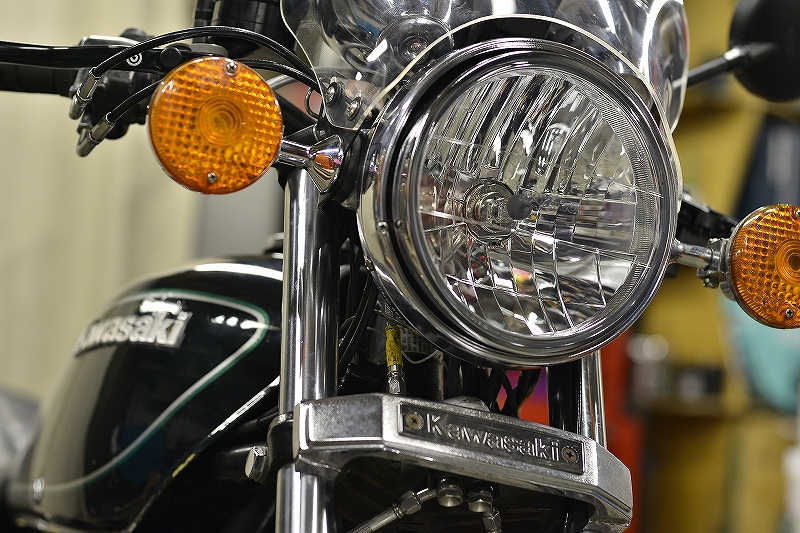
After swapping out the lens, it looks clean. I used to think this didn’t suit a classic bike, but lately I’ve been leaning more toward neo-classic styling, and now it really strikes my fancy.
The plastic lens is extremely lightweight, and its light-gathering properties are excellent—the luminous intensity rises noticeably. Those weird, sketchy multi-reflector lenses have poor internal plating, so you can’t expect the hardening to hold up.
There’s also left-right optical axis adjustment, so you can feel confident. Installing a lens without adjustment is a pain during inspection.
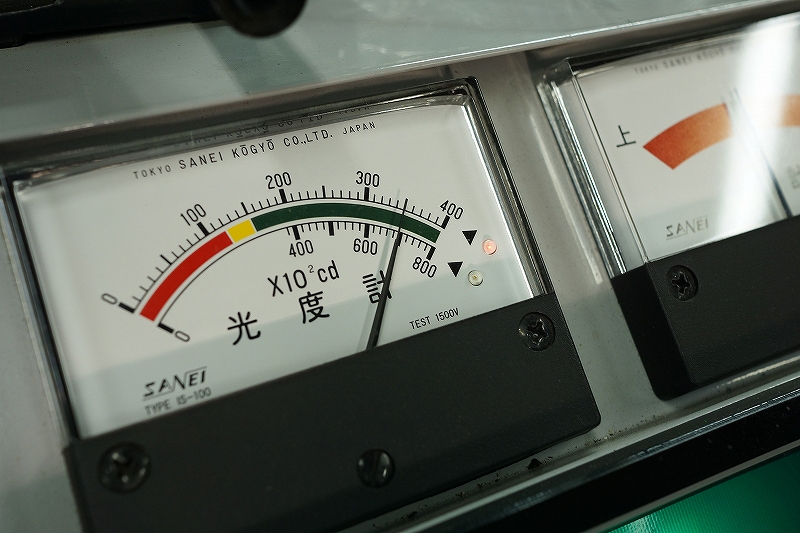
The relay naturally helps, but we’re getting 35,000 cd. In terms of luminous intensity, I’d say it’s better than current production naked bikes.
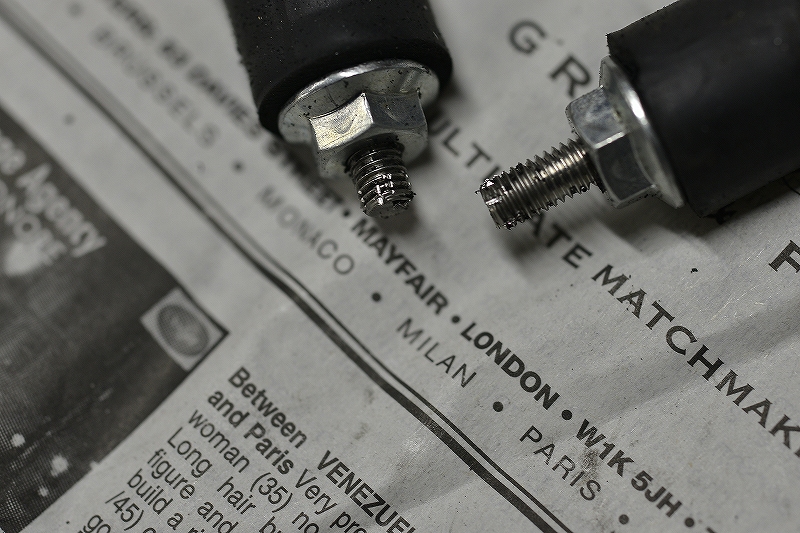
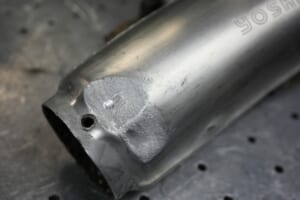
The bar end wouldn’t come off, so we ended up cutting the handlebar with a metal saw and removing the rubber. It helps if you tighten the nut lightly so it doesn’t fall out.
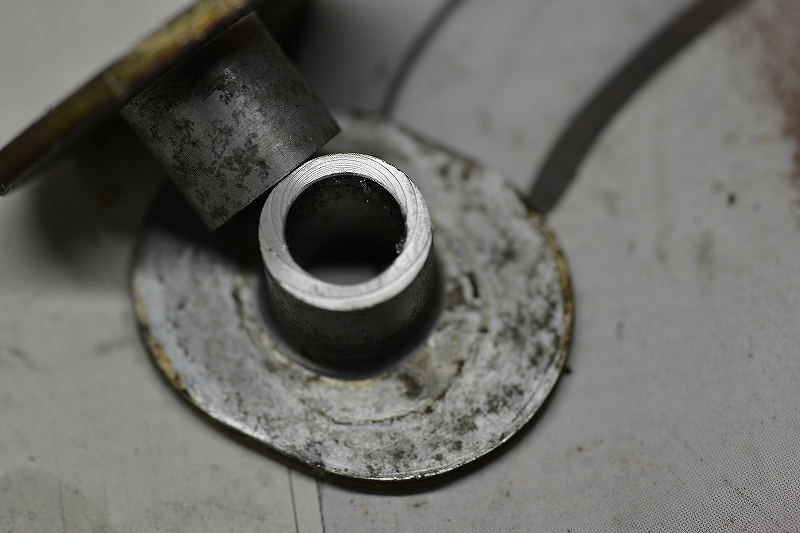
Out of order, but when we moved the turn signal position, the bracket’s thread length was too short for the visor to be co-tightened. We had to thin the spacer and damper by about 3 mm.