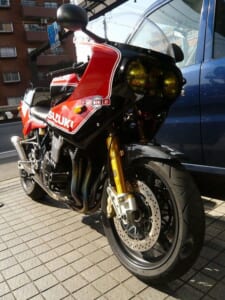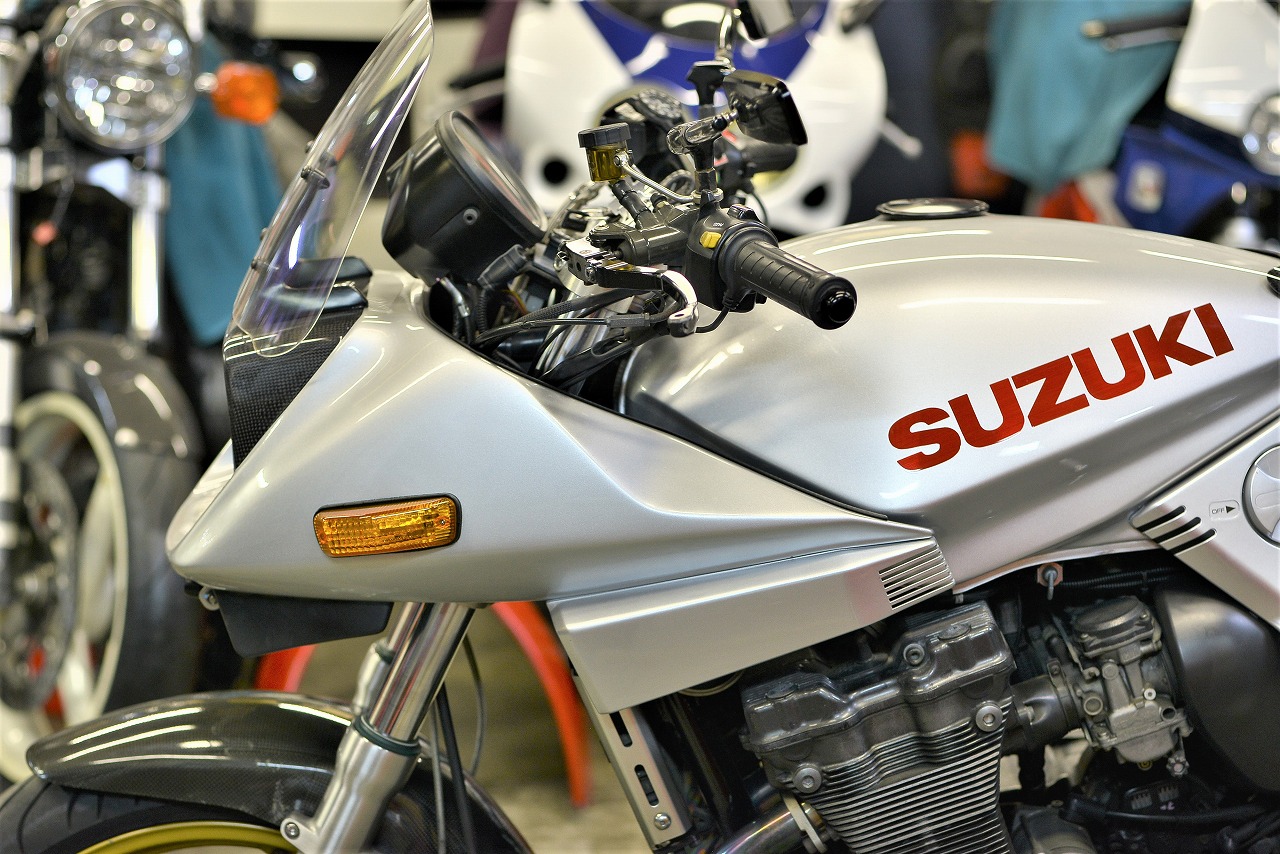
Thank you as always for the Inazuma 1200 oil-cooled Katana. The rear brake was pulsing, so it was an emergency pit stop.
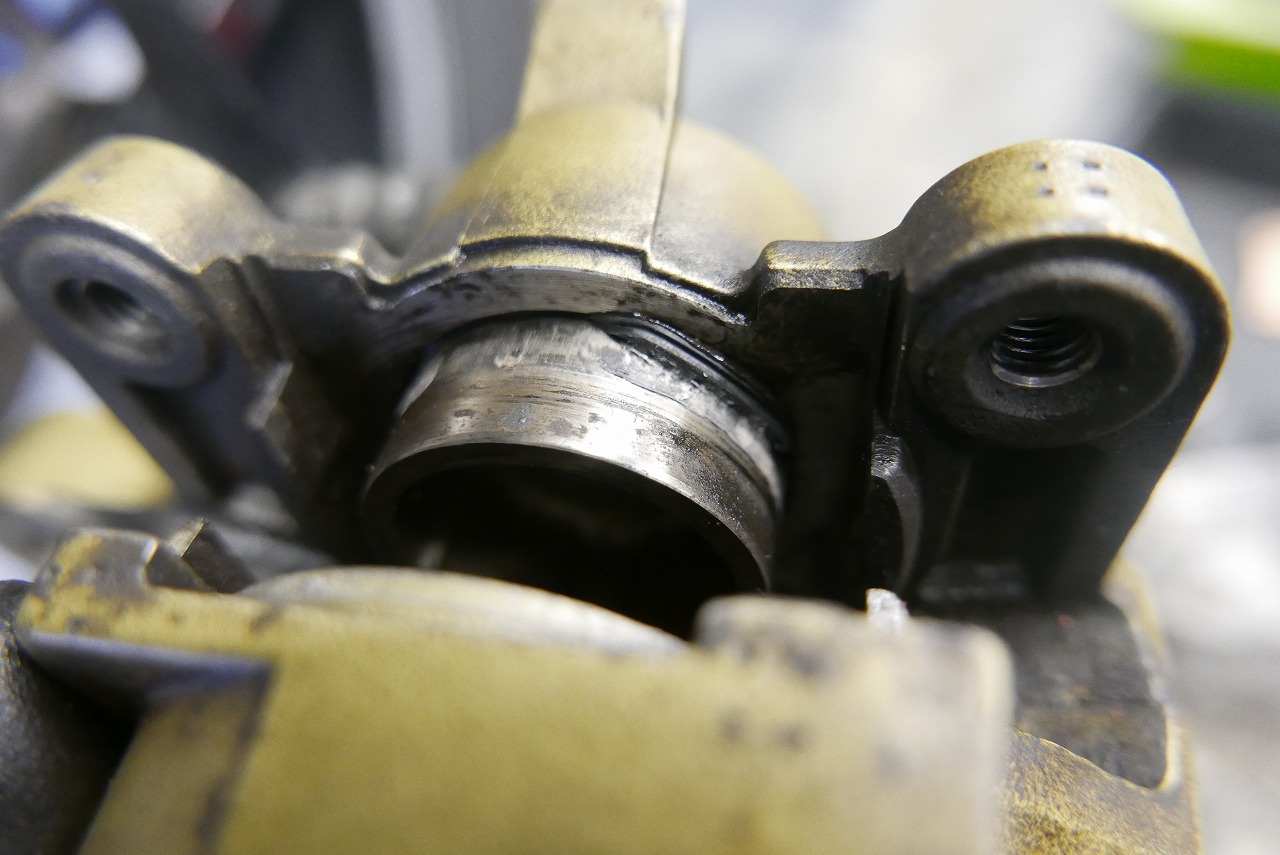
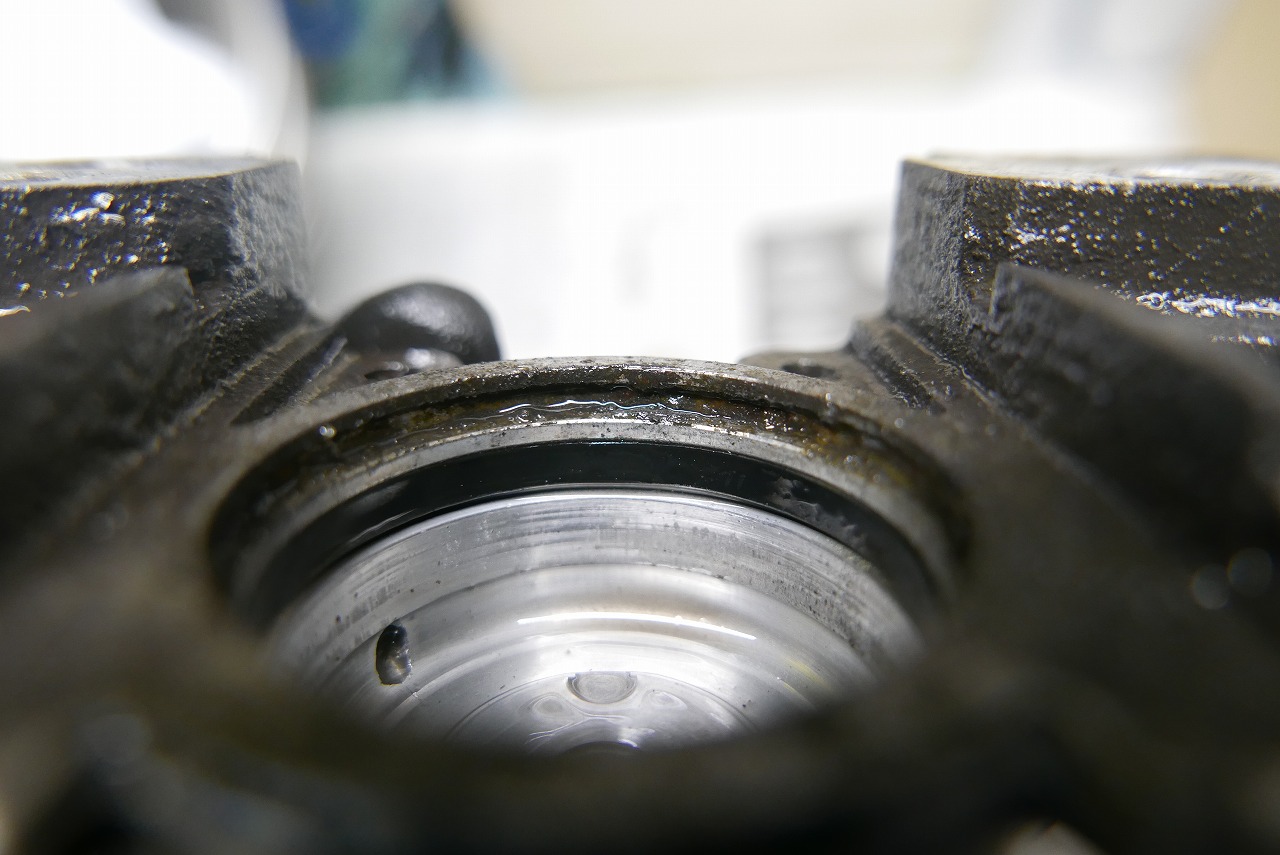
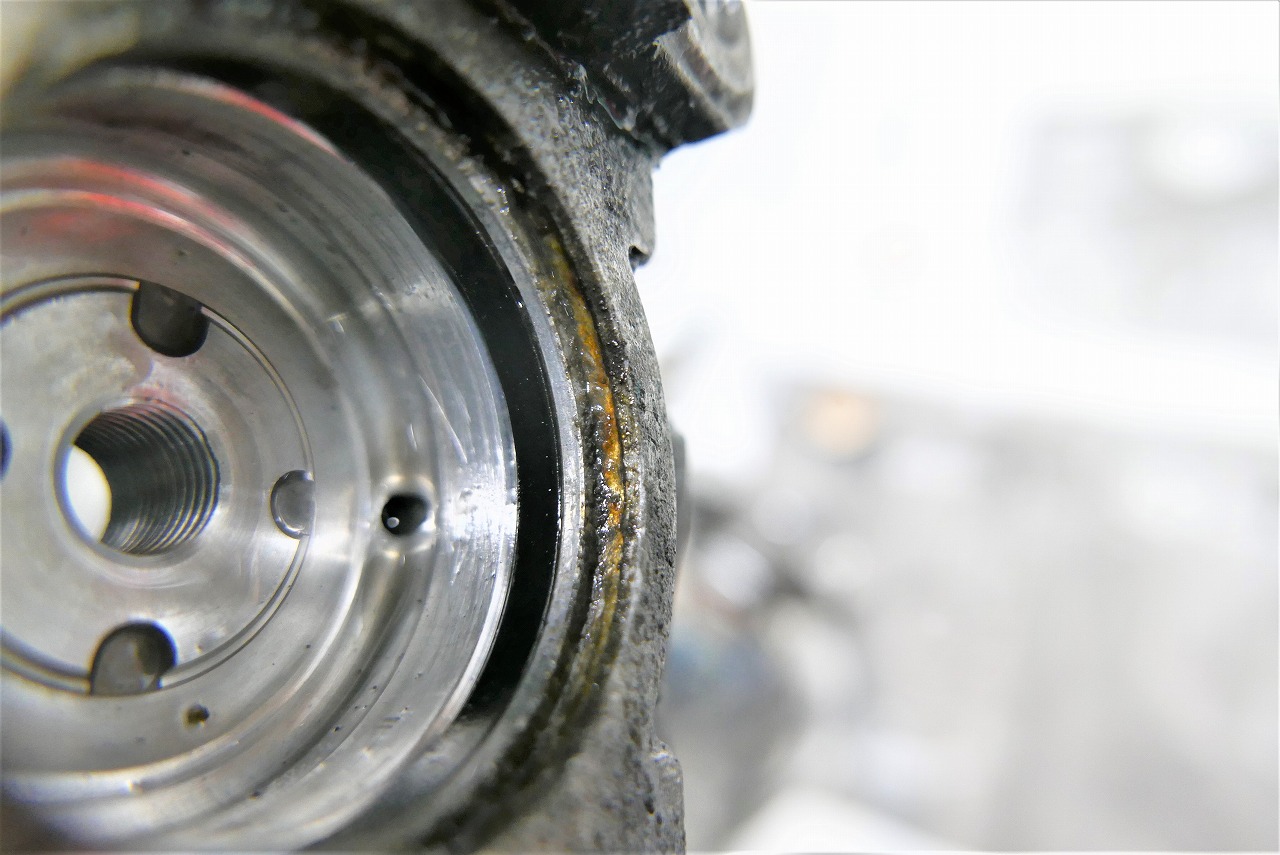
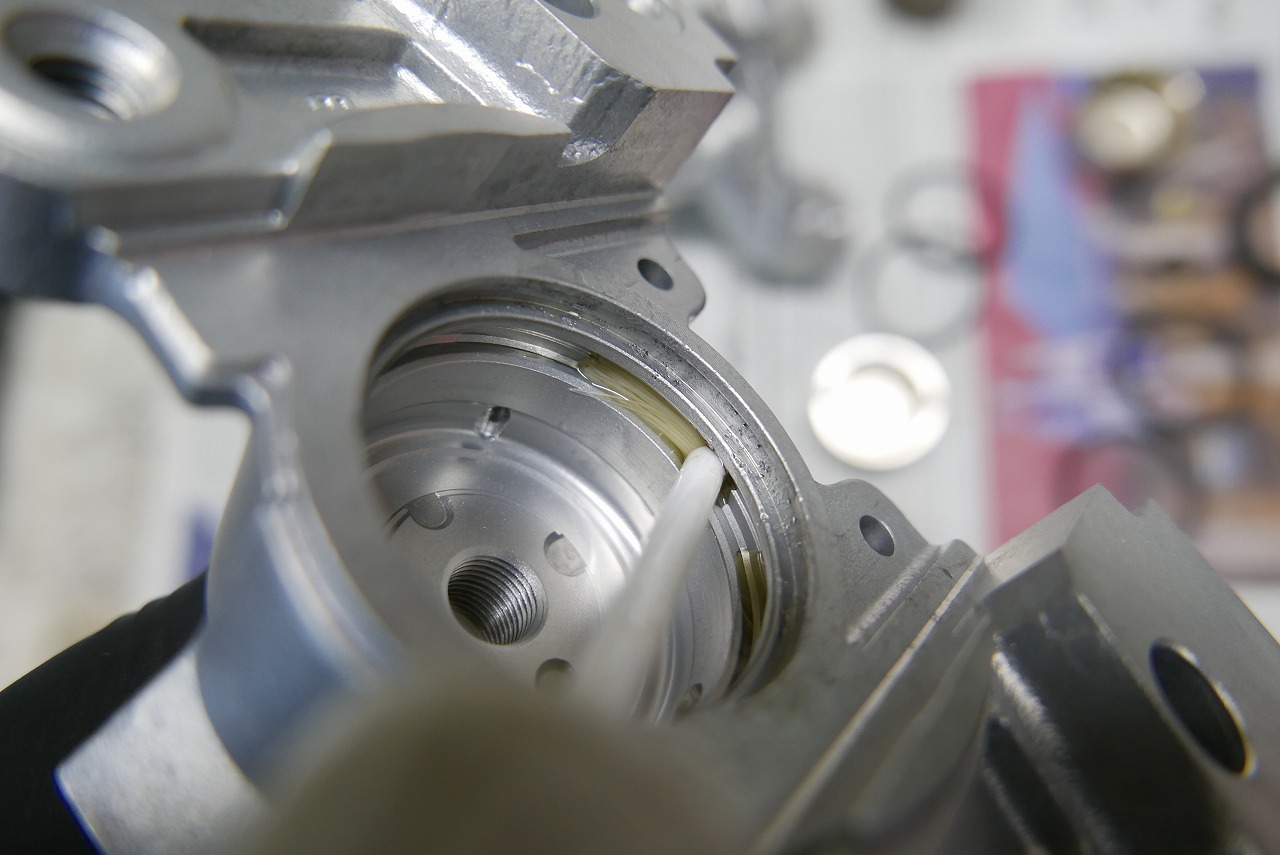
“Jagged grooves → deform the dust seal and corrode it → piston sticks and rear rotation becomes sluggish.” That’s how it works.
If the caliper piston is stiff, just washing the caliper and massaging it won’t be very effective unless the caliper is in good condition to begin with.
If you’re going to spend time massaging it, I think doing an OH would be better in the long run.
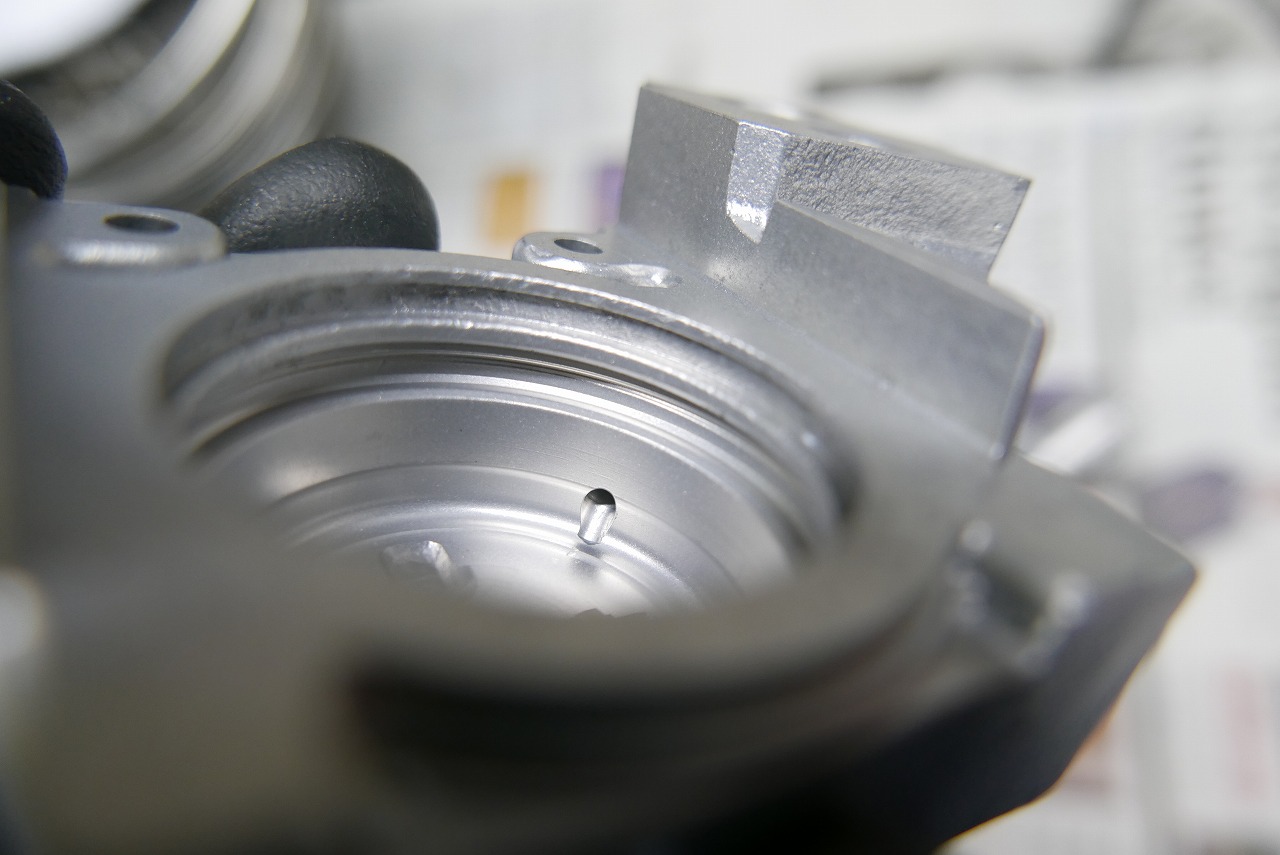
On the other hand, if you buff it to a shiny finish, it seems to corrode more easily. *Though that’s just my impression…
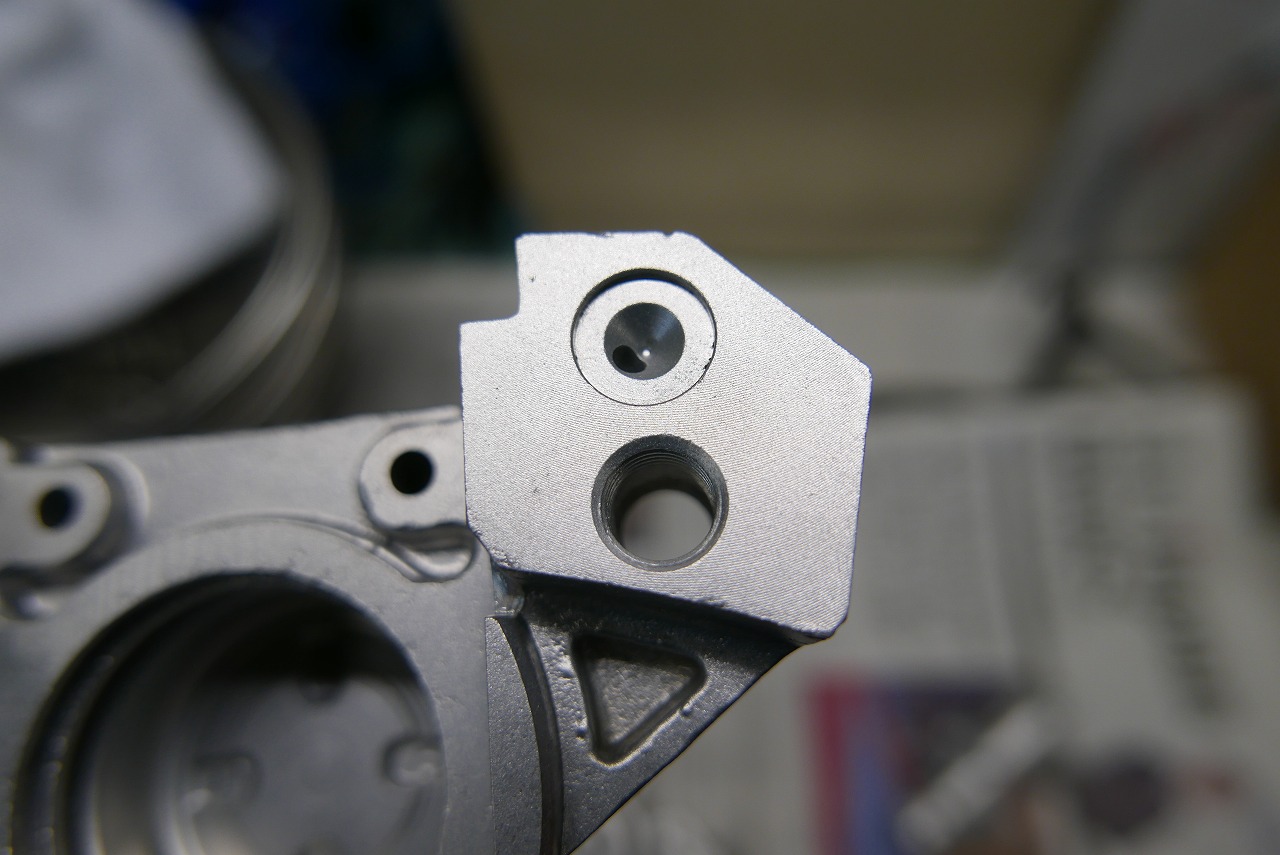
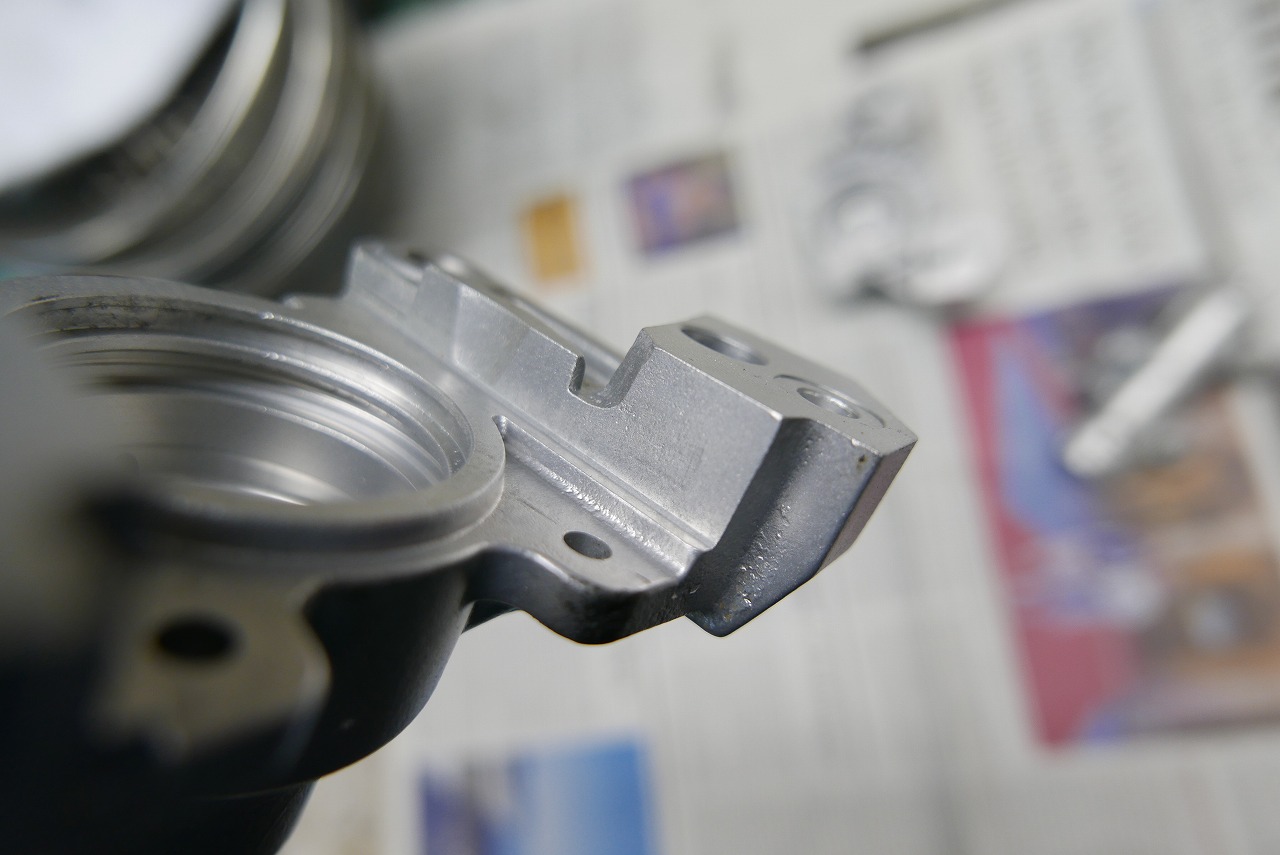
When the person doing the work thinks “it’s not going to get that clean anyway,” the customer doesn’t feel much excitement either.
It’s more like “well, it works, so that’s good enough.”
But still, if it could look as nice as it did when new… or at least reasonably clean… that would be nice.
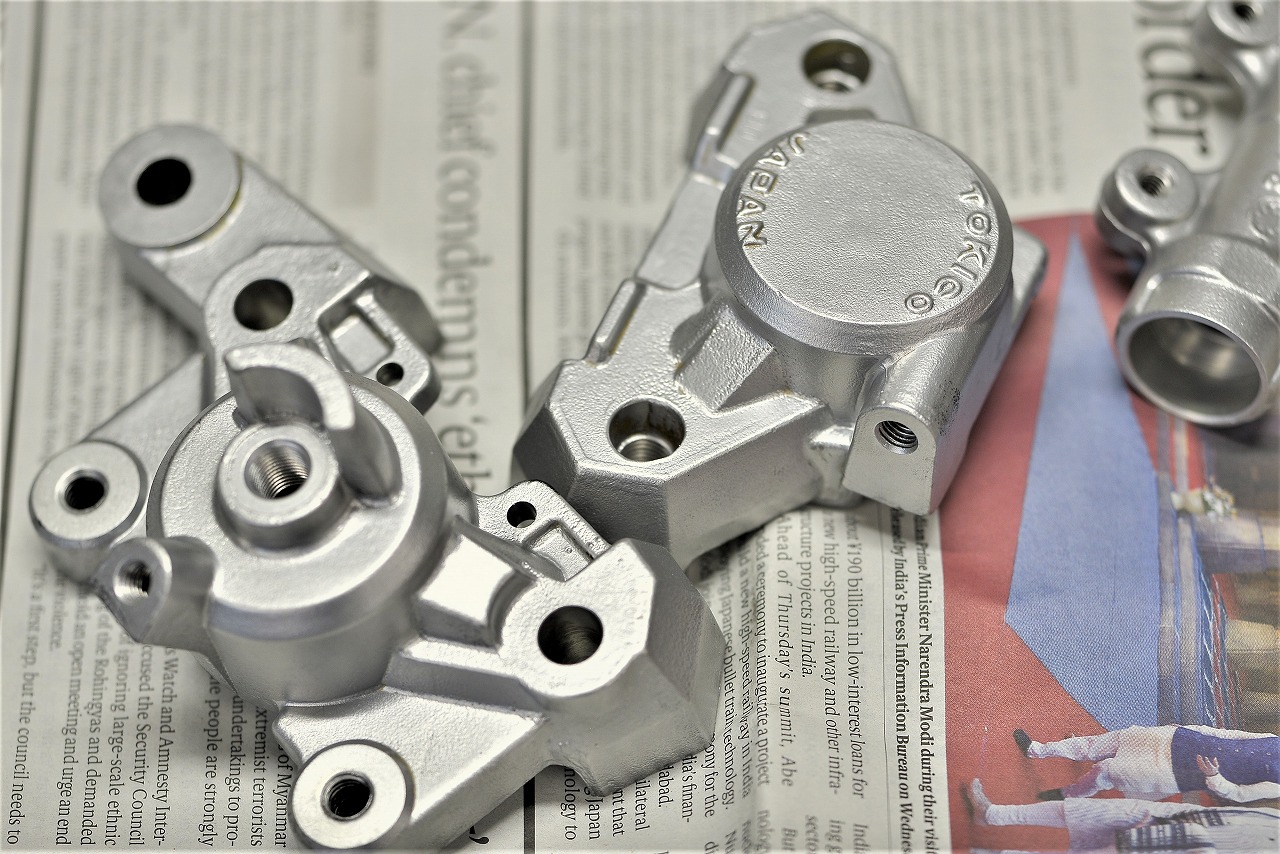
It’s finished in matte silver bare metal. I don’t think it will corrode much, and since it’s unpainted, if it gets dirty we can just polish it again.
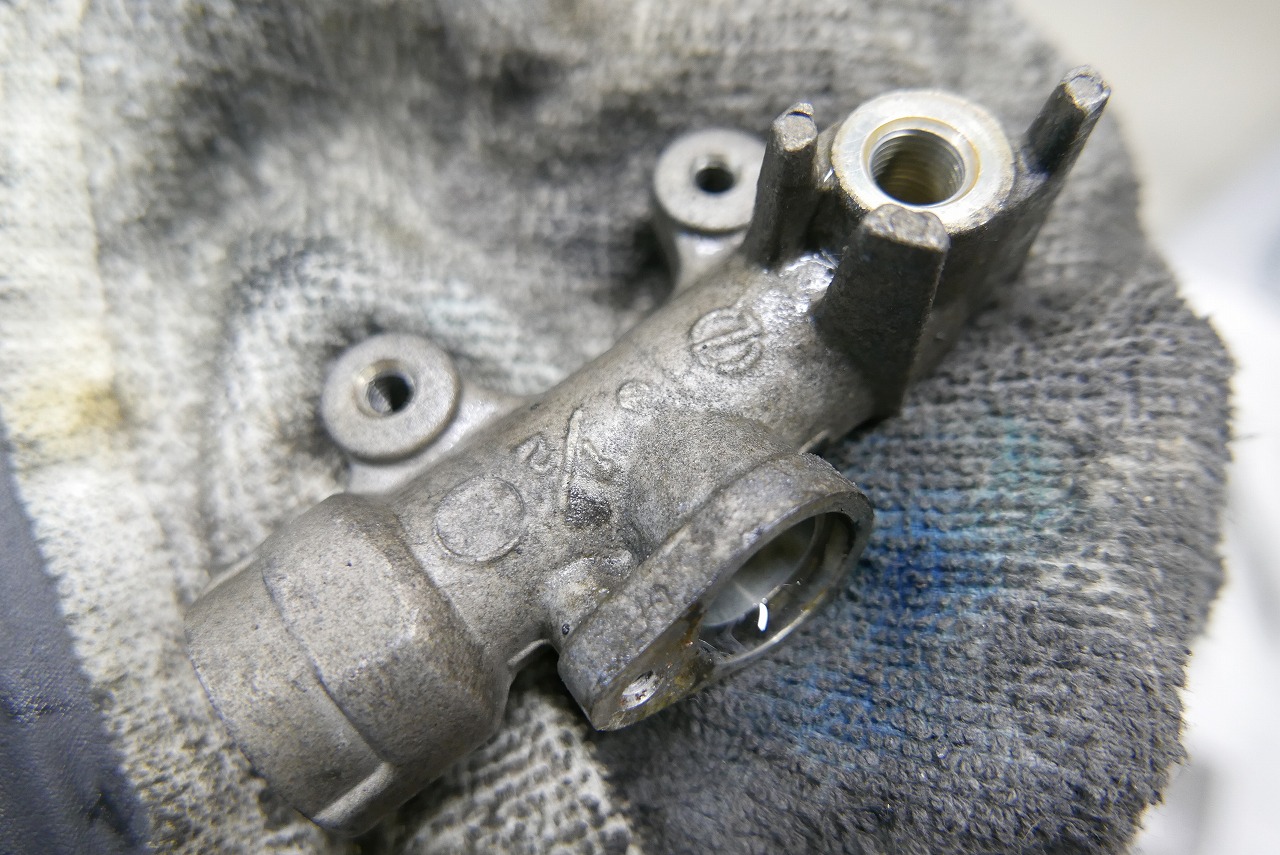
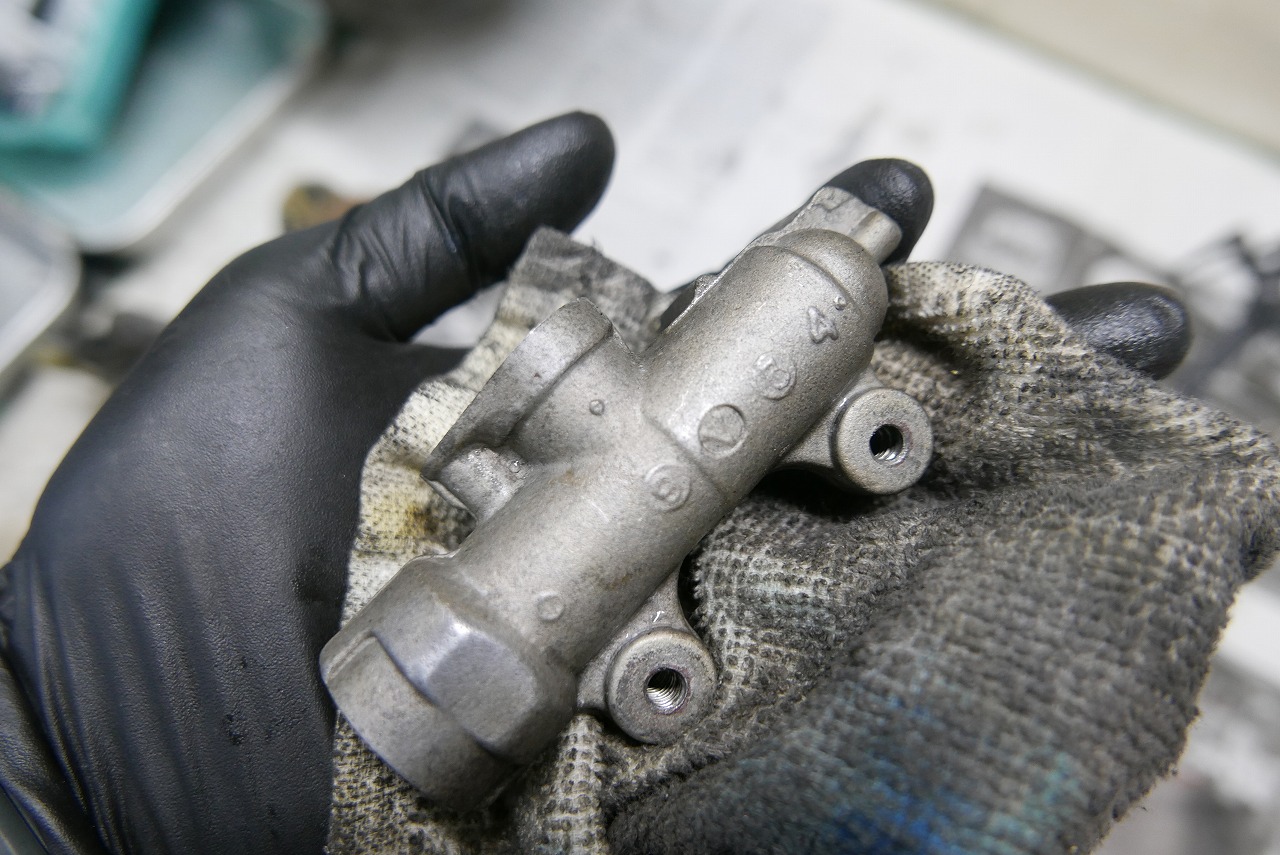
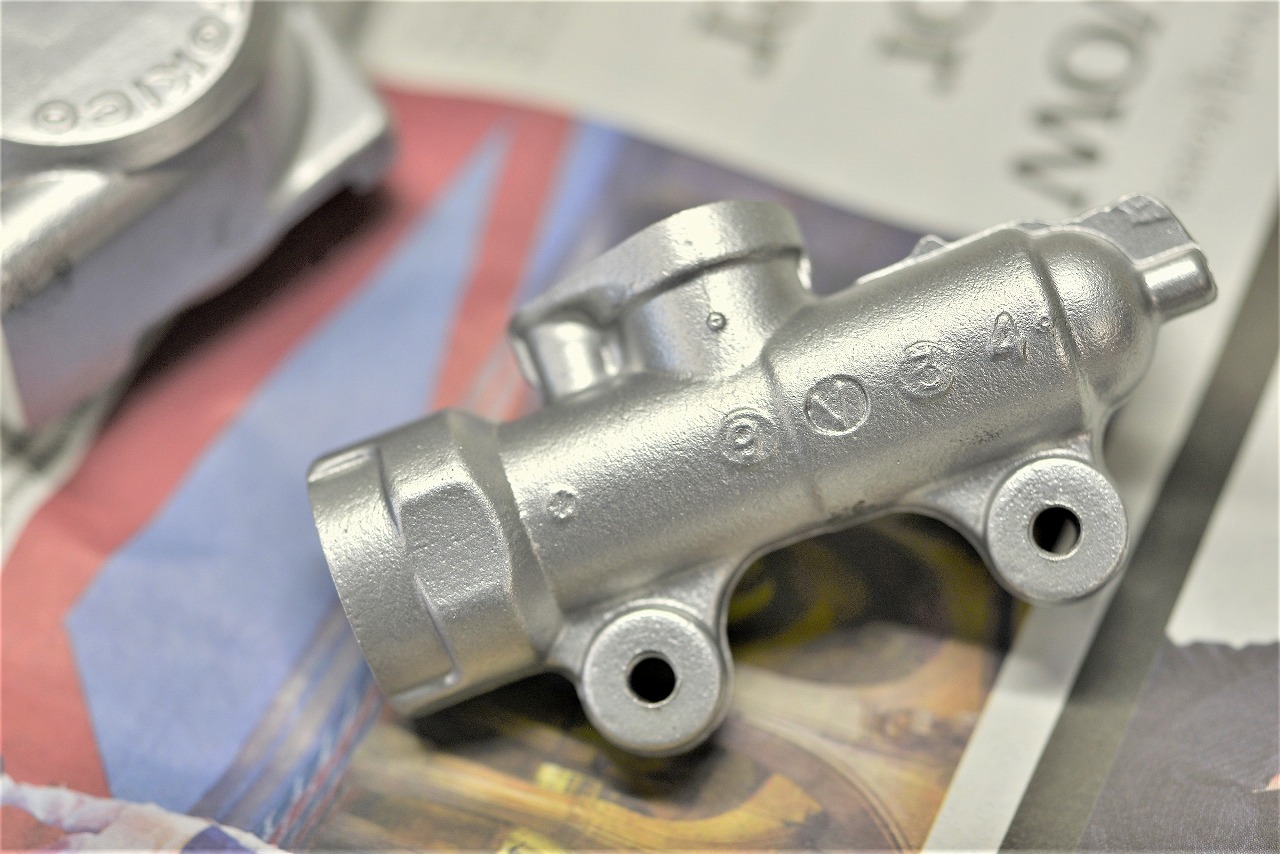
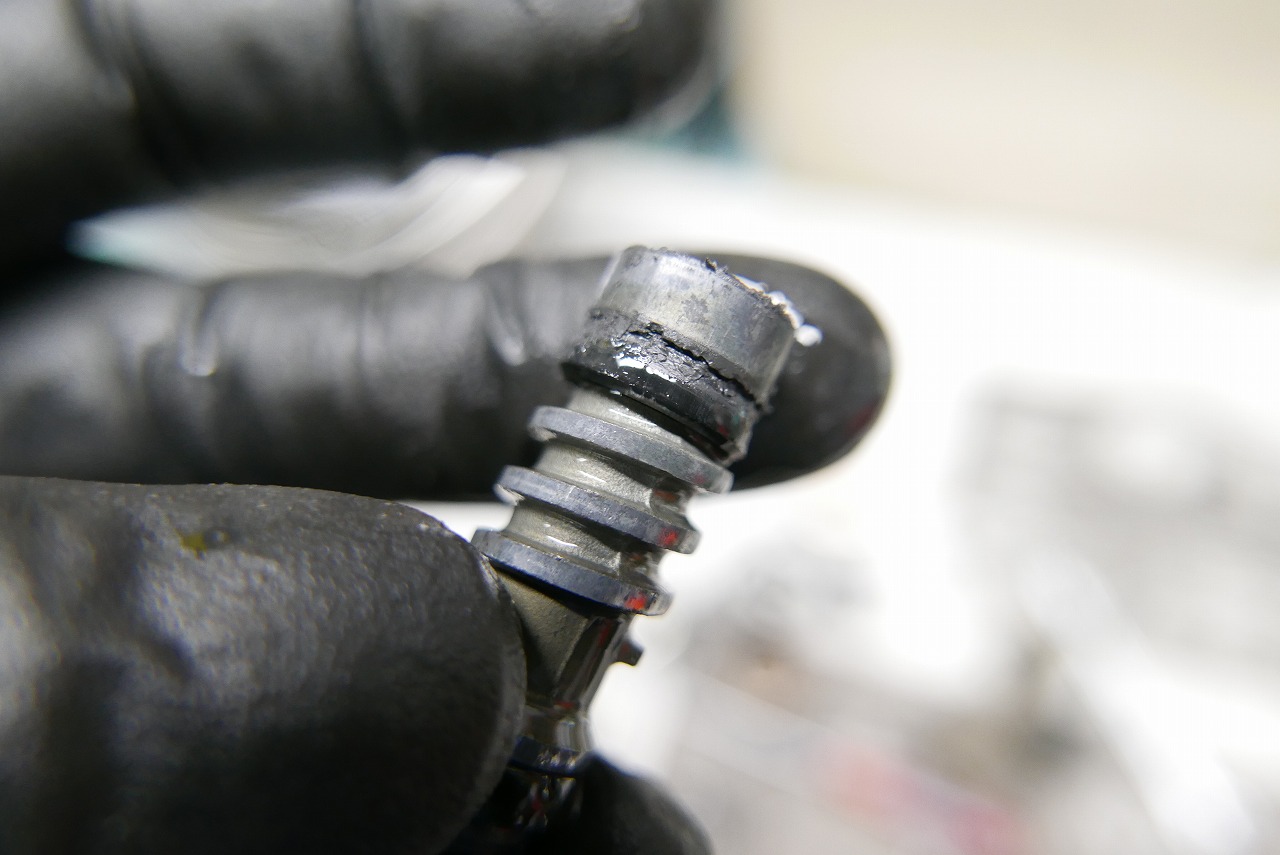
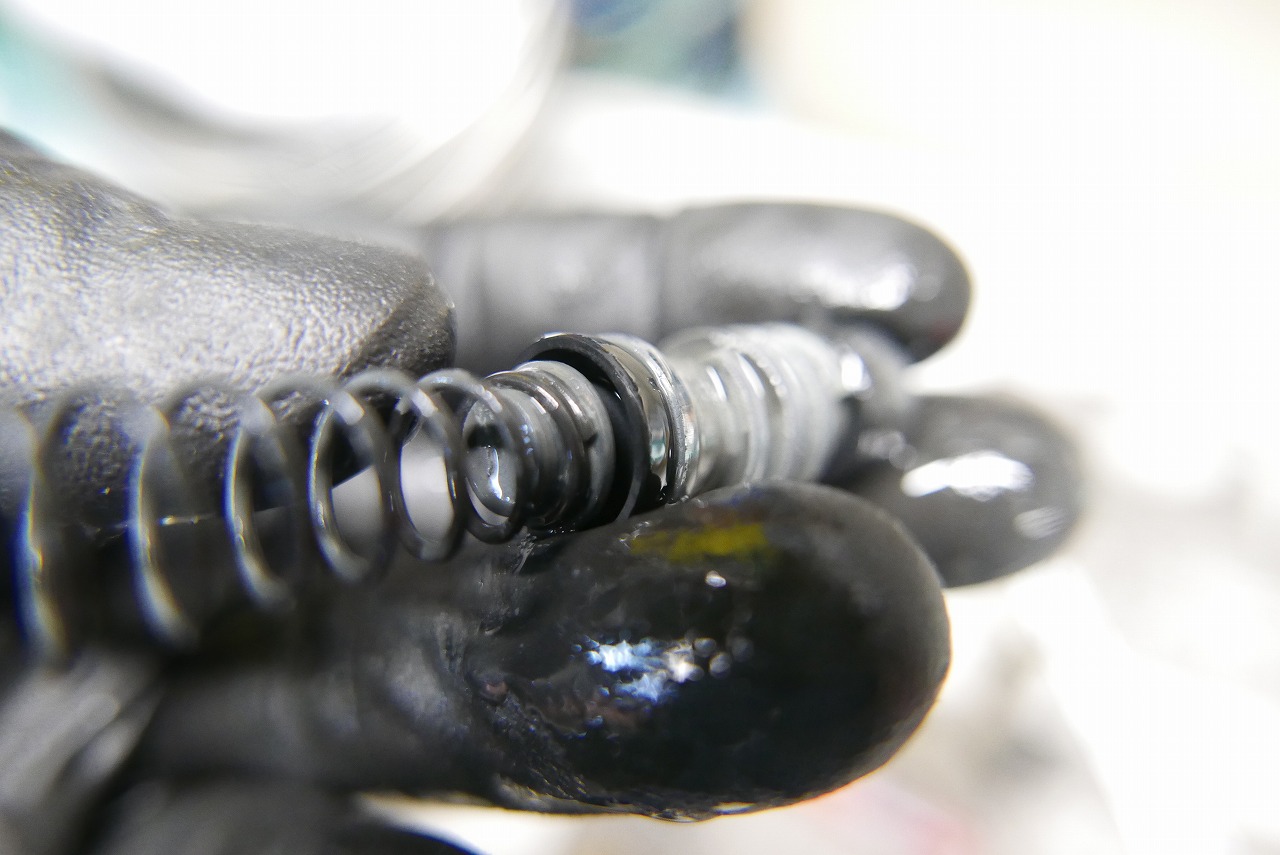
When it sags, it becomes spongy and mushy.
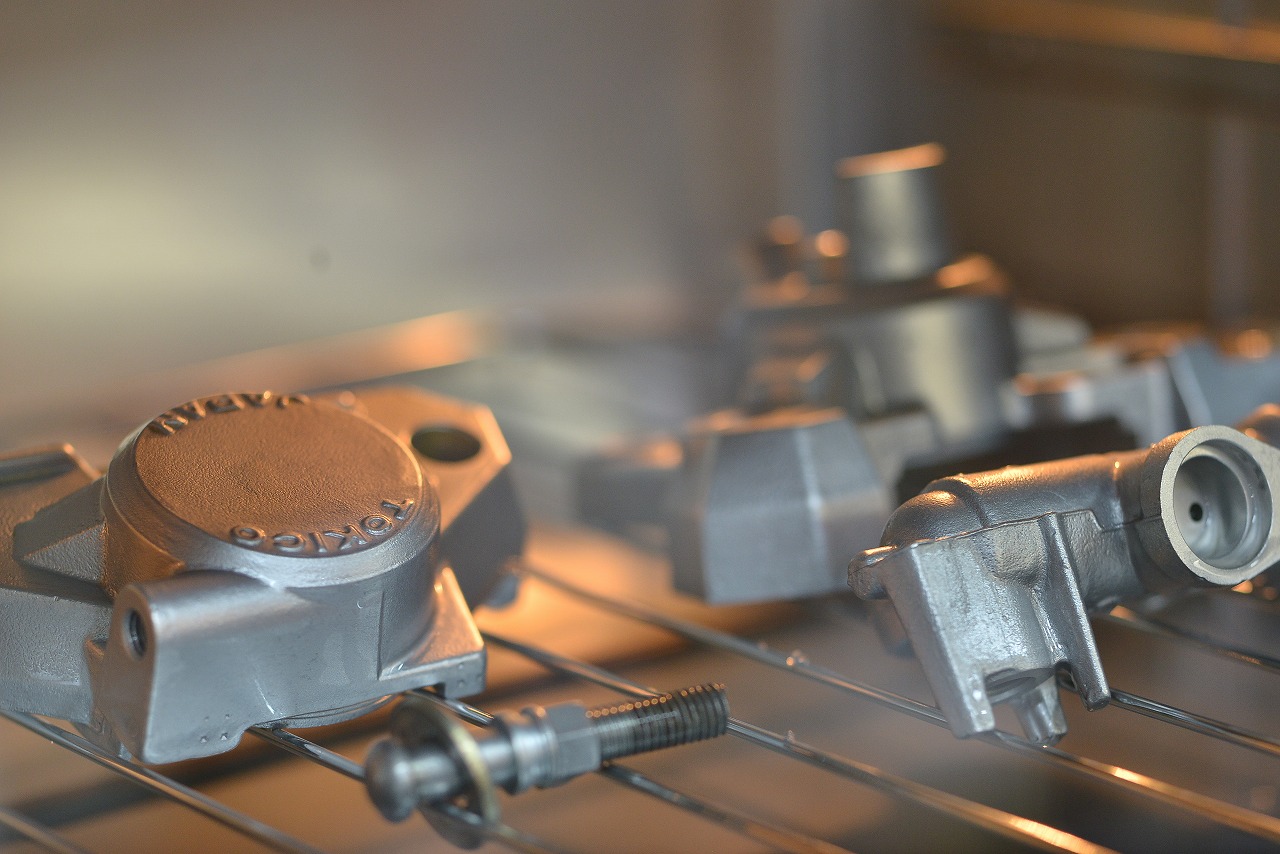
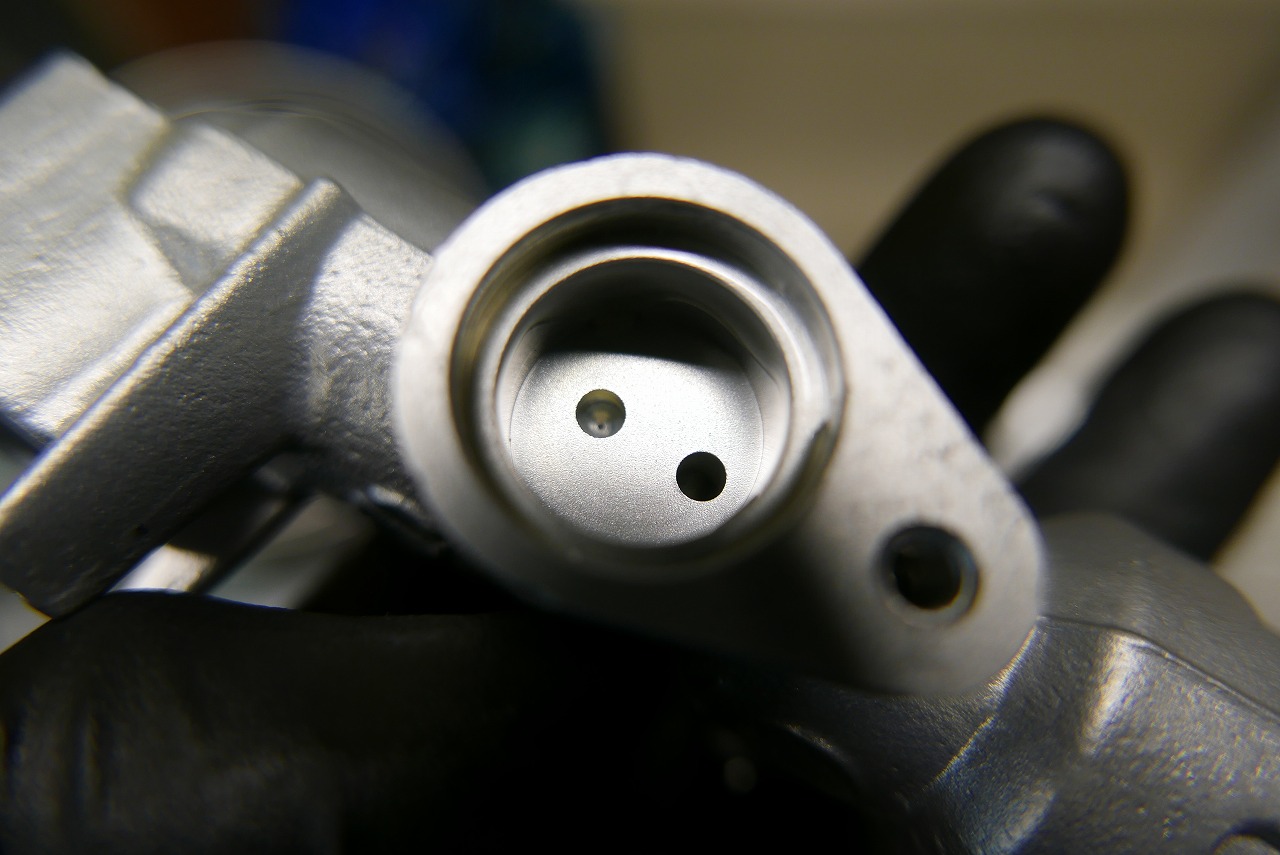
Blowing with compressed air works too, but… what if… something’s still left behind? Is the mist from the air being removed? If you’re worried about that, this method puts your mind at ease.
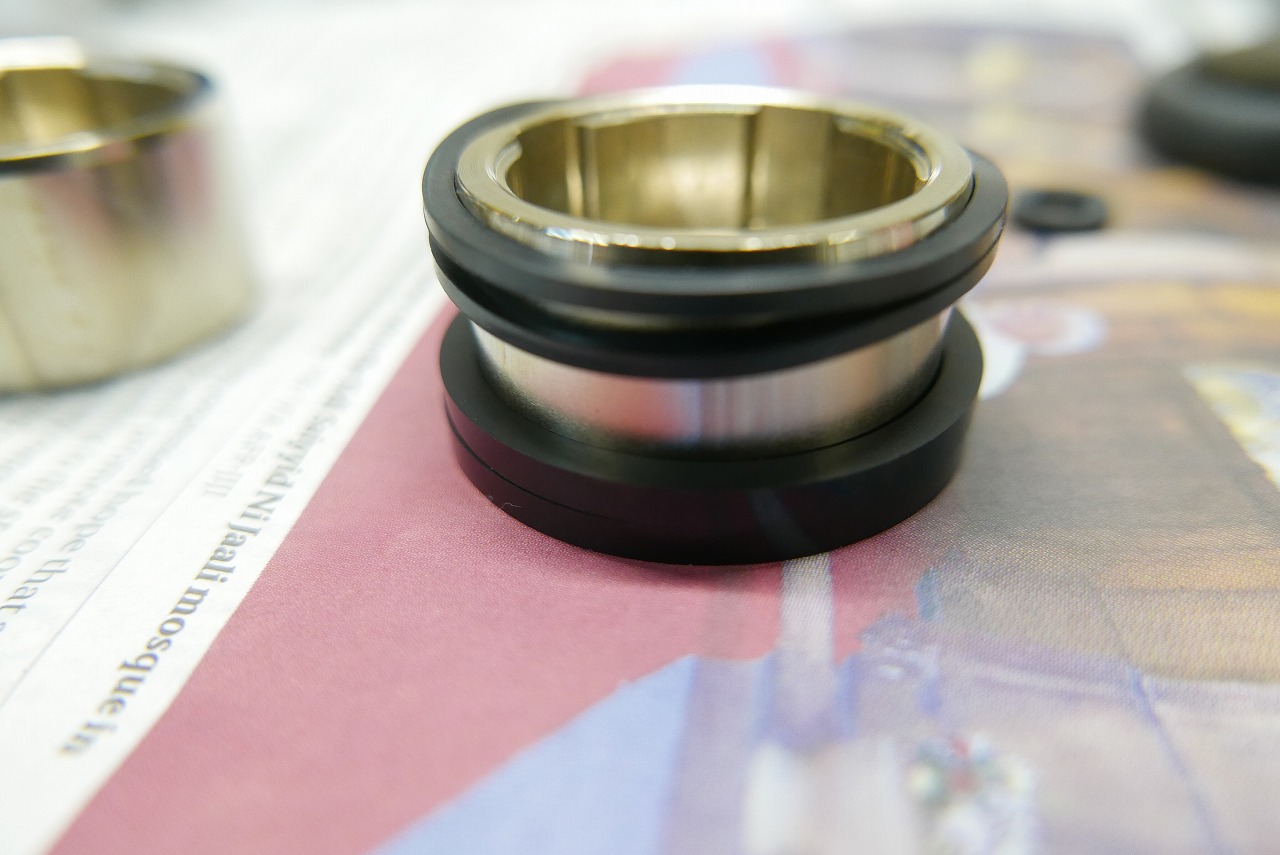
One in a thousand, one in ten thousand—it really can happen. If you assemble it as-is, whose responsibility is it? If you didn’t notice and assembled it, it falls on the technician… that’s for sure.
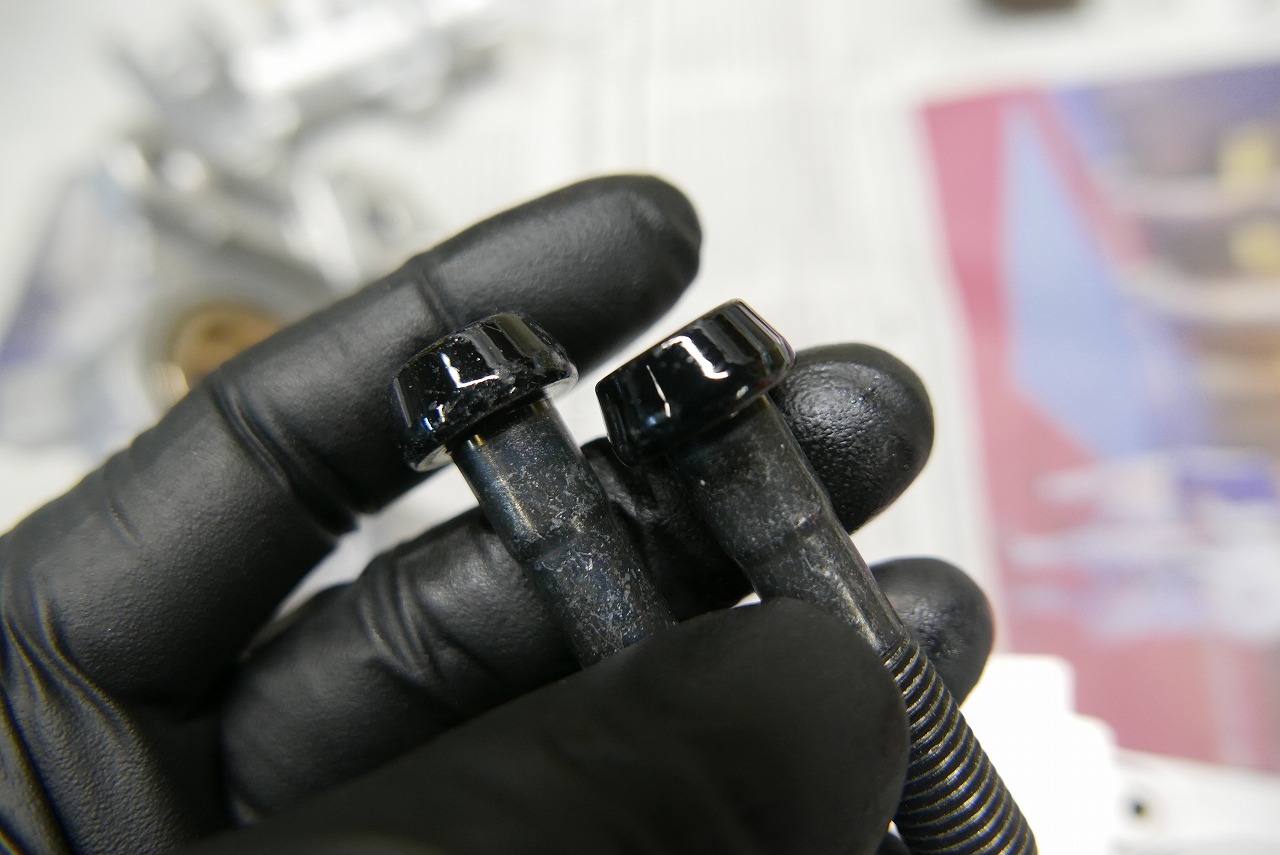
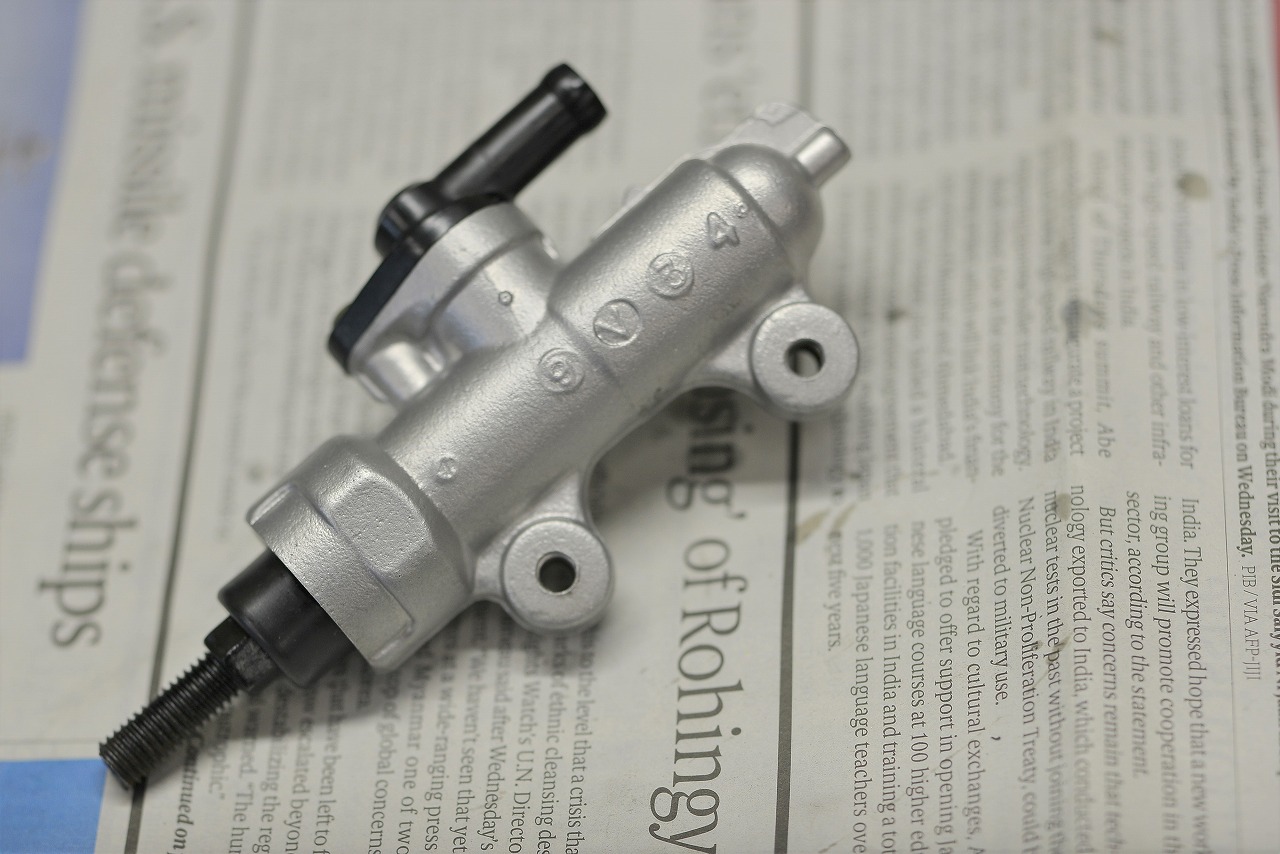
When something gets clean, you repair it and feel satisfied. I think the throwaway culture of “it’s dirty so let’s just replace it” will decrease.