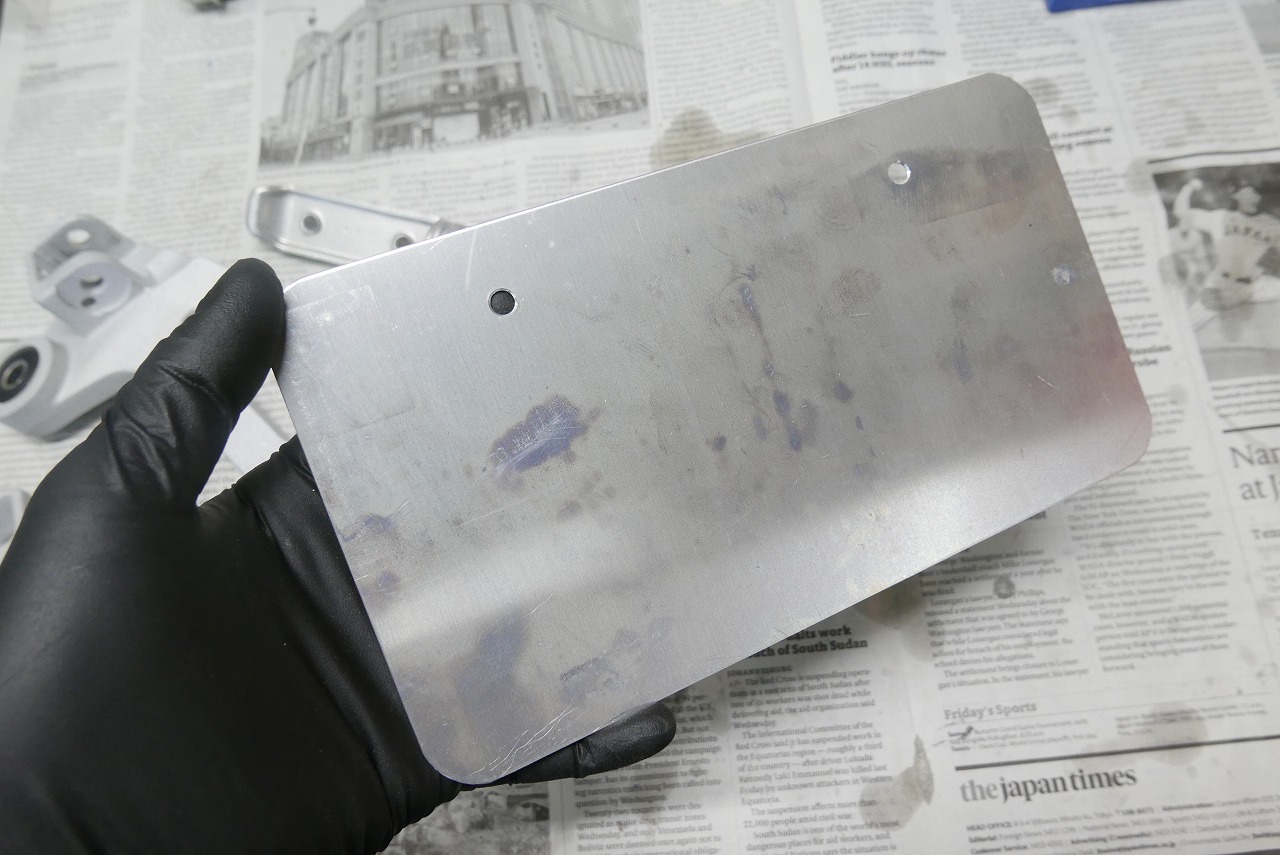
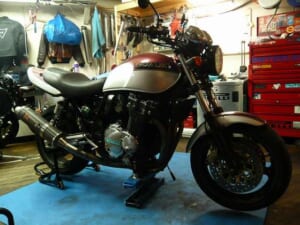
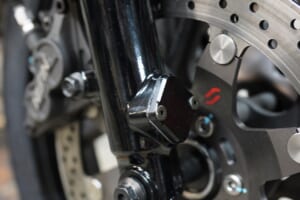
With the right equipment, a license plate holder like this might take about five minutes? If we make it from scrap material, that’s service excellence? Straight lines are surprisingly difficult.
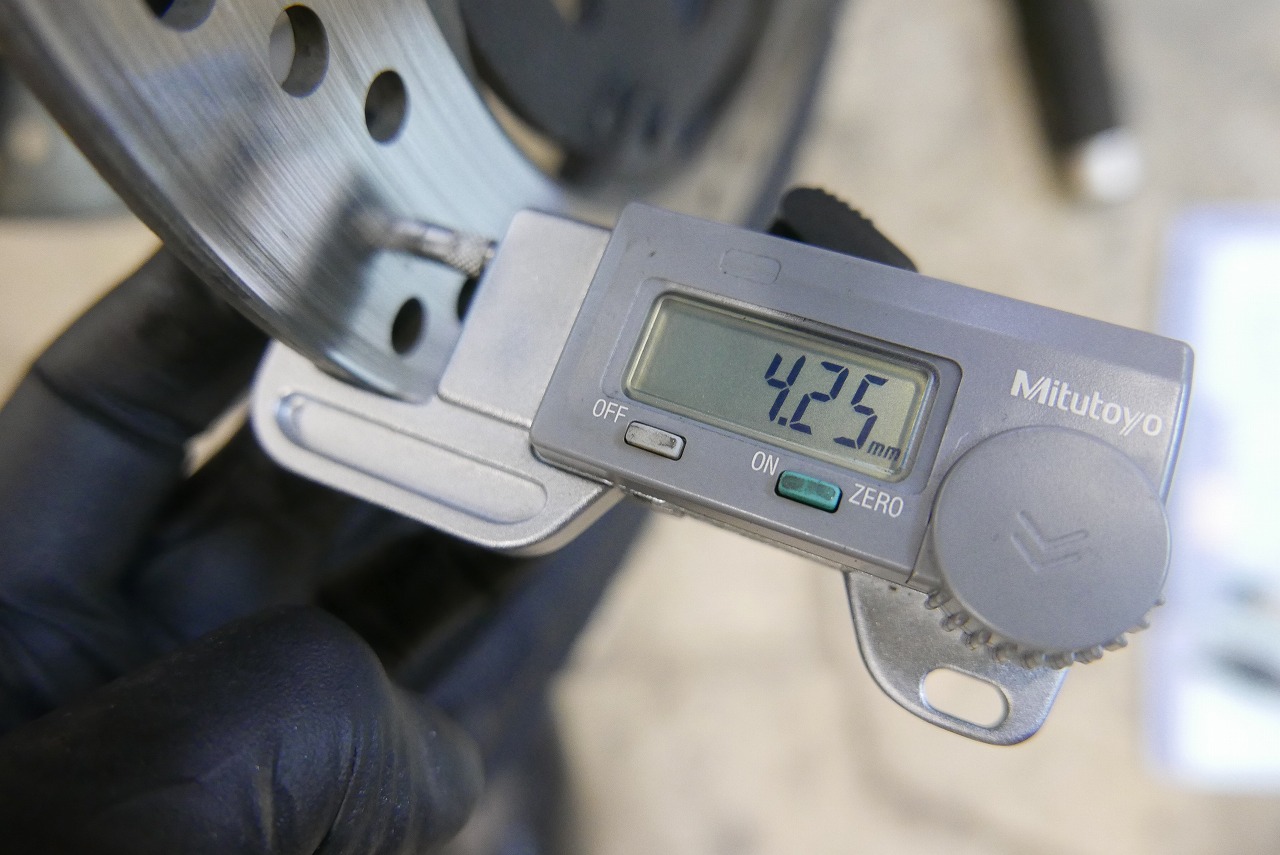
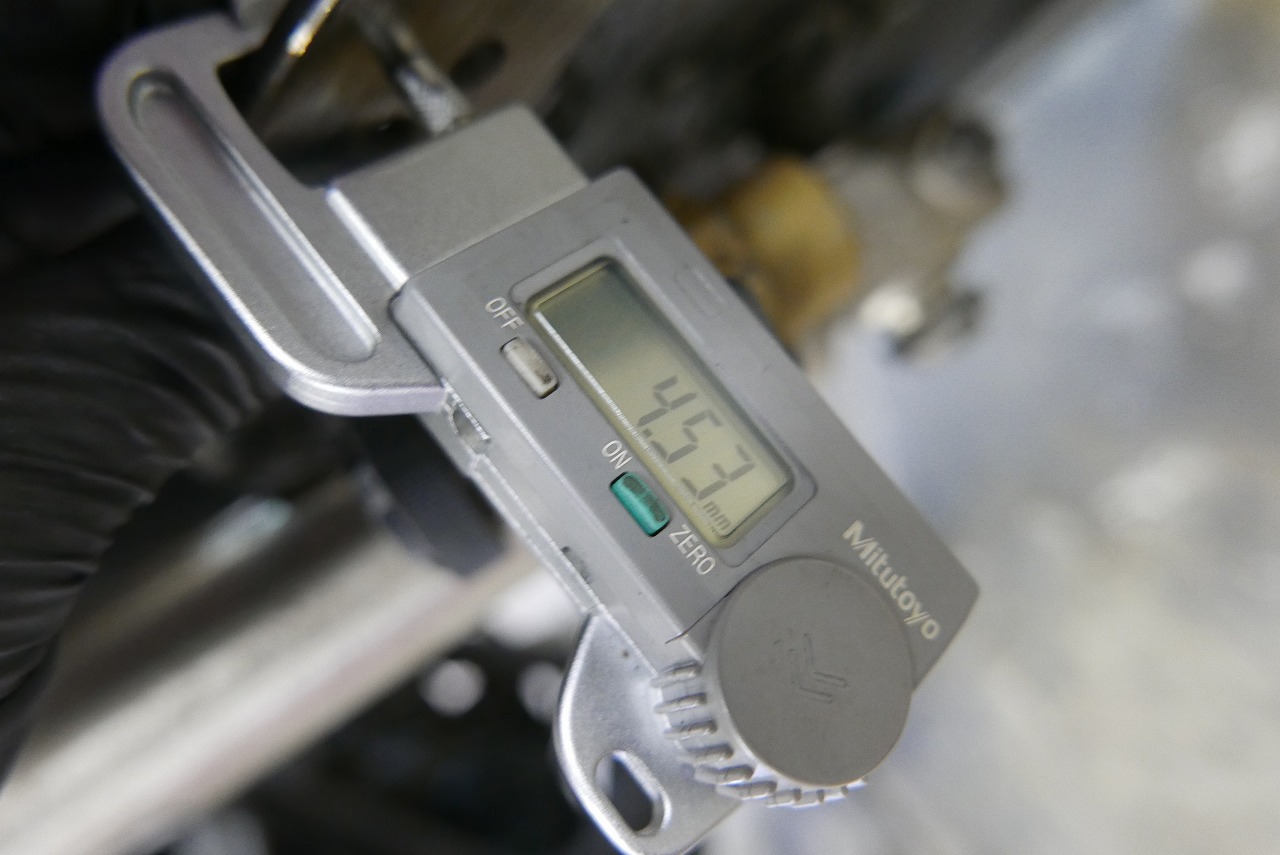
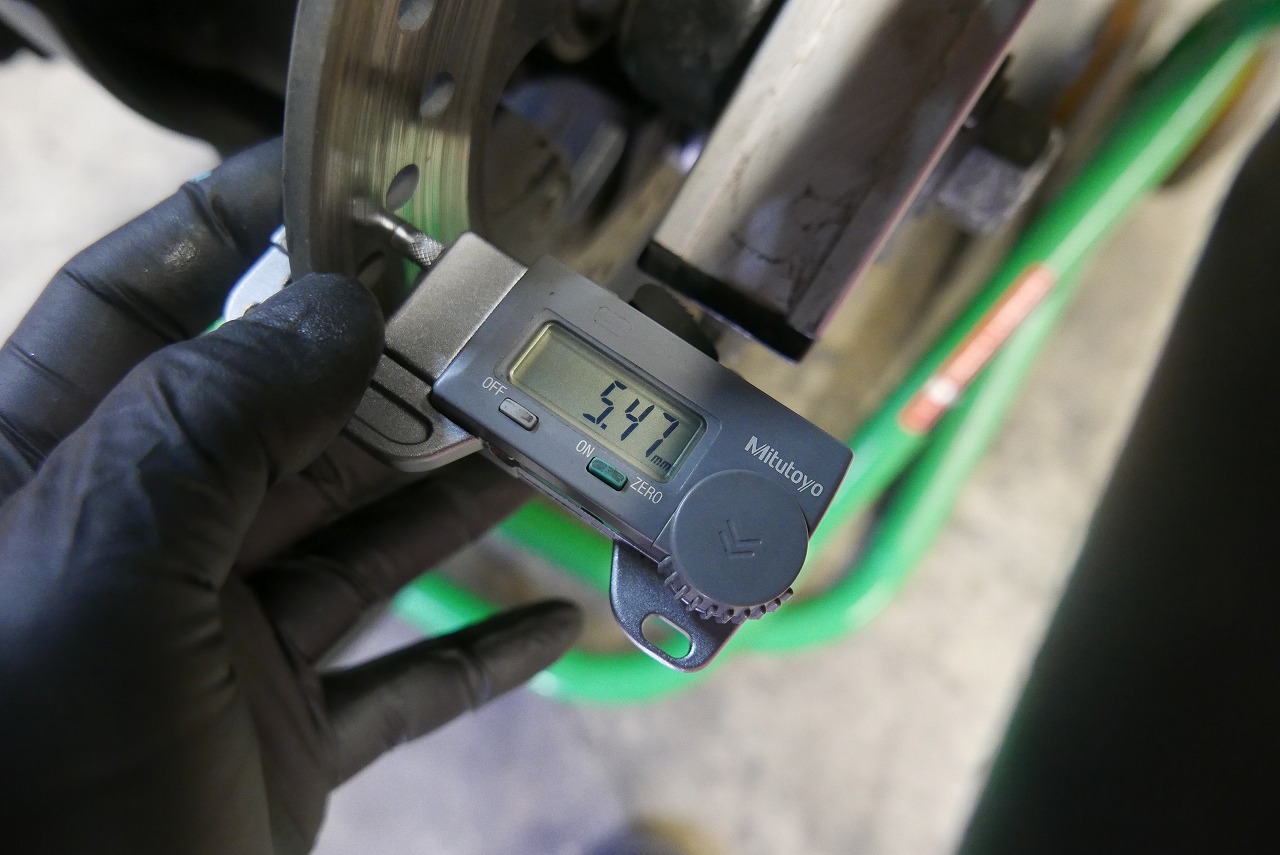
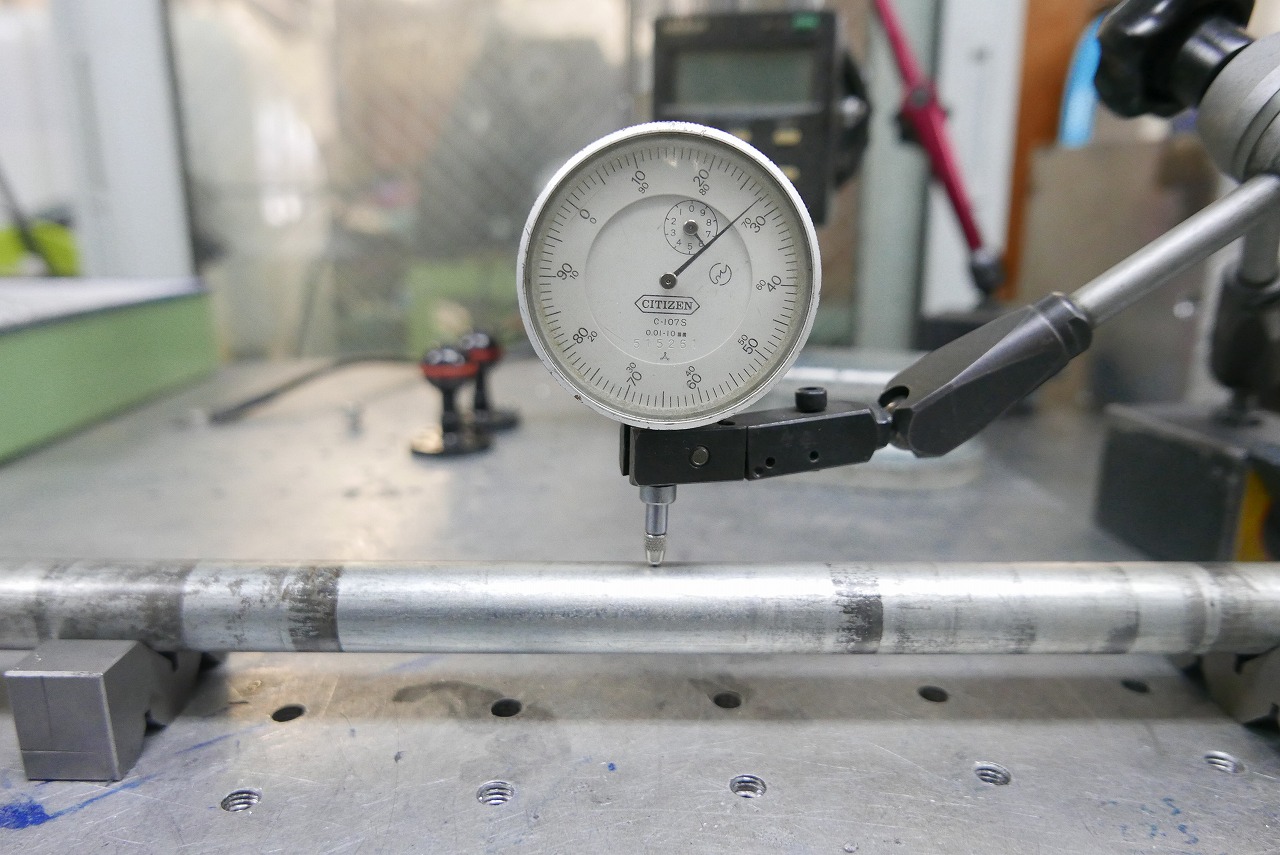
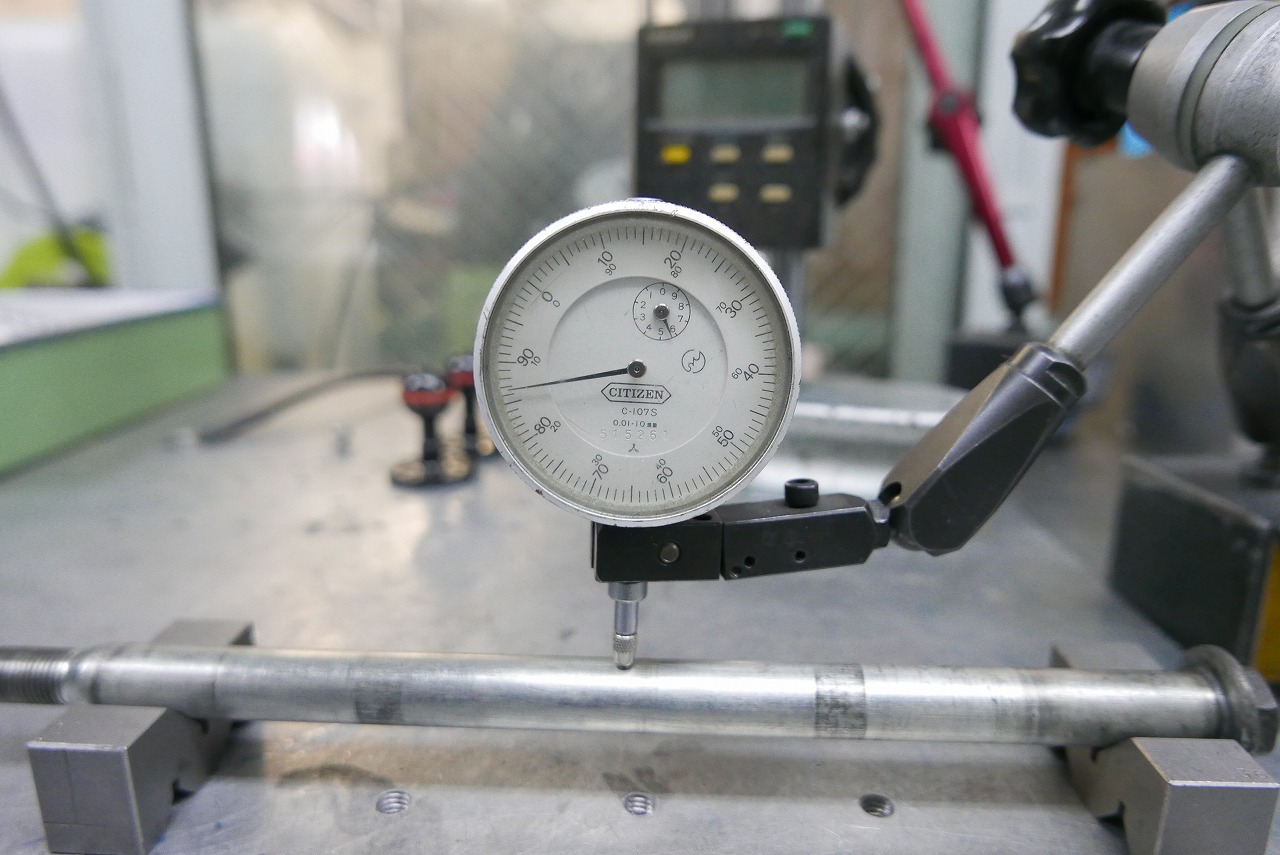
There’s a battle between contouring and Versand that can’t be fought. . . maybe. Brake disc thickness check. It’s not in great shape, but it won’t suddenly fail once it exceeds the limit. The line between expiration date and best-by date is tricky, isn’t it? Axle shafts are usually bent? Or rather, they bend over time. . . especially the rear. According to the manual it’s one thing, but typically bending tolerances of 0.1–0.2 mm are common.
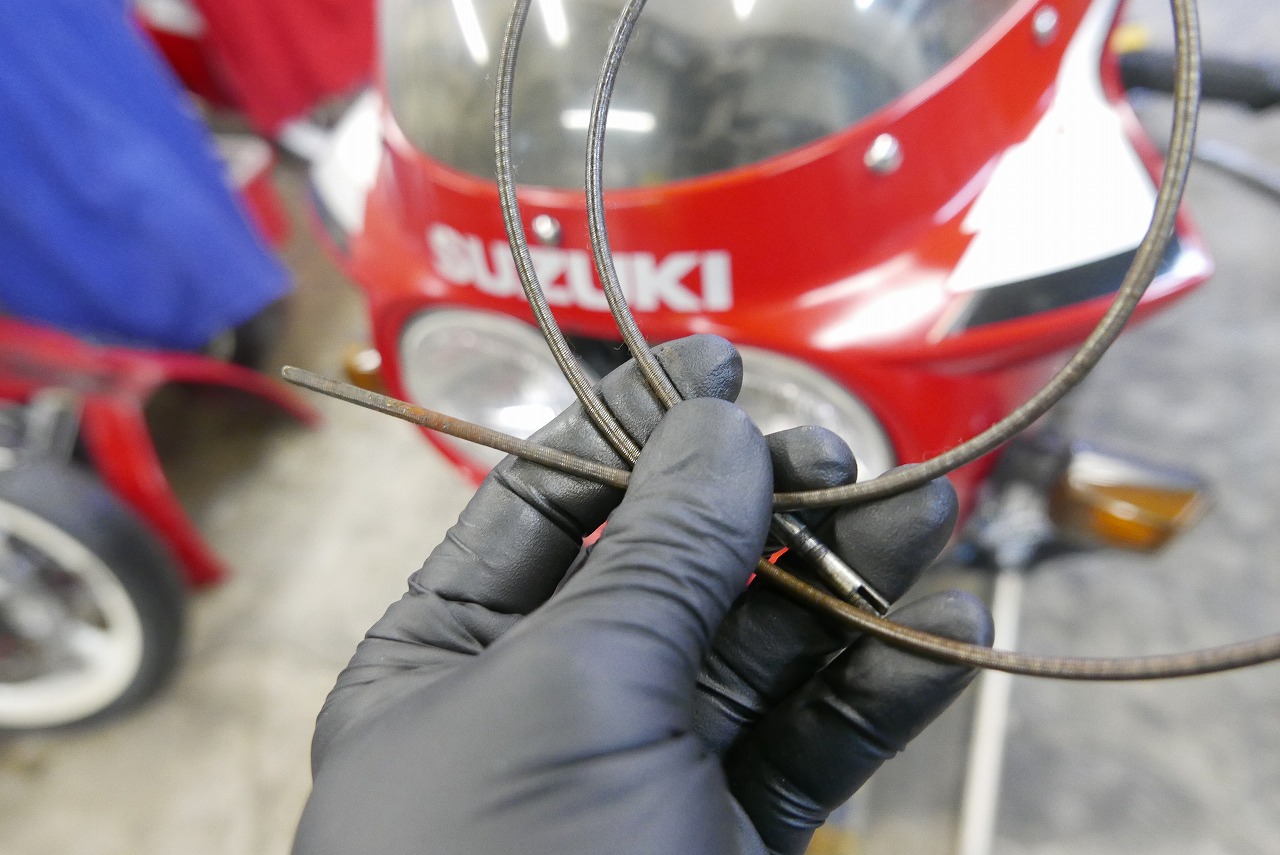
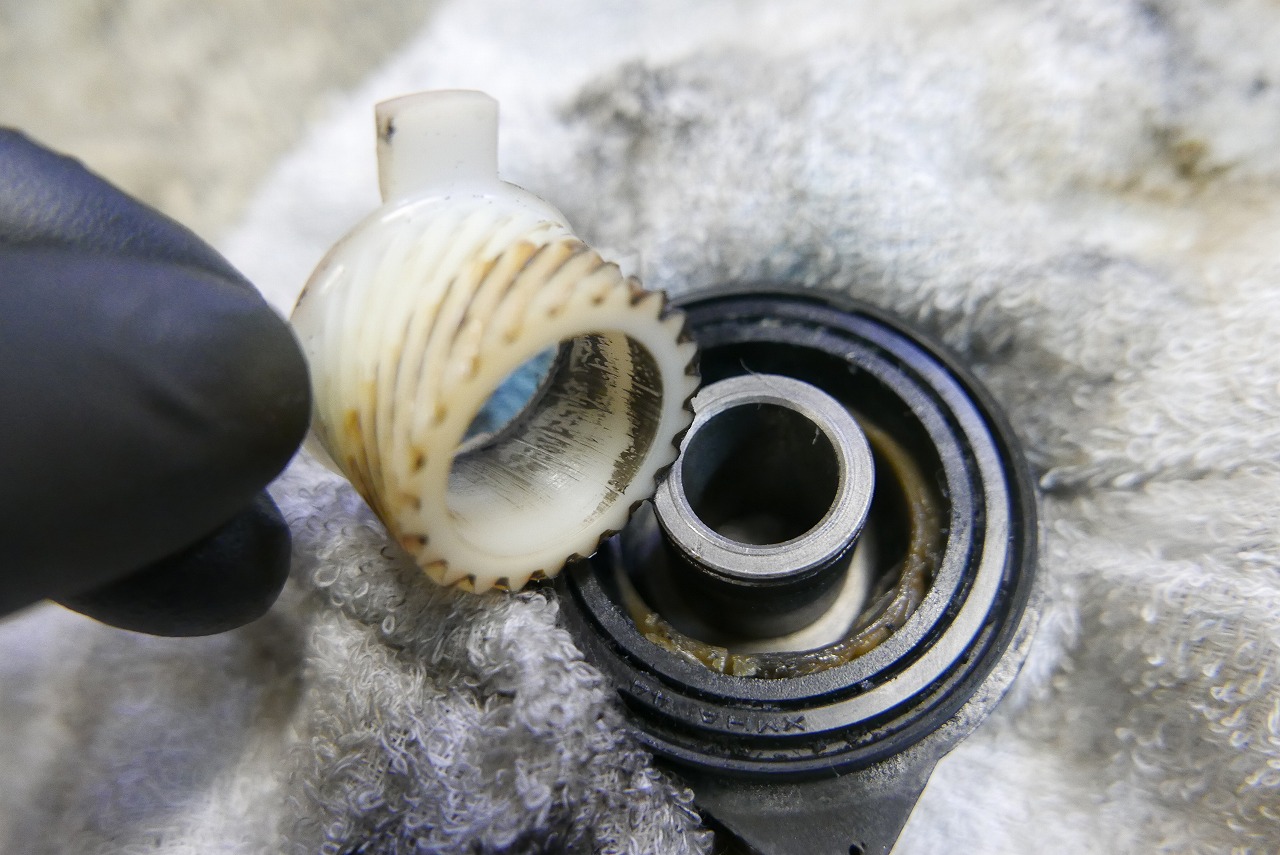
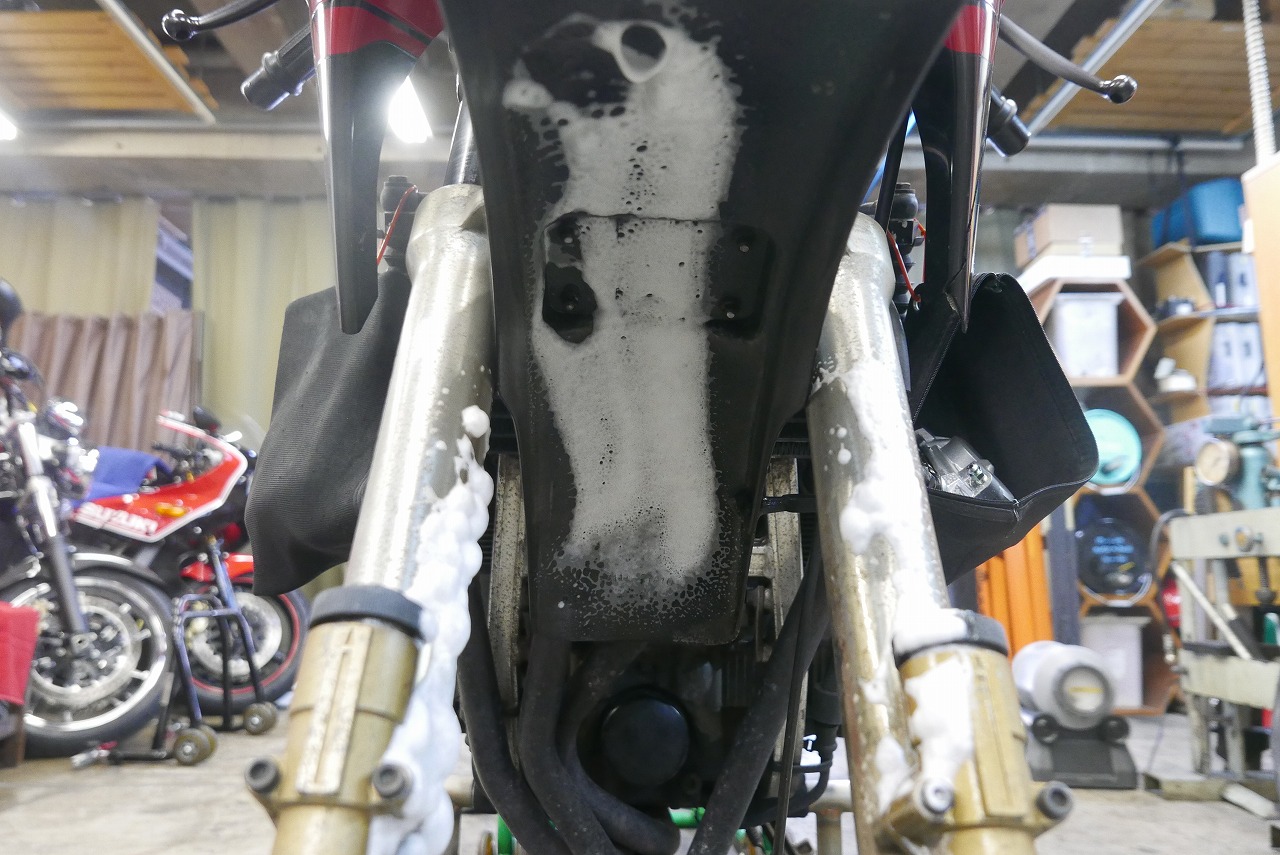
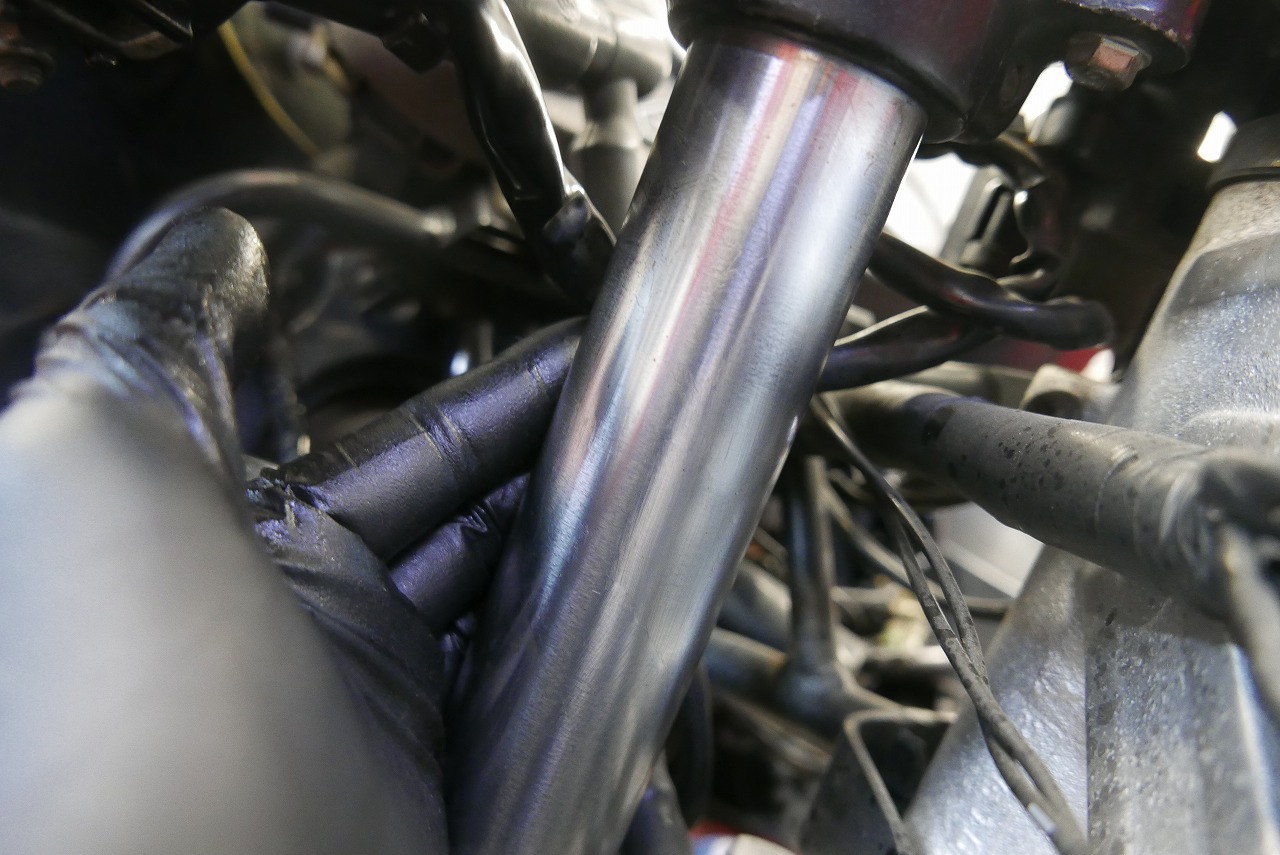
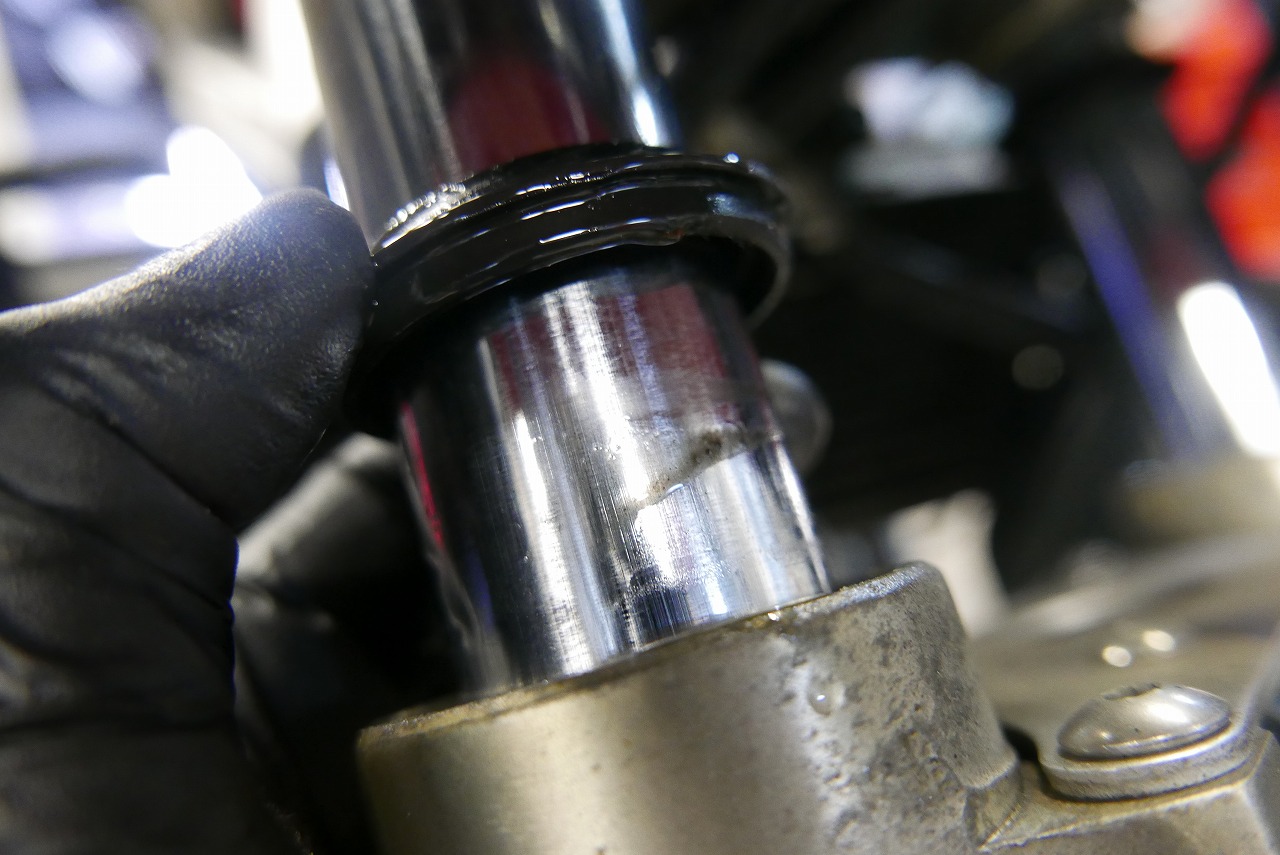
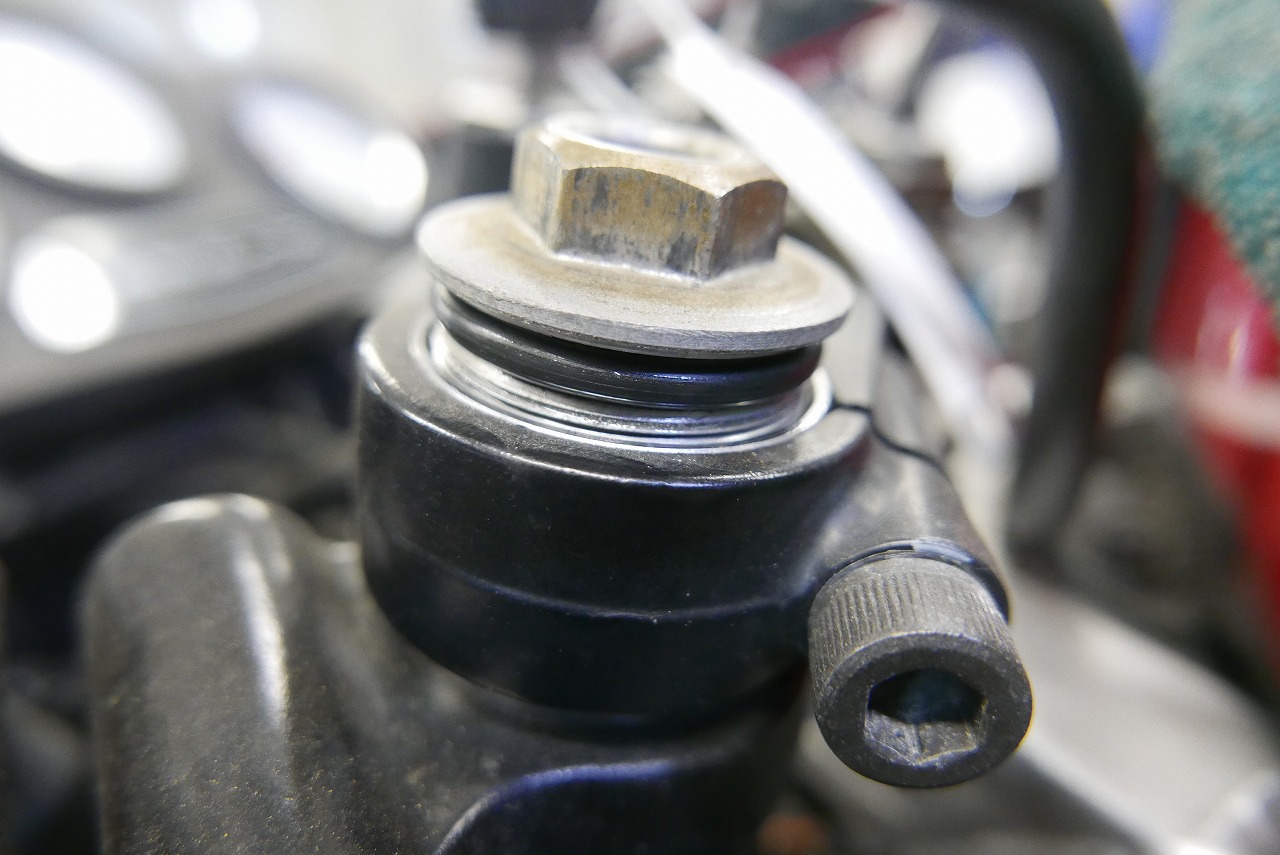
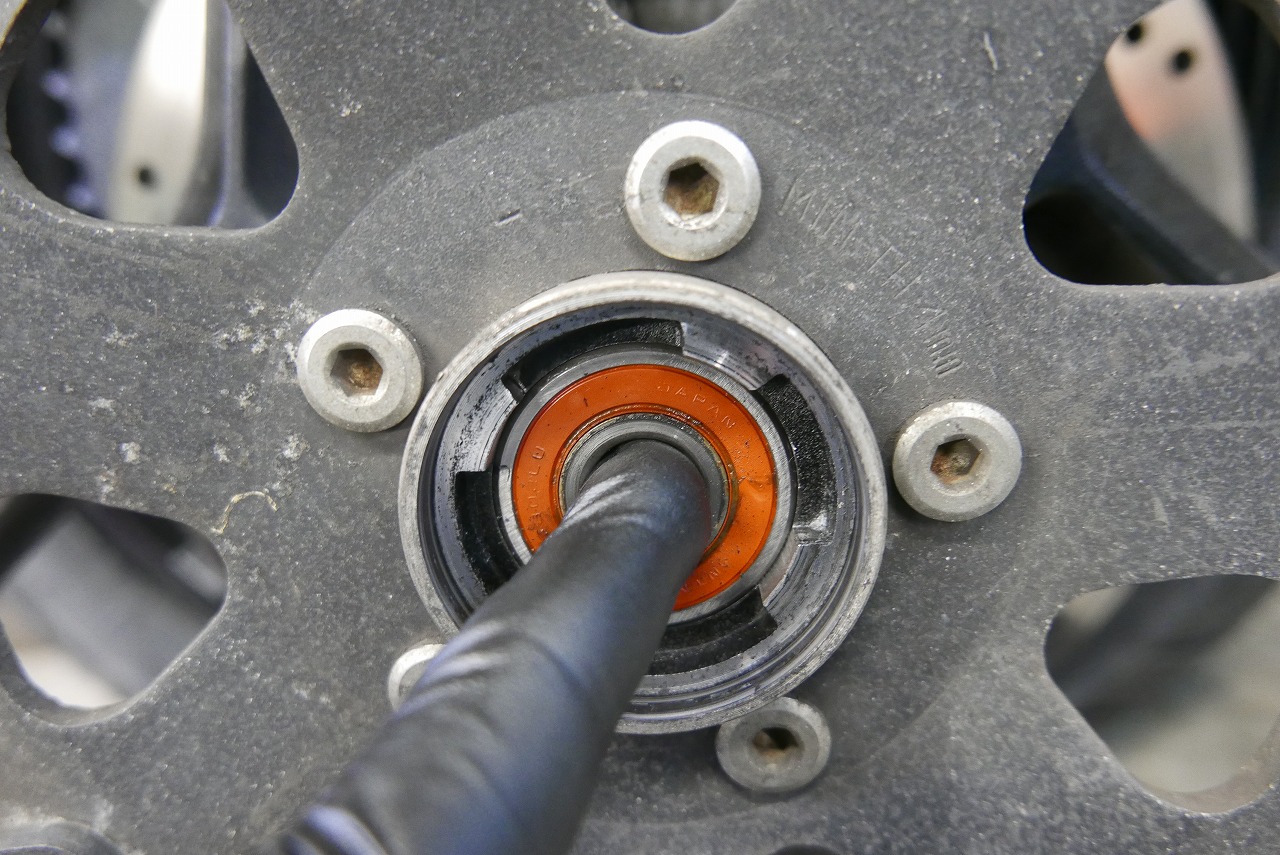
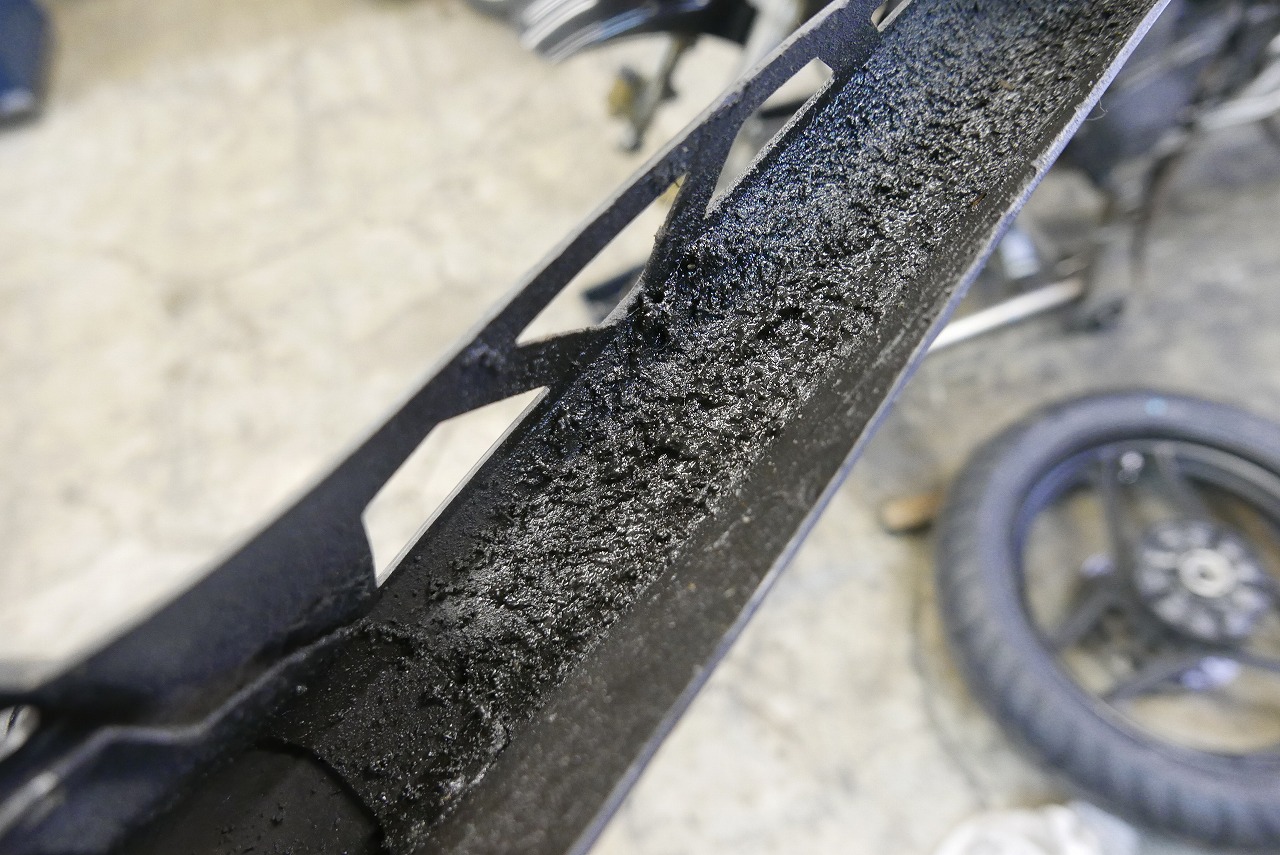
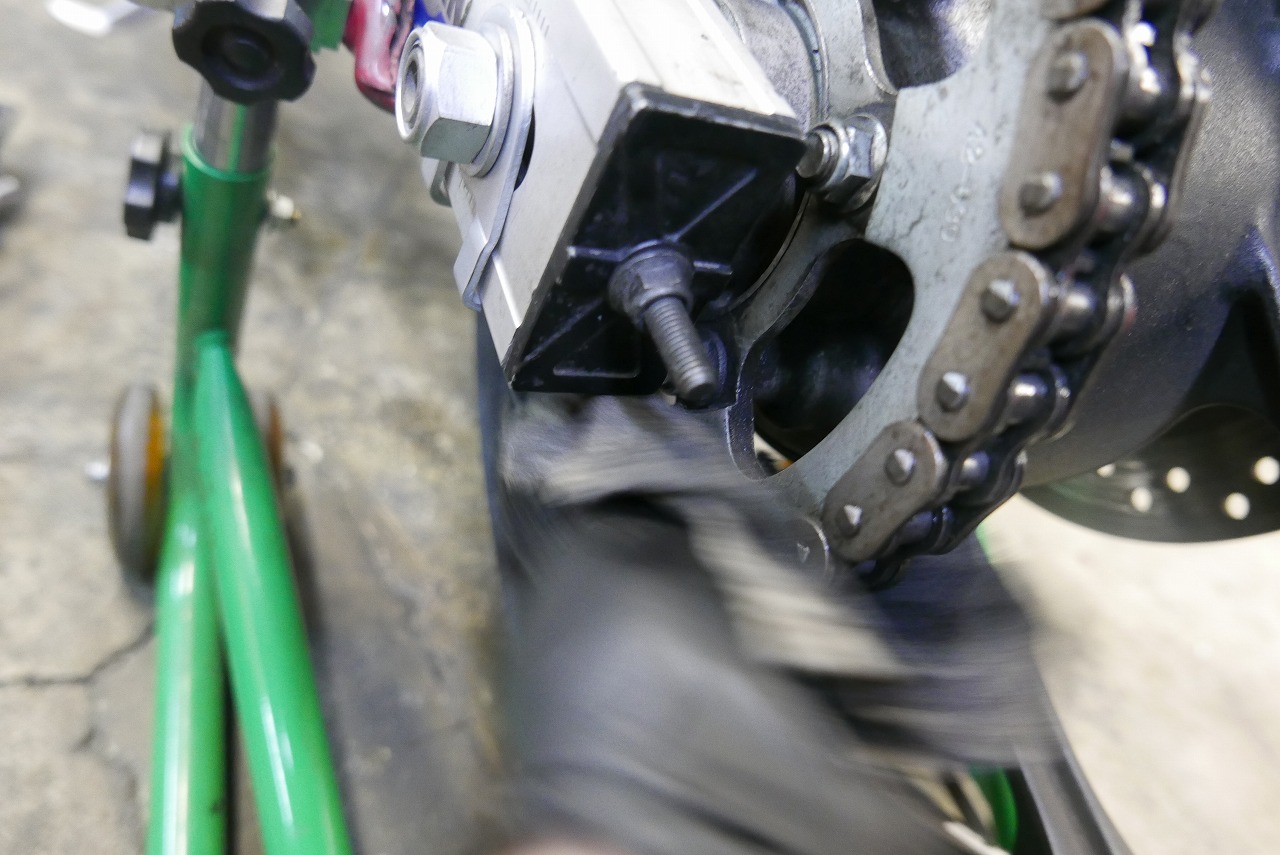
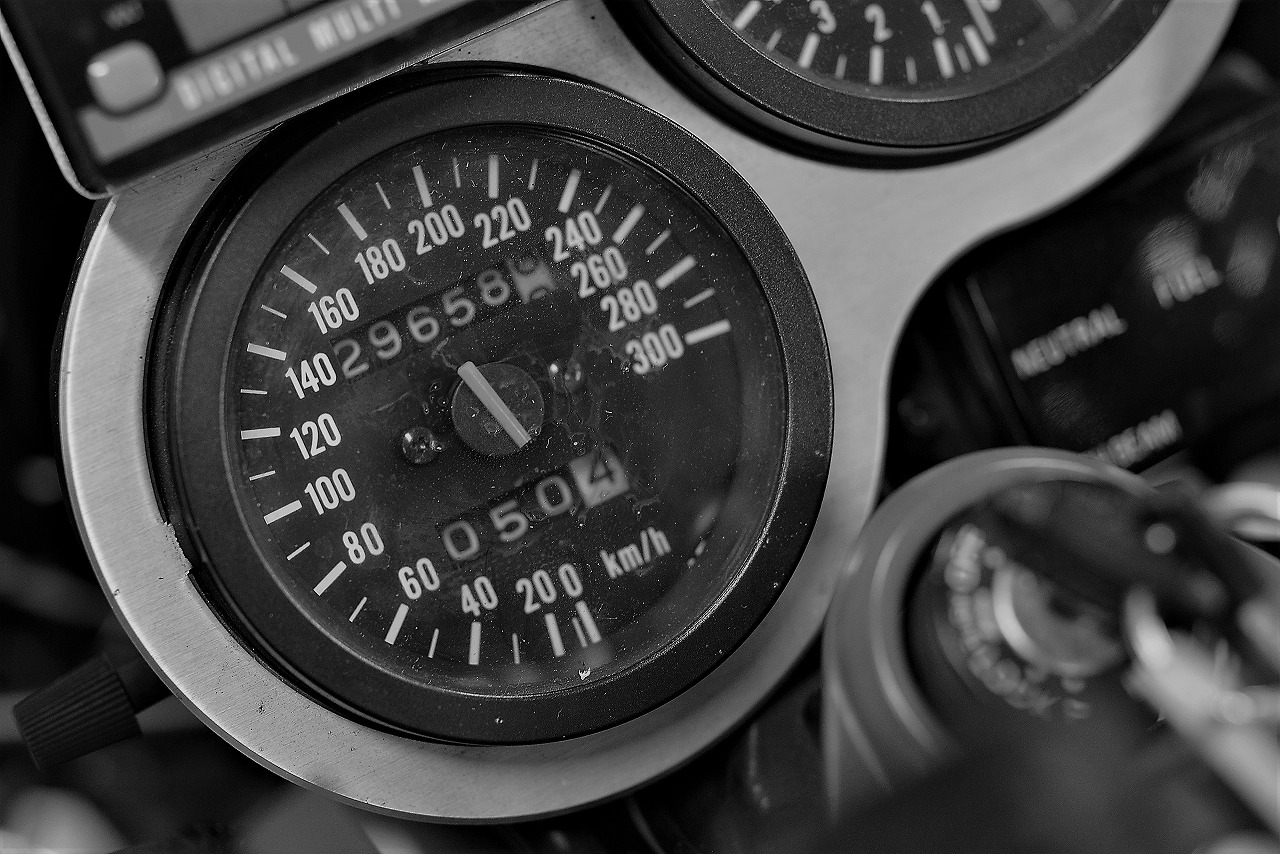
The swingarm side assembly is basically loose and sloppy. What does straight even mean? I find myself wondering. Speedometer cable cleaning and lubrication. If it doesn’t break, we want to keep using it forever. . . that kind of part. It seems to be quietly effective. . . doesn’t it? Let’s clean and lubricate everything within reach. Areas the owner can’t reach are the technician’s job. When it’s clean, the technician works easier and the owner develops more affection for the bike. Between the top and bottom tubes, apply rust preventative oil, let it dry, then wipe it off later. On the stroke side, leftover fork oil should be fine. Removing debris from the dust seal and oil seal sides really improves the life of the inner tubes. Open the fork cap and refresh the air. If it smells like rotten eggs, it might be time for an OH. The wheel bearings are usable, but since the history is unknown, it’s worth considering replacement. Moving to the rear. It’s in pretty rough condition. • Rubber gloves • Wash oil • Old rags —with these three items you can wipe it down in just a few minutes. Oil stains come off fastest with oil. Water washing takes time and can actually make things worse. The chain case has a lot of buildup. Scrub it off with a screwdriver and wipe with a rag soaked in wash oil—it’s quick.
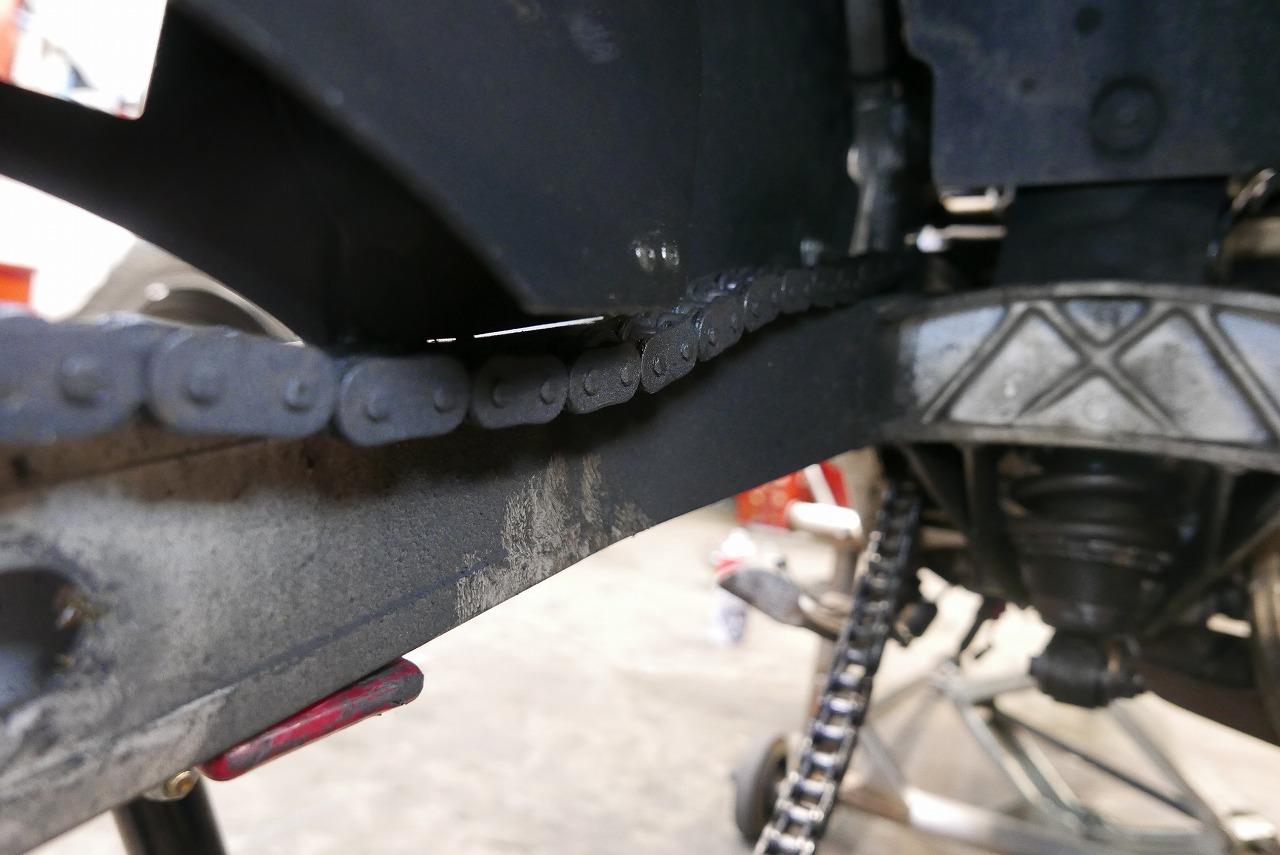
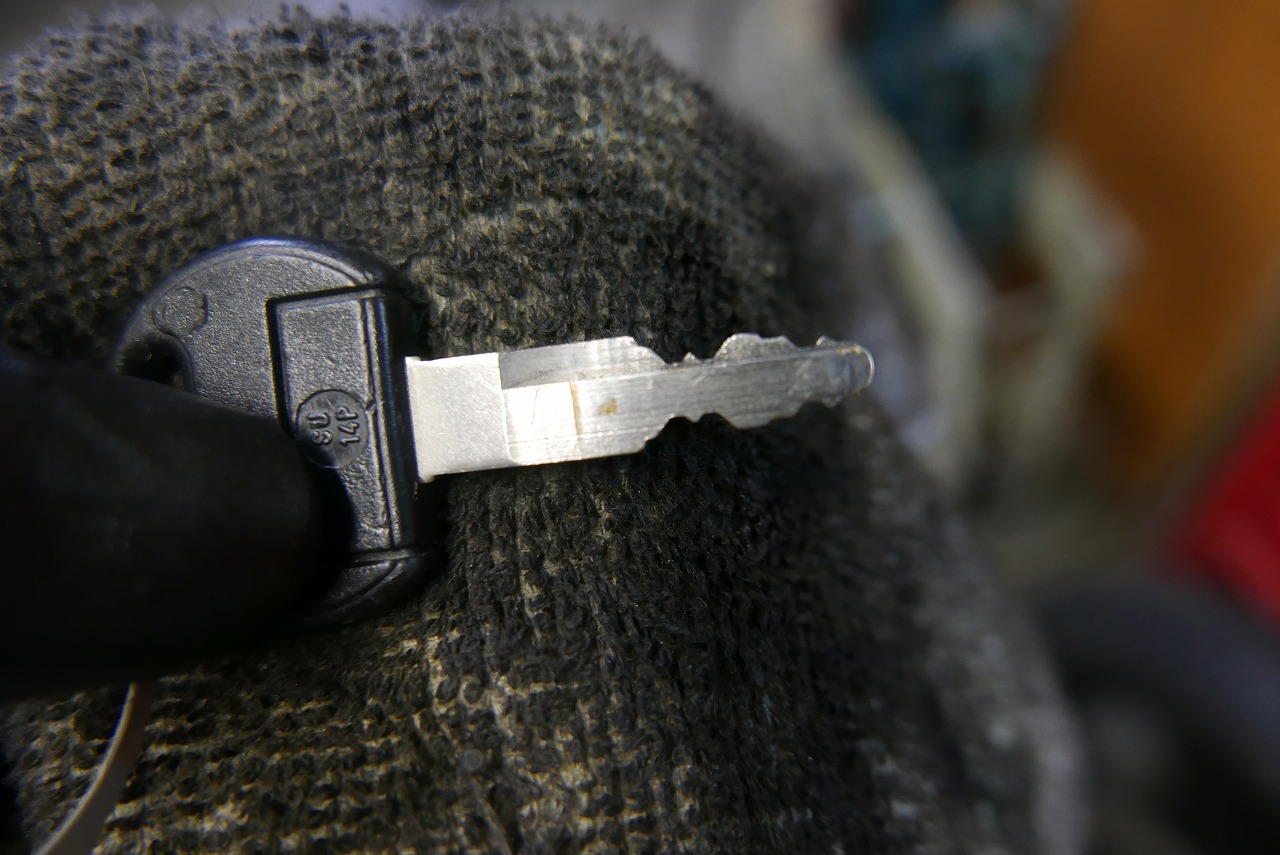
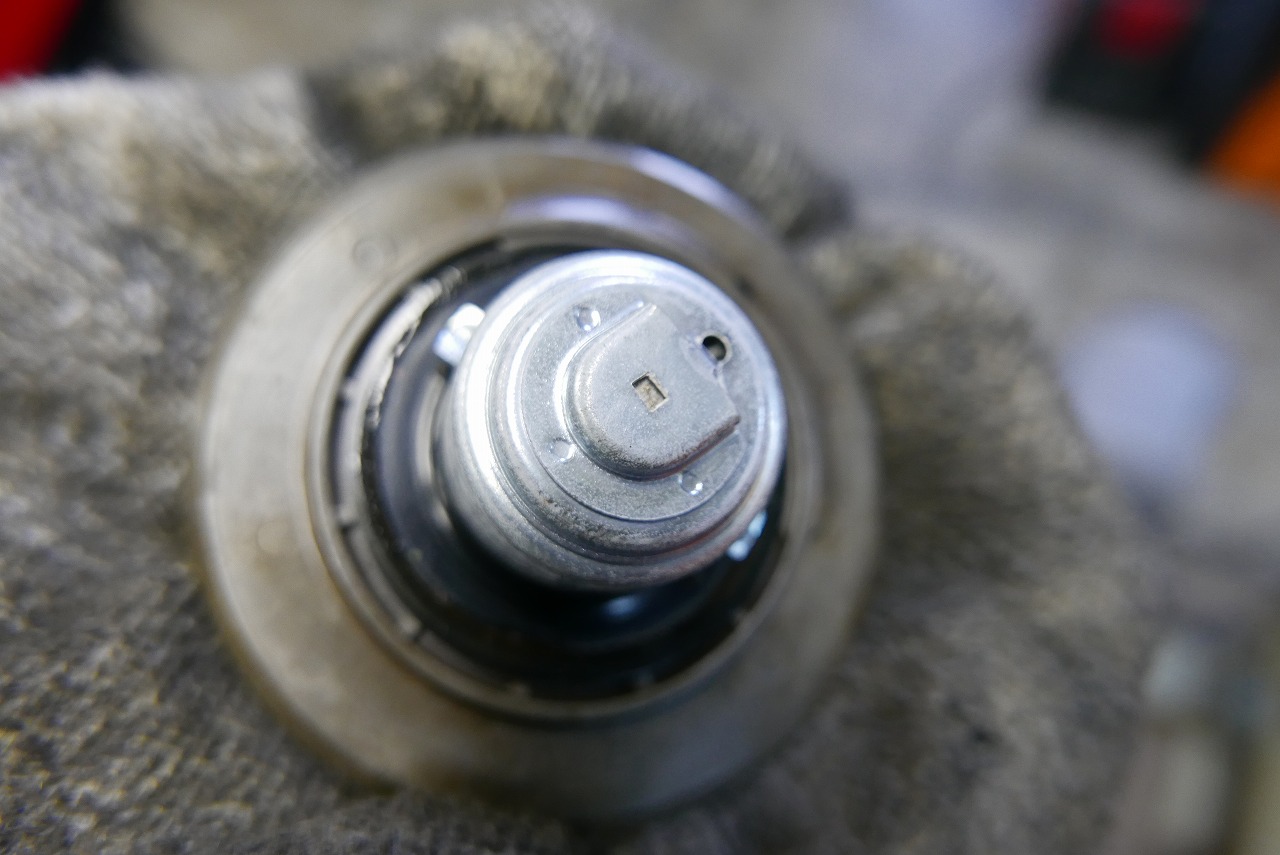
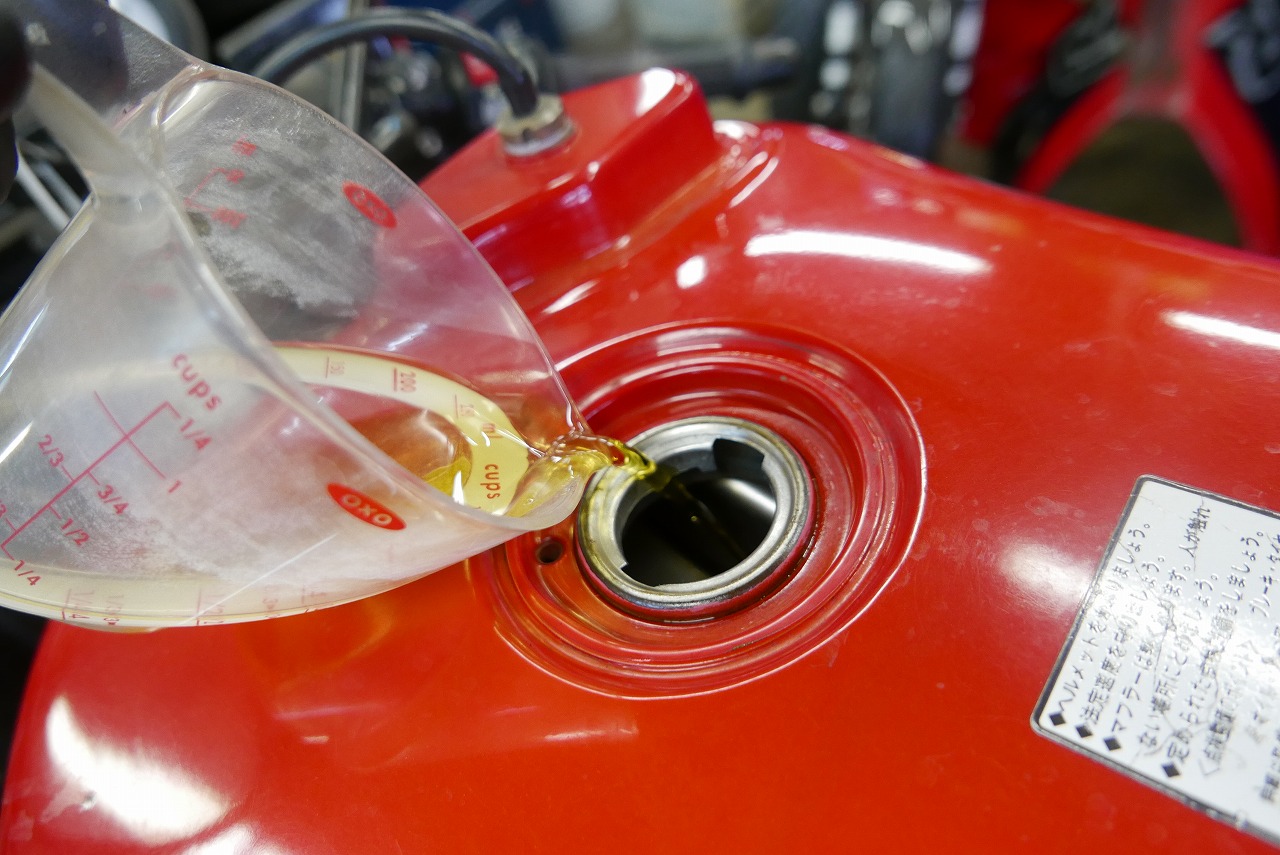
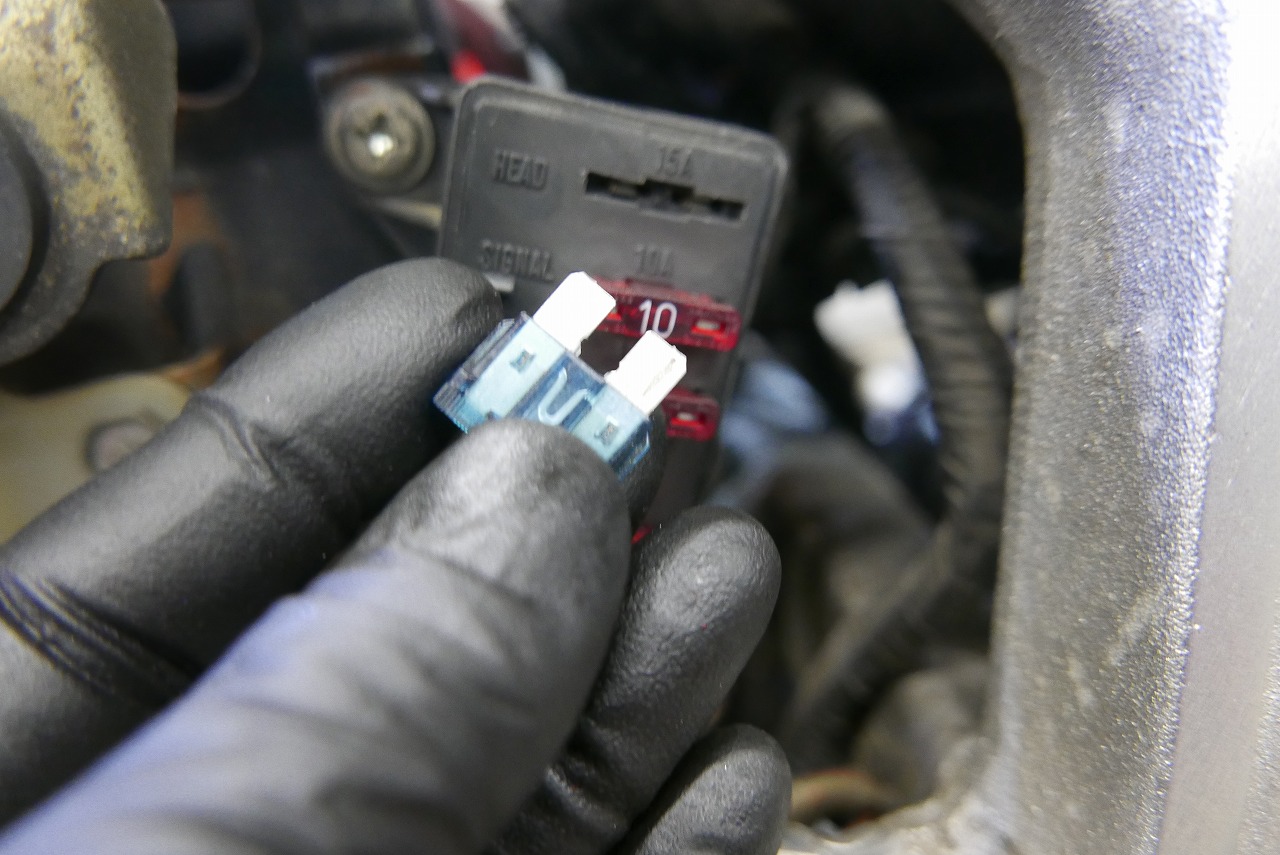
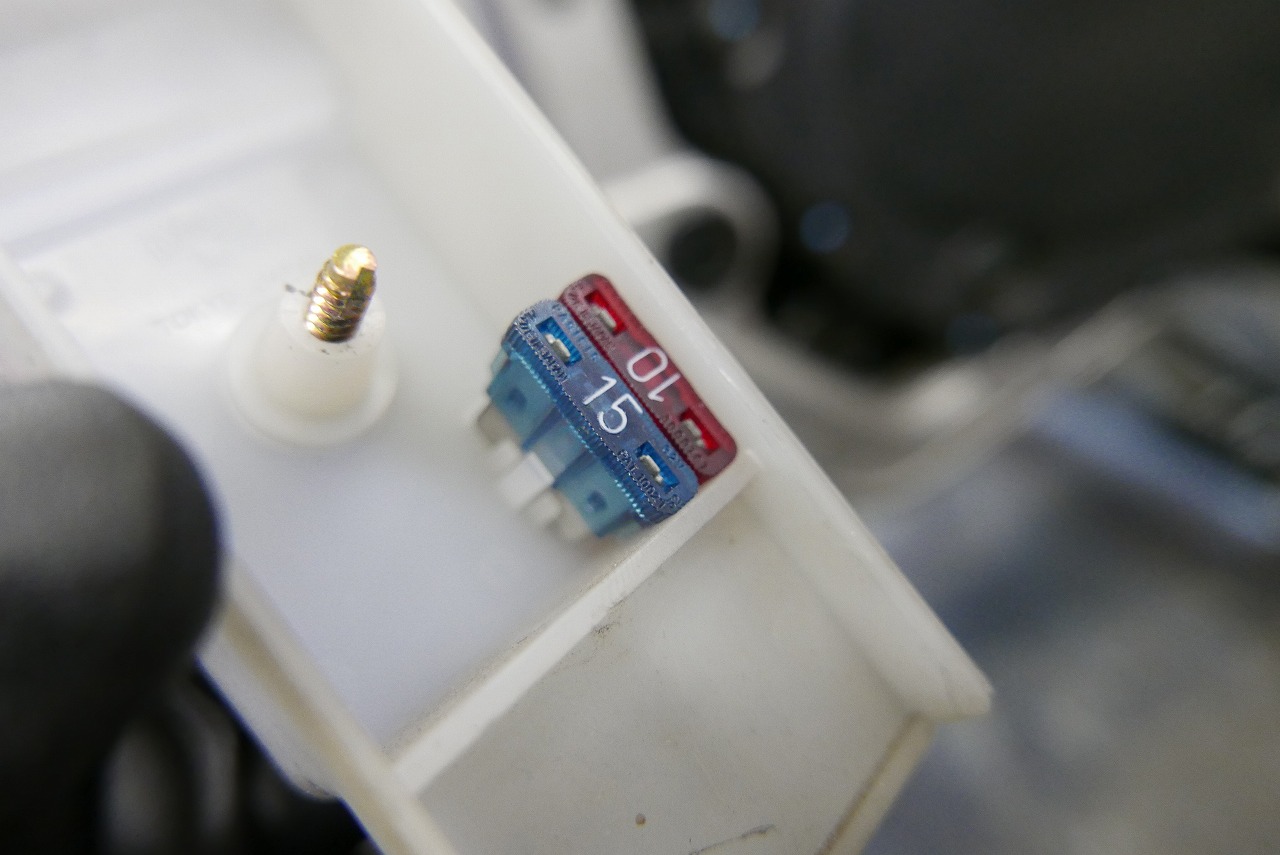
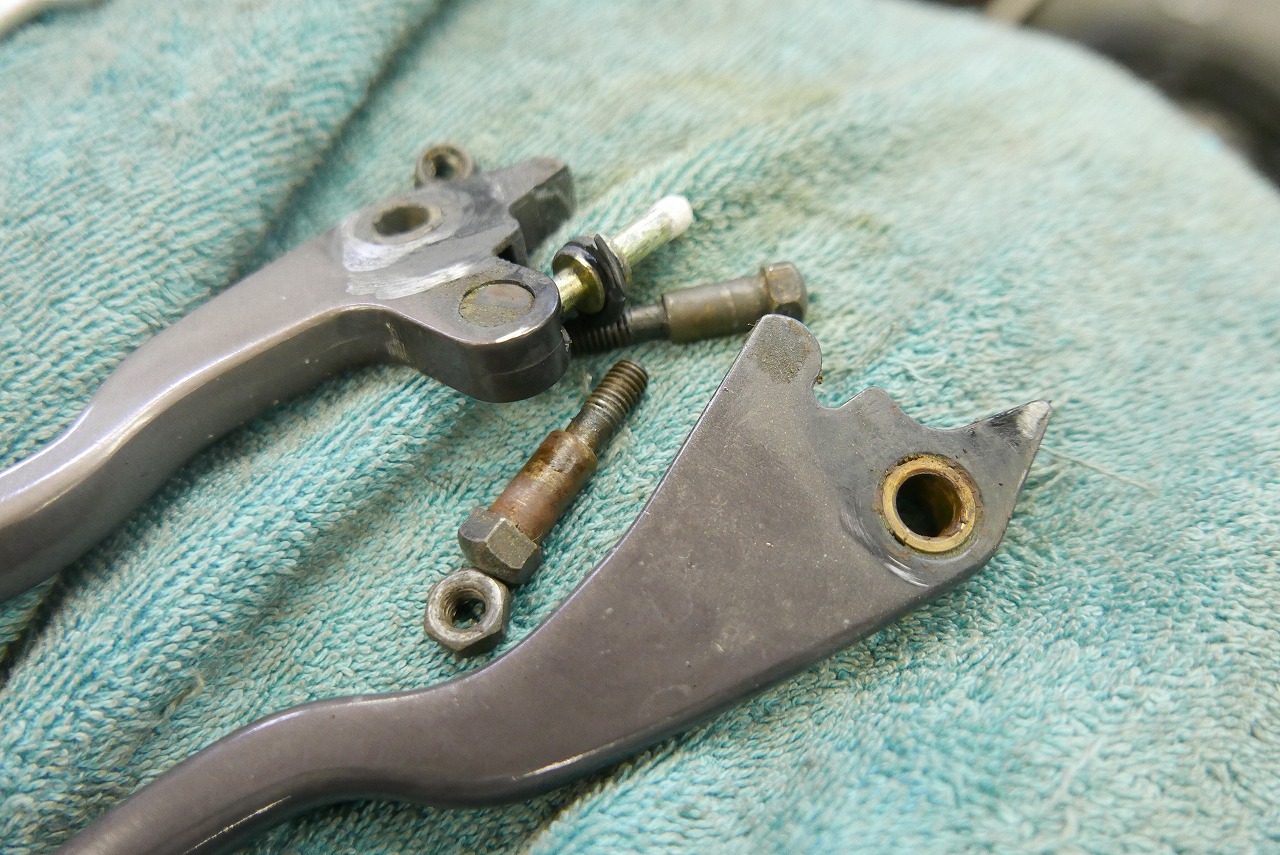
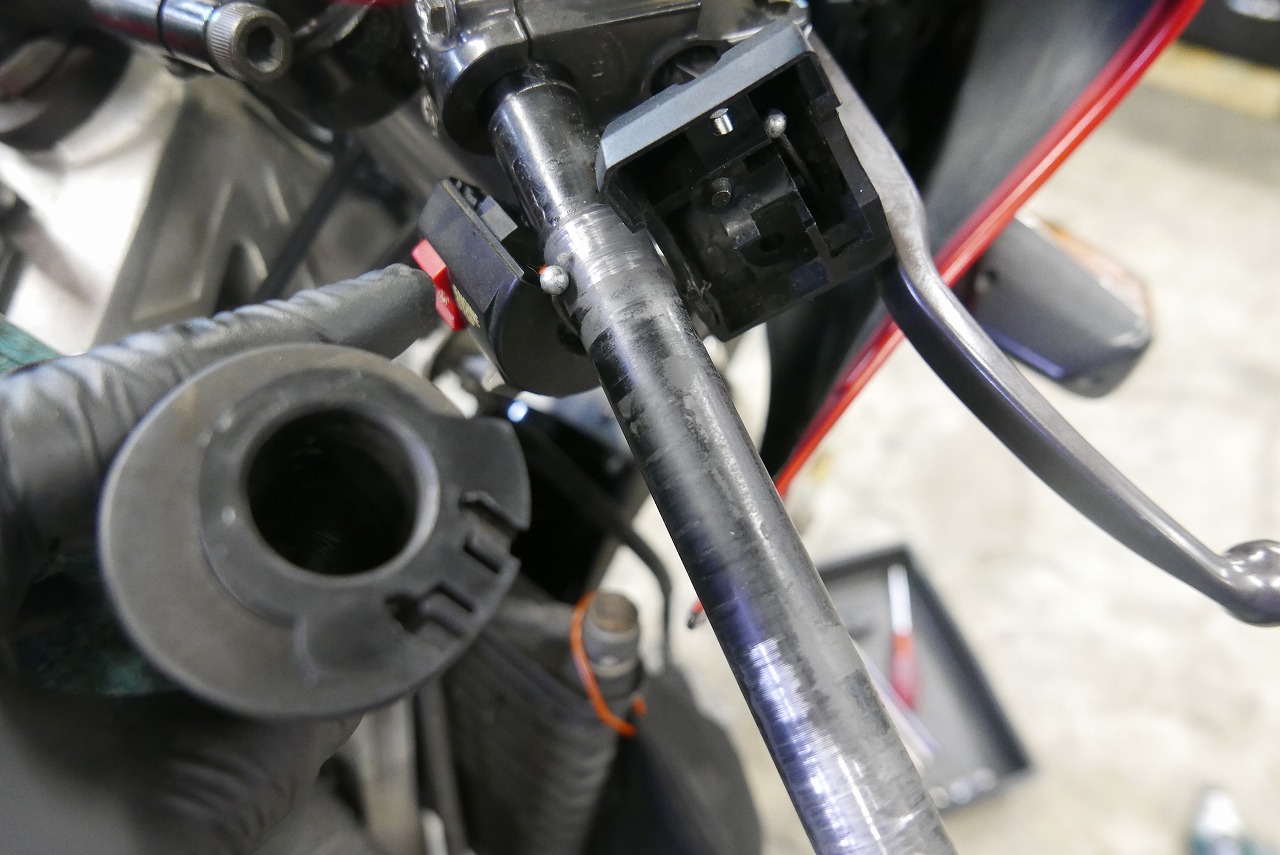
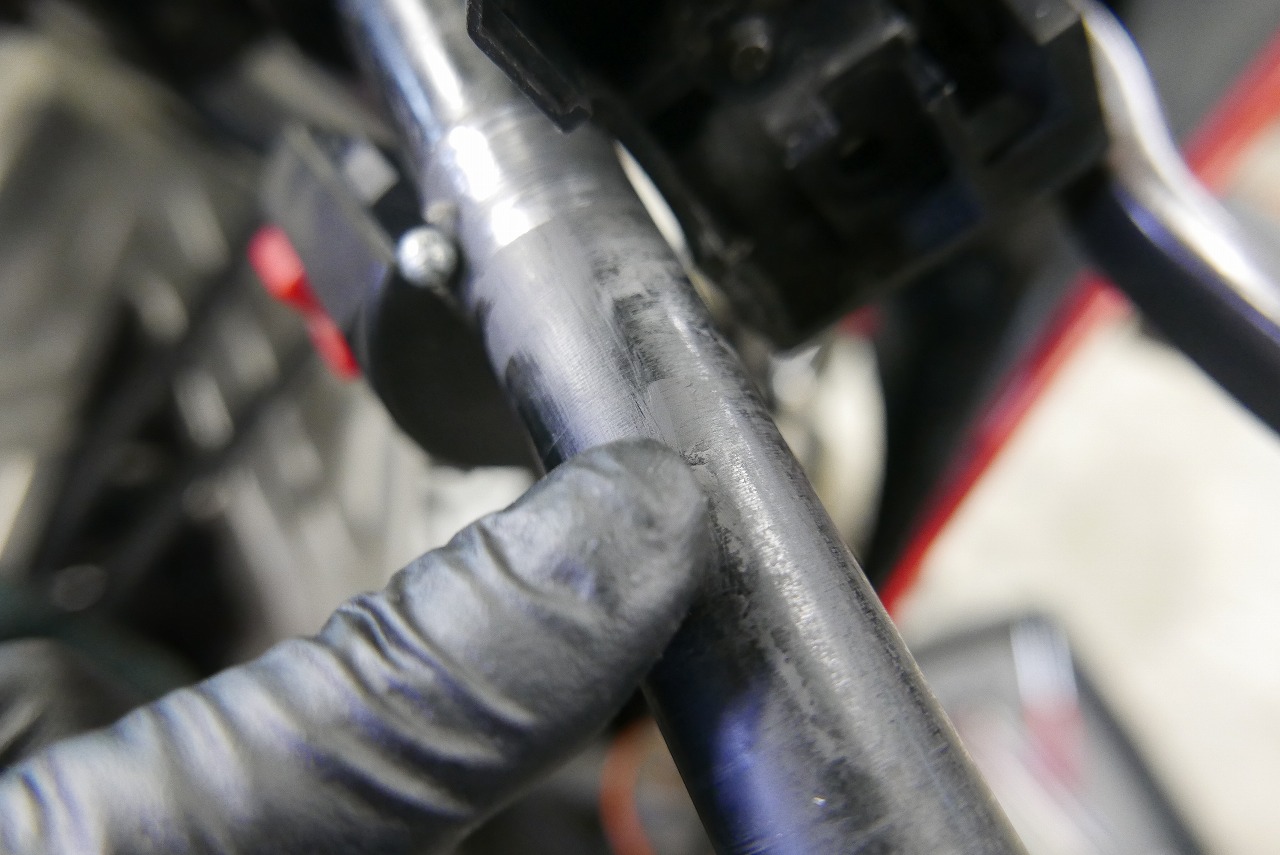
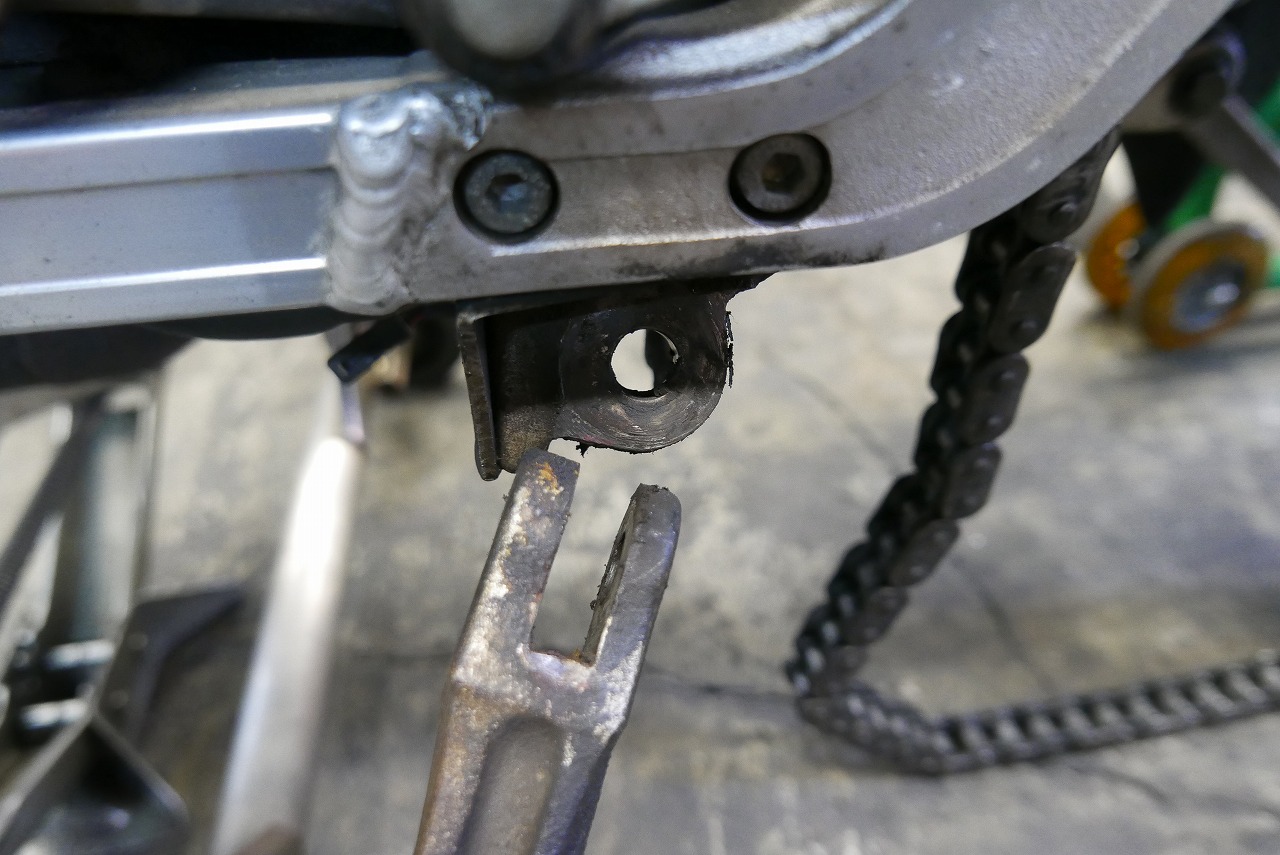
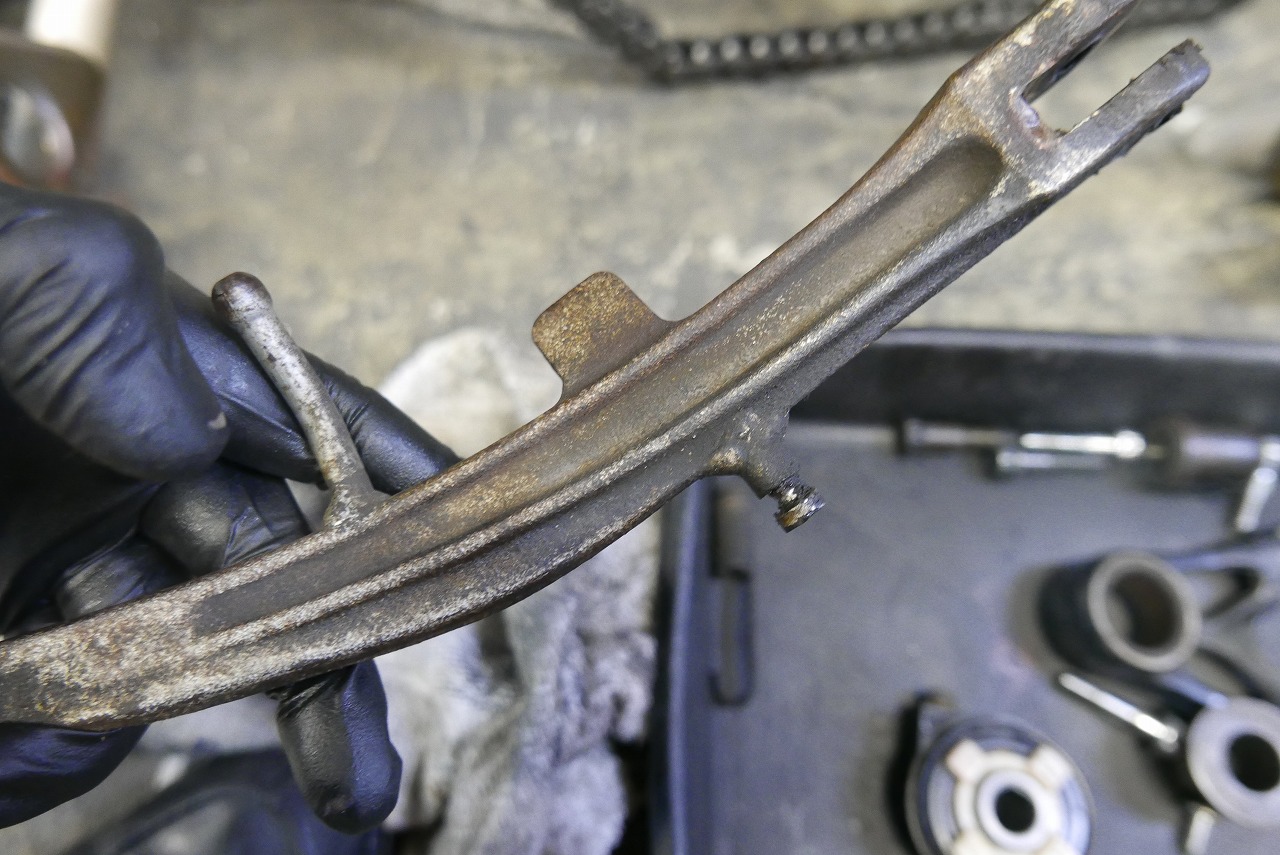
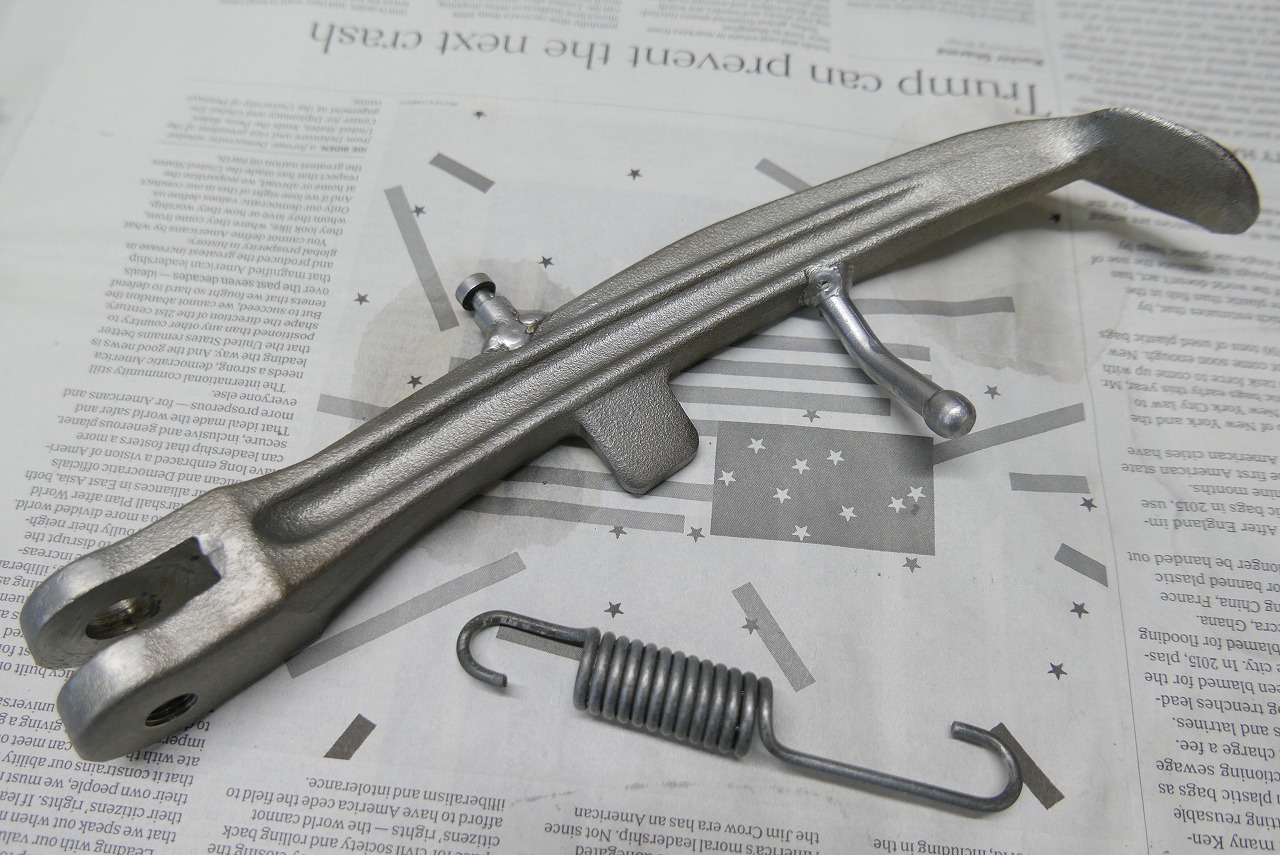
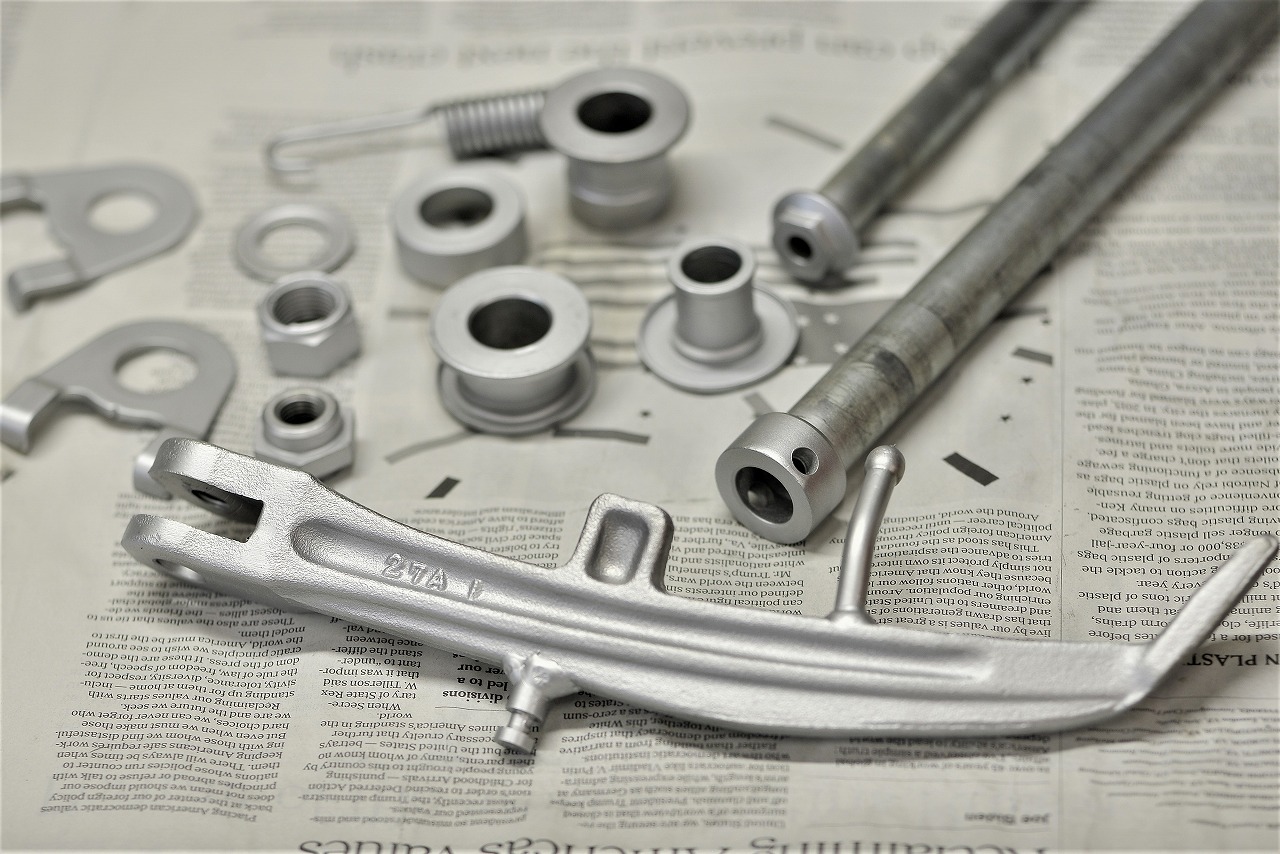
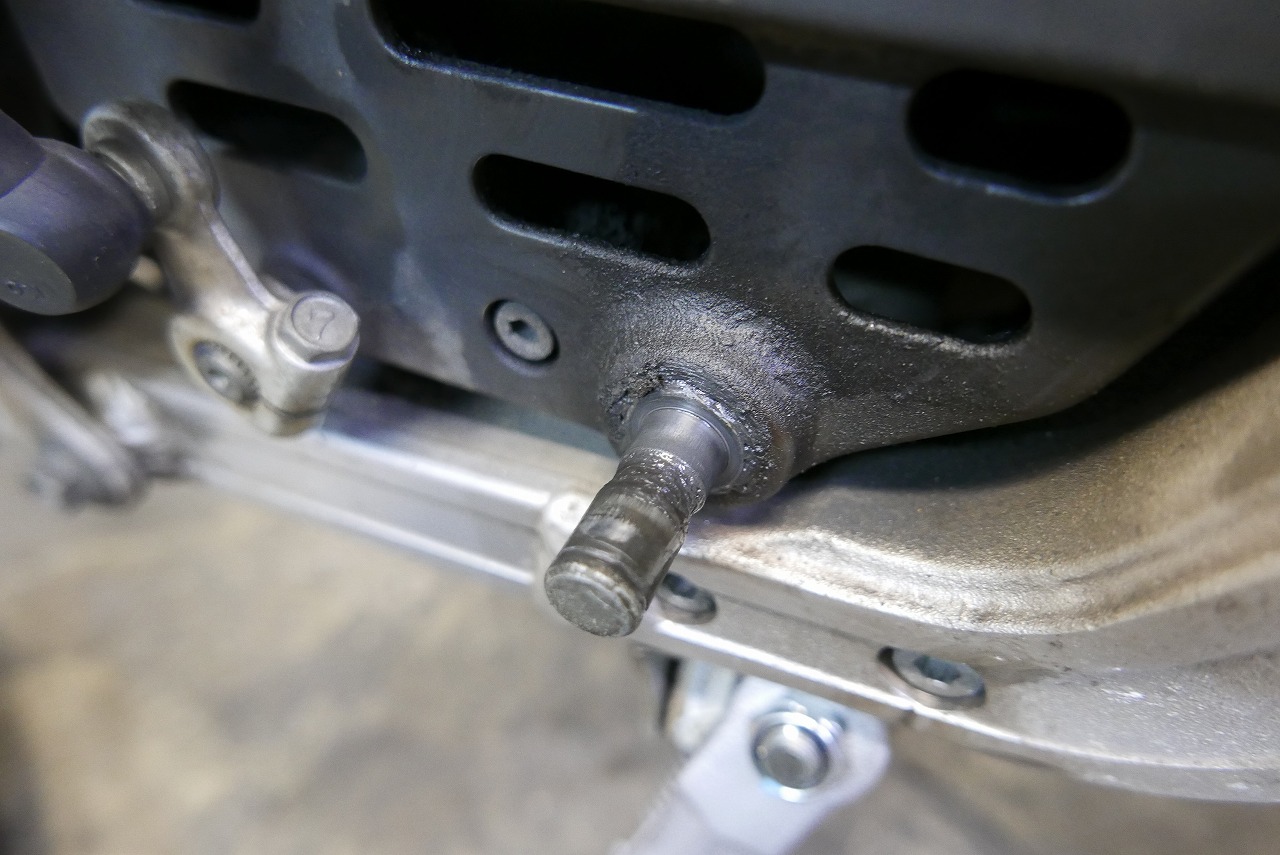
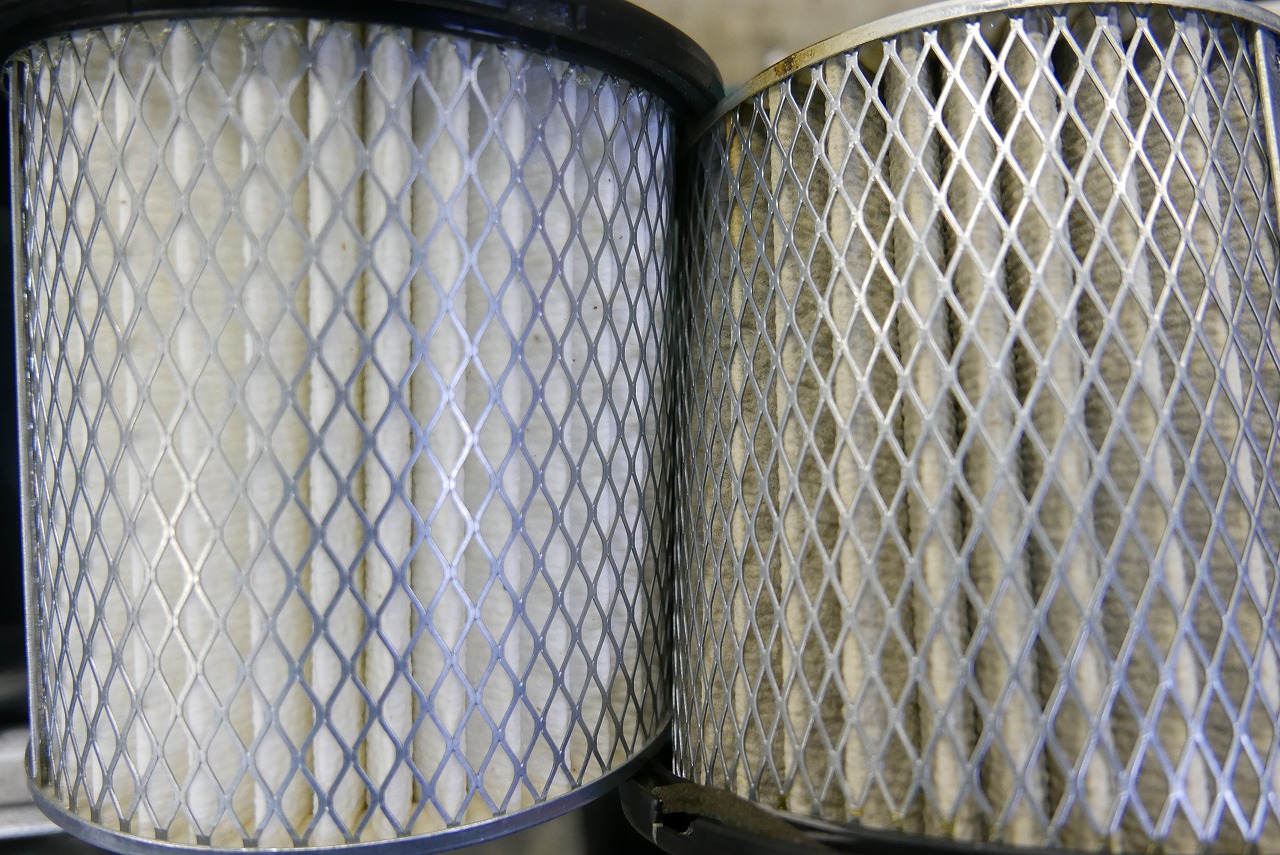
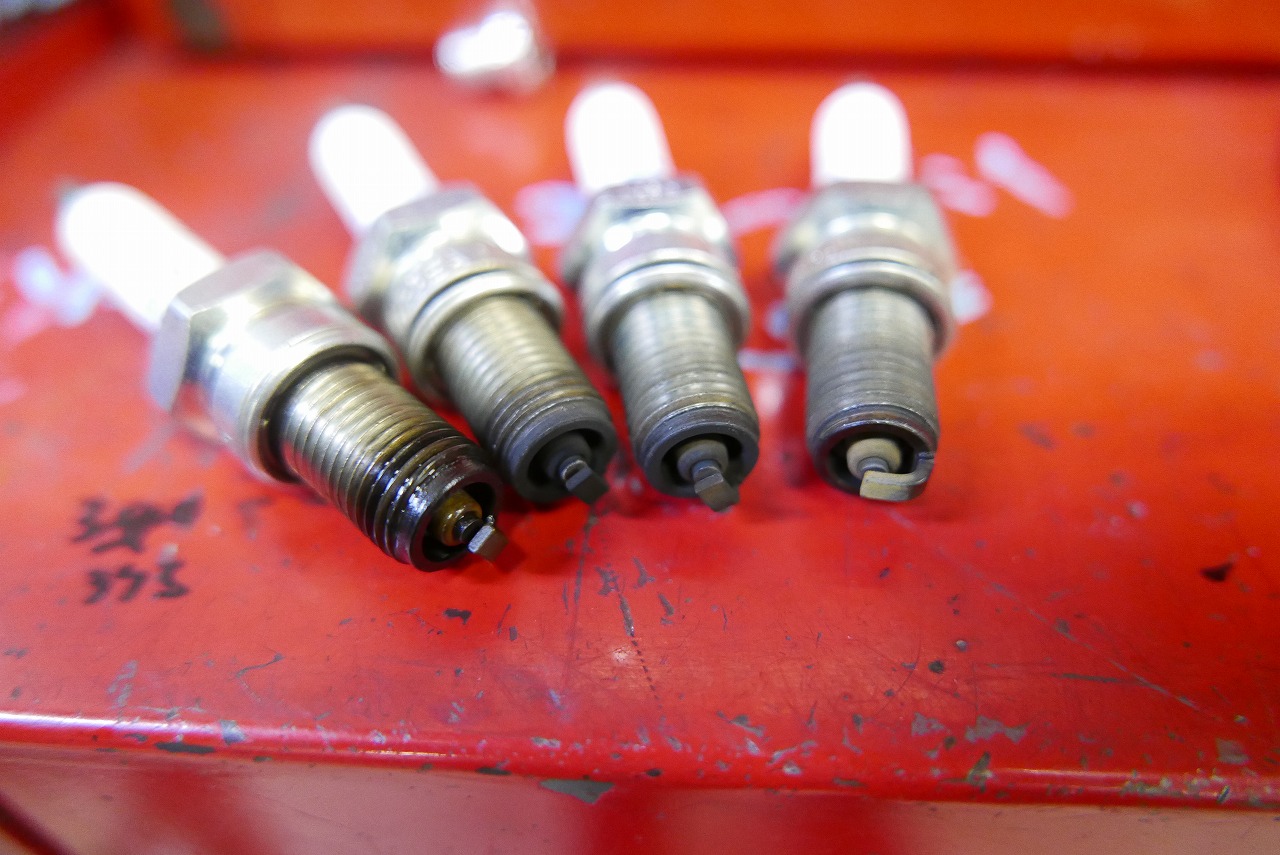
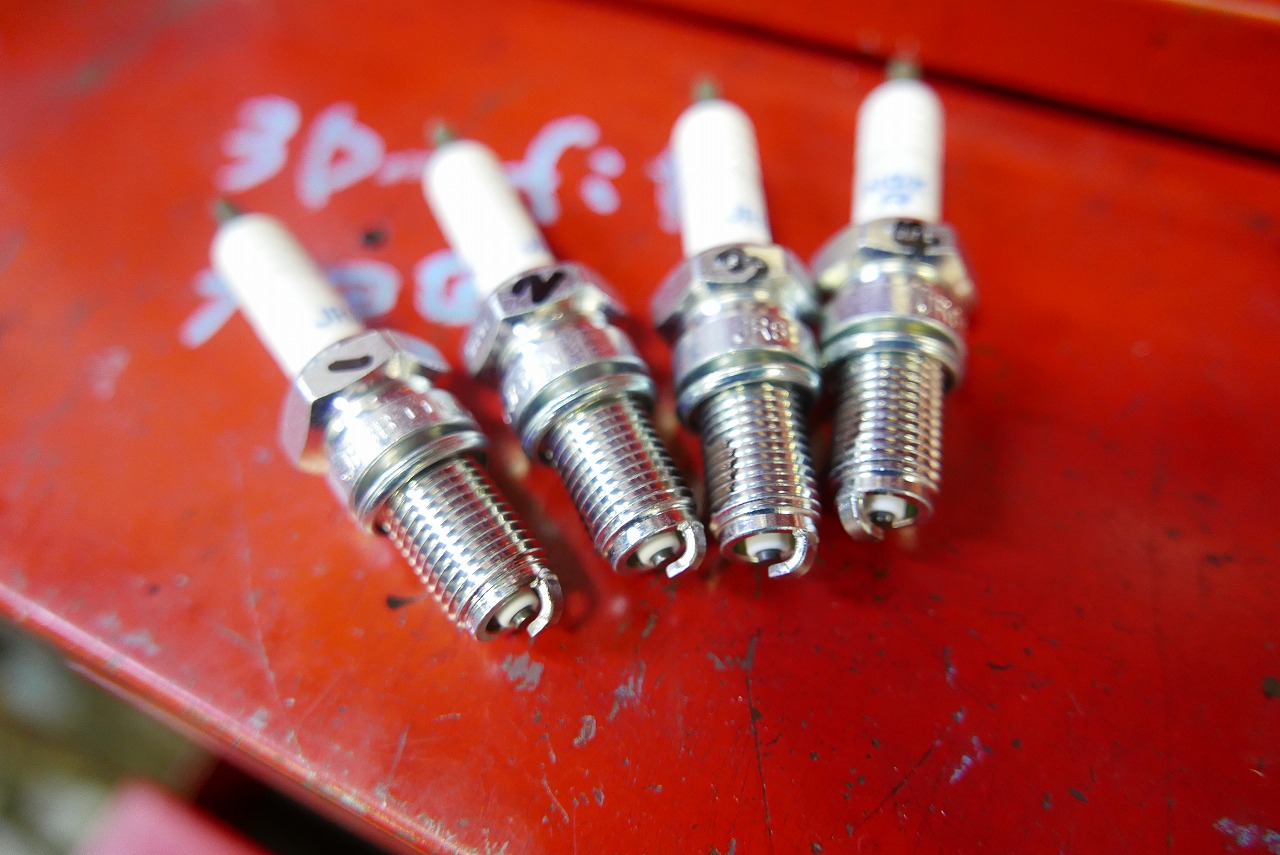
Considering it takes tens of thousands of kilometers and years to accumulate this much, cleaning it is over in a flash. Key cleaning. At first glance! Maybe you won’t notice. . . Clean grooves feel nice. . . . kind of. Do you clean your belly button? Fuel caps often get condensation, which can be scary—rust falling like snow. Occasionally spray rust preventative and clean. We add Fuel One hoping to get some rust prevention and slow fuel degradation. *It’s better not to add it too frequently. The results are. . . . surprising. Inspection and maintenance. Checking fuses is important. Most people won’t look until one blows. Checking the spare too gives peace of mind in an emergency. We also disassembled and lubricated the lever area. Throttle sleeve and accelerator cable lubrication. Grease-like material has turned to debris and built up. Clean it thoroughly and apply a thin coat of engine oil or similar for rust prevention. Sidestand lubrication. . . . but. . . it’s not in a condition we can love, so we’ll handle it We scraped off the rust and paint and everything else got a fresh coat with Gun Coat. The finish alone makes a huge difference. Both function and appearance improve, which builds more affection for the bike. Chain cleaning and lubrication. Rust is showing, so replacement might be worth considering soon. Pedal shaft cleaning and lubrication. *We also did the brake side, but the photo went missing somewhere. . . Air filter replacement. It looks clean at first glance, but it’s definitely clogged. Thinking of disposable masks—ah. . . a new one feels so good—you’ll understand. The carburetor is in pretty rough shape—it’s wet. We’ll replace the spark plugs. Marking the numbers with a marker makes it easier to sort them later if they get mixed up? Maybe? Is it weird to be happy about this much deviation? “Bad condition” = “lots of room for improvement” = “customers are thrilled with the difference after work”—that’s the loop.
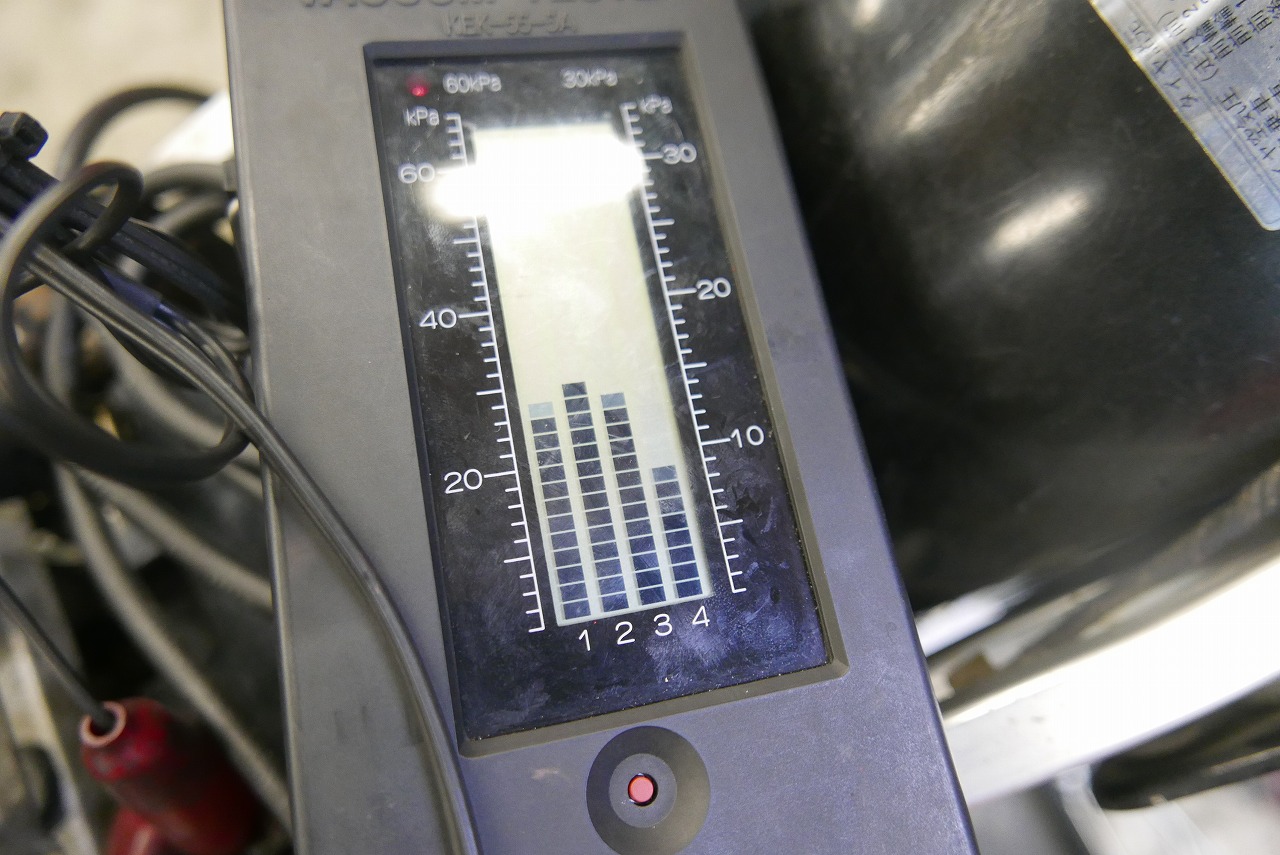
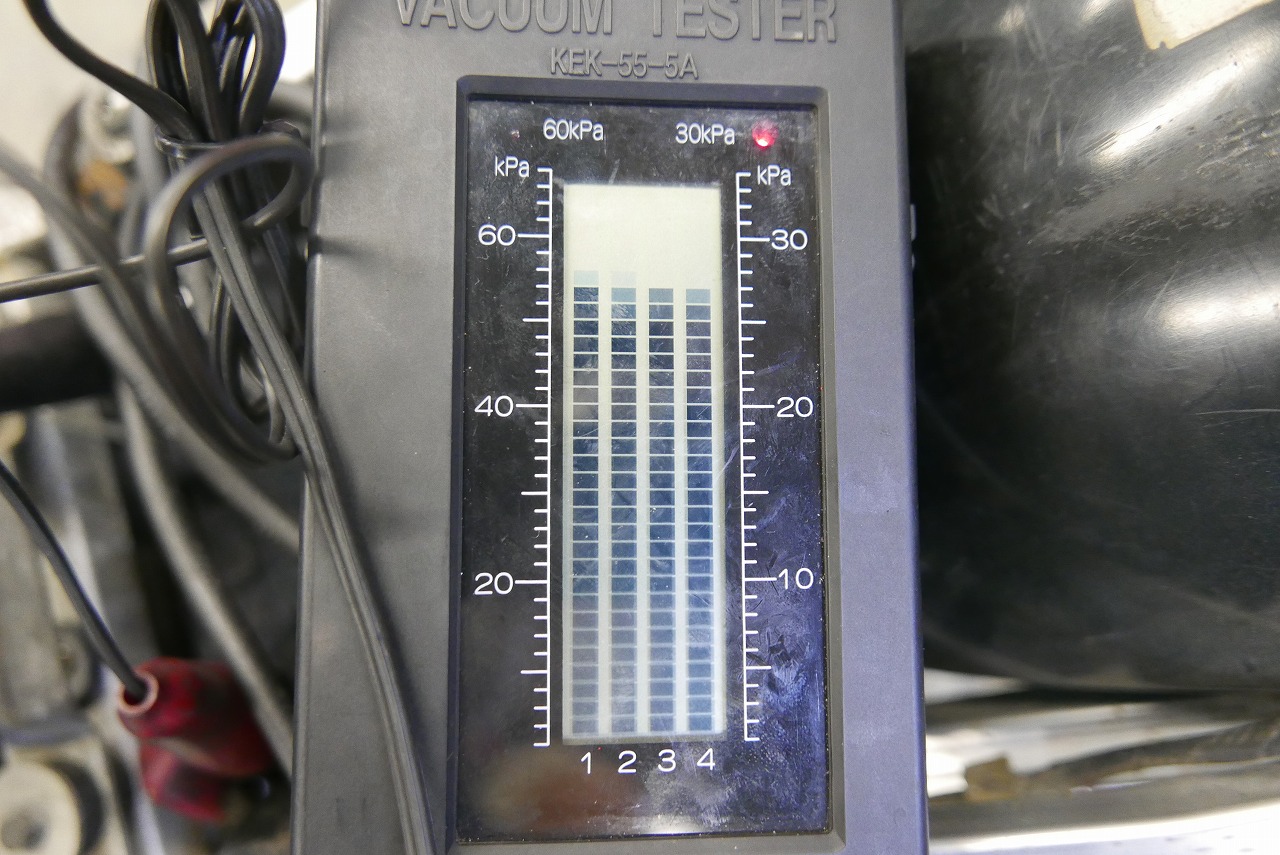
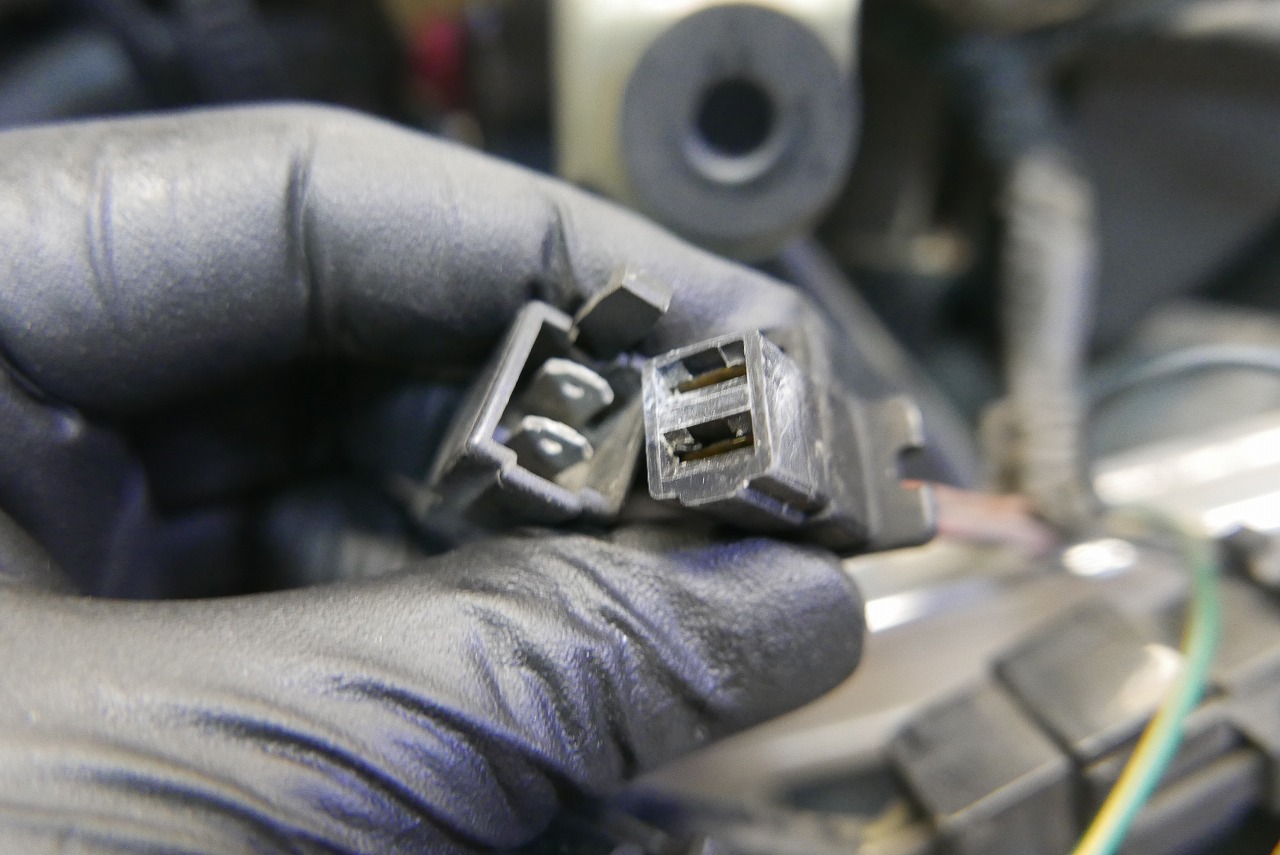
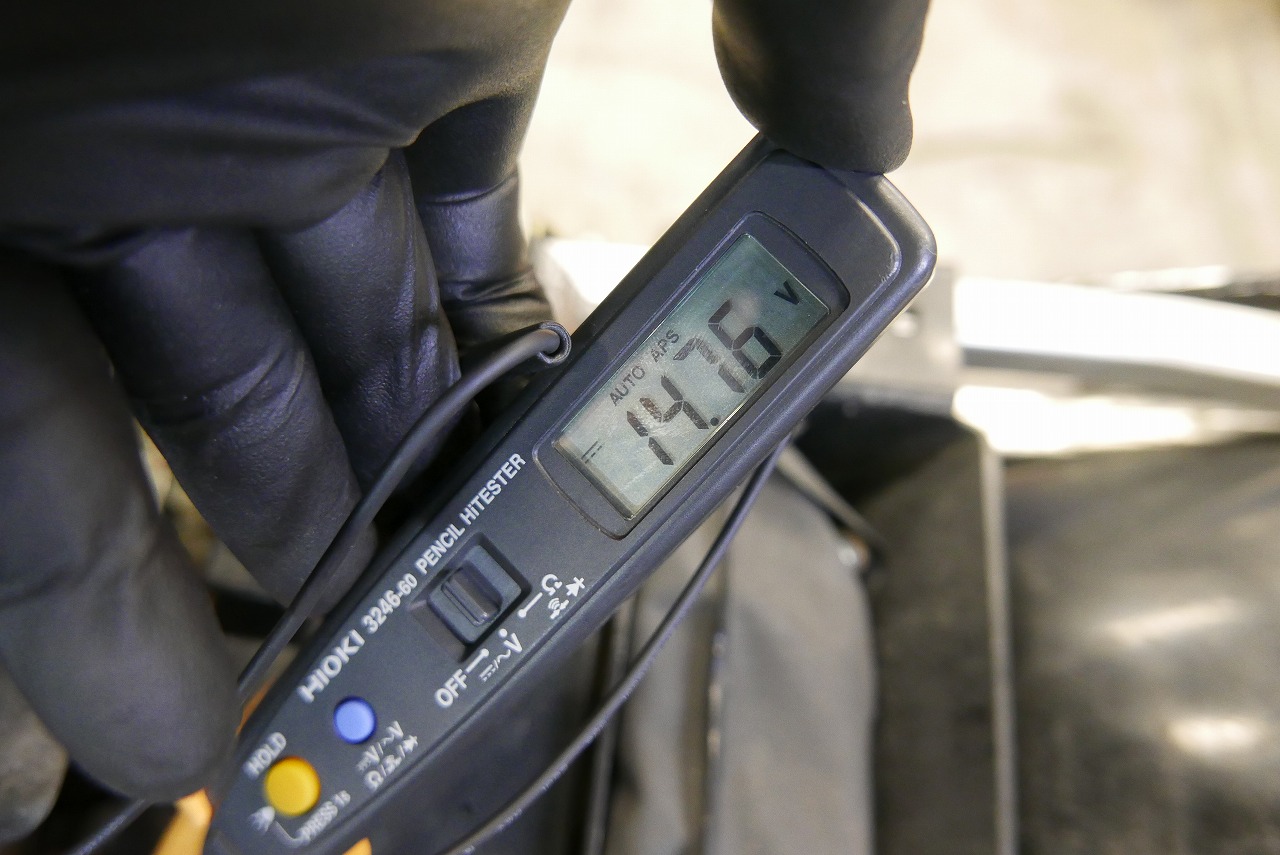
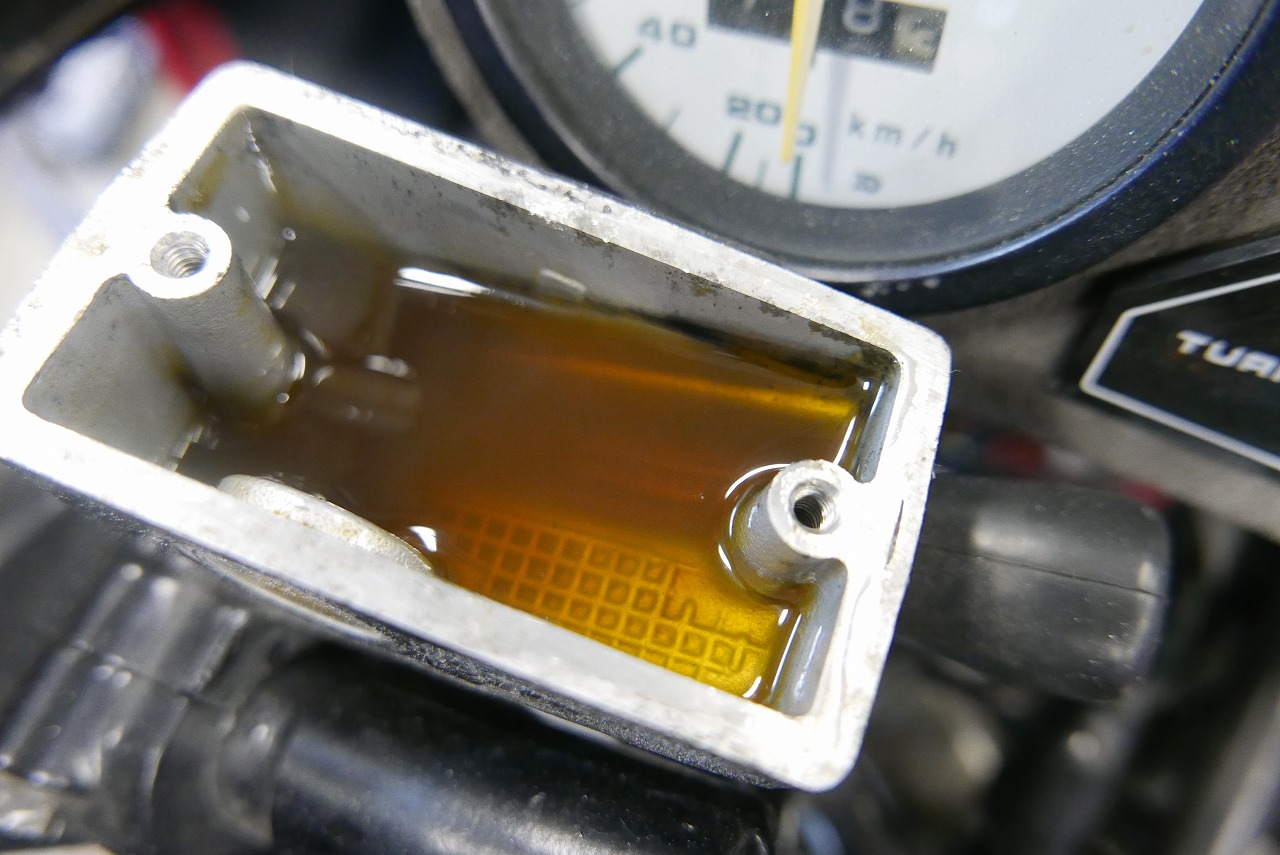
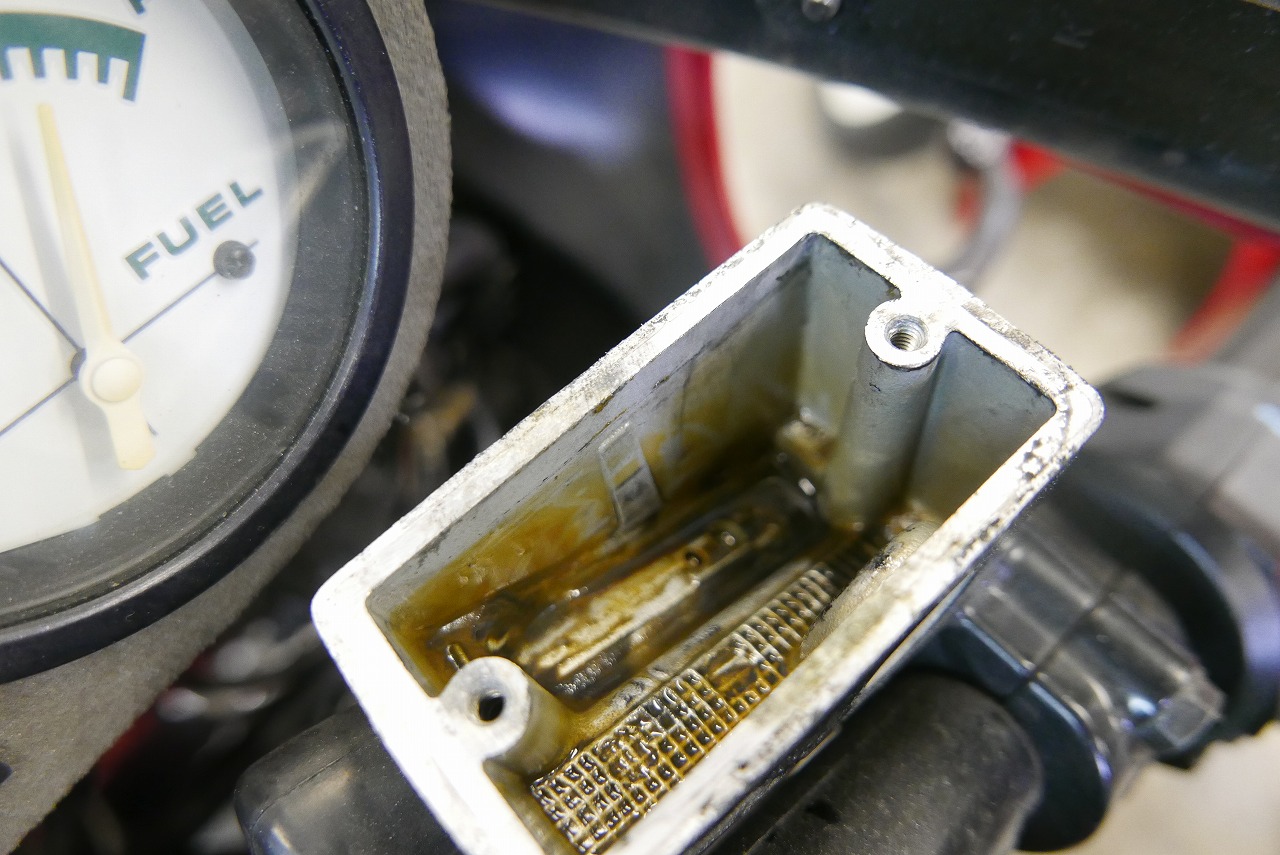
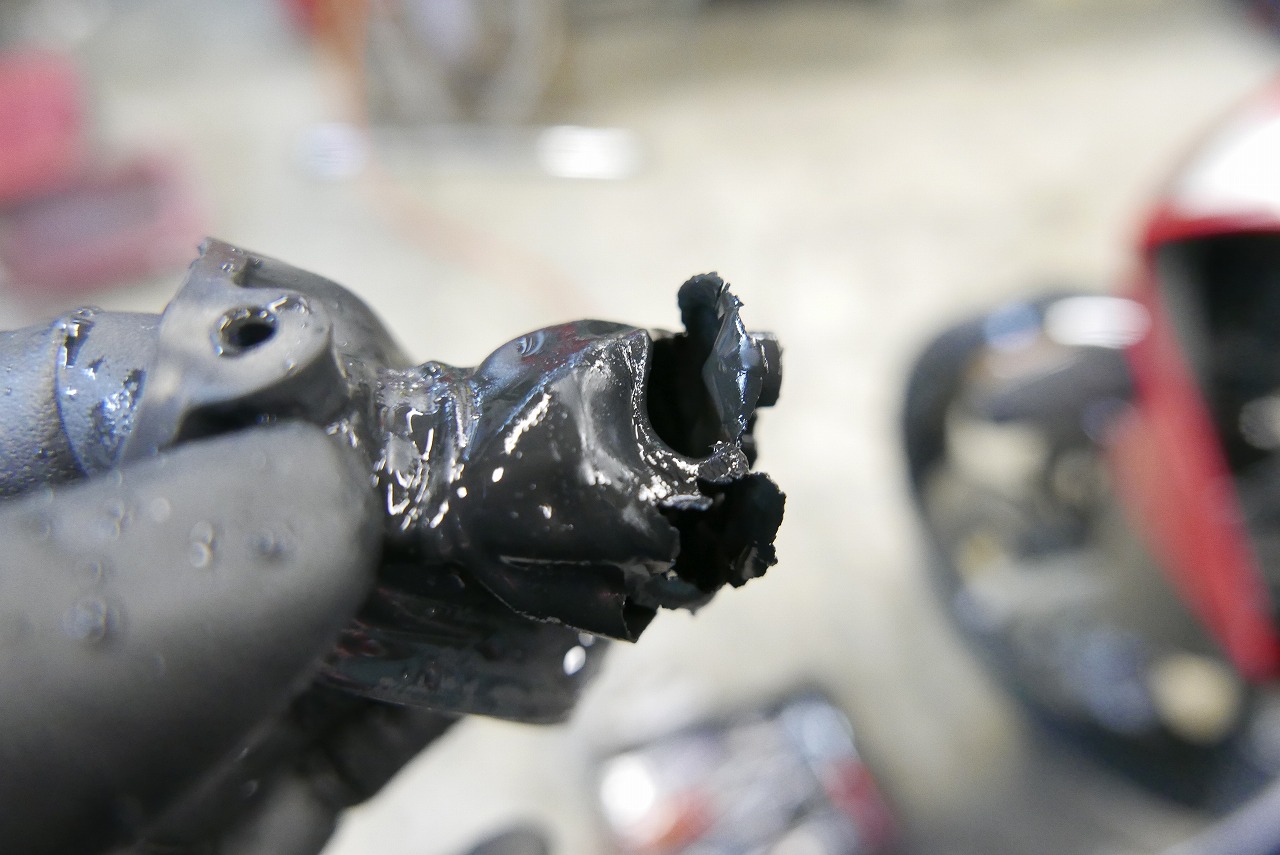
It’s just routine maintenance, so if the condition isn’t bad, there won’t be much improvement. I think the hidden potential is minimal. Synchronization is easy to understand—from a “rough, rough” sound it becomes “smooth,” so vibration decreases and everything becomes gentler. If you buy a used oil-cooled bike, you should check this generator connector—it’s a common issue. No problems here, so we cleaned the contacts and put it back. It’s important to know how many volts are generated at what RPM. On larger bikes, I think the maximum is usually around idle. We did a caliper OH, but we drained everything from the top—I wonder if the hoses are okay. . . Long-term storage bikes can be pretty risky. Diaphragms melt. . . apparently. Thinking things through according to your budget and moving forward, the bike becomes truly yours.