Recently, Daytona’s parts evolution has been remarkable. Before you know it, there’s this? And that too? It’s hard to keep up with checking.
But that’s a good thing.
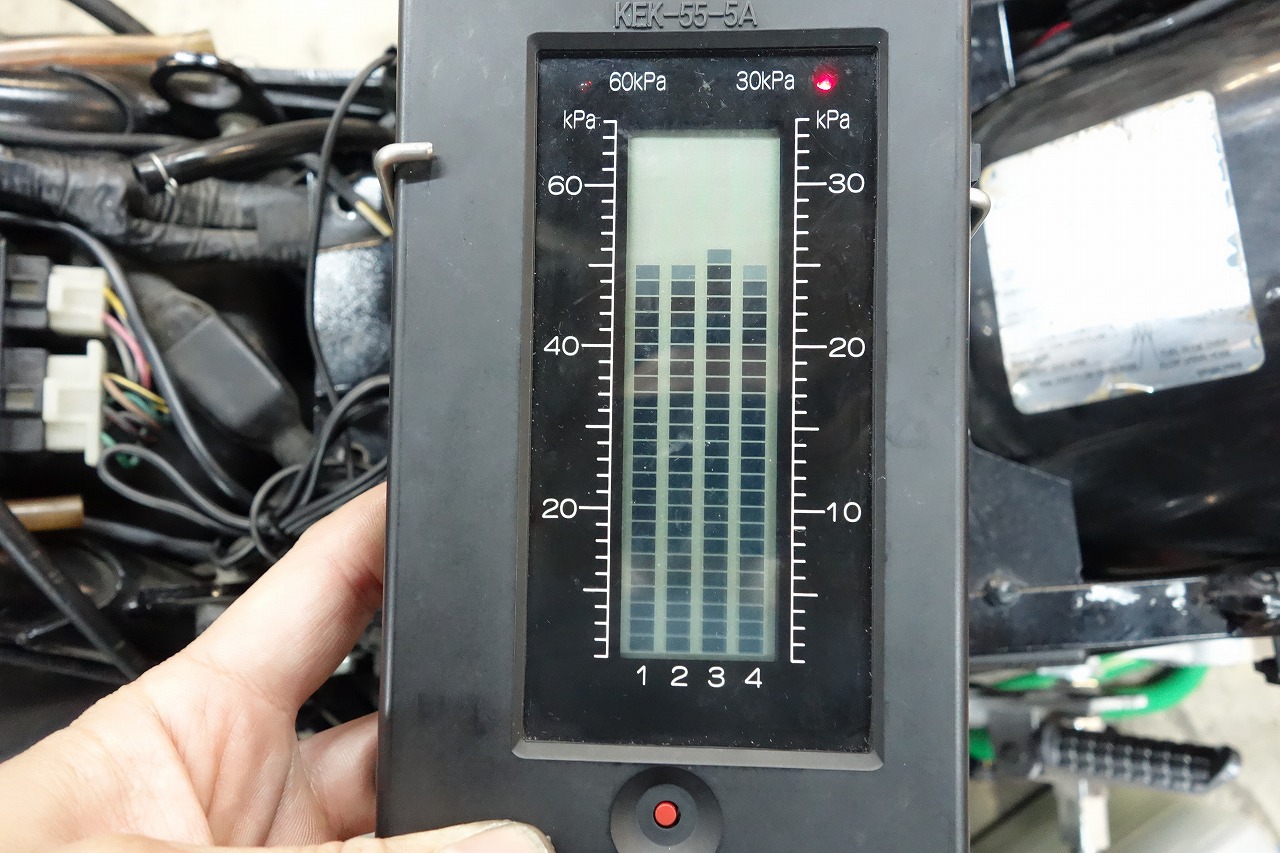
Let’s continue with the Deco-mainte.
The carburetor synchronization was in good shape with almost no deviation.
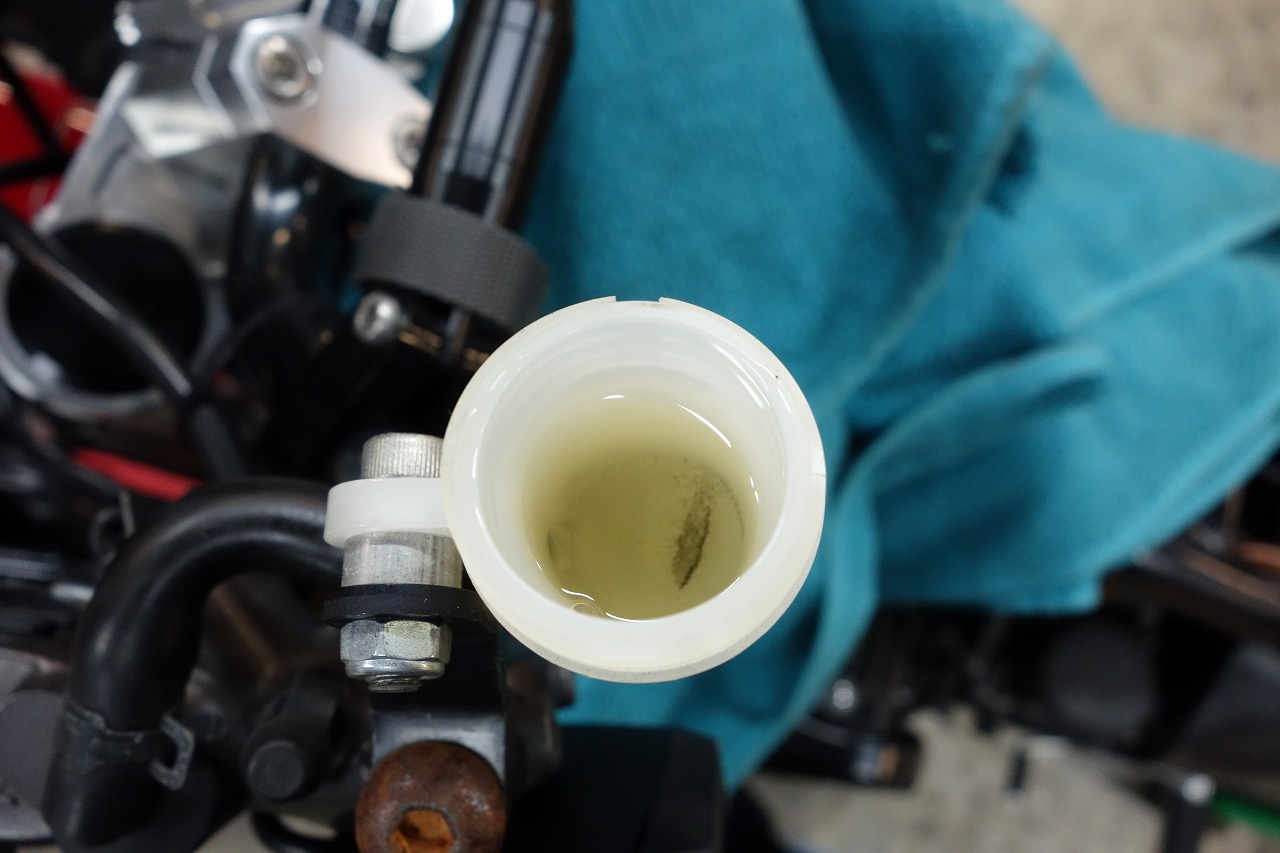
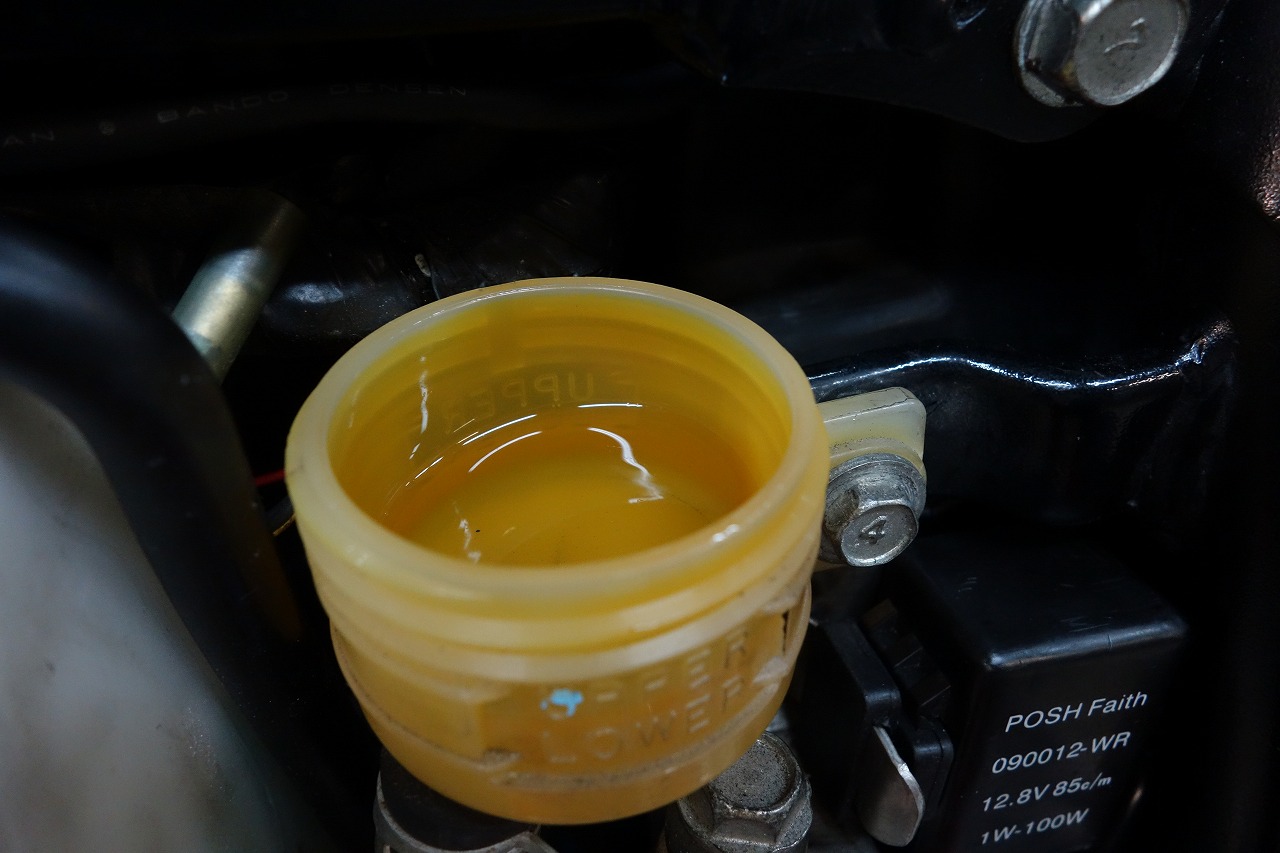
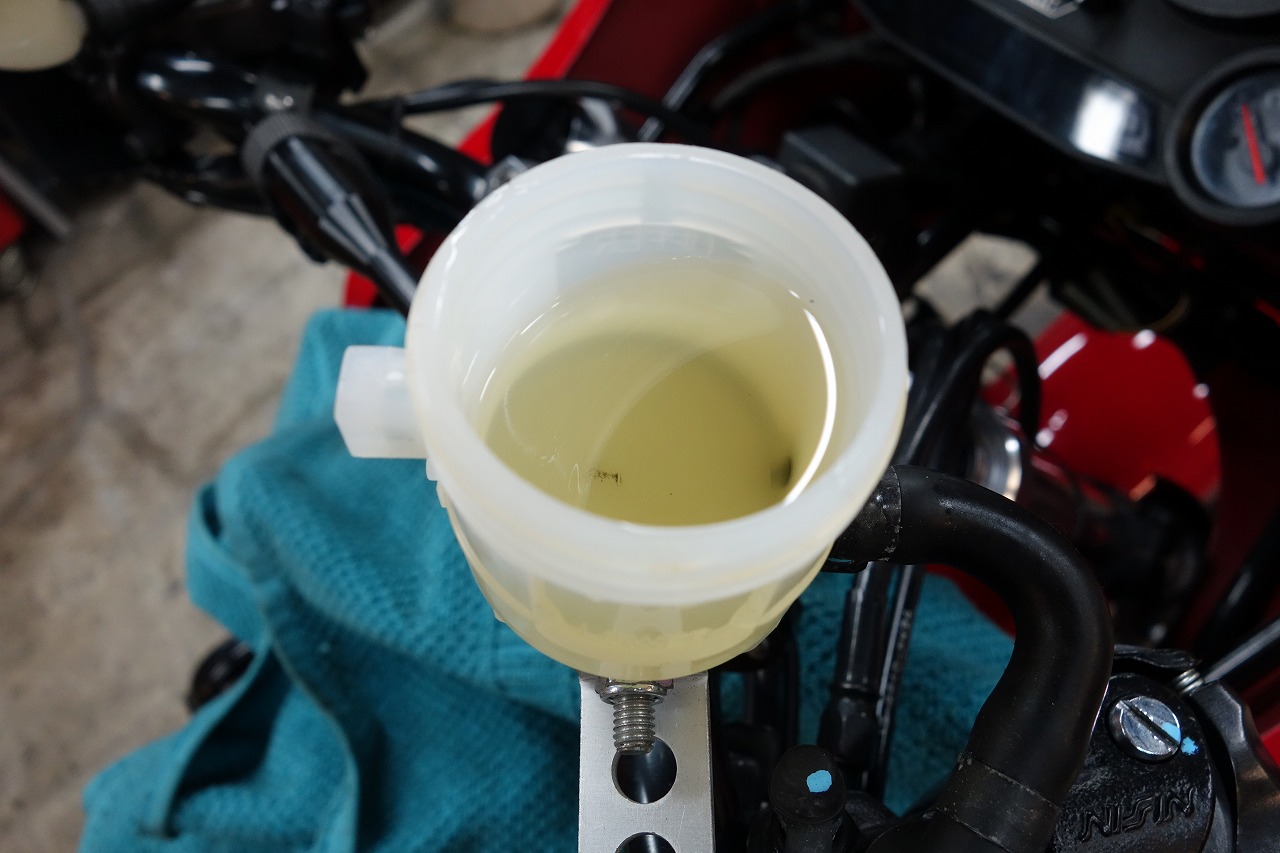
We replaced the brake fluid with CCI Golden Cruiser DOT4.
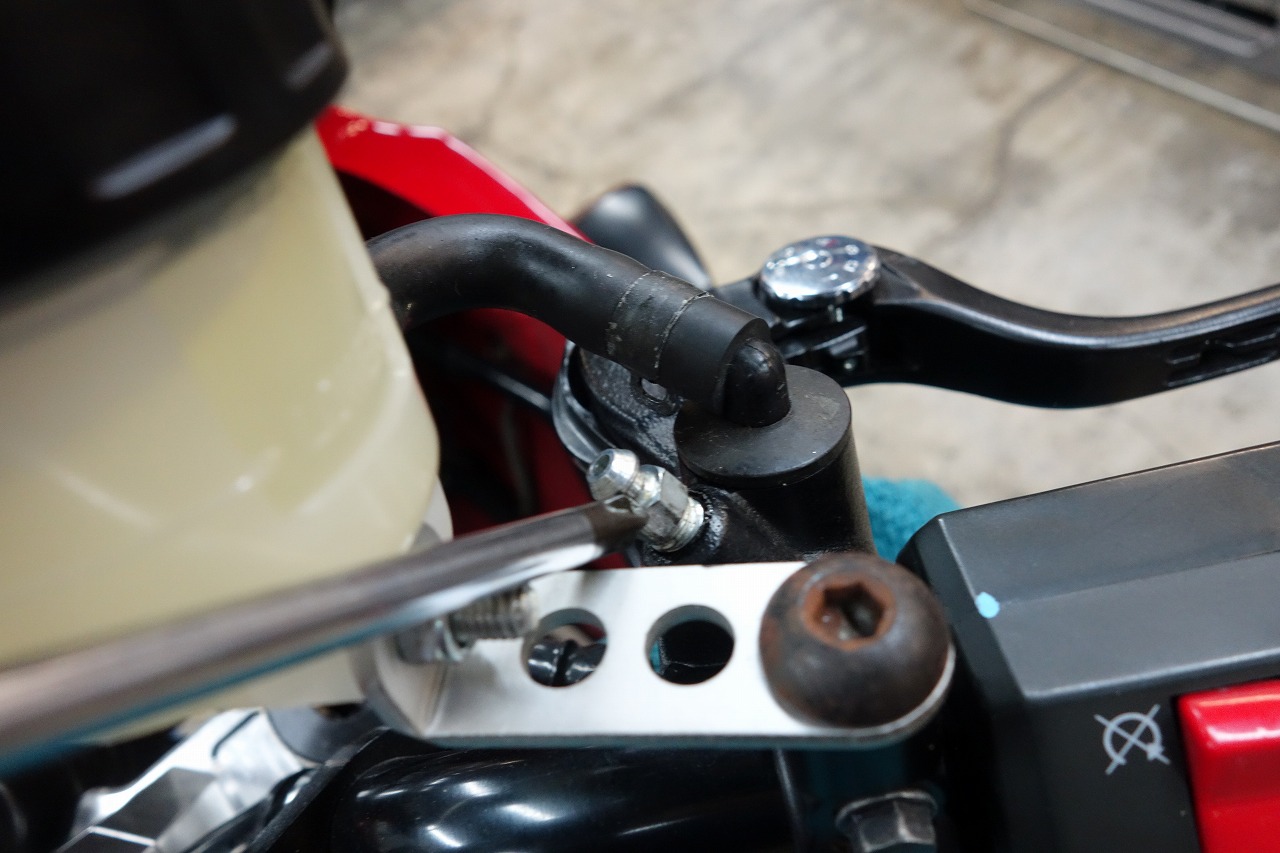
Sometimes bleeding from the master cylinder side too can improve the feel.
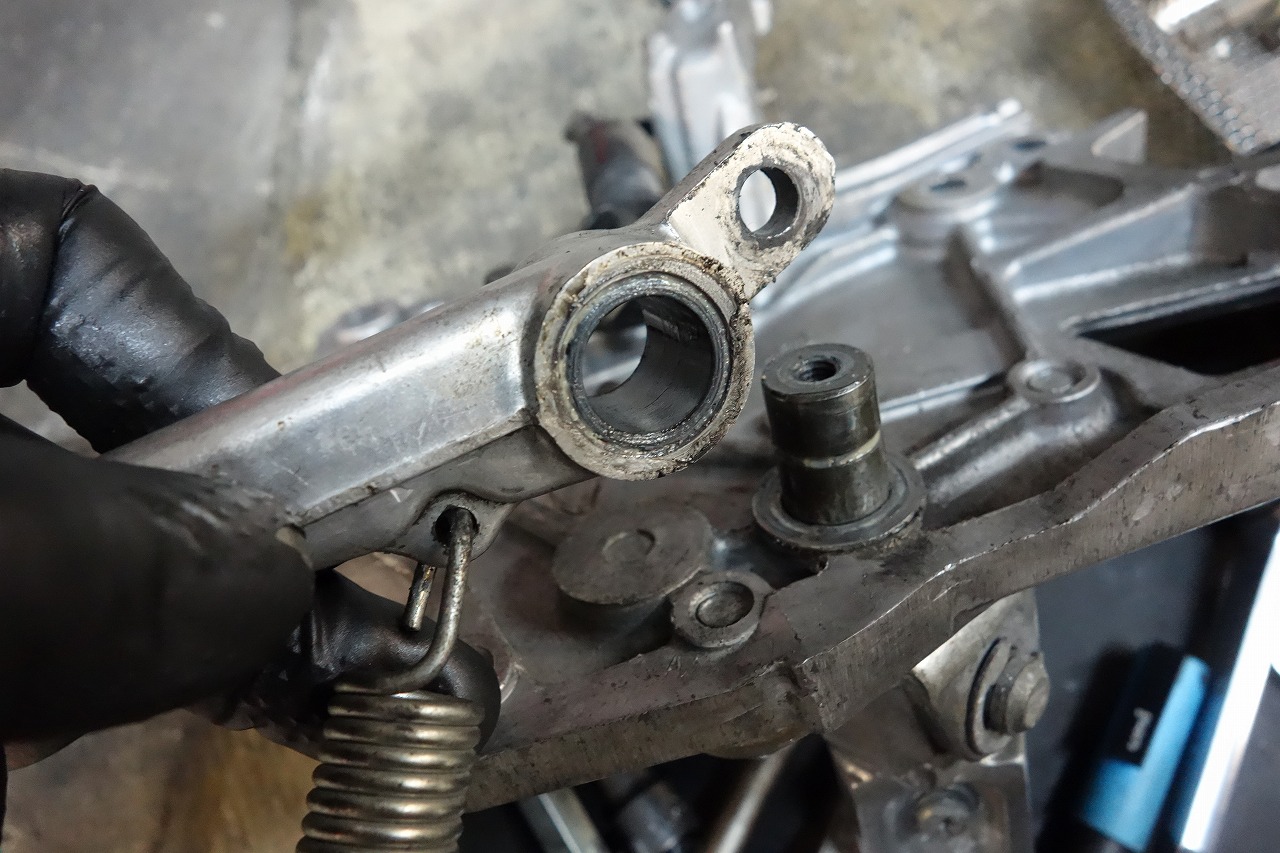
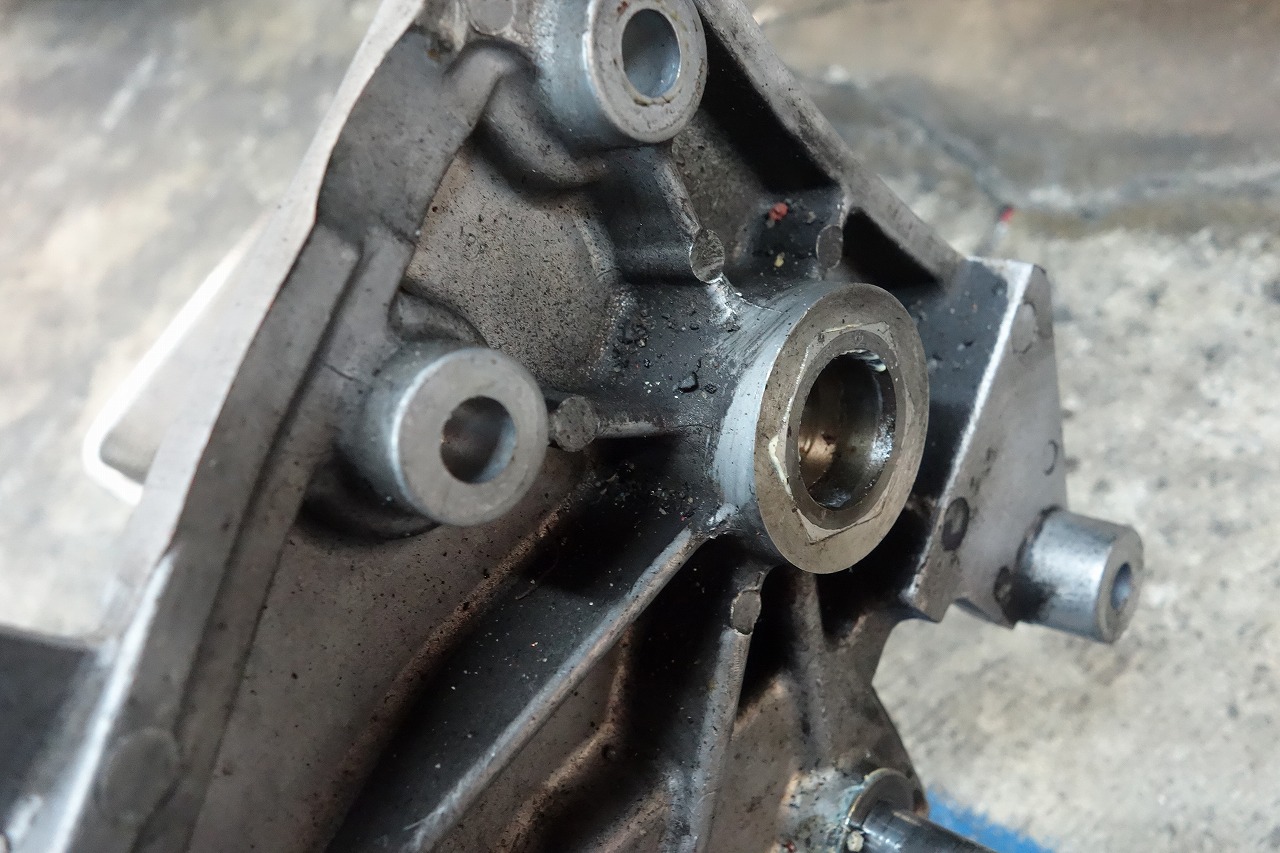
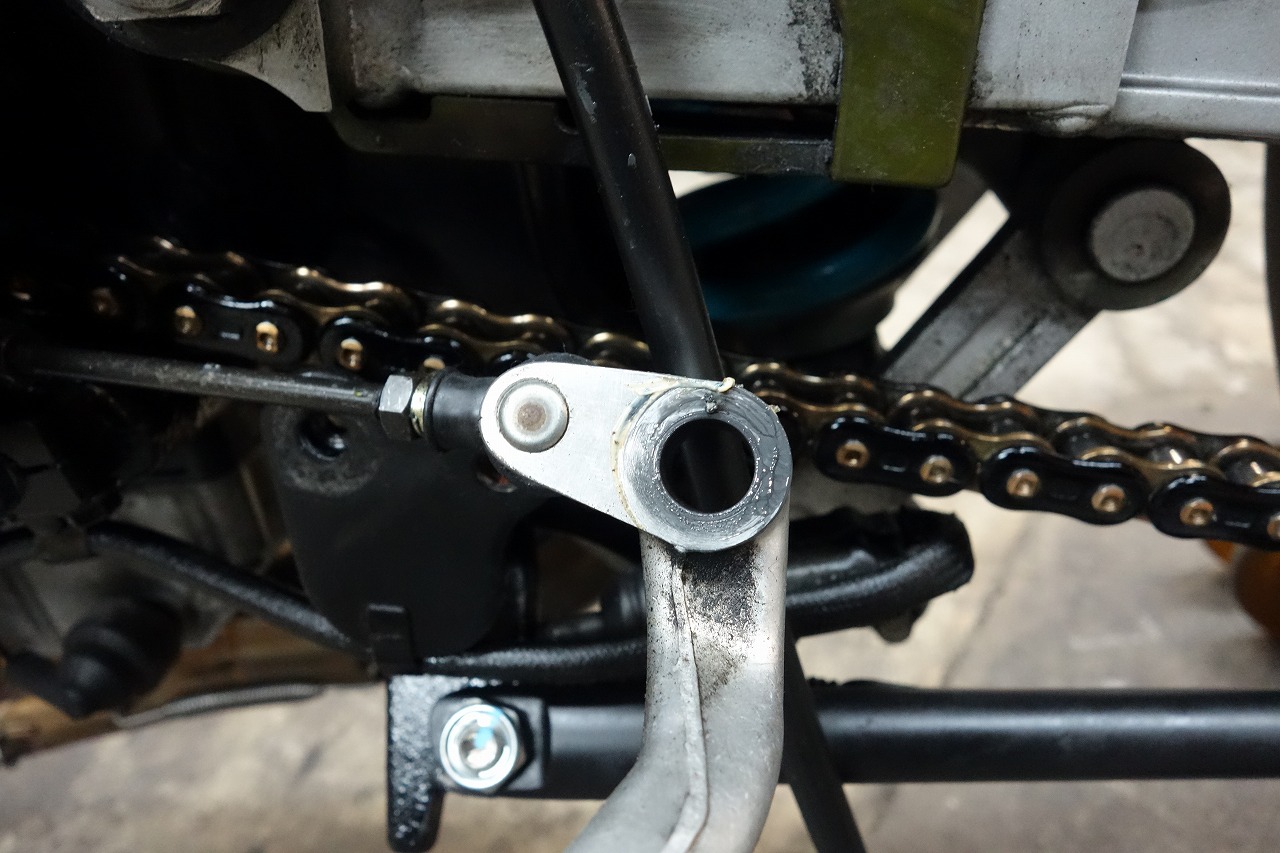
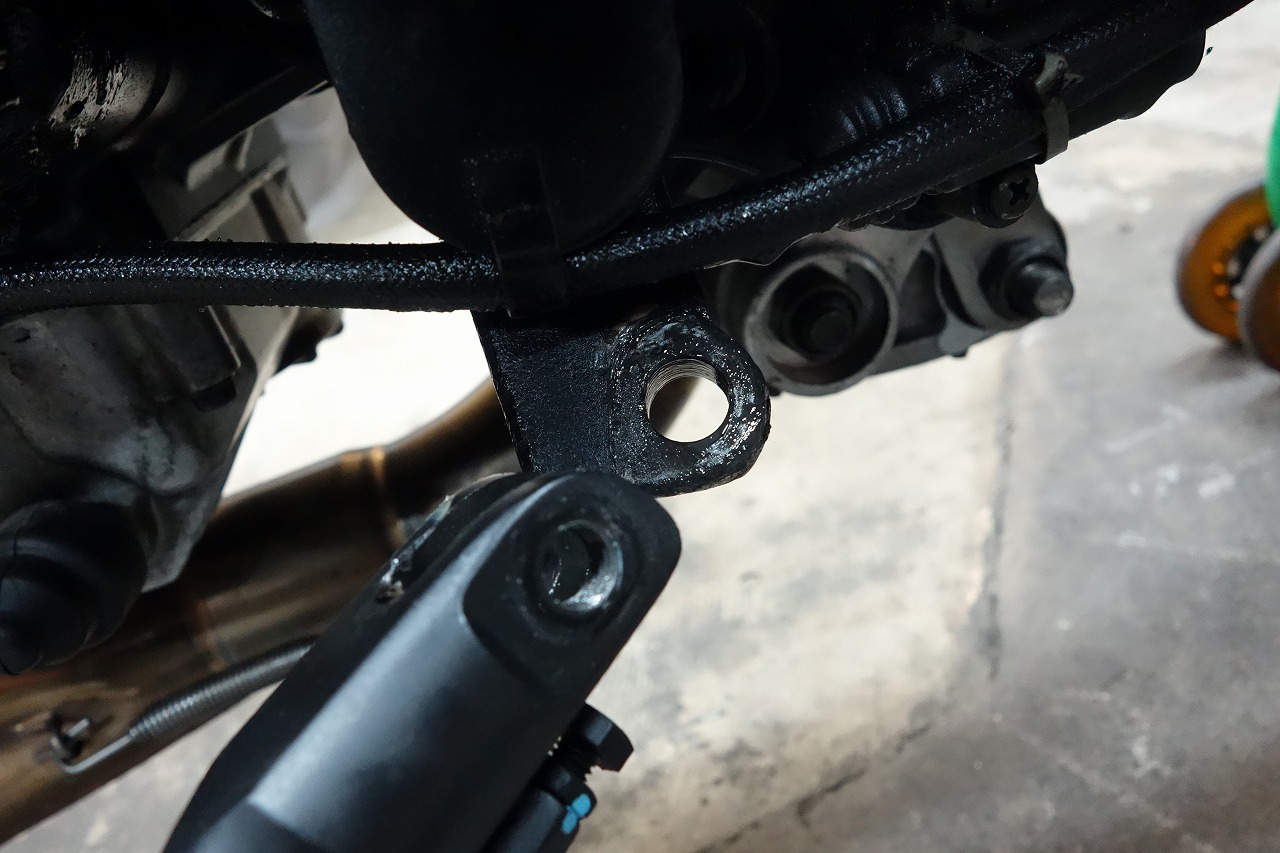
Let’s remove both sides and the sidestand to clean and lubricate them.
Cleaning deep when removed feels surprisingly satisfying.
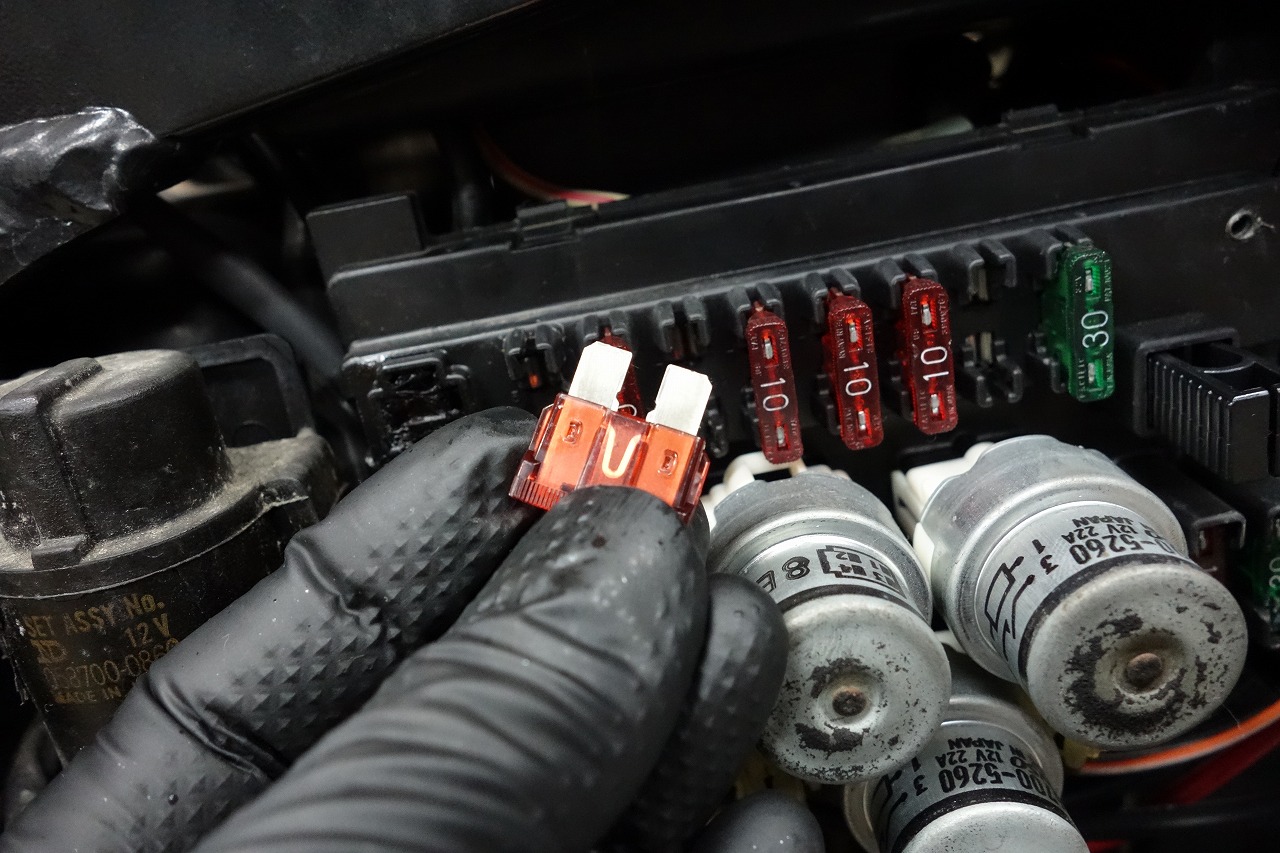
It’s good to pull out and check all the fuses during inspection.
Sometimes there’s no spare included.
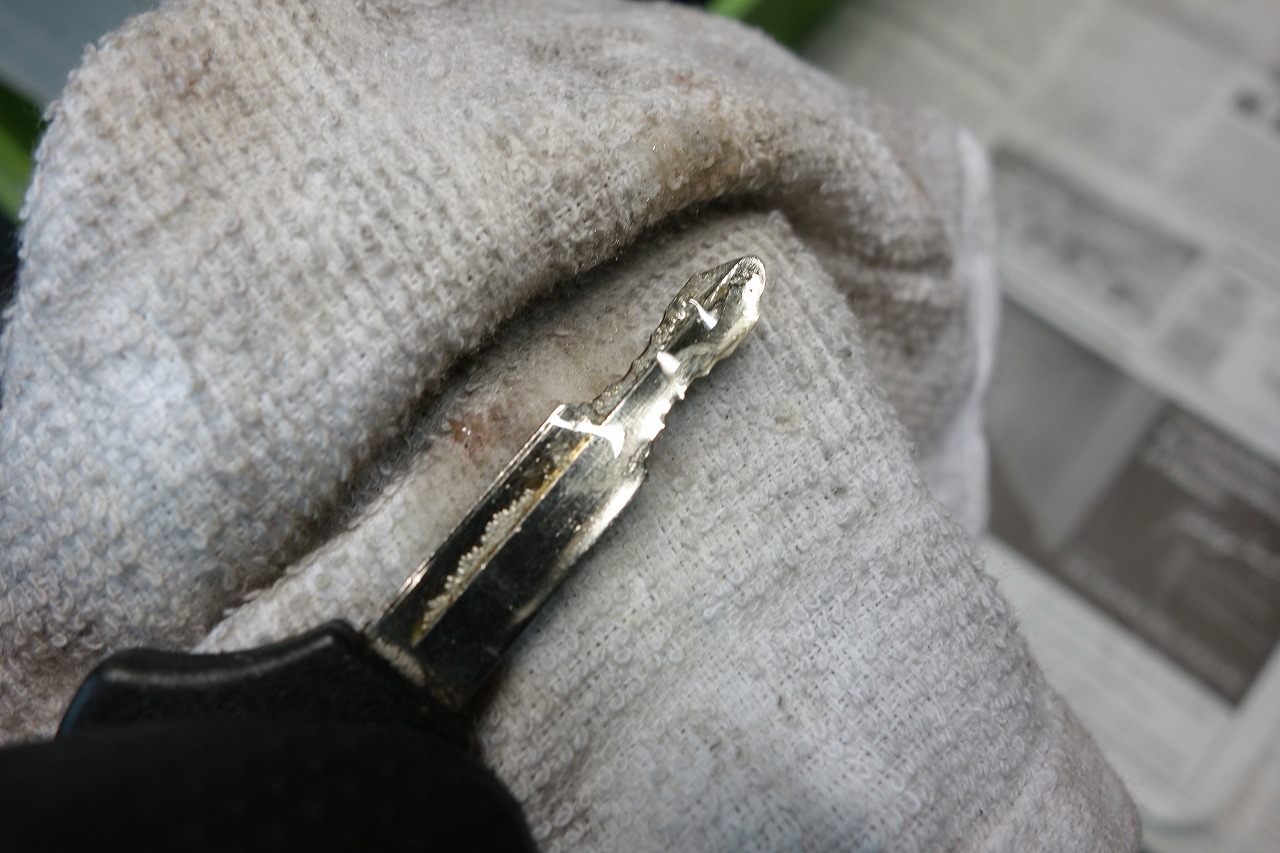
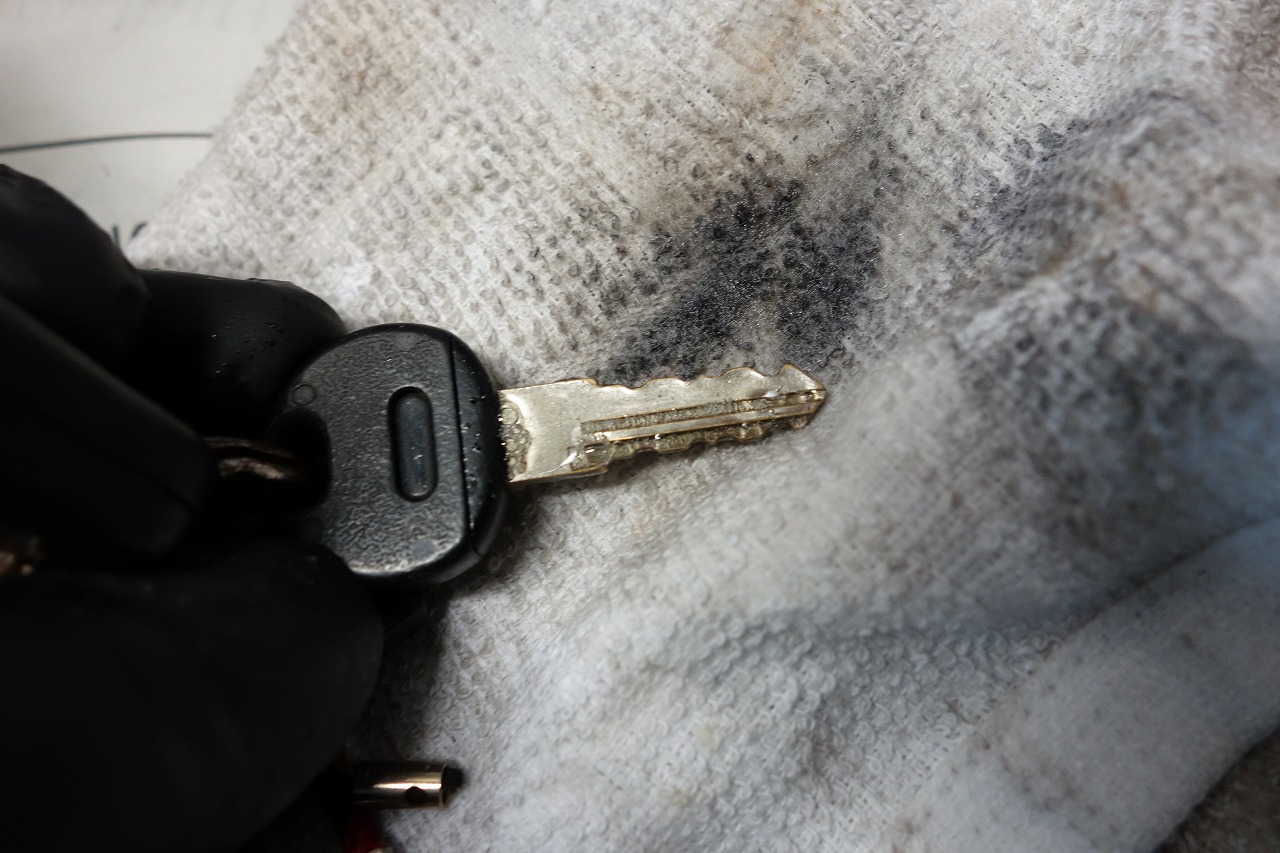
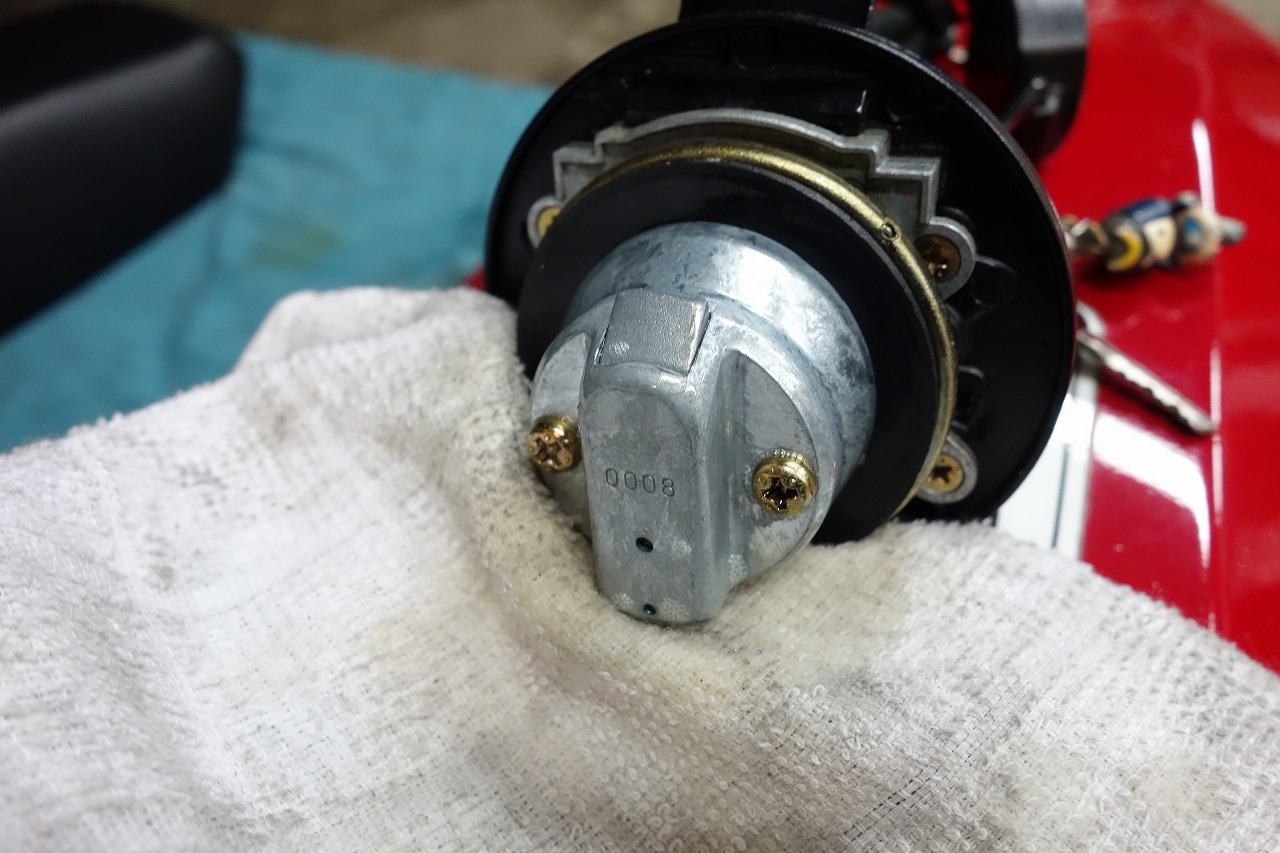
We lubricate and polish the locks with a brush. Fine debris comes off and it might get slightly smoother. *We wipe it down at the end.
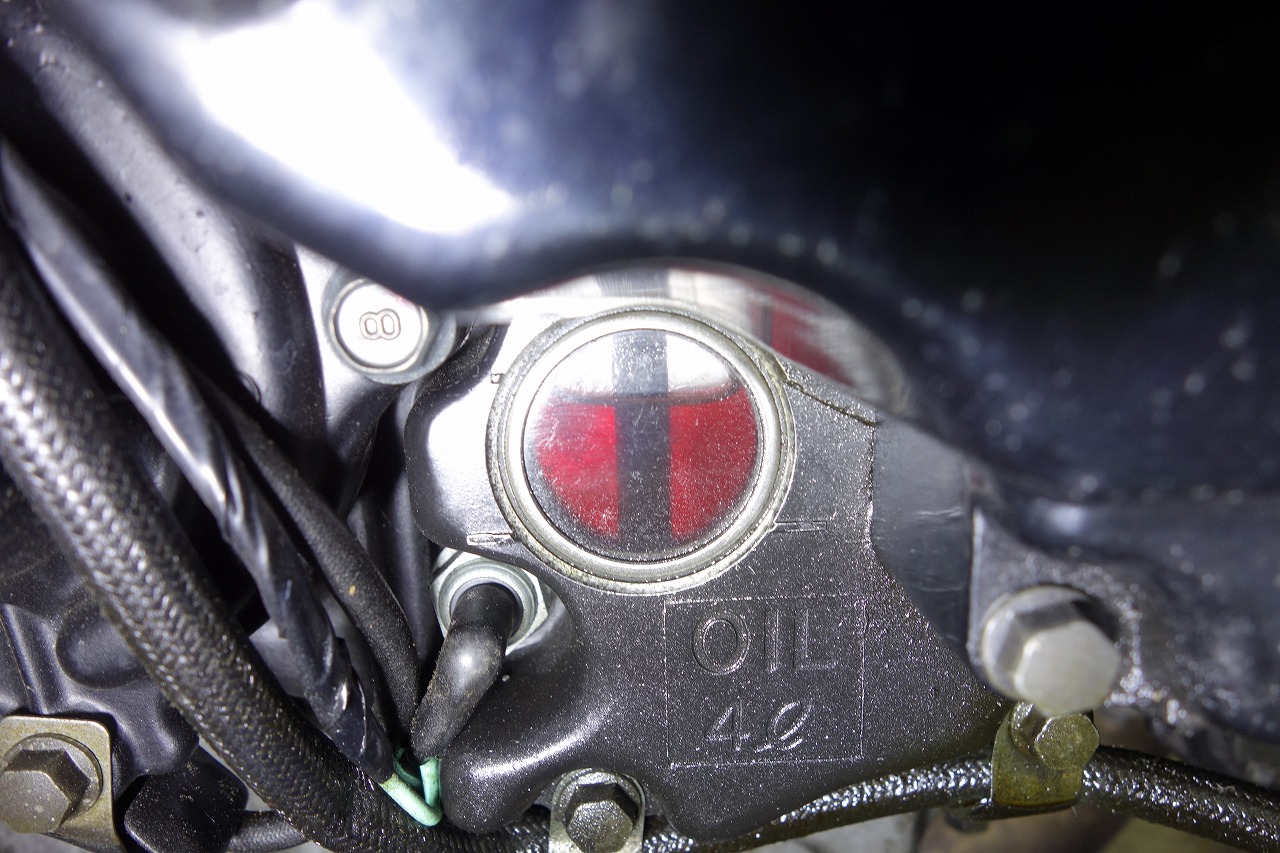
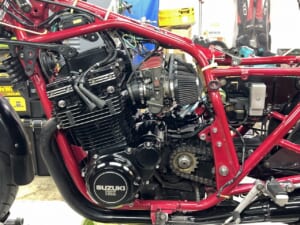
Engine oil level is fine. Oh, it’s red… there’s a color like this?
Let’s apply rust prevention and clean the fuel cap too.
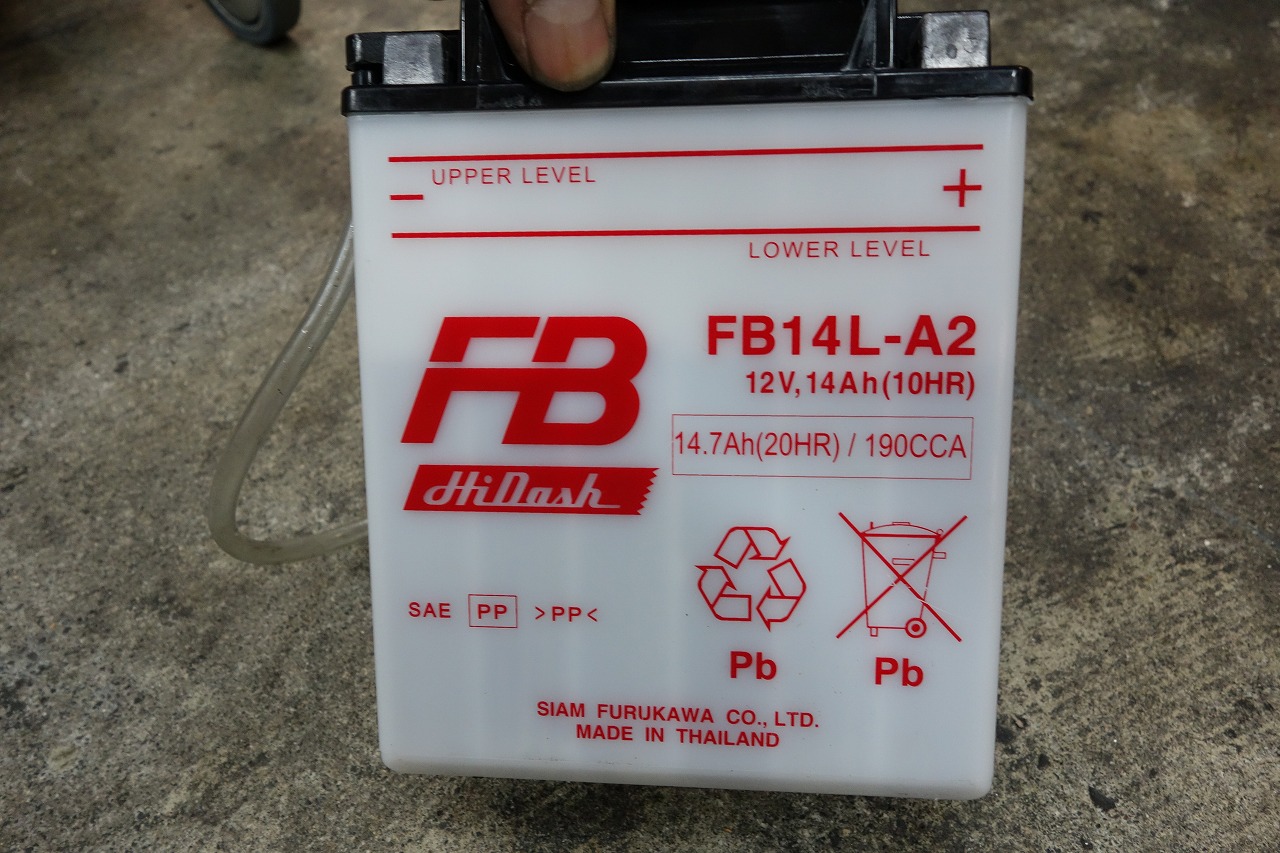
The battery is in good shape, but from next time on it would be good to switch to a GEL-AGM battery.
Liquid batteries have management issues and the potential for corrosion from battery acid and hydrogen gas problems.
*Someone complained about this before… the battery exploded from grinder sparks during chain replacement and everything corroded from sulfuric acid… it’s pretty scary after riding.
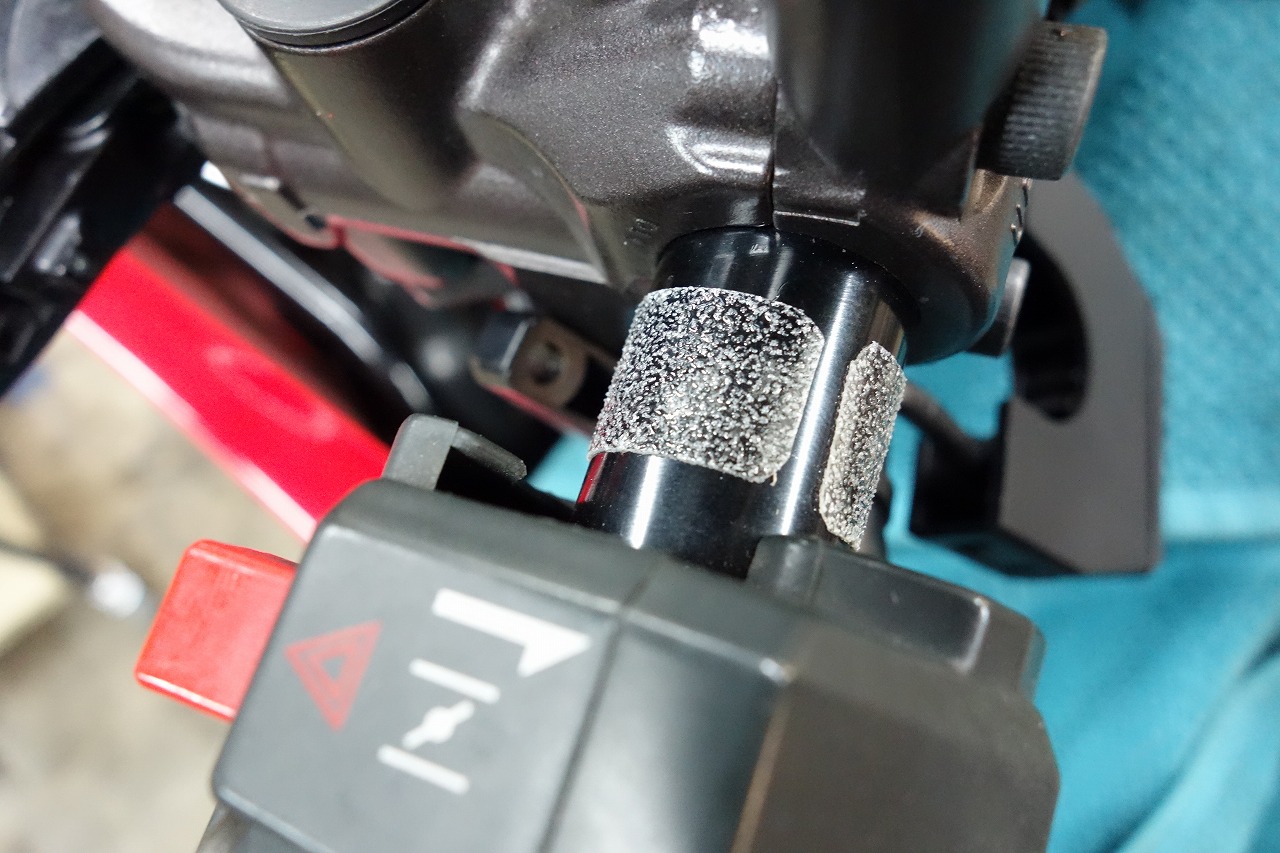
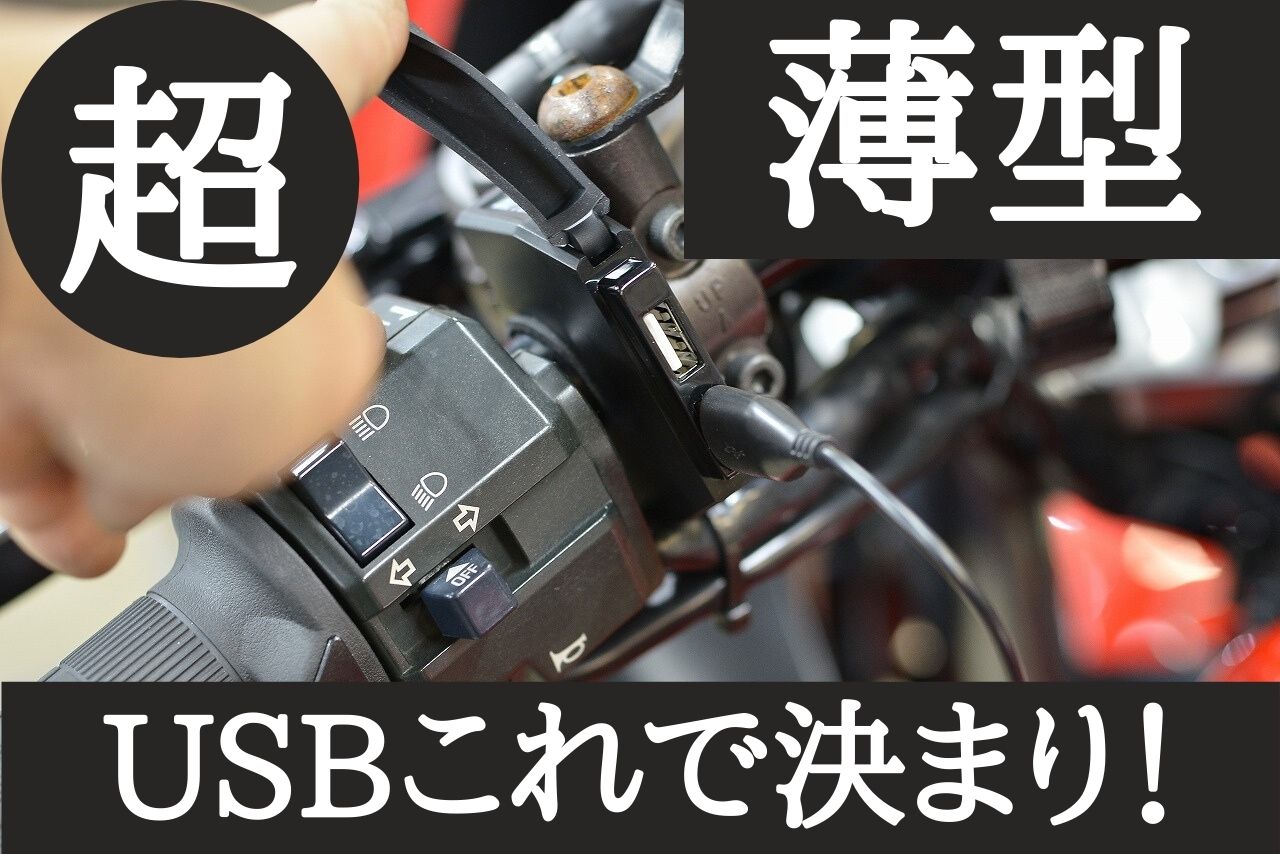
My personal way of installing the Slender USB. ←The 2-port version is hard to find right now.
We apply 3M non-slip tape.
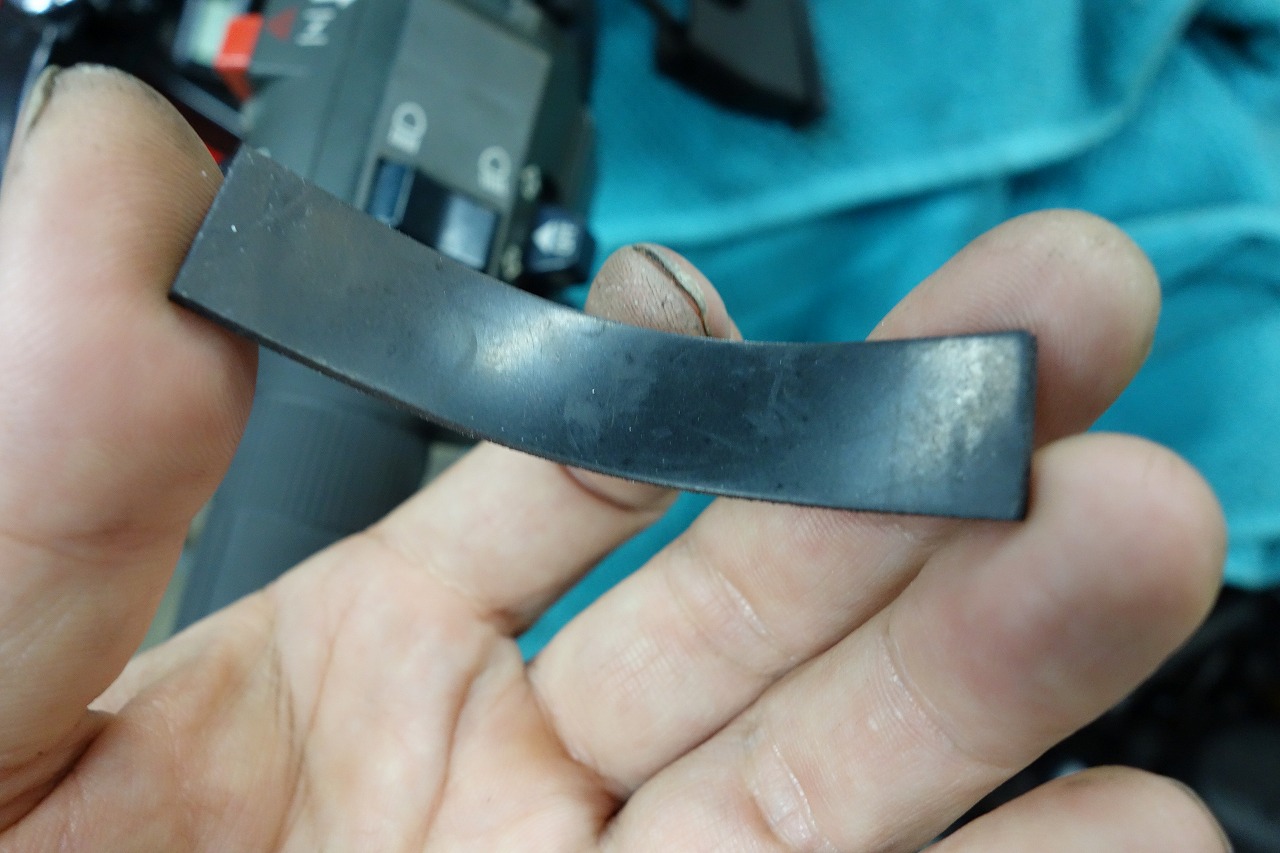
22.2 and 1-inch compatible setting = 22.2 requires a rubber shim according to the instructions.
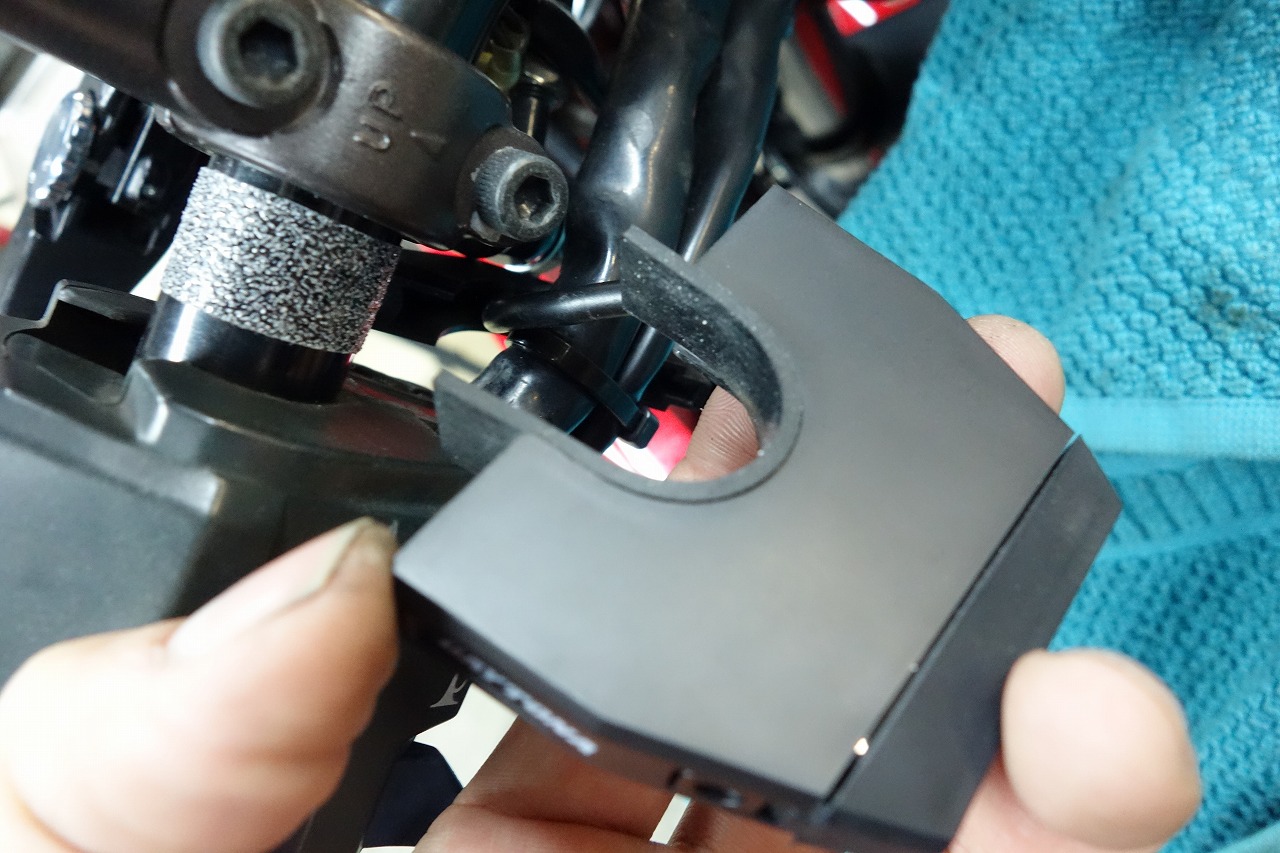
Hooking it onto the unit body makes installation much easier.
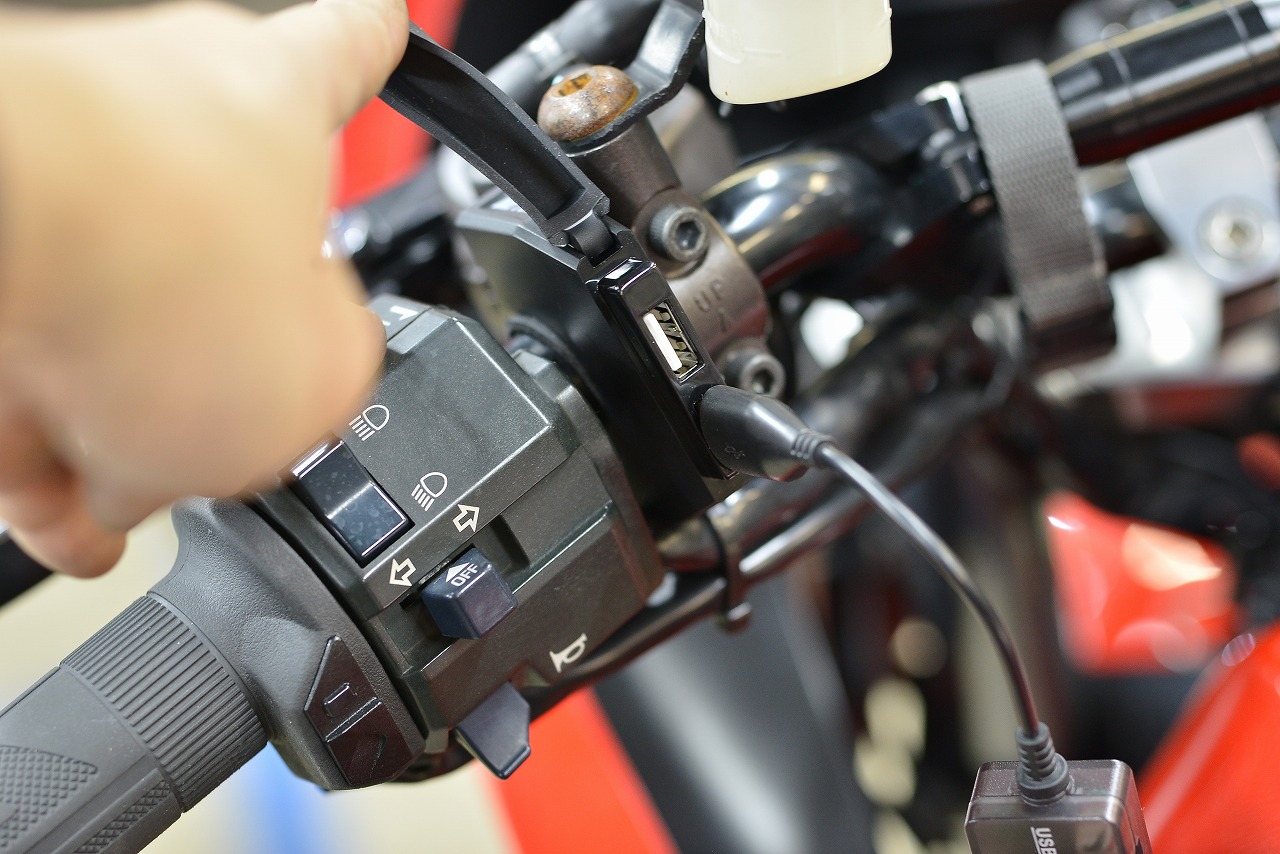
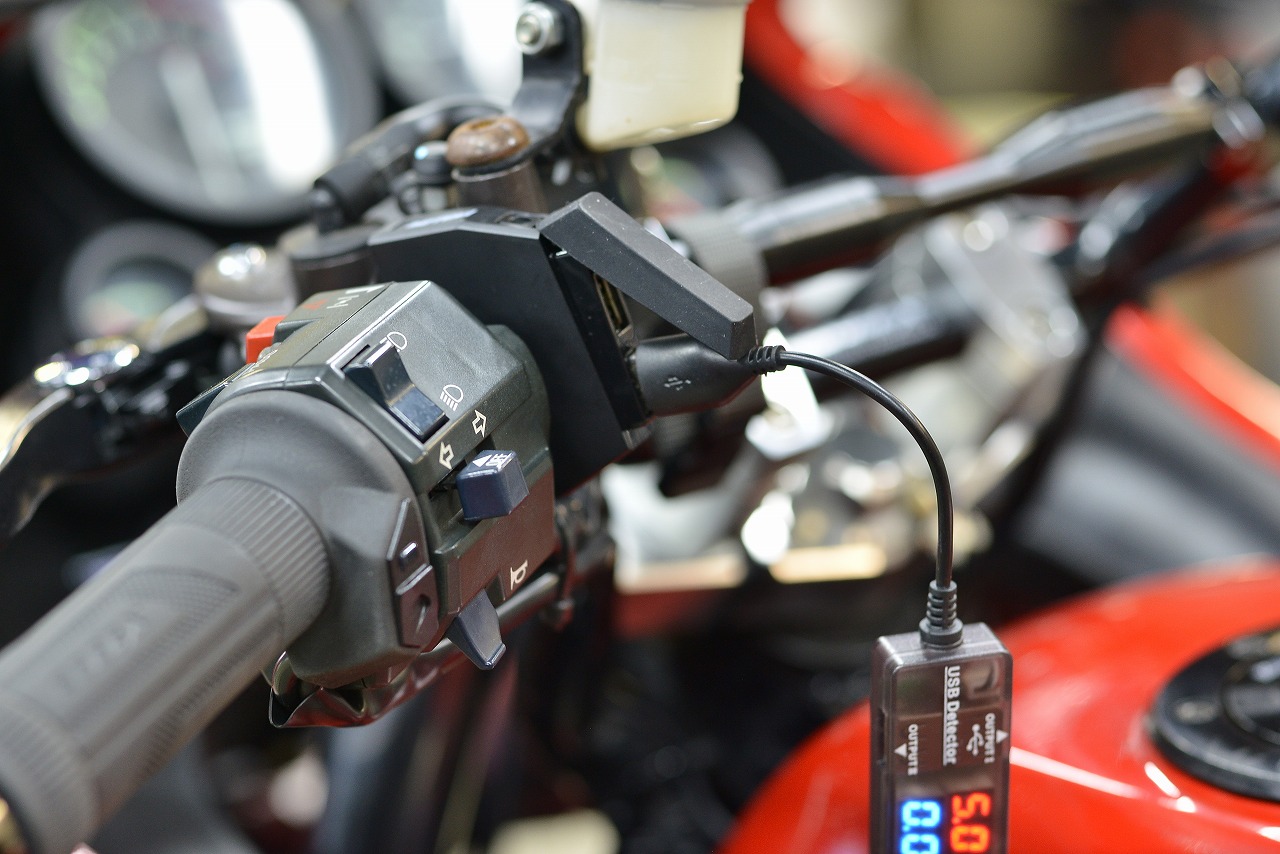
Daytona has become like that “wouldn’t it be nice?” pharmaceutical company lately. Very nice.
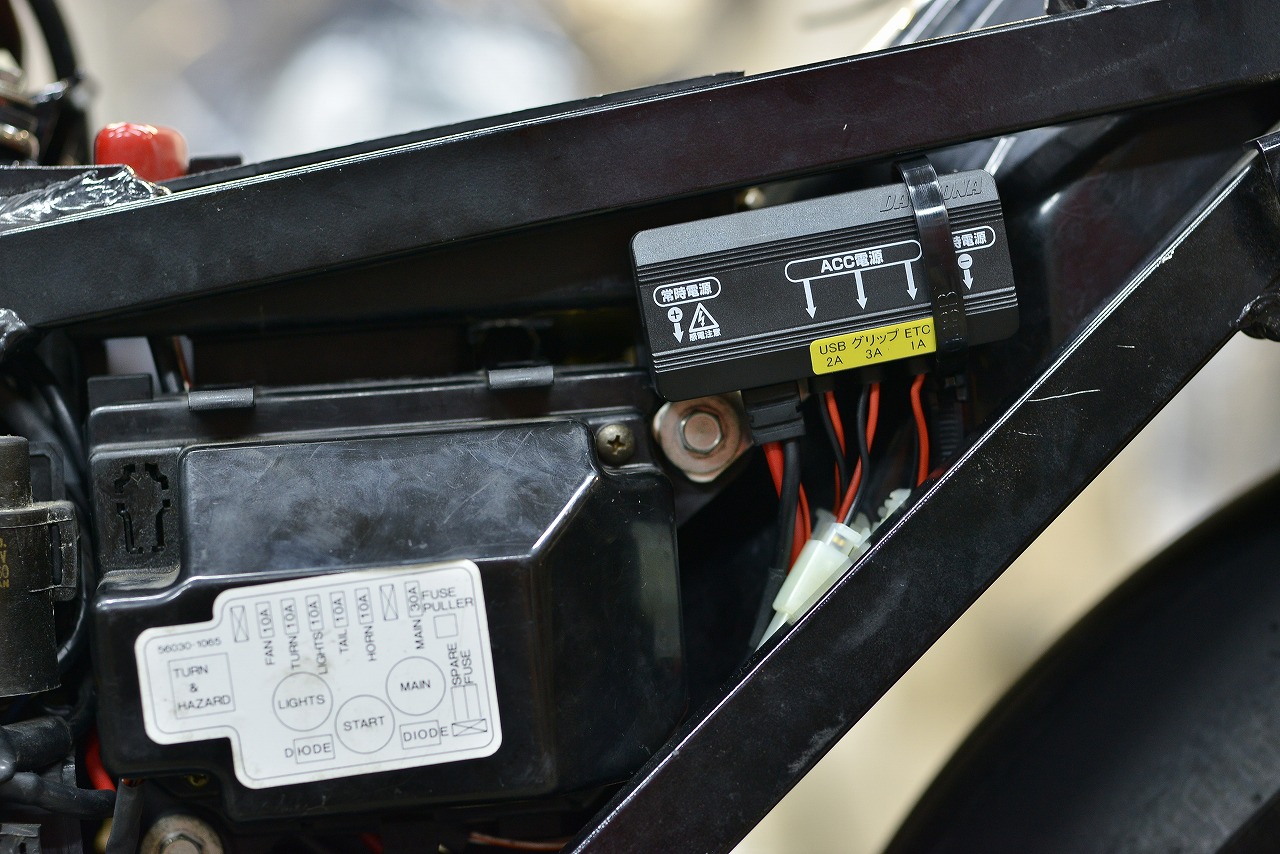
The D-UNIT+ is installed here.
The cover comes off easily so we’ve secured it with a repeat tie as insurance.
We wired the turn signal relay line in the fuse box like the original.
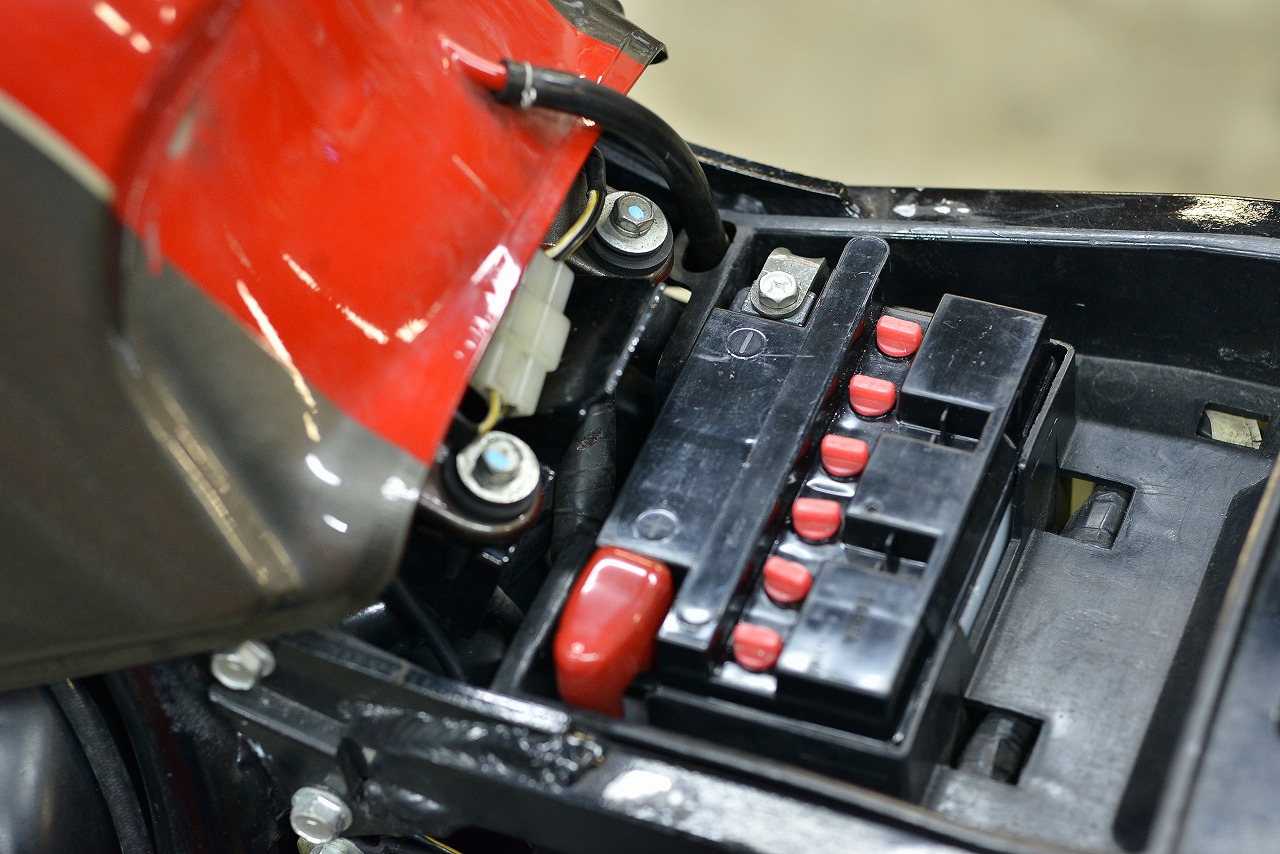
All the co-terminals on the battery are gone.
Getting power and ground from the battery terminal is easy, but it creates more work down the road.
It takes a bit more effort, but avoiding easy connections might keep things cleaner.
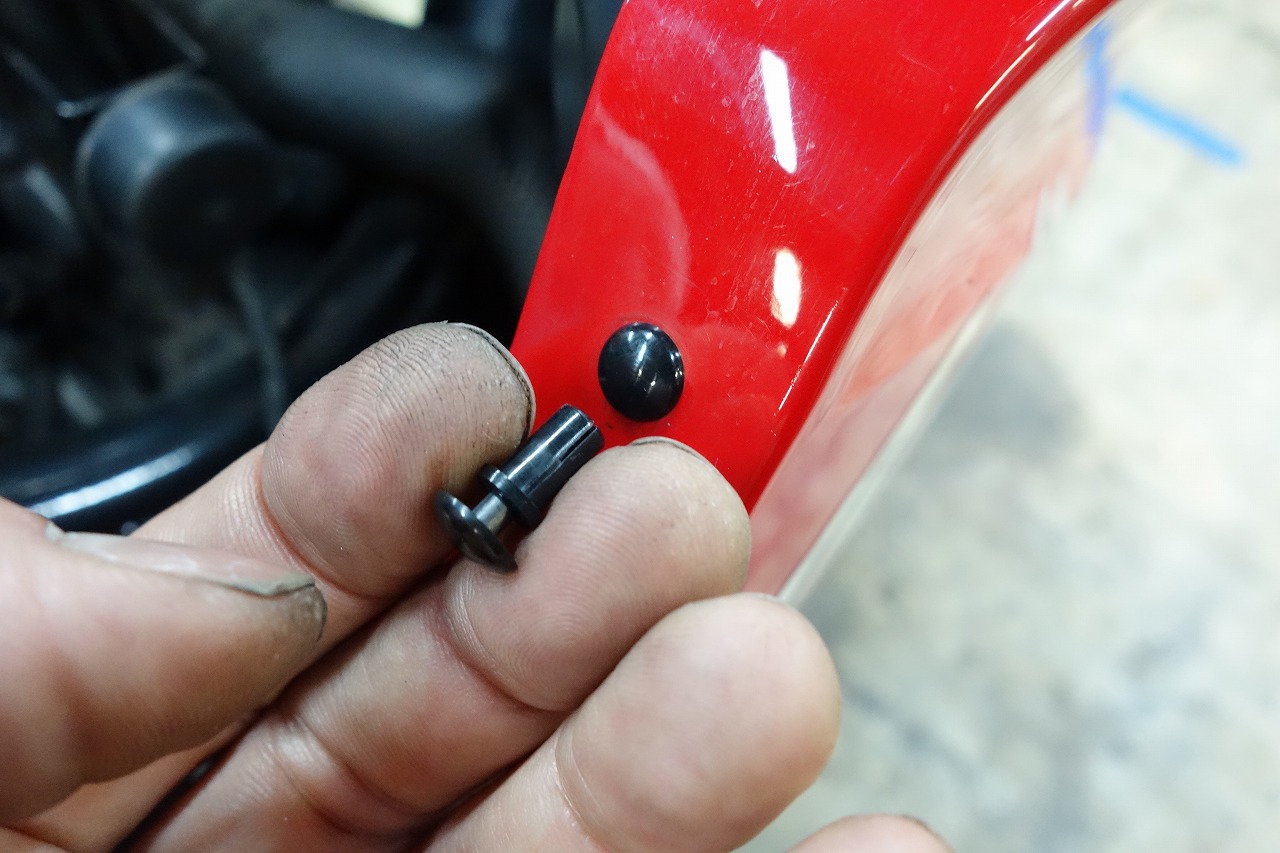
The bolts on the Ninja’s upper cowl. The plastic nuts on the back keep falling off.
Push rivets are sufficient. Work efficiency improves and it’s lighter too. We’re in a convenient era.
Next is a test ride and we’re done.