The first tools I bought in high school were from some mysterious tool set… or so I remember.
My fuzzy recollection is that the basic configuration was
a 3/8 box set and extension
a 3/8 ratchet
pliers
nippers
and Phillips and flathead screwdrivers
.
Even as a high school student looking at them, the plating was rough and there wasn’t a shred of beauty to them. Can you sense how completely unlovable they felt?
Of course, that set had gaps, so as work progressed, I needed to fill in what was missing.
While wandering around car shops, I suddenly spotted some shiny, affordable tools… TOP TOOL and I thought, these are clean and cheap! I can afford them too! I still remember the excitement of gradually building up my collection.
Once I started working at a motorcycle shop, there was this unspoken rule that you had to stock up on tools from the monthly SNAP-ON truck, and I went on a spending spree with “credit purchases” that I still regret today.
Every so often there’d be a campaign, and I’d get drawn in by catchy pitches like “This set is a great deal!” I’d end up buying combination wrench sets, spanner sets, and screwdriver sets almost every month.
You shouldn’t buy sets—they come with stuff you don’t use mixed in. It’s better to buy only what you need. By the way, from all those sets I bought, only the stubby and flathead screwdrivers are left.
There’s also this super convenient 1/4 ratchet! Another catchy pitch… you can work in tight spaces so easily!
Oh, I’ll buy it.
But once it arrives, I never use it and it becomes basically a specialty tool. I still haven’t stopped regretting those van sales. Tools you think you might use almost never get used, and I’ve learned it’s better to build up your collection as you actually need things.
These days I don’t think expensive tools are dramatically superior at all.
Honestly, back then there was a status element to it, but nowadays that’s completely gone.
As I’ve gotten older, shiny tools don’t suit me—matte, dull finishes feel more natural in my hands.
I use KTC, KOKEN, and TONE as well, of course. If they’re domestic brands, the distribution and pricing are excellent.
Building up what you need? Starting from zero, you can’t make progress.
Start with a set, learn what’s missing, and build from there.
Look at the tools of someone you want to learn from and build your collection the same way.
There’s still no single right way to use or build up tools, but I think the best lineup is one that delivers “maximum performance with minimum inventory.”
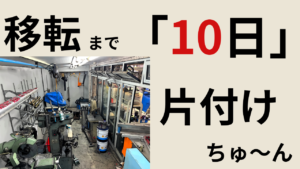
We have a place at the shop we call the tool graveyard, and anything unused for about a year gets sold off and cleared out.
The only things worth having lots of are fixtures and specialty tools. Simplicity is best in everything! That’s what I think.