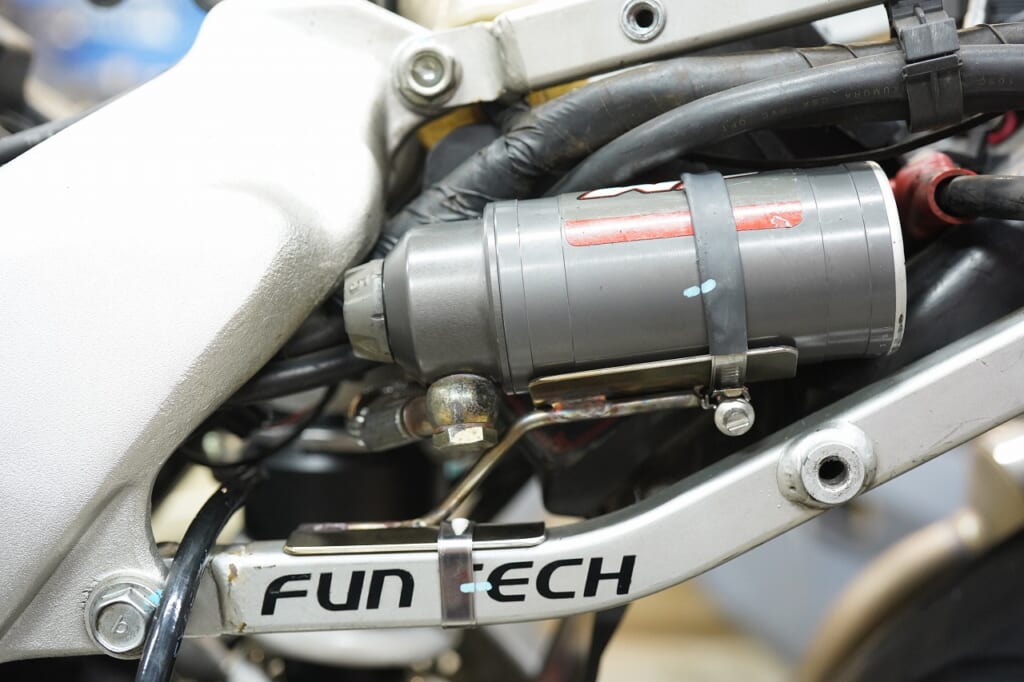
The rear shock hose angle on this generation is fixed-rate, not free—meaning there’s no flexibility.
Whether you route it to the right or left, it feels like there’s no good solution.
Setting that aside, I’m wondering how to secure it properly.
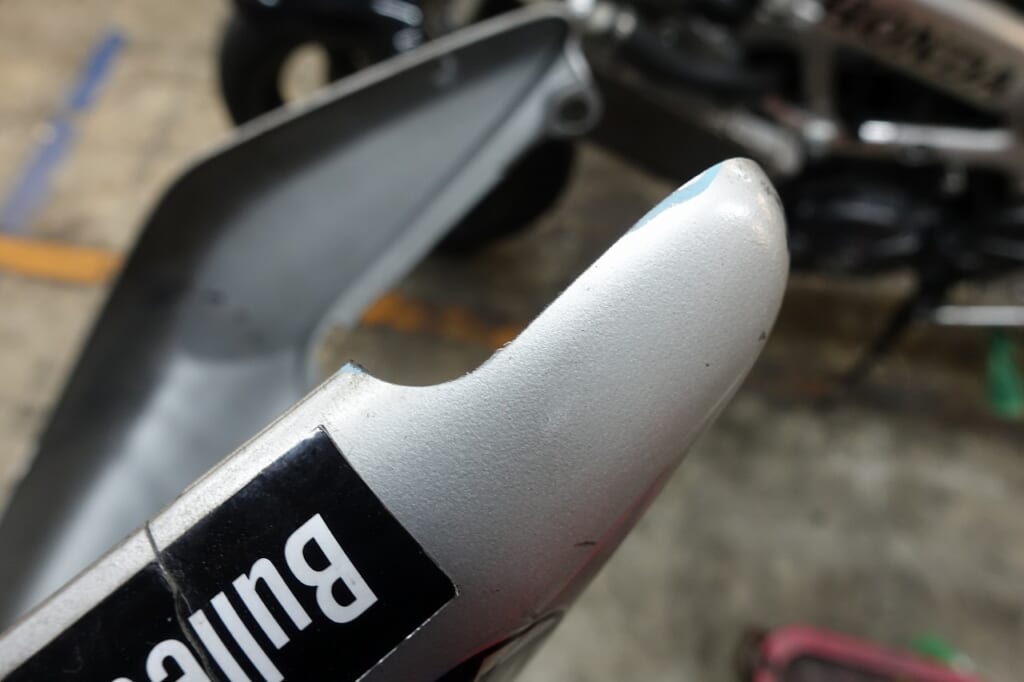
It’s installed, but it looks like it might hit your foot, so I’m positioning it as far inward as possible—which meant shaving down the fairing.
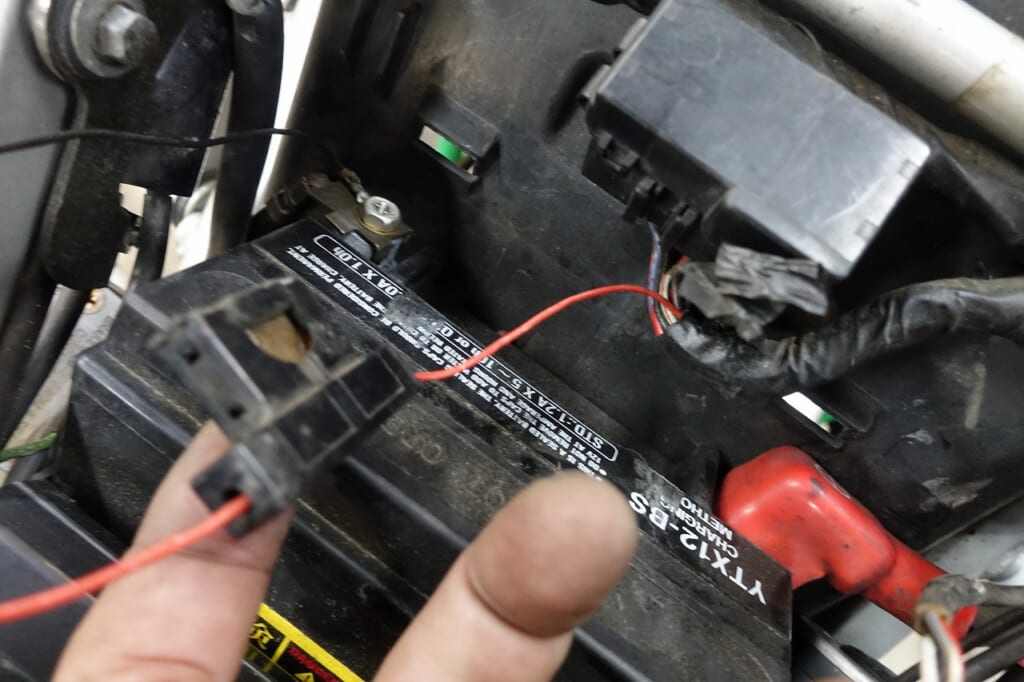
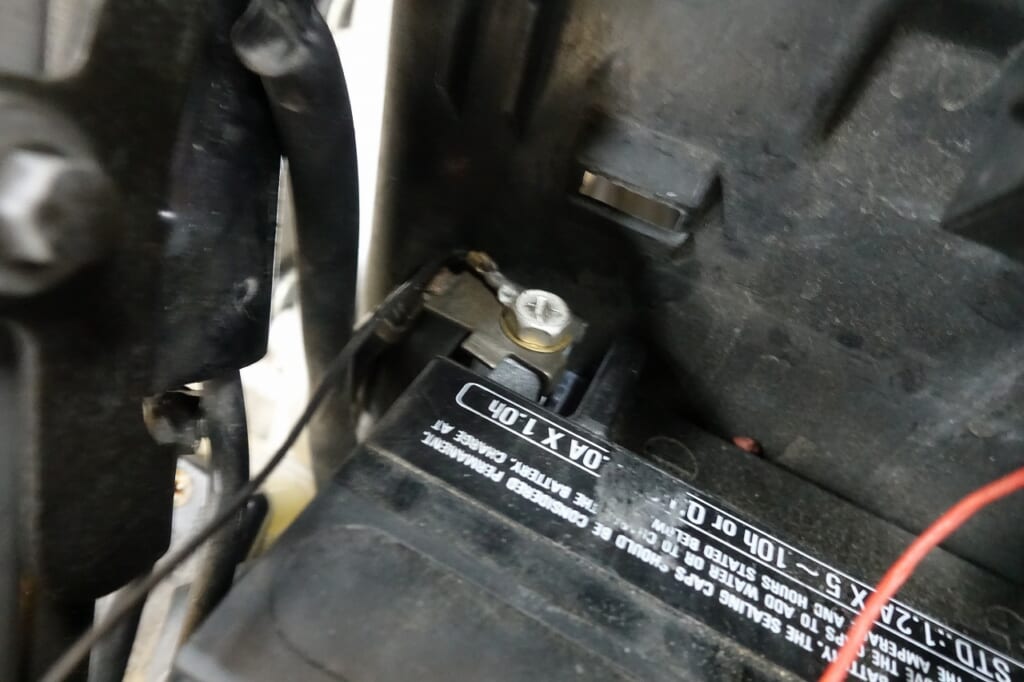
The ETC power and ground are getting in the way too much—I’m not sure what to do.
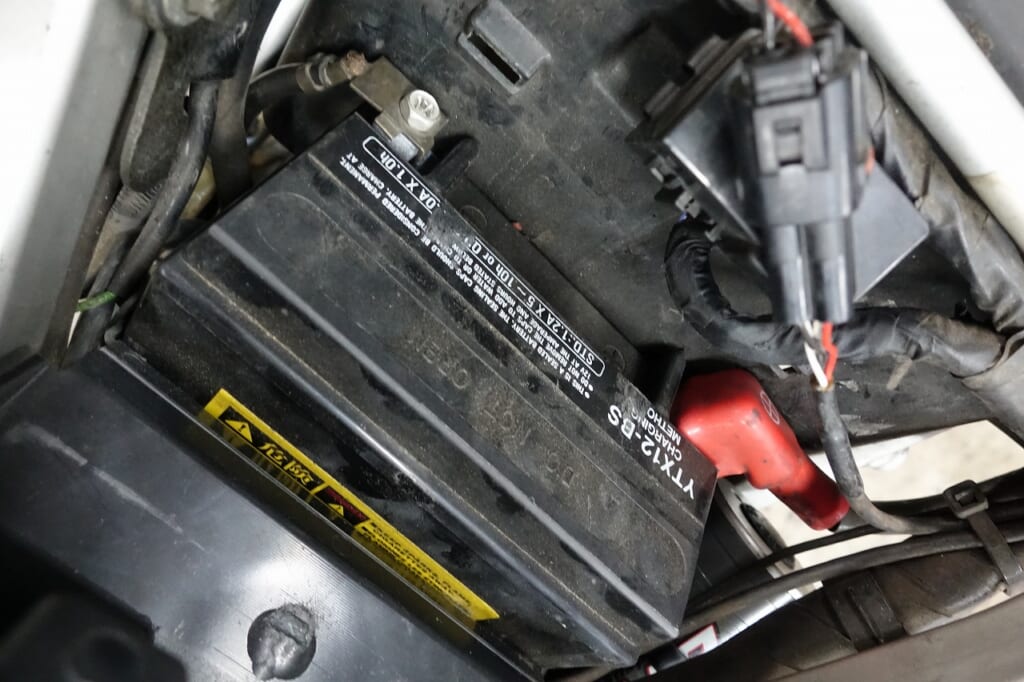
I’ll adjust the layout a bit. It’s better not to take ground directly from the battery.
If you want to run a ground, connect a ground wire to the crankcase, then branch out from the front to the rear of the frame as needed and run it through the harness—that should work.
I understand the temptation to do it the quick way, but the appearance and workability suffer.
I’ll say it again: if you want to add aftermarket electrical components, the D-UNIT+ solves everything.
*I can forgive co-mounting this one. By the way, I don’t connect anything to the battery myself.
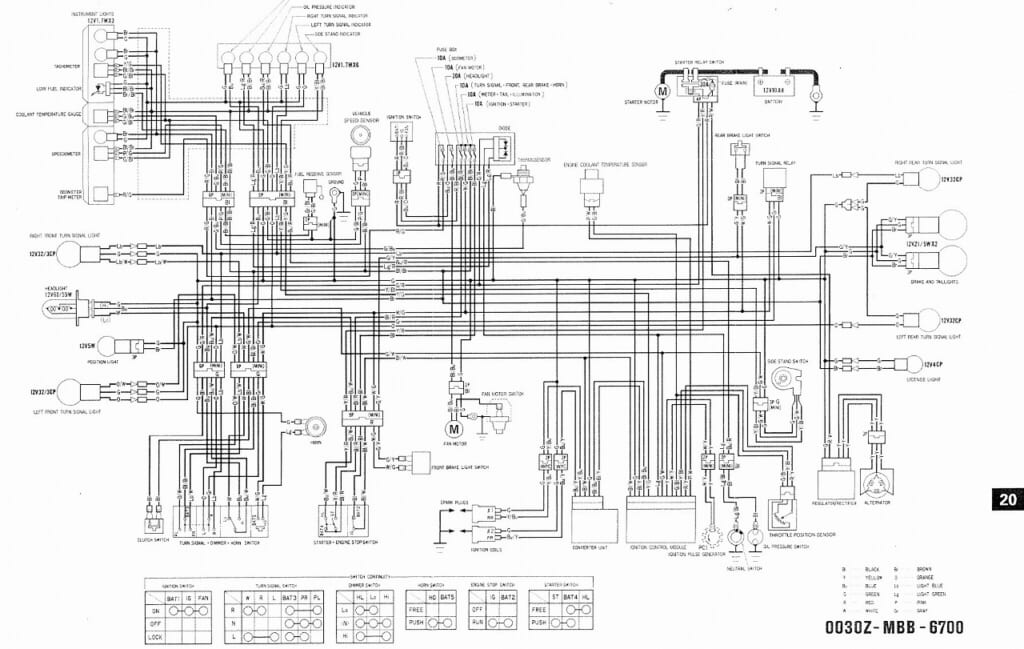
For now, I’m hunting for power and ground sources.
I have all the service manuals on hand, so I’ll study them carefully.
I’m looking for the easiest spot where power and ground are already available.
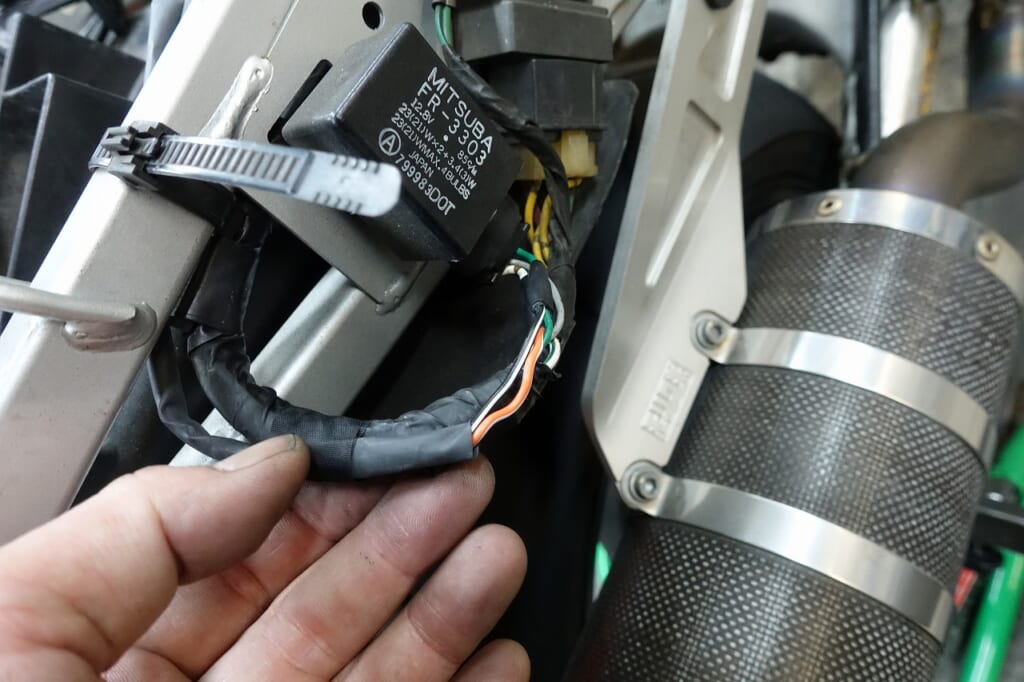
The turn signal relay on the right rear has nice power and ground running in parallel, so I’ll borrow from there.
I don’t work on Honda bikes much, so I’m not sure, but if you made a harness using a 110-series 3-pin connector to tap power and ground from that point, it seems like there’d be decent demand for it. What do you think?
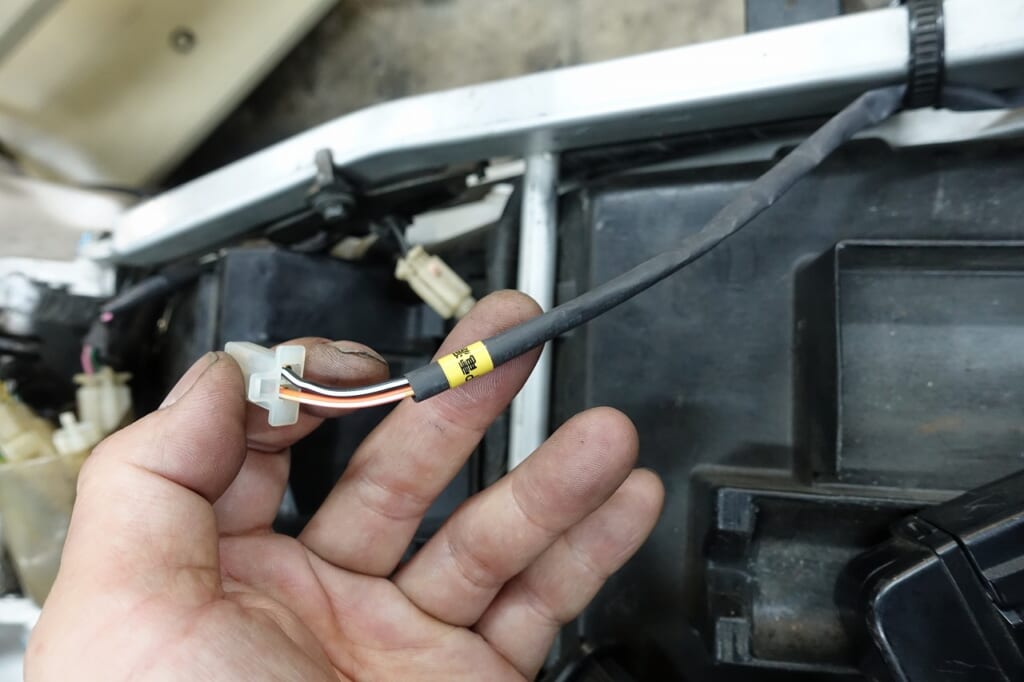
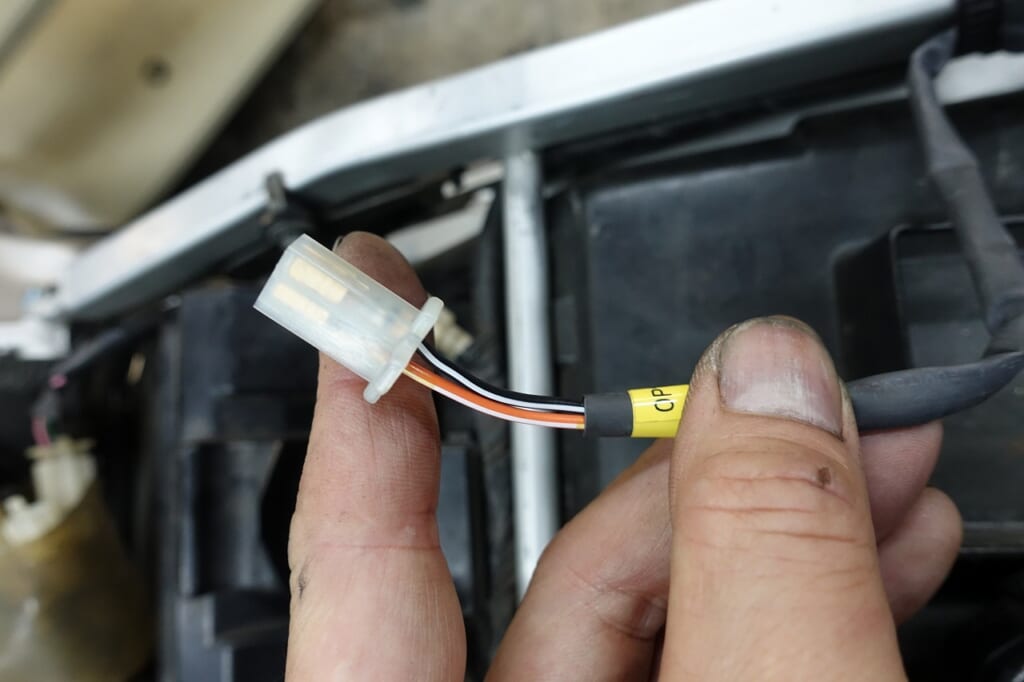
I’ve made the wiring clean and neat. Labeling with OP power prevents mistakes and makes it clear to anyone who looks at it, which really boosts confidence.
I recommend P-TOUCH over Tepra. It’s professional-grade—the printing won’t fade even with acetone.
I use the Brother PT-P900W label maker in white.
If you’re not labeling thick cables, a smaller model would work fine too.
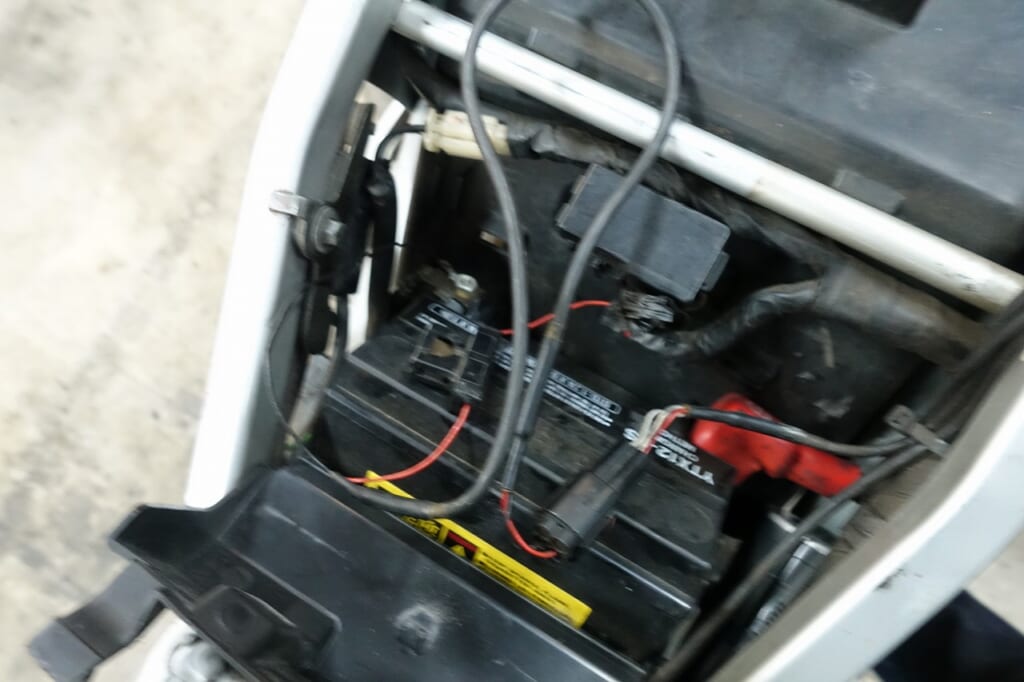
I think keeping things simple improves workability and reduces problems.