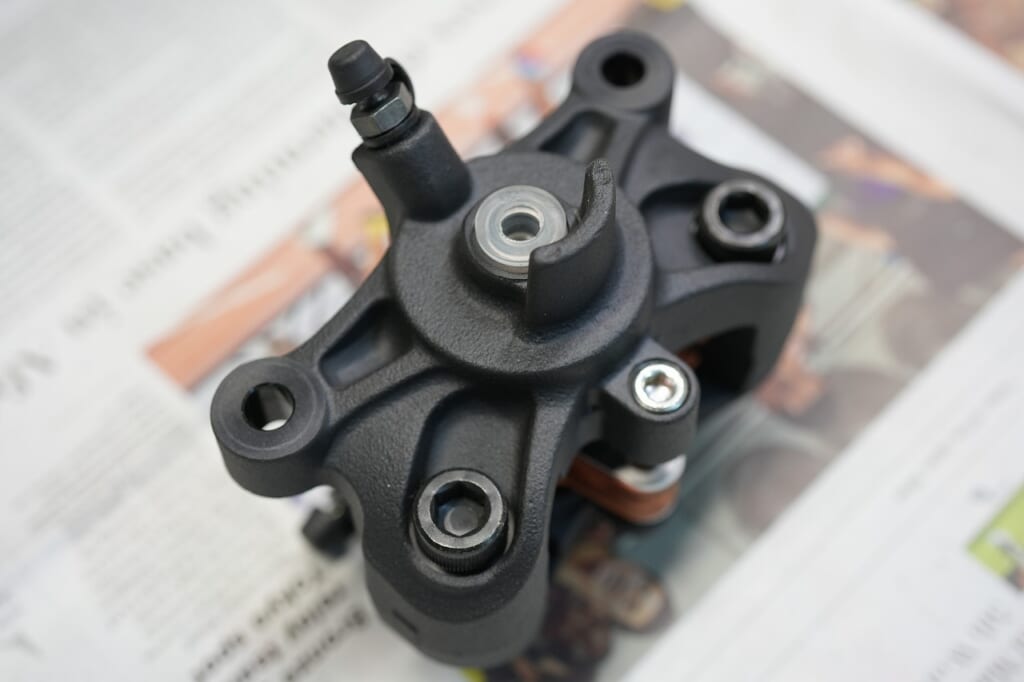
OEM parts are solid and reliable—trustworthy quality (*’ω’*)
They’re designed and delivered to withstand use in various climates around the world, from hot regions to cold ones, even when maintenance isn’t ideal.
They’re affordable and easy to source. Quality aftermarket parts are nice too, but when you factor in maintenance cycles, running costs, and time, it’s hard to say one is clearly better than the other.
Maybe as you get older, the thrill of bikes fades a bit.
Using OEM parts is like solving a puzzle.
Part numbers and similar components can differ in color or material, and newer model years sometimes have improvements.
When you discover that, it feels a bit like “finding a shortcut instead of taking the usual route”, maybe.
Even if a part is discontinued, you can often find similar ones from comparable bikes, and nowadays you can source them internationally too.
When it comes to whether OEM or aftermarket parts are more effective, it really depends on what you’re comparing, but I’d say it’s hard to pick a clear winner.
You can adapt carburetors across different manufacturers
, and swapping axle shafts, pivot shafts, and bolts works great too.
Lights, mirrors, handlebars, and passenger pegs—you’ve got total freedom.
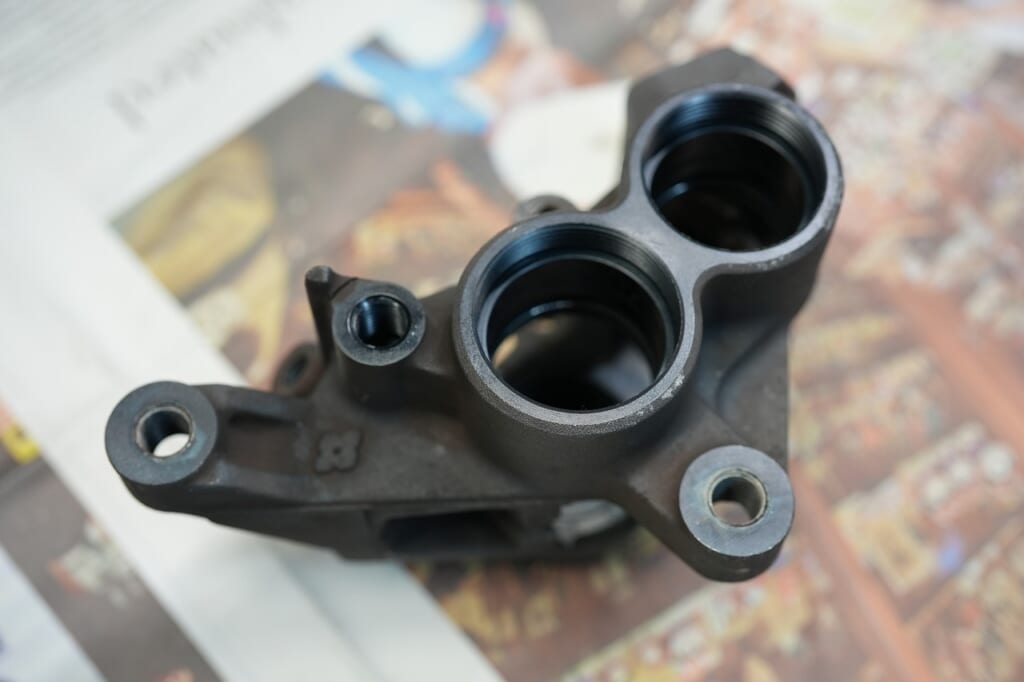
As you get older, you start getting excited about cast iron parts…
Skip the caliper bracket and go with direct mount instead.
Old bikes really do look better with axial calipers…
Going with Brembo opens up endless pad options, which is fun, but with OEM calipers, if you just pick pads that work well with your disc“wow, that really grabs!”—that’s what happens.
In this modern era where OEM parts are so easy to research, it’s really convenient (*’ω’*)