We’ll perform a clutch release and master OH.
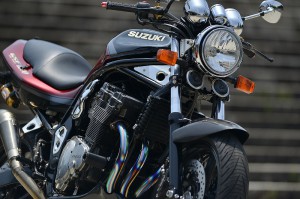
: The image is from after completion (‘ω’)
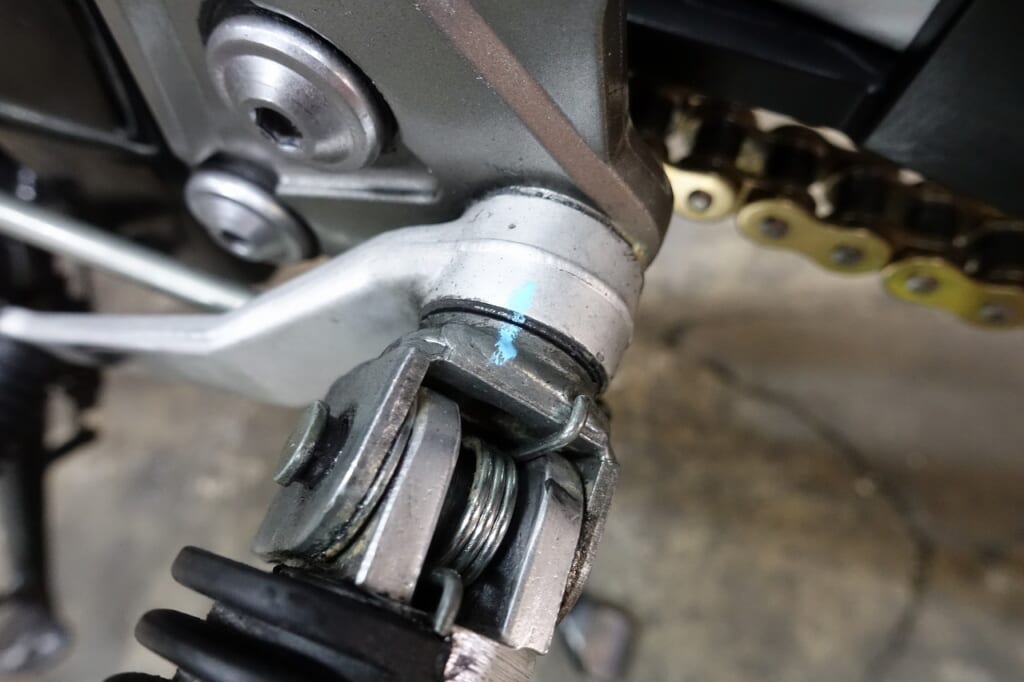
Marking on the pedal side is more reliable than marking on the shift arm.
The change per groove is large, so it’s easy to confirm.
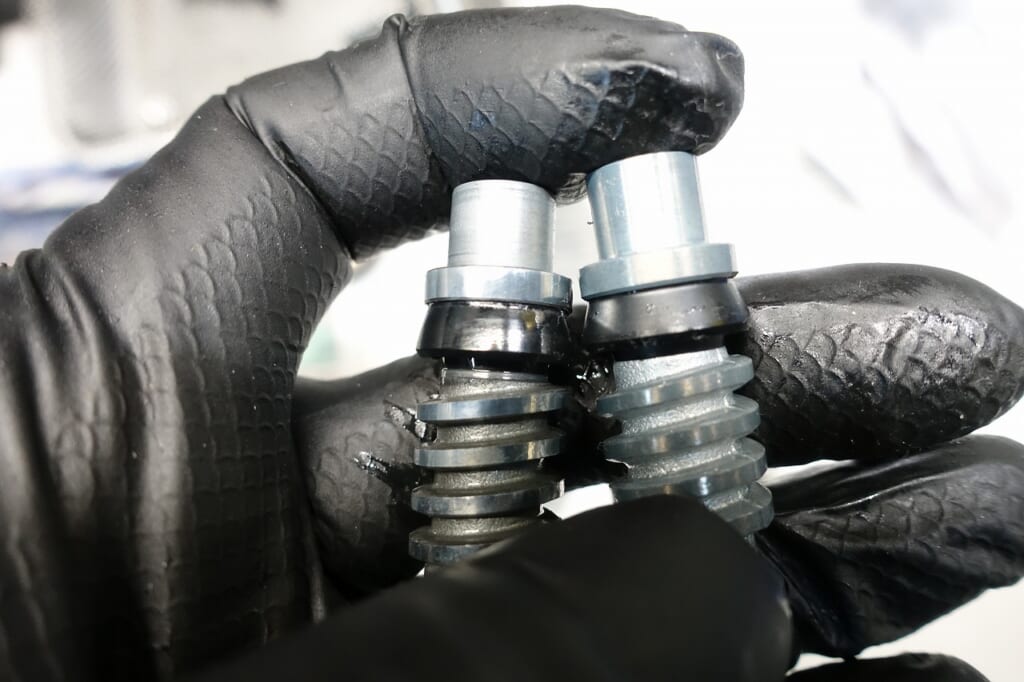
Here’s a comparison of old and new master pistons.
The old one on the left has a cup that’s gone soft, and the umbrella edge has no sharp edge.
Since this is a system where the umbrella opens under hydraulic pressure, leaks are rare, but I think the time lag in the umbrella opening affects the feel.
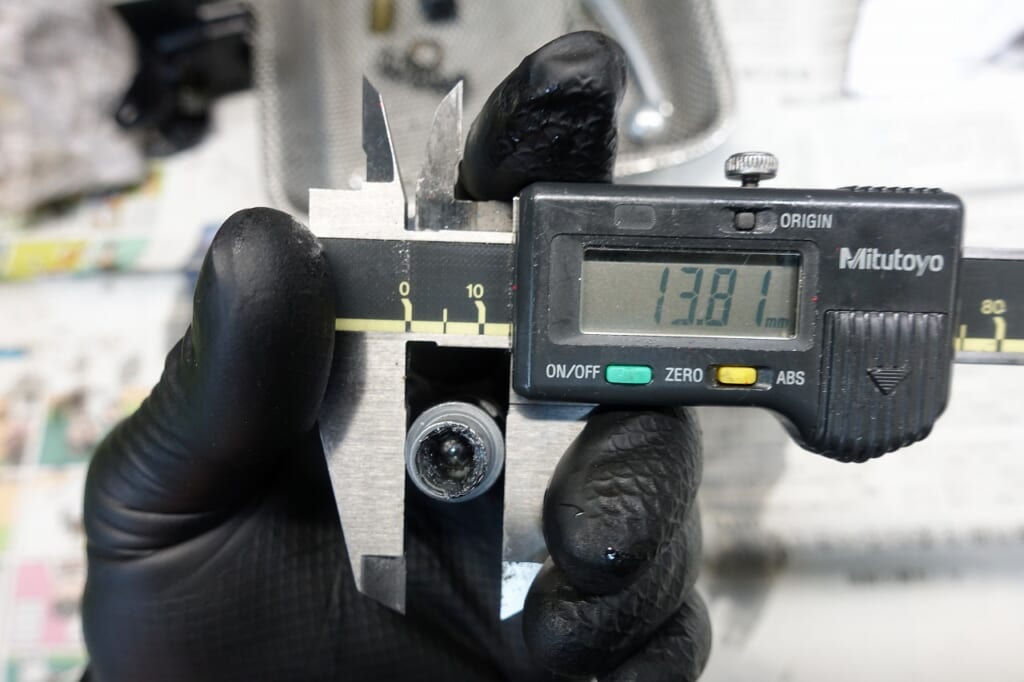
I checked the diameter of the old and new pistons (^_-)-☆
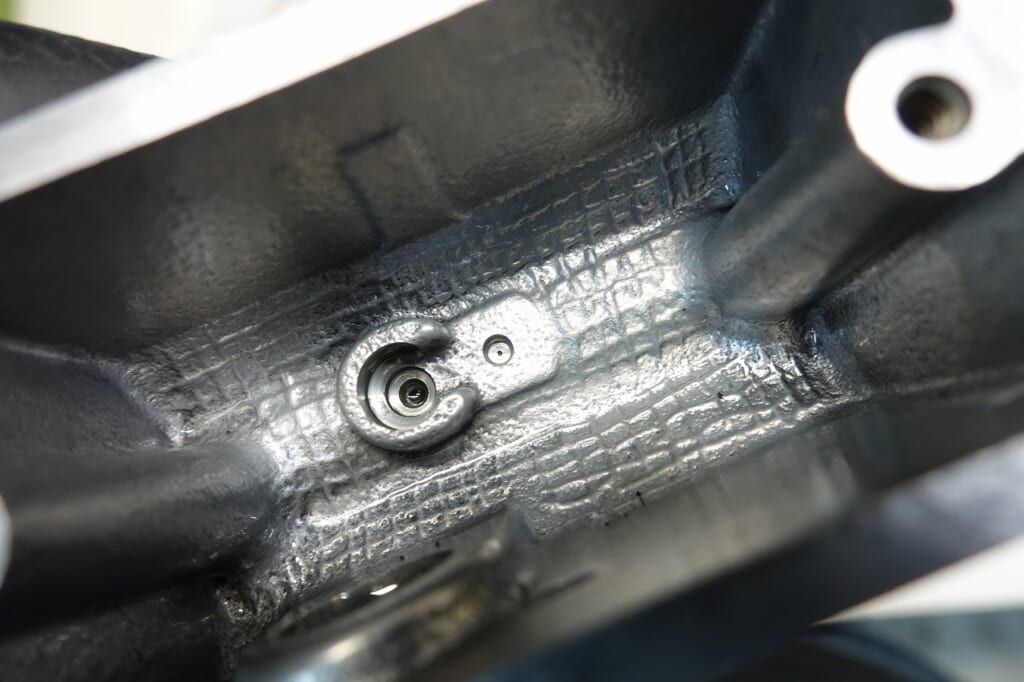
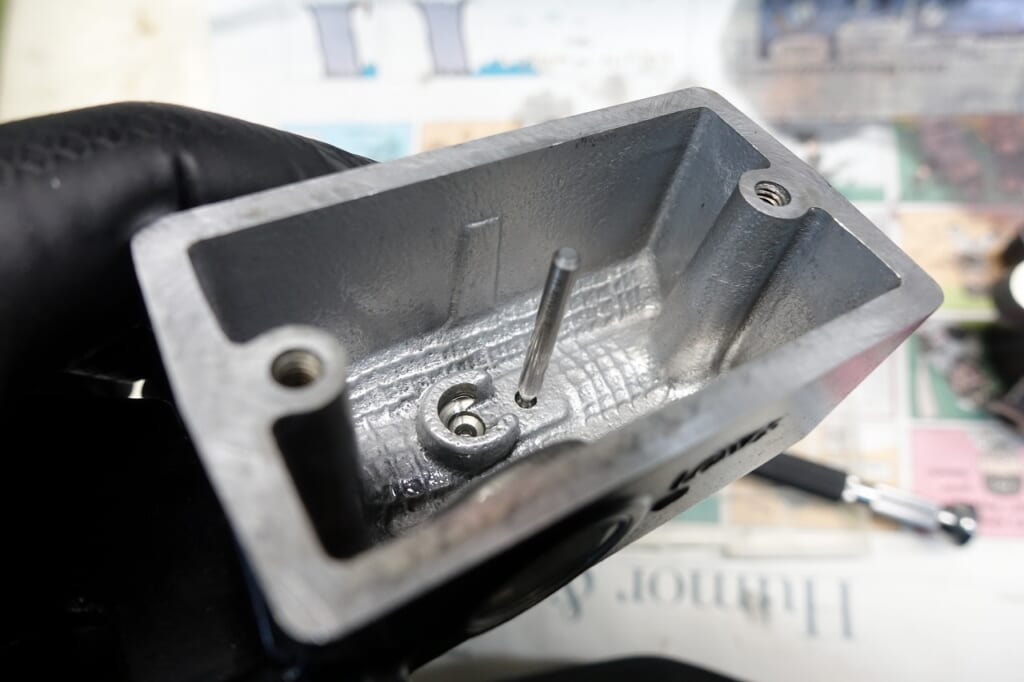
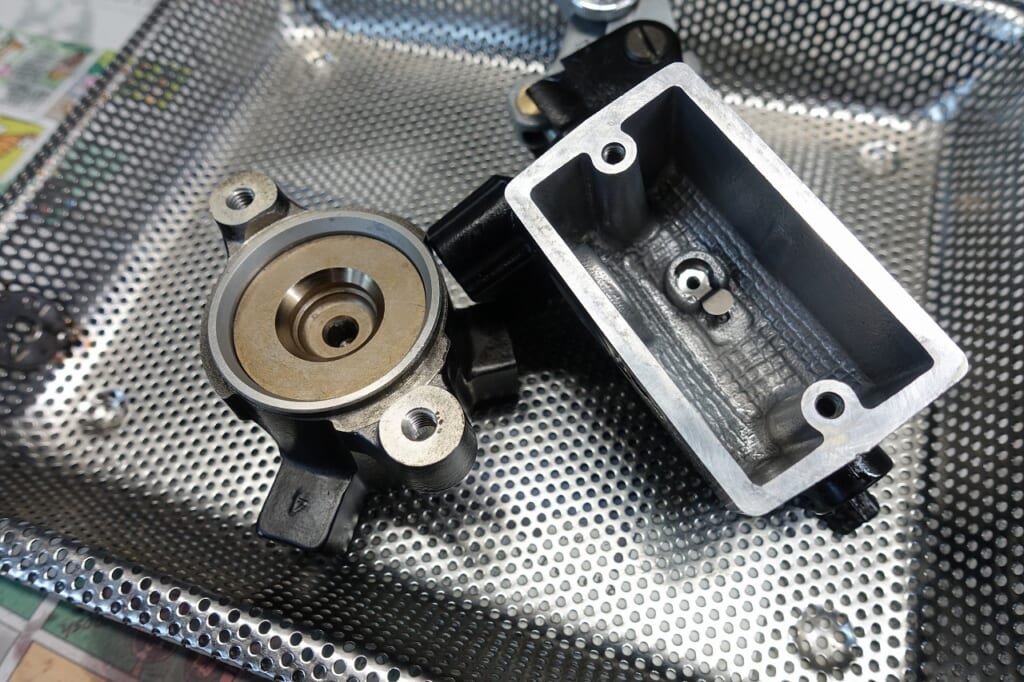
We had a master return port clogging issue recently, so I made sure to clean it out thoroughly.
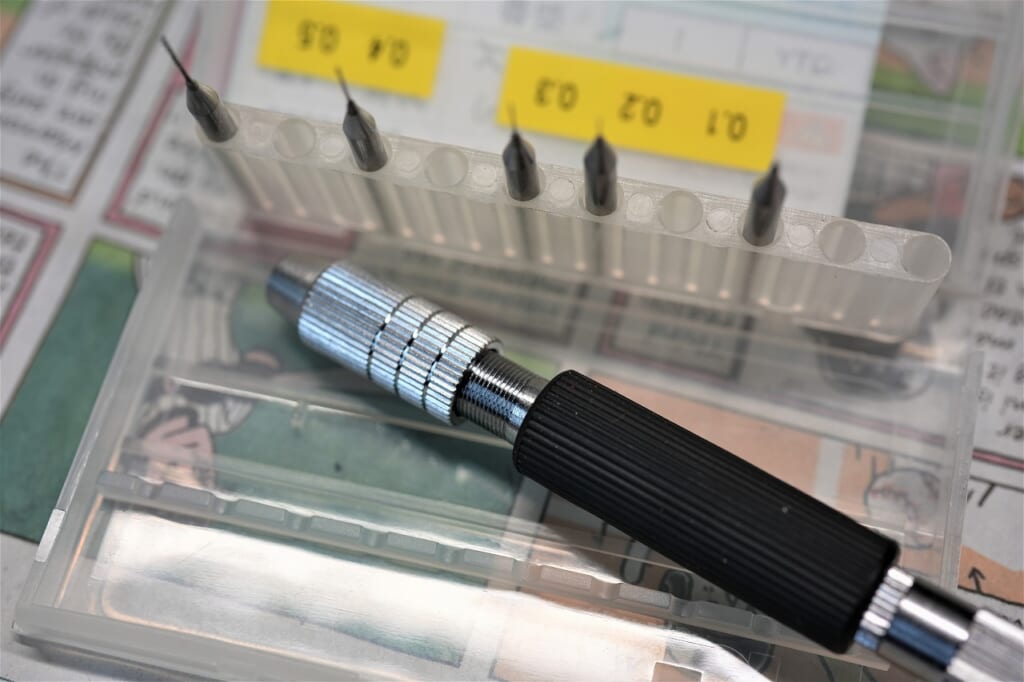
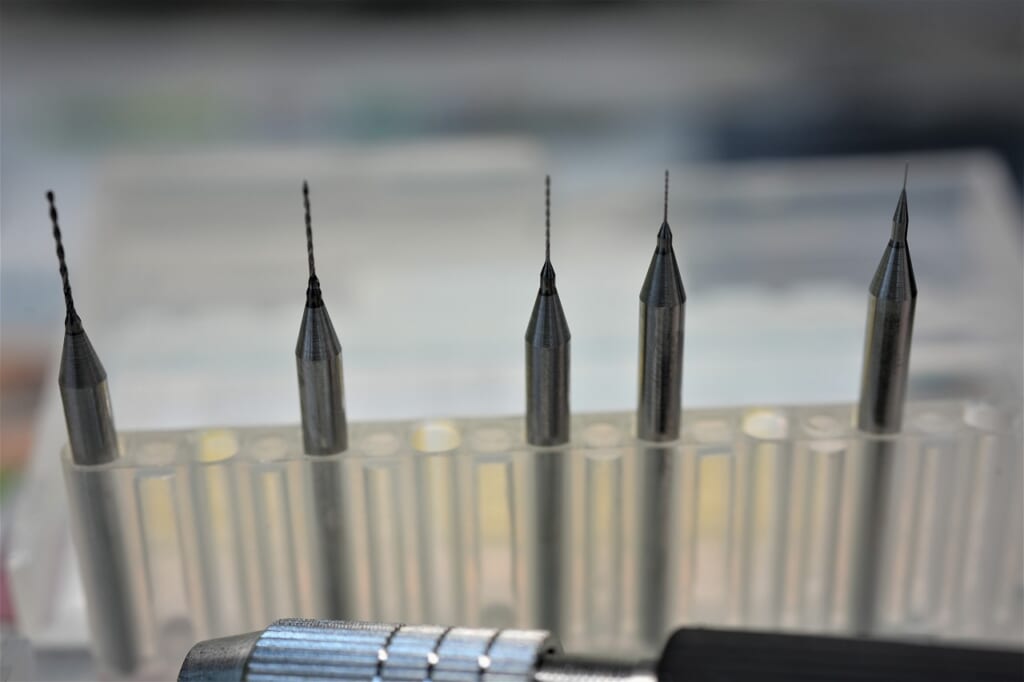
Anex (ANEX) Rubber Grip Pin Vise Storage Type No. 98-R
Saipor 10-piece set PCB drill bits *I purchased the TCT JAPAN brand.
It’s reassuring to confirm the passage is clear (*’▽’)
I haven’t looked into the return port diameter in detail, but I think older bikes might have visibly narrower ones, so caution is needed.
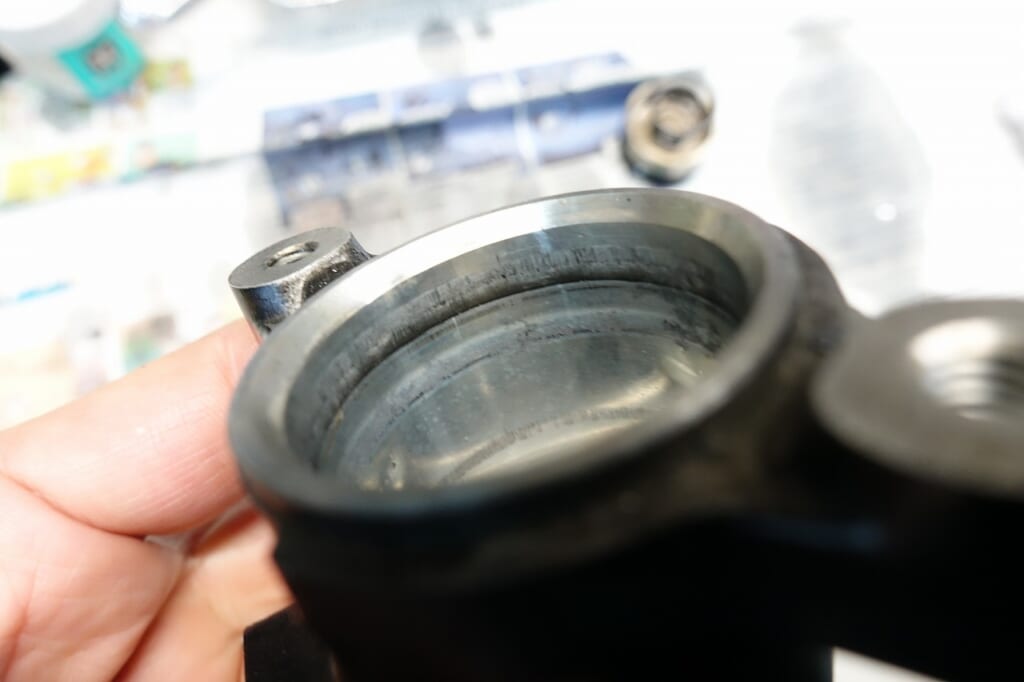
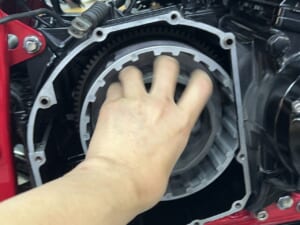
Now we’ll do the clutch release OH.
It’s in this condition, but it’s more of a mark than a step. The condition is excellent.
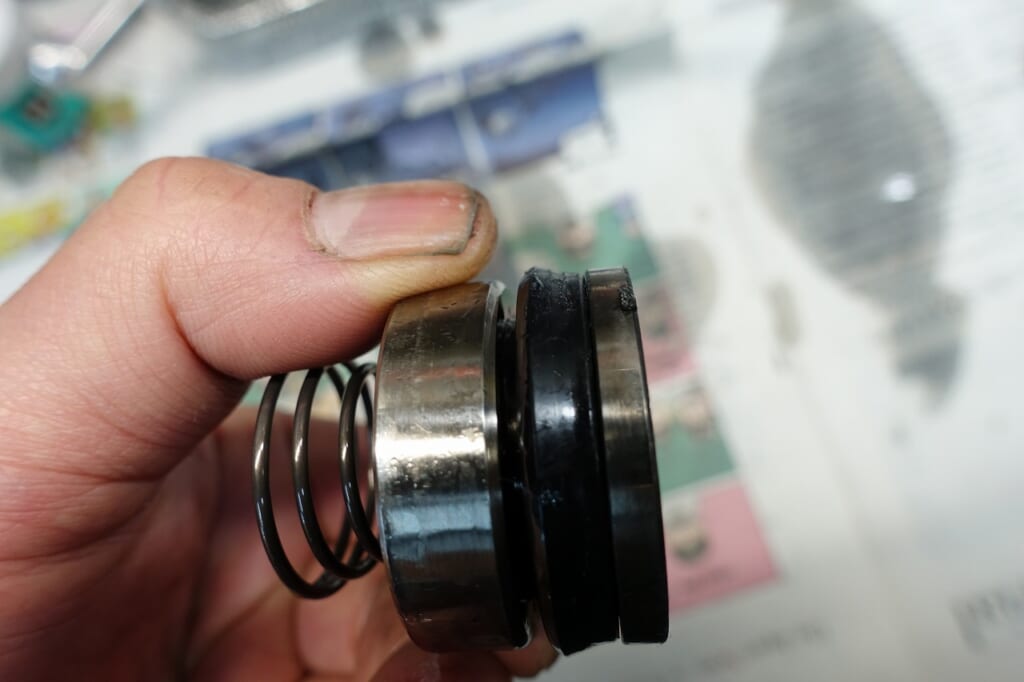
The cup deteriorates over time and distance, becoming soft as shown in the image.
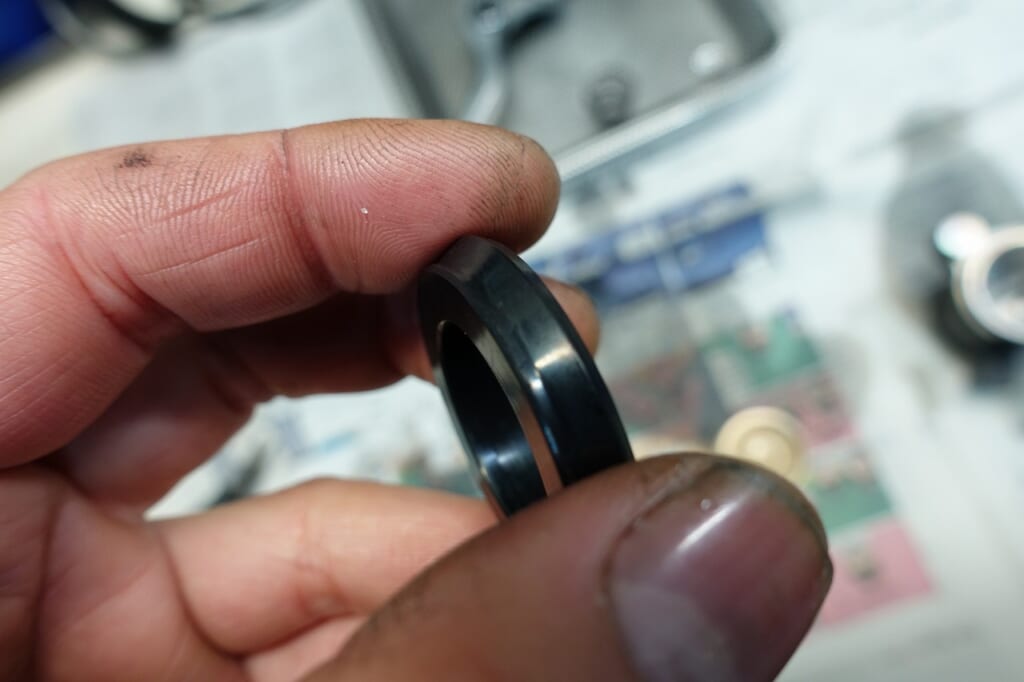
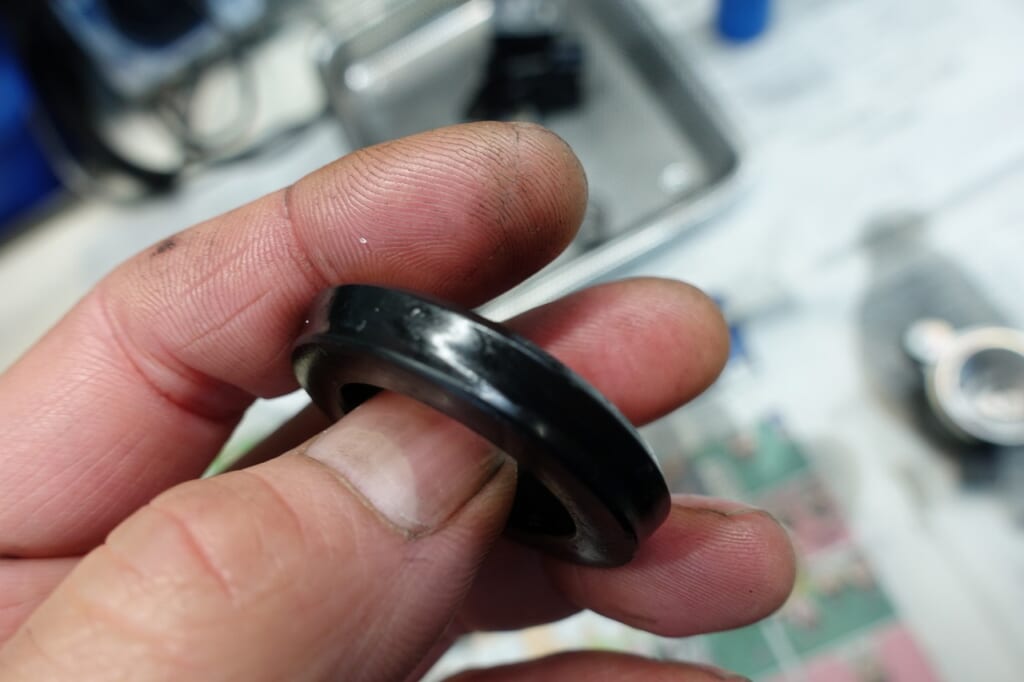
It’s hard to tell in the image, but the left is new and the right is used. The new one is sharp!
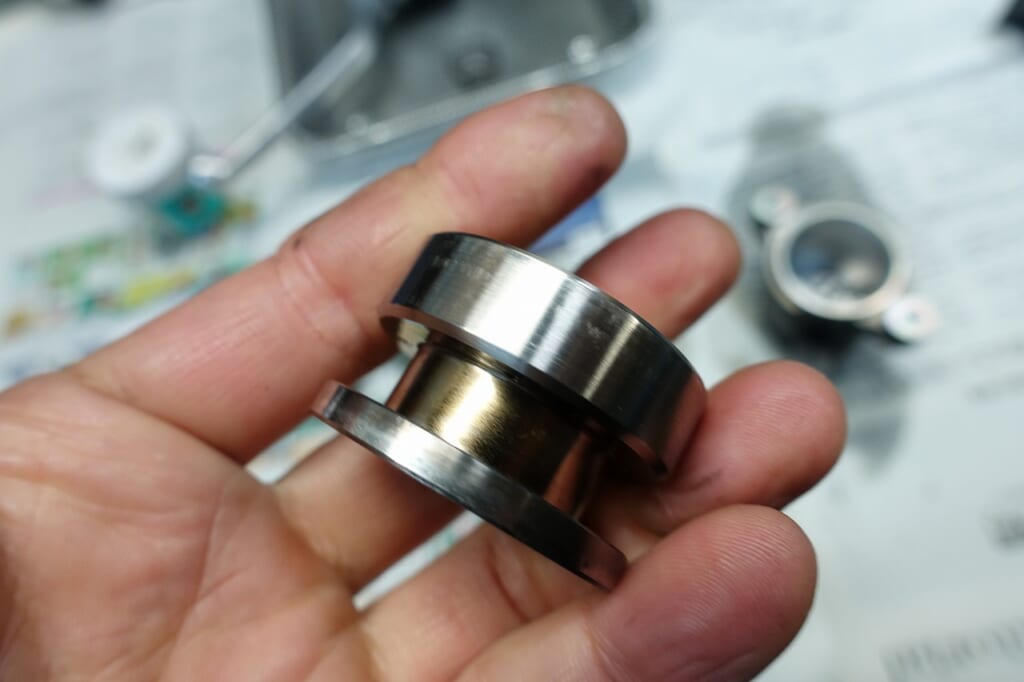
The piston condition was good too.
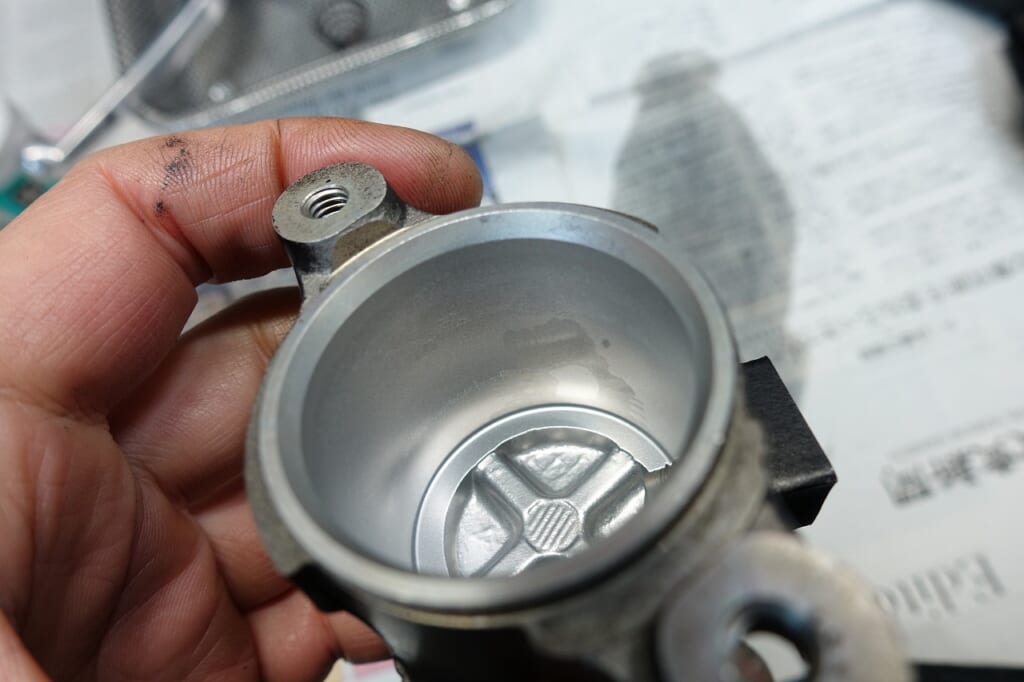
The cylinder is wet blasted and shiny.
When you polish aluminum parts to a shine, they tend to corrode more easily.
The matte finish from wet shot blasting is smooth, operates well, and resists corrosion.
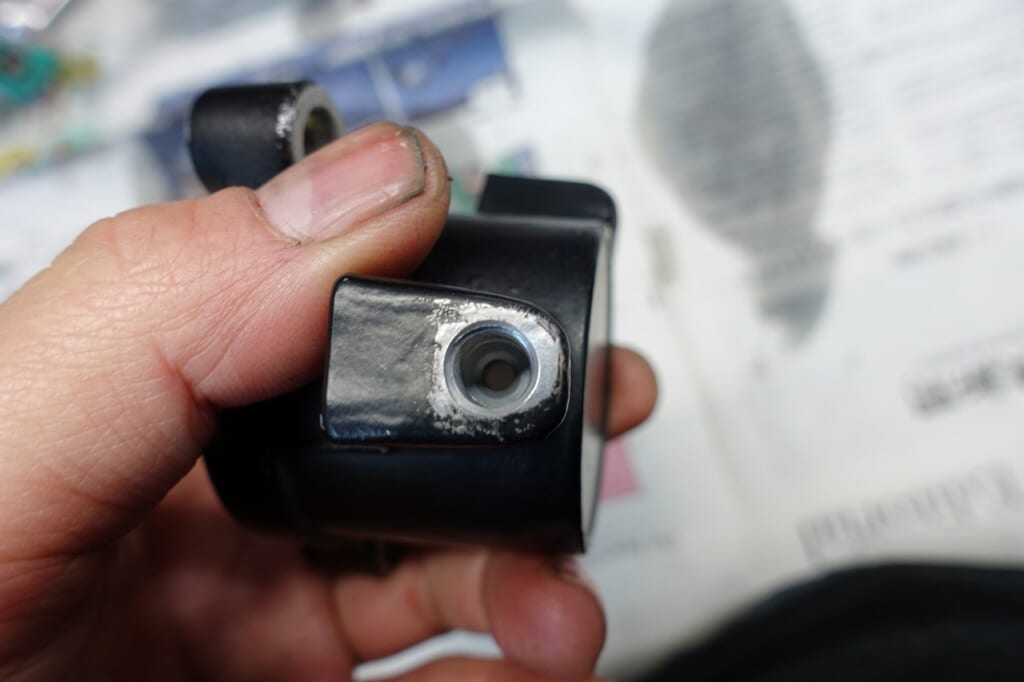
Cleaning the taper contact area of the bleeder nipple will also eliminate any seeping.
I also replaced the side stand switch.
After that, it’s a test ride and we’re done (*^-^*)