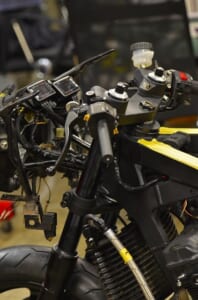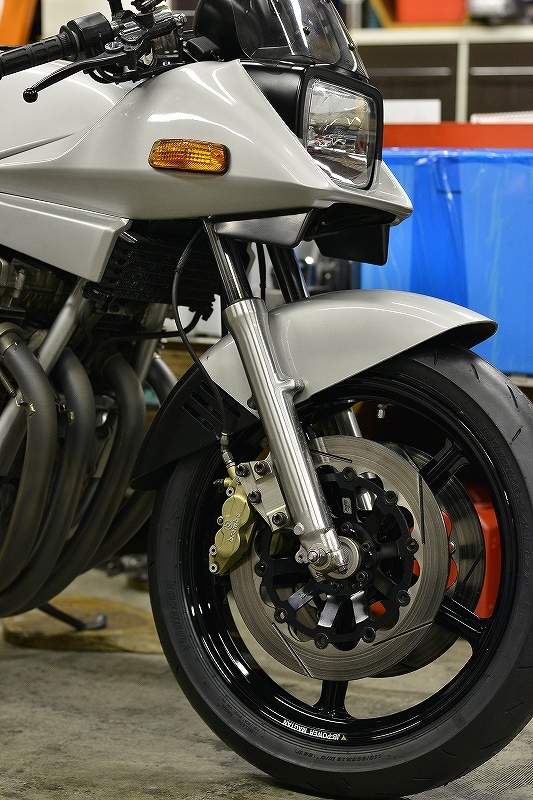
BITO R&D JB-1
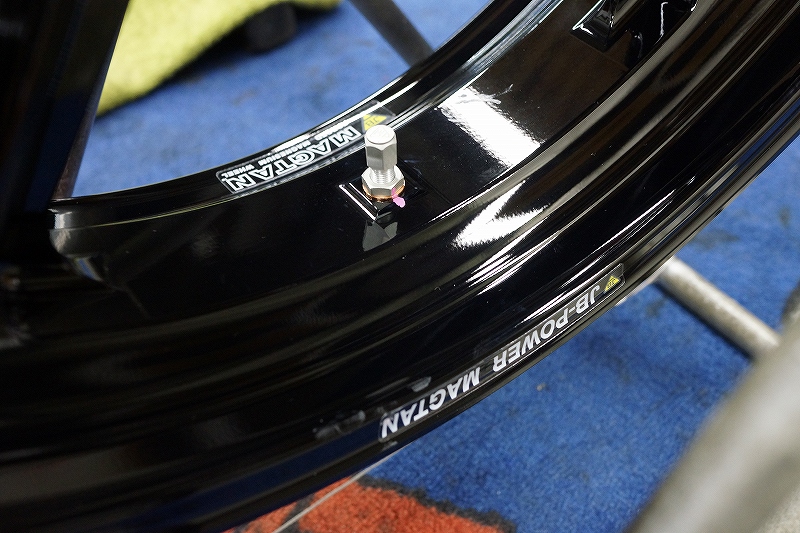
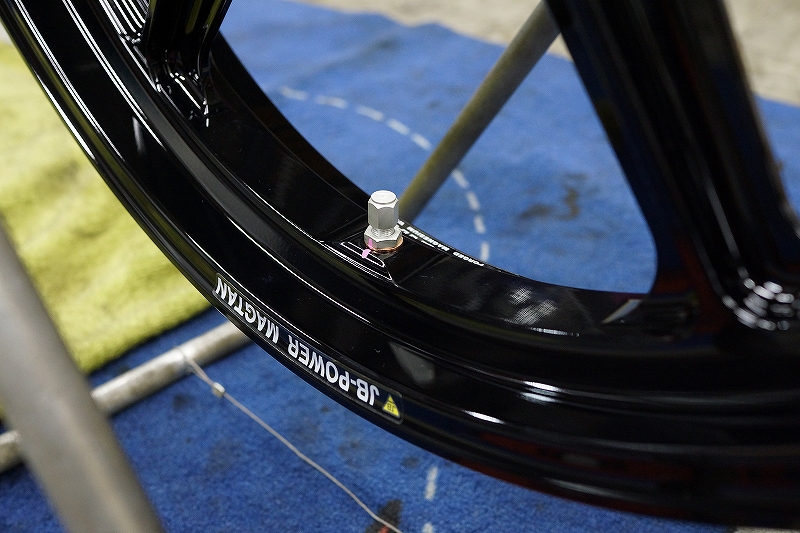
A solid wheel always has the air valve at the bottom. It’s not always the case, but since some OEM wheels don’t follow this, there are instances where you need to install many weights even after aligning the tire balance point with the wheel air valve. If you understand the wheel itself, you might figure out why the weights are needed.
Since there’s no way to know the tire balance point, just do it appropriately.
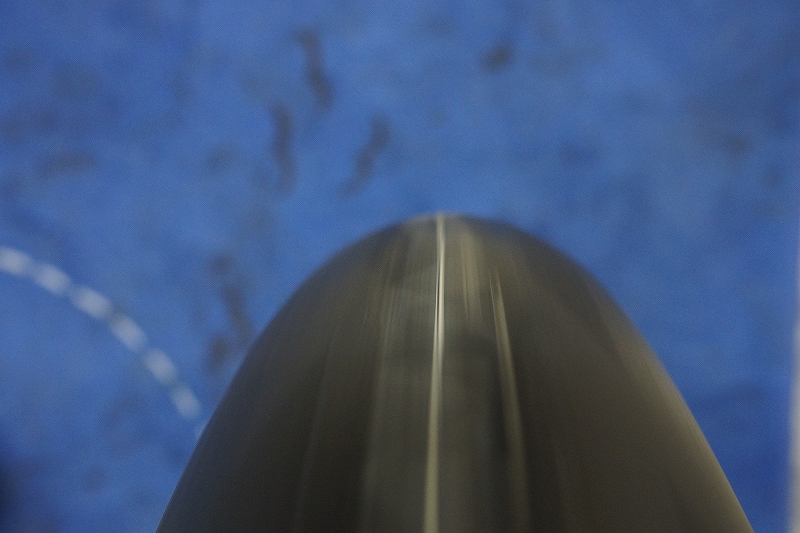
When mounting the tire, you also need to know the tire runout. There are differences depending on the brand, and you need to rule out the possibility that the bead isn’t seating properly.
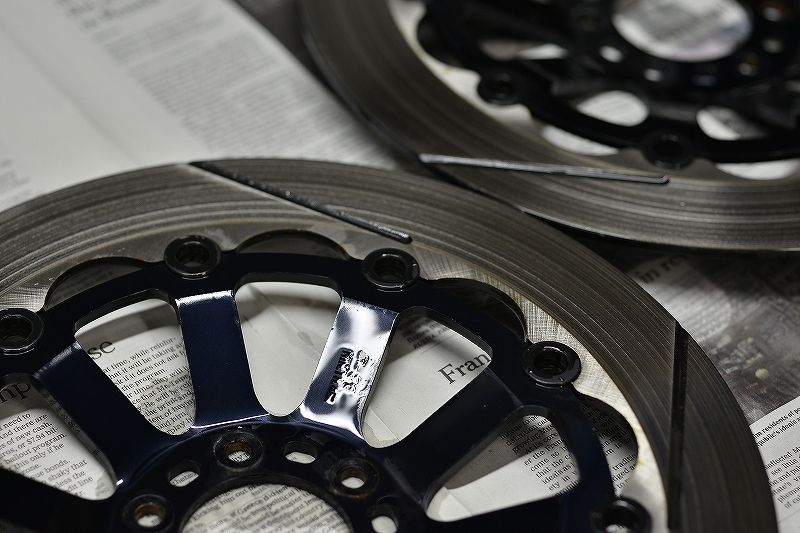
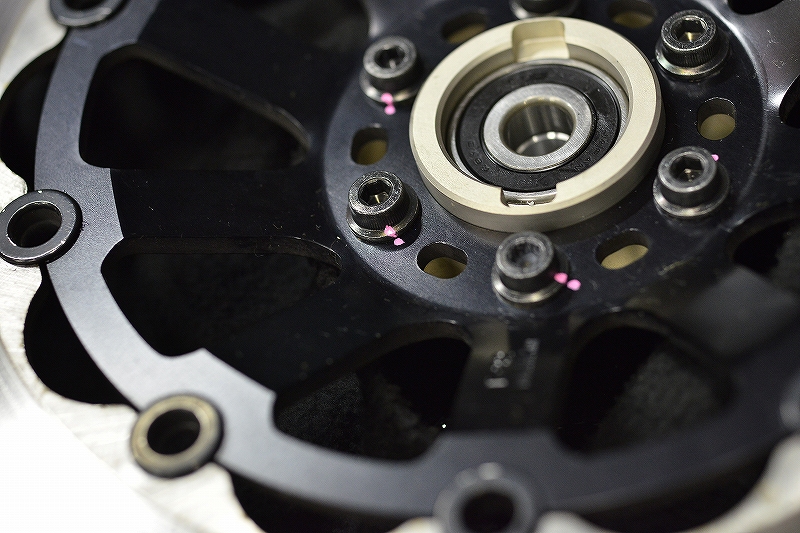
It’s good to wash it while you have it off. Instead of using the included bolts, I switched to OEM flanged bolts.
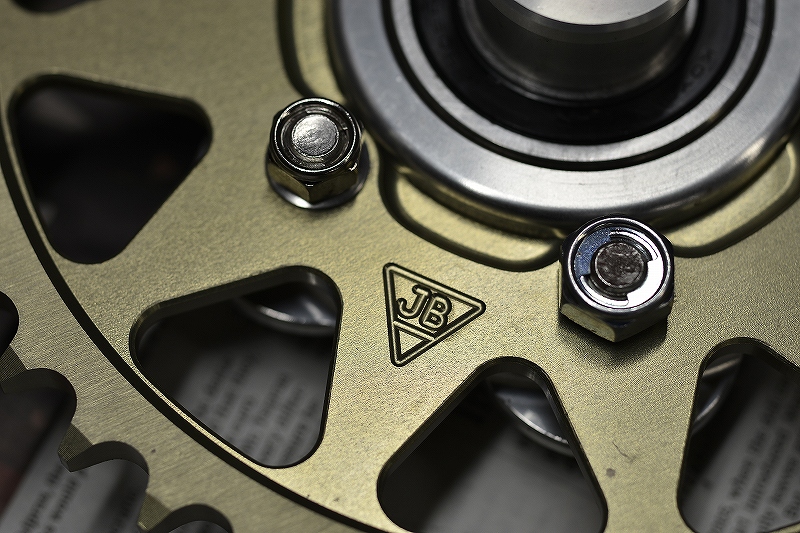
Considering serviceability, I’ll swap out the included nuts for 14 mm across-flats instead.
The standard nuts manufacturers use are typically M10 = 14 mm across-flats / M8 = 12 mm across-flats.
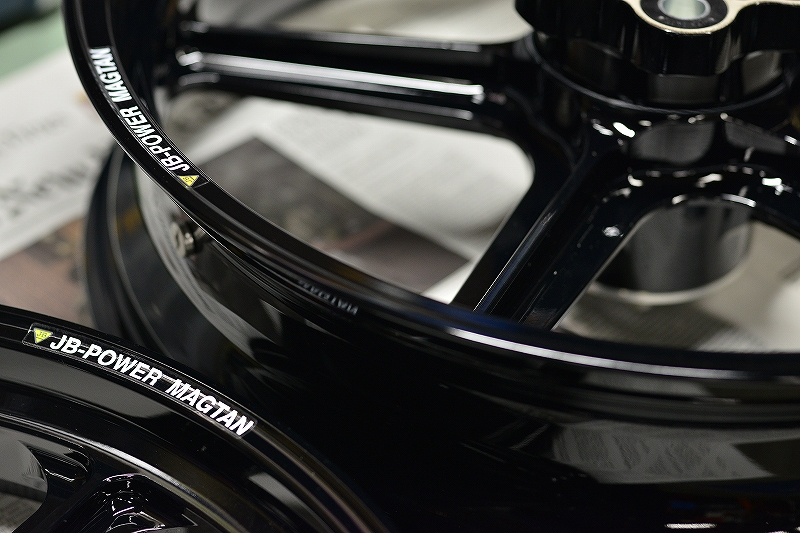
You’d think it would just bolt on, but there are a few issues. You have to cut the inner rib on the swingarm and also cut the chain case. That work is whatever, but being careful when putting this new wheel on and taking it off is tiring.
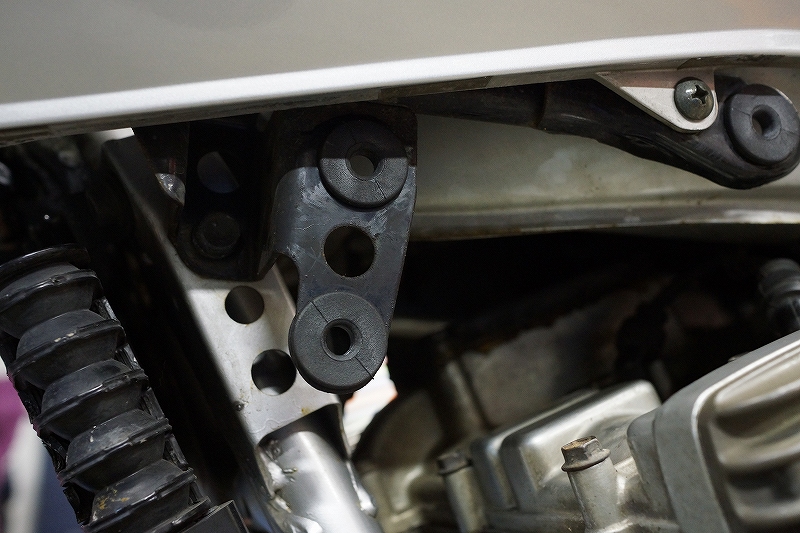
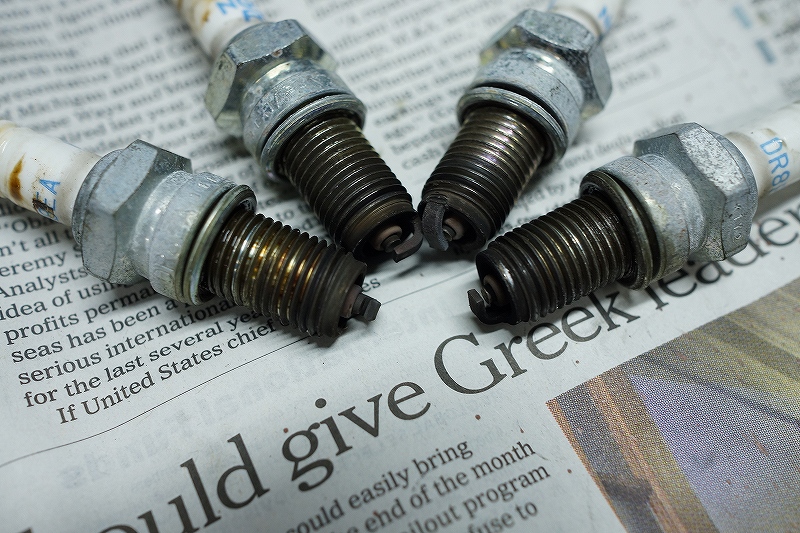
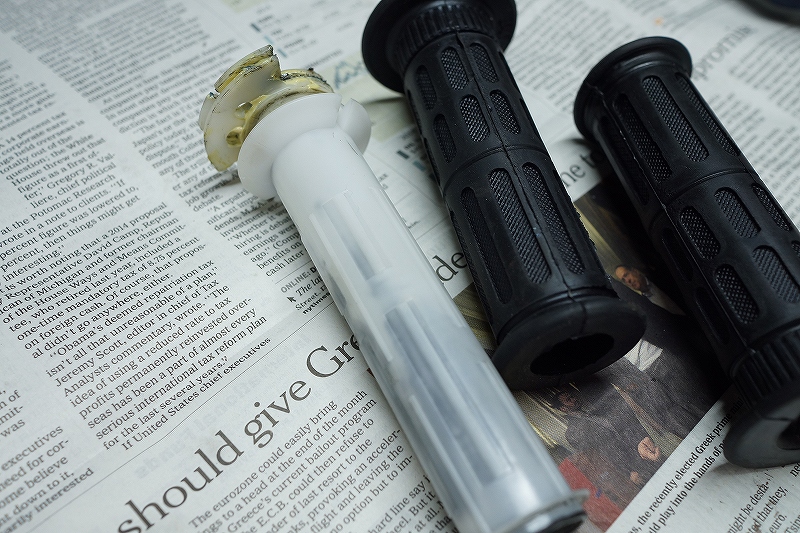 I also replaced the grommet, plug, grip, chain sprocket, and battery.
All done.