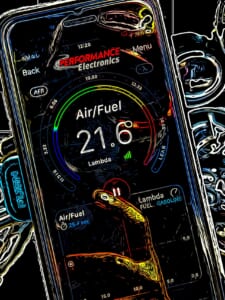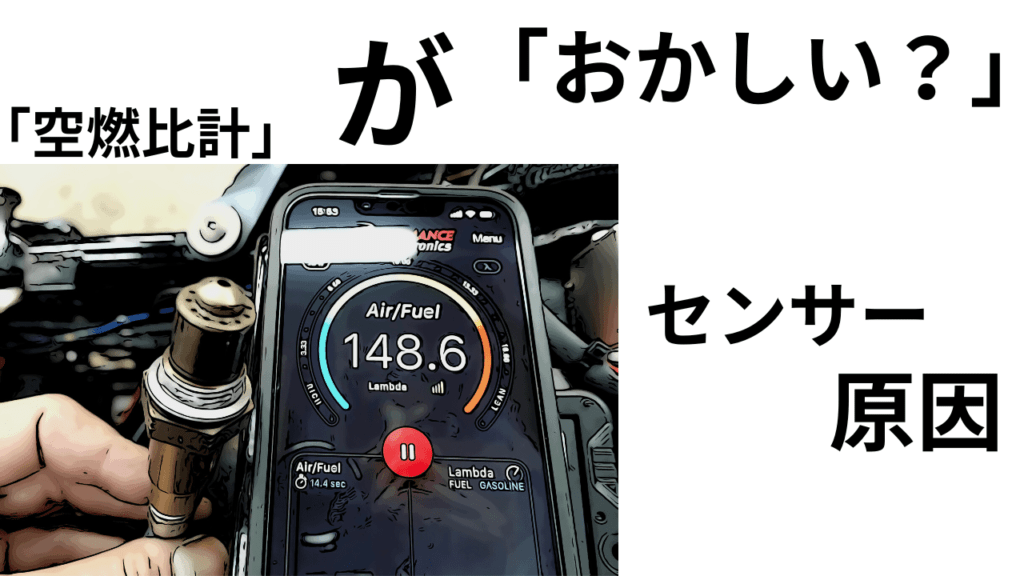
Well, about the A/F abnormal reading from the other day… it turned out to be a faulty A/F sensor.
By the way, it hasn’t even been used for 2000 km and it’s basically stock, so carbon buildup is minimal.
I learned firsthand that blindly trusting measuring instruments can be dangerous.
*Although I hadn’t really messed with it much…
If I start thinking about whether something was wrong from the beginning, there’s no end to it.
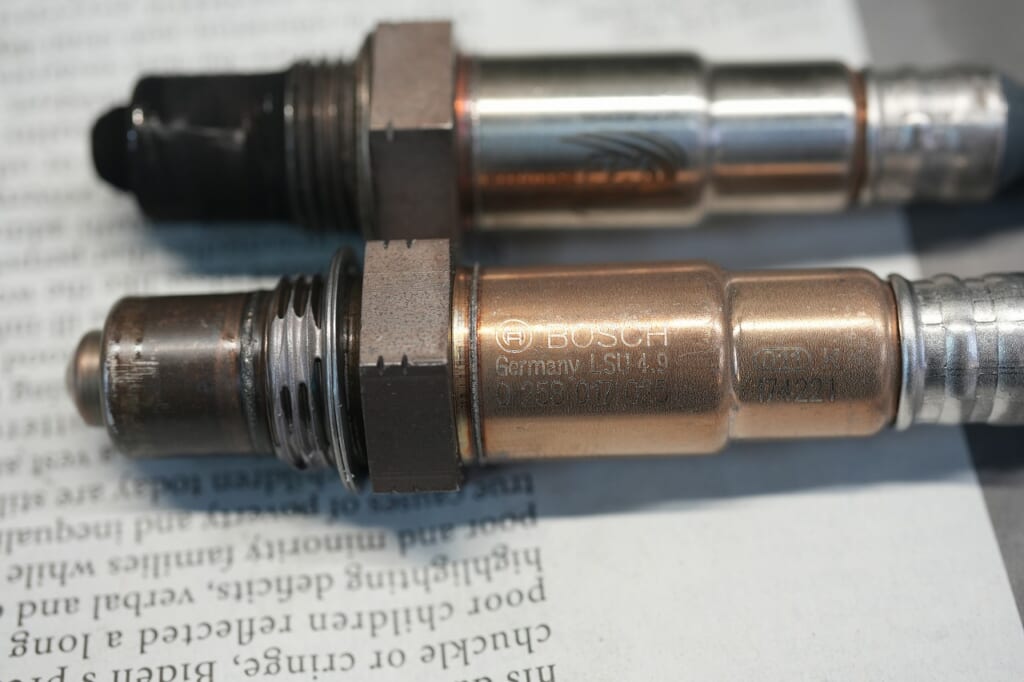
Wideband Bosch Compatible LSU4.9
They sell a ton of these on Amazon.
I’d probably recommend avoiding them. This one came as an accessory, but I’m disappointed.
Using genuine Bosch products is probably the way to go. I can’t trust them anymore…


 ポチップ
ポチップ
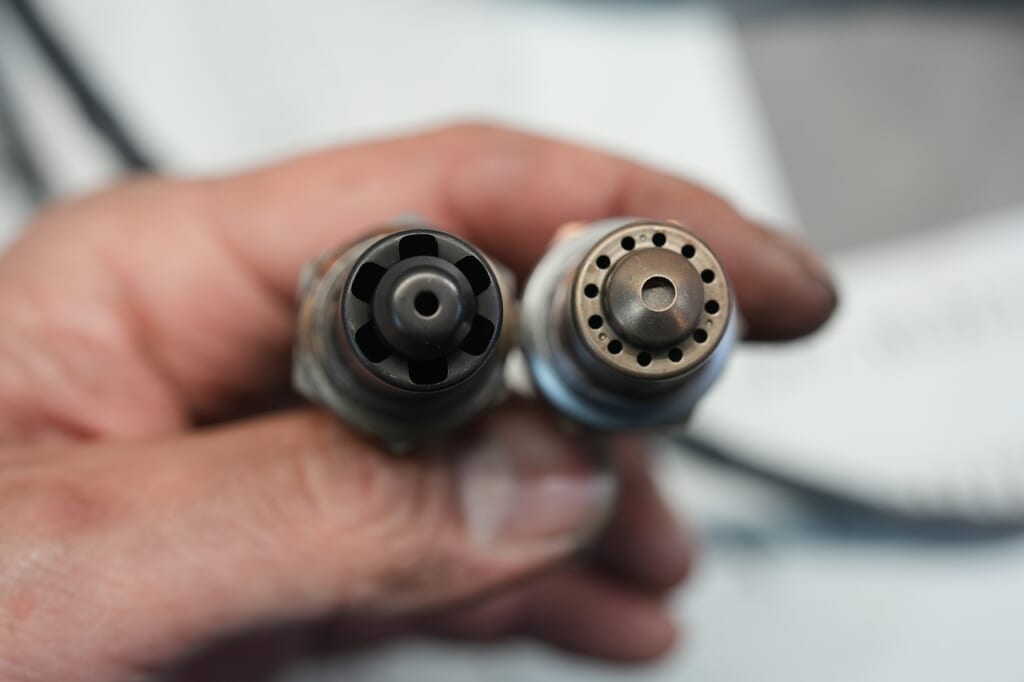
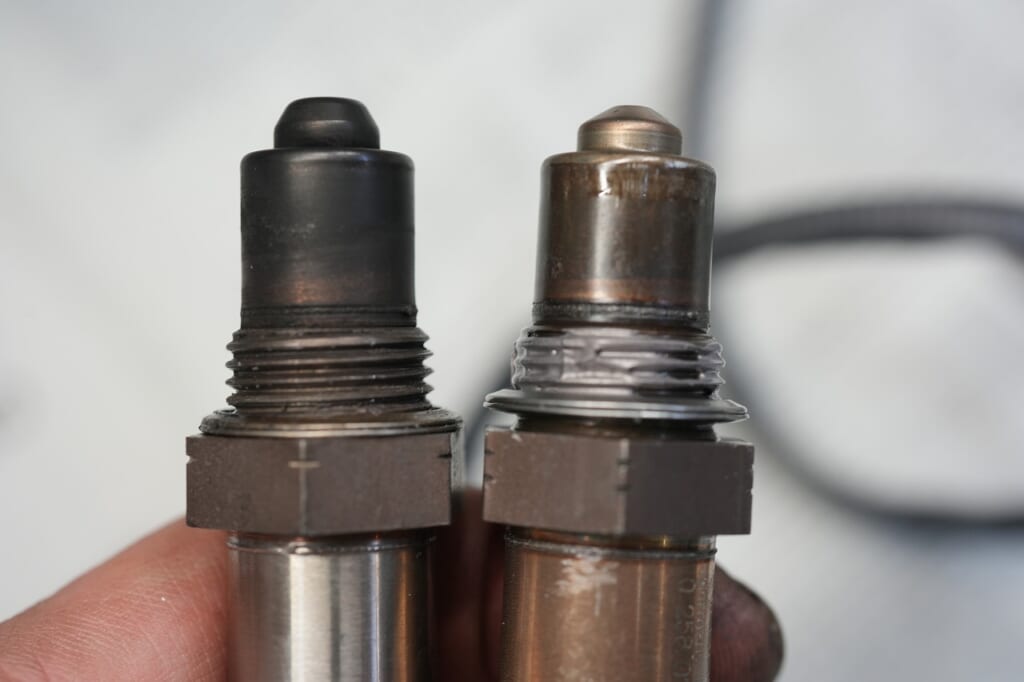
The one on the right is Bosch, the one on the left is the compatible version.
Since I don’t know the genuine one, when I lined them up they look completely different.
The finer holes might be problematic… but I’ll keep monitoring it.
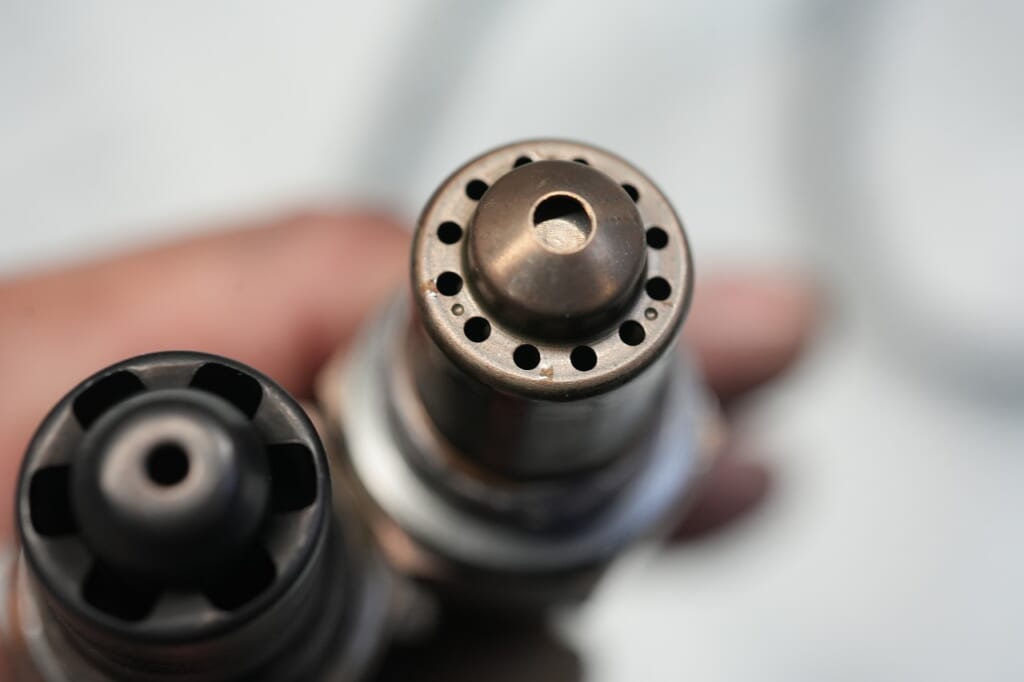

It might be good to remember that the one with finer holes is the genuine one.
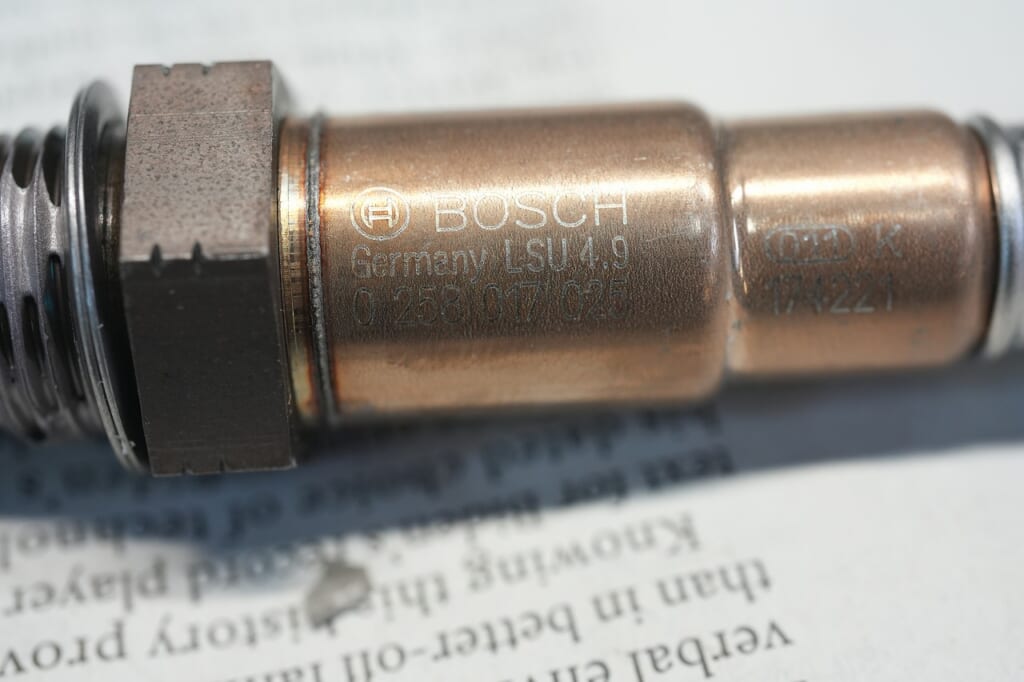
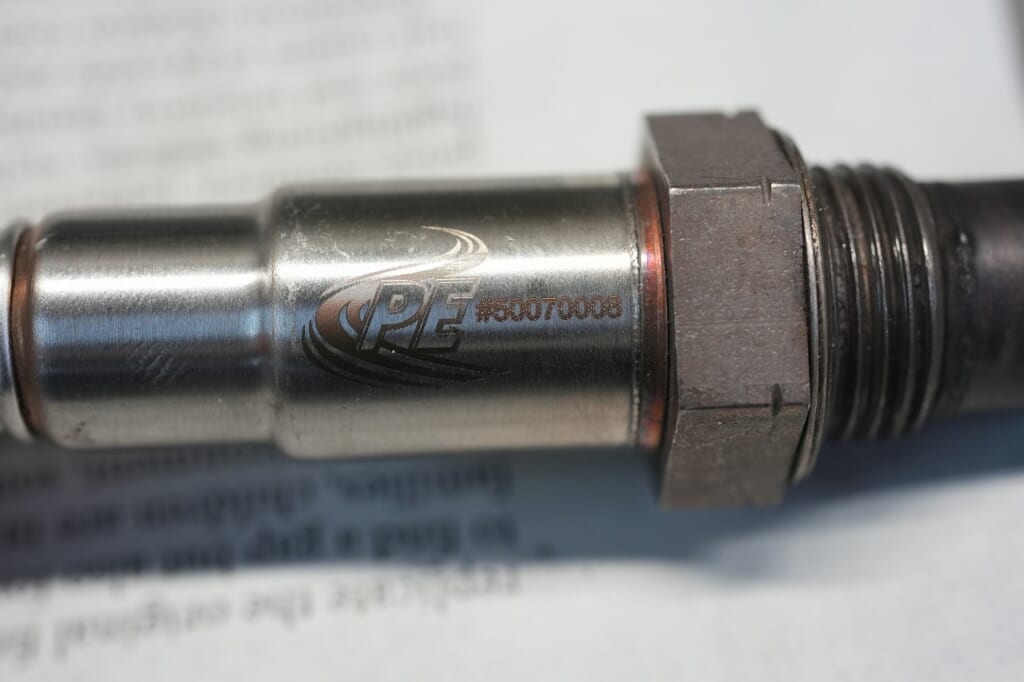
Wideband sensors are pretty expensive, so it’s unavoidable that bundled versions use compatible parts. Still, it failed way too quickly…
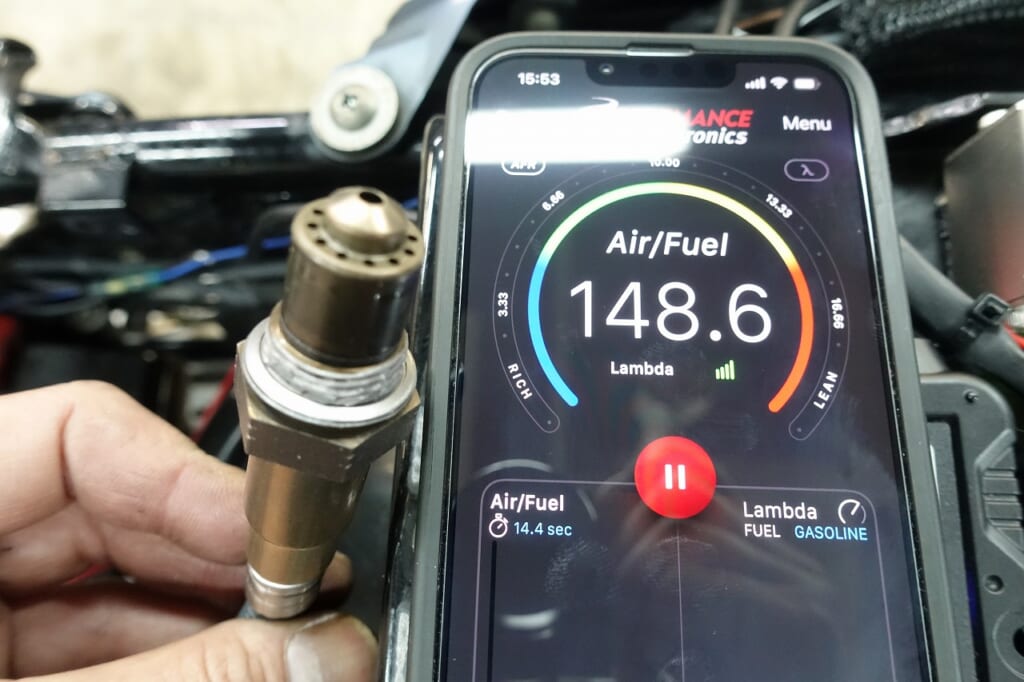
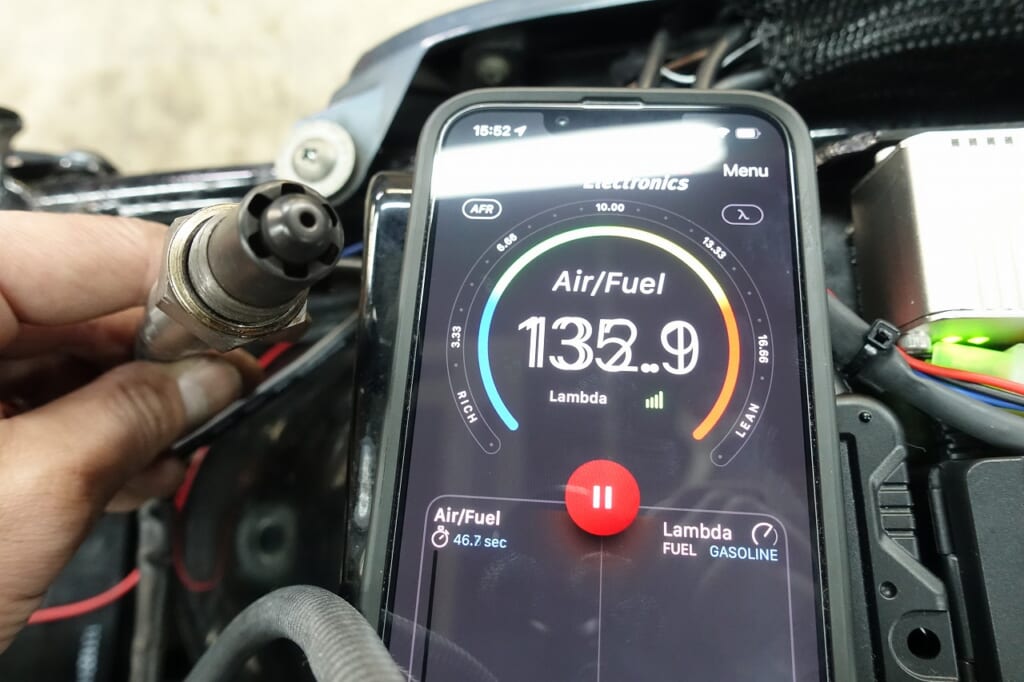
The new one shows very stable readings.
The broken one constantly fluctuates and is unstable.
Then suddenly on the highway it spits out an abnormal reading and I’m left thinking “Huh? Why?” with my head spinning, unable to focus on adjustments.
Basically, with these kinds of sensors, I think you leave them installed and don’t calibrate them (can’t calibrate them).
They’re just a reference point, so taking them at face value is the start of going down a rabbit hole…
In modern times, perhaps because things are too convenient, troubles are inevitable. (;∀;)
If you think the A/F reading is suspicious, it’s good to keep a spare sensor on hand.