Hello everyone, thanks for tuning in to GPZ 550 Communication.
I basically think that working on any motorcycle is the same as long as it’s in reasonably original condition.
If you’ve picked up an older motorcycle and are having trouble, I hope this will be helpful reference material for you.
The main issue with older bikes is when parts are discontinued and repairs become impossible.
In those cases, it’s actually fun to try searching for parts using “part number reverse lookup” methods.
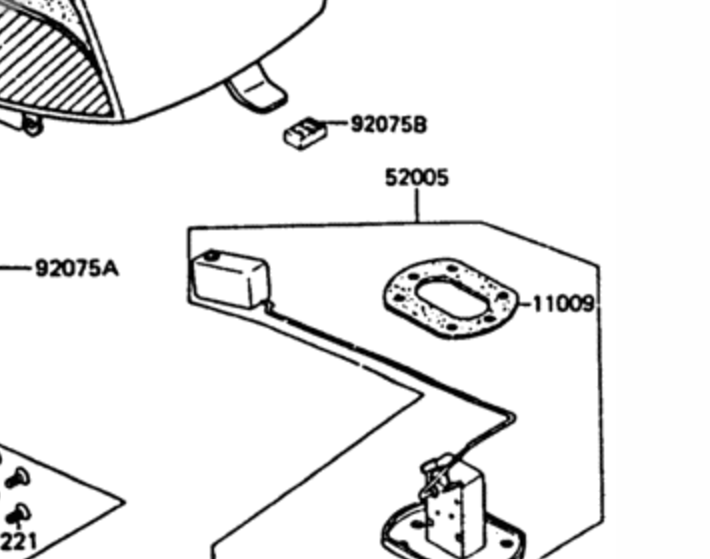
For this fuel sensor, we first check the gasket (seal) part number.
“Same part number = same mounting pitch and dimensions ) This is how it works.
Then you search Google for other vehicle models using the same gasket and do image searches, which makes it easier to find.
For a fuel sensor like this one, “arm direction/shape/length” you roughly check via images,
and then check the fuel sensor resistance value in the manual and that should be good.
*You can usually find manuals and such by searching Google.
This is how I always spend time researching parts.
 ポチップ
ポチップ


First, let’s check the manual resistance value
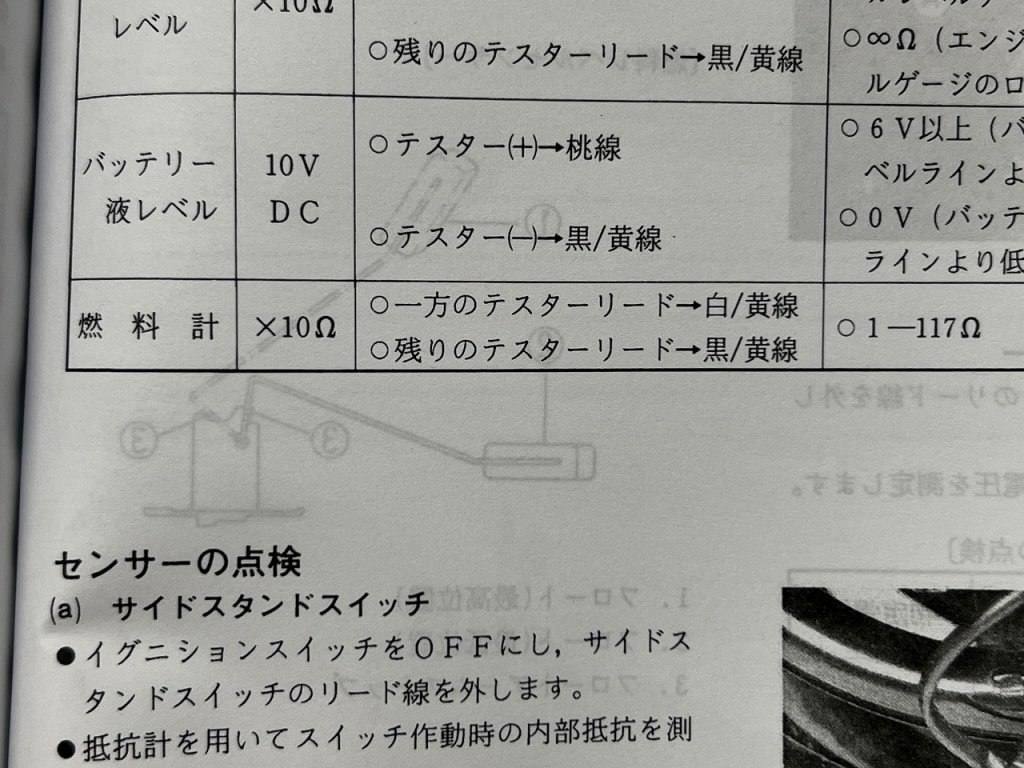
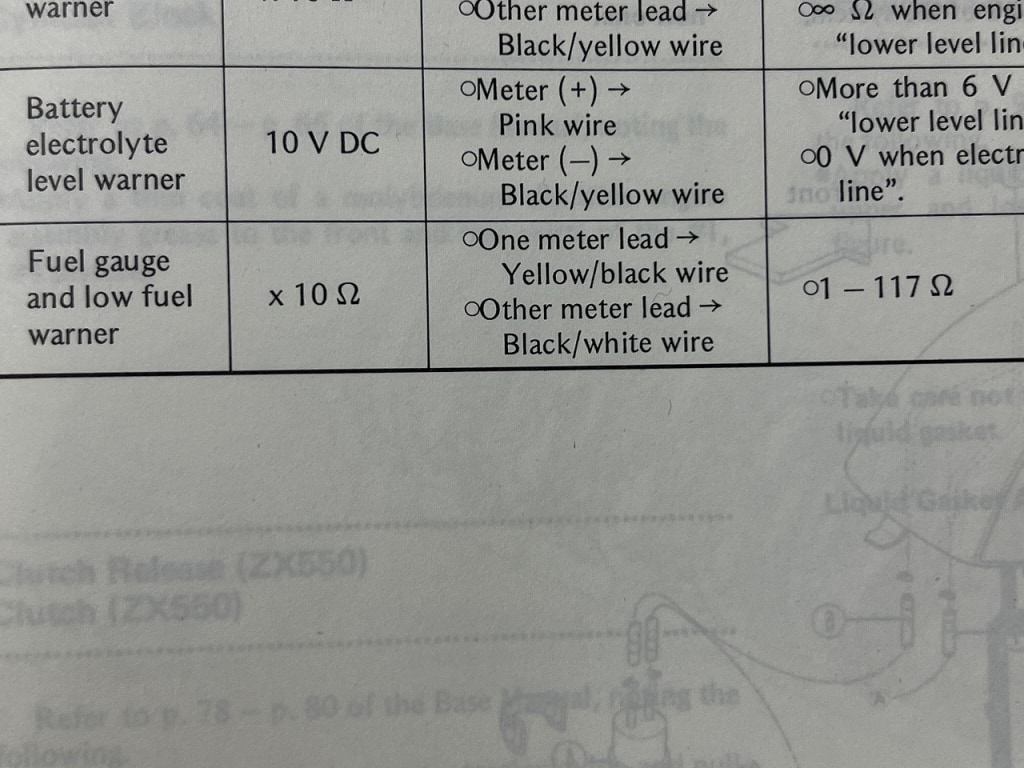
The fuel sensor resistance values for GPZ 400F and GPZ550 are the same .
1-117Ω
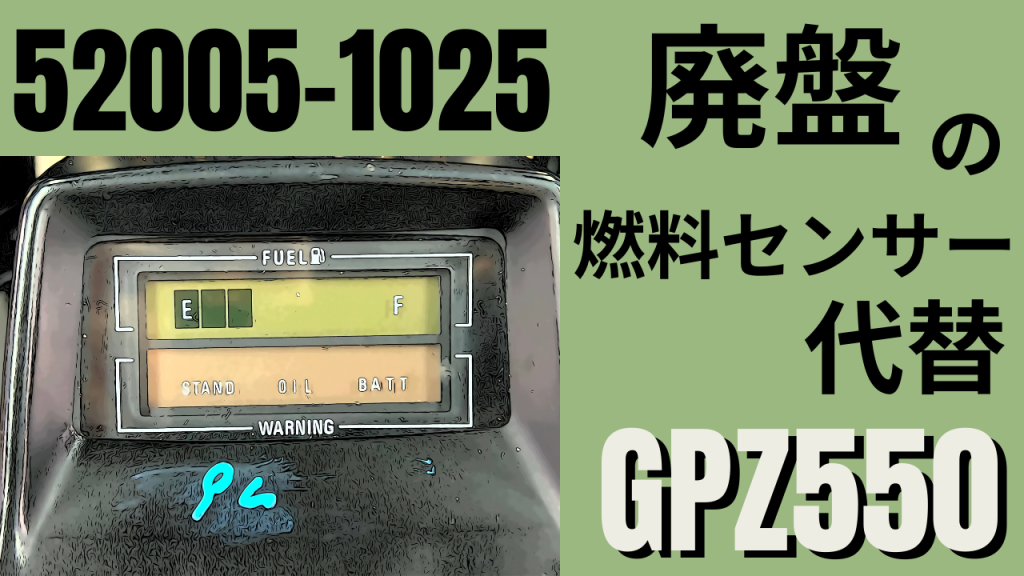
The 52005-1025 fuel sensor we’re using is likely from KZ 550 or Z400GP and similar models.
*Since I reverse-looked it up from the gasket, I can’t definitively determine the exact model.
By the way, it’s amazing that Kawasaki still has fuel sensors available for bikes this old.
From my experience, you can find parts with about 1/10th the research effort compared to Suzuki.
The thing is,
with Kawasaki you can complete your research within the manufacturer’s lineup,
but with Suzuki you often have to look outside the manufacturer to find anything usable.
Ultimately, there are too many unknowns until you actually buy it, making it very risky.
Next, let’s compare the fuel sensor shapes
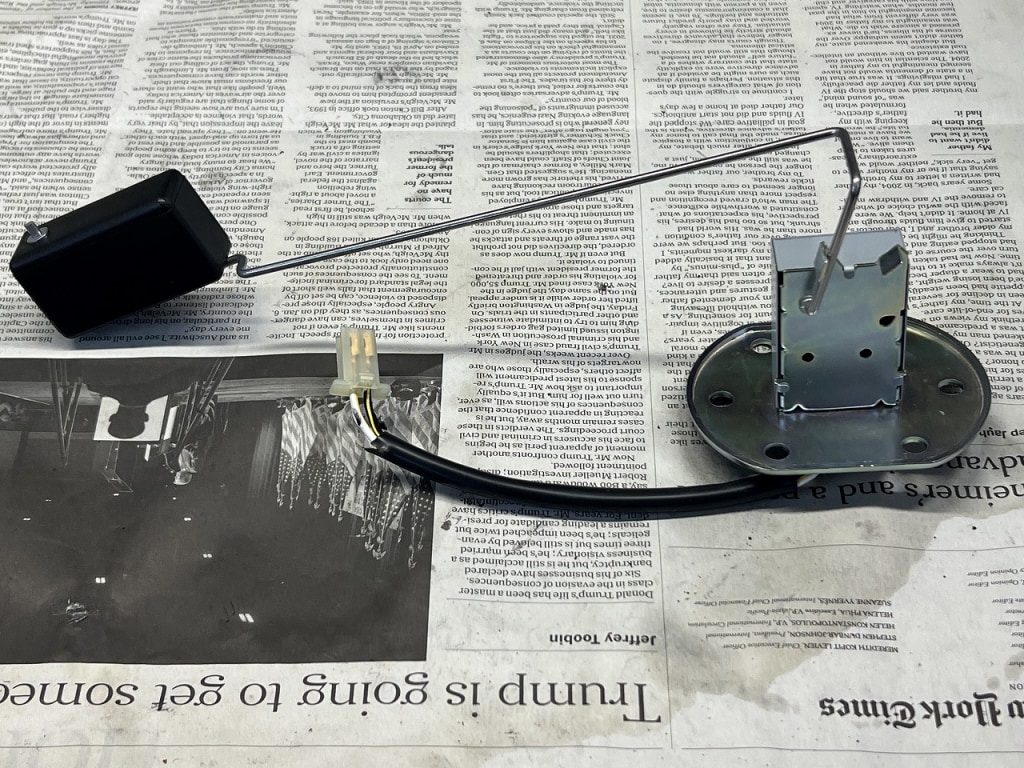
By the way, I’ve already changed the connector from 250 to 110.
*I realized later that the wiring is short, so please extend it.
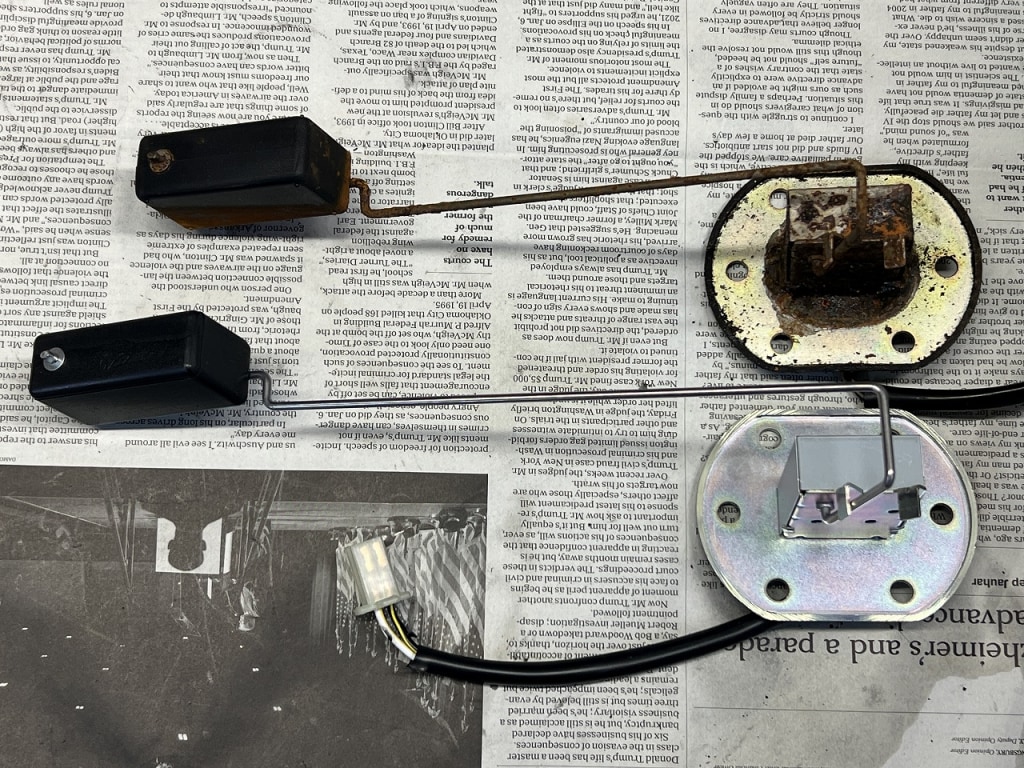
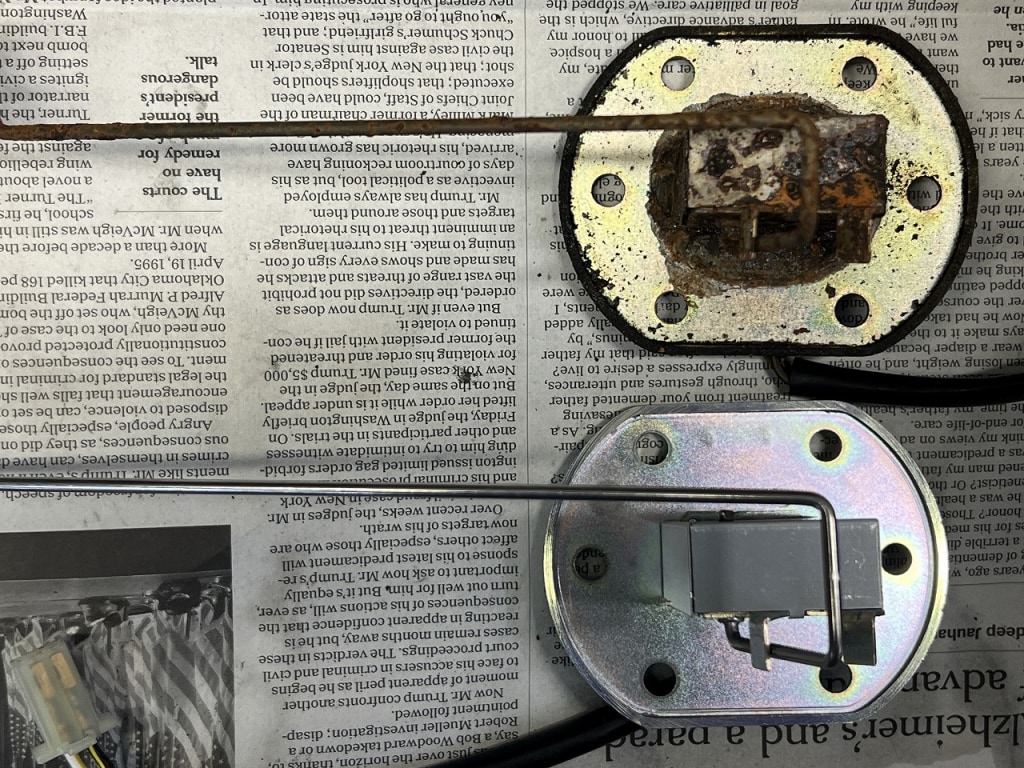
Image: The top one is what I think is the original GPZ 550.
*Since I’m buying used old bikes, I’m not even sure if this is truly OEM.
Anyway, the length is quite similar and they look very much alike.
The real issue with fuel sensors is ultimately
“whether it makes contact when operating inside the tank.”
If it does make contact, you can bend it, cut it, or re-weld it.
Fuel sensors basically have the same shape even recently, so cross-manufacturer adaptation is possible.
This fuel sensor issue actually comes up with the oil-cooled 1200 series too.
When you reverse-look up the gasket part number… it turns out to be common across scooters and various other models.
If you want to, you can adapt pretty much anything.
ポチップ
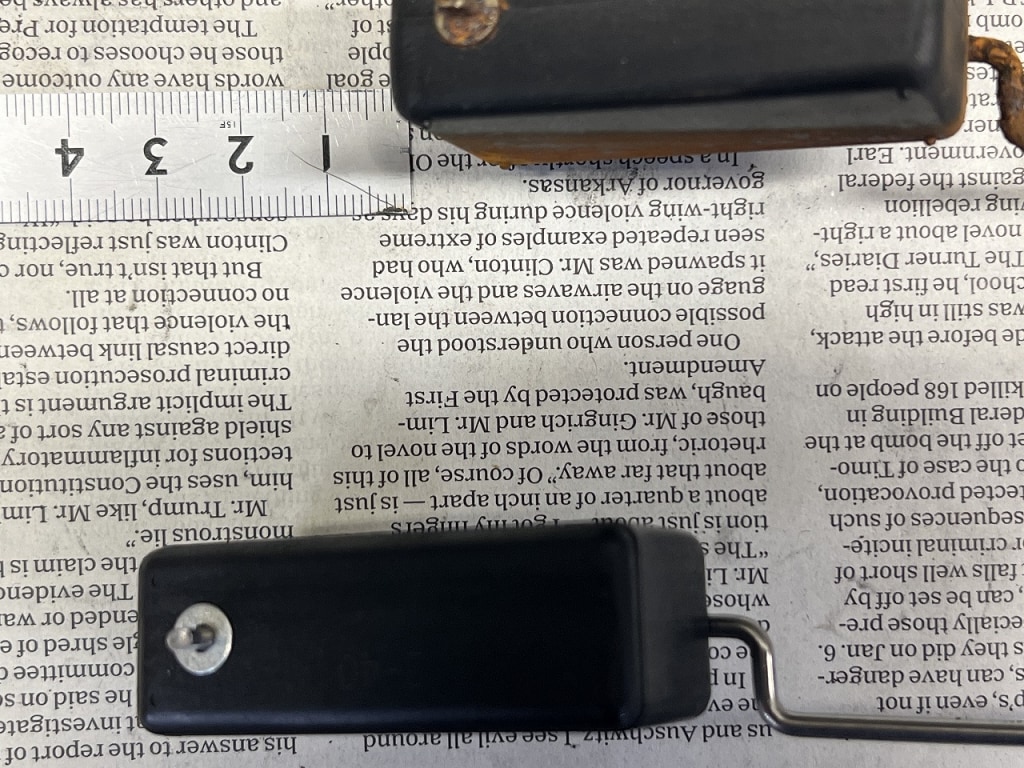
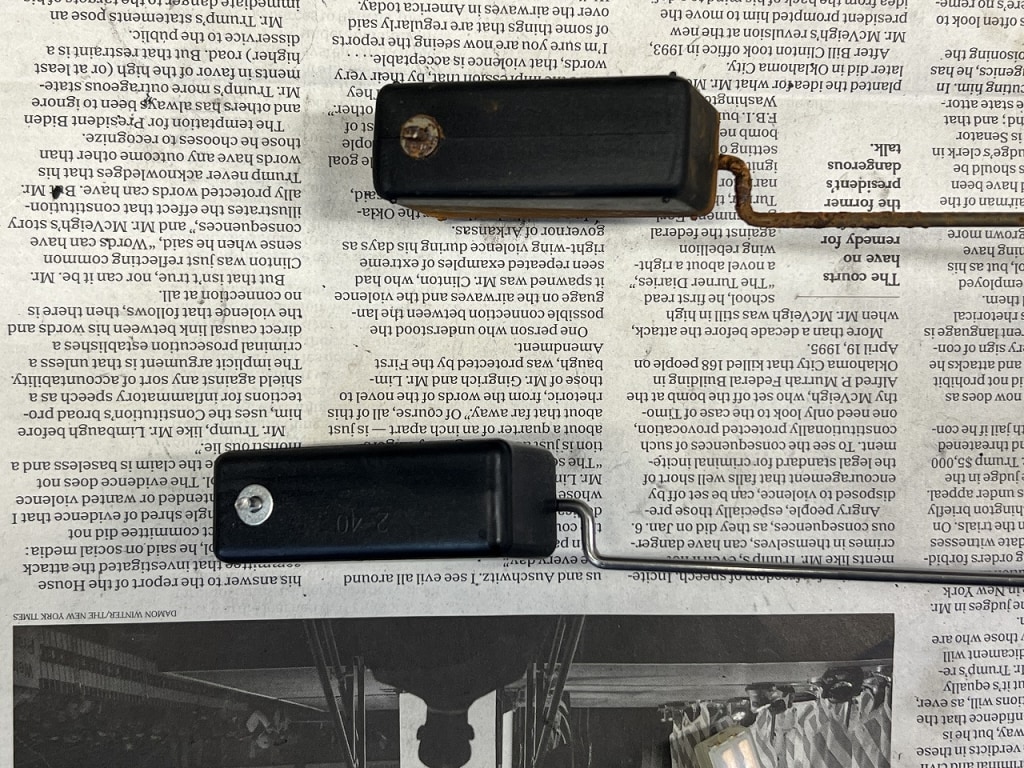
It’s a bit longer, so that’s my only concern.
Well, it’s my own bike anyway, so it’ll work out (*´ω`*)
If you use this on a GPZ 550, make sure to adjust the connector shape and extend the wiring
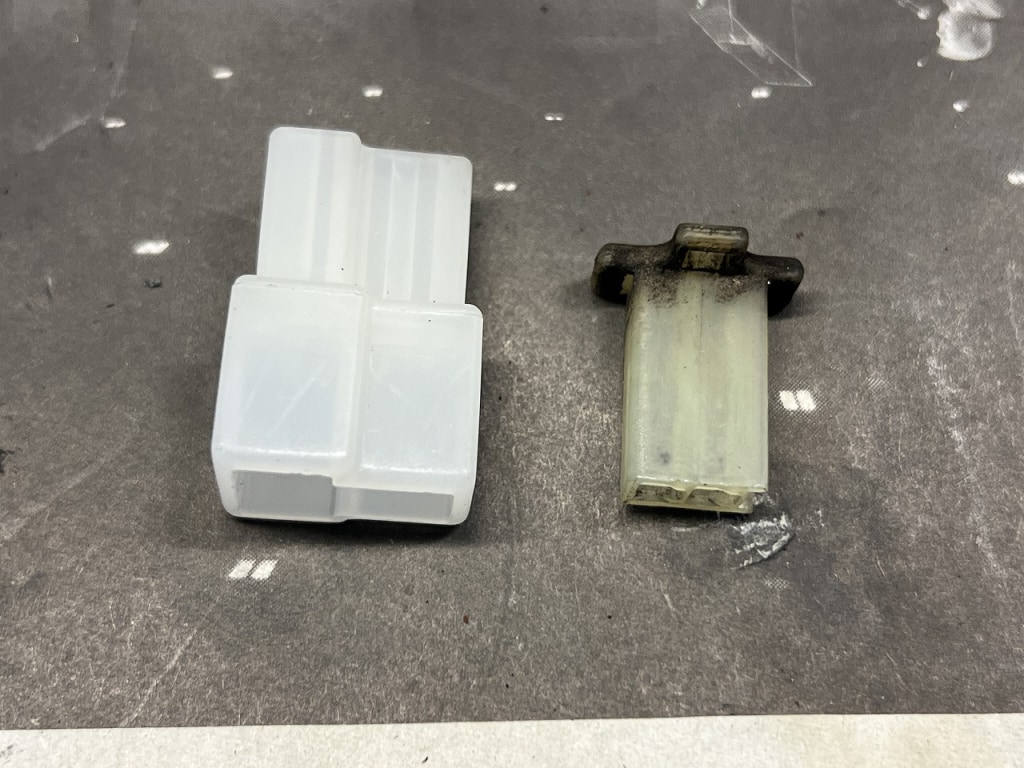
OEM parts can change part numbers even with small differences.
Don’t expect to just buy it and use it as-is; always assume there will be some extra work involved
Let’s compare the new and old fuel sensor resistance.
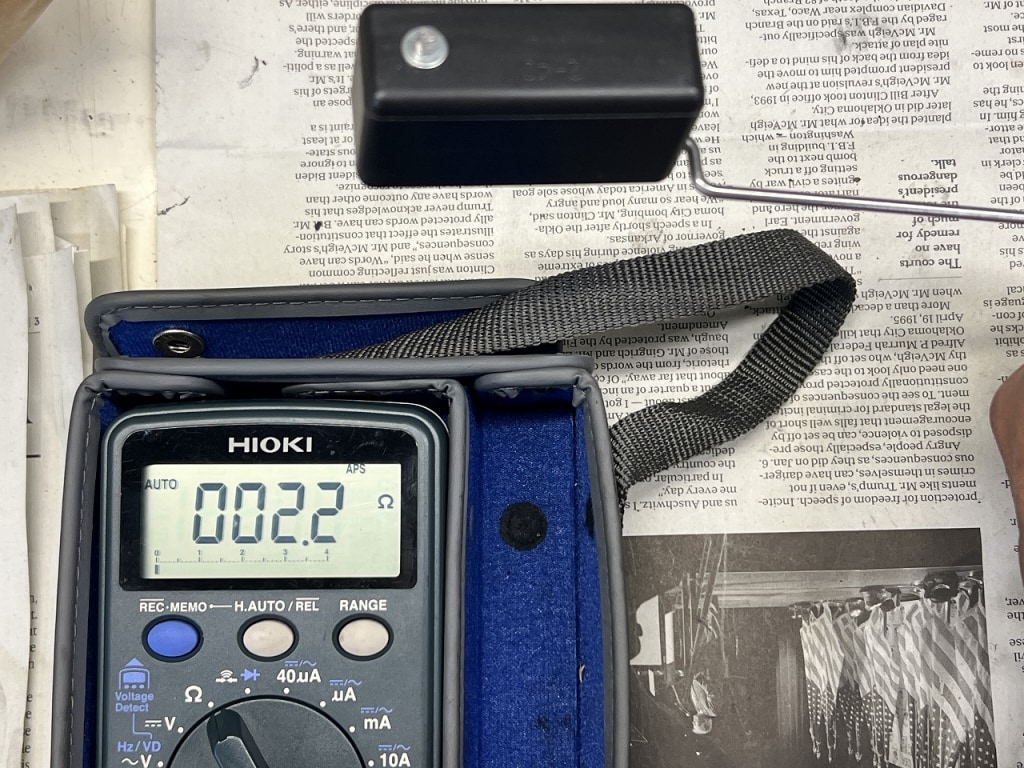
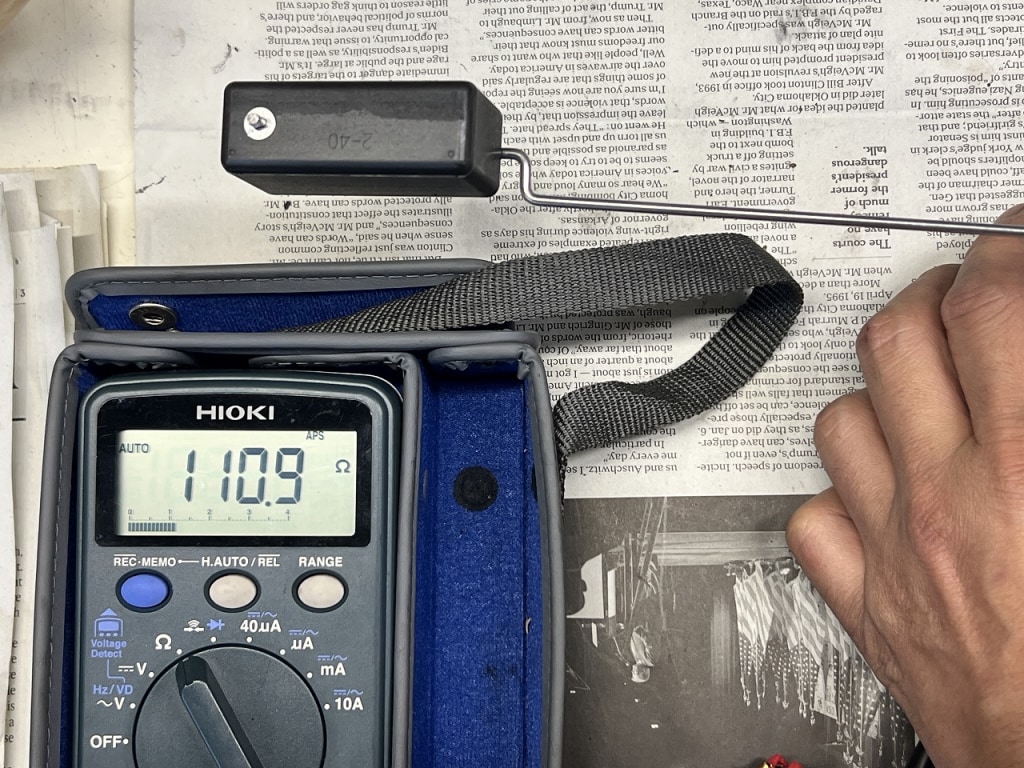
The new one 52005-1025 is 2-110Ω which gave pretty good numbers.
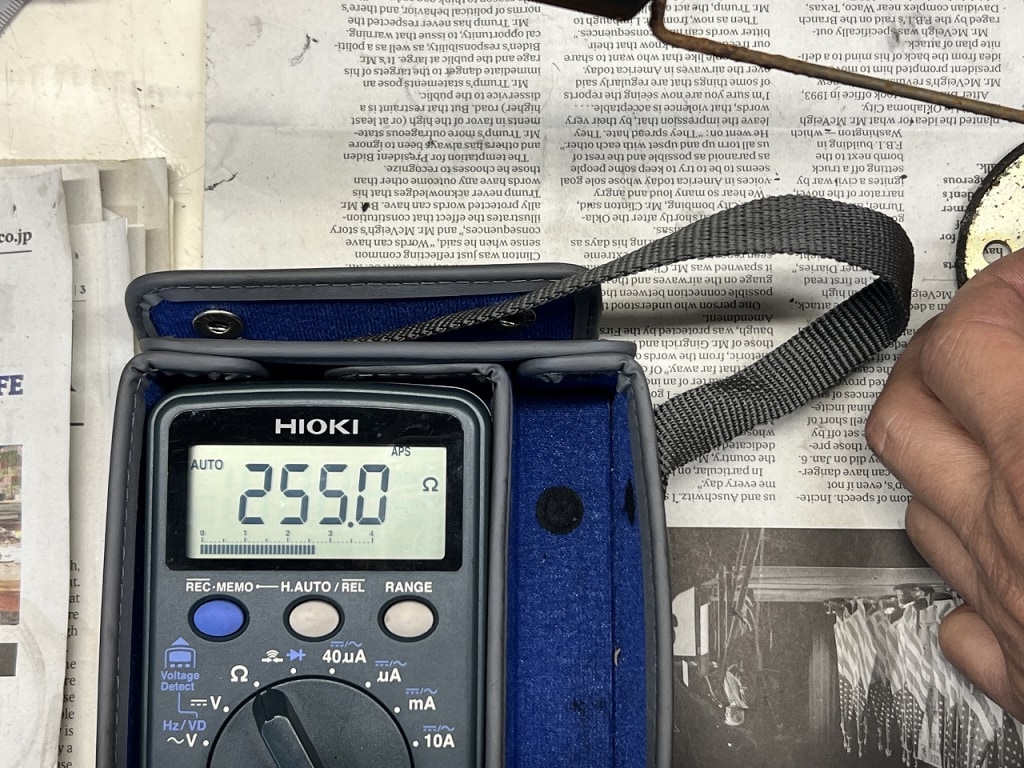
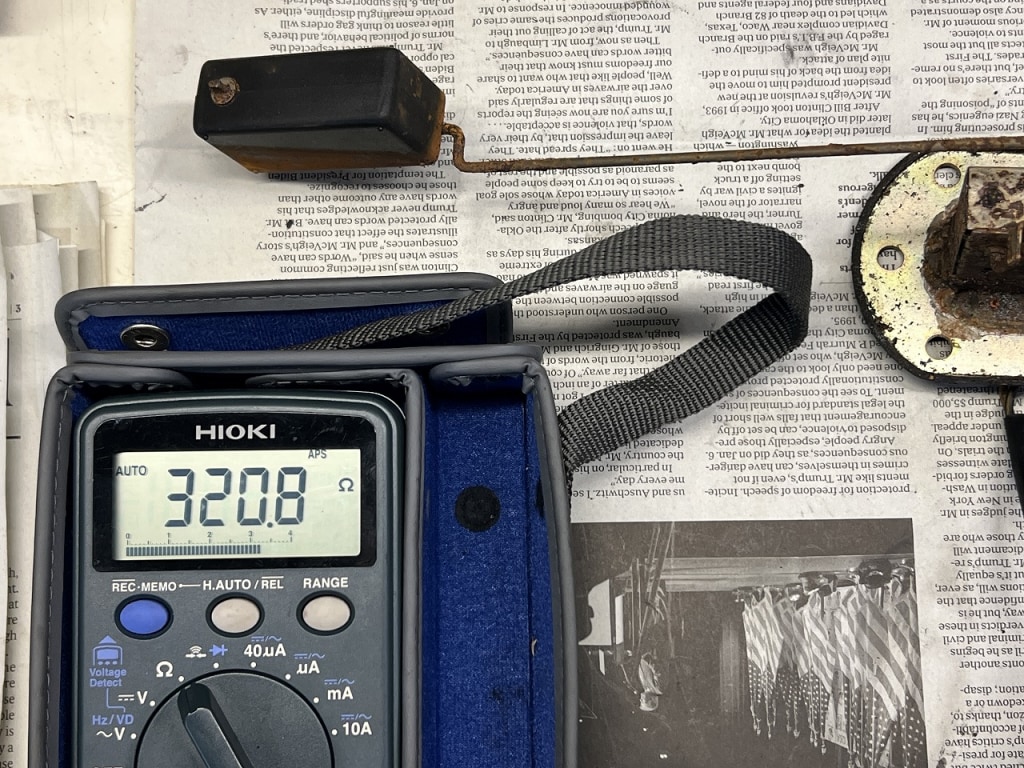
The old GPZ 550 one is giving completely unreliable readings.
It was showing 255-320Ω.
It’s surprising that the gauge still moves with these numbers.
Simply put, I realized that precision isn’t really necessary.
Connect the wiring and check operation
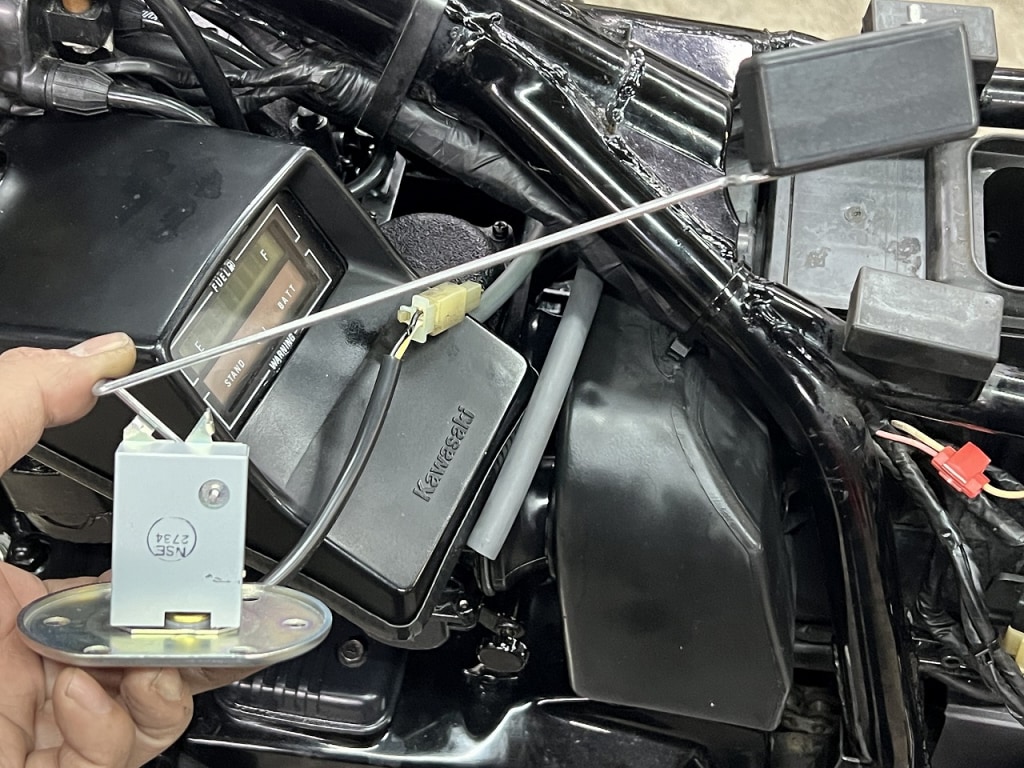
Ultimately, check once, check twice, check three and four, check five .
In other words, it’s tedious work, so I’ll do it for my own bike, but if someone asks me to do it, it costs money.
That’s why I always take the stance of telling people to do the groundwork themselves.
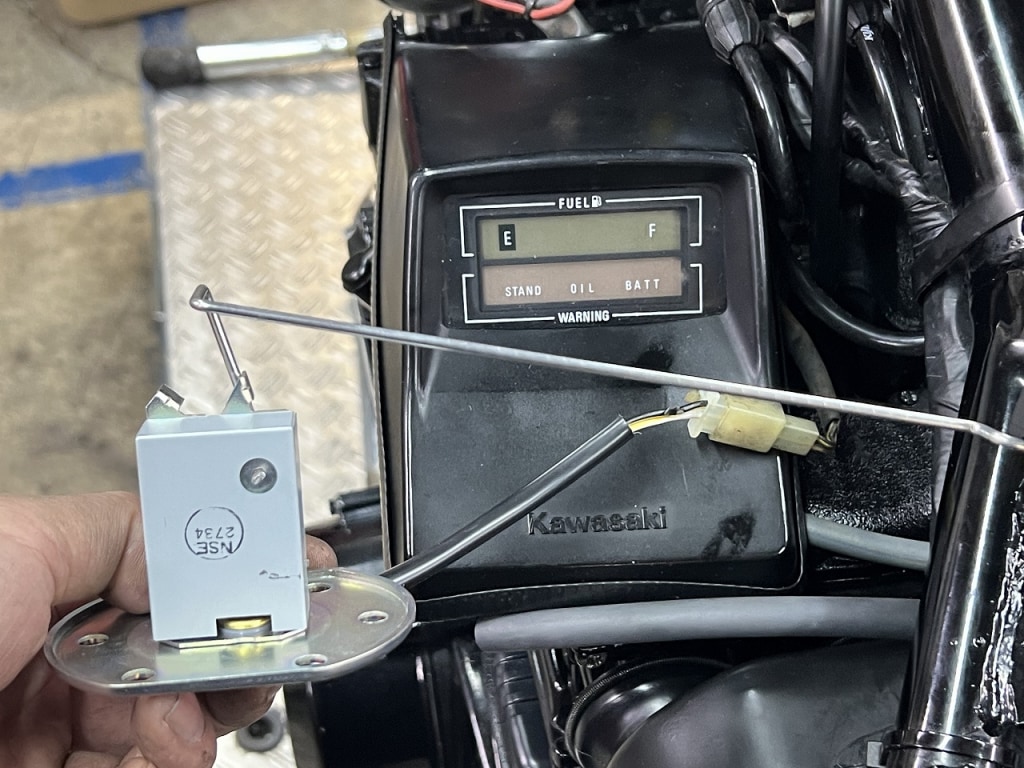
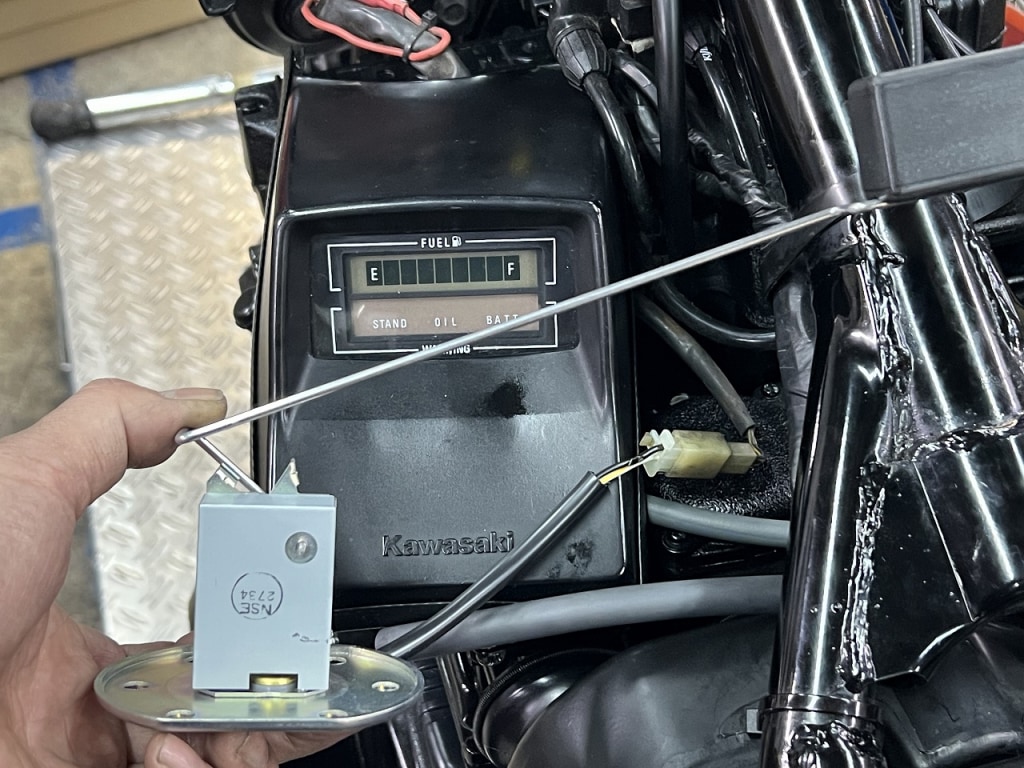
I prepared a very clear image for you.
Honestly, I wish this fuel gauge had a bit better response.
But if the response is too good, it’ll flicker back and forth, which is also a problem.
Once installed, it seems to be working fine, so let’s mount it on the tank.
Let’s prepare some gasoline and actually fill it up to check.
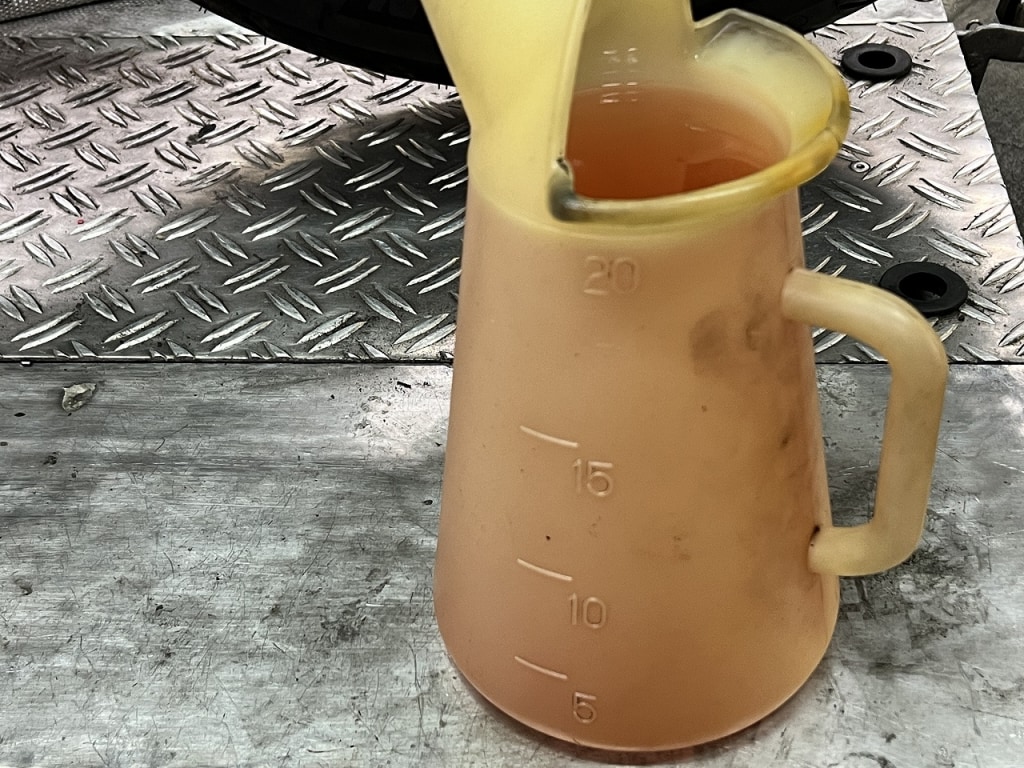
You don’t really want to mess with fuel changes this time of year.
When it gets dry, you hear about motorcycle shops catching fire surprisingly often.
It’s not someone else’s problem, so I always stay alert.
Our shop has always kept carbon dioxide fire extinguishers on hand.
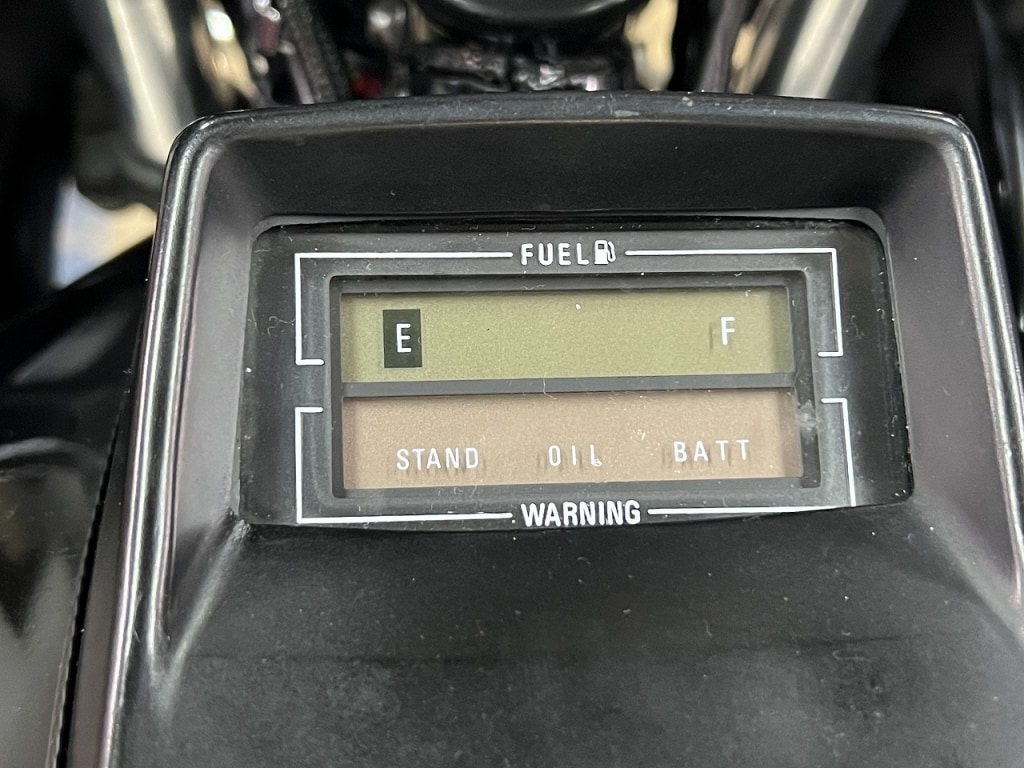
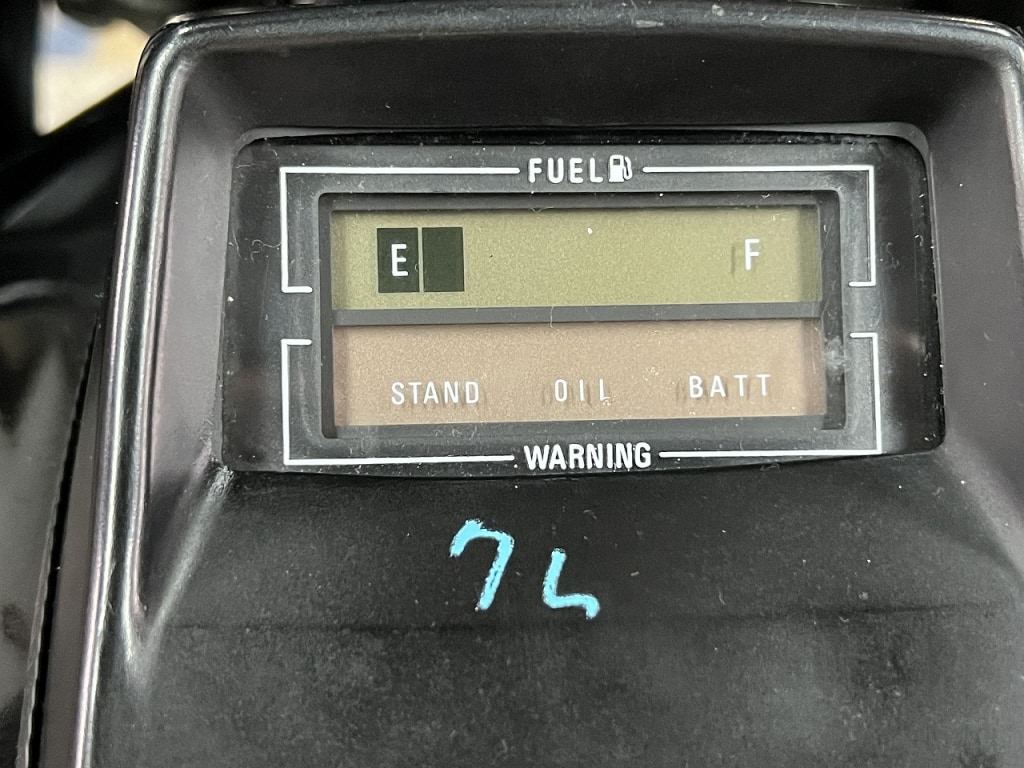
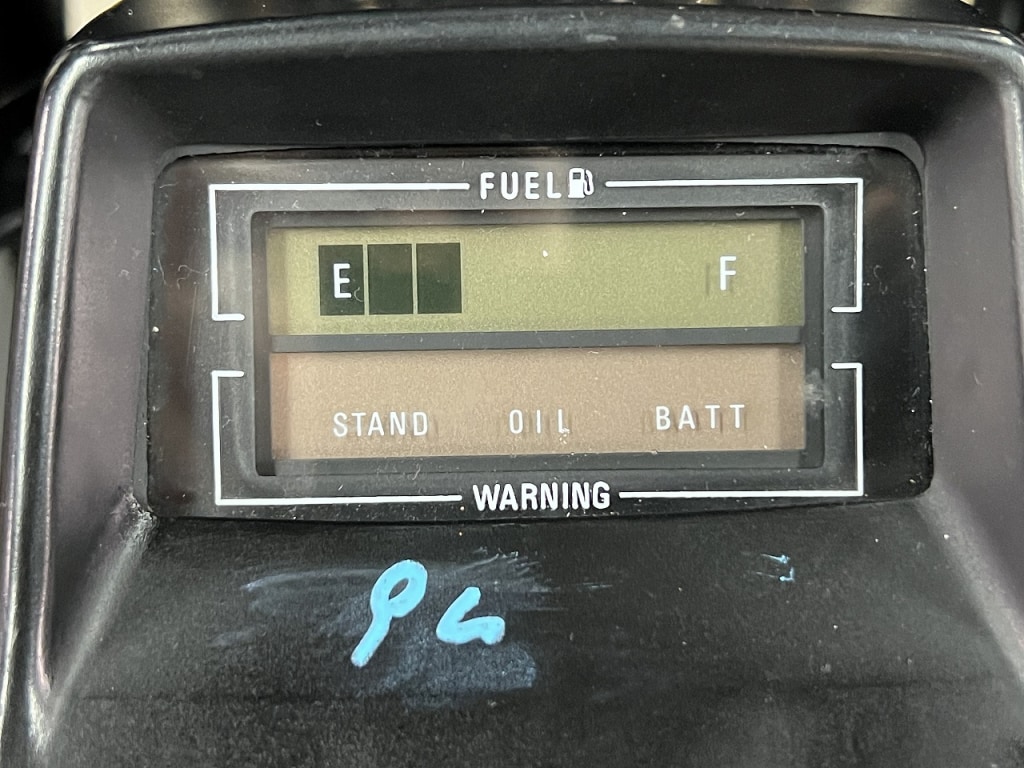
With an 18L tank, it’s reading a bit low.
Since registration isn’t complete yet, I don’t have room to add more fuel right now.
I can adjust this as I use it.
It might be fun to modify the float arm to be adjustable.
So that’s the story of how I adapted a rusty fuel sensor as a replacement.
Fine-tuning will probably be needed, so everyone please take the extra step and enjoy it.
ポチップ

 ポチップ
ポチップ
 ポチップ
ポチップ
The article was not found.