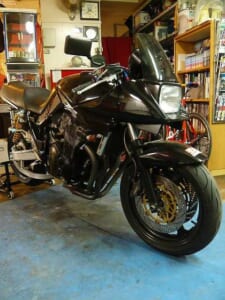
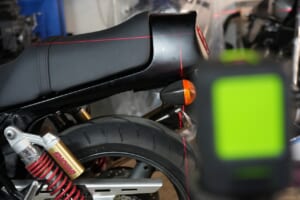
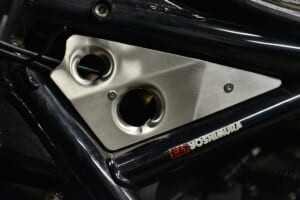
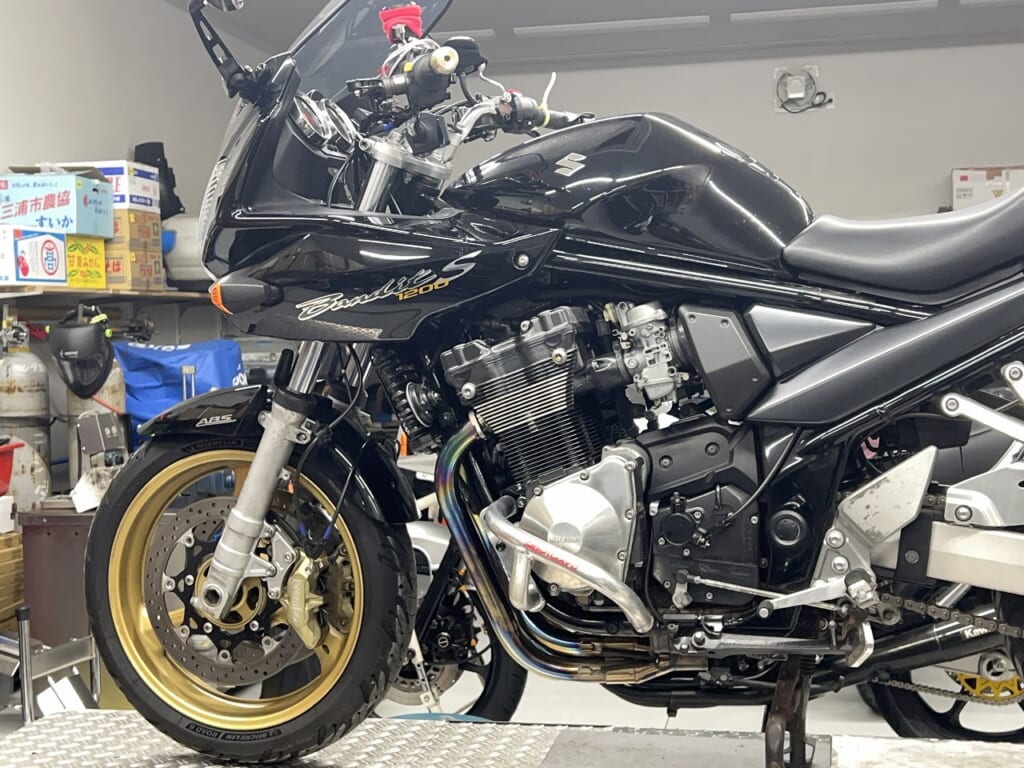
[Maintenance Log] Wow! The Bandit 1200 (K6) is also a 20-year-old vehicle!? Yoshimura Parts Installation & Preventive Maintenance Tuning for the Final Oil-Cooled Model
When I listen to a somewhat stylish jazzy song, “…wait? Doesn’t this sound like supermarket background music?” I think I’m not the only one who feels that way.
Speaking of supermarkets, I go to supermarkets, roadside stations, and farmers markets almost every week, and don’t you see people who keep picking through vegetables endlessly? “How much are you going to flip through to choose…” I find myself mentally commenting. There are also people in the meat section who keep touching packages over and over, “Please don’t touch it so much…” I think.
They want to choose food ingredients that are 1% undamaged and absolutely perfect in appearance. But what’s really important is the absence of pesticides or hormones, or whether unnecessary colorants and preservatives are used.
Well, it’s someone else’s shopping, so it doesn’t really matter. When I go to places where people gather, I really feel deeply about all the different human dramas.
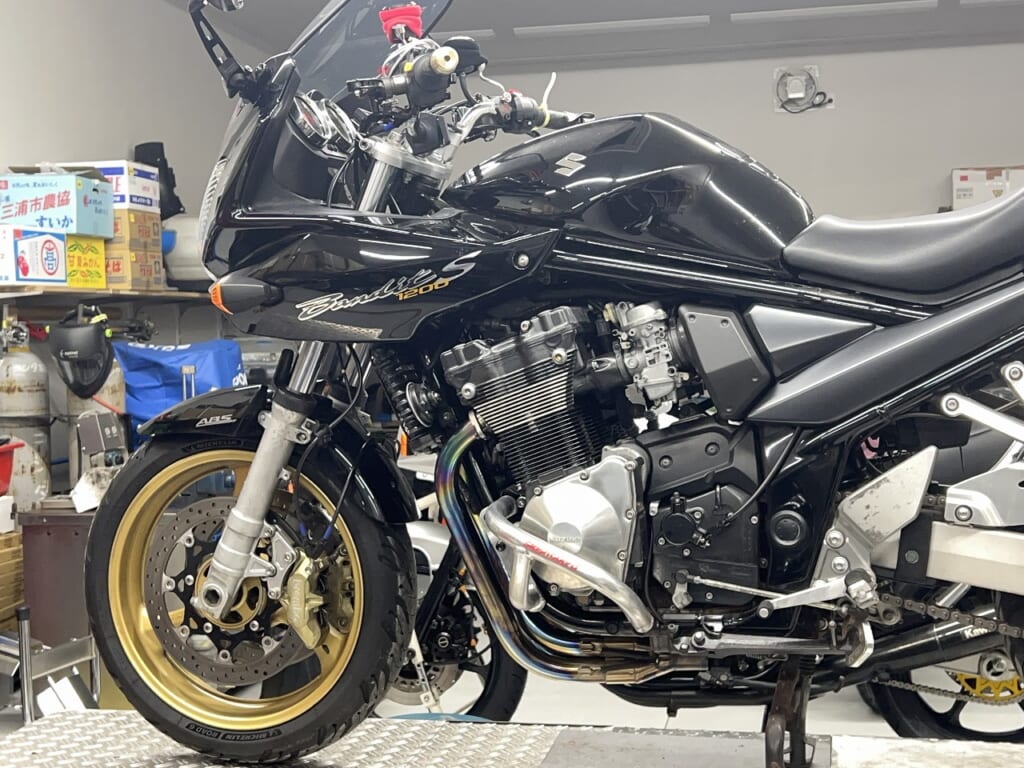
Today’s Theme: “Complete Inspection of the K6 as a 20-Year-Old Vehicle” & Precision Installation of Yoshimura Parts
The Shock in the Pit: A 2006 model felt like “a recent modern vehicle,” but before I knew it, 20 years had passed! In human terms, it’s a full-fledged adult; in motorcycle terms, it’s entered the respectable neo-classic (young timer) territory.
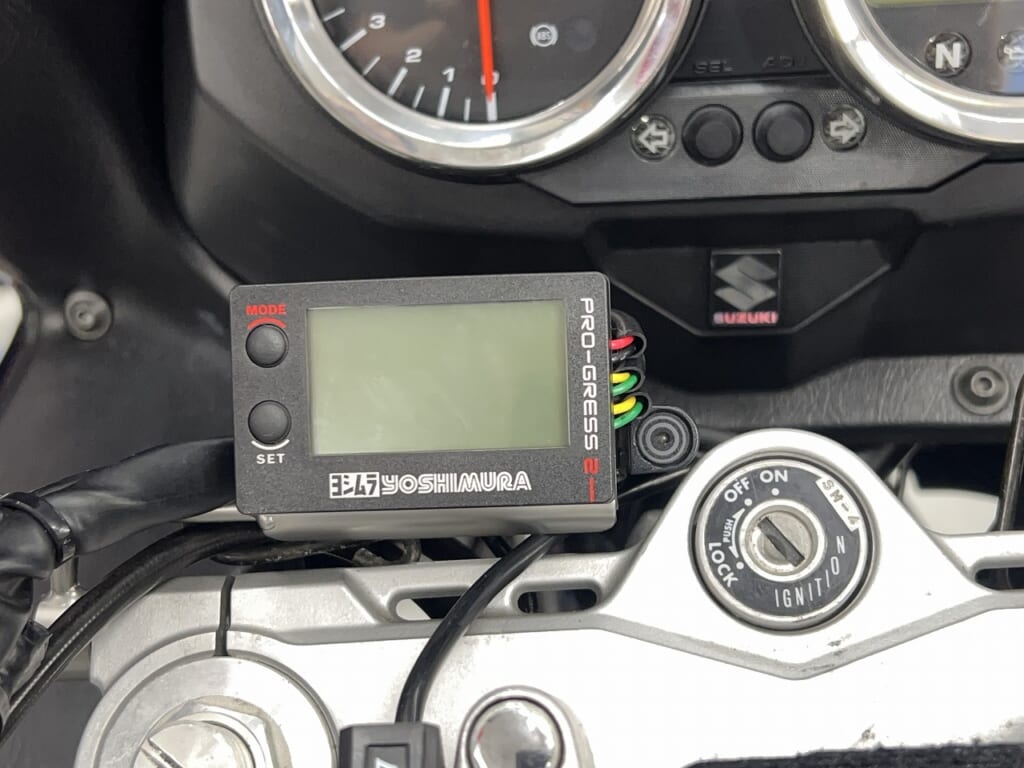
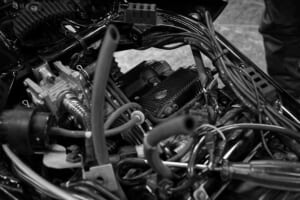
The Key to Maintenance: Without relying on the remarkable toughness of Suzuki’s oil-cooled engine, we thoroughly check 20 years of aging deterioration (rubber hoses, insulators, wiring harness hardening). By introducing Yoshimura-made gauges that accurately measure oil temperature—the lifeline of oil cooling—and performing foundational tuning of lubricants and contact points, we create a solid foundation for the next 10 years of smooth riding!
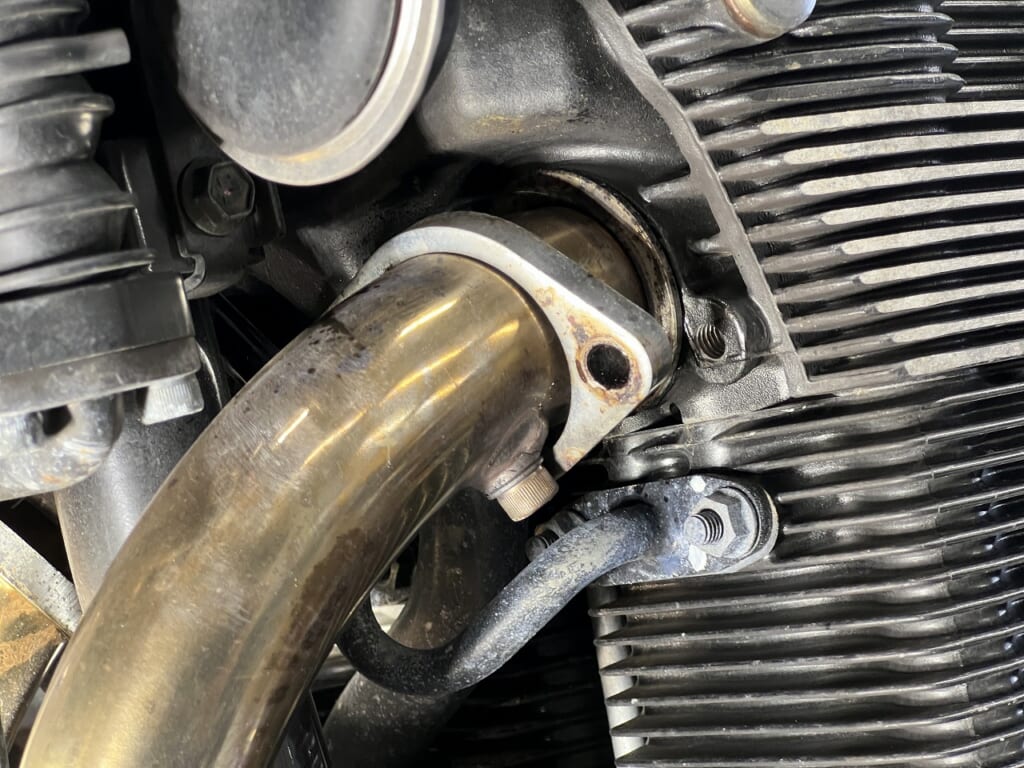
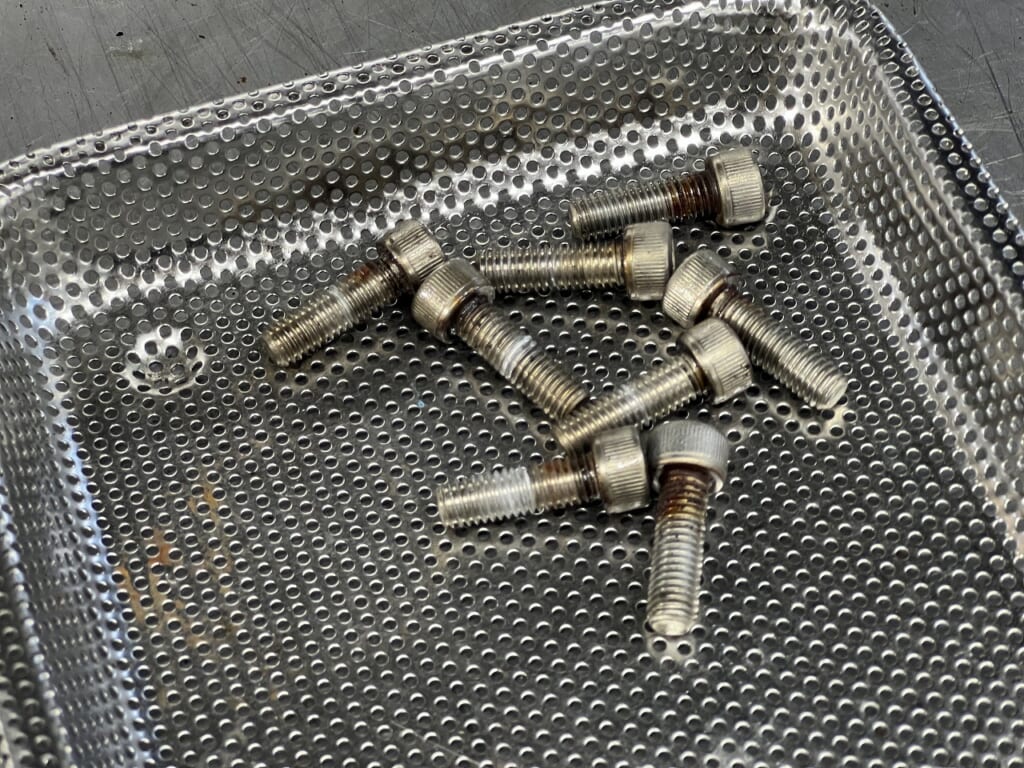
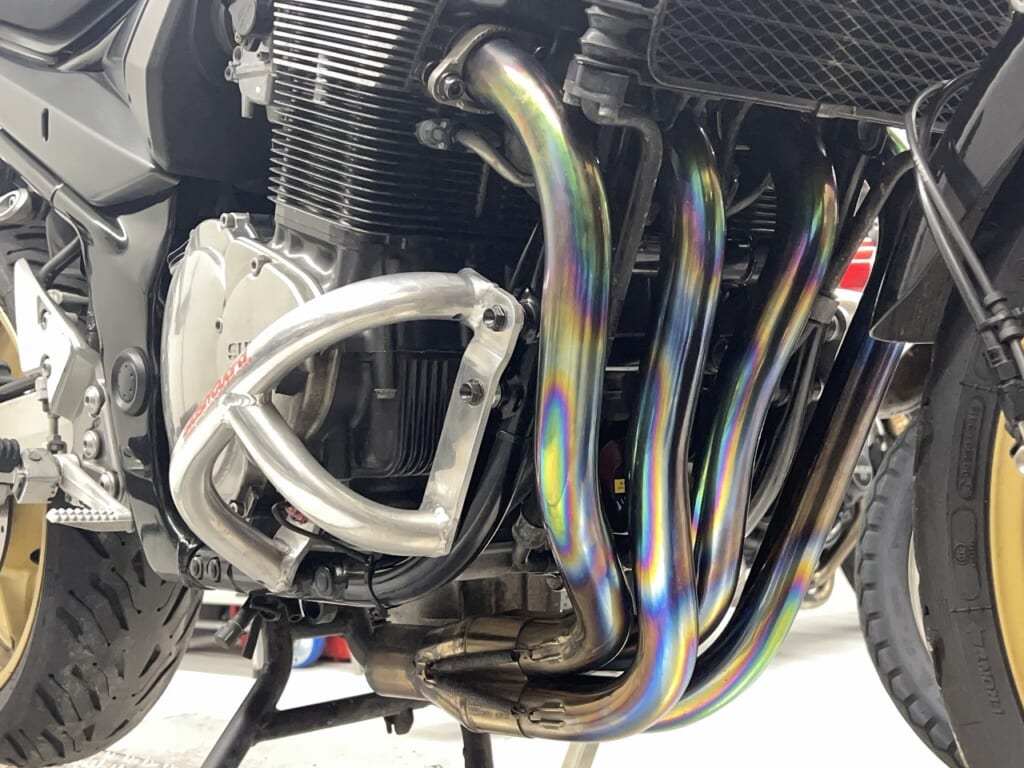
Caution Required When Removing Exhaust Pipe Bolts Using SUS304
Suzuki basically has a historically questionable configuration where exhaust pipes are fixed with bolts. I honestly don’t know what the benefit is…
If this bolt breaks, in the worst case it can easily cost ¥30,000 per piece, so please be careful. If it won’t come out, don’t do the work yourself. If the tool bends even for a moment, STOP immediately and you need to reconsider your tools.
I used to go through a period of using SUS304 for various things. I thought it didn’t rust and was reasonably affordable. But when a bolt bends from a crash or gets corroded and damaged, it’s really a pain to remove. Also, the tightening feel is completely different from steel, as you probably know. That’s natural because the friction resistance is more than twice that of steel, so the rotational resistance of the threads alone reaches the torque wrench target value before the fastener is actually tightened.
If you use it, please follow the precautions below.
Insufficient Axial Force (Loosening/Detachment) Even though the torque wrench reading is achieved, the torque is consumed by friction alone, sothe bolt’s pulling force (axial force) is insufficient, and it loosens easily from vibration.
Thread Damage (Aluminum Base Material Collapse) If you mistakenly think “it’s loose even though the reading is correct” and tighten it further with excessive torque, the soft female threads on the aluminum side will be torn apart instantly.
Complete Seizing (Bolt Breakage) You can neither loosen nor tighten it, and when you try to remove it, the bolt head shears off.
Since I hate complications, I love steel.
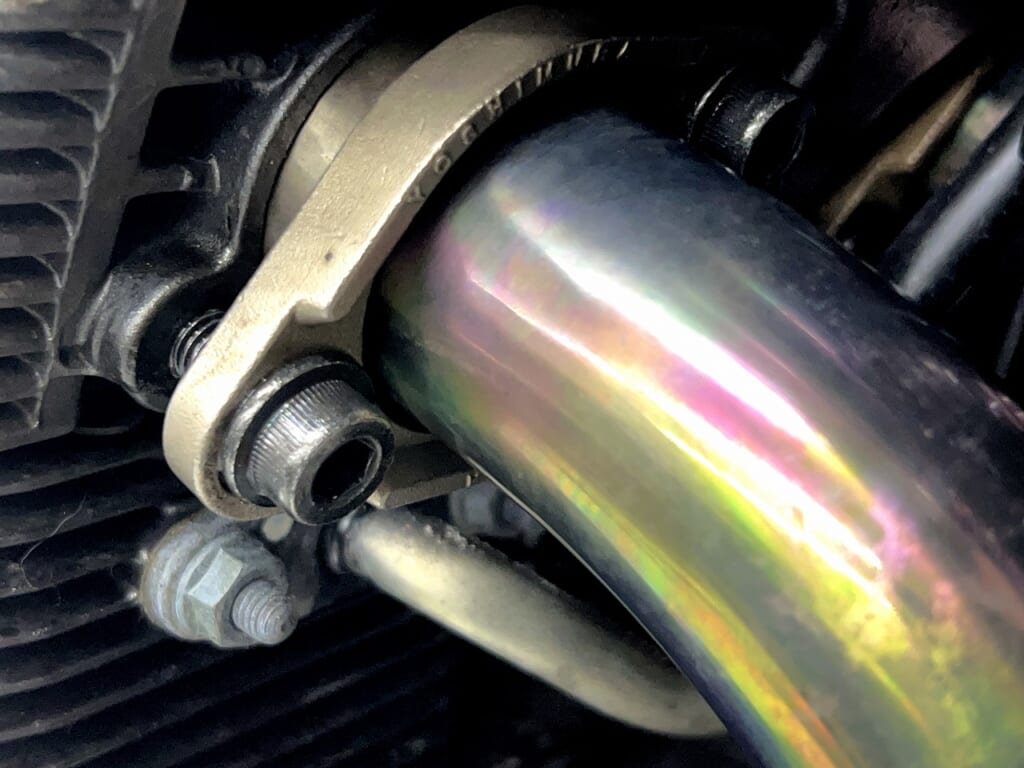
When usable, we use flanged bolts with a wide bearing surface. Parts are treated more gently with this structure, so they’ll last longer and stay cleaner.
Ah, a nostalgic Fire Spec *hand-bent style SPG doesn’t cost much either, so let’s get a new one
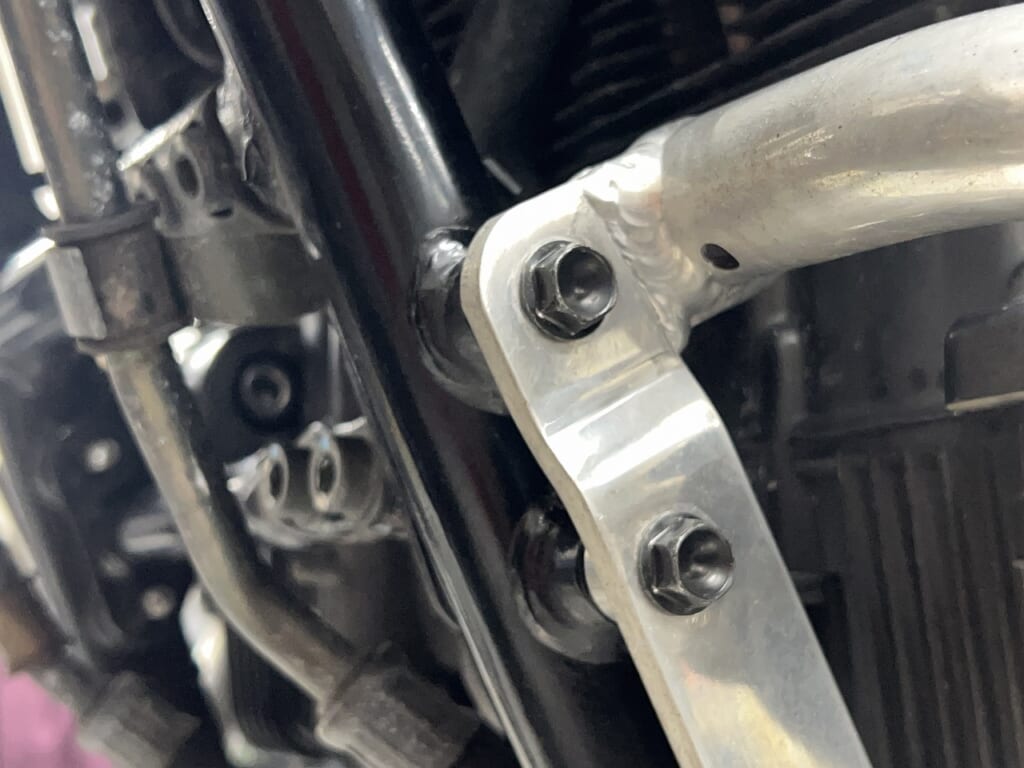
Gold Metal Engine Guard accessories are…
Motorcycle parts often have questionable configurations and instructions. If you install them according to the manual… many parts actually have issues, so you might need to understand why that configuration exists. *Usually it’s about cost and availability
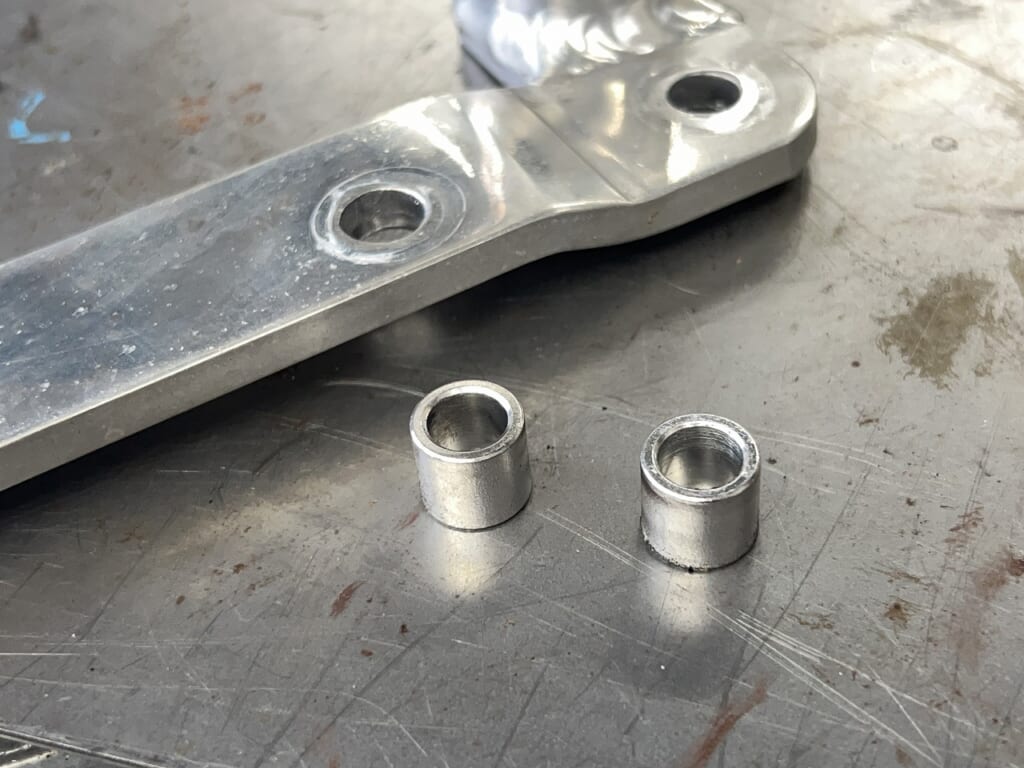
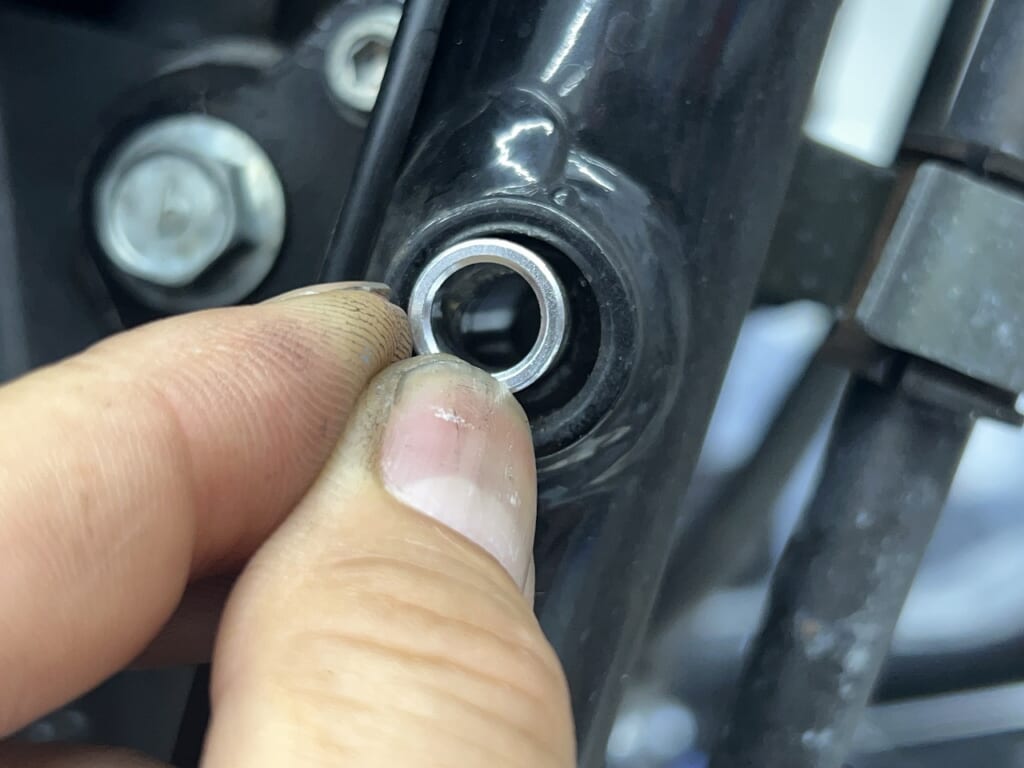
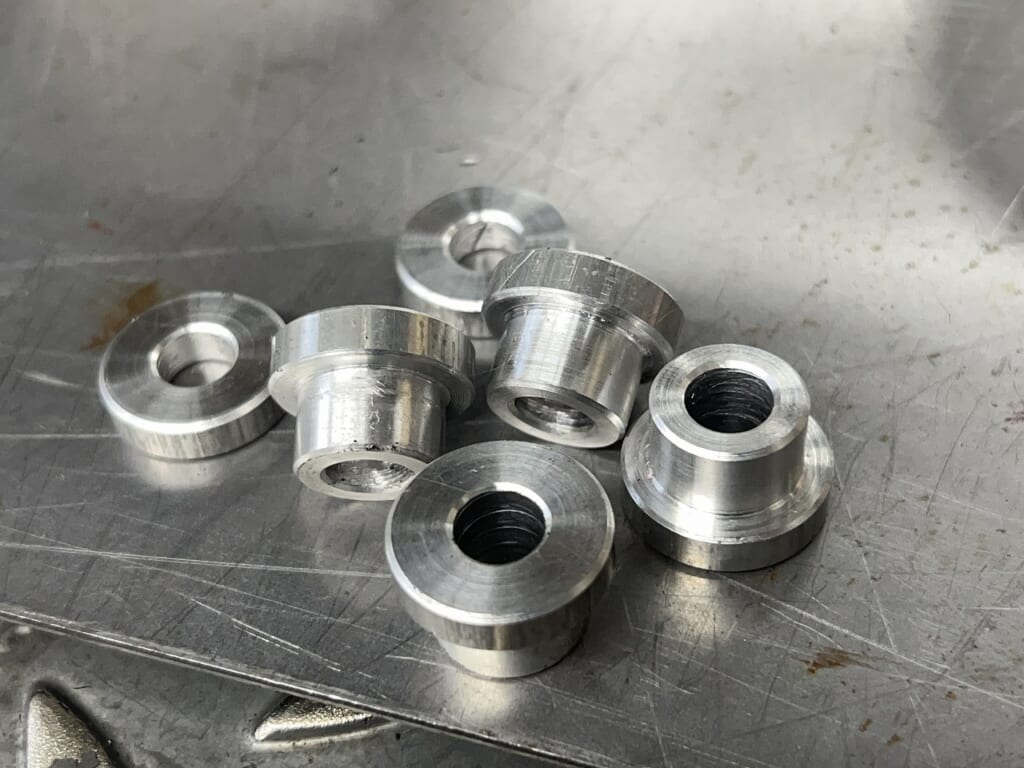
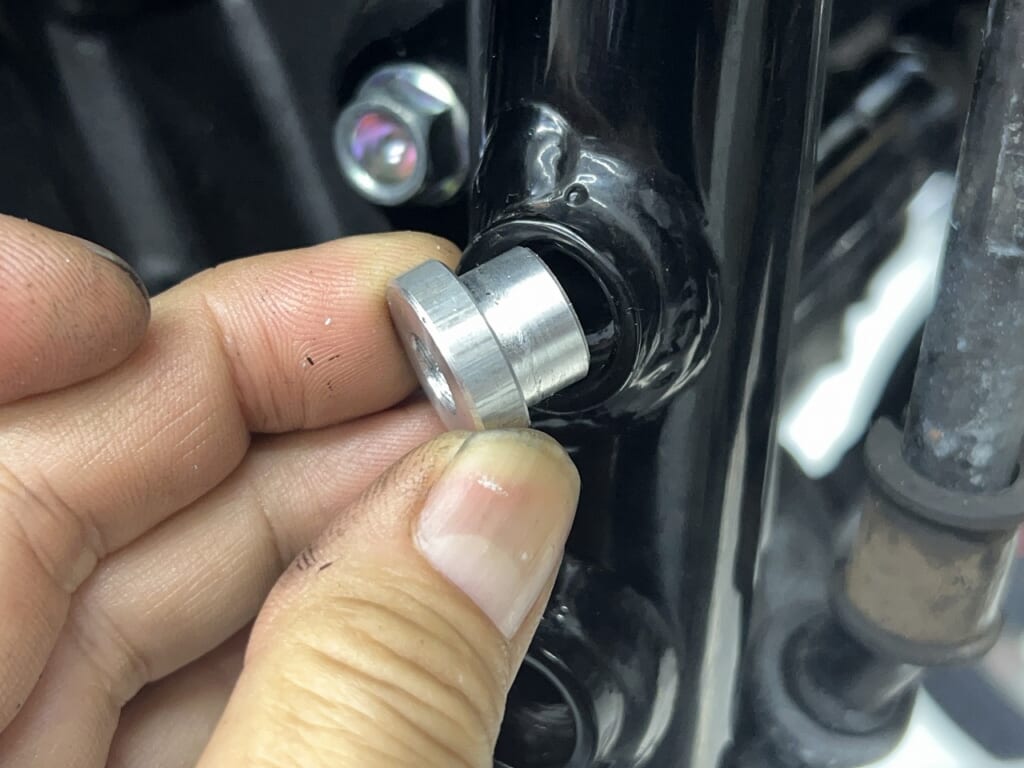
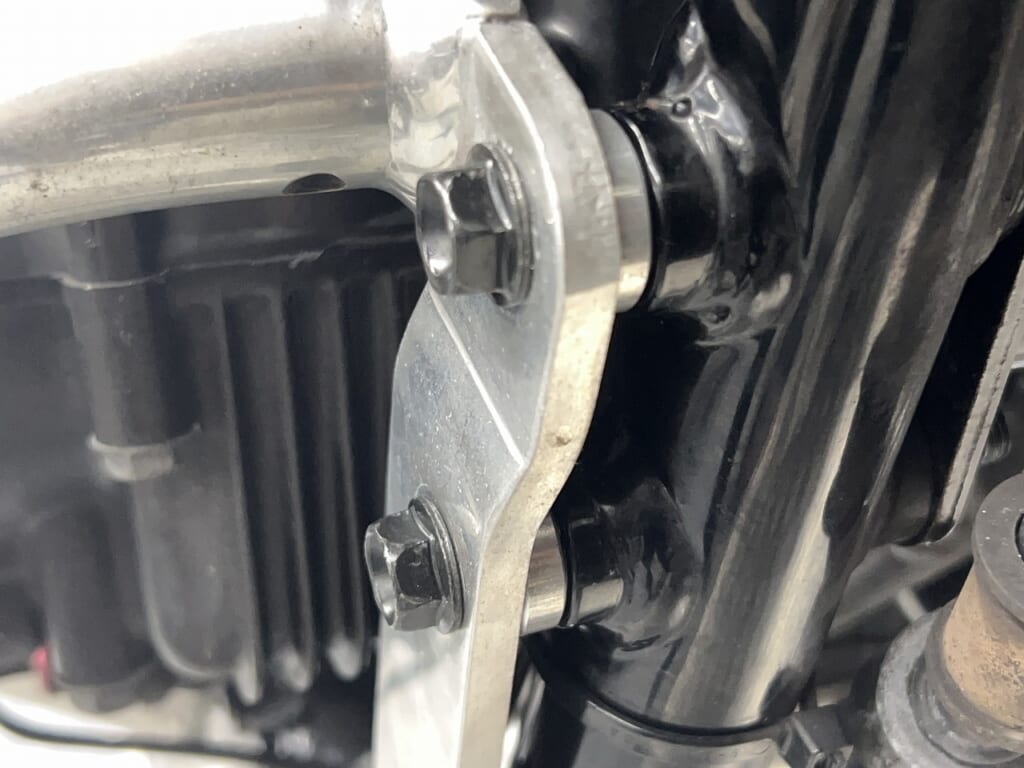
This included spacer is too thin-walled and gets pulled and bites into the guard side. When that happens, torque loss occurs.
Because of the part you installed thinking “if I crash, it’ll be bad~” the front engine mount ends up loose or under-tightened. Especially after a crash, you need to check it.
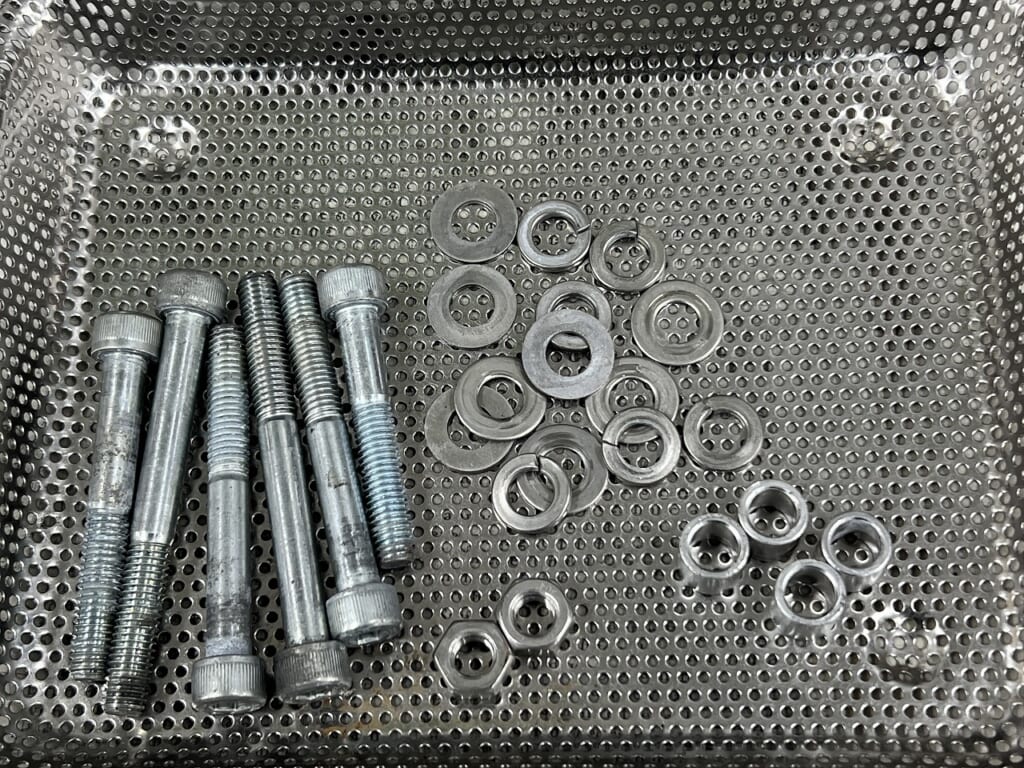
An unbelievable number of components… The spring washer culture is still going strong.
The overall length is also long, so if you mix up the left and right lower mount bolts, you’ll have a bad time… In the worst case, you could crack the crankcase, so be careful.
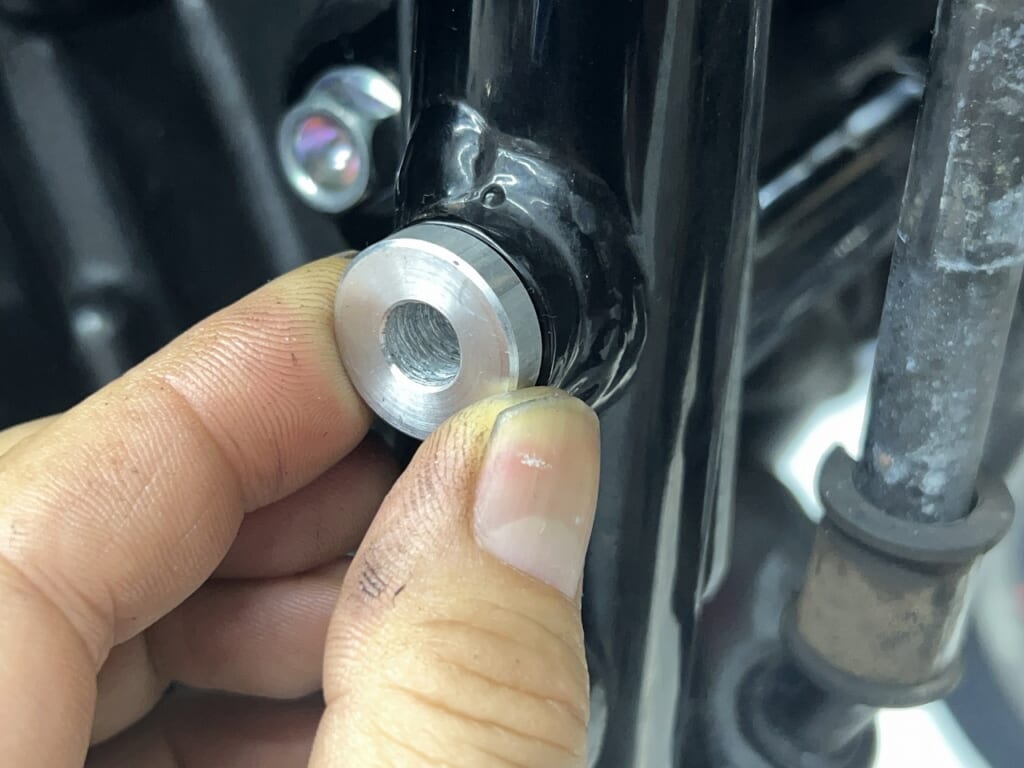
Making a convex spacer to increase contact area
With a solid wide bearing surface, there’s no indentation or deformation, so you can feel confident going forward (*´ω`*)
We use Honda genuine steel bolts. The sizes sold are almost always in stock, so there’s high flexibility. The configuration is also simpler now, so future work will be much easier.
[Maintenance Log] Wow! The Bandit 1200 (K6) is also a 20-year-old vehicle!? Yoshimura Parts Installation & Preventive Maintenance Tuning for the Final Oil-Cooled Model


 ポチップ
ポチップ