[Maintenance Log] Oil-Cooled Engine Damper Replacement is Super Important! Defend Your Crankcase Before Gravel Damage with “Late-Model Type + Grease Sealing”
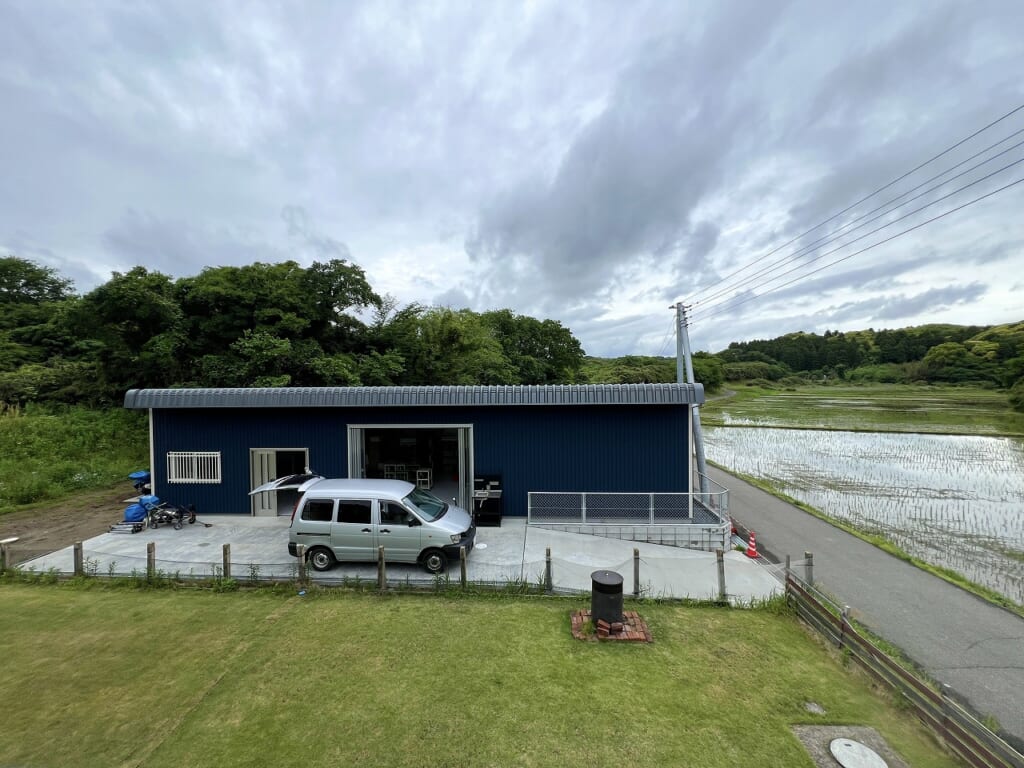
It’s been just over a year since I moved to Chiba. Thanks to everyone’s support, I’m doing great!
While I still have monthly loan repayments, they’re now less than half of what they used to be—that’s genuinely huge. I’m experiencing daily how liberating it is to be free from rent pressure, renewal fees, and excessive consideration for neighbors.
When you’re running a shop with just one or two people, at the end“closing up cleanly (shutting down)”is actually incredibly difficult. There’s leftover work and equipment disposal to handle, and if it’s a rented space, just returning it to bare concrete costs a fortune. In other words,“it takes big money just to quit.”When you start a shop, nobody thinks about closing it, but as a practical matter, there must be quite a few people in the same industry who are at an age where they need to seriously consider it.
You need to think about your exit strategy early on—whether you’ll responsibly wrap things up yourself or sell off the equipment and signage and transfer the business to someone else.
“The shop suddenly closed and the bike I left there never came back” or “it came back in pieces”—I really hope we don’t see tragic stories like that multiplying in the years ahead.
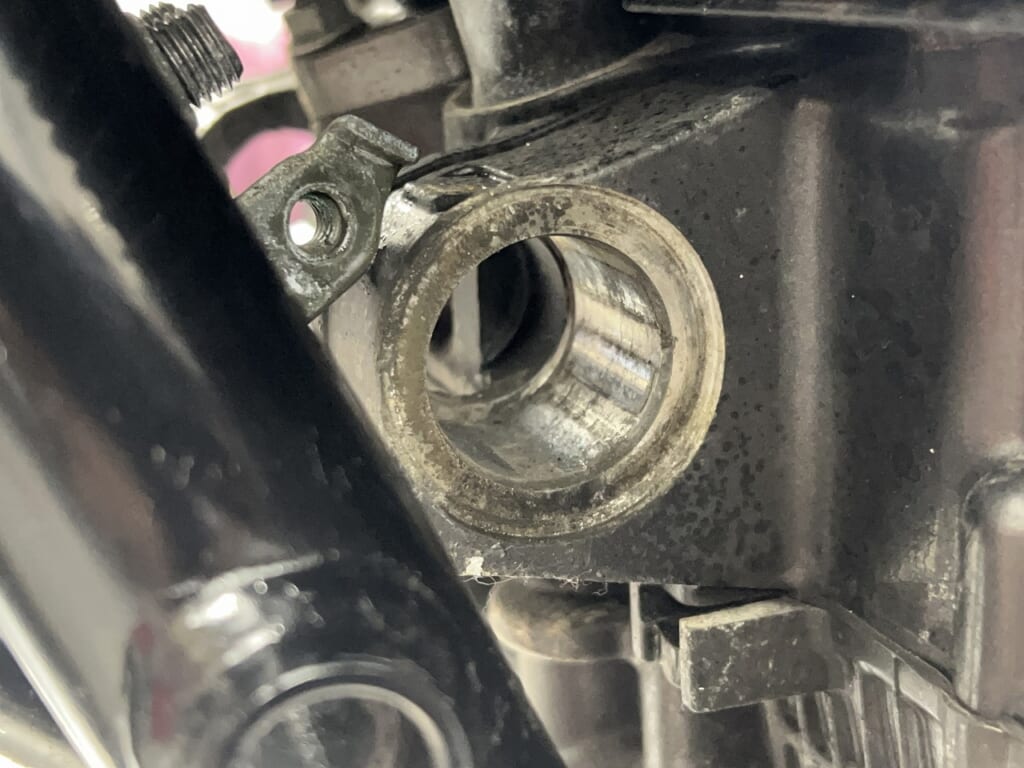
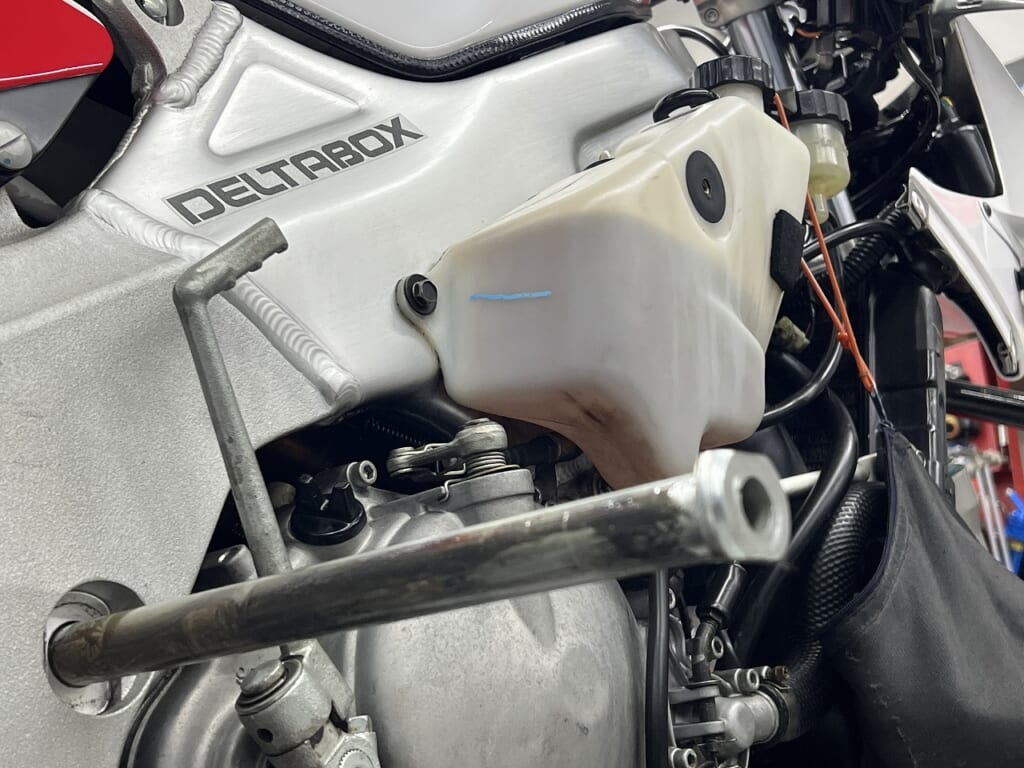
As the damper wears down, the crankcase gets worn away by the play… If you’ve never checked it, that might be a warning sign.
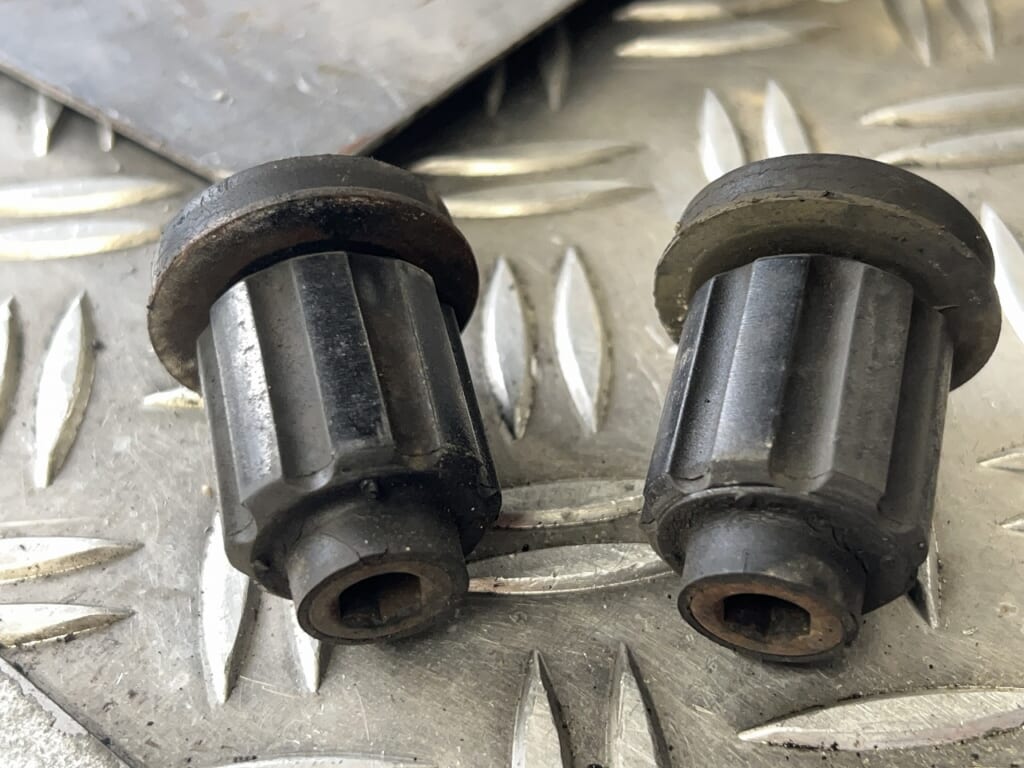
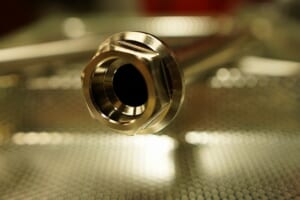
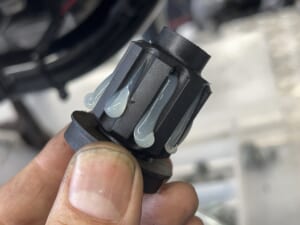
Star Part:OEM Engine Damper (Late-Type with Convenient Threaded Design)
Disaster if Neglected: Road grit and mud accumulate in the grooves of aged dampers. Engine vibration causes the aluminum crankcase material to be filed away like sandpaper!(Once the case wears, it never comes back).
Decoboco’s Foundation Tuning Essentials:
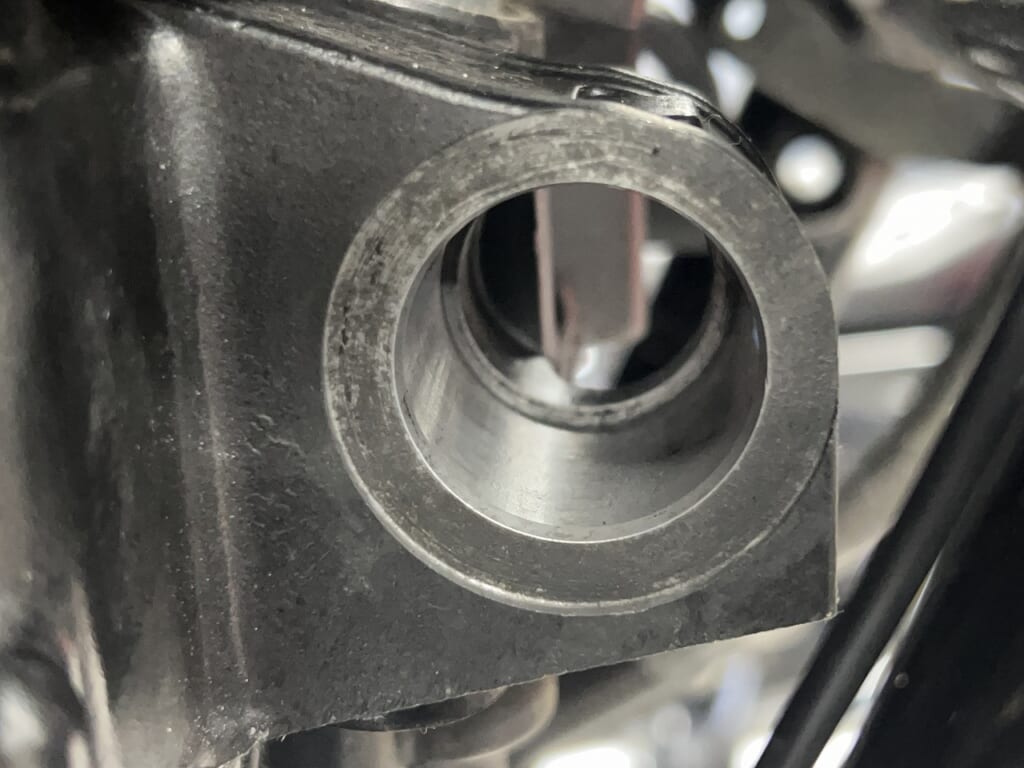
Thorough cleaning to completely remove grit and old debris from the case.
Select the user-friendly “late-model damper.”
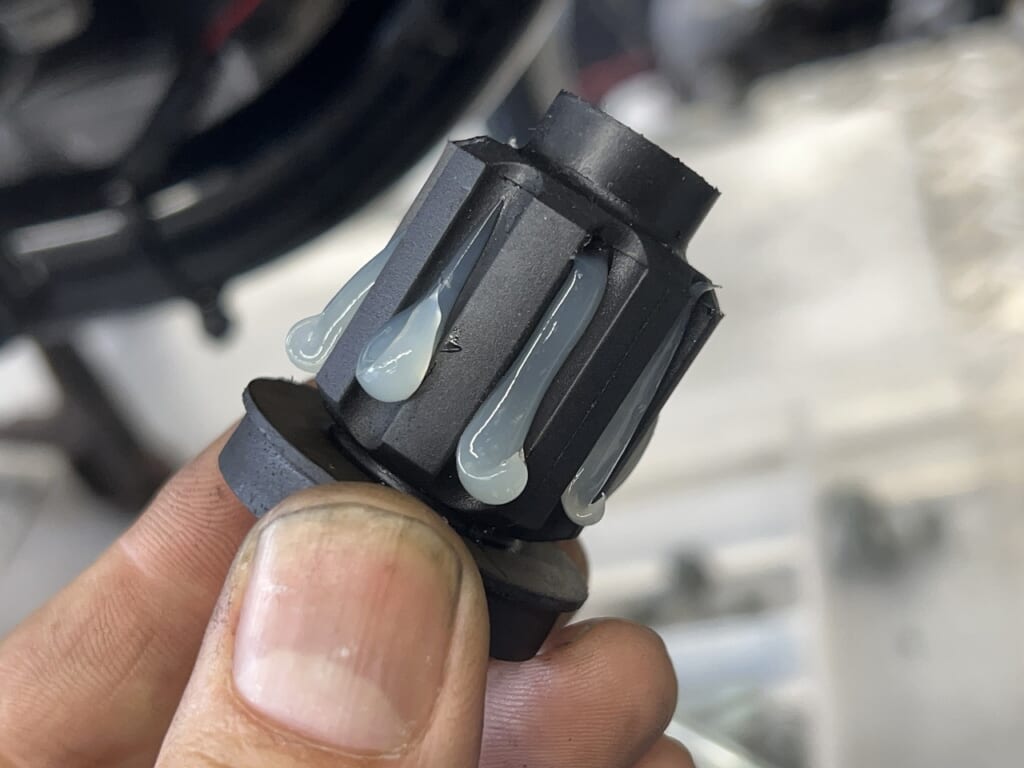
Pack the damper grooves generously with waterproof extreme-pressure grease! This physically blocks grit intrusion and minimizes case wear.
Loosen the mount bolts once to settle the engine, relieve any binding stress (friction), then tighten to spec torque.
Shop Owner’s Note: The crankcase is the engine’s “home.” Before sacrificing an expensive case by skimping on a few hundred to few thousand yen rubber part and grease work, this is absolutely essential preventive maintenance that every oil-cooled rider should do!
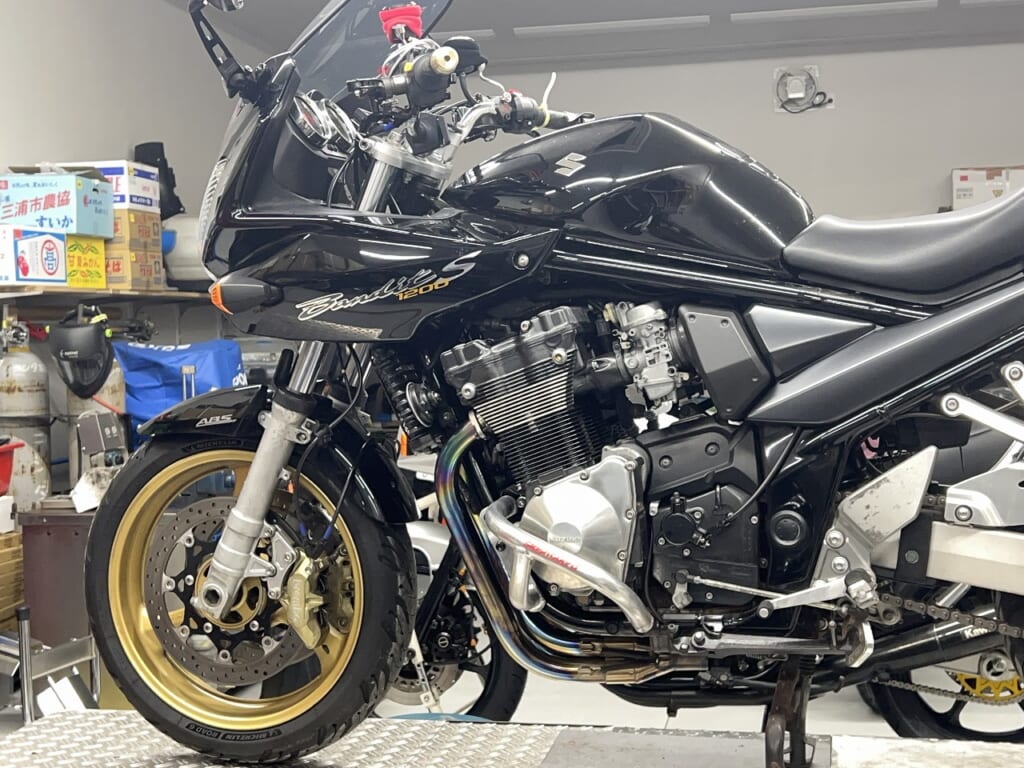
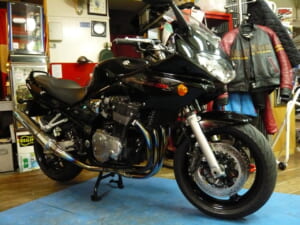
The muffler is off, so we’re handling this in parallel
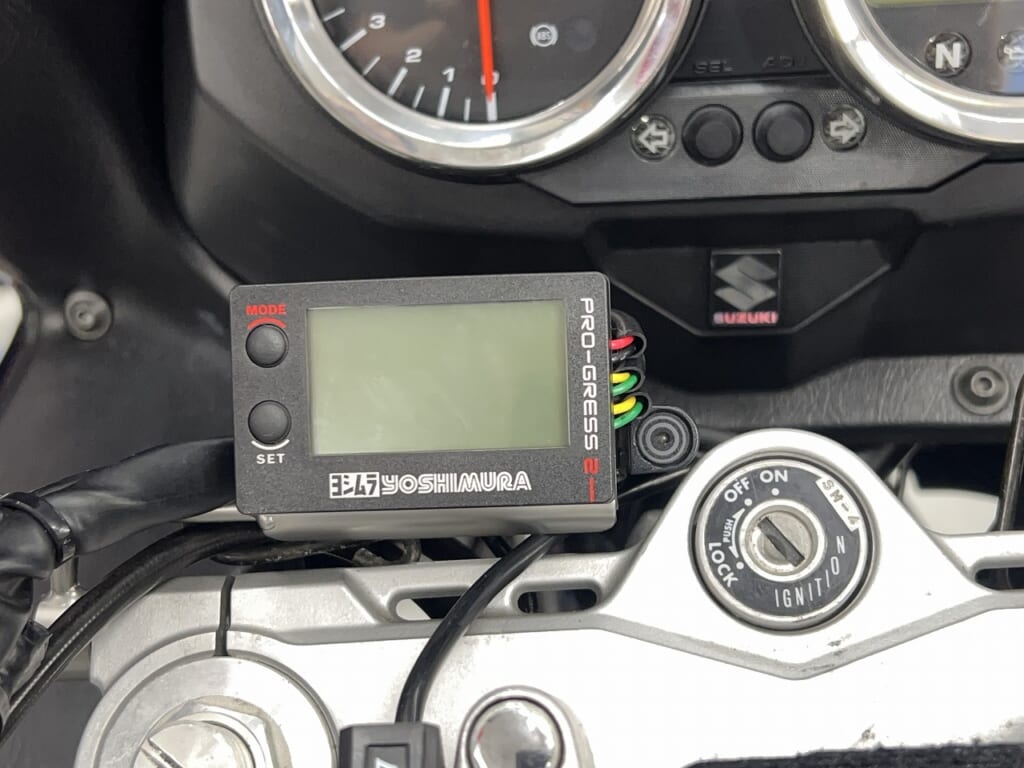
Oil-cooled maintenance plus a Yoshimura ST-1 cam swap are coming up next. Since the muffler is off, we’ll swap the engine damper first.
The wear was pretty significant, and the timing worked out perfectly.
In a fixed state, the same spot keeps wearing.
Engine vibration is more intense than you’d imagine. Basically the engine just sits on the mount under gravity, and there’s tolerance in the mounting. The left side gets pulled by the chain, so wear isn’t even. But smooth mounting makes a huge difference.
Accounting for bolt tolerance and positioning the bolt to pass smoothly before final tightening is definitely better.
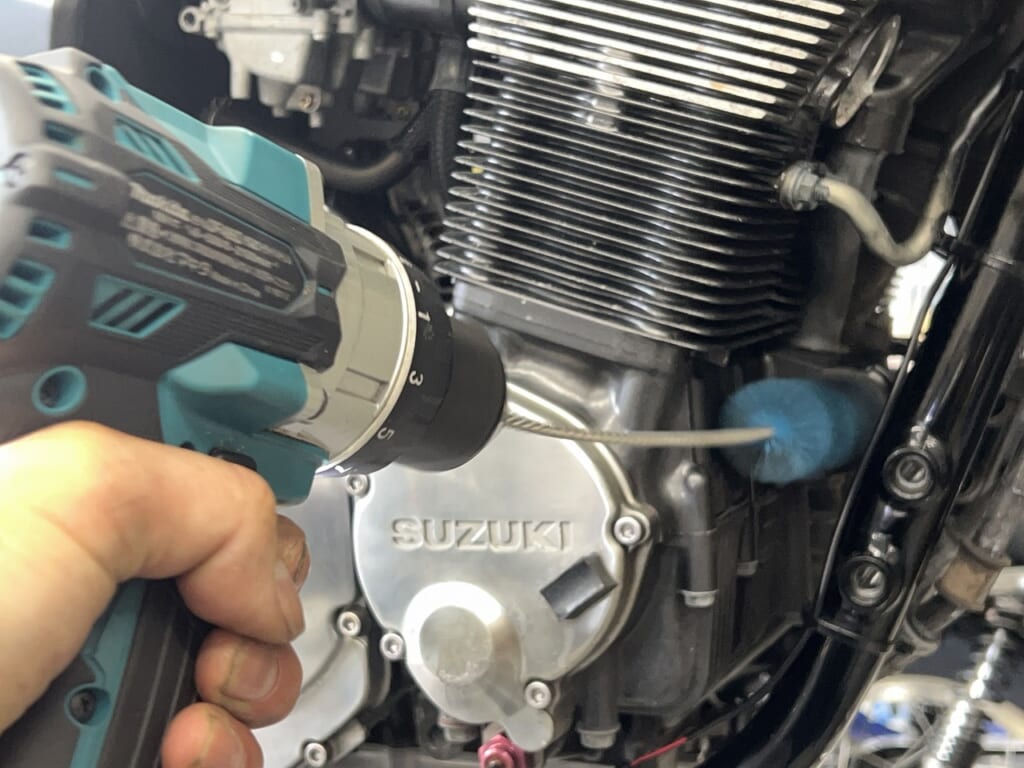
Polish it with Makita! Love is for the planet…
Cleaning things is…honestly unclear if it leads to results. Personally, I think“clean feels better than dirty.”
These days, there’s a logic to“if the labor cost is the same whether you do it or not, don’t do it.”But actually, that’s not quite right… Maybe the human desire to come back again lives in the unseen places? Plus, I feel like bikes never betray you (superstition).
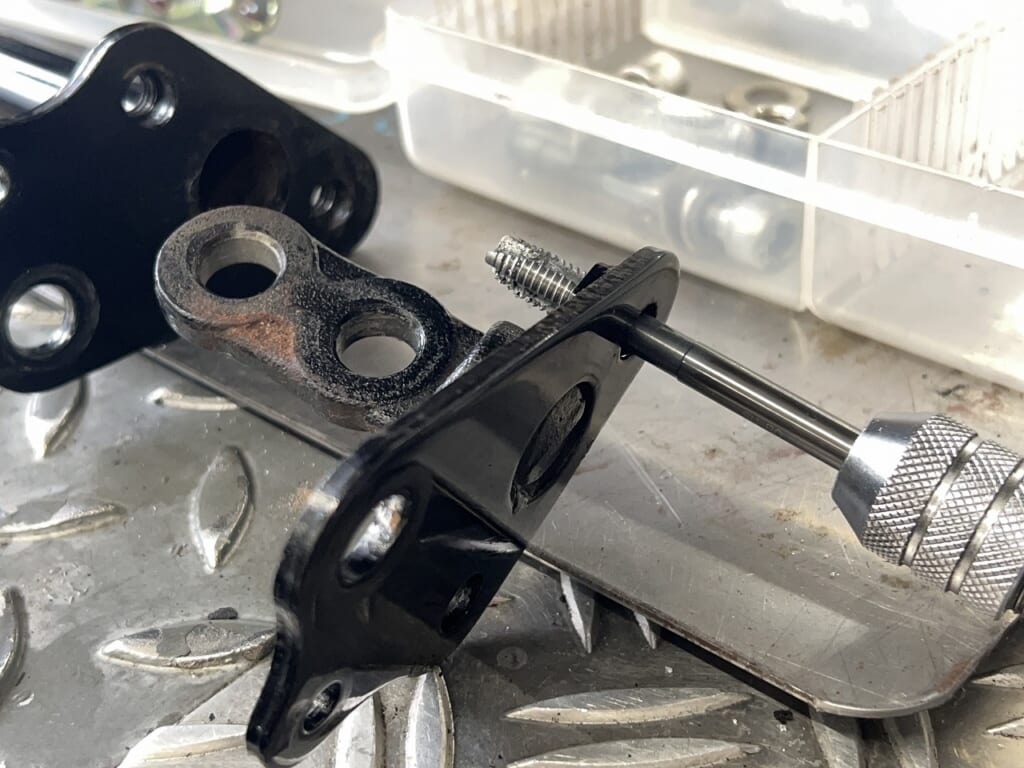
You should check and clean the threaded holes on the engine mount side.
Quite often they’ve been over-torqued. If they’re damaged, use a helicoil instead of a nut.
Engine damper is Suzuki OEM 11681-49G00
It’s no longer through-bolt style, but this fits everything. Currently ¥3,300 before tax. I’m happy it hasn’t gone up much! (*´ω`*)
We pack grease into the engine damper when assembling it. Doing this seems to keep the case interior shiny and resistant to wear. We’re studying case examples to avoid future issues.
Topic: Why replacing engine mount dampers is critical: Preventing crankcase wear from grit intrusion via late-model dampers and grease packing. Details: Happy Sunday morning from the Decoboco tech bay! While routine valve adjustments and carb syncs get the spotlight on oil-cooled Suzukis, neglecting lower engine mount dampers risks catastrophic damage. Over decades, hardened rubber shrinks and traps road grit within its grooved perimeter, acting like an abrasive file that permanently grinds away the aluminum crankcase mounting surfaces under engine vibration. We replaced worn units with improved late-type threaded dampers. Our essential prep work included thoroughly cleaning the engine cradles, packing the damper grooves with heavy-duty waterproof grease to physically block grit ingress, and aligning engine mount bolts to relieve chassis binding before final torquing. Verdict: Vibration disappears, chassis rigidity feels remarkably unified, and priceless crankcases are safeguarded for decades. True preventive maintenance starts from the unseen foundation!
[Maintenance Log] Oil-Cooled Engine Damper Replacement is Super Important! Defend Your Crankcase Before Gravel Damage with “Late-Model Type + Grease Sealing”



 ポチップ
ポチップ