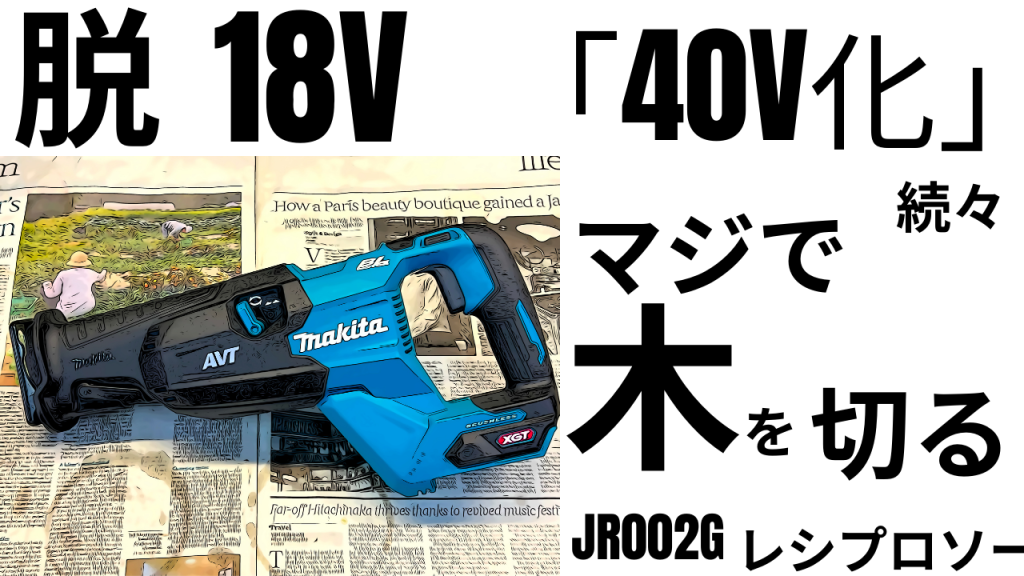
This year, 40V conversion is progressing one after another. The 18V is very good,
but the 40V is incredibly good. To put it simply,
it saves time in everything = you don’t get tired.
That’s the thing.
Plus, the frequency of battery replacement decreases.
Depending on the tool, it’s appropriate to use both 18V and 40V.
This time, I had to dispose of a lot of wood waste, so I upgraded to 40V.



 ポチップ
ポチップ
At first glance, it doesn’t look much different from the 18V.
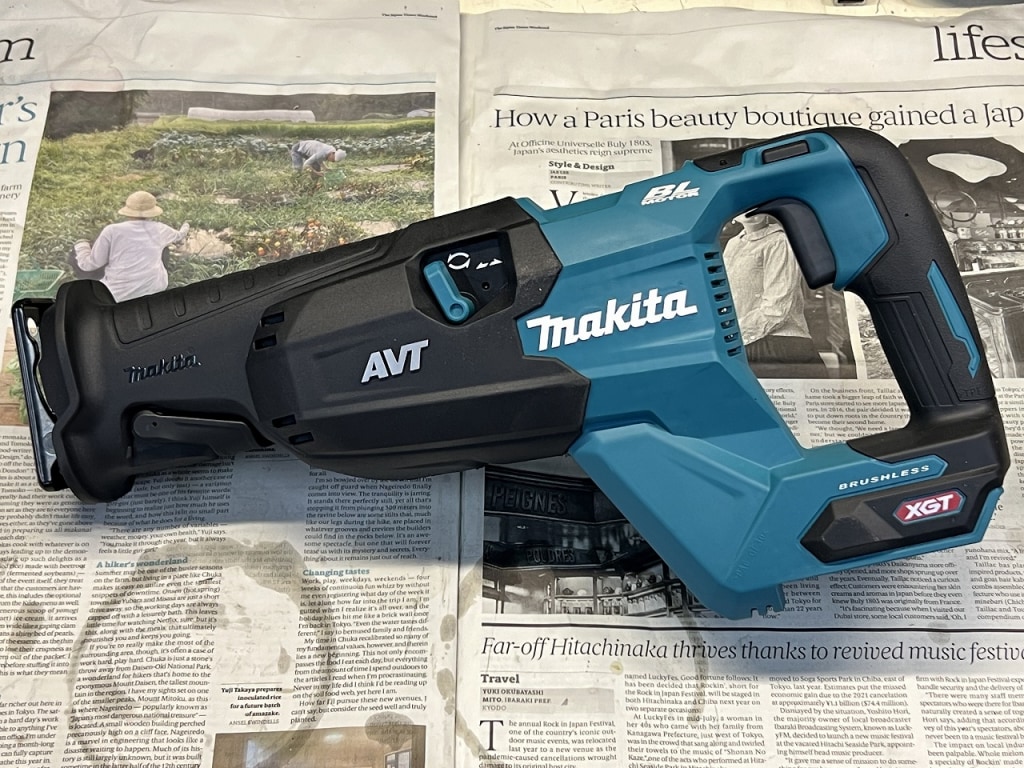
At first glance, there’s not much difference from the 18V, but when you look closely, refined features have been added.
Makita power tools are well-made, and the 18V delivers amazing performance.
However, when you use 40V power tools, the surprising torque and power dramatically boost work efficiency.
Battery lasts longer = fewer replacements = work time is greatly shortened.
What I think after using it is
whether you work slowly and carefully or work powerfully all at once.
If the timing is right, I think you’ll be amazed once you try the 40V.
Shoe (guide) adjustment is completely flexible.
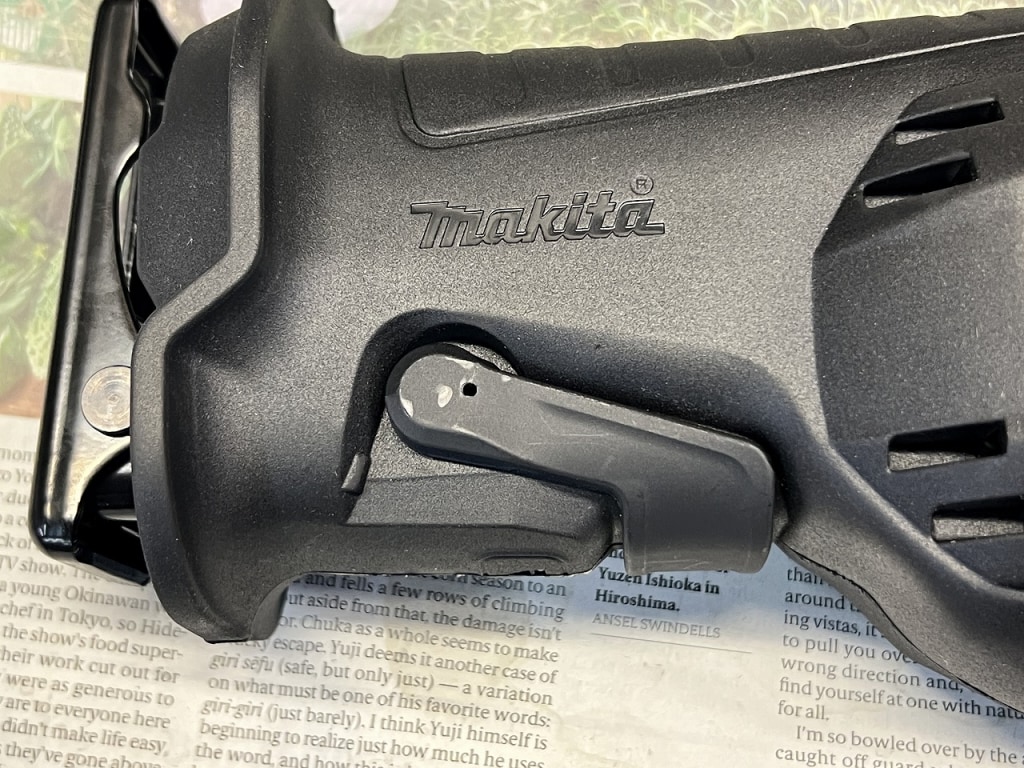
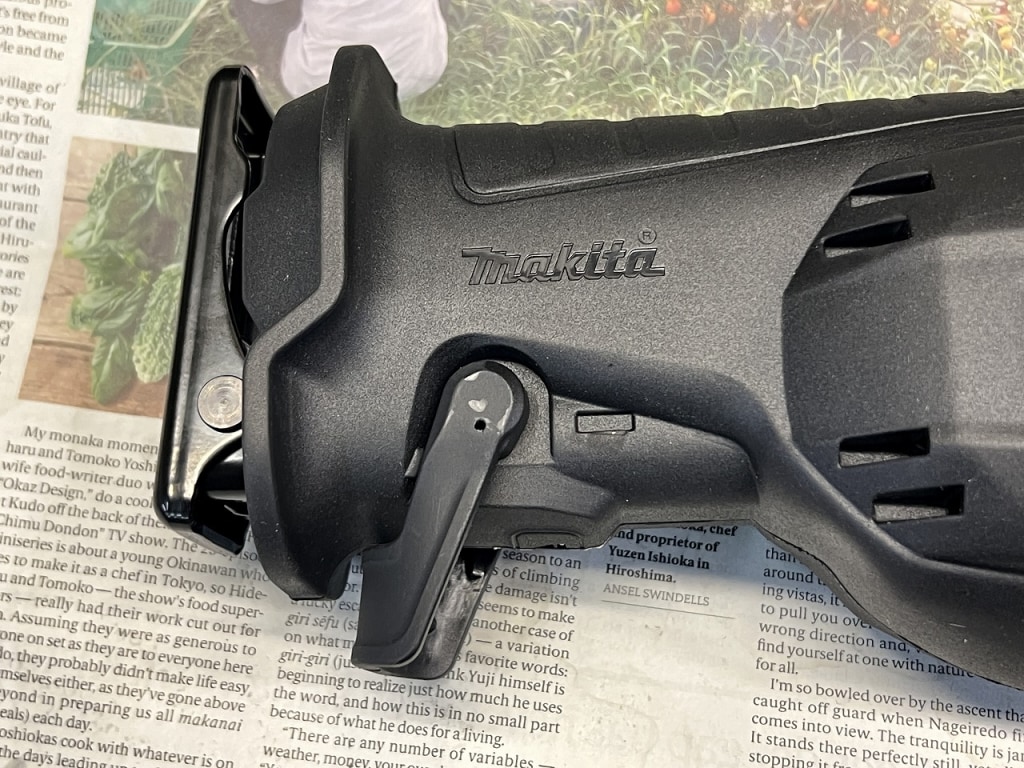
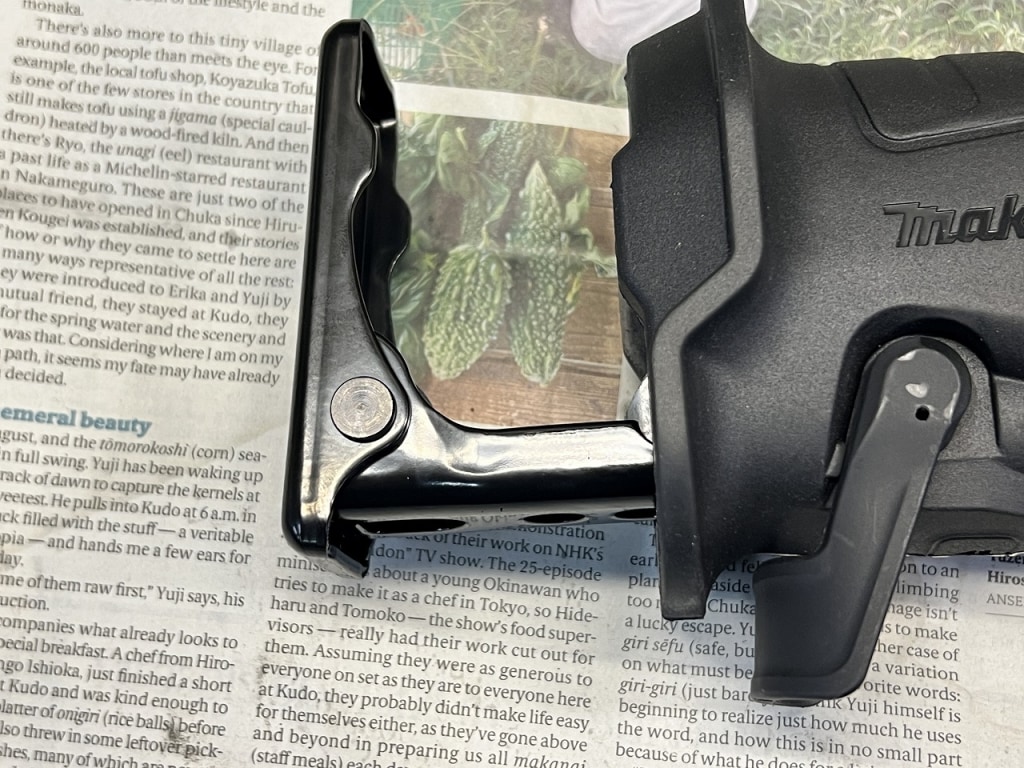
This kind of attention to detail is what I feel makes it a higher-end model.
Whether you use it or not varies from person to person, but it’s definitely a convenient feature to have.
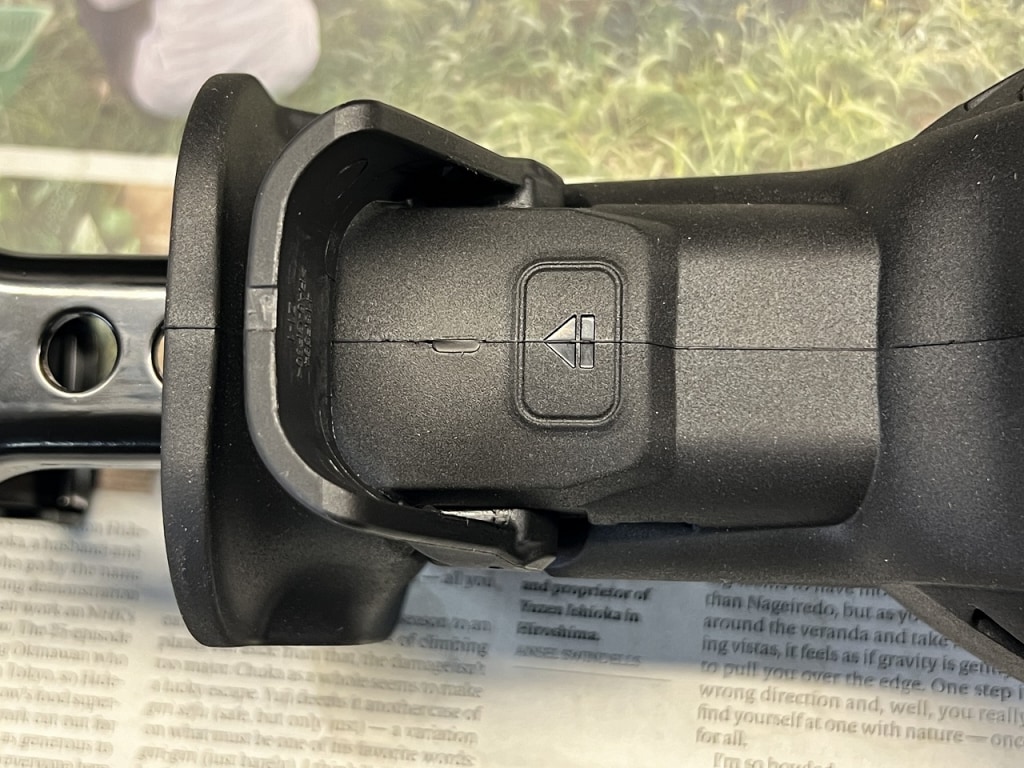
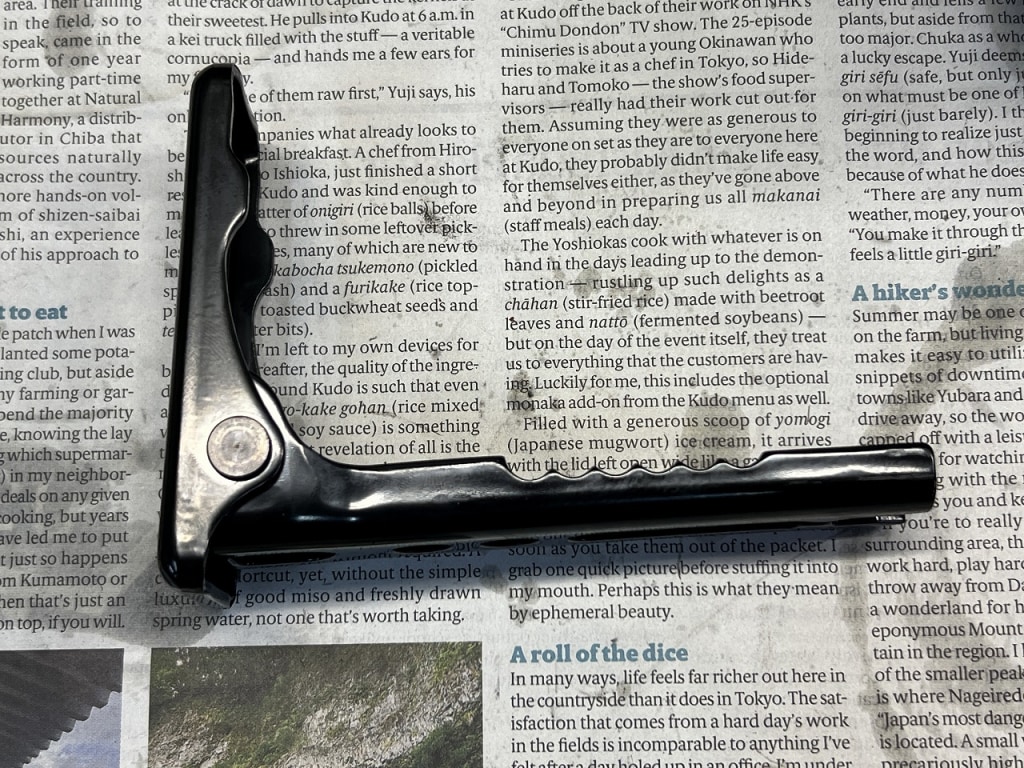
The shoe is a consumable part, so it can be easily removed.
By removing it, you can also cut a bit deeper, and cleaning becomes easier.
Covered in dust —the attention to detail on this tool really shows it’s a higher-end model.
Blade replacement has become easier due to layout changes.


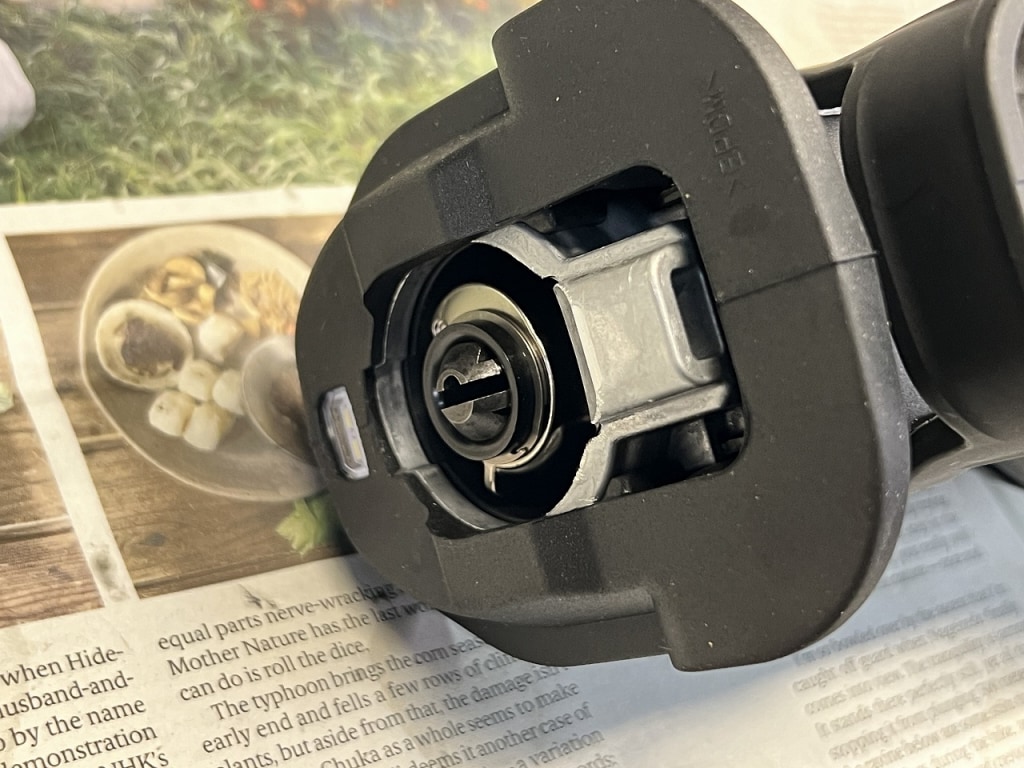
By releasing the lever, you can attach and detach the blade.
The spring provides tension,
so you release the lever, insert the blade, and when you let go, it locks.
We’ve entered a wonderfully convenient era. Remember when we had to fix things with tools?
The star feature this time! Orbital mode—this has high expectations.
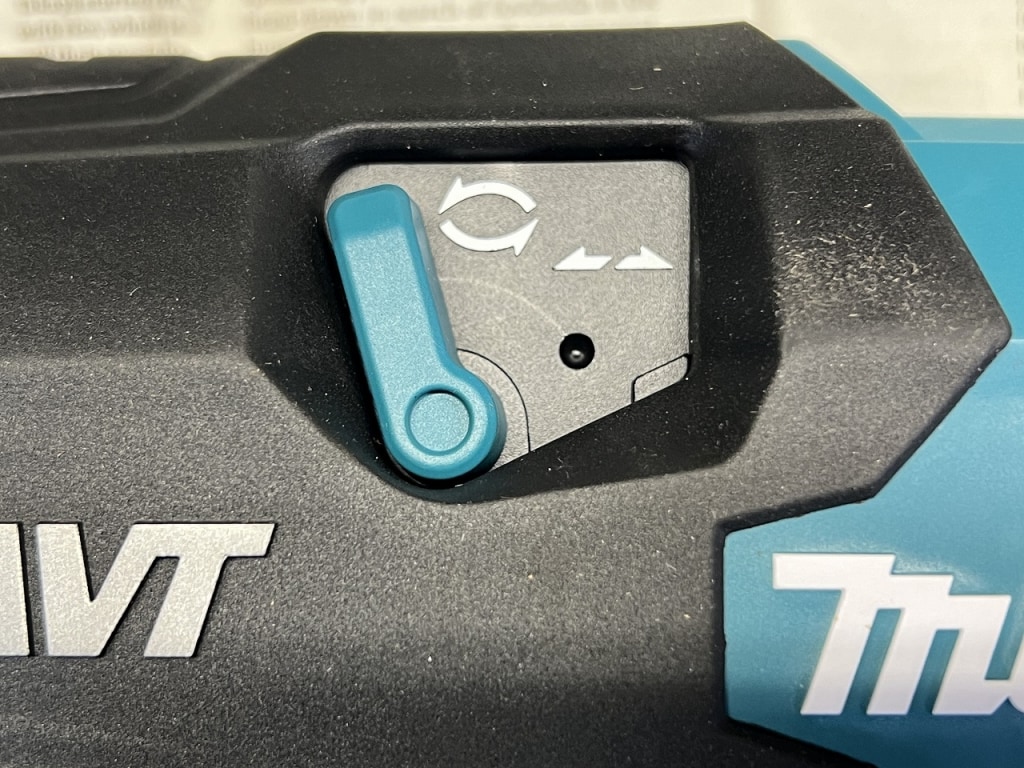
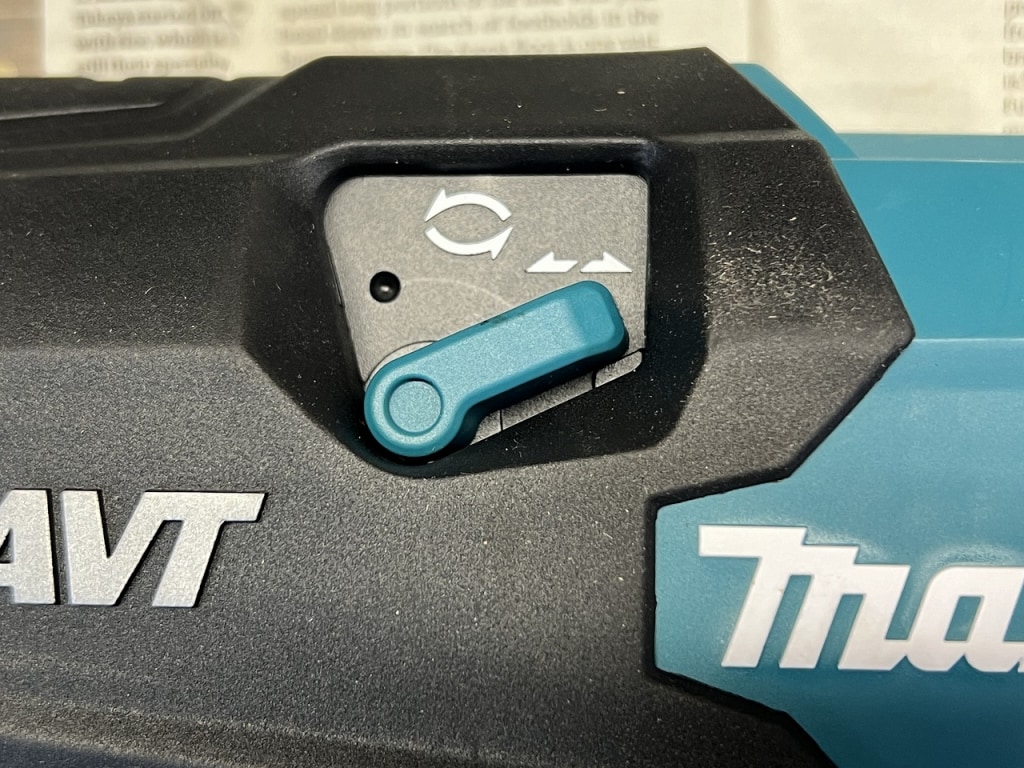
By moving the lever, you can switch between orbital mode and normal mode.
At first, I thought it was a mysterious mode that was a bit hard to understand, but
for wood and situations where wood chips need to be expelled, it might be very effective.
Probably when cutting wood, the user naturally makes this kind of motion.
I haven’t used it yet, but my expectations are high.
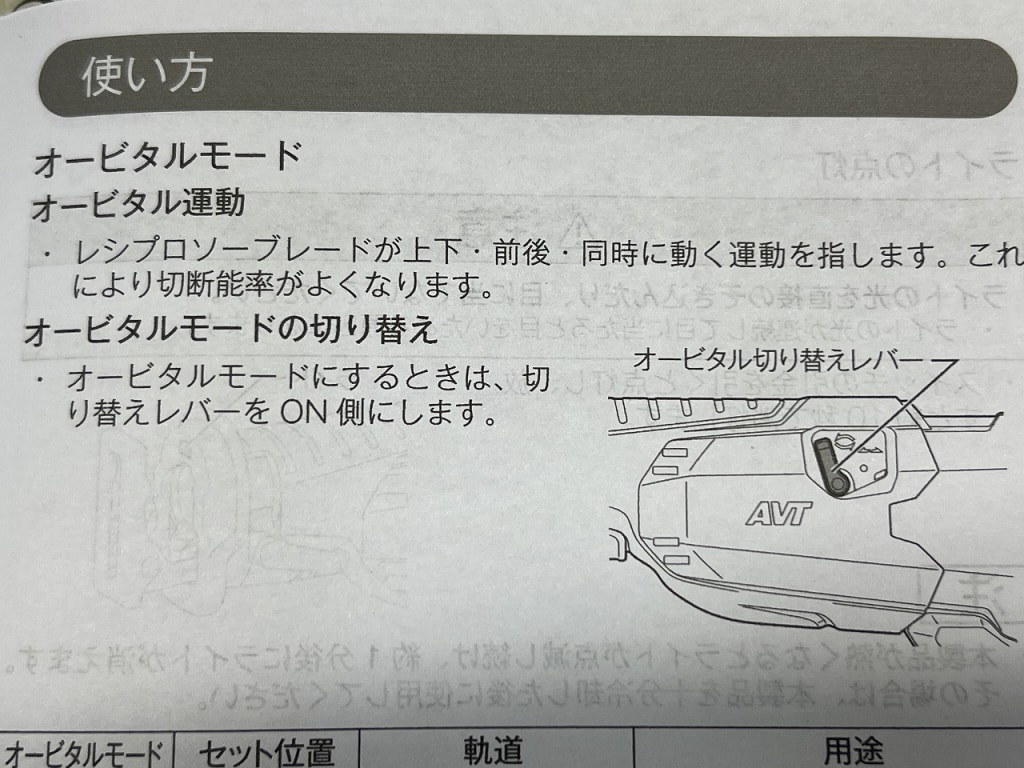
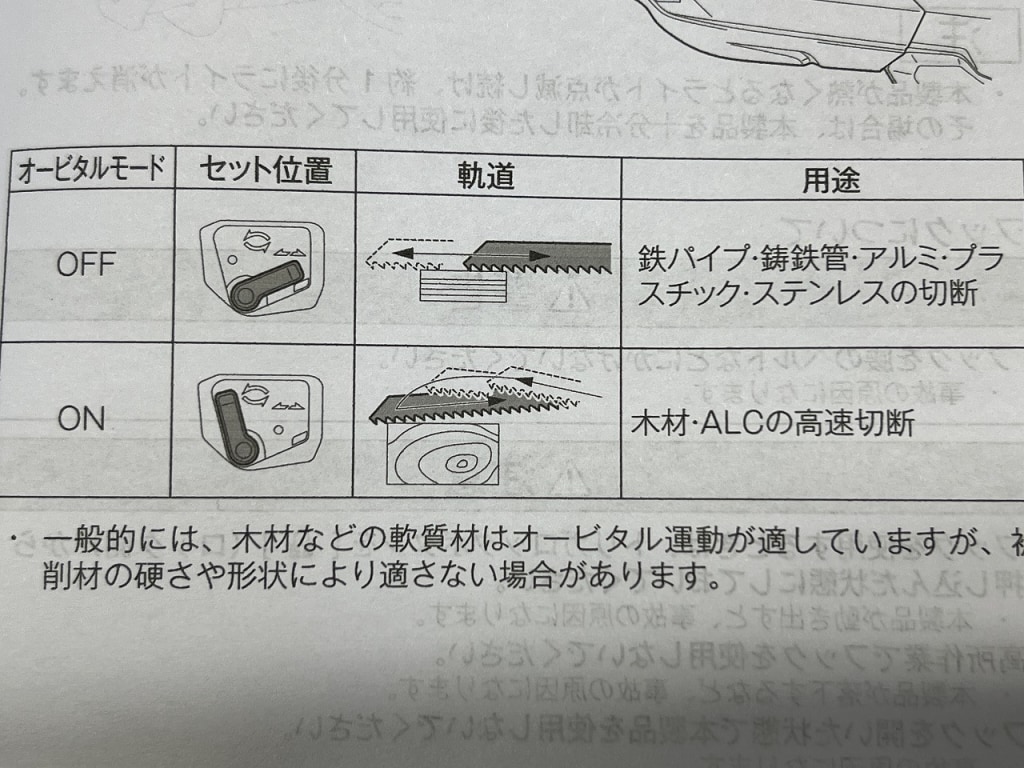
I’ll include the manual.
As shown in the diagram, it moves back and forth and up and down, expelling wood chips as it cuts.
That’s the kind of mode it is.
Stroke speed adjustment is included.
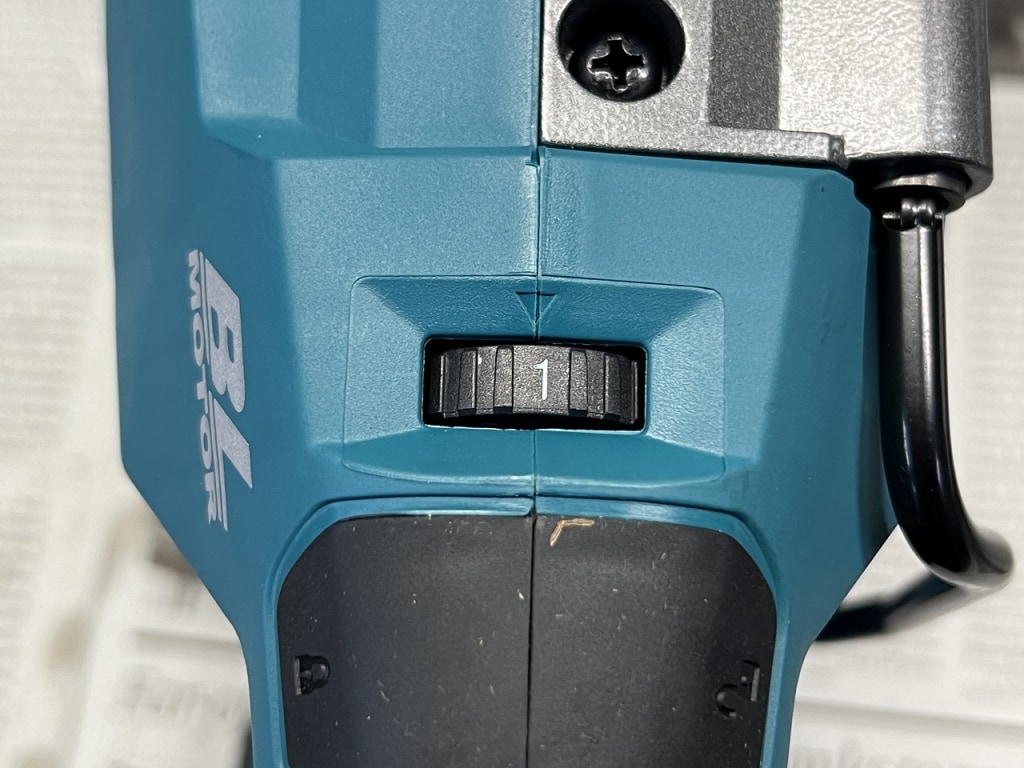
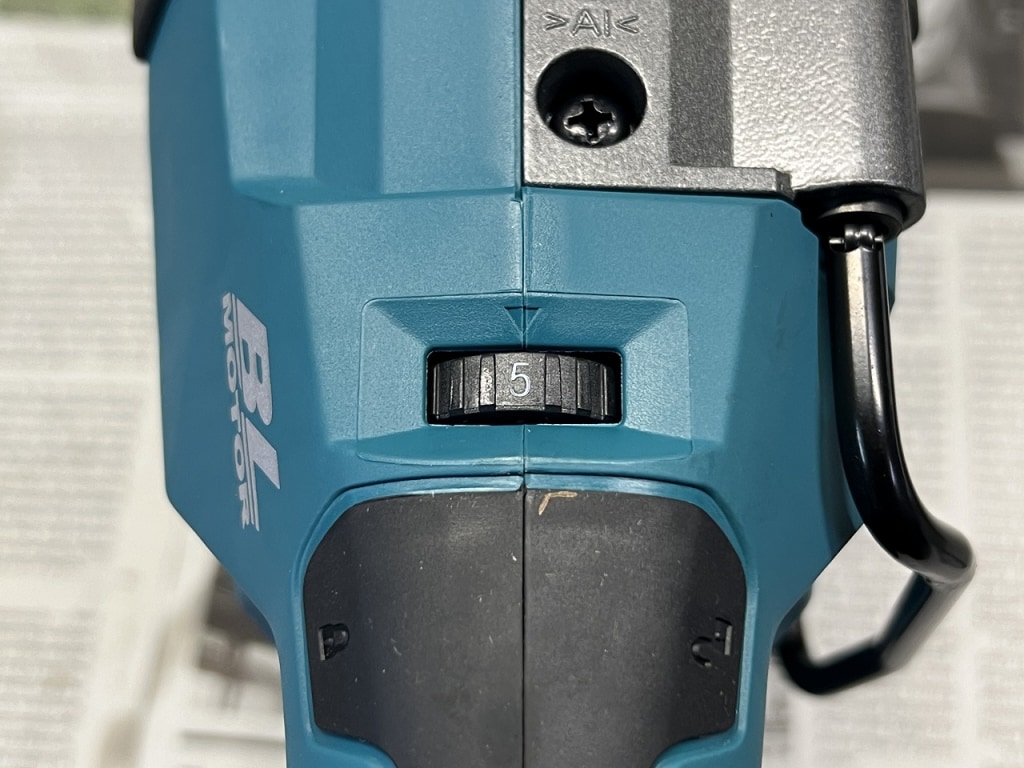
When you hear “stroke,” you momentarily wonder “is it quantity or count?”
Since this tool has a reciprocating motion, they probably use the term “stroke.”
Simply put, it’s speed.
At 1, it moves slowly, and at 5, it moves quickly.
Being able to cut slowly at 1 is something only the 40V can do.
A hook lever for hanging has been added.
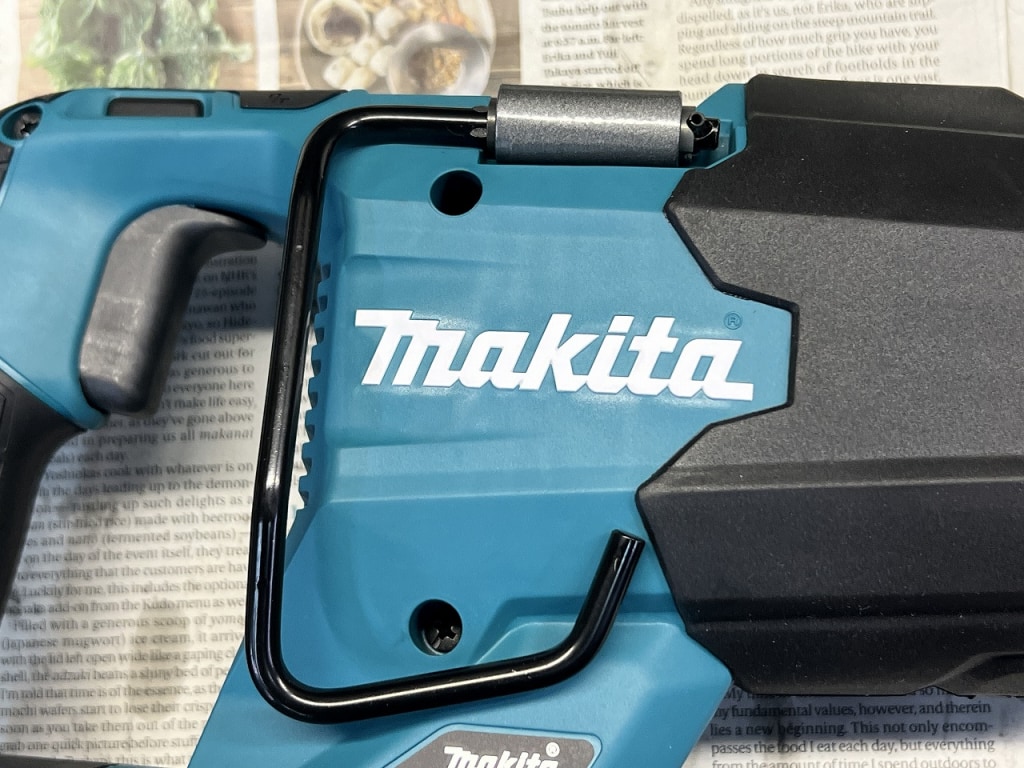
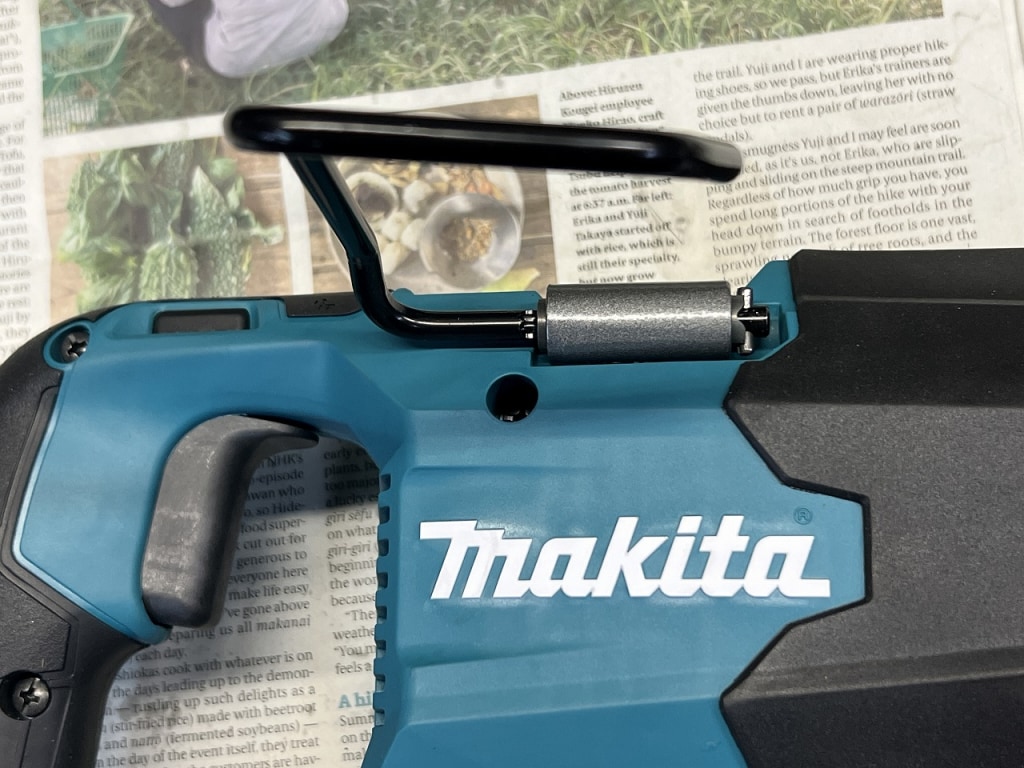
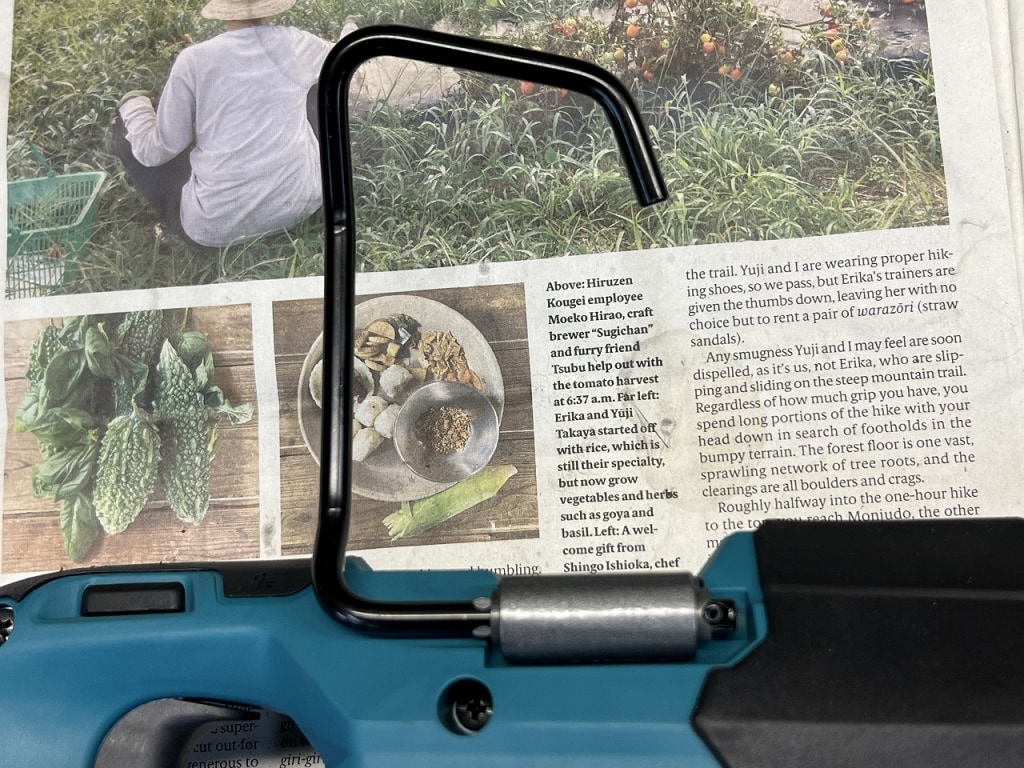
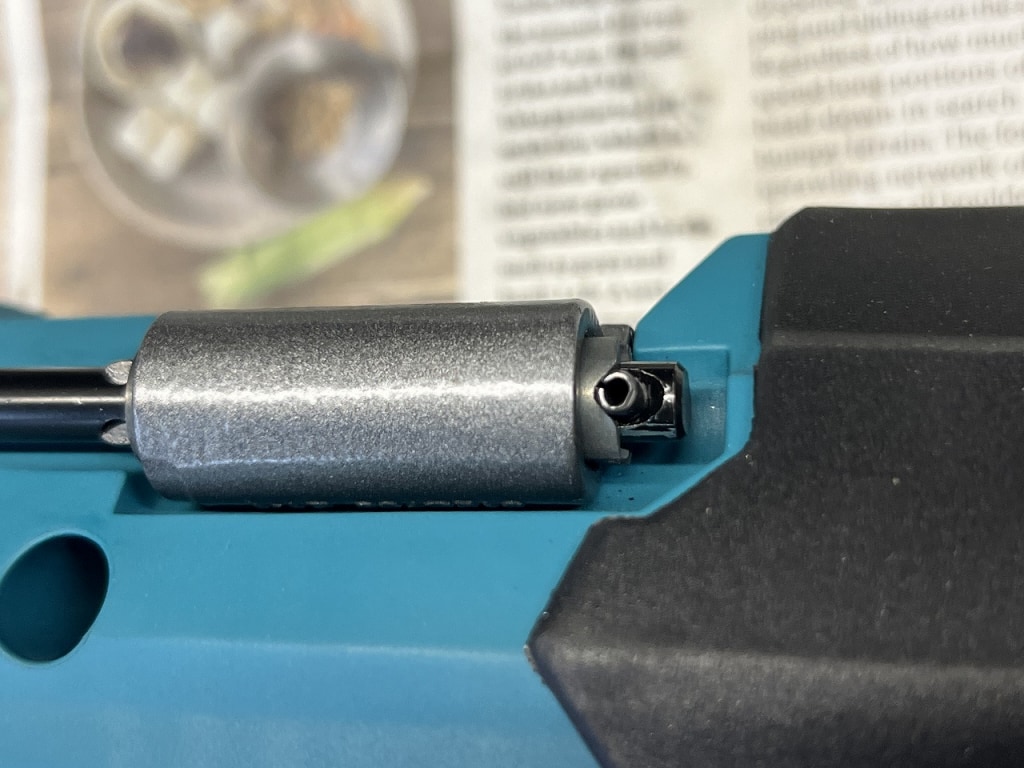
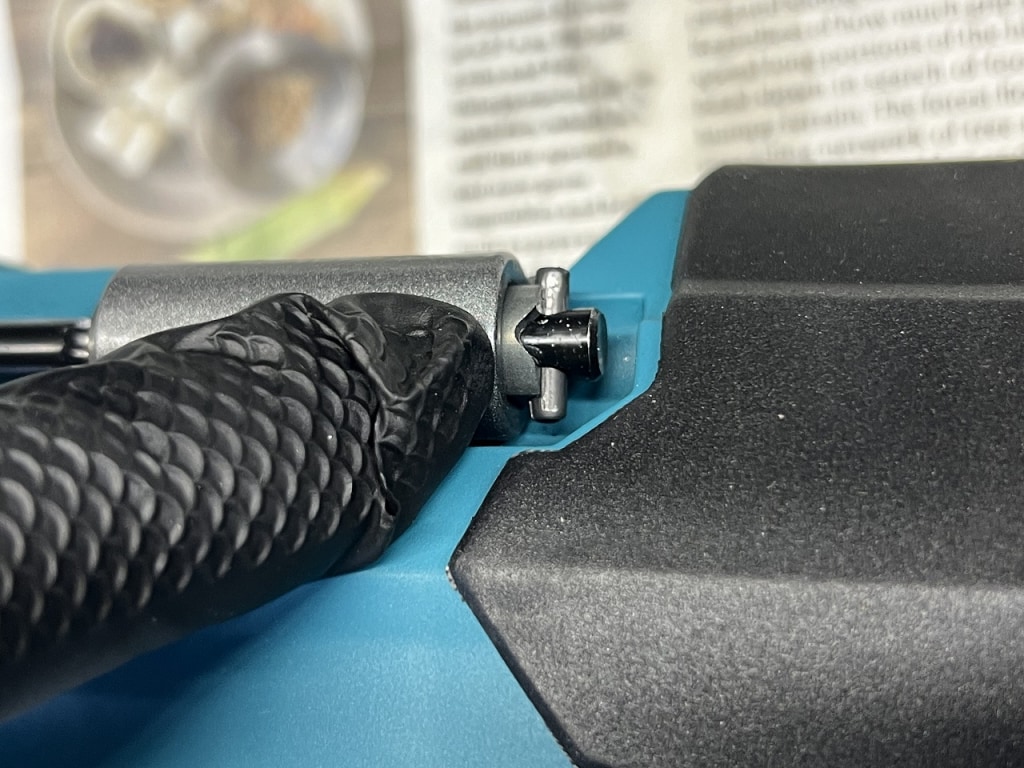
The hook lever locks in place with a satisfying click-click-click.
However, when using the hook lever,
you must make sure to lock the trigger lock securely so you can’t pull the trigger, or it’s a bit dangerous.
With 40V, these kinds of thoughtful features are packed in.
That’s the overall feature set.
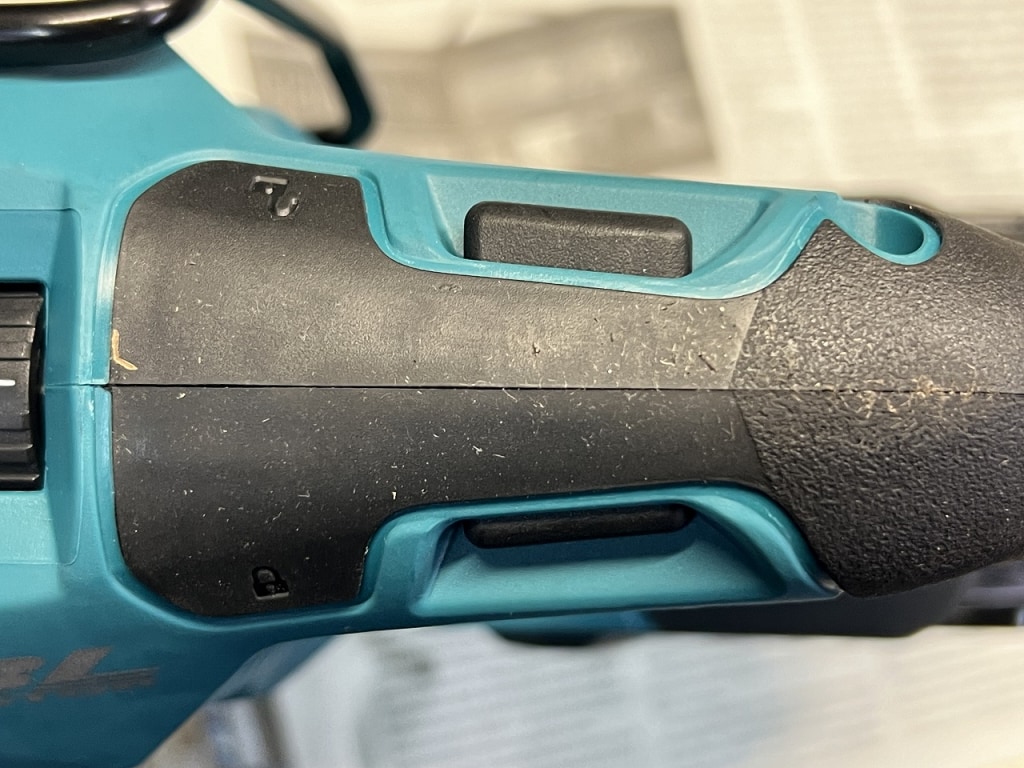
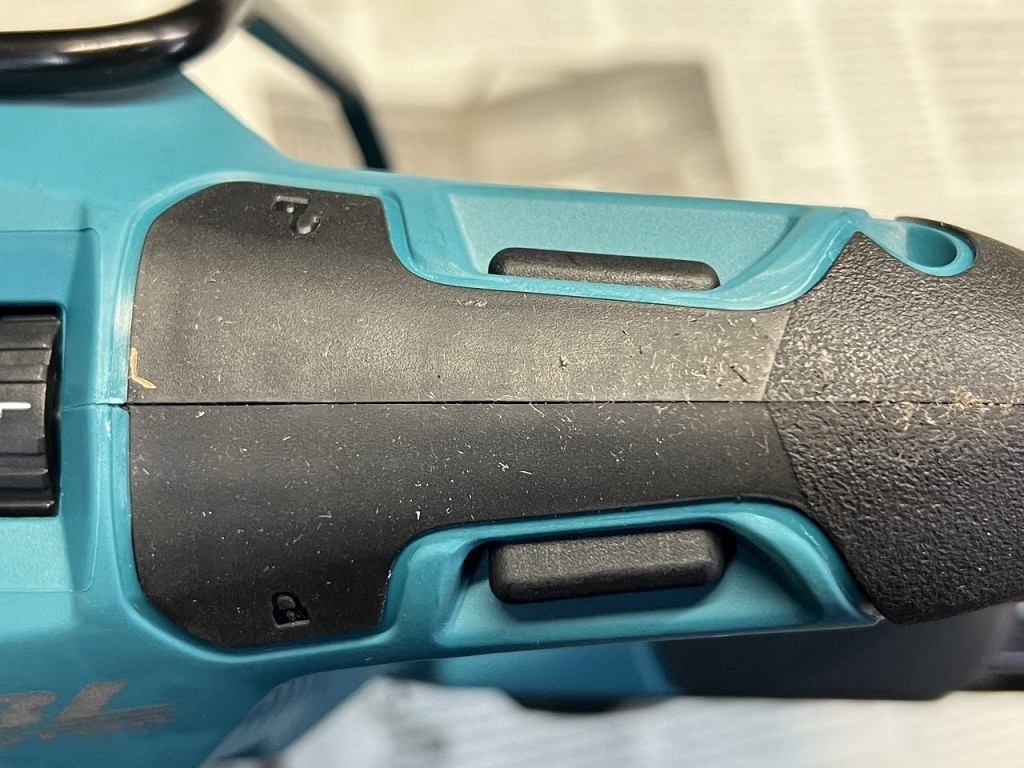
The trigger lock is just a push—very simple.
What I expect from this cordless recipro saw JR002G 40V is power and torque.
When cutting, I’m hoping for the blade to push and pull with real force.
With 18V, if it won’t cut, you have to speed it up. If you slow it down, there’s no torque, so it stalls.
The difference between 18V and 40V is clear when you use them, and I think most people would be amazed.
I’ll share a review once I’ve actually used it.
ポチップ
 ポチップ
ポチップ
The article was not found.