Hmm, well… I’m a Makita person (*’▽’)
Converting 100V power tools to Makita cordless is almost 100% satisfying.
I wonder why I didn’t do it sooner…
The “ease of use, performance, and storage” are absolutely perfect.
However, going cordless with air tools (eliminating the air reel) is pretty tough.
Actually, I think it’s probably impossible.
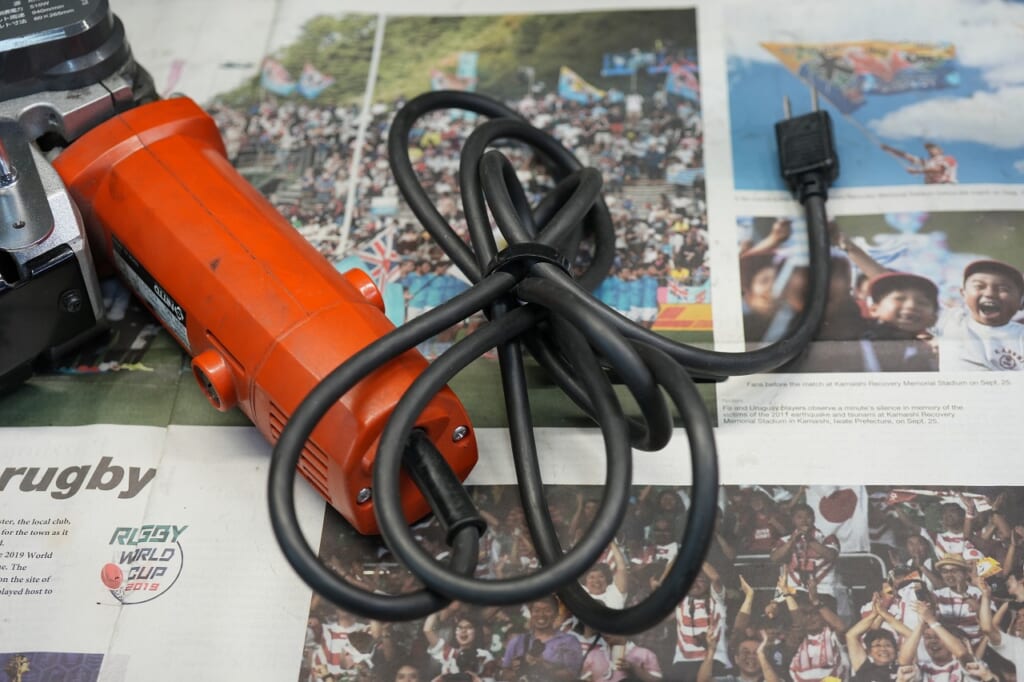
100V tools require cords, so “storage is extremely poor.”
Taking them out and putting them away takes extra steps.
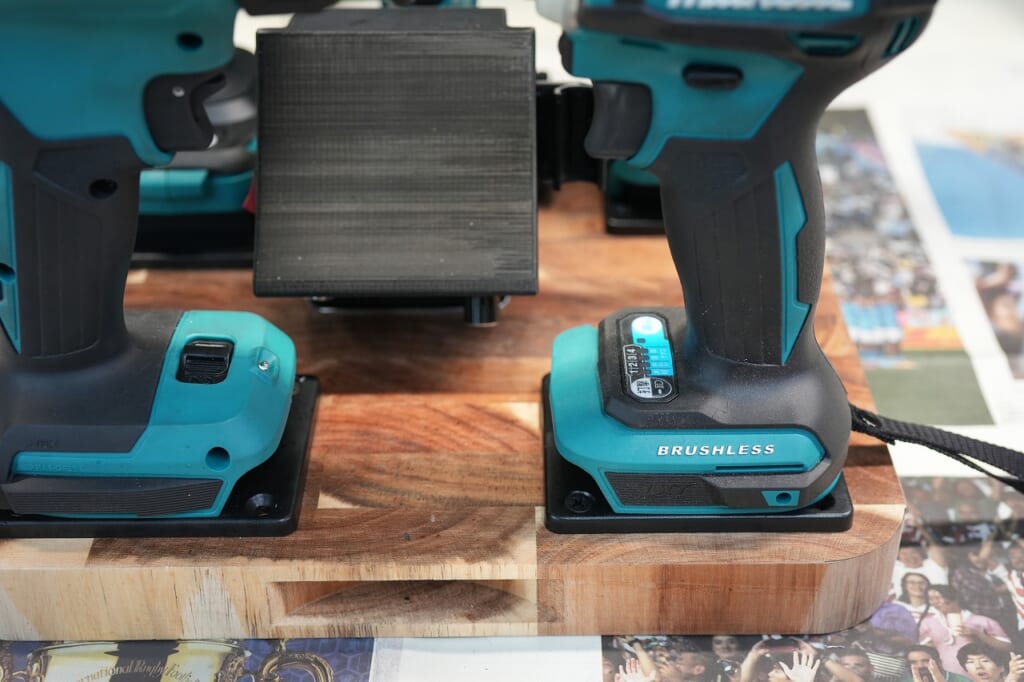
With battery-powered tools like Makita, you can “store them standing upright.”
You can arrange them neatly in a compact space
and “your attachment to your tools deepens,” don’t you think?
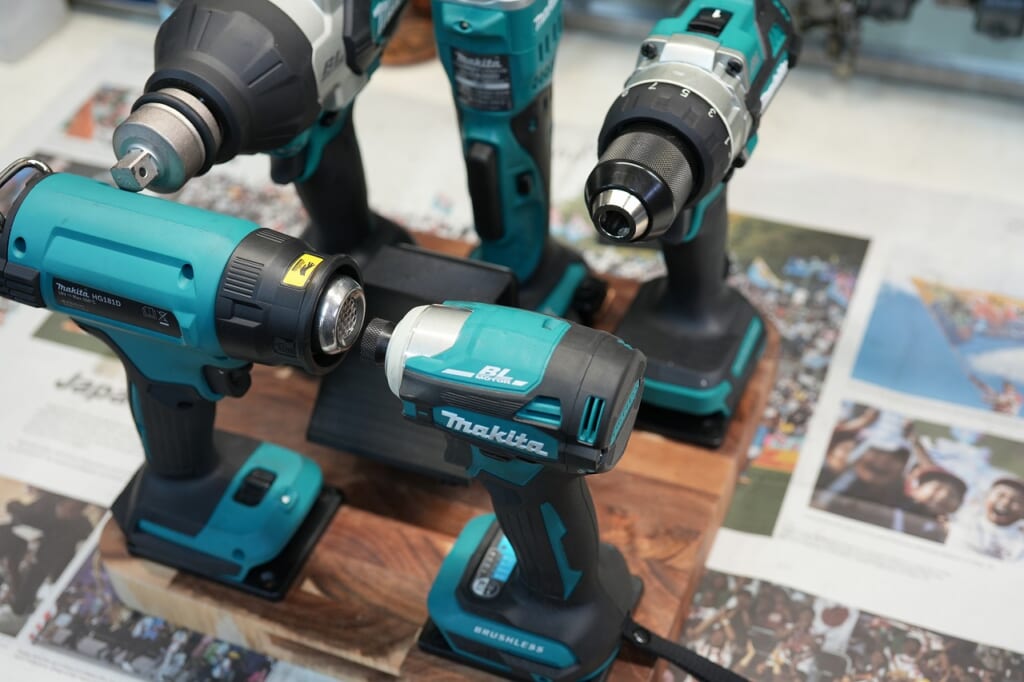
It’s difficult to arrange this many 100V machines in such a compact space.
They surpass them in every way.
Now let’s talk about air tools.
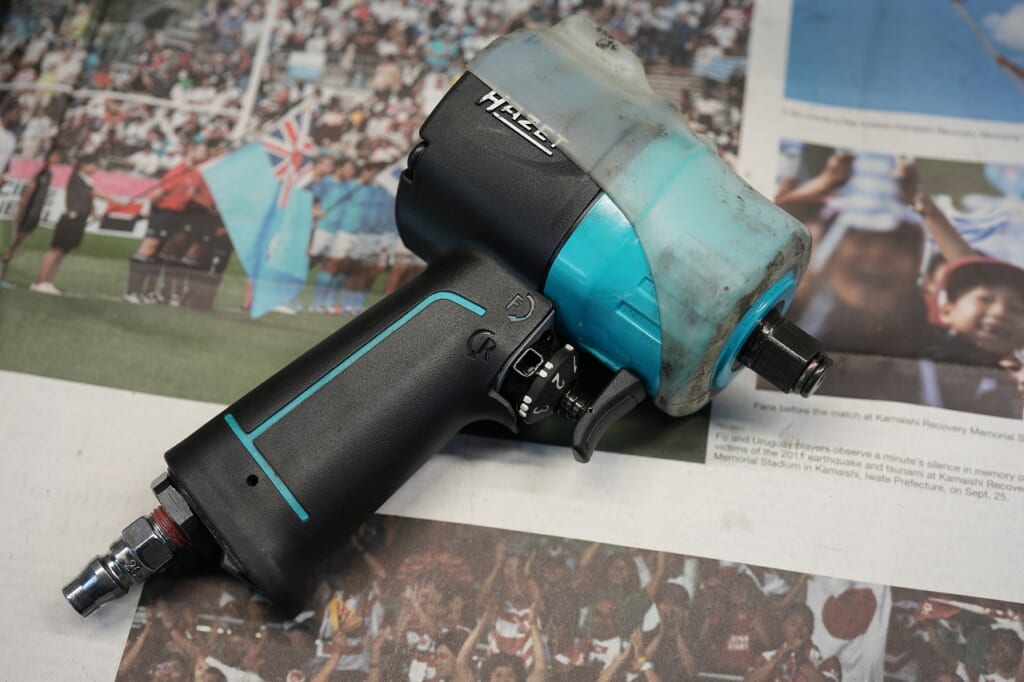
First, air tools are stored with the hose detached.
There’s nothing particularly annoying about it.
And since they’ve evolved to specialize in “the culture of operating with air,” I think it’s difficult to easily exceed this spec.
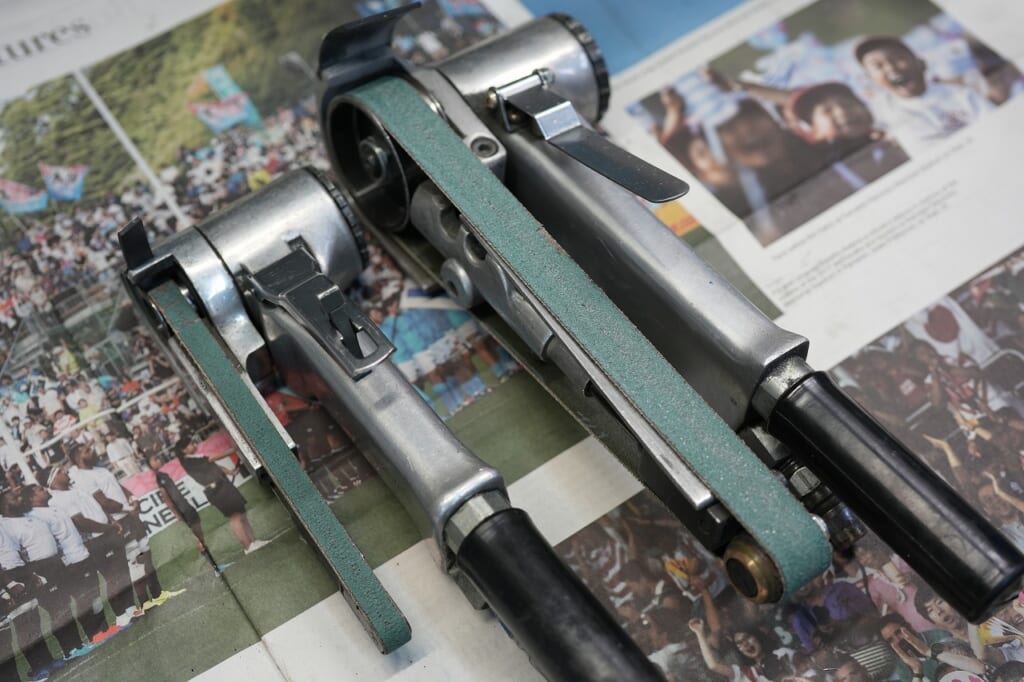
This compactness and lightness would be very difficult to achieve with a battery.
It’s very unsuitable for detailed work.
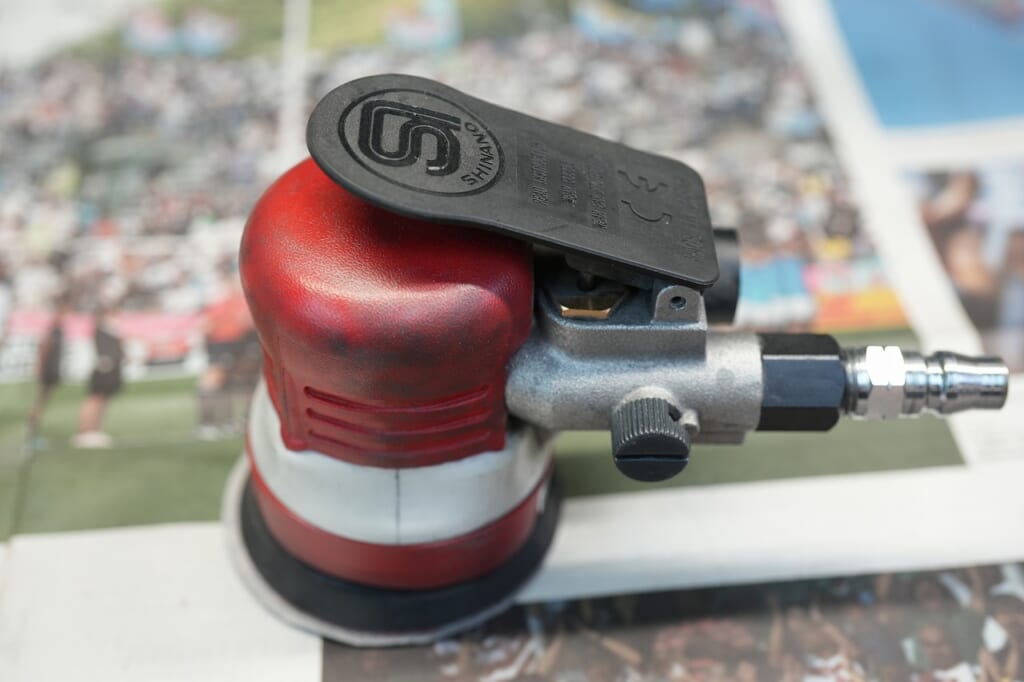
It combines compactness, lightweight design, and the excellent ability to adjust output via air flow.
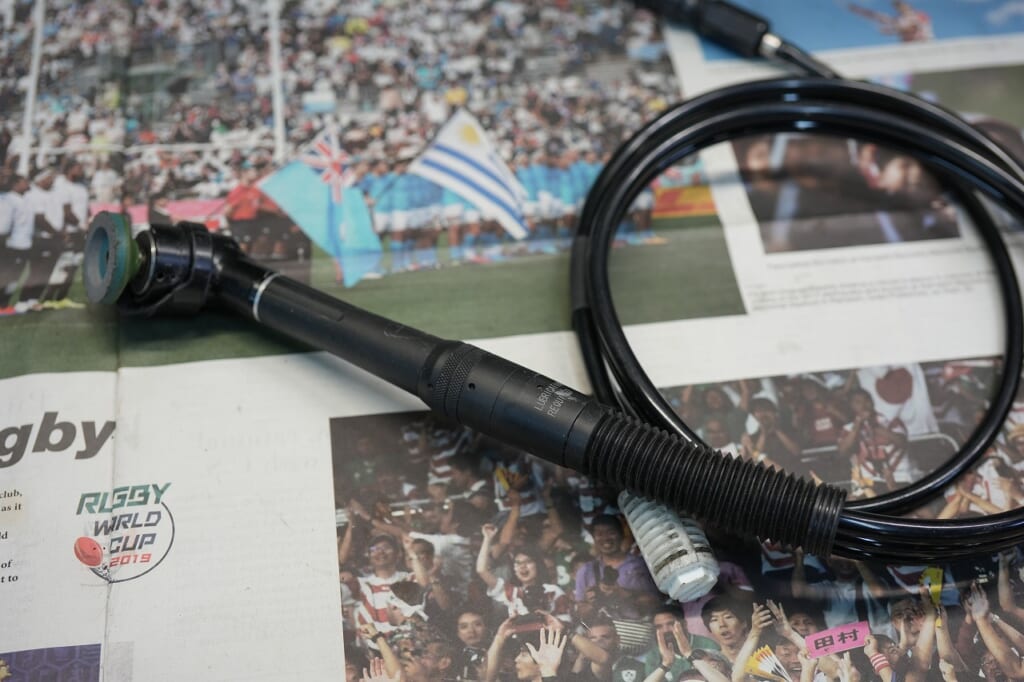
This size is also difficult…
However, if it were to be used connected to something like a power module, that might be a different story.
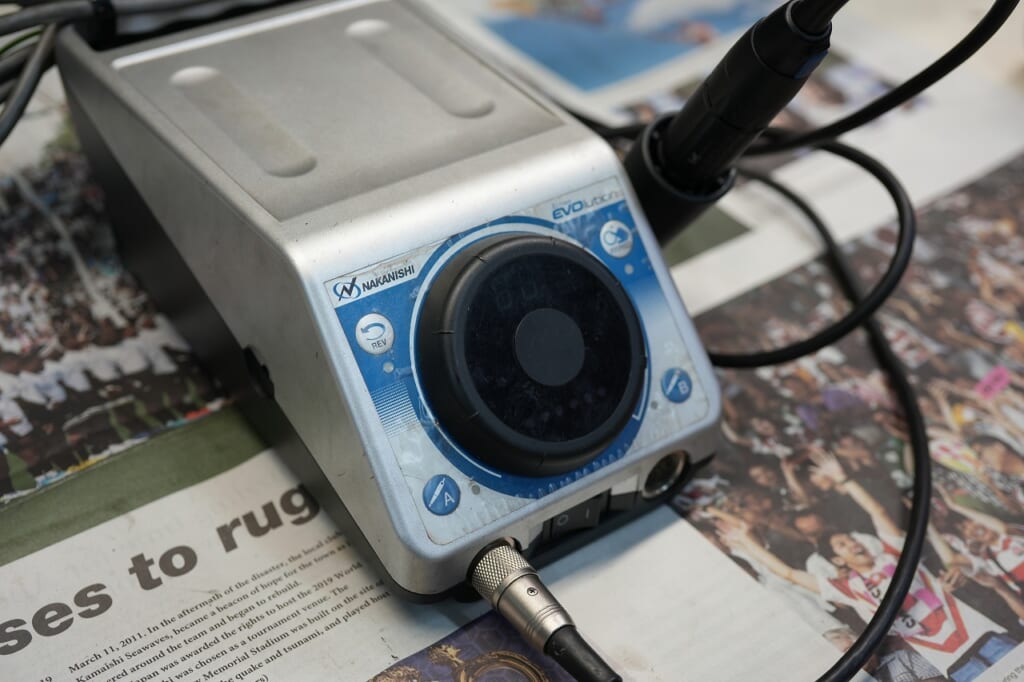
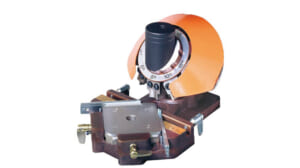
This is a rotary tool,
and by changing the tip, it becomes a grinder or belt sander—an excellent product.
*Though it costs quite a bit…
The advantage of electric is stable output. You don’t have to worry about the compressor.
Continuous use is possible until thermal damage occurs. Unlike air tools, frequent oiling isn’t necessary.
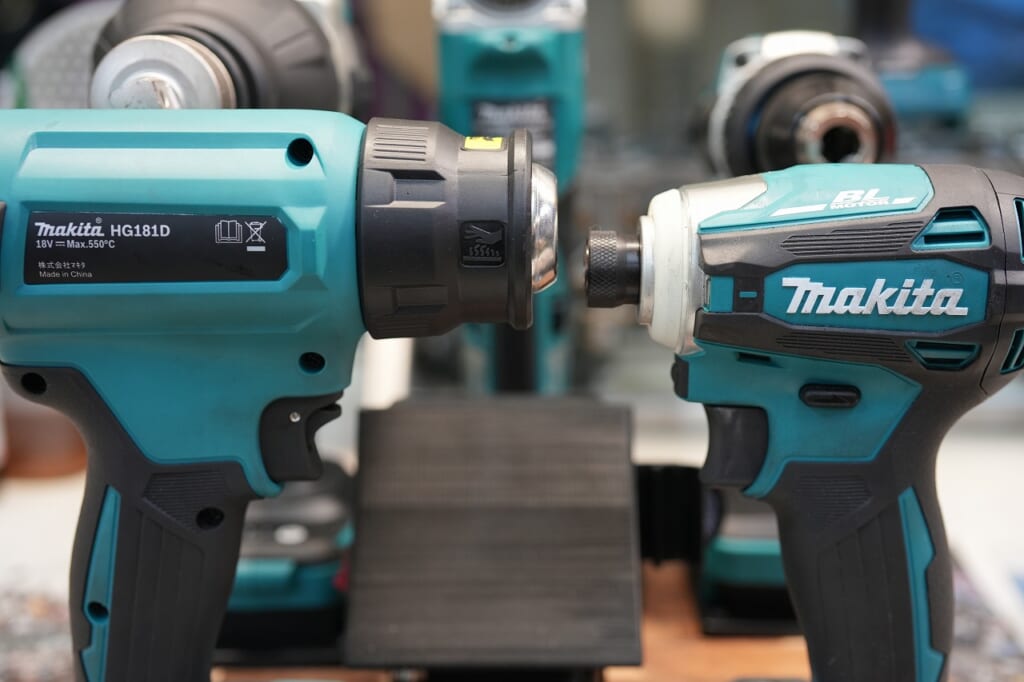
Well, but with equipment like this, you’d think, why not just use 100V?
The Makita impact wrench had power, but…
ultimately, an air-powered one would have been fine too, that’s the feeling.
Starting with 100V, I don’t think you’ll regret it.
Plus, Makita is super popular, so it’s easy to resell—that’s also attractive (*’▽’)