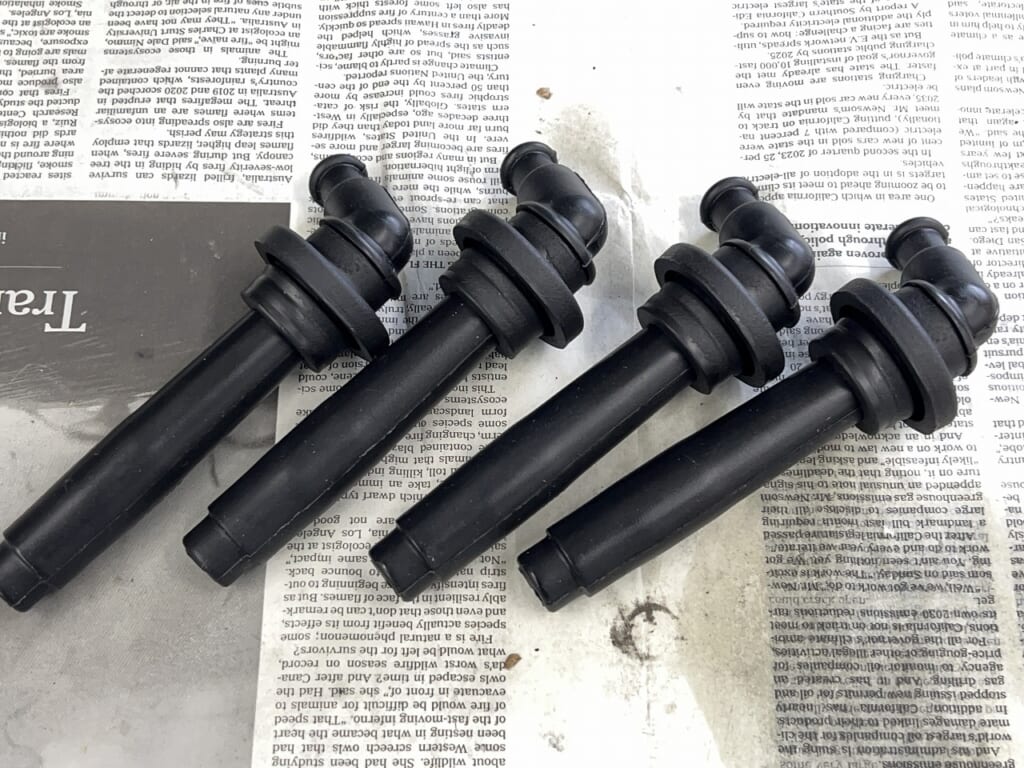
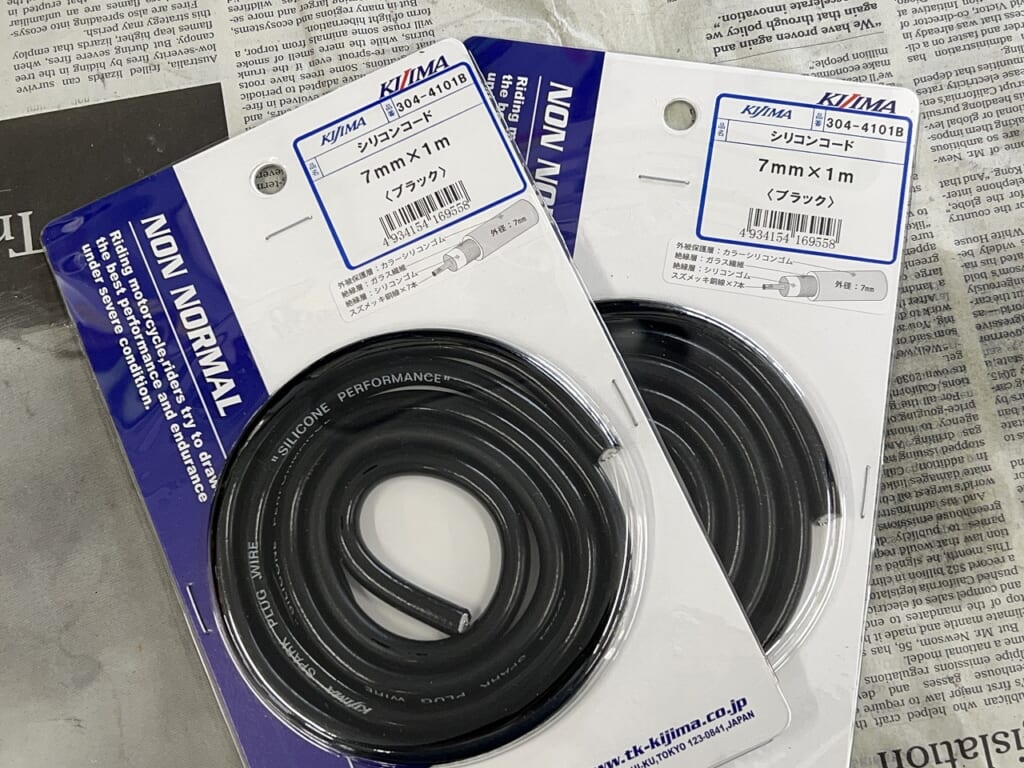
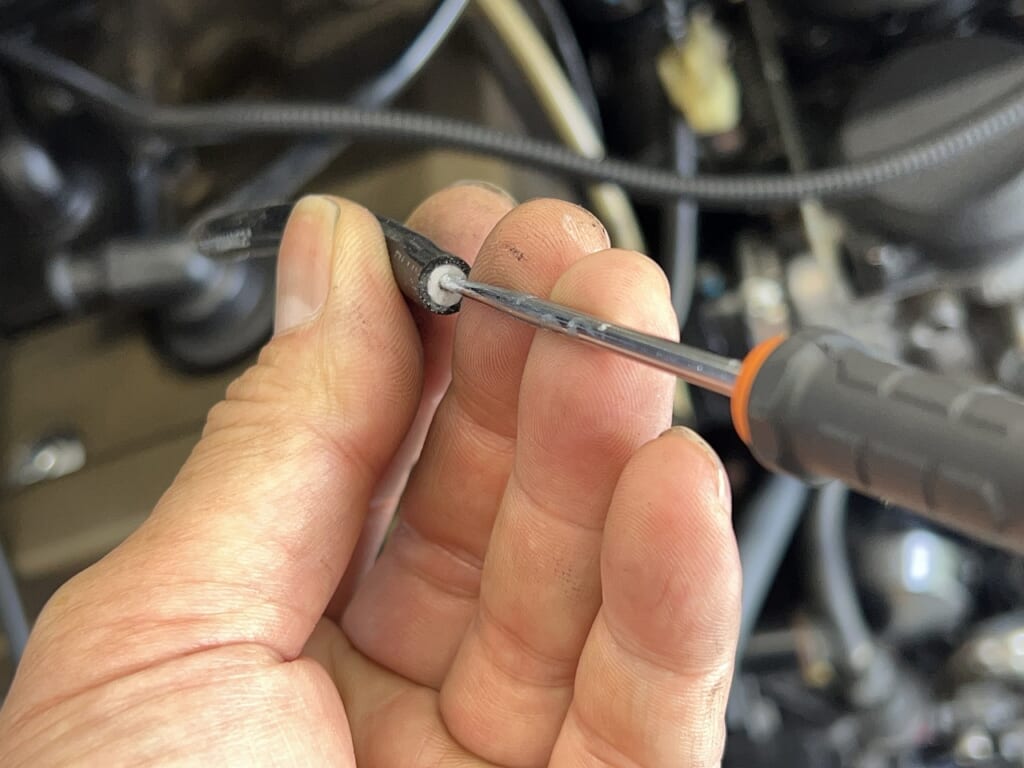
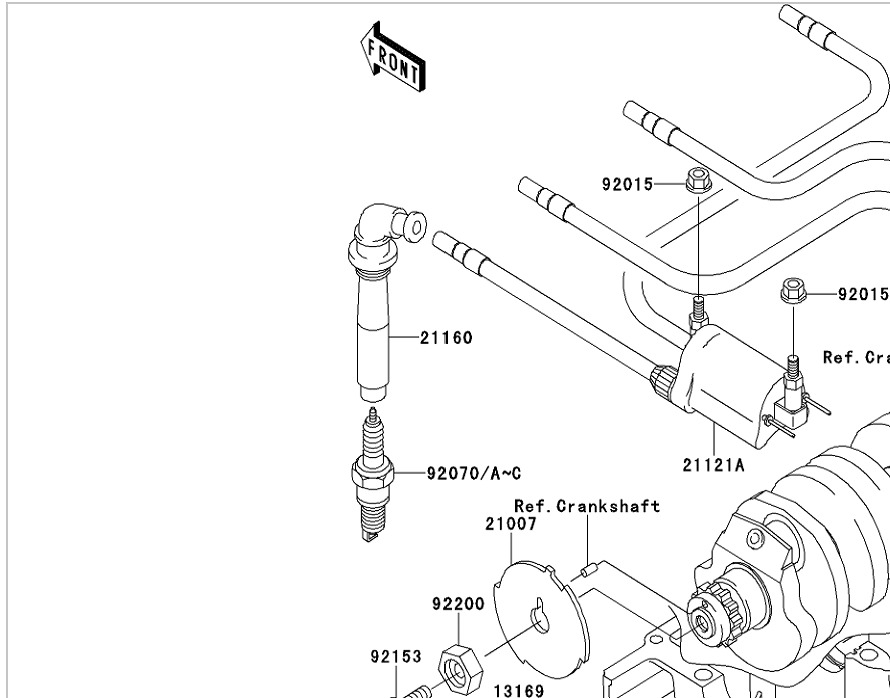
The plug cord had an NGK Power Plug (splice) installed. *NGK has an outer diameter of 8.0φ, which is slightly thicker than the standard.
The coil side is rock hard, so I’m going to replace the cord and cap.
Today’s ignition system maintenance log
Theme: Spark plug cap & high-tension cord replacement.
Often-overlooked risk: Even if you replace the spark plug itself with a new one, if the cap and cord delivering electricity to it have hardened and deteriorated with age, the ignition energy leaks away and you won’t get the full explosive power you should.
The key to the job: A secure, airtight connection at the ignition coil interface, and fitting the cap onto the spark plug head with a solid “click” and zero gaps, holding it with 100% force.
Results: Improved cold starts, stable idle, and that dense, meaty torque feel the moment you crack the throttle comes roaring back!
Decoboco’s other blog. “RURAL GARAGE“
A hidden room for non-motorcycle stuff. Everyday convenience items, relocation, delicious food, life philosophyand more. ←click
Understanding the details and eliminating guesswork: plug cord and cap replacement
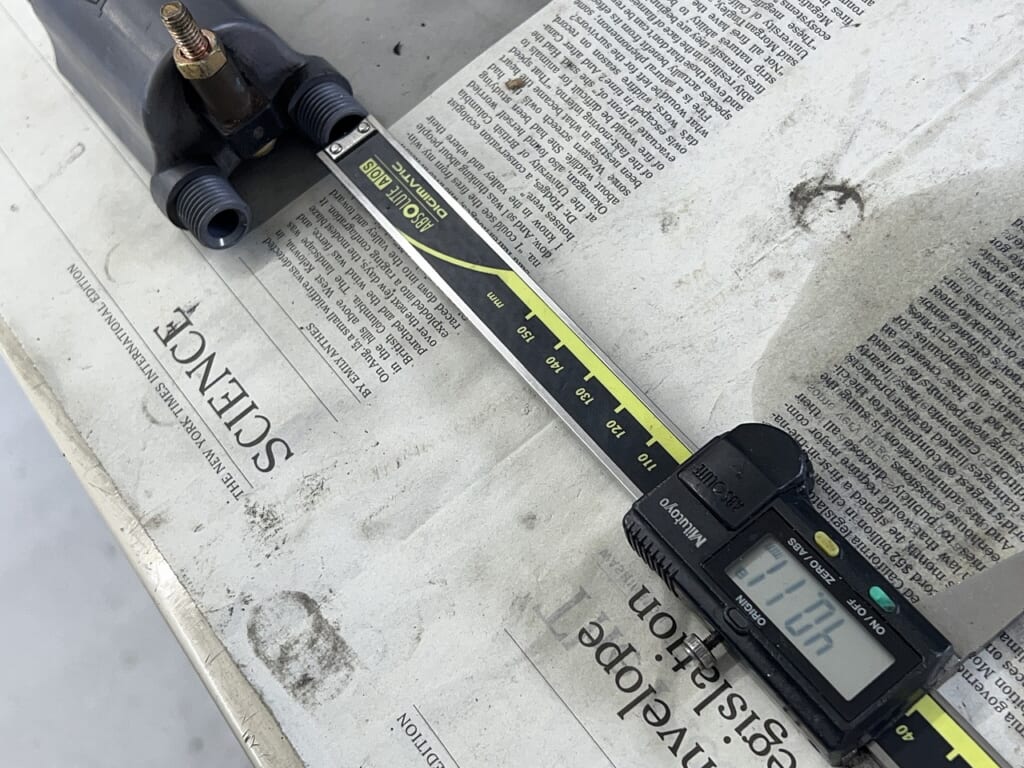
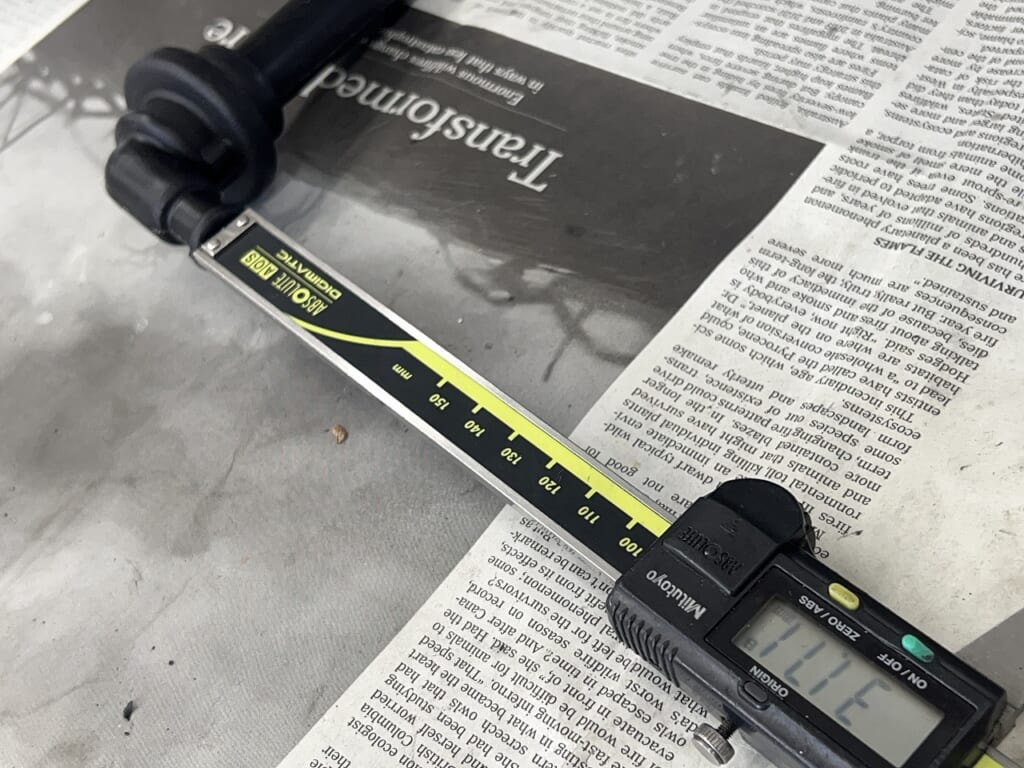
Checking the depth on both the coil side and cap side gives you peace of mind. Rather than just going by feel you absolutely need to verify numerically and by depth that it’s seated properly.
Fine scribe mark, so I’m drilling a pilot hole. Solid and secure
Truth be told, spark can jump even with a gap, so it’s not entirely critical. But it’s better to have the wire and cap connected solidlyand firing without lossthan not.
Electricity is infrastructure you especially don’t want any issues with, so you want it solid, reliable, and trouble-free.
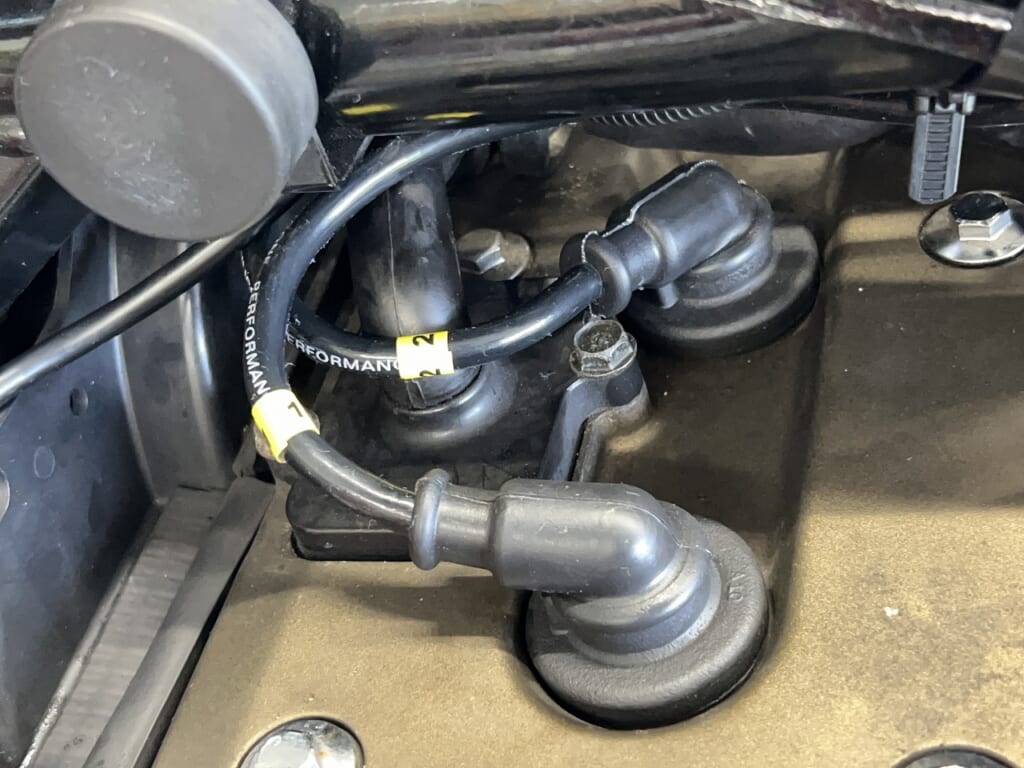
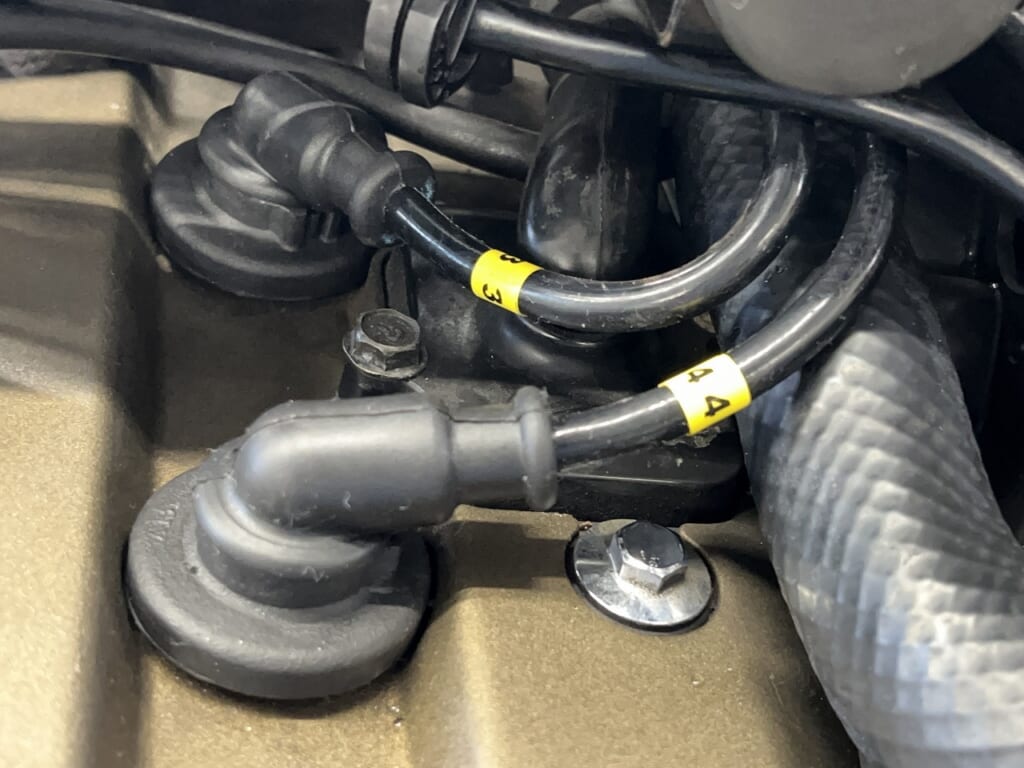
Spark plug cap orientation is non-OEM. Watch the drain hole
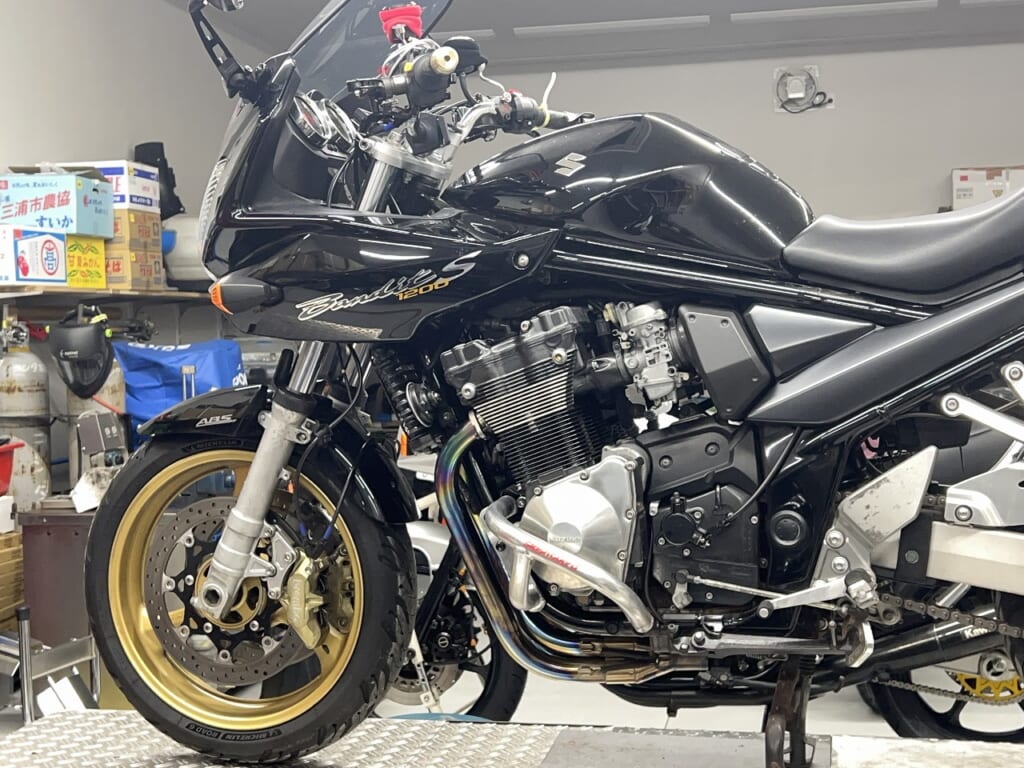
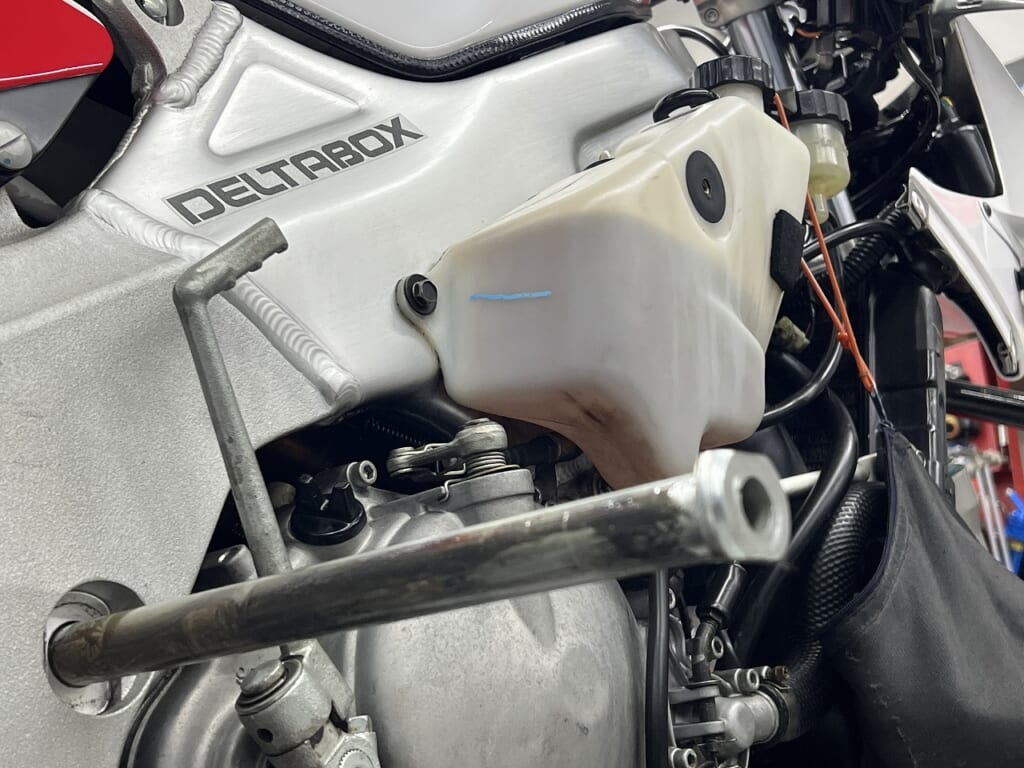
The OEM spark plug cap points toward the carburetor, I believe. But that makes the cap a real pain when changing plugs—serviceability is terrible. And if you ever need to shorten the cord slightly over time, you’re already at the limit and can’t.
So I route it forward instead. This cleans up the carburetor area and makes plug changes and other maintenance much easier. For me, easier to service means fewer risks when things are apart.
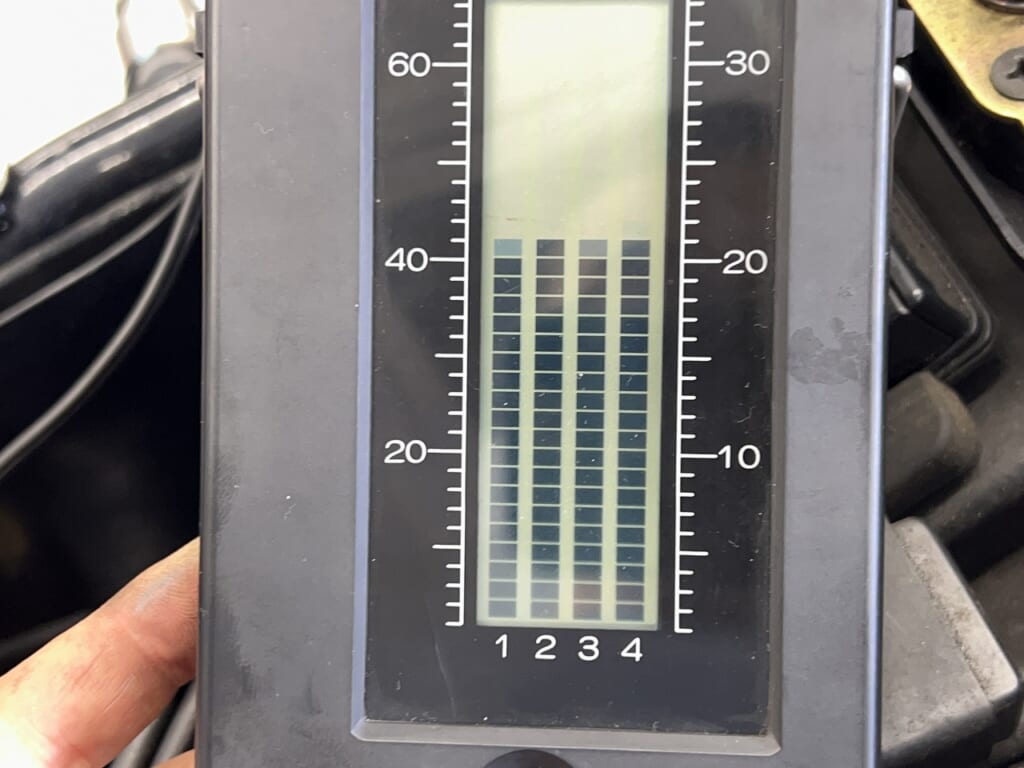
I topped off the coolant and synchronized the carburetors, and we’re done.
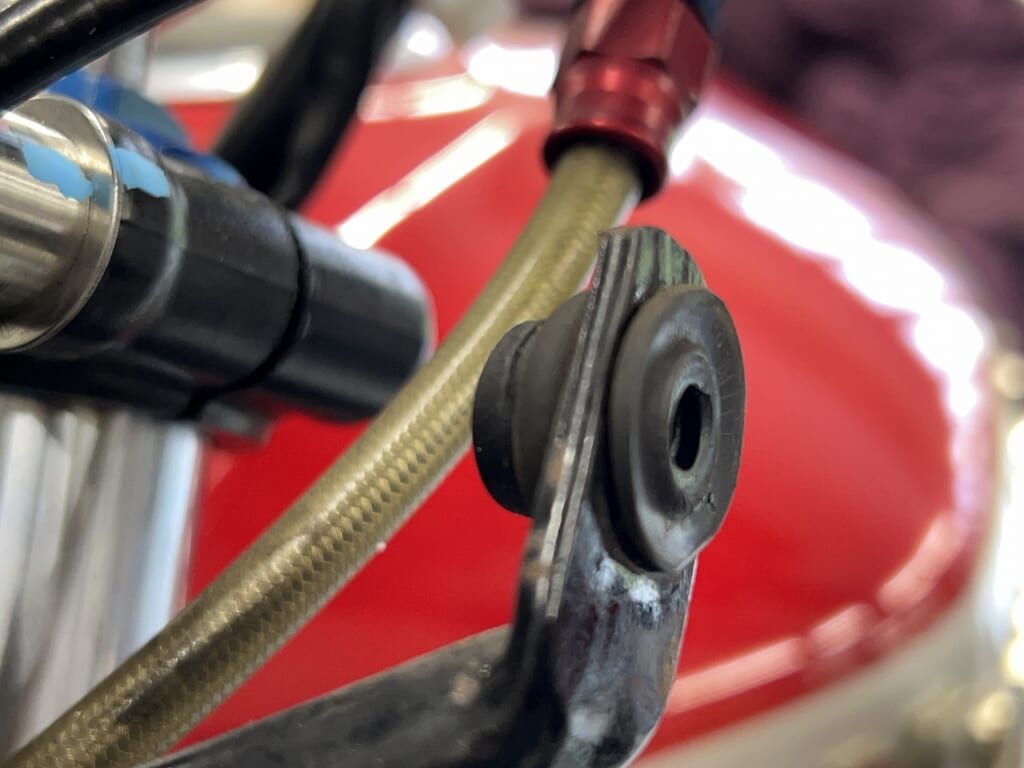
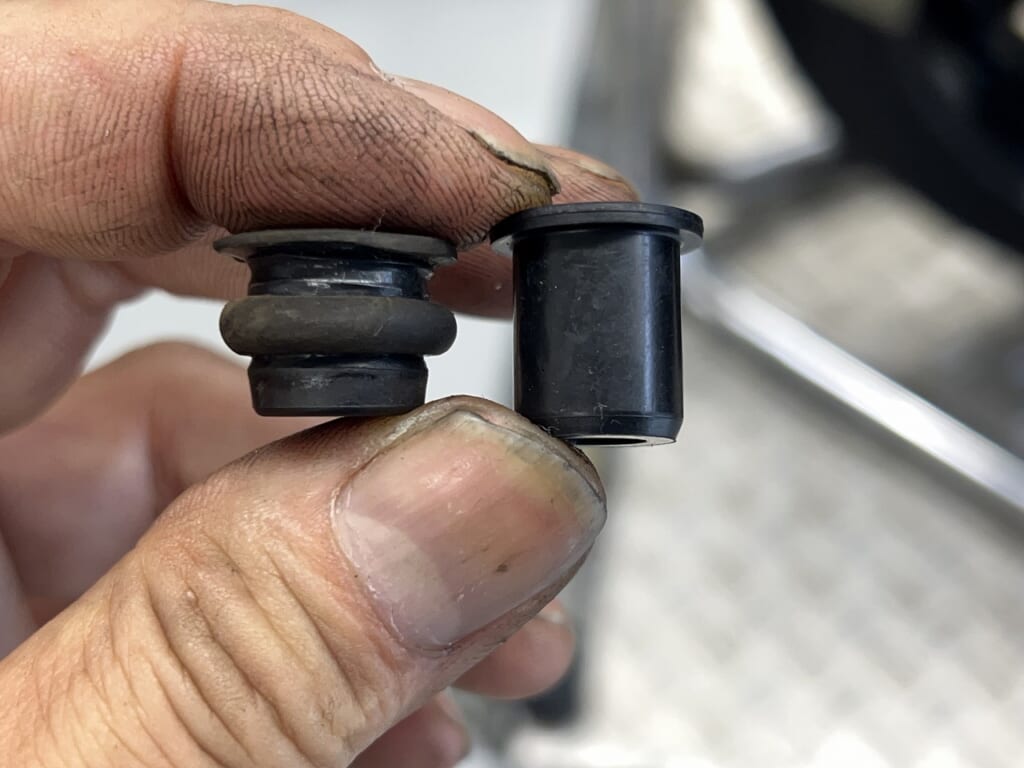
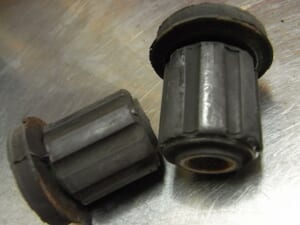
I also replaced the well nut that had gone rock hard.
The bar end mounting was a bit loose, so I installed the usual Daytona slider. Now I can ride with complete confidence and enjoy it.
Refreshing ignition plug caps and high-tension cords for maximum spark efficiency.
Details: While many riders change their spark plugs regularly, they often overlook the plug caps and ignition cords connecting to the coils. Over 20+ years of operation, these rubber lines harden and develop micro-cracks, causing crucial electrical current to leak, while the internal cap clamps stretch loose and lose physical connectivity. To address this ignition energy loss, we fully replaced the deteriorated components with fresh premium silicone cords and high-grade caps. We carefully routed the lines to minimize engine heat exposure and pushed them home until they clicked tightly into place. Verdict: The engine now starts immediately with an incredibly stable, robust idle note. Restoring a clean, uninhibited pathway for tens of thousands of volts delivers a dramatic difference in crisp throttle response. Don’t let old wires choke your engine’s true potential!




 ポチップ
ポチップ