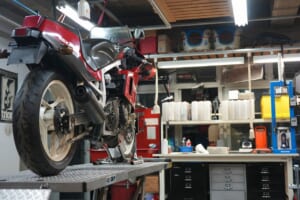
Lately, owner-conducted vehicle inspections have become really common. You often hear people say things like “It’s easy! No problem!”
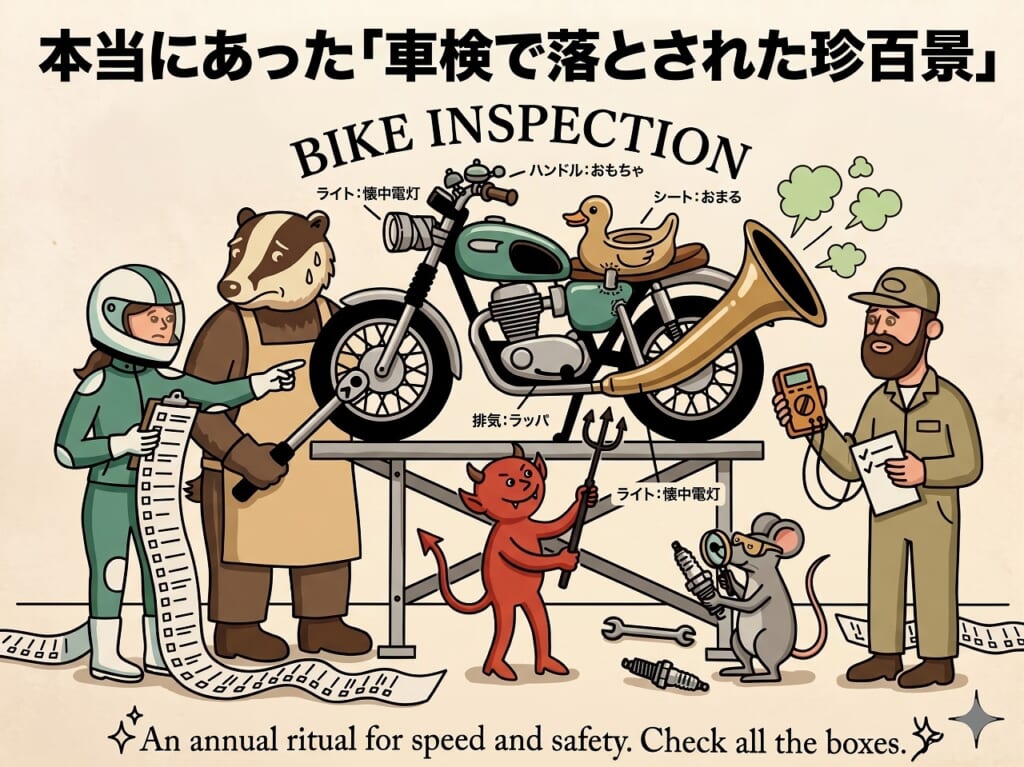
It’s true that the time spent on the inspection course is barely 10 minutes. The waiting time in line is actually longer. However, the inspection itself “relies heavily on the inspector’s discretion.” What passed last time might fail this time—it happens all the time.
I’d like to share some of these surprising inspection stories from my experience.
Today’s Shop Owner’s Column (Thoughts)
Theme: Behind-the-scenes stories about motorcycle continuous inspections (inspection lines at the transport bureau).
Content: I’ll introduce actual rejection reasons that left even professional mechanics—who pass dozens of inspections regularly—speechless, saying “Wait, that’s a fail?!”
Conclusion: Inspections for custom bikes and older motorcycles aren’t straightforward. While owner-conducted inspections are increasing, it’s really the professional’s experience that can properly cover all the easy-to-miss points!
Decoboco’s other BLOG. “RURAL GARAGE ”
A hidden space beyond motorcycles. We share everyday convenient items, relocation, delicious food, life philosophy and more. ←click
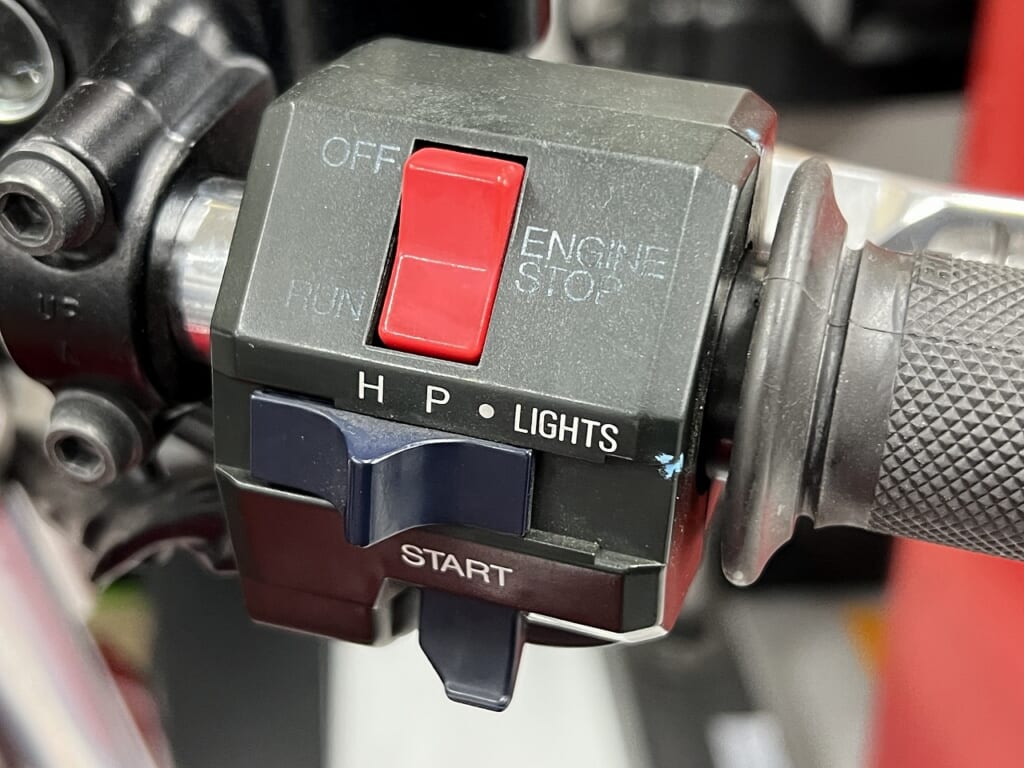
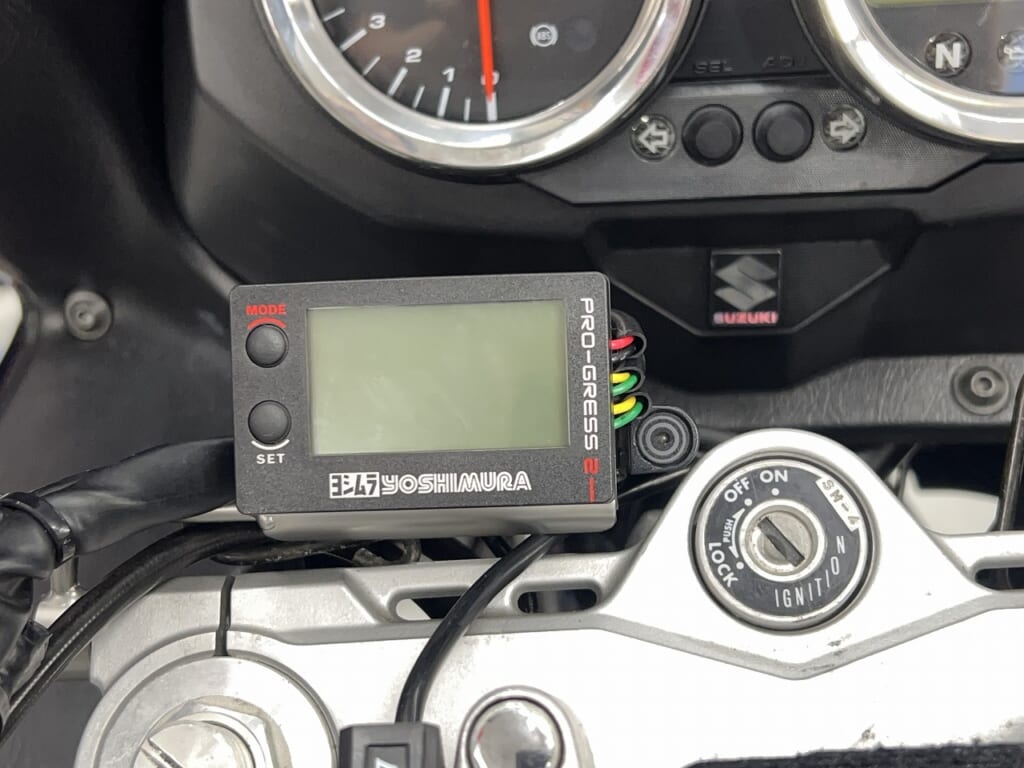
Handlebar switches must have clearly visible text or symbols that can be confirmed by sight. “Depending on the inspector, it can result in a fail” ( ;∀;)
If you think this doesn’t happen, try asking the inspector “Is it okay if the switch text is faded or missing?” It’s worth checking. You’ll likely hear “No, that won’t work.” …I’m sure of it.
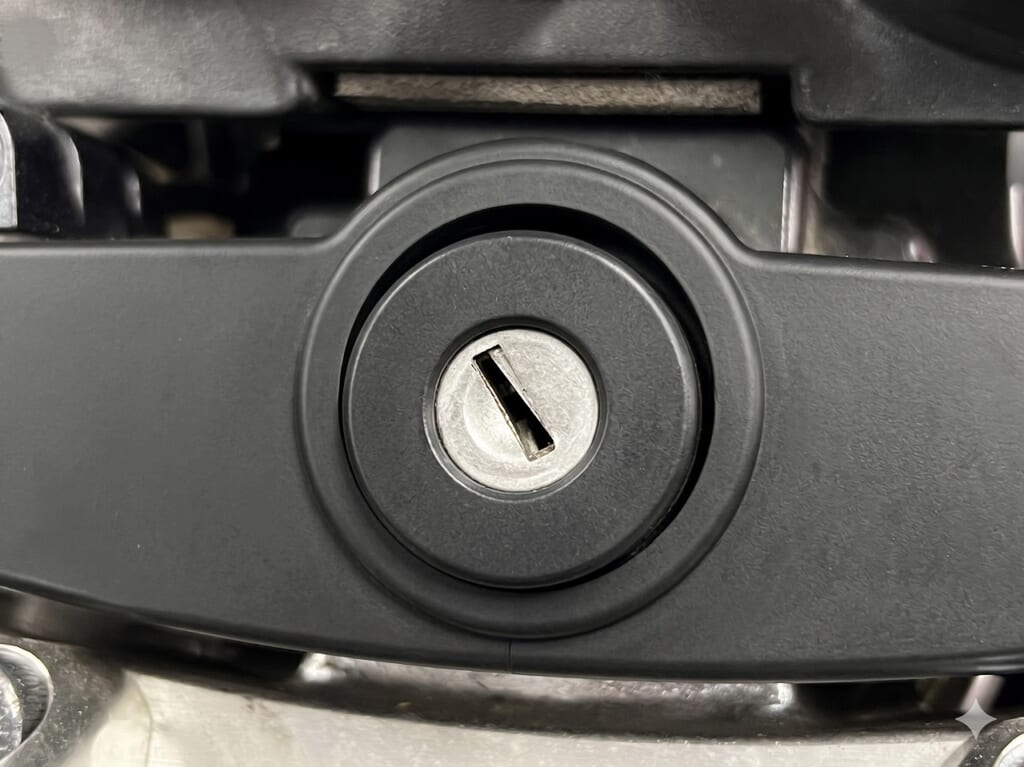
Main key box text is invisible or cover is missing
Depending on the model, this cover can be a separate piece. If it’s missing or the text is too faded to read, you’ll fail.
I handled it with something you can get at a convenience store…
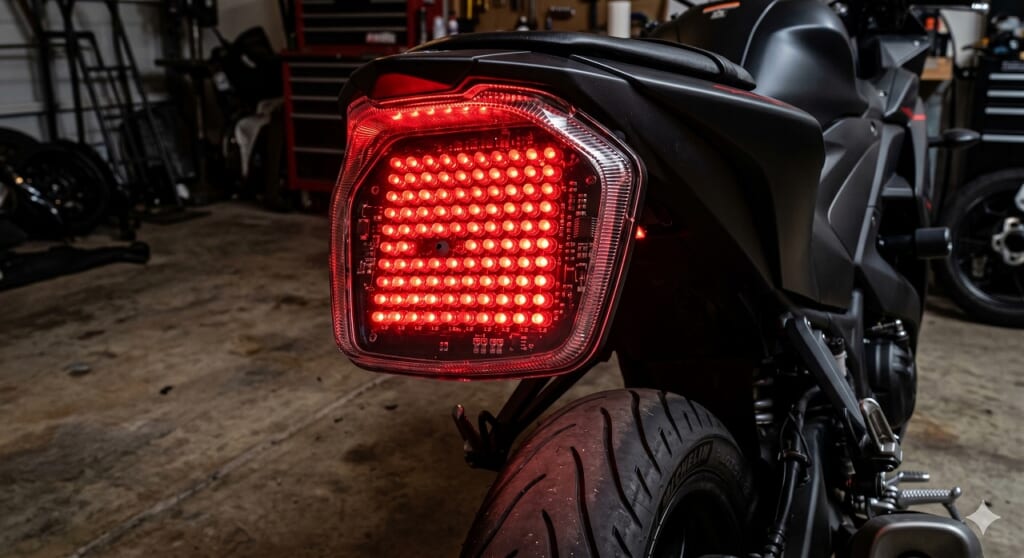
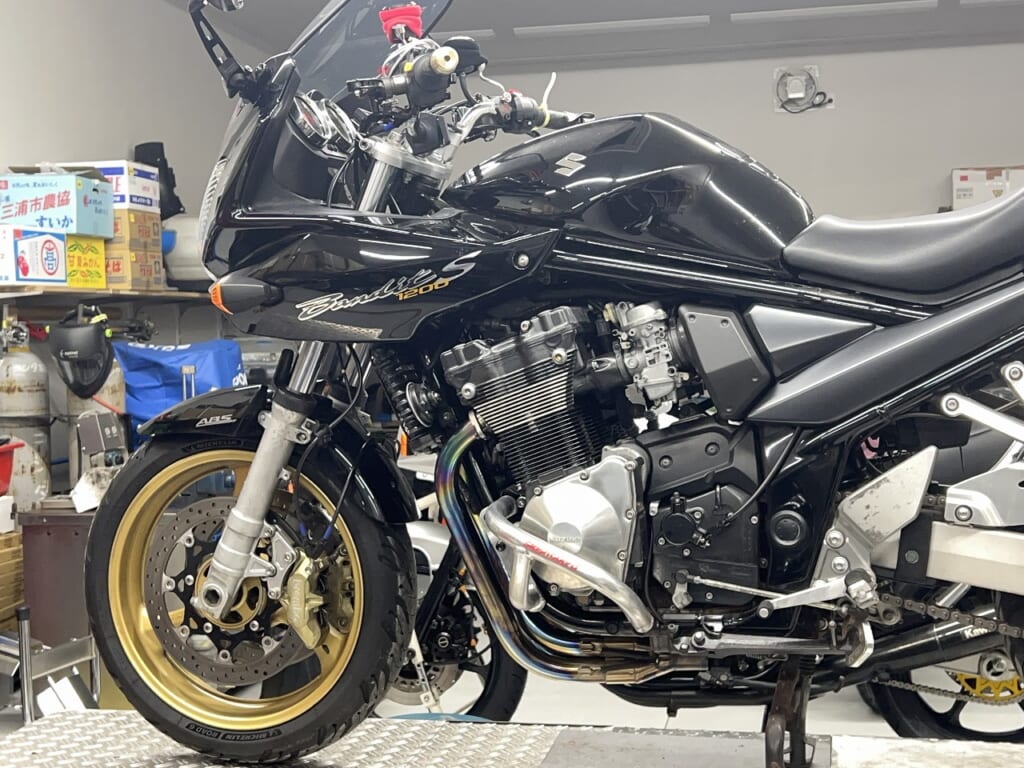
One LED lamp on the circuit board (tail light, brake light, turn signal, etc.) is not illuminating
The image is just an example, but in reality it’s much harder to see. The inspector peers into the lens and says “One LED is burned out.”
If even one LED burns out, it’s a bulb failure. Even if it’s working at home, if it’s out at the inspection facility, you fail! The deeper you learn about this, the more complex it gets.
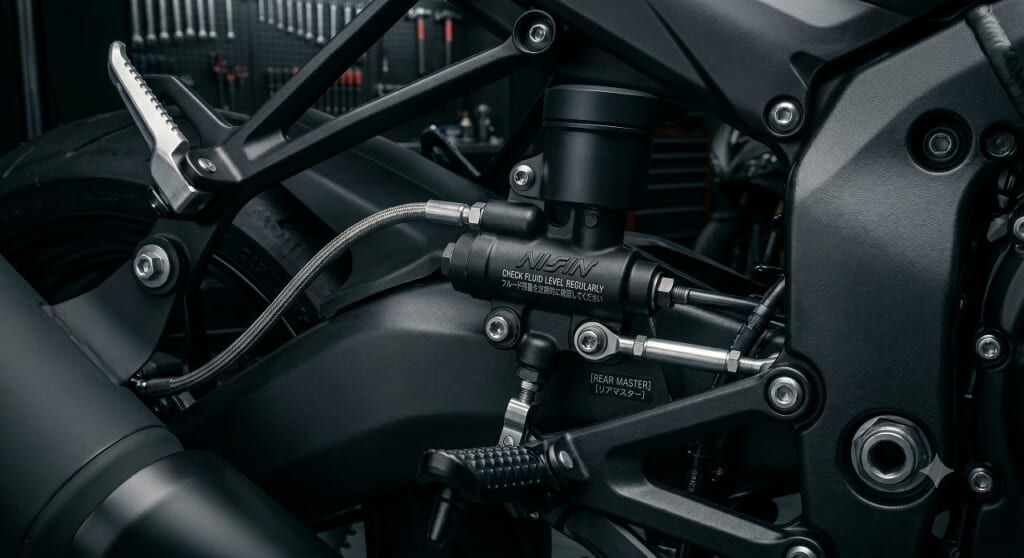
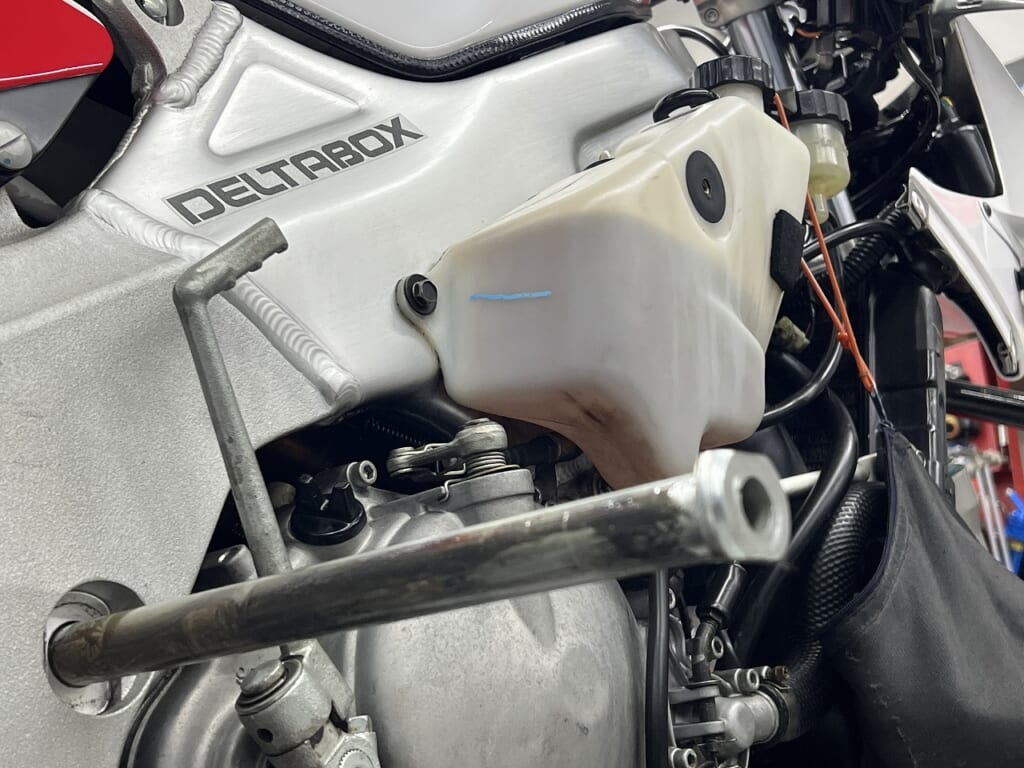
The reservoir tank must have fluid level visible from outside
It’s a subtle blind spot—obvious when you think about it. Surprisingly, there are quite a few of these sold out there…
Racing rear masters without windows unfortunately fail. If you think “That can’t be right,” try asking the inspector “Can you see the fluid level from outside on this one?” It’s actually pretty interesting to see their reaction.
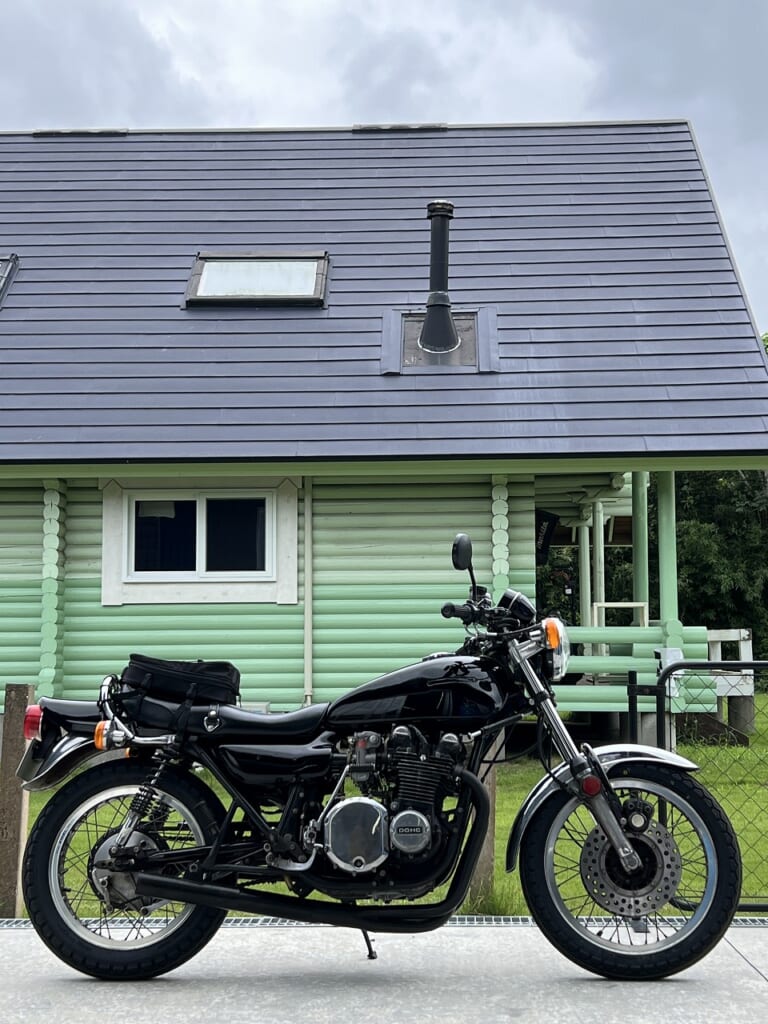
Headlight color differs between left and right
The headlight (front lamp) must have “all light colors be identical.” This is another common one.
If the inspector notices, you fail. Strict inspectors will even reject subtle color differences from fading or discoloration. If there’s an obvious difference, you need to fix it.
Remember it as “width 2, length 3, height 4”
At Shinagawa, they measure the width 100% of the time, but… They measure the length too??
With a 3cm allowance, adding a carrier or box means instant failure. You absolutely need to measure dimensions before going to inspection. By the way, the width is measured at the widest point of the left and right levers. The more you learn, the scarier it gets!
I’ve been through inspections far more times than the average person, so I’ve experienced all sorts of things. Standards vary by era and by inspection facility. “The gray areas where pass/fail is really unclear” are the tricky part. It’s almost impossible to drive without violating something. If you don’t want to worry about anything, just ride it completely stock—maybe that’s the only guarantee
Custom bikes definitely have subtle problem areas when you really look.
Mechanic’s Column: Unbelievable Reasons for Failing a Motorcycle Inspection!
Topic: Behind-the-scenes stories from the Shaken (vehicle inspection) line. Details: As professional mechanics, we prep every bike meticulously before taking it to the transport bureau for its mandatory “Shaken” inspection. However, sometimes even pros are left speechless by the strictness of the inspectors. I shared some funny but true stories, like failing because the “3” on a shift pattern sticker was slightly faded, or a rear reflector angled a single millimeter too high. While it can be frustrating, it shows how seriously they take safety standards. Verdict: Inspection rules for custom and vintage bikes are getting stricter every year. This is exactly why relying on a professional mechanic’s experience and preparation is the smoothest way to get your bike legally back on the road!


 ポチップ
ポチップ