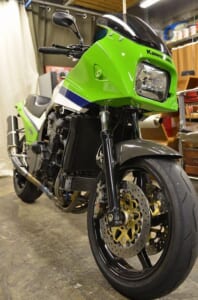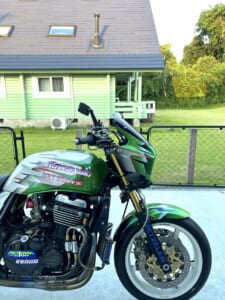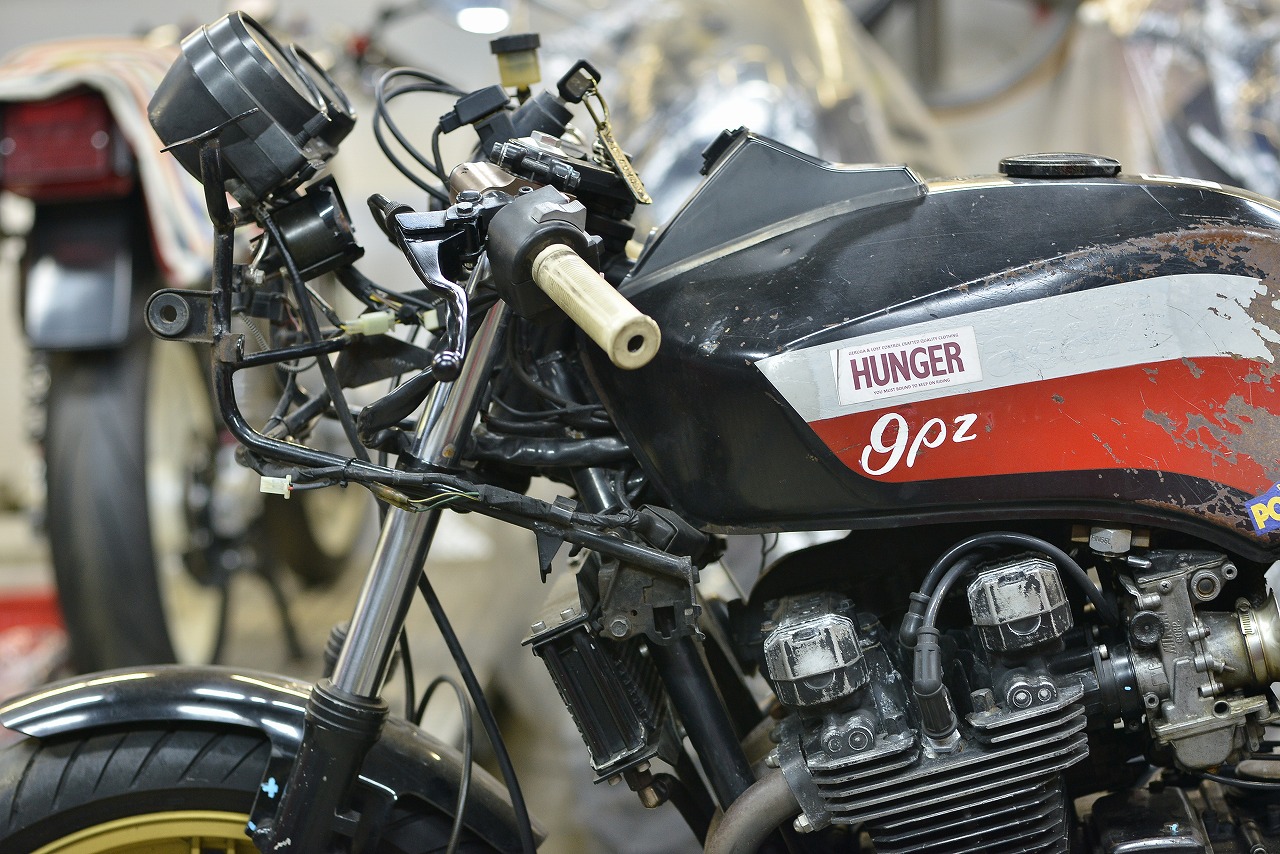
Despite being domestic, the GPZ750 (F included) is already giving off that old Harley vibe.
After a long time, we’re getting the inspection and handling various small requests.
It’s suddenly gotten cooler and it’s a nice season—let’s take our time and stay calm.
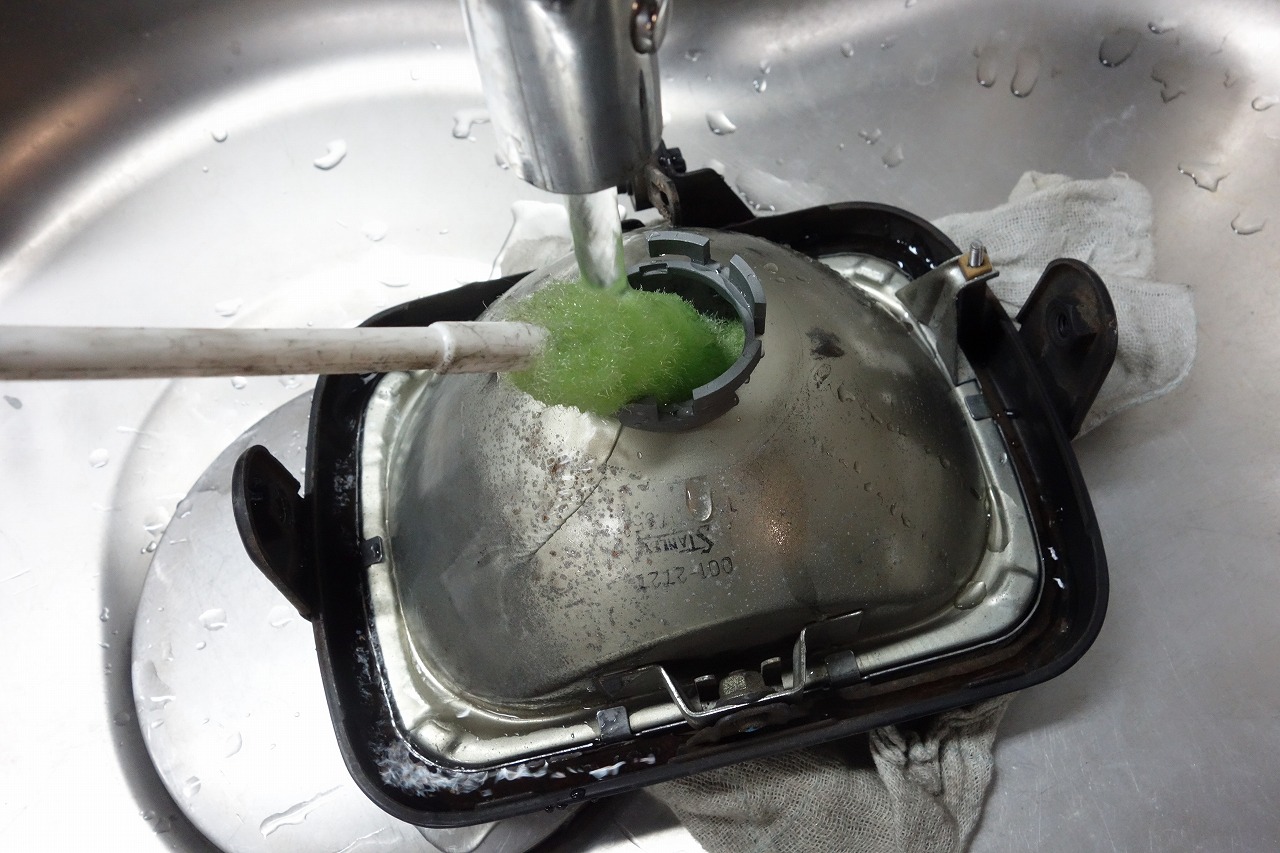
Well, it’s not really something we were asked to do, but we’re doing it as a service anyway.
We scrub the inside of the headlight with neutral detergent.
It won’t improve dramatically, but maybe it’ll get about 1% cleaner.
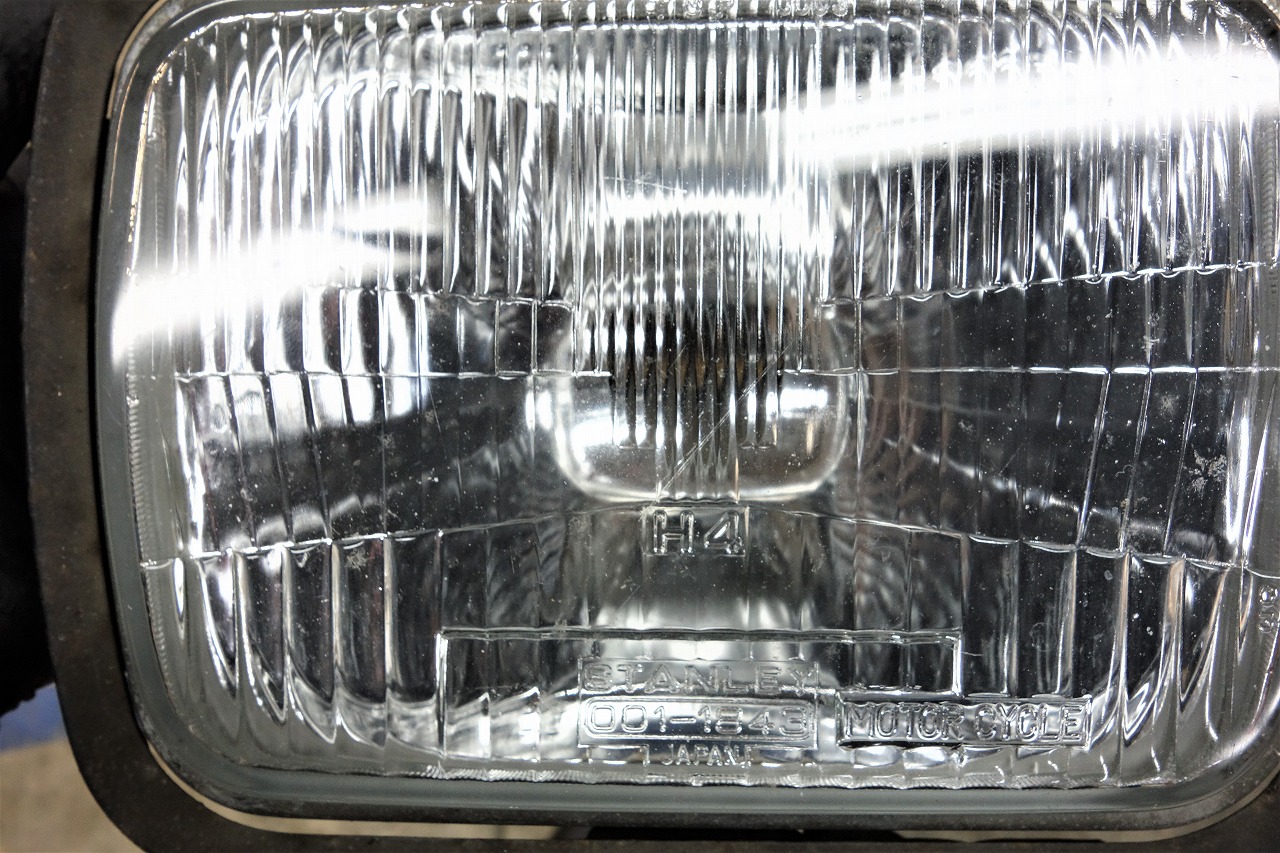
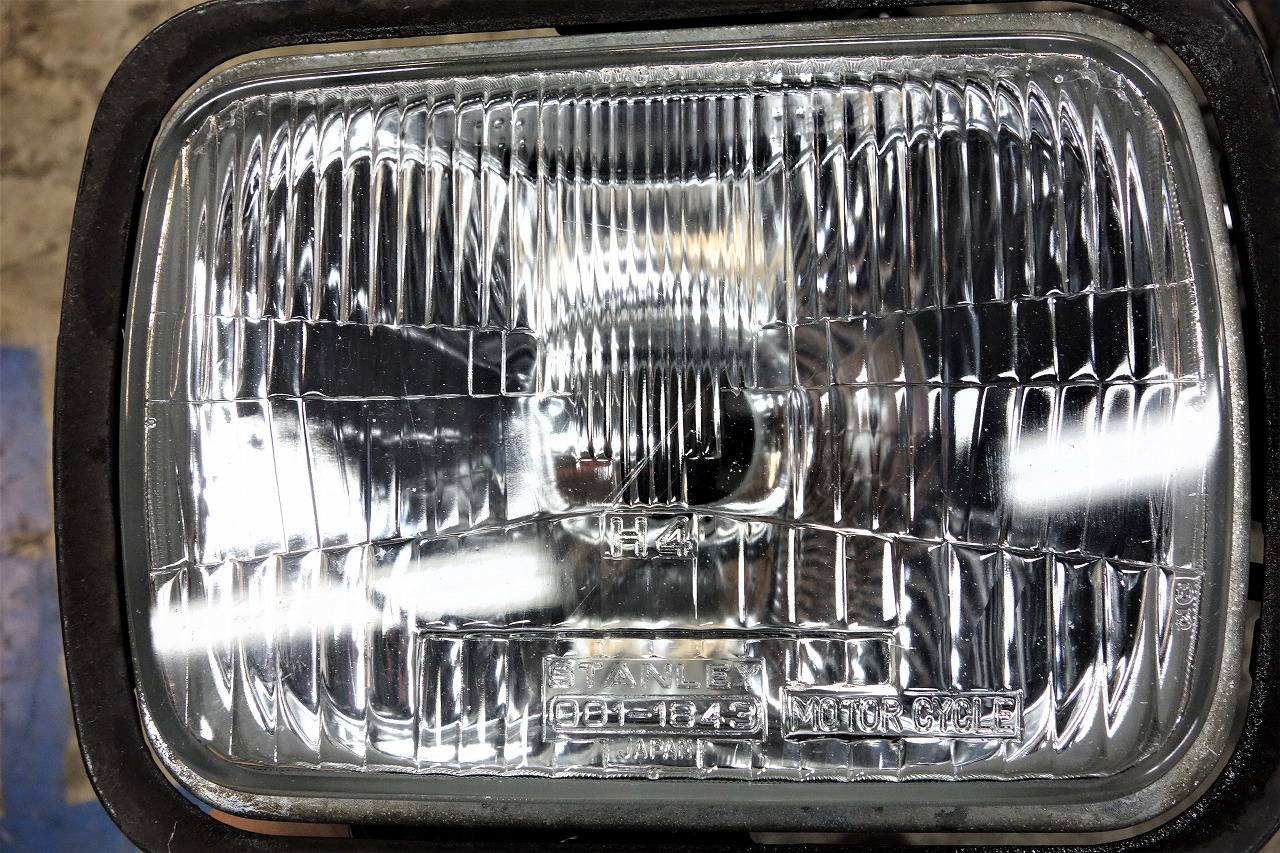
Sometimes you get that little “oh!” moment when a bit of shine comes back.
Pikapika fine-tip bottle brush green —it’s all soft material with coating and the shape is fixed, so it might be pretty convenient!
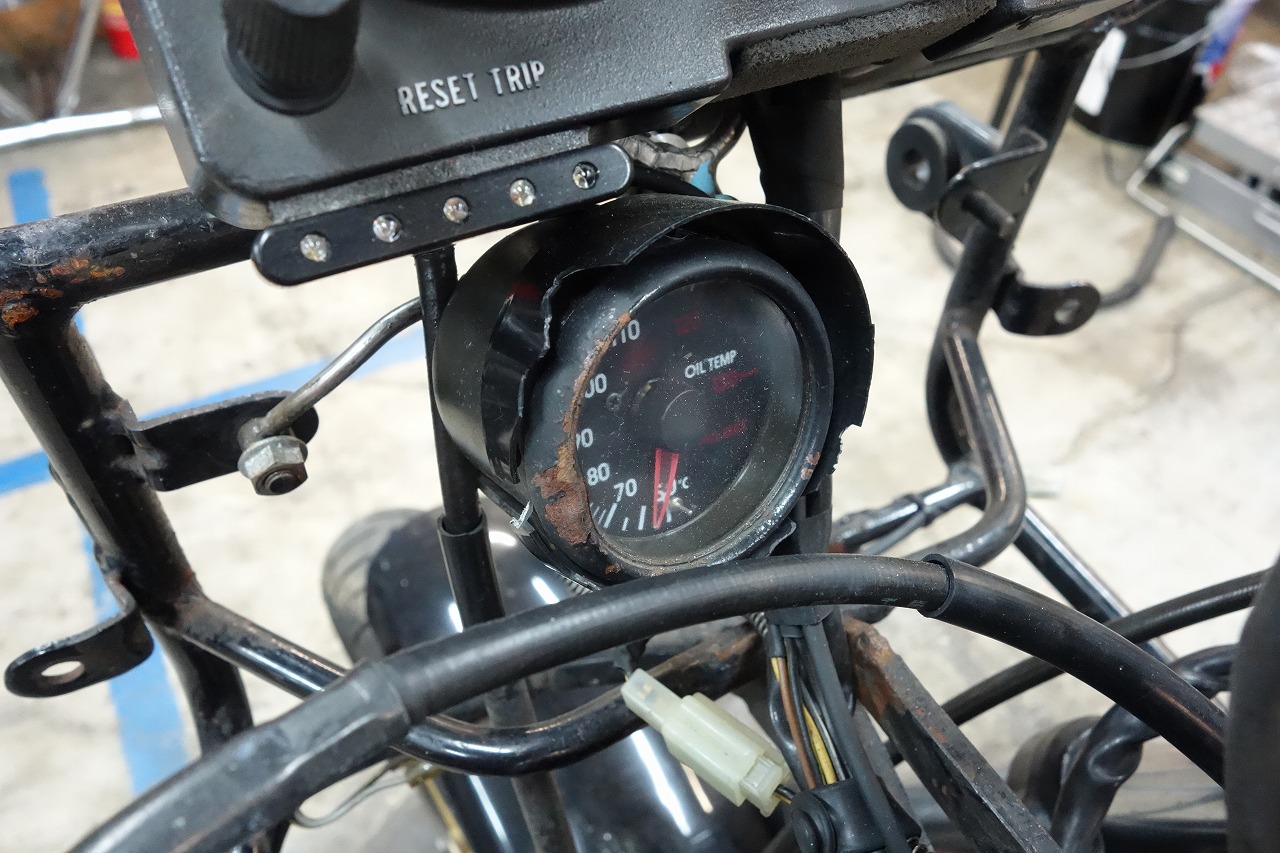
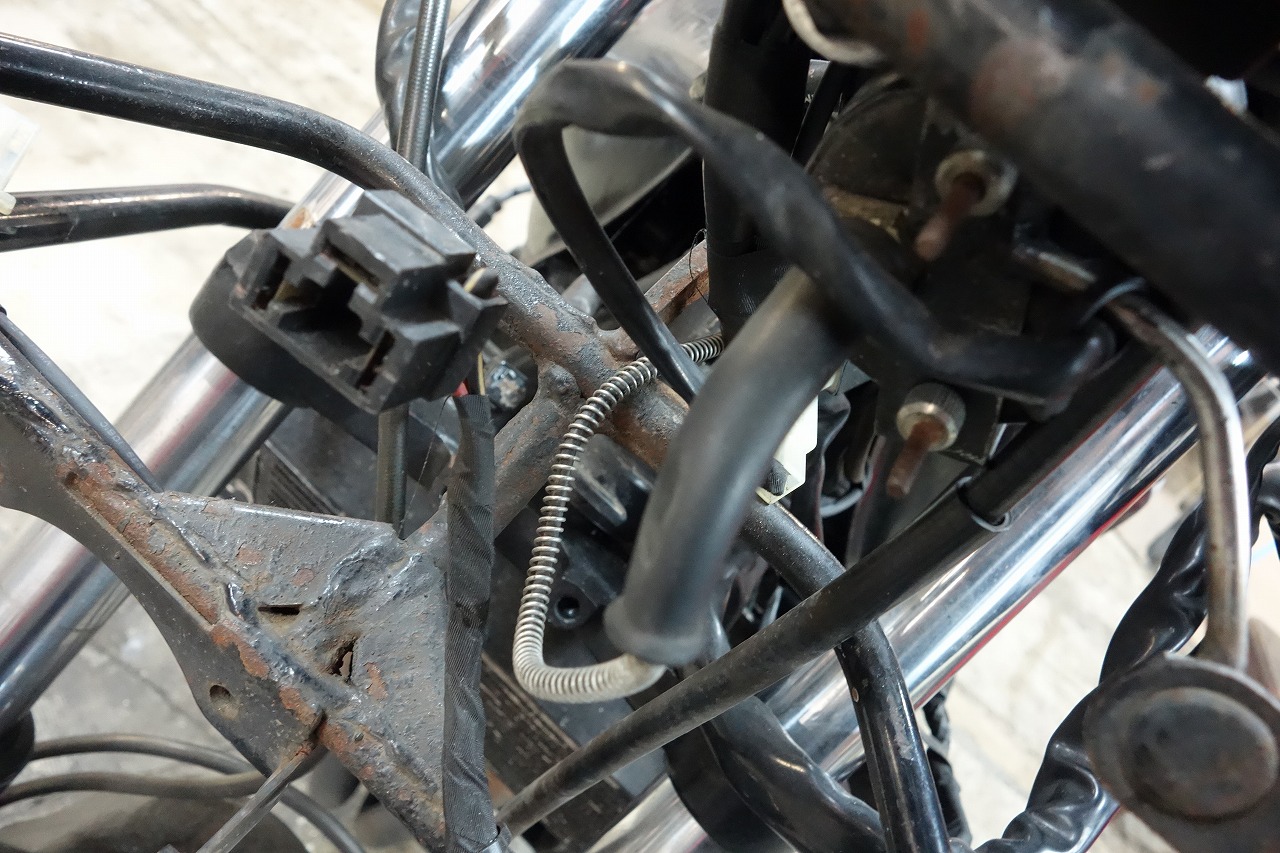
The oil temperature gauge is looking pretty worn too. Time to clean things up with a digital one—that’s how we got the go-ahead.
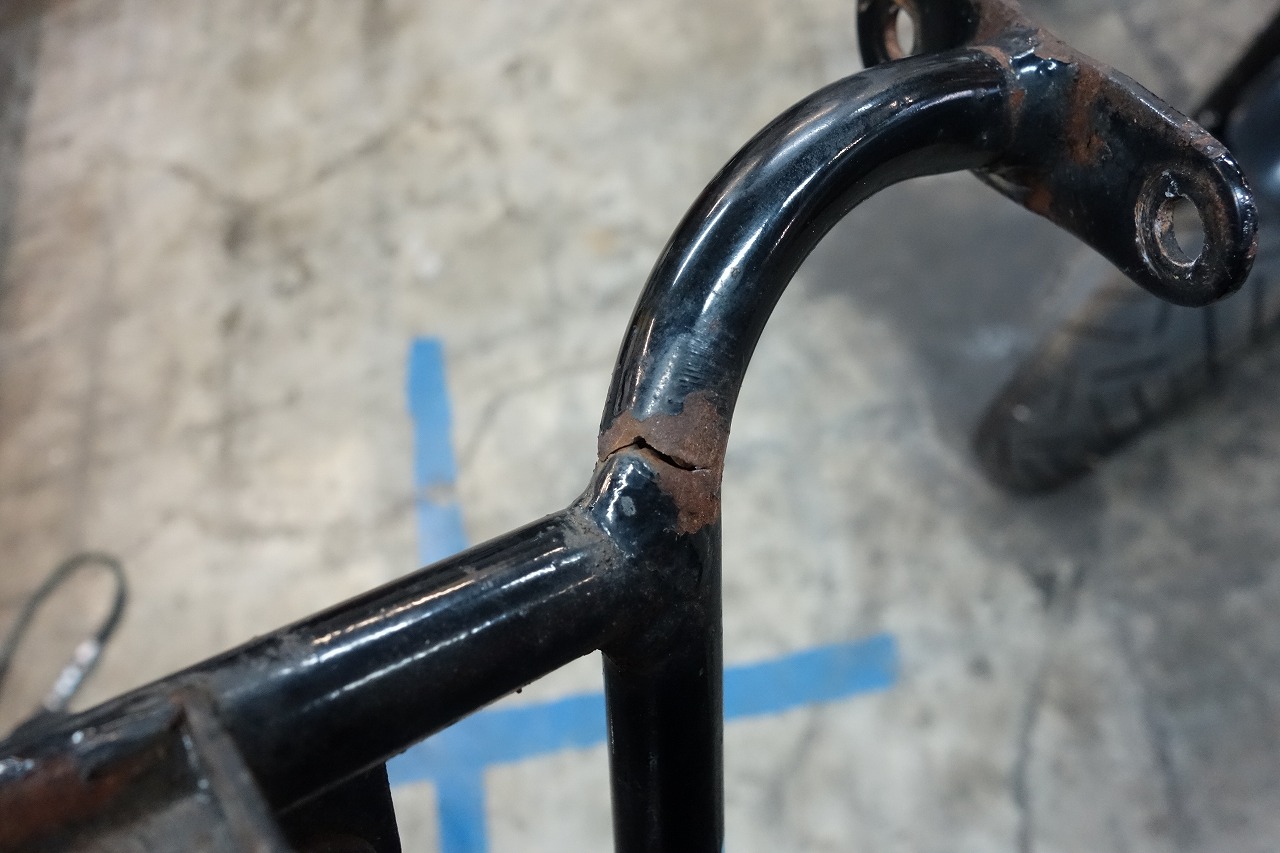
The upper cowl stay is bent too much and starting to crack.
Since there’s no spare, let’s patch it up for now and keep moving.
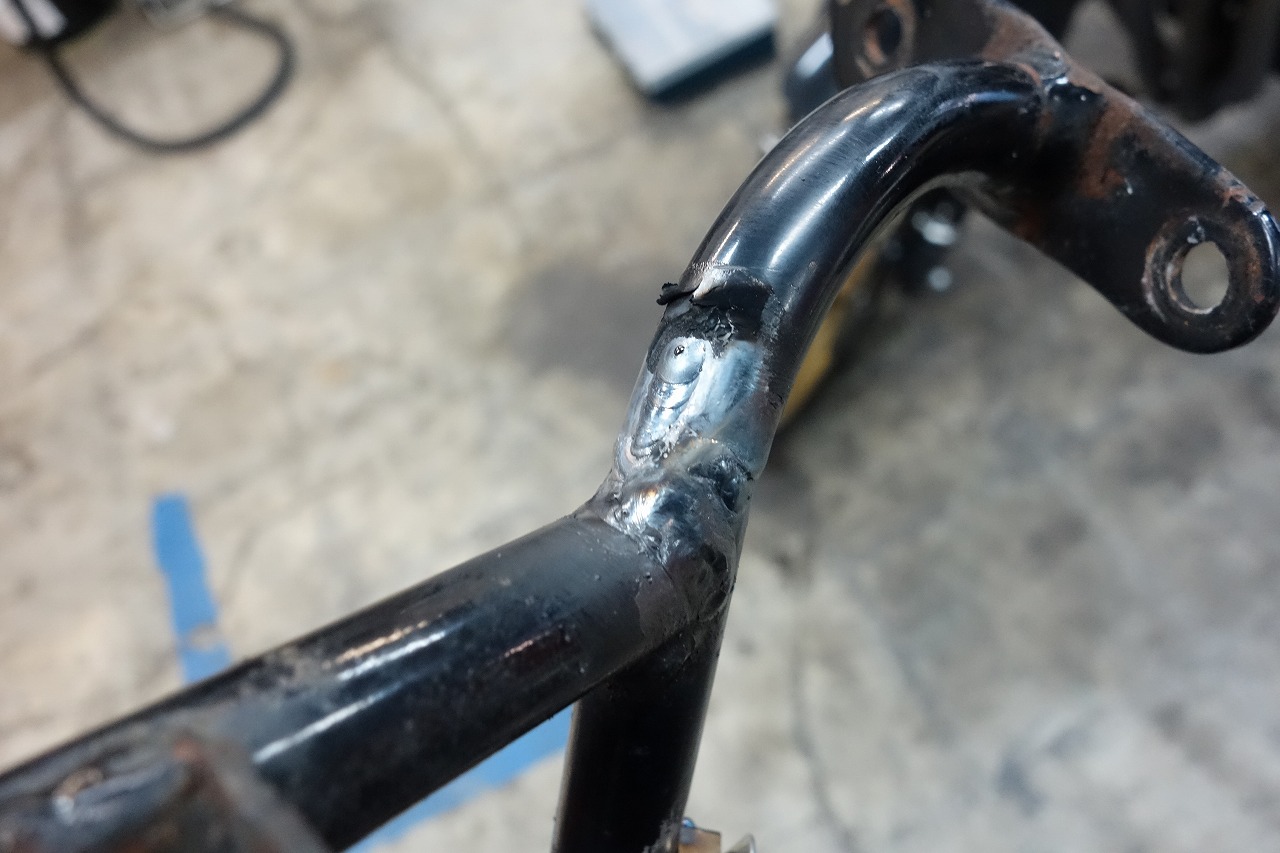
We welded all the way around and added a light reinforcement bead in the direction we don’t want it to crack. Might be a bit stronger now.
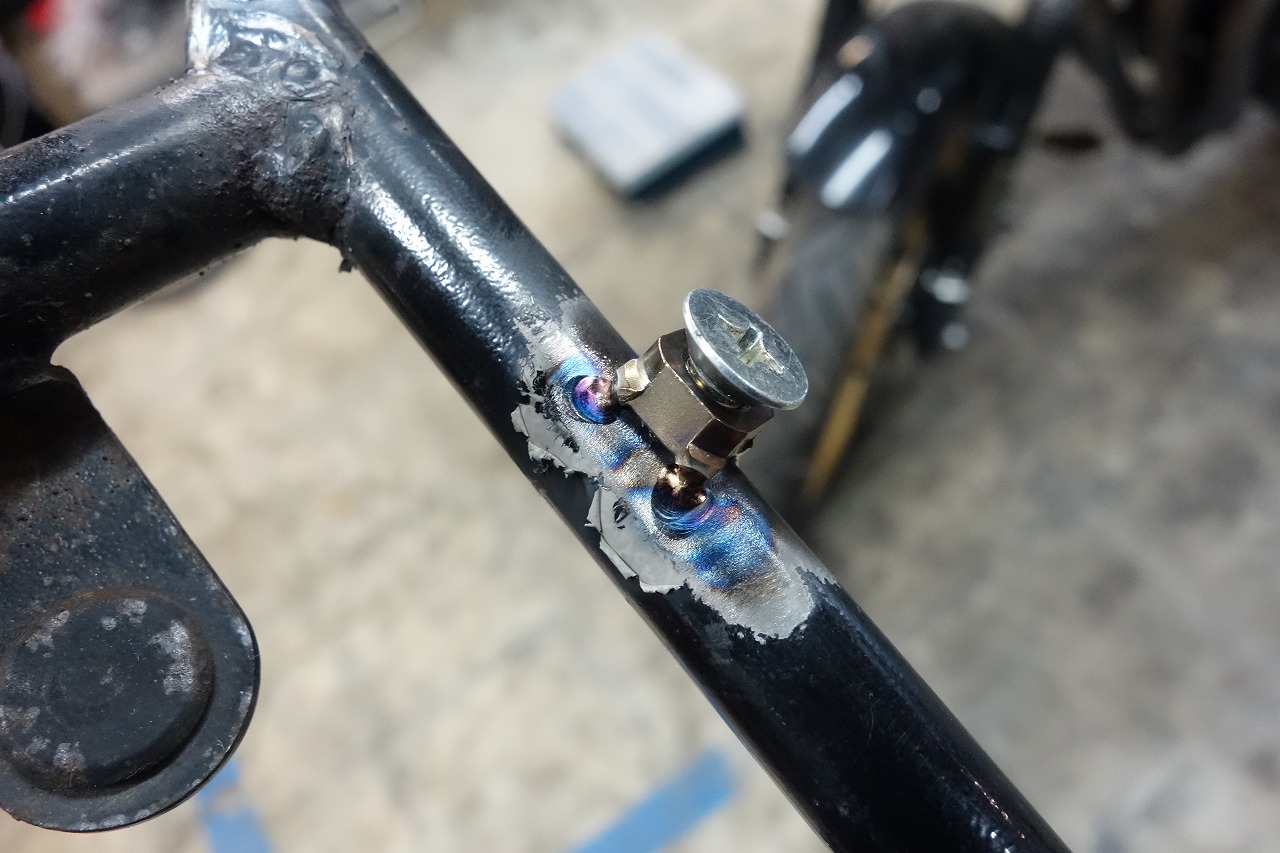
For the digiten bracket, we drilled holes in the frame side (bolt relief) and went with the welded nut approach.
With a nice bracket, you’d have to strip the paint, so we’d use a different method.
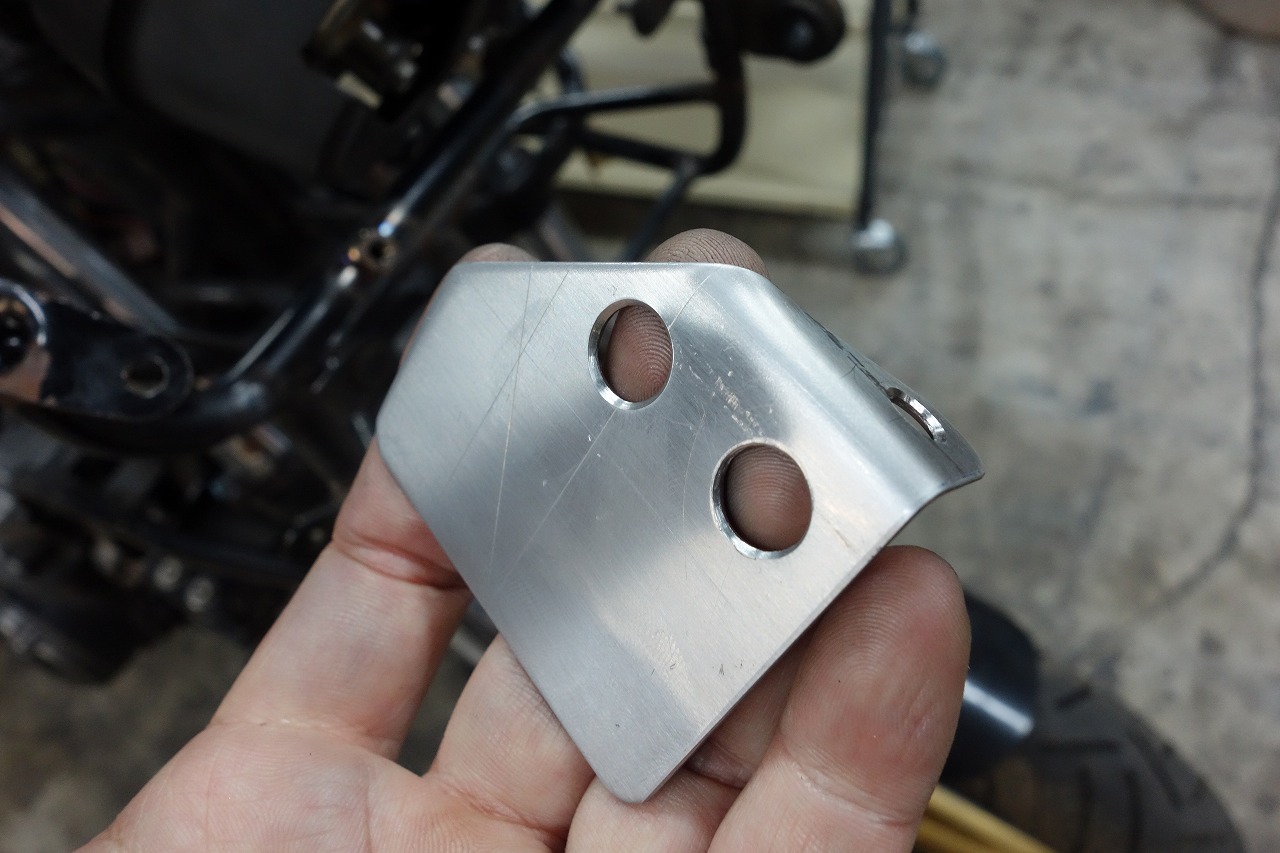
We fabricated the digiten bracket from SUS304 sheet metal.
It’s heavy, but we can keep the wall thickness thin and don’t need surface treatment. I like SUS and titanium for that reason.
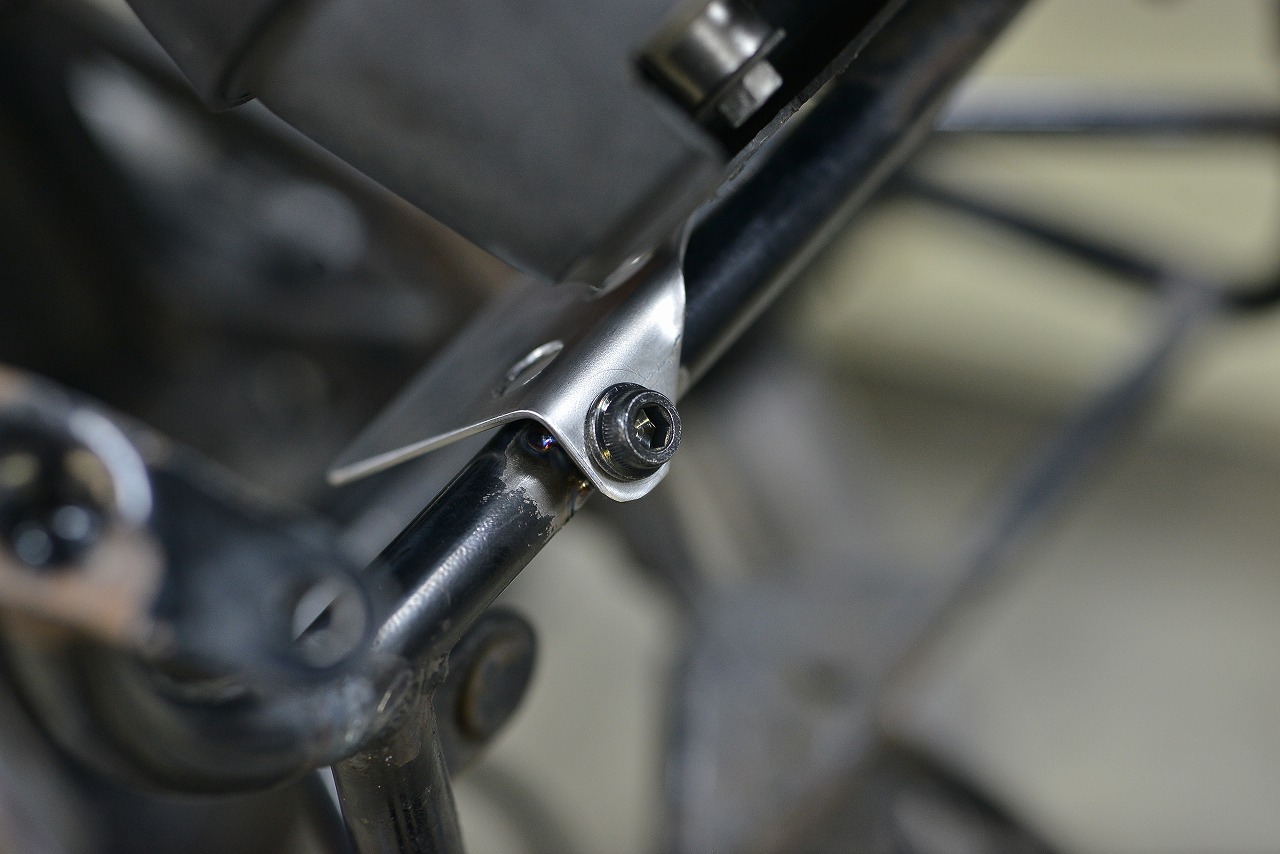
When you get into these kinds of installations with special dimensions below the neck, it’s quietly annoying.
You know, those one-off muffler brackets that pop up sometimes.
The silencer fixing boss is flush with a countersunk head, and the cap diameter and neck length are both special. Hmm, annoying?
Is it just me?
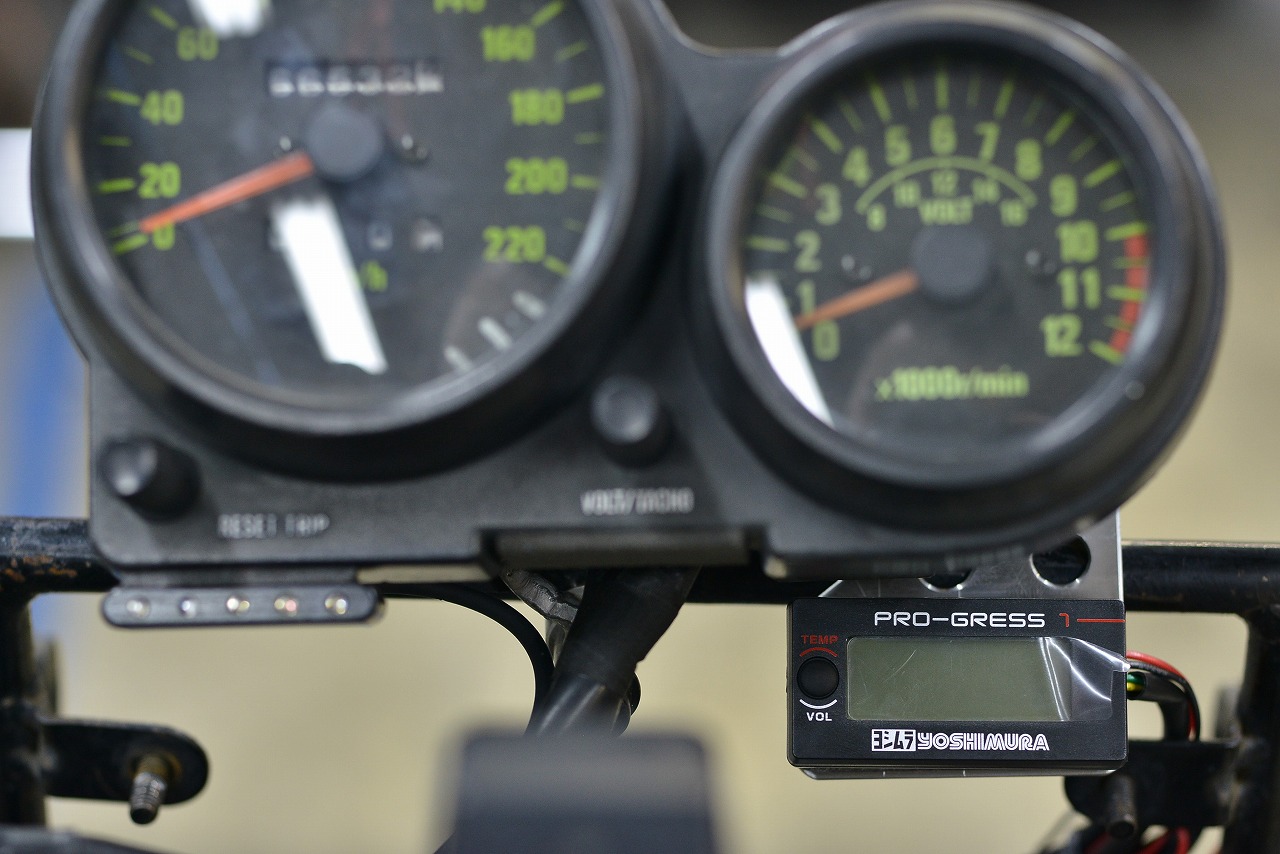
We want the meter to look clean and unified as much as possible.
Oh, there’s a fancy indicator on there.
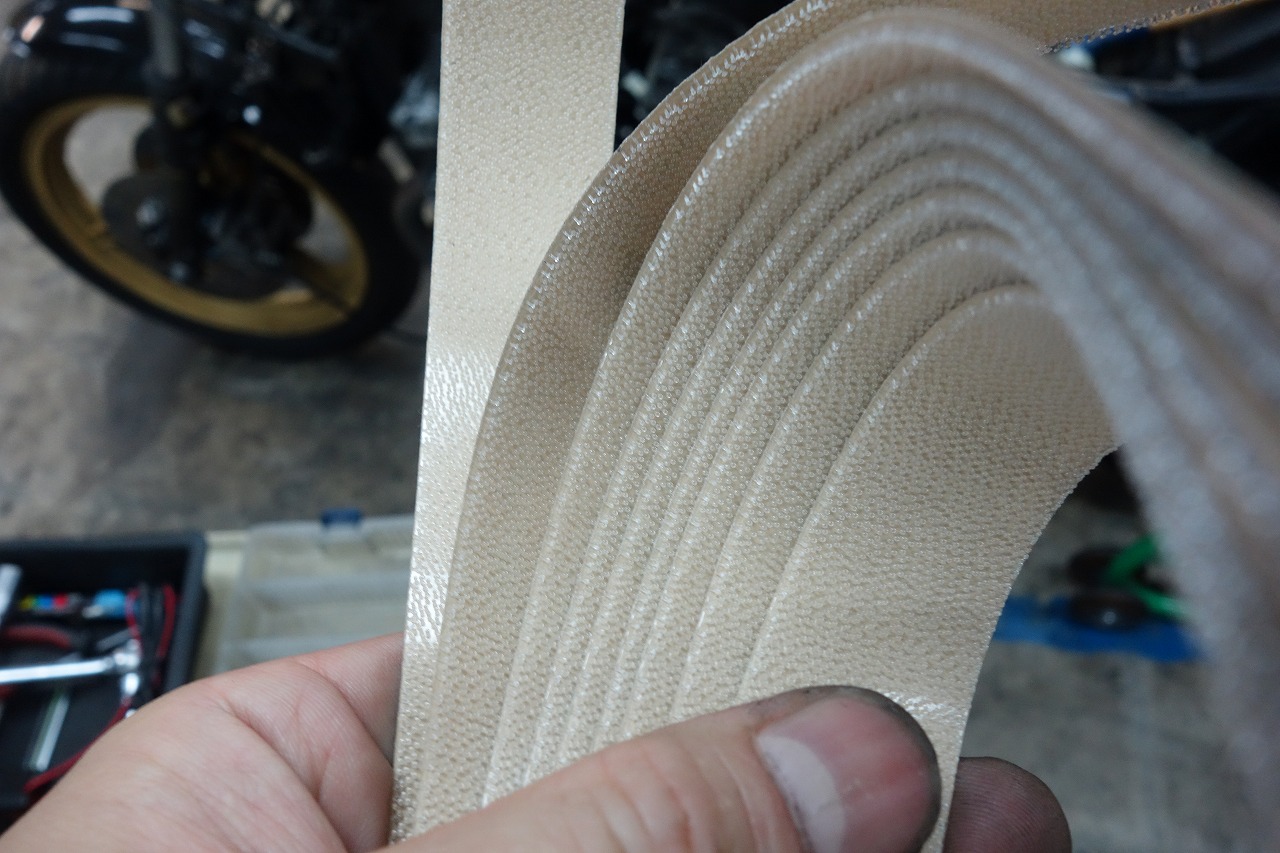
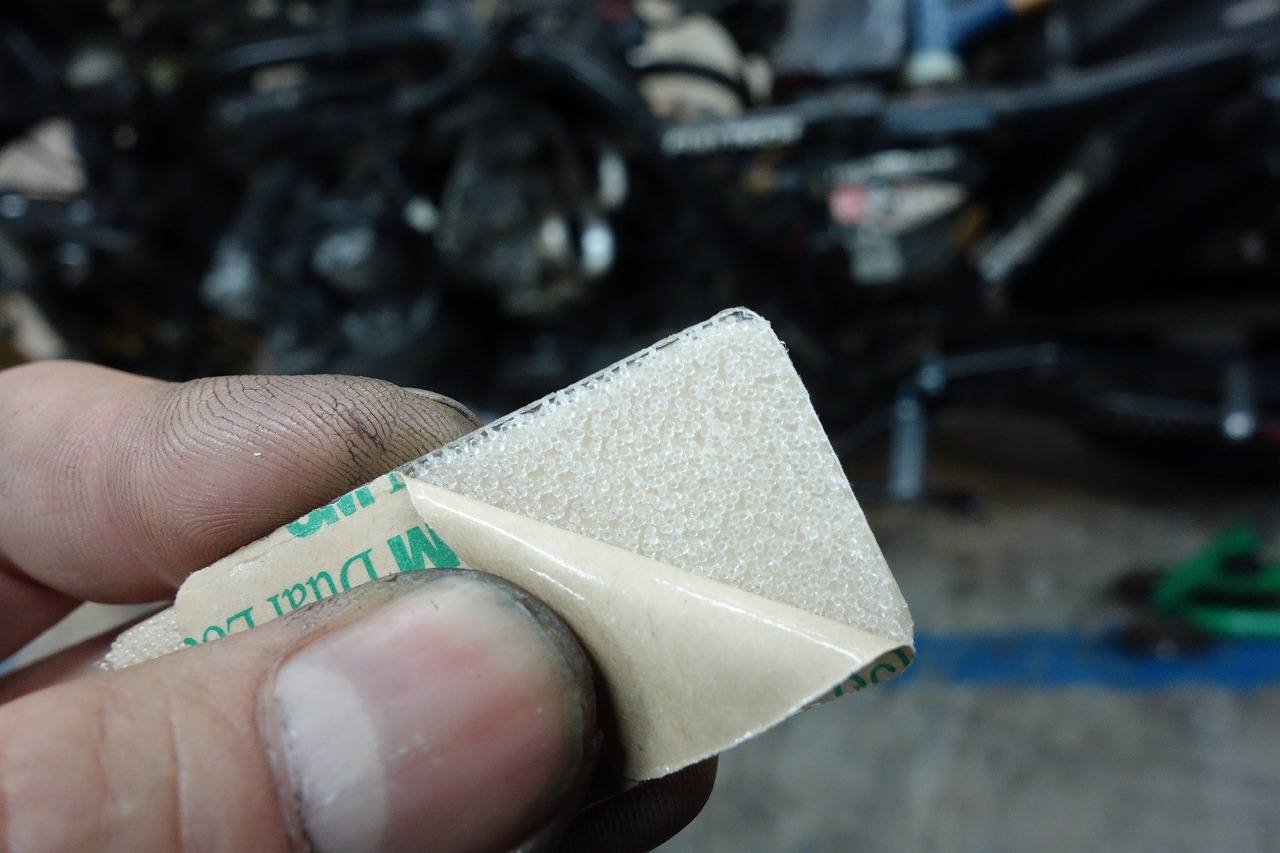
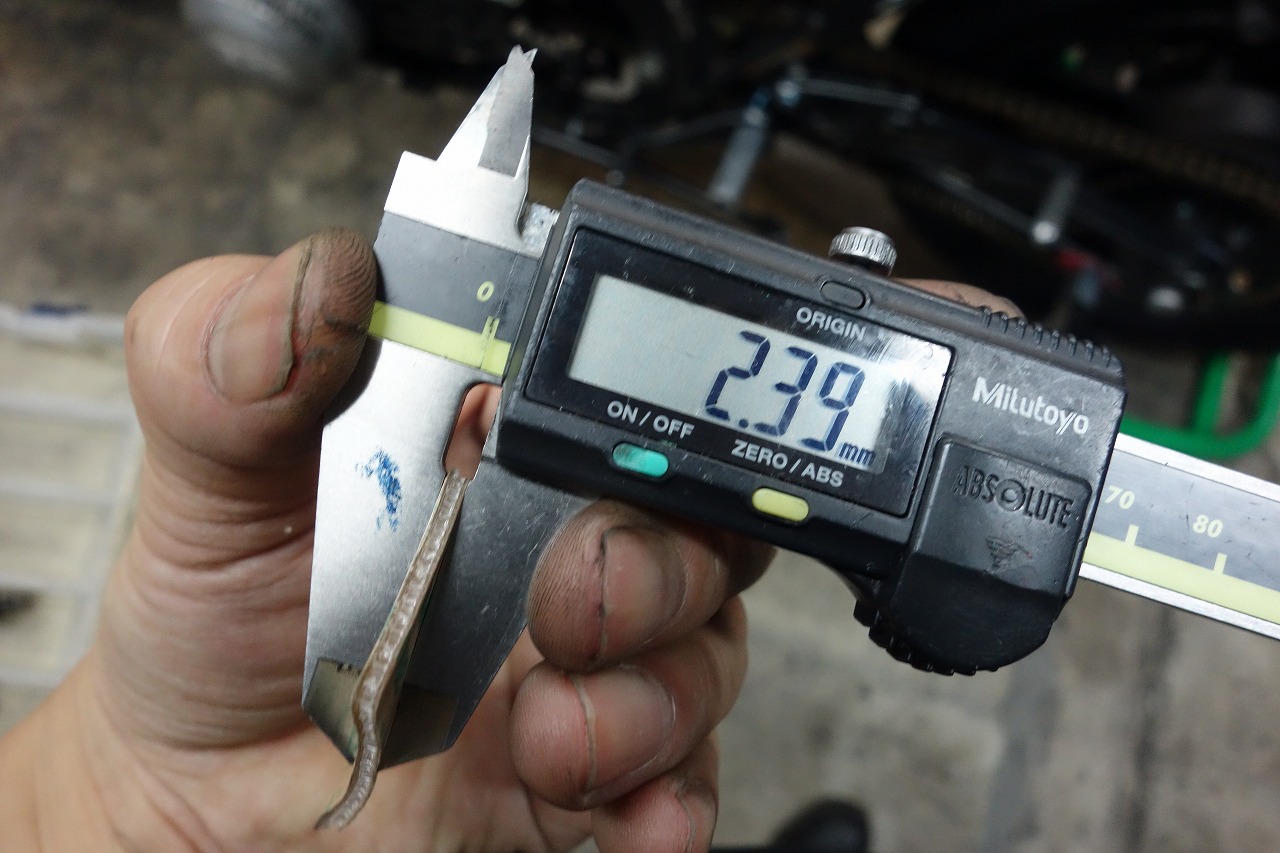
3M dual lock fastener 25.4 mm × cut to length [SJ-4570]
Rakuten is easy to buy from.
The merits of SJ-4570 are “thin joining thickness, balanced joining strength, and minimal adhesive residue.”
• Thin joining thickness—other dual locks tend to add a bit more thickness.
• Balanced joining strength—not too strong, not too weak, it clicks together satisfyingly.
• Minimal adhesive residue—peeling it off is super easy.
I’ve used a lot of dual lock, but for my purposes, this is the best so far.
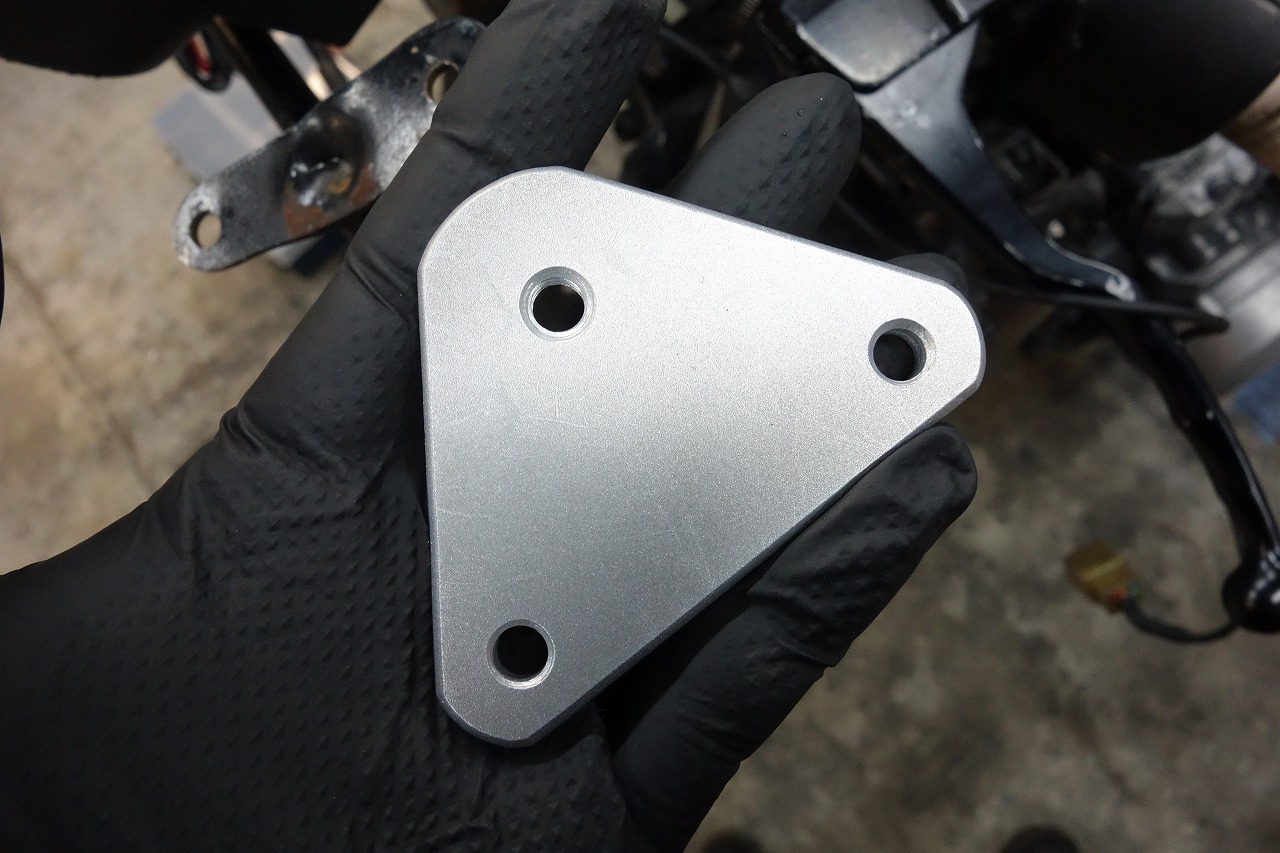
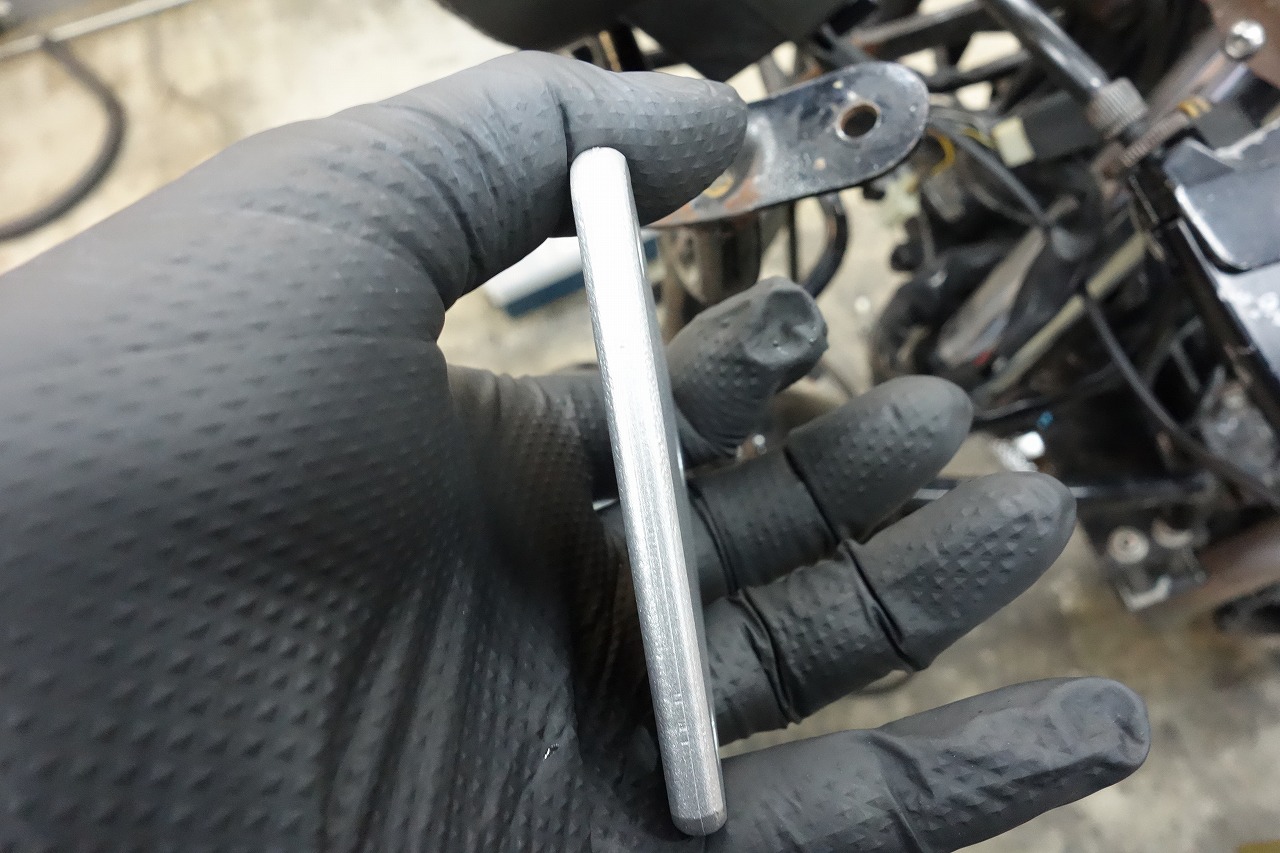
There’s just enough clearance, so the wall thickness has plenty of room.
The cowl’s been patched so much I’ve lost track of what the baseline is.
Custom work can fail, so let’s start with one side first.
Keep the wall thickness as thick as possible at 52.
Bend it well, weld it well—that’s the strategy for fewer failures.
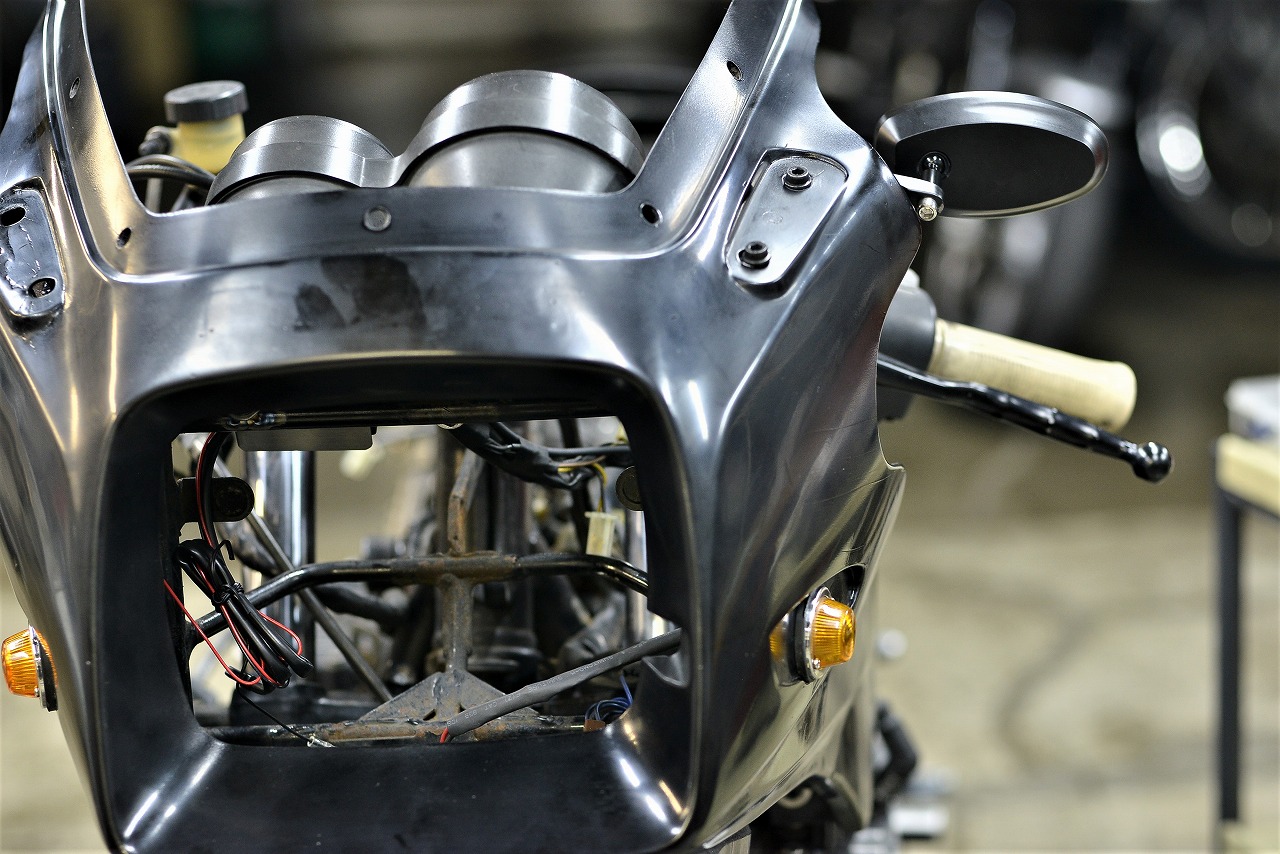
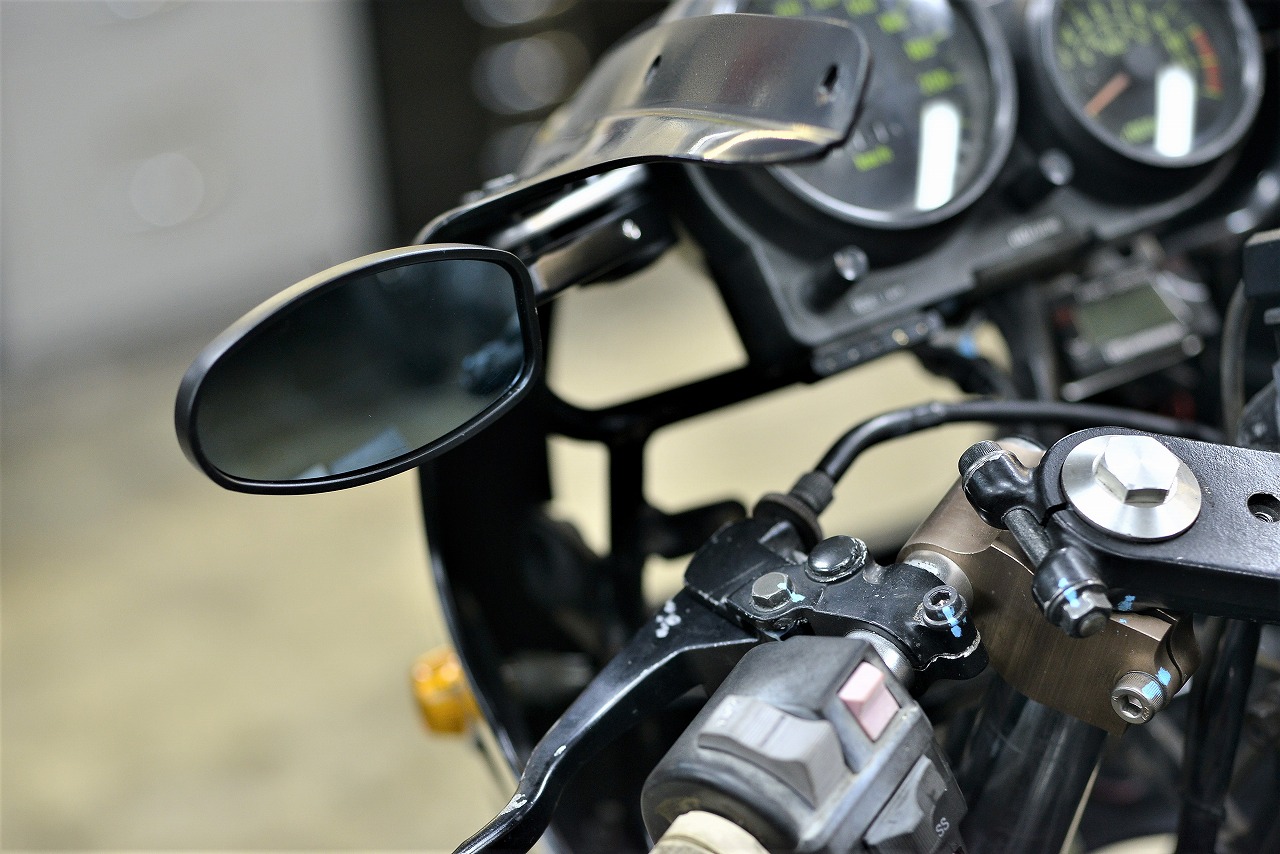
That’s how it turned out. We flip the bracket around, do this and that.
We want to keep things as easy as possible.
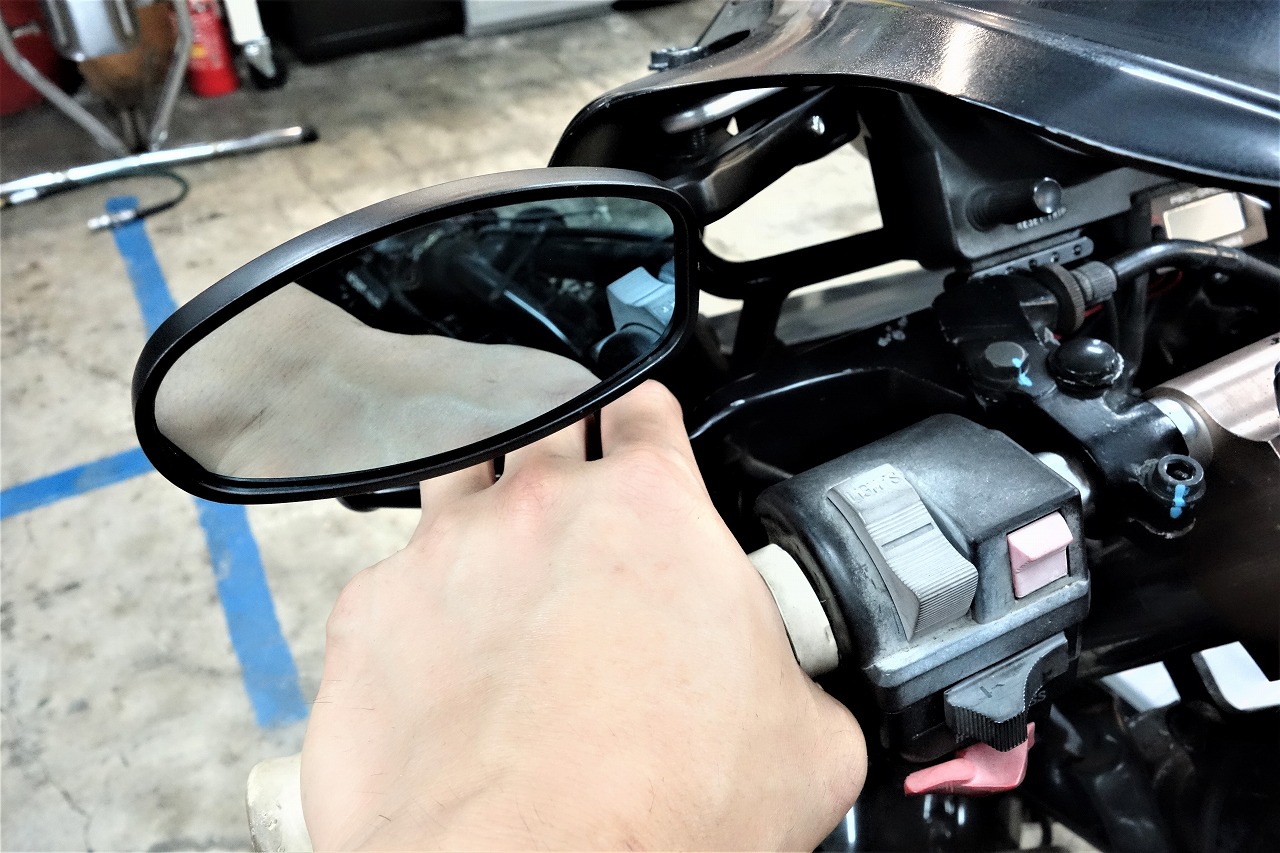
By the way, it’s pretty much Katsuo-kun at this point. (Can’t lower it anymore.)
Our shop does cut, paste, and fabricate work from time to time.
However, we’re not a custom shop or a fabrication shop, so we only work with specific customers.
*In particular, we basically cannot take on custom or fabrication work from new customers.
【Progress】
9/21
● Old oil temperature gauge and sensor removal
● Digiten sensor ordered
● Cowl stay repair
● Digiten SUS bracket fabrication
● Digiten bracket boss installation machining
● Headlight cleaning
● Left mirror stay fabrication (temporary)