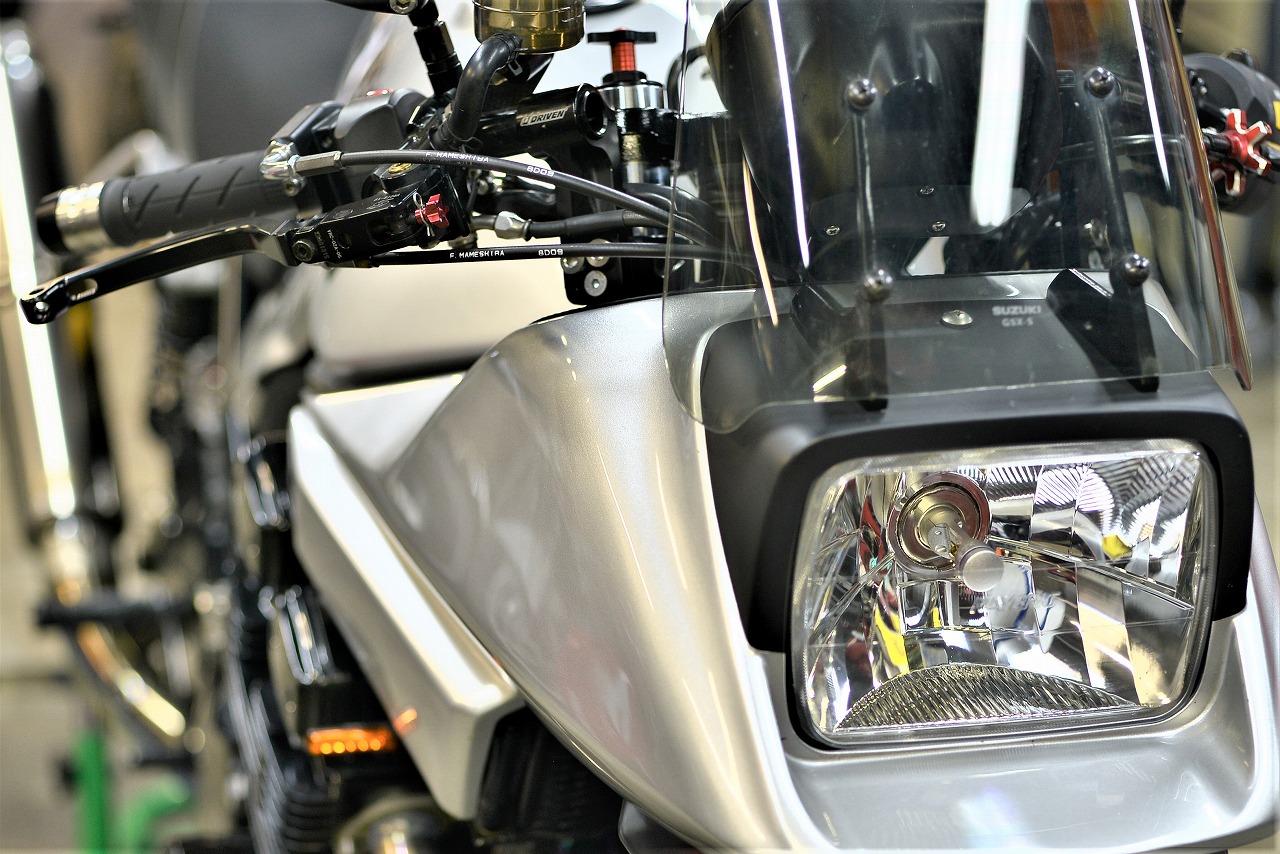
Hmm, it really does feel like proper rainy season, doesn’t it?
I wonder how the typhoons will be this year.
Year after year, the weather seems to be heading in a harsher direction… that’s what I think about.
When you think about things you can’t control anyway, all you can do is pray.
If our shop flooded, that would be pretty serious…
For now, I’ll just go ahead and replace the tires.
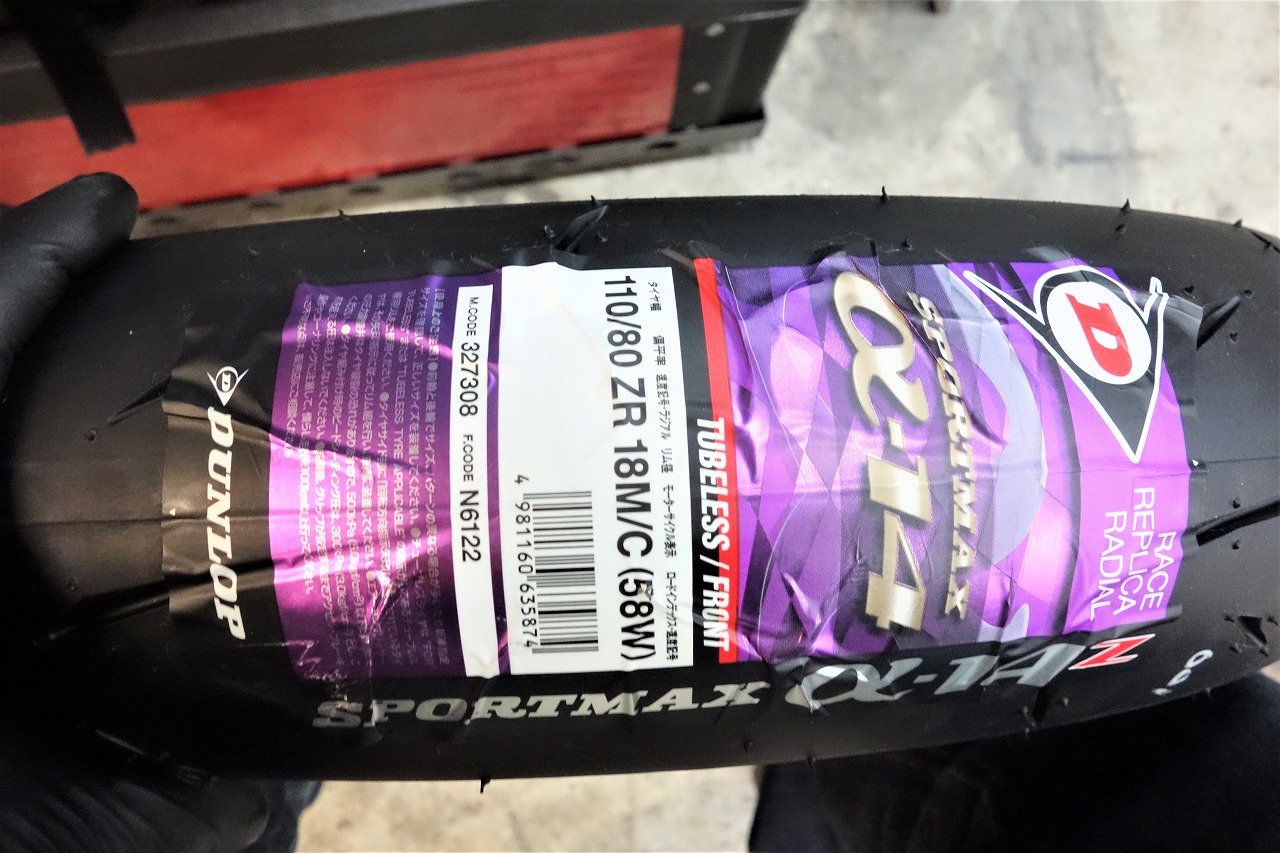
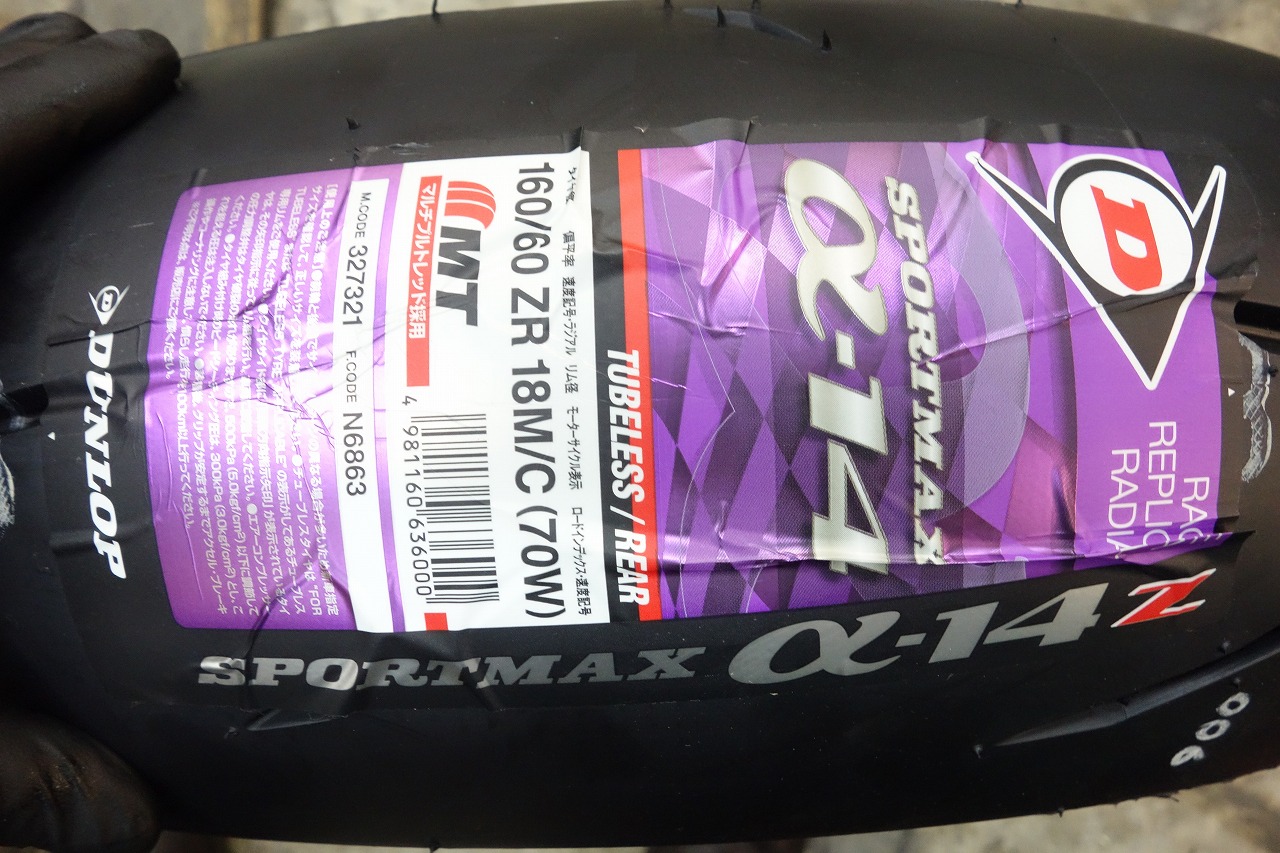
When it comes to 18-inch radials, it’s either Dunlop α14 or Continental attack-type tires.
I went with Racetech myself, though.
The long-awaited 18-inch radial from Bridgestone— BATTLAX CLASSIC RACING CR11
It’s released in a very difficult position, you know.
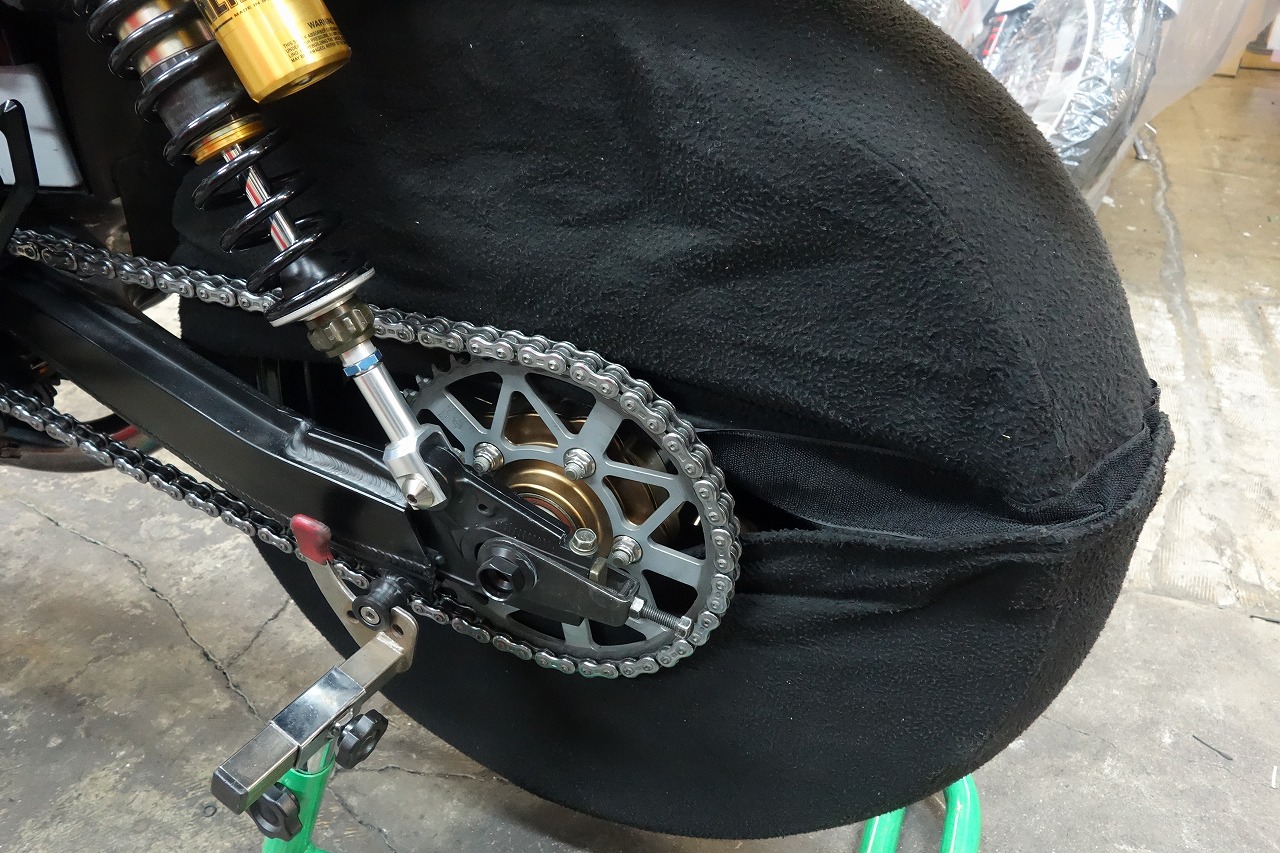
Wrapping this around when you’re removing and installing wheels really boosts your peace of mind.
MOTO4U front and rear 17-inch tire warmer wing
It’s better than what I use…
Those “oops!” moments drop way down. Let’s avoid wasting energy on unnecessary things and focus on what matters.
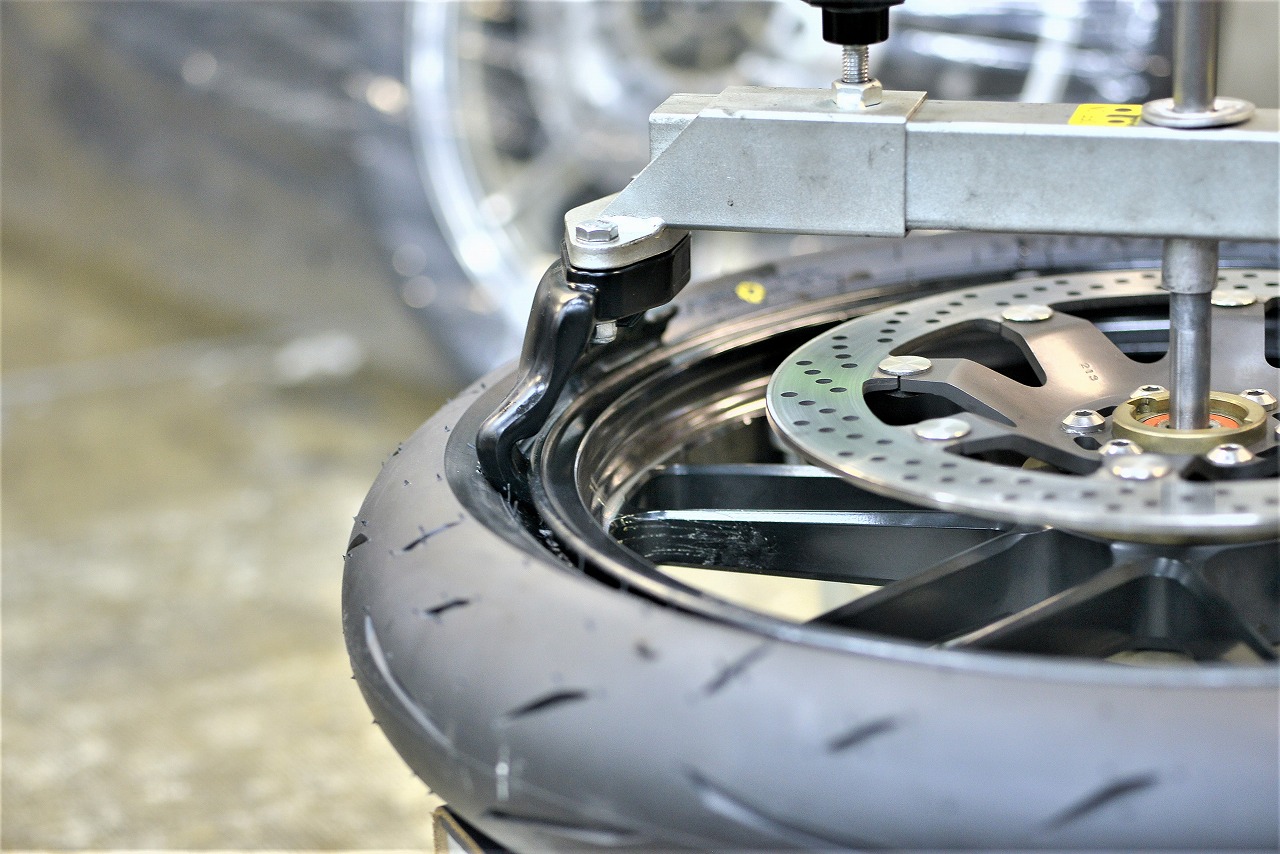
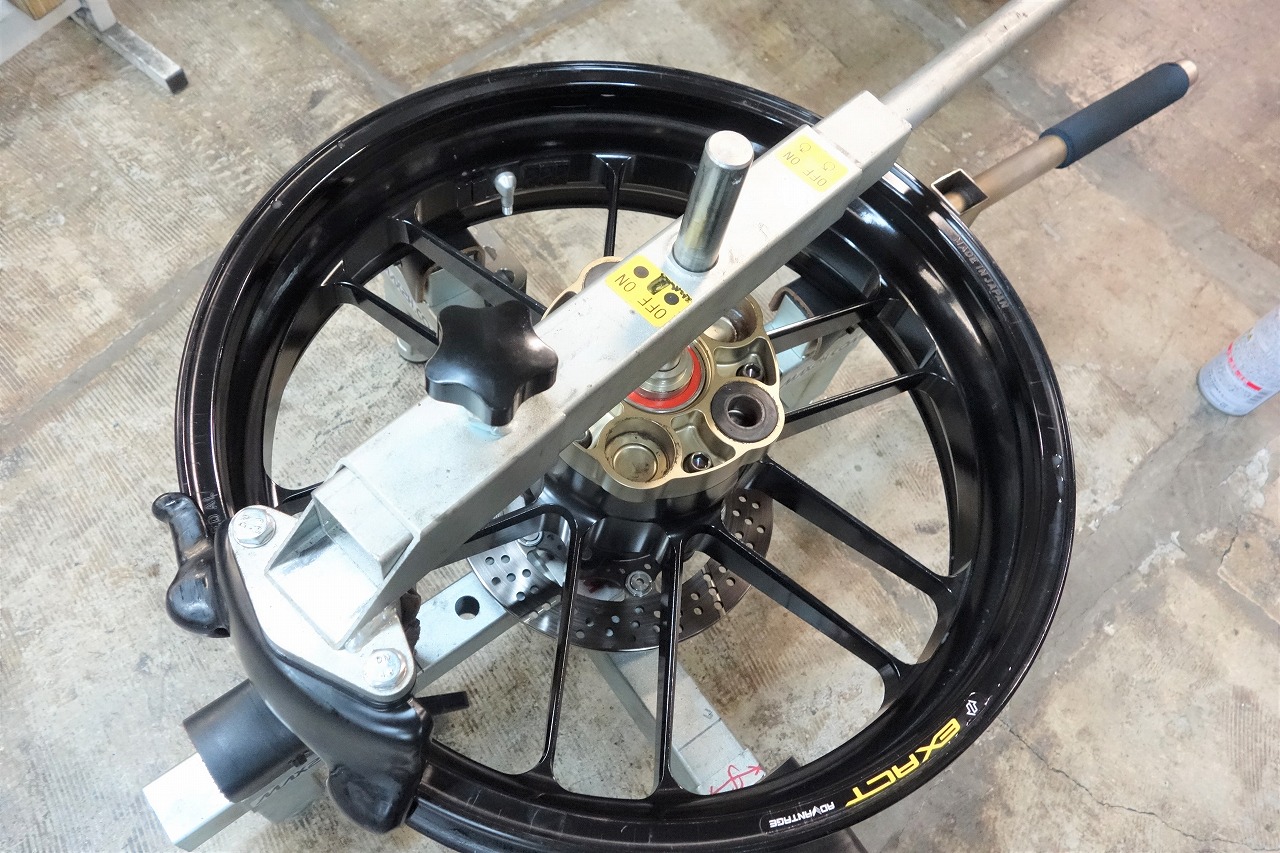
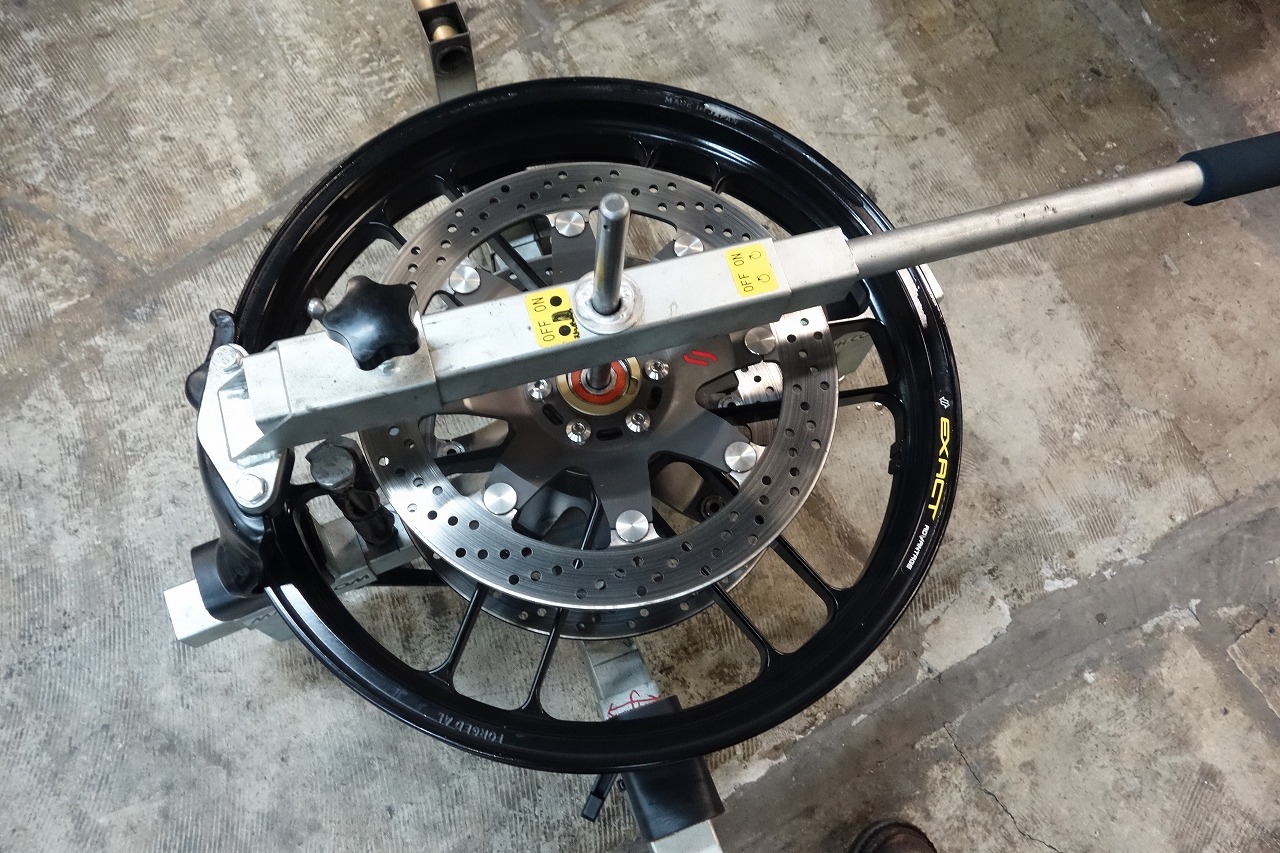
A manual tire changer is really great.
If you don’t do that many tire changes per year but have lots of customers with mag wheels, aluminum wheels, or repainted wheels, it’s perfect for a shop like that.
It folds up so it doesn’t take much space, requires less effort than assembling tire levers, and is less likely to cause damage.
How about making it one investment for your shop?
Reference video
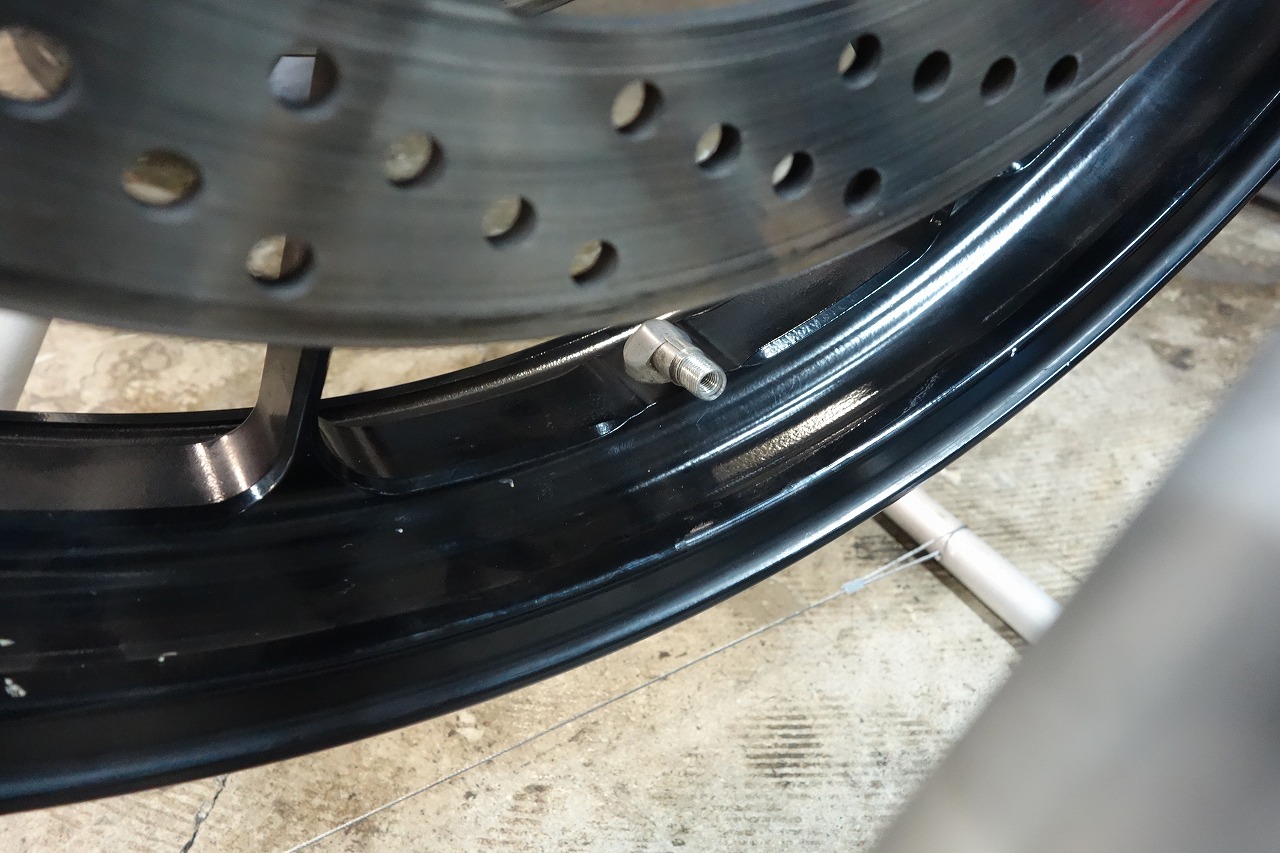
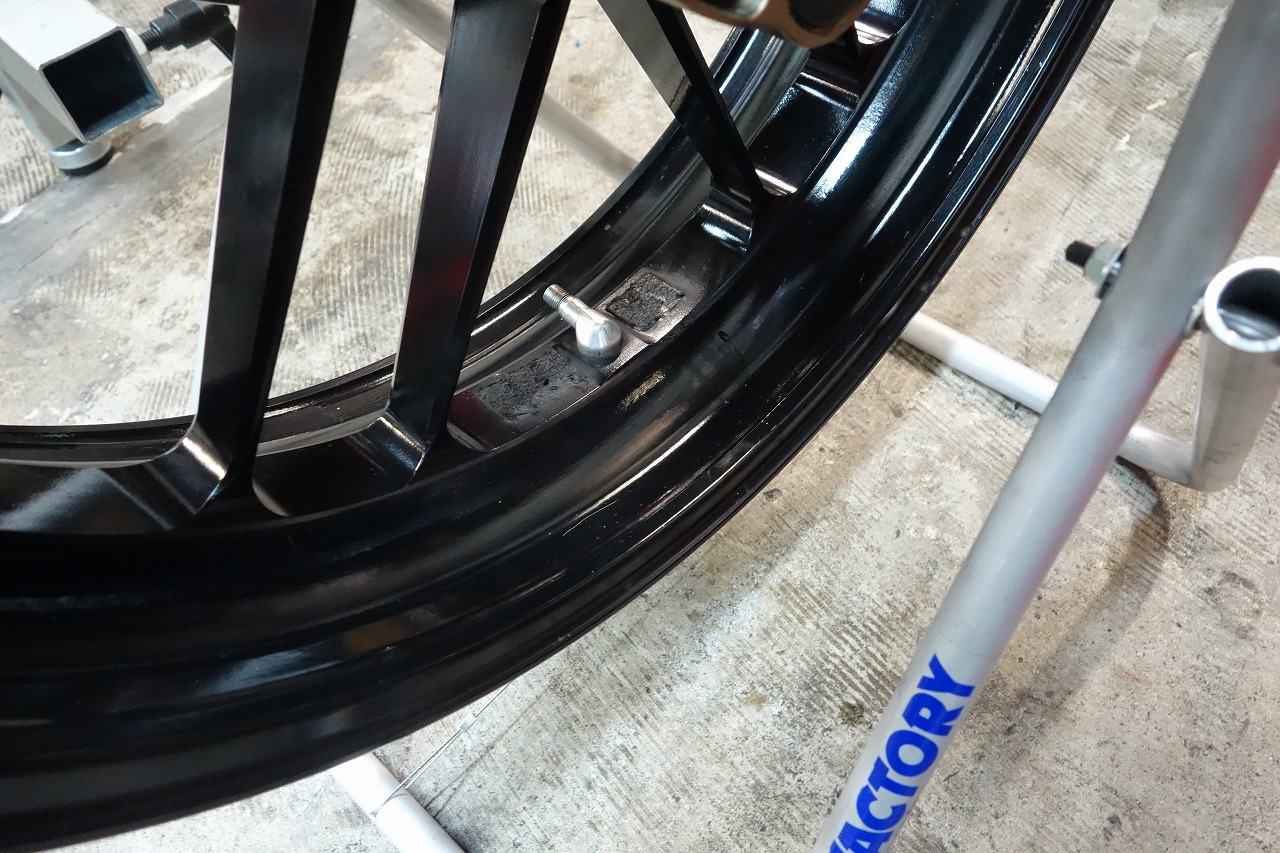
With aftermarket wheels, the air valve is basically always the heaviest point.
With OEM wheels, it’s often quite different.
If you align the tire’s light spot with the air valve, you’ll end up with a lot of balance weights stuck on.
But if you check the heaviest point on the OEM wheel itself, you’ll need fewer balance weights—which is eco-friendly, reduces work, and makes wheel cleaning easier.
Little things like this lead to nothing but good outcomes.
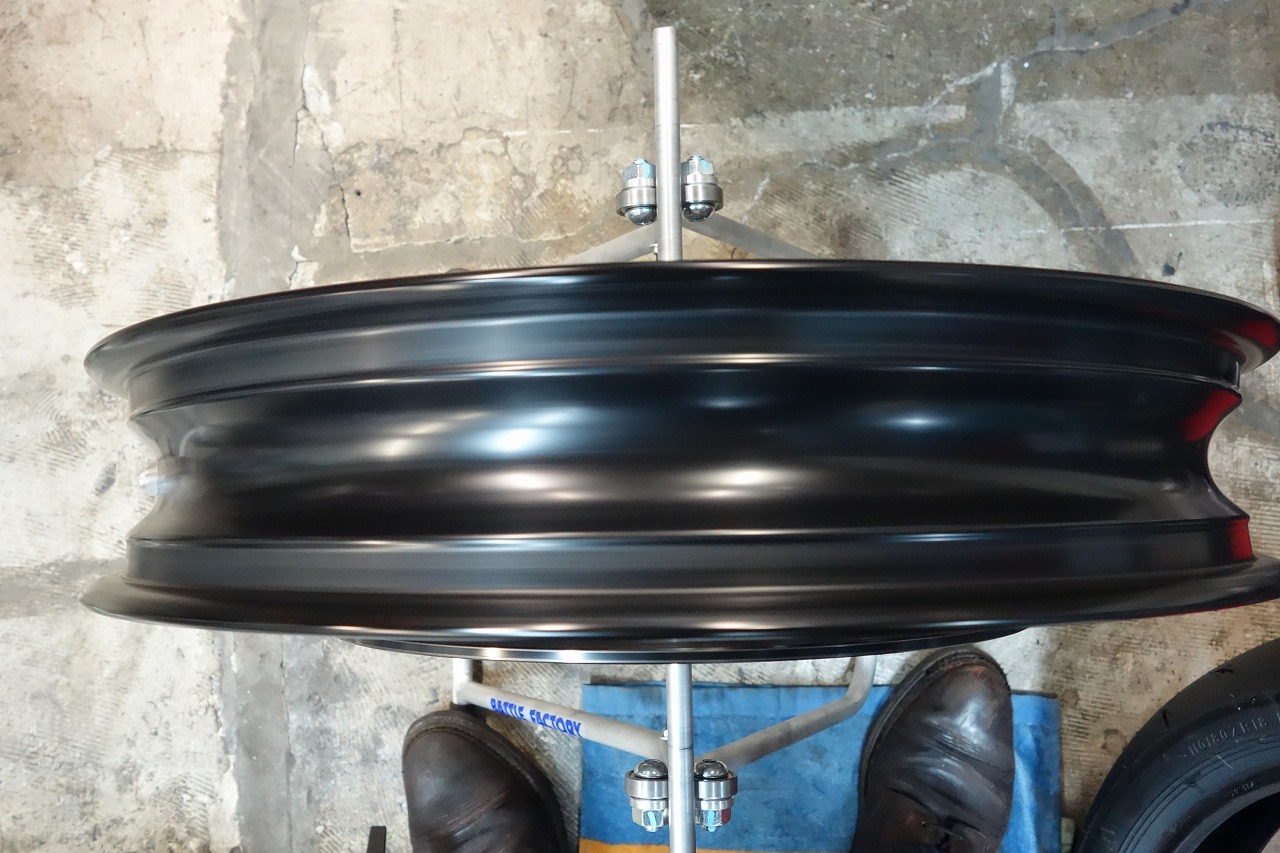
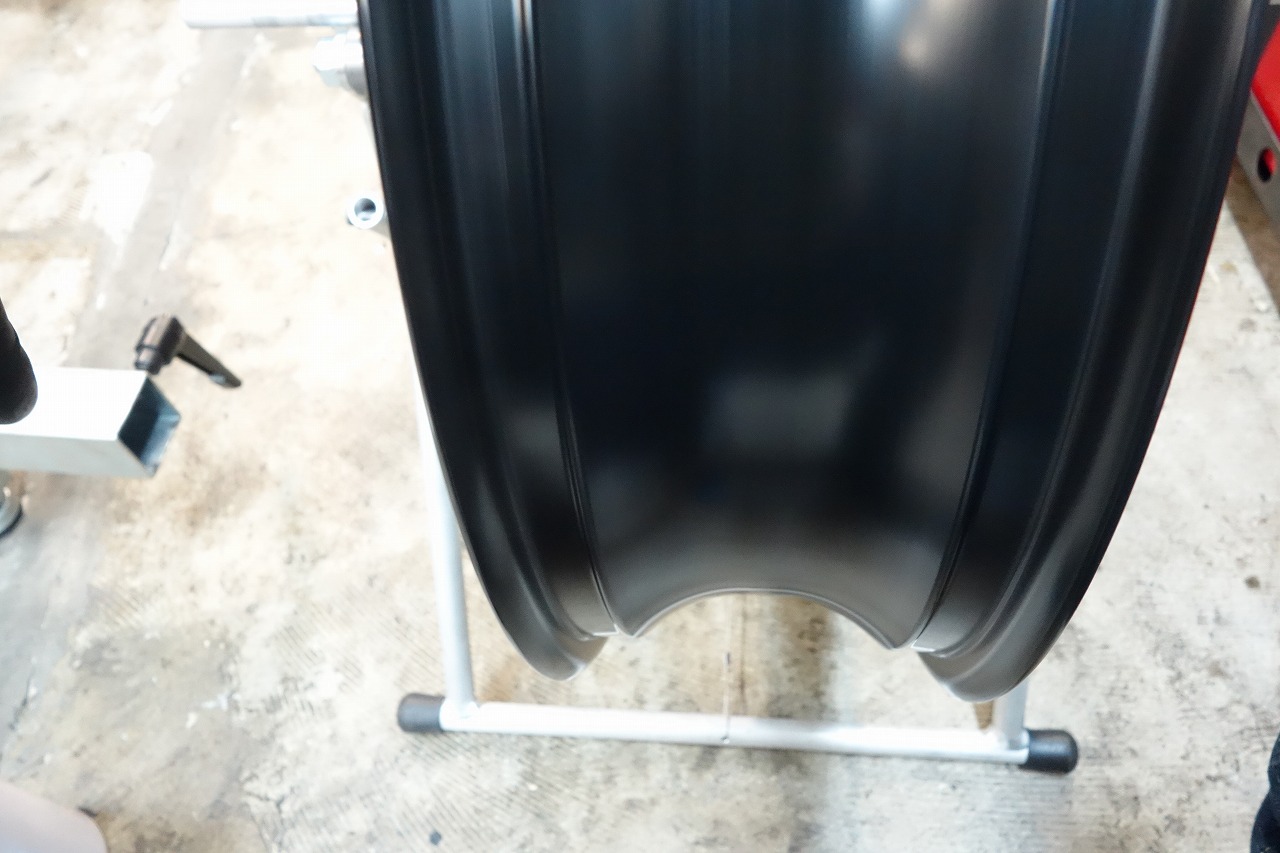
You should also check the wheel runout. It’s surprising how easily wheels can get bent when you least expect it.
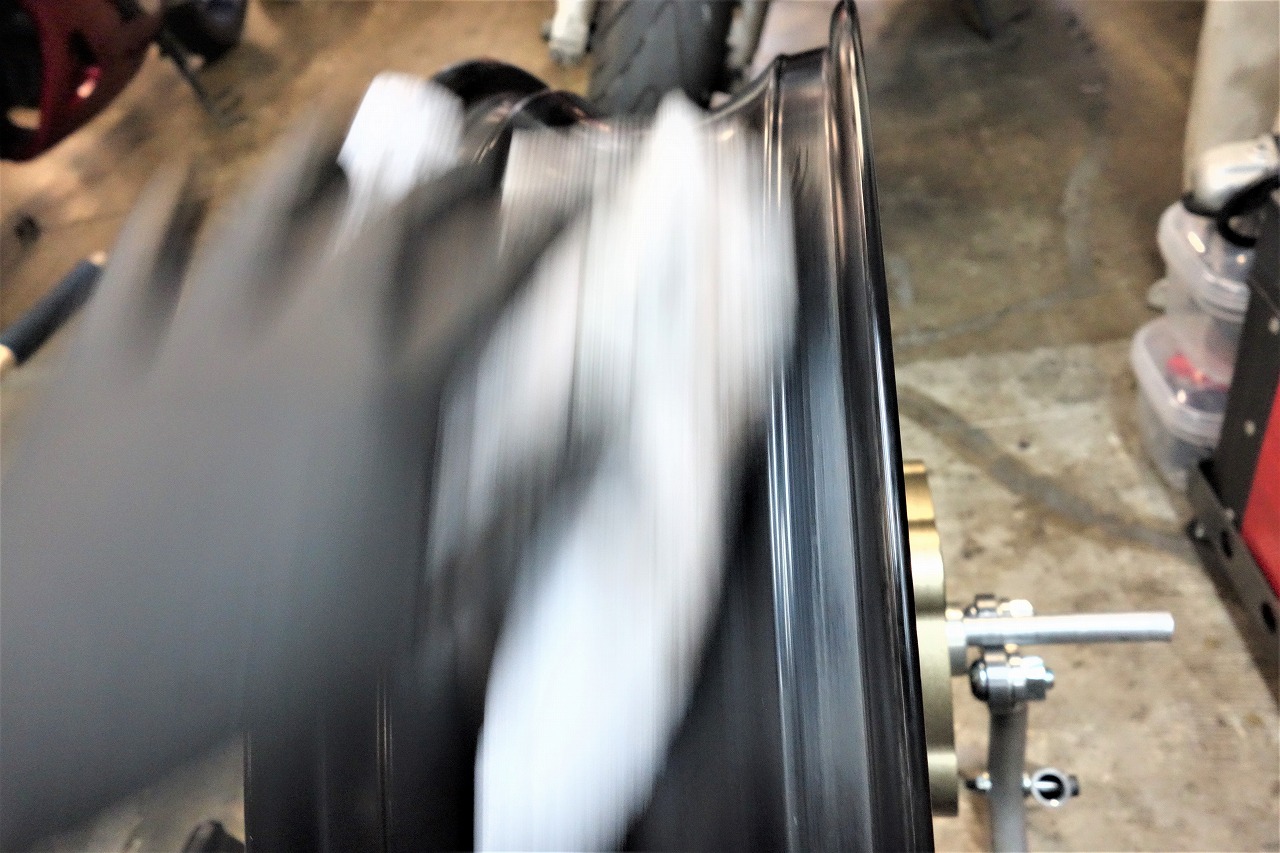
If you clean the inside of the wheel thoroughly when you remove the tire, it makes things easier for whoever changes the tire next time.
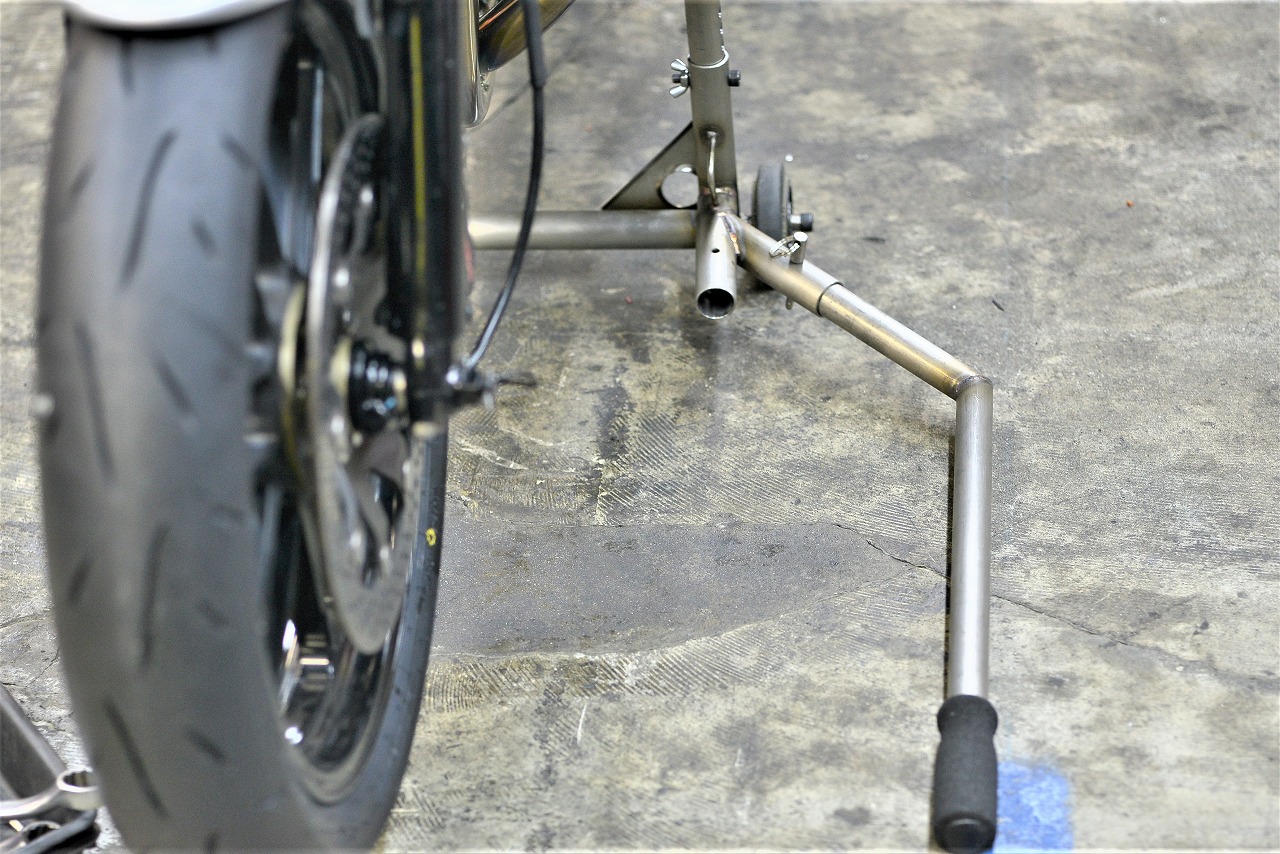
A front stand that goes under the stem doesn’t get used much.
You might not use it even twice in half a year.
This frame stand is definitely more convenient.
Stem adjustment and inspection are super easy. You don’t have to worry about the fairing or fender contact, and you don’t need protective tape.
Should we finally do a crowdfunding campaign? Anyone interested?
I bet we’d raise a decent amount.
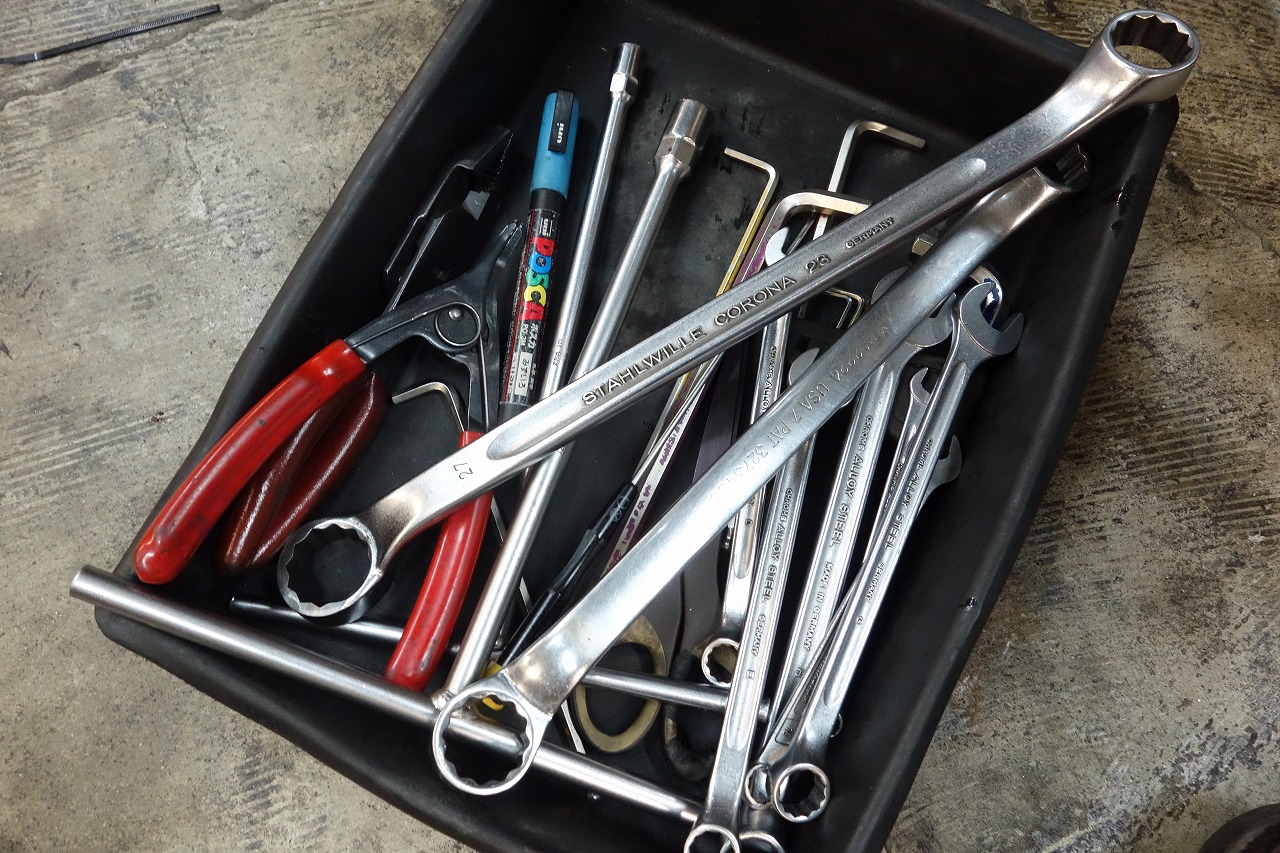
Evening (night) talk, so it’s a bit mundane.
We use a tray so tools don’t sit on the ground (a matter of consideration). But sometimes things rattle around in the tray and it’s hard to find what you need.
So I realized a small trick that makes things a bit easier.
“Put tools back in the tray in an easy-to-grab orientation!”
If you pay attention to this every time, before you know it it becomes a habit and you’ll find work gets a little faster.
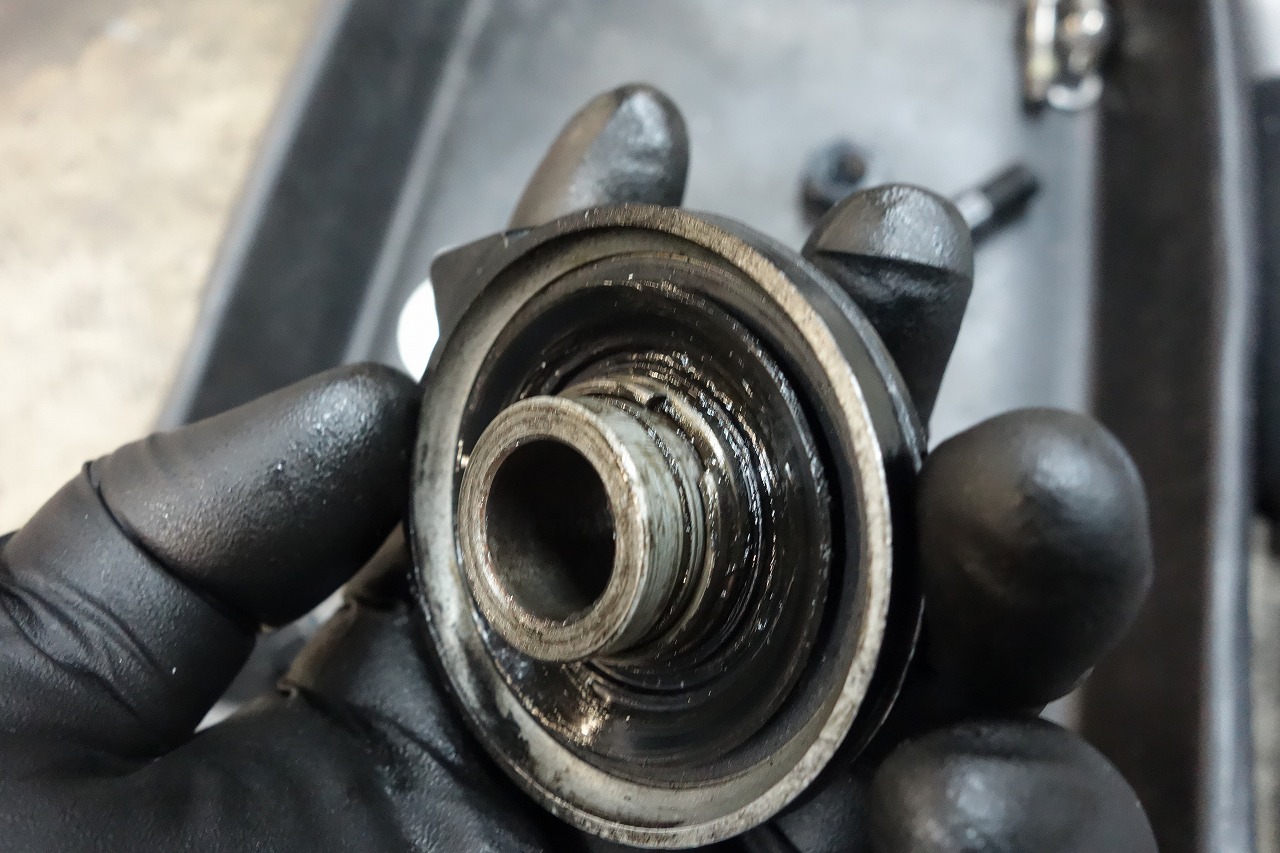
The wheel bearings haven’t arrived yet, so I’m going to investigate what that clicking sound is all about.
Apparently it makes that sound when a wire breaks…
Hmm, that’s strange. I’ll continue with this another day.
Work progress
✓ Tire replacement
✓ Wheel balance
✓ Wheel and caliper temporary installation