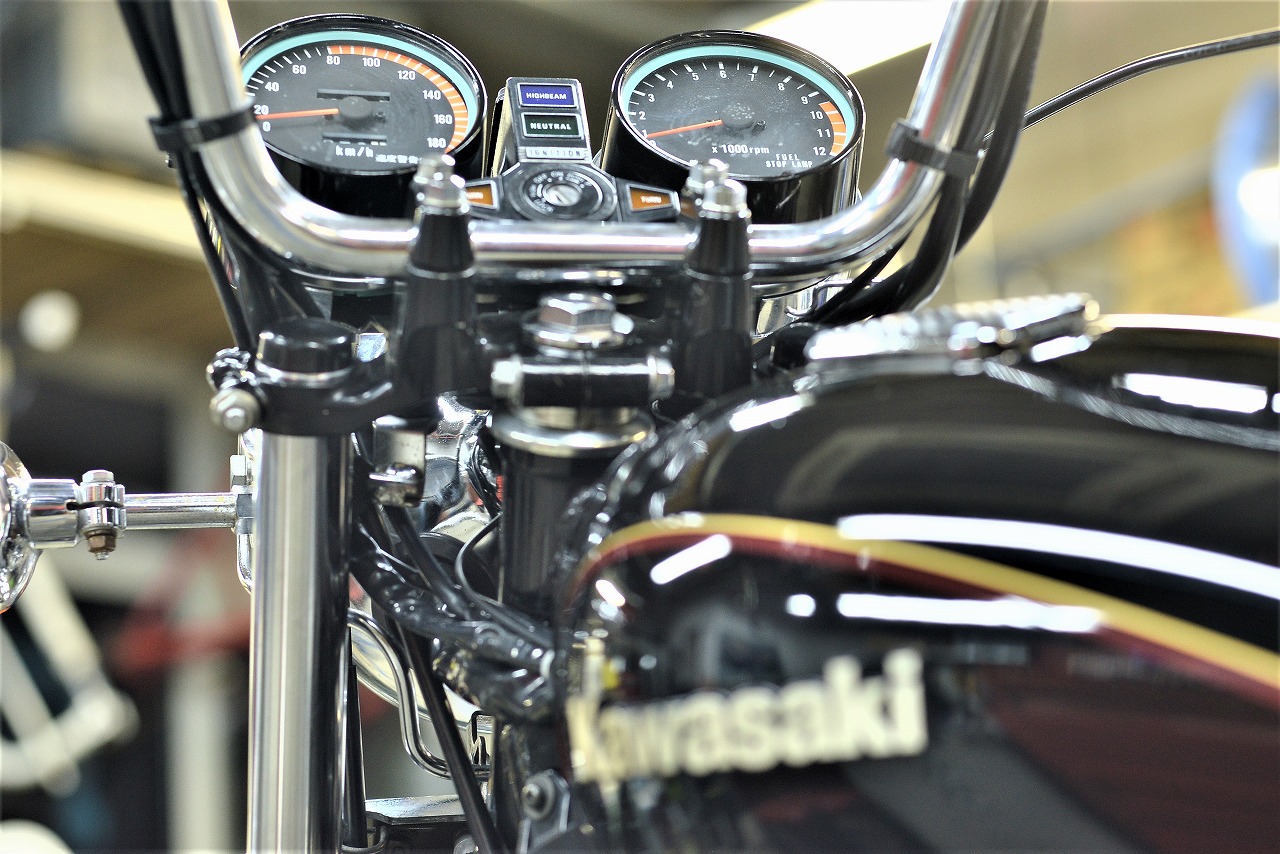
I thought maybe I made a mistake when swapping the right switch, but the cause was unclear—it would happen sometimes and not others.
What on earth?
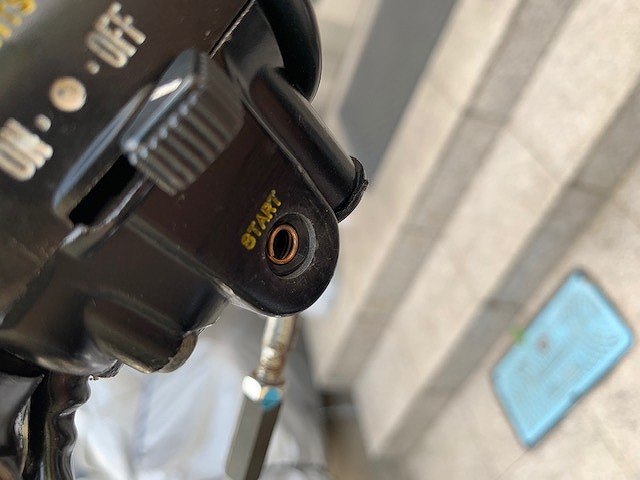
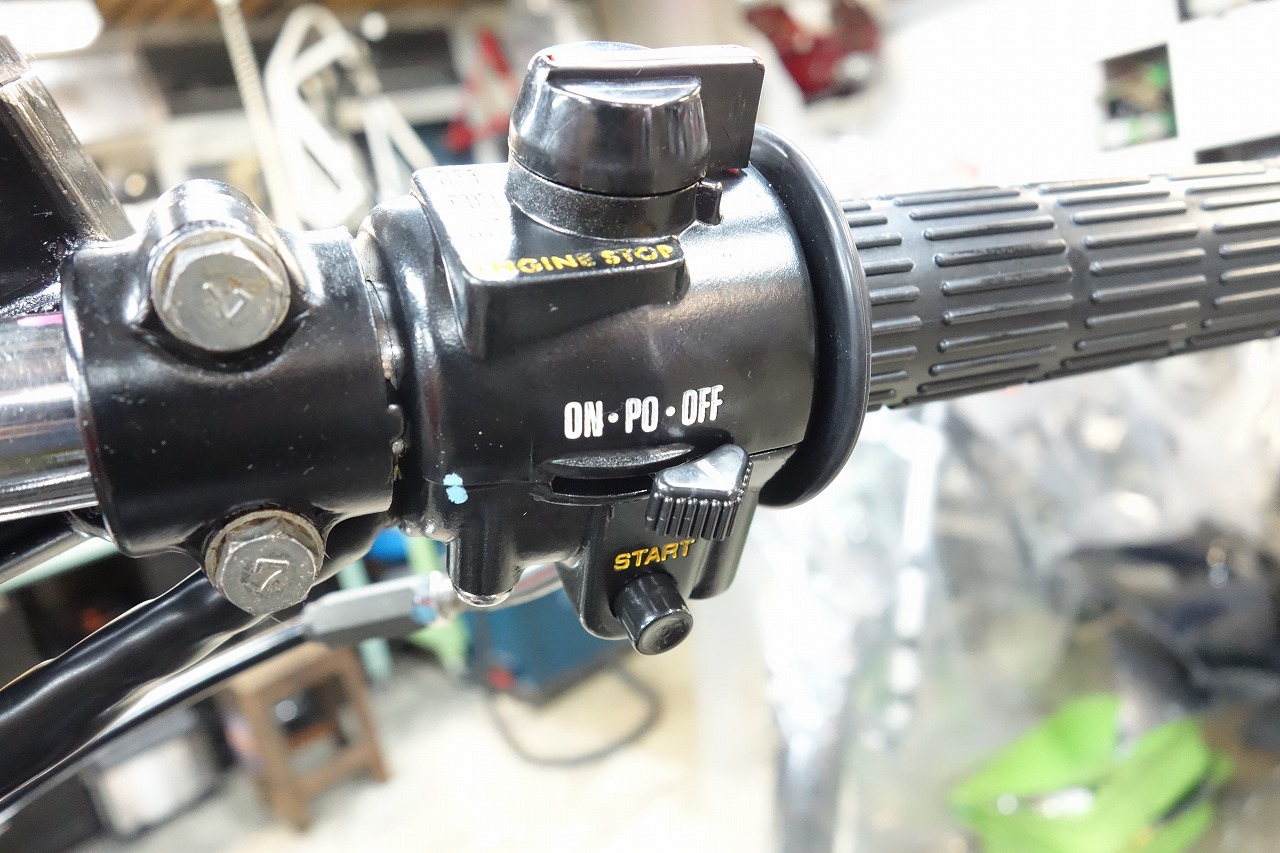
A simple setup with just light switch, kill, and starter.
The wire colors on the switch side differ slightly from the original, but I checked and installed it correctly.
Now that I think about it, the fuse blew around this time. Looking back, that was strange.
At that point, since the bike was old, I also got a request to replace the ignition coil.
About a month passed due to my work schedule, and when I did the coil replacement the other day, the owner mentioned the fuse had blown before but hasn’t blown since.
Could it be the handlebar switch? I checked again and test-rode it—no problems.
We decided to just monitor it for now, but a few hundred meters after leaving the shop, the fuse blew again, so we made an emergency pit stop.
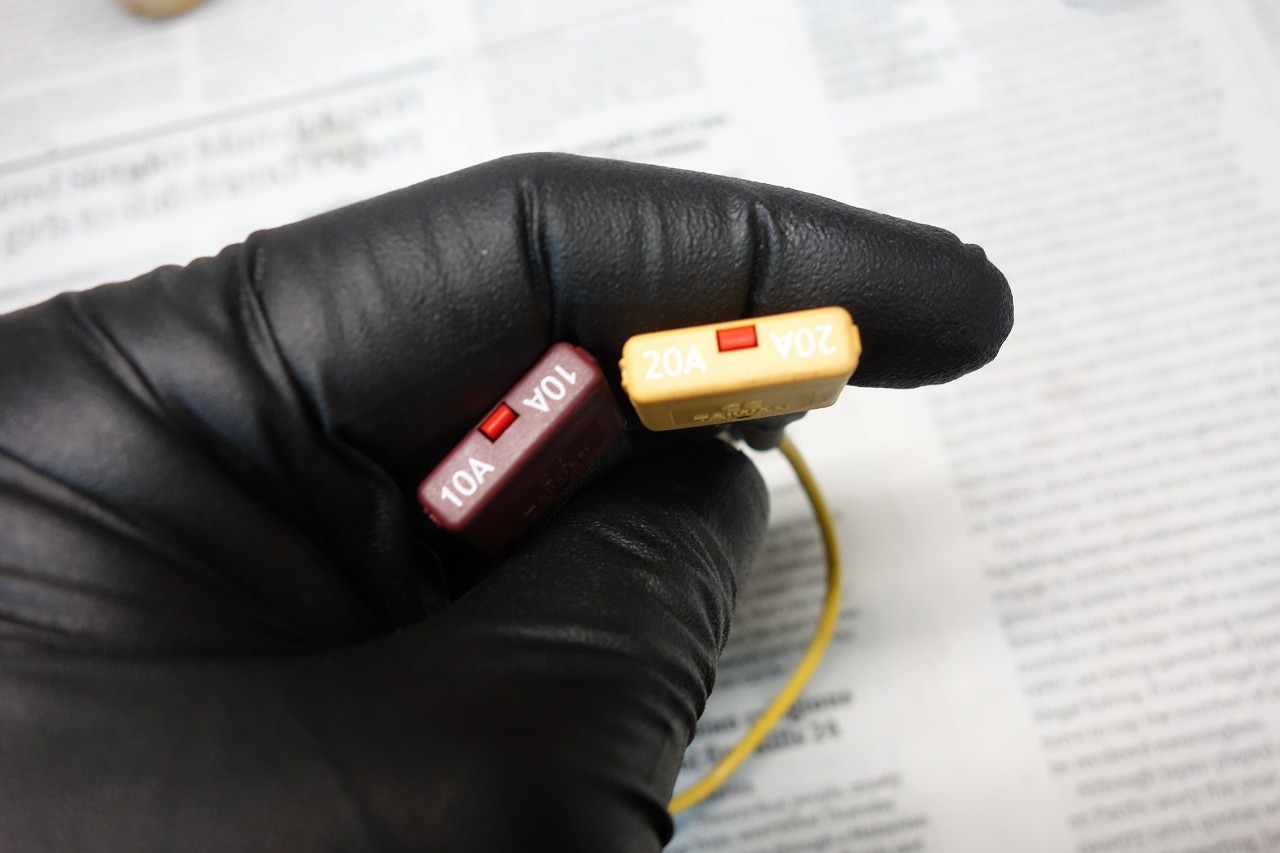
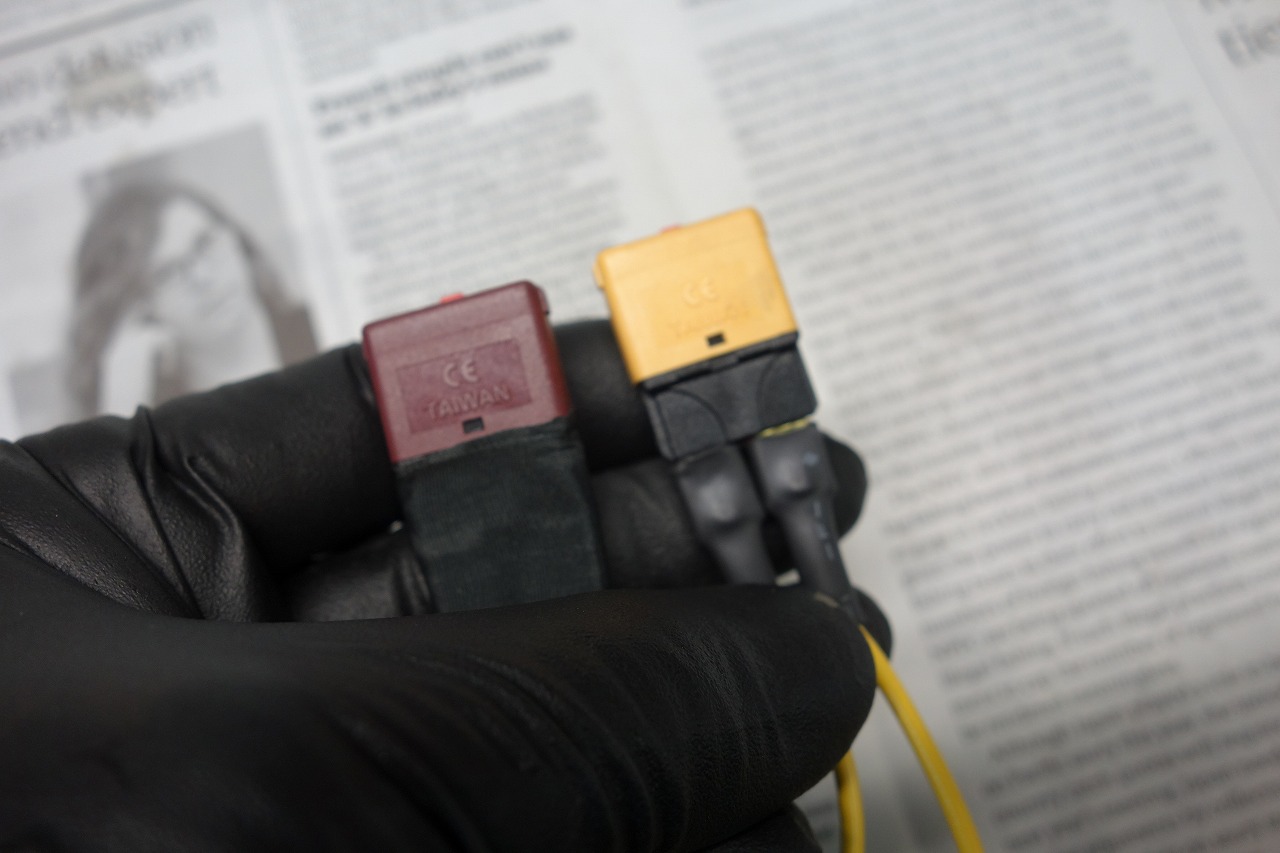
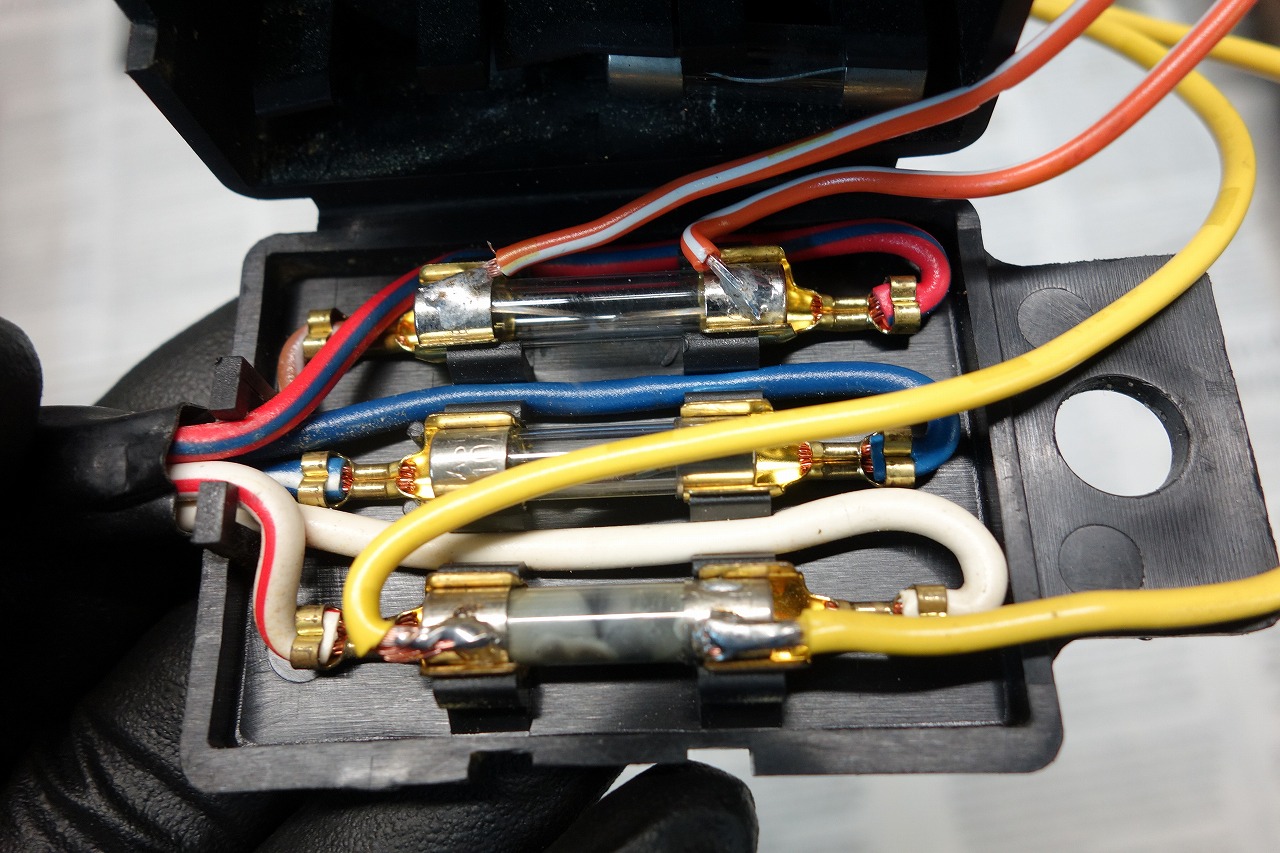
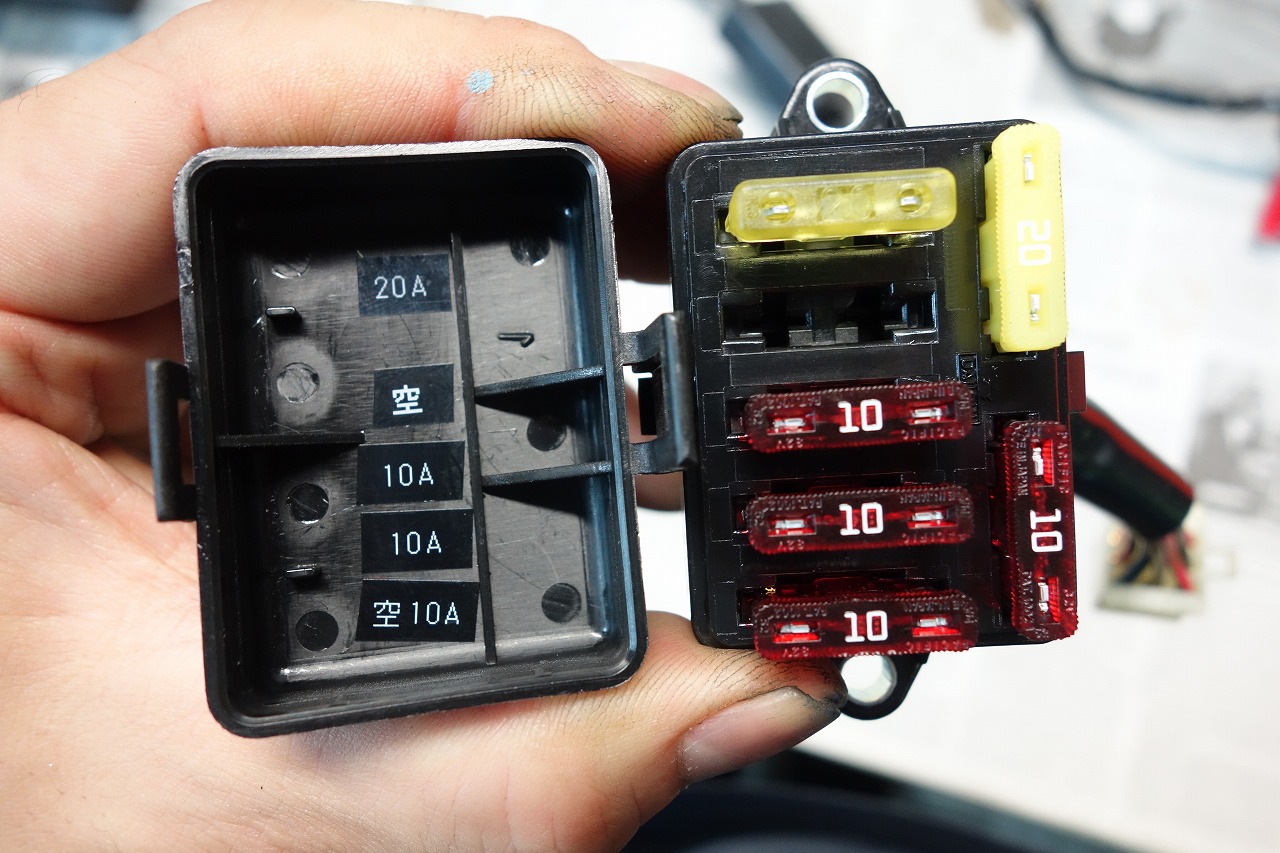
There are different types of fuses: fast-blow fuses ( fast blow), normal fuses (normal blow), and time-lag fuses ( slow blow). It’s good to use them according to the application.
I haven’t looked it up, but I think this circuit breaker type is probably super slow.
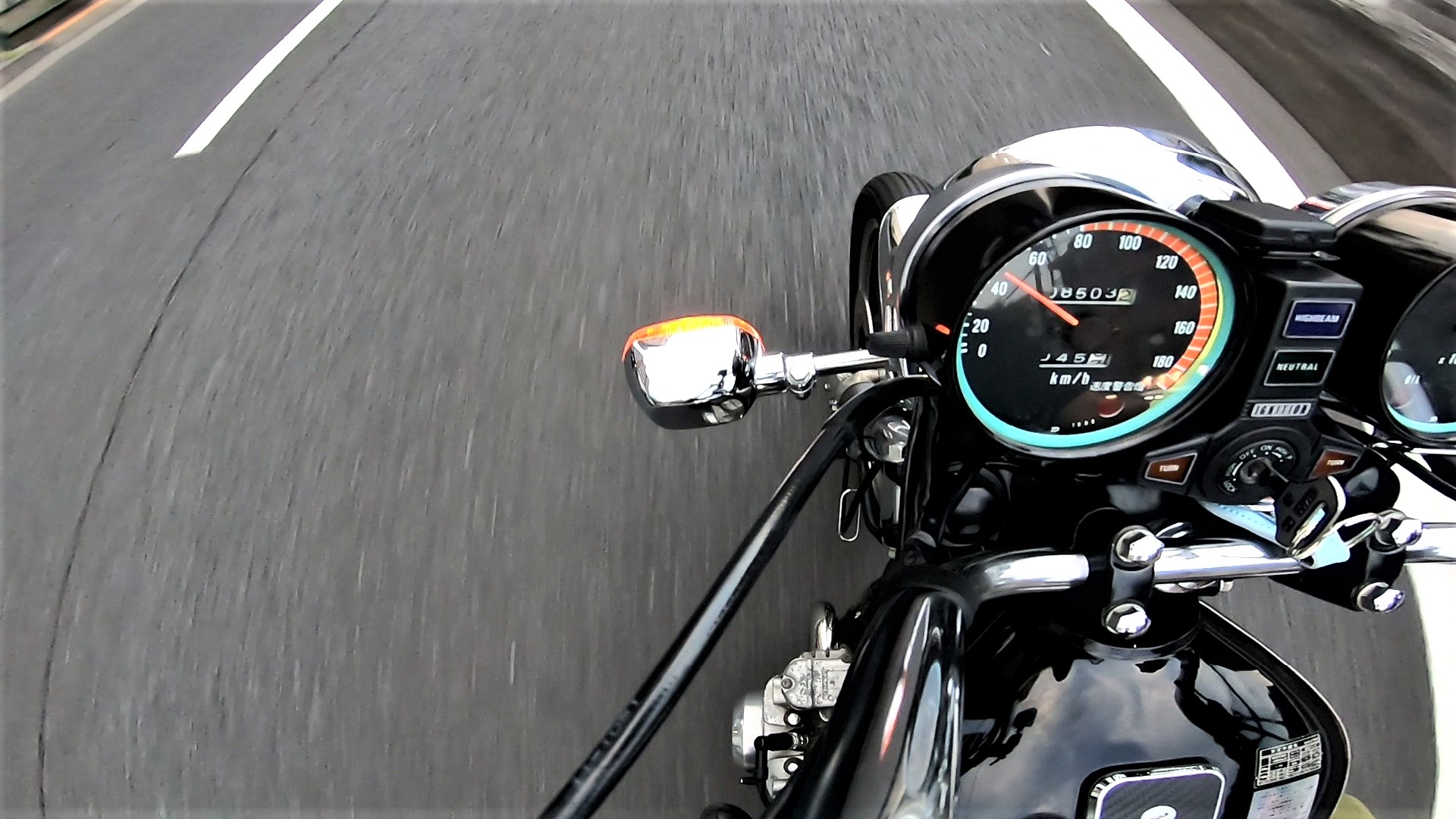
I drove around in circles, and sometimes the main 20A would blow, sometimes the 10A, and sometimes it wouldn’t blow at all—frustrating.
But when I think back to when it did happen,
it was on hills, especially going uphill
or in first gear with the throttle on and off, jerking the bike
or accelerating hard from a traffic light.
Odd situations. I’m not turning the handlebars or operating any switches.
I figured the fastest way was just to check everything.
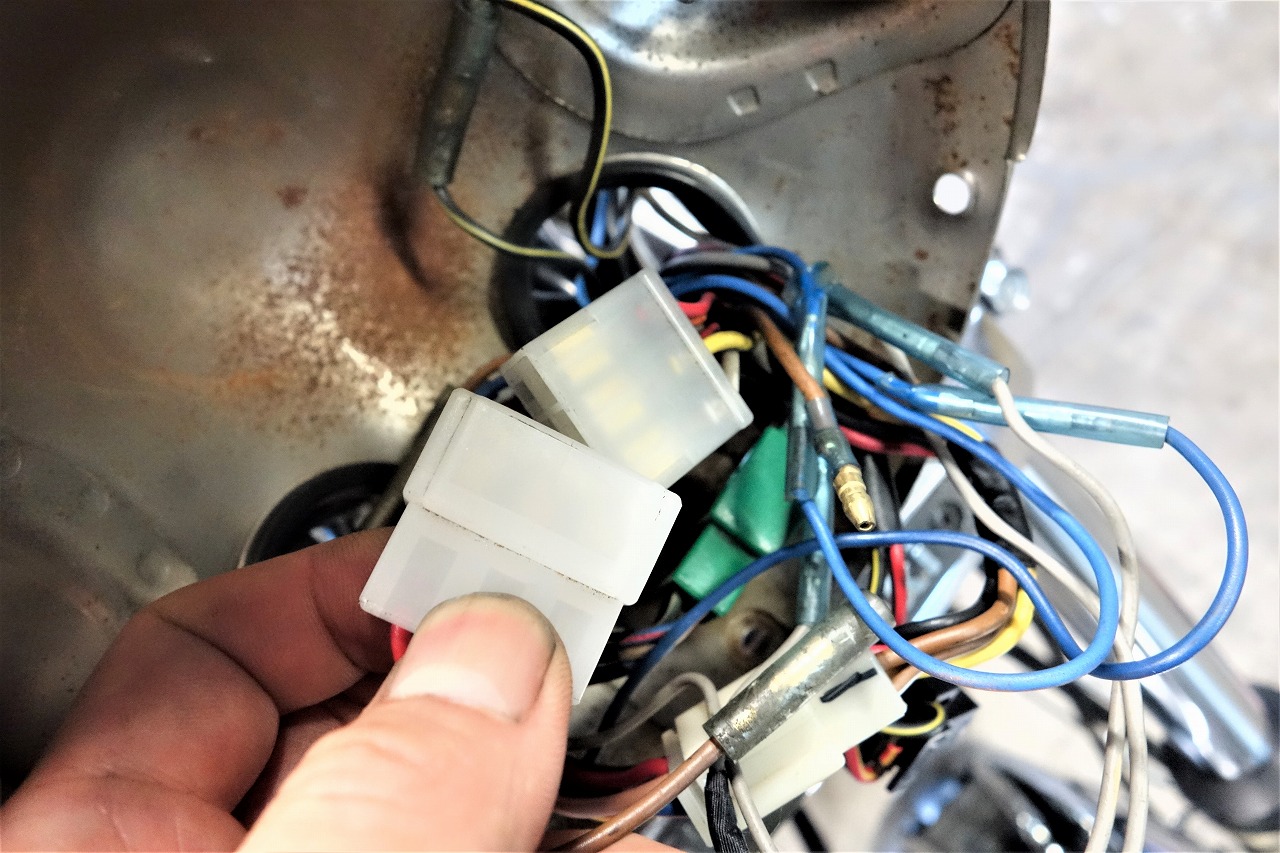
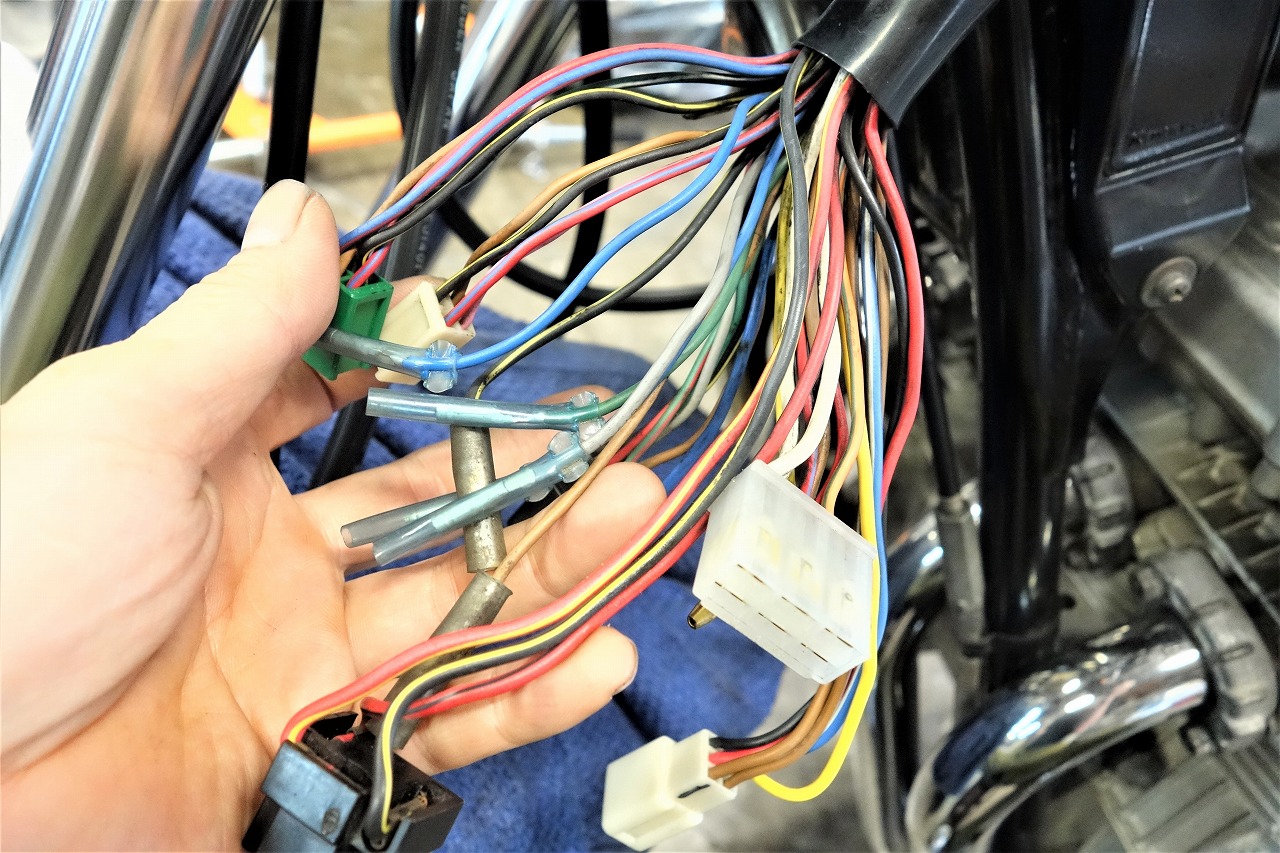
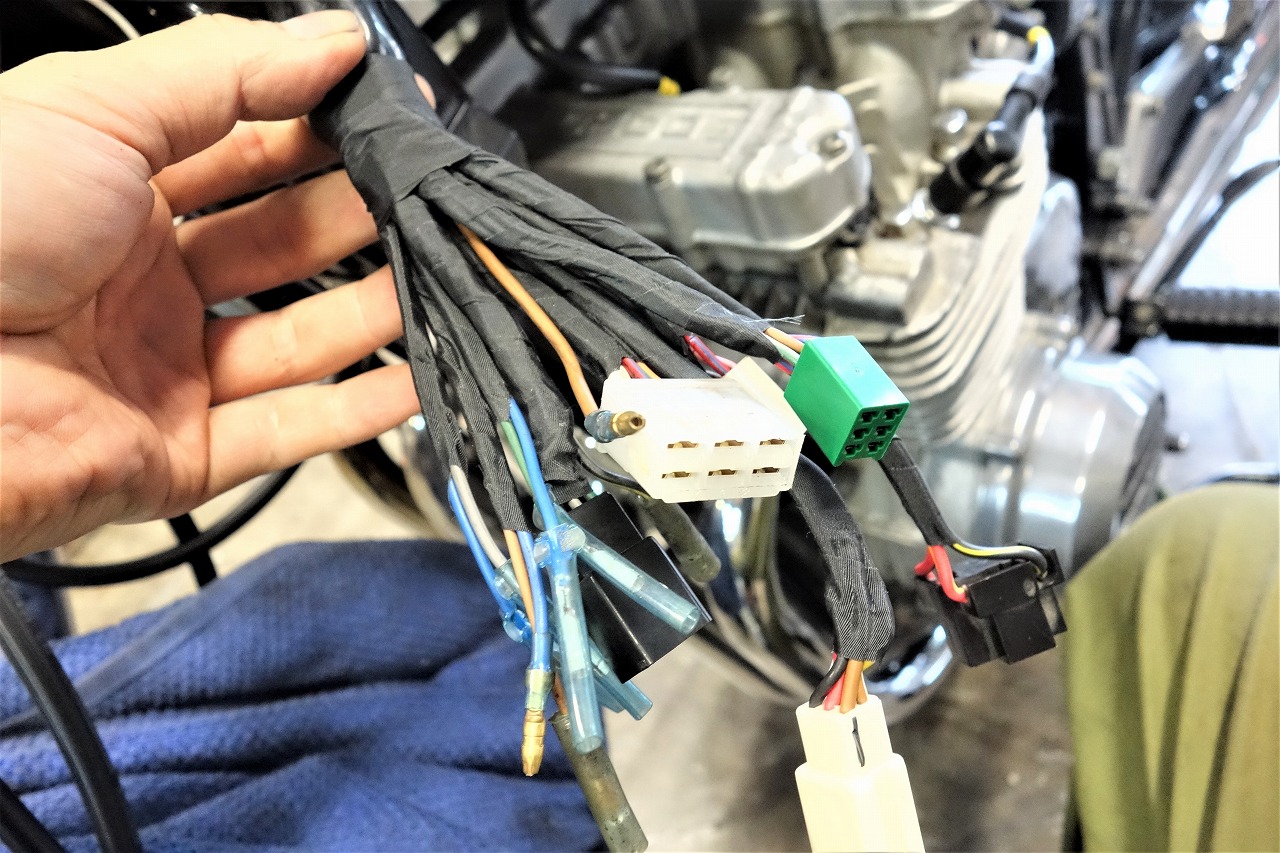
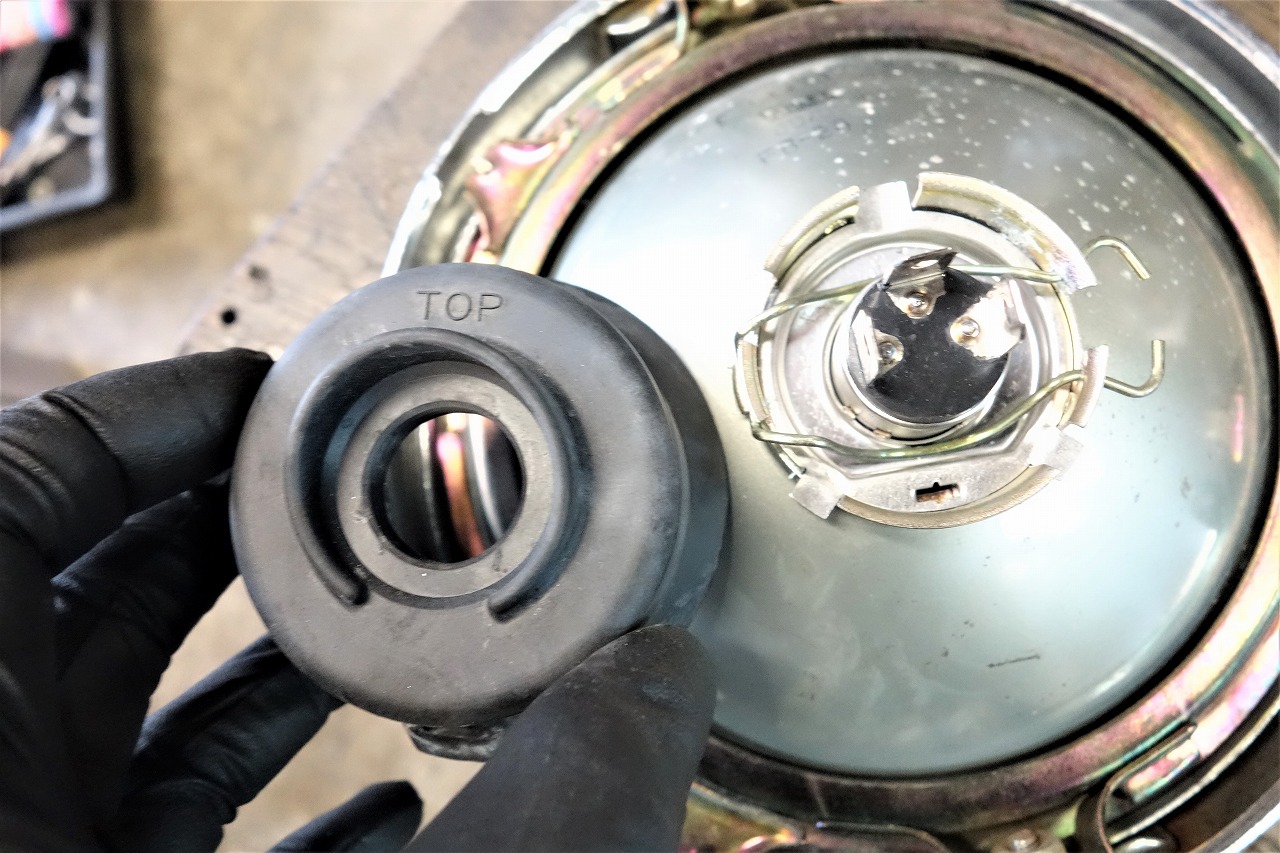
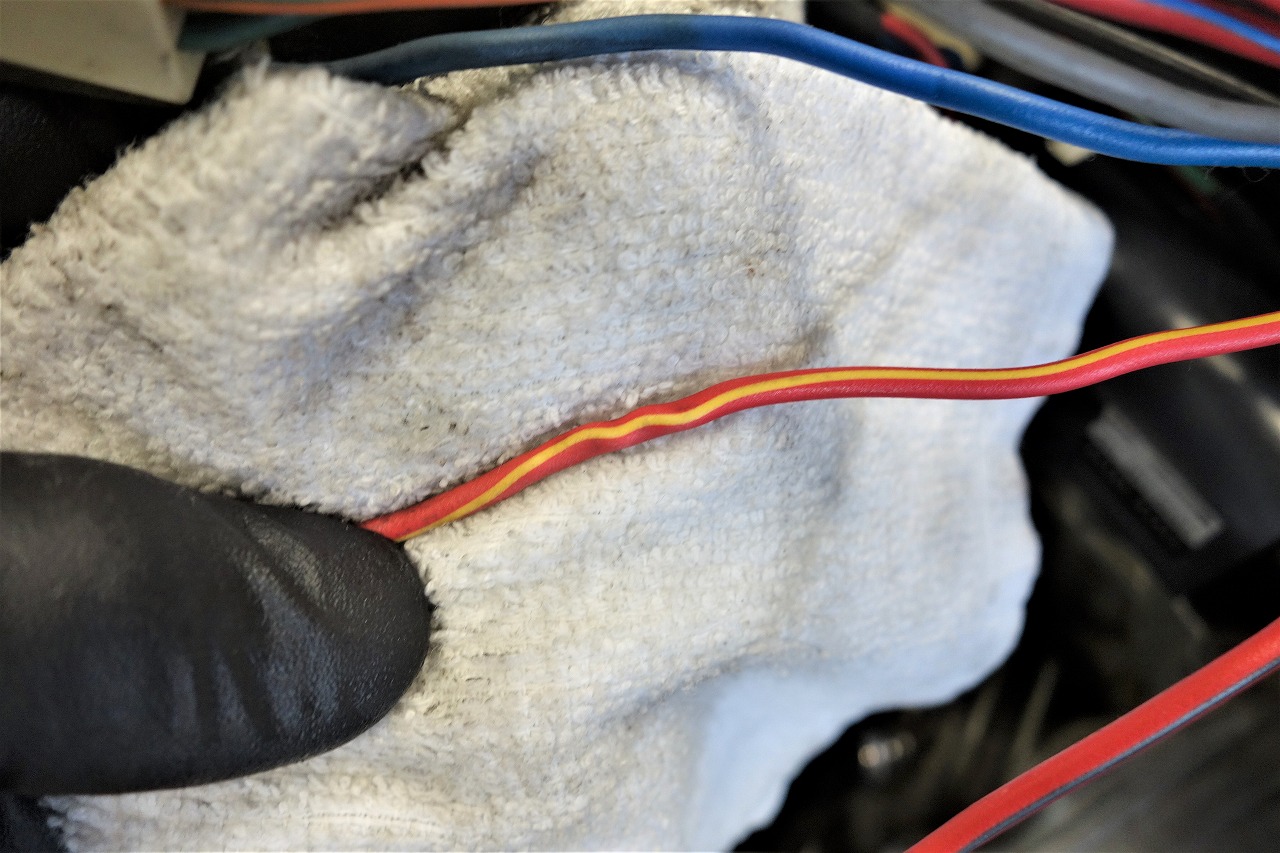
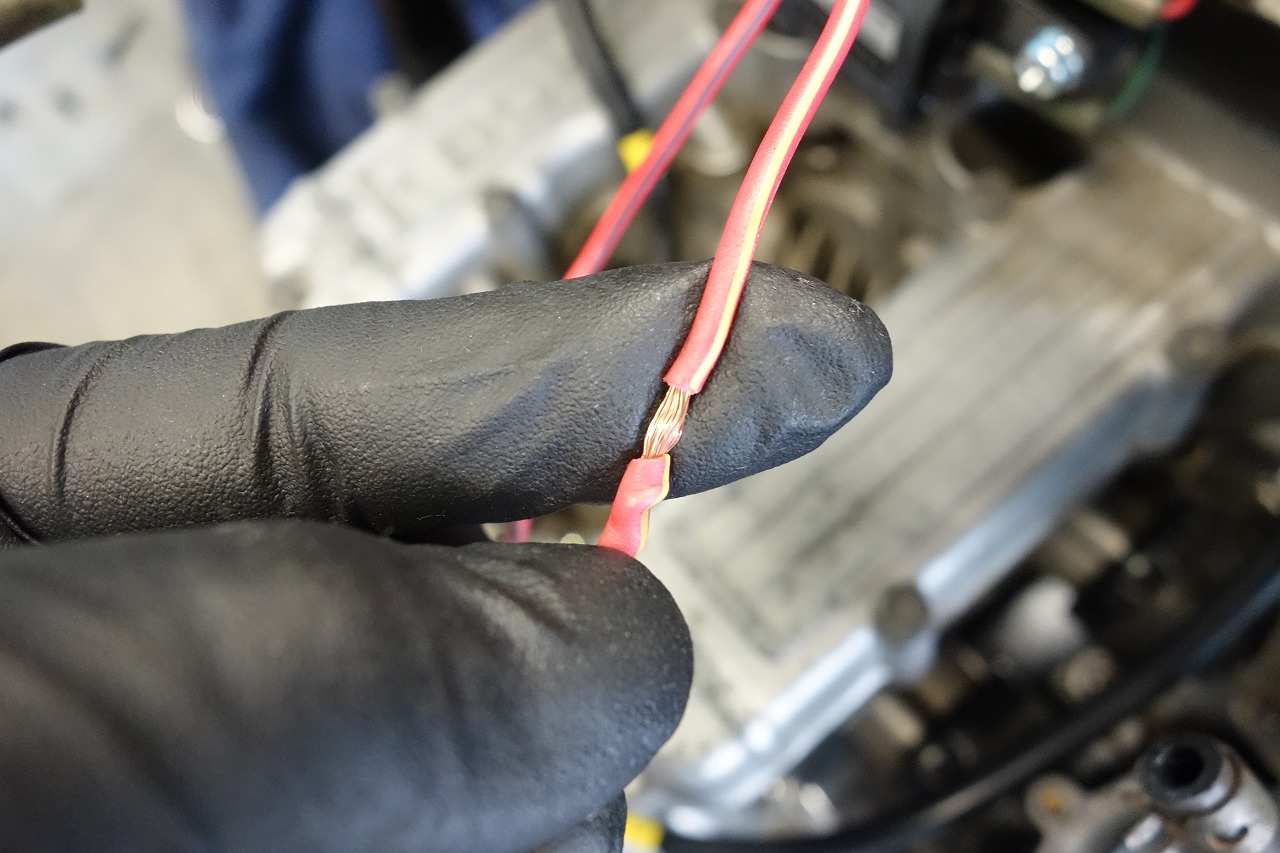
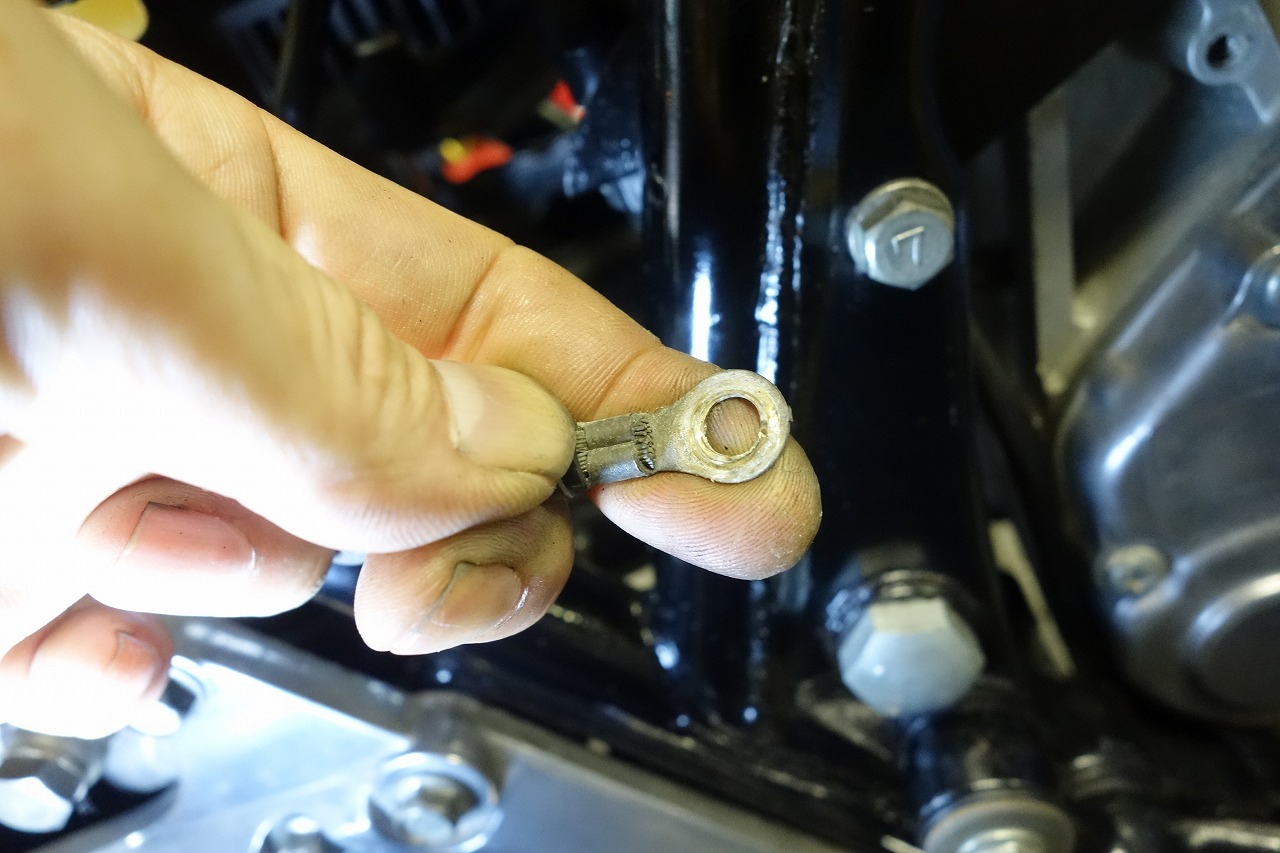
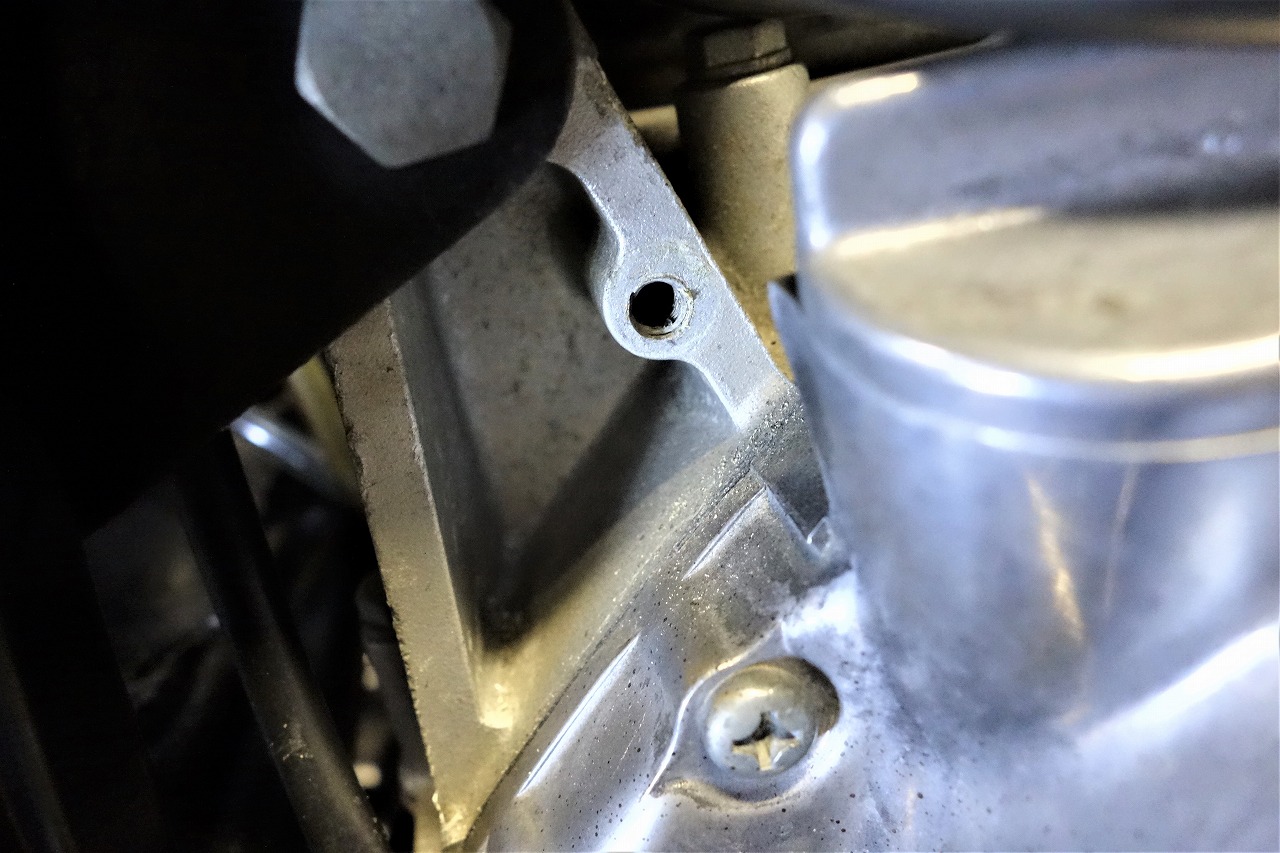
But I’ve only experienced a fuse blowing due to poor ground connection once in the past, so it’s actually pretty rare. (If it’s original.)
Checked main ground
Temporarily swapped the right switch for a different one
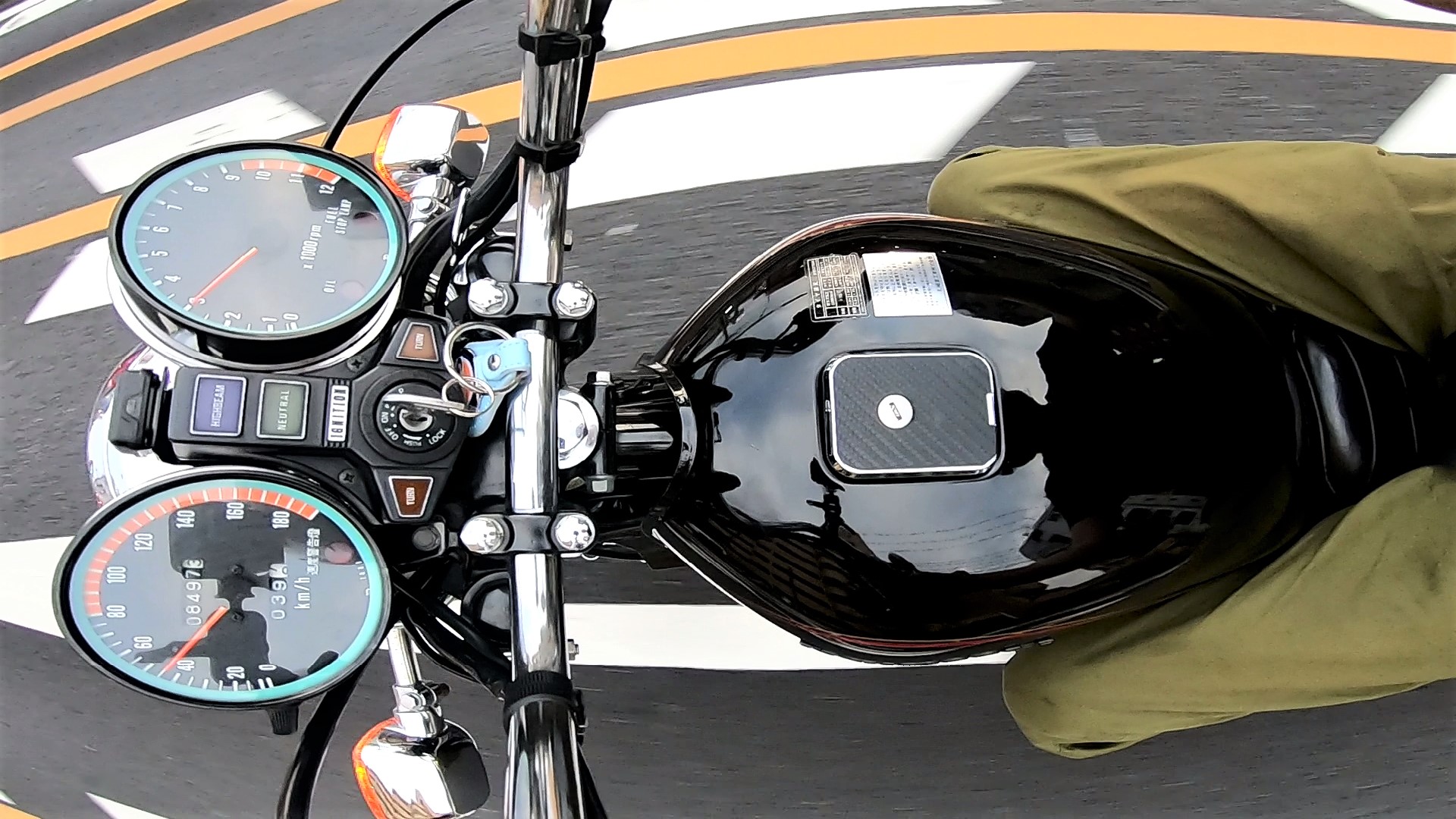
There’s no way it can blow now! I thought, so I mounted a GoPro and headed out to Odaiba for a test ride, feeling cheerful.
But right as I was driving on Route 7, I heard a click—the breaker tripped!
After resetting the breaker, the symptom didn’t come back. This is frustrating.
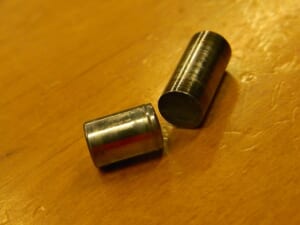
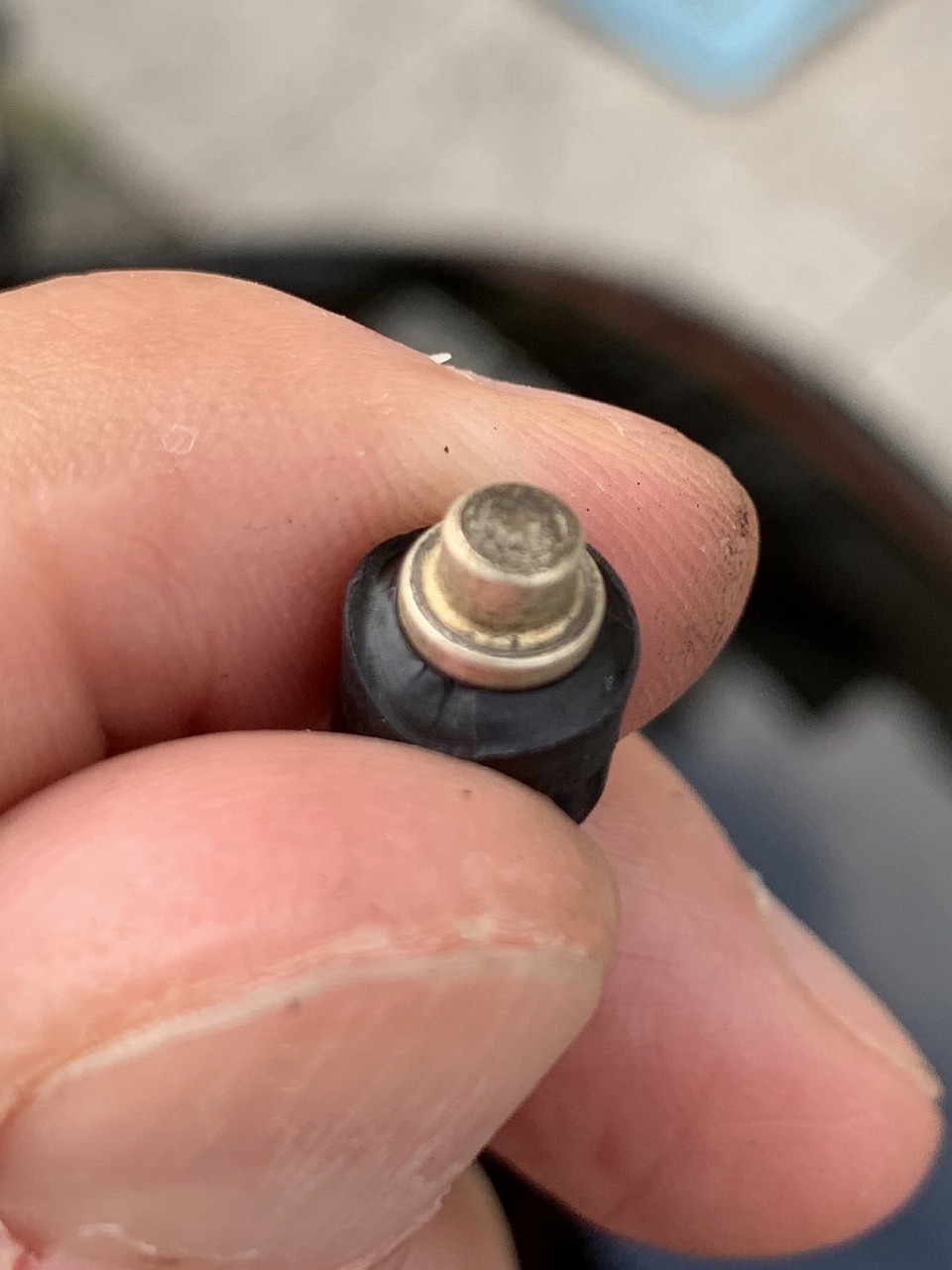
Wait a minute. The switch is aluminum… could it be?
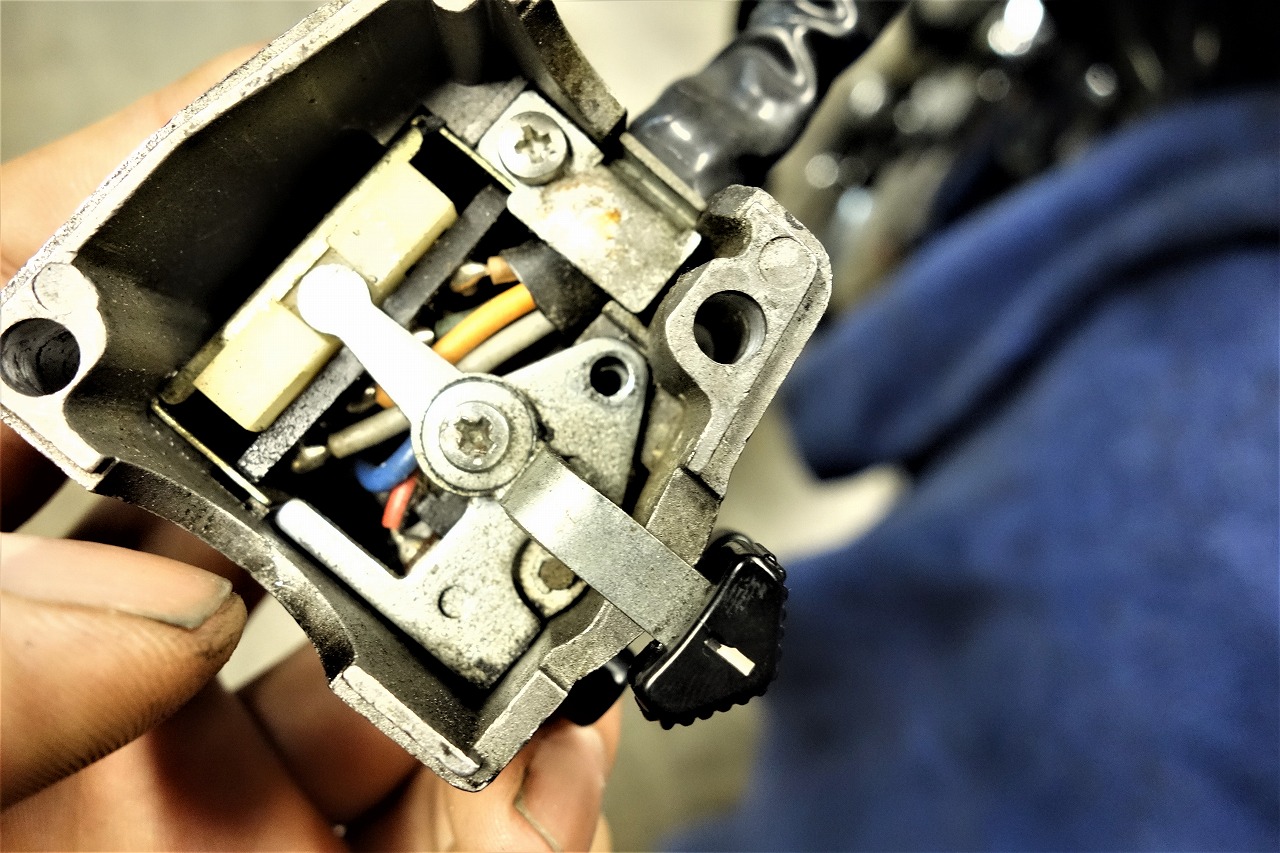
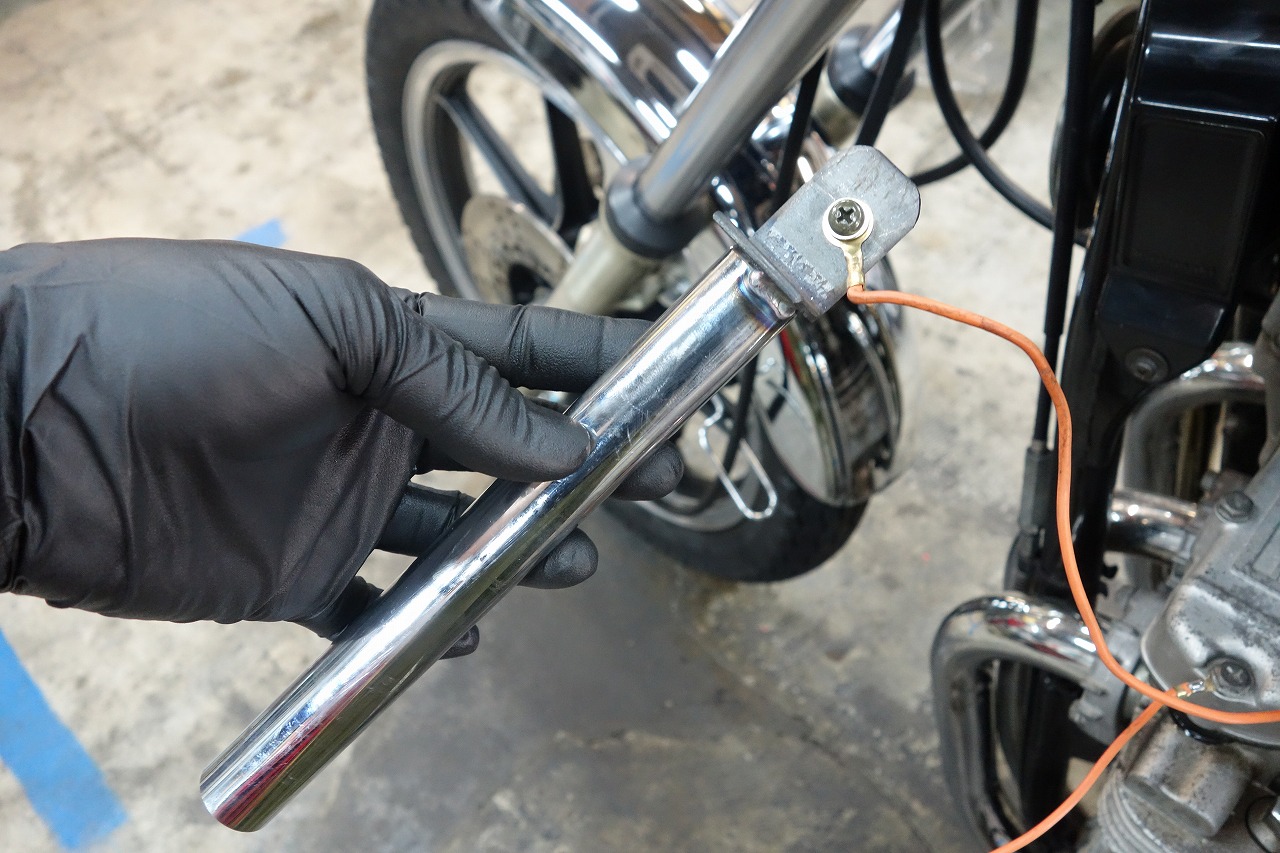
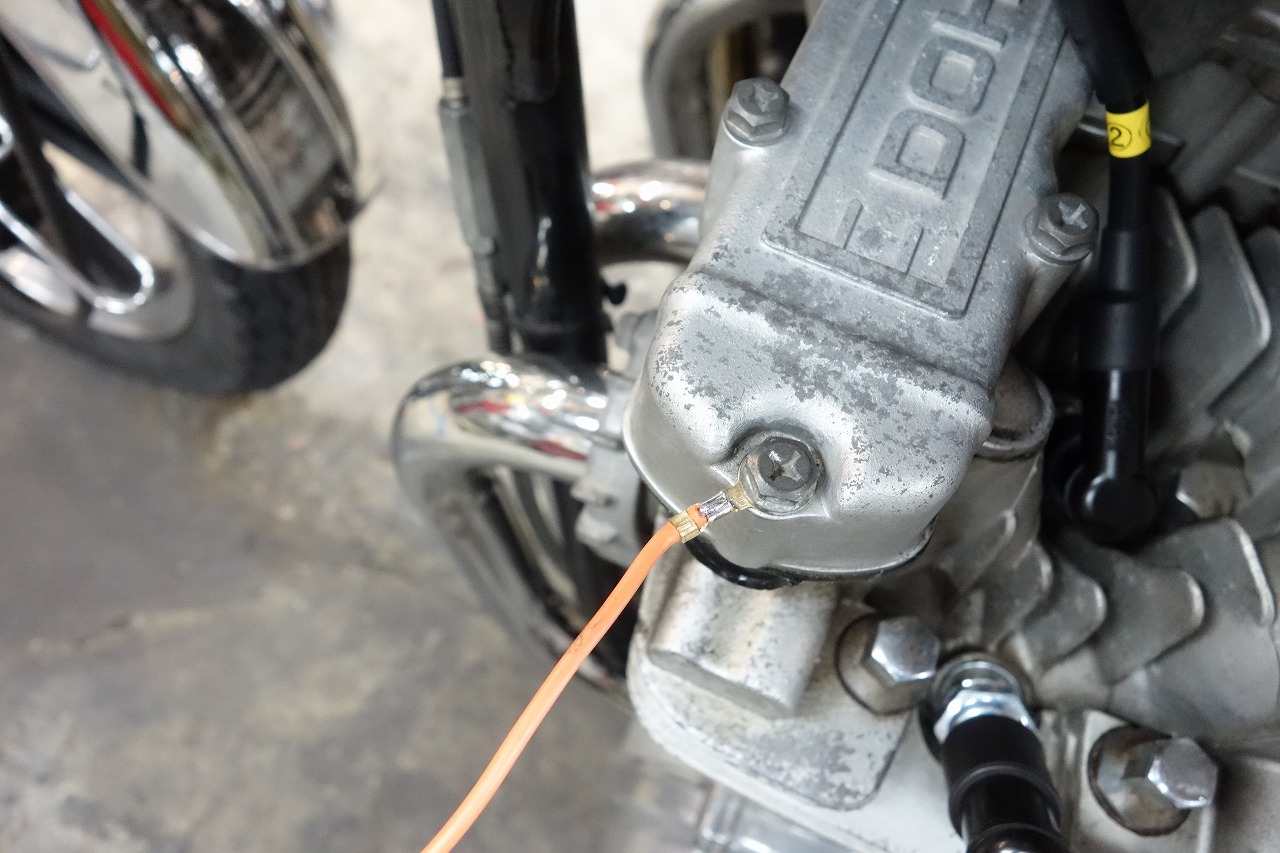
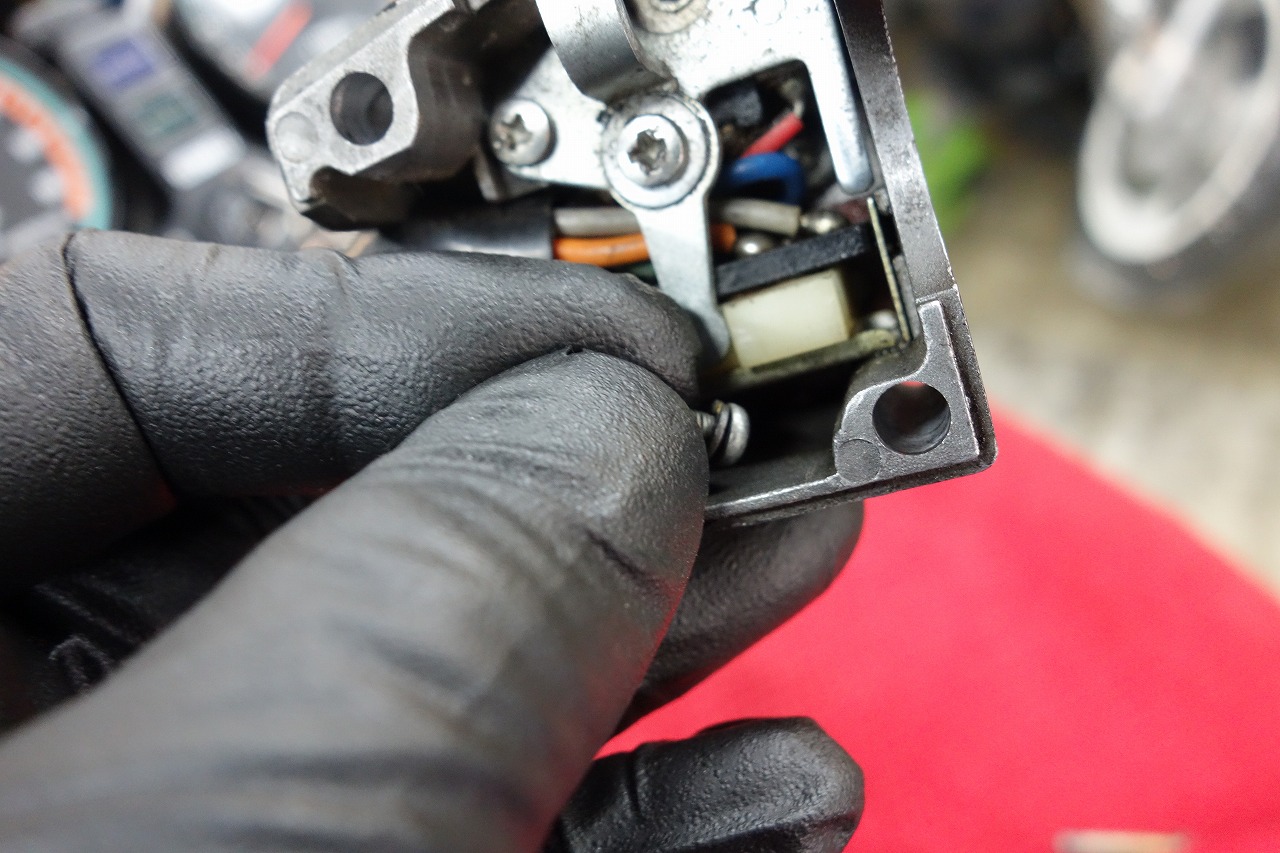
It blew! And I even reproduced that weird symptom of flickering on and off. This was it!
So that’s why it would blow on hills or when I jerked it in first gear. Absolutely unbelievable. It’s been good material and experience, but the video of it failing will be on YouTube.
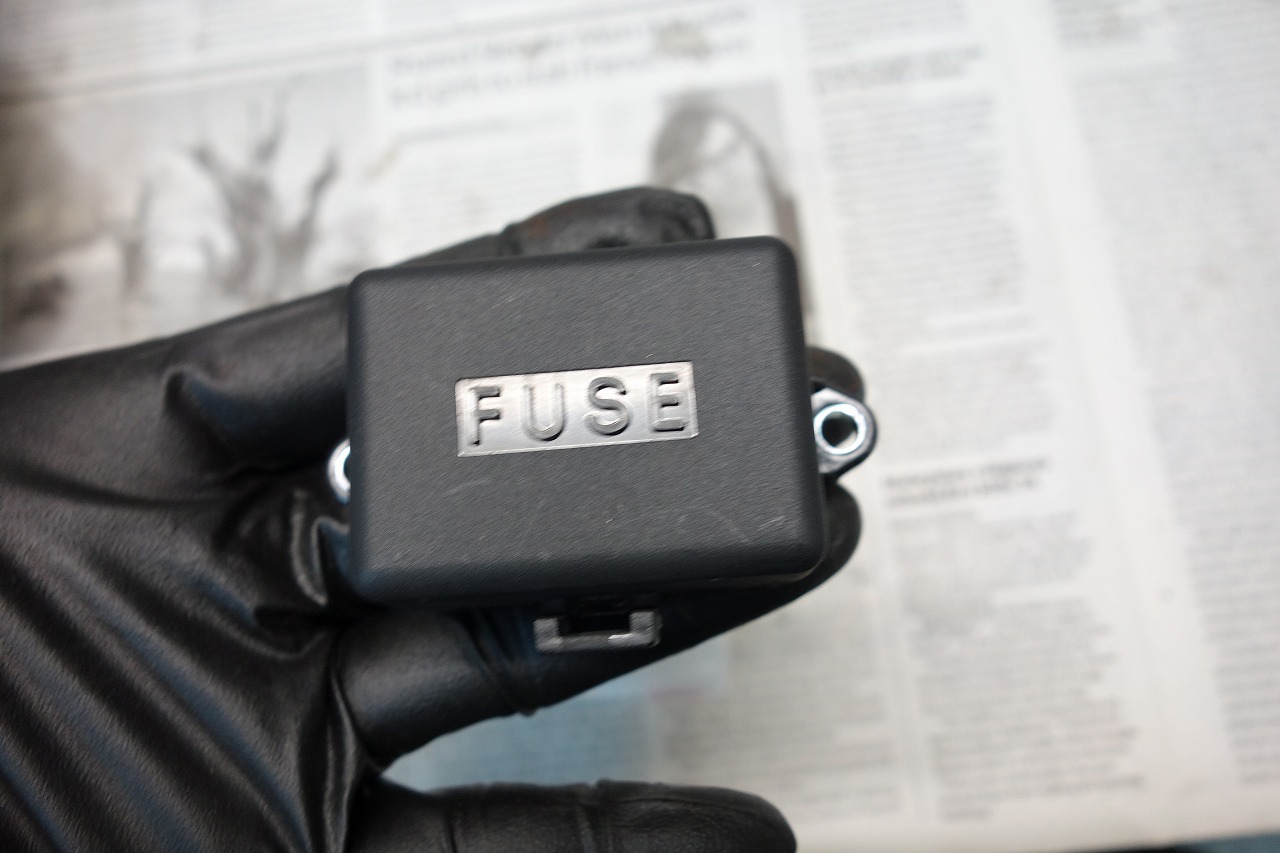
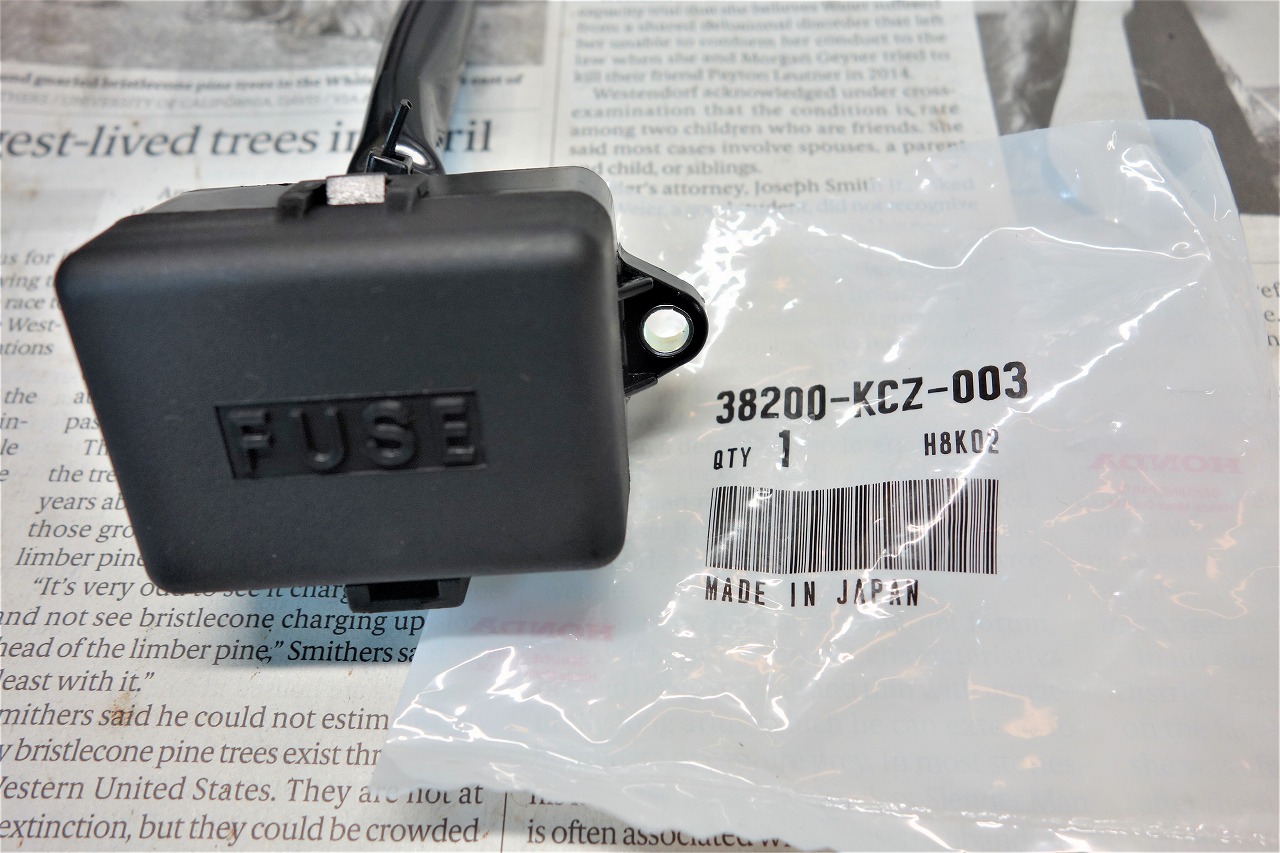
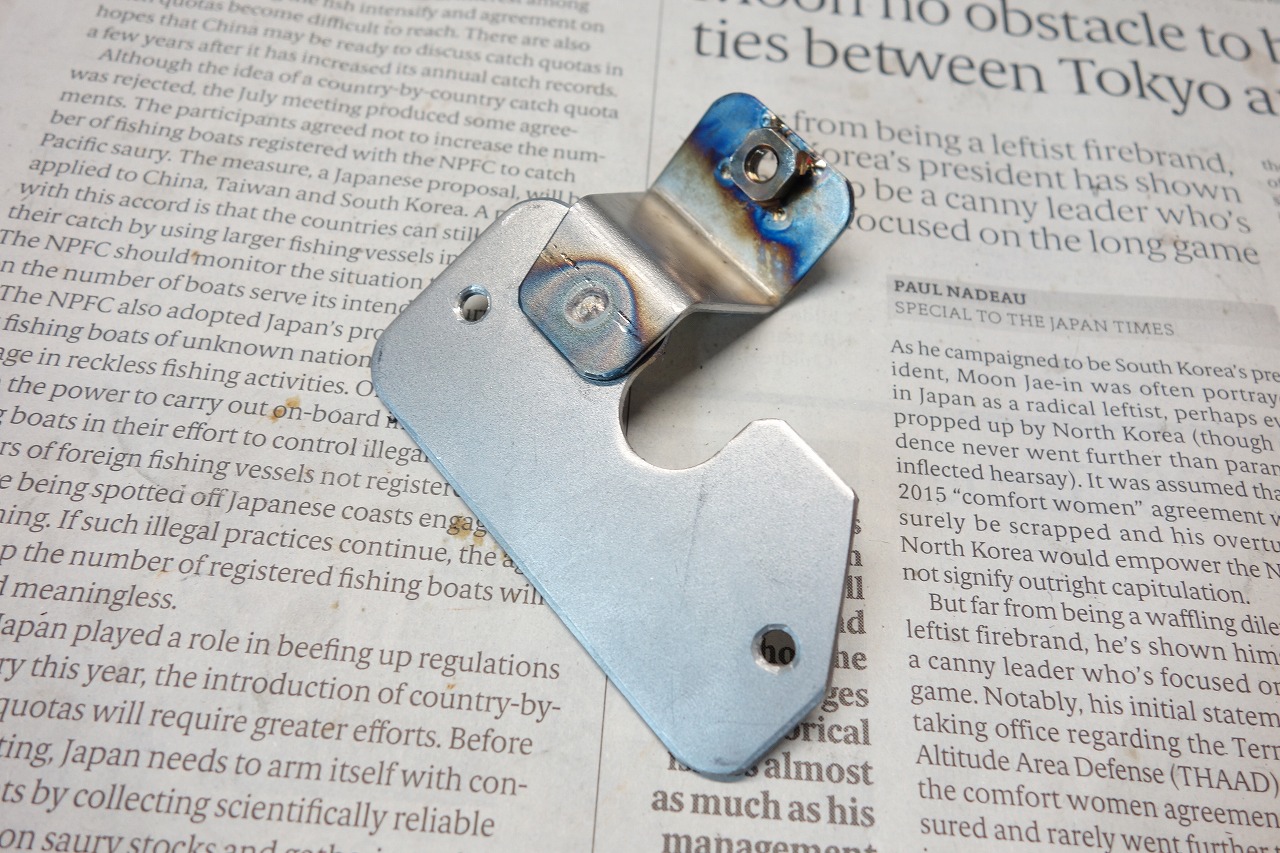
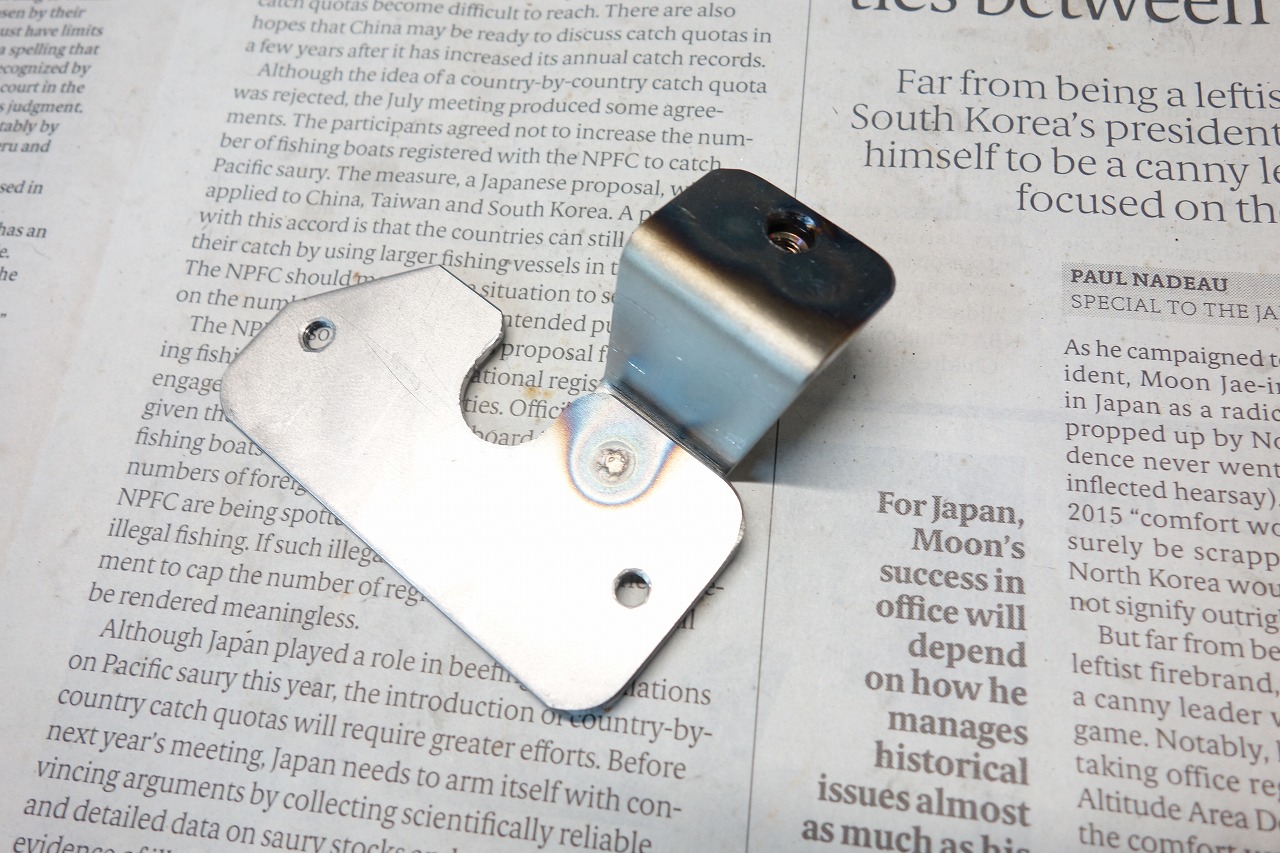
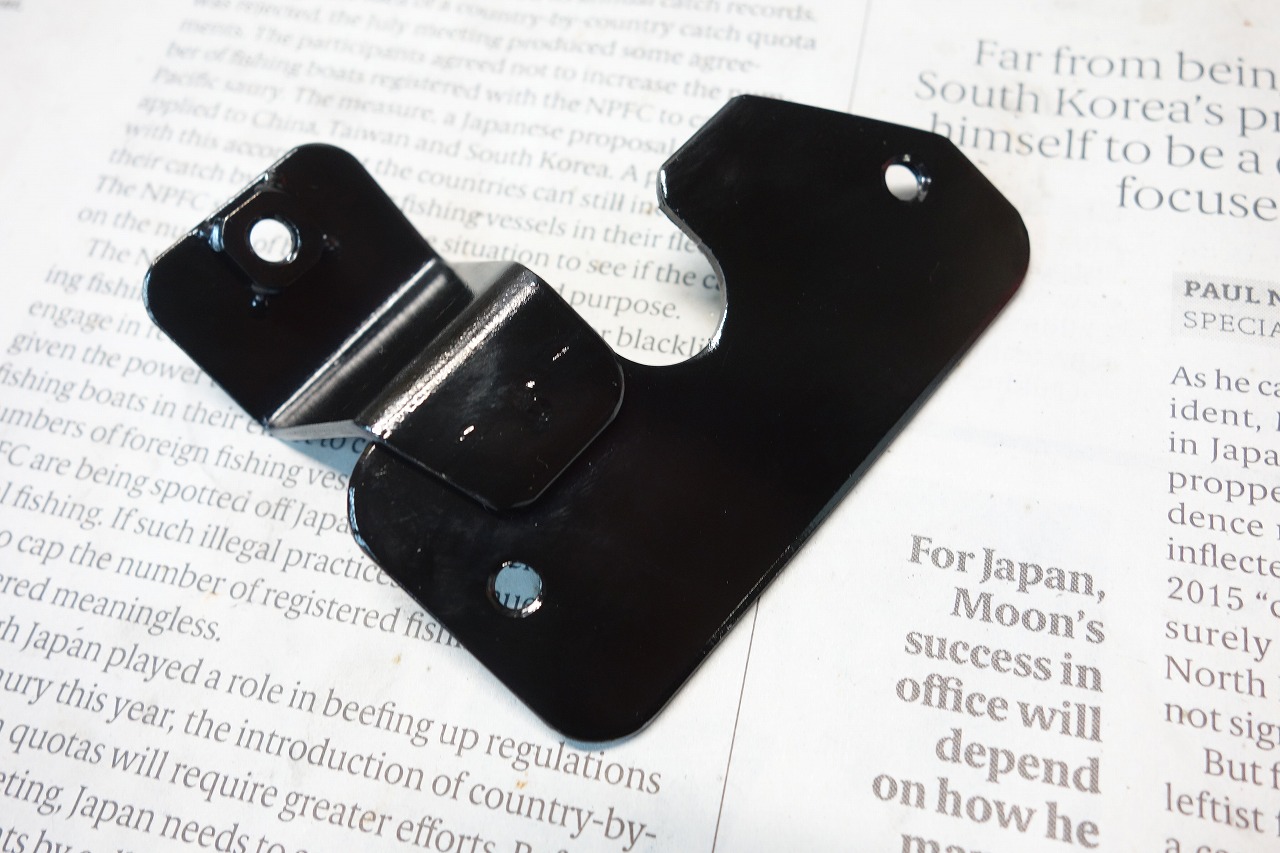
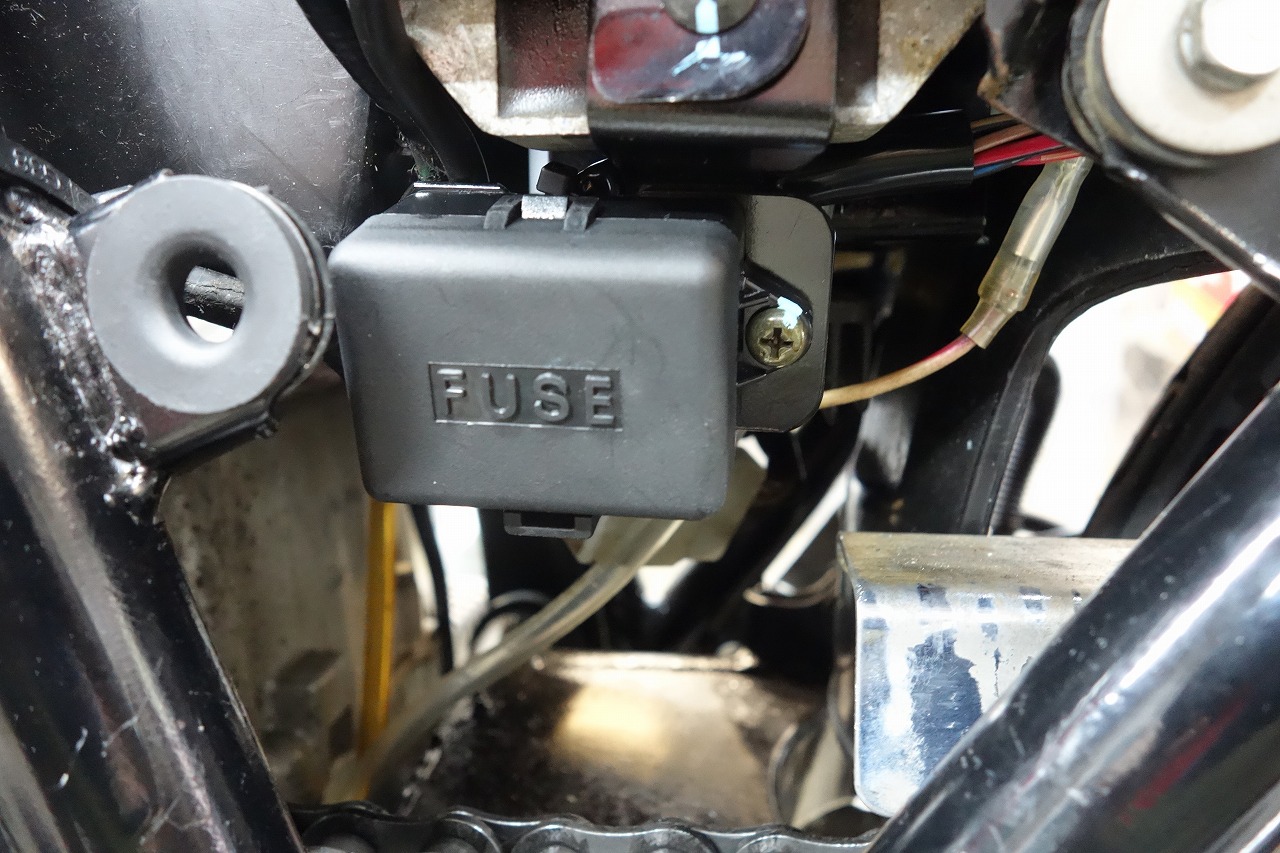
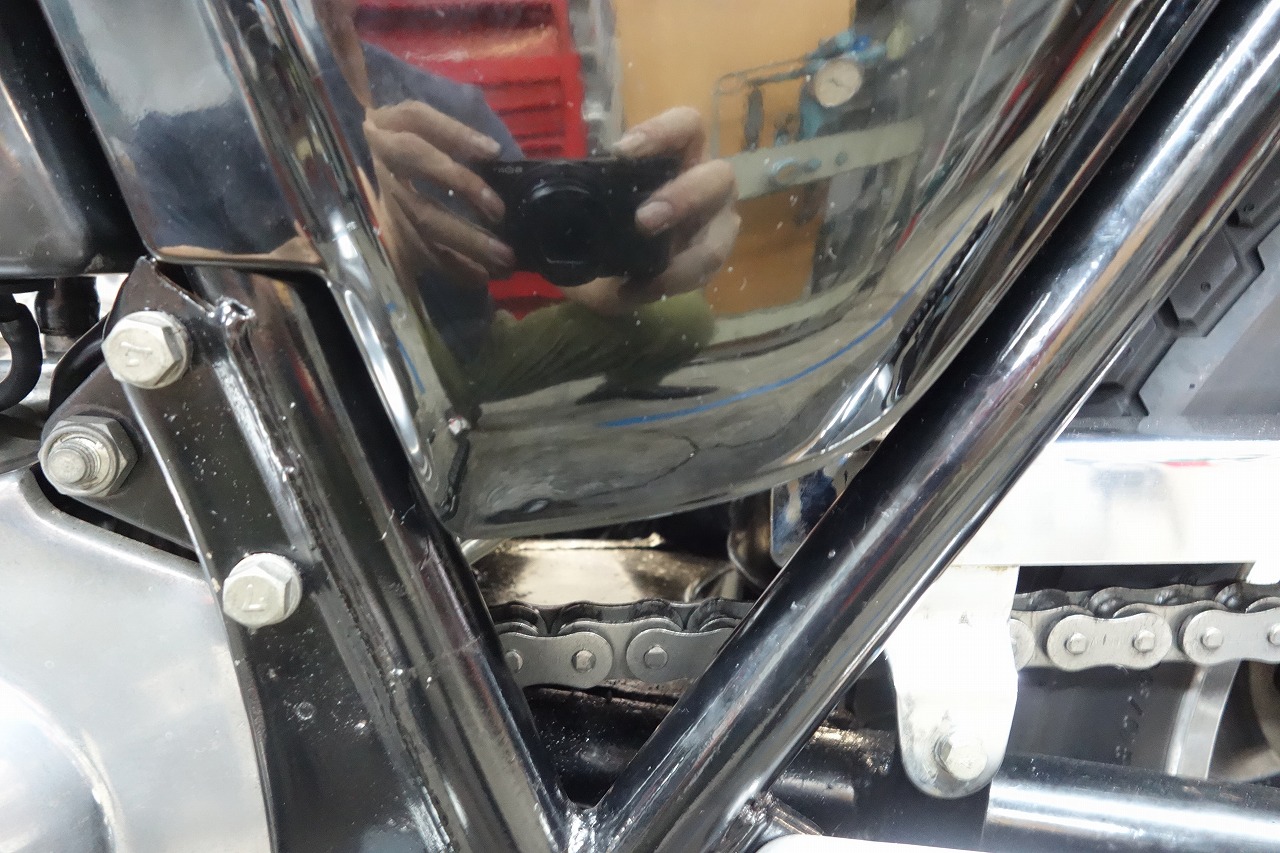
the starter button came off
a bolt inside the left switch fell out at some point
symptoms started appearing right after I replaced the right switch
and the fuse would blow from impacts on hills and bumps.
Usually, the area I touched is the culprit, but this time I was completely blindsided by an unexpected troublemaker over two days.
You might think, “This makes no sense?” but you can’t give up—you have to eliminate the mystery one step at a time.
I wouldn’t want to experience it again, but now that it’s over, I think this kind of thing is actually pretty interesting.