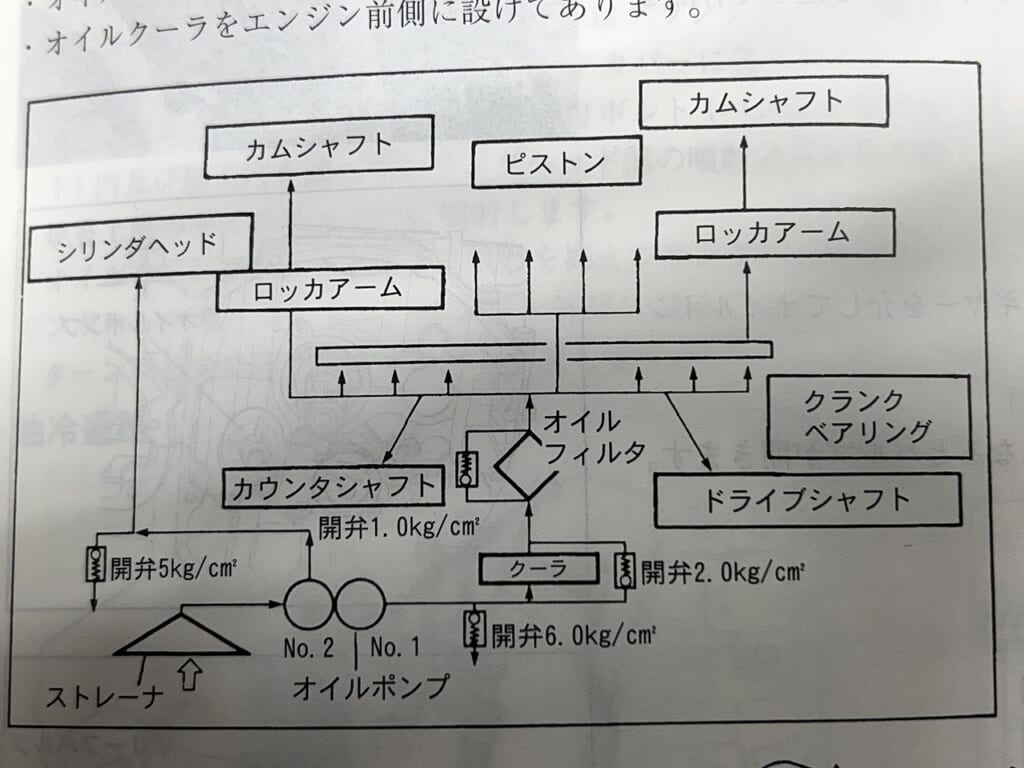
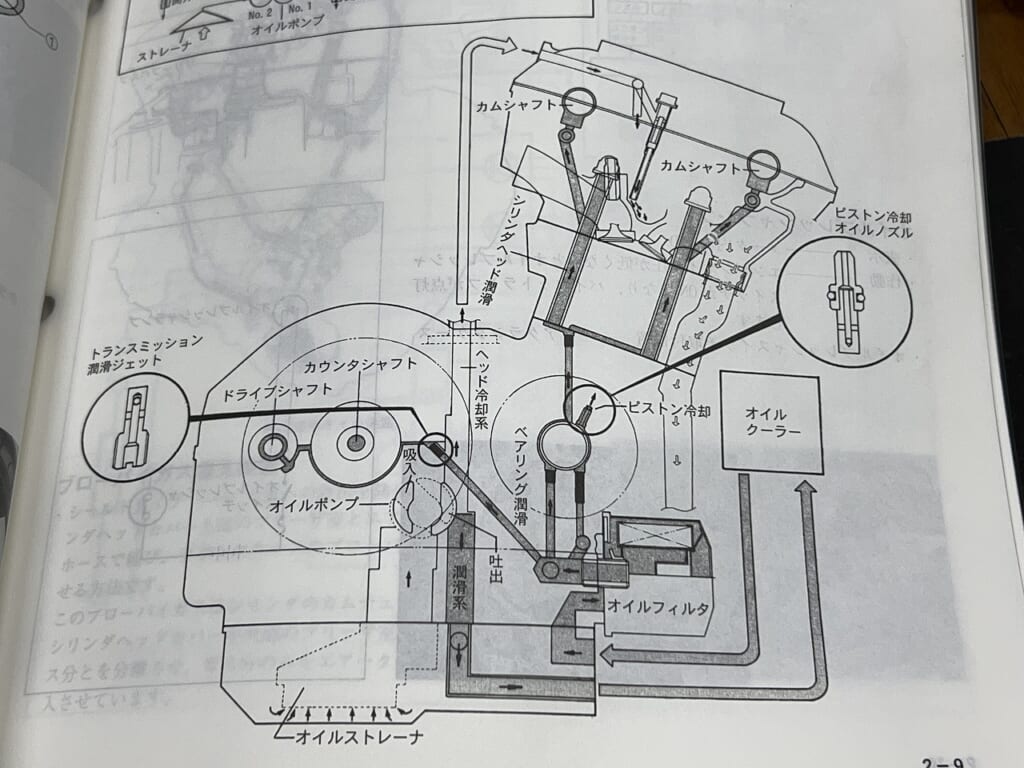
I was carefully checking the oil circulation diagram for the oil-cooled system. Oil-cooled = oil is essential… Essential lubrication
He’s the one… the oil-cooled ambassador…
[IMPORTANT] To Oil-Cooled Engine Owners
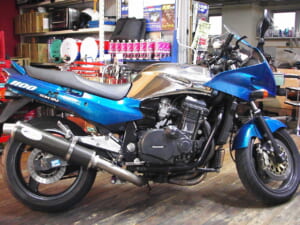
Target: GSF1200, Inazuma1200, GSX-R750/1100, BANDIT1200 and other oil-cooled bikes.
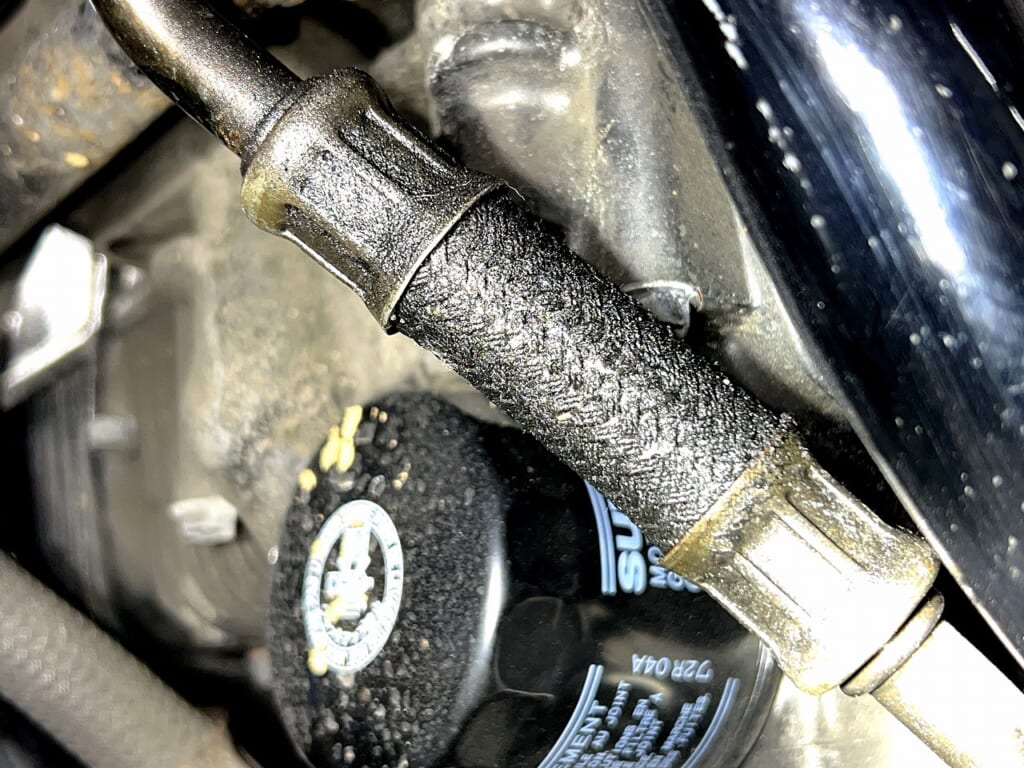
Symptoms: Hardening of the rubber portion of the oil cooler hose, Oil seeping or leaking from the crimped joints (connection with fittings) .
Risk:
Because oil-cooled systems have high oil flow and pressure, there’s a risk that the hose could suddenly detach or burst while riding.
If the sprayed oil hits the rear tire, it will cause an immediate crash.
Countermeasure: Once you see “seeping,” the hose has reached the end of its life. We strongly recommend obtaining and replacing with OEM new parts as soon as possible.
Decoboco’s other BLOG. “RURAL GARAGE ”
A hidden room for non-bike topics. Sharing everyday convenient items, relocation, delicious food, life philosophy and more. ←click
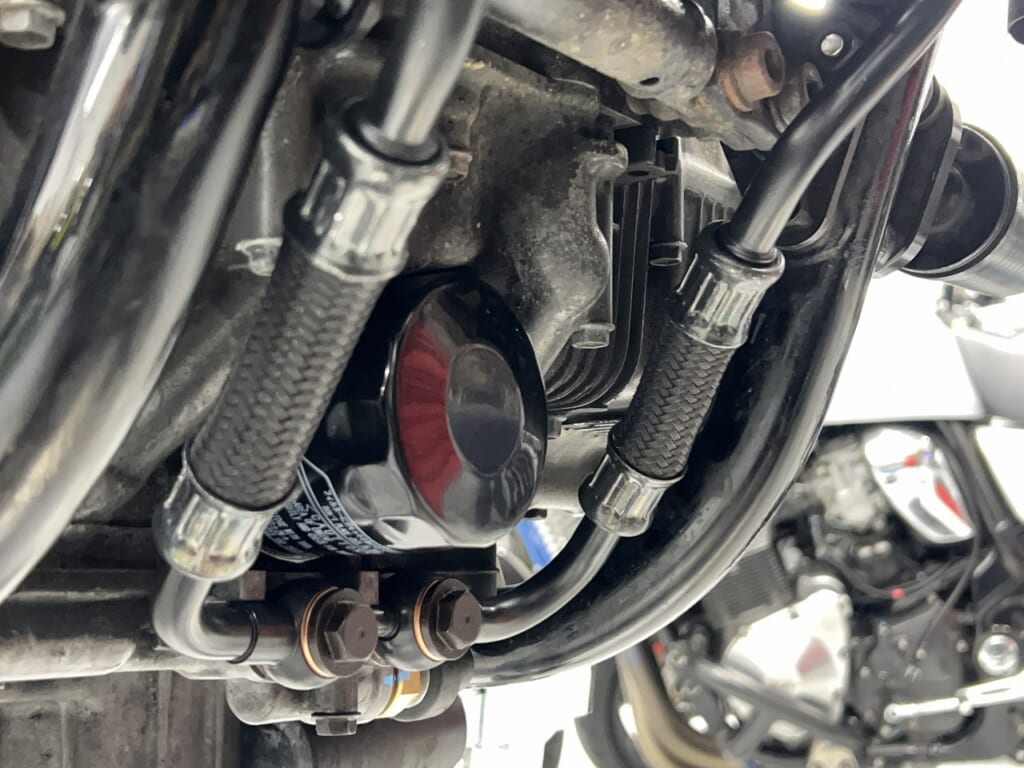
It looks like a solid hose, but? It’s just inserted and crimped tightly . The hose section absorbs vibration and layout stress well, with the pipe handling the tight spots. I think the OEM oil hose is ideal…
Even such hoses are now decades old. They’re reaching their limits.
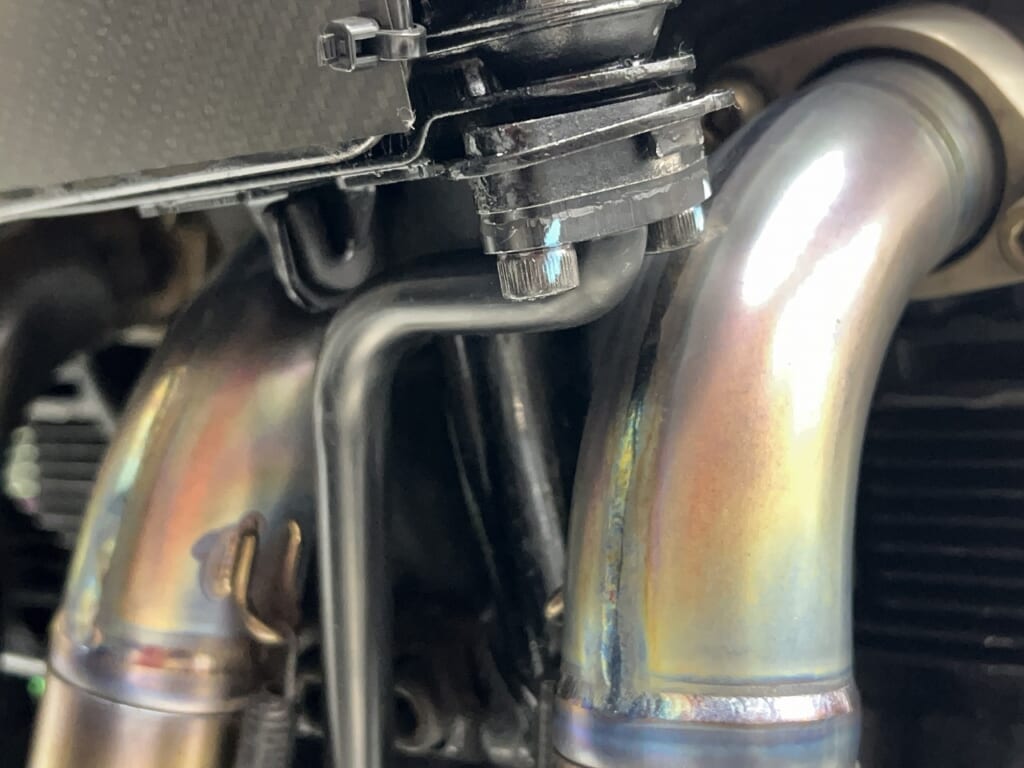
The OEM oil cooler layout is too tight to use mesh hoses.
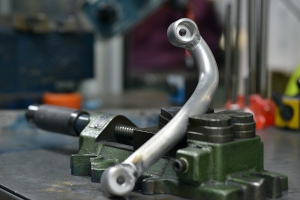
In such tight spots, we must use pipes, and the installation is also custom.
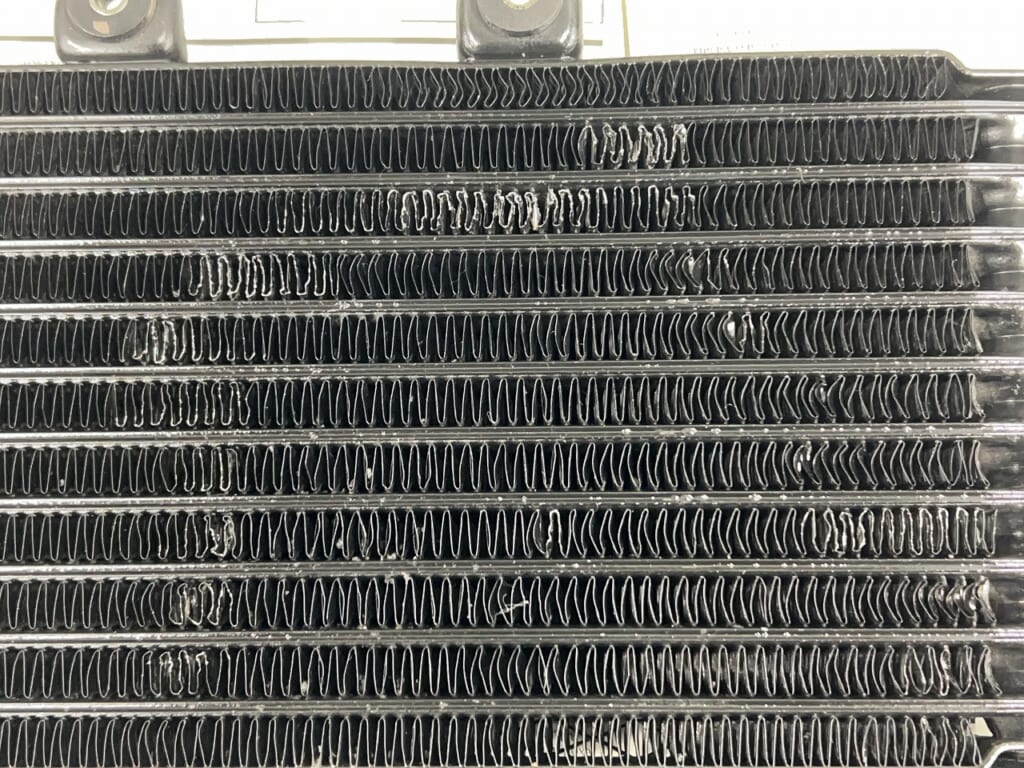
I made some minor corrections. Once you start, fin correction is somewhat fun? Pulling out the crushed and torn fins is tediously annoying.
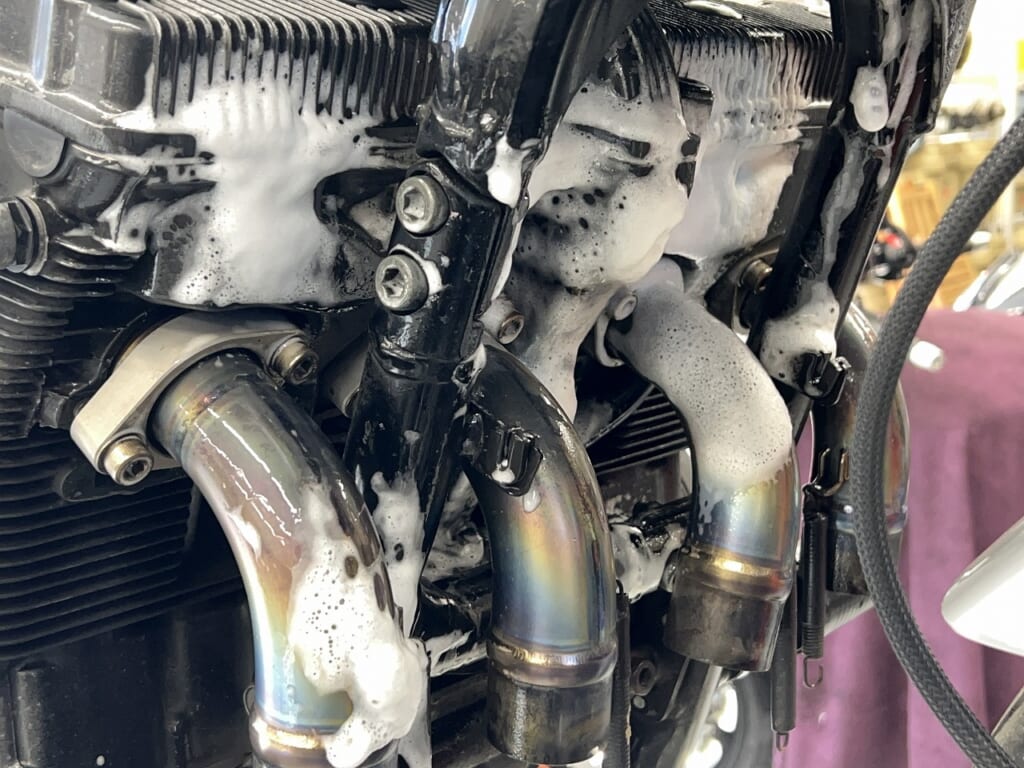
When I removed the oil cooler, I left it untouched. Of course the dirt comes off and it gets clean and gains a nice shine.
There’s a visual trick at play too.
Wow, it’s clean now! This should last until I retire this bike.
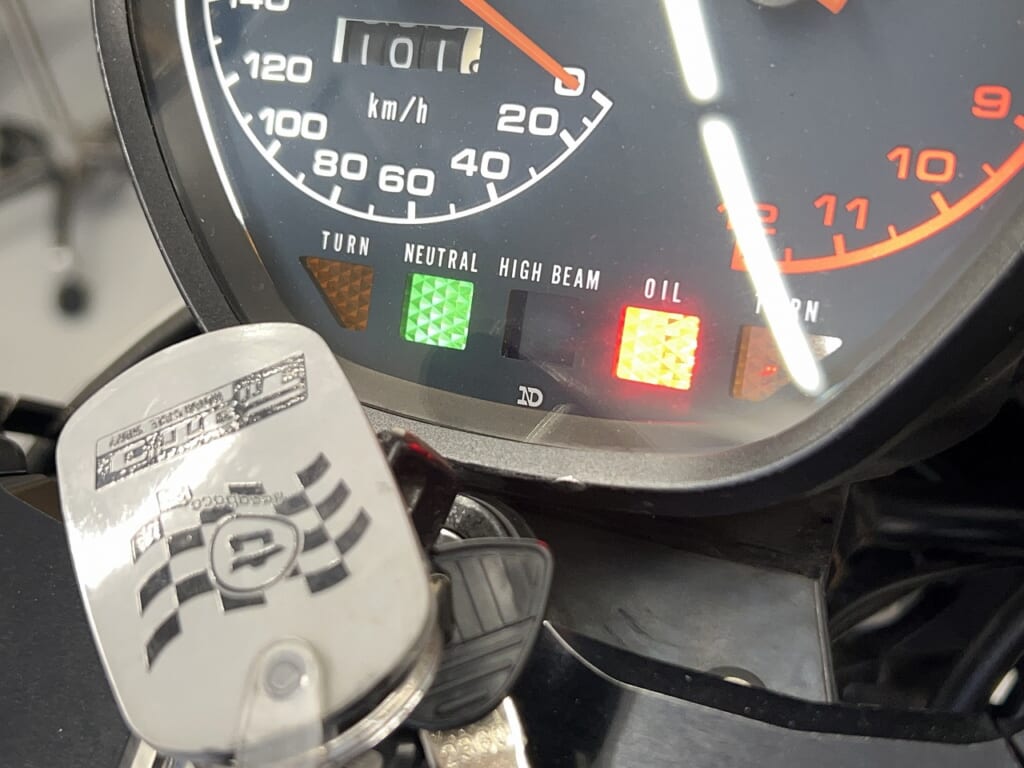
I’m relocating the oil pressure switch.
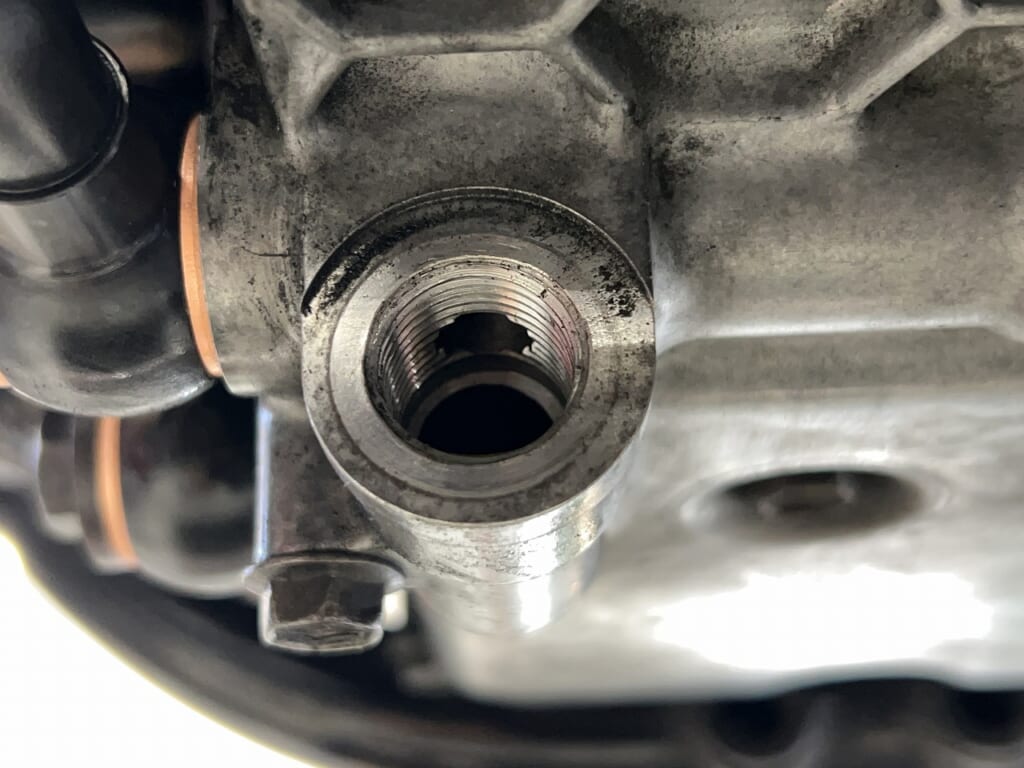
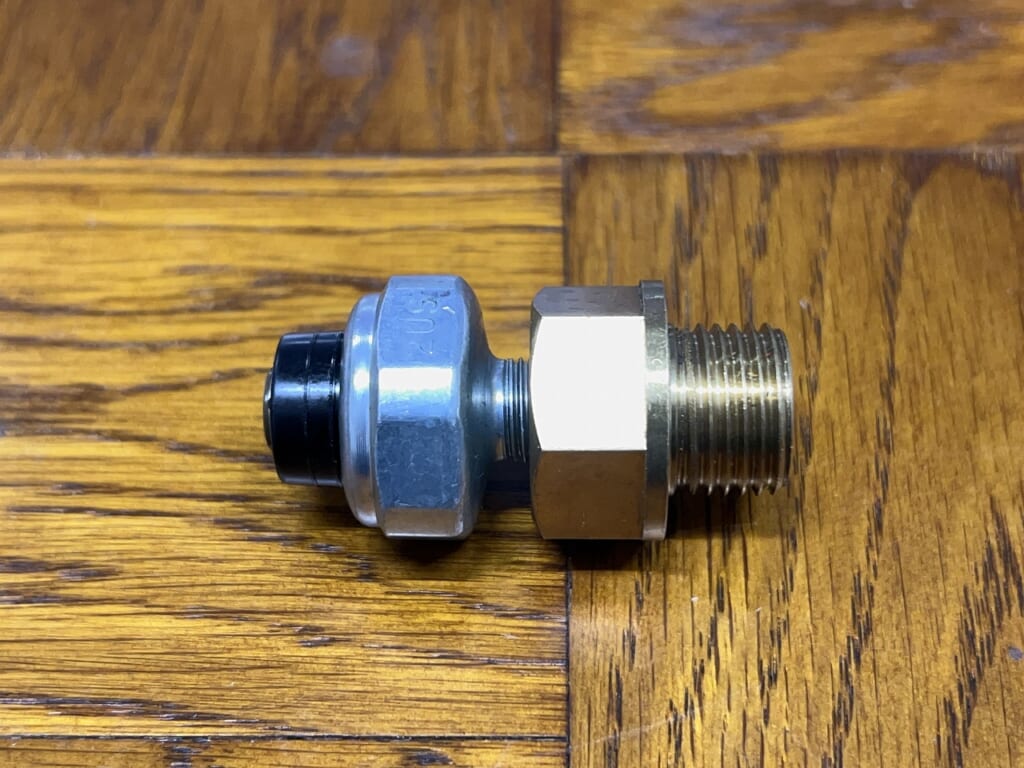
I’m borrowing from the spot where I usually install the oil temperature gauge. Everyone’s favorite M16-P1.5 There’s a passage directly above, so I can’t block it.
The oil-cooled oil pump has NO1/NO2 inside one unit. Just to be safe, let me check where the relief valve kicks in.
In other words, if you tap from the wrong spot, unlike the oil temperature sensor, you could “blow through” the system. That’s why I wondered if the oil-cooled system might have the pressure switch inside the pulsar cover…
No need to worry. The manufacturer has thought it through carefully, and easily accessible spots are after the relief valve, so it’s safe and secure .
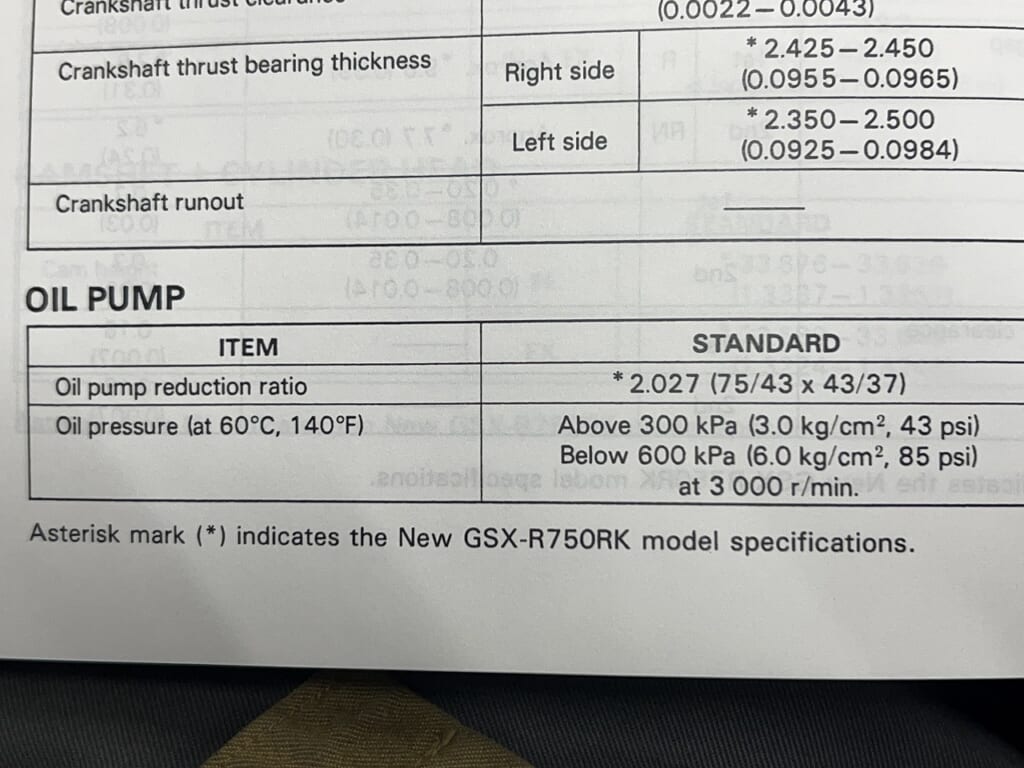
Oil pump and oil pump reduction ratio
Nowadays, oil pumps are also worn out, so reusing them is impossible. There’s even a theory that GSX-R series pumps are more robust in terms of displacement.
But if you don’t understand this ratio well before reusing, you might not achieve maximum effectiveness. The ideal ratio at normal RPM is crucial. The manufacturer considers oil cavitation and many other factors, and may have changed the ratio for 750/1100/1200 models accordingly.
Only a manufacturer creating products can know this level of detail.
GSX-R750RK vs 1200cc: Oil Pump Reduction Ratio Comparison
Model
Reduction Ratio
Pump Operation per Crankshaft Revolution
GSX-R750RK
2.027
Approx. 0.49 revolutions
1200cc Series
1.703
Approx. 0.58 revolutions
Conclusion: The 1200 series pump rotates approximately 18-19% faster than the RK.
🏁 RK (Racer) Strategy
“Cavitation Prevention” To prevent the pump from spinning too fast and foaming the oil at ultra-high RPMs over 13,000, they deliberately adopted a “large-displacement pump × low-speed” combination.
🏍️ 1200 (Street) Strategy
“Low-to-Mid RPM Cooling Priority” To ensure reliable cooling even in traffic or low-RPM riding, they set it to “spin the pump faster to gain flow.” The ultimate street spec.
Later models are stronger! The manufacturer has implemented various countermeasures.
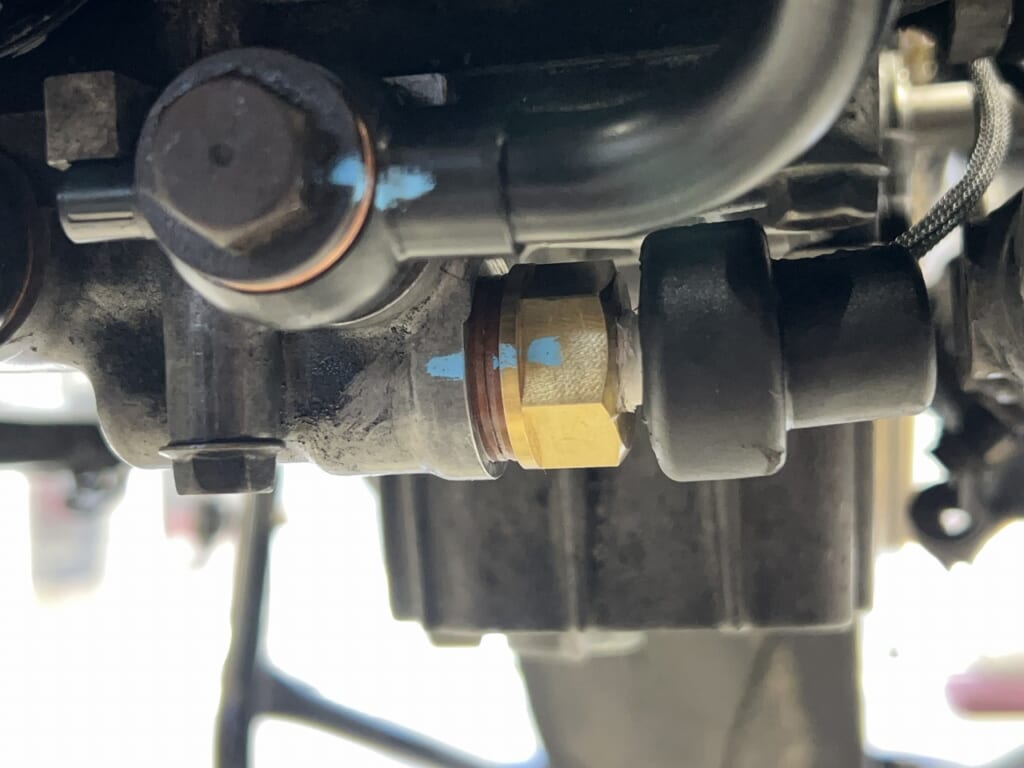
Relocating the oil pressure switch to the oil pan gallery
M16-P1.5 oil pressure adapter (used) The hole diameter at the tip is 1Φ or less, so even with high pressure coming through, it’s designed safely. I’m using two gaskets to relieve any potential contact with the passage. If you machine the hole too large, it becomes a straight-through, so be careful.
The GSX-R750RK had one mounted on the front too.
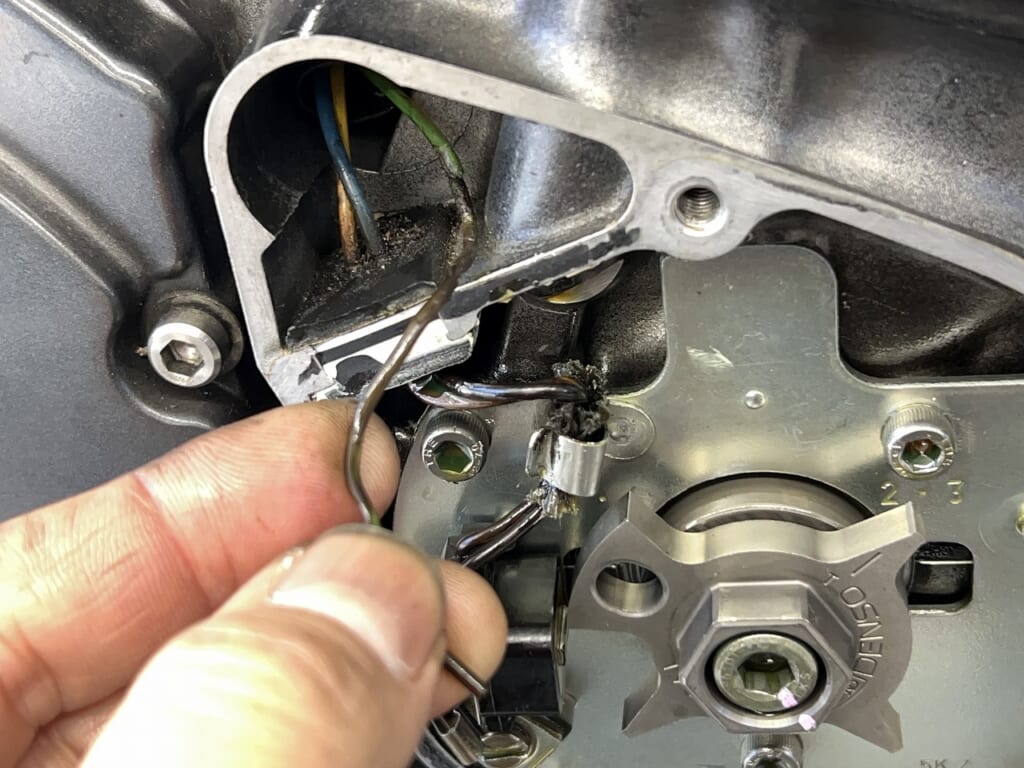
Moving to the right side to pull out the oil pressure switch wiring. The color is sketchy and the wiring itself has become plastic…
I sometimes wonder if an era will come when we fix these like we do with Z bikes. I’ll fill the pulled hole with liquid gasket to seal it. This side is fine to cover.
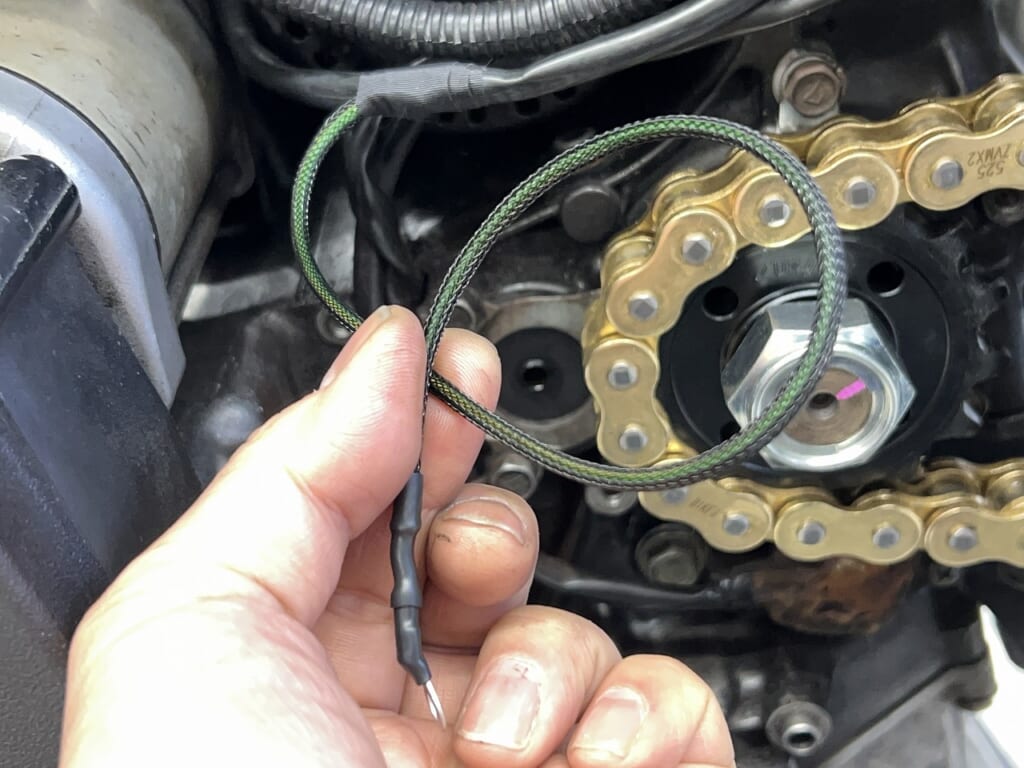
Then I go to the left, pull out the wiring, crimp on a ring terminal, and I’m done. Seriously! This thinnest braided sleeve from Monotaro is the best~
I should look for something more opaque… let me do that. The oil pressure switch has a simple structure—it just grounds on/off.
It now lights up like this. Due to location, there’s some lag when cold, but once warmed up it operates normally.
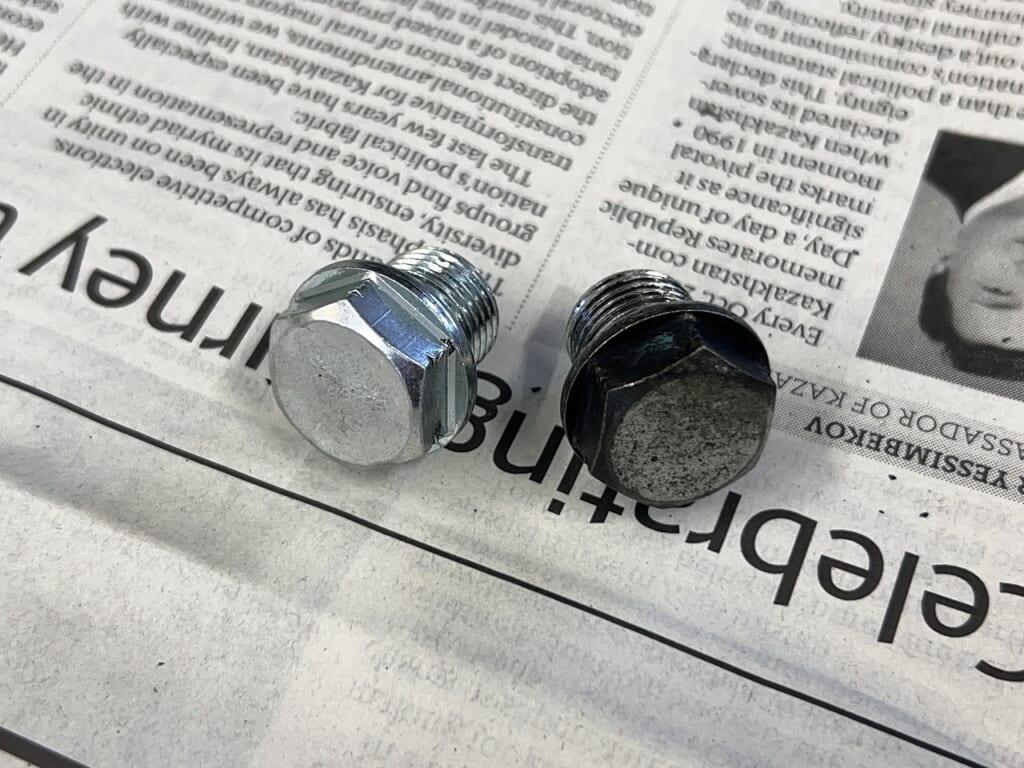
I also replaced the drain bolt while doing an oil change. When the drain bolt is clean, the technician feels better somehow. It’s a strange thing.
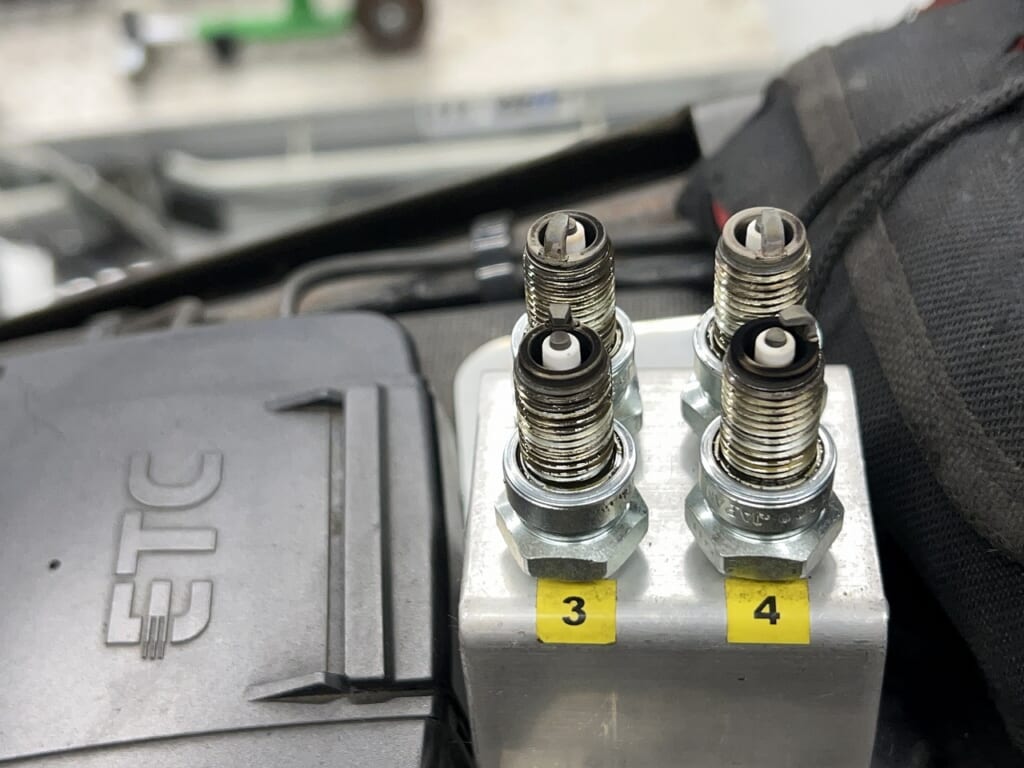
When replacing the oil cooler, remove the spark plugs and circulate the oil well before starting. Love saves the engine? Love is all good.
WARNING: Aging Oil Cooler Hoses on Suzuki Oil-Cooled Engines. Issue: The rubber oil lines on older Suzuki oil-cooled bikes (GSF, GSX-R, Inazuma) are reaching the end of their life.
Danger: These hoses carry oil at high pressure. Hardened rubber and deteriorating crimped joints (“Kashime”) can lead to sudden bursting or detachment while riding. Risk: A burst line means immediate engine failure and a high risk of crashing due to oil on the rear tire. Advice: If you see any oil weeping from the hoses, replace them IMMEDIATELY. Do not ignore this.


 ポチップ
ポチップ