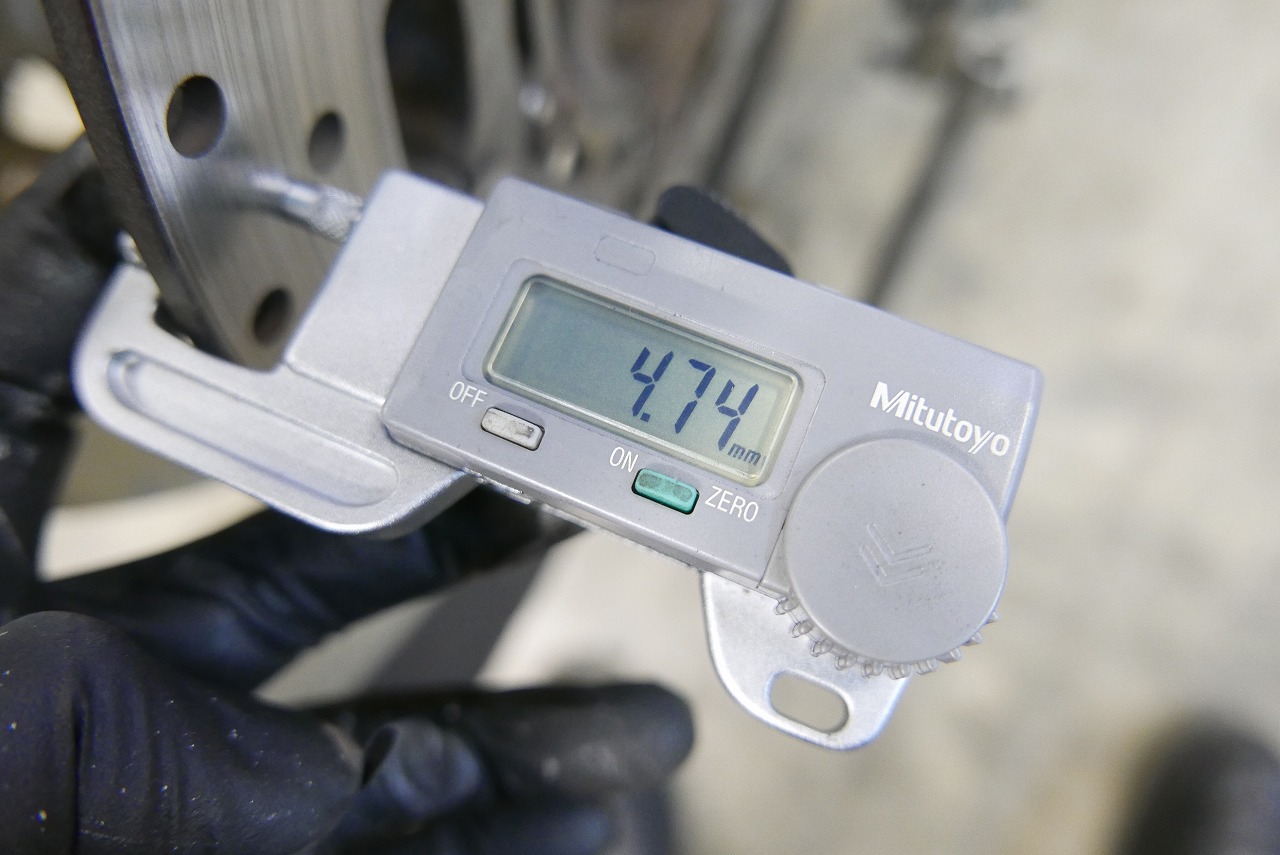
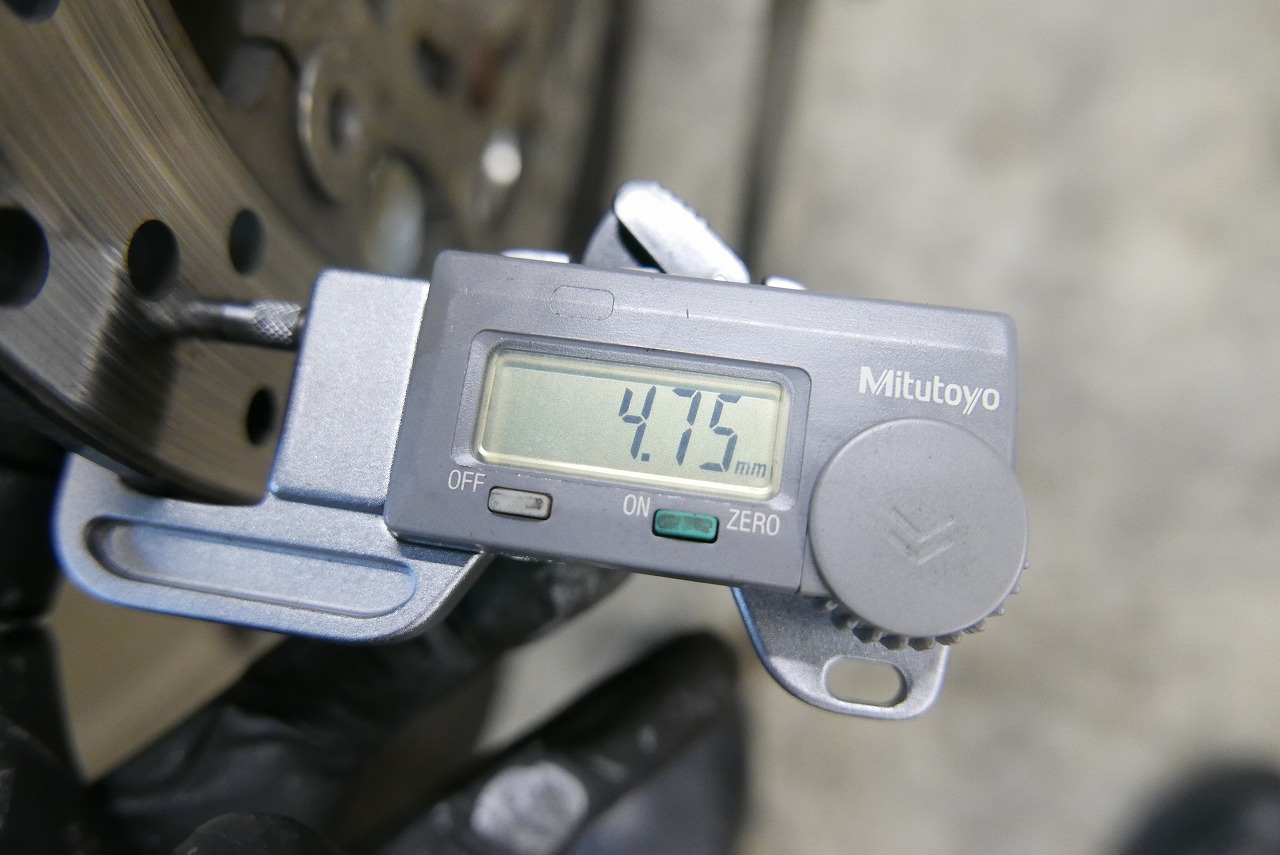
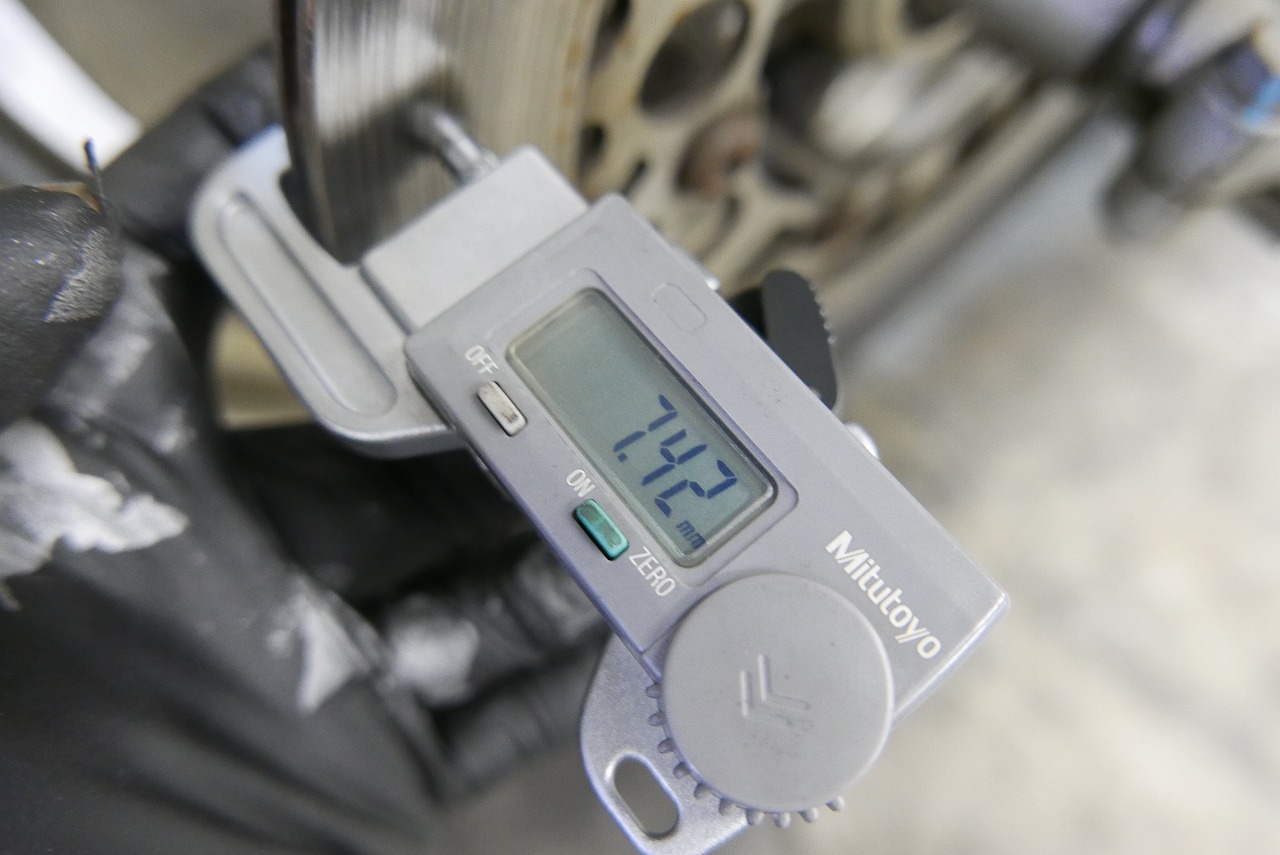
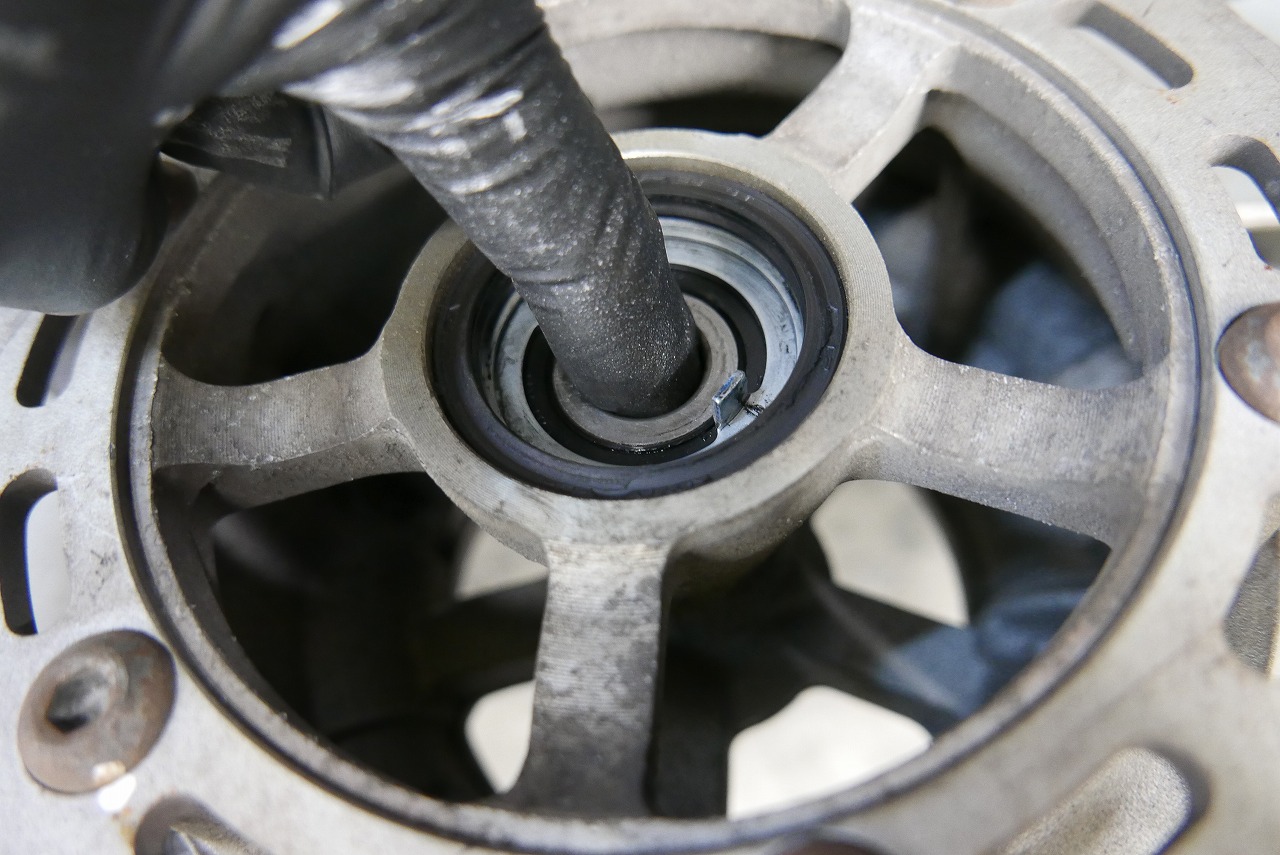
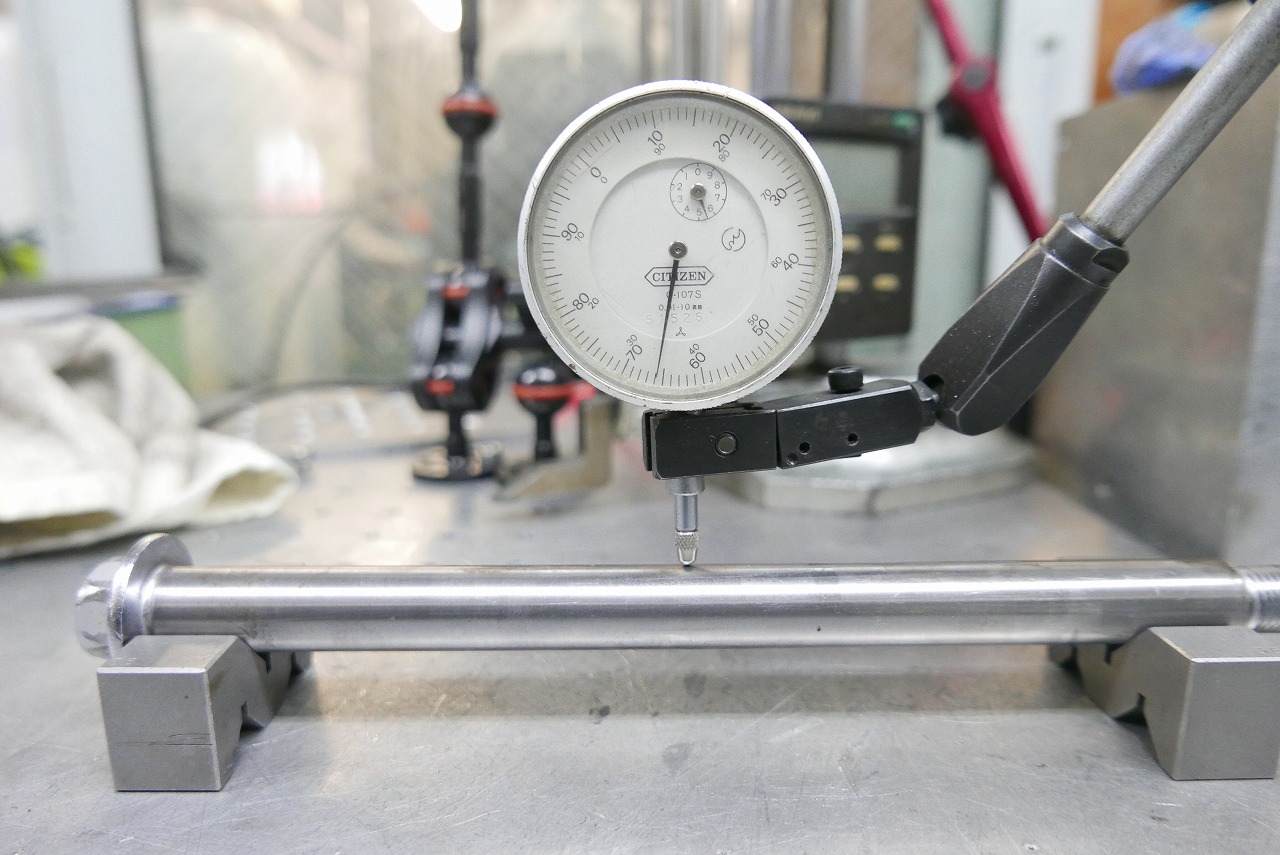
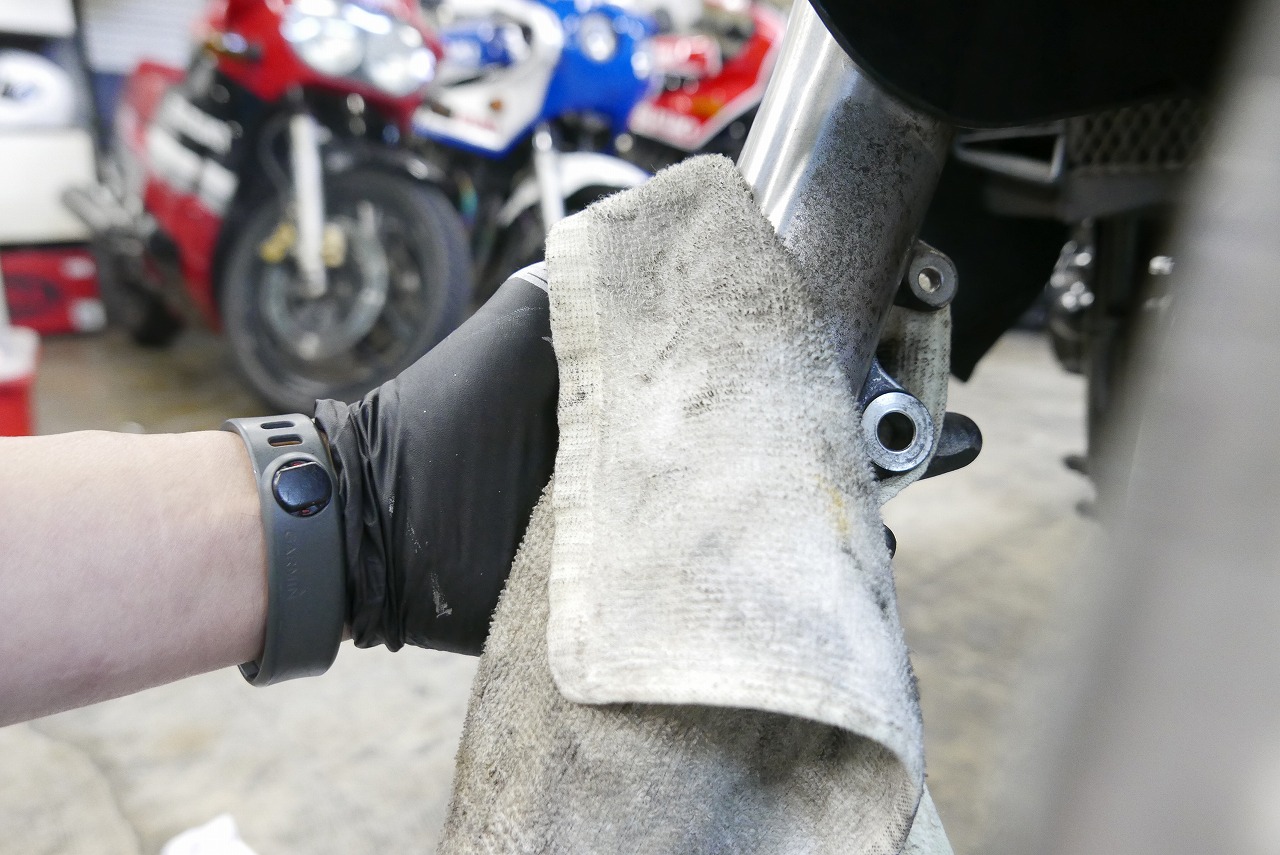
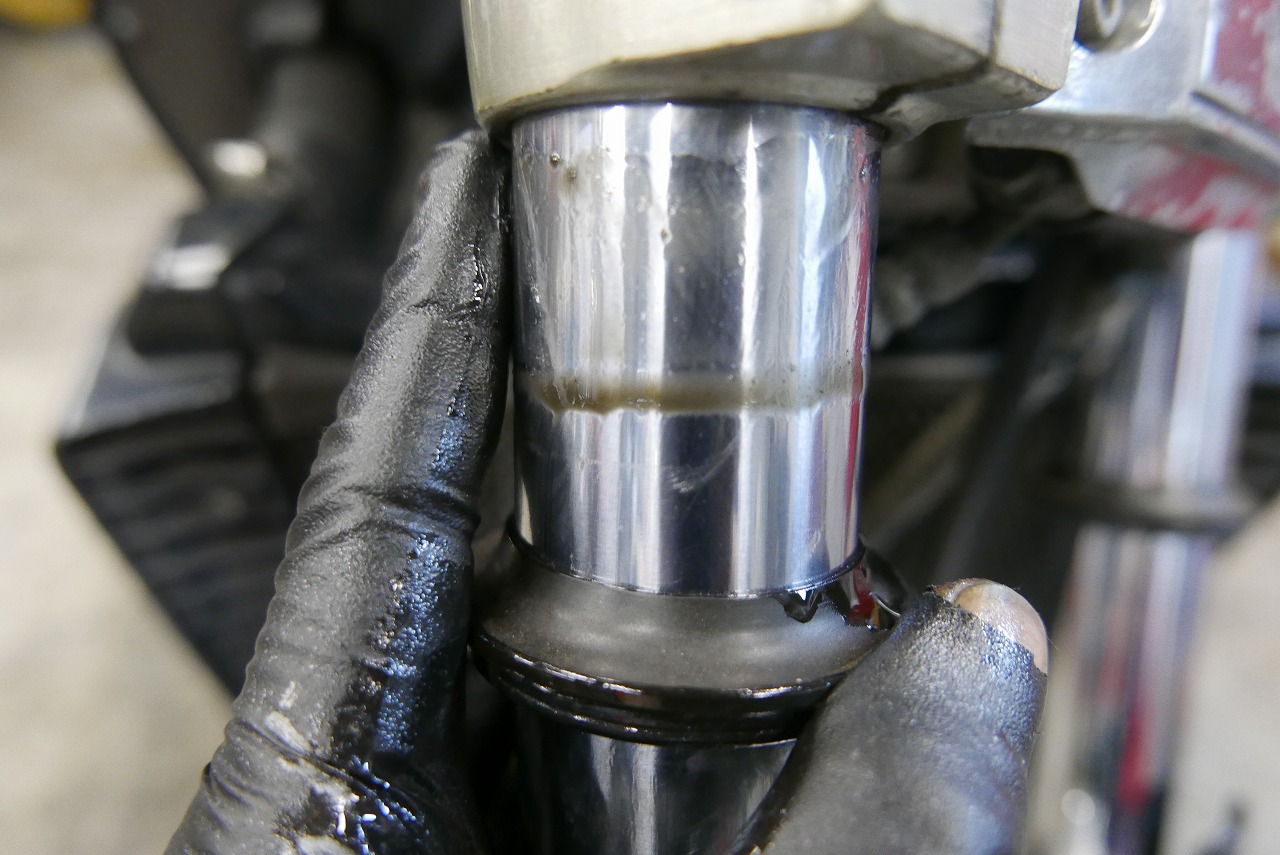
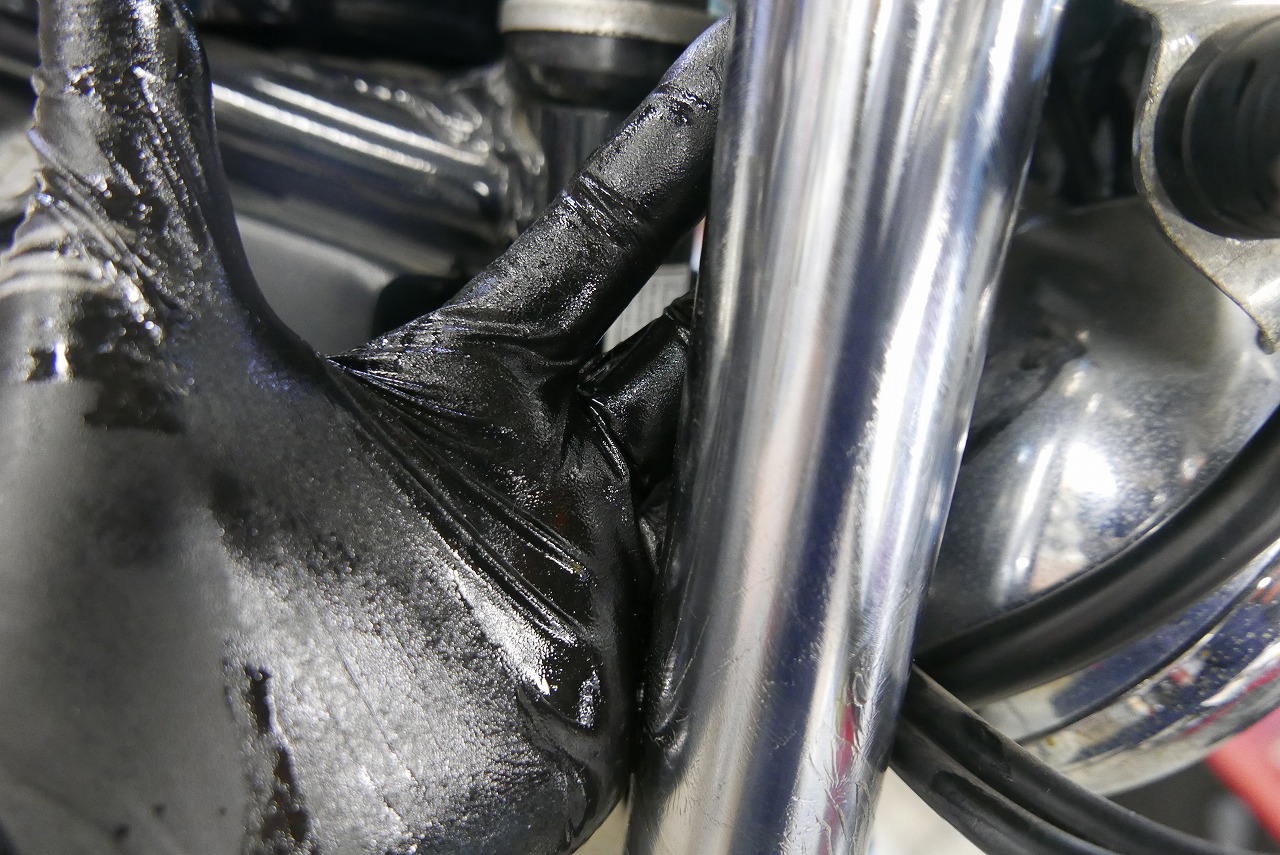
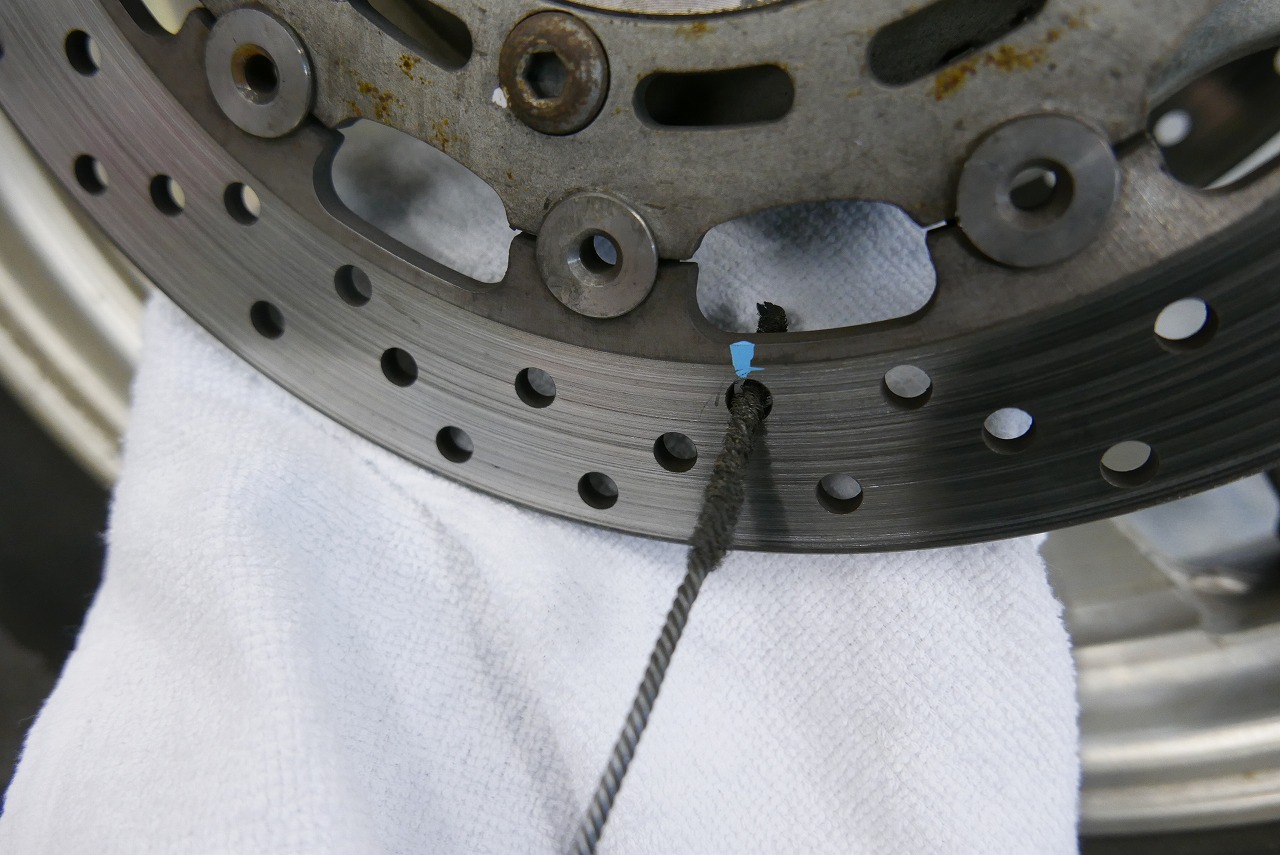
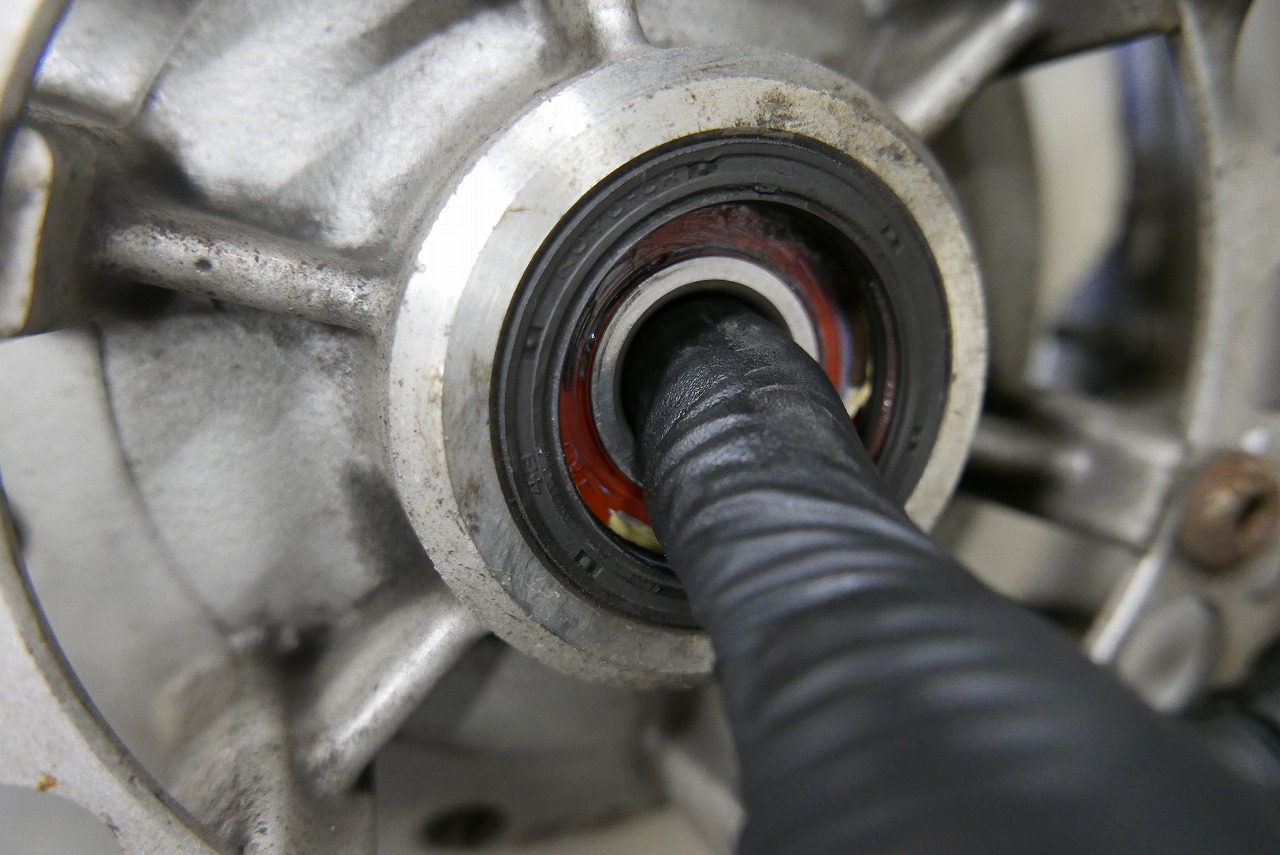
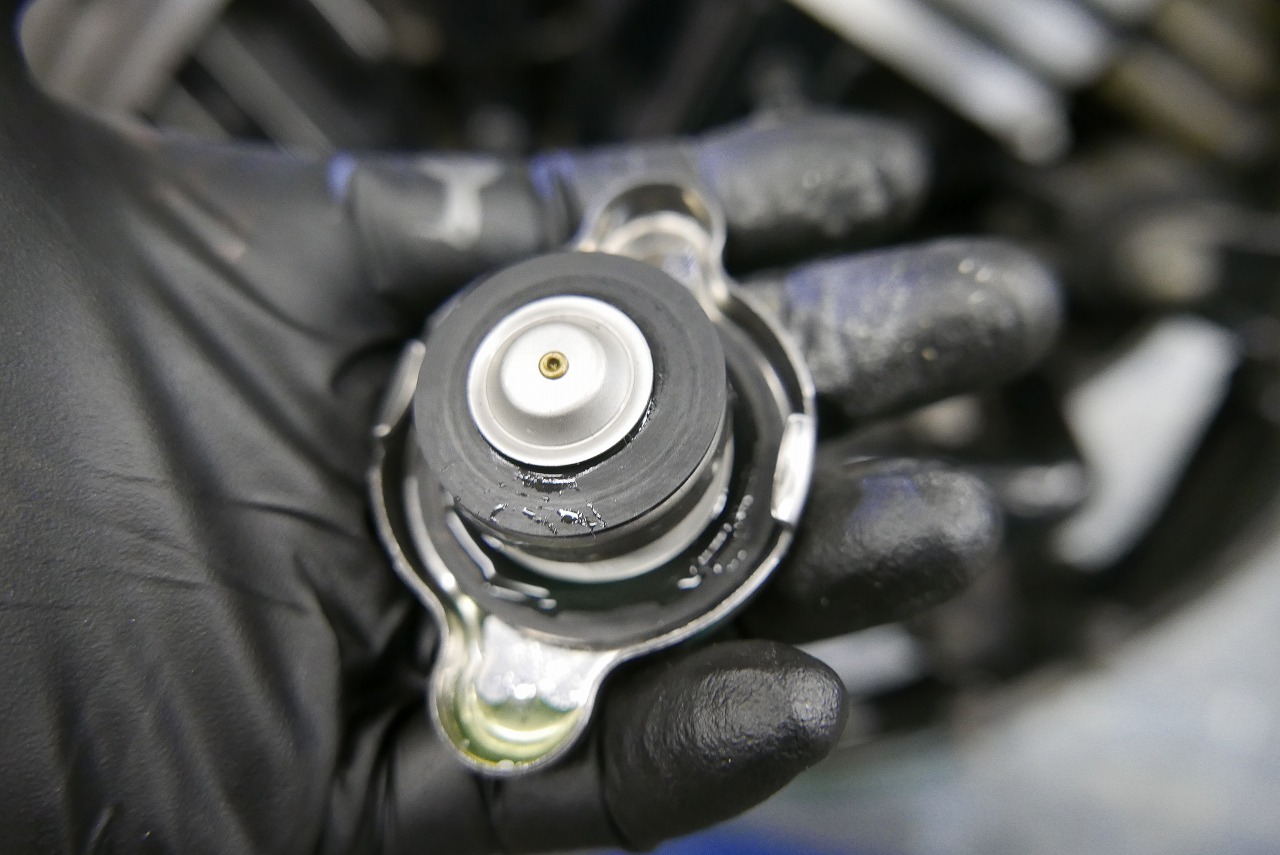
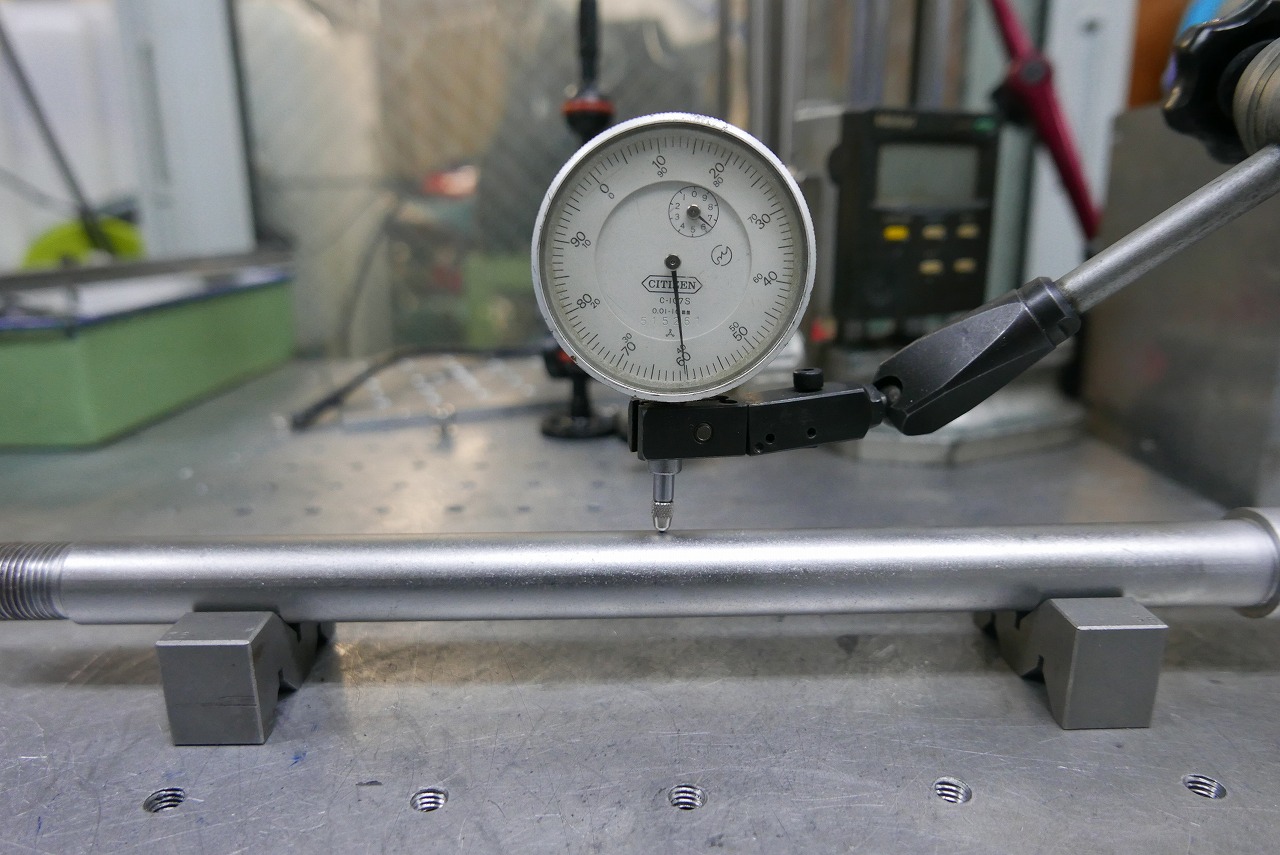
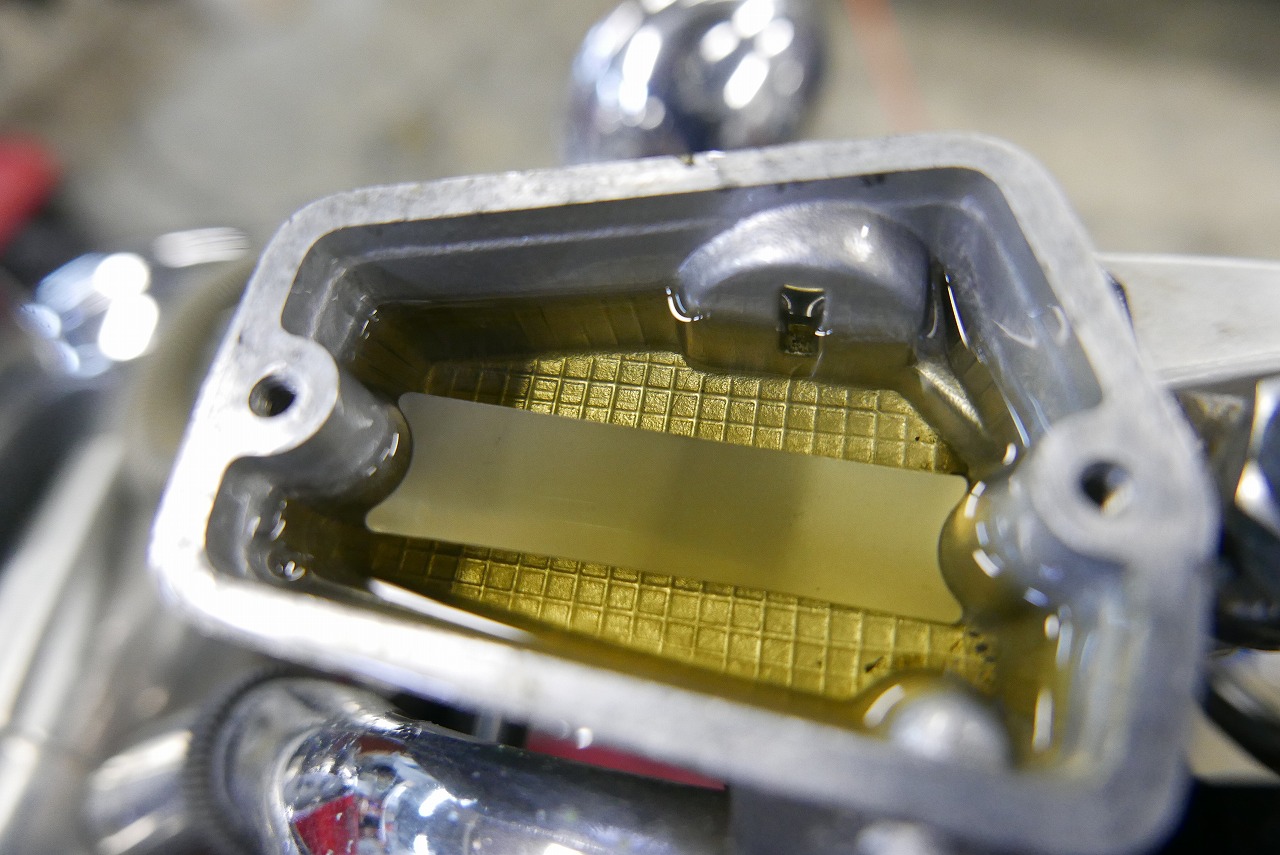
Inspection, Deco-mainte, and Newtech oil change service. Brake disc thickness (remaining pad) check. At the most worn spot, we got these readings. Still good to go! Wheel bearing check. We adjusted them. Bearings go bad from grease separation, oil film breakdown, or high mileage. Replacing them at 20,000 to 30,000 kilometers wouldn’t be unreasonable. Front axle shaft condition is fine. When you remove the wheels, it’s good to clean the inside thoroughly. Most owners never remove their wheels to clean them. It’s something folks do when they can. Front fork oiling and rust prevention. The dust seal really does its job—it catches a lot of debris. We soak both the dust seal and oil seal sides with fork oil and work the fork through its stroke to remove the grit. The area between the top and bottom tubes rusts easily. We spread rust preventative, work it in, and wipe it off once dry. The chrome shine comes back and rust protection improves, which I think helps the inner tubes last longer.
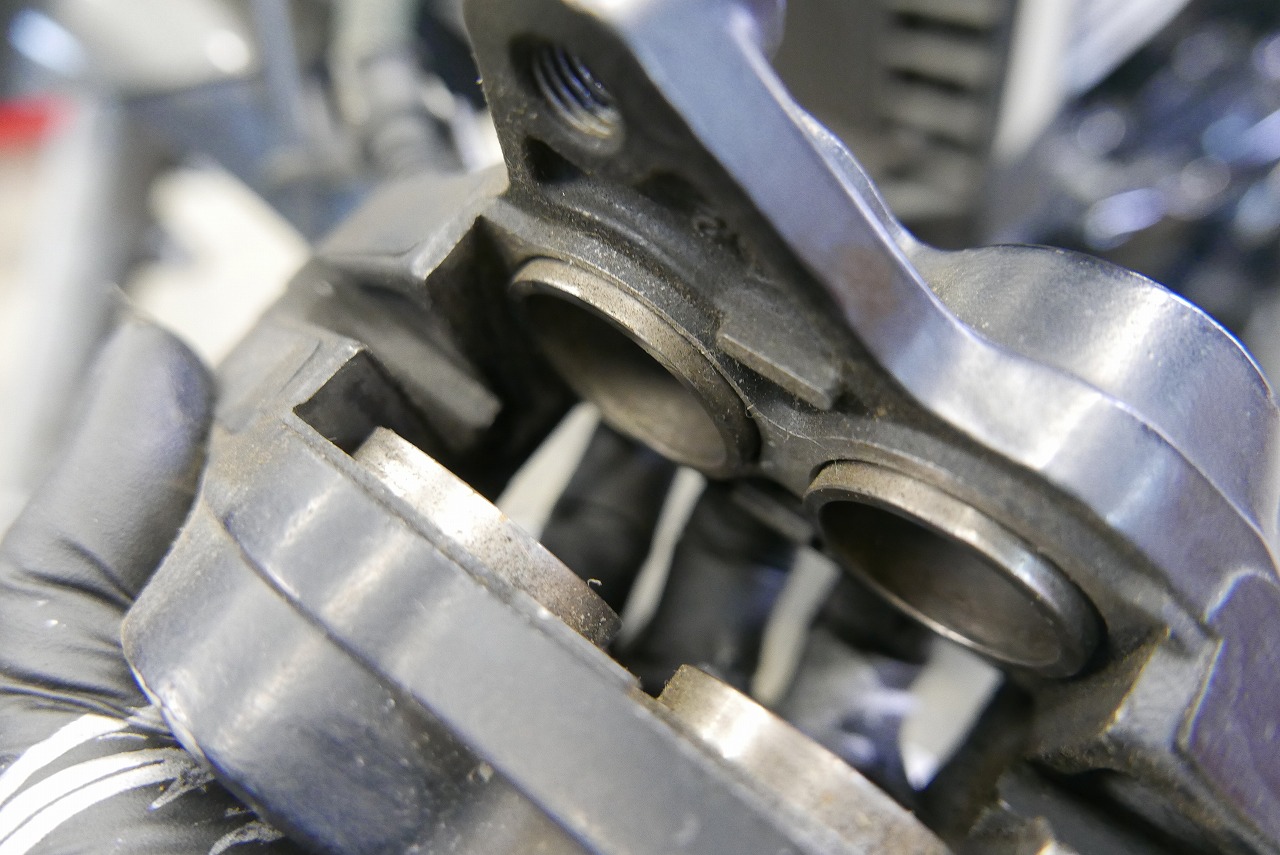
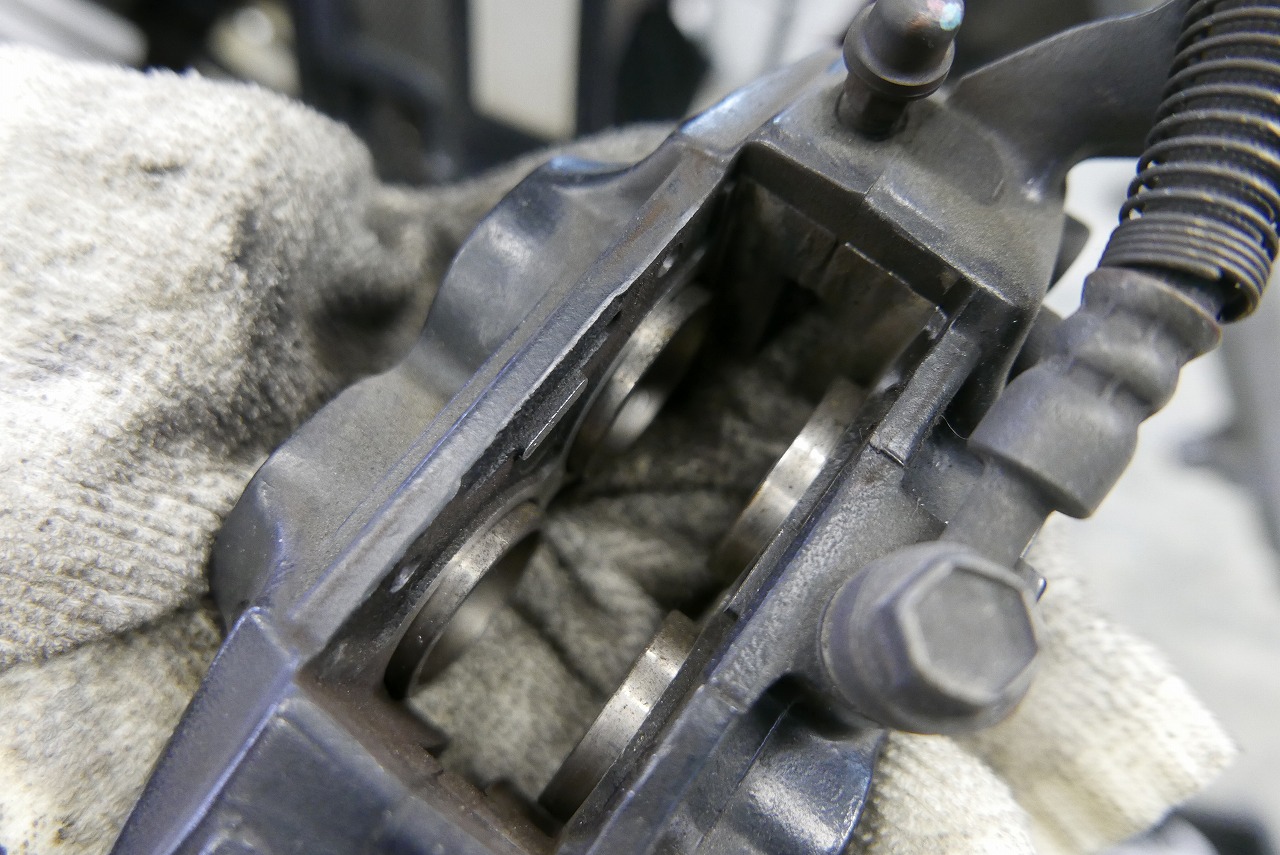
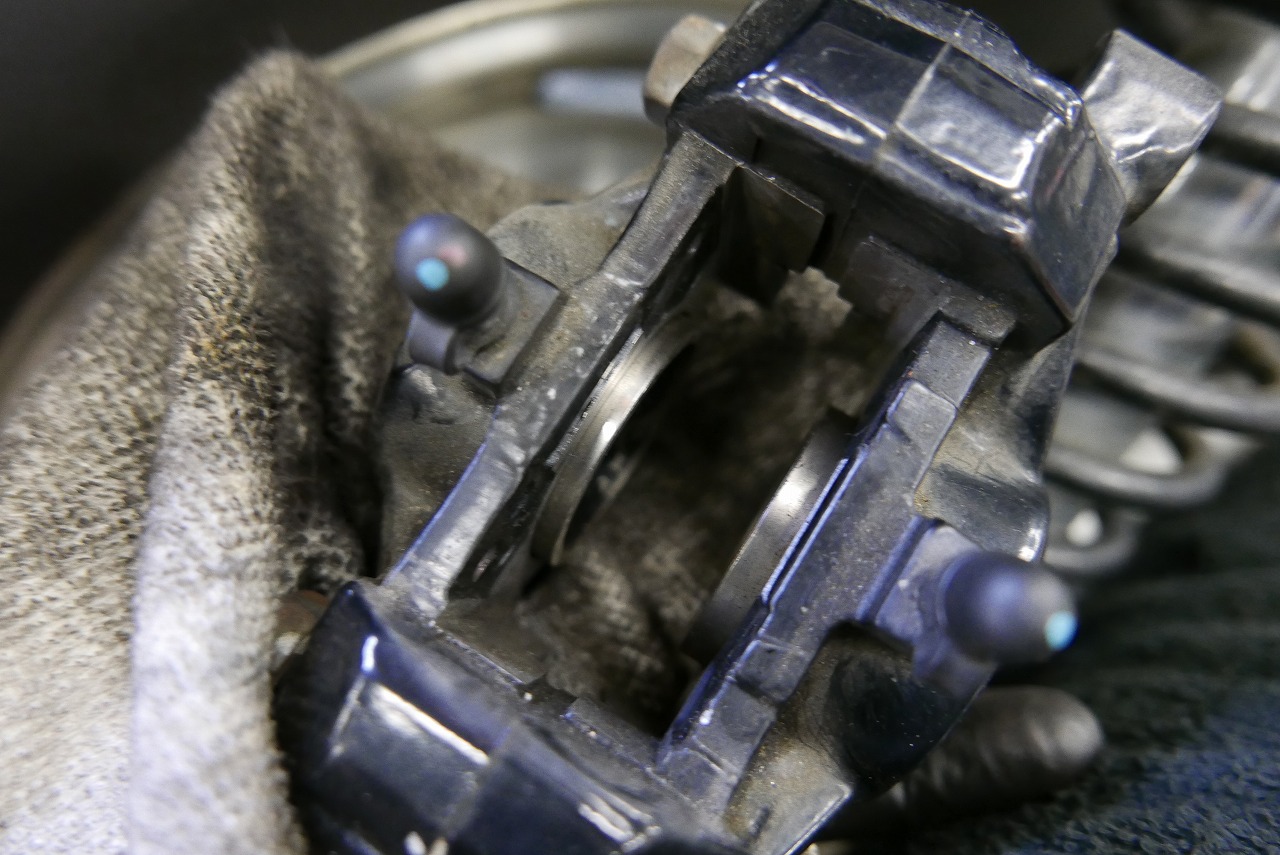
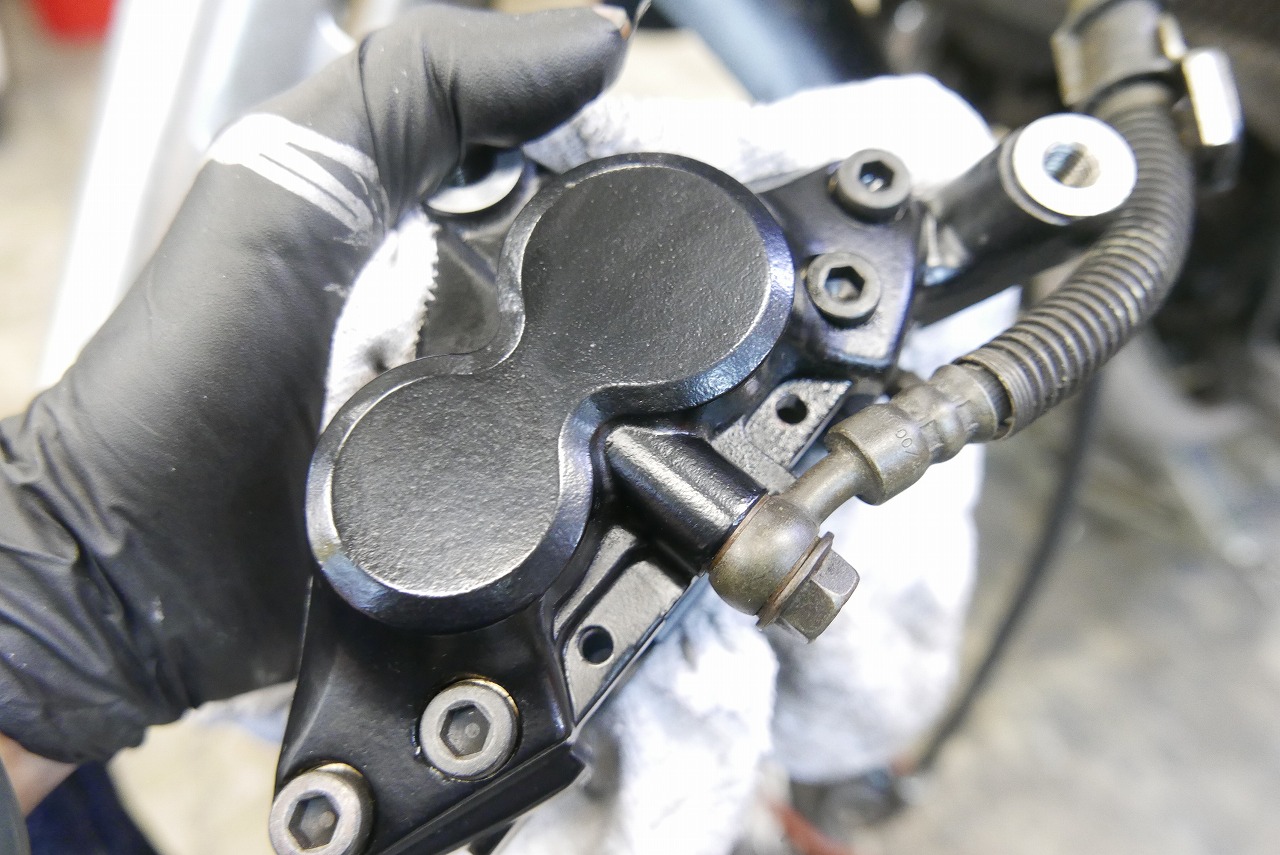
Let’s keep parts from corroding and keep them looking good for years. Brake caliper was overhauled before, so it works really well. Sumitomo calipers have a reputation for sluggish piston action. Maybe it’s the grease they use that doesn’t play nice with them.
From experience, I’m skeptical about using grease on caliper seals. Here’s my theory: bikes get their calipers dunked and washed a lot. Water probably gets into the seal grooves and mixes with the grease. We push pistons in and out, and we don’t dry things afterward.
Water in grease means seal groove corrosion. Old grease hardens and gets gritty, pushing the seal inward and making the piston stick.
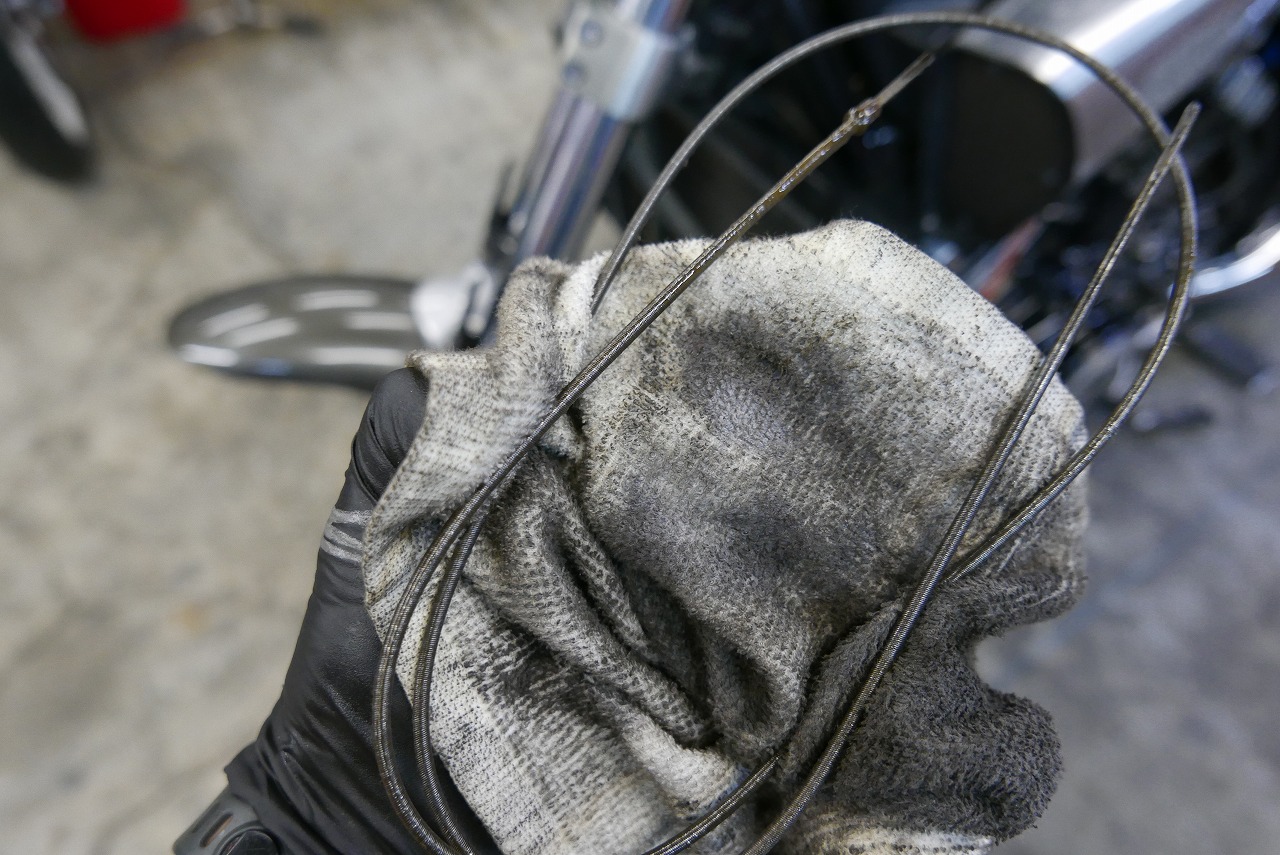
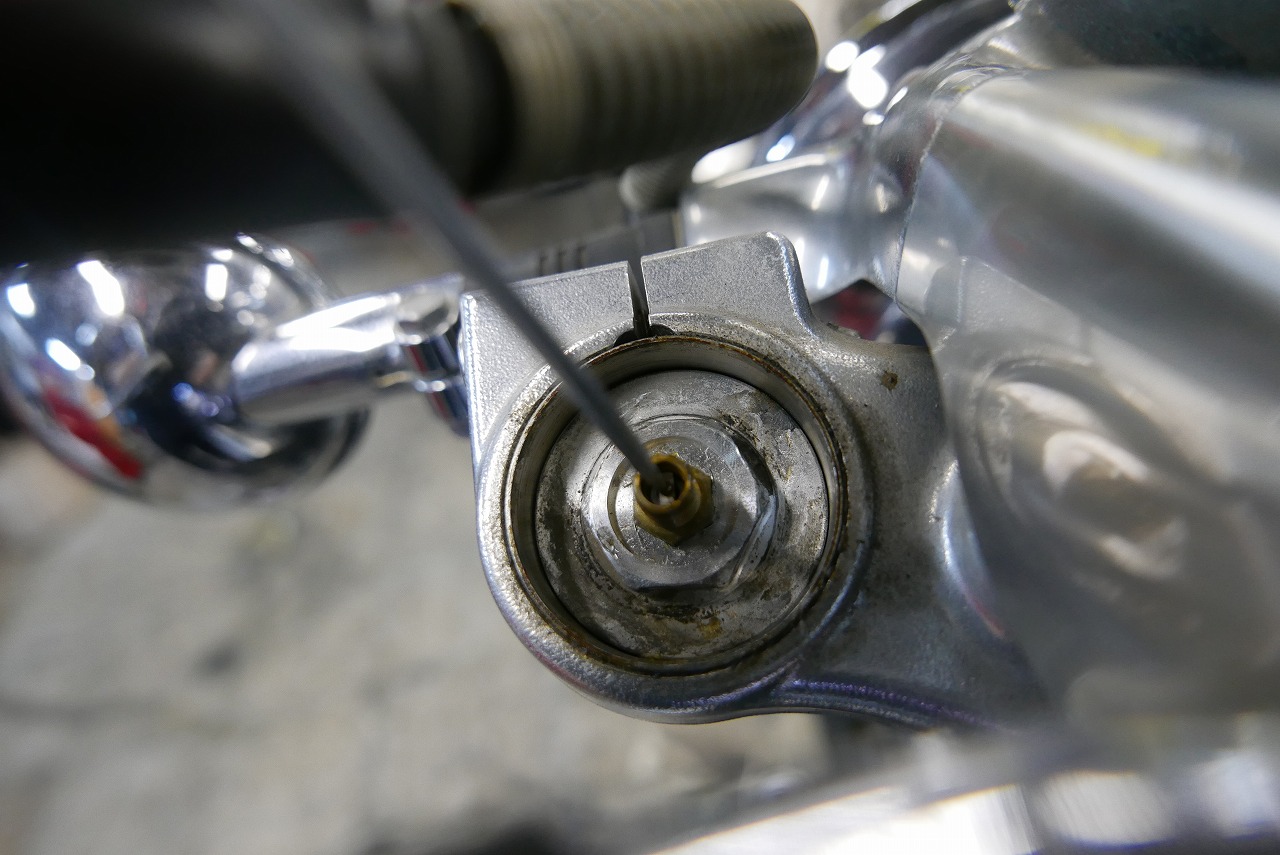
CCI’s metal rubber definitely works better for piston action and rust prevention. Dry it as much as you can, spray a little rust preventative, and wipe it clean. That makes it look great and boosts rust protection, which keeps things in good shape longer. Speedometer cable gets cleaned and oiled. It’s a part you don’t want to break. This is a pressurized fork with a valve. We lift the front, let the air out with a hiss, and pressurize it back to spec per the manual.
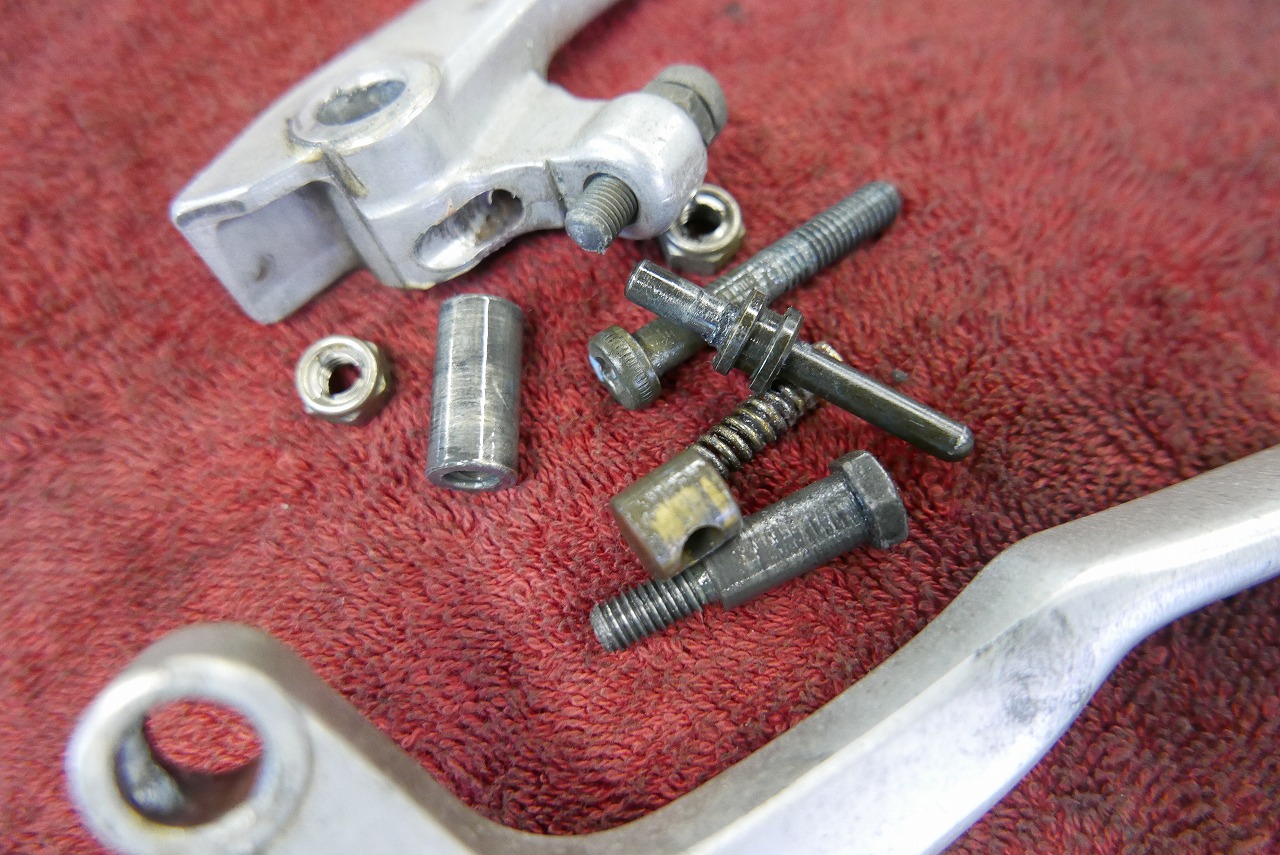
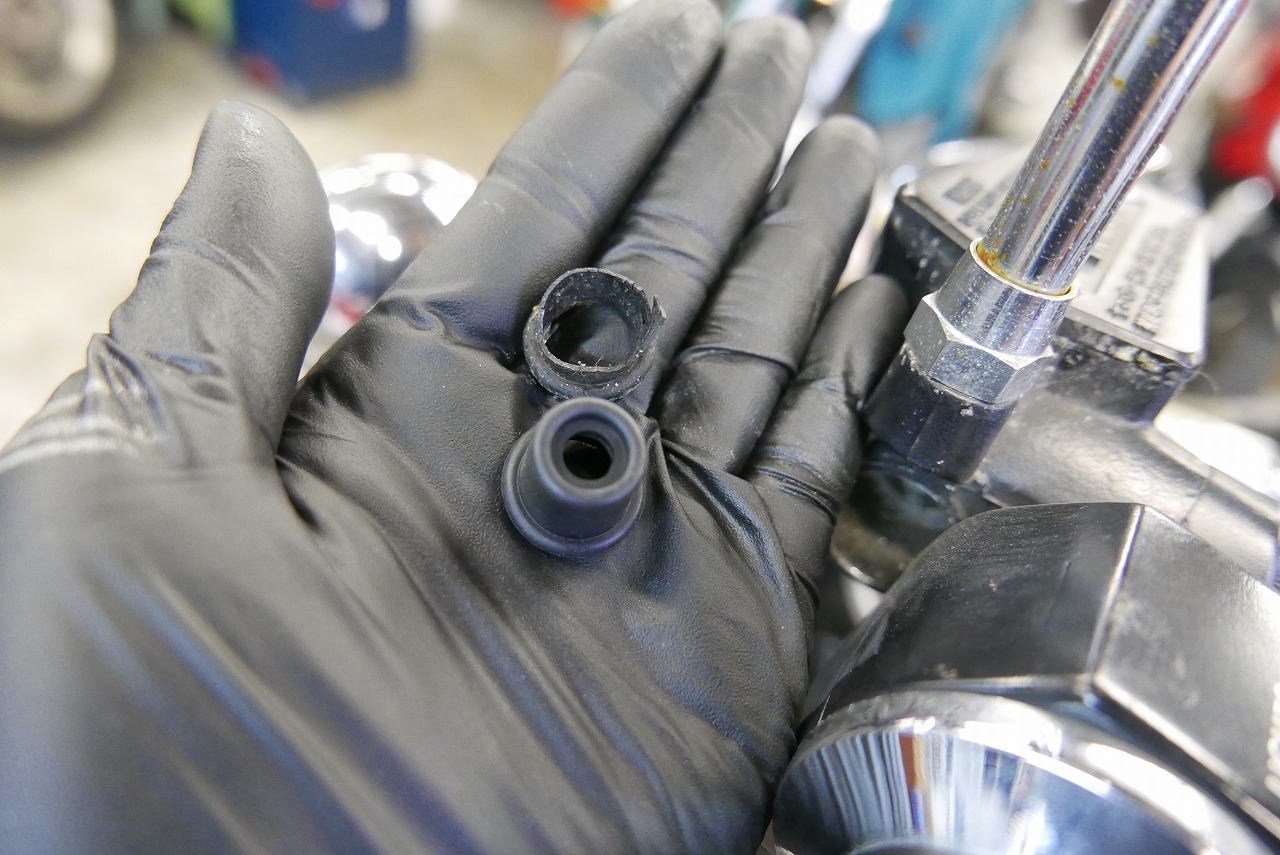
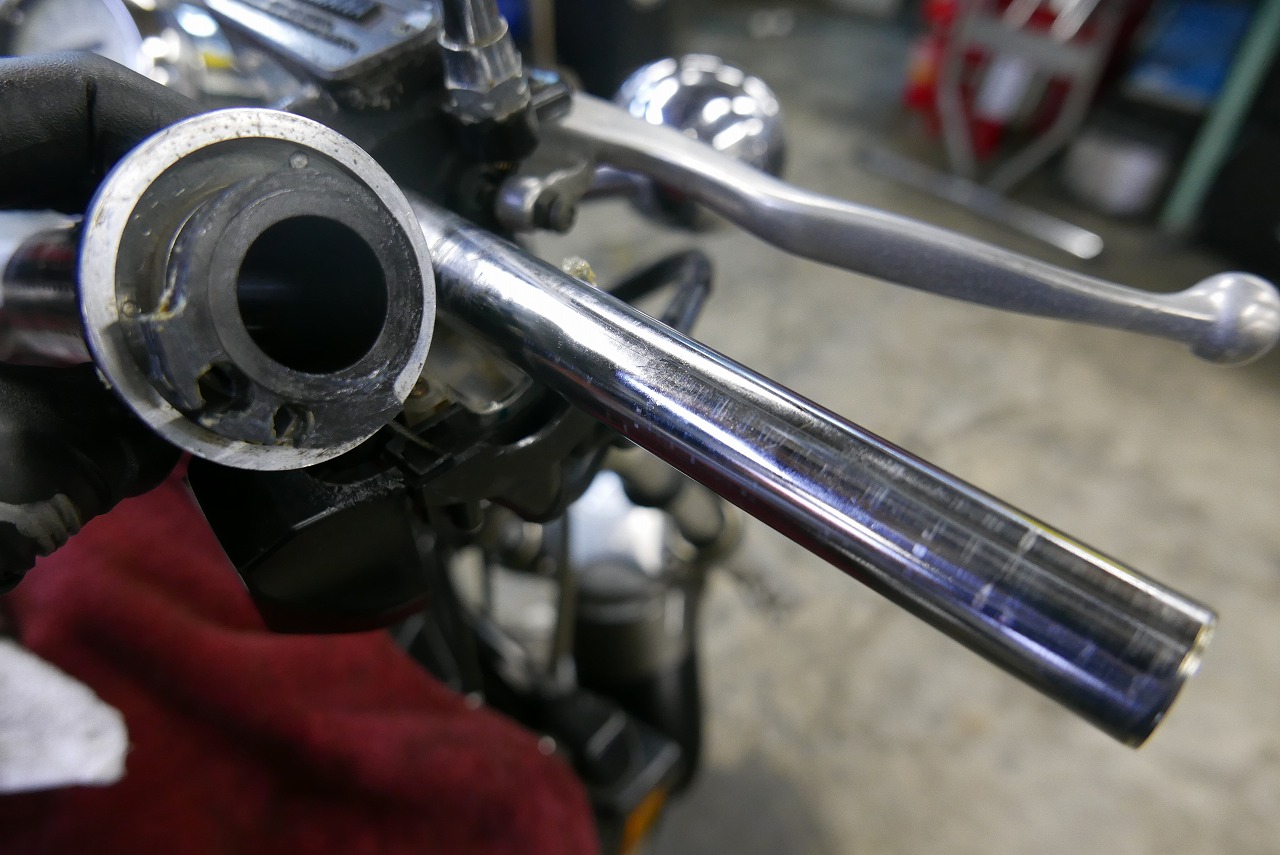
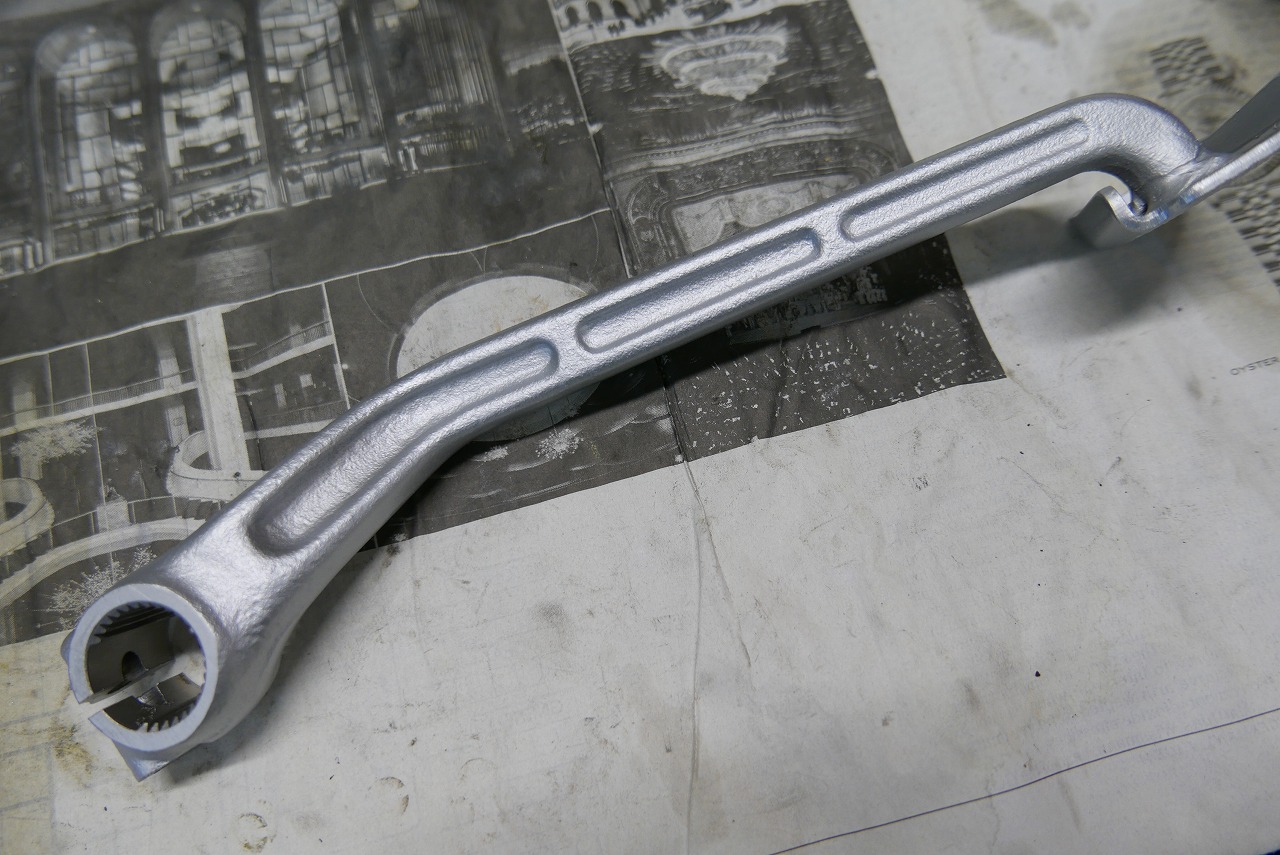
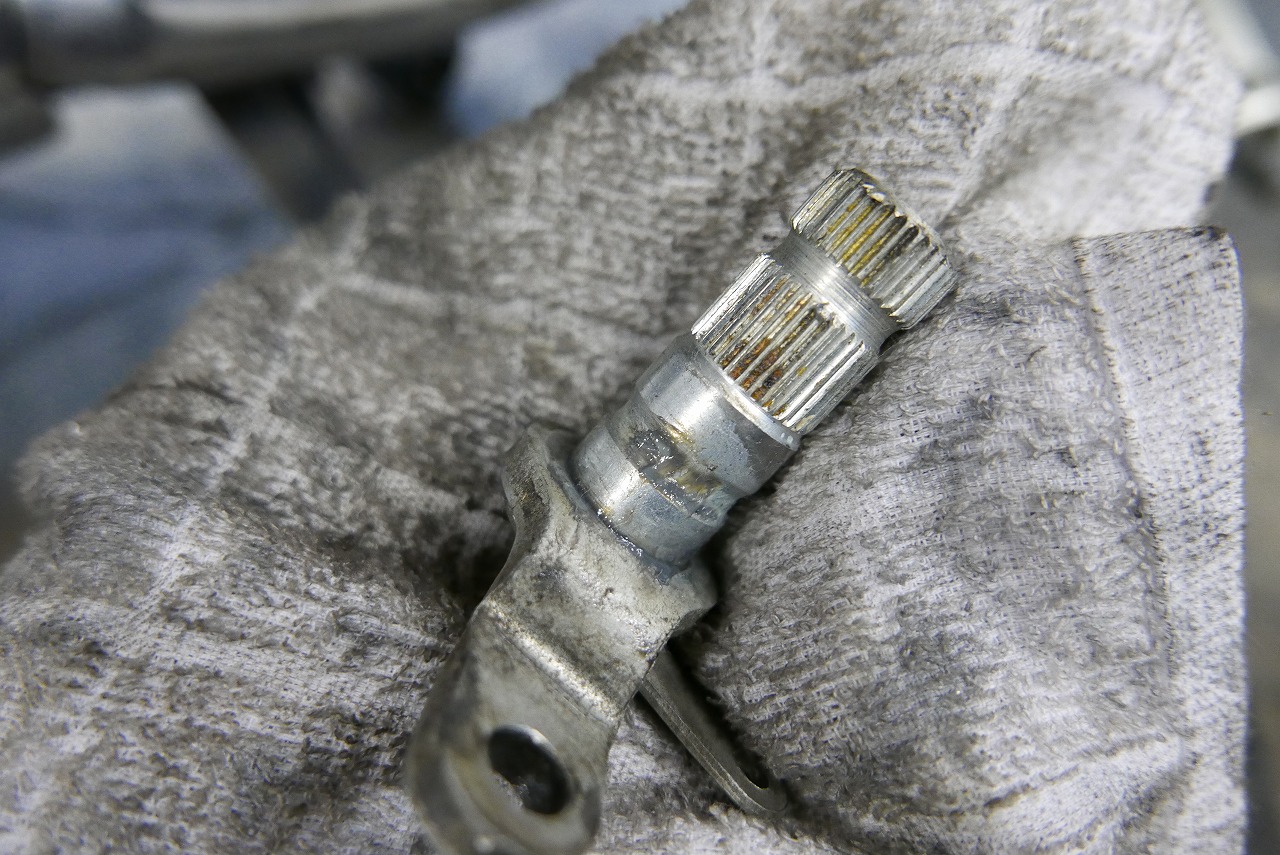
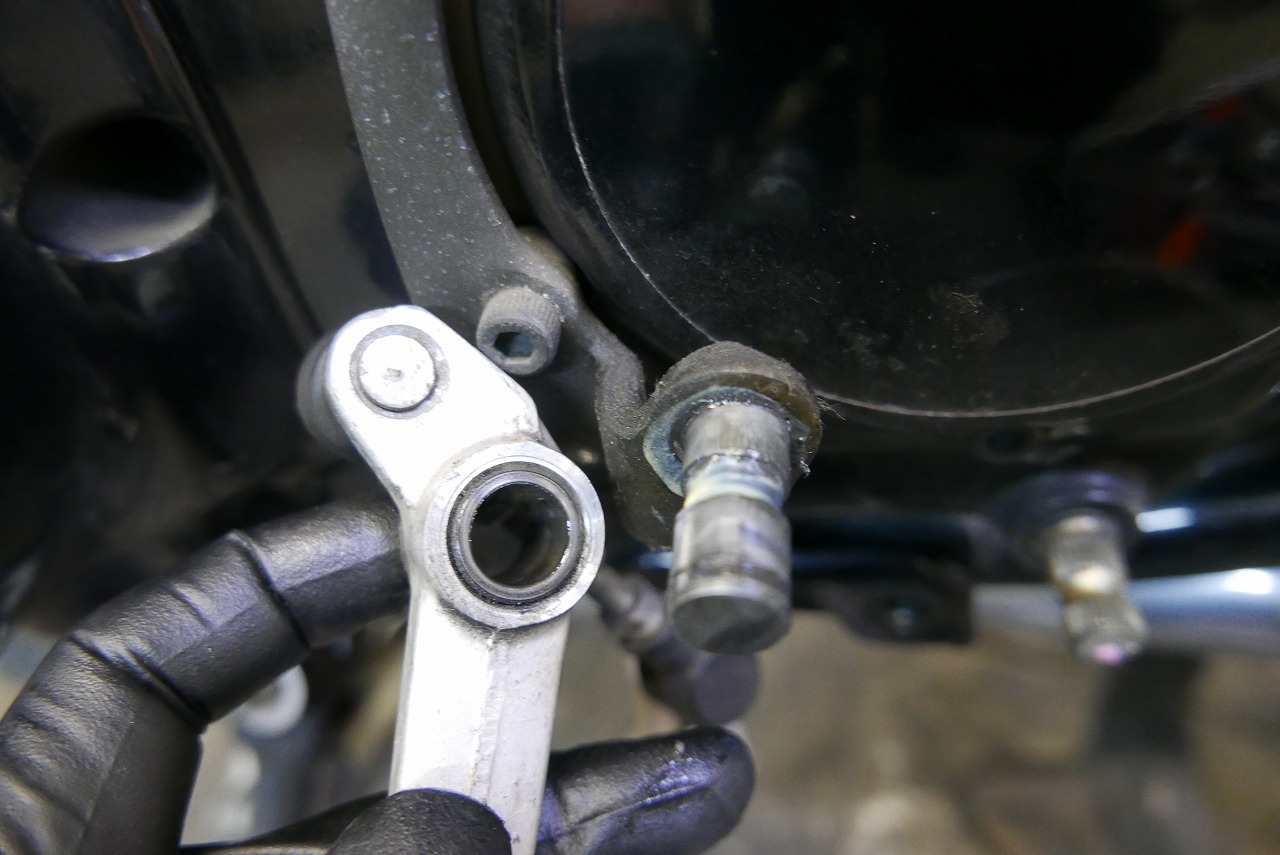
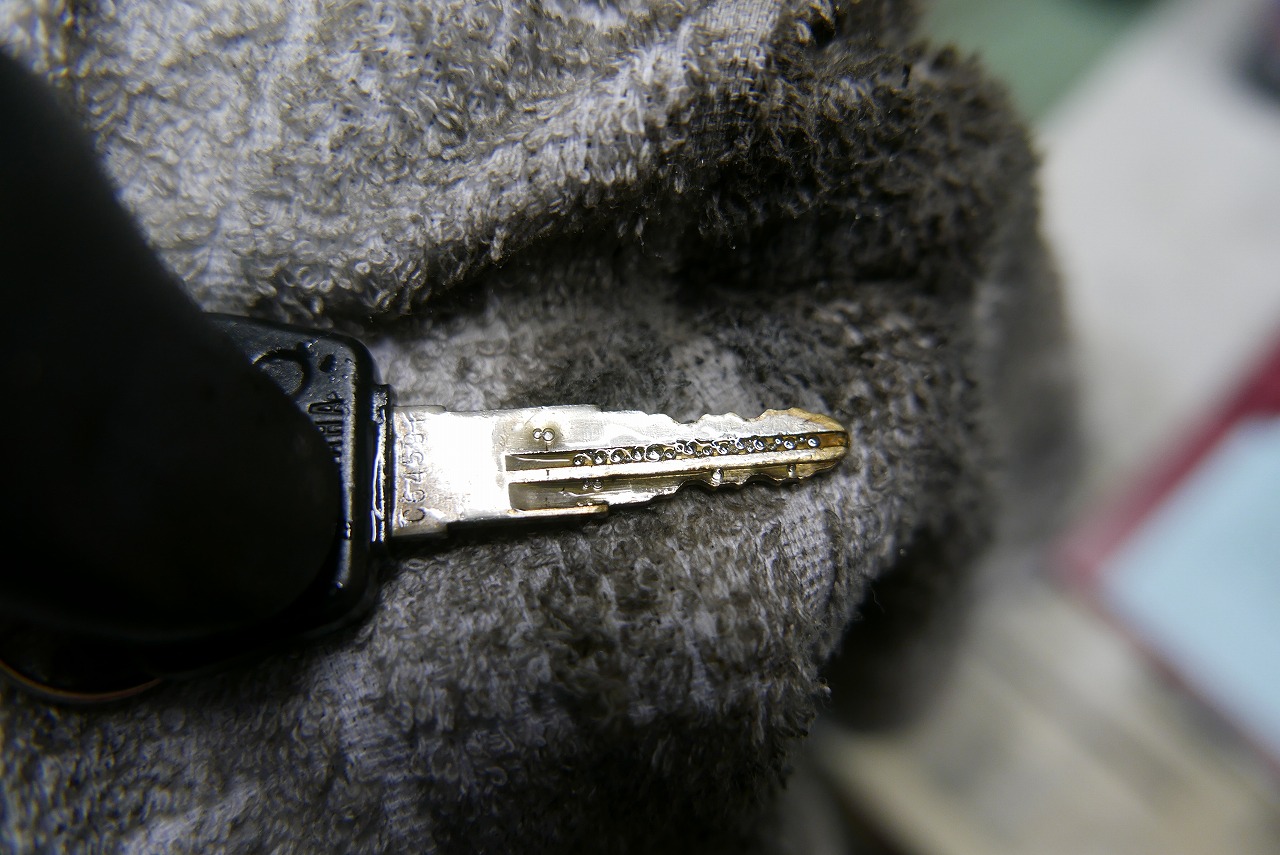
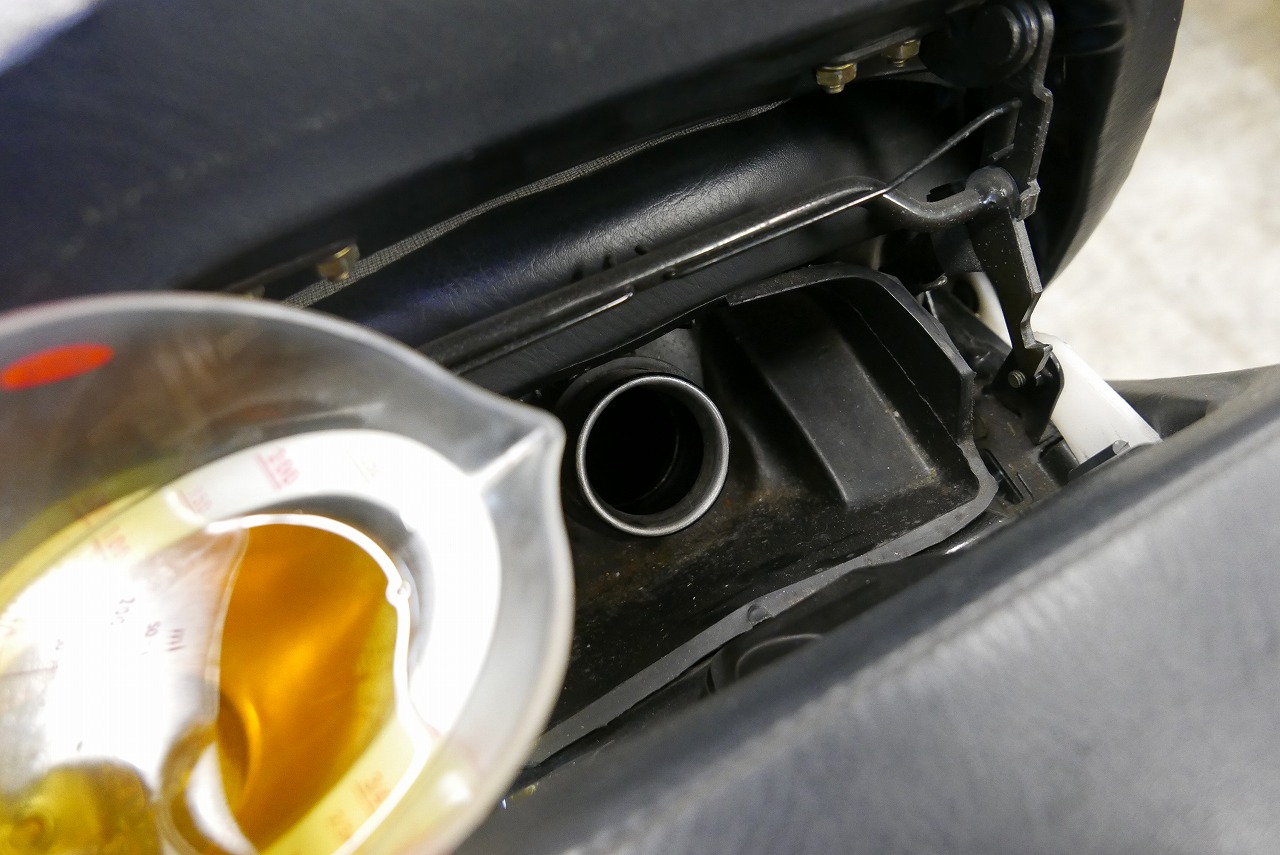
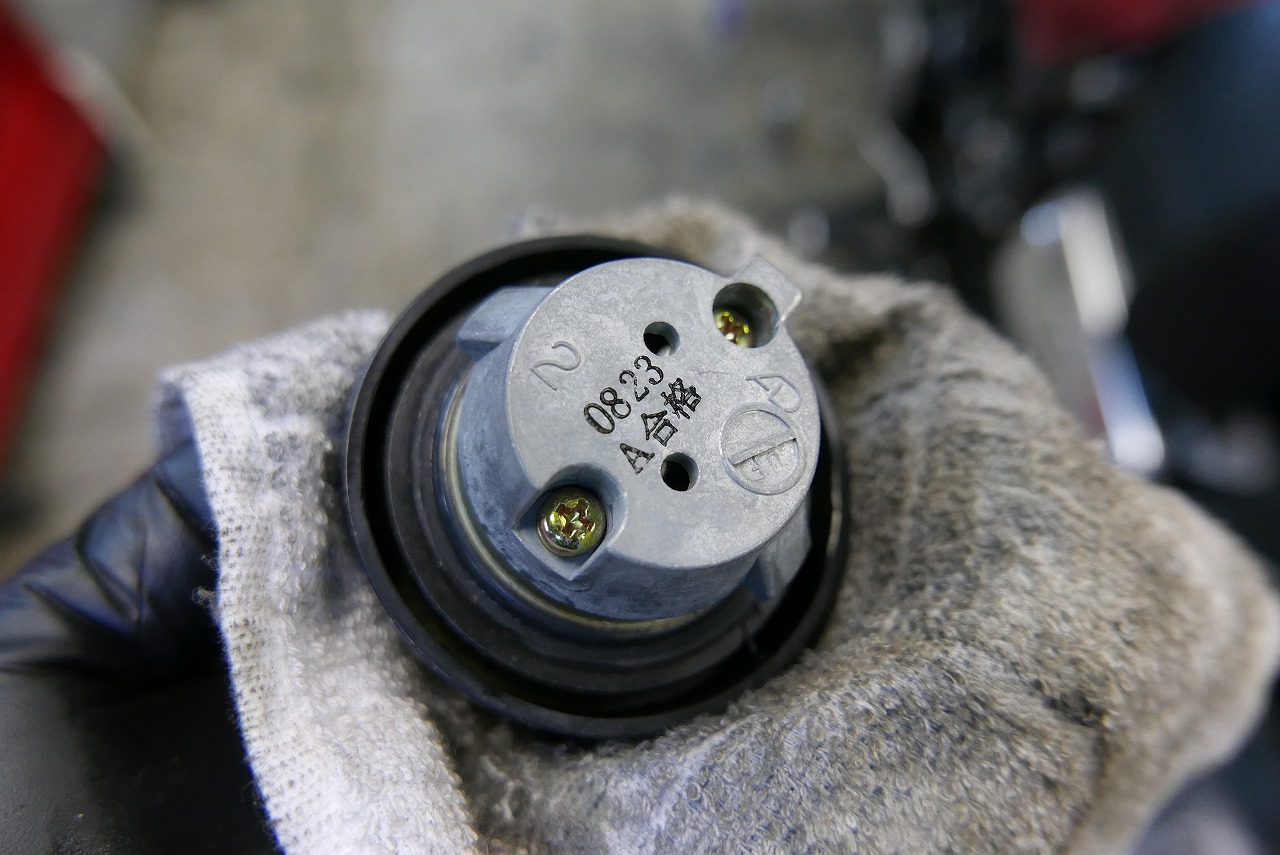
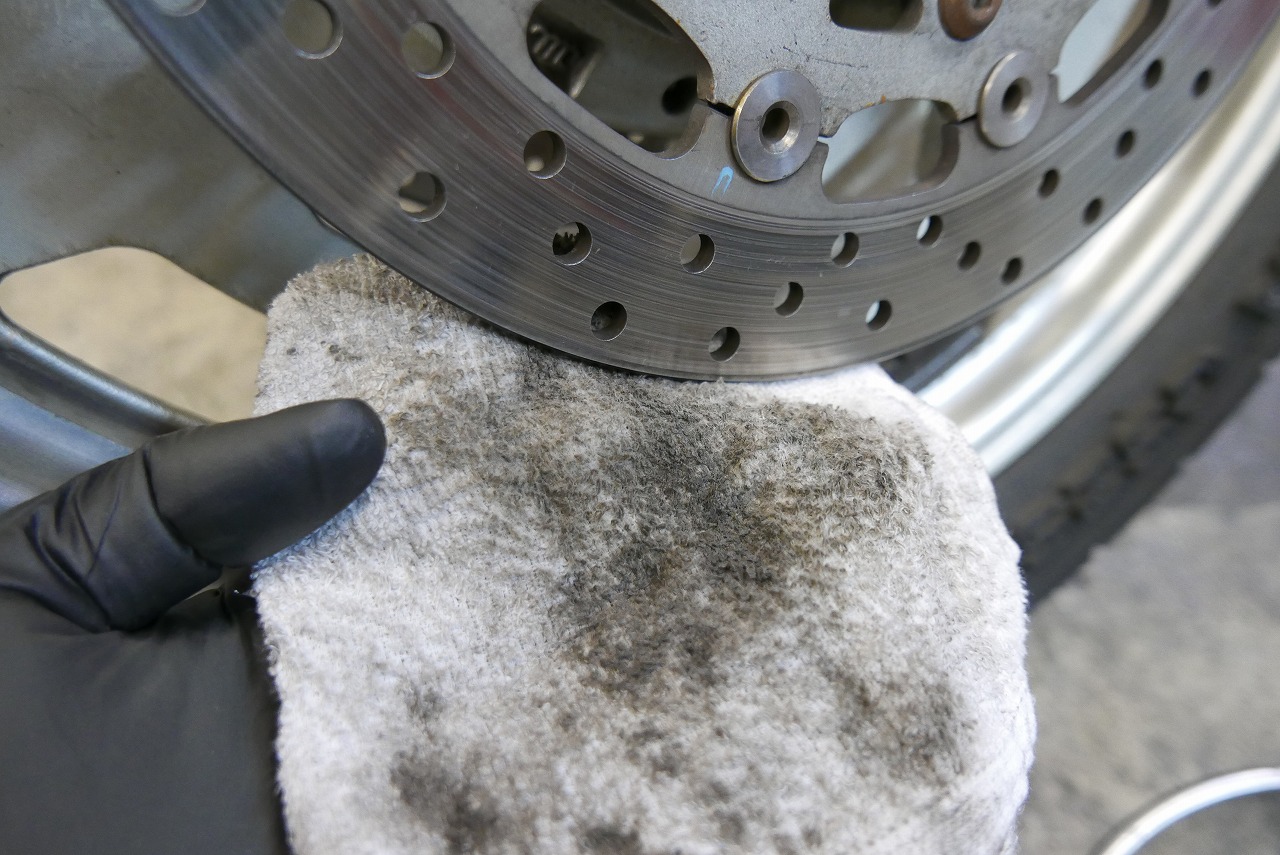
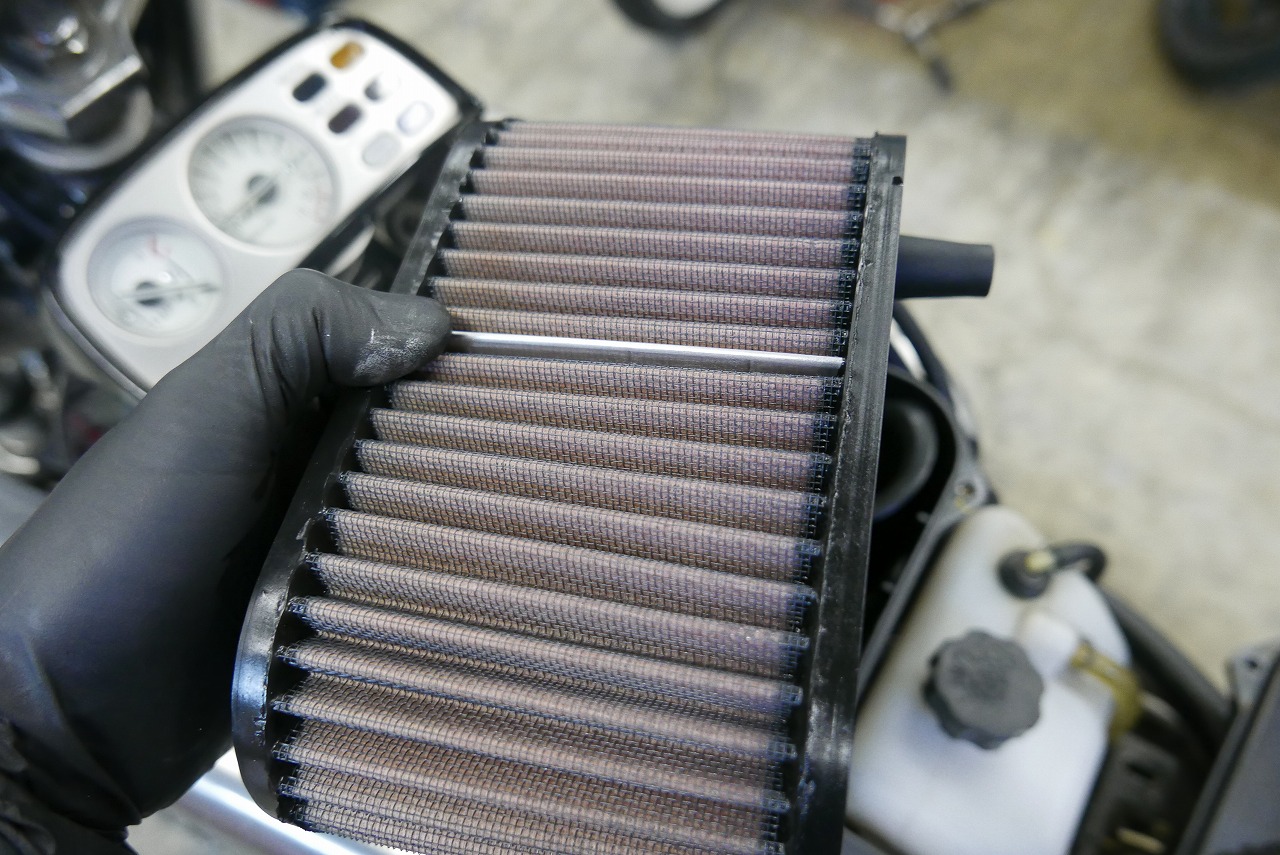
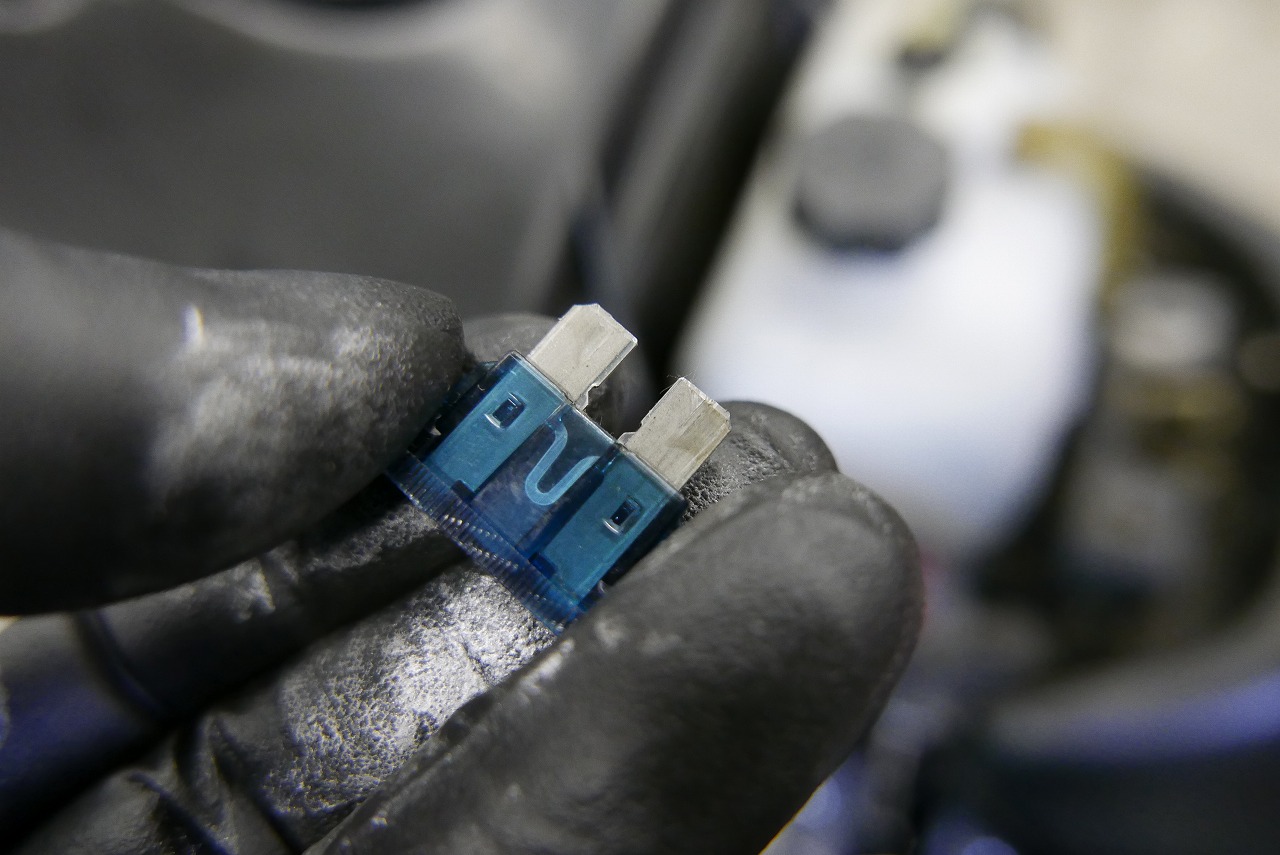
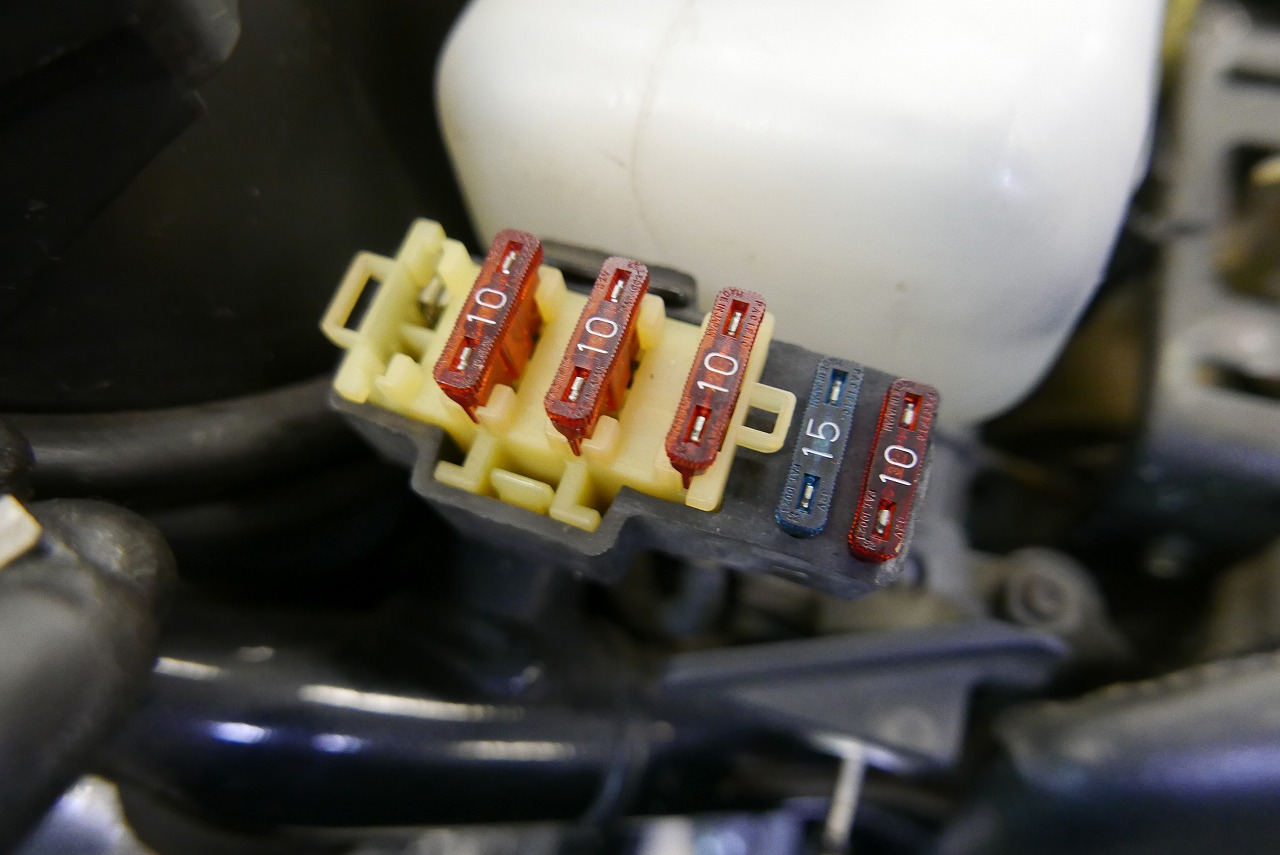
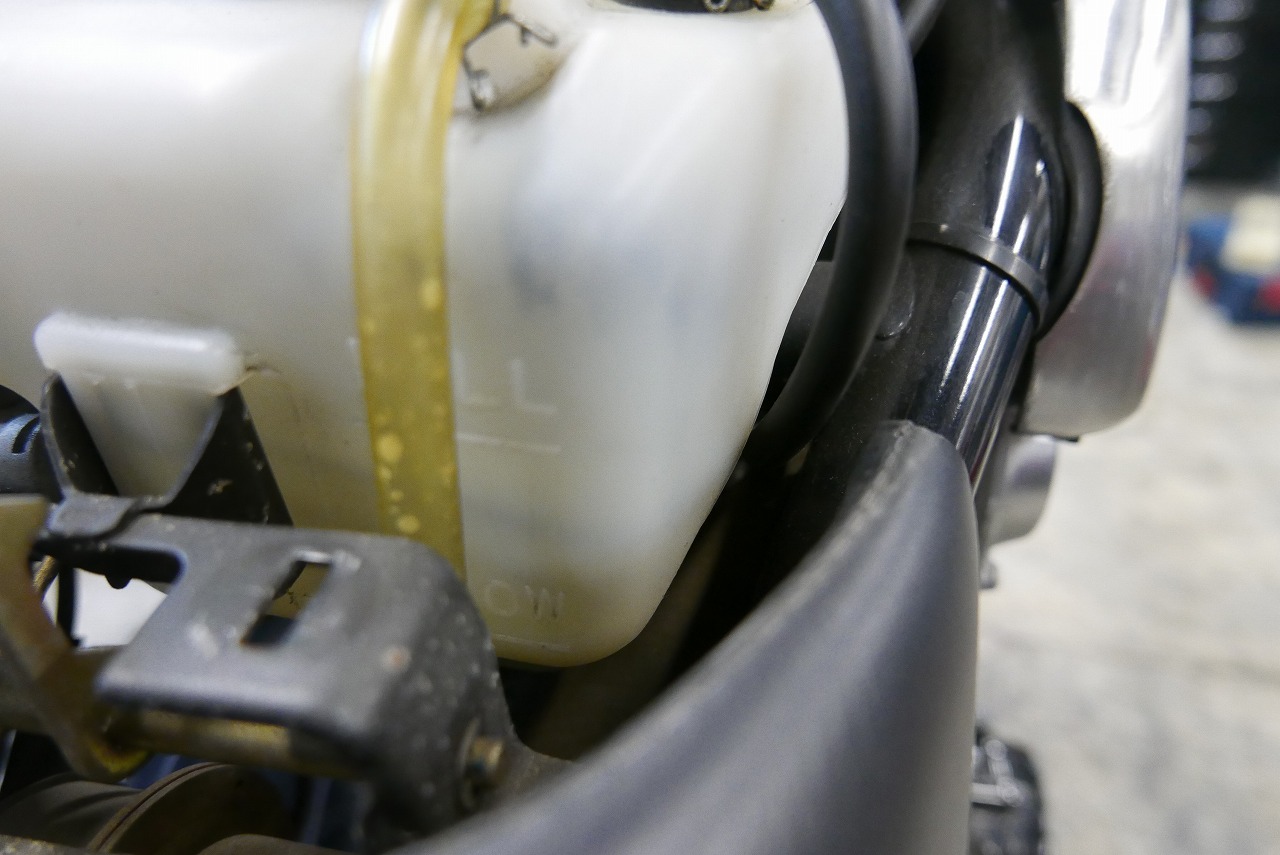
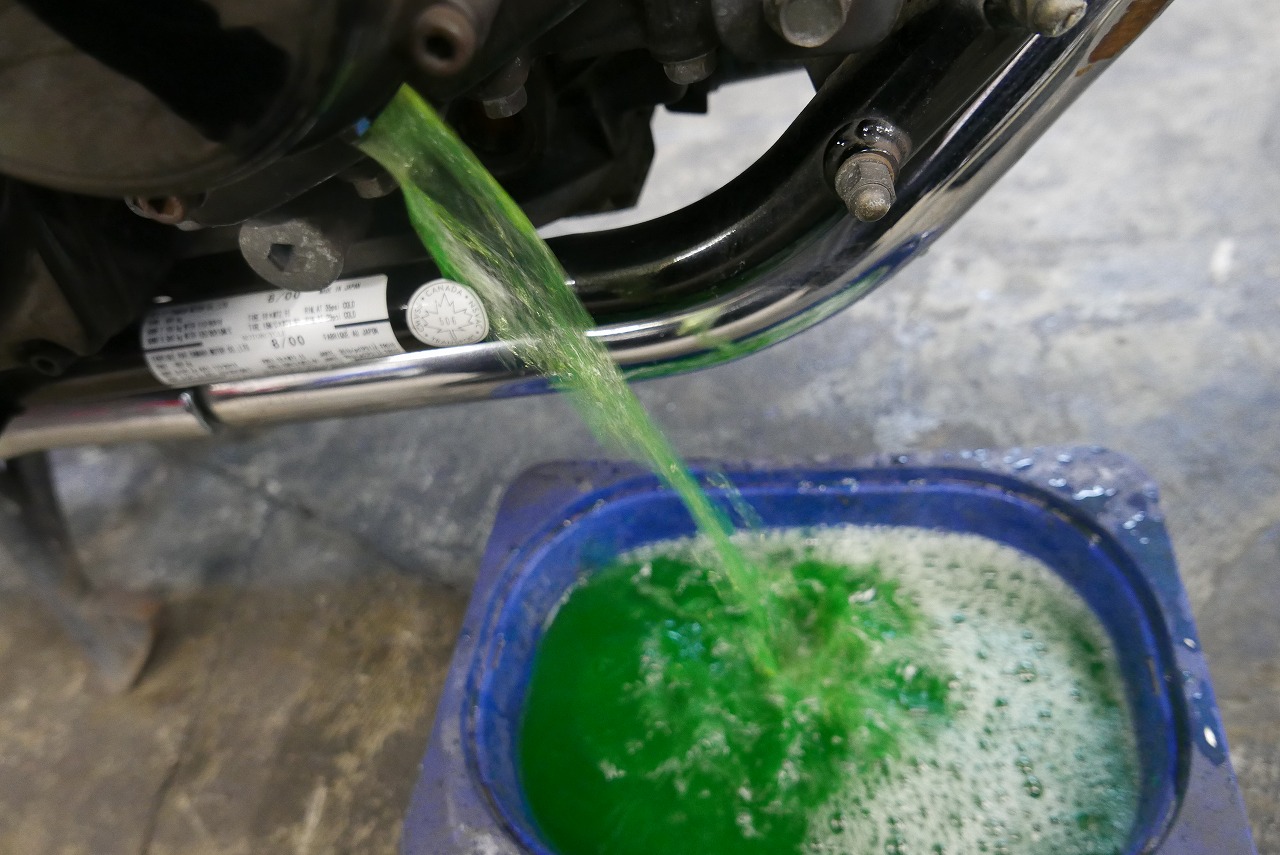
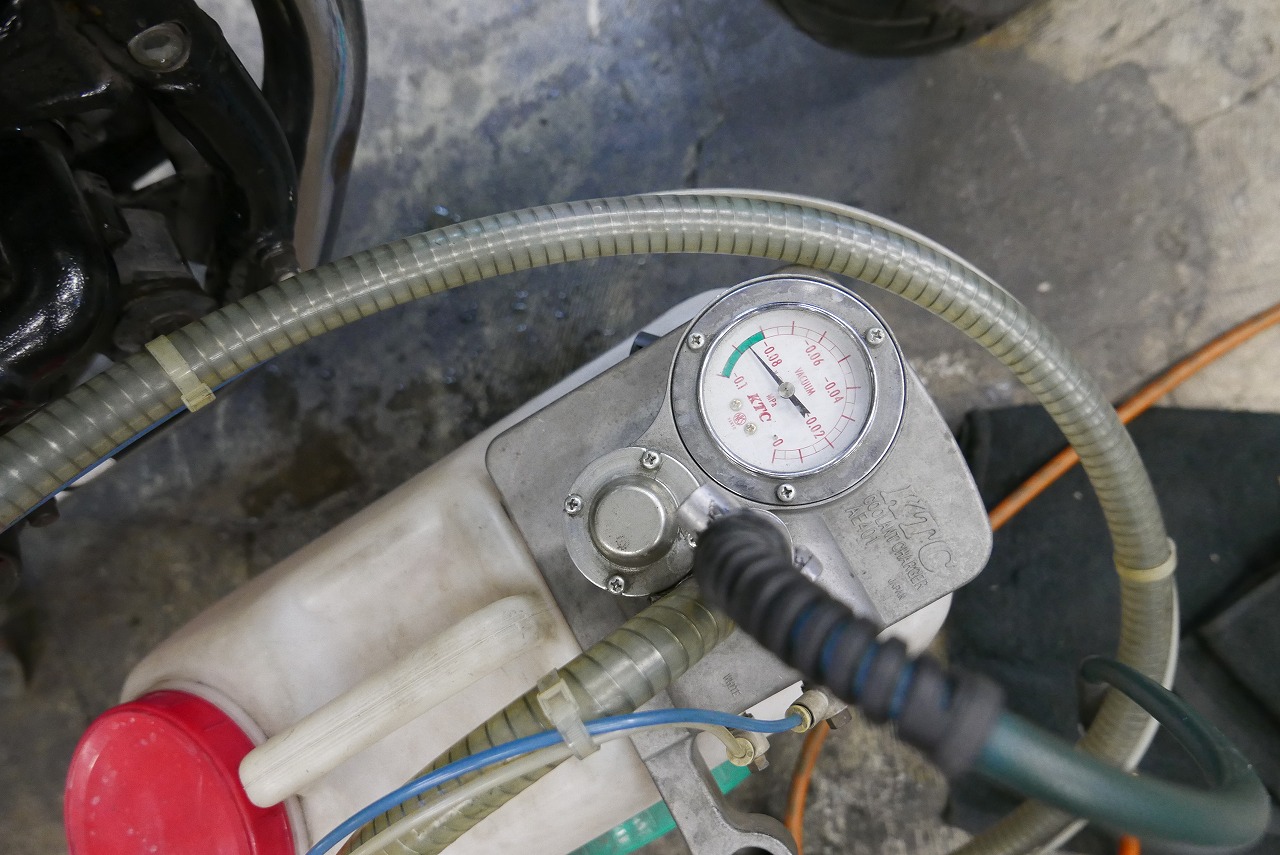
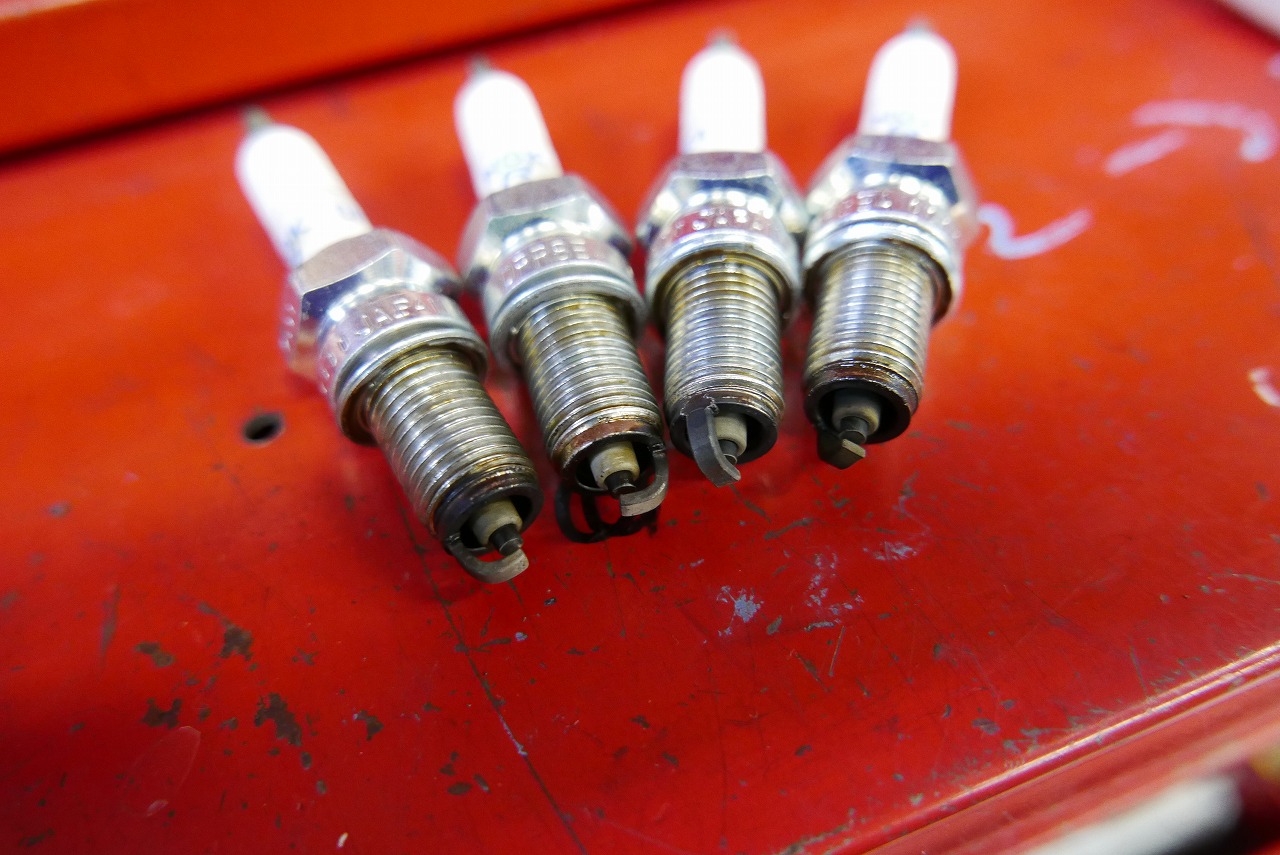
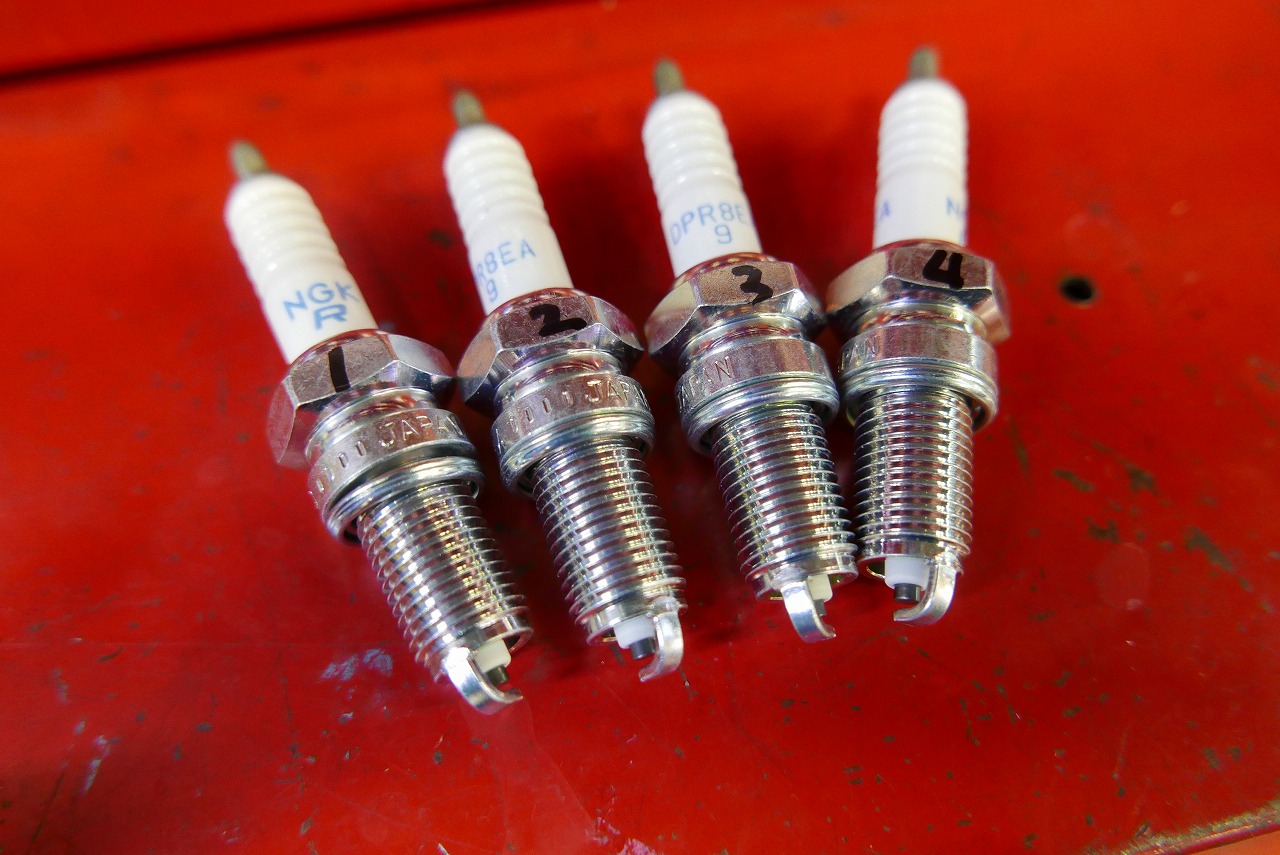
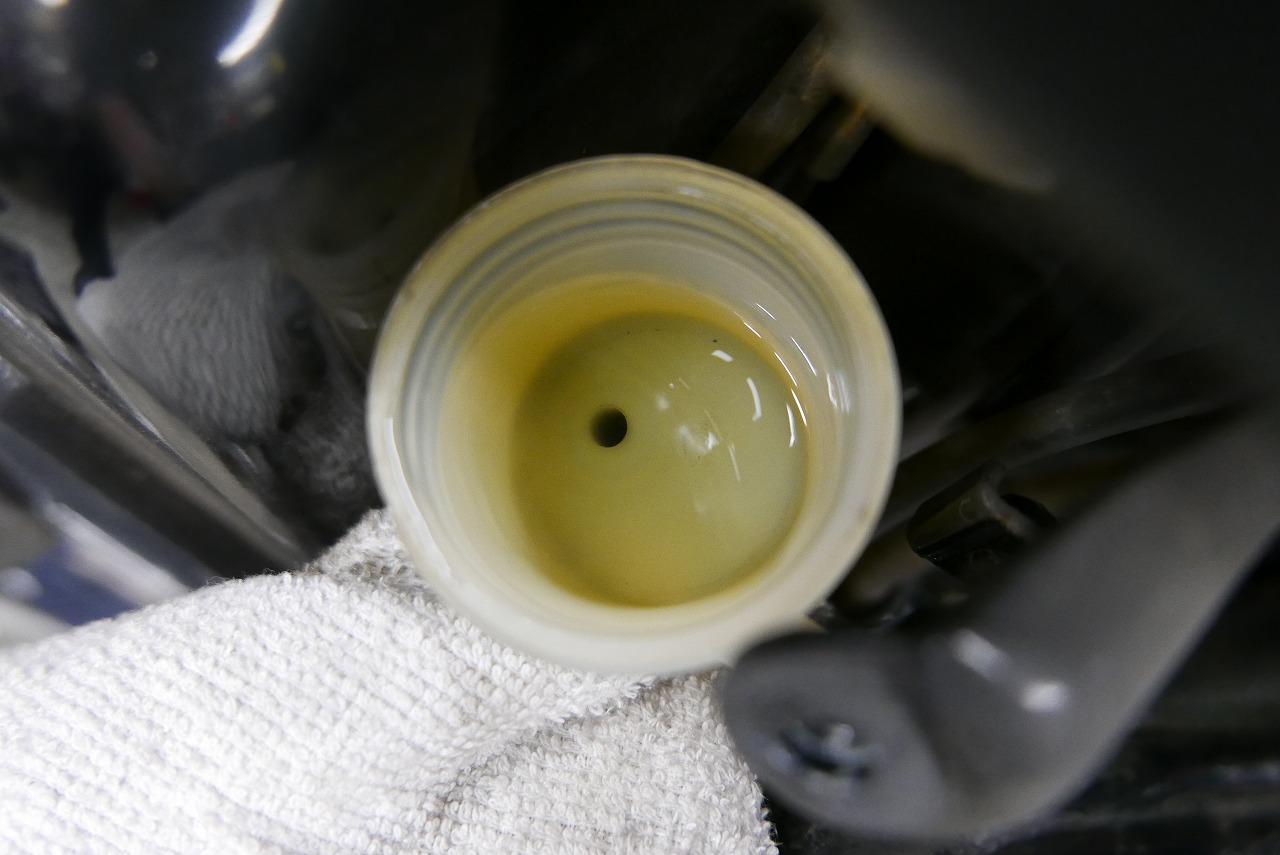
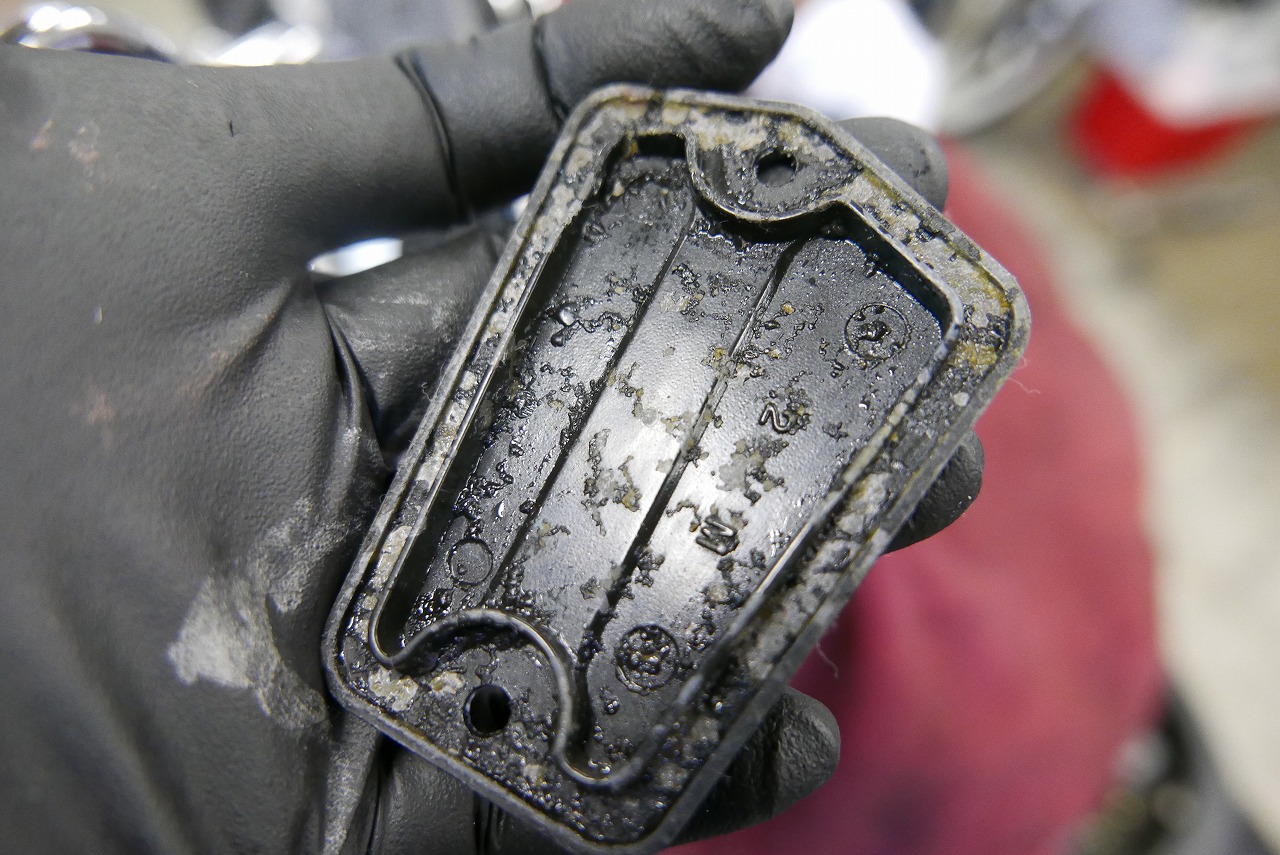
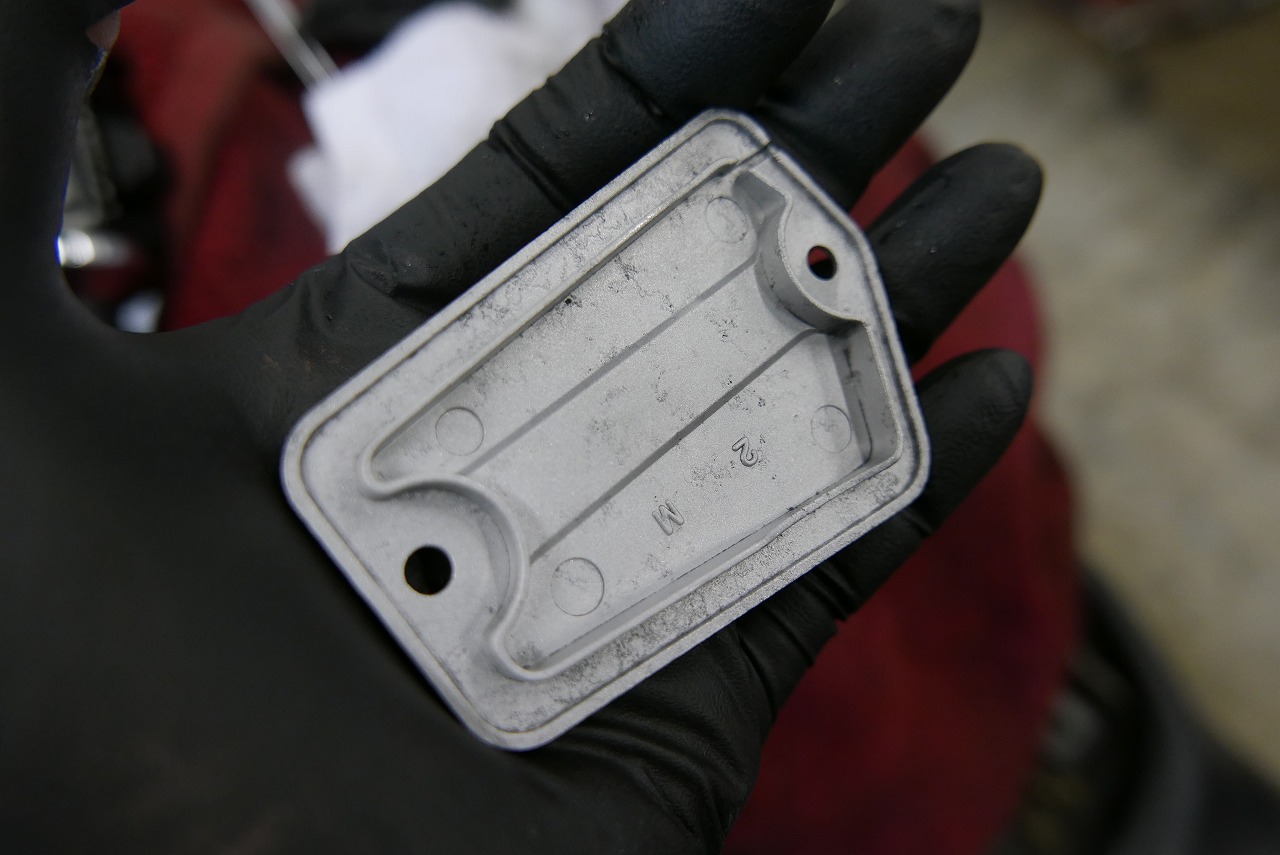
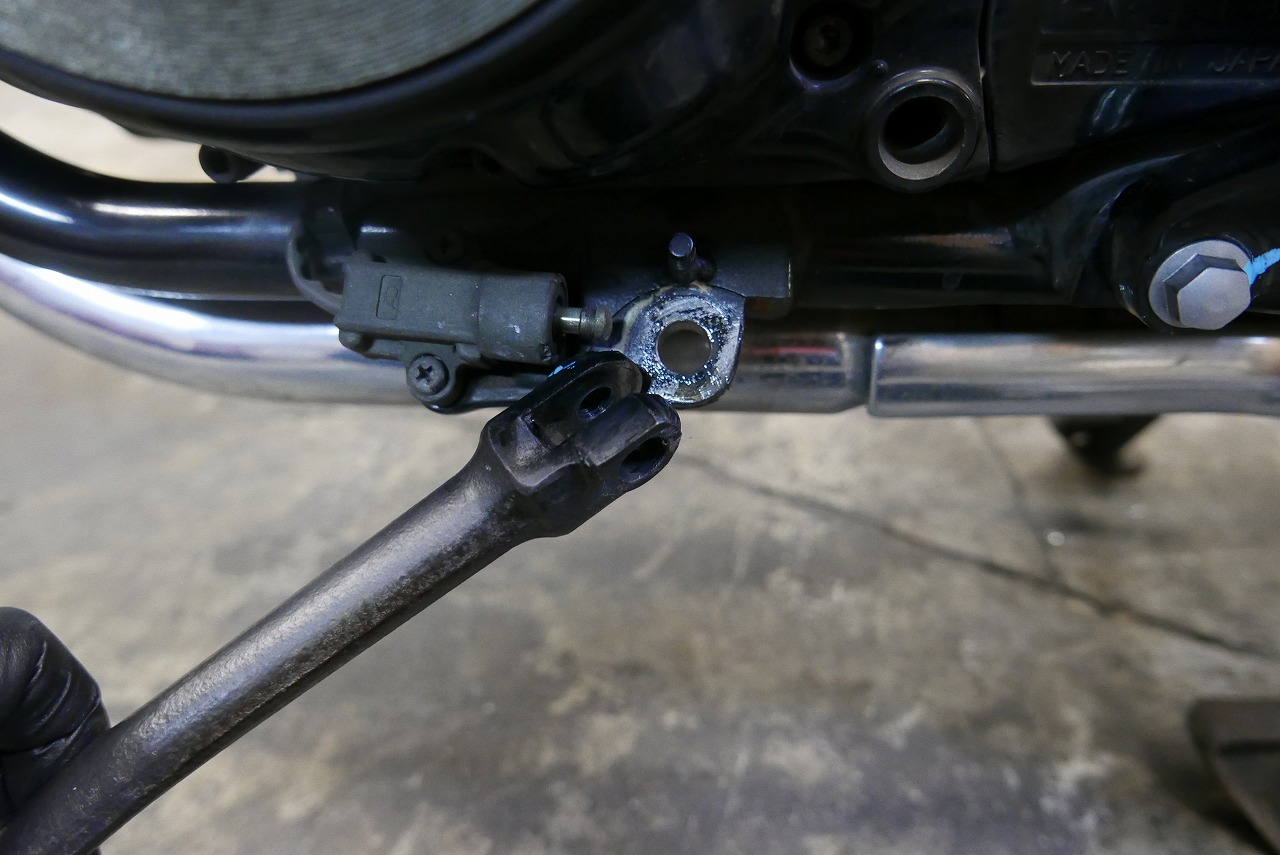
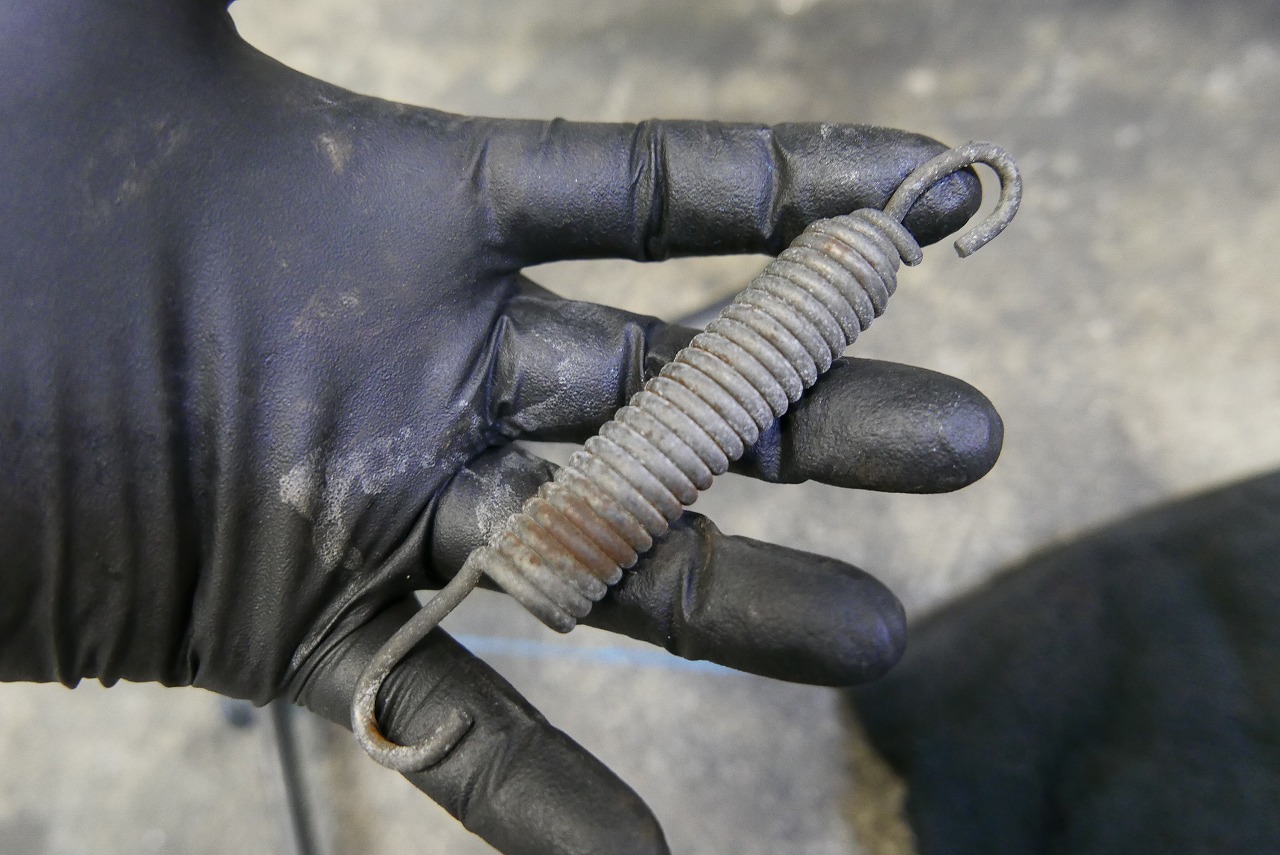
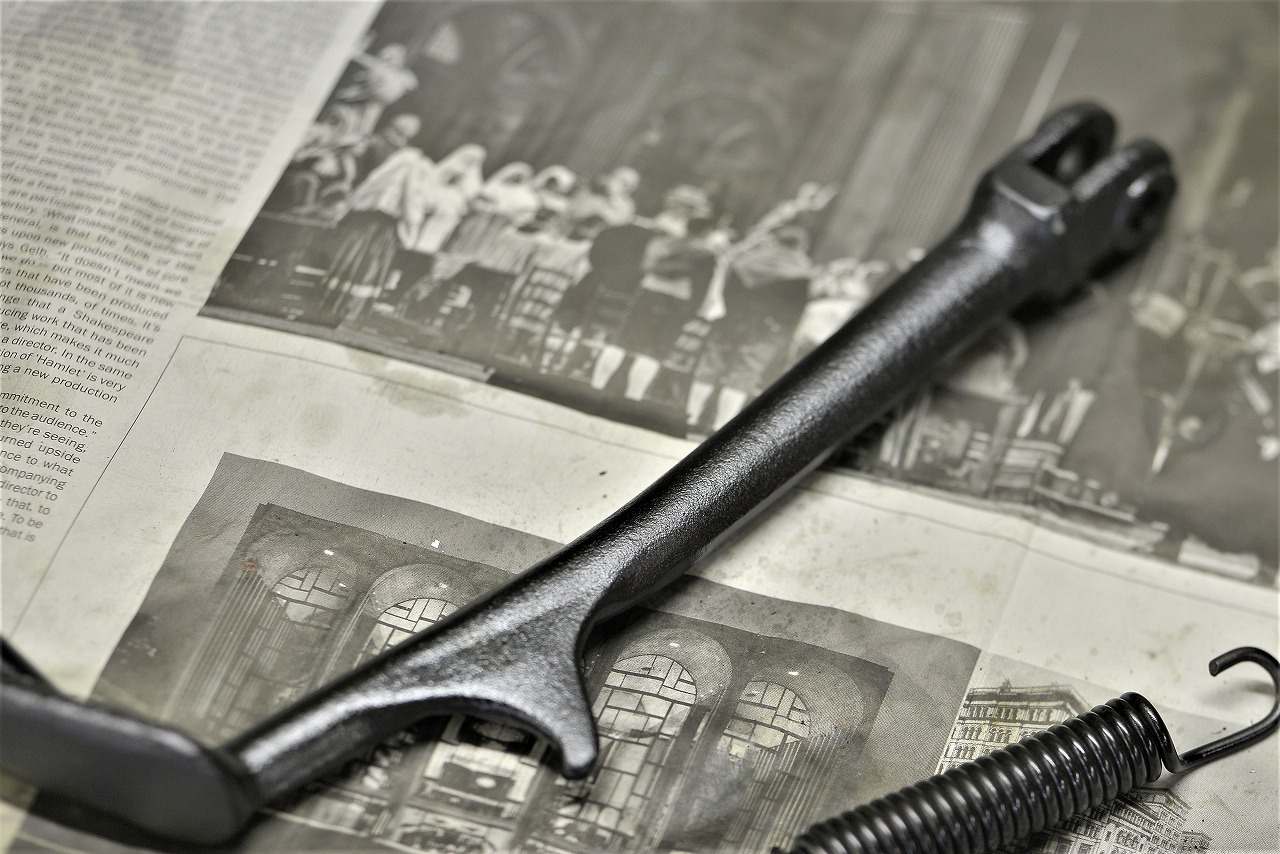
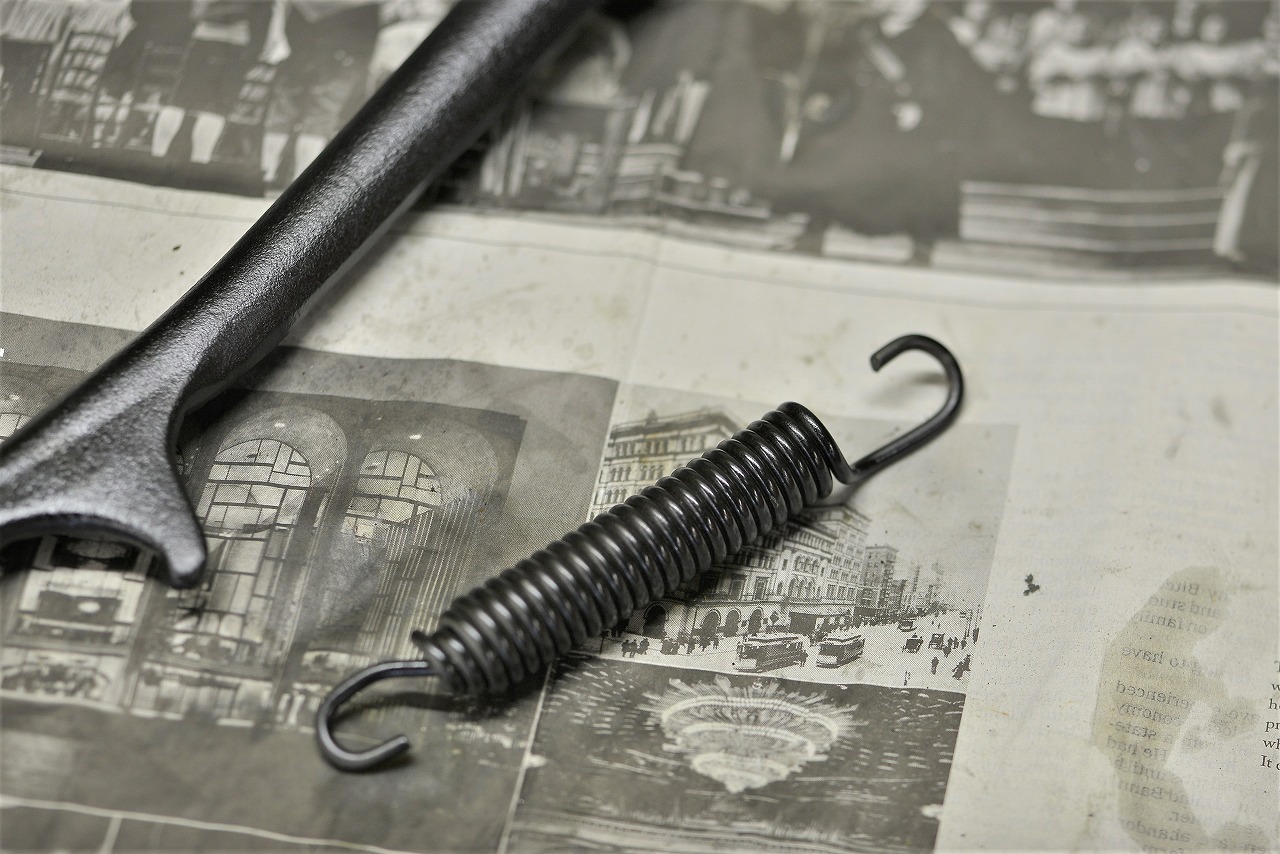
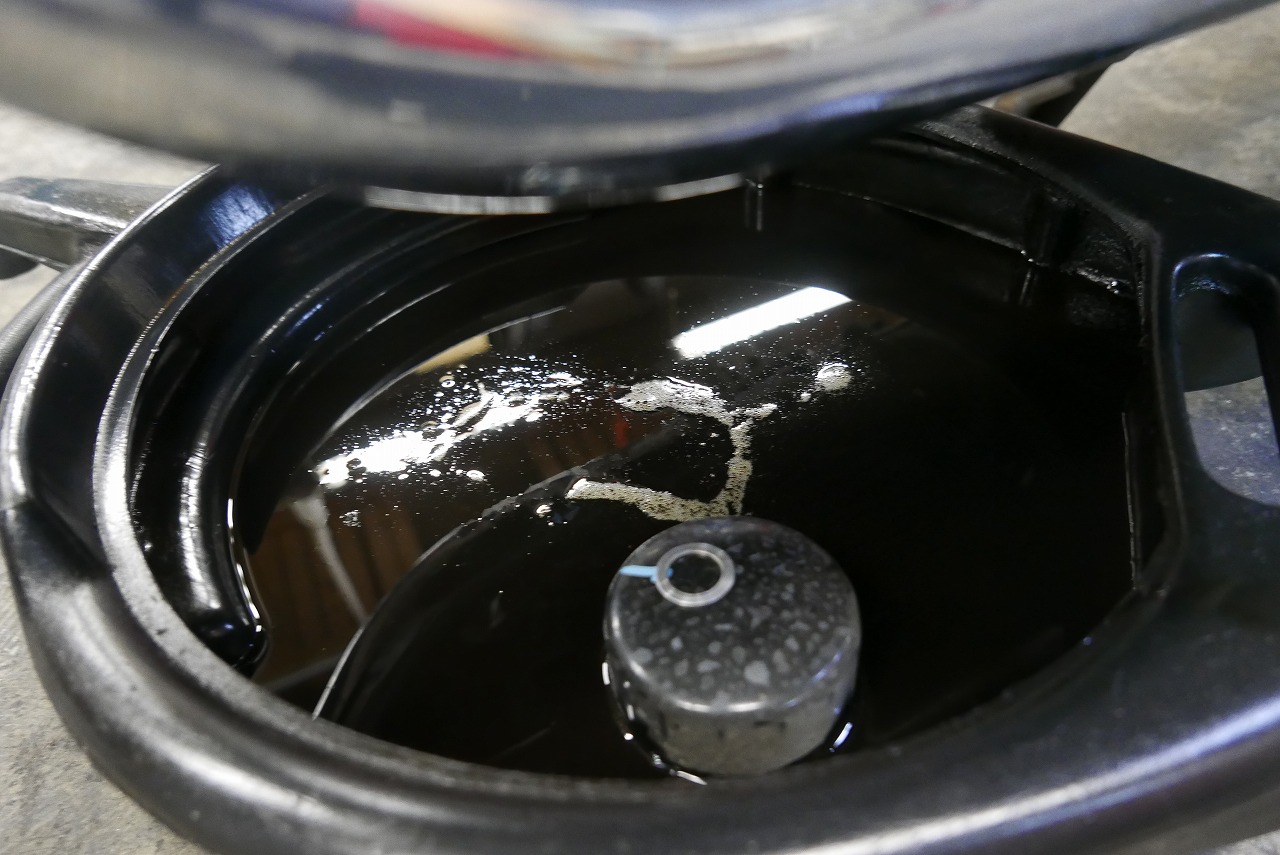
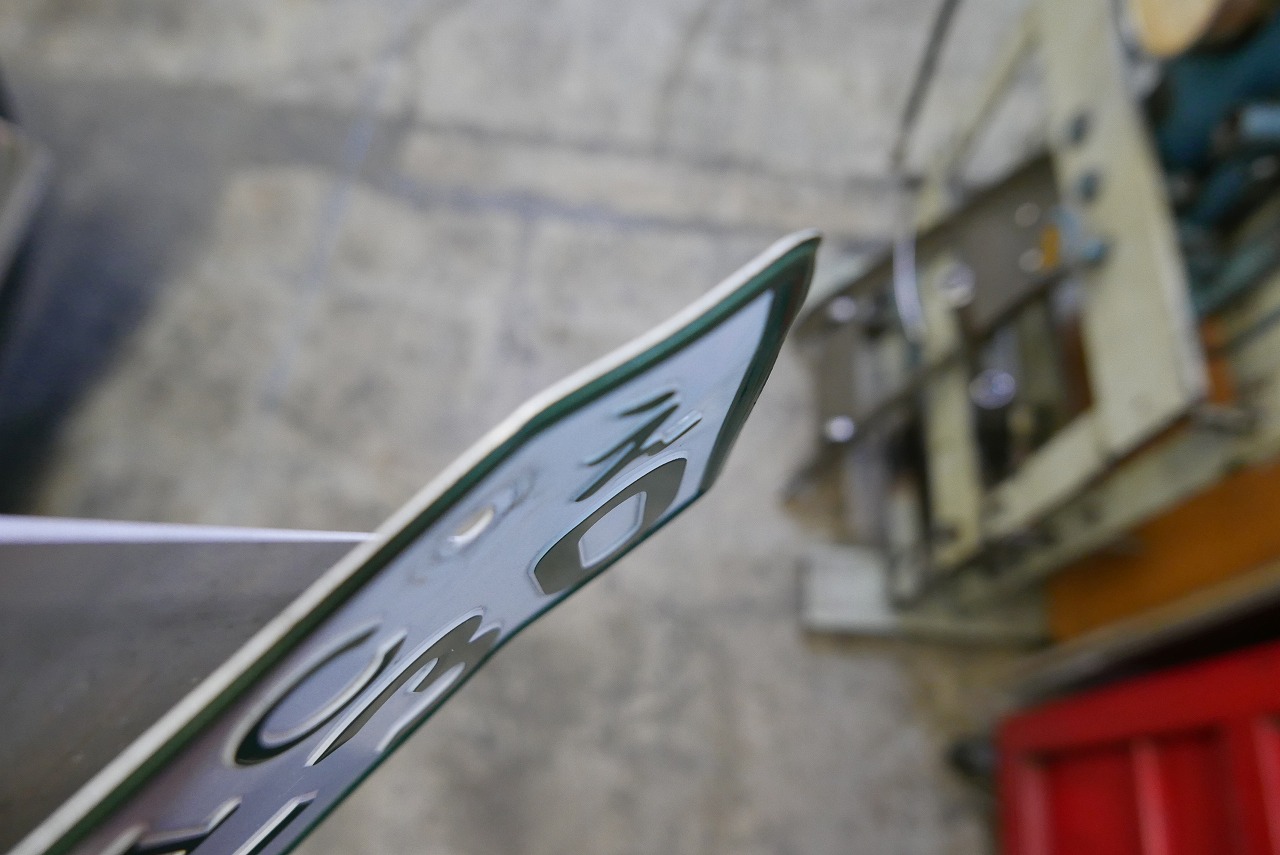
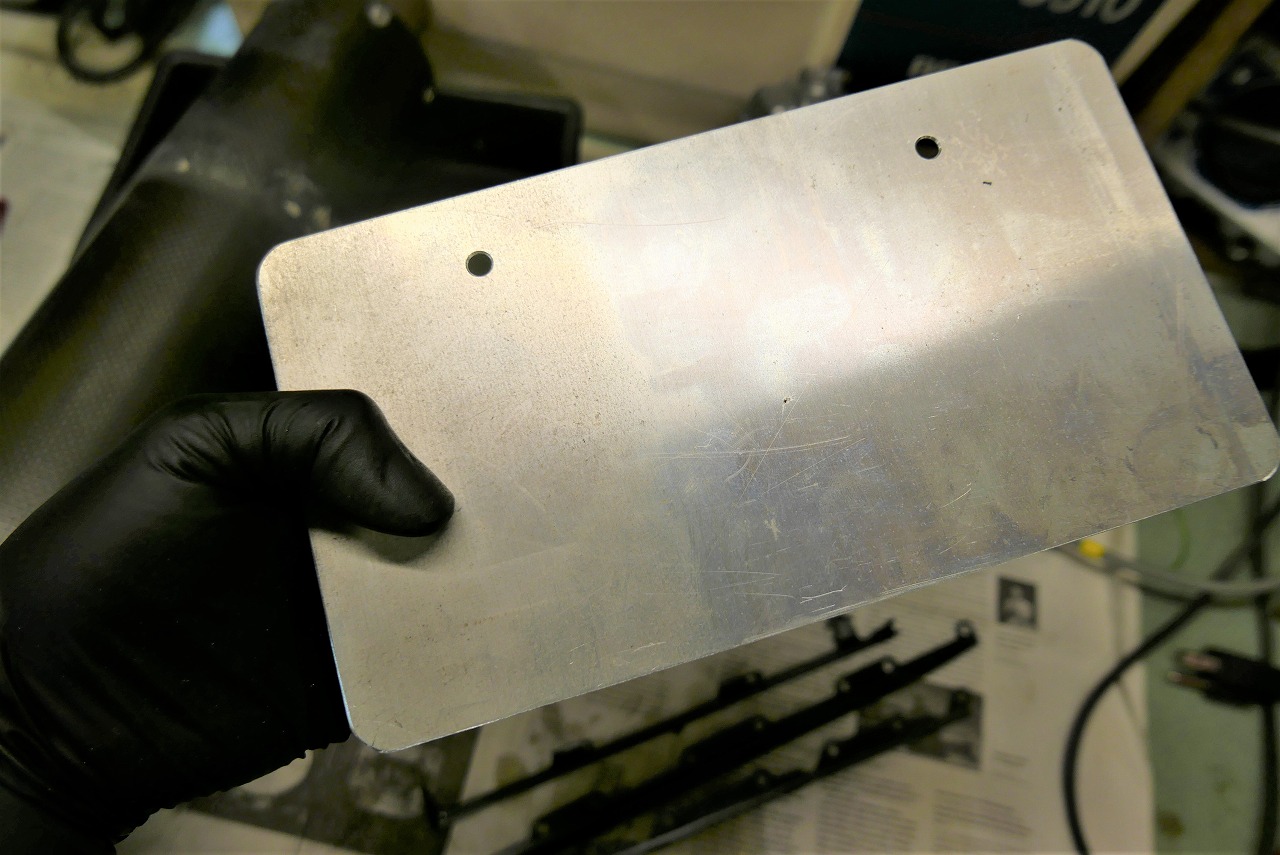
We removed both levers, cleaned them, and oiled them. When everything’s slick with oil, the levers and pins wear less, so they last longer. Most bikes use the same boots. Lucky for us. We keep them in stock, so we swapped it out. Throttle got cleaned and oiled. Just a thin coat for rust prevention is enough. Engine oil works better than grease here. Think of it like spreading it on bare skin—just enough to lubricate and prevent rust, not to pack it with grease. Brake pedal. We polished it and tested it with Guncoat. Brake pedal pivot. Take it apart once in a while and lubricate it—the action gets smoother. Shift pedal pivot. Same deal—smooth action makes riding more enjoyable. Show some love to the main key during maintenance too. It gets caked with grime and sometimes bent. It’s the unsung hero—when you polish it, you might spot something that looks “sketchy.” We added Fuel One. You don’t need to do it often. Fuel cap gets cleaned, sprayed with rust preventative, and buffed. Three brake discs get picked clean and degreased on the friction surface. It’s tedious, but they get pretty dusty. A fresh rag picks up this much dirt. We clean as much as we can to boost the effect—maybe brake bite improves by 1 percent. It’s pretty subtle and the gains are small. Rear wheel bearing looks good. Air filter is a K&N washable type. I always wonder whether the stock dry filter or a washable K&N is better. Once in a while, pull the fuses, check them, and lightly polish the contacts before putting them back. Four circuits—that’s not many for a V-MAX. Reservoir tank is empty. We need to find out why it drained and track down the cause. Coolant swap. There’s a petcock up front—pretty unusual design. Radiator cap was replaced last time and looks good, so we reused it. Coolant swap with vacuum pull—whoosh—and it’s in. Best balance of reliability and speed. Plugs are replaced. Front axle is within spec—no issues. Fluid swap done. As always, CCI Golden Cruiser DOT4. (No clutch in the photo, but we swapped that too!) The power of fluid? The power of corrosion? It’s intense. When you snap the cap back on, it feels like you’re doing something wrong. Invisible work—full effort, hard to see the results. Polish it and you’re done in a flash. Work efficiency means equipment investment. Techs work easier, bikes look better, owners are happy (even if they can’t see it). I think the benefits outweigh the costs. Side stand removed and oiled. When even one part is dirty, your affection for the bike fades, doesn’t it? Keeping the undercarriage clean feels good. Perfect timing to coat with black Guncoat. Lucky! We painted both. Fingers crossed it holds up in two years. Oil change with Newtech NC50 10W-50. License plate was bent all over. I love license plates, so it bugged me. Fix it, please. Aluminum scrap we got before—maybe 7075? Here, take it! Turns out if you bend it, it snaps. So we whipped up a quick license plate holder.
Shearing really is amazing. There are so many tools where you think, “Man, I wish I’d known about this sooner.”