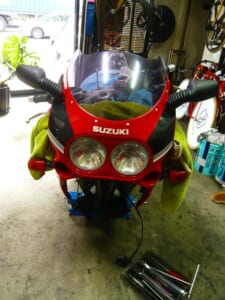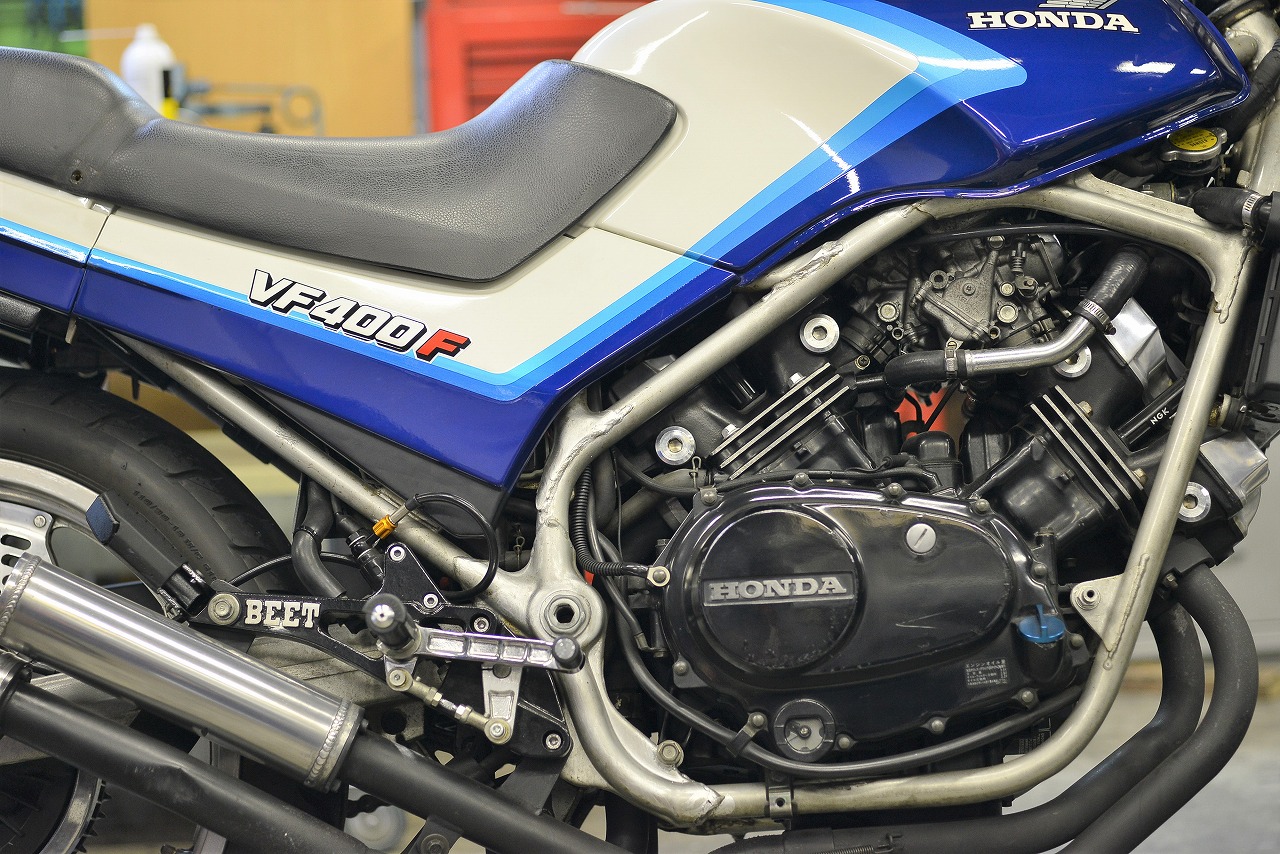
The owner said it wasn’t running quite right, so I checked it over and got to work.
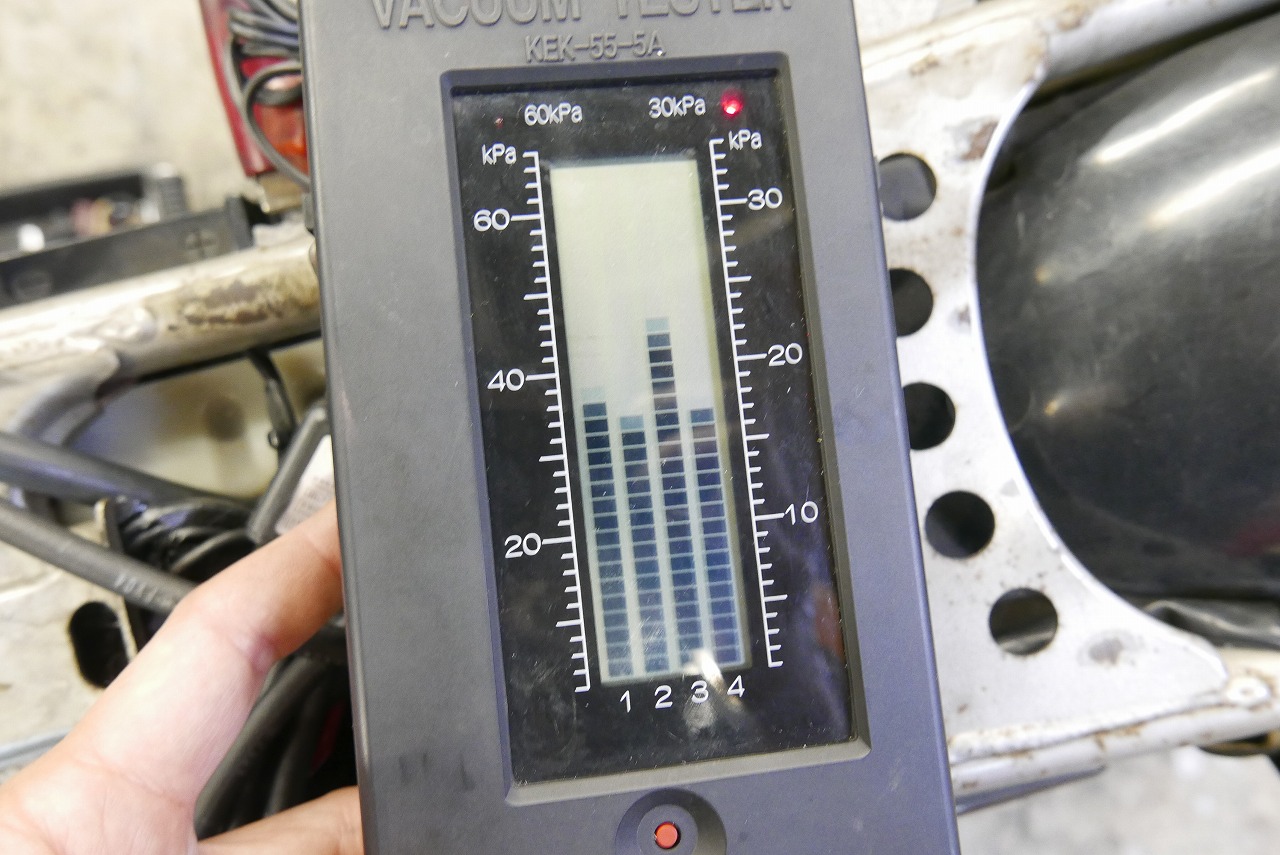
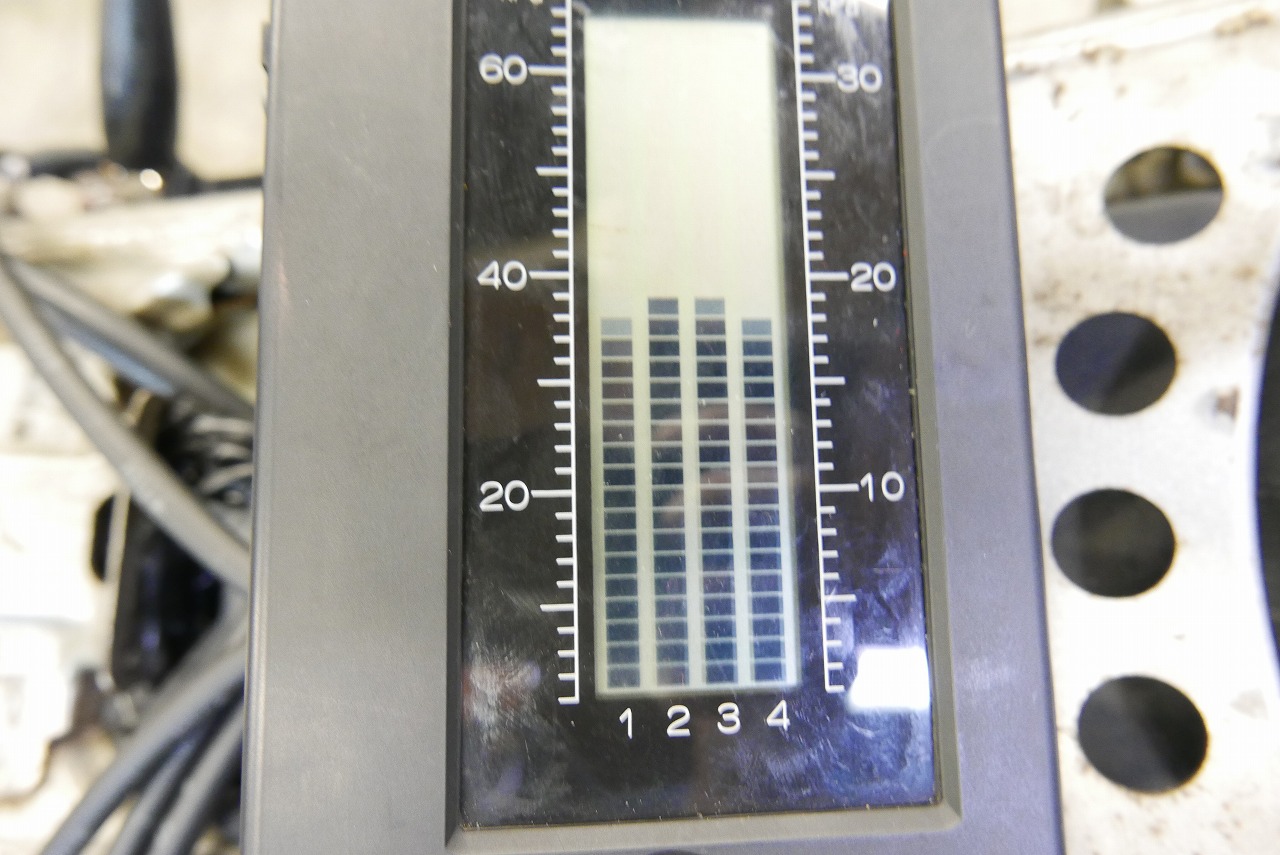
I took it for a test ride. I see… let me check a few things. I found some odd issues…
For a moment there, I thought it might wrap up quick! That kind of vibe.
But the world isn’t that kind. When I touched things, gasoline started leaking from places that made no sense… why?
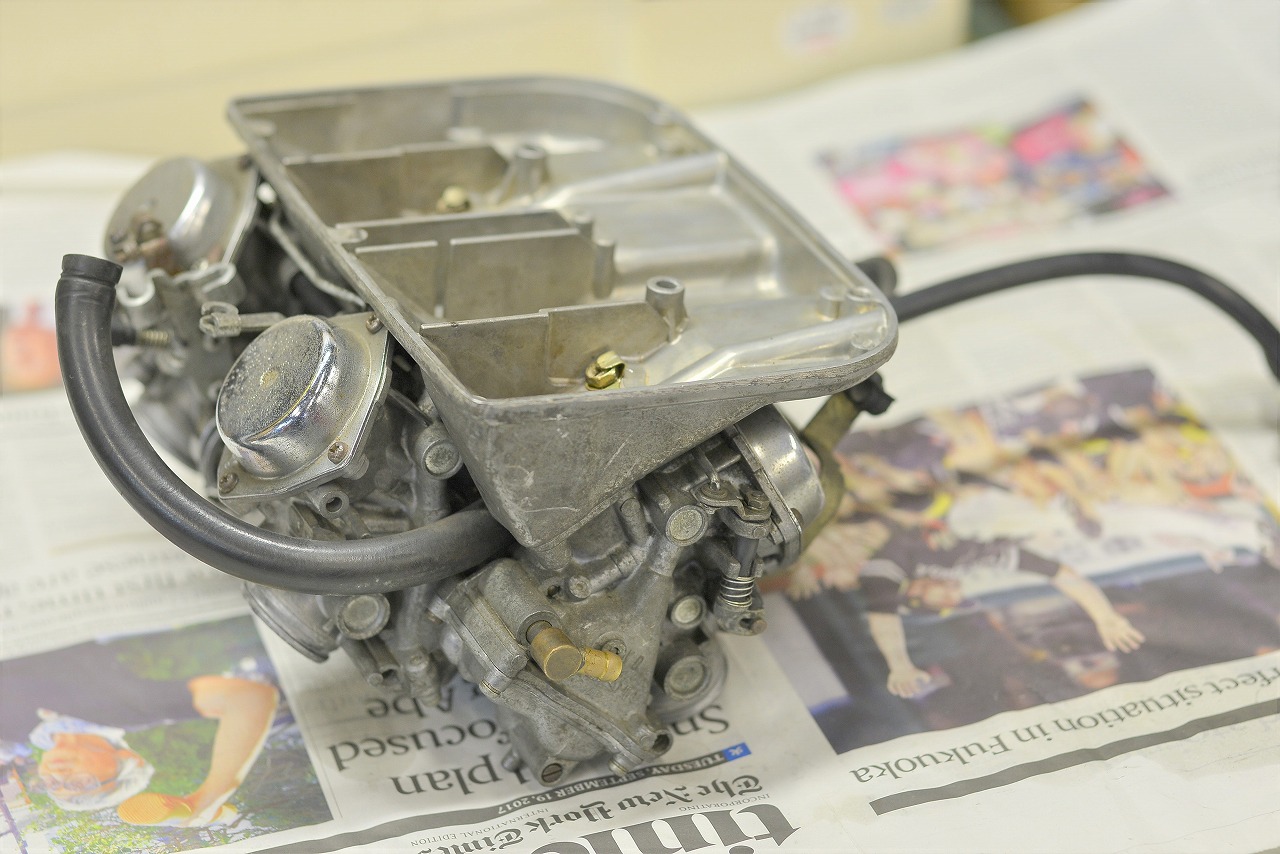
Anyway, there’s no getting around it—I need to check the carburettor. Let me inspect it.
Taking the carburettor off a V-series and putting it back on is a real pain.
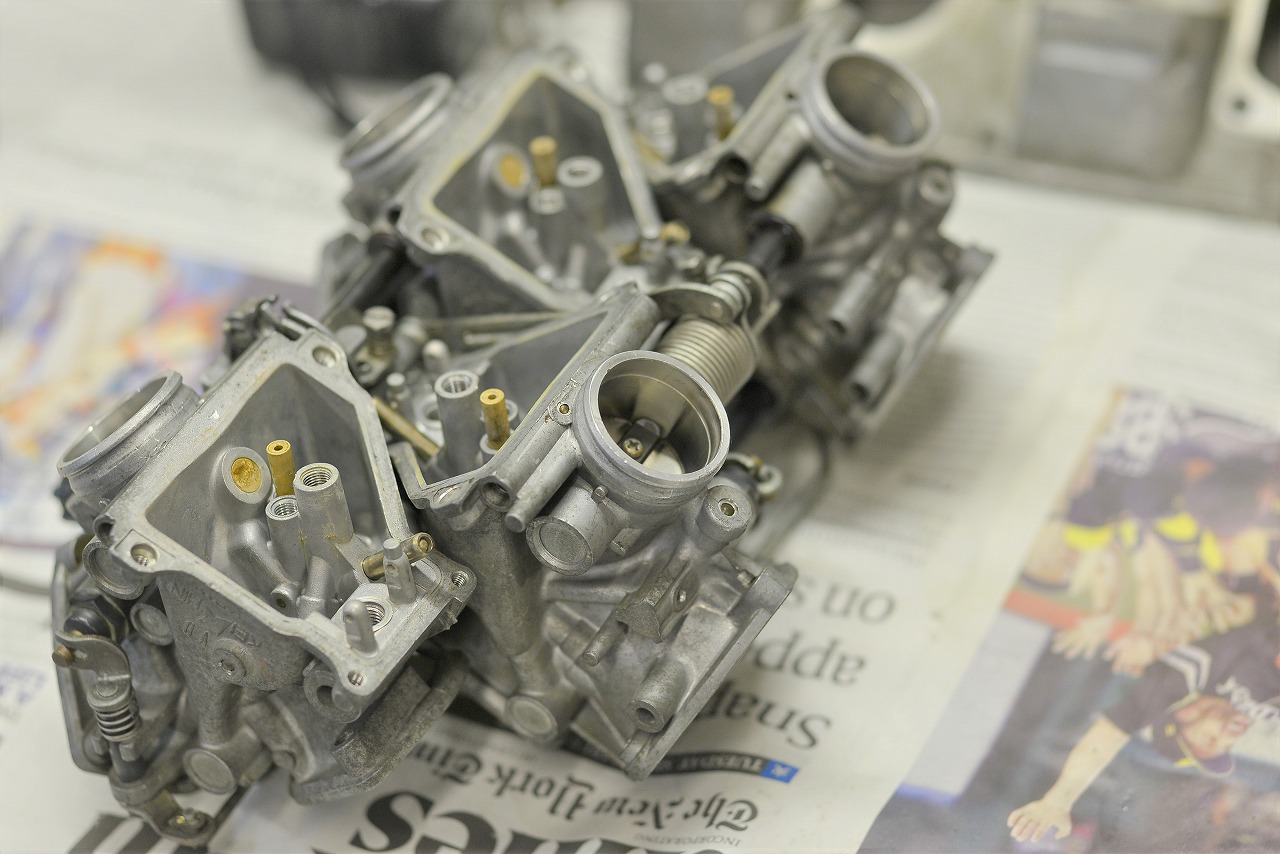
Since I’ve been working on RVFs lately, this feels easier in my head… but there are a ton of linkages. Whoever designed this was seriously brilliant.
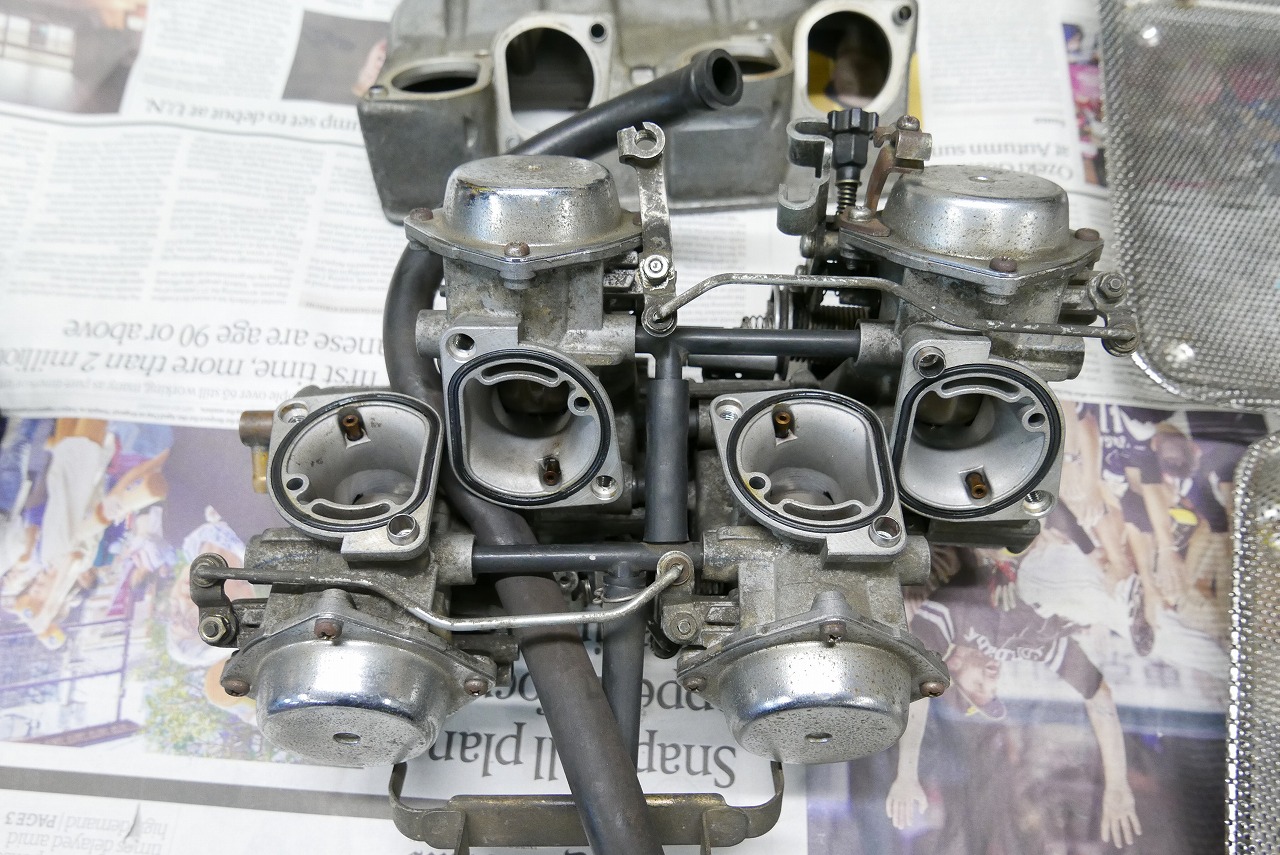
There’s a high chance I’ll lose track of where everything goes, so I’m taking lots of photos as I go.
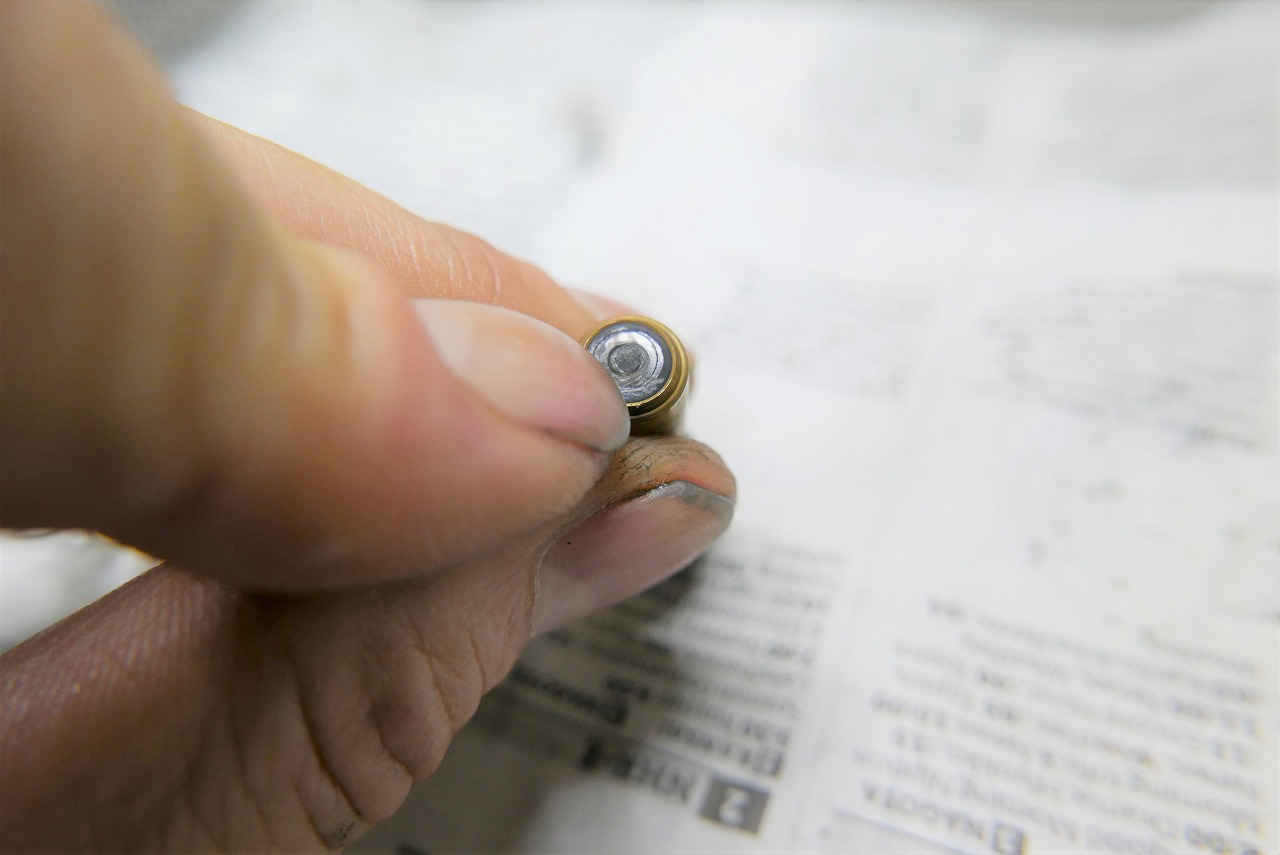
The starter valve (rubber part) is unbelievably stiff. That’s impressive… I was pretty surprised.
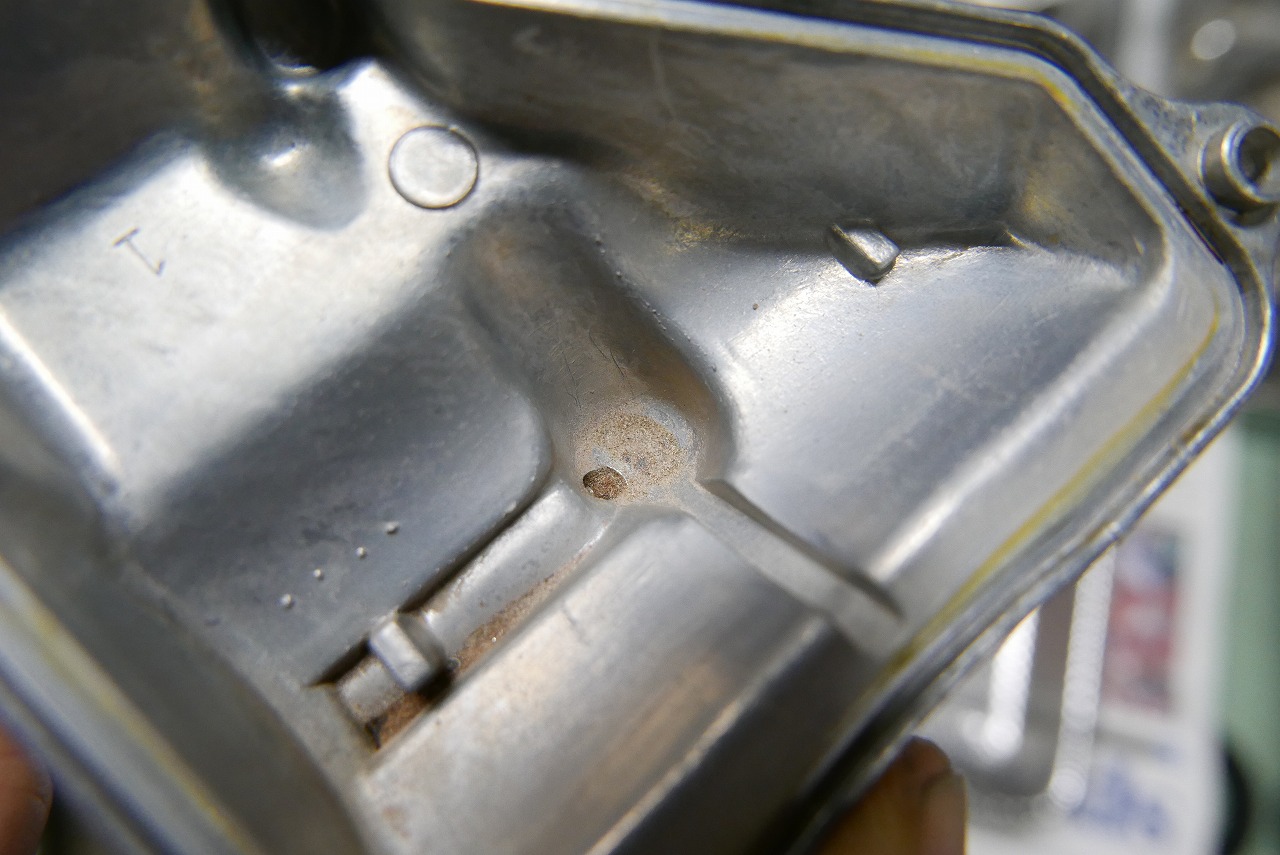
There was a lot of fine rust buildup.
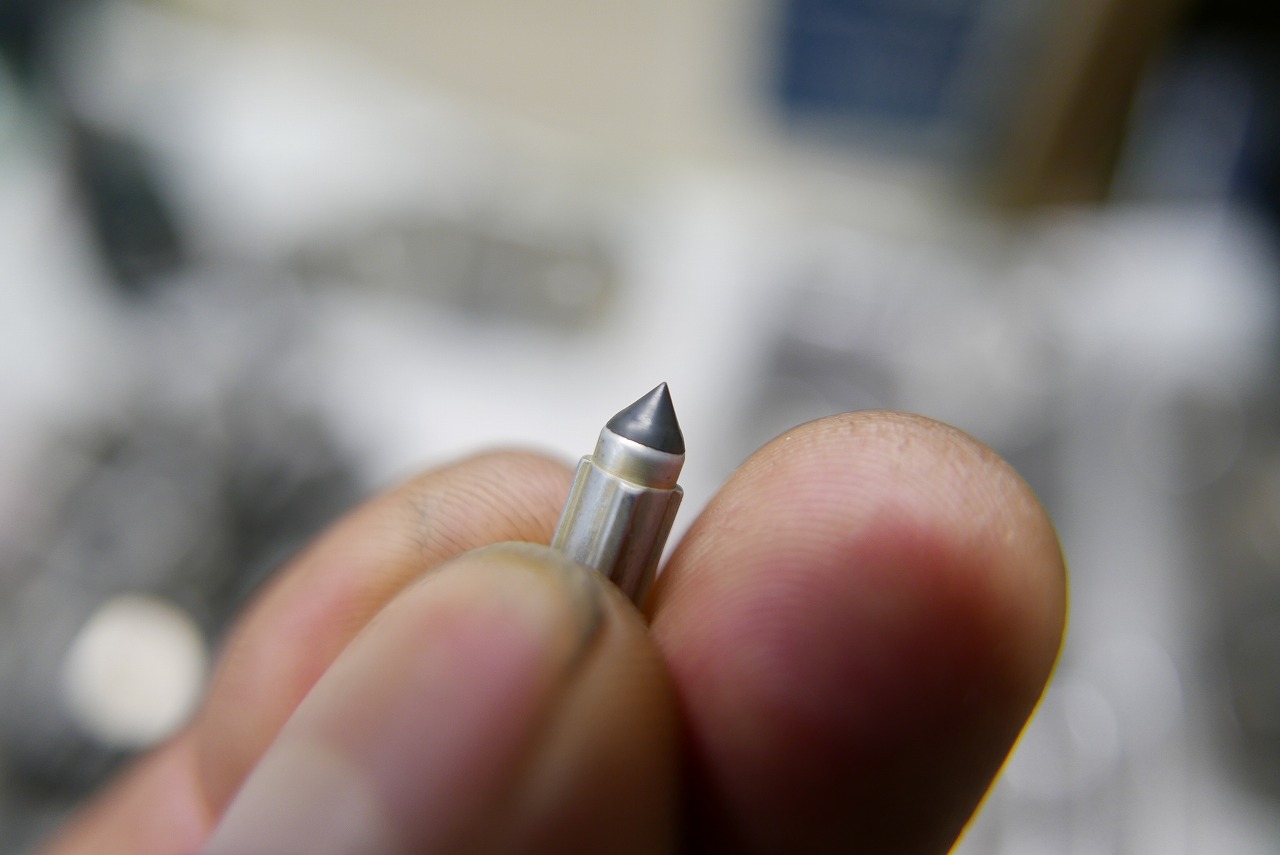
The float valve is pretty worn too. Heavily rusted bikes are common, so this is something to check.
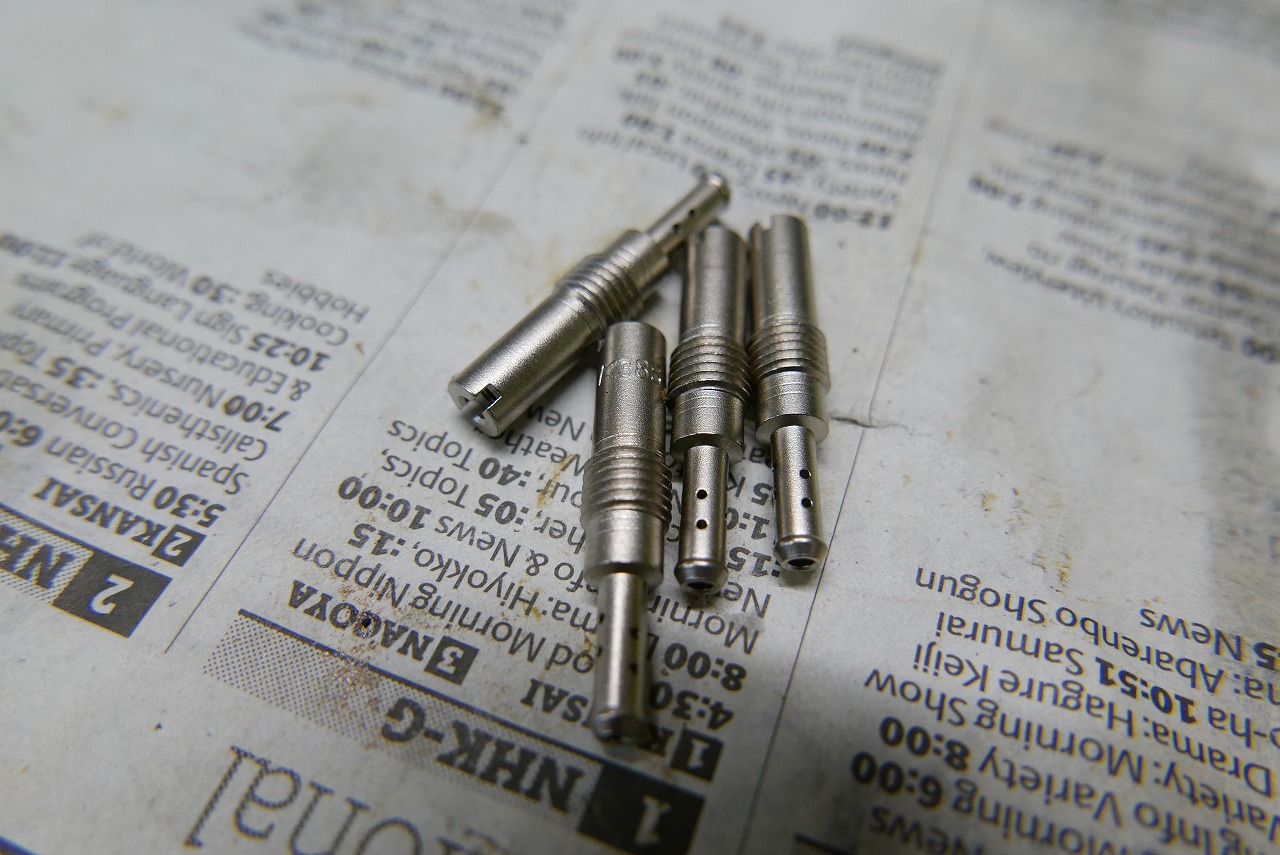
I’m replacing all the jets.
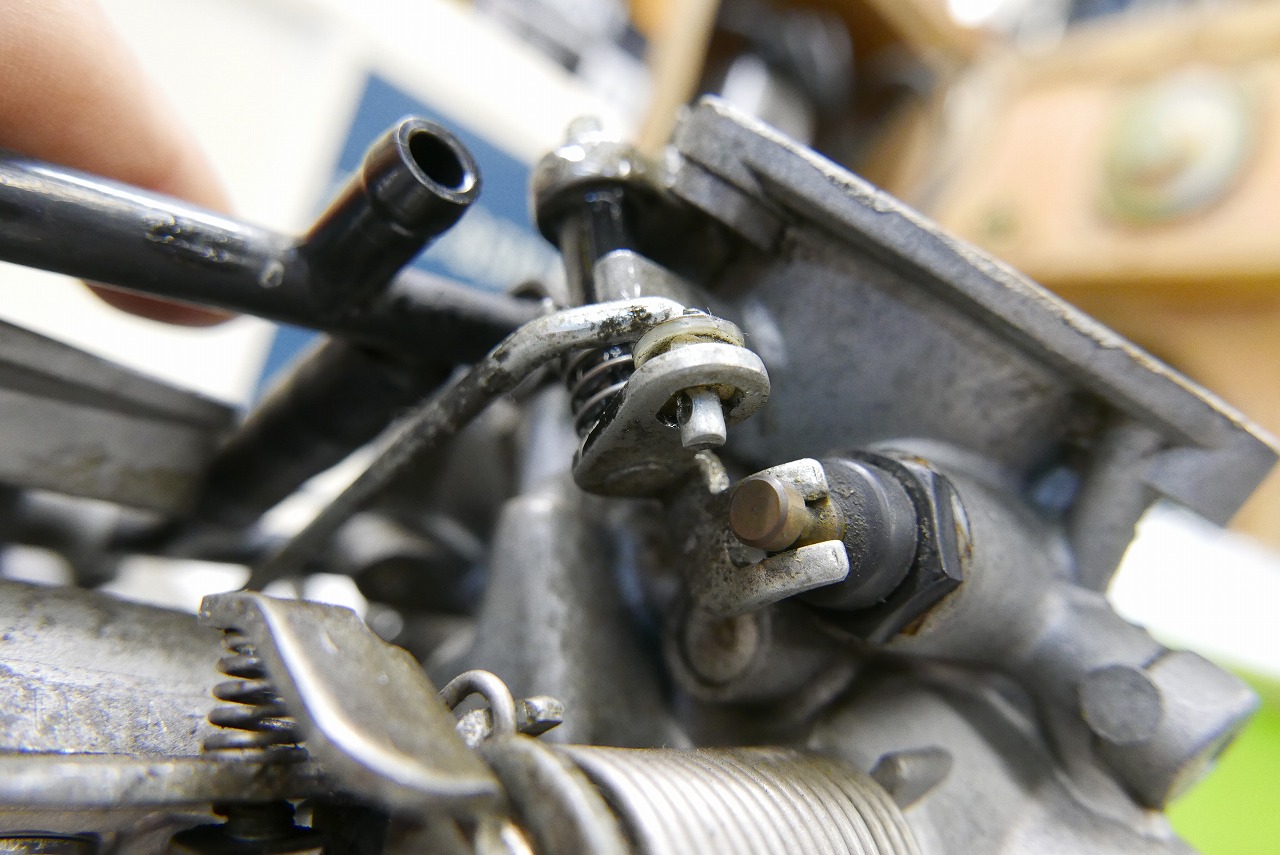
Just sitting in there is fine. If they come out, things get messy.
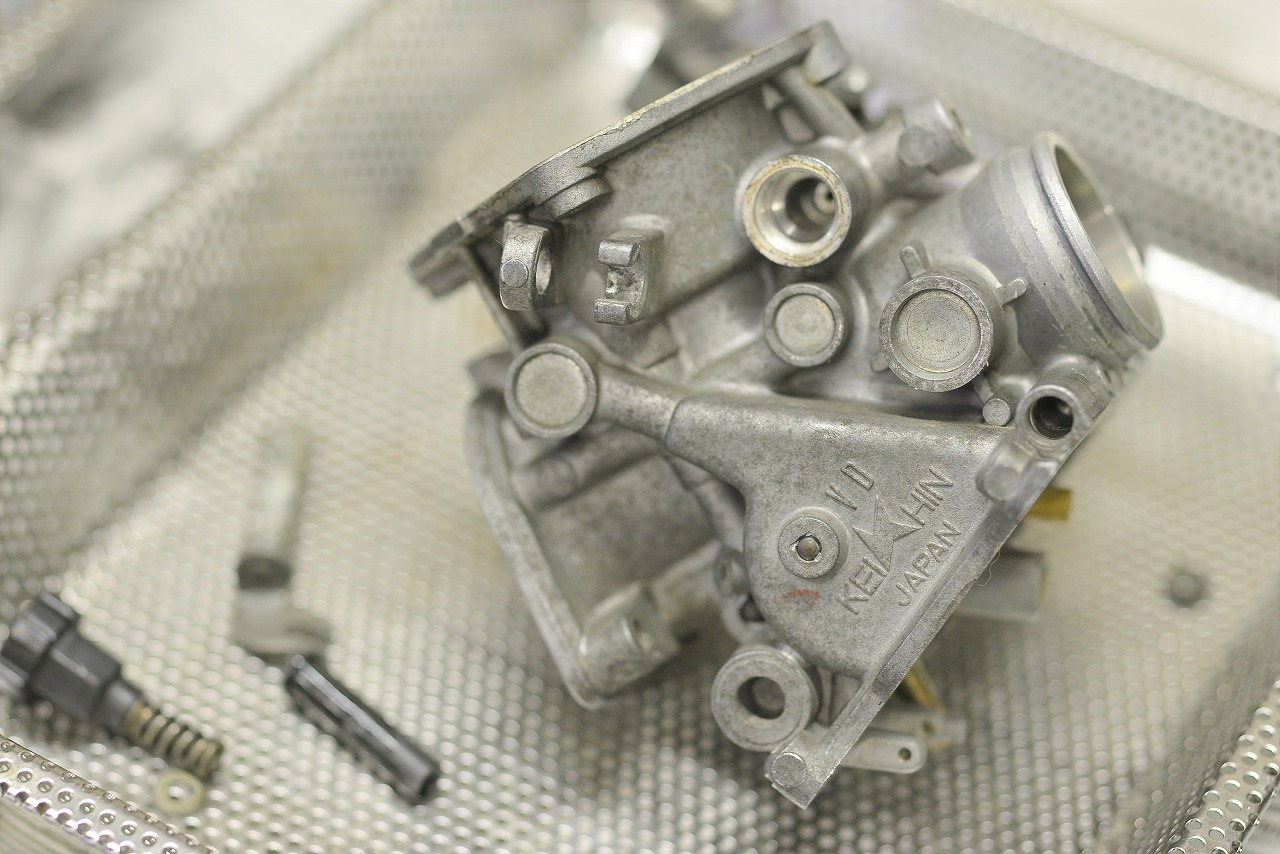
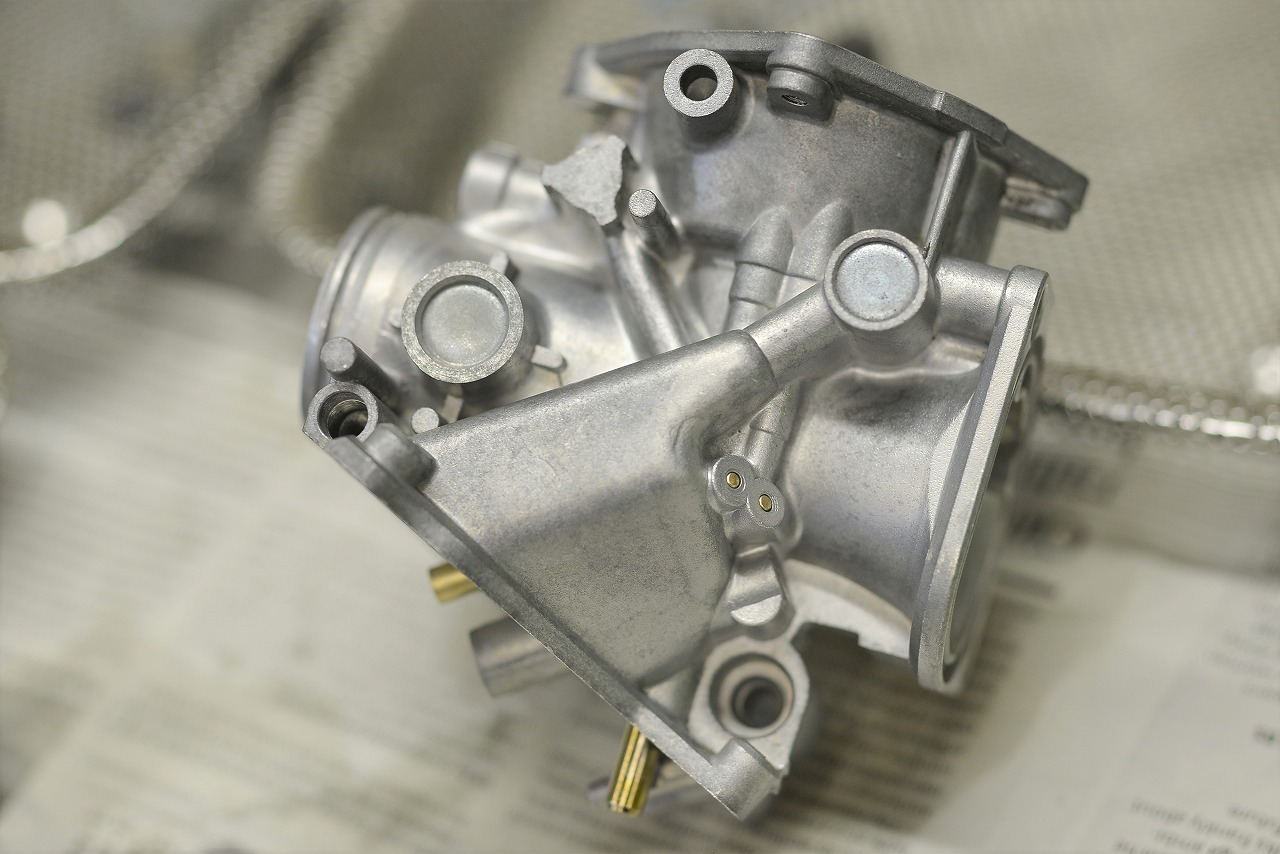
Polishing wasn’t requested, but I’ll clean things up a bit before reassembling.
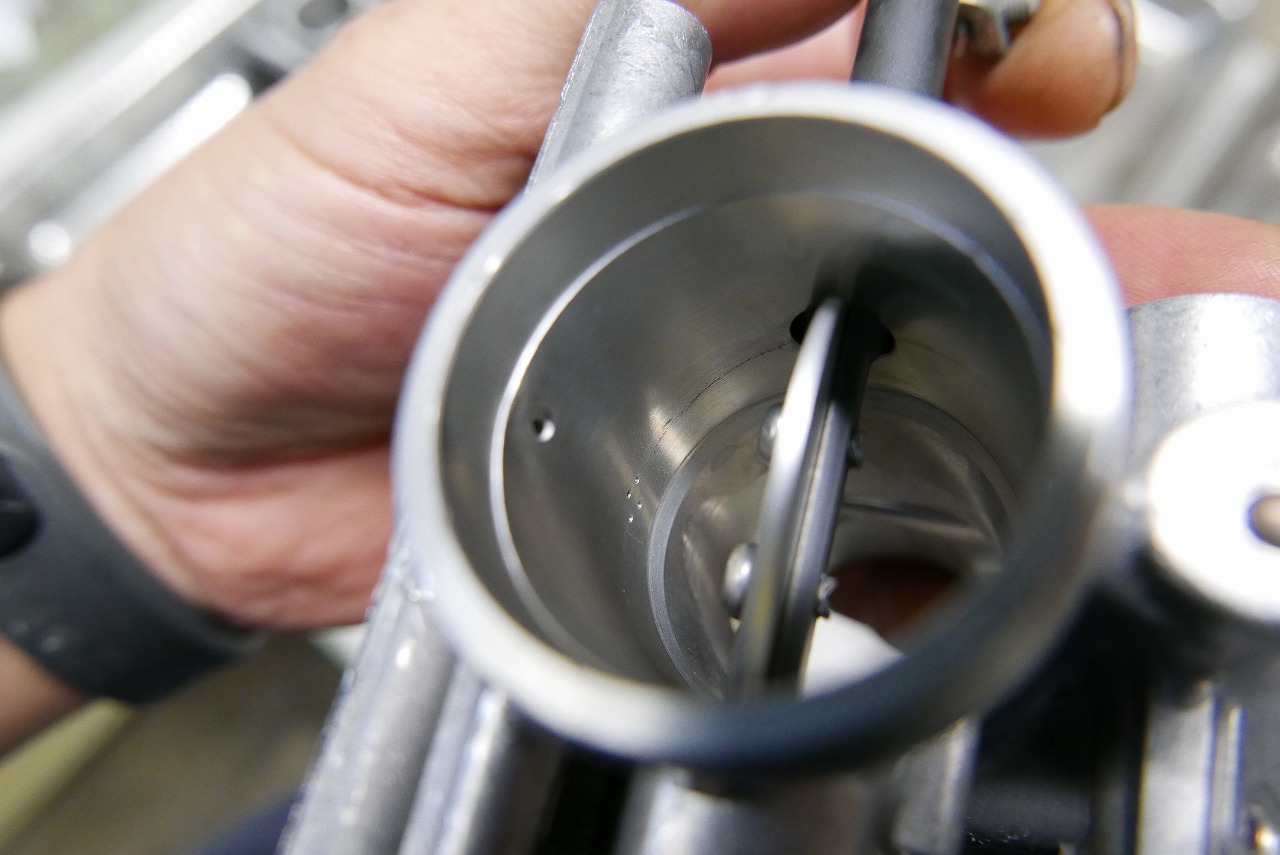
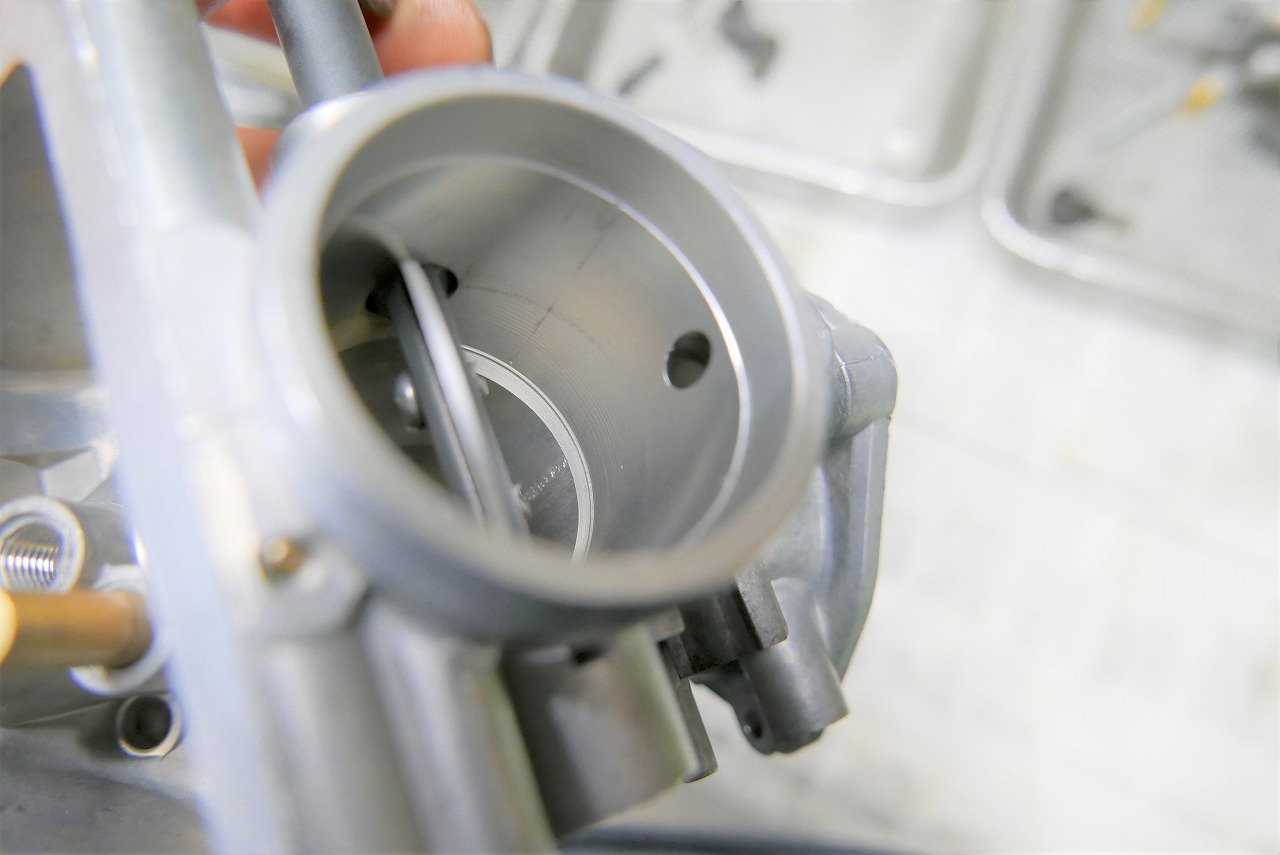
Cleaning won’t boost performance, but it feels better when you’re putting it together, and I figure keeping it clean and in good shape will help it last longer.
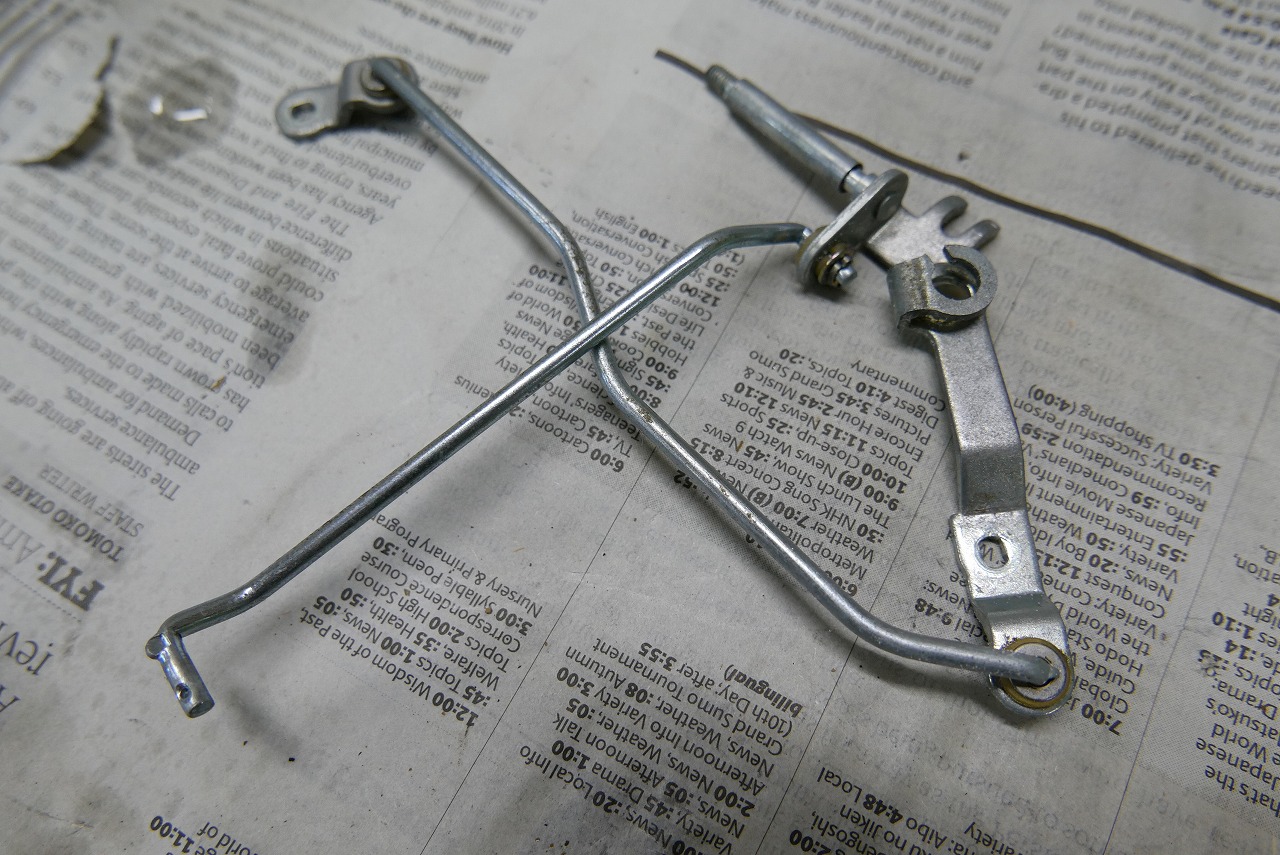
I’m cleaning up all the linkage arms too.
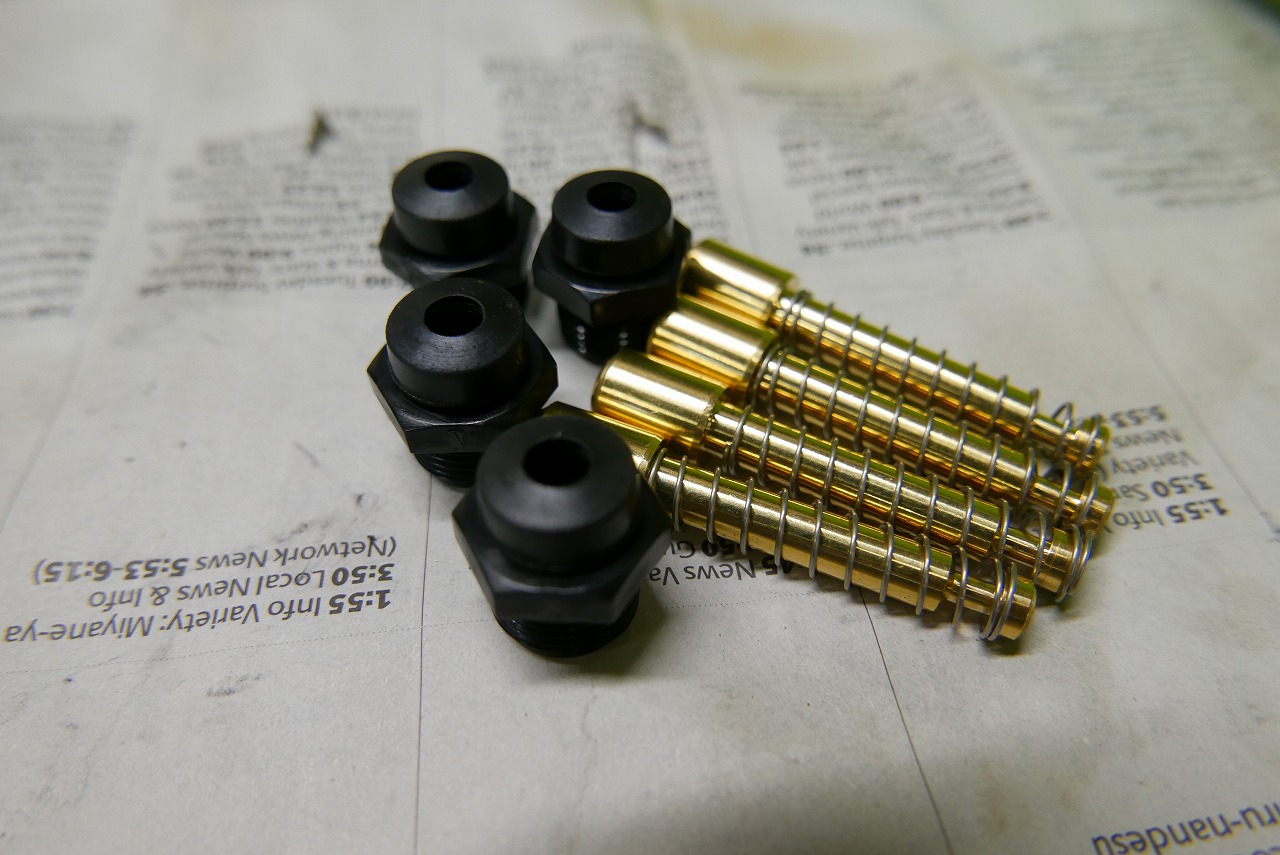
It’s discontinued for the RVF, but available for the VF. That’s what I mean by a carburettor with high compatibility.
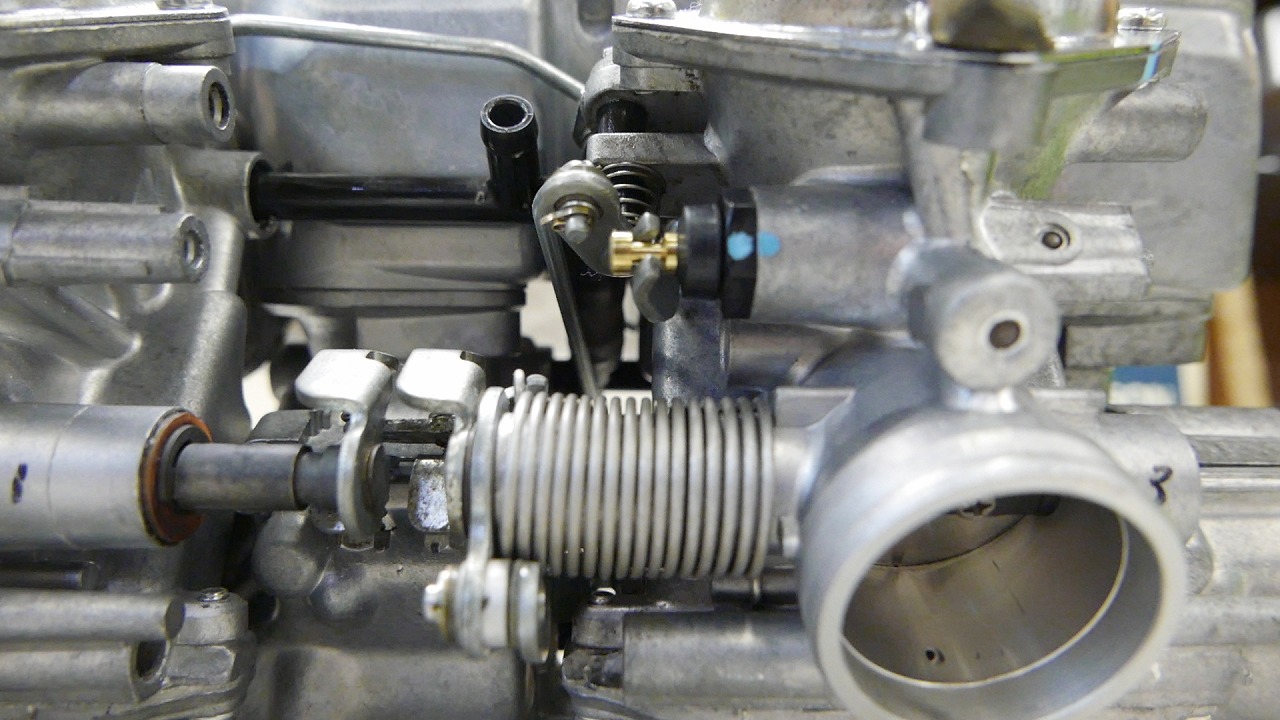
I’m making sure the starter valve moves smoothly, and when it’s closed, I’m leaving a little play so it’s safe. (If you don’t return it all the way, it’ll run rough.) Sometimes I even bend the arm to adjust it.
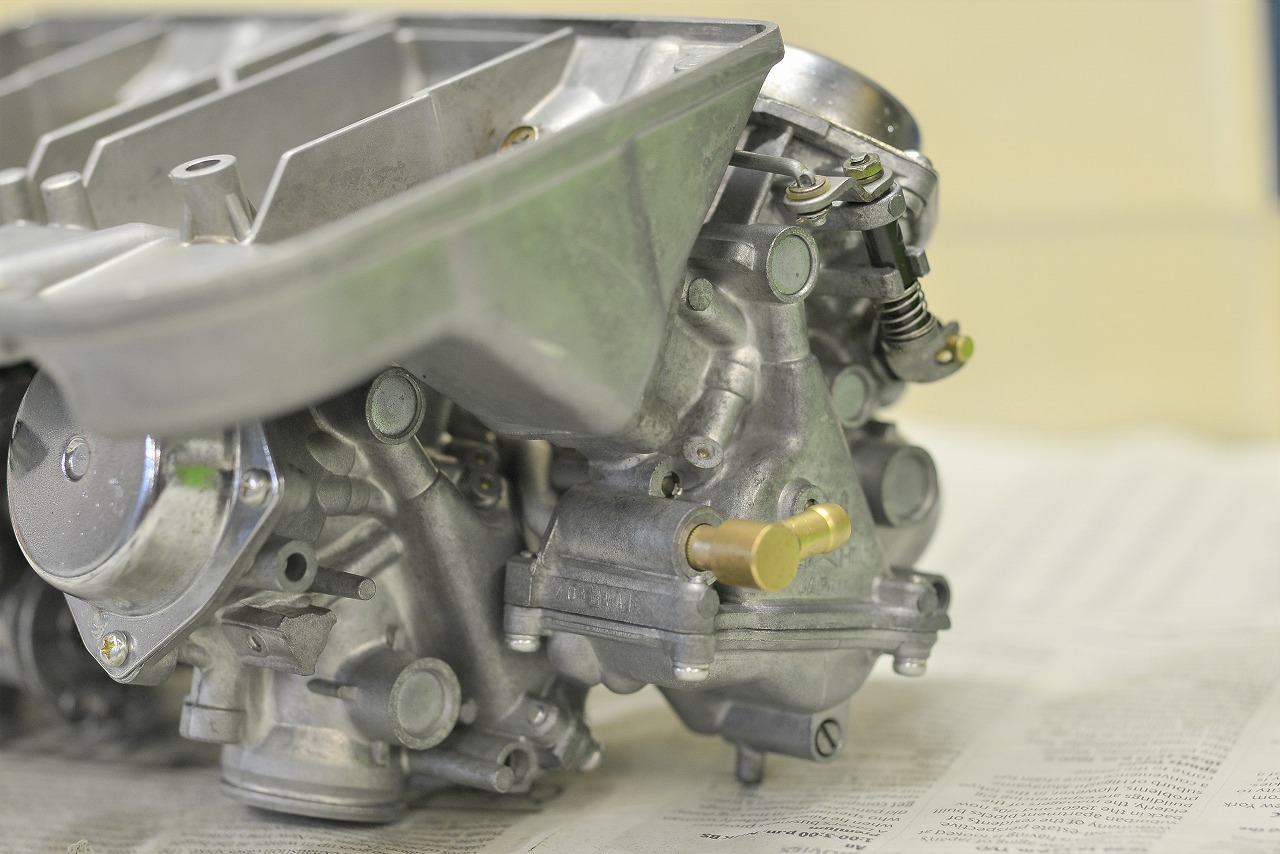
After ordering parts, it’s finally done. The synchronization springs on this carburettor are seriously loose and keep falling out—it’s a pretty exhausting one to work on.
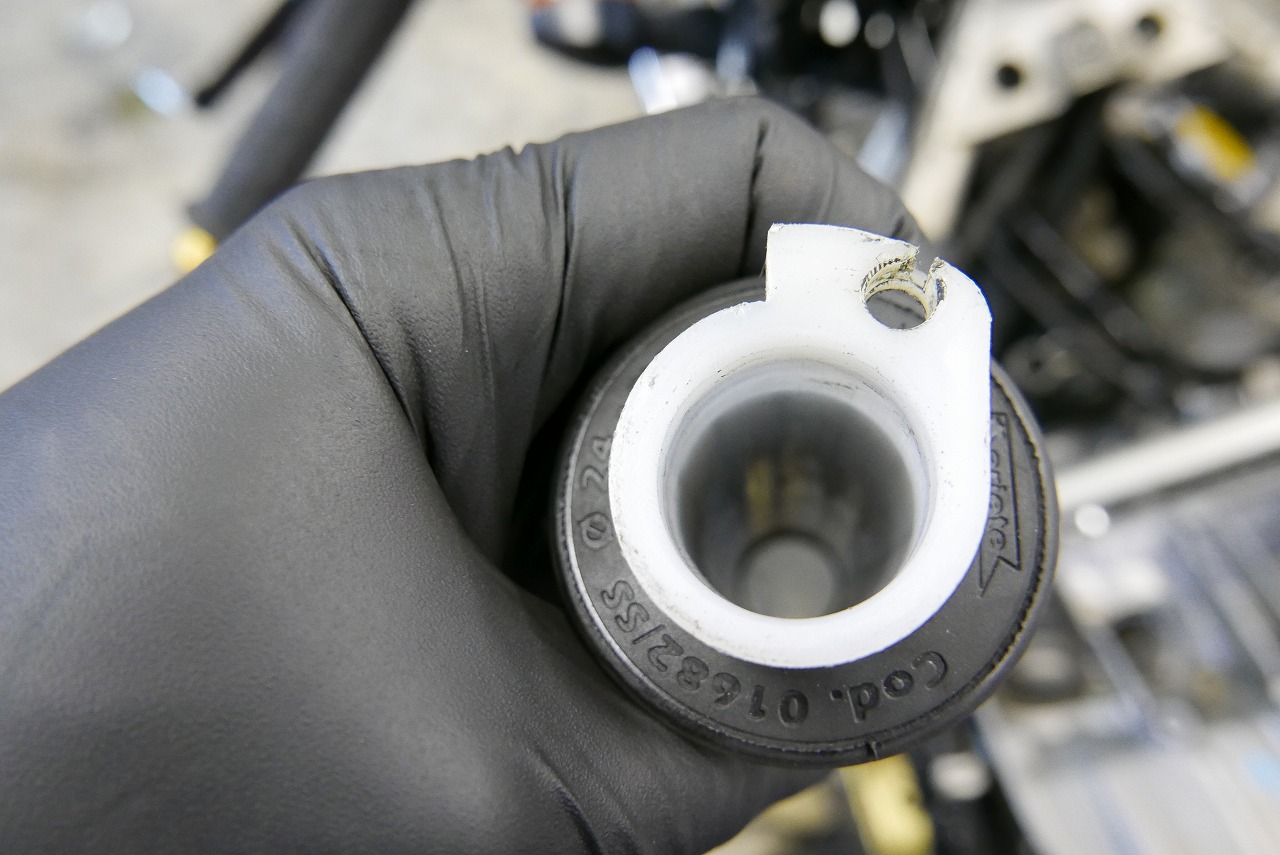
The return side that should be there is missing, so I’m ordering a replacement throttle, and since the accelerator cable is discontinued, I’m adapting one in reverse pull to make it work.
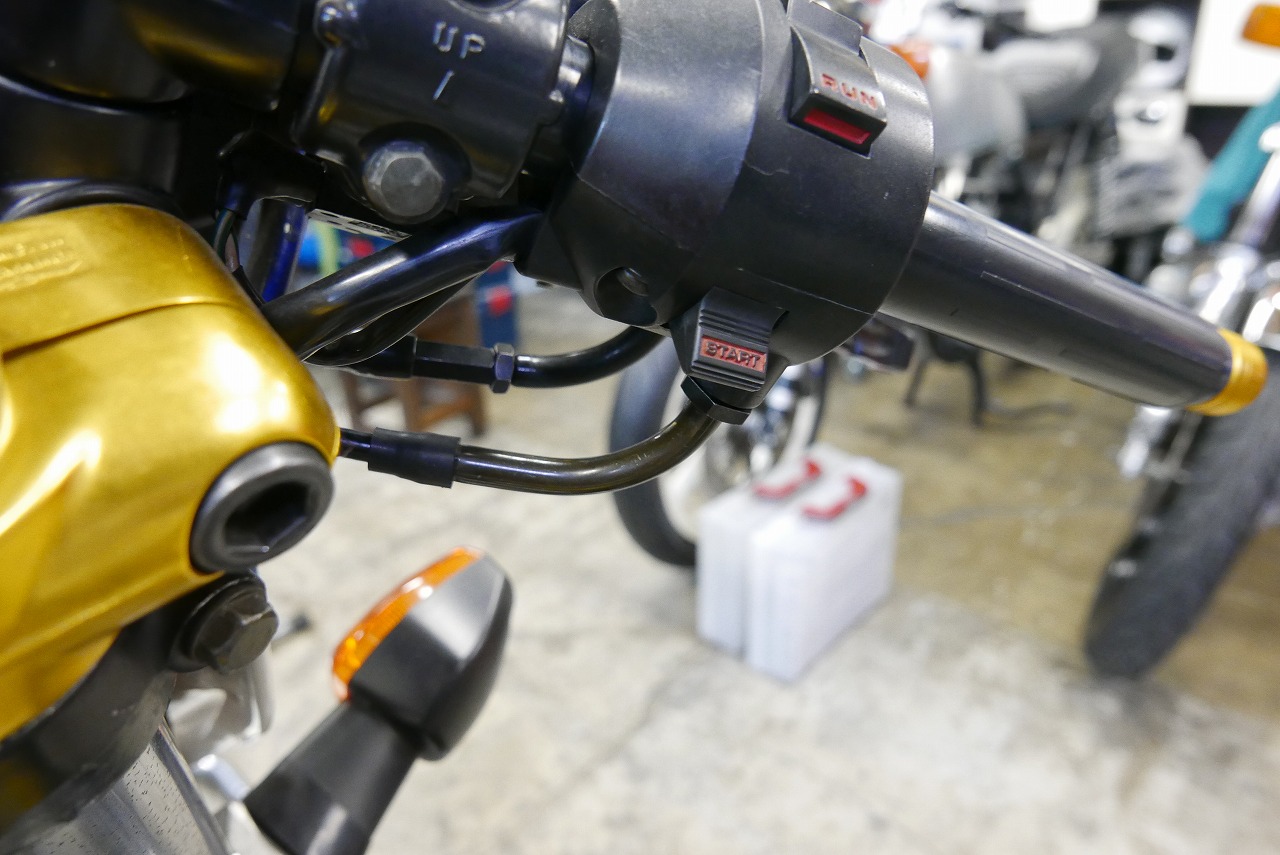
Now it’s safe! Switching from two-cable to single-cable pull is pretty risky.
Single-cable carburetors basically have a stronger return spring rate so they snap back reliably, whereas two-cable setups have a comparatively weaker rate and rely on the return cable for some of the pull-back—that’s the safety mechanism. I don’t think we really need to chase that light throttle feel so hard.
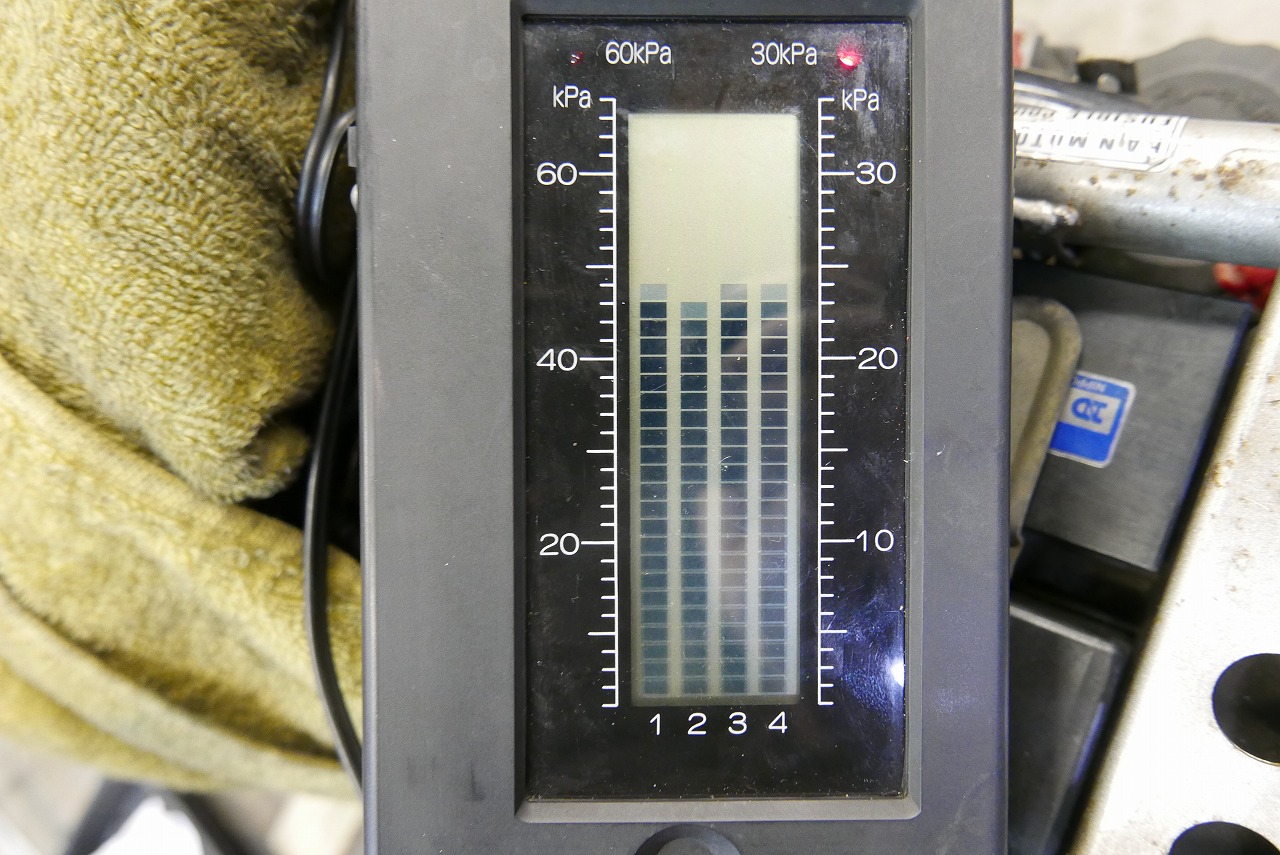
Synchronizing the V-series carburettor—getting the hang of it.
Looking at the blog, it seems quick. Honestly, I got pretty stuck on it and had to pull the carburettor off more times than I can count.
Sorry for the wait—it’s done!!