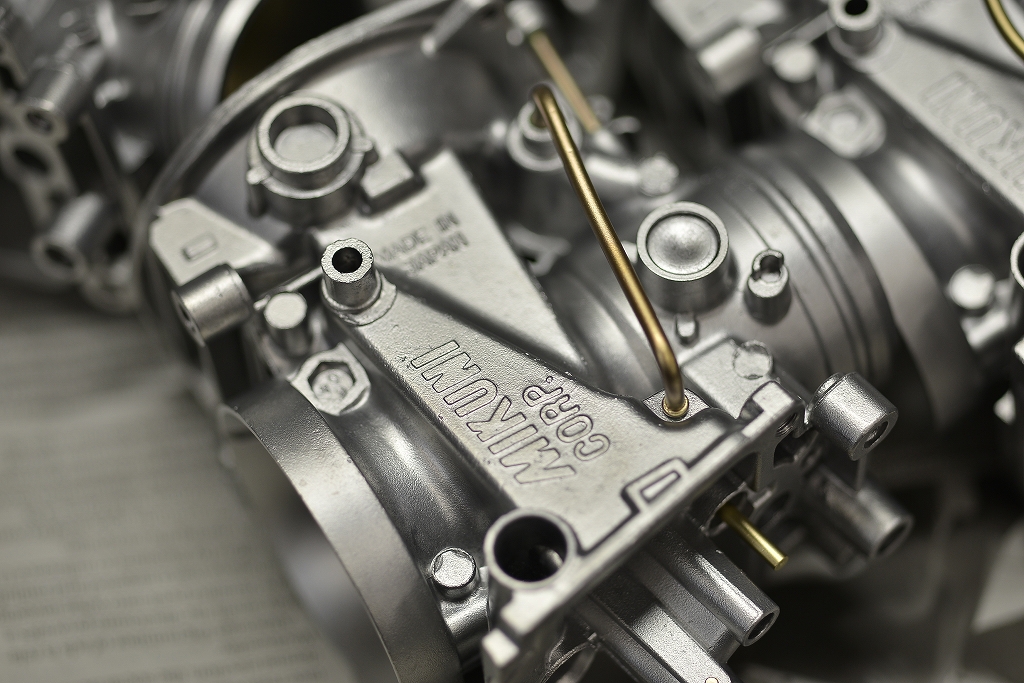
Let’s perform carburetor maintenance.
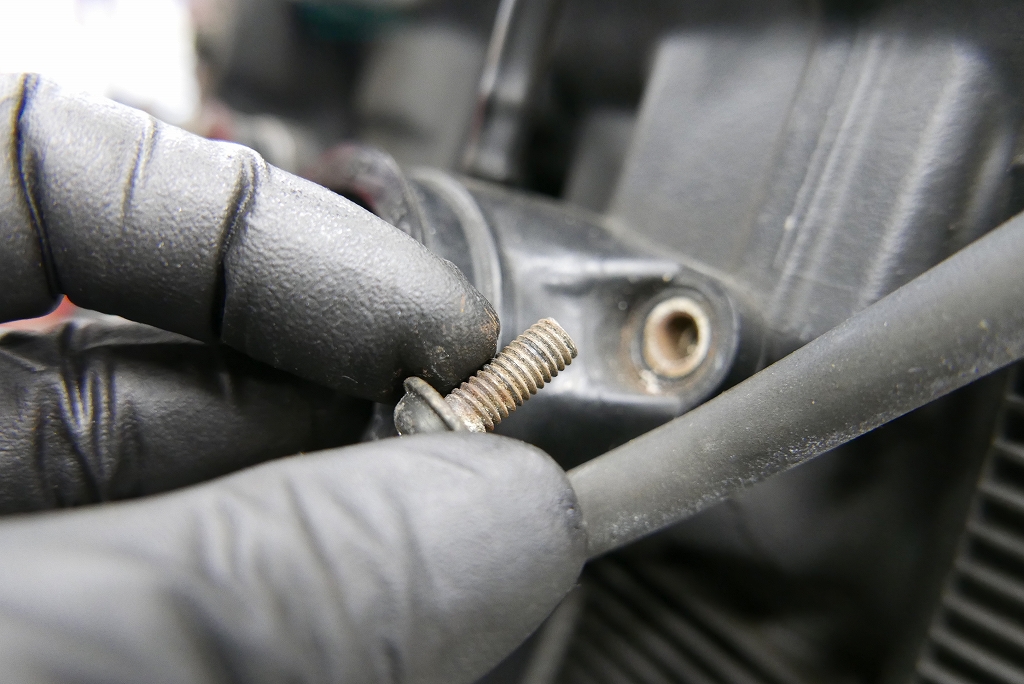
Oil-cooled intake manifold fastening uses pan-head bolts and the hard-to-reach method. We have all the tools on hand, so the chance of stripping is virtually zero. If bolts don’t come out smoothly, it takes time, you know.
We replace the intake manifold aggressively since there’s a concern it might not come out again.
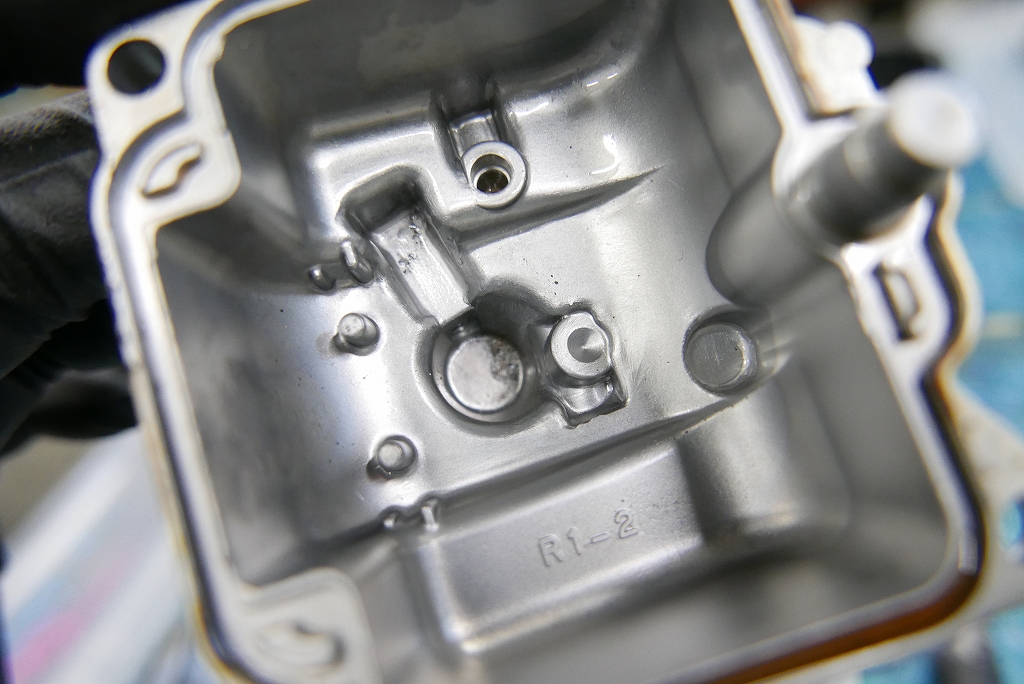
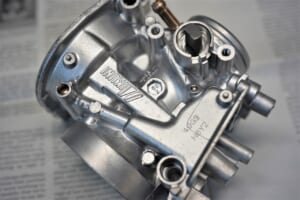
The float chamber has no major rust, so we’re in good shape.
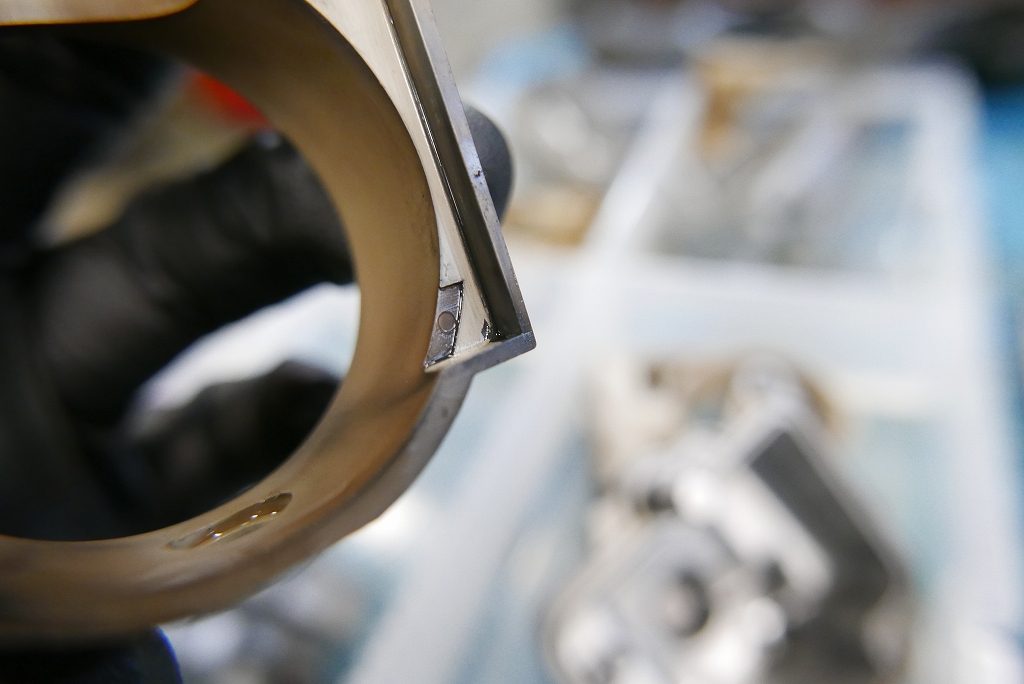
The slide block is also in good condition.
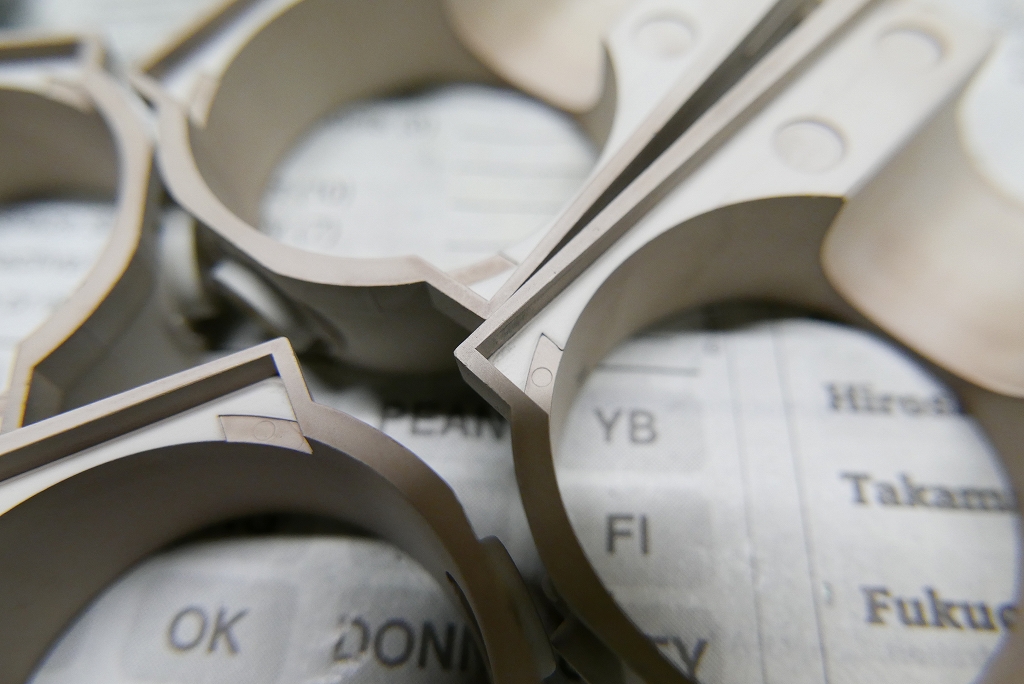
The overall condition is quite good, so we’re reassured.
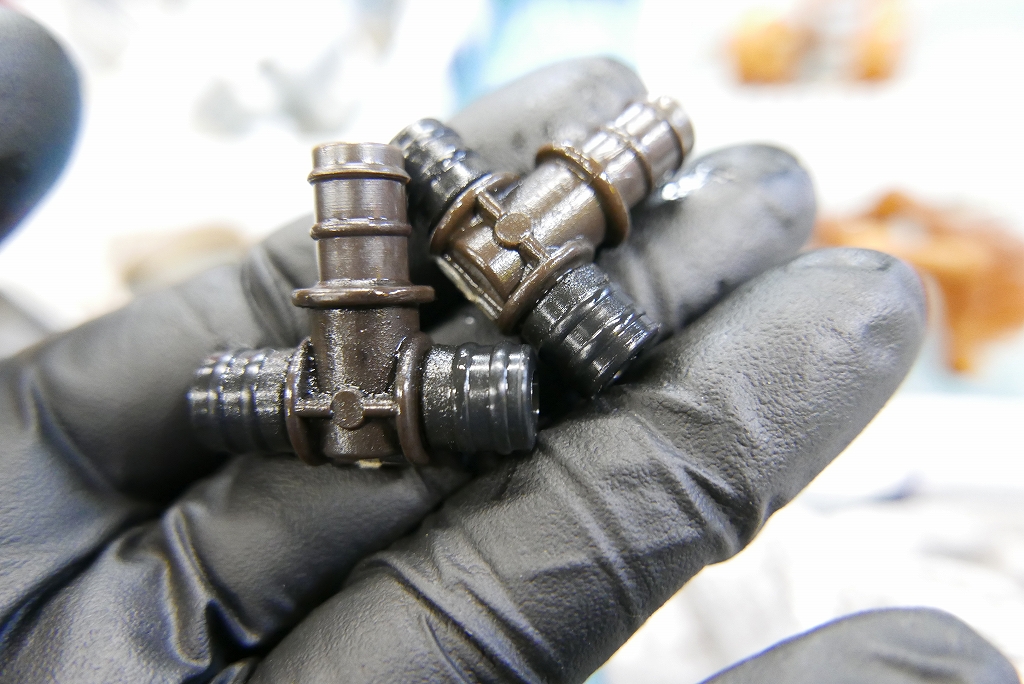
This is used, but we’ll replace this joint too. Deterioration → no supply = custom metal fabrication = labor intensive = cost increase, you see.
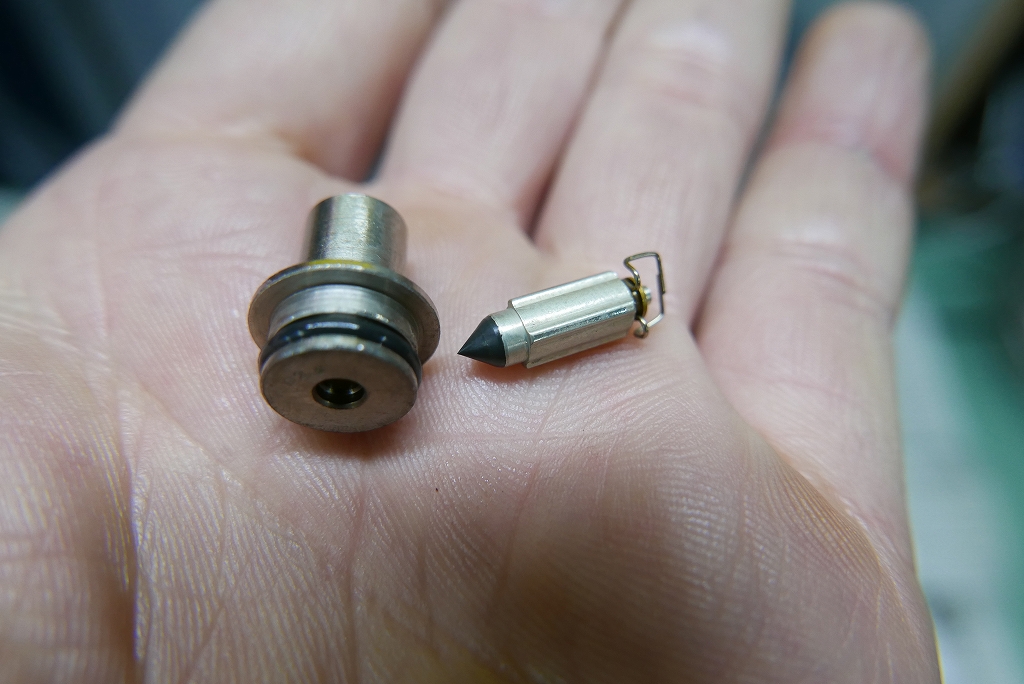
The float valve is reused. As long as you don’t have a severely rusted tank or let the gasoline go bad, it has pretty good durability. (This applies to the rubber-tip type.)
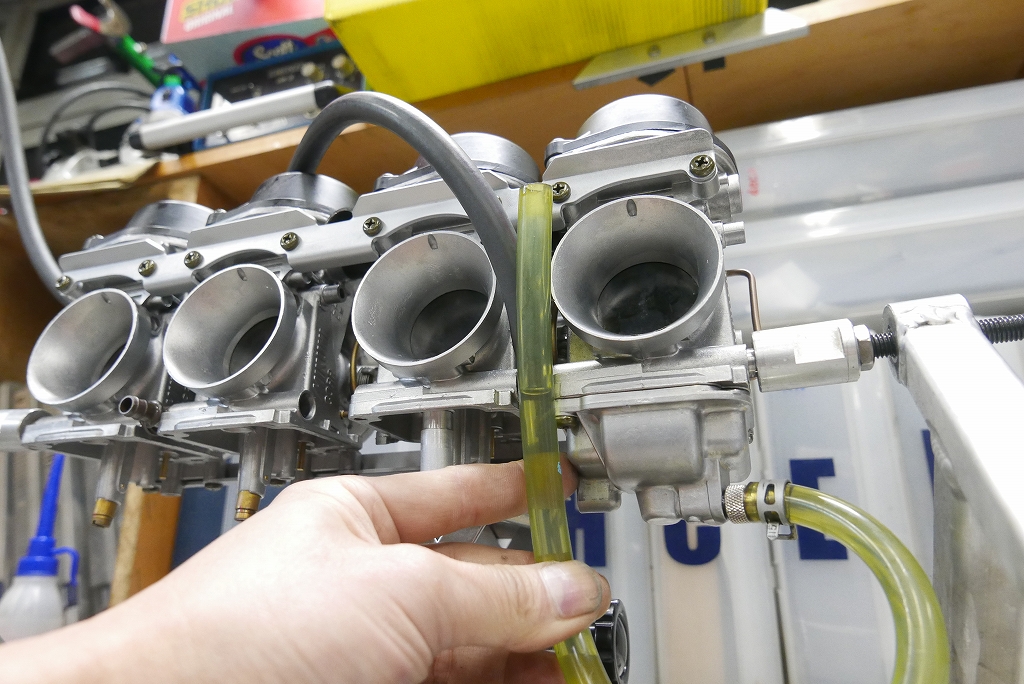
We adjust the actual fuel level. This is a BST with a separate float arm. There can be a large difference between the float level and the actual fuel level.
But lately, even with a ±3mm difference in actual fuel level, the plug burn is always good, so… maybe I don’t need to worry about it so much? That’s what I sometimes think. Well, it’s for overflow prevention…
It’s more reassuring when it’s correct than when it’s not.
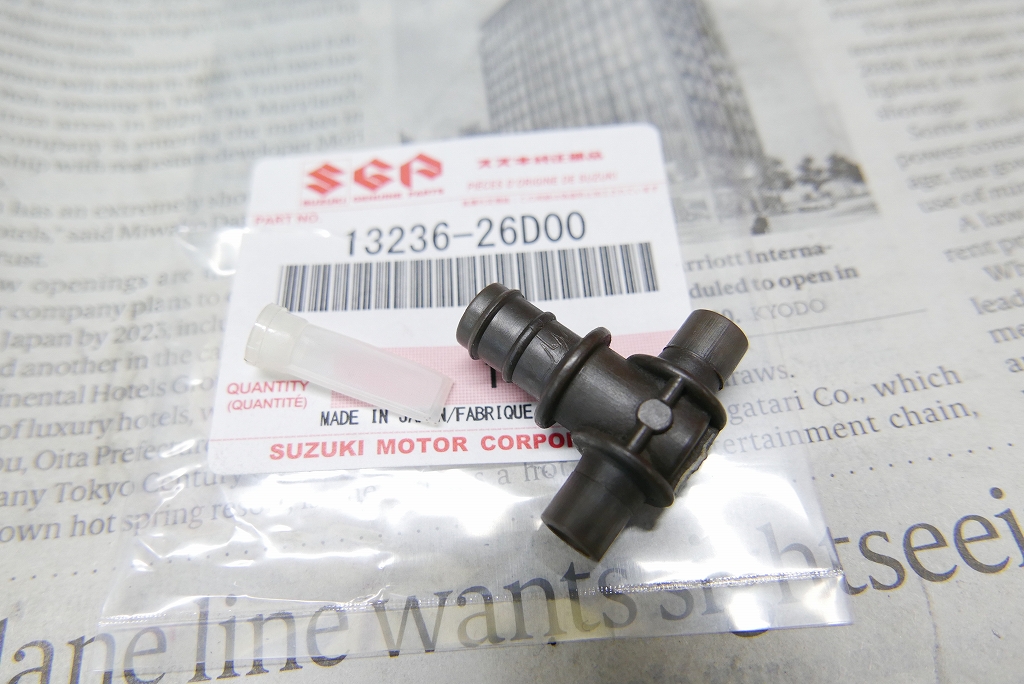
Lately I’ve been a bit nervous, so I install an OEM filter for peace of mind.
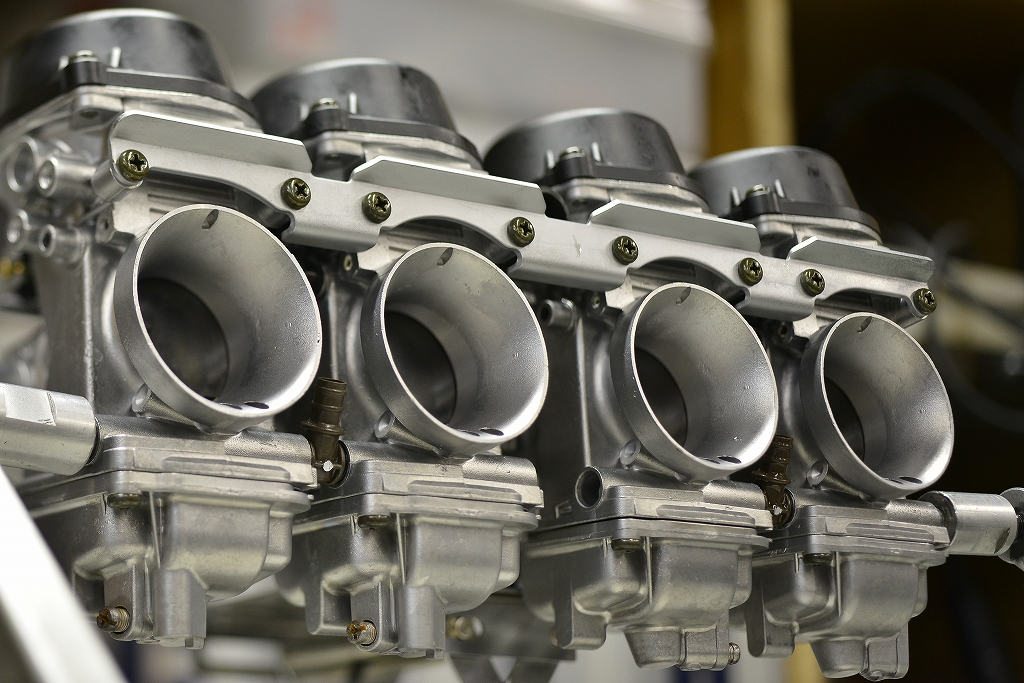
And that’s how it comes back to life, nice and clean.
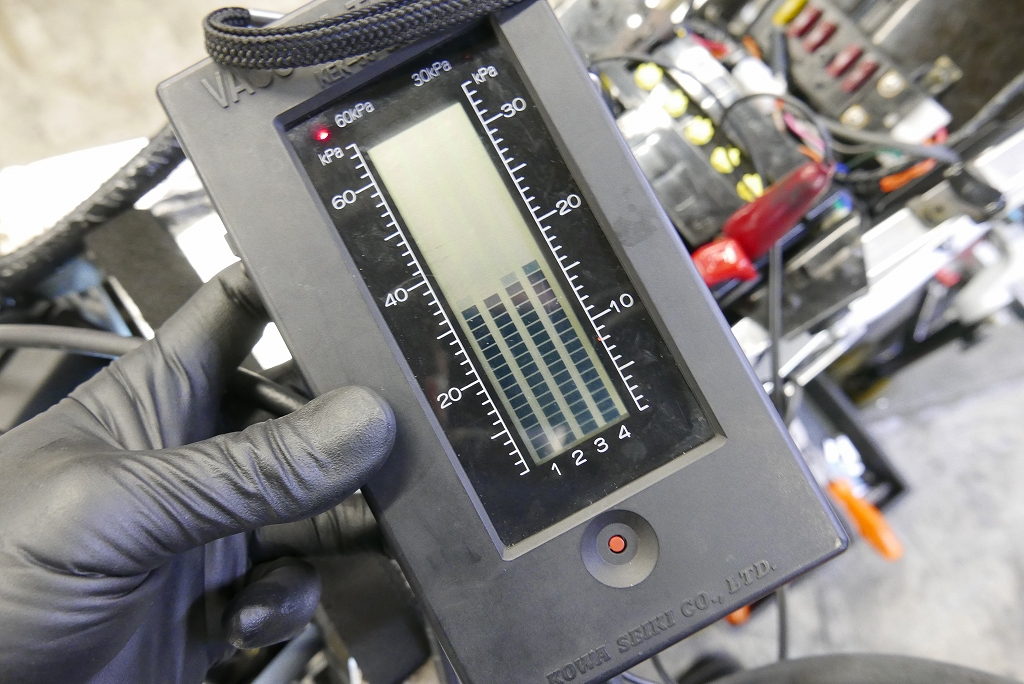
Next is synchronization adjustment.
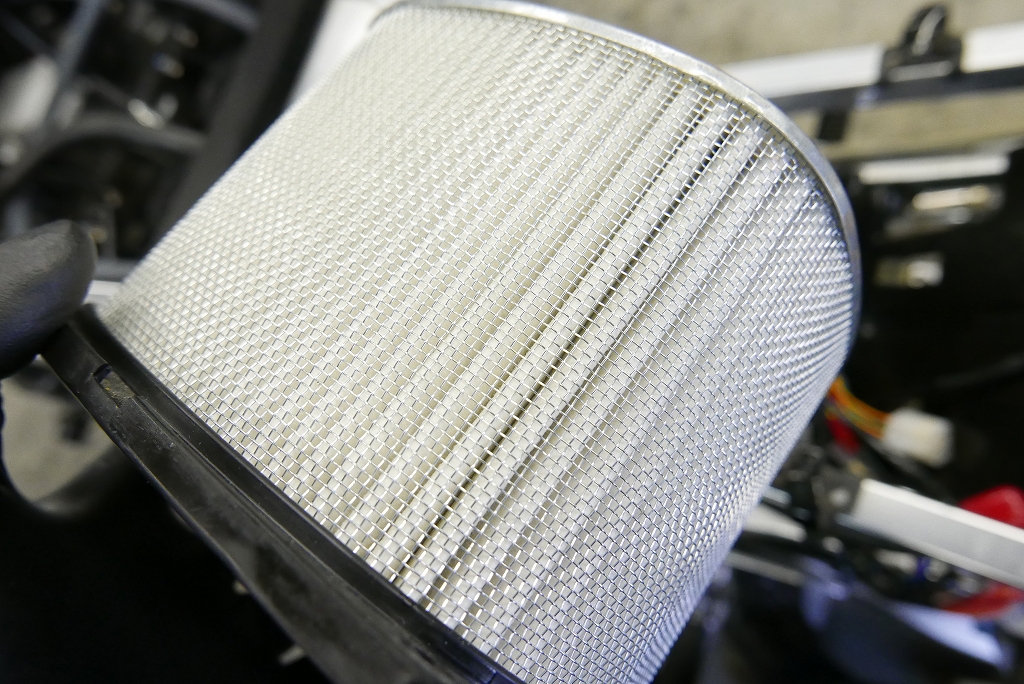
The air filter is clean, so we’re good.
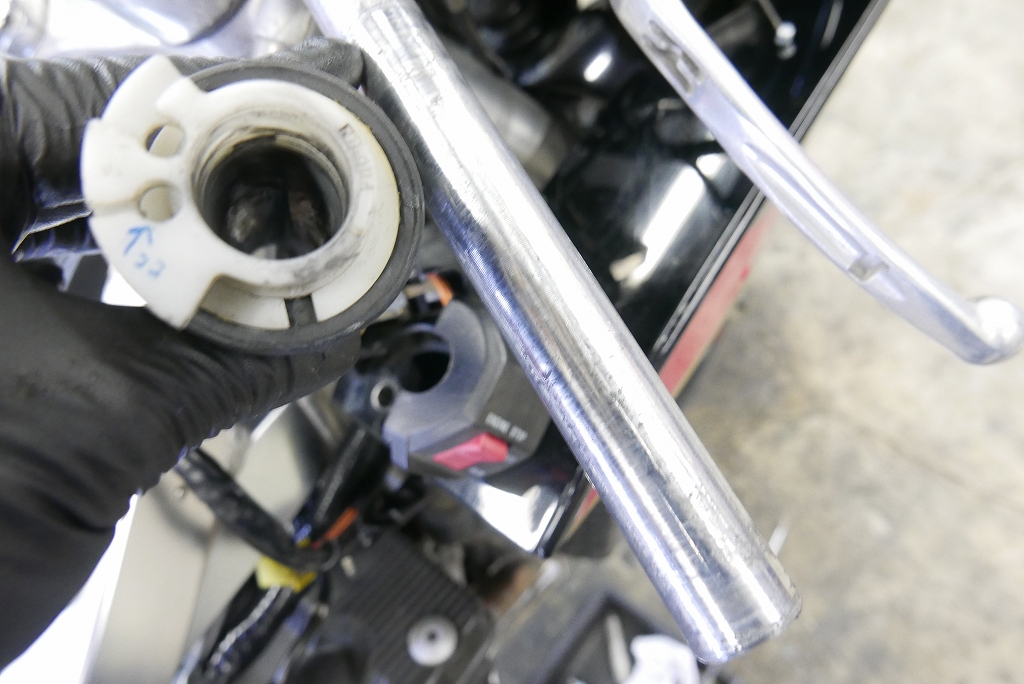
I also cleaned up the throttle.