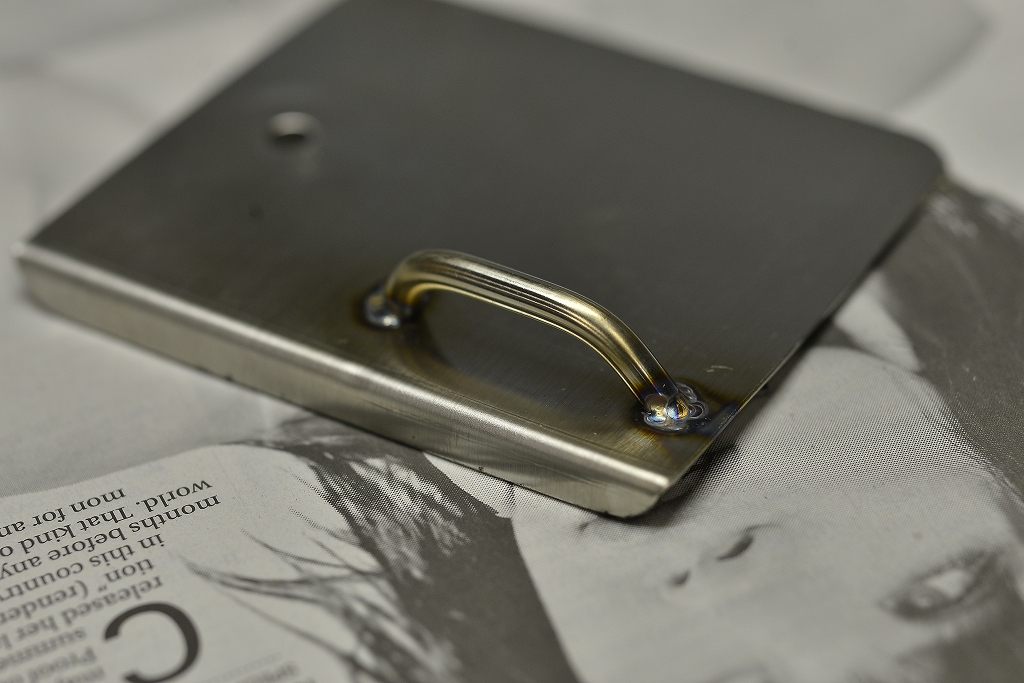
When we picked it up, we found additional work that hadn’t been done.
Let’s replace the main harness.
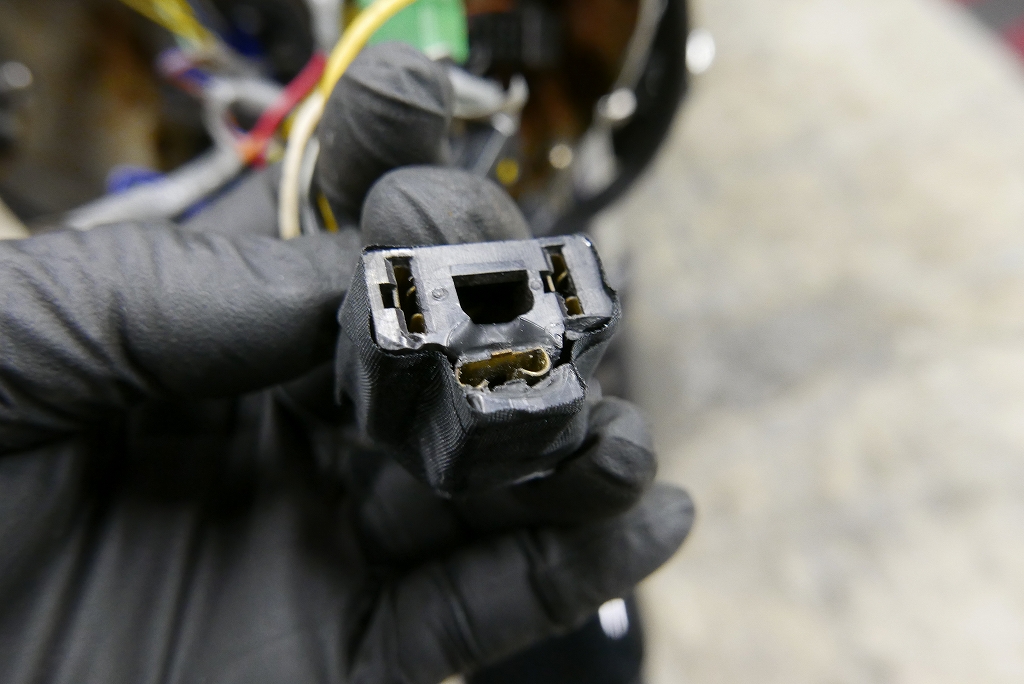
Connectors were melted, and so on…
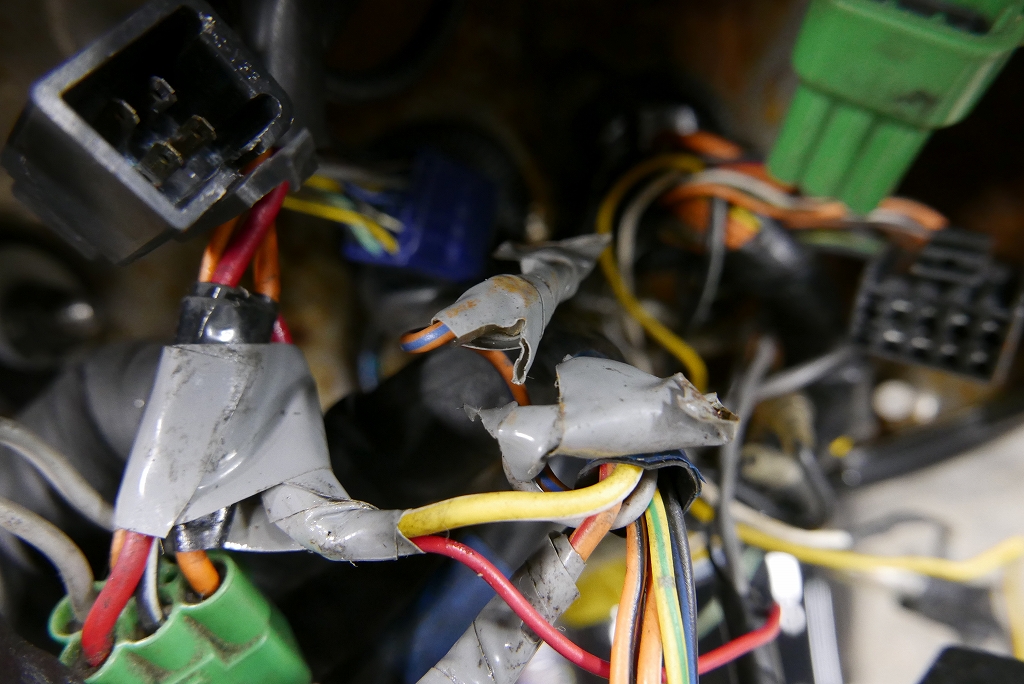
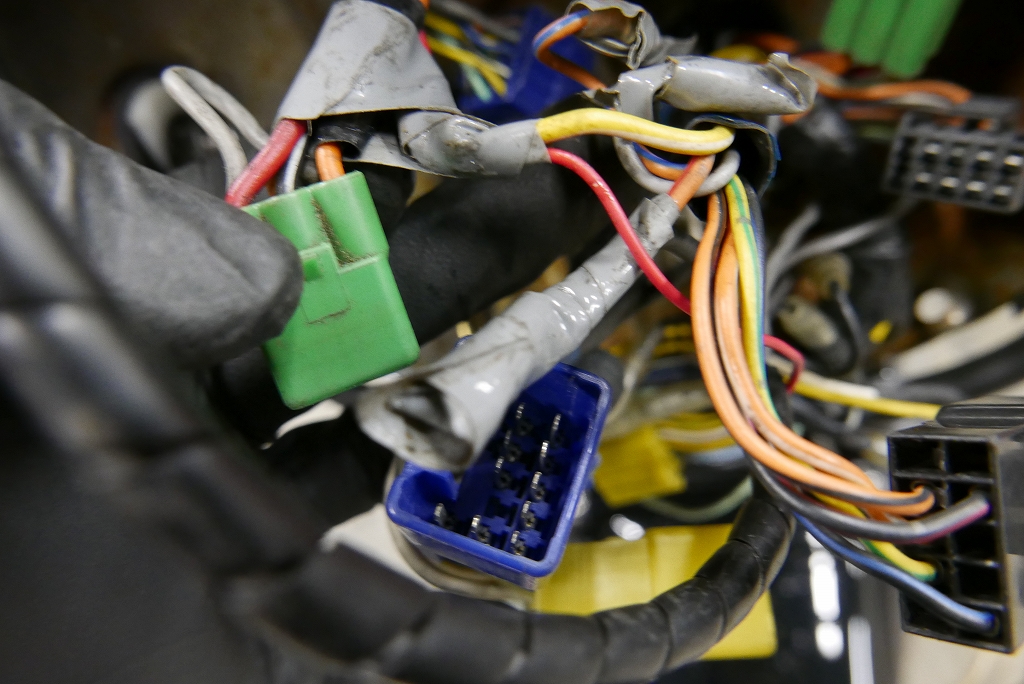
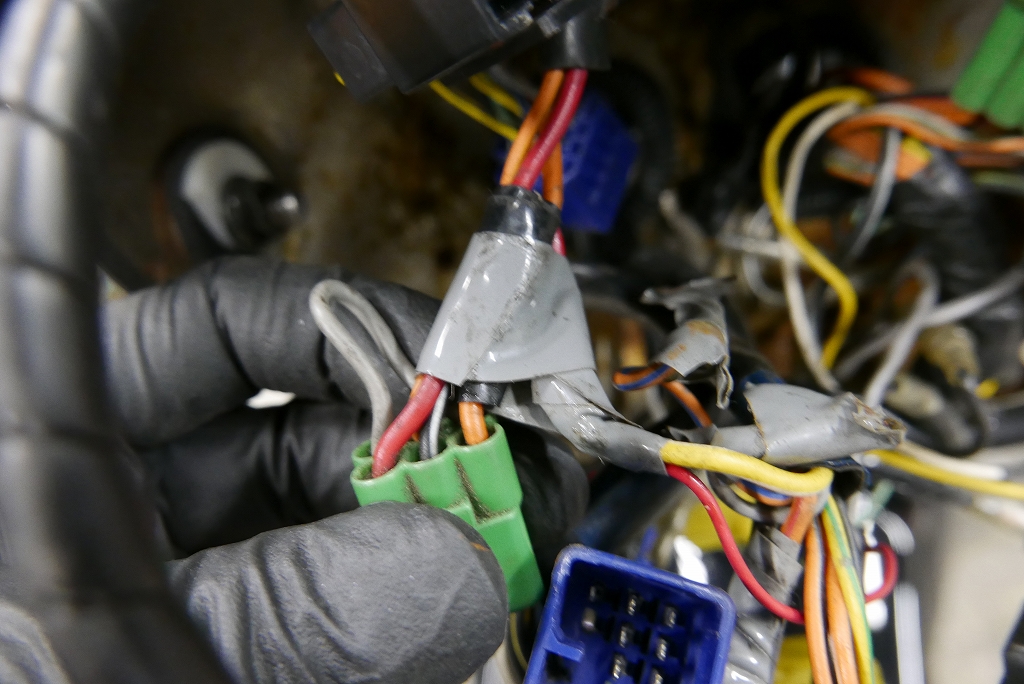
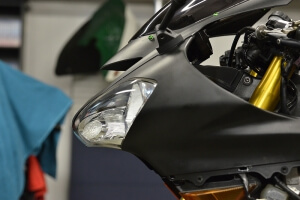
The whole thing was in a very suspicious state. The headlight brightness barely increased at all, which is very concerning.
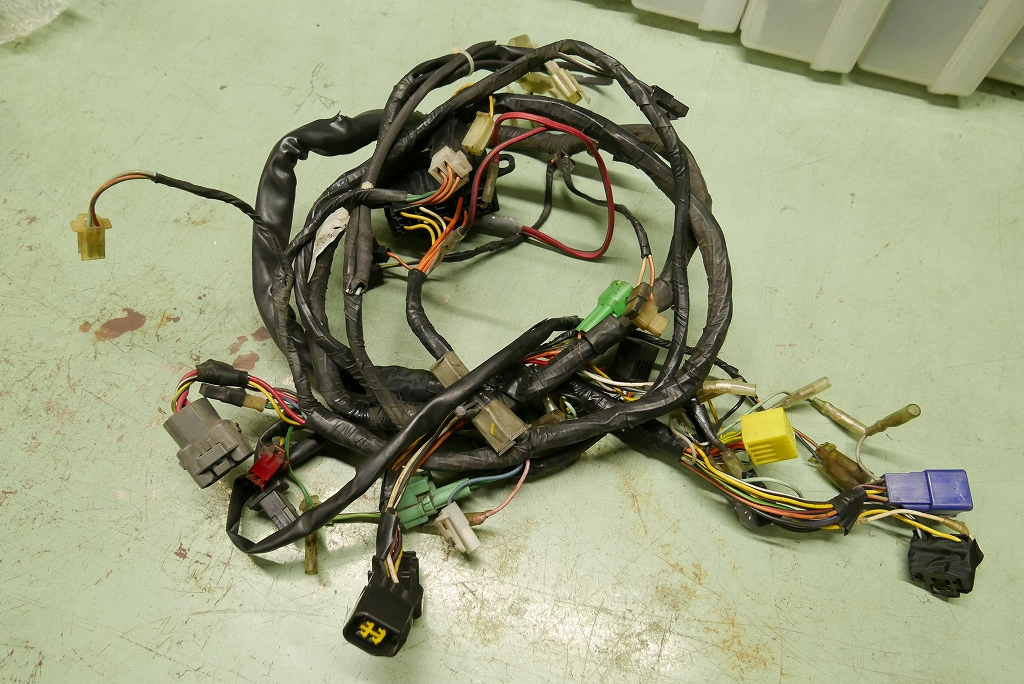
We pop it off. Carbureted bikes are easy—that’s nice. I imagine fuel-injected bikes and future harness replacements will be a real hassle.
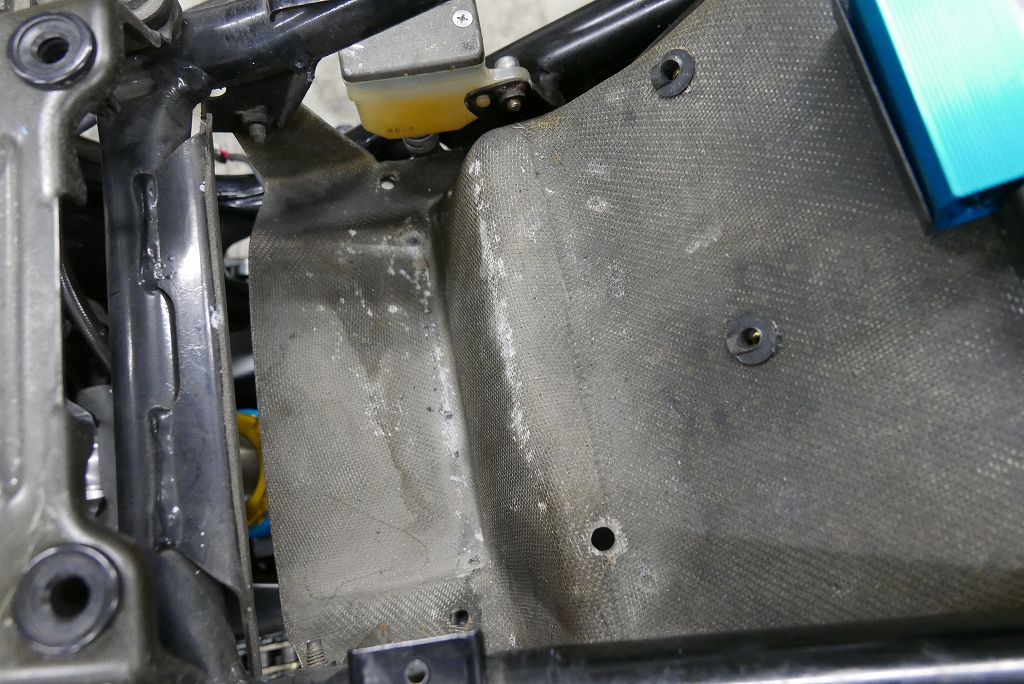
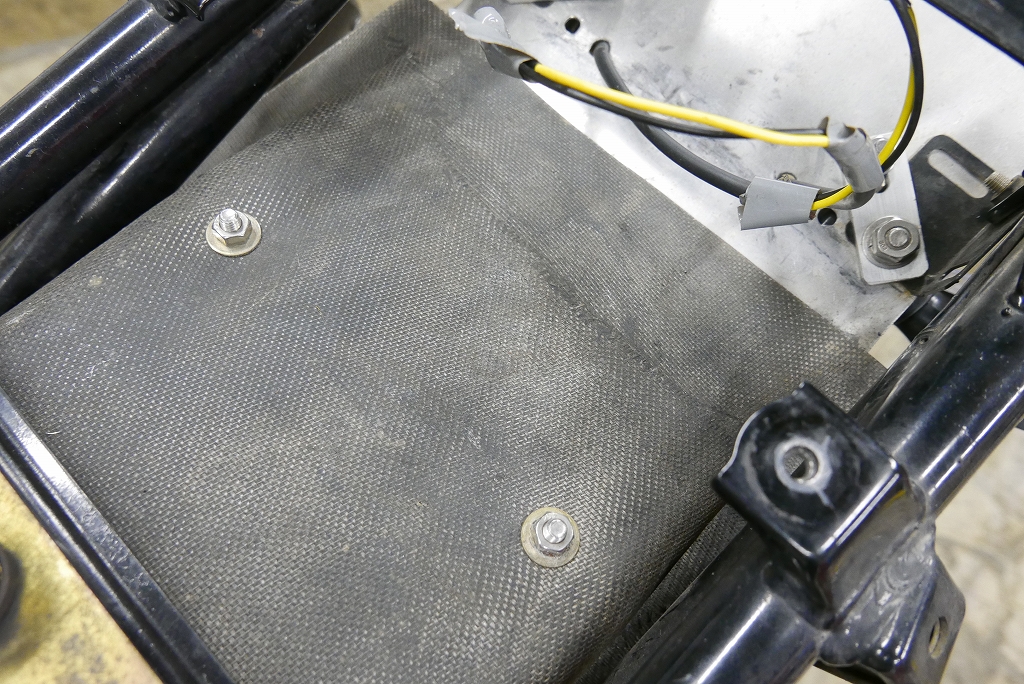
While we’re at it, let’s clean up this area too.
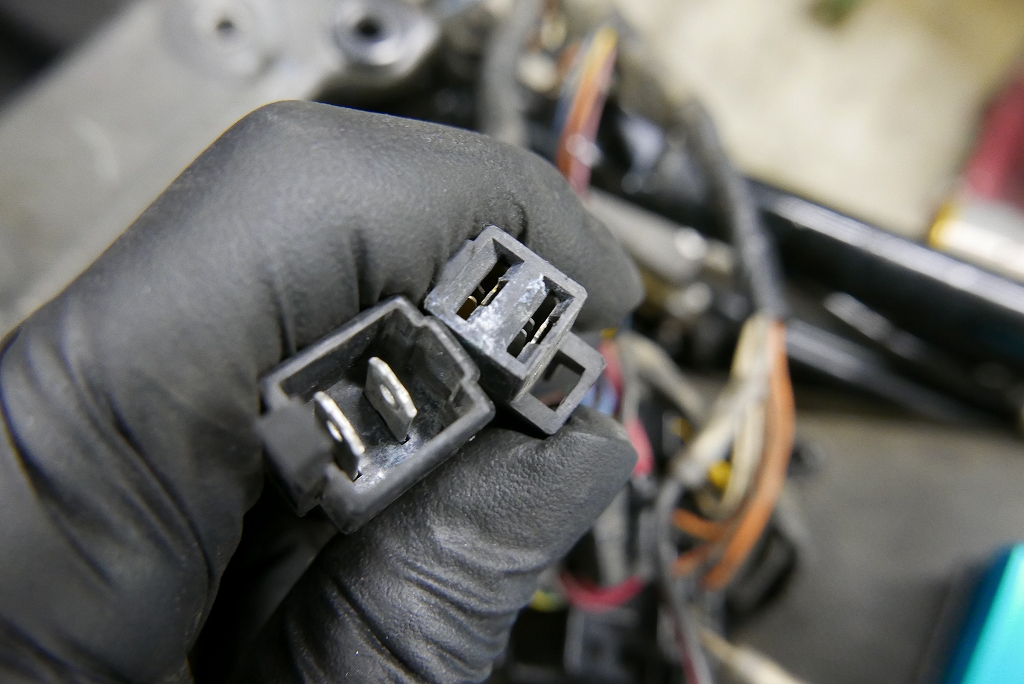
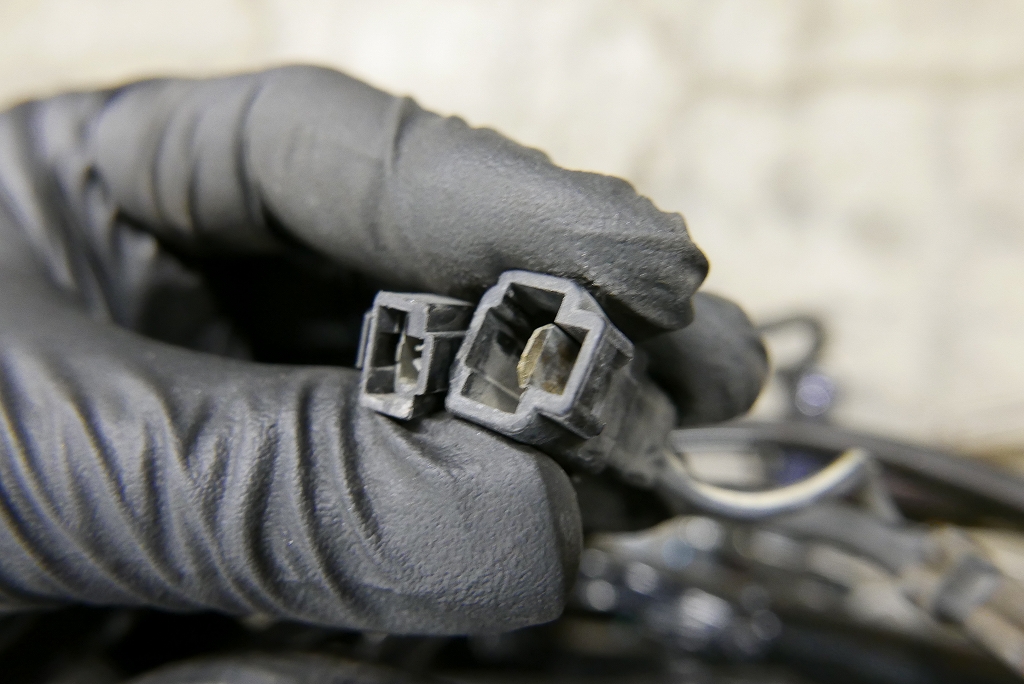
The generator and main ground wires are pretty worn out. The ground wire going to the harness is just this one wire, so it’s extremely important.
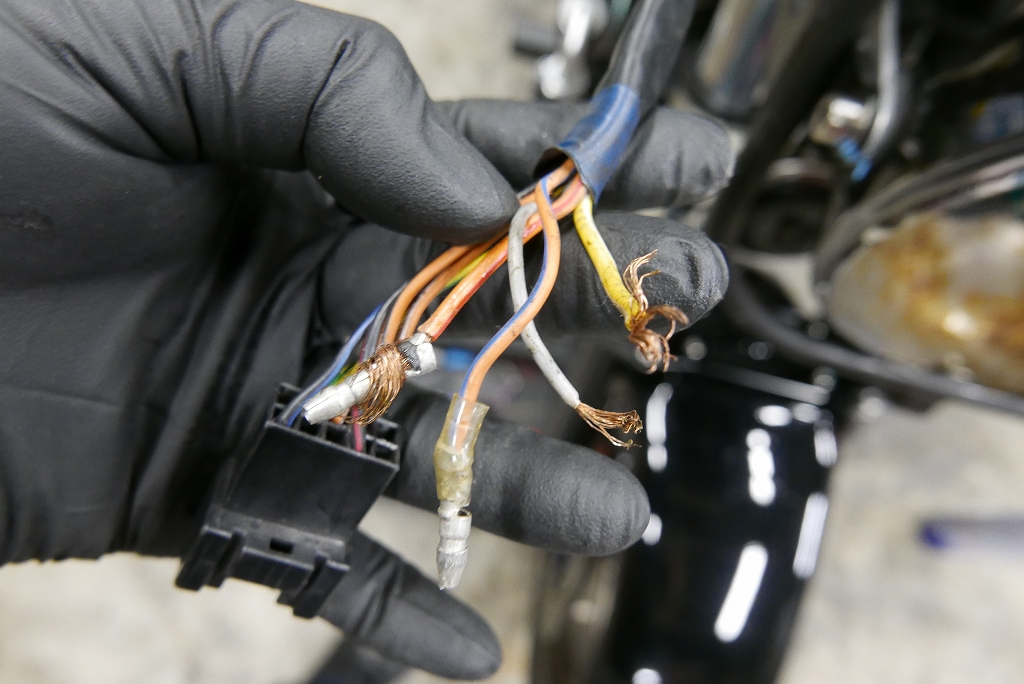
The right switch is also a mystery. There are colors in it that don’t appear on the wiring diagram. We’re getting a quote to see if it’s faster to disassemble and check or just buy a new one.
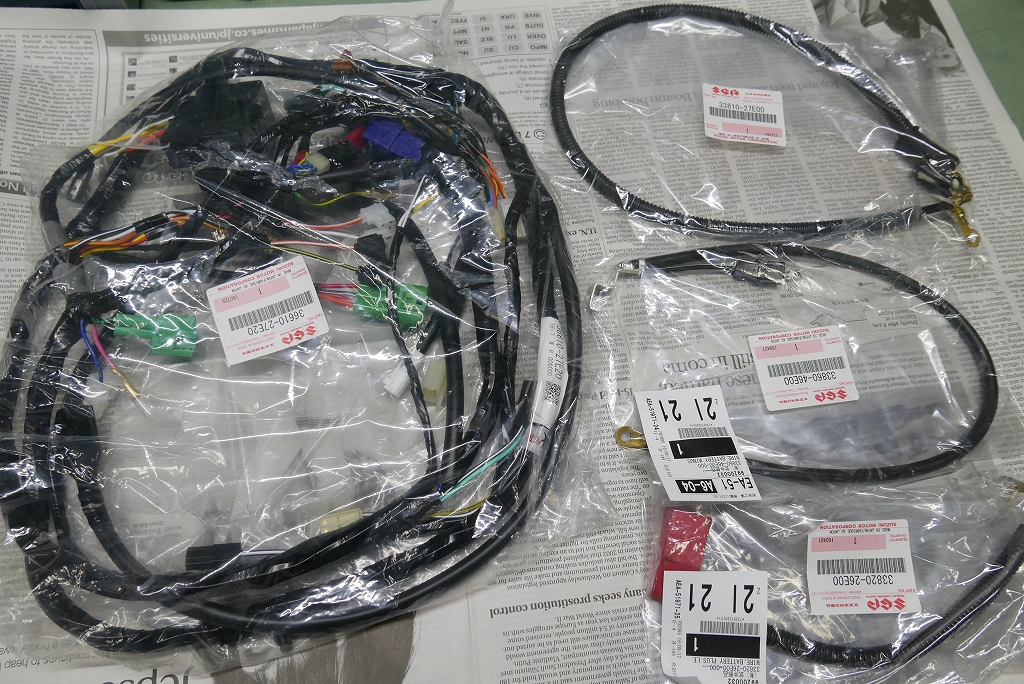
We’ll replace the harness, ground, starter motor wire, and starter relay terminal wire.
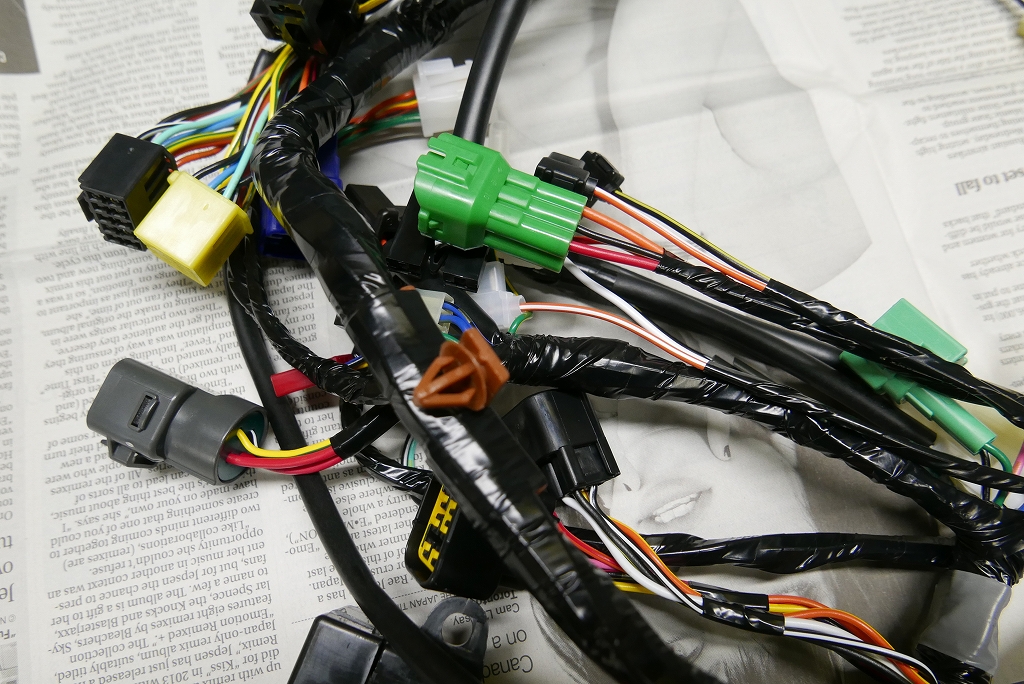
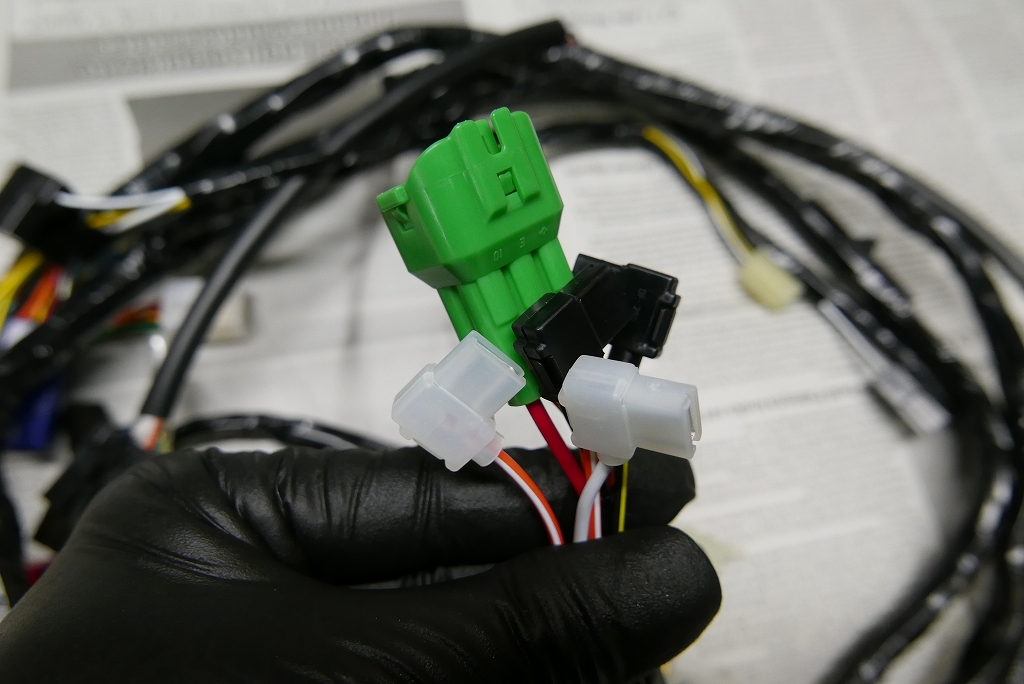
Absolutely fresh.
People often ask: is it really necessary to replace the main harness, and does it actually make a difference?
With used bikes, it’s rare to find one where the wiring hasn’t been tampered with. Especially in this internet age, user DIY work often results in a pretty disappointing finish, and that’s what causes bikes to break down on the road or blow fuses for no apparent reason—it just makes you hate riding.
• The manufacturer may never produce this part again. Custom fabrication would cost three to five times as much.
• As long as you own and ride the bike, you won’t need to replace it again.
• Once it’s replaced, your confidence and trust in the electrical system jumps dramatically.
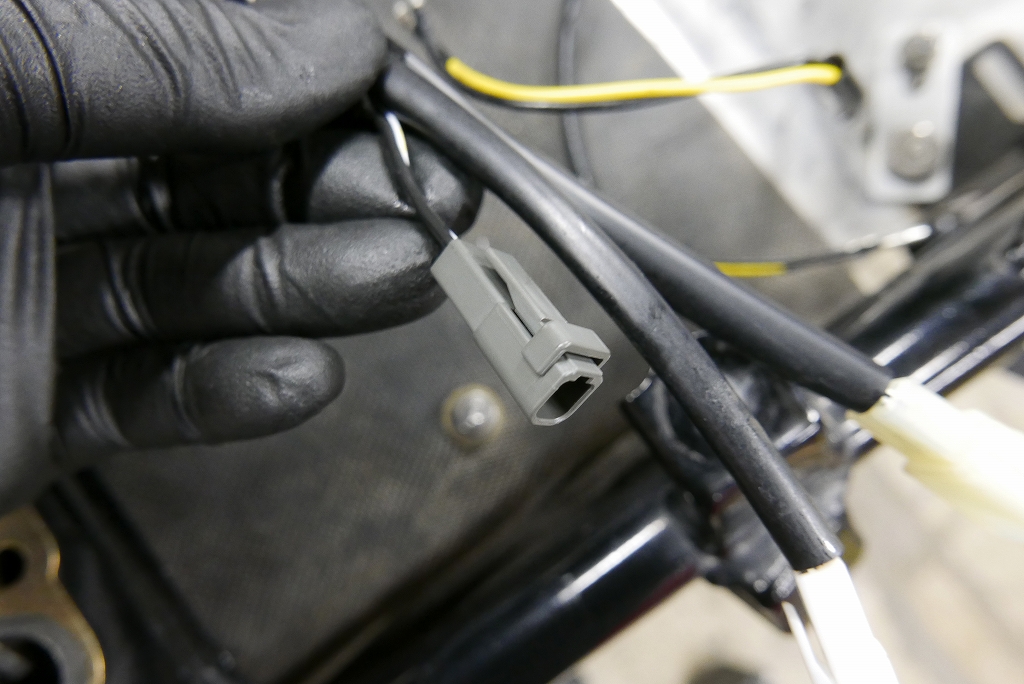
Suzuki uses a 040 turn signal connector, and the main harness side has a female connector. This terminal handles about 20 watts just fine, so I wonder why anyone would need to upgrade to a bigger 110-series connector.
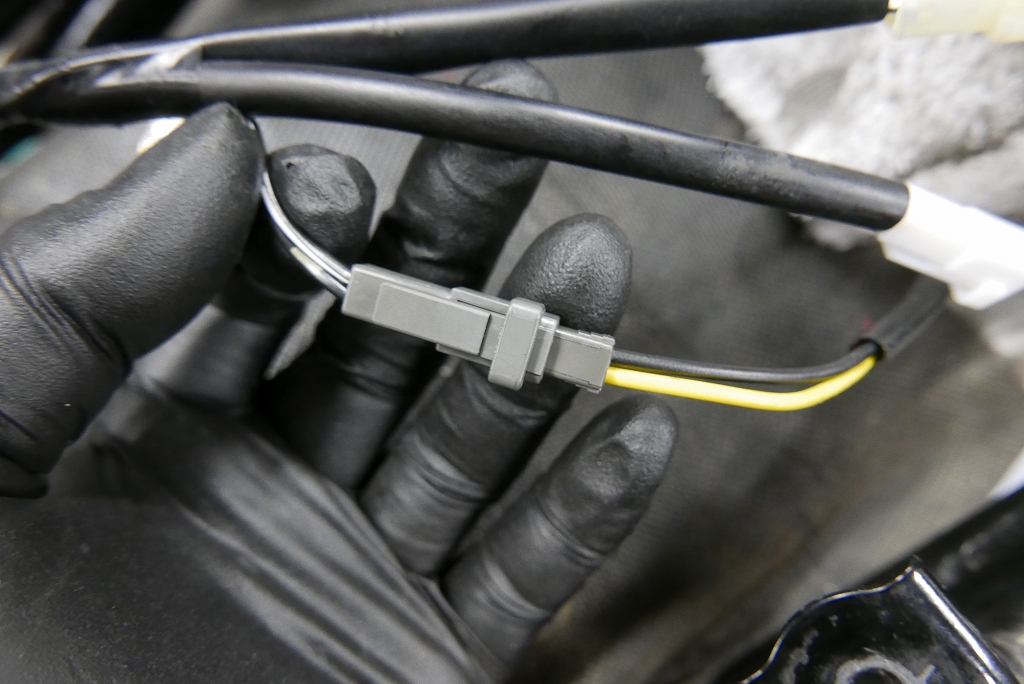
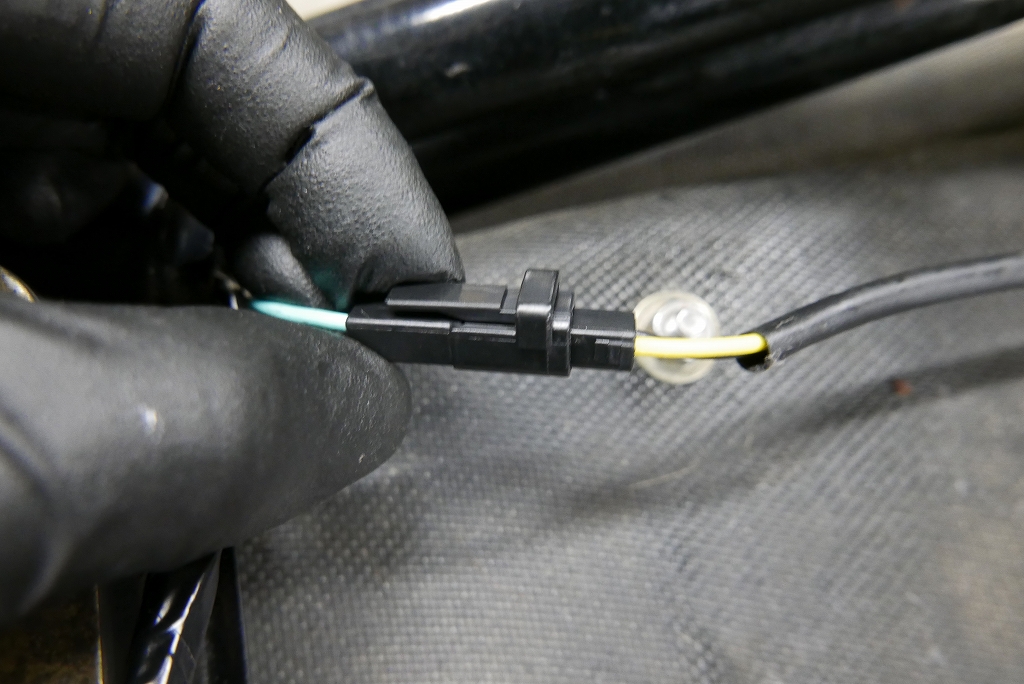
Cutting the harness side is the bare minimum. If we can shape it without cutting and match the colors, that’s the best—it gets us close to OEM quality.
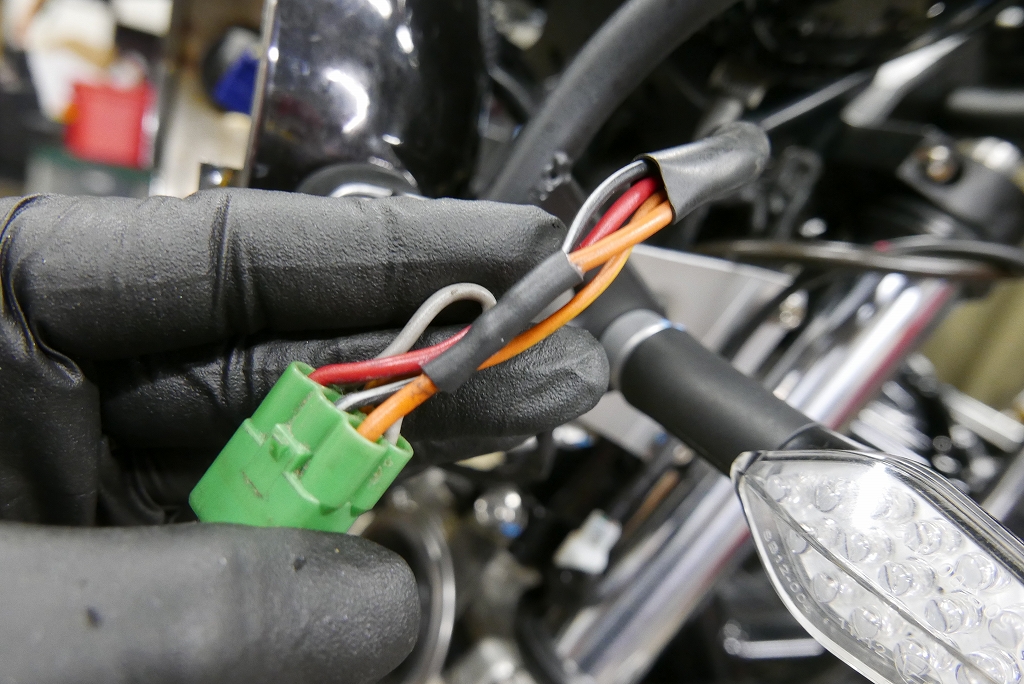
Wherever modifications were made, we remove them and cover everything securely with adhesive heat shrink.
We cut out a bracket to mount the ETC unit and weld a stopper onto it.

By bending thin sheet metal, we make it strong while keeping it light.
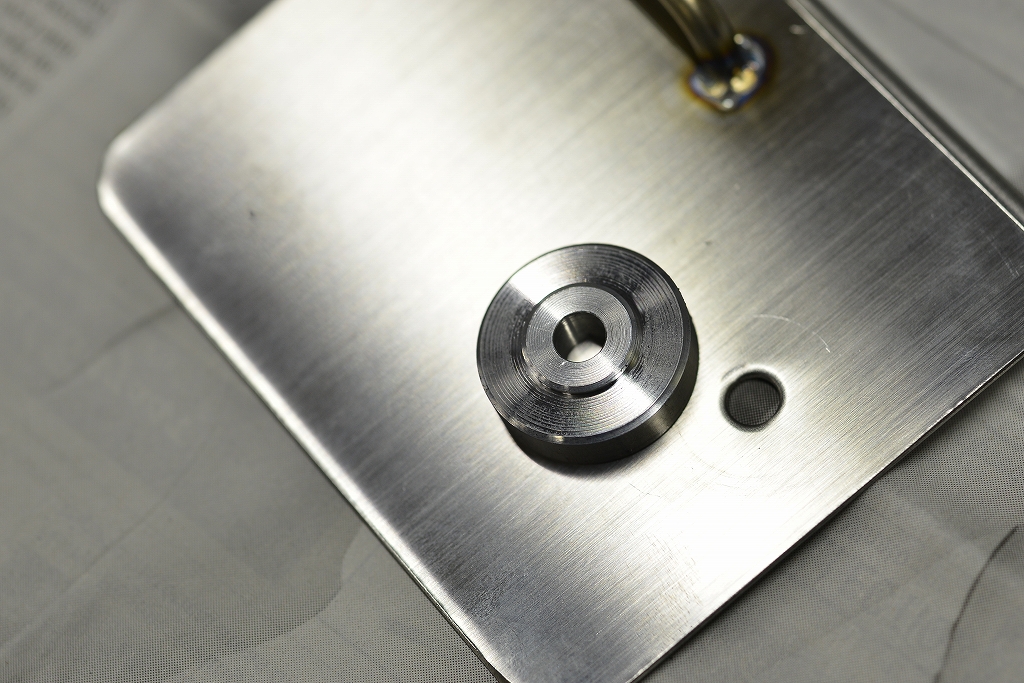
We fabricate a stepped collar,
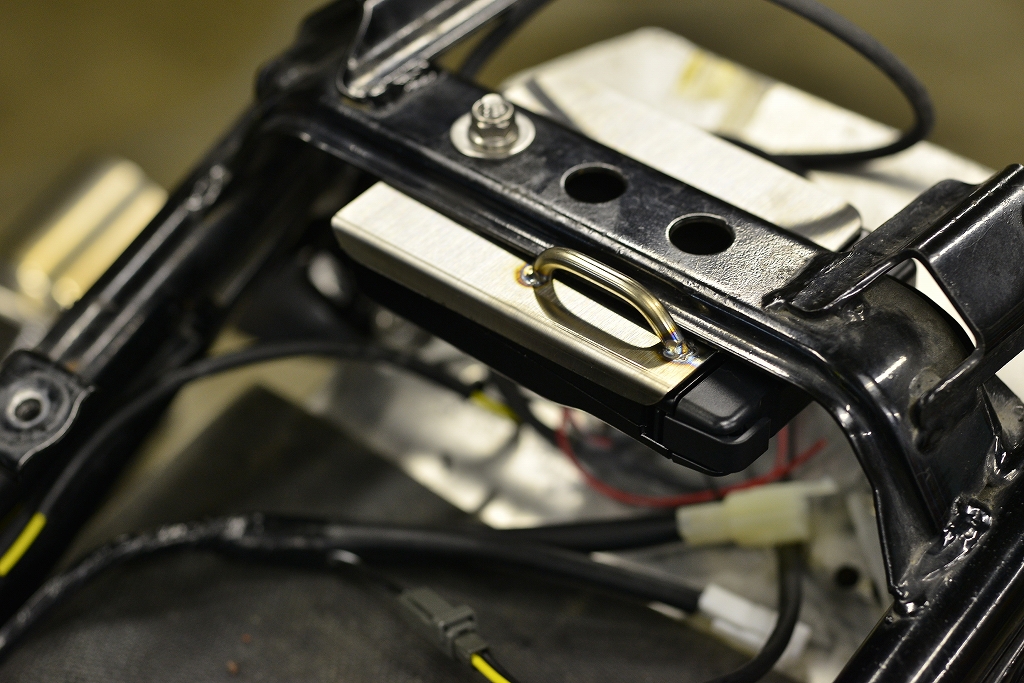
and it closes—
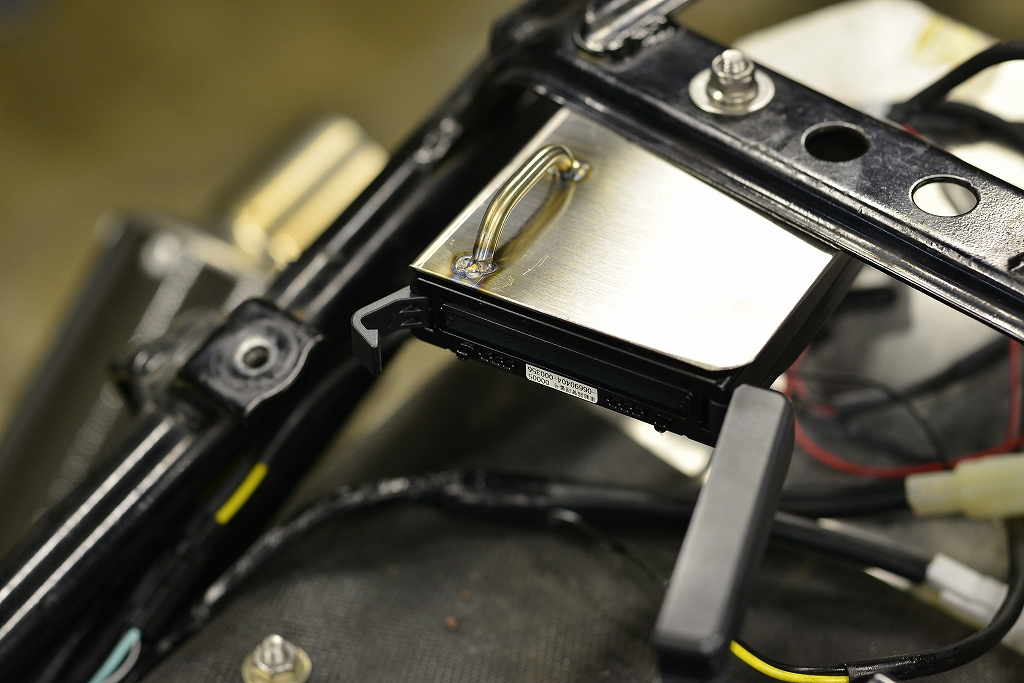
and opens—that’s the gimmick. You can’t just lay everything out on the ground and call it done.
Motorcycles have limited storage space. Using that space effectively is definitely more convenient in every way. Let’s keep improving so nobody says our eye has gone bad.