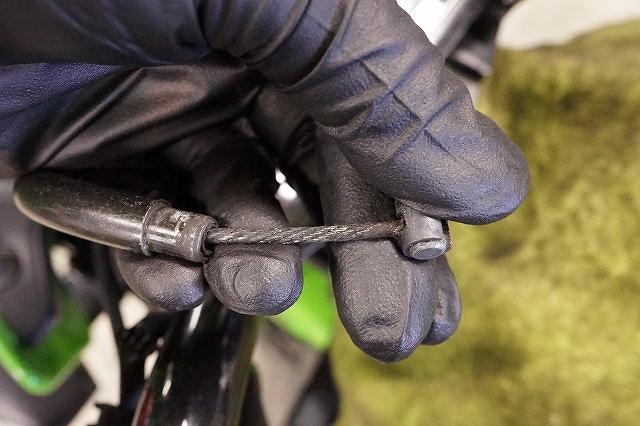
Continuing with the work.
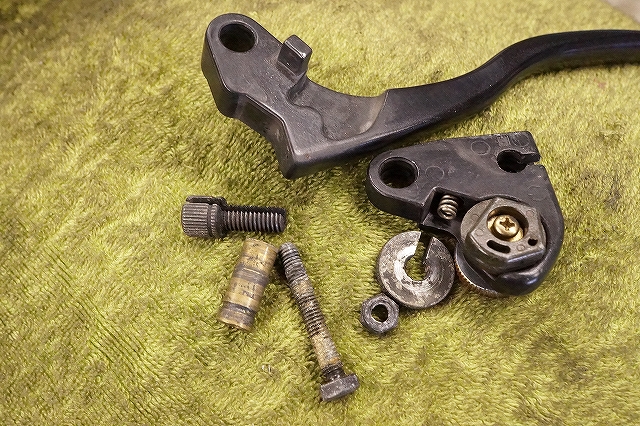
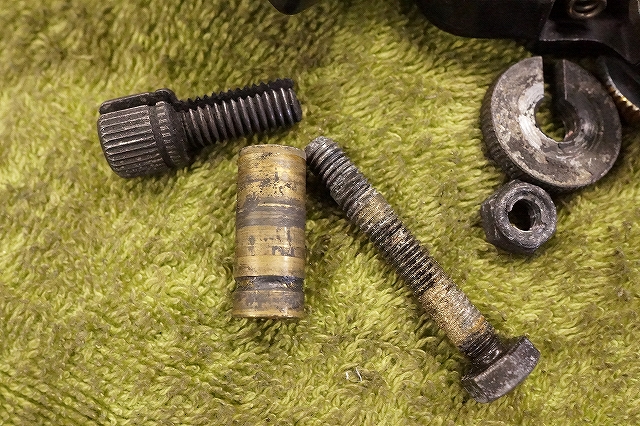
You can lubricate from the outside, but if you want to remove accumulated dirt, disassembly is the way to go.
I think the oil lasts longer when you disassemble and lubricate.
The cable is a bit dirty, but we’ll lubricate it and reuse it. The spots that wear quickly are where there’s strong bending and friction. That’s usually near both ends of the cable.
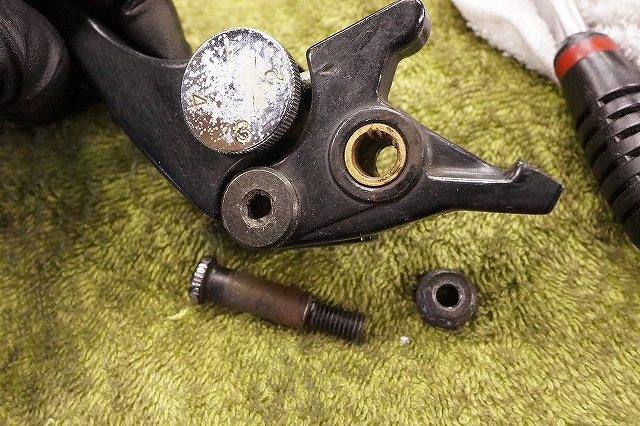
Brake lever. It doesn’t seem to have much oil on it. By cleaning the lever and pedal and lubricating them, the input naturally becomes smoother. We also want to pay attention to smooth return action. If there’s oil, wear is reduced, which means parts stay in good condition and last longer.
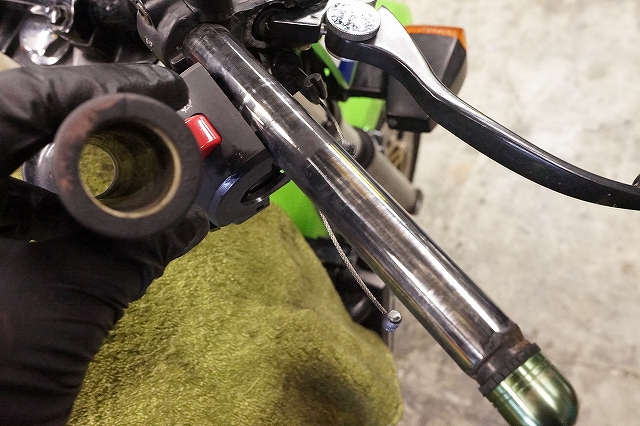
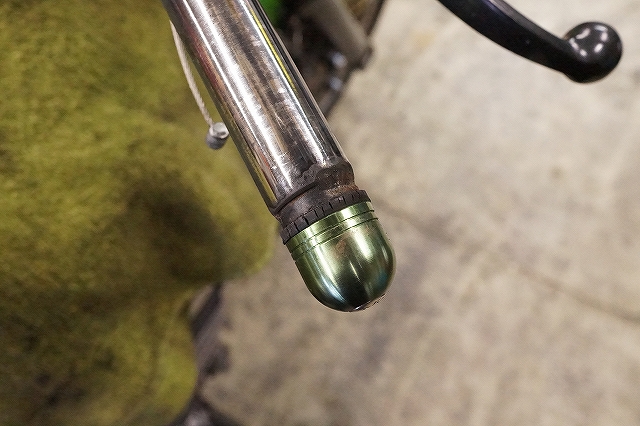
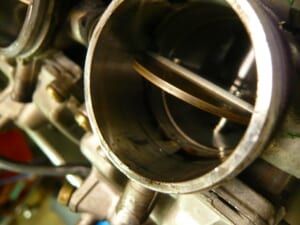
We’ll also check and clean the throttle. I can’t recommend grease for this area. As grease ages, it picks up dirt and clumps easily, and if used on the throttle, it tends to get stiff over time. Either no lubrication or just a thin coat of engine oil is best.
There was some mysterious rubber on the bar end that was interfering with throttle operation, so I removed it.
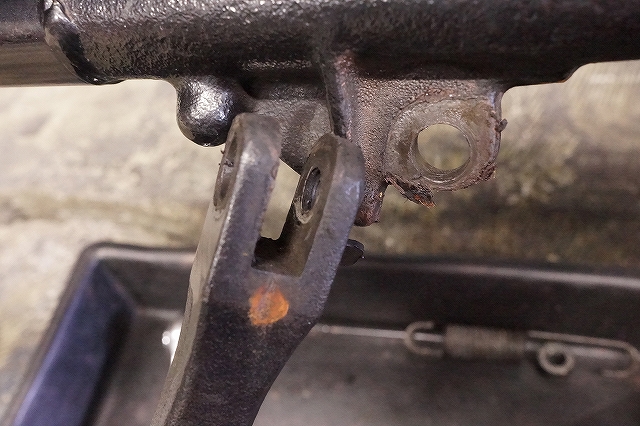
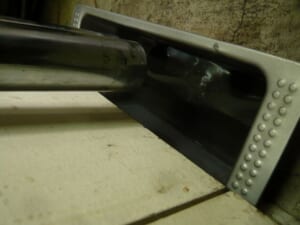
Sidestand. It had spread a bit, so I adjusted it. The gap looks good and no shim is needed.
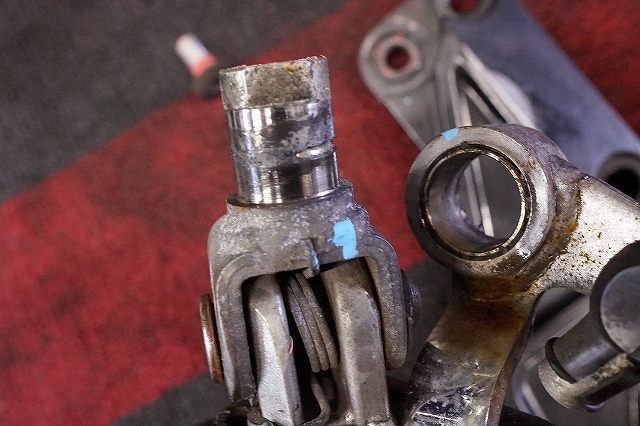
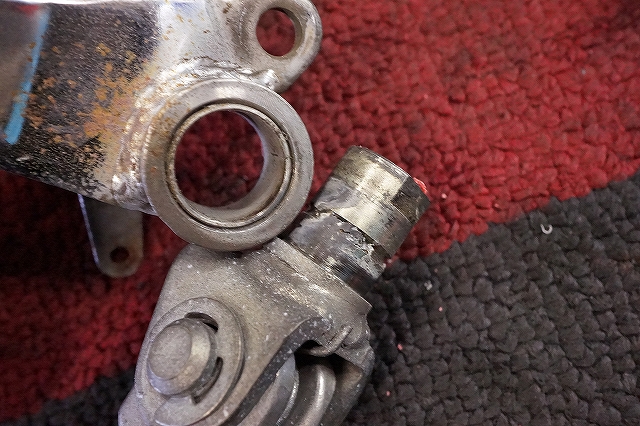
Left and right pedals. I think most people only disassemble them when replacing. They don’t look like they move properly at all.
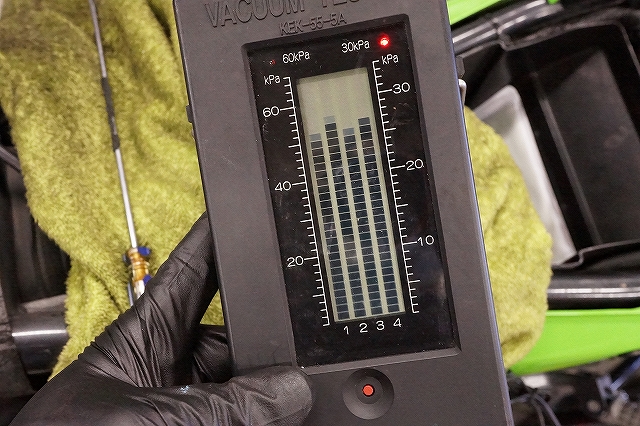
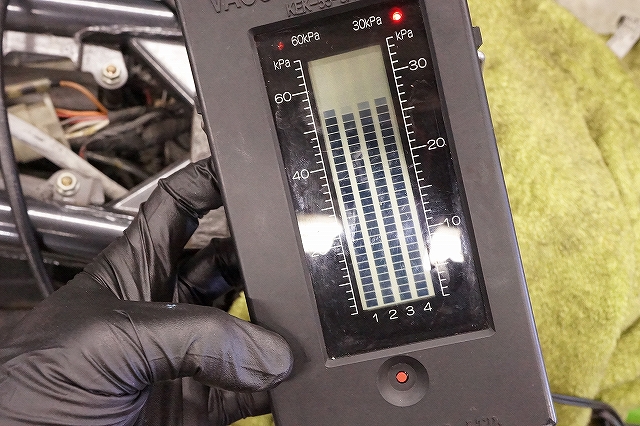
Carburetor synchronization. It seemed a bit off. Unless it’s way off, it’s always going to drift, so I don’t think this is an area to be overly fussy about. Of course, adjusting it does make things better.
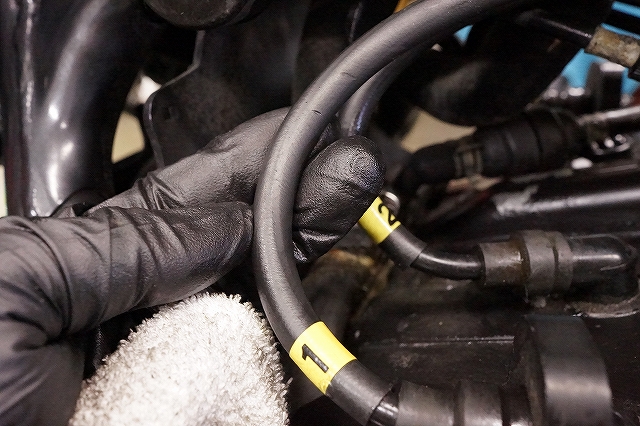
The spark plug wires are pretty hardened, so feel free to replace them when you get a chance.
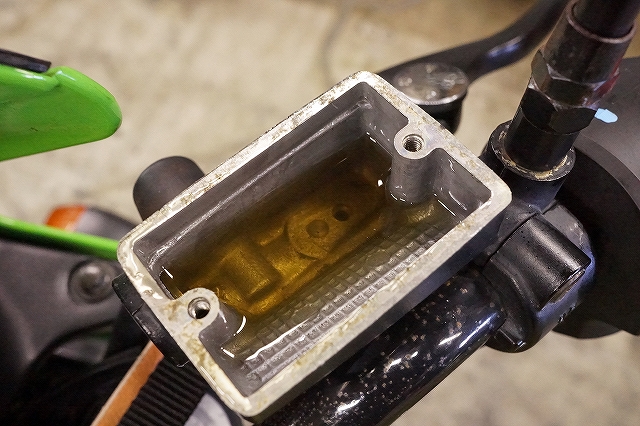
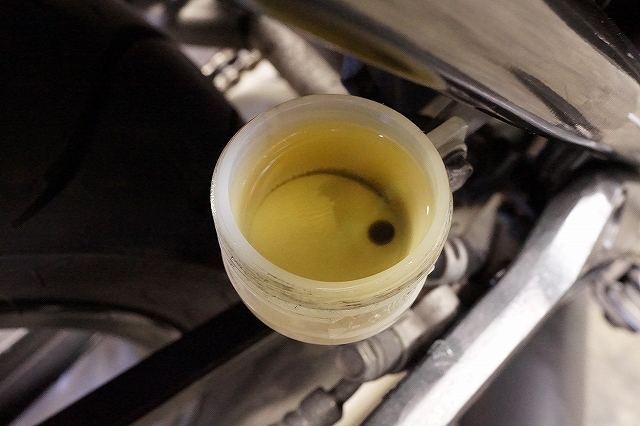
We finish up with a fluid change.
Unless the condition is really bad, you can’t tell the state from the outside. I think it’s better to disassemble and check once, then plan out what to do and how to address things going forward.