THE Man’s Bike with AP RACING – Making It More Manly? Vehicle Inspection, Oil Change, FCR Synchronization, CP3269 Installation → Brake Hose Fabrication
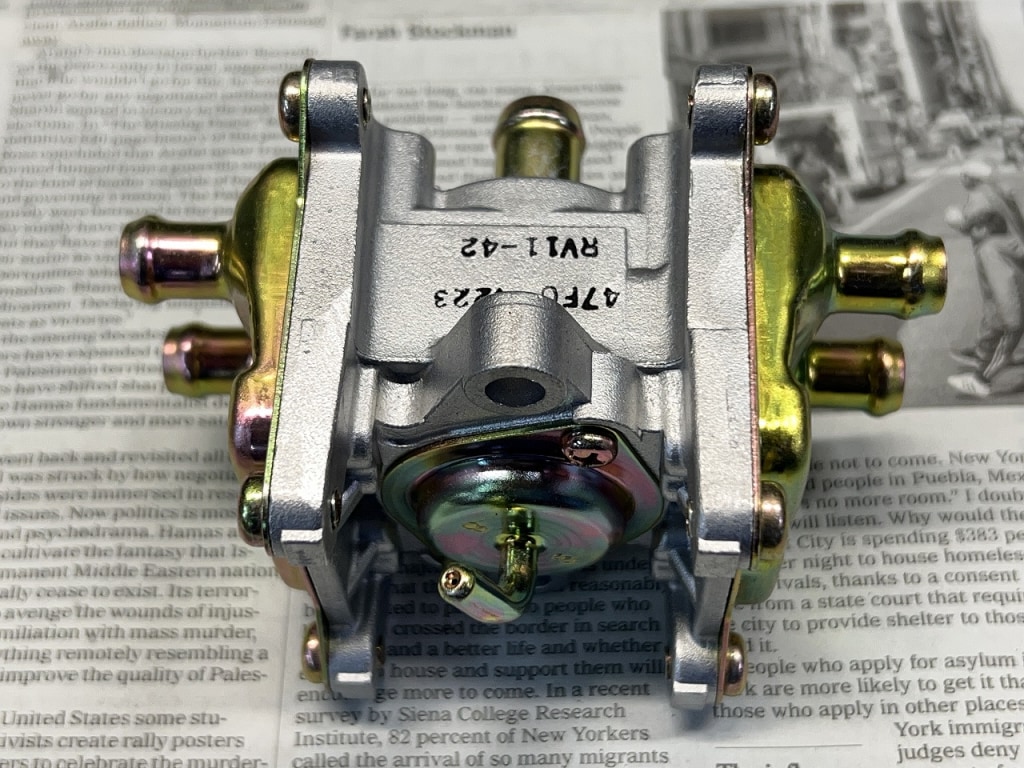
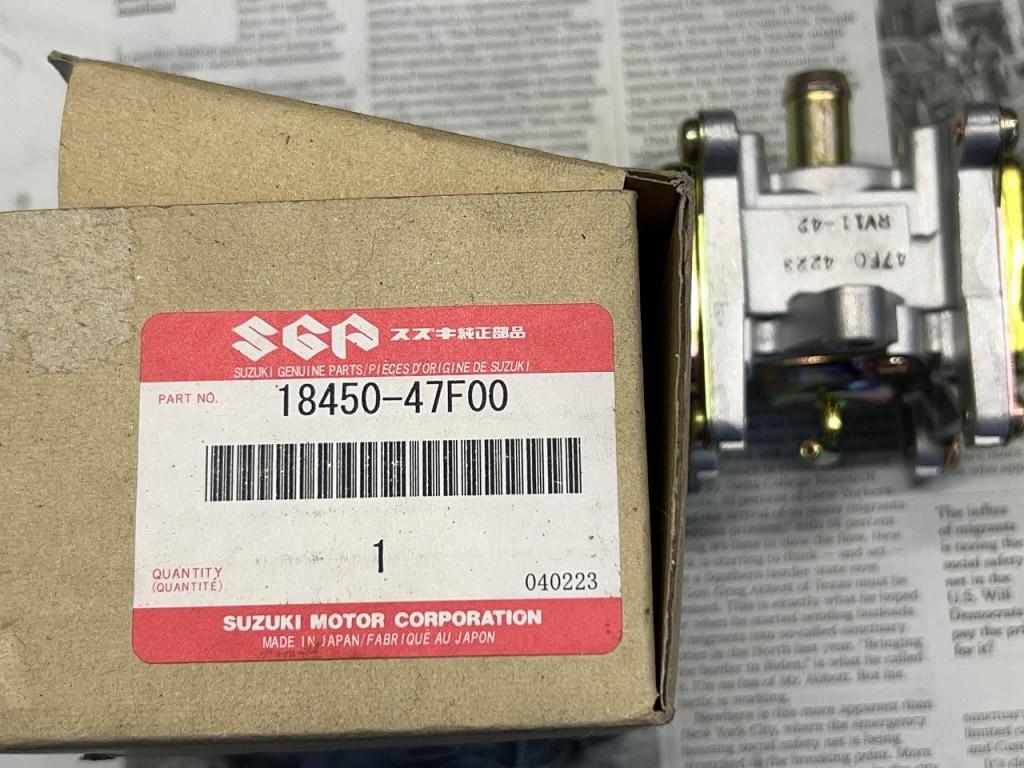
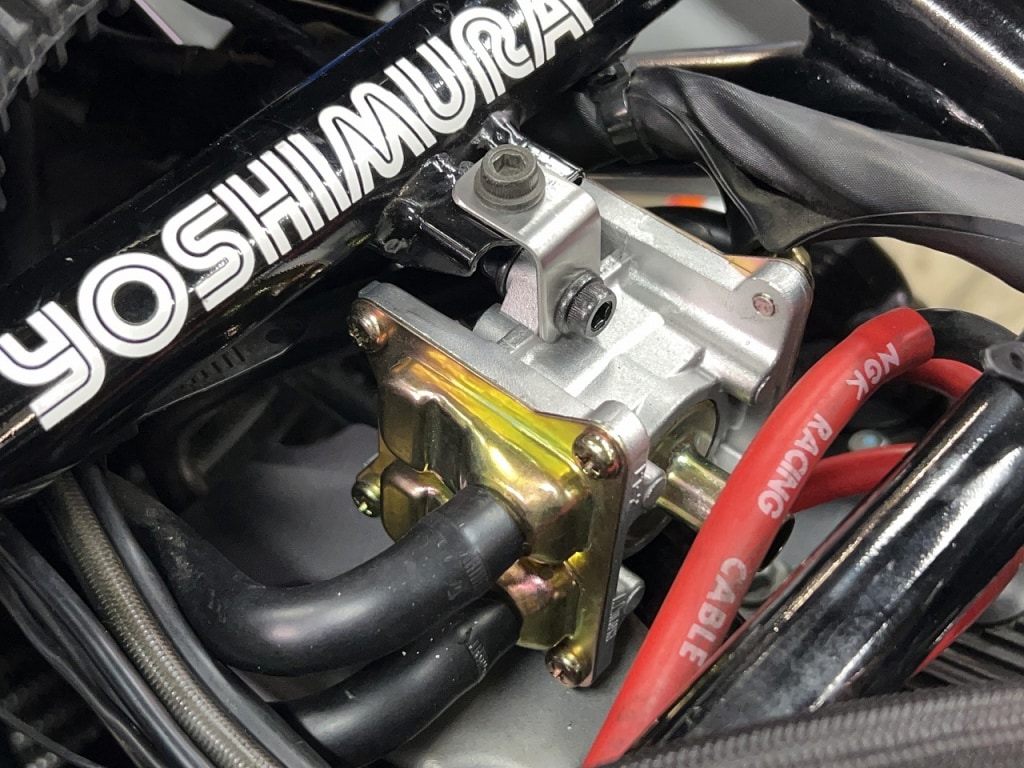
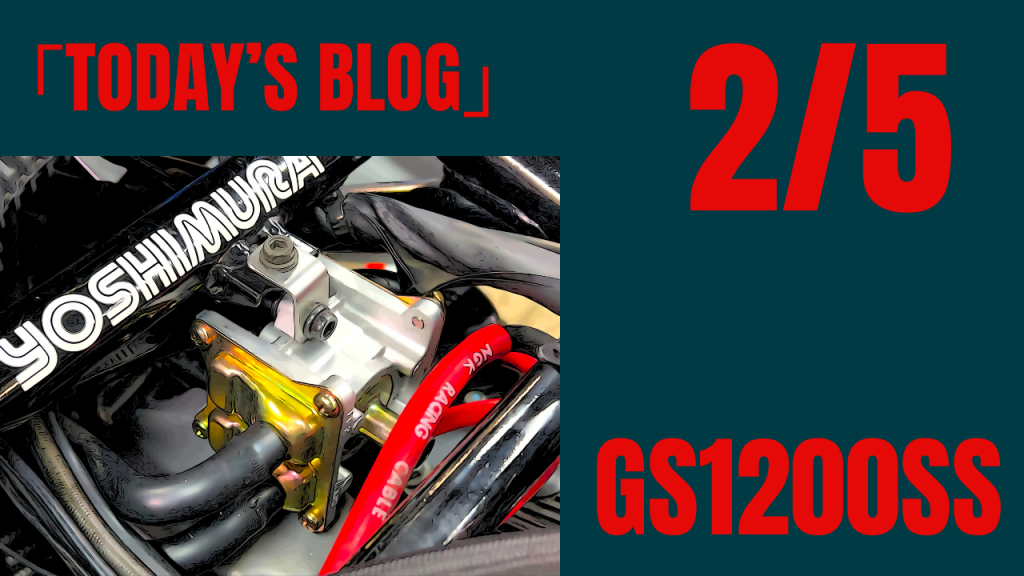
Inspection issue being flagged! Installing the secondary air body.
The secondary air system body that was discontinued long ago. If you remove it? For bikes with emissions regulations in place, “if the inspector finds out, you’re out.” That’s the situation. By the way, once an item fails, it remains in the data. Even if you think you can pass at a different inspection station, the problem area becomes known throughout Japan.
For full-fairing bikes it’s still hard to confirm, but since this is a naked bike, it’s easy to spot. Removing the secondary air system involves the pipe below the exhaust manifold “in front of the cylinder” being removed and replaced with a plate. If this pipe isn’t confirmed, you’ll fail immediately, so be careful.
*Even if the emissions test passes numerically, “for emissions-regulated bikes, removing the catalyst/secondary air is not allowed.” *For catalyst-equipped mufflers, you can pass if you submit a gas report.
We don’t perform inspections on any bikes that have had their secondary air removed. Based on past experience where we accidentally missed one and got called out on it, we’ve adopted this policy.
Since the bracket is discontinued, I fixed it with a stainless steel plate. Matching the original shape would’ve been a hassle, so I went with a simple L-shape.
If you use this secondary air pump, you can also use it for “forced decompression.” It’s such an interesting part that it’d be a shame to remove it.
And honestly, if it didn’t come with the bike when you bought it, that’s pretty rough.
The right switch start button is acting up.
Interestingly, I often encounter GS 1200 SS units where the start button goes bad. Contact cleaner comes in both dry and wet types, so use them appropriately.
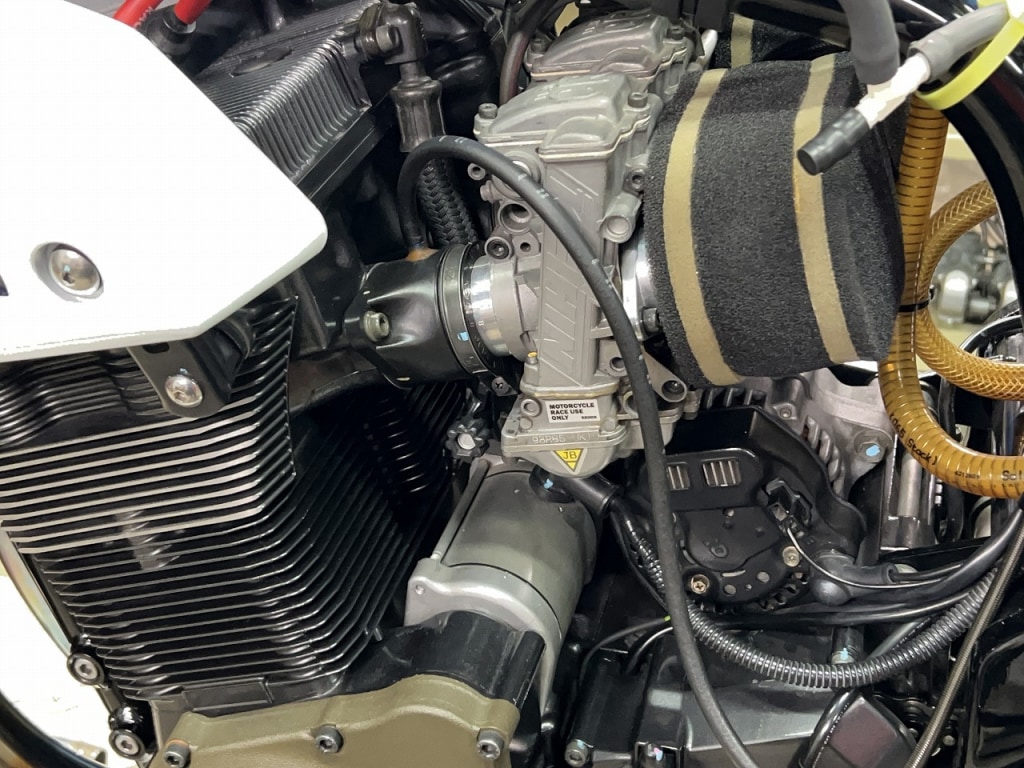
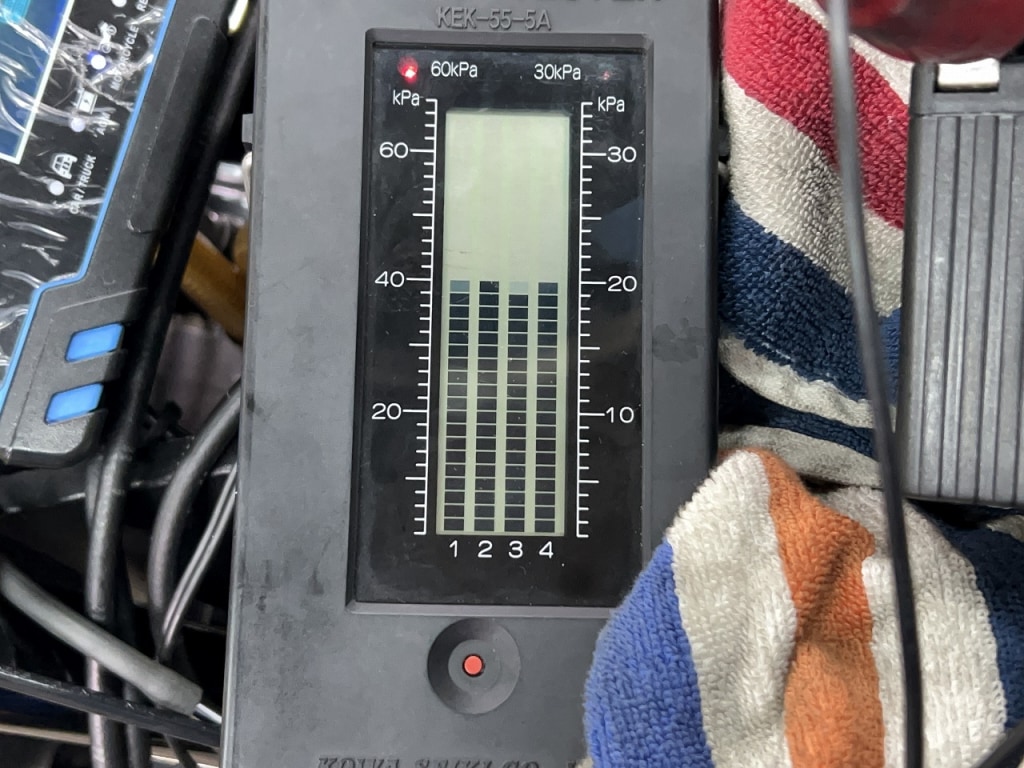
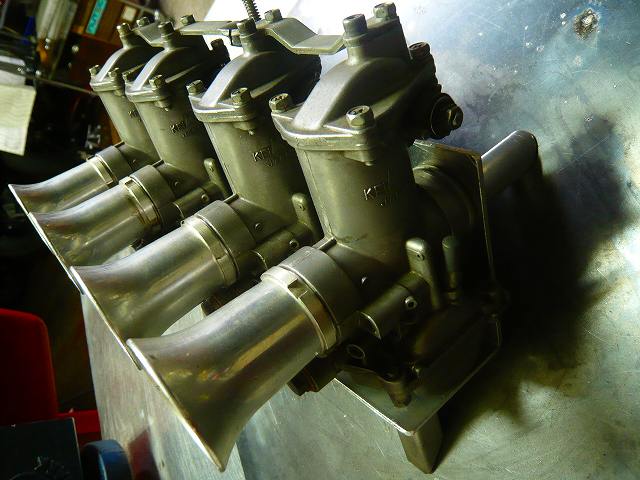
I want to synchronize the Keihin FCR with a digital vacuum gauge.
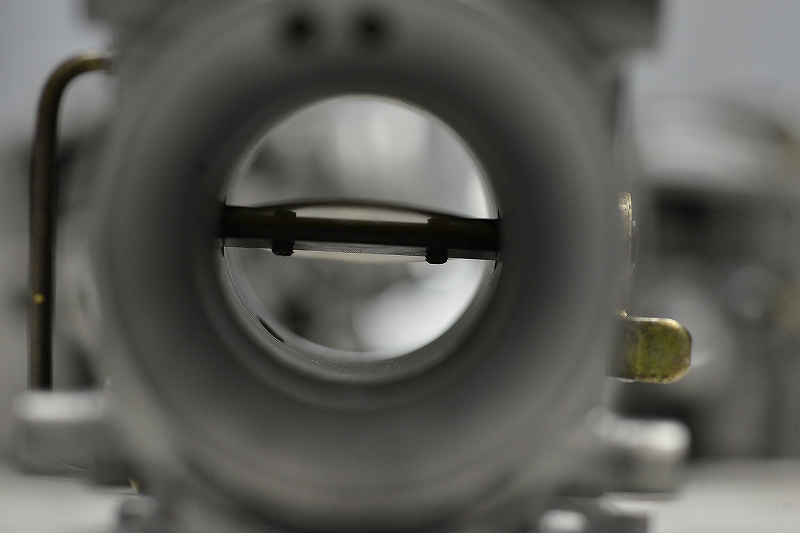
With this type of vacuum tester, the big advantage is you can check without obstructing the intake. I’ve used air flow meters mounted from the funnel side before, but honestly it’s pretty questionable.
It’s difficult to work with and the readings are vague, so I think it’s better to modify the intake manifold side to extract a vacuum nipple—it makes the work more reliable and easier.
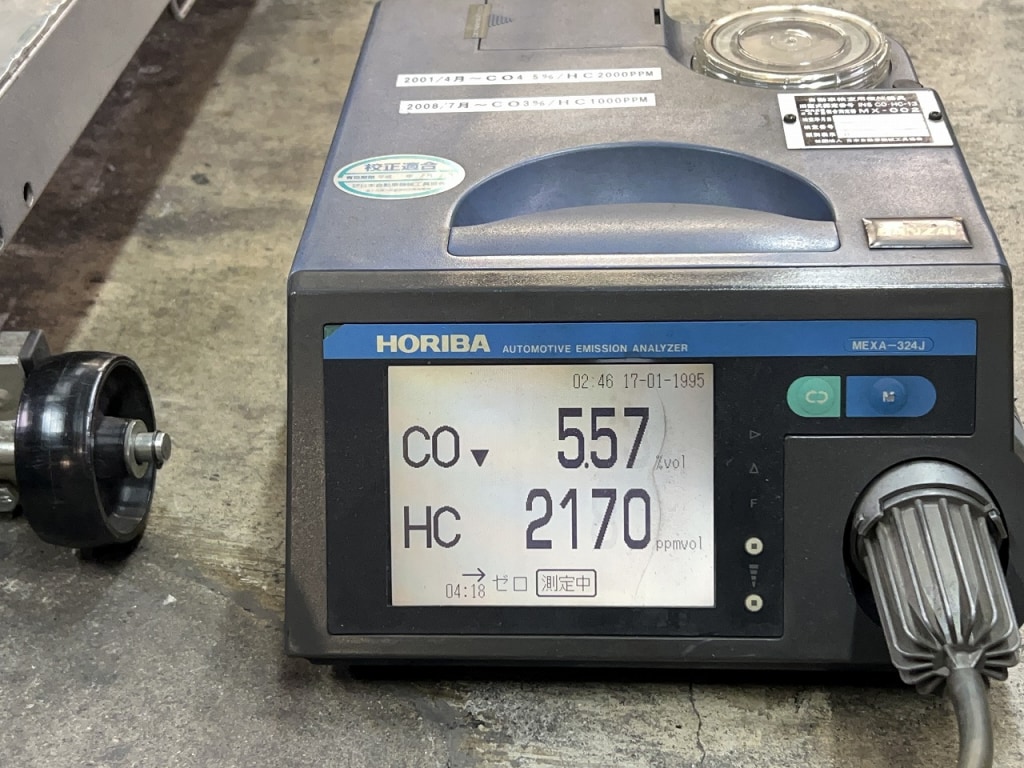
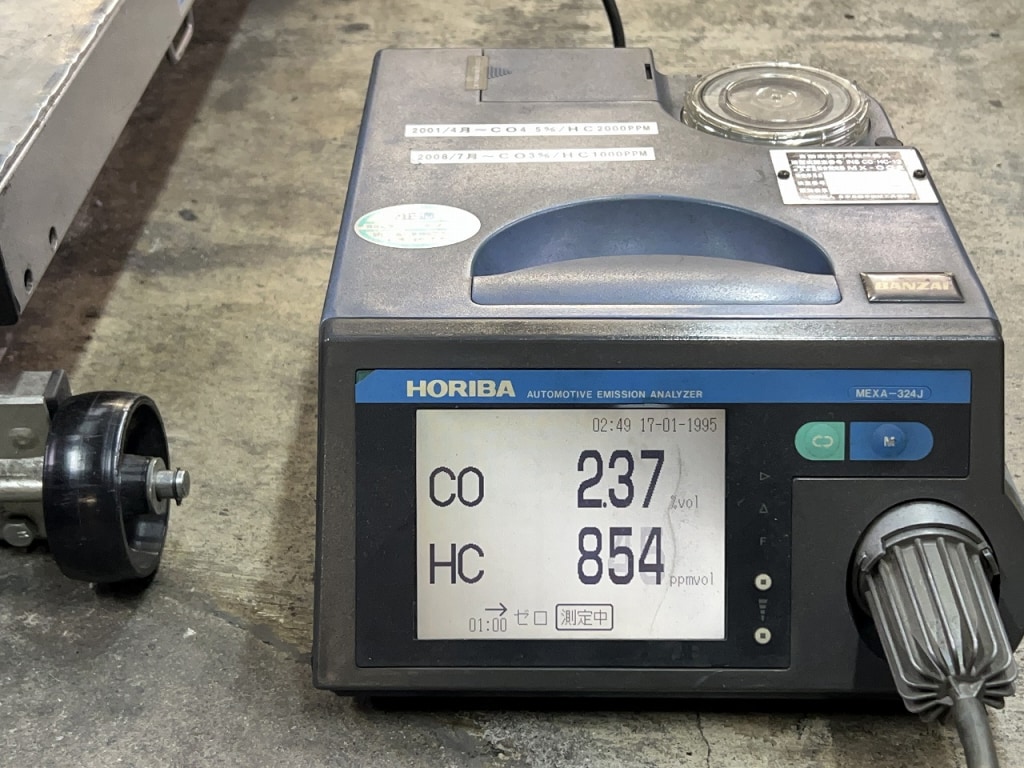
Running well and having clean emissions are two different things.
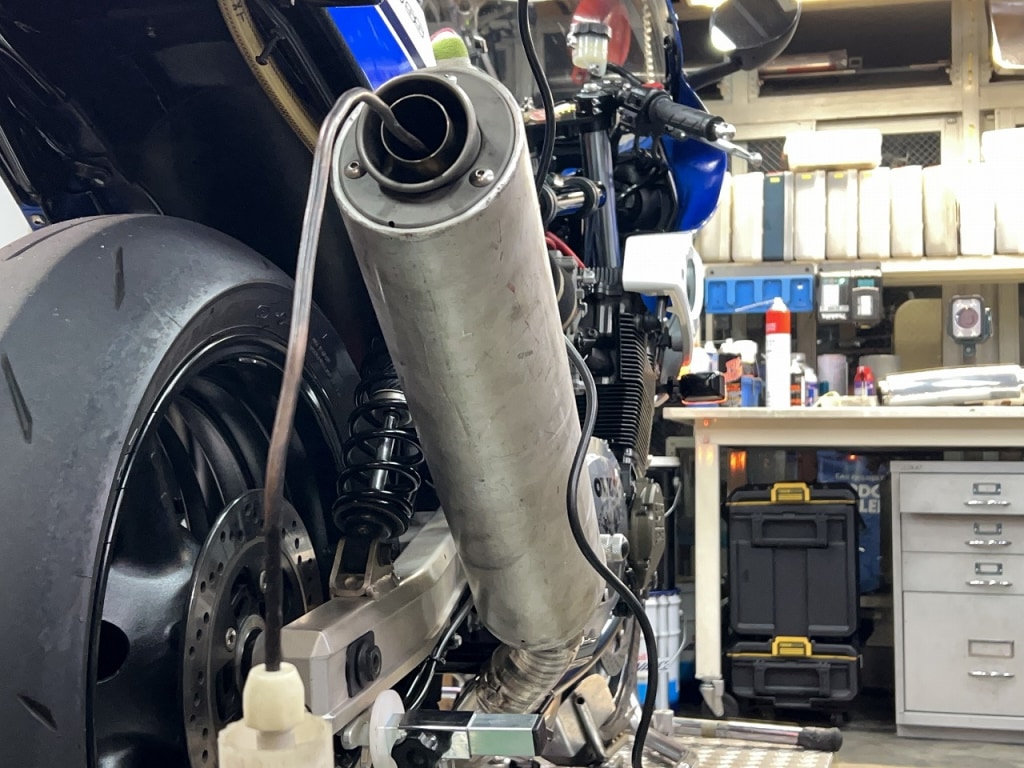
For the inspection, I’ve switched the silencer to a muffled/catalyst-equipped type. This silencer is from a ZX10R stock unit, and it’s exceptionally well-designed both aesthetically and performance-wise, so I use it regularly.
Every time I install it, I notice “the pickup improves from low speeds.” The silencer’s length and volume must provide good back-pressure.
Back in the day, I was inspired by MotoGP and made and sold original trumpet silencers, but the performance was terrible. To put it simply, “no bottom end, no top end, just loud.” After seeing various examples, I realized “stock mufflers are really well engineered.” Motorcycles have an aesthetic appeal too, so you can’t judge them on performance alone. But the best designs are those with a good balance between performance and aesthetics, don’t you think?
So I adjusted it to values that pass inspection. Next is the oil change, spring hose, and inspection to complete it.
THE Man’s Bike with AP RACING – Making It More Manly? Vehicle Inspection, Oil Change, FCR Synchronization, CP3269 Installation → Brake Hose Fabrication



 ポチップ
ポチップ