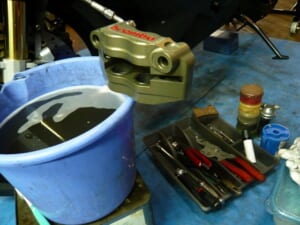
Calmag coating—that’s the only impression I had, along with Yoshimura engines. In recent years, there are plenty of color options available, and I’ve come to think this is actually quite practical.
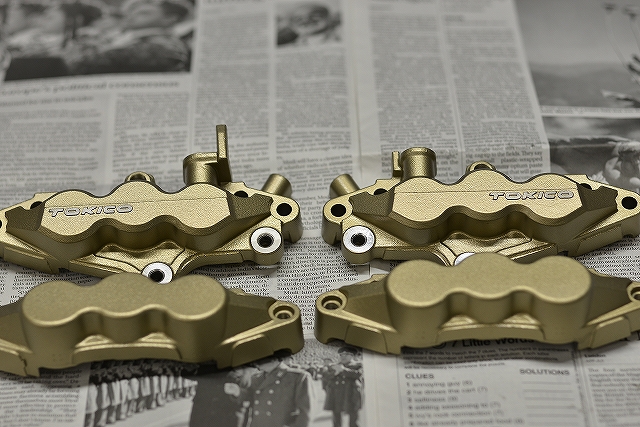
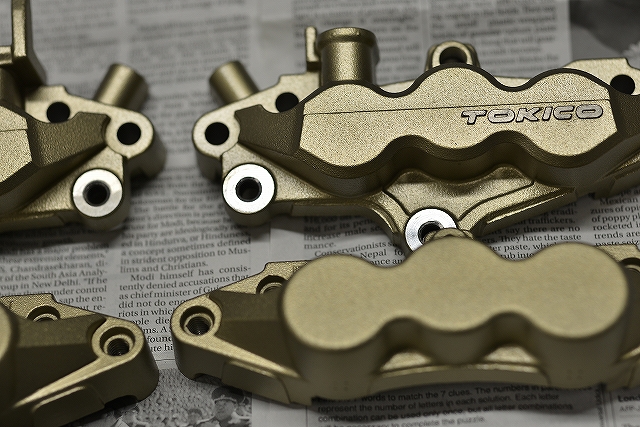
When I looked it up online, I found that various shops offer Calmag coating.
Just because a shop ranks high on Google doesn’t mean I’ll hire them. What matters is detailed photos, process documentation, professional communication via email, website presence, and blog update frequency.
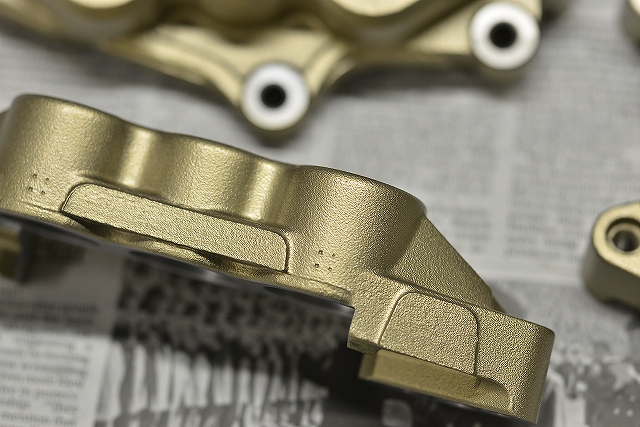
Wide-angle shots make anything look beautiful. Of course, the painted areas matter, but the precision of the masked-off areas is equally important.
I think the best work comes from someone who understands how each part will actually be used.
Problematic frame painting
• Sandblasting or painting precision areas like bearing insertion points. Poor masking can leave paint residue that prevents shafts from fitting.
• Painting areas that shouldn’t be painted, like erasing lettering.
• Media residue or scratches present when you receive the part.
After seeing a lot over the years, I’m confident that shops with few process photos and only cheap, transparent pricing will attract most customers—I’d say over 90 percent. But that’s exactly where problems hide.
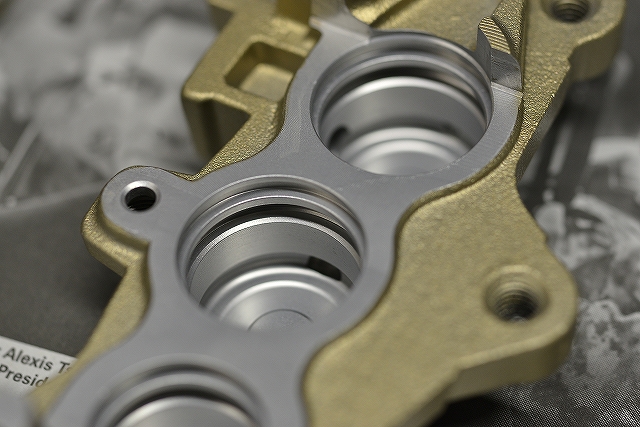
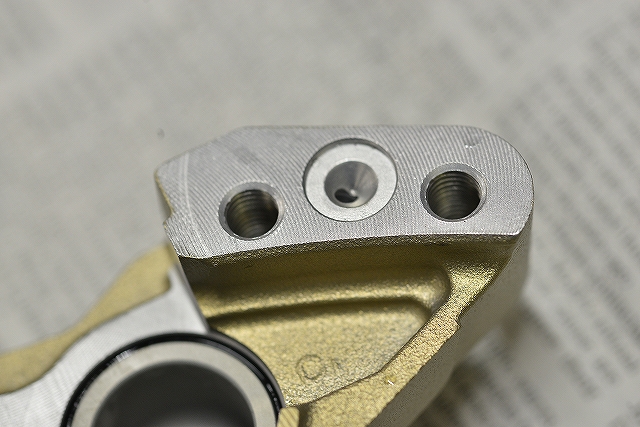
I have the parts polished before sending them out for coating. They do a really clean job with masking and application.
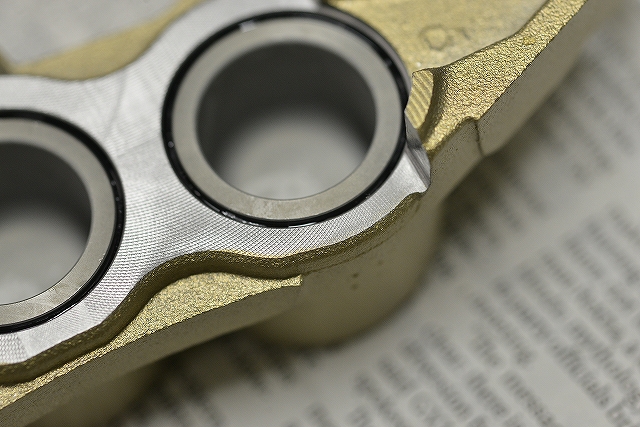
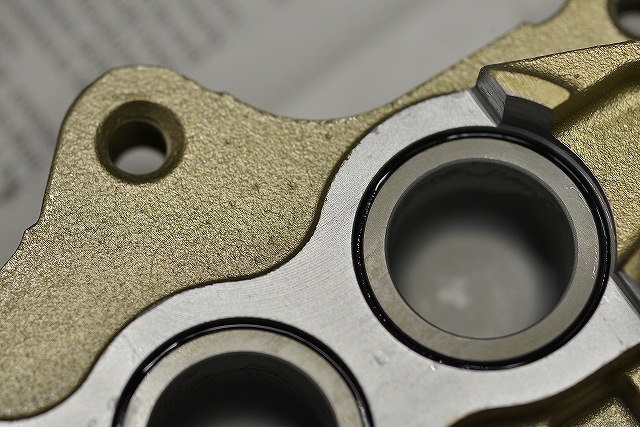
You can trust shops that take care of the invisible details. When photographers use mirrorless cameras, DSLRs, and macro lenses to show everything, they’re laying it all out for inspection, so you feel confident.
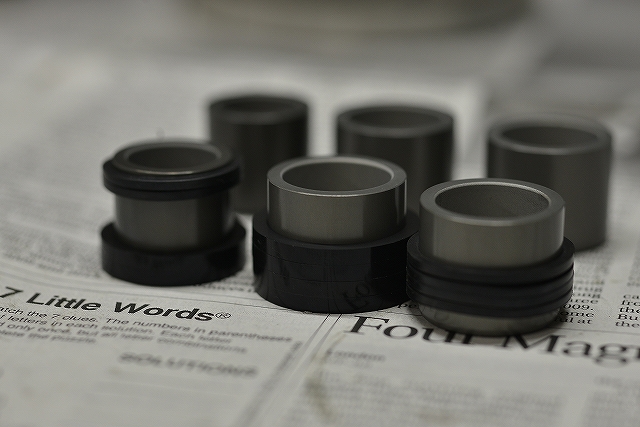
Anyway, I got sidetracked. I’m also switching to an aluminum piston. Inspection is absolutely critical. Opening the box and installing it right away is insane—packing mistakes happen all the time.
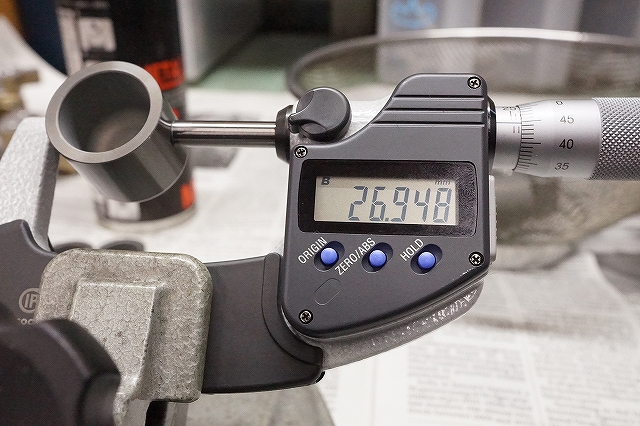
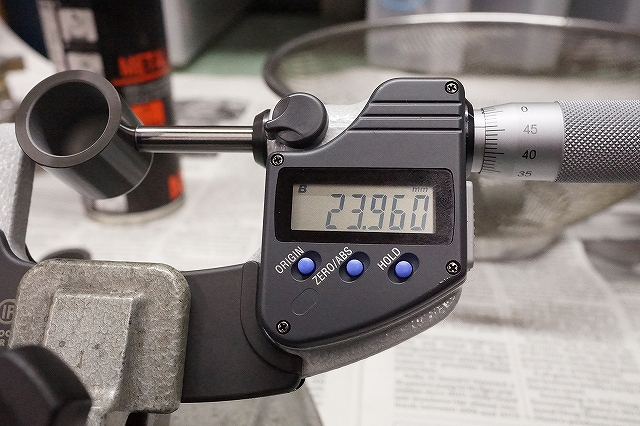
If you check the piston beforehand, the odds of problems drop significantly. Seals are basically a visual check.
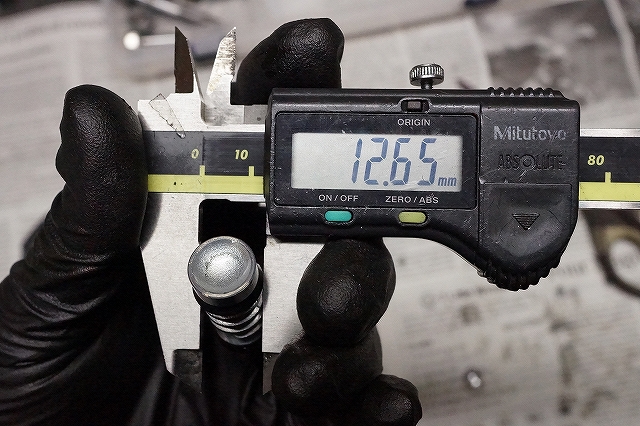
I’m also replacing the rear master cylinder cup. Since it’s a brake component, I check once, then check again. Everyone makes mistakes, but verification can reduce that risk, and those few minutes of checking will pay off in the end.
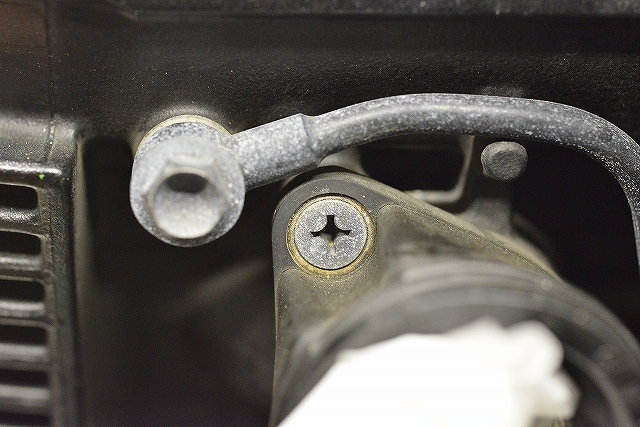
The intake manifold swap has Phillips-head screws, and the space is so tight I can’t tap them out. I had a bad feeling about it, and sure enough, it was a rough three hours or so—but I got it off, and I’ve already ordered the right tools for next time.
If the right tool will definitely speed up the work, it’s worth investing in it.
Rough work carries a lot of risk. I think the ideal is to work so smoothly and skillfully that you don’t break a sweat, even after doing it a hundred times.
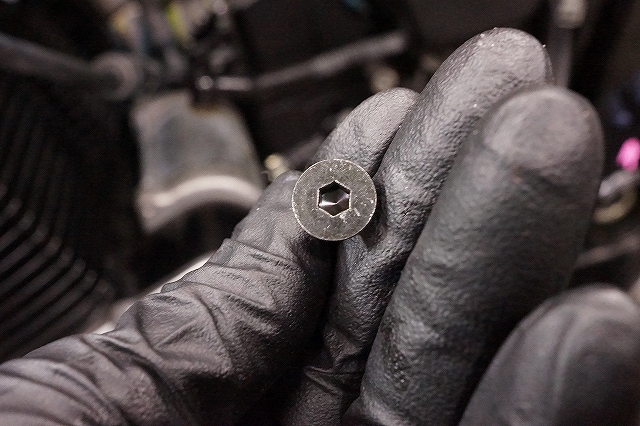
I’m replacing the countersunk cap screws with hex head screws. I wish they’d come that way from the factory.
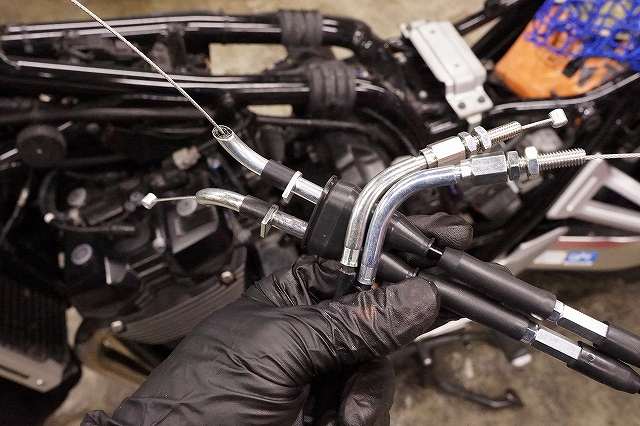
Throttle cable replacement—now’s the time to do it.
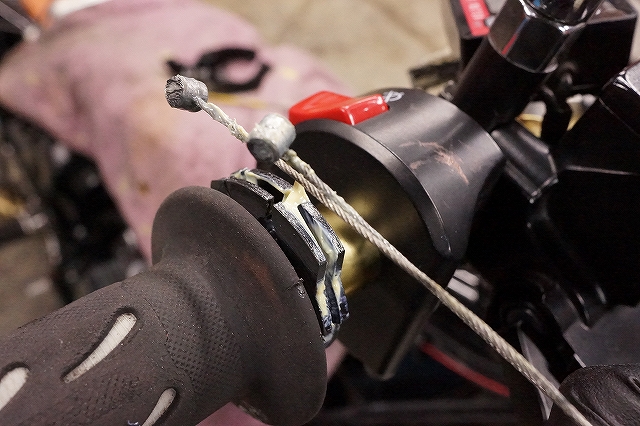
The grease from a Deco-mainte service years ago is still there. The color is still beautiful.
Almost done.