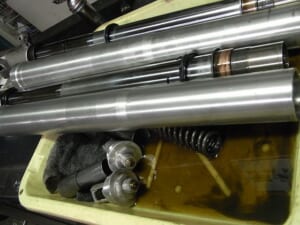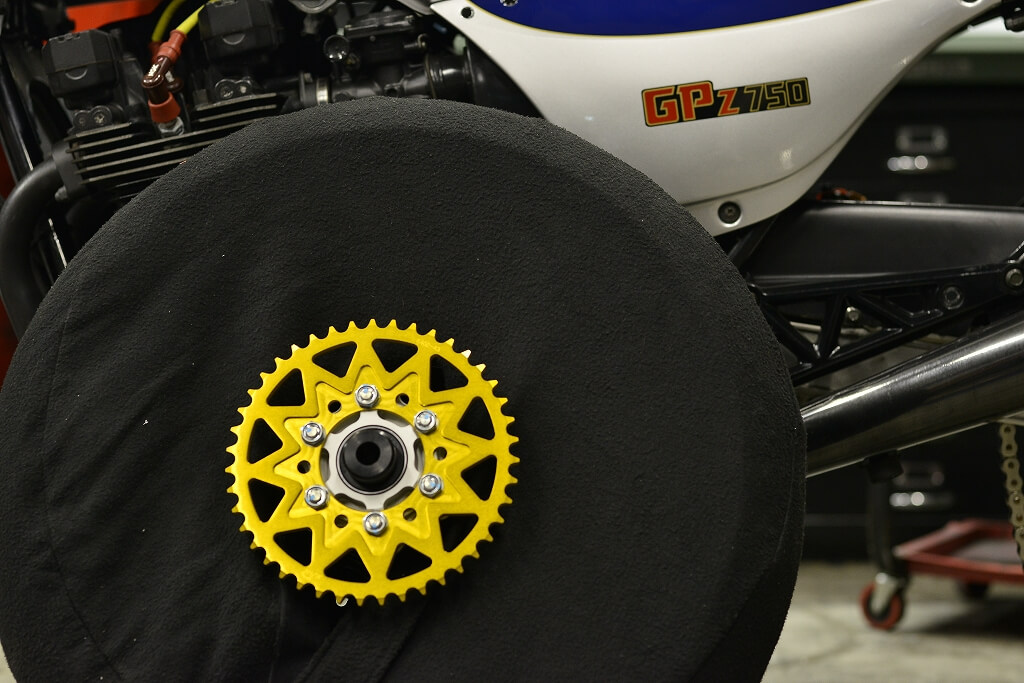
With new parts, we take care to cover them securely. We aim to keep everything in pristine condition with zero damage.
I have to admire people who can just go at it hard without worrying.
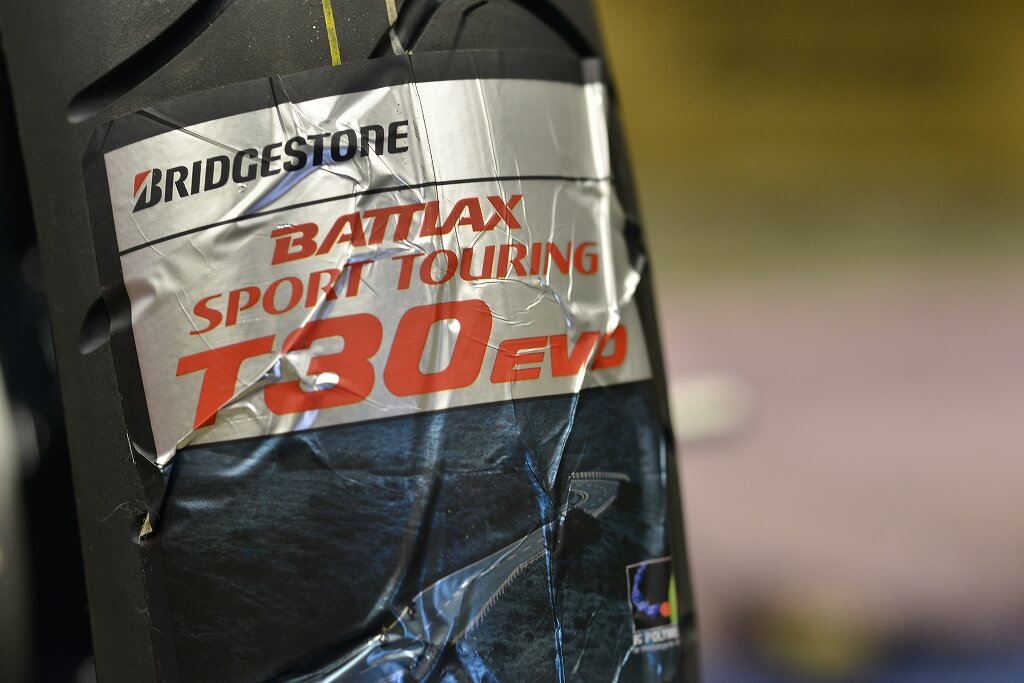
Our preference is the T30EVO. We’ll use this one for touring.
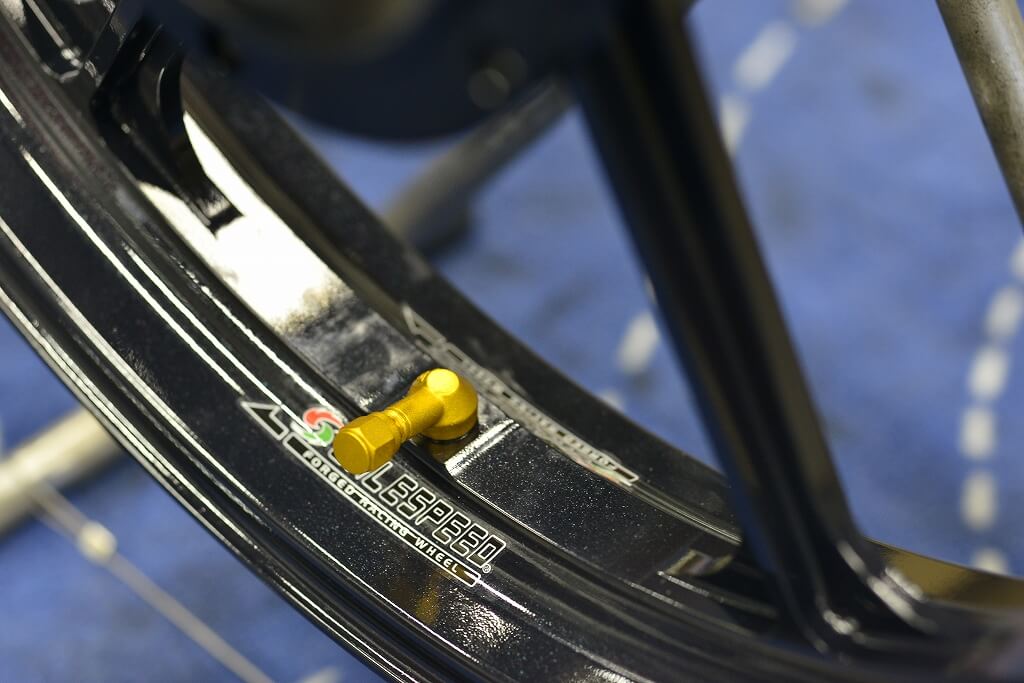
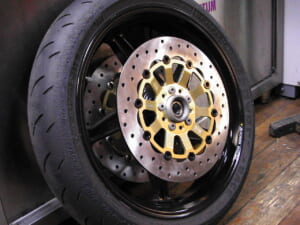
Of course, we balance the new wheel.
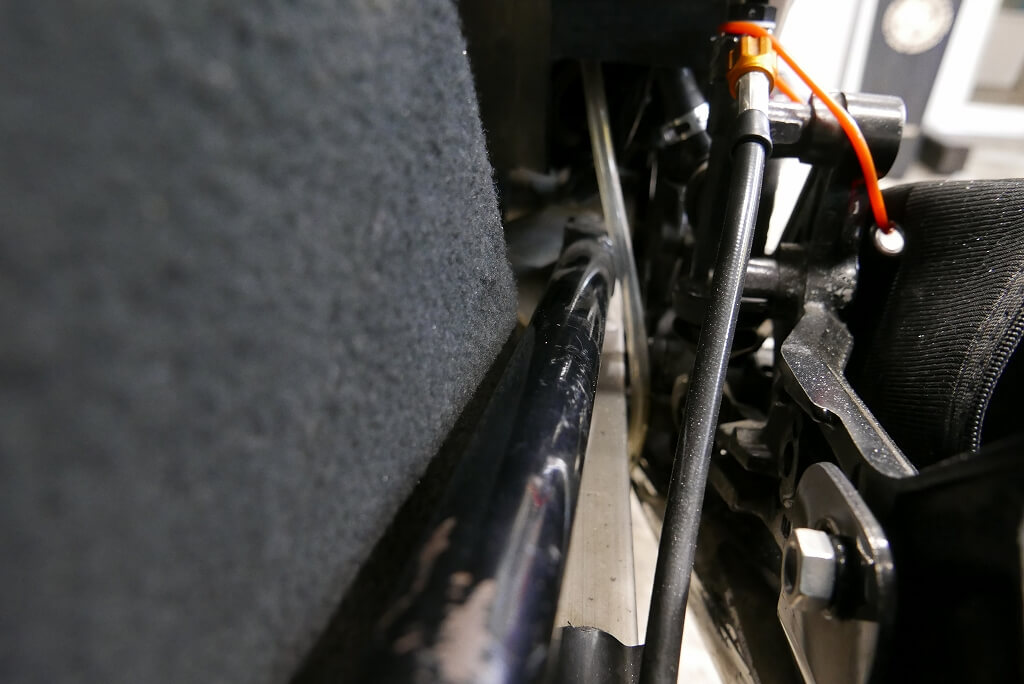
We give it enough clearance to avoid the torque rod, but let’s move it out a bit more.
That makes future removal and installation easier.
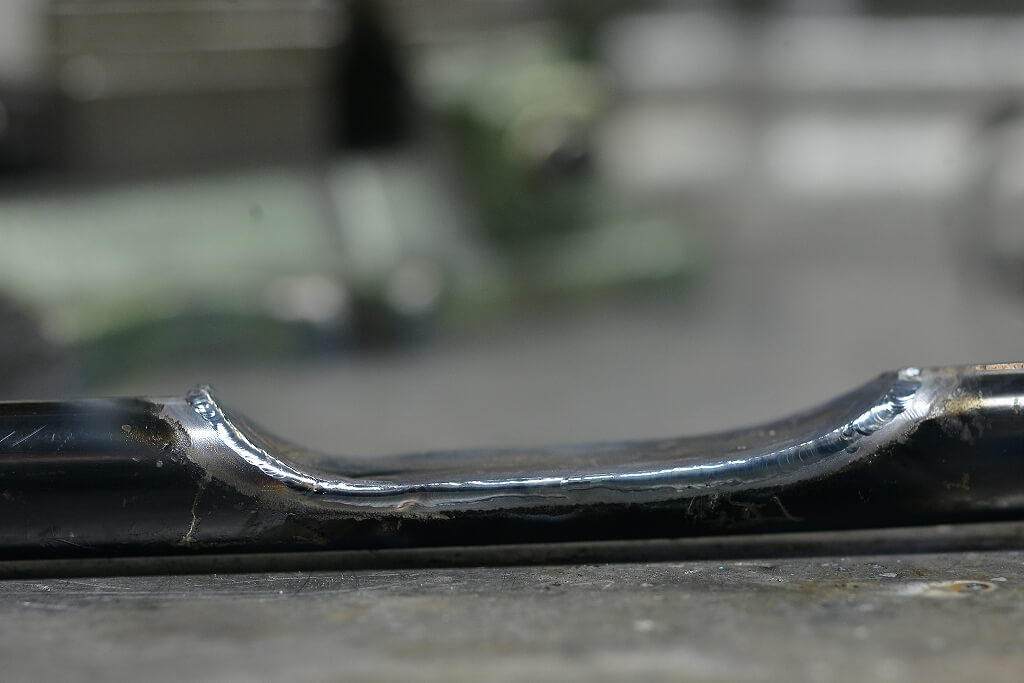
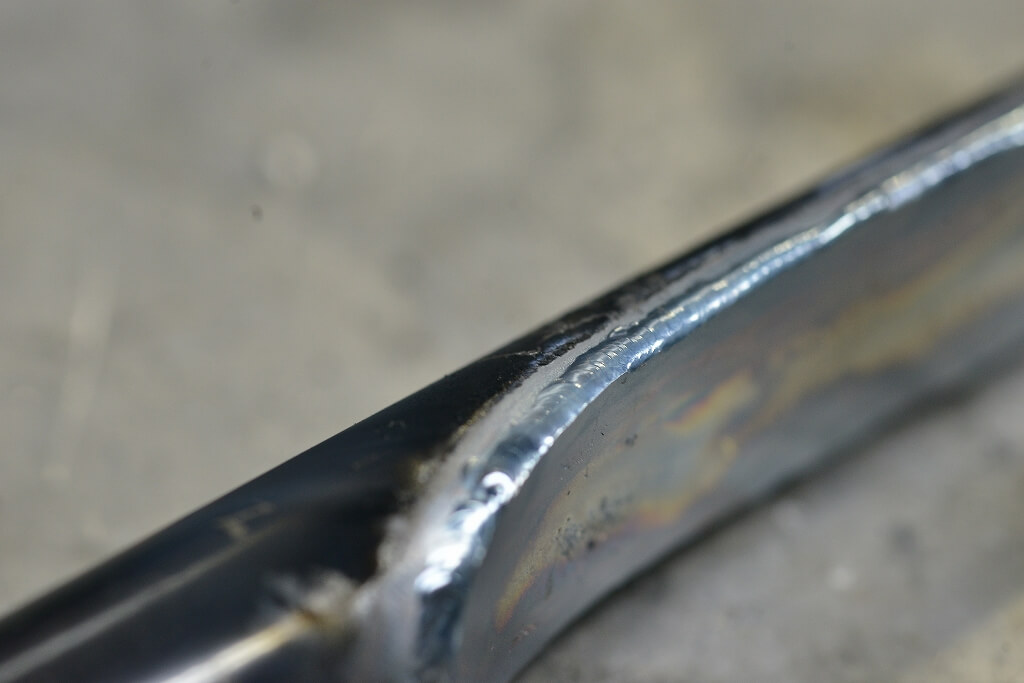
We clear it out generously and we’re done.
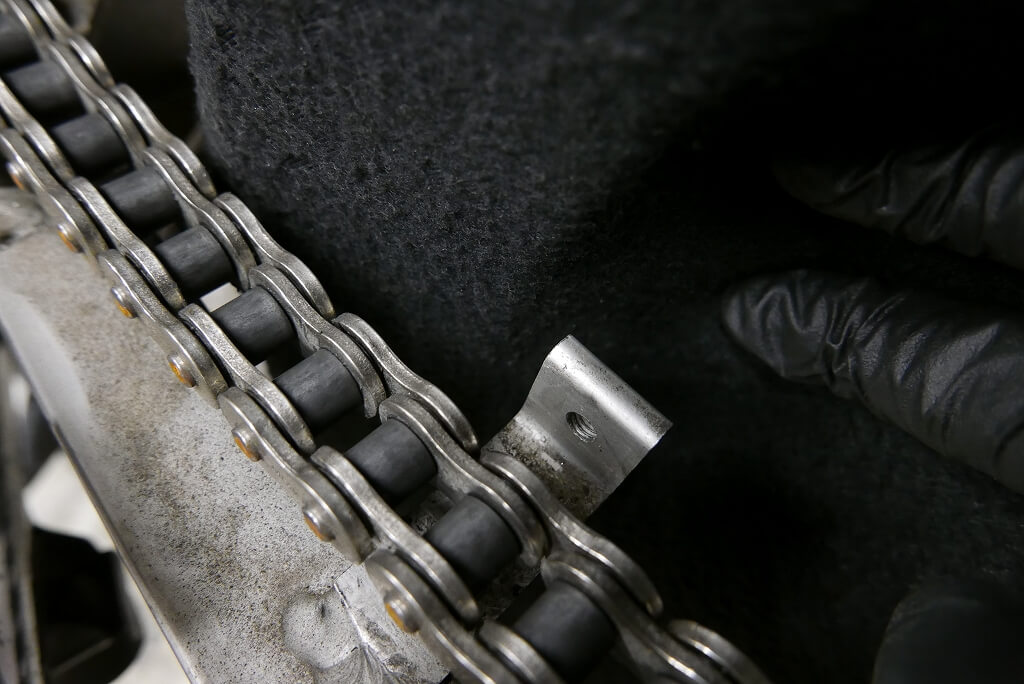
The rear bracket on the chain case will definitely scratch the wheel down the road.
The stock chain case contacts it, so it won’t fit—we’ll grind it off.
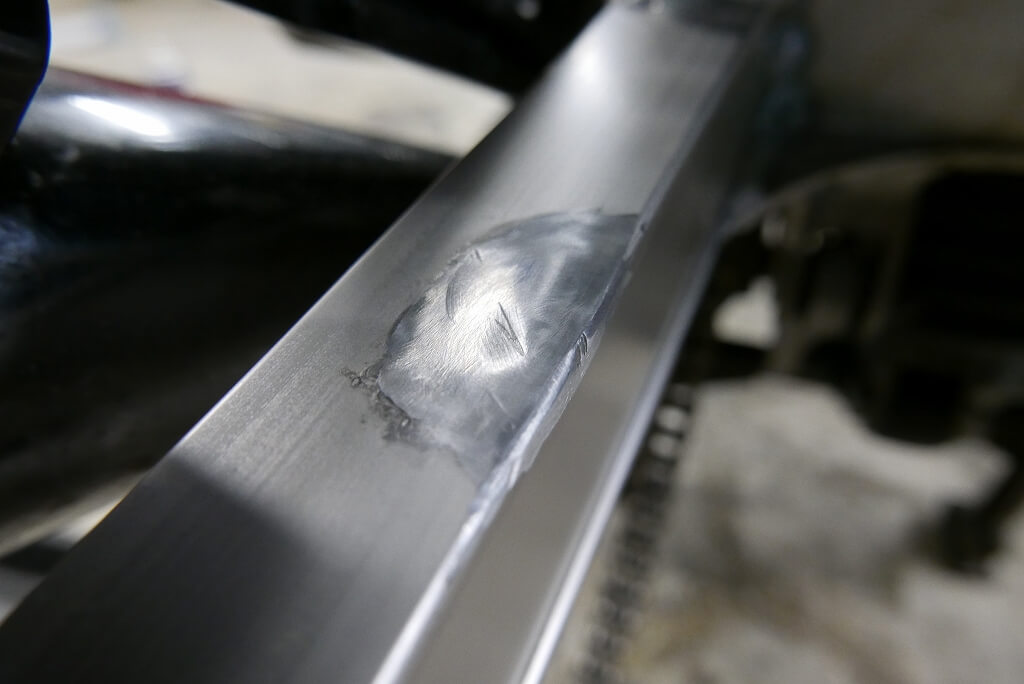
Done.
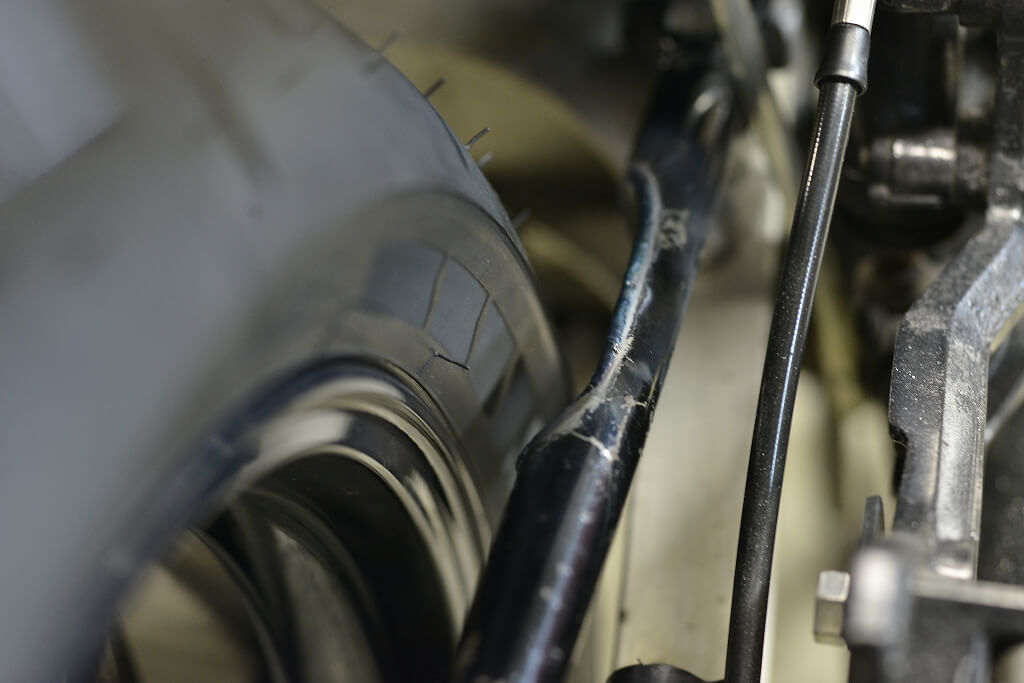
Maybe we gave it a bit too much clearance? Well, loose is better than tight.
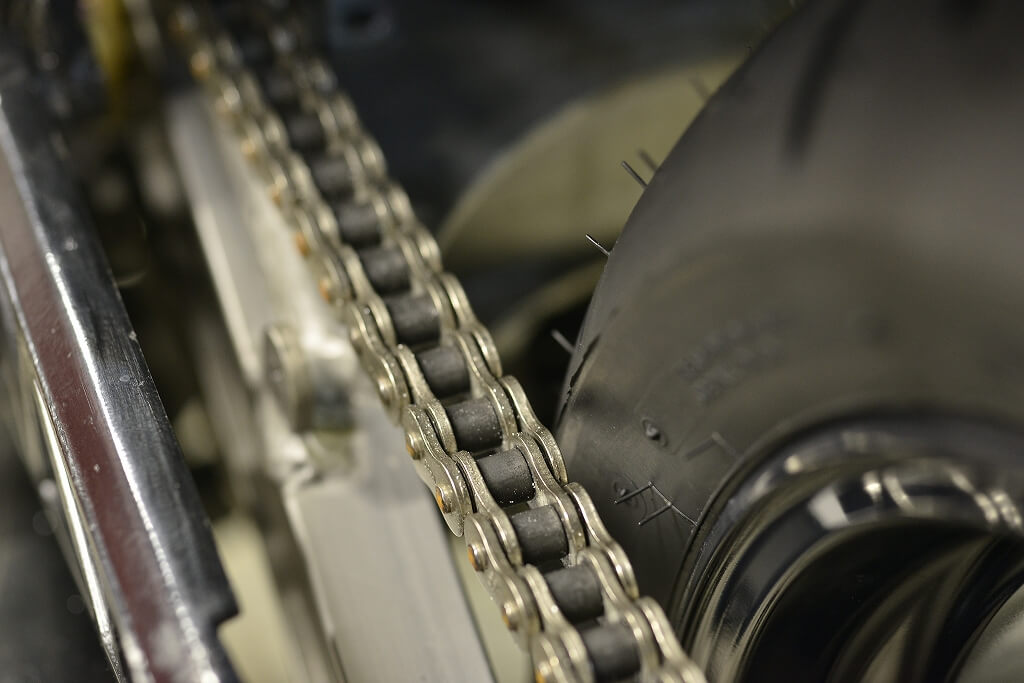
The left side looks about right.
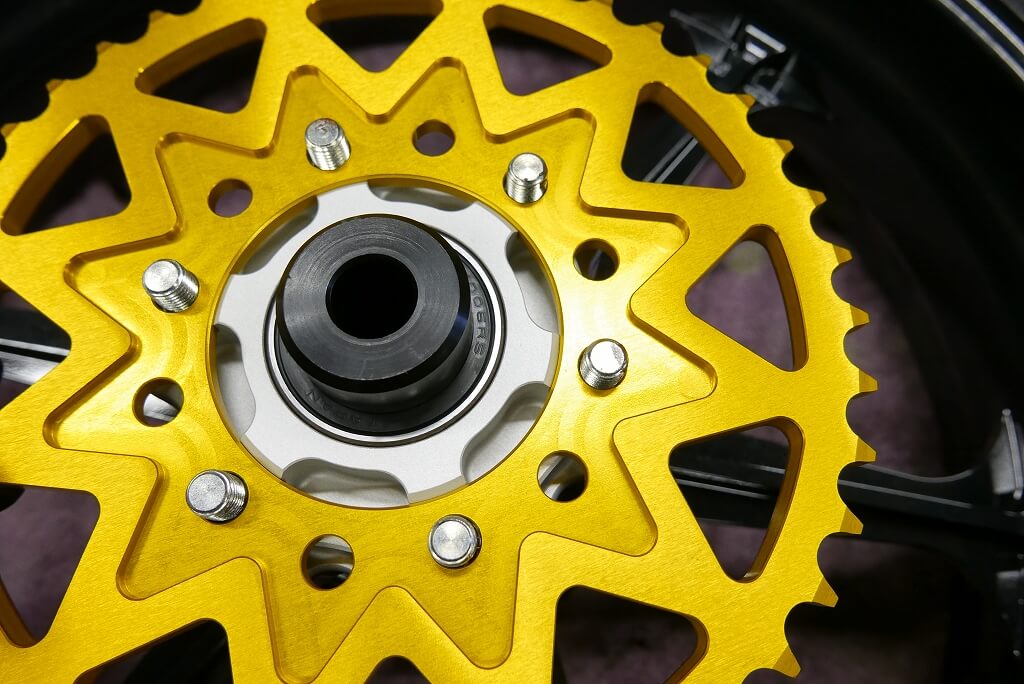
The included one is from Z company—I don’t often see the actual part, so I’m taking a close look.
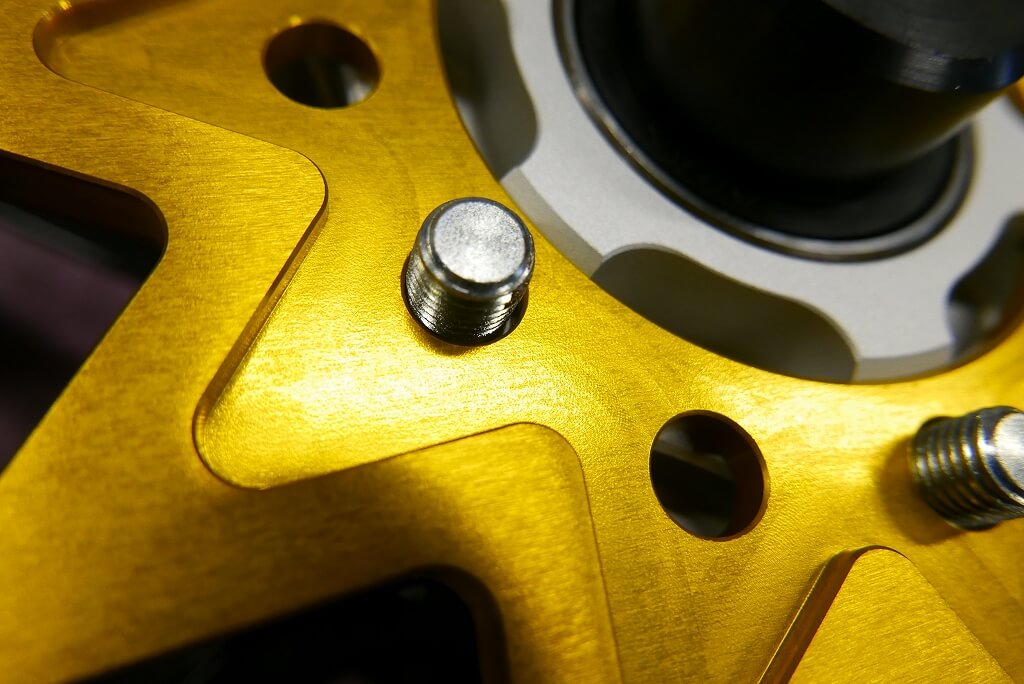
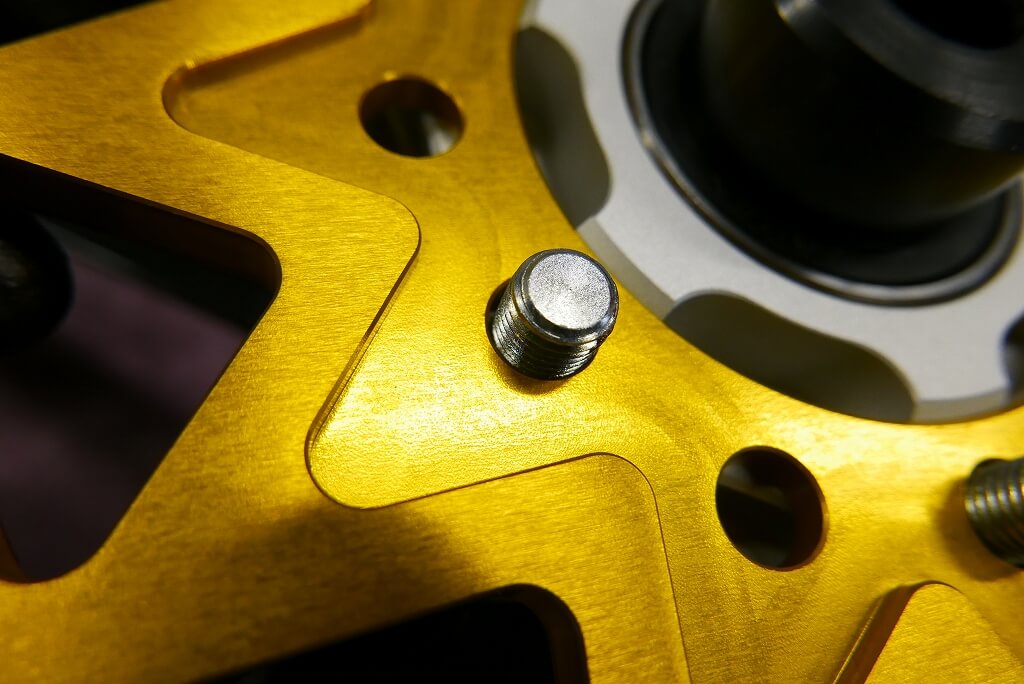
Coming from S company, this clearance is quite generous.
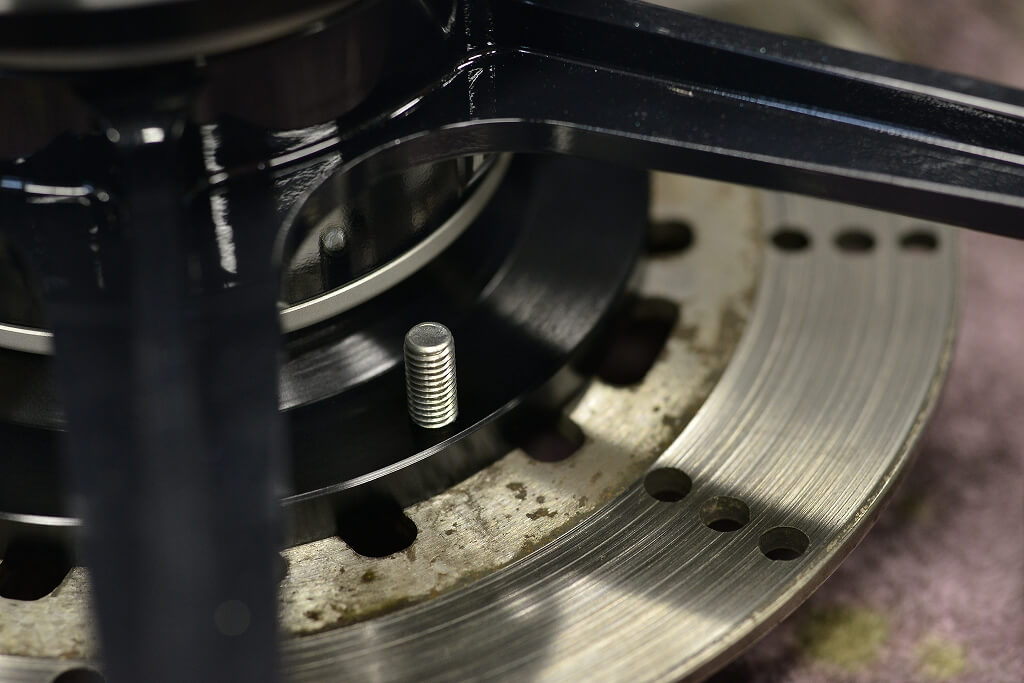
You see a lot of bikes with aftermarket wheels where the neck stub is pointless—like an old man’s belt hanging loose.
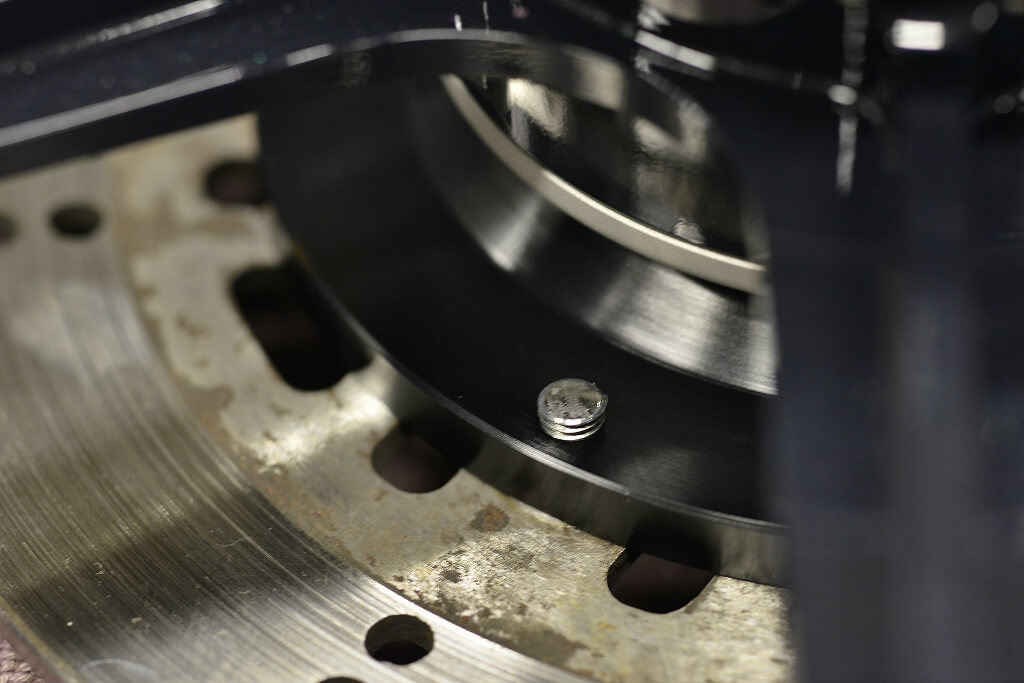
We’ll cut everything except for about two threads. Ideally, keeping the neck stub uniform all around looks cleaner.
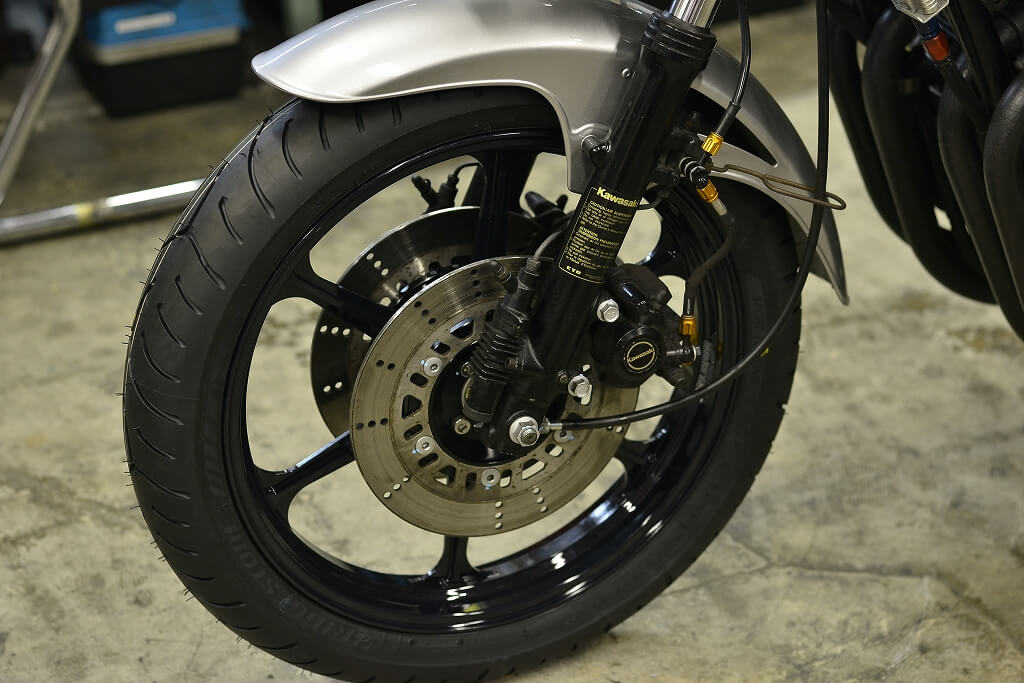
Front is 2.75-18 to my preference.
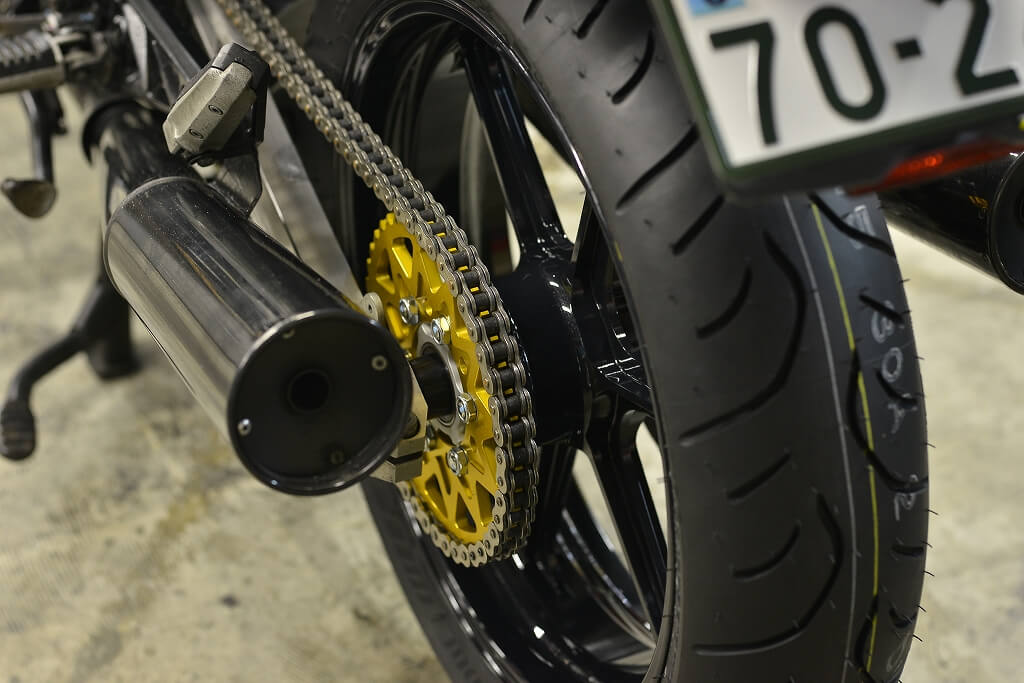
Rear is 4.50-18.
This is a Spec Engineering product. The advantages are first that it installs as-is. Second, because it has a special-shape front disc, I was concerned about future brake development options. However, since it’s raised on the hub for Z fitment, you can remove it and fit any of the abundant Z-compatible discs. Support can also upgrade the brake version later. When changing parts, we want to avoid going back and forth multiple times and wasting effort.
I think it’s better to avoid one-off consumables like brake discs and sprockets whenever possible.
We want to minimize redundant work and waste.
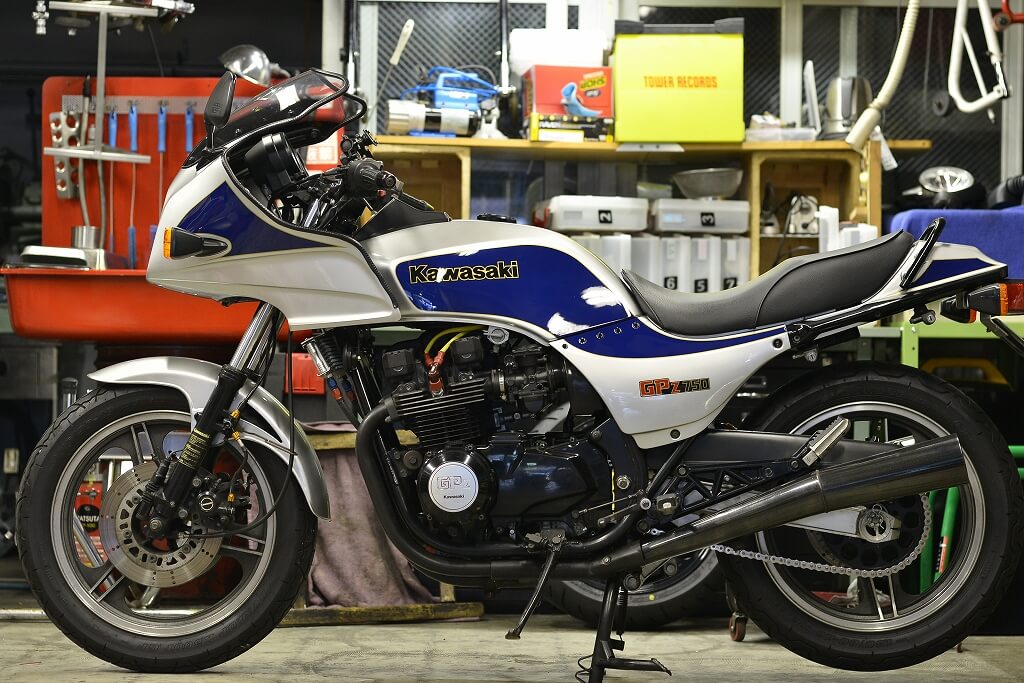
↓
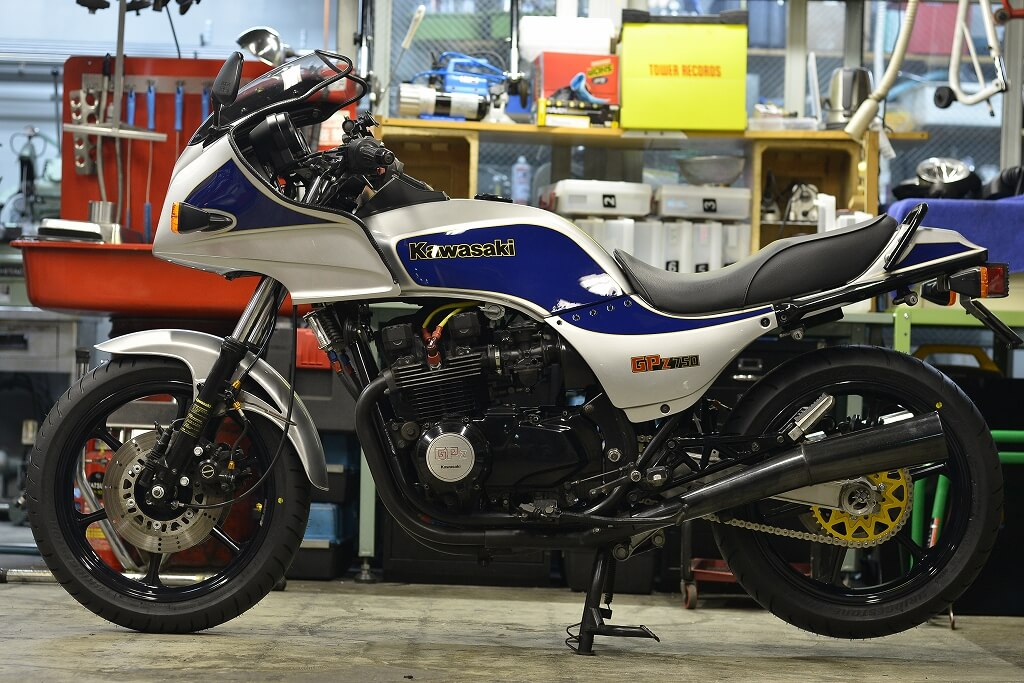
It’s hard to tell inside the shop. Let’s get the inspection done and take it out for a ride. Sorry for the long work session.