The stem is stiff as expected. We’ll inspect it, and if it’s no good we’ll replace it; if there’s no problem we’ll lubricate and adjust it.
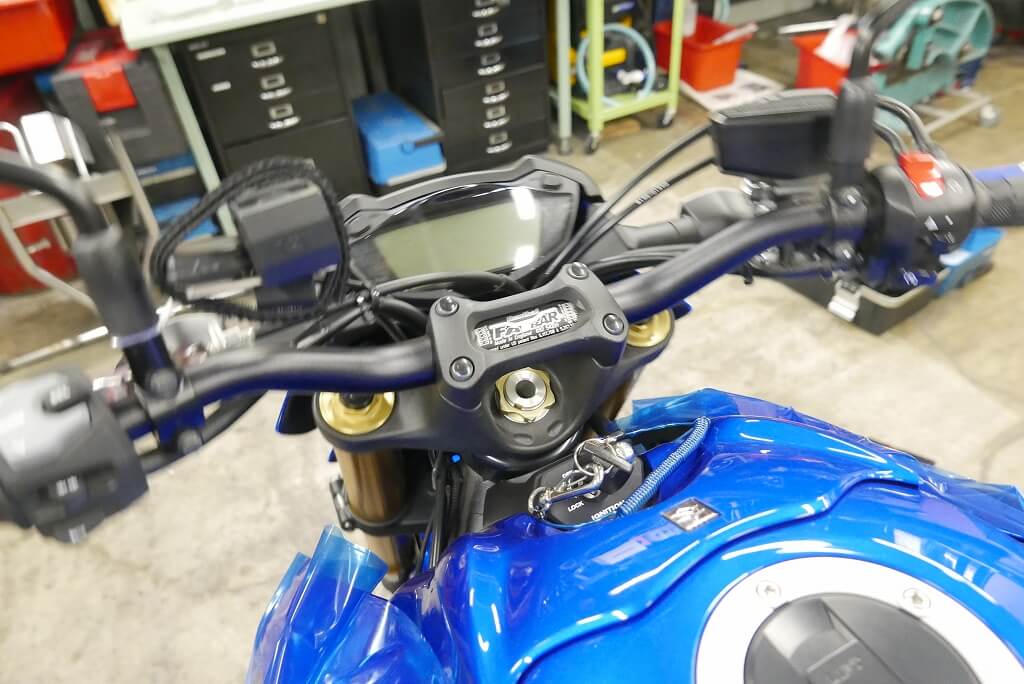
We’ll lift it up and check it. The bearings are stiff too, but the weird feel comes more from the wire and harness contact.
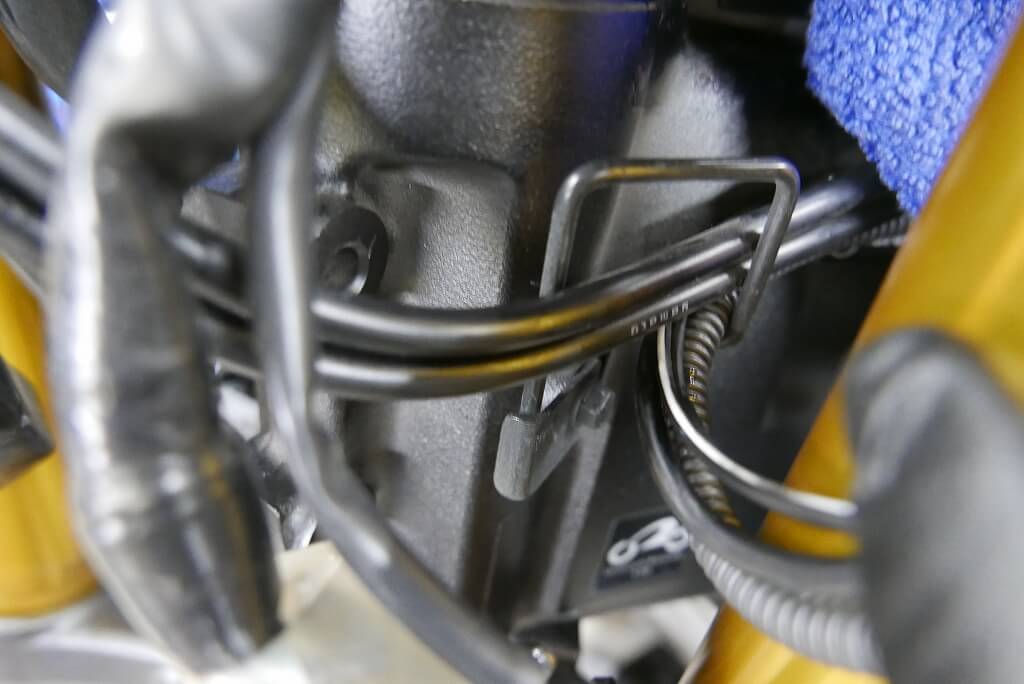
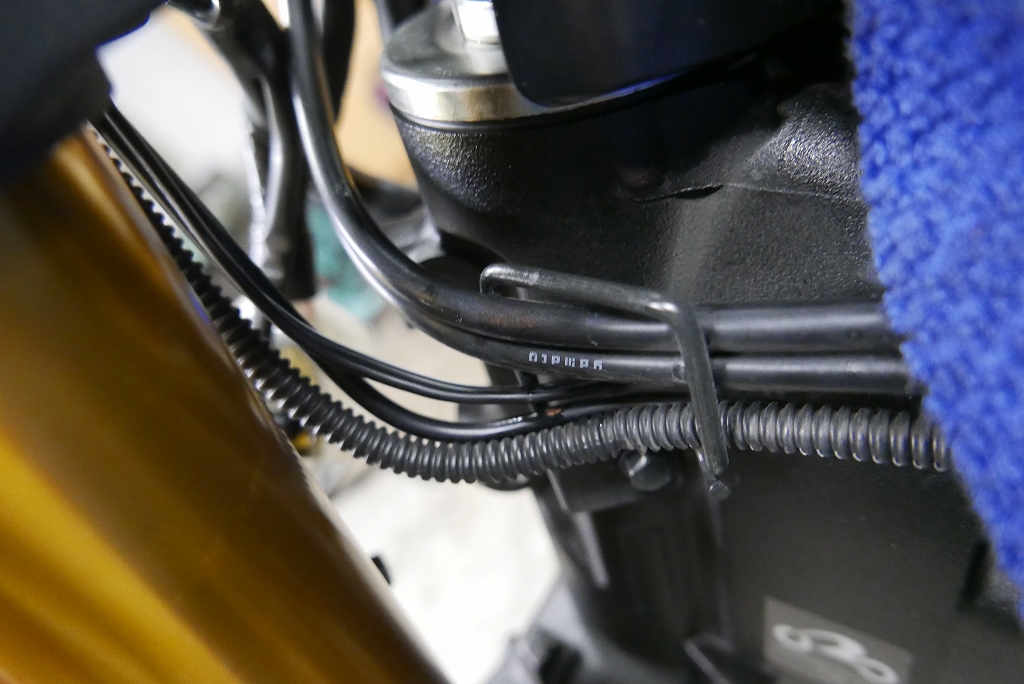
The throttle was removed from the bracket and the internal routing looked good, so we made the change.
We also removed the clutch retention bracket.
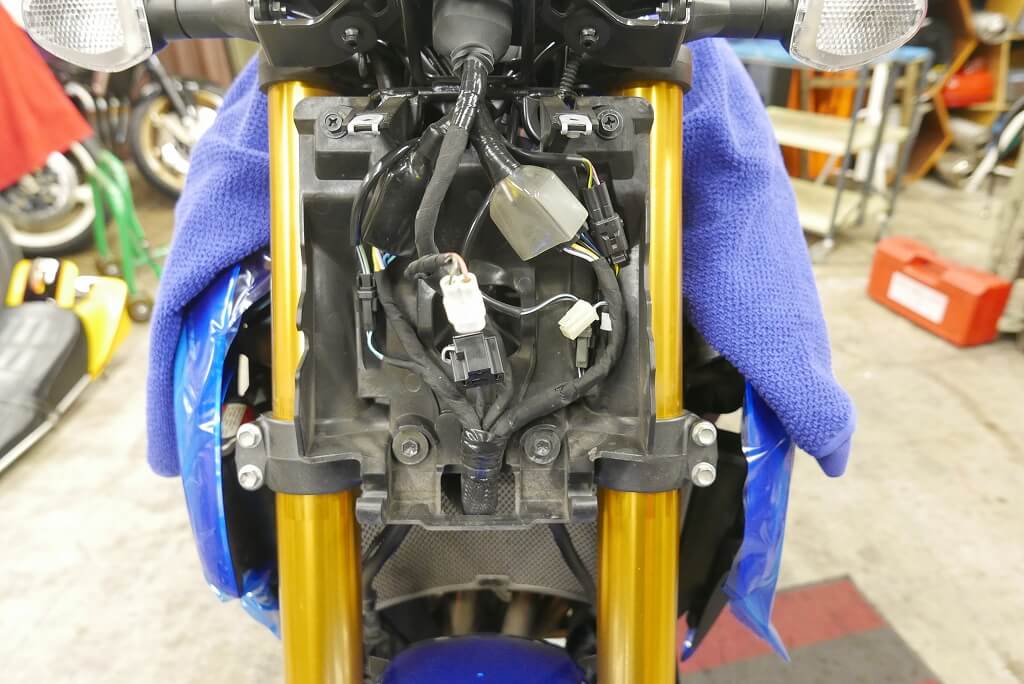
Surprisingly simple and beautiful layout. The wiring age where you show off the harness has arrived… The connector has a male terminal that allows panel mounting—a clever design. Nice.
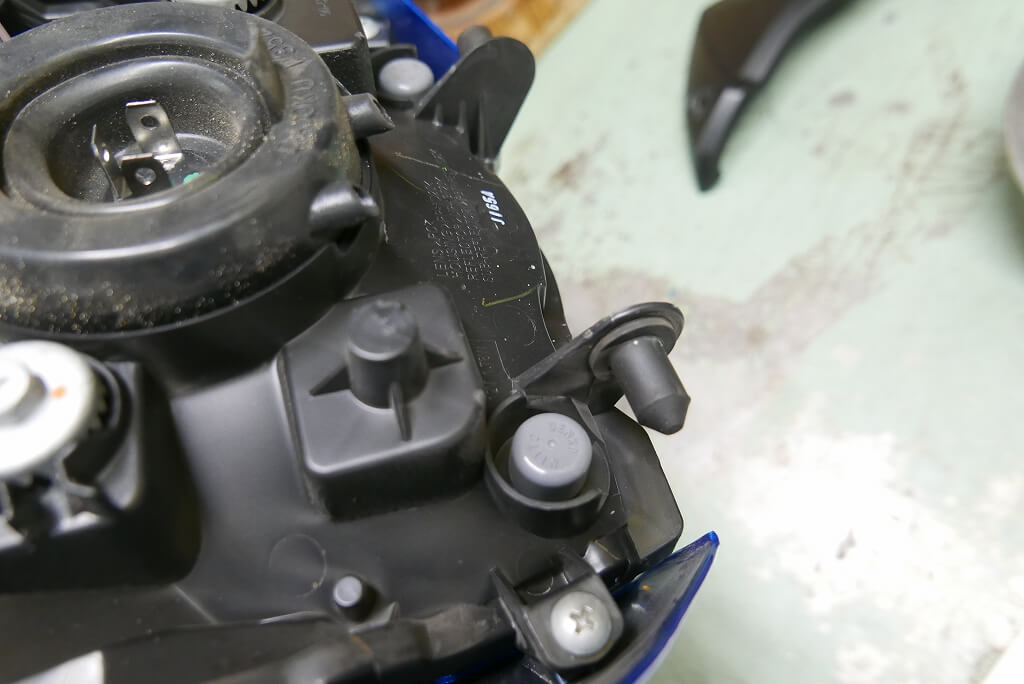 The lower mask just sits in place. That’s a moment where you think, oh, I see.
Instead of bolting and nutting everything, it’s kept simple and even floating. And the serviceability is excellent too.
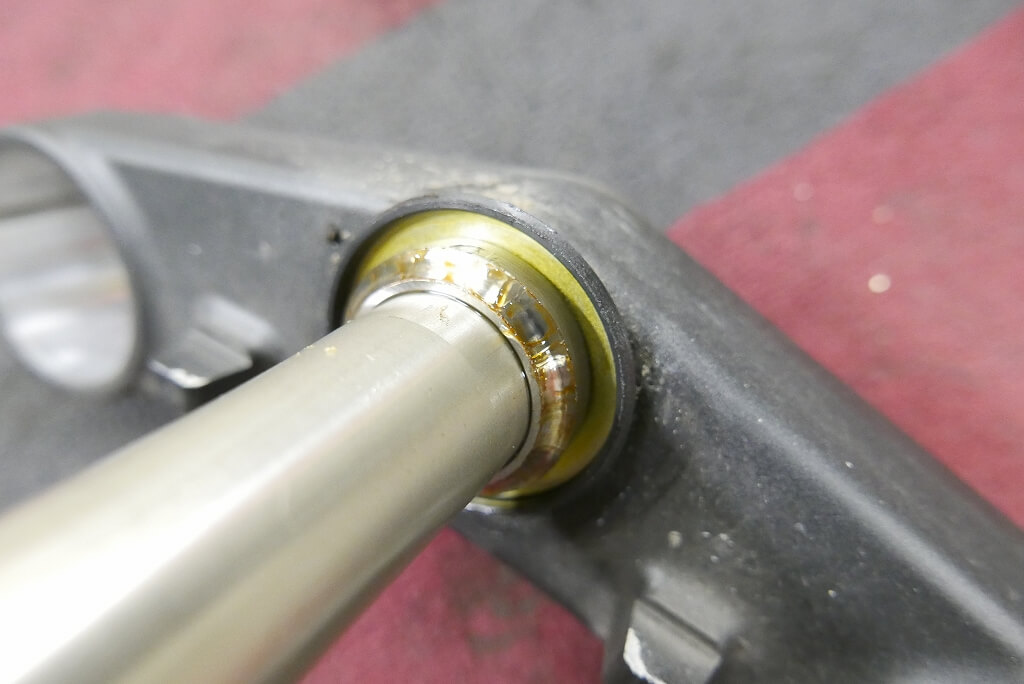
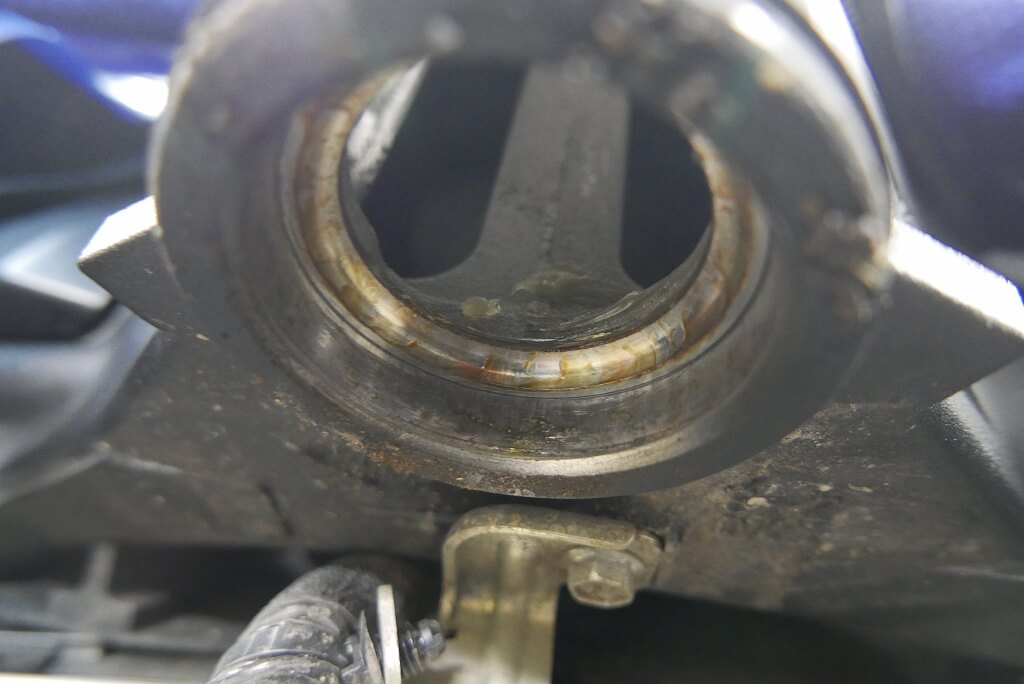
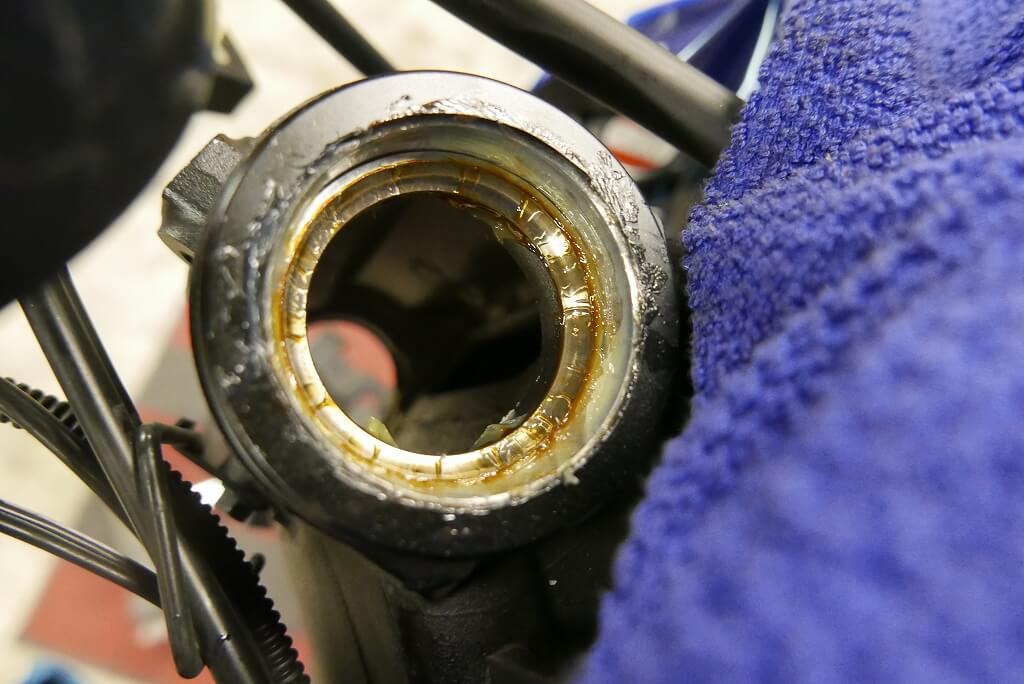
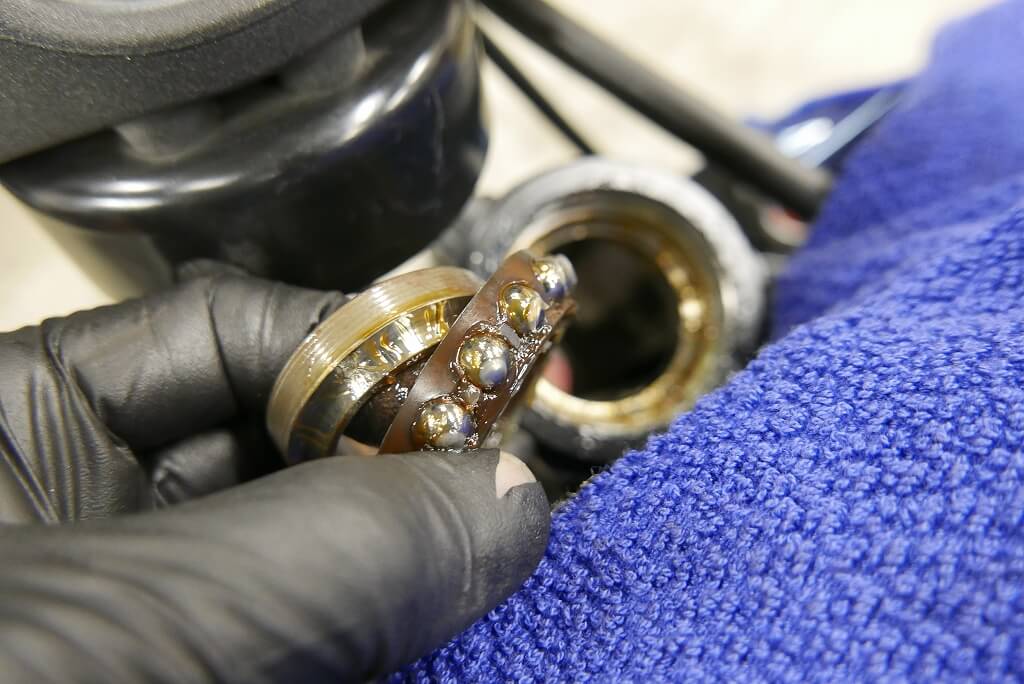
There was some oil, but there are pretty tight wear marks, so we’re replacing it.
Lately, bearings are the same size top and bottom everywhere—we’re grateful for that.
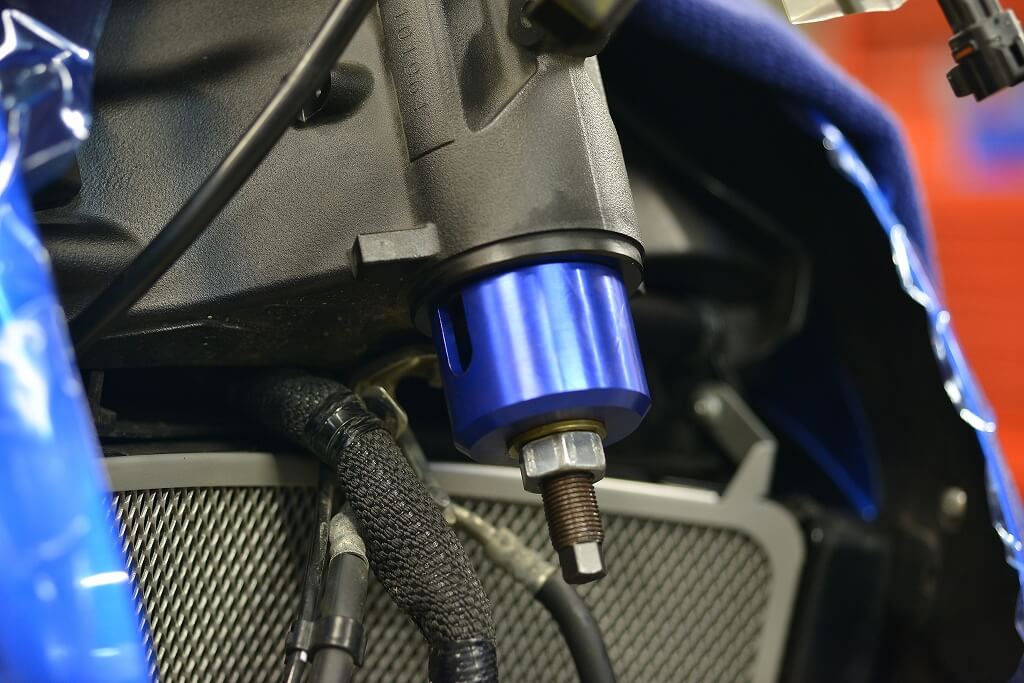
Recent bikes have a long press-fit length, so it’s best to pull it with a puller. And look—the anodizing matches the frame perfectly.
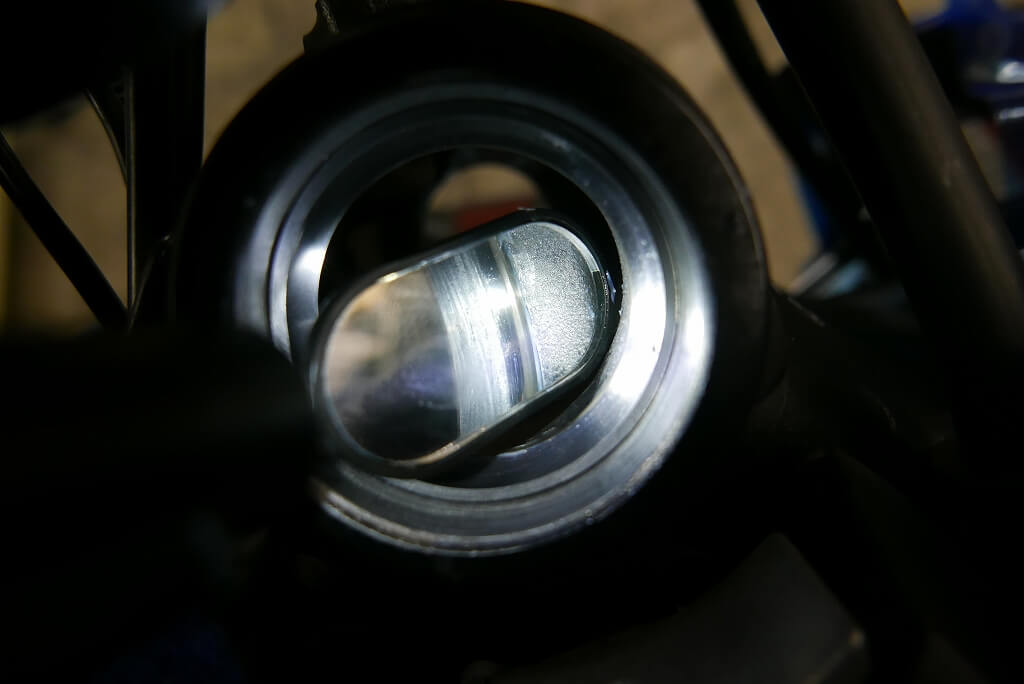
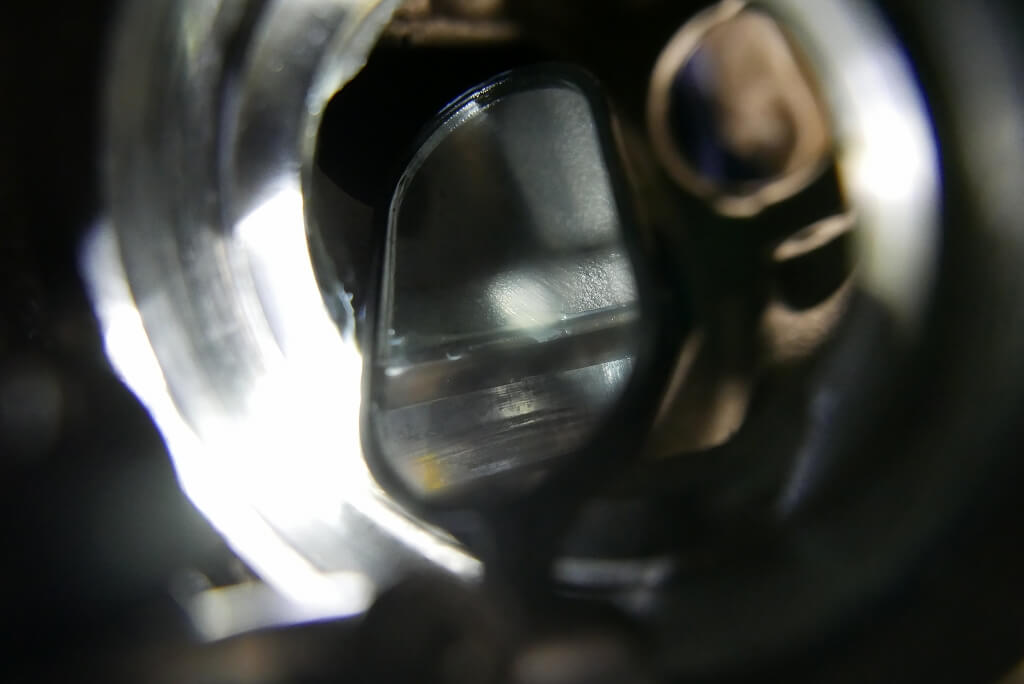
Press it in and check.
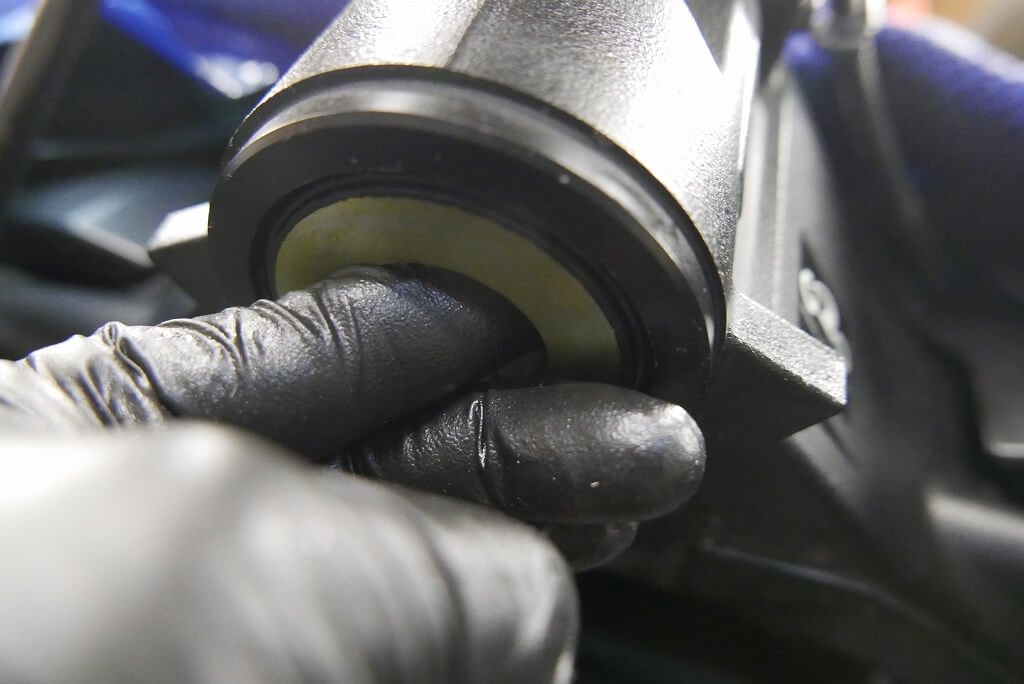
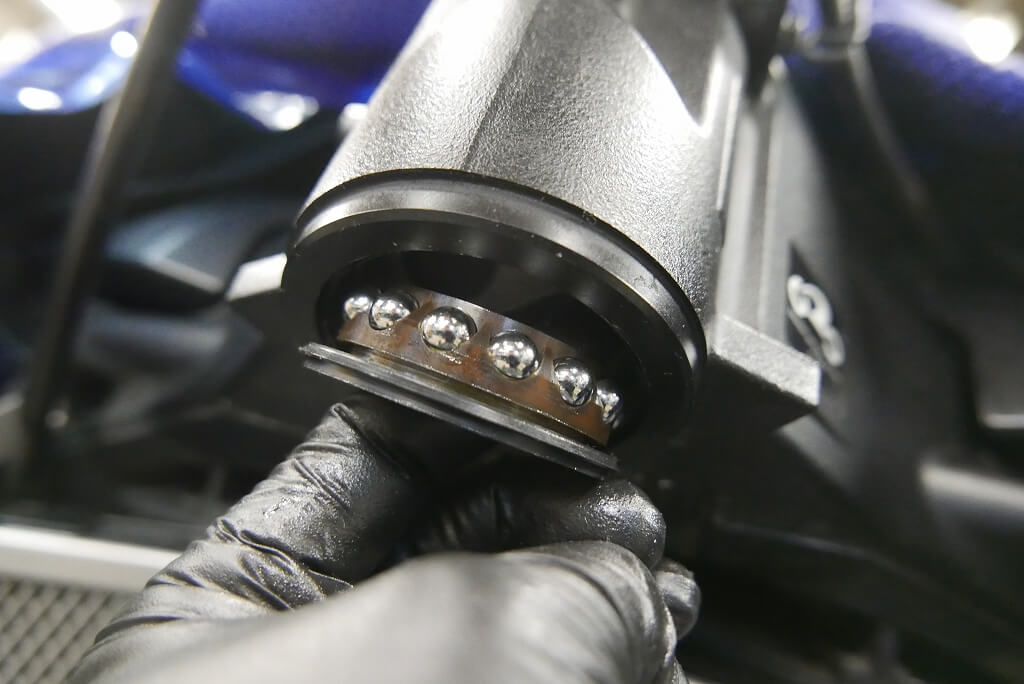
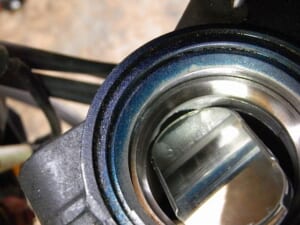
Before inserting into the lower shaft, we check the seal condition.
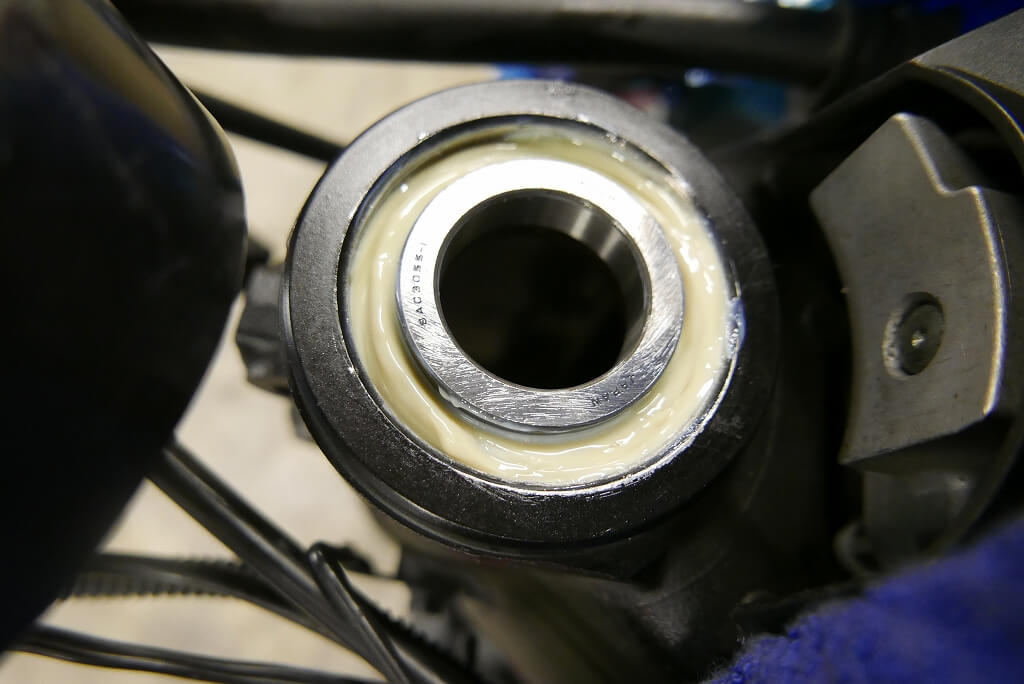
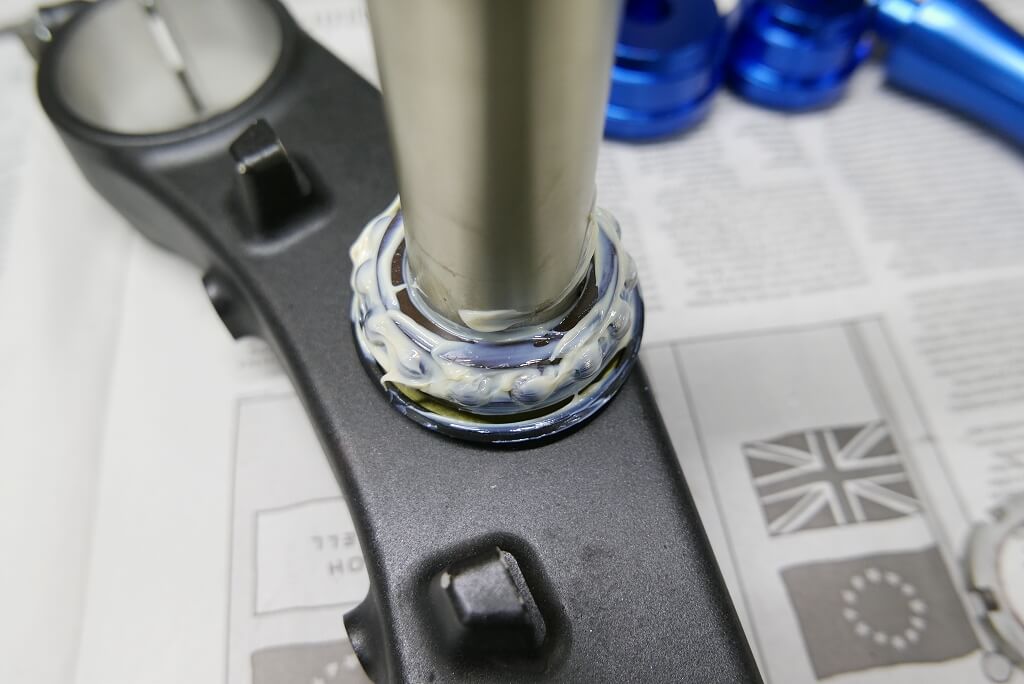
Apply NC100 here too, thoroughly.
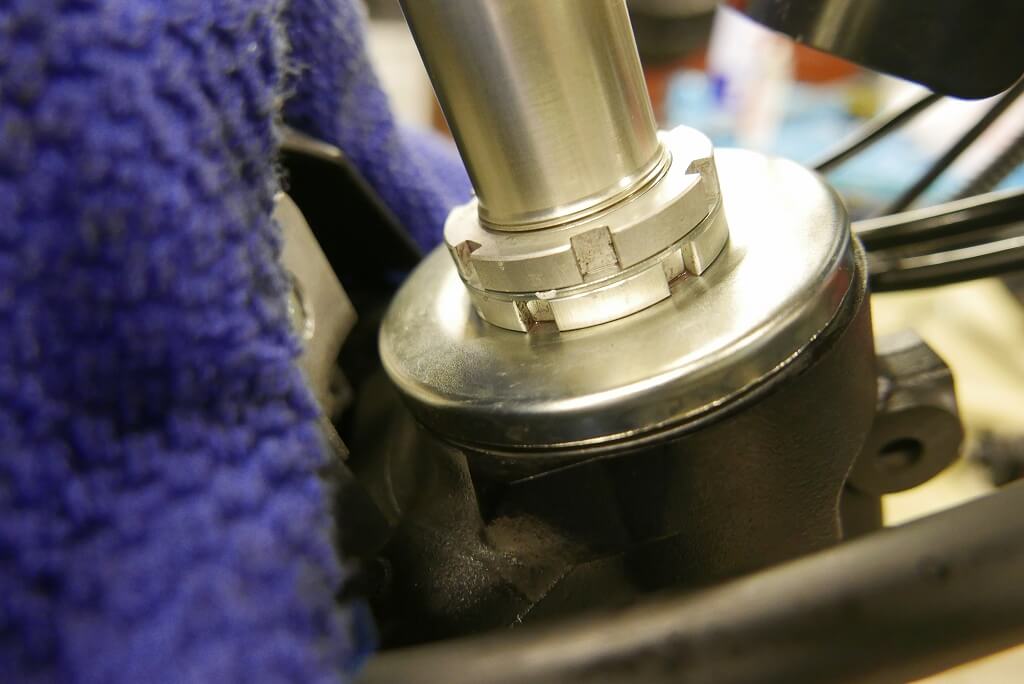
The double allows preload adjustment, which makes tuning easier. Steering tightening torque varies by manufacturer—it’s interesting.
Not too stiff and not too loose is what I think is best.
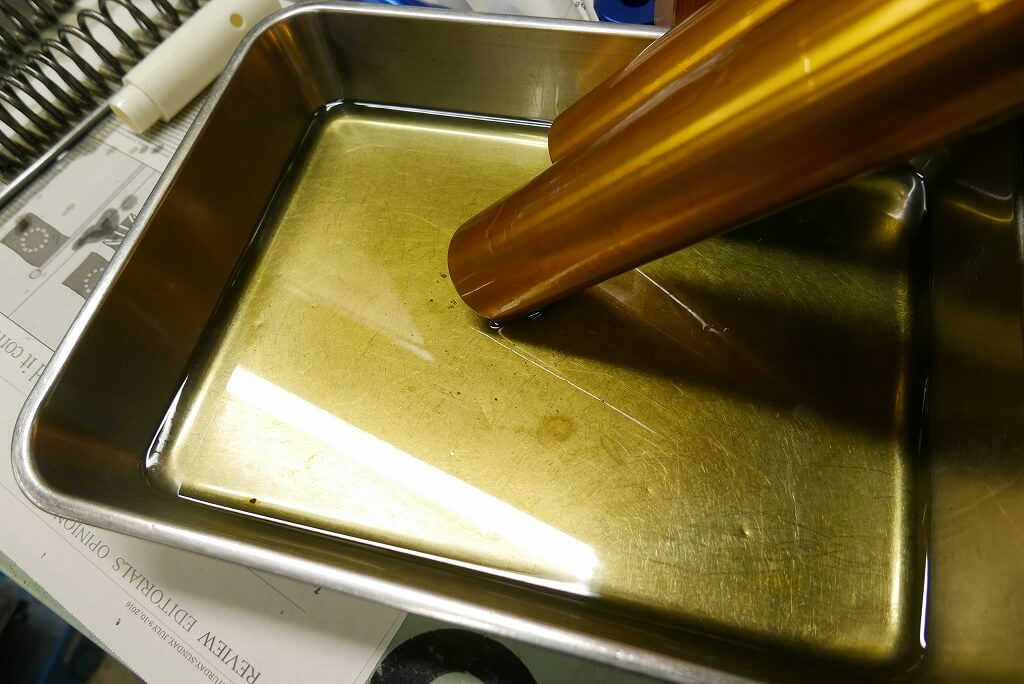
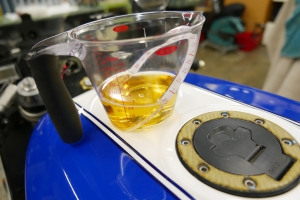
We’re replacing the fork oil. It’s remarkably clean—modern bikes are amazing. I wonder if they just don’t wear much.
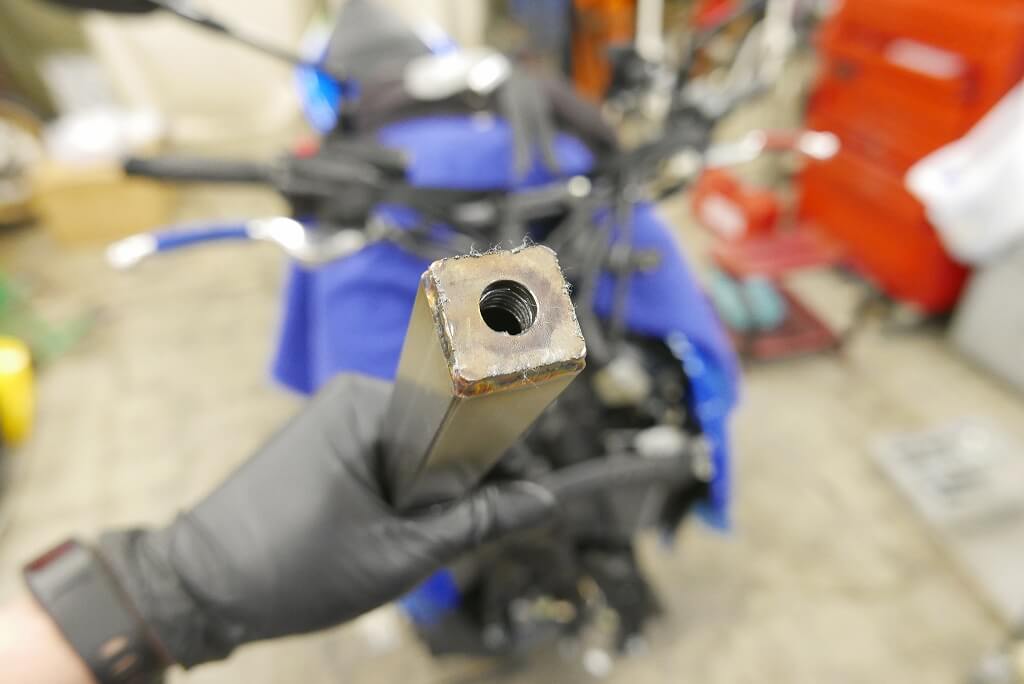
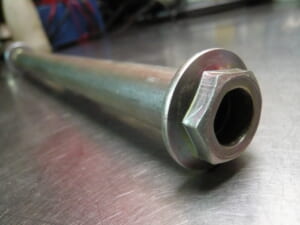
The inverted fork compression tool suddenly went bad, and when we pulled it out…
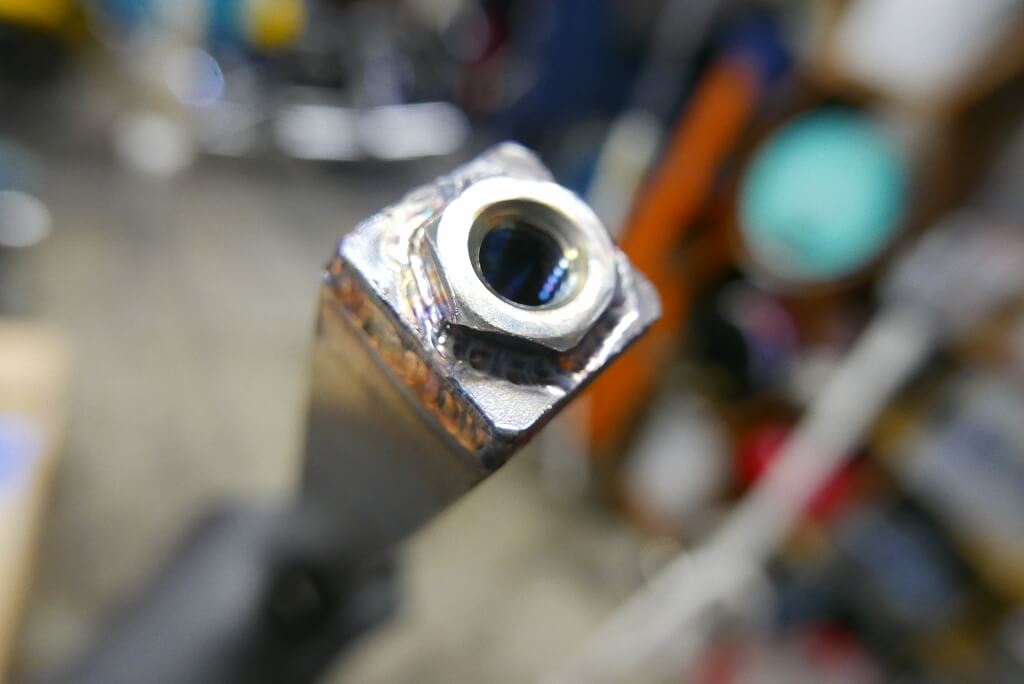
After the break, we went to buy a high nut L=30MM, dropped 27MM to make a stepped version, re-welded it, and made a quick repair.
Well, we’ve been using it for over 10 years and turning it with an air ratchet, so maybe the stress caught up with it?