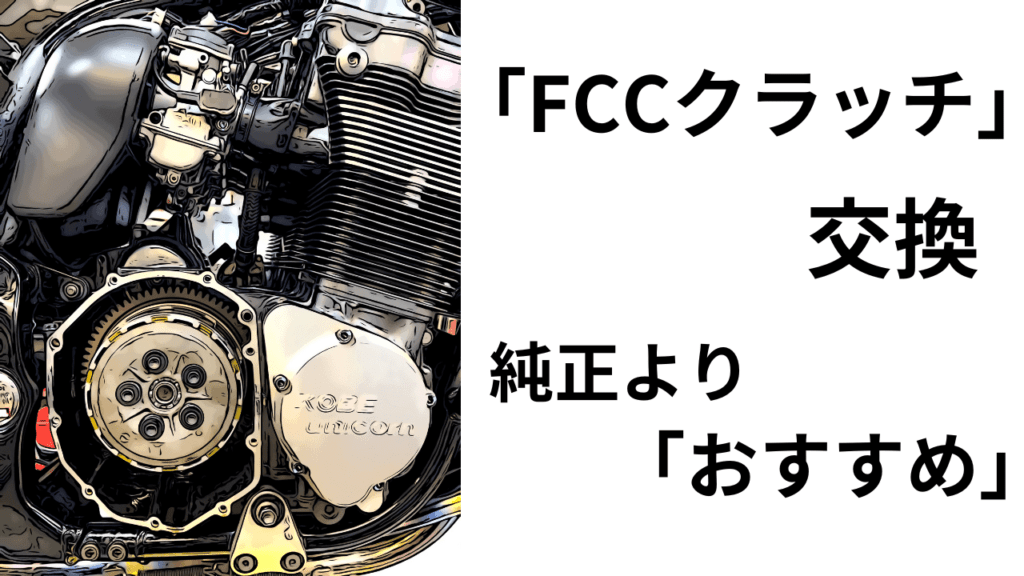
Is it sophisticated? The lineup of “Advantage FCC Clutch” is really helpful.
Rather than struggling to source genuine parts, “comparable pricing, sometimes even cheaper,” and
moreover “reliable performance” makes it truly appreciated.
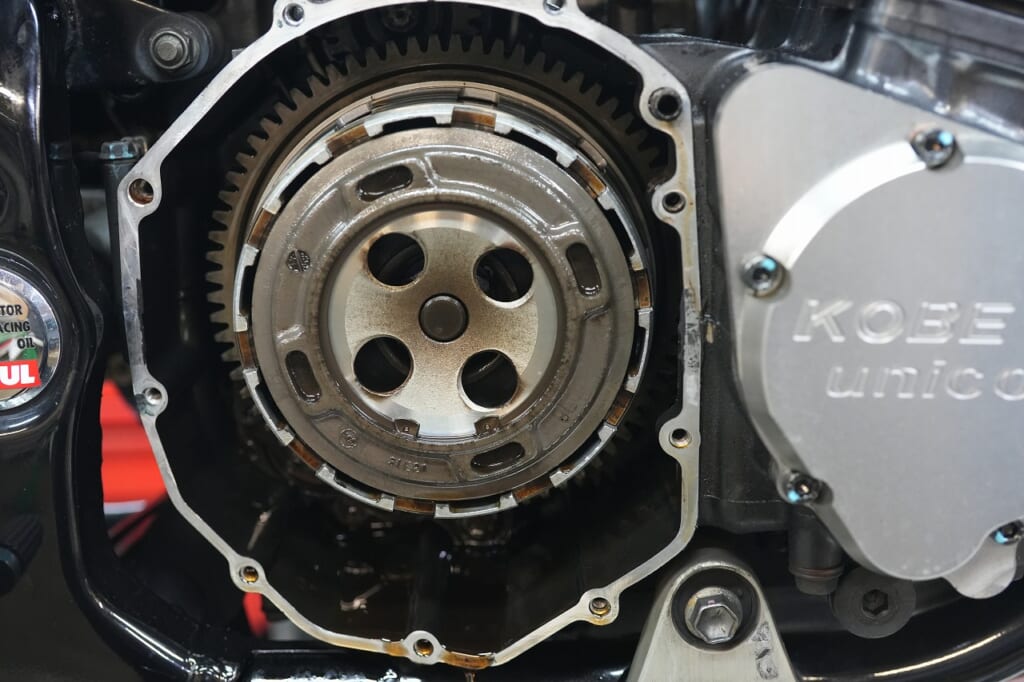
Remove the clutch cover and “hello there~”(*´з`)
It’s the standard diaphragm spring type.
This one has “good or bad serviceability?” and “it’s a love-hate kind of thing?”
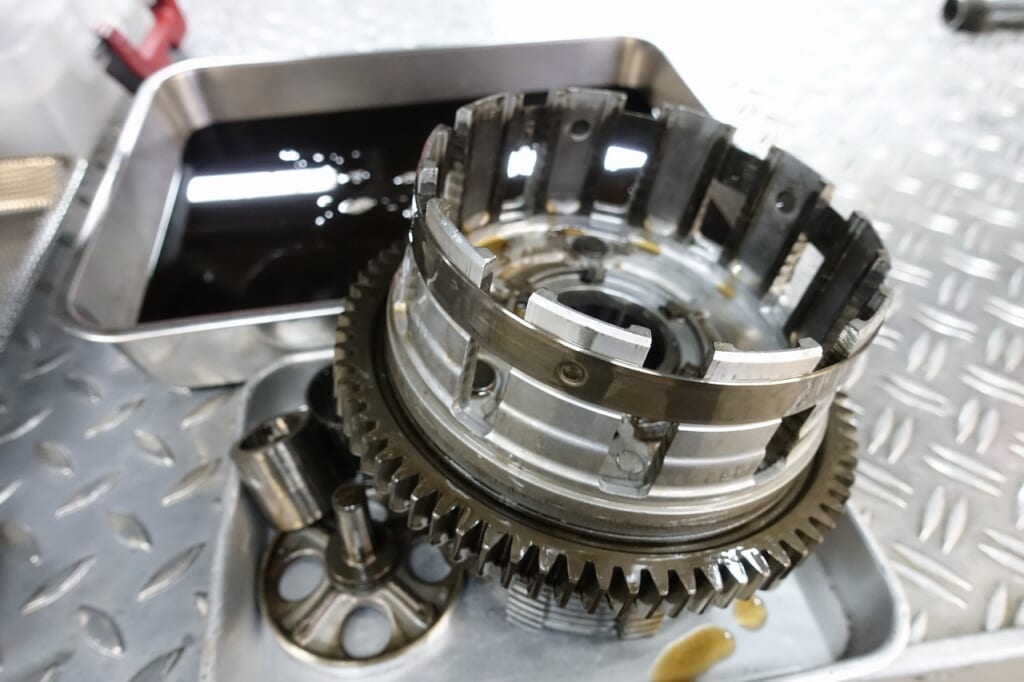
The 1200 series has a simpler structure, so it’s very easy.
The 1100K~ “requires various tools” so it won’t appeal to the general public.
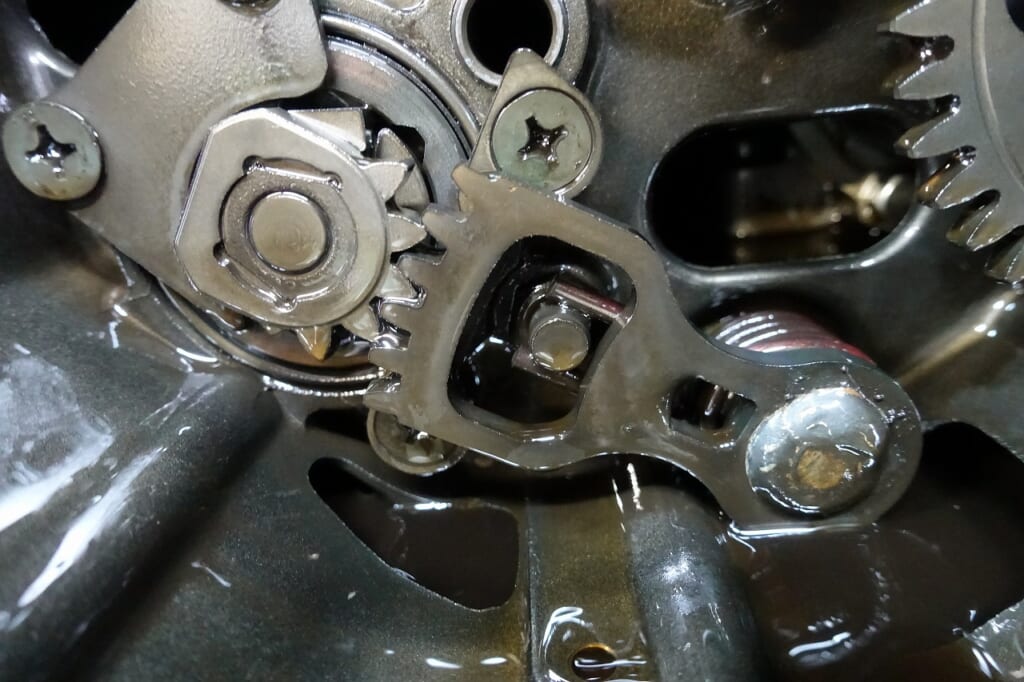
What I often call the “bird’s foot” is this part.
“The right part extends to the shift side”“The left is the shift drum.”
It’s an important part that moves the transmission.
“Shift stroke is limited,” so “everything should operate smoothly with minimal play.”
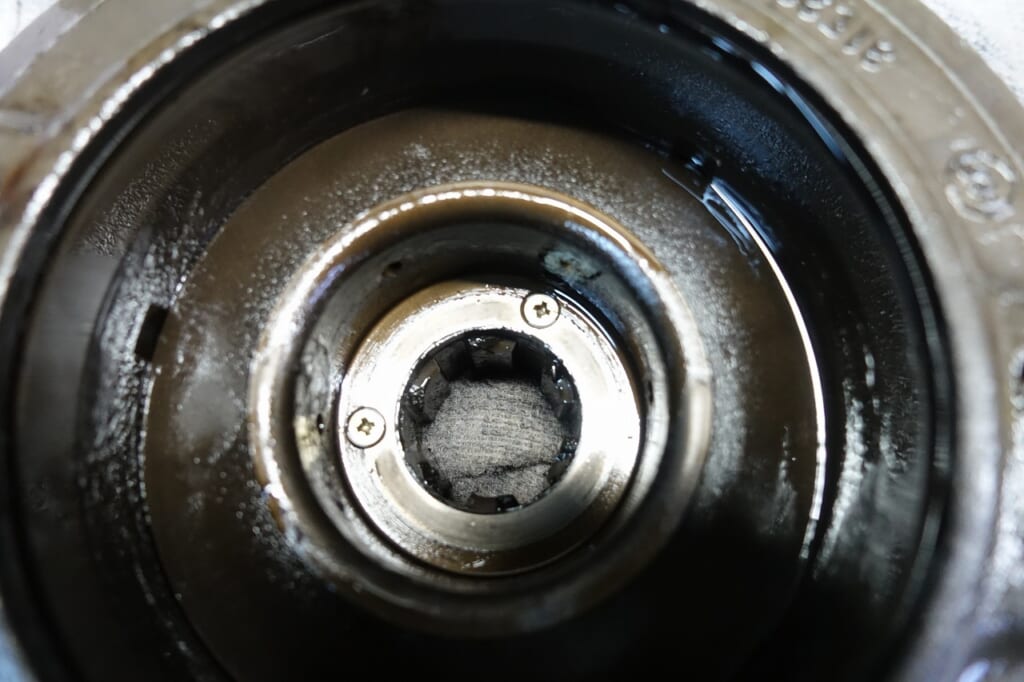
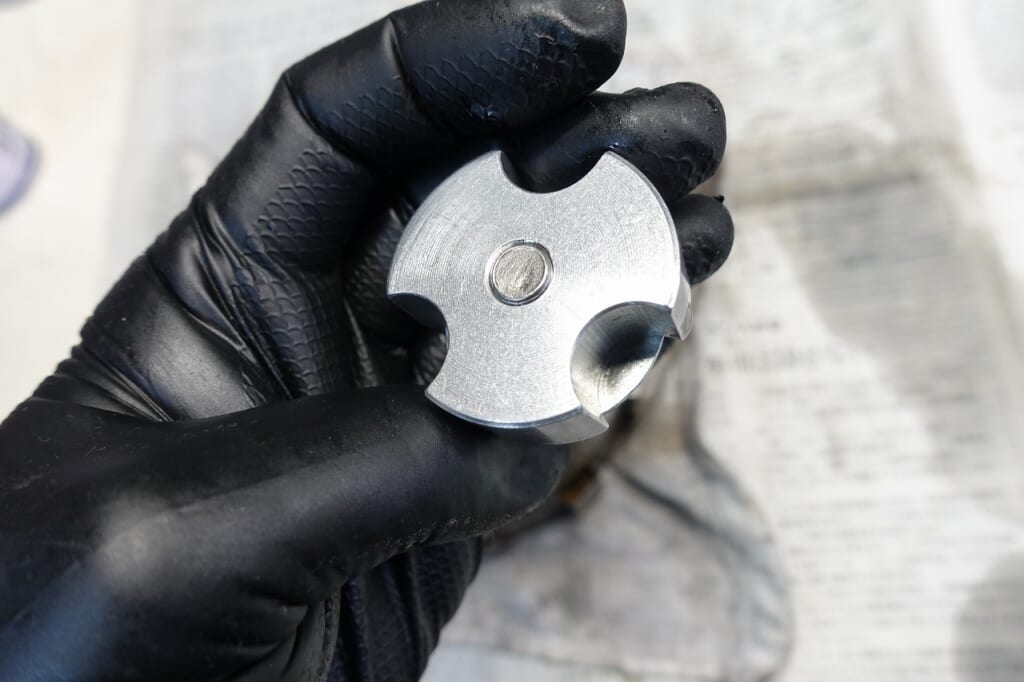
It used to be fixed with three bolts, but now it’s two… Classic Suzuki.
With the clutch spring engaged, if you make a tool like in the image, you won’t need to drill and grind.
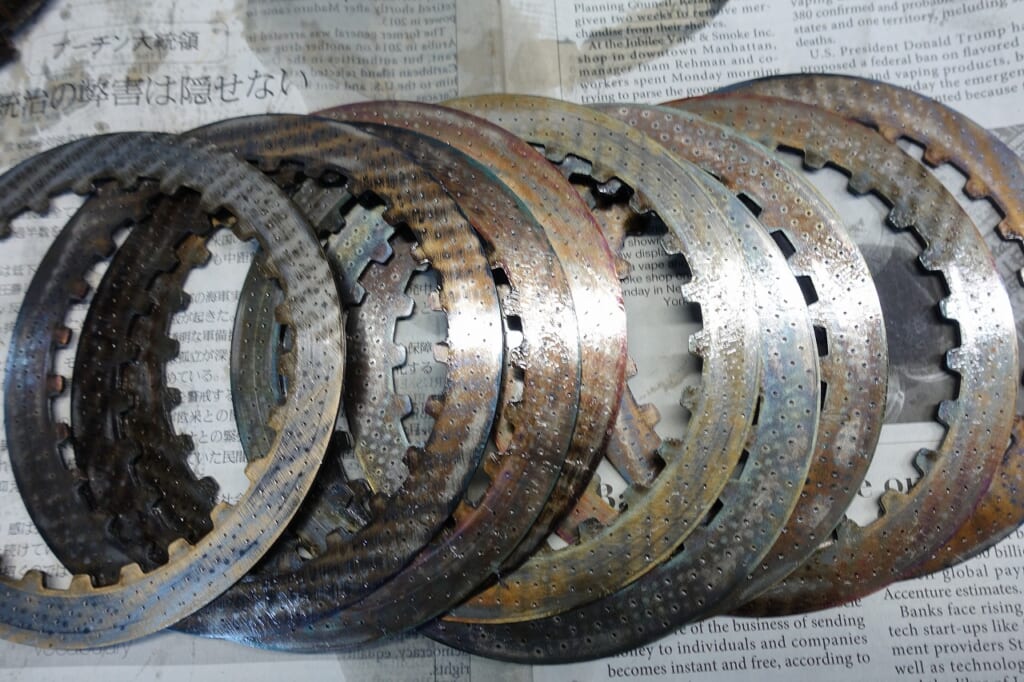
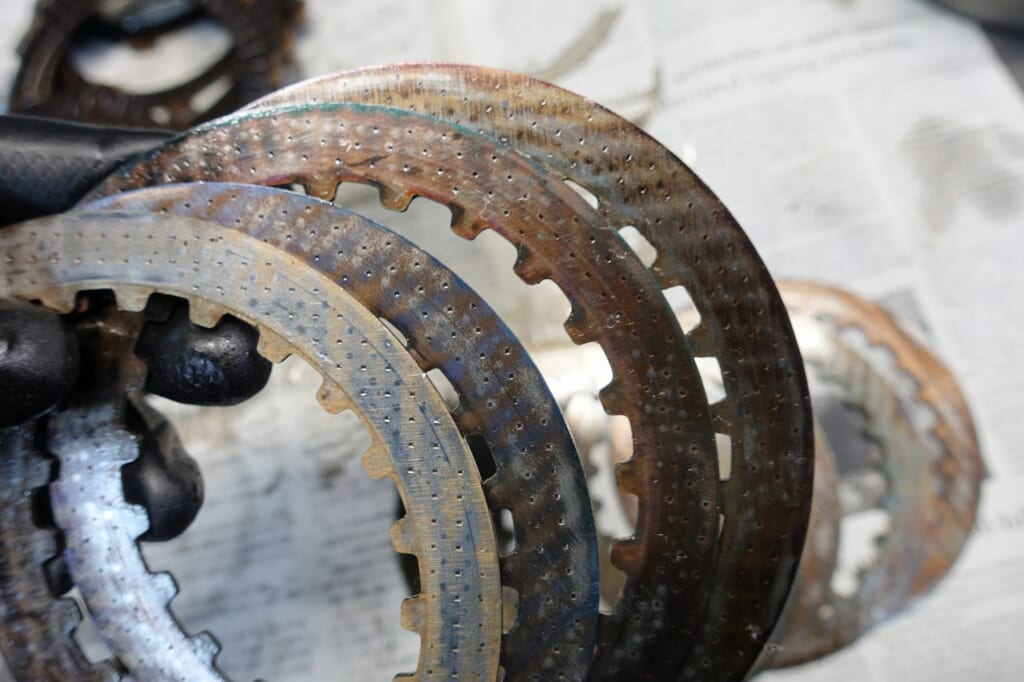
Everything is nicely burned… Perfect!
*Not in a good way ( ;∀;)
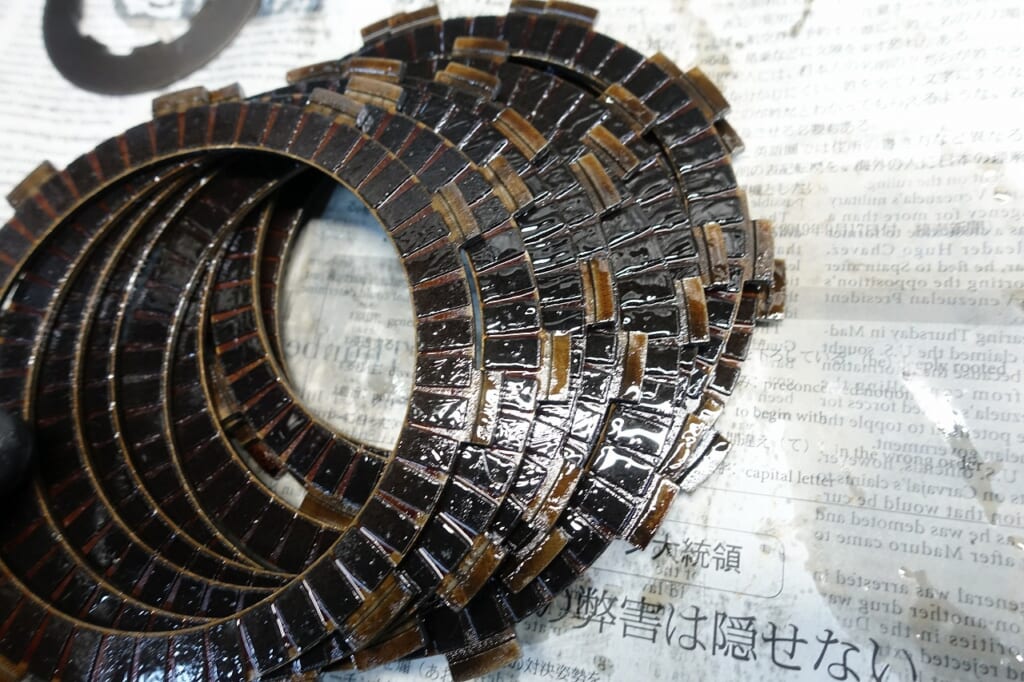
The friction plates were in good condition.
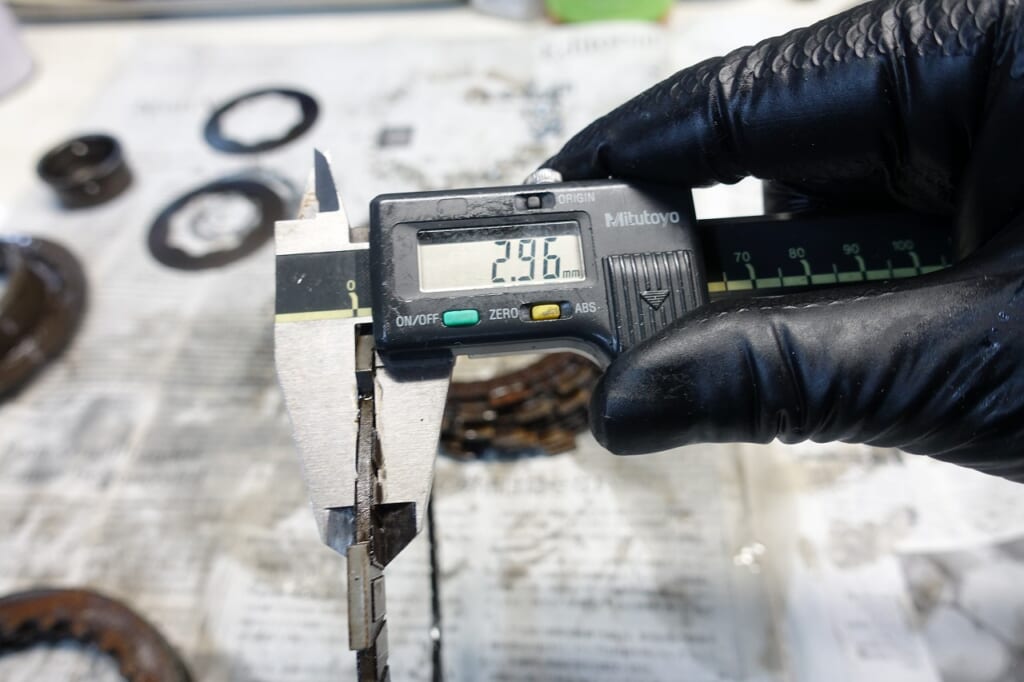
I’ll check the plate thickness before replacement.
Actually, clutch plates “don’t wear much”
If you’re good with the clutch, or rather, “people who use half-clutch a lot in city riding”are rare.
In reality, more than wear, “hardening of the friction material on the friction plates” and “burning of the steel plates” become the issue.
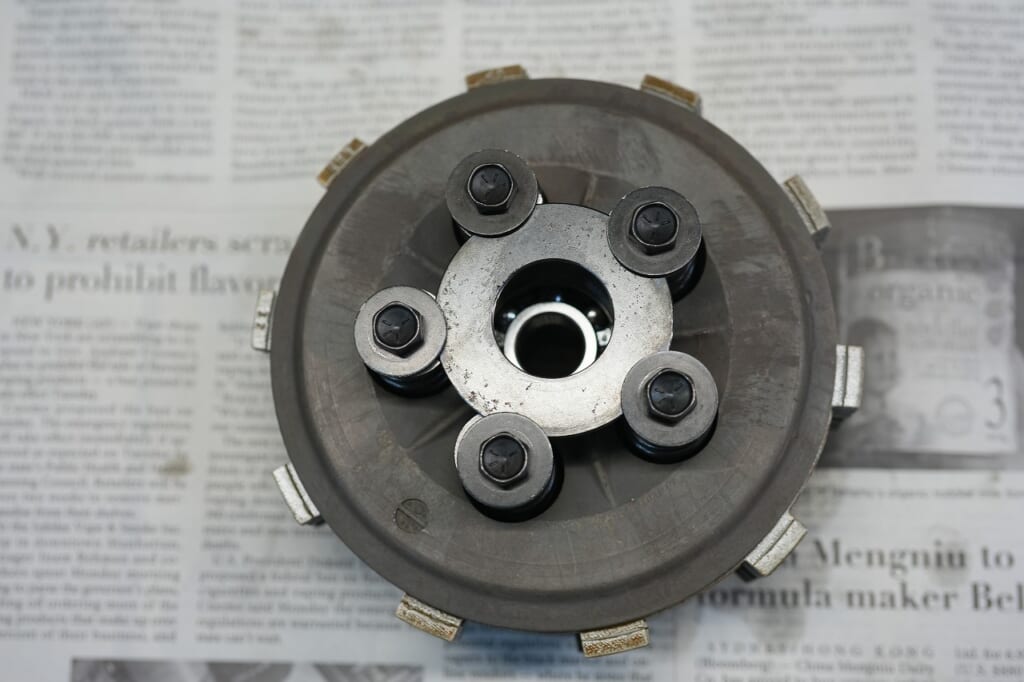
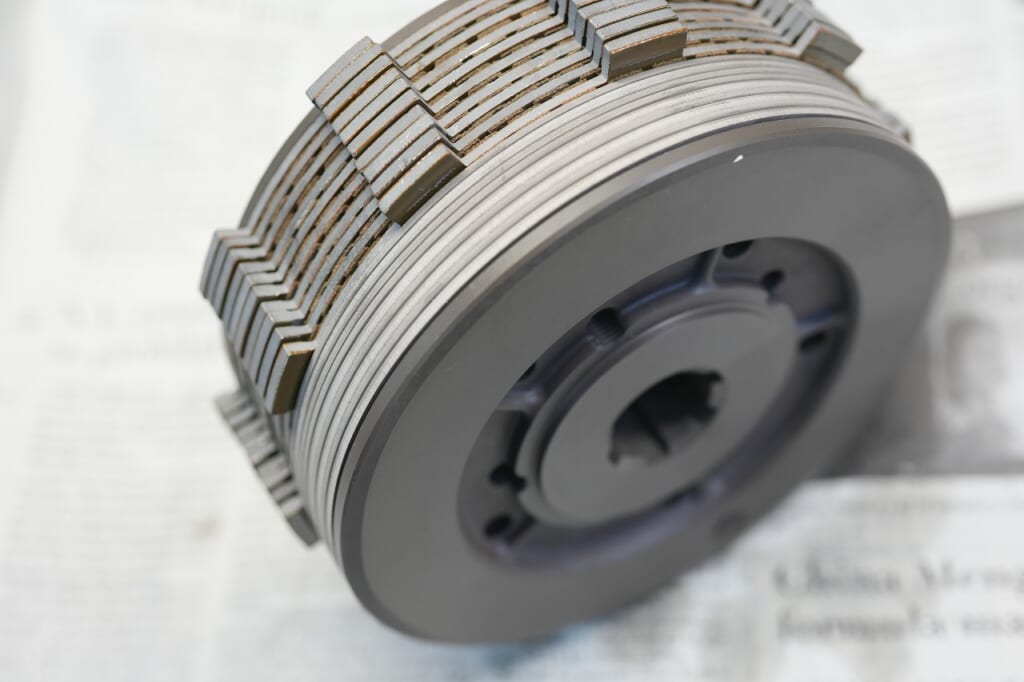
A rare “FCC Clutch D-TYPE (plate spring to coil spring conversion) kit.”
I suspect they were using the original hub and this became discontinued, ending production.
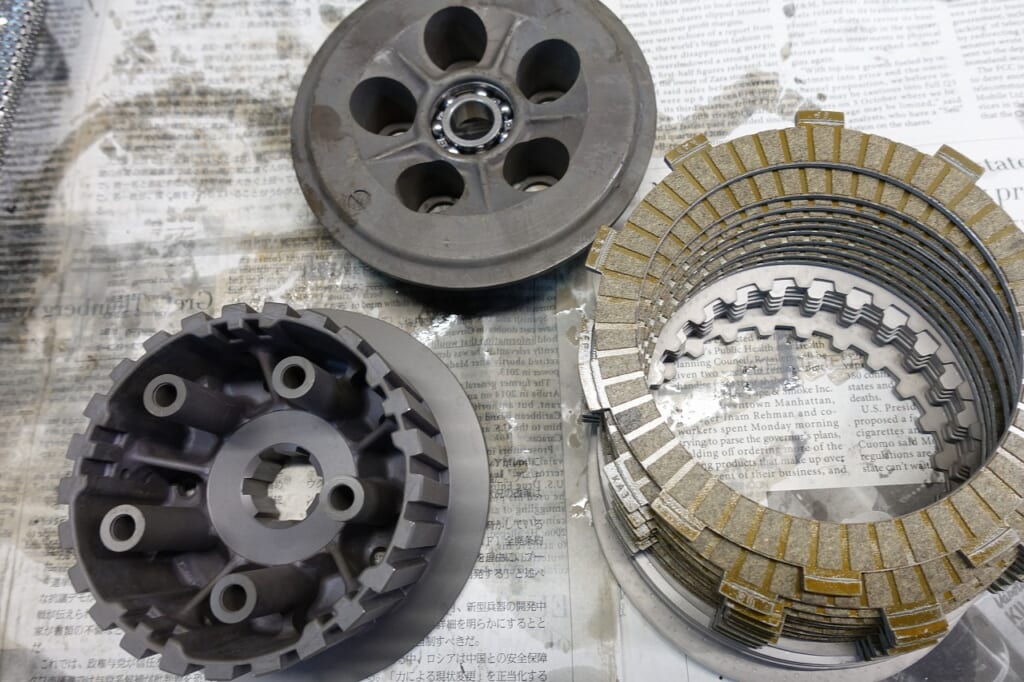
It’s nice that it’s surface-treated in gray.
Let’s check the plate thickness and dimensions before assembling.
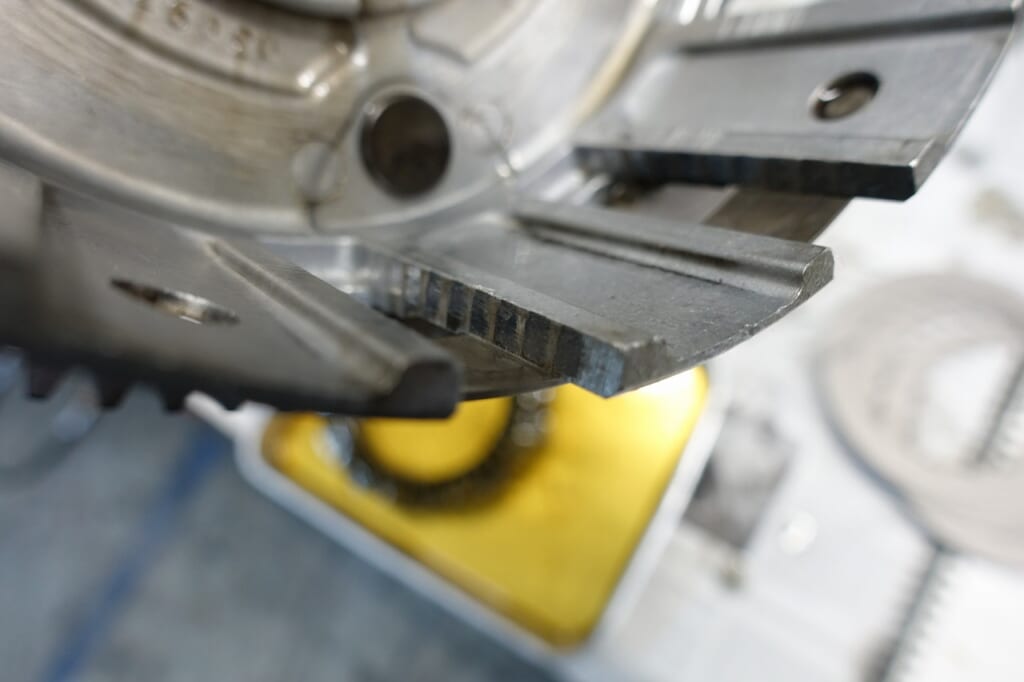
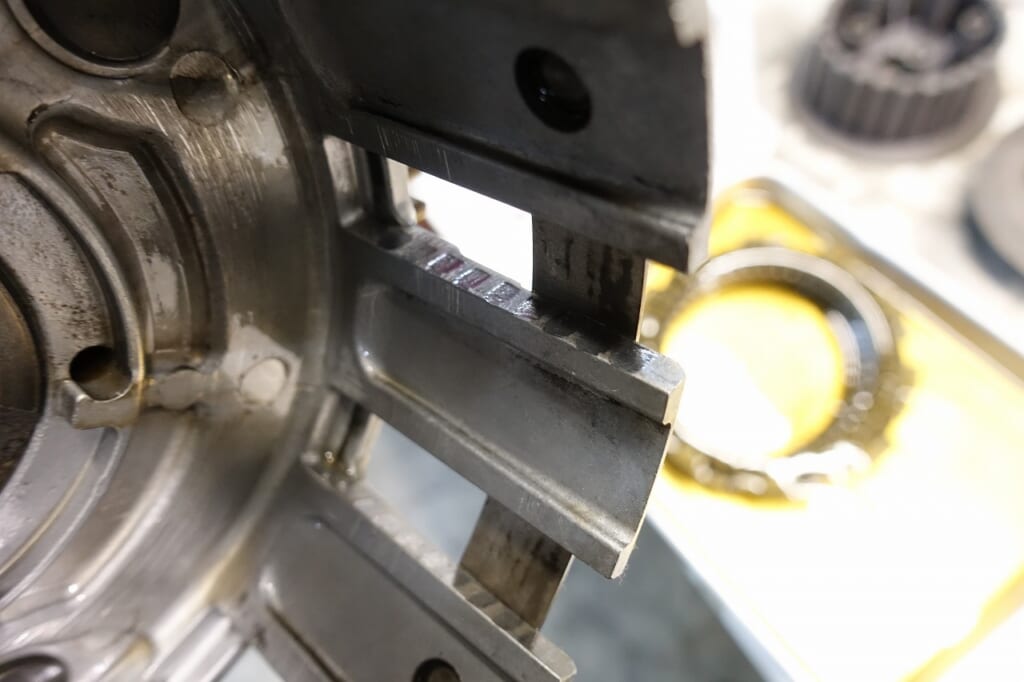
The hub dents look fine too.
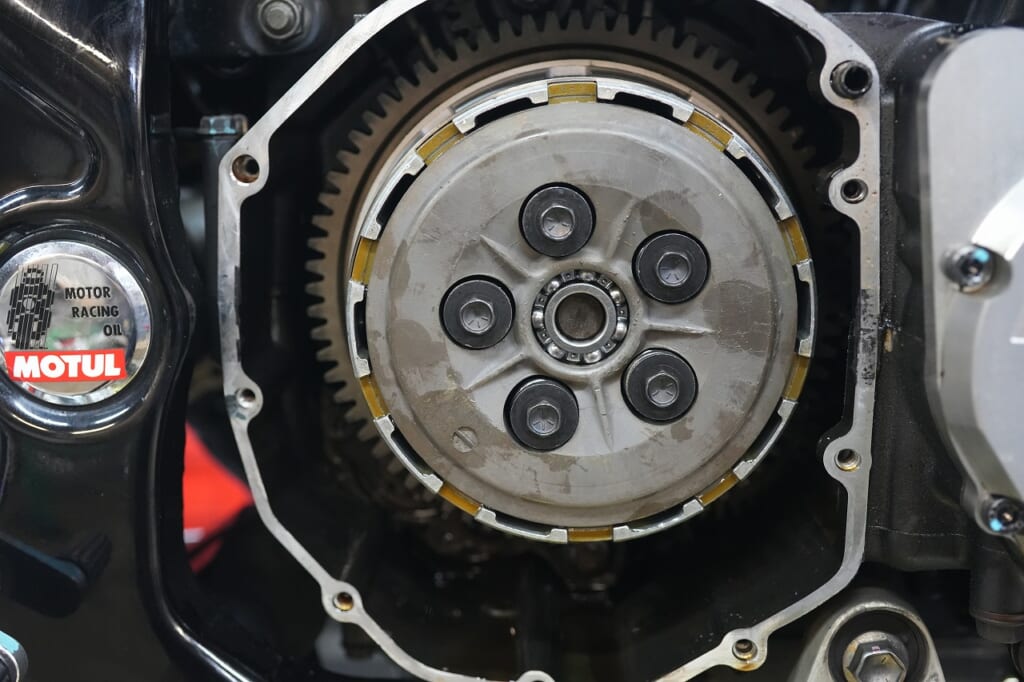
And with assembly, the clutch replacement is complete.
Assemble, tighten, and check operation as you go.
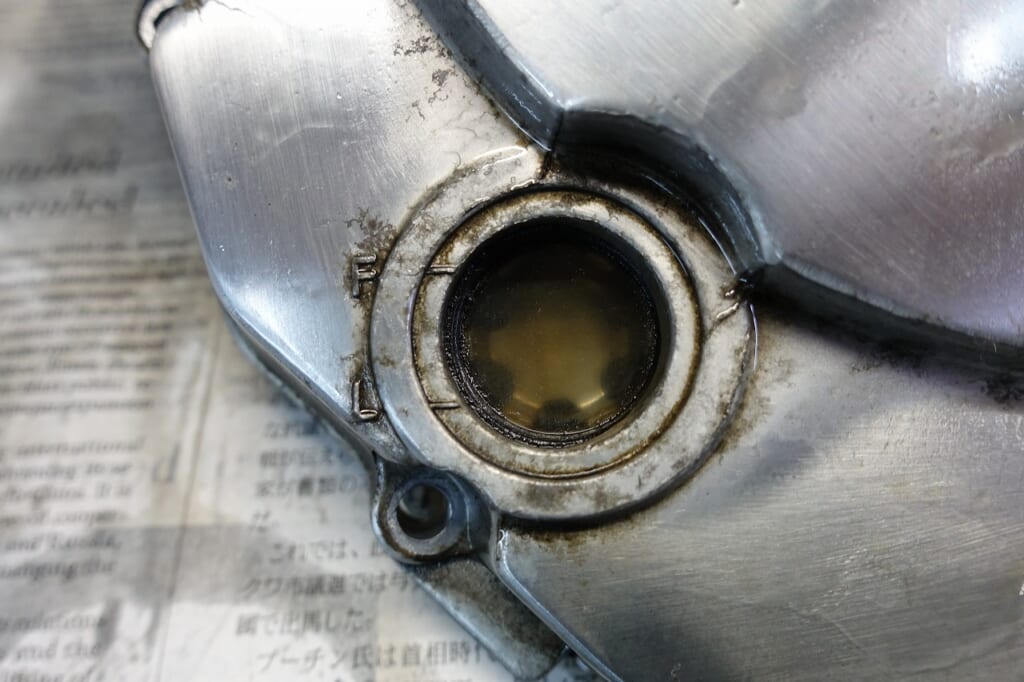
A dirty inspection window “cuts the refresh factor in half”
so let’s replace it.
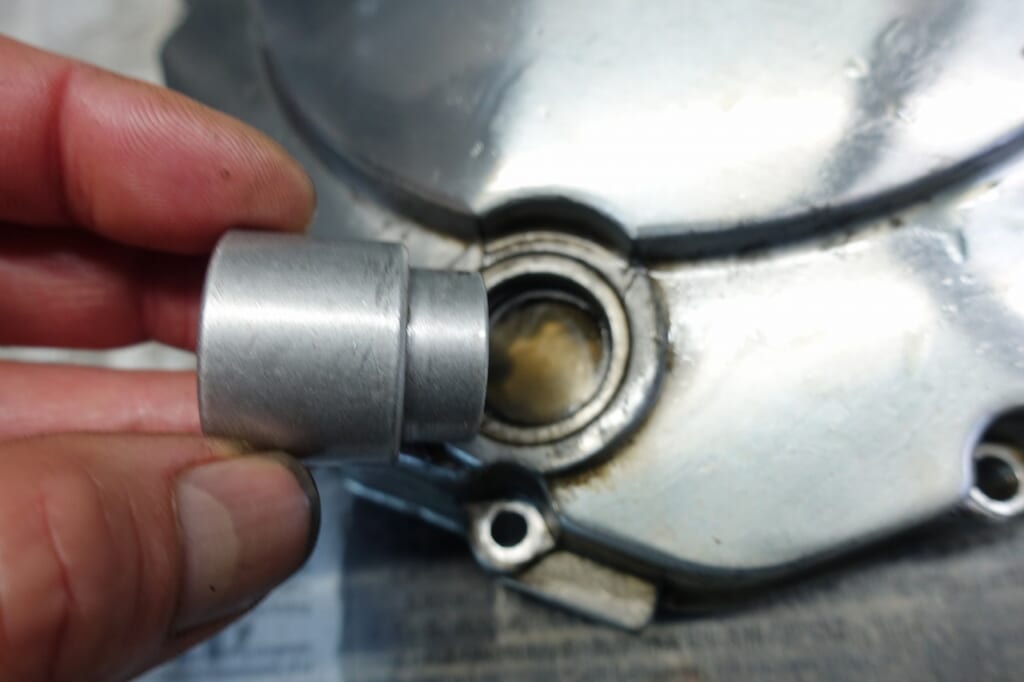
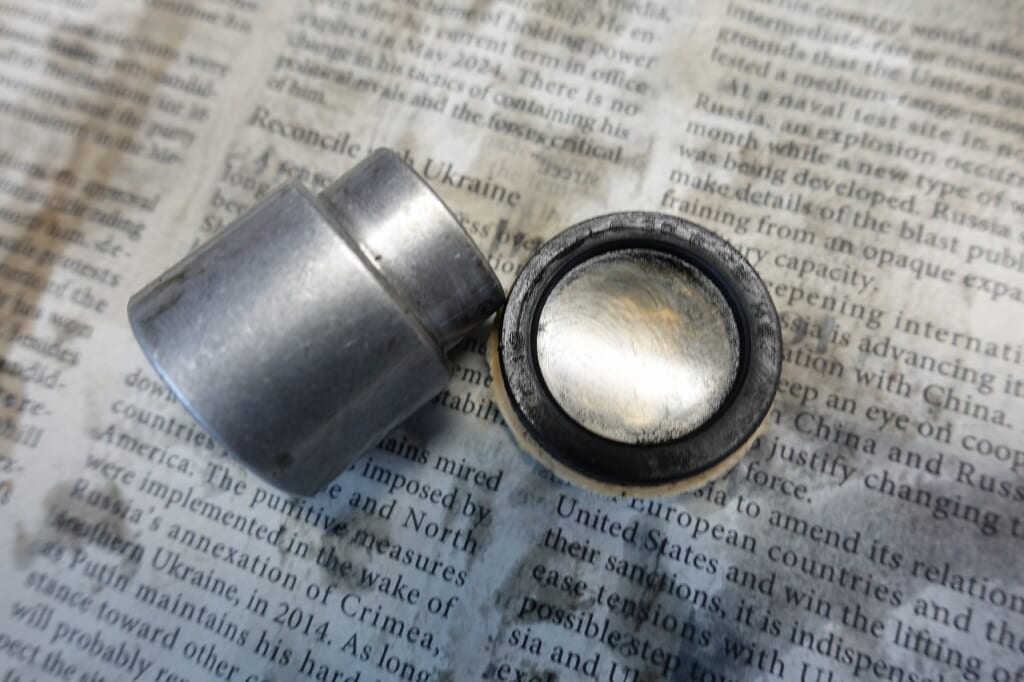
Break the habit of reaching for a box right away.
If you have a lathe, “make it once” and “you can use it for almost a lifetime.”
“Even after a million operations, the same feel?” I think that’s important.
Save the tricks and intuition for heavier work.
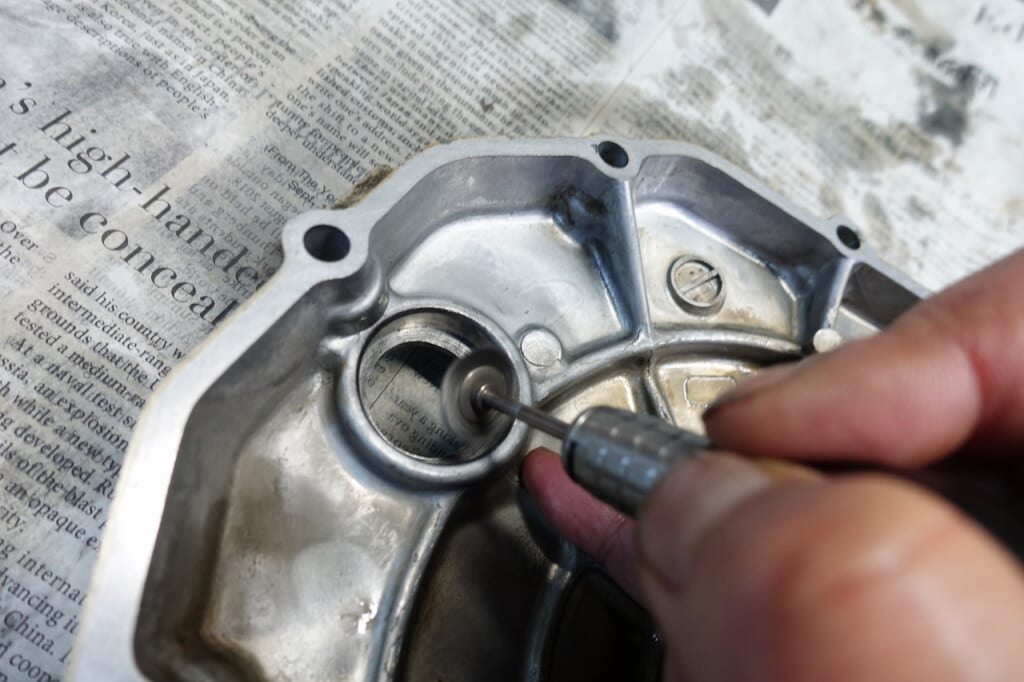
Cleaning the oil seal press-in area is important.
If you clean this area well, “it goes in super smoothly.” Unless something’s really wrong, you should be able to insert it by hand.
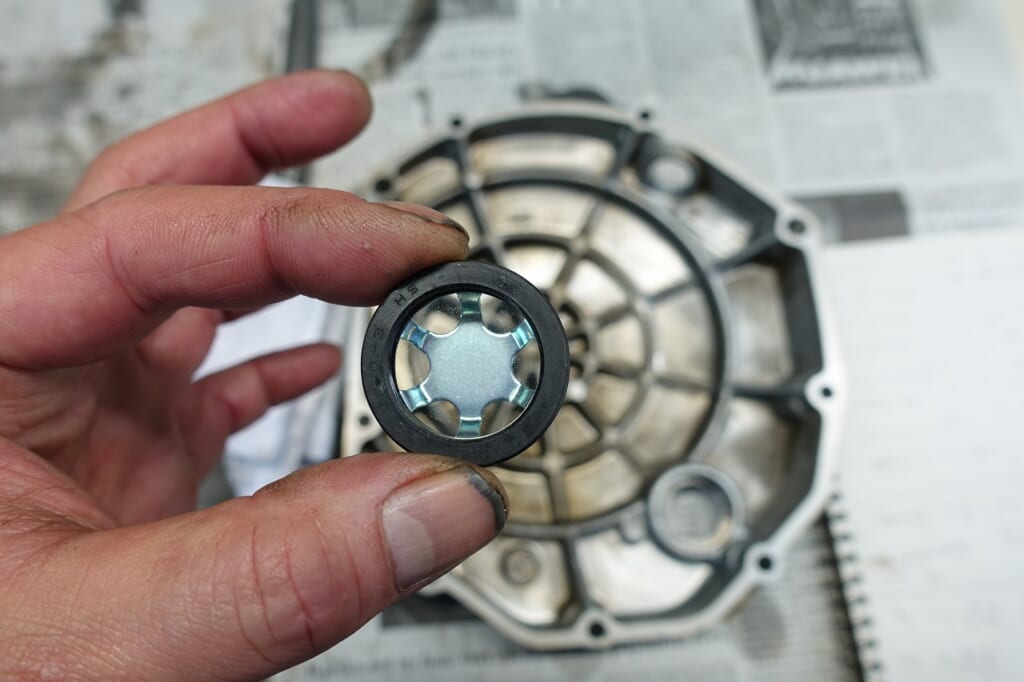
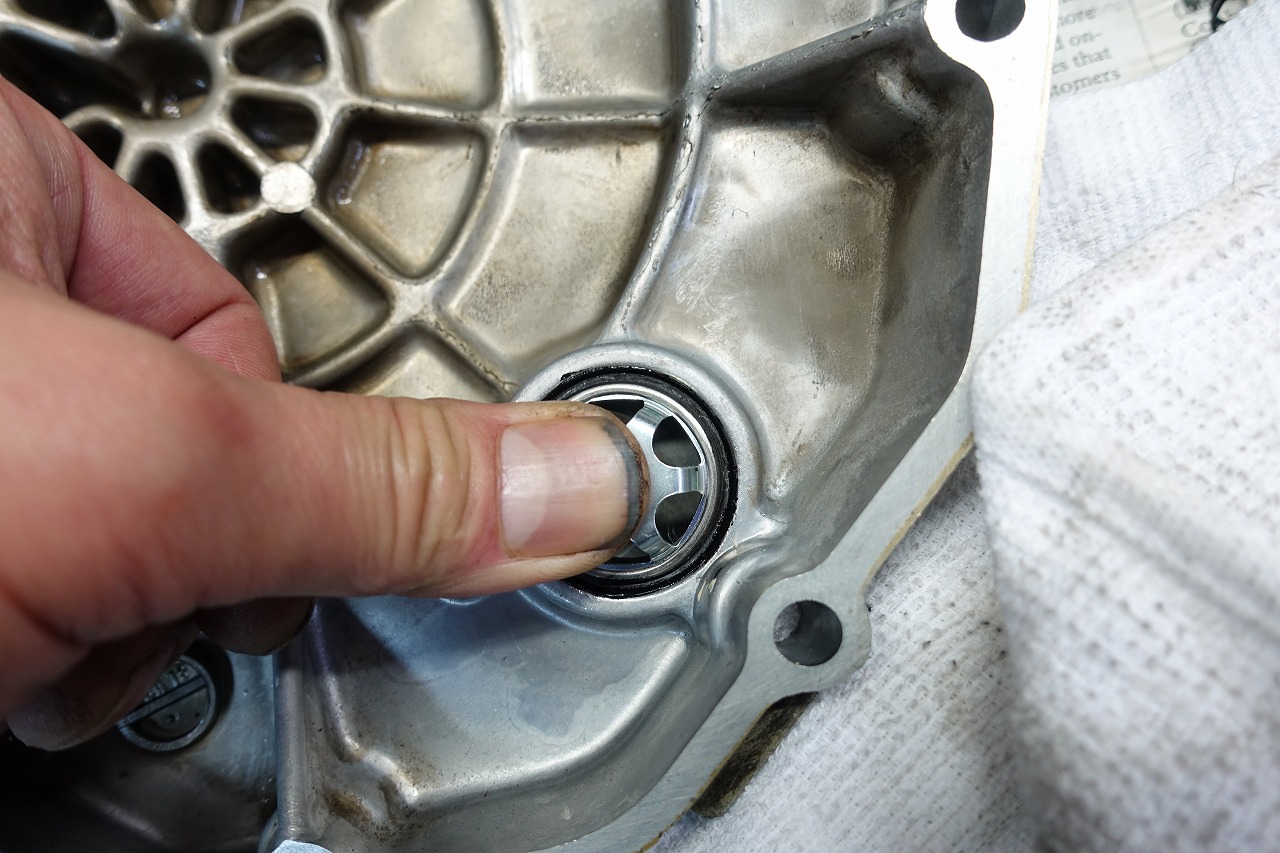
Pop it in and seal the surrounding area with liquid gasket to prevent leaks.