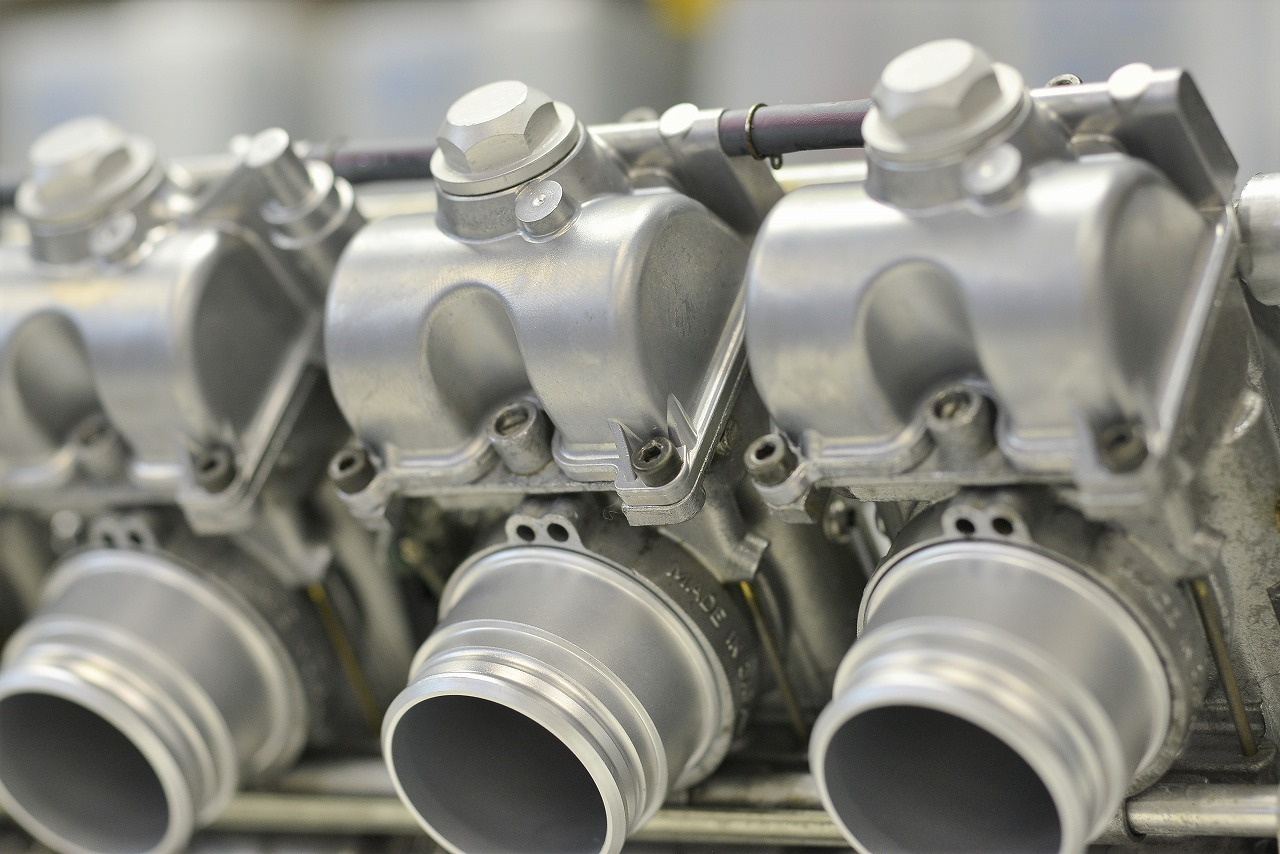
Basically, I think there are a lot of used bikes out there.
People complain about the repair history of those used bikes being shoddy, and they gripe about the shop’s response being less than ideal. I understand, but honestly, I don’t think it produces anything. What do you think?
The flow of this story is basically like a fictional experience tale.
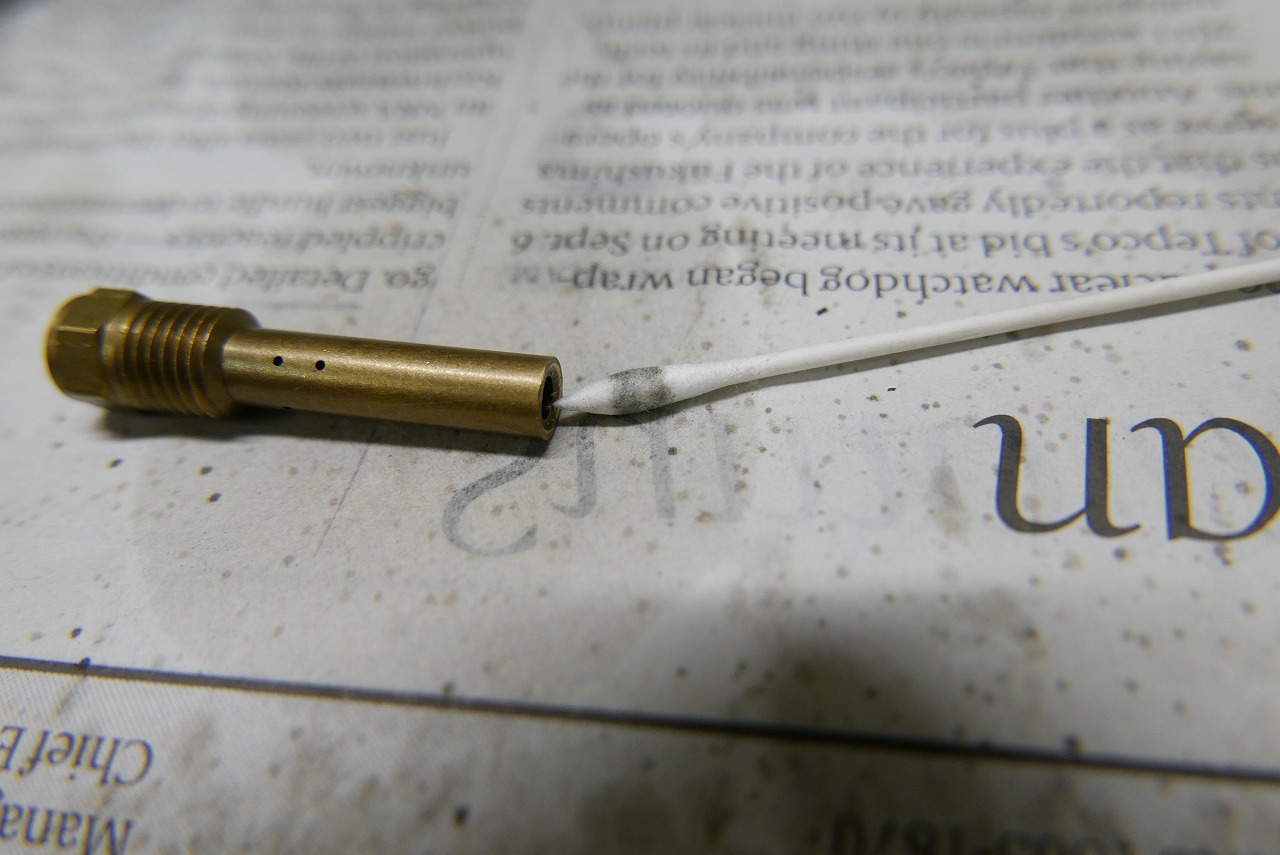
For example—OH completed.
The definition of what counts as OH is honestly vague in this world. Generally, I think if you disassemble and clean it, that becomes OH.
I think there’s often quite a temperature gap between the “requester/buyer” and the “mechanic/seller.”
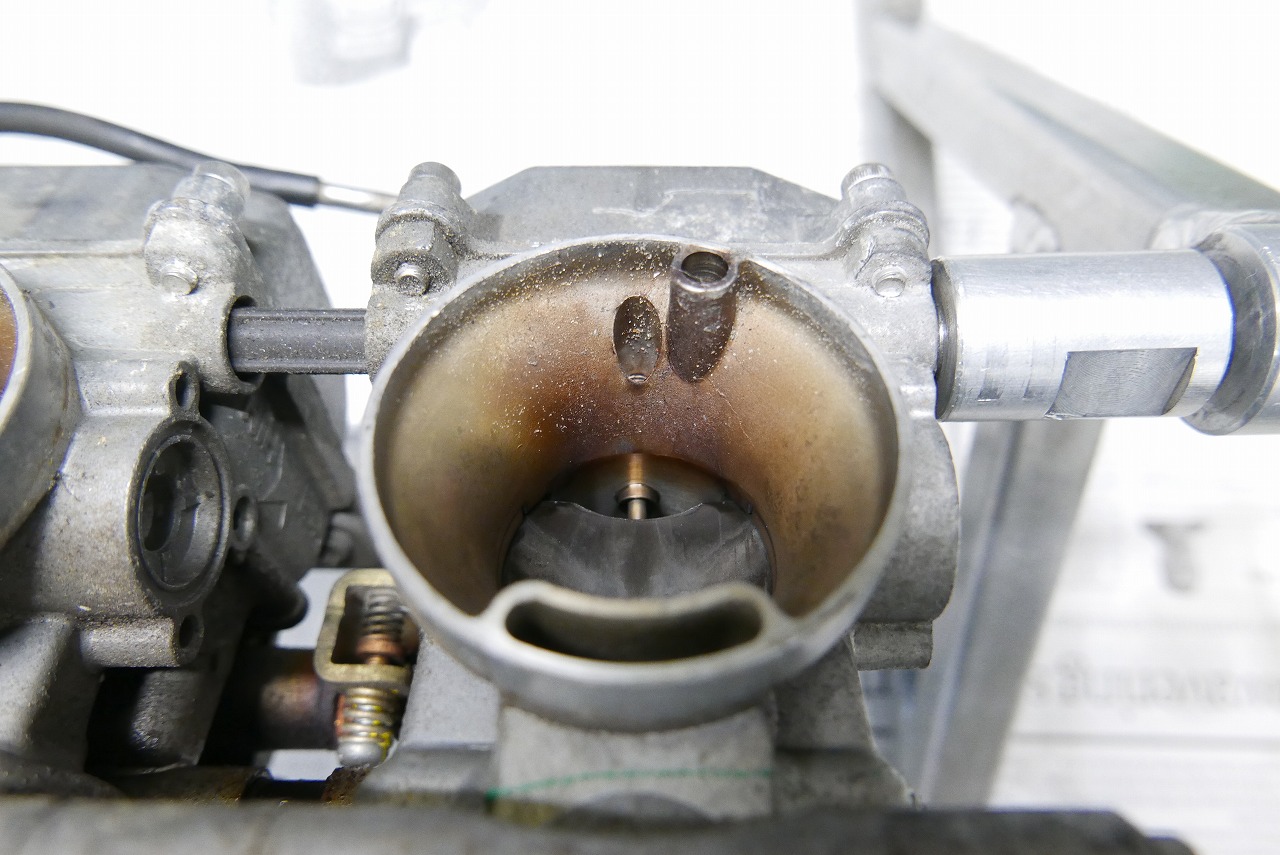
You buy a used bike with the carburettor and engine supposedly OH completed, but something feels off.
When you disassemble it, it’s a mess.
But here’s the thing—if the carburettor was originally clogged and they cleaned it and got it running, isn’t that what the world calls OH?
A four-stroke engine belching white smoke in terrible condition. But if they replace the valve stem seals and piston rings and it runs a bit better, isn’t that also called OH? That’s what I sometimes think.
There’s a bit of malice in what I’m saying, but I’m not lying either—it’s a gray area.
I think anything is difficult without some knowledge. And even if you know, when it comes to carburettor OH or engine OH, you won’t get answers about which internal parts were replaced or what clearances and specifications were used.
After you buy it and time passes and miles accumulate, if another shop disassembles it and finds parts weren’t replaced, they’ll probably say they didn’t know.
I think what matters most is whether you buy based on price or based on trust.
It’s hard to tell from the outside.
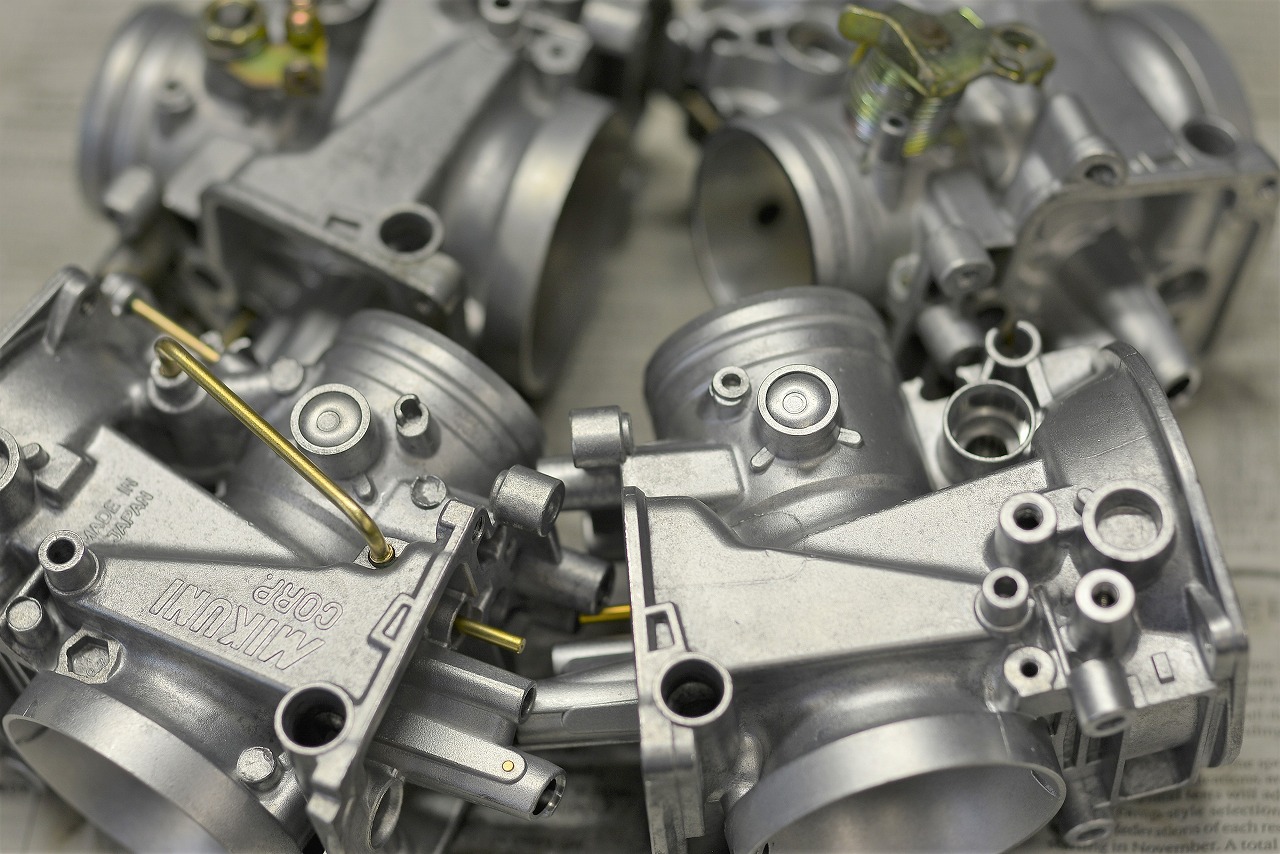
So that’s how situations like this happen. How much work gets done depends on the owner’s budget and attachment to the bike.
• If you want to keep it stock going forward, use usable parts and stay within a budget of ○○ yen
• Replace all parts that are still available
• Depending on cost, go with aftermarket
There are all kinds of approaches.
When taking the order, we ask about the bike’s past history and condition, then we “vaguely imagine” what state that particular machine is in as we work on it and prepare the estimate.
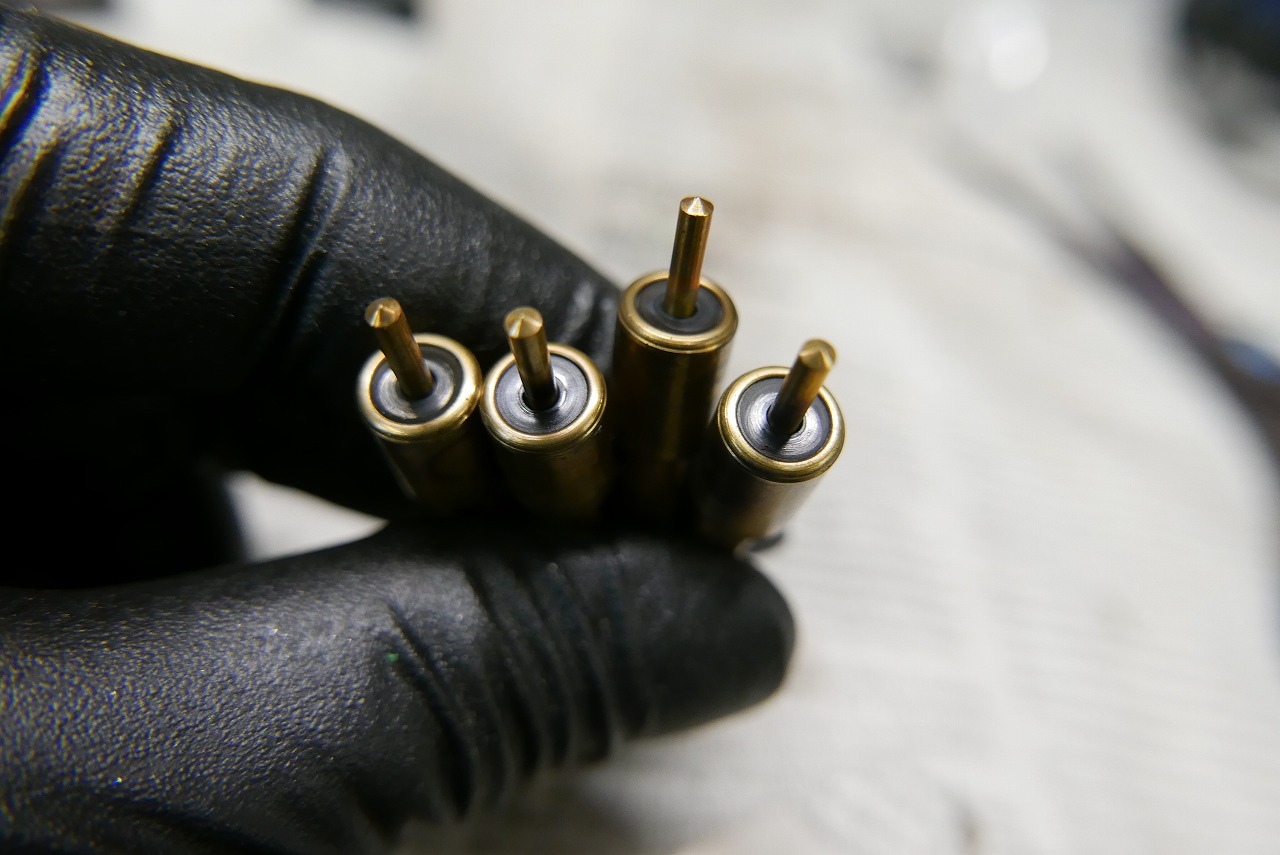
Say, the carburettor.
• Parts that were supposed to be replaced weren’t
• Assembly mistakes or serious defects or missing parts
If it’s intentional, that’s a serious problem. But usually when someone does unnecessary things, there’s a sense of “I just wanted to get it working somehow.”
• Non-fuel-resistant liquid gasket applied
• Teflon tape wrapped around it
• Devcon piled on thick—whether it broke or was broken
• Wrong O-ring installed
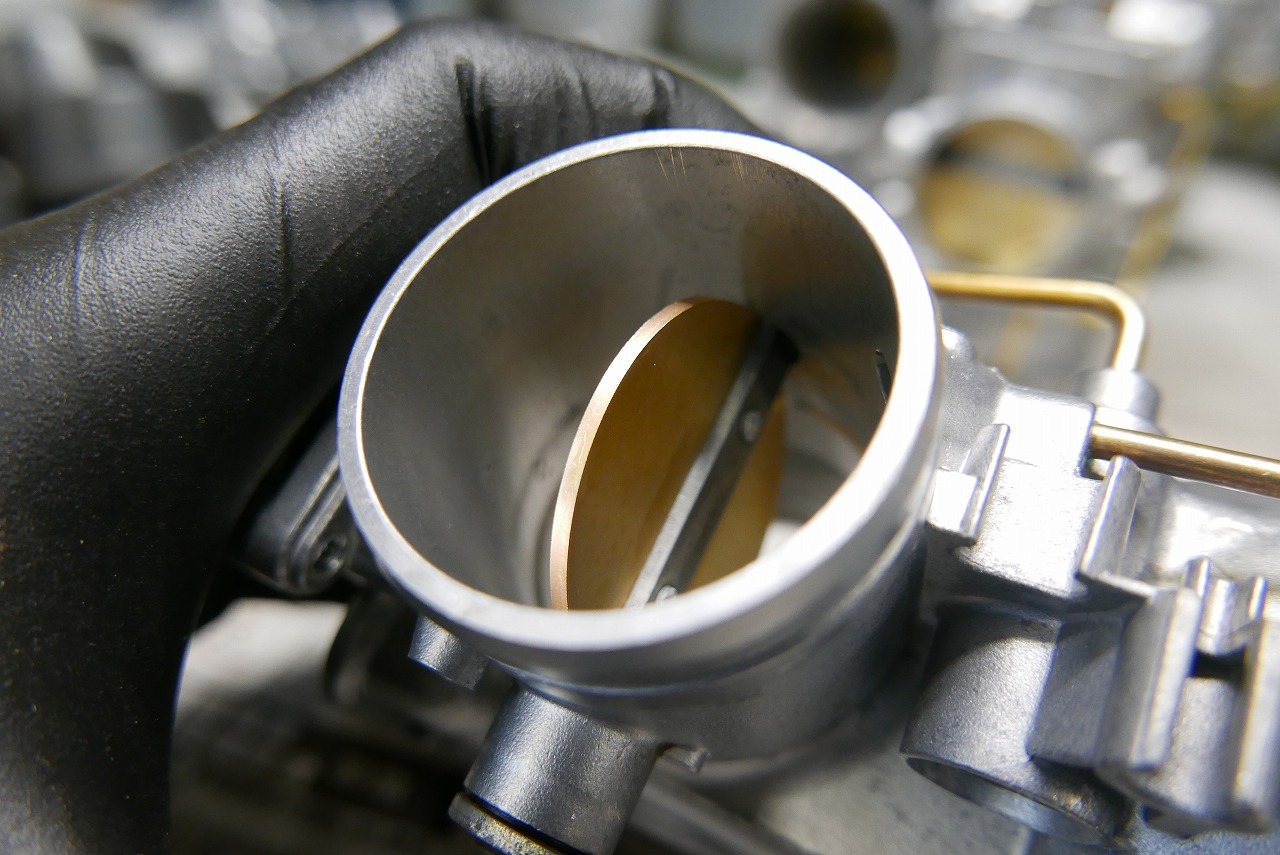
Calling this OH is problematic, but given the current state, if it runs poorly, things can only get better from here, so I think it’s okay.
I think the most important thing is how you communicate with the customer.
【Negative】
• The assembly was below beginner level—honestly, it’s an eyesore.
• The bike you bought and the labor cost are nothing but a loss—it’s practically fraud. Too bad.
【Positive】
• Even though it’s called OH, it’s been finished to the bare minimum—just enough to get a used bike running.
• If the bike price was below market, you could use the savings to make it crisp and clean, so you might actually come out ahead. (If it was above market, well, think of it as tuition.) Maybe you get a sense of value?
• If the labor didn’t produce results—well, this is good timing for a disassembly. Since it’s currently running poorly and not crisp, there’s plenty of room for improvement. You learn the value by knowing what’s wrong.
For example, if I asked a shop to do something and they told me the 【Negative】 version, I’d honestly be shocked.
• First, I’d feel like I lost big.
• I’d grow to resent the bike itself.
• I’d blame the seller and the shop.
Secondary damage
• The seller or shop notices the blog or social media post and resents me.
• That customer gets harsh treatment next time.
 and so on. I understand, but does this kind of talk produce anything? It seems to produce only hatred.
I think it would be nice to become a master of feelings too.
Daily practice and improvement.