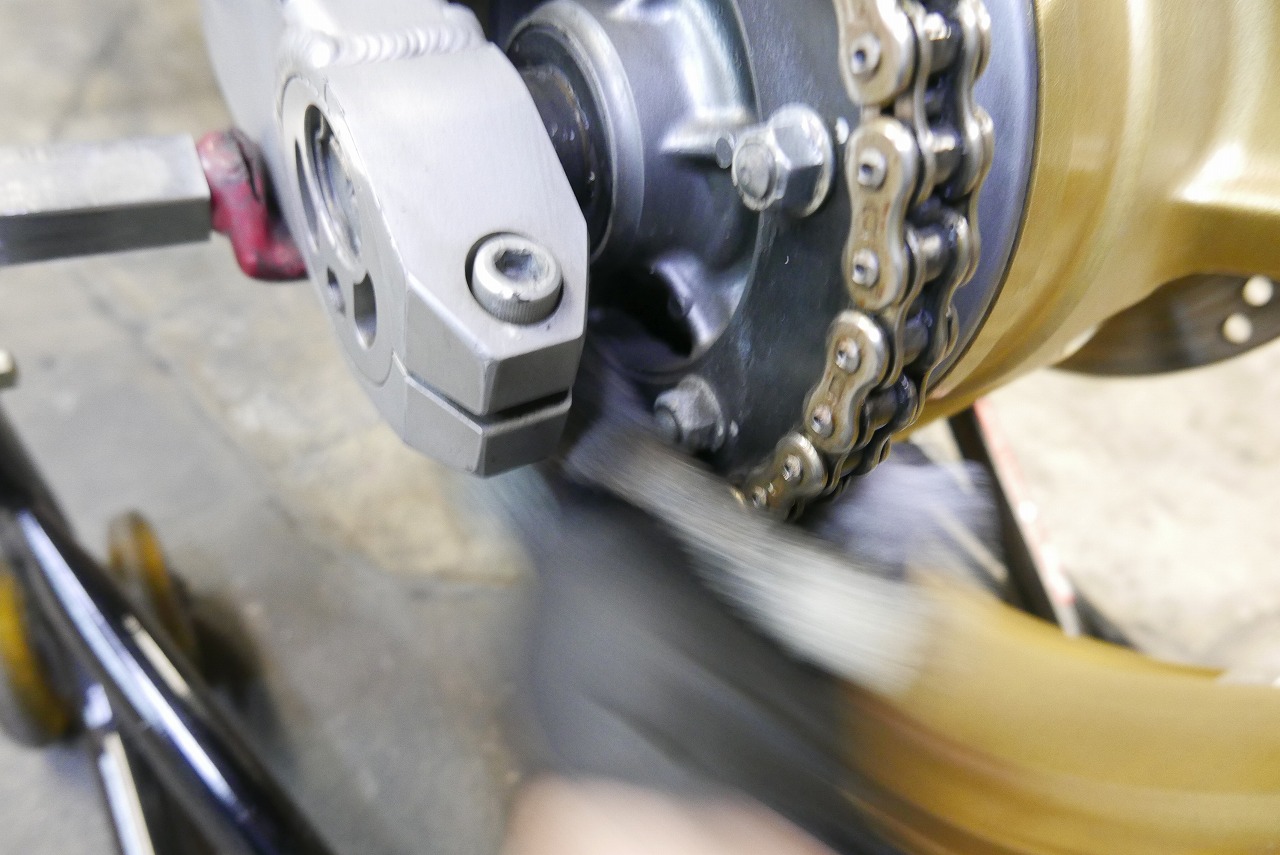
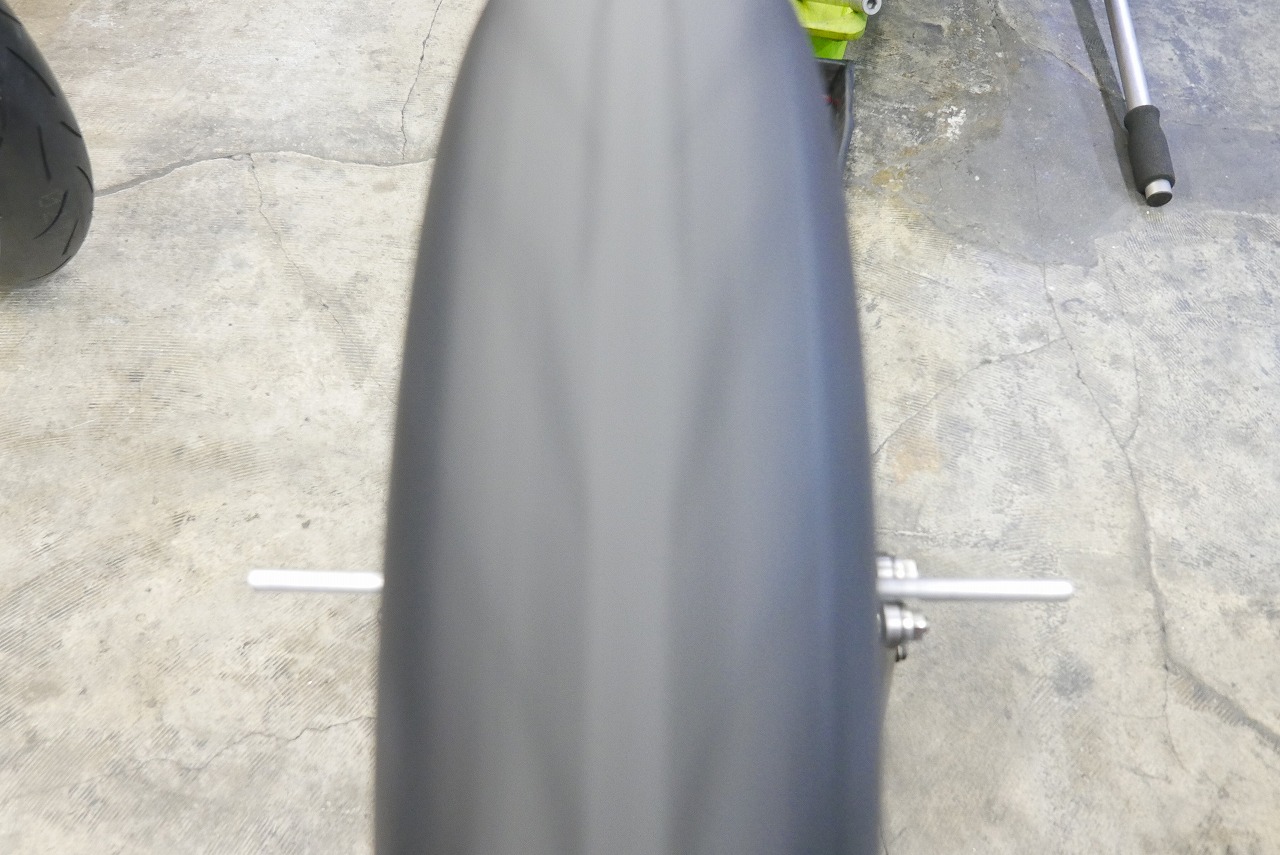
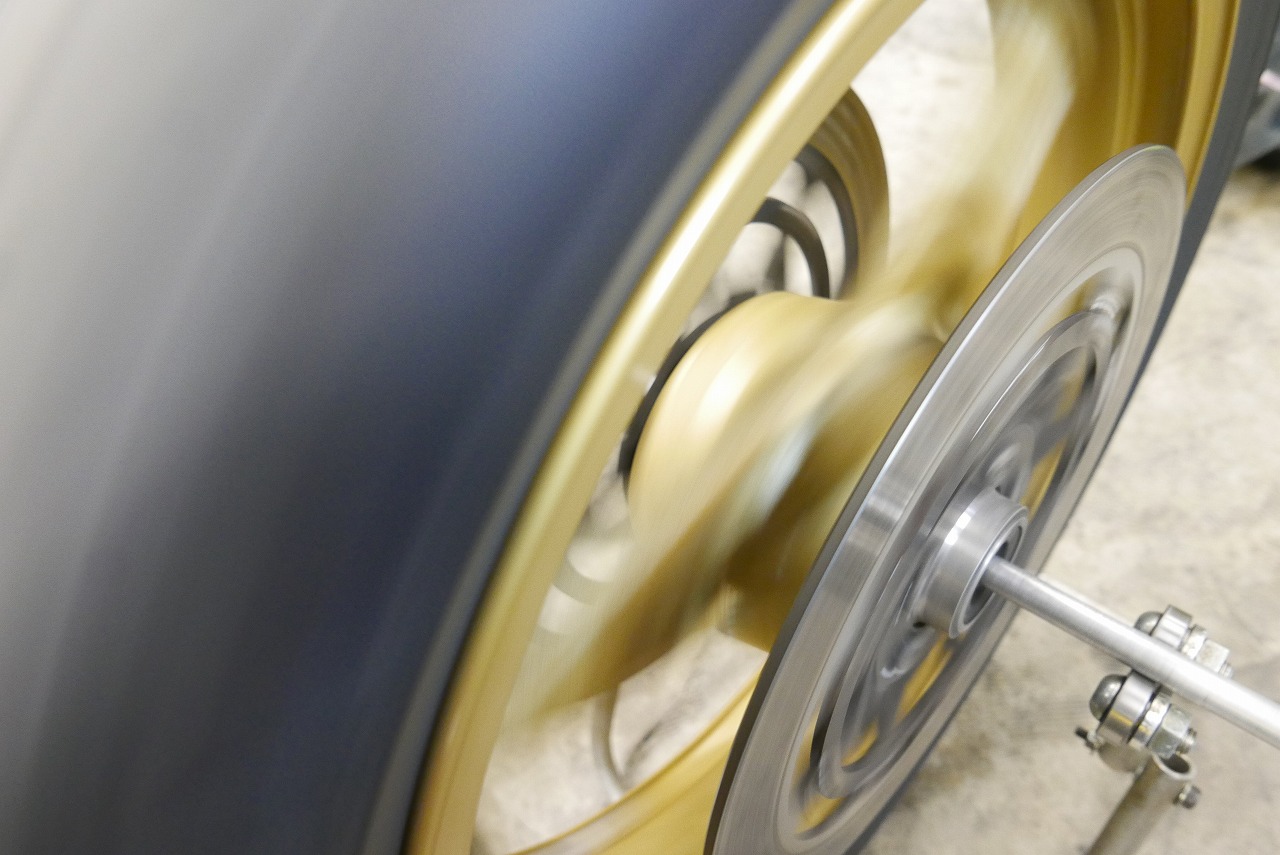
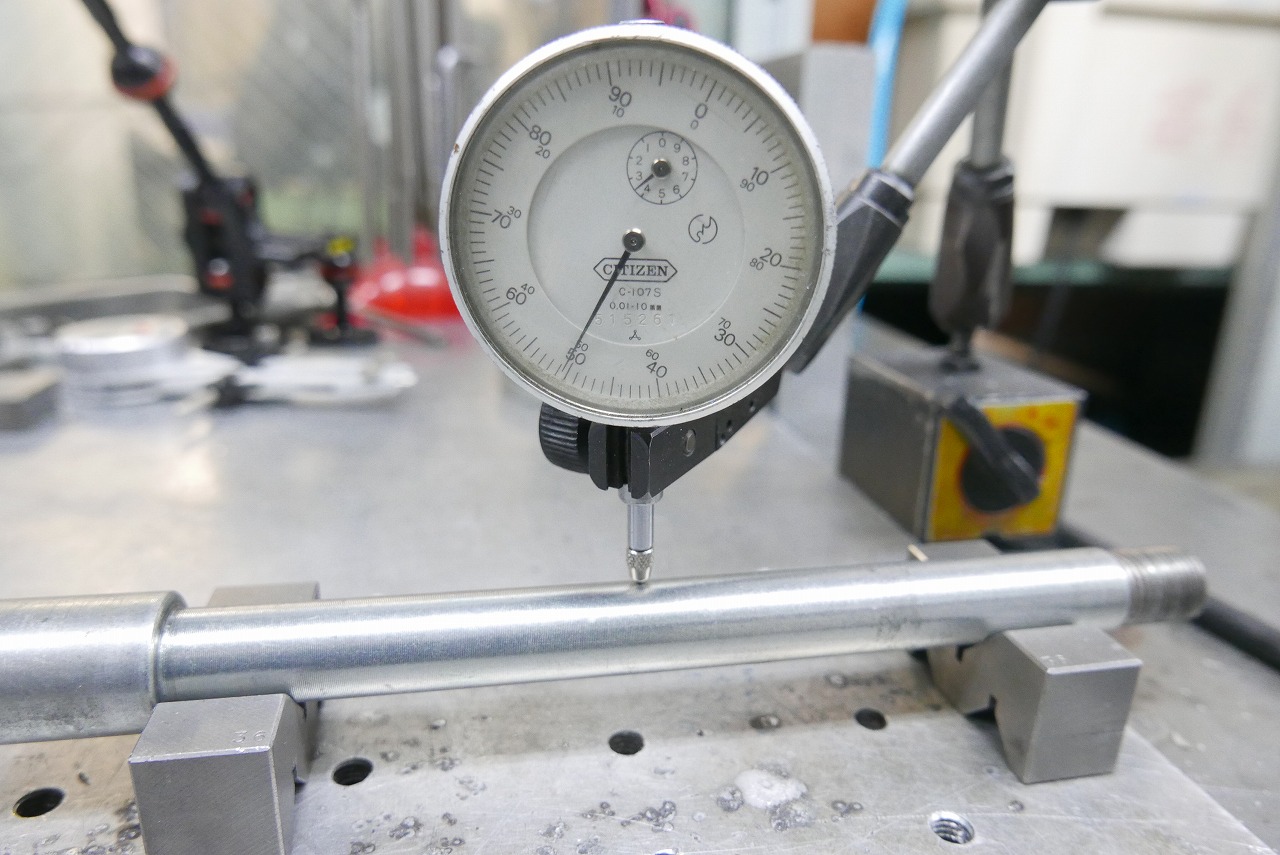
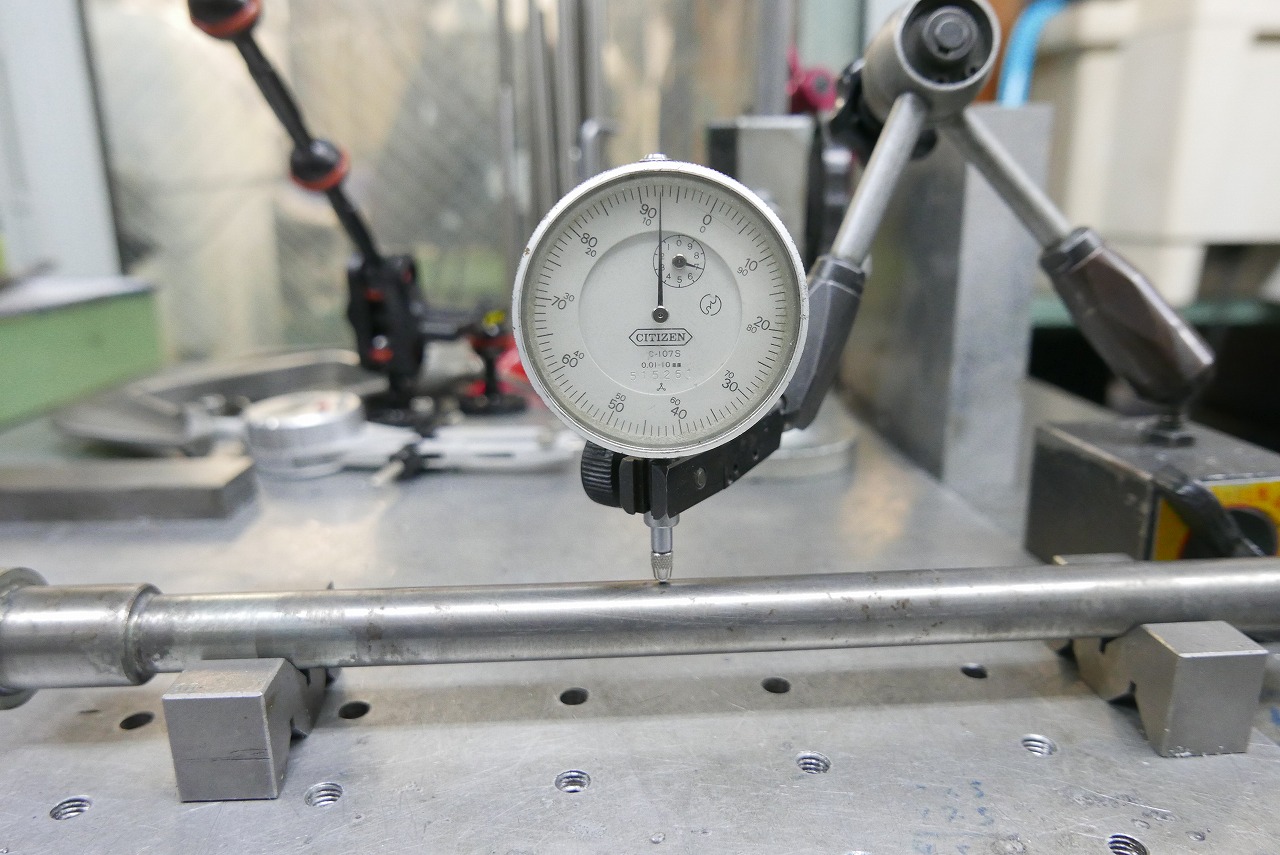
Recently I’ve been updating the Deco-mainte service log and adjusting it to make it easier for me to record. The checkpoints have increased too. Let’s start with the chain. At this time I also check the chain size and brand. Front tire and wheel runout check. No issues found. Sometimes without warning, the wheel develops runout. Looking back through the records, you can figure out when it happened by seeing “it was fine up until then.” Checking axle shaft runout and bending. Quite a few are subtly bent. But they’re within tolerance, so we’ll keep using them.
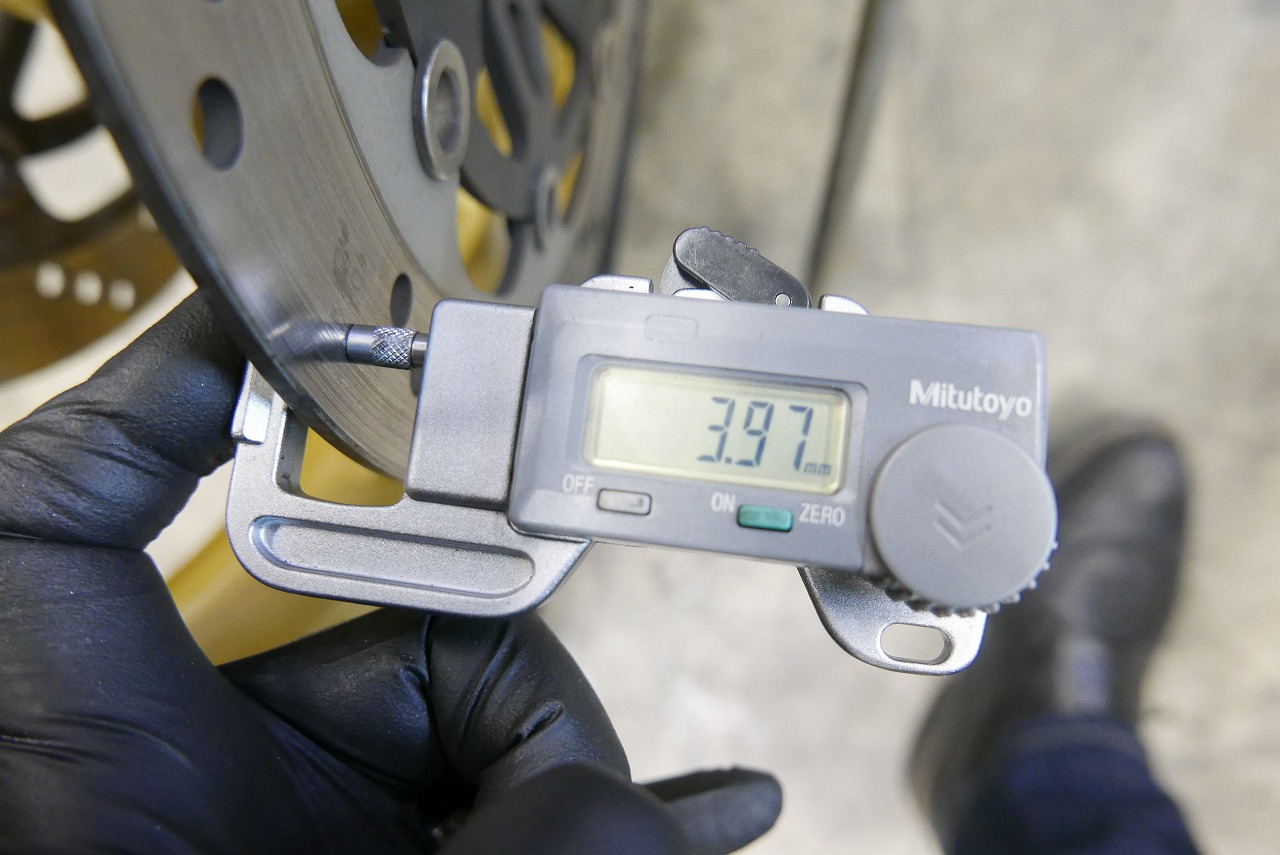
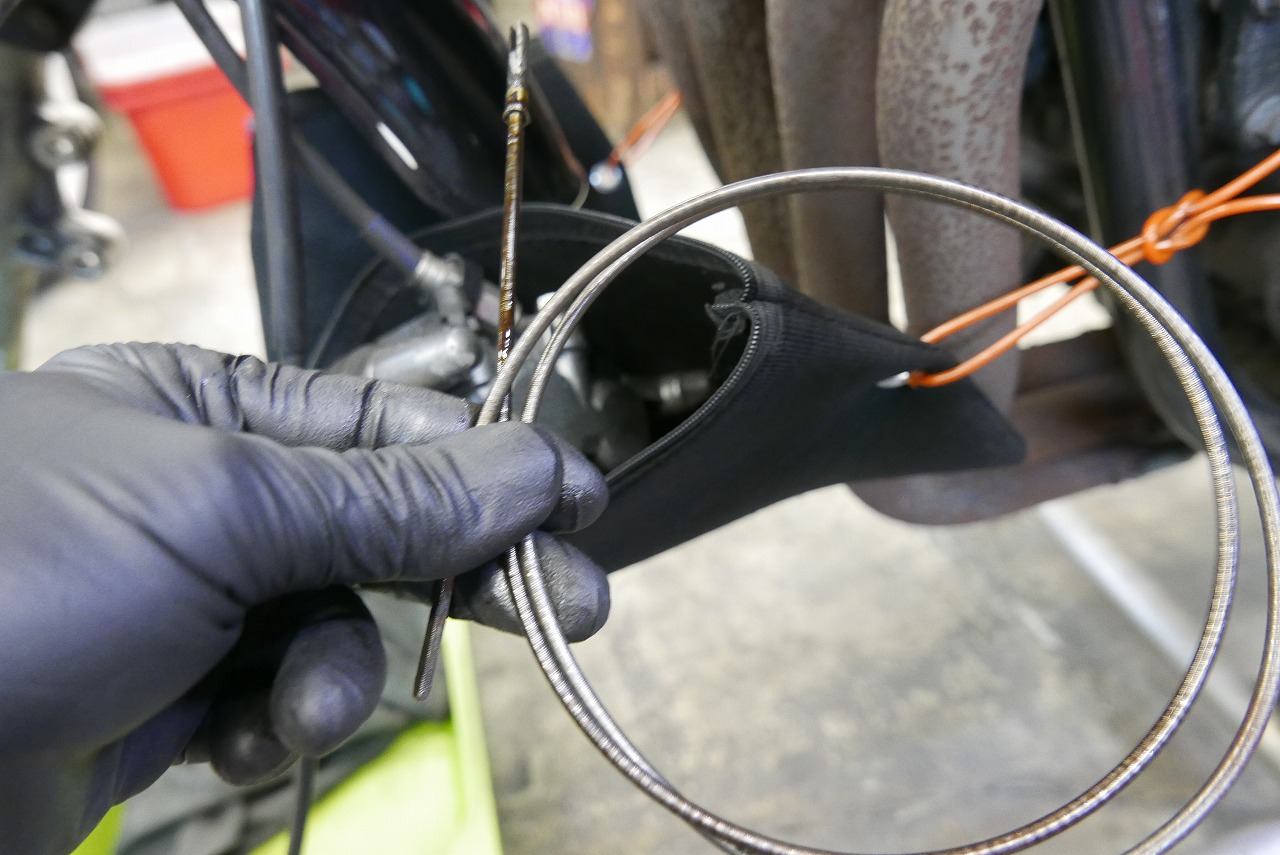
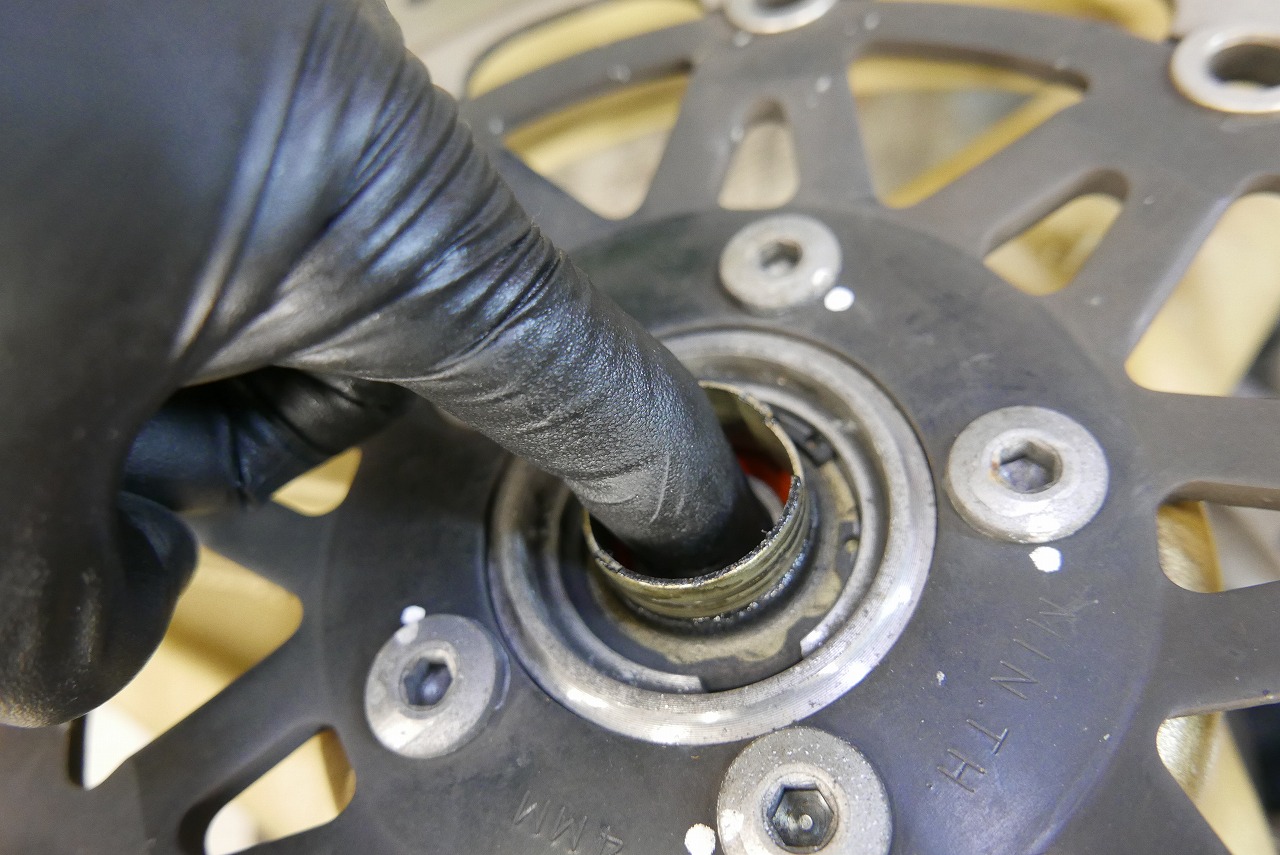
Checking brake disc thickness. It doesn’t wear evenly from top to bottom. We report based on the most worn spot. It exceeded the limit. Please consider replacement. I clean and lubricate the speedometer cable. You don’t want it to break unexpectedly. A little care can make it last a long time.
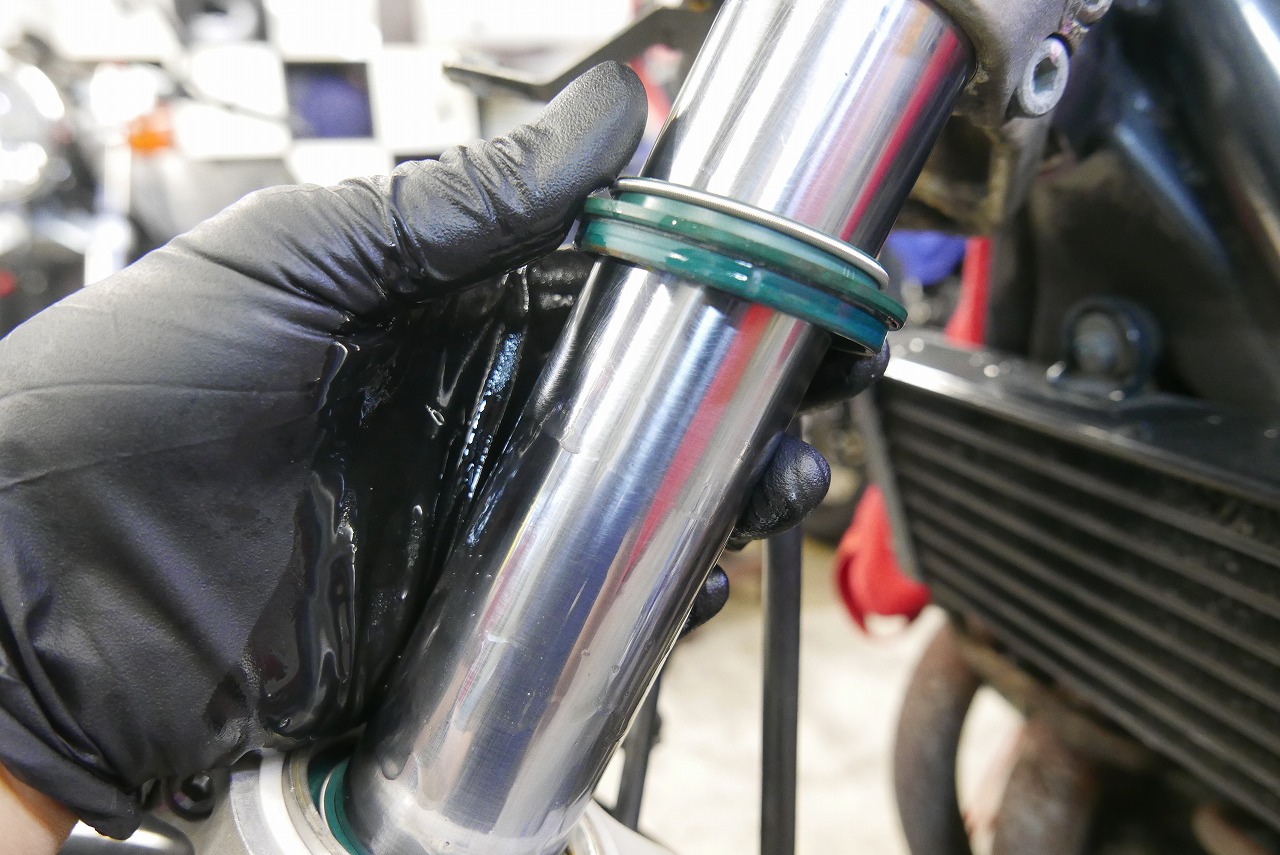
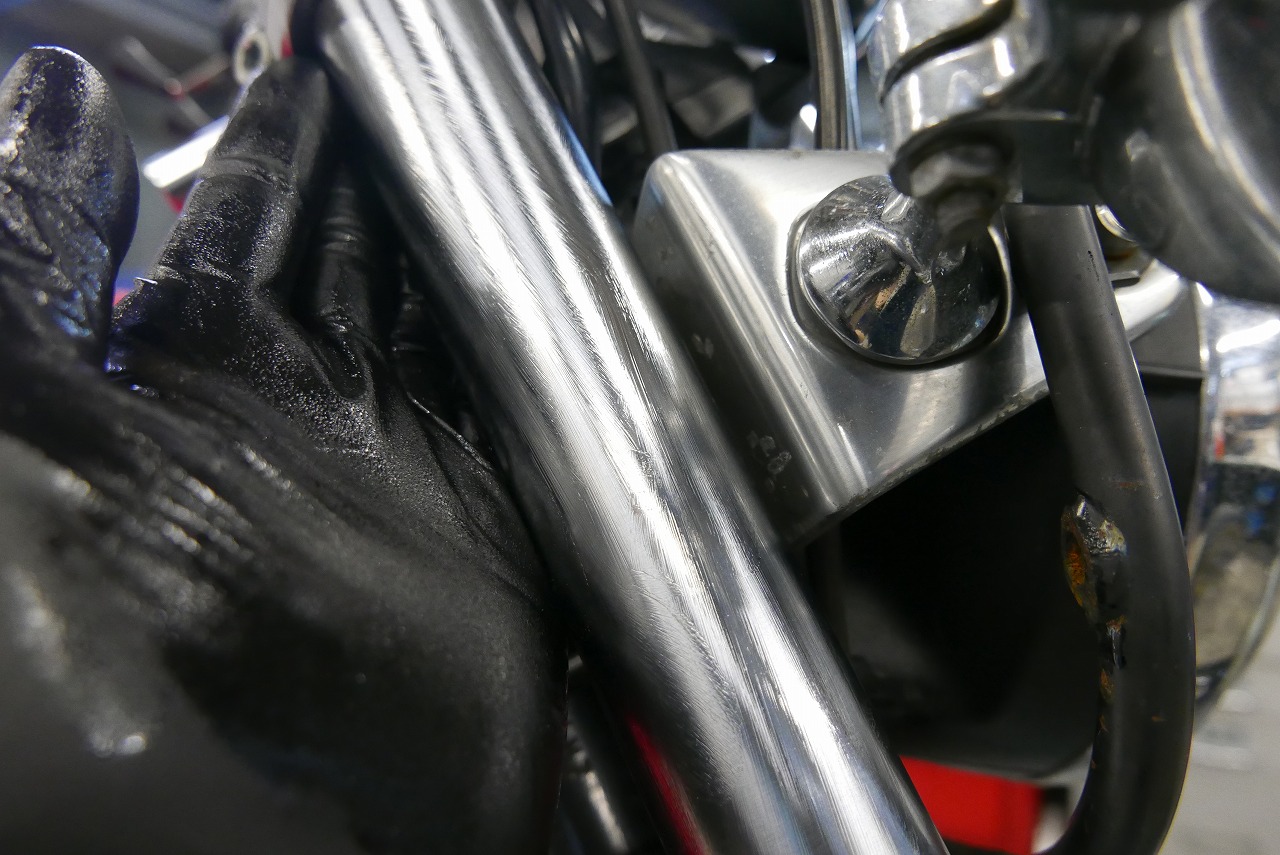
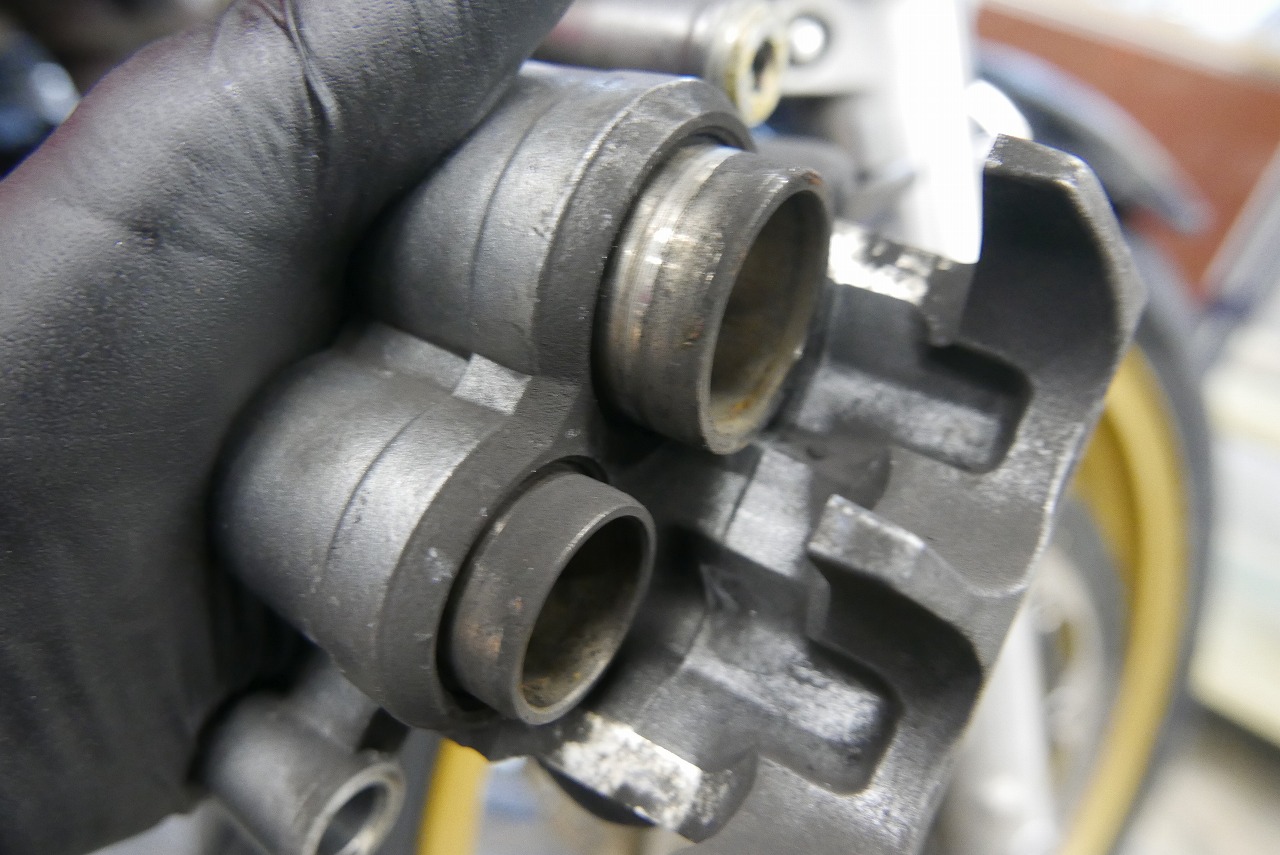
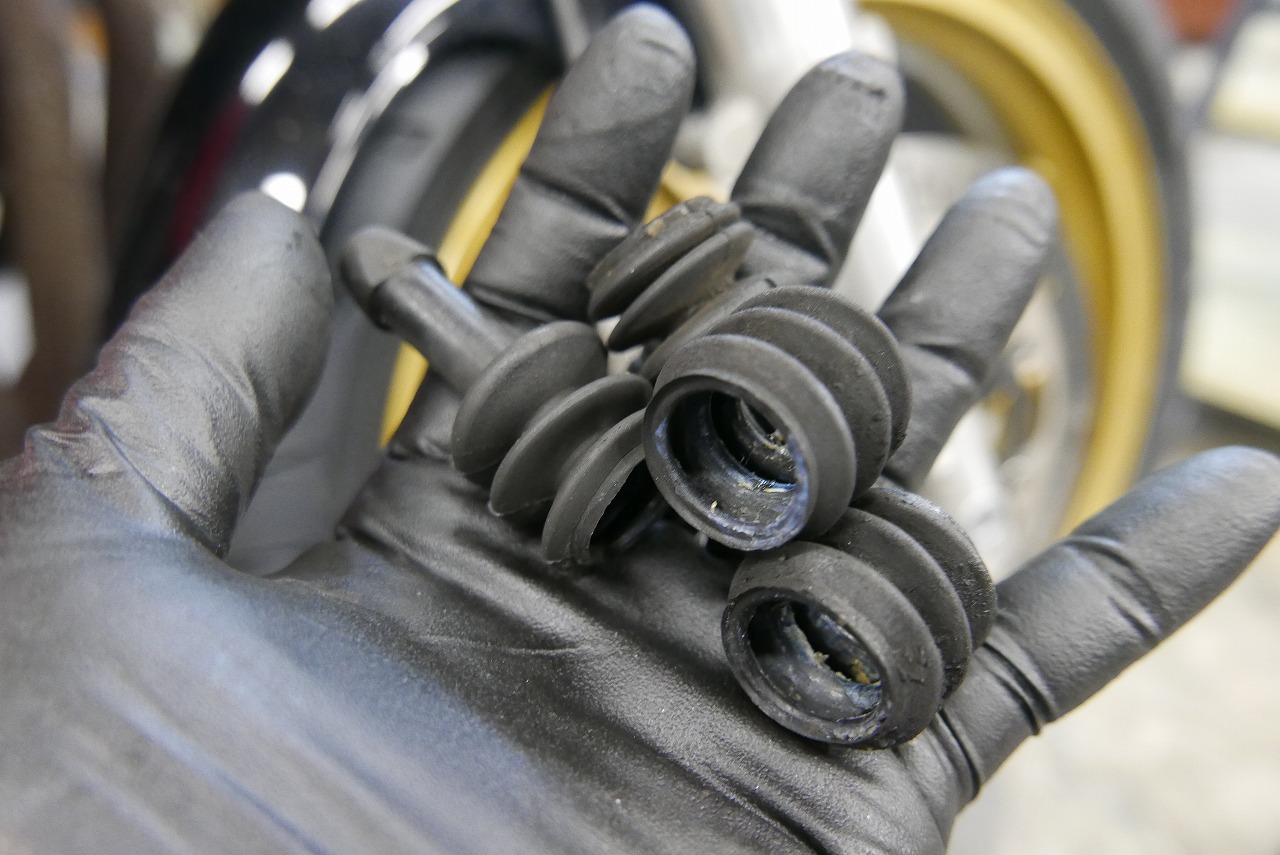
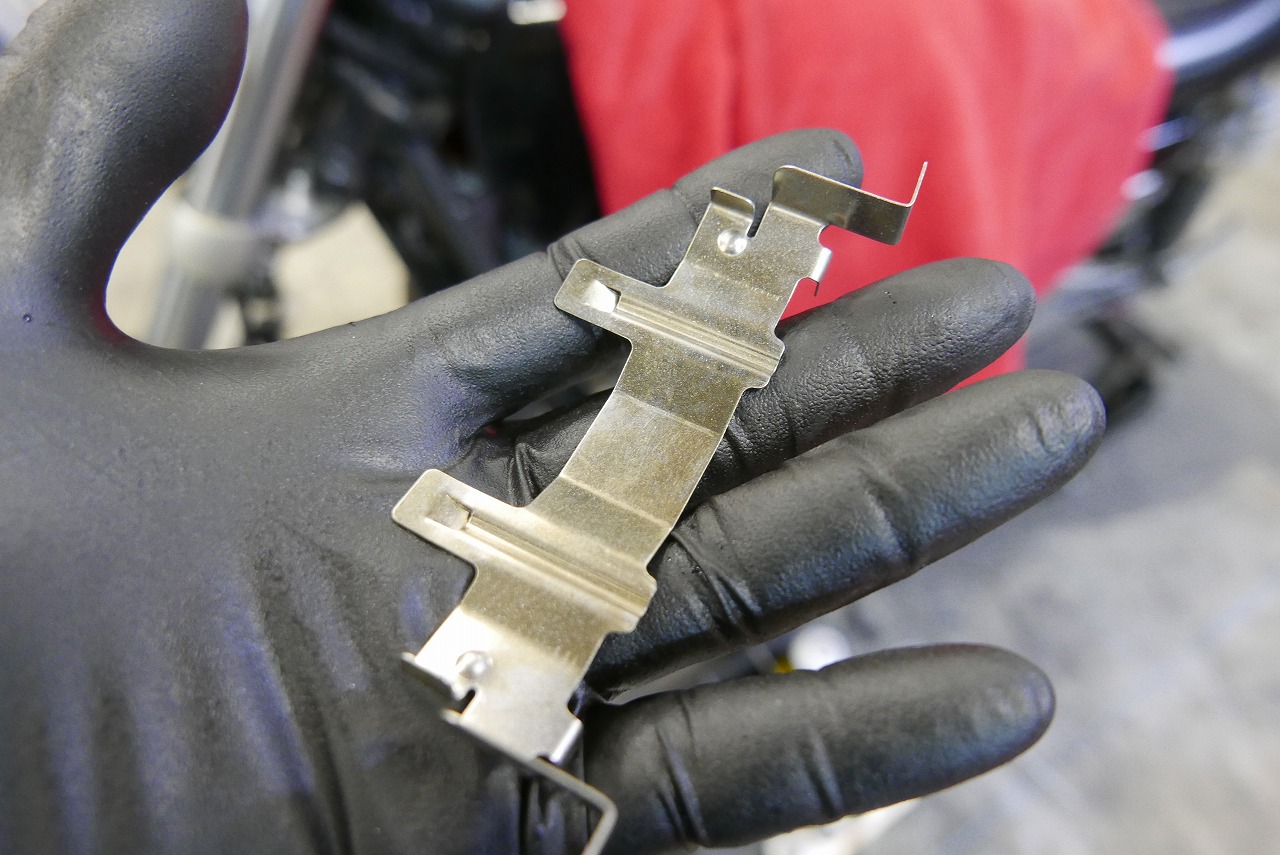
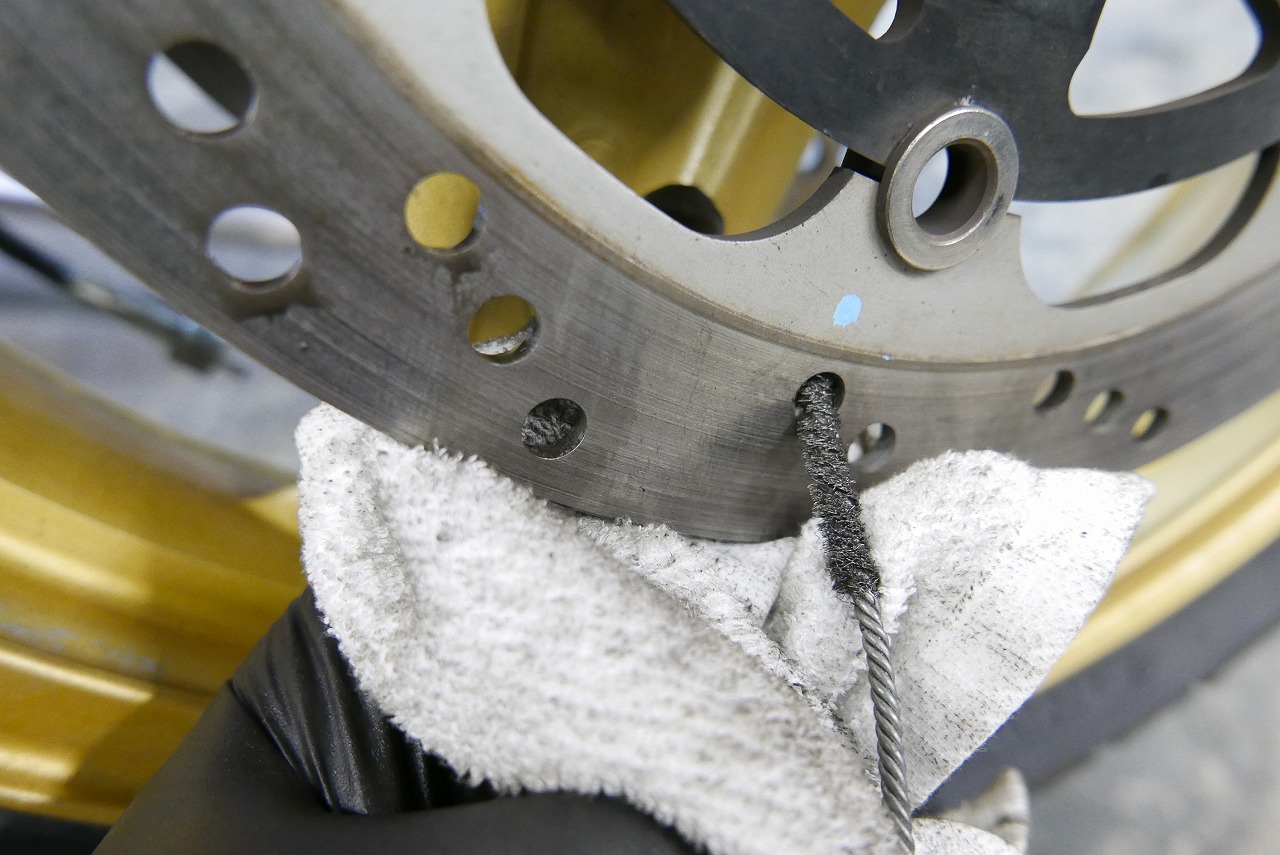
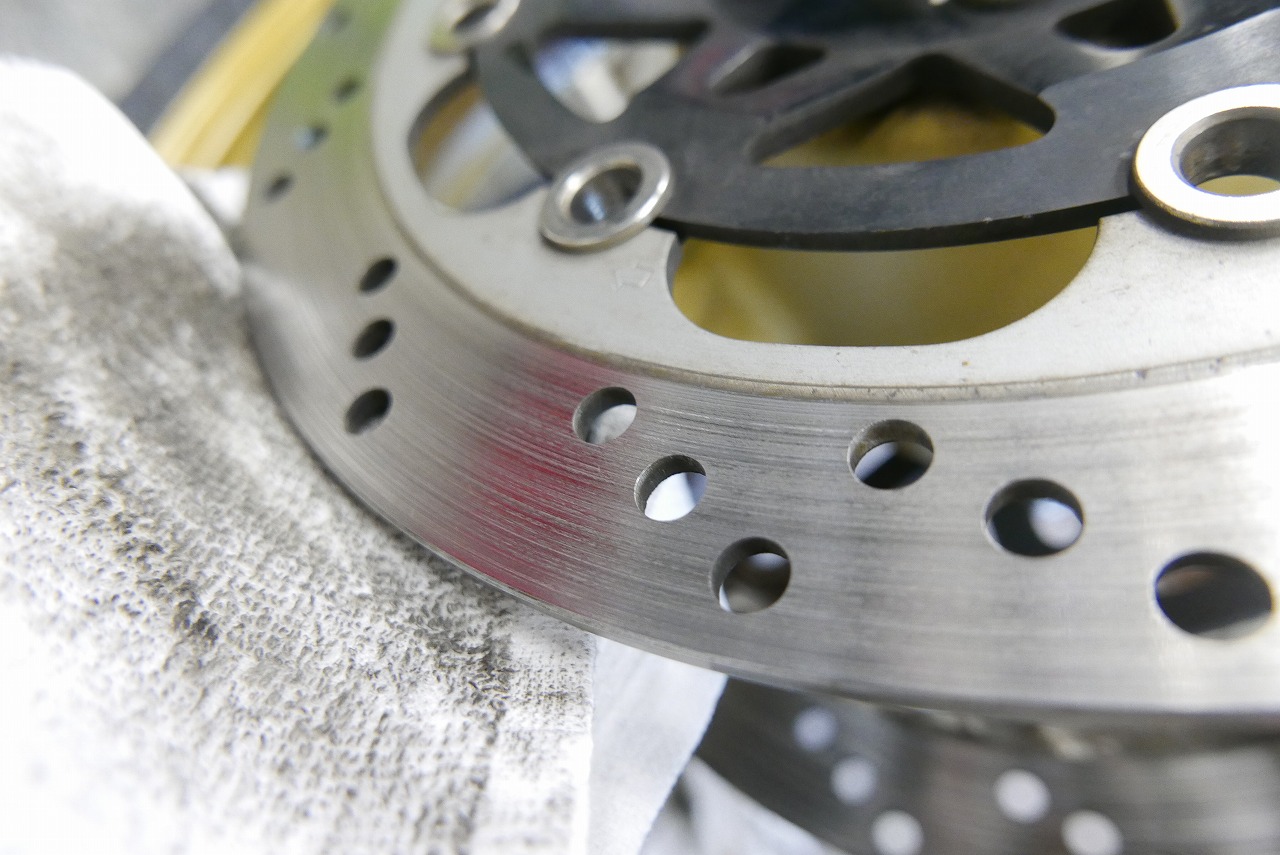
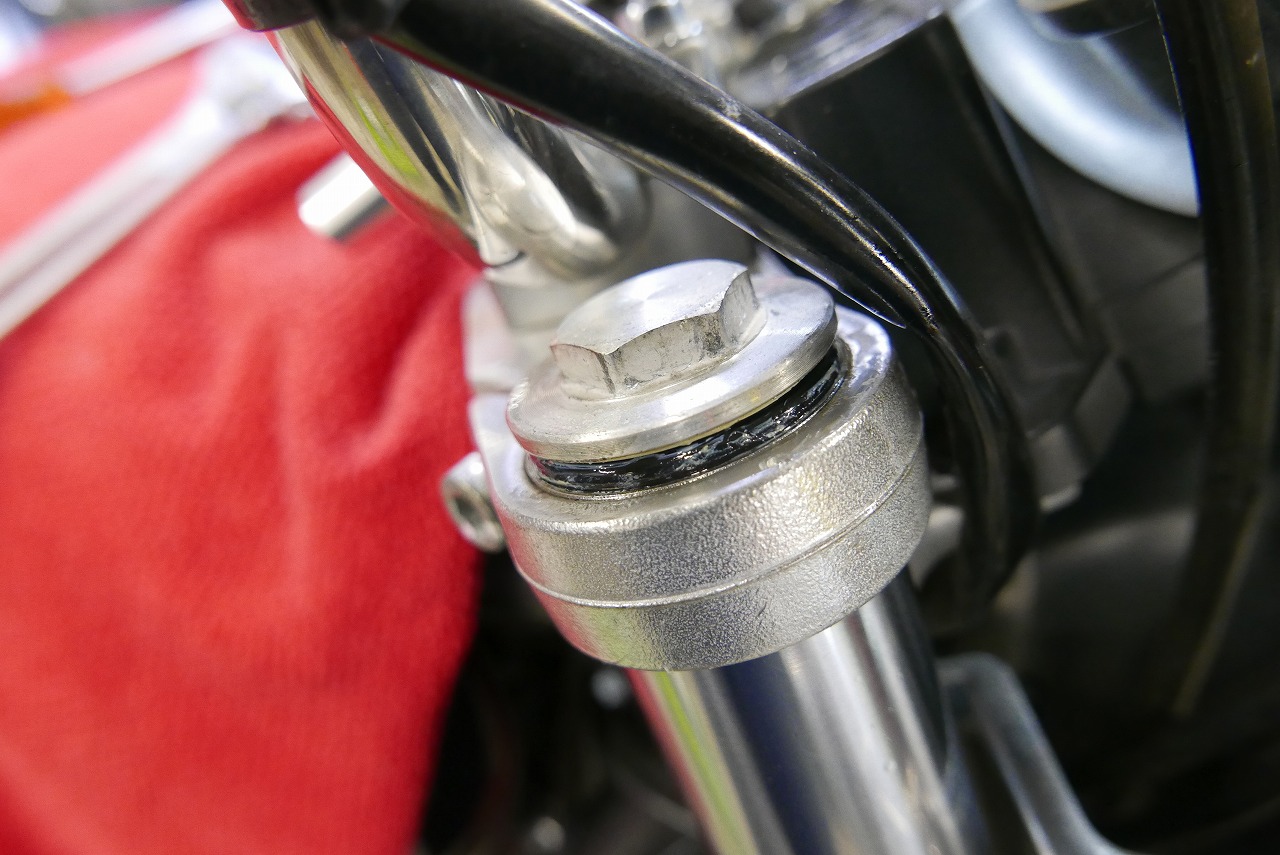
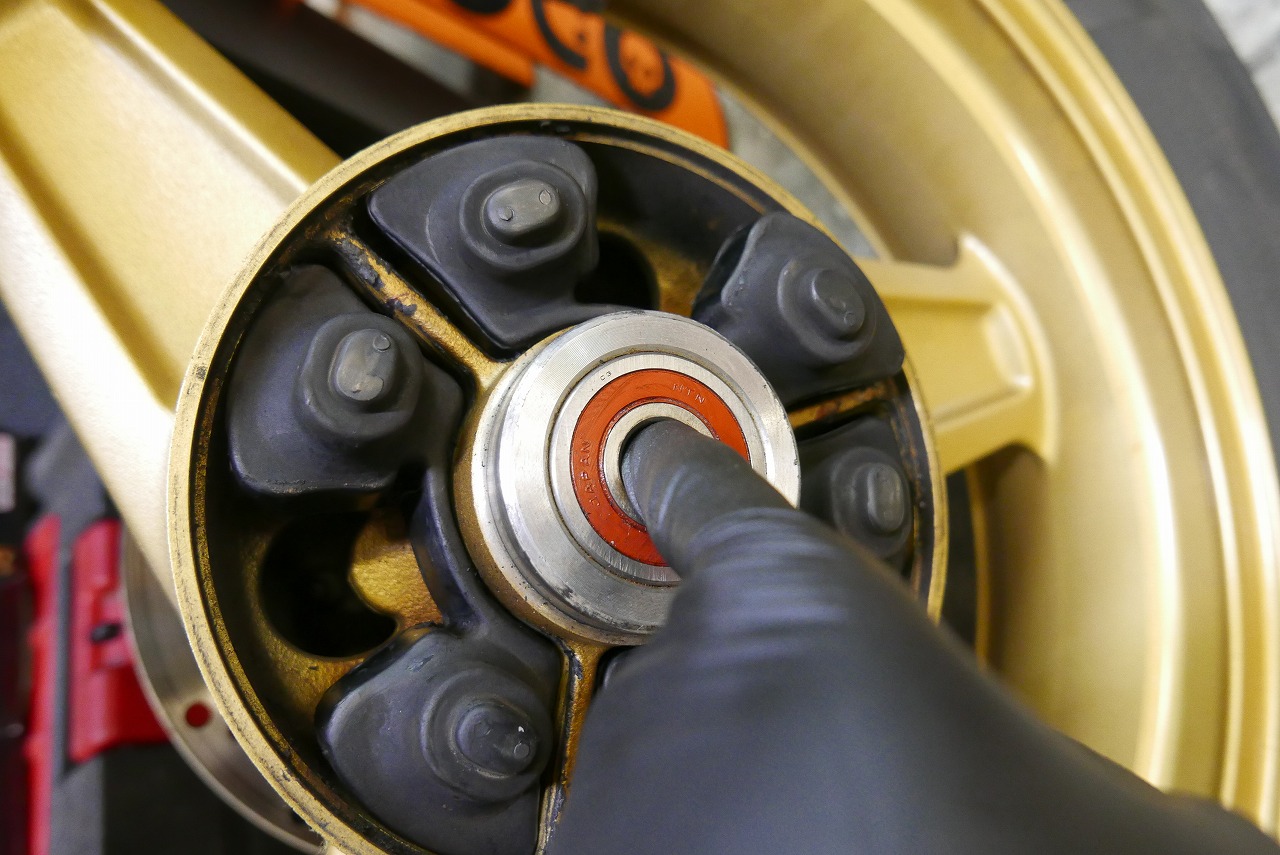
When you lift the dust seal, apply fork oil, and stroke it, quite a bit of debris comes out. If this debris gets caught on the seal lip, it causes oil leaks. This humble task reduces oil leaks and wear on the inner tubes. Top of the stem. Since it doesn’t stroke, this spot tends to rust. I apply rust preventative oil, let it sit a bit, then wipe it off. It should be protected by a light oil film. Checking wheel bearings. No particular issues. It’s a critical spot that wouldn’t be out of place to replace every 20,000 to 30,000 kilometers. I understand “if it works, why replace it,” but these are essential parts for rolling. I clean the calipers. They’re a bit dusty. No major rust, looks good. When pushing them back, if you think “hmm, stiff! Tight!” it’s usually because the seals are stiff and the dust seal grooves are getting crusty. Doing an overhaul improves brake response and return, meaning easier lever action. For single-piston calipers, I think it’s worth replacing the boots during service. They get pretty stiff and dirty. You can’t see it, but when these parts are clean, the assembly feels different. During maintenance and work, I think you shouldn’t let things get to a state where you don’t want to touch them. Cleaning the brake disc holes. Surprisingly, dust is packed in there tight! If cleaning improves performance by even 1%, I’m happy. After cleaning, I carefully degrease with fresh rags. As you wipe, you can feel the surface change. That’s how much pad dust has embedded itself. After this degreasing, braking feels softer, so I warm it up with “squeeze, squeeze” braking, cool it down, and let the pads and disc bed in. Current performance should improve. *I don’t think dragging the brake to bed in the pads is a good idea.
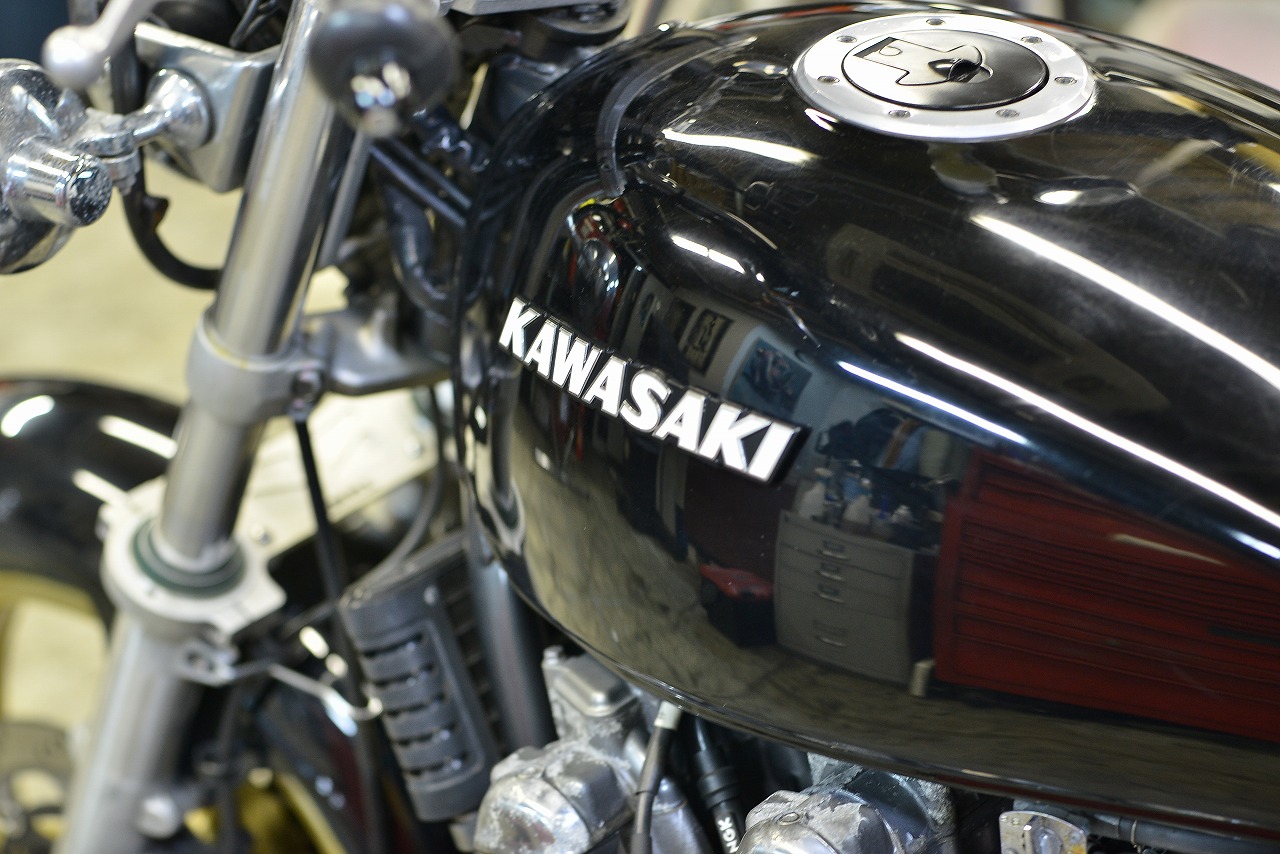
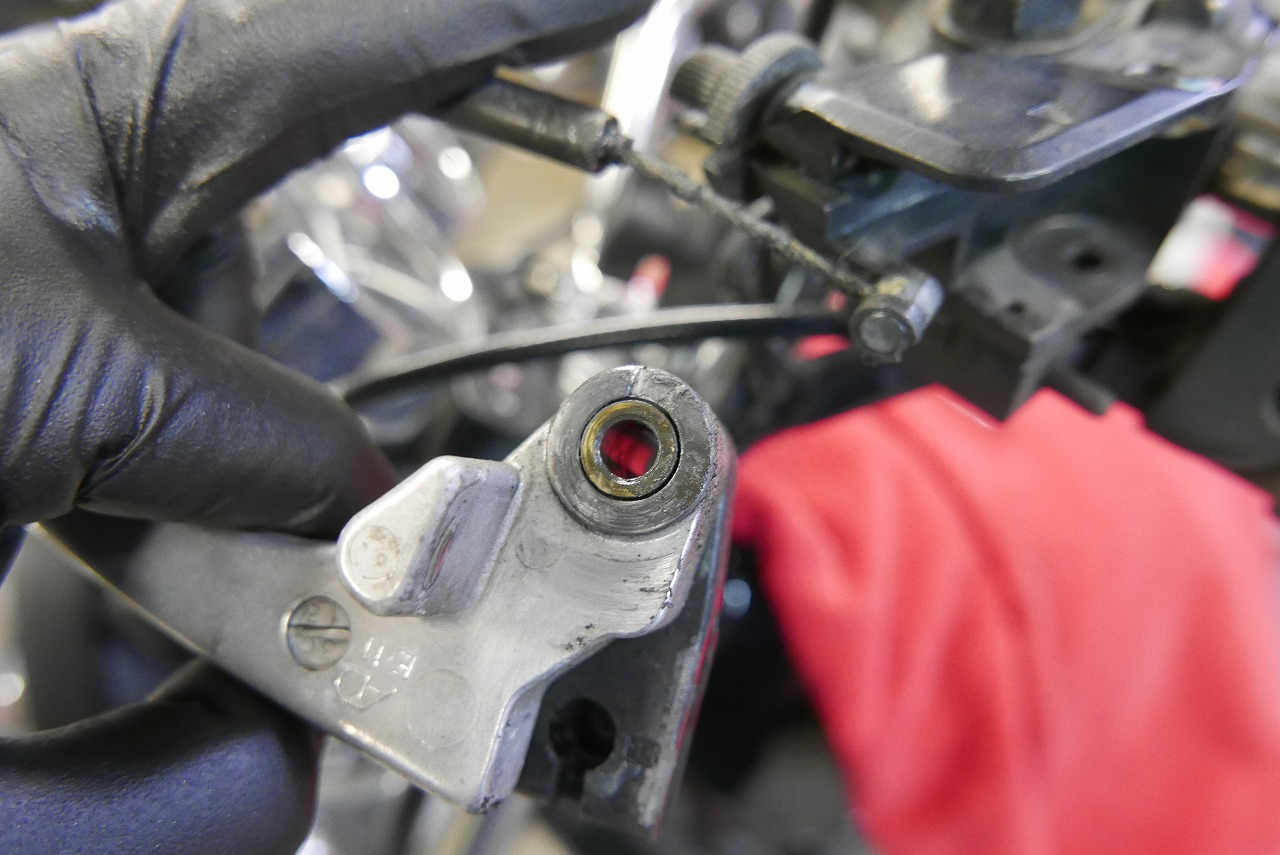
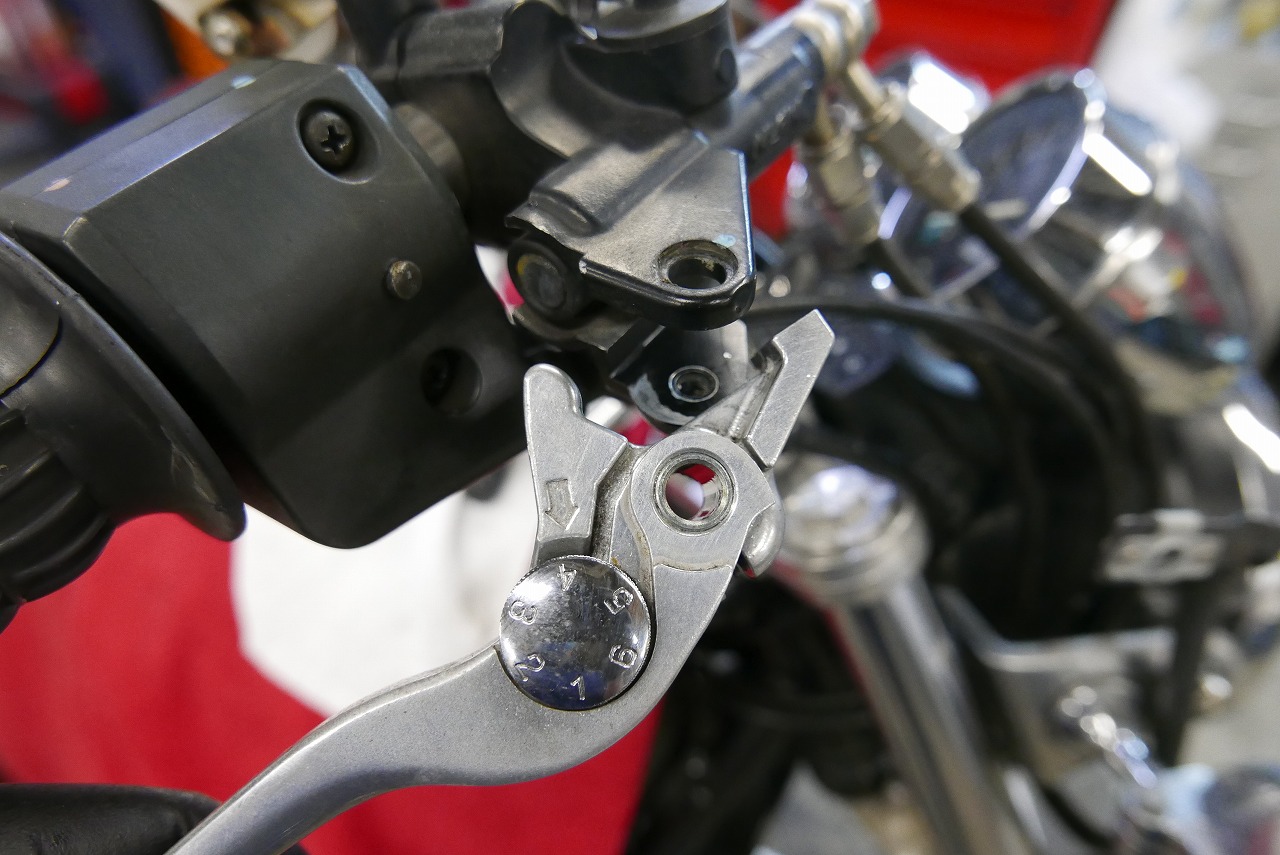
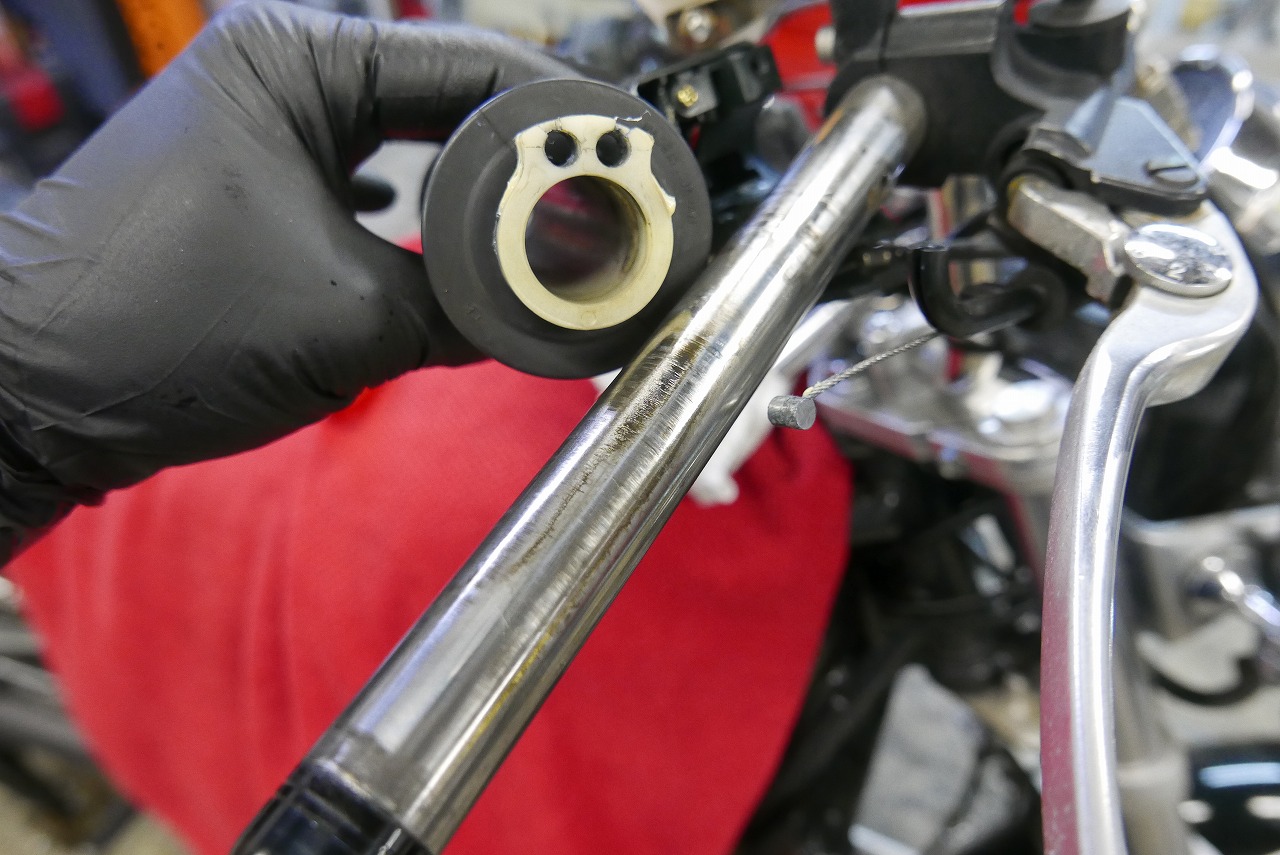
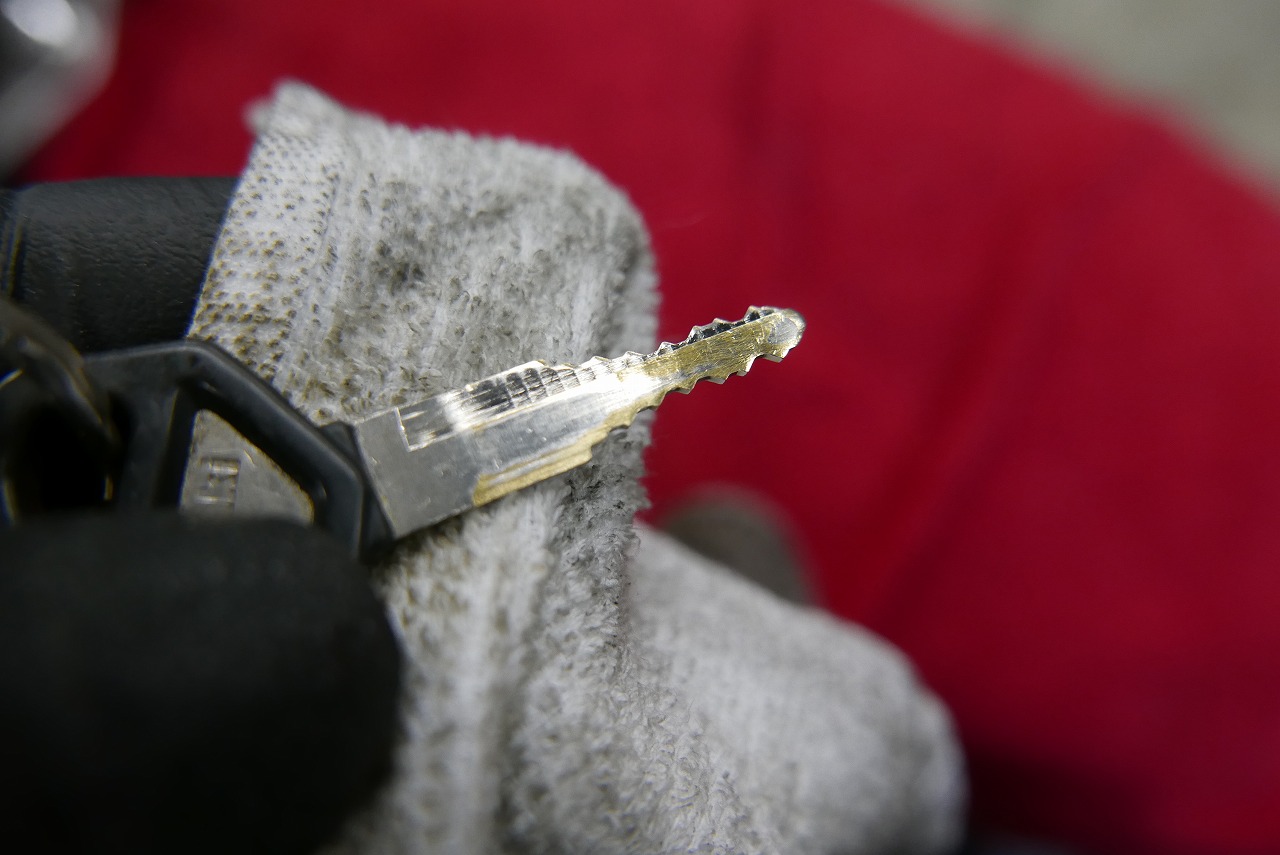
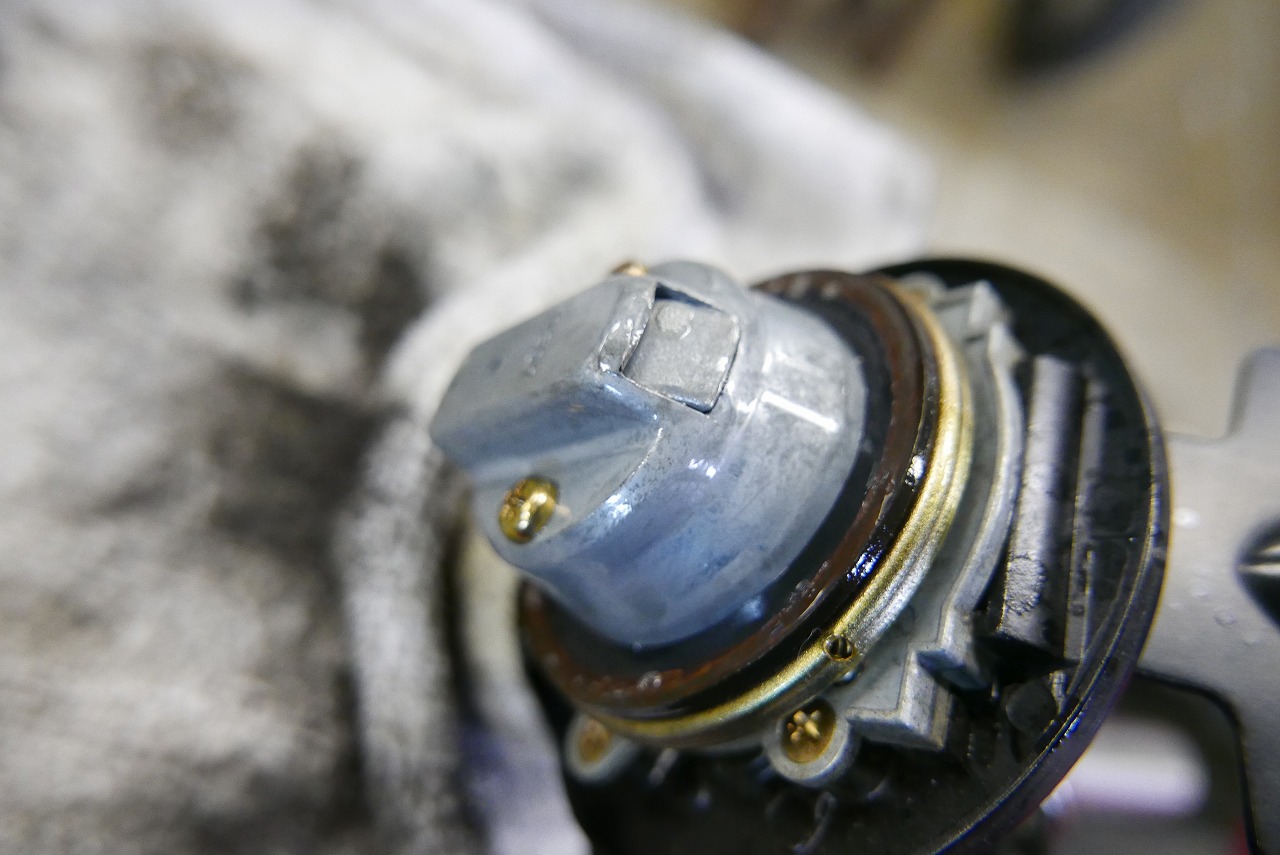
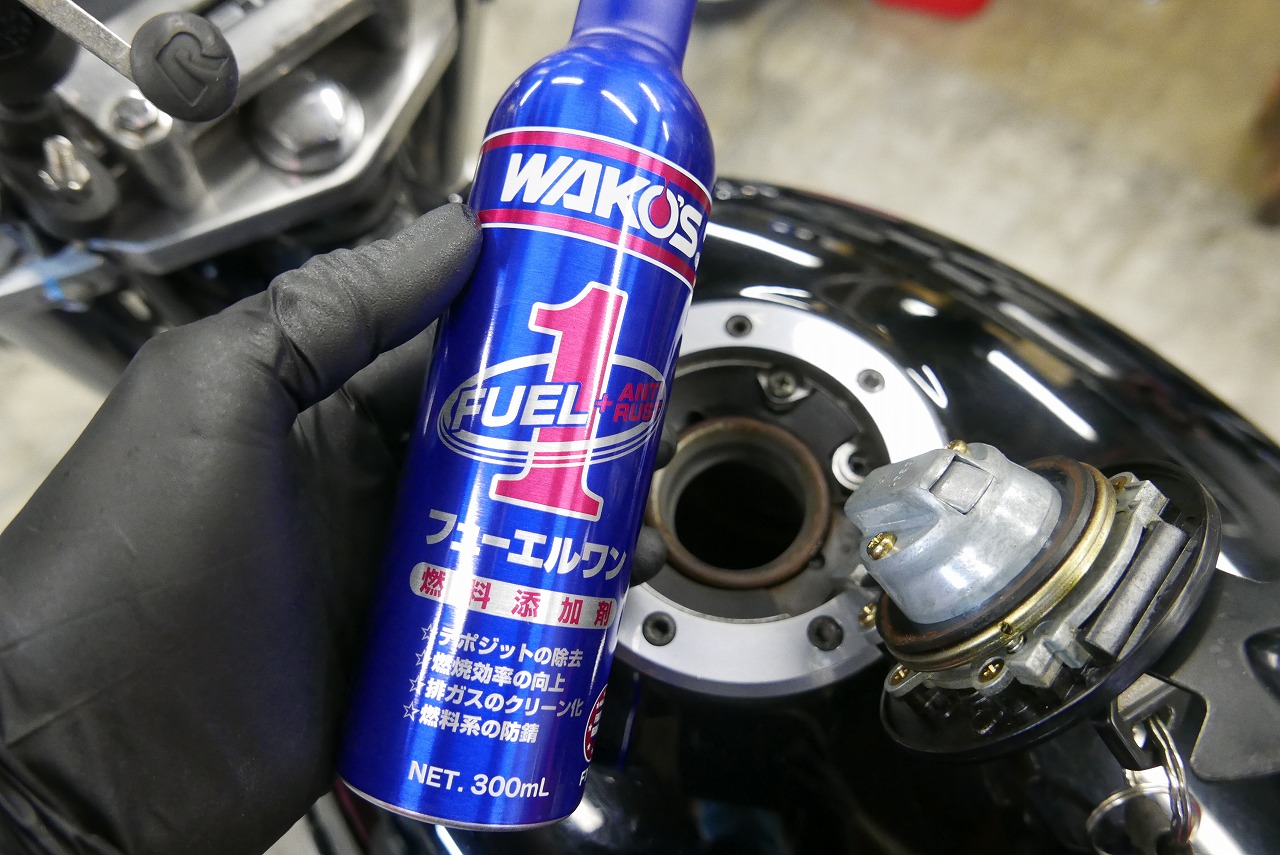
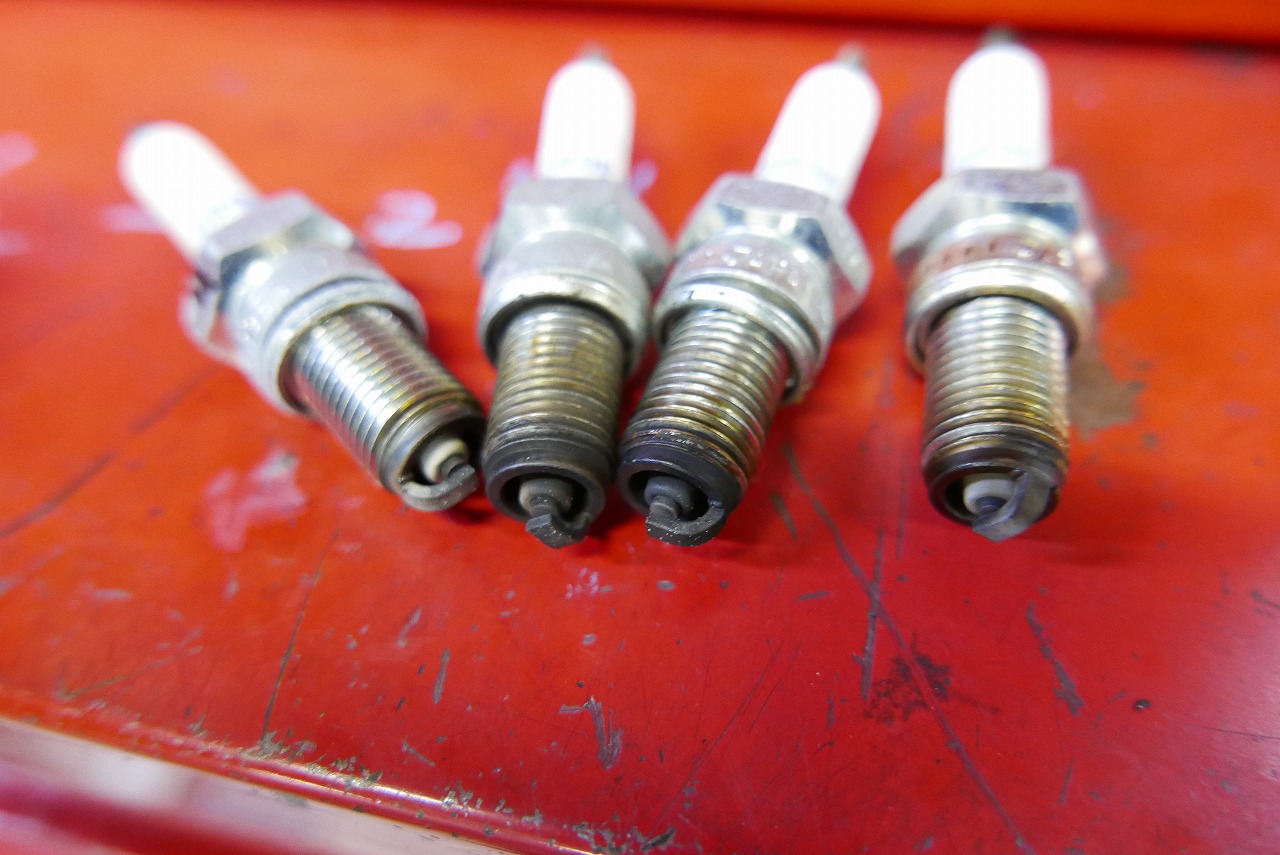
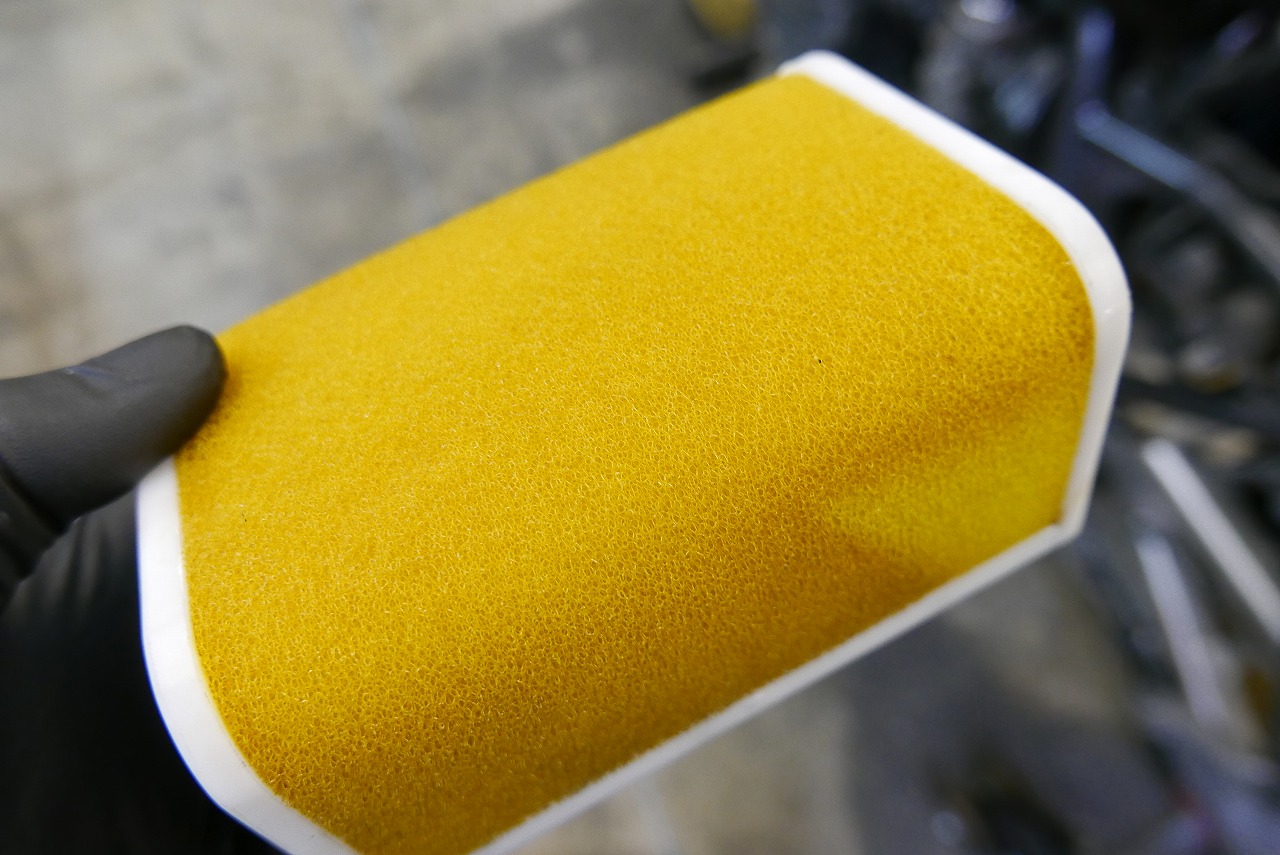
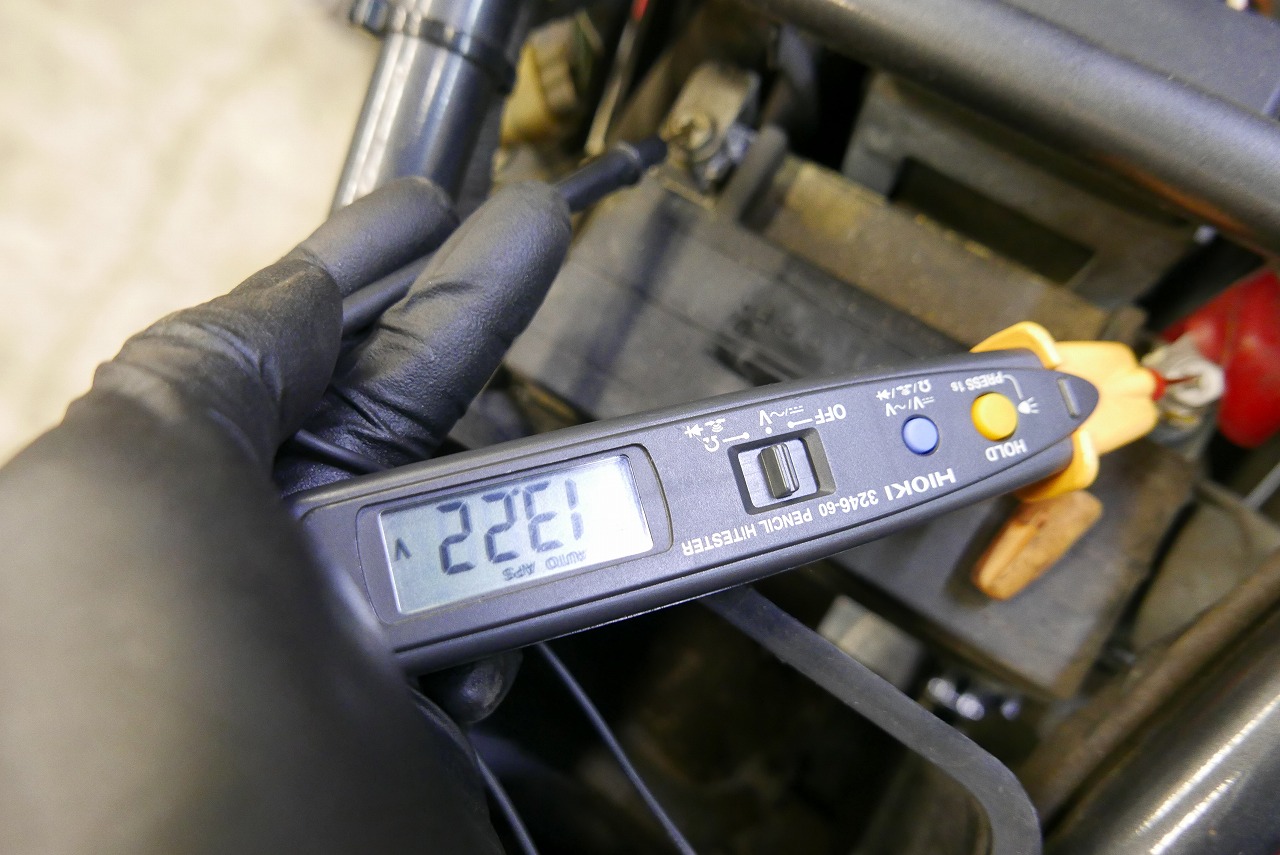
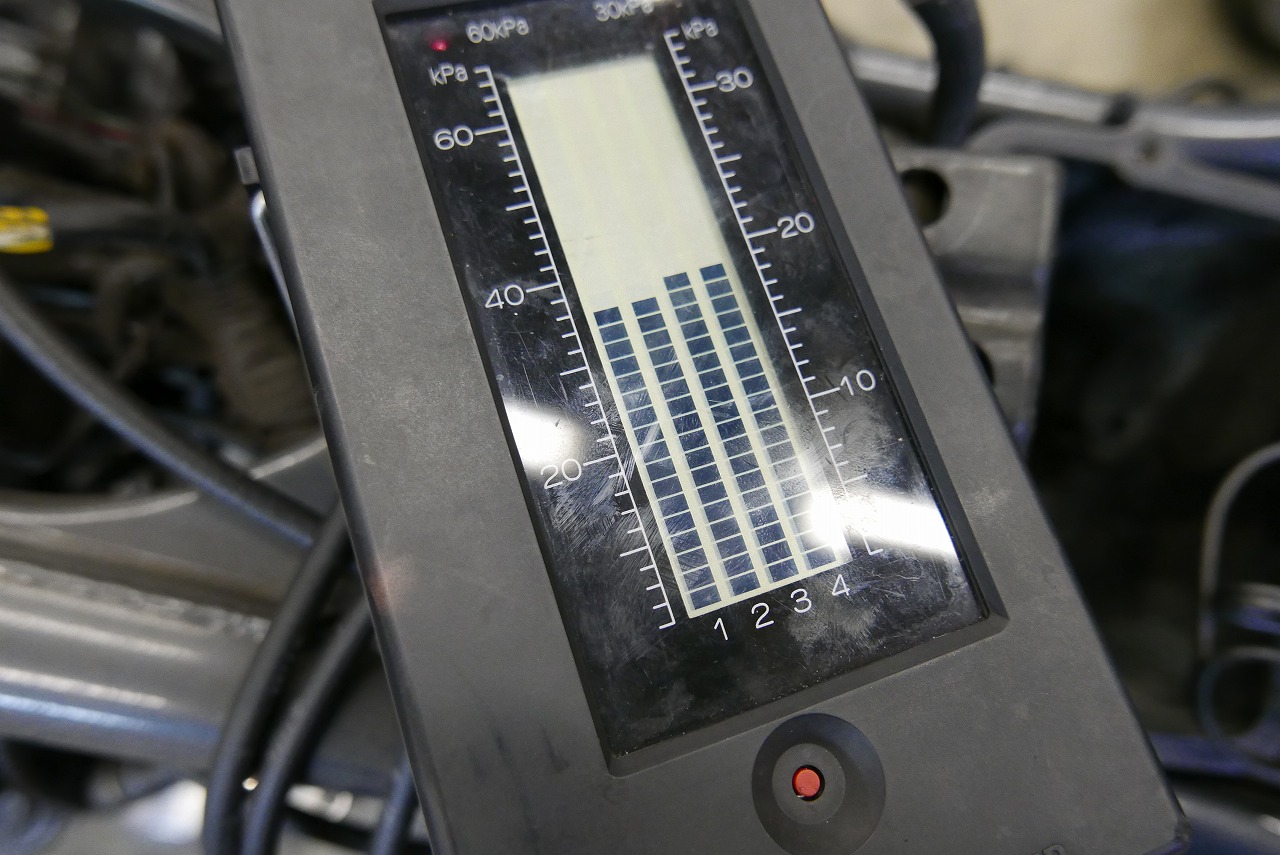
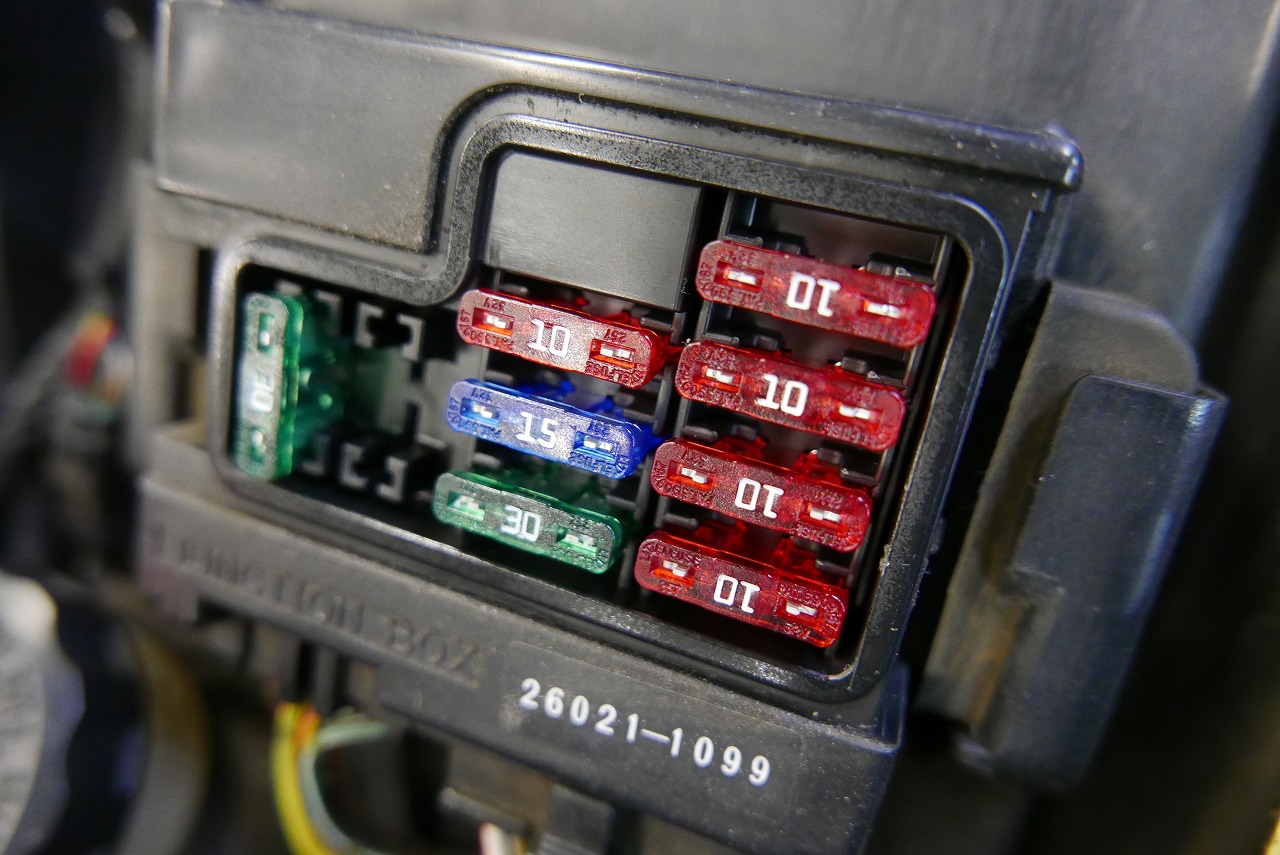
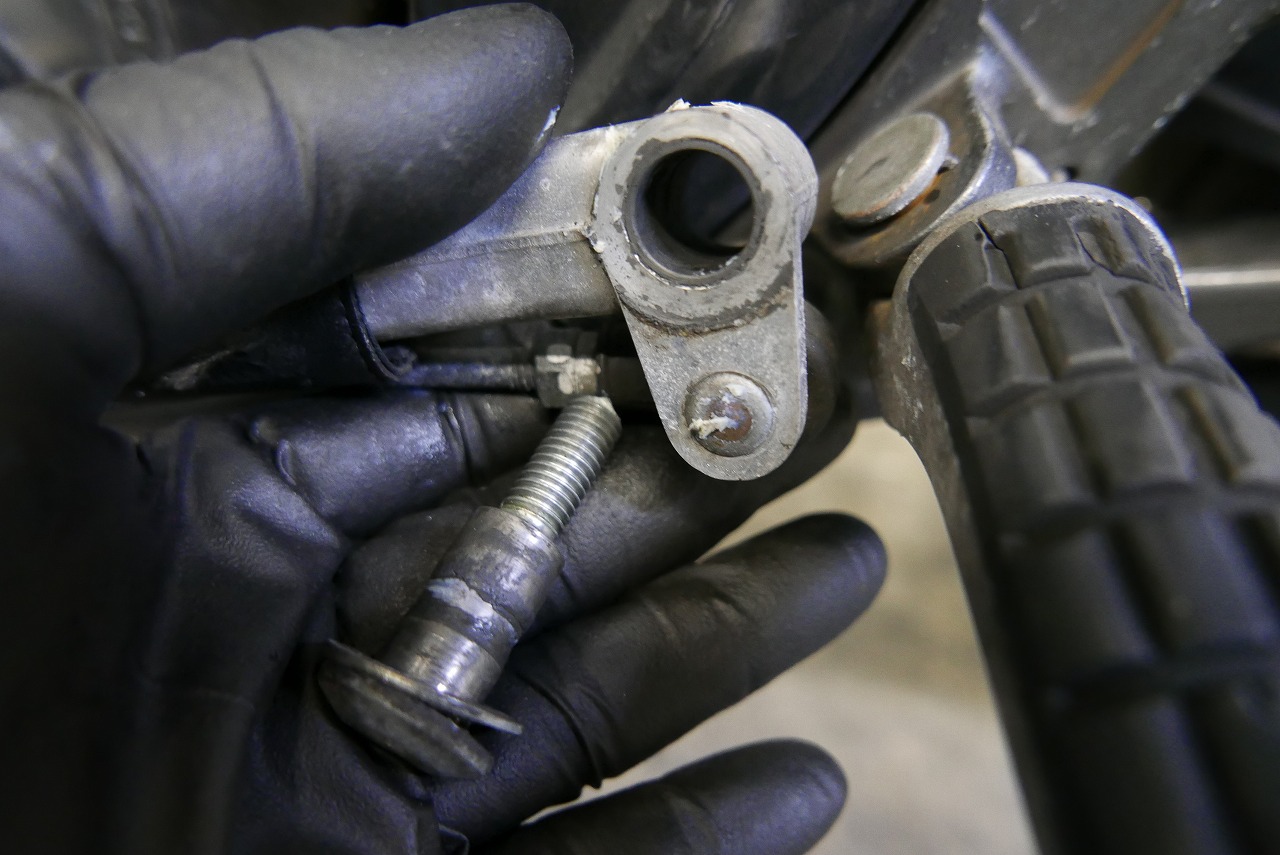
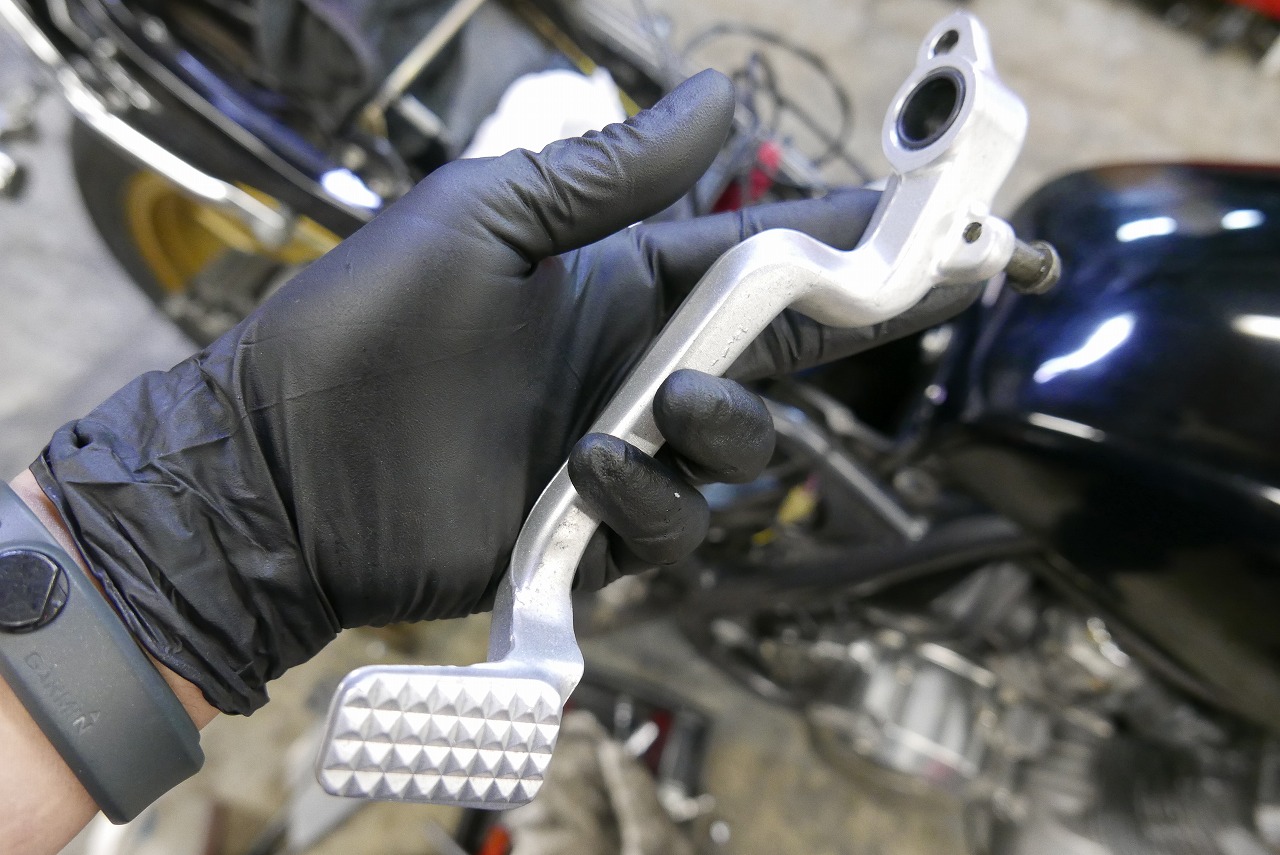
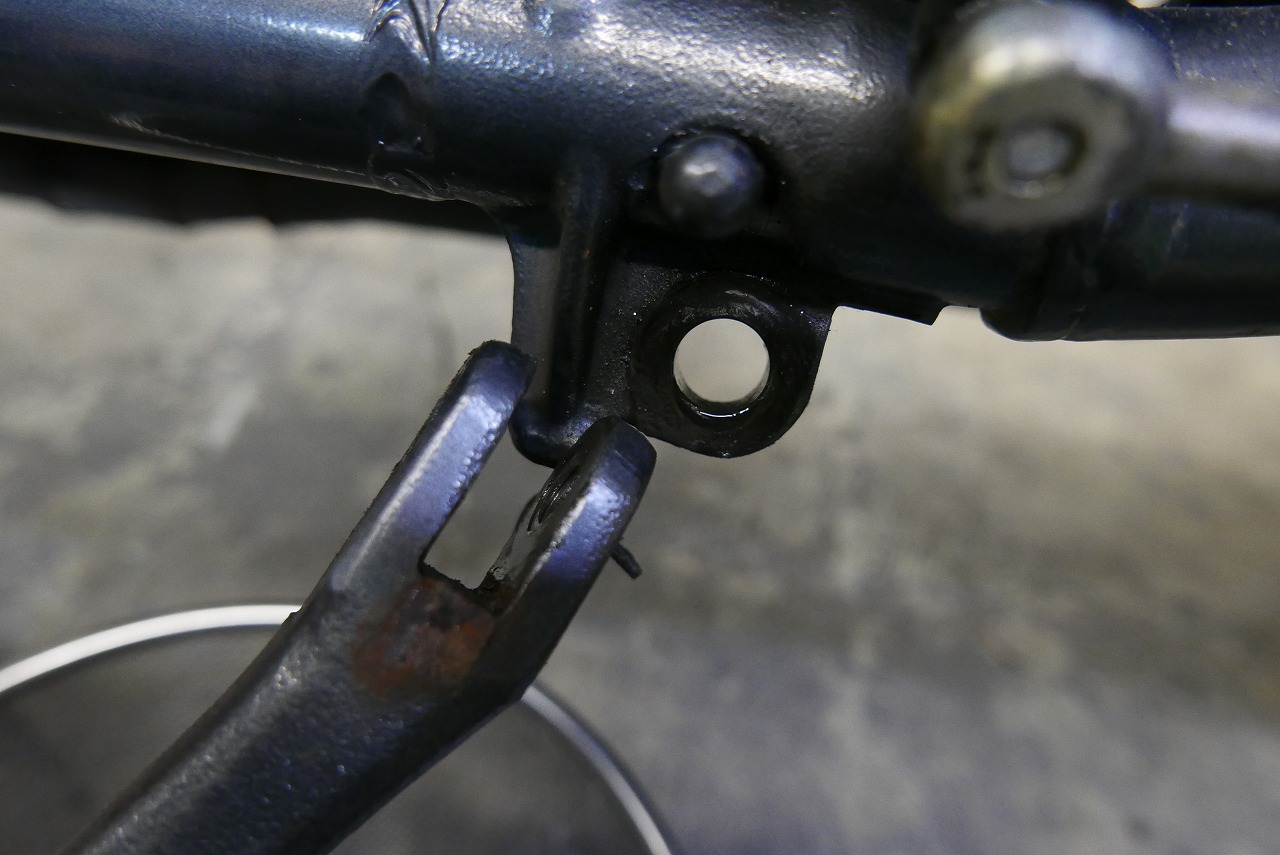
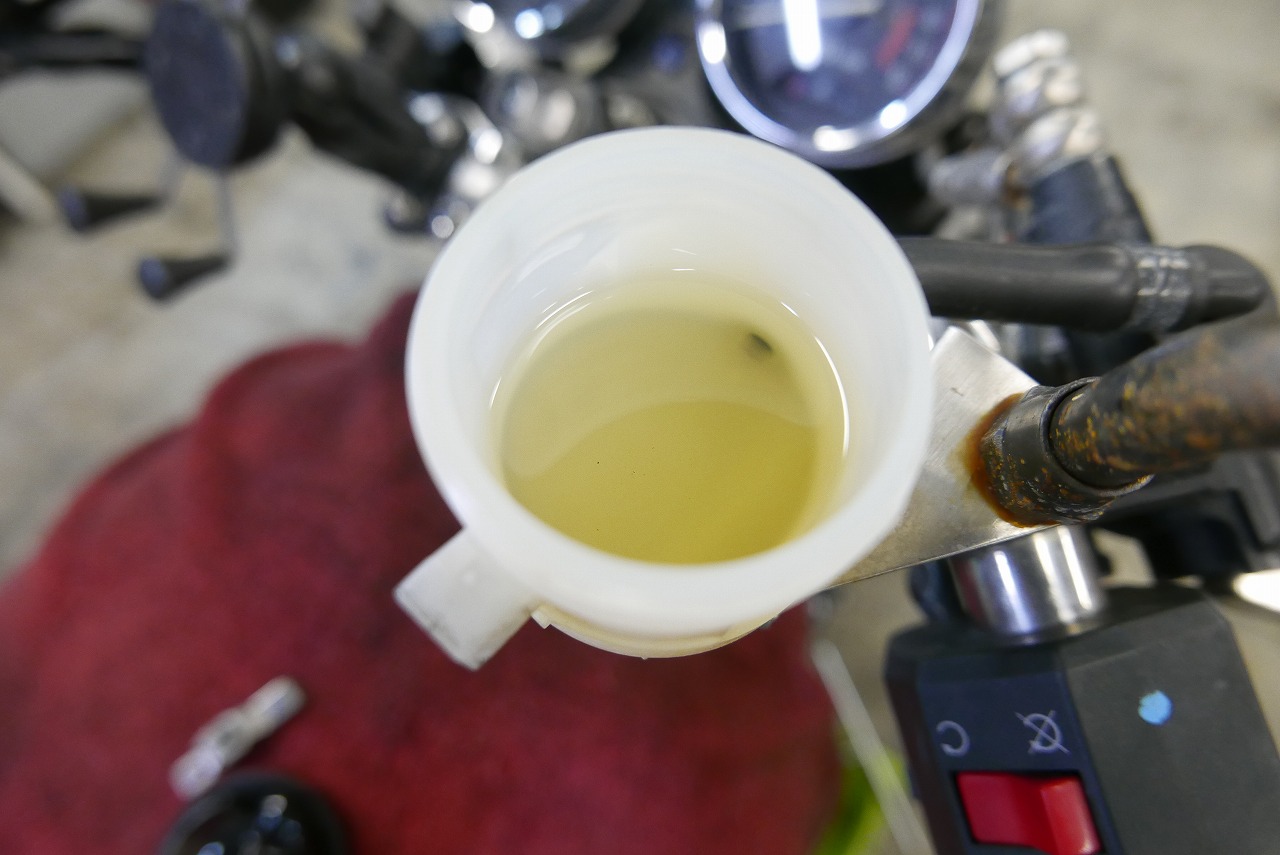
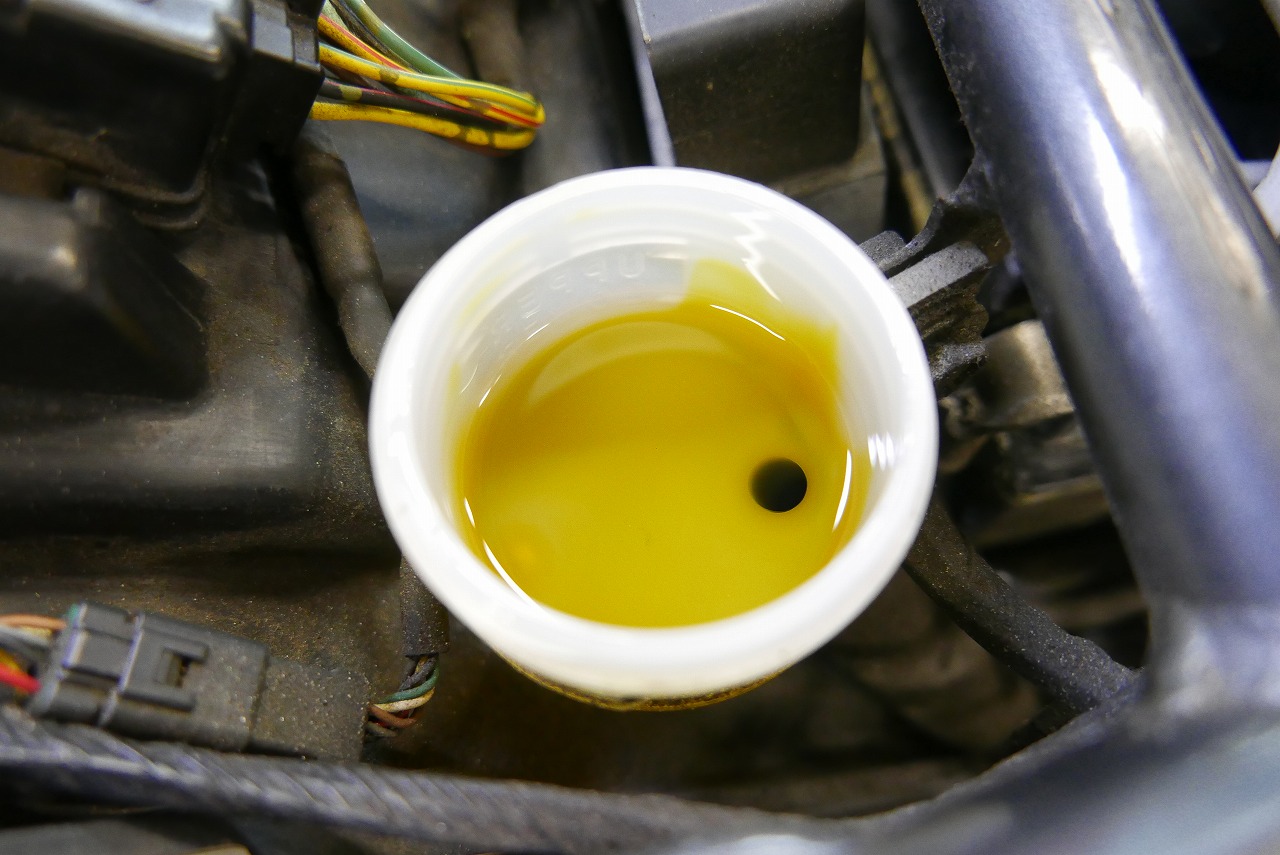
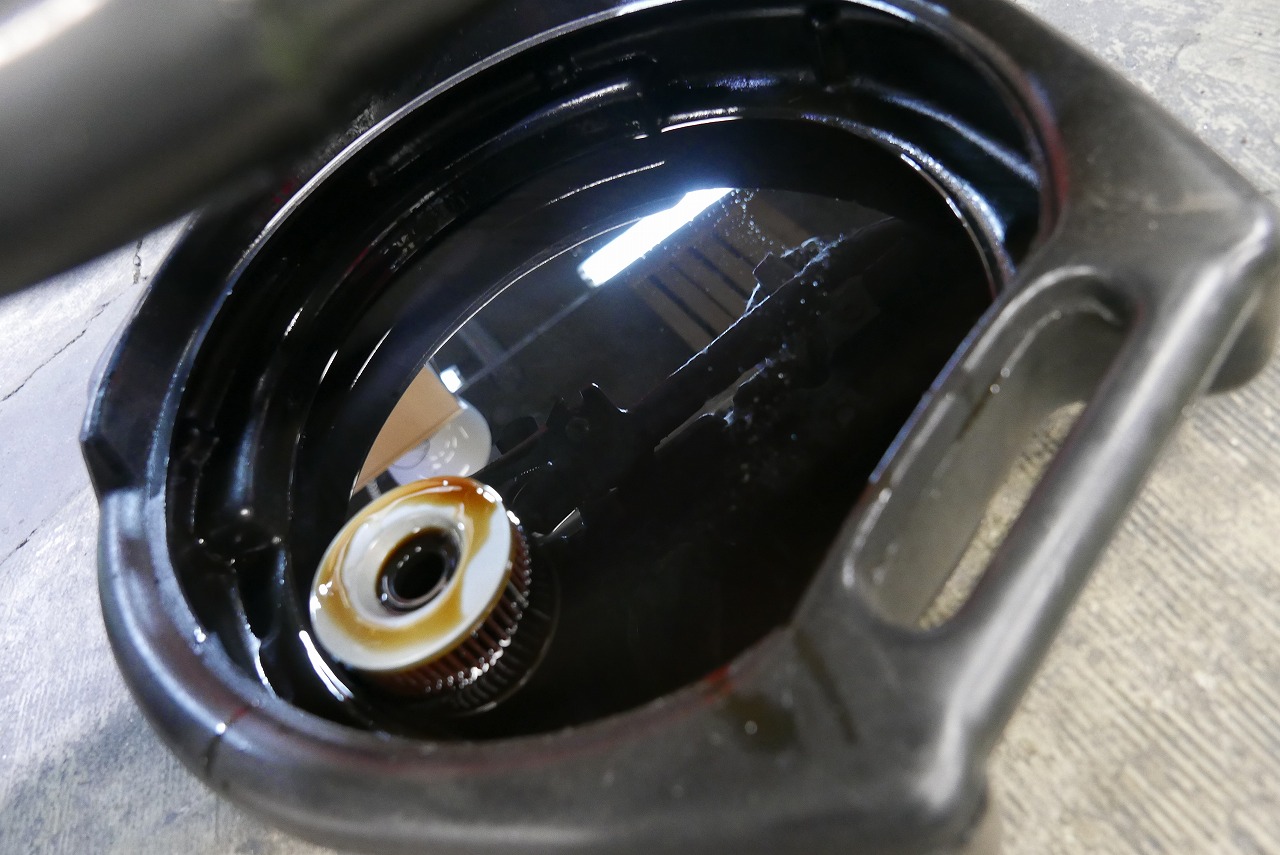
I lift the front and bring the fork to atmospheric pressure. Lubricating the clutch lever. The grease from last time is still there, so that’s reassuring. Let me clean it and replace it properly. Lubricating the brake lever. This one had some grease spray, but it wasn’t rubbing, so that’s good. I’ll clean it and lubricate with Newtech NC100. Lubricating the throttle and accelerator cables. For the throttle, cleaning and a light oil film is enough. Too much makes it heavy. Not enough and the handlebar gets worn and chipped. A light application, spreading it like lotion on skin, should be sufficient. Checking the rear axle shaft. The rear is more likely to be bent than the front. Maybe it’s because the chain pulls hard on it. The damper and wheel bearings should be fine. This is a good time to clean the key. Surprisingly, debris accumulates. Fuel cap. I apply a light coat of rust preventative and wipe it. The tank interior subtly gets condensation. I add it with the hope that rust prevention and gasoline won’t go bad as easily. I don’t think you need to add it frequently. Even if combustion chamber carbon falls (though the expected effect is small), I don’t think the improvement is dramatic. The spark plug burn is somewhat uneven. Since it’s still new, let’s shuffle them and see how it goes. I cleaned the air filter. Checking at what RPM maximum voltage occurs. *One-handed camera, one-handed tester, so the image is at idle. I adjusted the synchronization. I remove all fuses, polish them, and reinstall. The spare was one short, so I added one. I clean and lubricate the shift pedal shaft too. Even 1% smoother operation is good. The brake side had corrosion, so I polished it. I think if maintenance always includes a restoration element, things stay in good condition longer. The side stand is also disassembled and lubricated. It’s a very important part for getting on and off. When you ride, it’s nice to be able to focus just on riding. The fluid is CCI Golden Cruiser DOT4. Race fluid is nice, but for street use, the balance between durability and performance is very important. Not everyone can store their bike indoors and ride frequently. I changed the engine oil to Newtech NC50 10W-50. That completes this service.