We took our time with the delivery schedule, and it’s already been nearly five months—I’m amazed myself.
The flow goes: disassemble → takes up space and risk losing track of parts → prioritize inspection and maintenance → things keep getting delayed.
【To everyone】Work involving custom fabrication may have longer lead times depending on shop availability.
I always think about this, but custom work and fabrication jobs are definitely faster and finish cleaner when you ask a custom shop or fabrication specialist to handle them.
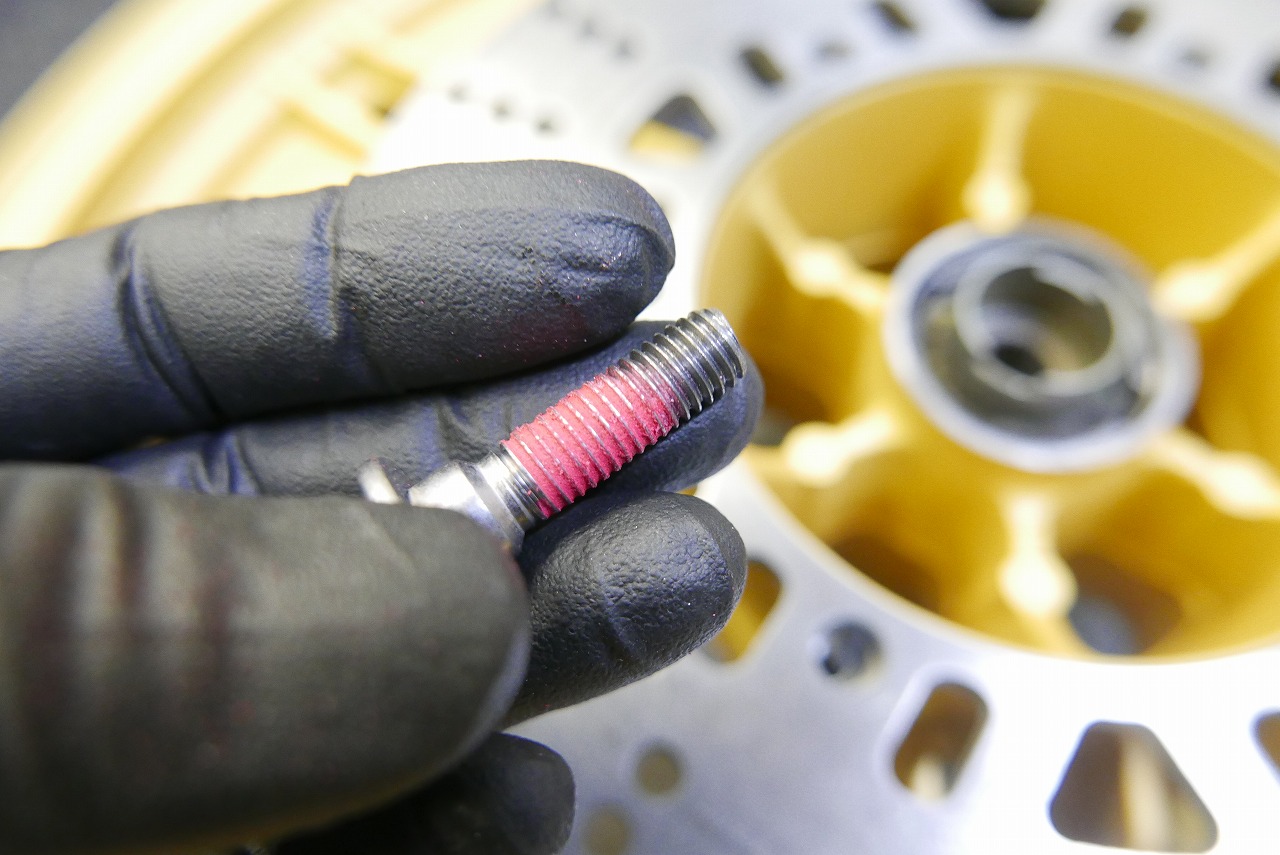
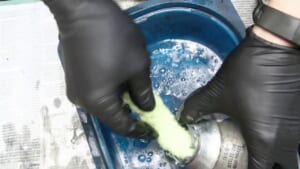
I dropped it and did the work at a shallow depth with liquid. (So it’s easy to remove if it breaks.)
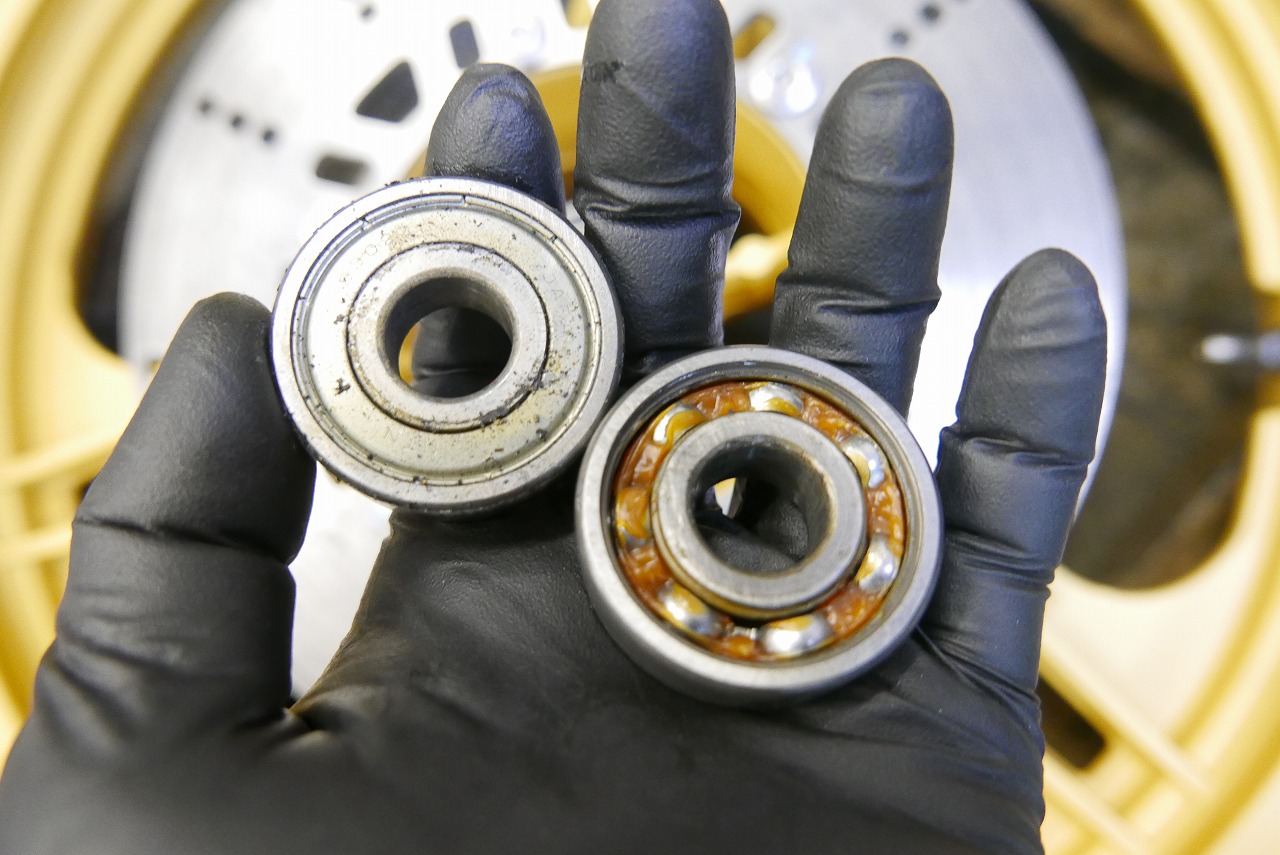
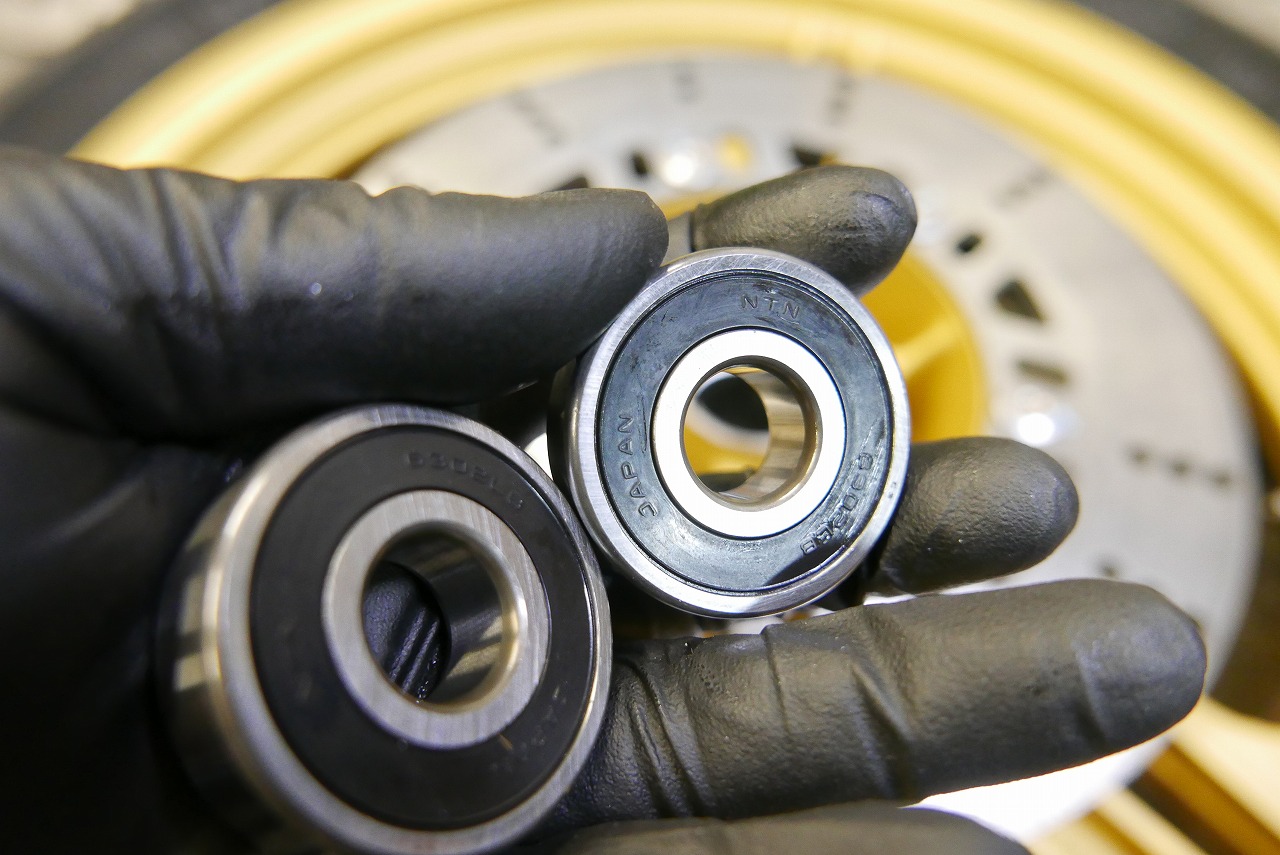
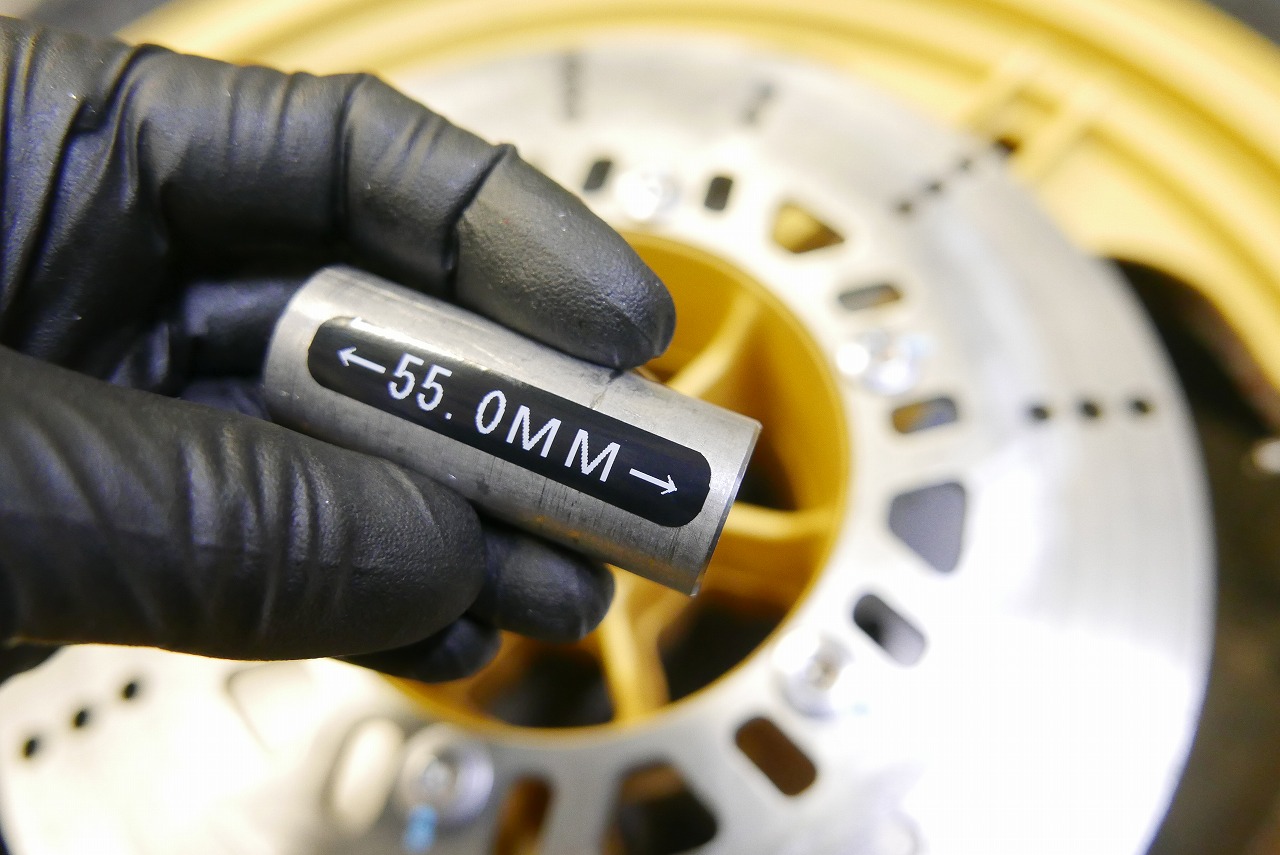
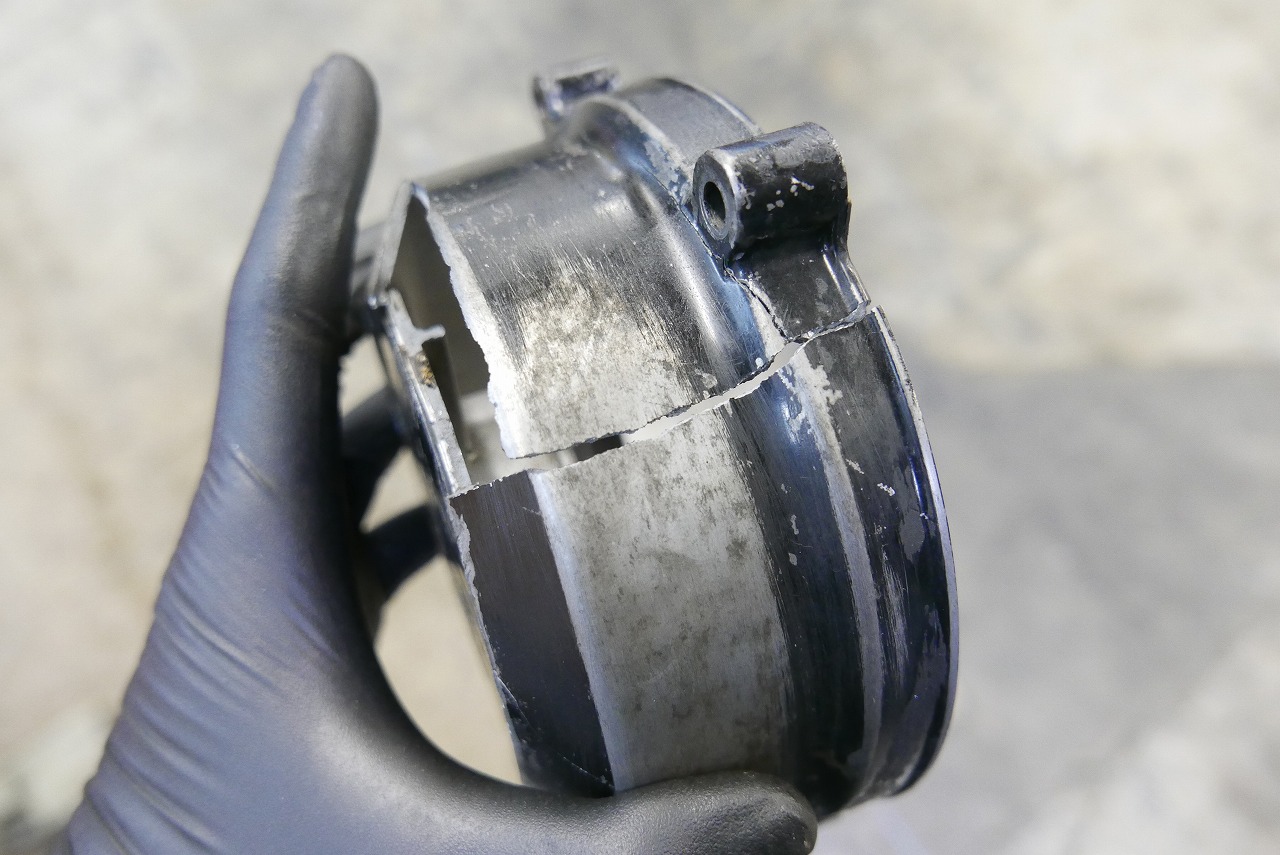
If it cracks lengthwise, surfacing is a pain and takes time, so we decided to replace it.
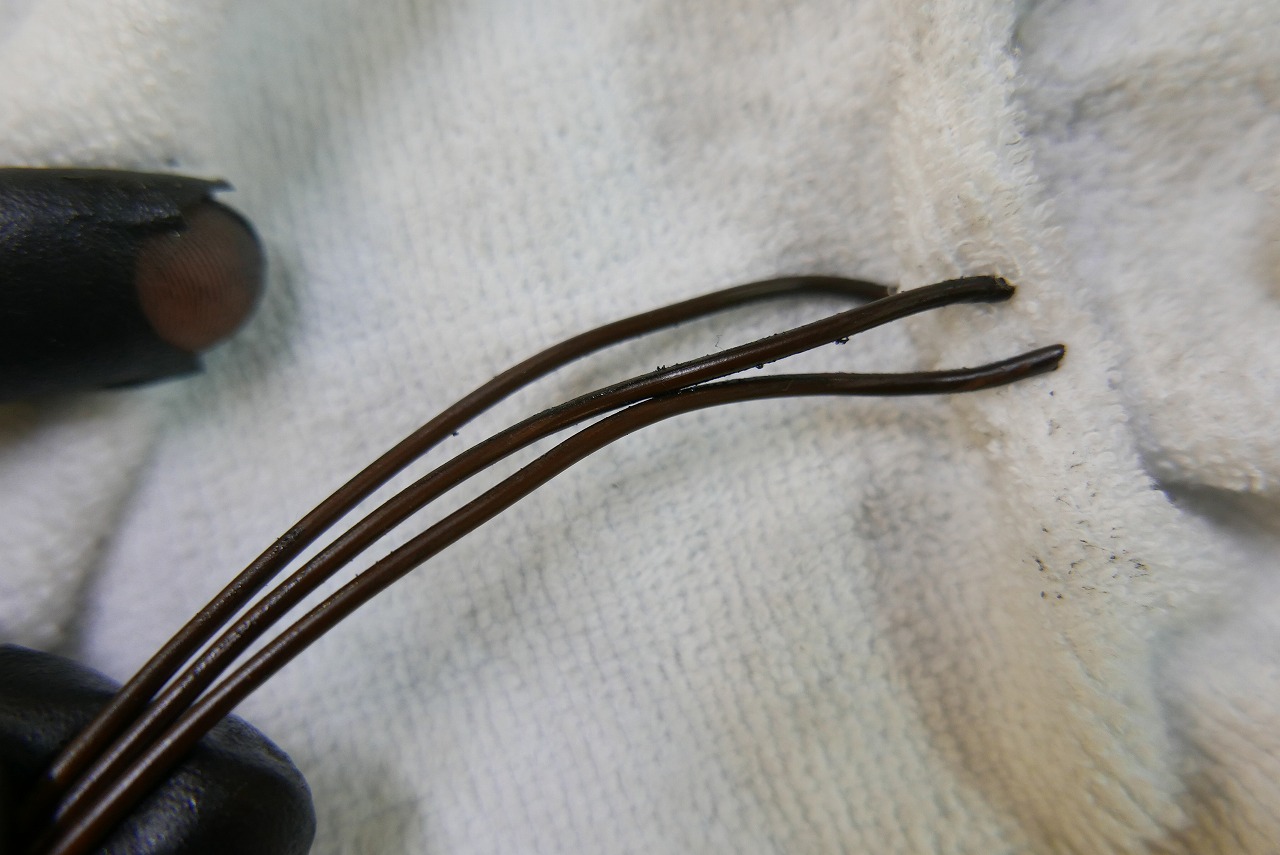
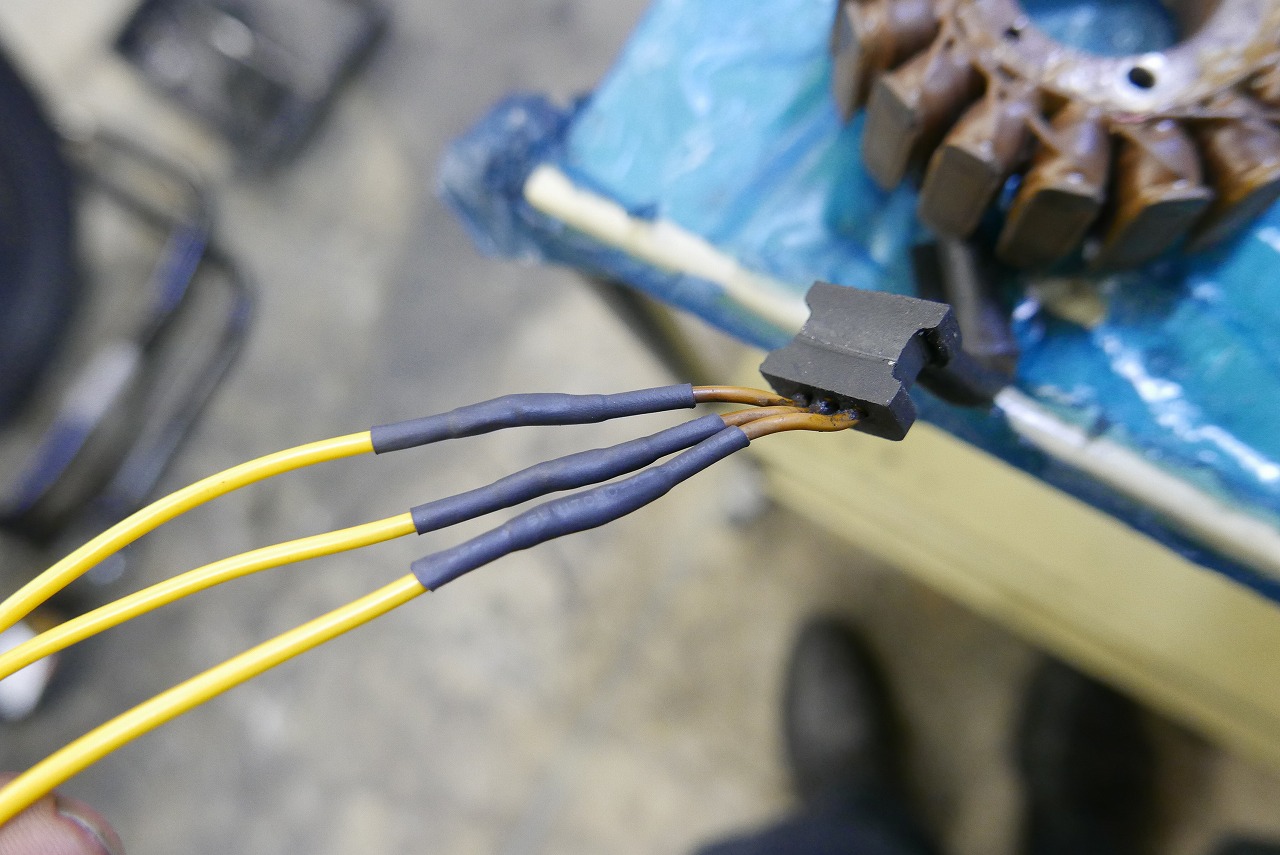
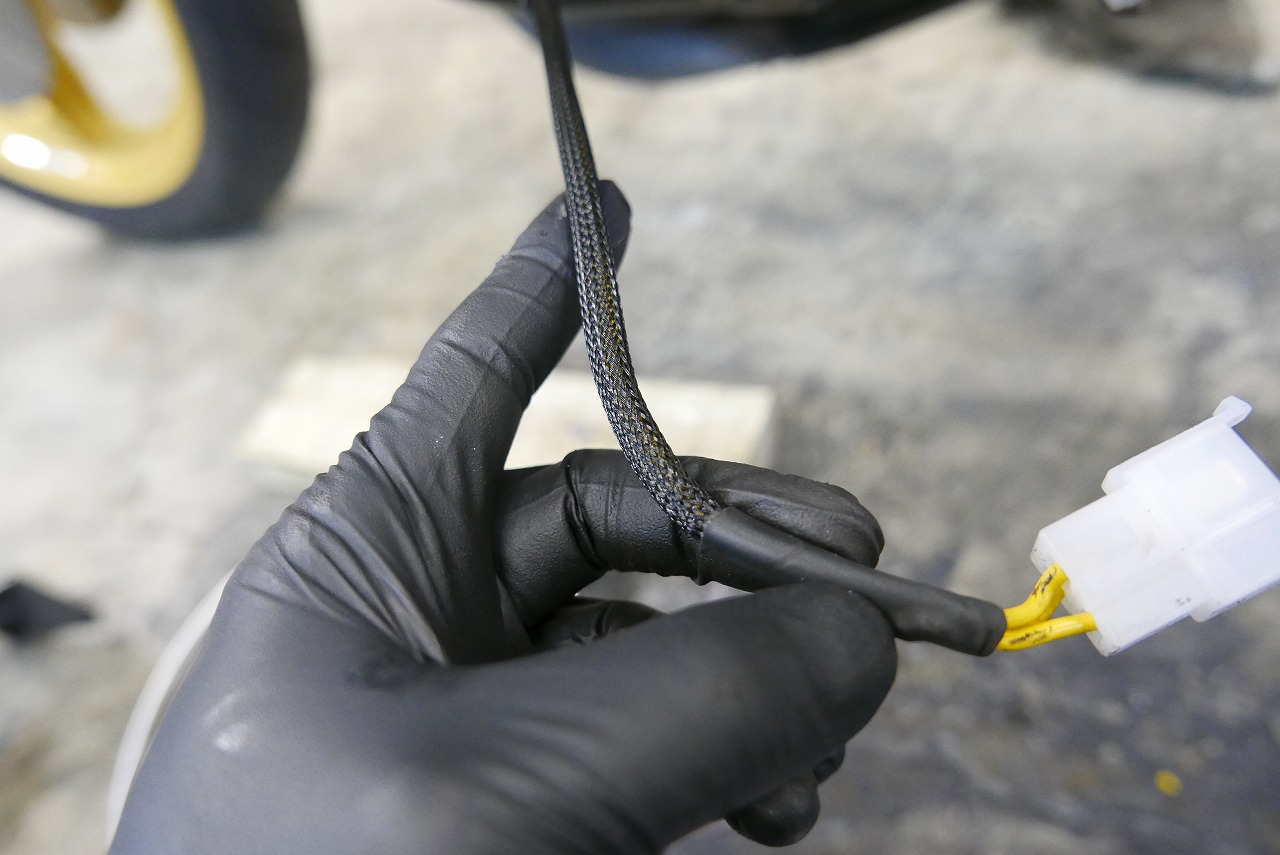
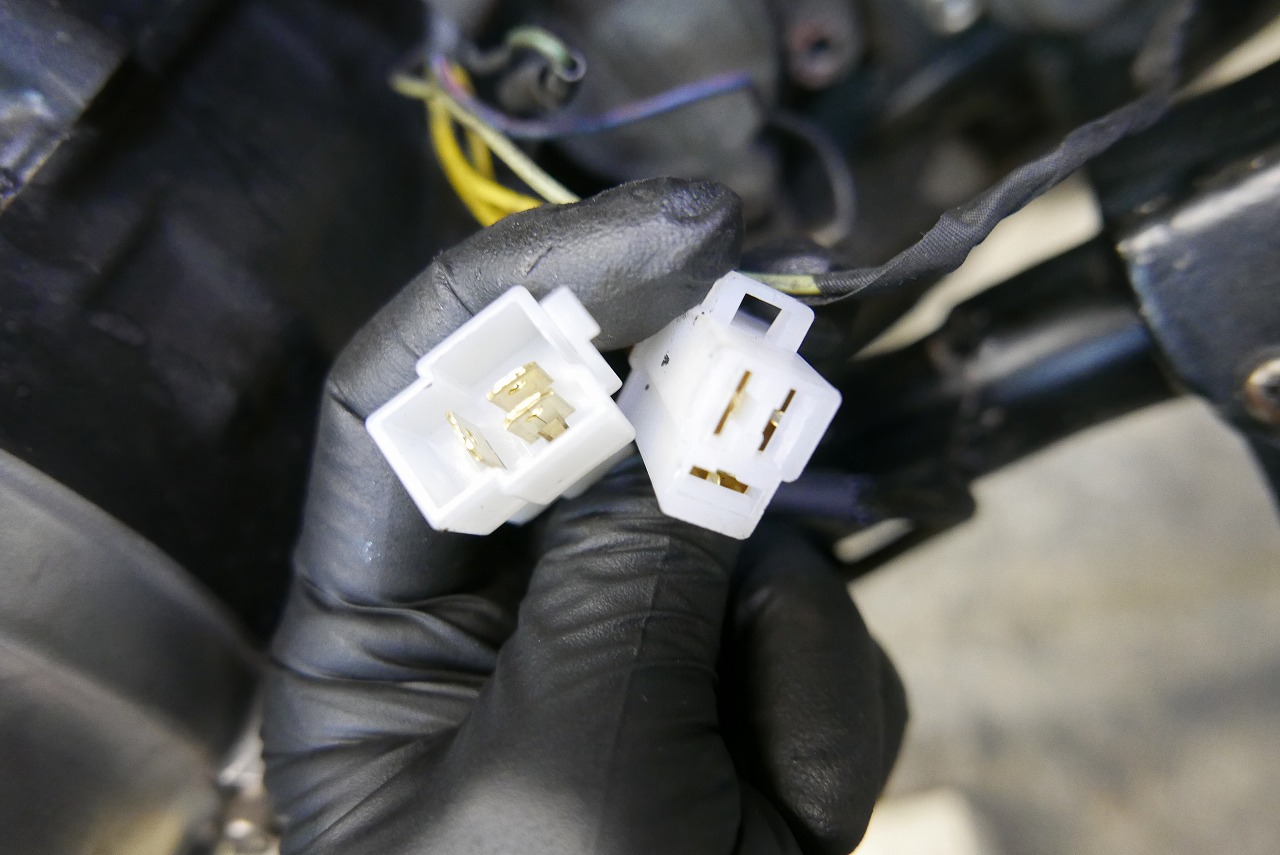
With just spade terminals,
• insertion can be sloppy (since you just hand-insert and call it done) *using a thin flathead screwdriver to seat them properly gives peace of mind.
• they loosen (= easy to come off, and contact becomes poor).
• labor increases. With connectors it’s one step, but with just spade terminals it’s three.
Taking a little extra time on one step improves both peace of mind and work efficiency going forward. Small things add up—slow and steady wins the race.
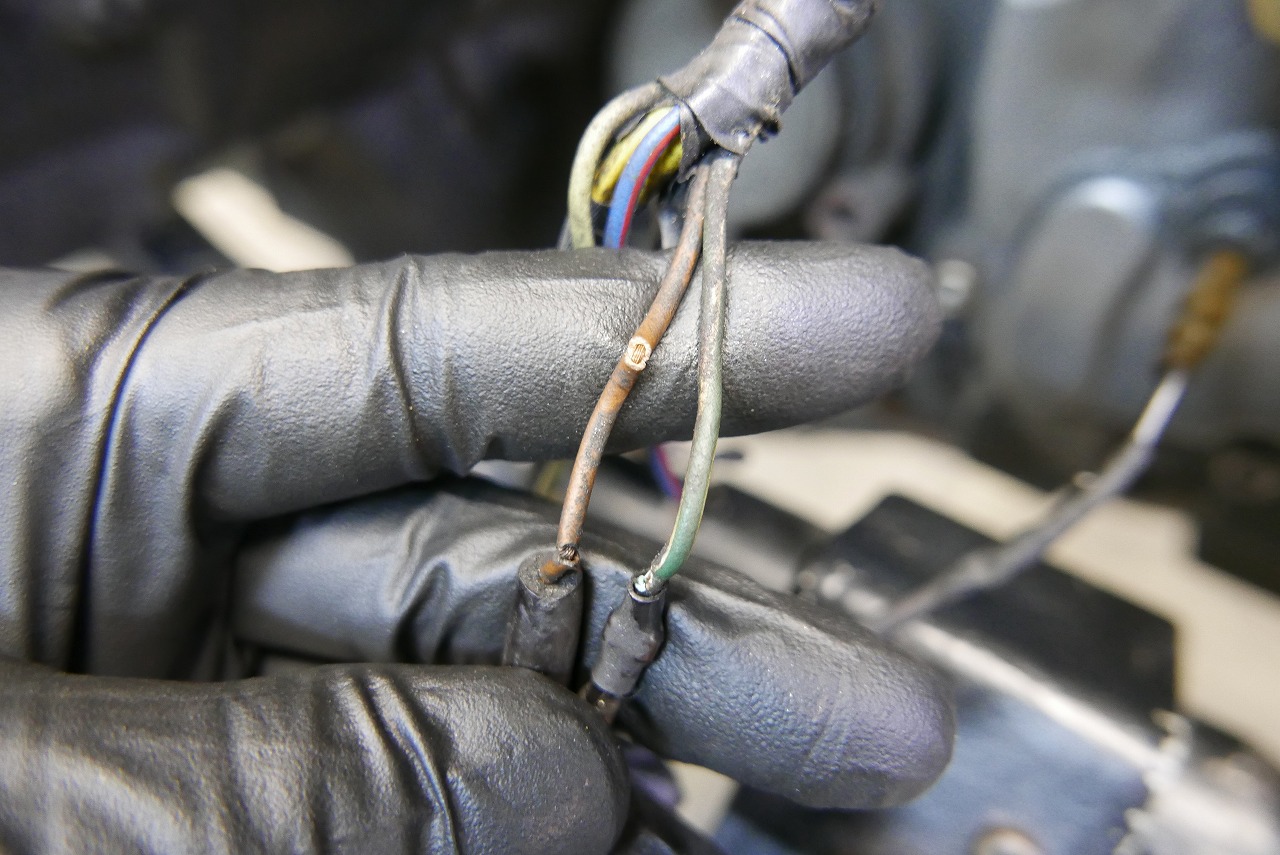
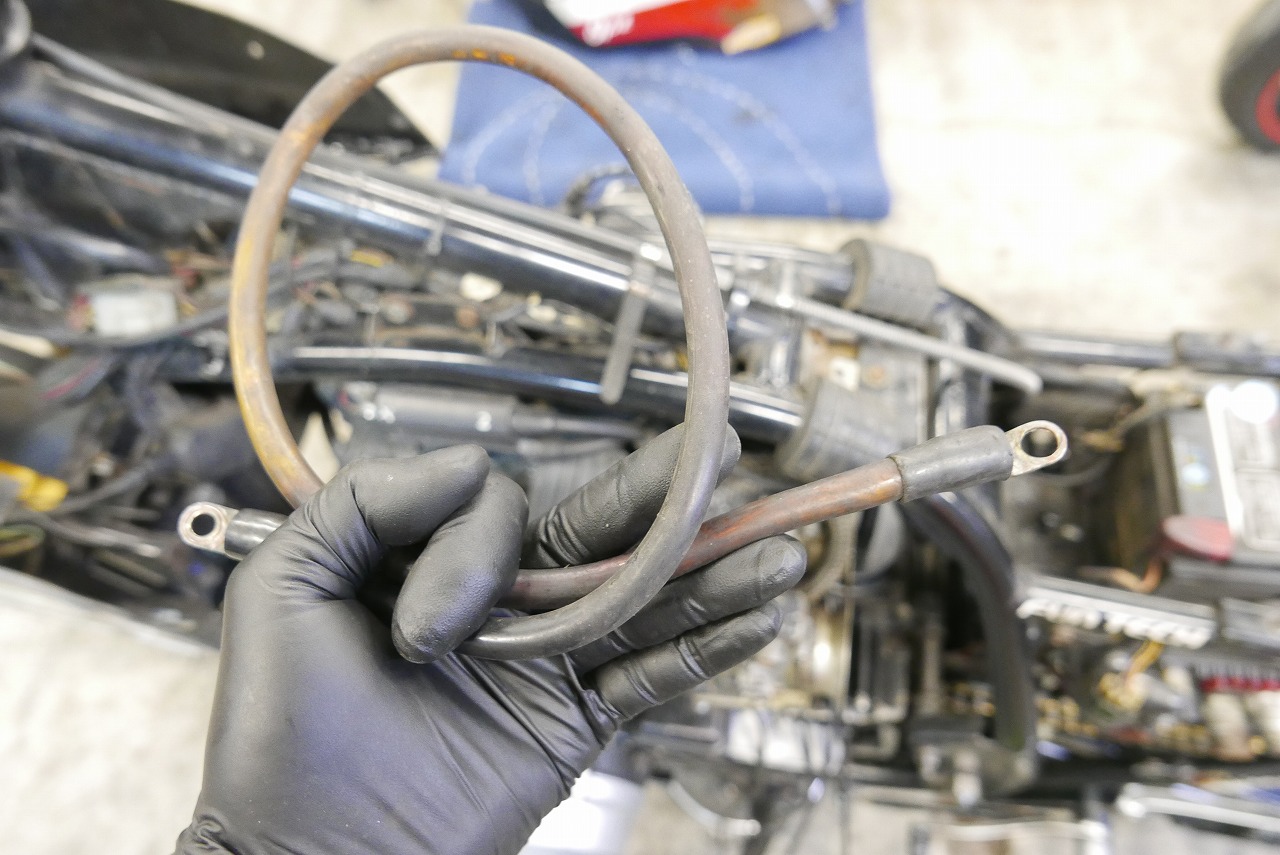
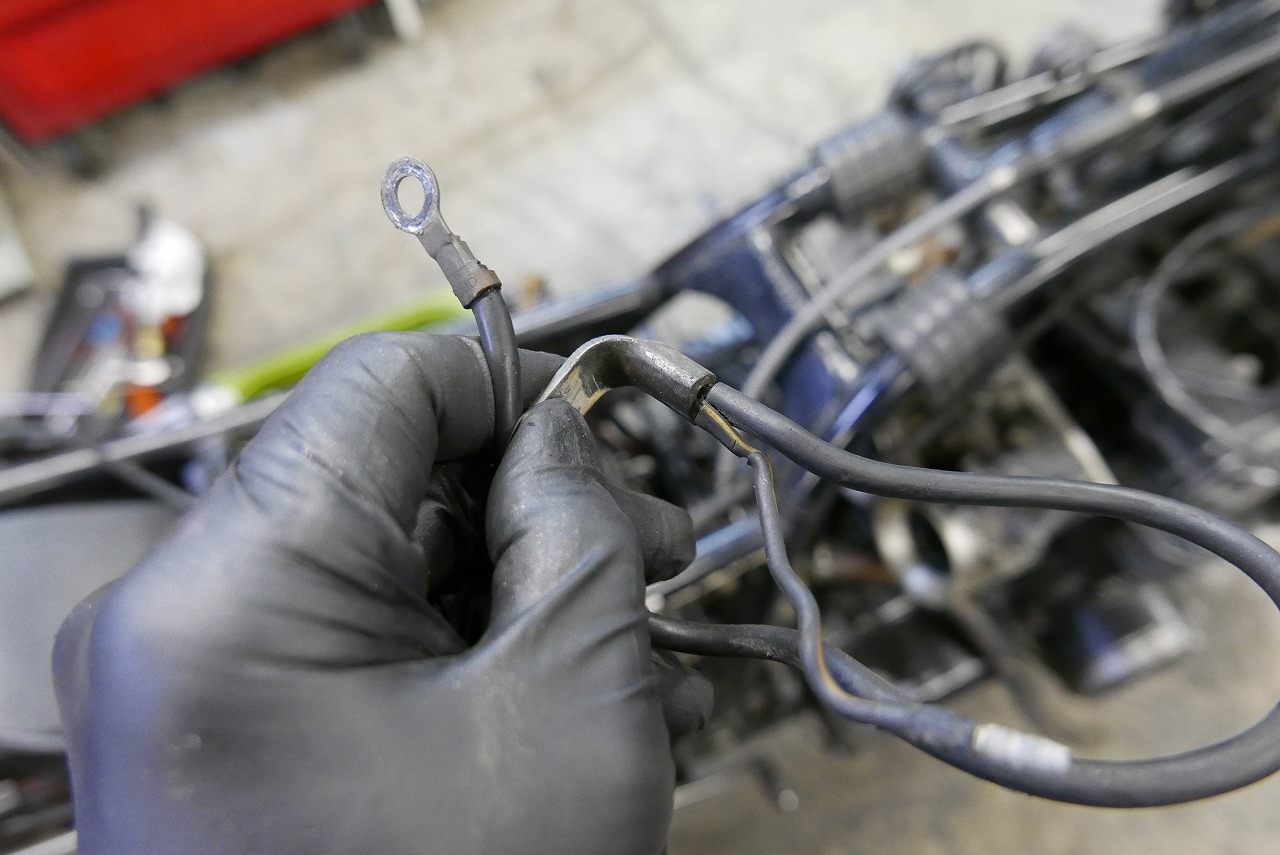
If you drop it from various points on the harness, maybe there’s some effect? I think so, but…
I’m not sure. Since it’s long, we’ll cut it out.
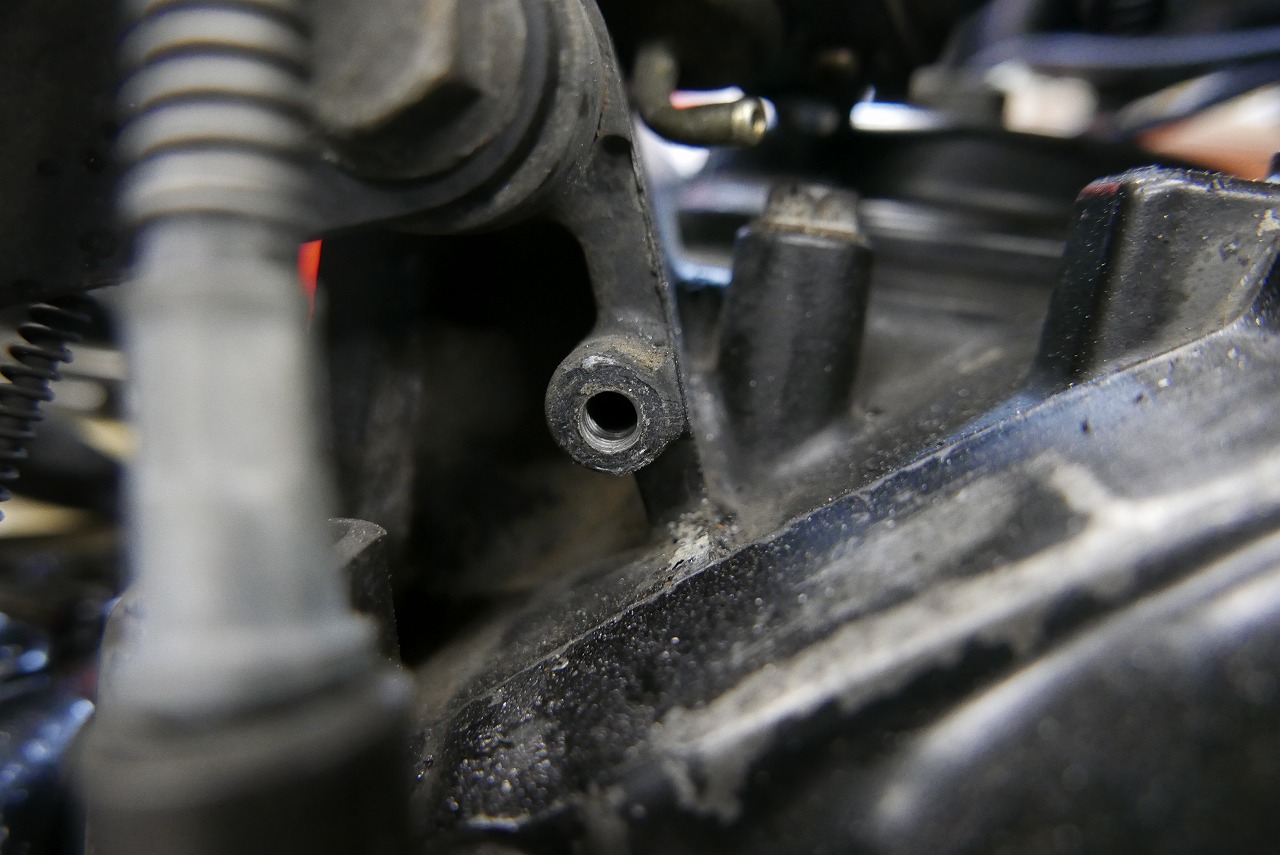
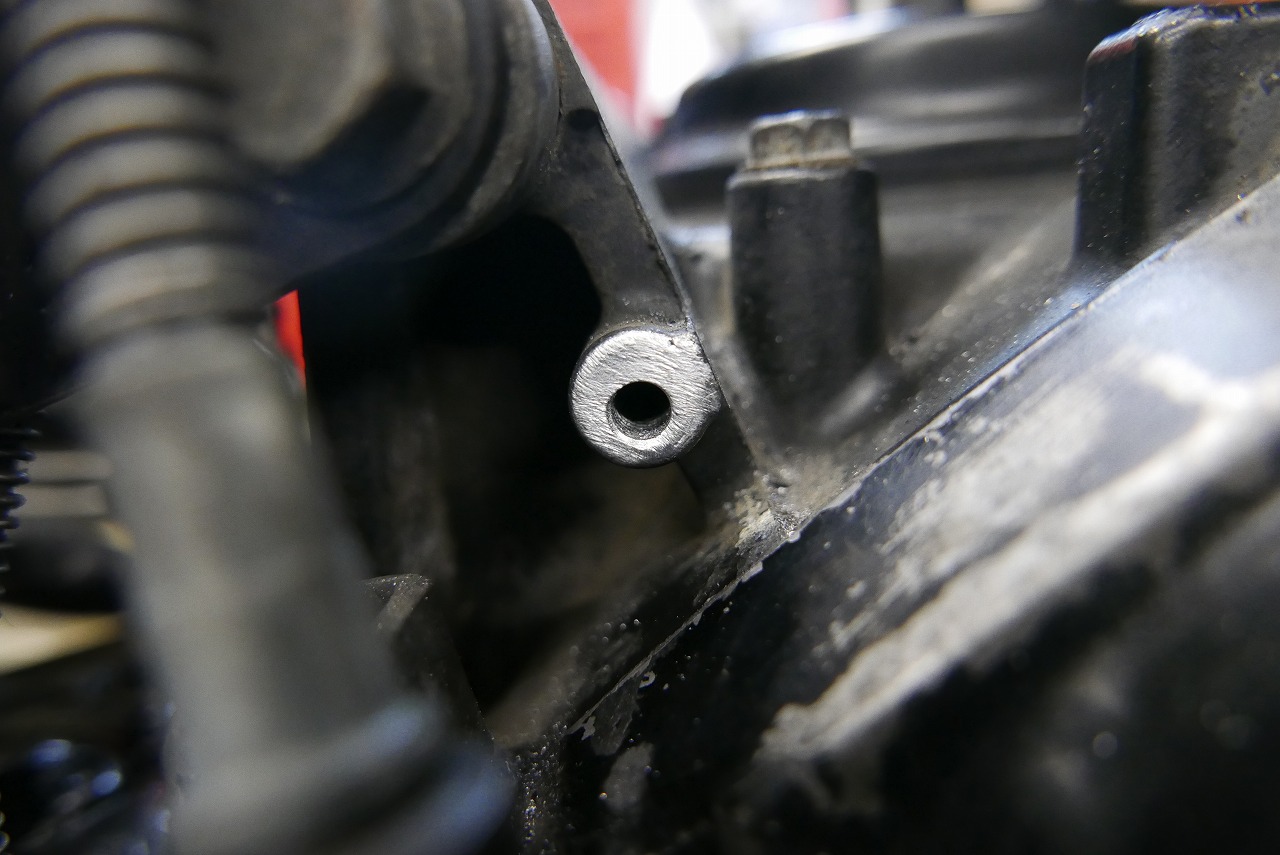
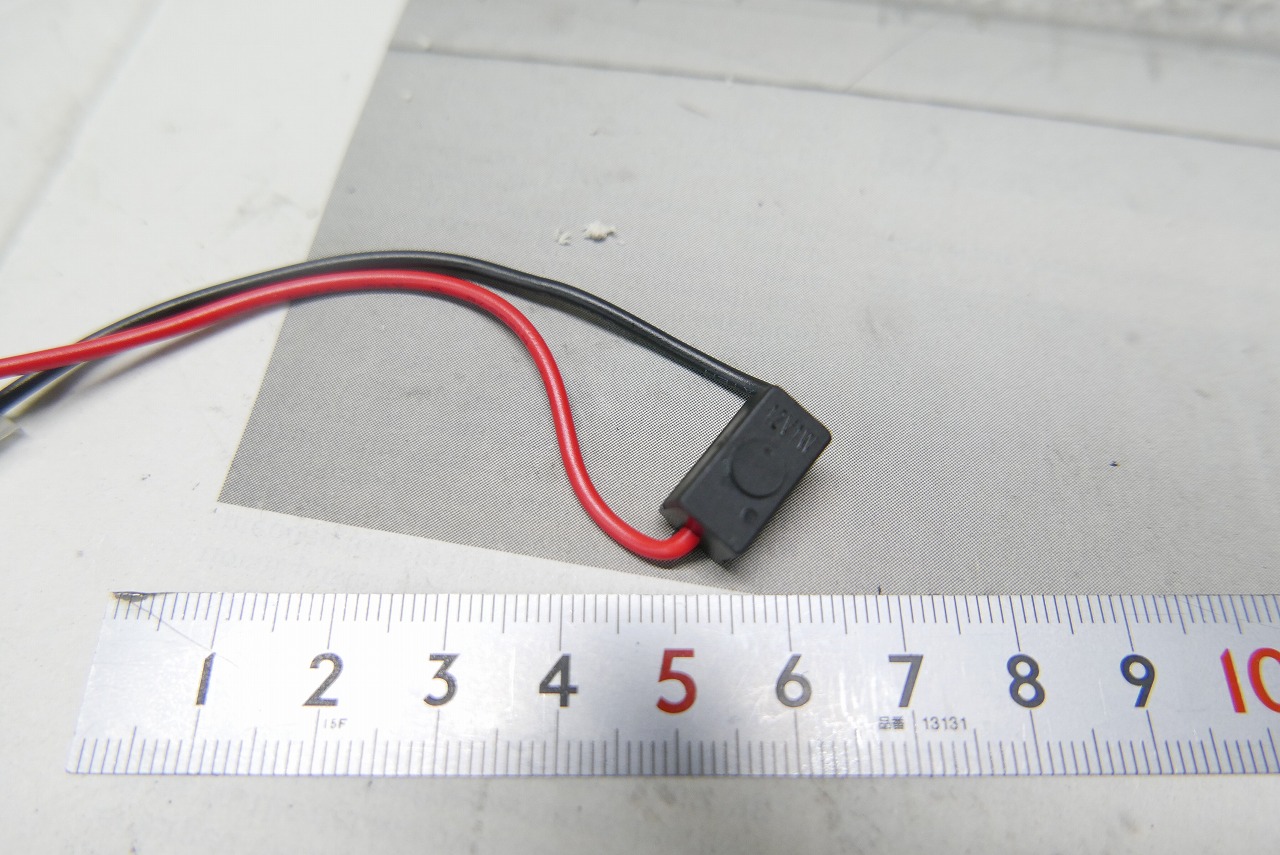
They have amazing products coming out constantly. Kijima’s IC turn signal relay
With this, you don’t Motogadget anymore.
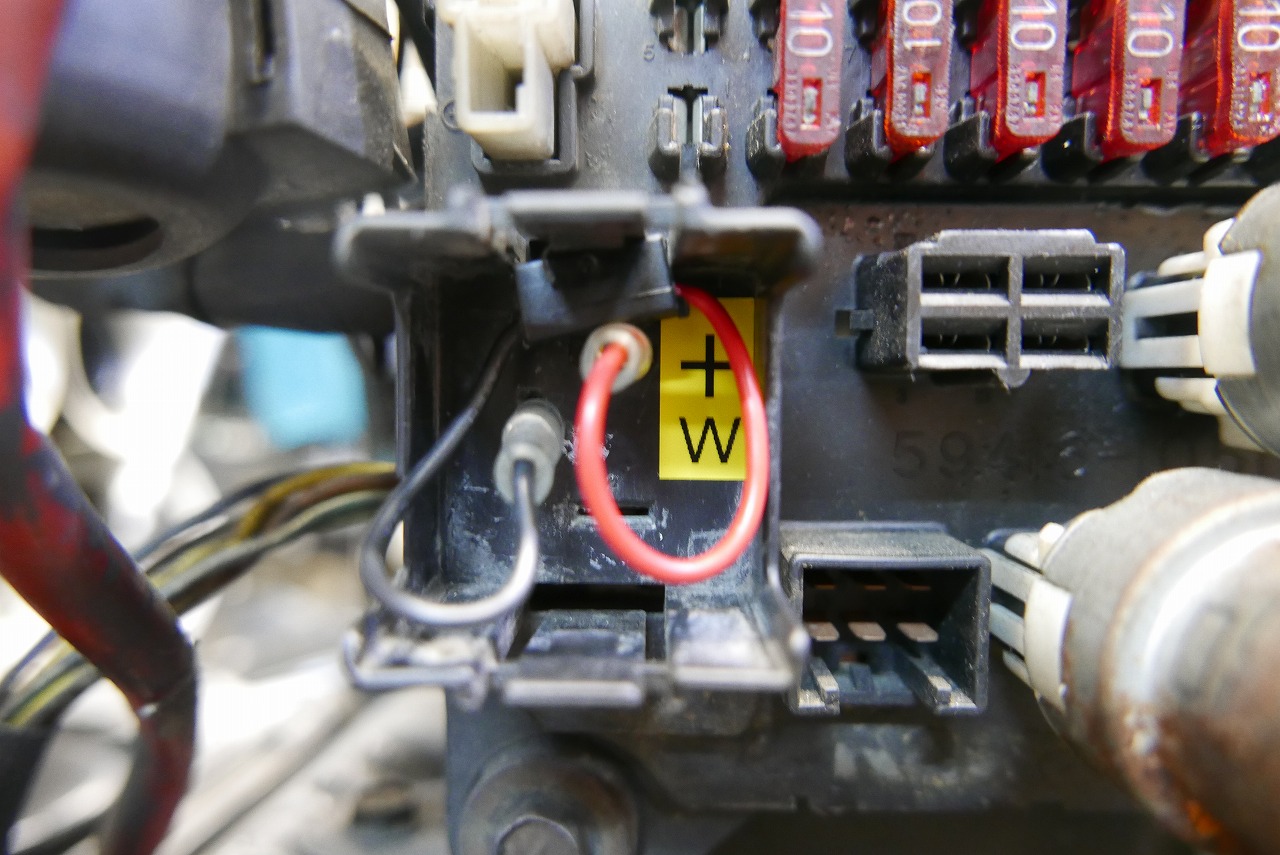
The label maker tape is so we don’t forget what things are in the future.
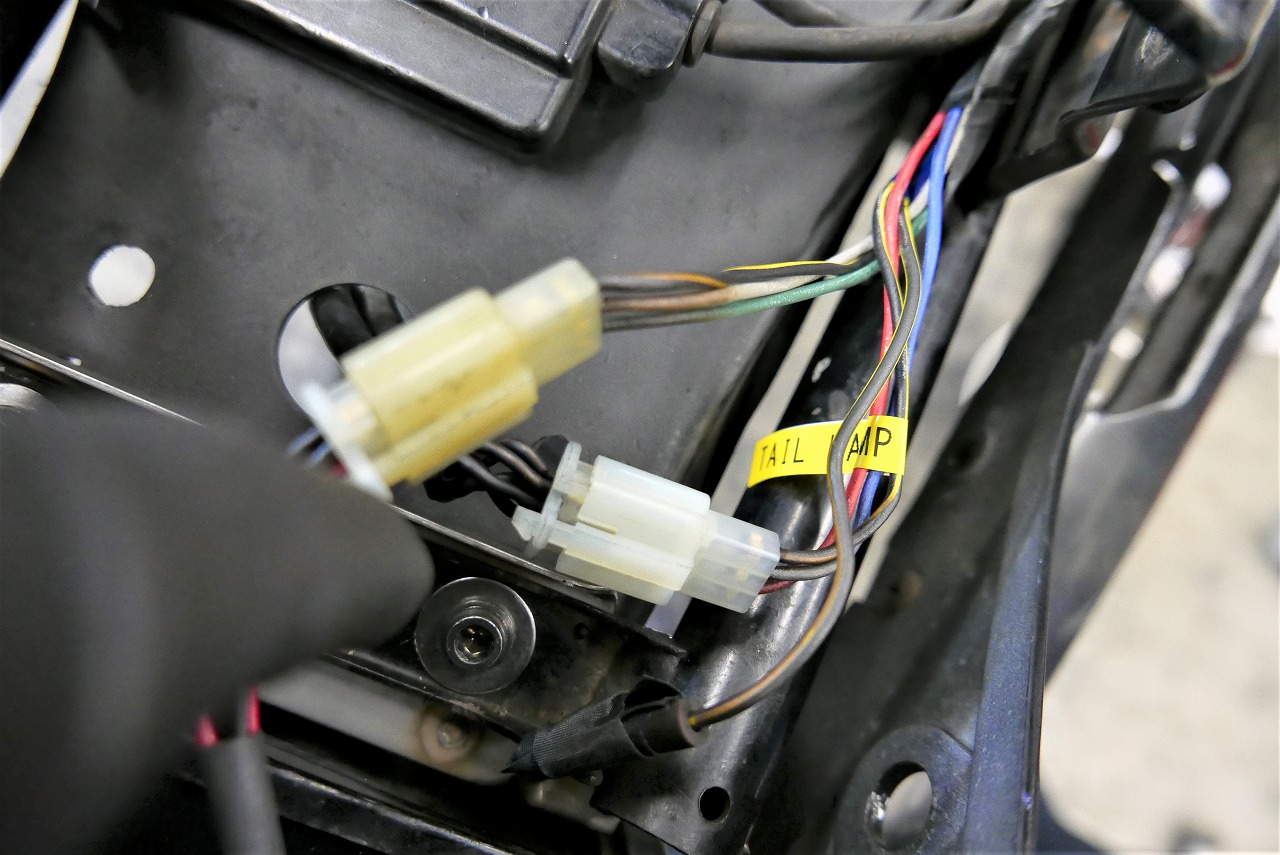
“Are you deliberately making this complicated?” That’s what I think. Even though the other end is a different color, everything is spade terminal connections.
Markings done with masking tape and marker…
The labor is the same whether you use connectors or not, I think.
I’m cutting corners on wiring. We made everything connectors. *If the shapes are the same, marking them is safer. And if you set the polarity so it doesn’t matter if you plug it in wrong, that’s even better.
Blogging is tough… ( ´ー`)フゥー...