At first, everyone’s head is full of just installing aftermarket parts.
Have you ever looked at the manufacturer’s suggested retail price for a part, agonized over it, saved up money, finally bought it, and then found out it doesn’t fit at all?
I had a friend who claims he can do it install it for me, but… how’s it looking? That kind of thing.
As people mature and gain experience, they come to realize that aftermarket parts must function in an orderly, organized manner.
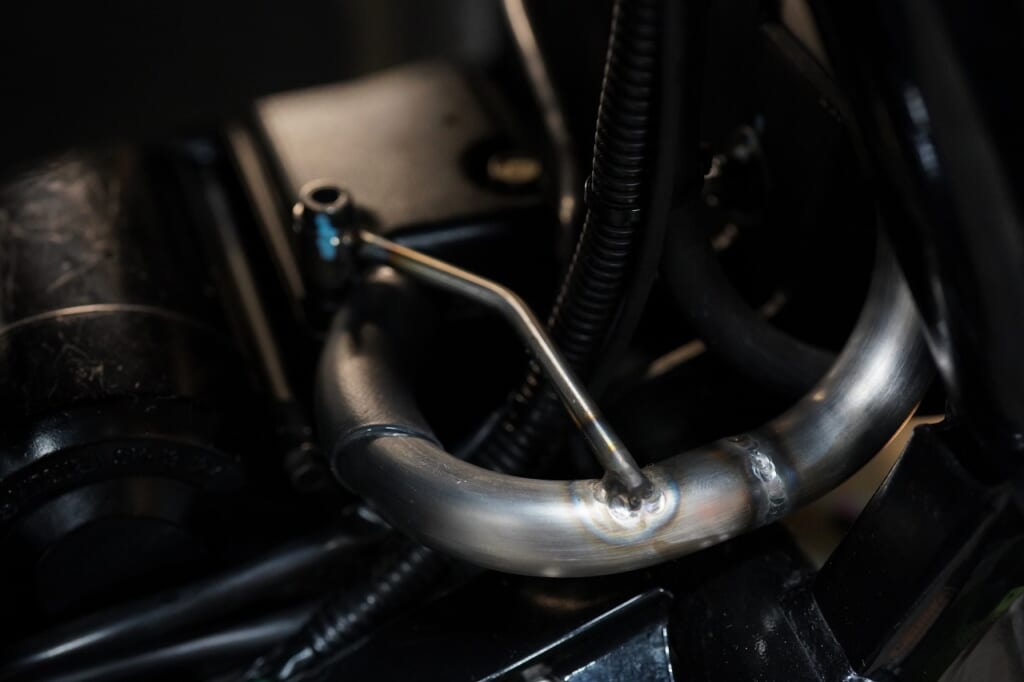
People become particular about material types and surface finishes, and eventually even start paying attention to weld beads. It’s tough on the shop side too. We feel it every day.
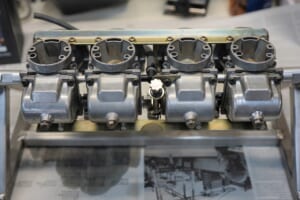
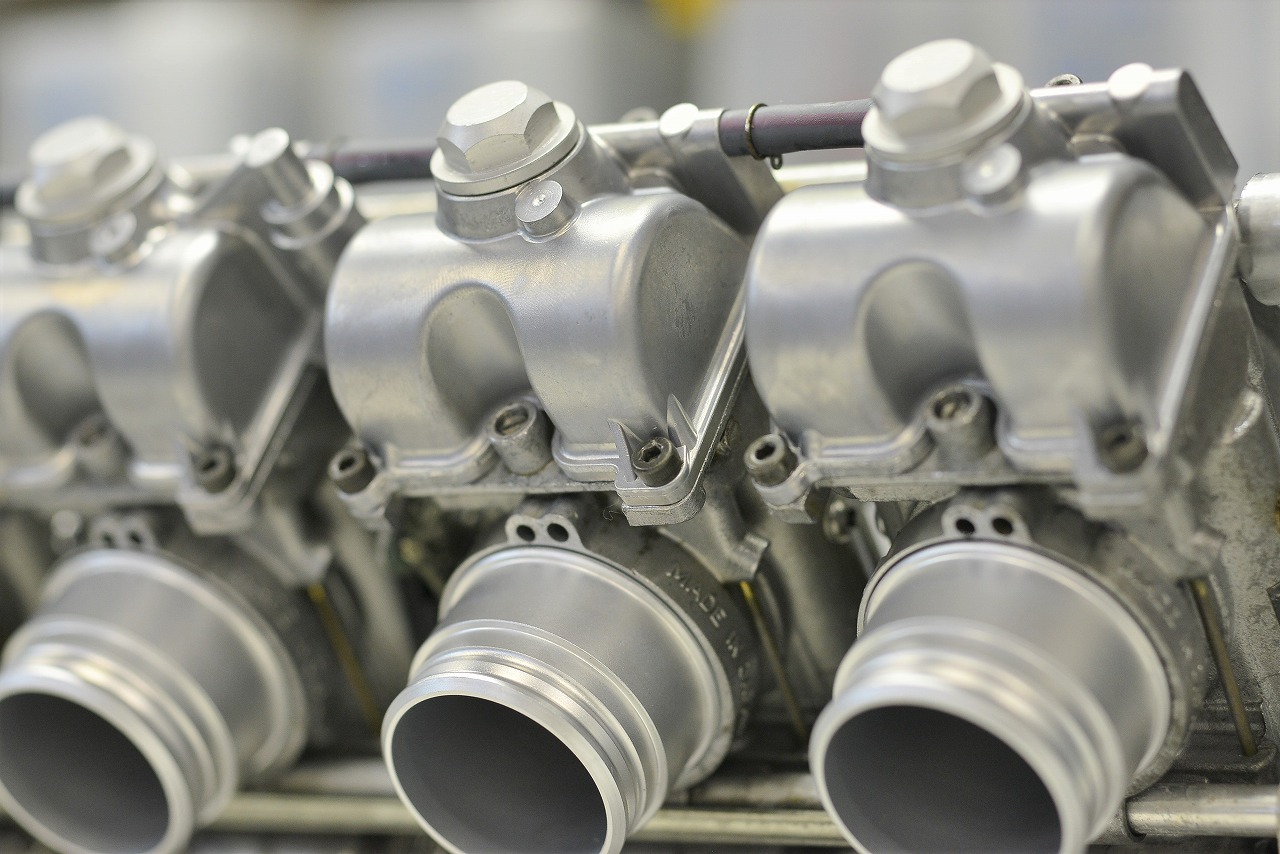
For example, say you want to swap out the carburetor.
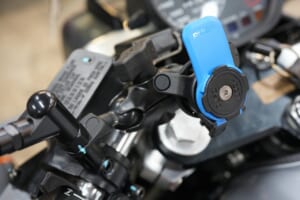
First off, the throttle cable won’t fit as-is. If you’re reusing the stock cable, you’ll need to modify the inner wire. If you’re replacing the entire throttle assembly, you’ll need to change the switch holder too. You run into issues with parts interfering with each other.
When swapping a brake master cylinder, you’re looking at the reservoir tank, reservoir hose, tank bracket, brake hose, and then fluid and gaskets—it becomes a huge number of parts.
And these assembled parts don’t always bolt on as-is. You have to select the throttle cable length based on handlebar position and carefully plan the layout.
With the brake master cylinder, you might need to fabricate a tank bracket, think through the hose routing, and even consider fork stroke.
When you custom-fabricate individual pieces and work through the fitting process, the end result is clean and orderly, and the work itself becomes easier.
Universal parts sold off-the-shelf offer high flexibility in installation, but they require lots of bolts and fasteners, and removal takes tricks and effort. (Labor costs go up.)
If all you care about is having the part attached, that’s fine. But when someone other than the owner who did the work tries to service it, things get very messy.
Bikes with sharp custom fabrication or heavily modified builds require a lot of thinking time and effort, so we firmly decline such requests at our shop.
If you bought it used, there’s only so much you can do, but if another shop did the work, I think it’s best to have a thorough discussion with that shop and have them take responsibility all the way through. That way both sides learn and gain experience.
Basically, I like jobs that finish on schedule without hassle.
If everyone thinks about doing things right and doing them well, I think everyone ends up happy.