What’s so good about oil-cooling? It’s Suzuki, after all… (´;ω;`)
I get it—I didn’t like Suzuki either at first.
The reason? “One of the most common surnames, top three?” (Seriously.)
Like Suzuki, Satou, Takahashi…
Anyway, I really want to share the good points.
But we can’t forget the fact that many parts are discontinued and reproductions are scarce—it’s even classified as somewhat “no future” in some circles. (*’ω’*)
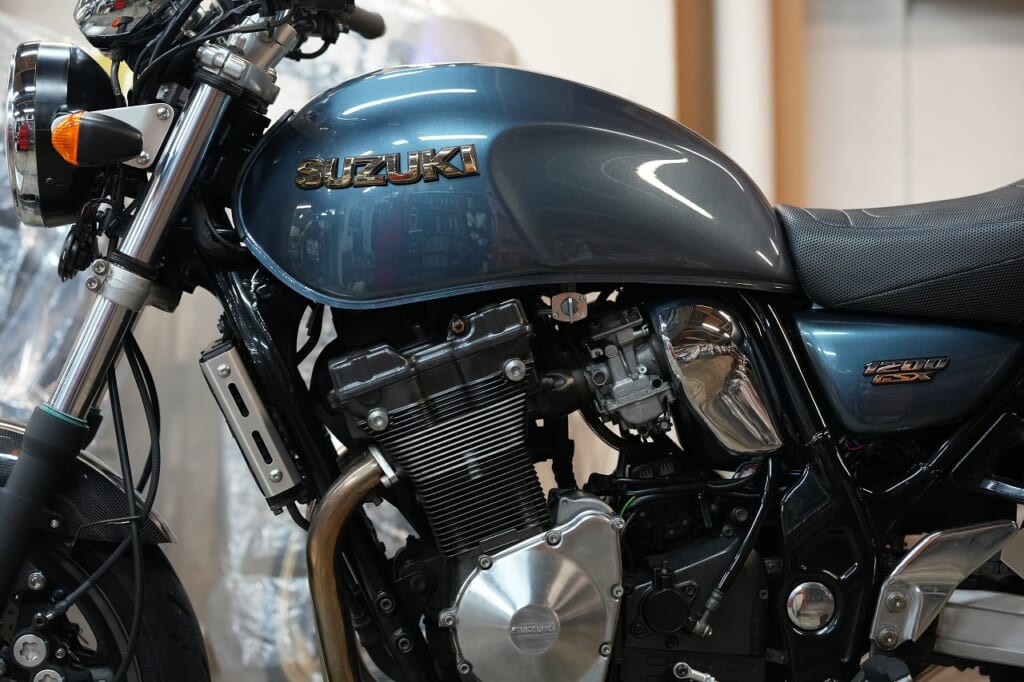
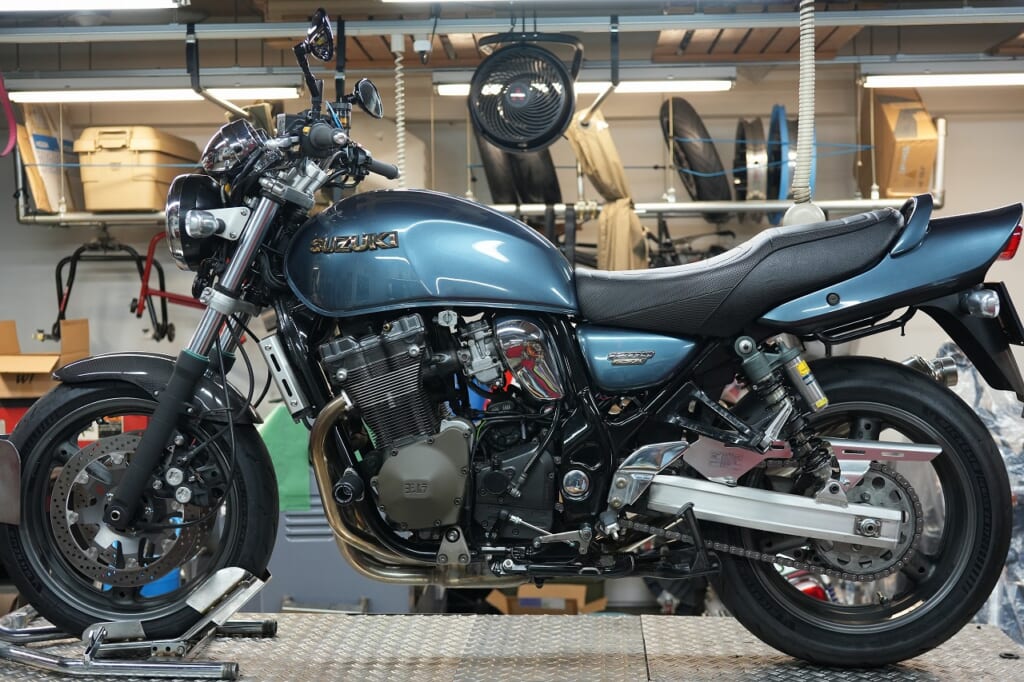
Basically, air-cooled with unparalleled simple and beautiful design.
The construction is extremely simple, so I think it’s a bike with very few failure points.
And the toughness of this oil-cooled engine is truly, truly reassuring.
You can safely ride it for at least 80,000 kilometers without transmission issues or oil consumption problems.
In other words, being able to remove engine worries from your mind is a huge plus for maintenance costs.
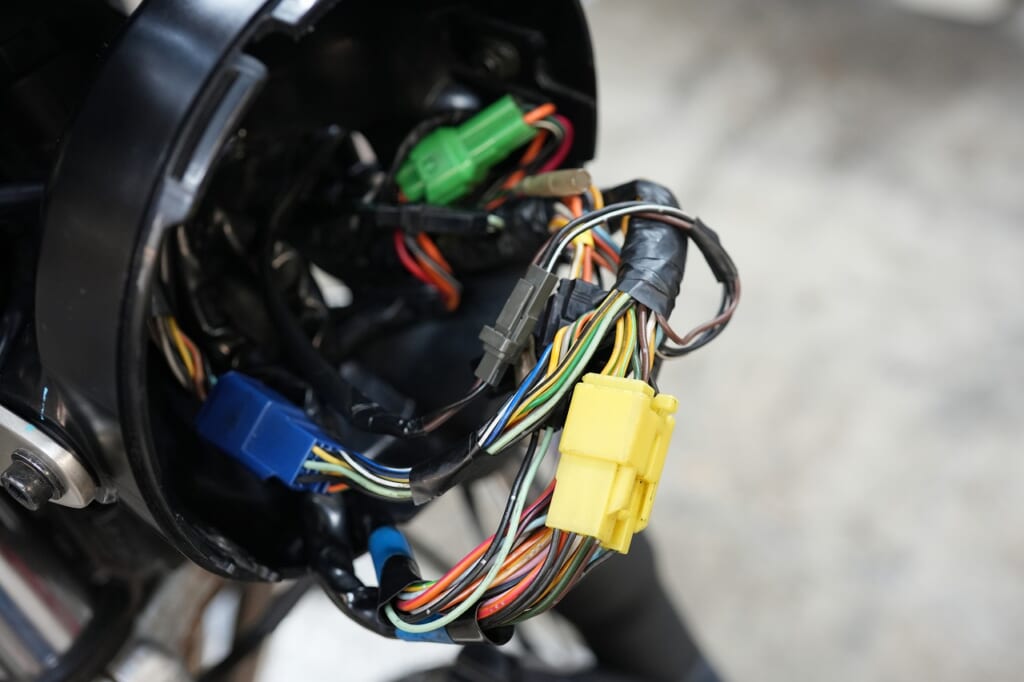
The electrical system is incredibly durable. (*´ω`*)
I’ve never seen anyone have an igniter fail.
The ignition coil is about the only thing that rarely gives trouble…
As long as you don’t do anything weird, engine and electrical troubles are quite rare.
Problems breaking down on the road are extremely unlikely.
This advantage is a huge plus for both peace of mind and your wallet.
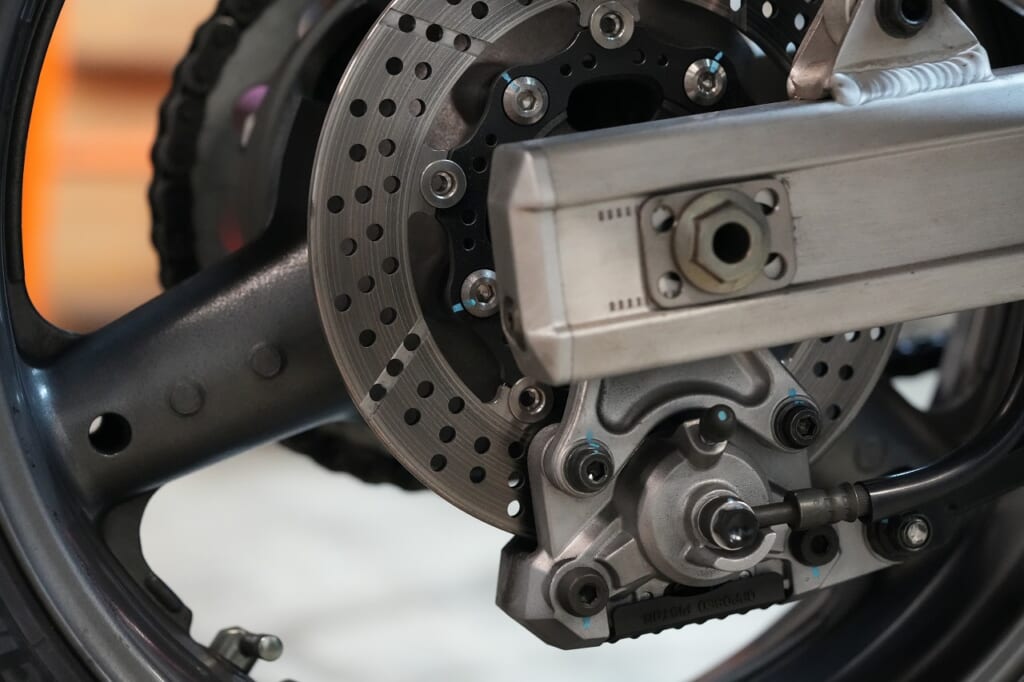
Suzuki is seriously a parts-swapping paradise. (*’▽’)
These days, the hallmark of a beloved model is… parts compatibility.
It’s like a flavor-swap paradise—soy sauce becomes salt… that kind of thing.
Suzuki as a manufacturer basically loves compatibility. The cross-compatibility is incredible.
Wide compatibility means affordable parts and long production runs—that’s the kind of maker they were… ( ;∀;)
There aren’t many “slightly different” tricks, so there’s real fun in researching.
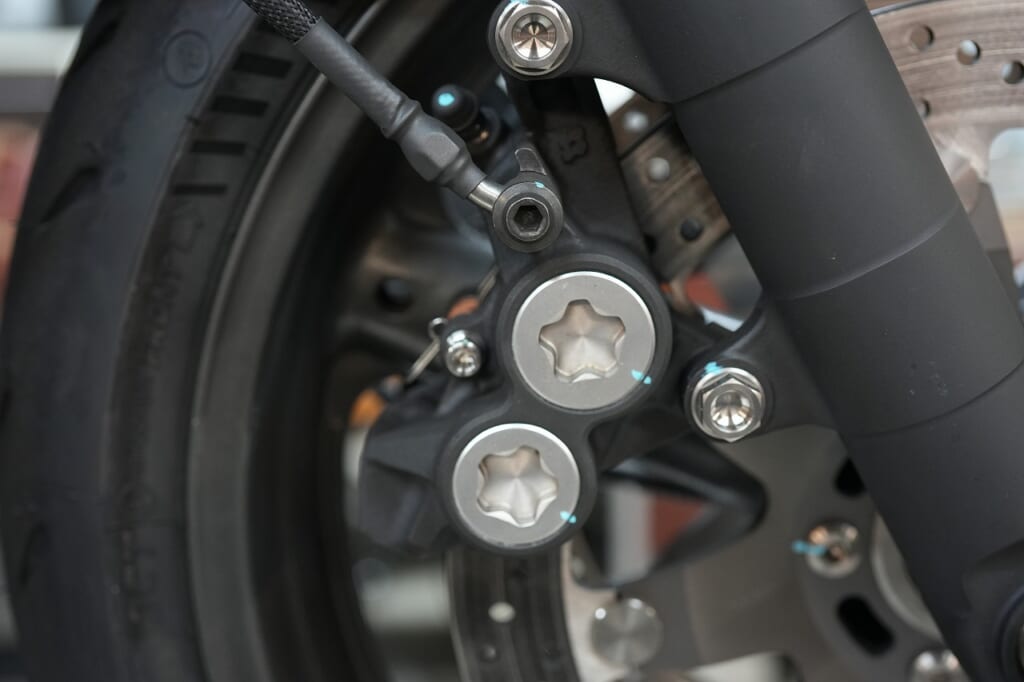
Aftermarket parts are hard to come by. ( ;∀;)
Basically unpopular with few domestic units, so Suzuki’s aftermarket development doesn’t lead to expanded sales.
It’s a bit tough, I’ll admit…
But if it’s mine, I just modify something else and bolt it on! That’s my thinking.
Customers, though—yeah, that’s genuinely tough for them.
But if you research carefully, there are actually plenty of parts you can target, so don’t give up!
*Though it won’t be quite like Kawasaki… ( ;∀;)
Surprisingly affordable—which is great, but also kind of sad. (*’▽’)
This Inazuma 1200 cost around 500,000 yen.
That’s an unthinkable amount for me… but I couldn’t find another one.
Still, in a world where three-digit ten-thousands are the norm…
I don’t think prices will spike much, and you won’t lose money.
It’s a very accessible and enjoyable bike.
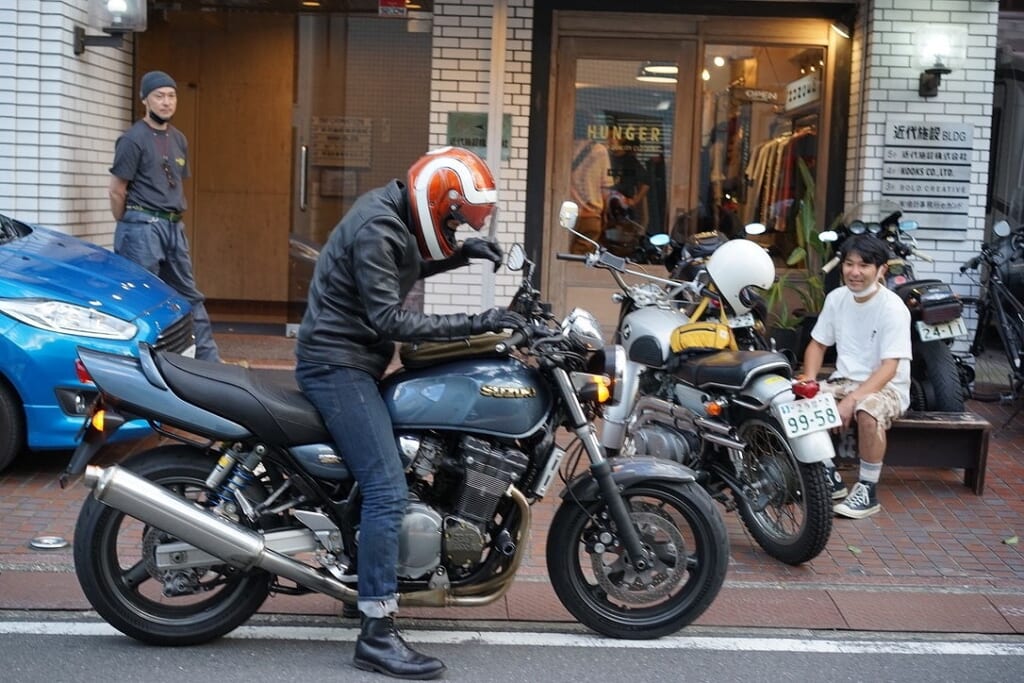
Nobody gives it a second look. Low theft risk.
Park it anywhere and nobody notices.
“Huh? A Zephyr? Oh, it’s a Suzuki…” *turns away* That’s the vibe.
You could probably even leave the key in it and nobody would care.
A bike that gets attention is surprisingly tiring. There’s something nice about flying under the radar.
Including overseas versions, 600/750/1100/1200—parts swapping is a blast! (*’ω’*)
Globally, I think an incredible number were sold.
Parts compatibility among them is genuinely fun.
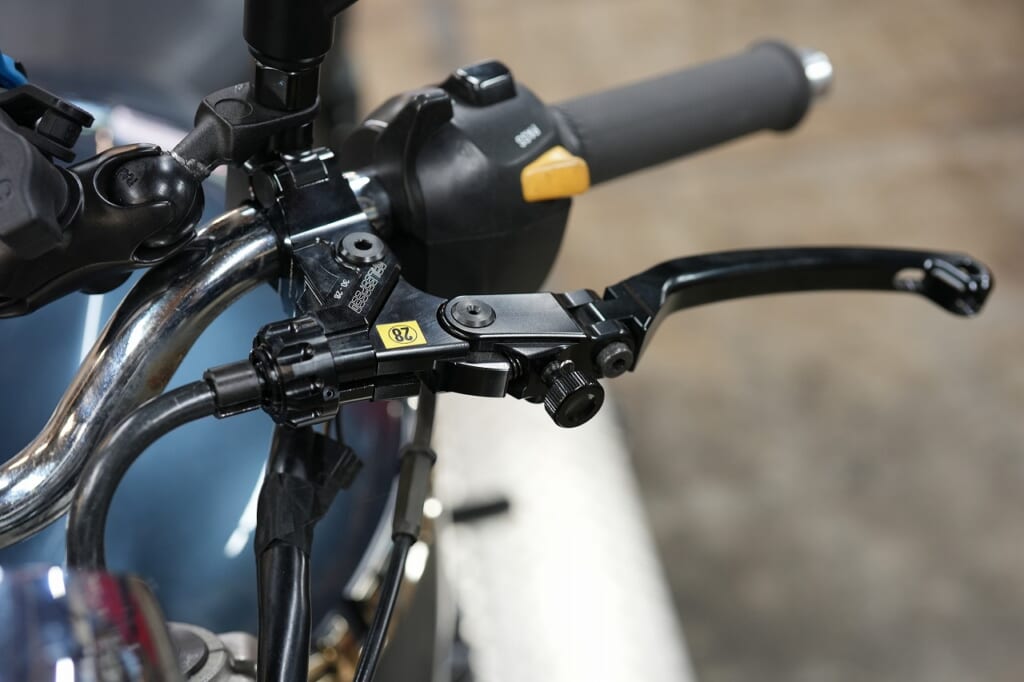
Just the other day I converted it to a cable clutch—that kind of thing is possible too! (*’ω’*)
Your imagination is the limit! How about a deep and alluring oil-cooled machine?